
چکیده
انتخاب یک تیغه لبه برش مناسب برای یک لودر تعیین پیامد عمیقی برای کارایی عملیاتی و صرفه اقتصادی ماشین آلات سنگین در ساخت و ساز است., معدن, و بخش های کشاورزی. این تجزیه و تحلیل فرآیند چند وجهی انتخاب یک تیغه مناسب را بررسی می کند, فراتر از در نظر گرفتن سطحی هزینه به بررسی عمیق تر علم مواد, طراحی مهندسی, و الزامات خاص برنامه. این فرض می کند که یک انتخاب بهینه یک ثابت جهانی نیست بلکه یک متغیر وابسته به زمینه است, مشروط به عواملی مانند ساینده بودن زمین, سطح تاثیر کار, و شرایط اقلیمی تئاتر عملیاتی. این گفتمان به خواص متالورژیکی فولادها می پردازد, از جمله درجه سختی و نقش آلیاژهایی مانند بور, و این ویژگی ها را به چالش های عملی که در محیط های مختلف جهانی با آن مواجه هستند متصل می کند, از زمین های یخ زده روسیه گرفته تا ماسه های ساینده خاورمیانه. علاوه بر این, پروفیل های تیغه را بررسی می کند, پروتکل های نگهداری, و معیارهای انتخاب تامین کننده معتبر, با این استدلال که درک کل نگر از این عناصر برای به حداکثر رساندن طول عمر تجهیزات ضروری است, به حداقل رساندن زمان توقف, و تضمین سودآوری بلند مدت پروژه های مهندسی.
غذای اصلی
- سختی فولاد را مطابقت دهید (HB) به شغل اصلی شما: HB بالا برای سایش, سختی برای ضربه.
- یک تیغه لبه برش برگشت پذیر برای لودر در نظر بگیرید تا به طور موثر عمر عملیاتی آن را دو برابر کنید.
- طرح تیغه را انتخاب کنید, مانند دندانه دار, بر اساس موادی که باید به آن نفوذ کنید.
- برای جلوگیری از خرابی های عمده، بازرسی های روزانه را برای ترک ها و سفتی پیچ ها اجرا کنید.
- تامین کنندگان را بر اساس هزینه کل مالکیت ارزیابی کنید, نه فقط قیمت اولیه تیغه.
- تکنیک اپراتور به طور قابل توجهی بر میزان سایش و طول عمر لبه برش تأثیر می گذارد.
- درست استفاده کنید, پیچ و مهره های گاوآهن درجه بالا برای نصب برای اطمینان از ایمنی و عملکرد.
فهرست مطالب
- ترکیب مواد و سختی: روح تیغه
- طراحی و مشخصات تیغه: فرم دیکته تابع
- کاربرد و محیط عملیاتی: یک دیدگاه جهانی
- نصب, نگهدار, و به حداکثر رساندن طول عمر: تمرین دوام
- انتخاب یک تامین کننده معتبر: مشارکت در عملکرد
- سوالات متداول
- نتیجه
- منابع
ترکیب مواد و سختی: روح تیغه
برای شروع تحقیق ما در مورد دنیای قطعات ماشین آلات سنگین, اجازه دهید ابتدا نقطه تماس را در نظر بگیریم, رابط بین یک لودر قدرتمند و زمینی که قرار است آن را شکل دهد. تیغه لبه برش برای لودر صرفاً یک نوار فولادی نیست که به یک سطل پیچ شده است.; این یک قطعه از علم مواد مهندسی شده است, the quality of which dictates the machine's efficiency, مصرف سوخت, و طول عمر کل مجموعه سطل. انتخاب تیغه به معنای تصمیم گیری در مورد نحوه تعامل با دنیای فیزیکی است. آیا در گرمای دبی شن و ماسه می خراشید؟, یا در زمستان سیبری از زمین یخ زده عبور خواهید کرد? فولاد باید برای کار مناسب باشد, و درک ویژگی های اساسی آن اولین گام برای تصمیم گیری عاقلانه و سودآور است. این یک موضوع ترجیح ساده نیست, اما یکی از همسویی ماهیت ذاتی مواد با چالش های بیرونی که با آن مواجه خواهد شد.
درک سختی فولاد: برینل (HB) و راکول (HRC)
وقتی از "سختی" صحبت می کنیم" در فولاد, ما به مقاومت آن در برابر تغییر شکل پلاستیک موضعی اشاره می کنیم, مانند فرورفتگی یا خراش. تصور کنید که انگشت شست خود را به یک تکه خاک رس در مقابل یک بلوک چوبی فشار دهید. مقاومتی که احساس می کنید یک آنالوگ ساده برای سختی است. در دنیای متالورژی, ما به اقدامات دقیق تری نیاز داریم. دو مقیاس متداول که هنگام انتخاب تیغه لبه برش برای لودر با آن مواجه خواهید شد، عدد سختی برینل است. (HB یا HBW) و مقیاس سختی راکول (HRC).
آزمایش برینل شامل فشار دادن یک توپ سخت فولادی یا کاربید با قطر مشخص به سطح ماده با نیرویی خاص برای مدت زمان مشخص است.. سپس قطر تورفتگی حاصل اندازه گیری می شود. یک فرورفتگی کوچکتر نشان دهنده یک ماده سخت تر است, عدد برینل بالاتری به دست می آید. برای برش لبه ها, شما معمولاً مقادیر متفاوتی از اطراف را مشاهده خواهید کرد 250 HB برای لبه فولاد کربن پایه به بیش از 500 HB برای حق بیمه, فولاد آلیاژی بور عملیات حرارتی شده.
تست راکول در اصل مشابه است، اما از یک مخروط الماس یا یک توپ فولادی کوچک استفاده می کند و عمق نفوذ را اندازه گیری می کند.. مقیاس HRC اغلب برای فولادهای بسیار سخت استفاده می شود. در حالی که نمودارهای تبدیل وجود دارد, it's helpful to think of them as different languages describing the same property. برای اهداف ما, برینل (HBW) مقیاس معمولاً توسط سازندگان قطعات زیرانداز و لبه های برش ذکر می شود, بنابراین ما در آنجا تمرکز خواهیم کرد.
چرا این عدد اینقدر اهمیت دارد? سختی به طور مستقیم با مقاومت در برابر سایش در ارتباط است. عدد HB بالاتر به این معنی است که فولاد در هنگام آسیاب کردن در برابر مواد ساینده مانند ماسه کندتر فرسوده می شود, شن, و سنگ خرد شده. آ 500 لبه فولادی HB ممکن است سه تا پنج برابر بیشتر از a دوام بیاورد 250 لبه فولاد کربن HB در همان شرایط ساینده. این تفاوت بی اهمیت نیست; این به طور مستقیم به تغییرات تیغه کمتر ترجمه می شود, خرابی کمتر, و صرفه جویی قابل توجهی در هزینه در طول عمر دستگاه.
| نوع فولادی | سختی برینل معمولی (HBW) | برنامه های کاربردی رایج | مقاومت در برابر سایش | مقاومت در برابر ضربه |
|---|---|---|---|---|
| فولاد کربن بالا | 200-300 | سبک وظیفه, کم سایش (به عنوان مثال, خاک سطحی, برف) | کم | خوب |
| عملیات حرارتی (HT) فولاد | 400 | هدف کلی, سایش متوسط (به عنوان مثال, خاک رس, خاک) | متوسط | خیلی خوبه |
| فولاد آلیاژی بور HT | 450-500 | سایش بالا (به عنوان مثال, شن, شن, سنگ) | بالا | خوب |
| فولاد بور HT ممتاز | 500+ | ساییدگی شدید (به عنوان مثال, معدن, معدن) | بسیار بالا | متوسط |
همانطور که جدول نشان می دهد, اغلب یک معامله وجود دارد. همانطور که فولاد سخت تر می شود, همچنین می تواند شکننده تر شود, به این معنی که توانایی آن در جذب ضربه ها یا ضربه های ناگهانی بدون ترک خوردگی است ("سختی" آن) ممکن است کاهش یابد. این تنش مرکزی در انتخاب مواد مناسب برای تیغه لبه برش برای لودر است.
Through-Hardened vs. فولادهای سطحی سخت شده
سختی مورد بحث را می توان به روش های مختلفی به دست آورد, منجر به دو دسته اصلی فولاد مورد استفاده برای لبه های برش می شود: سخت شده و سطح سخت شده (یا مورد سخت شده). درک تمایز مانند درک تفاوت بین تیر بلوط جامد و پرتو روکش چند لایه است.. هر دو قوی هستند, اما ساختار داخلی و حالت های خرابی آنها متفاوت است.
از طریق فولاد سخت شده, همانطور که از نامش پیداست, دارای سختی ثابتی از سطح تا هسته آن است. این امر با گرم کردن کل تیغه تا دمای بحرانی و سپس خنک کردن سریع آن حاصل می شود (فرآیندی به نام کوئنچینگ), به دنبال آن یک فرآیند تعدیل برای کاهش شکنندگی. در نتیجه تیغه ای است که با سرعت بسیار قابل پیش بینی ساییده می شود. همانطور که مواد خرد می شوند, فولاد تازه در معرض سختی همان سطح اصلی است. این نوع ارجح برای اکثر کاربردهای با ساییدگی بالا است زیرا خواص مقاوم در برابر سایش خود را در تمام طول عمر خود حفظ می کند.. آن را به عنوان یک شکلات جامد از شکلات با کیفیت بالا در نظر بگیرید; هر لقمه ای به خوبی لقمه اول است. این قوام مشخصه یک تیغه لبه برش برتر برای لودر است.
فولاد سطحی سخت شده, از طرف دیگر, دارای یک قاب بیرونی بسیار سخت است" و نرم تر, هسته انعطاف پذیرتر. این امر معمولاً از طریق فرآیندهایی مانند کربورسازی یا سخت شدن القایی به دست می آید, که شیمی یا ساختار فقط لایه سطحی را تغییر می دهند. مزیت اصلی این روش این است که تیغه ای بسیار سخت ایجاد می کند, هسته جاذب ضربه که می تواند ضربه های زیاد را تحمل کند, در حالی که سطح بیرونی مقاومت سایش اولیه خوبی را ایجاد می کند. اشکال, با این حال, این است که هنگامی که این قاب بیرونی سخت فرسوده شود - و می تواند کاملاً نازک باشد - سرعت سایش به طور چشمگیری افزایش می یابد زیرا فلز هسته نرم تر در معرض دید قرار می گیرد.. این را می توان به یک آب نبات با پوسته سخت تشبیه کرد; هنگامی که پوسته را شکستید, مرکز نرم به سرعت ناپدید می شود. برای برخی از تاثیر بالا, مشاغل کم سایش, این می تواند یک انتخاب مناسب باشد, اما برای کار سنگ زنی اکثر لودرها انجام می دهند, فولاد سخت شده معمولاً ارزش کل بهتری را ارائه می دهد.
نقش عناصر آلیاژی: بور, کربن, و منگنز
"پایه" جنس تمام این تیغه ها آهن است. چیزی که آن را به فولادی با کارایی بالا تبدیل می کند که قادر به تحمل نیروهای باورنکردنی است، عناصر خاص آلیاژ شده با آن است.. Let's consider the three most significant players in the context of a cutting edge blade for loader: کربن, منگنز, و تغییر دهنده بازی, مشعل.
کربن اساسی ترین عامل سخت کننده در فولاد است. به ساده ترین عبارت, هر چه کربن بیشتری اضافه کنید (تا یک نقطه), فولاد از طریق عملیات حرارتی سخت تر می شود. یک «کربن بالا" فولاد, برای لبه های برش پایه استفاده می شود, ممکن است در اطراف داشته باشد 0.8% کربن. با این حال, افزودن کربن نیز شکنندگی را افزایش می دهد. این معامله کلاسیک است. کربن بیش از حد, و ممکن است لبه شما در اولین برخورد با سنگ شکسته شود. خیلی کم, و مثل مداد رنگی از بین خواهد رفت.
منگنز یکی دیگر از عناصر کلیدی است. چندین عملکرد را انجام می دهد. به استحکام و سختی کمک می کند, اما شاید مهمتر, it improves the steel's response to heat treatment ("سخت شدن" آن) و استحکام آن را افزایش می دهد. این به ایجاد محصول نهایی بادوام تر و انعطاف پذیرتر کمک می کند, موردی که می تواند در برابر ترک خوردن تحت استرس مقاومت کند. یک لبه برش با کیفیت دارای مقدار منگنز به دقت کنترل شده ای برای متعادل کردن سختی و مقاومت در برابر ضربه خواهد بود.
بور فوق ستاره متالورژی مدرن است. این یک عامل سخت کننده قوی است, so potent that it is added in minuscule amounts—we're talking parts per million. وقتی به فولاد اضافه می شود که به درستی تحت عملیات حرارتی قرار می گیرد, بور سختی پذیری آن را به طرز چشمگیری افزایش می دهد. این امکان ایجاد مقاطع ضخیم از فولاد را فراهم می کند که از طریق سخت شده به عدد برینل بسیار بالا و یکنواخت می رسند. (500+ HB). یک "فولاد بور" لبه برش به استاندارد صنعتی برای هر برنامه ای که شامل سایش قابل توجه است تبدیل شده است. بالاترین سطح مقاومت در برابر سایش را ارائه می دهد, تضمین طولانی ترین عمر ممکن برای تیغه. توسعه فولاد بور یک جهش به جلو برای همه ابزارهای درگیر در زمین بود, از جمله تیغه ها, ساقه های ریپر, و اسکنه. وقتی می بینید که یک تولید کننده یک "فولاد بور" را تبلیغ می کند" تیغه لبه برش برای لودر, آنها یک محصول درجه یک را نشان می دهند که برای سخت ترین شرایط طراحی شده است.
انتخاب مواد برای محیط های جهانی
The true test of one's understanding comes when applying these principles to the diverse and demanding environments where these machines operate. مواد بهینه برای یک لودر در بیابان های شنی امارات با کسی که در یک معدن سنگ گرانیت در آفریقای جنوبی یا در یک سایت ساخت و ساز زمستانی در کره کار می کند یکسان نیست..
برای شرایط بسیار ساینده موجود در خاورمیانه و بیشتر استرالیا, جایی که لودرها مدام در حال جابجایی ماسه های دانه تیز و خاک های ساینده هستند, هیچ جایگزینی برای سختی وجود ندارد. در اینجا, یک فولاد بور سخت شده با سختی 500 HB یا حتی بالاتر تنها انتخاب منطقی است. سایش دشمن اصلی است, و هر نقطه در مقیاس برینل به ساعت های بیشتری کار می کند. استفاده از کمتر 400 فولاد HB در این محیط یک اقتصاد کاذب خواهد بود, منجر به تغییرات مکرر و طولانی شدن زمان خرابی می شود.
در محیط های پر تاثیر, مانند معادن سنگ در آفریقا یا سایت های تخریب, معادله تغییر می کند. در حالی که سایش هنوز یک عامل است, خطر شکست فاجعه بار از ضربه با بزرگ, سنگ های سخت نگرانی غالب است. تیغه ای که بسیار سخت است اما شکننده است می تواند شکسته یا تراشه کند, بی فایده شدن آن. در اینجا, یک اپراتور ممکن است توسط فولادی که مقدار کمی از سختی را برای افزایش قابل توجهی در چقرمگی قربانی می کند، بهتر مورد استفاده قرار گیرد.. این ممکن است به معنای فولاد سخت شده با عدد برینل کمی کمتر باشد (شاید 450 HB) اما با محتوای منگنز بالاتر یا فرآیند تلطیف خاصی که برای به حداکثر رساندن مقاومت در برابر ضربه طراحی شده است. انتخاب یک تیغه لبه برش برای لودر به یک ارزیابی ریسک محاسبه شده تبدیل می شود.
برای کار در زمین های یخ زده روسیه و زمستان های سرد کره, خاصیت مادی متفاوت بسیار مهم است: چقرمگی در دمای پایین. همه فولادها دارای «دمای انتقال شکل پذیر به شکننده هستند." زیر این دما, فولاد توانایی خود را برای تغییر شکل و جذب انرژی از دست می دهد, شکننده شدن مثل شیشه. لبه ای که در دمای 20 درجه سانتیگراد کاملاً سخت است ممکن است در اثر ضربه در دمای 20- درجه سانتیگراد خرد شود. برای این برنامه ها, بسیار مهم است که فولادی را انتخاب کنید که برای خواص ضربه ای آن در دمای پایین آزمایش و تایید شده باشد (اغلب با تست Charpy V-notch اندازه گیری می شود). یک تامین کننده با تخصص در این بازارها نیاز به آلیاژهای خاصی را درک خواهد کرد که چقرمگی خود را حتی در سرمای شدید حفظ کنند., اطمینان از قابلیت اطمینان ماشین آلات ساختمانی در طول سال.
طراحی و مشخصات تیغه: فرم دیکته تابع
داشتن درک محکمی از ماهیت مادی یک لبه برش, اکنون باید توجه خود را به شکل آن معطوف کنیم. هندسه تیغه - شکل آن, ضخامت آن, مشخصات آن یک انتخاب زیبایی شناختی دلخواه نیست. It is a functional design intended to optimize the blade's interaction with specific materials and tasks. اگر ترکیب ماده روح تیغ باشد, طراحی آن بدنه آن است, تجلی فیزیکی هدف آن. انتخاب طرح مناسب برای تیغه لبه برش برای لودر به اندازه انتخاب مواد مناسب اهمیت دارد.. یک نمایه نادرست می تواند منجر به نفوذ ضعیف شود, افزایش مصرف سوخت, و سایش زودرس, حتی اگر خود فولاد از بالاترین کیفیت برخوردار باشد.
تخت در مقابل. لبه های دندانه دار
اساسی ترین انتخاب طراحی بین یک تخت است, لبه صاف و دندانه دار, یا دندانه دار, لبه. این انتخاب اساساً نحوه درگیر شدن سطل لودر با زمین را تغییر می دهد.
یک لبه صاف, اغلب لبه مستقیم نامیده می شود, رایج ترین و همه کاره ترین گزینه است. صافی را فراهم می کند, خط تماس مداوم با مواد. این آن را برای کارهای همه منظوره مانند بارگیری مواد شل ایده آل می کند (شن, شن, خاک), کشیدن به عقب برای ایجاد یک روکش صاف, و پاکسازی کلی سایت. قدرت آن در توانایی آن در خراش دادن تمیز و جابجایی موثر مواد انبار شده است. برای اپراتورها در محوطه سازی, کشاورزی, یا رسیدگی مجدد به برنامه ها, لبه صاف پیش فرض و موثرترین انتخاب است. تمیزی به جا می گذارد, سطح تراز, که اغلب یک الزام در درجه بندی و اتمام کار است.
لبه دندانه دار, در مقابل, یک ابزار تخصصی است. دارای یک سری برآمدگی های دندان مانند در امتداد تیغه است. به تفاوت بین چاقوی کره و چاقوی استیک فکر کنید. لبه دندانه دار تمام نیروی لودر را روی نقاط کوچک دندانه ها متمرکز می کند, افزایش چشمگیر فشار زمین و قابلیت نفوذ. این باعث می شود آن را برای شکستن سخت به طور استثنایی موثر کند, خاک فشرده, شیل, یا زمین نیمه یخ زده. در یک معدن, می تواند به شل شدن سنگ منفجر شده از شمع کمک کند. نکته منفی این است که یک شیار به جا می گذارد, سطح ناهموار, آن را برای اتمام کار نامناسب می کند. همچنین سطح کمتری در تماس با زمین دارد, بنابراین برای تراشیدن مواد سست روی سطح سخت, می تواند کارایی کمتری نسبت به یک تیغه صاف داشته باشد. تصمیم به استفاده از تیغه لبه برش دندانه دار برای لودر، تعهدی به حفاری تهاجمی و نفوذ بیش از توانایی تکمیل است..
برگشت پذیر در مقابل. تیغه های غیر قابل برگشت
این ویژگی طراحی یکی از ساده ترین و در عین حال تاثیرگذارترین ها از نظر اقتصادی است. این به الگوی سوراخ پیچ روی تیغه مربوط می شود.
تیغه غیر قابل برگشت دارای یک ردیف سوراخ پیچ است, معمولا در امتداد لبه بالایی آن. نصب شده است, استفاده می شود تا زمانی که فرسوده شود, و سپس دور انداخته می شود. عمر قابل استفاده آن به یک سطح پوشیده محدود است.
یک تیغه برگشت پذیر, از طرف دیگر, شگفتی مهندسی عملی است. با یک مقطع متقارن و دو ردیف موازی سوراخ پیچ طراحی شده است. نصب و استفاده می شود تا لبه اول تا حد سرویس فرسوده شود. سپس, به جای دور انداختن, تیغه را می توان باز کرد, برگردانده شد 180 درجه, و دوباره نصب شد, ارائه یک محصول جدید, لبه تیز به کار. این عمل ساده به طور موثر طول عمر لبه برش را برای افزایش جزئی در هزینه اولیه دو برابر می کند. برای هر عملیاتی که در آن سایش تیغه هزینه عملیاتی قابل توجهی است, انتخاب یک تیغه لبه برش برگشت پذیر برای لودر یک راه واضح و قدرتمند برای کاهش هزینه کل مالکیت است.. این گواهی بر این است که چگونه طراحی هوشمند می تواند ارزش بسیار زیادی ایجاد کند. اکثریت قریب به اتفاق لبه های برش لودر مدرن به همین دلیل قابل برگشت هستند. این یکی از اولین ویژگی هایی است که باید هنگام ارزیابی گزینه ها به دنبال آن باشید.
The Double Bevel vs. مناظره تک اریب
اریب" به قسمت زاویه دار یا تیز تیغه اشاره دارد که خود لبه برش را تشکیل می دهد. مشخصات این اریب بر ویژگی های نفوذ و سایش تأثیر می گذارد.
لبه مخروطی دوبل استاندارد صنعتی برای سطل های لودر است. دارای یک "V" متقارن است" شکل زمانی که به صورت مقطعی مشاهده می شود. هر دو سطح بالا و پایین زاویه دارند تا در یک نقطه مرکزی به هم برسند. این طراحی قوی است و نفوذ خوبی را برای استفاده عمومی فراهم می کند. چون متقارن است, برای تیغه های برگشت پذیر ایده آل است, زیرا ویژگی های سایش چه در لبه بالا یا پایین آن نصب شود یکسان است. متعادل است, مجری همه کاره, آن را به رایج ترین پروفیل برای تیغه لبه برش برای لودر تبدیل می کند.
Single Bevel Edge یک طراحی نامتقارن است. یک وجه تیغه صاف است, در حالی که دیگری برای ایجاد لبه اریب شده است. این یک تیزتر ایجاد می کند, زاویه برش تهاجمی تر, شبیه اسکنه. این طراحی می تواند در شرایط خاصی نفوذ برتر را ارائه دهد, به خصوص هنگامی که یک "برش بسیار تمیز"." اقدام مورد نظر است. بیشتر در سطل های بیل مکانیکی یا تجهیزات درجه بندی تخصصی یافت می شود. برای لودرها, کاربرد آن طاقچه تر است. الگوی سایش نامتقارن می تواند یک نقطه ضعف باشد, و برای طرح های برگشت پذیر مناسب نیست. مگر اینکه کار خیلی خاصی داشته باشید که نیاز به تیز بودن داشته باشد, برش برش, طراحی مخروطی دوتایی تقریبا همیشه انتخاب عملی تر و بادوام تر برای لودر است.
پروفایل های تخصصی برای برنامه های کاربردی طاقچه
فراتر از طرح های رایج, دنیایی از پروفایل های تخصصی برای مقابله با چالش های منحصر به فرد وجود دارد. اینها اغلب در پاسخ به نیازهای خاص صنعت توسعه می یابند و ماهیت تطبیقی مهندسی تجهیزات سنگین را نشان می دهند.
لبه دماغه بیلیک نوعی پروفیل لبه سطلی است, اغلب روی سطل های سنگی یافت می شود, که دارای یک مرکز V شکل است که از بقیه تیغه به جلو بیرون زده است. This design focuses the machine's power onto a single point of entry, بسیار شبیه نوک بیل بیل. این برای حداکثر نفوذ در بسیار سخت طراحی شده است, مواد تلفیقی مانند کالیشه یا سنگ رسوبی. در مرکز زمین را می شکند, باعث می شود بقیه سطل راحت تر مواد شکسته را جمع کند.
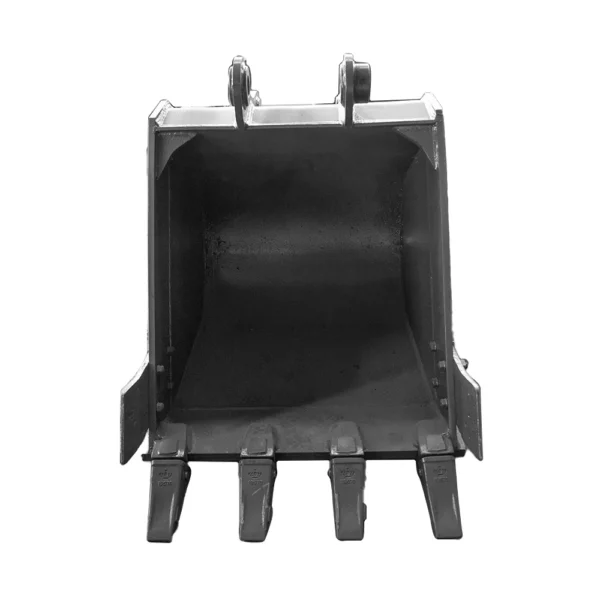
لبههای پیچشی کمتر به مشخصات خود لبه برش میپردازند و بیشتر به نحوه ادغام تیغه با سطل میپردازند.. این تیغه ها دارای انتهایی هستند که به صورت منحنی به سمت بالا و اطراف کناره های سطل شکل می گیرند. این مقاطع منحنی, به عنوان بیت های انتهایی یا برش های جانبی شناخته می شوند, در خدمت یک هدف دوگانه. آنها از کناره های سطل محافظت می کنند, که مناطق پر سایش نیز هستند, and they improve the bucket's penetration capability by helping to cut clearance for the sides of the bucket as it digs. برای حفاری تهاجمی در مواد محکم, یک سطل مجهز به لبه برش و تکه های انتهایی بسته بندی شده، حفاظت و عملکرد عالی را ارائه می دهد. بسیاری از مدرن سطل های لودر با کیفیت بالا برای قرار دادن این اجزای محافظ طراحی شده اند, که می توان آن را توسعه سیستم لبه برش دانست. انتخاب این اضافات لایه دیگری در انتخاب استراتژیک ابزارهای زمینی شماست.
کاربرد و محیط عملیاتی: یک دیدگاه جهانی
We have dissected the blade's material and its form. در حال حاضر, ما باید این دانش را ترکیب کنیم و آن را در چارچوب پویای دنیای واقعی قرار دهیم. دقیق ترین تیغه لبه برش مهندسی شده برای لودر اگر با وظیفه خود مطابقت نداشته باشد بی فایده است.. کاربرد بوته ای است که تئوری در آن آزمایش می شود, و محیط عملیاتی چالش های خاص گرما را فراهم می کند, سرد, تأثیر, و سایش. فکر کردن مانند یک متخصص، تجسم تیغه در کار است, با نیروهایی که تحمل می کند همدلی کند, و ابزاری را انتخاب کنید که فقط به صورت انتزاعی خوب نیست, اما برای سایت کاری خاص مناسب است, چه در مناطق استوایی مرطوب جنوب شرقی آسیا باشد و چه در دشت های یخ زده شمال.
بیایید جدولی بسازیم تا تفکر خود را چارچوب بندی کنیم, اتصال کار به ابزار به روشی واضح و منطقی.
| کاربرد | چالش اولیه(س) | سختی توصیه شده (HBW) | نمایه پیشنهادی | مثال منطقه ای |
|---|---|---|---|---|
| بارگیری انبار | تاثیر کم, سایش متوسط | 400-450 | تخت, برگشت پذیر | بنادر در کره (بارگیری زغال سنگ) |
| حذف سایت | سایش بالا, تاثیر کم | 500+ | تخت, برگشت پذیر | سایت های ساختمانی استرالیا (خاک سطحی) |
| معدن / معدن | تاثیر بالا, سایش بالا | 450-500 (تمرکز بر سرسختی) | دندانه دار یا مسطح با دندان | معادن مس آفریقا |
| تعمیر و نگهداری راه | تاثیر متوسط, سایش کم | 400 | تخت, برگشت پذیر | جاده های روستایی در آسیای جنوب شرقی |
| برف روبی | تاثیر بالا (اشیاء پنهان) | 400 (تمرکز بر سرسختی) یا پلی اورتان | تخت, برگشت پذیر | مناطق شهری در روسیه |
بارگیری و حمل و نقل مواد (آسیای جنوب شرقی)
تصور کنید یک لودر چرخدار در بندری در مالزی یا یک کارخانه فرآوری در تایلند کار می کند. وظیفه اصلی آن، جابجایی مجدد مقادیر زیادی از مواد مانند هسته خرما است., تراشه های چوب, یا مواد معدنی فرآوری شده از انبارها روی کامیون ها یا تسمه نقاله. در اینجا, چالش اصلی تاثیر نیست. مواد شل و نسبتا یکنواخت است. دشمن اصلی ثابت است, سایش سنگ زنی. تیغه تمام روز خود را صرف خراشیدن روی زمین و لغزش از میان توده مواد می کند.
برای این نرم افزار, یک فولاد سخت شده در 400-450 محدوده HB تعادل خوبی از مقاومت در برابر سایش و مقرون به صرفه بودن را ارائه می دهد. یک حق بیمه 500 اگر مواد بسیار ساینده نباشد، ممکن است فولاد بور HB بیش از حد کشته شود. ویژگی کلیدی طراحی در اینجا یک تخت است, تیغه برگشت پذیر. پروفیل صاف خراش تمیز زمین را تضمین می کند, به حداقل رساندن تلفات محصول, and the reversibility doubles the blade's life, که در چنین برنامهای با چرخه بالا بسیار مهم است. The operator's goal is speed and efficiency, و تیغه باید با ایجاد یک صافی از آن پشتیبانی کند, رابط قابل اعتماد با مواد. لبه دندانه دار نتیجه معکوس خواهد داشت, زیرا تمیز خراش نمی شود و مواد ارزشمندی را پشت سر می گذارد. انتخاب تیغه لبه برش برای لودر در اینجا به دلیل نیاز به استقامت در یک ماراتن حرکت تکراری است..
حذف و درجه بندی سایت (استرالیا)
در حال حاضر, ذهن خود را به یک سایت ساخت و ساز جدید در منطقه پیلبارا در غرب استرالیا منتقل کنید. وظیفه این است که لایه بالایی خاک قرمز رنگ را جدا کنید تا زمینه را برای پایه ها آماده کنید. خاک اینجا به دلیل محتوای بالای اکسید آهن و سایر مواد معدنی ساینده معروف است. مانند یک تکه کاغذ سنباده غول پیکر عمل می کند. تاثیر کم است, اما میزان سایش ساینده نجومی است.
این محیطی است که در آن حق بیمه است, از طریق سخت شده 500+ لبه برش فولاد بور HB یک لوکس نیست; یک ضرورت است. با استفاده از یک استاندارد 400 لبه فولاد کربن HB در اینجا مانند آوردن یک چاقو به یک درگیری است. It would be visibly worn after a single day's work. سختی شدید فولاد بور تنها دفاع موثر در برابر سنگ زنی بی امان خاک ساینده است.. یک آپارتمان, دو مخروطی, طراحی برگشت پذیر دوباره انتخاب منطقی است. لبه صاف امکان درجه بندی دقیق را فراهم می کند, و برگشت پذیری حداکثر عمر ممکن را از این گران قیمت استخراج می کند, فولاد با کارایی بالا. موفقیت کل عملیات خاکبرداری در گرو استفاده از ابزارهای زمینی است که می توانند در برابر این محیط تنبیه کننده مقاومت کنند.. تیغه لبه برش نامتناسب برای لودر پروژه را با توقف دائمی برای جایگزینی متوقف می کند..
عملیات معدن و معدن (آفریقا)
Let's move our scenario to a copper mine in Zambia or a granite quarry in South Africa. لودر خاک را جابجا نمی کند; این سنگ انفجاری در حال حرکت است. محیط مجموعه ای آشفته از زوایای تیز است, وزن های بی اندازه, و تاثیرات غیر قابل پیش بینی. تیغه باید بتواند سنگ های سرسخت را از شمع جدا کند و در برابر ضربه سنگی چند تنی که به داخل سطل می ریزد مقاومت کند..
در اینجا, محاسبات انتخاب از تمرکز خالص روی سایش به در نظر گرفتن متعادل سختی و چقرمگی تغییر می کند.. تیغه ای که خیلی سخت است (و بنابراین خیلی شکننده است) می تواند در اولین ضربه بزرگ خود دچار یک شکستگی فاجعه بار شود. هدف یافتن یک "نقطه شیرین است." این اغلب به معنای فولاد آلیاژی سخت شده است, شاید در اطراف 450 HB, که به طور خاص برای به حداکثر رساندن چقرمگی و توانایی جذب انرژی ضربه ای بدون ترک خوردگی تلطیف شده است.
نمایه طراحی نیز تهاجمی تر می شود. این یک برنامه اصلی برای لبه برش دندانه دار یا, به طور معمول تر, یک لبه تخت سنگین با دندانه های سطلی پیچ و مهره ای تکمیل شده است. دندان ها به عنوان ابزار نفوذ اولیه عمل می کنند, شکستن توده و تحمل ضربه های اولیه, که به حفظ یکپارچگی تیغه لبه برش برای لودر پیچ شده در پشت آنها کمک می کند. انتخاب در اینجا در مورد بقا در یک بی رحمانه است, دنیای پر تاثیر. قطعات انتهایی دور پیچ نیز برای محافظت از گوشه های سطل در برابر ضربه های جانبی ثابت بسیار توصیه می شود.
برف روبی و کار زمستانی (روسیه, کشور کره)
سرانجام, تصویر یک لودر در حال پاک کردن برف از خیابان های شهر در مسکو یا یک پارک صنعتی بزرگ در خارج از سئول پس از بارش شدید برف. در نگاه اول, به نظر می رسد برف خوش خیم ترین ماده ای است که می توان تصور کرد. نرم و غیر ساینده است. با این حال, خطر واقعی در زیر آن نهفته است. روکش منهول, محدود کردن, تکه های یخ زده, و دیگر موانع جامد می تواند به طور ناگهانی ایجاد کند, ضربه پر انرژی به تیغه در سرعت.
مواد مورد نیاز مشابه کاربرد معدن است اما به دلیل متفاوتی. تیغه به چقرمگی عالی در دمای پایین نیاز دارد. یک لبه فولادی استاندارد ممکن است در دمای ۲۵- درجه سانتیگراد شکننده شود و در اثر ضربه با یک حاشیه پنهان خرد شود.. از این رو, فولاد سخت شده با مقادیر ضربه تضمین شده Charpy در دماهای پایین ضروری است. سختی از 400 HB معمولاً کافی است, زیرا سایش نگرانی اصلی نیست.
برای سطوح ظریف تر, مانند سنگفرش های تزئینی یا گاراژهای پارکینگ که در آن آسیب خراشیدن غیرقابل قبول است, یک نوع کاملا متفاوت از لبه برش استفاده می شود: یکی از پلی اورتان یا لاستیک ساخته شده است. این لبه های انعطاف پذیر با سطح مطابقت دارند و می توانند آن را بدون آسیب رساندن به آن تمیز کنند. آنها خیلی سریعتر از فولاد می پوشند و نمی توانند ضربه ها را تحمل کنند, اما در برنامه مناسب, آنها ابزار کاملی هستند. این مهم ترین درس را نشان می دهد: تعریف "بهترین" تیغه لبه برش برای لودر کاملاً به زمینه کار بستگی دارد.
نصب, نگهدار, و به حداکثر رساندن طول عمر: تمرین دوام
عمل خرید تیغه لبه برش صحیح برای لودر, با درک عمیق مطالب هدایت می شود, طراحی, و کاربرد, یک دستاورد قابل توجه است. با این حال, این تنها فصل اول داستان است. پتانسیل و ارزش واقعی آن تیغه از طریق نصب صحیح محقق می شود, نگهداری مجدانه, و عملیات ماهرانه. لبه فولادی بور ممتاز می تواند در کسری از عمر مورد انتظار خود با نصب نادرست یا بی توجهی خراب شود.. این بخش از حوزه انتخاب به دنیای تمرین حرکت می کند. این در مورد عنصر انسانی است - مراقبت, توجه, و مهارتی که یک تکه فولاد را به ابزاری قابل اعتماد و بادوام تبدیل می کند.
اهمیت حیاتی سخت افزار صحیح
یک لبه برش با یک سری پیچ و مهره مخصوص به سطل چسبانده می شود.. اغراق بر اهمیت استفاده صحیح غیرممکن است, سخت افزار با کیفیت برای این اتصال. استفاده از پیچ های کم ارزش یا نادرست یک اشتباه فاجعه بار است, شبیه ساختن یک دیوار محکم بر روی پایه ای از شن و ماسه.
پیچ و مهره های گاوآهن به طور خاص برای این کاربرد پر استرس طراحی شده اند. آنها معمولاً دارای گنبدی هستند, سر فرو رفته که همسطح با سطح تیغه قرار می گیرد, کاهش کشش و سایش روی خود پیچ. بسیار مهم است, آنها یک بخش مربعی درست زیر سر دارند, که در یک سوراخ مربعی مربوطه در لبه برش قفل می شود. این کار از چرخیدن پیچ در حین سفت شدن مهره جلوگیری می کند, اجازه می دهد تا گشتاور مناسب اعمال شود.
حیاتی ترین مشخصات پیچ گاوآهن درجه آن است, که نشان دهنده قدرت آن است. برای نصب لبه برش, شما باید از پیچ و مهره های درجه SAE استفاده کنید 8 یا کلاس متریک 10.9 یا بالاتر. اینها عملیات حرارتی می شوند, پیچ و مهره های با استحکام بالا طراحی شده برای مقاومت در برابر نیروهای برشی و کششی شدید وارد شده بر تیغه در حین کار. استفاده از مشترک, سخت افزار درجه پایین (مانند درجه 2 یا 5) یک عمل اقتصاد کاذب عمیق است. این پیچهای ضعیفتر میتوانند تحت بار کشیده شوند, باعث شل شدن تیغه می شود, یا می توانند به طور کامل برش دهند, در نتیجه تیغه از سطل جدا می شود. لبه برش جدا شده نه تنها یک قطعه پرهزینه را از دست می دهد; این یک خطر ایمنی قابل توجه است که می تواند باعث آسیب یا آسیب جدی شود. همیشه یک تیغه با کیفیت را با سخت افزار با کیفیت جفت کنید. صرفه جویی نهایی در پیچ و مهره های ارزان تر به دلیل هزینه احتمالی خرابی کم می شود.
چک لیست بازرسی روتین
طول عمر تیغه لبه برش برای لودر را می توان به طور قابل توجهی از طریق یک تیغه ساده افزایش داد, روال بازرسی مداوم. This should be part of the operator's daily walk-around check before starting work. فقط چند لحظه طول می کشد اما می تواند از خرابی های پرهزینه و خرابی های برنامه ریزی نشده جلوگیری کند.
ترک ها را بررسی کنید: تمام طول تیغه را به صورت چشمی بررسی کنید, توجه زیادی به نواحی اطراف سوراخ های پیچ و مهره داشته باشید. اینها نقاط تمرکز پر استرس هستند. یک ترک کوچک می تواند به سرعت تحت تنش عملیاتی منتشر شود, منجر به شکستگی کامل تیغه می شود. اگر ترک پیدا شد, تیغه باید تعویض شود.
الگوهای پوشیدن مانیتور: ببینید تیغه چطور پوشیده شده است. در حالت ایده آل, باید به طور یکنواخت در طول خود پوشیده شود. اگر مرکز خیلی سریعتر از انتها می پوشد (اثری که گاهی اوقات "لبخند" نامیده می شود), ممکن است نشان دهد که اپراتور از فشار بیش از حد پایین استفاده می کند یا سطل را به اشتباه کج می کند. سایش ناهموار باعث کاهش عمر کلی تیغه می شود, زیرا زمانی که فرسوده ترین بخش به حد مجاز خود رسید باید تعویض شود.
سایش را نسبت به لبه پایه ارزیابی کنید: لبه برش یک جزء فداکاری است که برای محافظت از لبه پایه سطل گرانتر و ساختاری طراحی شده است.. There should always be a clear demarcation where the cutting edge ends and the bucket's base edge begins. اگر اجازه داده شود لبه برش آنقدر عقب ساییده شود که لبه پایه سطل شروع به تماس با زمین کند., شما خیلی طولانی صبر کرده اید. تعمیر لبه پایه سطل فرسوده یک کار عمده جوشکاری و ساخت است, بسیار گران تر و وقت گیرتر از تعویض لبه برش ساده. بیشتر تیغه ها دارای نشانگر سایش یا حد سایش توصیه شده هستند; اپراتورها باید برای تشخیص و رعایت این محدودیت آموزش ببینند.
سفتی پیچ را تأیید کنید: شاید این مهم ترین بررسی باشد. یک تیغه شل یک تیغه مخرب است. حتی یک حرکت کوچک بین تیغه و سطل باعث کشیده شدن و سایش سوراخ های پیچ می شود., پدیده ای که به "بیضی شدن" معروف است." این هم به لبه برش آسیب می رساند و هم, انتقادی تر, خود سطل. زمانی که سوراخ های سطل بیضی شکل شد, محکم نگه داشتن تیغه جدید غیرممکن می شود, منجر به زنجیره ای از شکست های مکرر می شود. اپراتورها می توانند با ضربه زدن به پیچ ها با یک چکش، شل بودن را بررسی کنند (یک پیچ محکم زنگ خواهد زد, یک شل خواهد ضربت) or simply by re-torquing them periodically according to the manufacturer's specifications.
جوشکاری و هاردفاسینگ: افزایش عمر پیشرفته
در برخی شرایط, تعمیر یا بهبود لبه برش به جای تعویض فوری آن می تواند مقرون به صرفه باشد. این به ویژه برای بزرگ صادق است, تیغه های گران قیمت در ماشین های تولید سنگین.
جوشکاری لبه برش ترک خورده موضوعی بحث برانگیز است. به عنوان یک قاعده کلی, برای فولادهای آلیاژی سخت شده توصیه نمی شود. شدید, گرمای موضعی فرآیند جوشکاری می تواند عملیات حرارتی کنترل شده با دقت فولاد در ناحیه آسیب دیده را از بین ببرد, ایجاد یک نرم, نقطه ضعیفی که مستعد شکست سریع است. اگر باید در مواقع اضطراری اقدام به تعمیر کرد, به میله های جوشکاری کم هیدروژن تخصصی نیاز دارد, یک روش دقیق پیش گرمایش و پس از گرم کردن, و یک جوشکار بسیار ماهر. برای اکثر عملیات, خطر شکست جوش بیش از مزایای بالقوه آن است, و جایگزینی گزینه مطمئن تر و مطمئن تر است.
هاردفیسینگ, از طرف دیگر, یک استراتژی پیشگیرانه افزایش عمر است. این شامل استفاده از یک فرآیند جوشکاری تخصصی برای اعمال یک لایه بسیار سخت است, مواد مقاوم در برابر سایش بر روی سطح تیغه. این معمولاً روی یک تیغه جدید یا نیمه فرسوده در مناطقی که تهاجمی ترین سایش را تجربه می کنند انجام می شود.. مواد سخت, که می تواند سختی بیش از حد داشته باشد 60 HRC, به عنوان یک لایه قربانی عمل می کند که از مواد پایه تیغه محافظت می کند. این فرآیند می تواند در محیط های با سایش شدید بسیار موثر باشد, به طور بالقوه دو یا سه برابر شدن عمر تیغه لبه برش برای لودر. با این حال, این یک تجارت ماهر است. آلیاژ سختی مناسب باید برای کاربرد انتخاب شود (برخی برای سایش بهتر هستند, دیگران برای تاثیر), و باید به درستی اعمال شود تا به تیغه زیرین آسیب نرسد.
تکنیک اپراتور و تأثیر آن بر سایش
هیچ بحثی در مورد عمر تیغه بدون اذعان به تأثیر عمیق اپراتور دستگاه کامل نمی شود. یک ماهر, اپراتور با وجدان می تواند کاری کند که یک لبه برش به طور قابل توجهی بیشتر از یک تهاجمی یا بی تجربه دوام بیاورد.. این یک حوزه حیاتی برای آموزش و مدیریت است.
- از فشار پایین بیش از حد خودداری کنید: یک اشتباه رایج استفاده از فشار پایین بیش از حد است ("جمعیت" تابع) در تلاش برای بدست آوردن یک سطل پرتر. این کار کمی برای بهبود راندمان بارگذاری انجام می دهد، اما به طور چشمگیری نیروی سنگ زنی را در لبه برش افزایش می دهد., تسریع سایش و سوزاندن سوخت بیشتر. یک اپراتور ماهر می آموزد که سطل را با راندن داخل شمع و پیچاندن سطل بارگیری کند., using the machine's forward momentum rather than hydraulic force to do the work.
- زاویه سطل صحیح را حفظ کنید: هنگام سفر با سطل باردار, اپراتور باید سطل را به اندازه کافی به عقب برگرداند تا لبه برش زمین را خراش ندهد. تماس غیر ضروری با زمین, به خصوص سطوح سنگفرش شده, علت اصلی سایش زودرس است.
- چرخش لاستیک ها را به حداقل برسانید: چرخاندن لاستیک ها در حین فشار دادن به داخل شمع باعث ایجاد حرارت و سایش شدید در لبه برش می شود.. این نشانه تکنیک ضعیف است. اپراتور باید با حرکت ثابت یا به شمع نزدیک شود, اگر مواد خیلی سفت باشد, از تکنیک پمپاژ استفاده کنید" سطل برای شل کردن آن به جای تلاش برای وادار کردن دستگاه به قدرت بی رحم.
- Understand the Blade's Limits: یک اپراتور خوب احساسی نسبت به ماشین و مواد ایجاد می کند. آنها یاد می گیرند از مستقیم اجتناب کنند, high-speed impacts with immovable objects and to use the bucket's power intelligently to pry and lift, به جای ضربه زدن به مواد.
در نهایت, اپراتور مباشر نهایی تیغه لبه برش برای لودر است. پرورش فرهنگ مراقبت, مهارت, و احترام به تجهیزات یکی از موثرترین استراتژی های بلند مدت برای کنترل هزینه های قطعات سایش است.
انتخاب یک تامین کننده معتبر: مشارکت در عملکرد
عامل نهایی در بررسی جامع ما شاید استراتژیک ترین باشد: انتخاب تامین کننده. در یک بازار جهانی پر از گزینه های مختلف از تولید کنندگان تجهیزات اصلی (OEMS) به طیف وسیعی از تولیدکنندگان پس از فروش, این تصمیم می تواند گیج کننده باشد. یک رویکرد ساده ممکن است انتخاب کمترین قیمت باشد, اما این اغلب منجر به نتایج ضعیف می شود. انتخاب تامین کننده برای تیغه لبه برش برای لودر, یا هر بخش سایش مهم دیگری مانند اجزای زیر شاسی یا چاک دهنده ها, نباید به عنوان یک معامله ساده در نظر گرفته شود. باید آن را شکل گیری مشارکت با شرکتی دانست که تخصص آن, کنترل کیفیت, and service will contribute directly to the success of your operation.
Beyond Price: Evaluating Quality and Consistency
The initial purchase price of a cutting edge is only a small fraction of its total cost. A more enlightened perspective considers the Total Cost of Ownership (TCO), which includes the initial price plus the costs associated with its use, such as replacement labor, از کار افتادن دستگاه, and the frequency of replacement.
Let's imagine two blades. Blade A costs $300. Blade B, made from a premium boron steel, هزینه ها $500. On price alone, Blade A seems like the better deal. با این حال, in an abrasive application, Blade A lasts for 150 hours before it needs to be replaced. Blade B lasts for 600 ساعت ها.
To get 600 hours of work, you would need to buy four of Blade A, for a total material cost of $1200. You would also have to perform three extra blade changes. If a blade change takes two hours of a mechanic's time and causes two hours of machine downtime (به قیمت, بگو, $150/ساعت برای کار و از دست دادن بهره وری), این سه تغییر اضافی برای شما هزینه اضافی دارد $900. کل هزینه برای 600 ساعت با تیغه A است $2100. کل هزینه برای 600 ساعت با Blade B اولیه آن است $500 قیمت به اضافه یک نصب, برای کل هزینه بسیار کمتر از "ارزان تر"." گزینه.
این منطق TCO است. یک تامین کننده معتبر این را درک می کند و صرفاً در قیمت رقابت نمی کند. آنها بر اساس ارزش رقابت خواهند کرد, ارائه محصولی که عملکرد برتر و طول عمر آن کمترین هزینه کل را ارائه می دهد. آنها می توانند دلایل متالورژیکی را توضیح دهند که چرا محصولشان دوام بیشتری دارد, ارجاع به رتبه بندی سختی و محتوای آلیاژ. سازگاری نیز کلیدی است. یک تامین کننده خوب فرآیندهای کنترل کیفیت دقیقی دارد تا اطمینان حاصل کند که هر تیغه لبه برش برای لودری که می فروشد با همان استانداردهای بالا مطابقت دارد.. هیچ تعجبی وجود ندارد "نرم" دسته هایی که زود فرسوده می شوند.
اهمیت OEM در مقابل. قطعات پس از فروش
بحث بین OEM و قطعات پس از فروش یک بحث دیرینه در صنعت تجهیزات سنگین است.
OEM (سازنده تجهیزات اصلی) قطعات آنهایی هستند که توسط سازنده خود دستگاه فروخته می شود (به عنوان مثال, کرم ابریشم, کوماتسو, ولوو). مزیت اصلی تضمین تناسب و سازگاری کامل است. می دانید که این قطعه به طور خاص برای دستگاه شما طراحی شده است. نقطه ضعف اصلی این است که این قطعات معمولاً دارای قیمت قابل توجهی هستند.
قطعات پس از فروش توسط شرکت های مستقل تولید می شوند. کیفیت در دنیای پس از فروش بسیار متفاوت است. کم هزینه وجود دارد, low-quality producers who use inferior steel and poor manufacturing processes. There are also high-quality aftermarket suppliers who specialize in wear parts and invest heavily in research, توسعه, و کنترل کیفیت. These top-tier aftermarket companies often produce parts that are equal to, or in some cases, superior to OEM parts, at a more competitive price point. They may be more agile, able to introduce new alloys or designs to the market more quickly than a large OEM.
The key is to find a high-quality aftermarket supplier. This is where your own knowledge becomes powerful. By understanding the concepts of steel hardness, through-hardening, and boron alloys, you can ask intelligent questions and discern which suppliers are truly offering a high-performance product. A good supplier will welcome these technical questions. آنها مفتخرند که در مورد فرآیند تولید و مشخصات فولاد خود صحبت کنند. آنها نه تنها قطعات را فراهم می کنند, بلکه همچنین اجزای خاکی بادوام با پشتوانه تخصص.
در یک تامین کننده به دنبال چه چیزی باشید: پشتیبانی فنی و موجودی
A supplier's value extends beyond the physical product. به دنبال شریکی باشید که پشتیبانی فنی قوی ارائه می دهد. می توانید با آنها تماس بگیرید و در مورد درخواست خاص خود صحبت کنید? اگر در سیبری در یخبندان دائمی کار می کنید, آیا آنها متخصص موادی دارند که بتواند بهترین آلیاژ را برای چقرمگی در دمای پایین توصیه کند؟? اگر در یکی از معادن استرالیا با الگوهای سایشی غیرعادی روی تیغه های خود مواجه هستید, می توانند به شما در تشخیص مشکل کمک کنند? این سطح از پشتیبانی یک تامین کننده را از یک فروشنده صرف به یک مشاور ارزشمند تبدیل می کند.
موجودی یکی دیگر از اجزای خدمات حیاتی است. لبه برش یک بخش سایش است; طبق تعریف, شما باید آن را جایگزین کنید. وقتی آن زمان فرا می رسد, خرابی ماشین بزرگترین دشمن شماست. تامینکنندهای که موجودی بزرگ و دارای موقعیت استراتژیک را نگهداری میکند، میتواند قطعه مورد نیاز شما را به سرعت دریافت کند, چه در جنوب شرقی آسیا باشید, خاورمیانه, یا آفریقا. از تامین کنندگان بالقوه در مورد سطح موجودی و قابلیت های لجستیکی آنها بپرسید. قیمت پایین یک تیغه بی معنی است اگر شش هفته طول بکشد تا لودر شما بیکار باشد. یک زنجیره تامین قابل اعتماد برای قطعات سایش مهم مانند تیغه لبه برش برای لودر برای آمادگی عملیاتی ضروری است..
خواندن بین خطوط: گواهینامه ها و قابلیت ردیابی
How can you verify a supplier's claims of quality? یک راه این است که به دنبال اعتبار سنجی خارجی باشید. ایزو 9001 صدور گواهینامه, به عنوان مثال, نشان می دهد که شرکت دارای یک سیستم مدیریت کیفیت مستند و حسابرسی شده است. در حالی که تضمین مستقیم کیفیت محصول نیست, این نشان دهنده تعهد به کنترل فرآیند و ثبات است.
یک شاخص حتی قوی تر، قابلیت ردیابی مواد است. یک تامین کننده سطح بالا باید بتواند گزارش آزمایش مواد را ارائه دهد (MTR) برای دسته خاصی از فولاد مورد استفاده برای ساخت تیغه شما. این گزارش, توسط کارخانه فولاد ارائه شده است, جزئیات ترکیب شیمیایی دقیق (درصد کربن, منگنز, مشعل, و غیره) و نتایج آزمایشات مکانیکی مانند سختی و استحکام کششی. توانایی ردیابی یک تیغه خاص به مواد اولیه آن، نشانه نهایی یک فرآیند تولید شفاف و متمرکز بر کیفیت است.. این نشان می دهد که تامین کننده فقط ادعا نمی کند; آنها با داده های قابل تأیید سروکار دارند. زمانی که تامین کننده ای را انتخاب می کنید که بتواند این سطح از اسناد را ارائه دهد, شما شریکی را انتخاب می کنید که به محصول خود اطمینان دارد و نسبت به عملکرد آن پاسخگو است.
سوالات متداول
How often should I replace my loader's cutting edge?
هیچ فاصله زمانی ثابتی وجود ندارد. فرکانس تعویض کاملاً به سایندگی برنامه شما بستگی دارد, سختی تیغه شما, and your operator's technique. The correct time to replace it is when it has worn down to the manufacturer's recommended service limit, or before it wears to the point of exposing the bucket's base edge to the ground. بازرسی بصری روزانه بهترین روش است.
آیا می توانم لبه برش ترک خورده را جوش دهم؟?
به طور کلی برای مدرن توصیه نمی شود, تیغه های فولادی آلیاژی سخت شده. The heat from welding can ruin the blade's carefully engineered heat treatment, ایجاد نقطه ضعفی که احتمال دارد دوباره به سرعت شکست بخورد. جایگزینی تقریباً همیشه راه حل طولانی مدت مطمئن تر و مطمئن تر است.
تفاوت بین لبه برش و لبه پایه چیست؟?
لبه پایه ساختاری است, لب پایین خود سطل, که لبه برش به آن پیچ شده است. لبه برش یک نوار سایش قربانی است که برای تعویض طراحی شده است. وظیفه اصلی آن انجام برش و سایش است به طوری که لبه پایه بسیار گرانتر و یکپارچه سطل انجام نشود..
آیا تیغه فولادی بور گرانتر واقعاً ارزش هزینه را دارد؟?
در هر کاربرد با سایش متوسط تا زیاد (مثل کار در شن و ماسه, شن, یا خاک های ساینده), پاسخ تقریباً همیشه بله است. یک تیغه فولادی بور می تواند سه تا پنج برابر بیشتر از تیغه فولاد کربنی استاندارد دوام بیاورد. در حالی که قیمت اولیه آن بالاتر است, عمر طولانی تر آن به طور چشمگیری هزینه کل مالکیت را با کاهش فرکانس تعویض کاهش می دهد, هزینه های نیروی کار, و زمان از کار افتادن دستگاه.
پیچ های گاوآهن چقدر باید محکم باشد?
پیچ های گاوآهن باید با استفاده از آچار گشتاور کالیبره شده تا یک مقدار گشتاور خاص سفت شوند.. این مقدار به قطر و درجه پیچ بستگی دارد. سفت شدن کم باعث می شود تیغه حرکت کند و به سطل آسیب برساند, در حالی که سفت شدن بیش از حد می تواند پیچ را کشیده و باعث از کار افتادن آن شود. Always consult the manufacturer's specifications for the correct torque values for your specific hardware.
نشانگرهای سایش در لبه برش چیست؟?
برخی از لبه های برش دارای ویژگی هایی مانند شیار یا سوراخ هستند که حد سایش را نشان می دهد. زمانی که سایش به این شاخص برسد, این نشان می دهد که زمان تعویض یا معکوس کردن تیغه فرا رسیده است. این یک نشانه بصری واضح برای اپراتور فراهم می کند و از سایش بیش از حد که می تواند به سطل آسیب برساند جلوگیری می کند.
آیا می توانم از لبه برش لودر روی گریدر موتور استفاده کنم؟?
خیر, شما نباید. در حالی که شبیه به هم هستند, لبه های برش لودر و تیغه های گریدر برای نیروها و کاربردهای مختلف طراحی شده اند. تیغه های گریدر معمولاً نازک تر هستند و برای تنش های خاص درجه بندی طراحی شده اند. لبه های برش لودر ضخیم تر هستند و برای مقاومت در برابر ضربه زیاد ساخته شده اند, نیروهای سنگین حفاری و بارگیری. همیشه از قطعه ای که مخصوص دستگاه شما طراحی شده است استفاده کنید.
نتیجه
سفر انتخاب تیغه لبه برش برای لودر, زمانی که با دقت و دقت فکری انجام شود, خود را به عنوان یک عالم کوچک از برتری مهندسی نشان می دهد. این فرآیندی است که مستلزم ترکیبی از زمینههای متفاوت دانش است: متالورژی آلیاژهای فولادی, اصول هندسی طراحی, واقعیت های عملی محیط های کاری جهانی, و تمرین منظم نگهداری. ما دیدیم که مفهوم "بهترین" تیغه ای سیال است, نه در خلاء بلکه با زمینه خاص استفاده از آن تعریف می شود. فولاد بور با سختی بالا که در شنهای ساینده استرالیا رشد میکند، در معادن سنگهای پر ضربه آفریقا بدون چقرمگی کافی، یک مسئولیت شکننده است..
انتخاب موضوع ساده مقایسه قیمت ها در یک صفحه گسترده نیست. سرمایه گذاری در بهره وری است, یک تصمیم استراتژیک که بر مصرف سوخت تاثیر می گذارد, خرابی, بهره وری اپراتور, و طول عمر کل دستگاه. با حرکت تفکر ما از قیمت اولیه به کل هزینه مالکیت, ما دیدگاهی پایدارتر و سودآورتر را اتخاذ می کنیم. پنج عاملی که ما بررسی کردیم - مادی, طراحی, کاربرد, نگهدار, و انتخاب تامین کننده - یک چارچوب قوی برای اتخاذ این تصمیم فراهم کنید. لبه برش یک کالا نیست. این نقطه درگیری بین نیت انسان و جهان فیزیکی است, و انتخاب مناسب گواهی بر درک این موضوع در دنیای ماشین آلات سنگین است, کیفیت هزینه نیست, اما یک دارایی ماندگار.
منابع
اچ. آر. قطعات. (2023, ژوئن 14). راهنمای خرید سطل لودر چرخ دار | انواع سطل توضیح داده شده است. اچ&R قطعات تجهیزات ساخت و ساز. hrparts.com
لوگونگ, م. (2025, آوریل 23). 9 انواع سطل بیل مکانیکی و کاربرد آنها. ماشین آلات لوگونگ. lugongma.com
SkidSteers.com. (2021, آوریل 10). مواردی که هنگام خرید سطل فرمان اسکید به دنبال آن هستید. skidsteers.com
تولید ویرنیگ. (2025, جولای 14). راهنمای نهایی برای سطل های هدایت شده. virnigmfg.com
تولید ویرنیگ. (2025, آوریل 17). راهنمای نهایی برای سطل های هدایت شده. پیشنهاد. virnigmfg.com