
Abstract
Integritatea operațională și longevitatea utilajelor de construcții Hitachi sunt intrinsec legate de calitatea componentelor sale constitutive.. Această analiză oferă un cadru cuprinzător pentru selecția pieselor aftermarket de înaltă calitate pentru mașinile Hitachi, cu accent special pe sistemele de tren de rulare, găleți, și instrumente de angrenare la sol, cum ar fi ripper și daltă. Acesta examinează criteriile critice de evaluare, începând cu știința materialelor de fabricație a componentelor, inclusiv compoziția oțelului și meritele comparative ale forjarii versus turnării, alături de rolul esențial al proceselor de tratament termic. Discursul se extinde la compatibilitatea mecanică și specificul de proiectare a pieselor trenului de rulare, punând accent pe o abordare bazată pe sisteme pentru a asigura o funcționare armonioasă. Mai departe, explorează designul funcțional al atașamentelor, cum ar fi găleți și rippers, corelând atributele lor structurale cu cerințele specifice aplicației în diverse medii globale, de la nisipurile abrazive ale Orientului Mijlociu până la terenurile înghețate ale Rusiei. Ghidul abordează, de asemenea, aspectele practice ale aprovizionării, verificarea furnizorului, și importanța asistenței post-vânzare robuste și a prevederilor de garanție. In sfarsit, it underscores the operator's role in proactive maintenance as a means of maximizing the service life of these critical components.
Taxe cheie
- Verificați calitatea oțelului și tratamentul termic al pieselor pentru a asigura duritate și durabilitate superioară.
- Evaluați piesele aftermarket pentru mașinile Hitachi pentru a confirma că acestea îndeplinesc specificațiile precise de proiectare ale OEM.
- Selectați atașamente precum găleți și rippers în funcție de condițiile și materialele specifice ale locului de muncă.
- Colaborați cu furnizori care oferă verificare transparentă a calității și suport puternic pentru garanție.
- Implementați un program consecvent de inspecție și întreținere pentru a preveni defecțiunile premature ale componentelor.
- Înțelegeți că componentele trenului de rulare funcționează ca un sistem; înlocuiți componentele aferente împreună.
- Luați în considerare costul total de proprietate, inclusiv timpul de nefuncţionare, nu doar prețul inițial de achiziție.
Cuprins
- Verifica 1: O anchetă profundă asupra compoziției materialelor și metodelor de fabricație
- Verifica 2: O evaluare bazată pe sisteme a compatibilității trenului de rulare
- Verifica 3: Evaluarea atașamentelor pentru excelență specifică aplicației
- Verifica 4: Verificarea credibilității furnizorului și a asistenței post-cumpărare
- Verifica 5: The Operator's Role in Proactive Maintenance and Inspection
- Întrebări frecvente (FAQ)
- O considerație finală asupra valorii și longevității
- Referințe
Verifica 1: O anchetă profundă asupra compoziției materialelor și metodelor de fabricație
Când începem să luăm în considerare lumea fizică a mașinilor grele, este ușor să fii preocupat de mărimea și puterea. An excavator's arm, capabil să ridice tone de pământ, pare să opereze numai pe principiile forței brute. Încă, această percepție este o simplificare profundă. The machine's resilience, capacitatea sa de a îndura mii de ore de muncă pedepsită, nu se naște din mărime, ci din liniște, aproape invizibil, integritatea părților sale individuale. Selecția de piese de schimb pentru mașinile Hitachi, prin urmare, nu este un simplu act de achiziție; este un exercițiu de înțelegere a însăși esenței rezistenței materialelor și a designului ingineresc. Este nevoie de o schimbare de perspectivă de la a vedea o parte ca un simplu obiect la a o înțelege ca un produs specific., procese deliberate care îi conferă capacitatea de a rezista la stres imens.
Importanța fundamentală a calității oțelului
În centrul oricărei componente durabile a mașinilor de construcții se află oțelul din care este format. Dar să spunem că o parte este „fabricată din oțel" este la fel de descriptiv ca a spune că o carte este „făcută din hârtie." Caracterul oțelului – aliajul specific și puritatea acestuia – este primul și cel mai fundamental factor determinant al performanței sale viitoare. Pentru componente cu uzură ridicată, cum ar fi dinții cupei, Ripper Shanks, și legăturile trenului de rulare, producătorii apelează de obicei la aliaje de oțel specializate.
Think of it as preparing a recipe for a high-performance athlete's meal. Nu ai folosi orice ingrediente; ați selecta unele specifice pentru proprietățile lor nutritive. În mod similar, metalurgiștii adaugă elemente precum carbonul, mangan, crom, și bor la fier pentru a crea aliaje de oțel cu caracteristicile dorite. Oțel cu conținut ridicat de carbon, de exemplu, oferă o duritate excelentă, care este vital pentru a rezista la uzura abraziva. in orice caz, Conținutul ridicat de carbon poate face oțelul mai fragil. Pentru a contracara acest lucru, elements like manganese are added to improve toughness—the material's ability to absorb energy and deform without fracturing. Oțelul cu bor este o altă alegere comună, în special pentru unelte de angrenare la sol. O cantitate minusculă de bor poate crește semnificativ „călibilitatea" a otelului, permițând obținerea unei durități mai profunde și mai uniforme în timpul tratamentului termic. La aprovizionarea cu piese pentru mașinile Hitachi, o întrebare crucială pe care trebuie să o puneți unui potențial furnizor nu este doar dacă este vorba de oțel, dar ce fel de oțel și după ce specificație este produs. Un producător de renume va fi transparent cu privire la utilizarea aliajelor precum 35MnB sau 40Cr, oferind o bază pentru încredere și un indicator tangibil al calității.
Forjare vs. Casting: O poveste cu două metode
Odată selectat aliajul de oțel adecvat, materia primă trebuie să fie modelată în forma sa finală, cum ar fi o rolă de șenilă sau un adaptor de cupă. Cele mai răspândite două metode pentru aceasta sunt turnarea și forjarea. În timp ce ambele pot produce piese funcționale, ele produc structuri interne profund diferite, care influențează direct rezistența și longevitatea.
Turnarea presupune încălzirea metalului până la o stare topit și turnarea acestuia într-o matriță. Este o metodă versatilă și rentabilă pentru a crea forme complexe. in orice caz, pe măsură ce metalul topit se răcește și se solidifică, structura sa internă a granulelor este în mare măsură uniformă și nedirecțională. Acest lucru îl poate lăsa uneori susceptibil la porozitate sau goluri interne dacă procesul nu este controlat perfect, creând potențiale puncte de slăbiciune.
Forjare, În contrast, presupune încălzirea oțelului până la un maleabil, dar nu topit, stare și modelând-o sub presiune imensă folosind ciocane sau prese. Imaginează-ți un fierar care lucrează la o bucată de fier. Loviturile repetate nu schimbă doar forma; ele rafinează structura granulară internă a metalului, aliniindu-l cu contururile piesei. Acest proces elimină golurile și creează un dens, continuous grain flow that enhances the part's tensile strength, rezistenta la oboseala, și duritatea generală. Pentru componentele supuse unor sarcini ciclice și de impact puternic - cum ar fi articulațiile de șenile și pinioanele de antrenare - o piesă forjată va oferi aproape întotdeauna performanțe superioare și o durată de viață mai lungă în comparație cu un echivalent turnat..
| Caracteristică | Forjare | Casting |
|---|---|---|
| Proces | Modelarea metalului solid sub presiune | Turnarea metalului topit într-o matriță |
| Structura cerealelor | Rafinat, direcțională, si dens | Non-directional, potenţial poroasă |
| Rezistenţă | Rezistență superioară la tracțiune și la oboseală | În general, mai jos decât piesele forjate |
| Complexitate | Cel mai bun pentru mai simplu, forme de mare stres | Excelent pentru complex, forme complicate |
| Cost | Costuri mai mari de scule și de producție | Scăderea sculelor și costurilor de producție |
| Utilizare comună | Urmăriți linkurile, biele, pinioane | Adaptoare de găleată, carcase complexe, niște leneși |
Tratament termic: Arhitectul nevăzut al durabilității
Dacă aliajul de oțel este rețeta și forjarea este modelarea, atunci tratamentul termic este finalul, proces crucial de gătit. O legătură de cale forjată realizată din cel mai bun oțel cu bor este încă relativ moale și s-ar uza rapid fără un tratament termic adecvat. This process involves a precisely controlled cycle of heating and cooling to alter the steel's microstructure, optimizarea proprietăților sale mecanice.
Cea mai comună metodă este „călirea și călirea." Piesa este încălzită la un anumit, temperatura foarte ridicata, provocând o modificare a structurii sale cristaline. Apoi se răcește rapid, sau „stins," într-un mediu precum ulei sau apă. Această răcire rapidă îngheață structura de înaltă temperatură dorită, rezultând o duritate extremă. in orice caz, o parte care este doar stinsă este adesea prea fragilă pentru utilizare practică. Ar fi ca o bucată de sticlă — foarte tare, dar predispus la spargere la impact.
Pentru a rezolva asta, piesa trece printr-o a doua etapă de încălzire numită „călire." Este încălzit la o temperatură mai scăzută pentru o perioadă stabilită, care ameliorează tensiunile interne și conferă duritate, reducând fragilitatea, păstrând în același timp cea mai mare parte a durității. Arta și știința tratamentului termic constau în atingerea echilibrului perfect între duritate (pentru rezistență la uzură) și duritate (pentru rezistenta la impact). O parte prost tratată termic poate fi prea moale și se poate uza prematur, sau prea fragil și eșuează catastrofal. La evaluare role Hitachi de înaltă calitate, de exemplu, calitatea nevăzută a tratamentului termic este cea care dictează în cele din urmă performanța acestuia în teren.
Verifica 2: O evaluare bazată pe sisteme a compatibilității trenului de rulare
Trenul de rulare al unei mașini pe șenile precum un excavator Hitachi este unul dintre cele mai complexe și mai costisitoare sisteme mecanic de pe întregul vehicul. Poate reprezenta până la 50% of the machine's total maintenance costs over its lifetime. O greșeală comună, dar costisitoare, este de a vedea componentele sale - lanțuri de șenile, role, pinioane, și lentele — ca părți independente. În realitate, formează un singur, sistem interconectat, a mechanical symphony where each part's performance is intimately tied to the condition of its neighbors. Prezentarea unui nou, componentă de înaltă calitate într-un sistem de piese uzate este ca și cum ai cere unui dansator profesionist să cânte cu parteneri care nu sunt în pas; rezultatul nu este doar o performanță slabă, dar uzura accelerată și deteriorarea potențială a piesei noi în sine.
Simfonia trenului de rulare: O abordare sistemică
Imaginează-ți lanțul de piese ca fiind ritmul central al acestei simfonii. Pinionul oferă ritmul de conducere, transferring power from the final drive to the chain's bushings. Rolele, atât de sus cât și de jos, acționează ca orchestră secundară, purtând greutatea imensă a mașinii și ghidând lanțul. Rolul de rulare și ansamblul său arc de recul din partea din față a cadrului șenilei asigură tensiunea, menținând lanțul aliniat corespunzător și absorbind șocurile.
Acum, luați în considerare ce se întâmplă atunci când un element este dezacordat. Un pinion uzat, de exemplu, va avea dinții ascuțiți și subțiri. Când este instalat un lanț de șenile nou, noul, bucșele rotunde nu se vor îmbina corect cu dinții uzați ai pinionului. Această nepotrivire creează o concentrare de forță pe o zonă mică a bucșei, accelerând rapid uzura acestuia și anulând investiția în noul lanț (Semănător, 2017). În mod similar, rolele cu puncte plate sau flanșe uzate nu vor reuși să susțină corect legătura șinelor, conducând la uzura neuniformă a legăturilor și la potențial de-tracking. Principiul de bază este unul al „purtarii potrivite." Pentru performanță optimă și rentabilitate, componentele trenului de rulare ar trebui gestionate și înlocuite ca un set coeziv.
Specificații de decodificare a rolei de șenile pentru modelele Hitachi
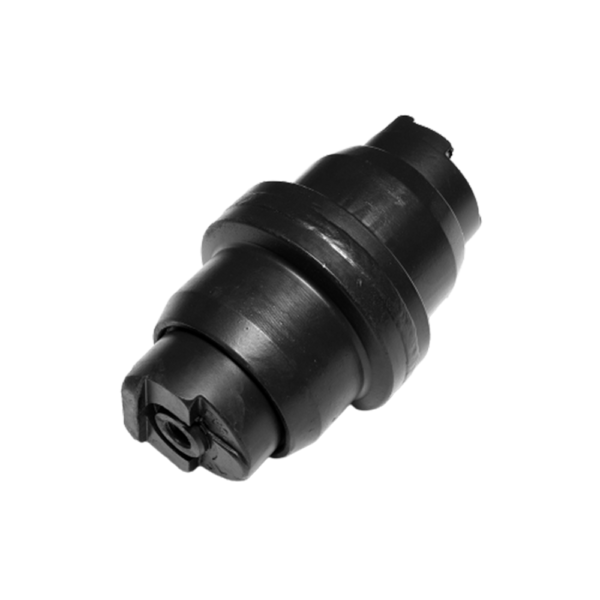
Rolele de șenile sunt suporturile de sarcină ale sistemului de rulare. They support the machine's weight and guide the track chain, funcționează în condiții de presiune extremă și contaminare constantă. La selectarea înlocuitorilor, mai multe caracteristici de design necesită o atenție deosebită.
În primul rând este diferența dintre rolele cu o singură flanșă și cele cu flanșă dublă. Acestea sunt plasate strategic de-a lungul cadrului șinei pentru a ghida lanțul și a împiedica „mersul acestuia”." de pe role. Înlocuirea unei role cu flanșă dublă cu una cu flanșă simplă (sau invers) va compromite mecanismul de ghidare și poate duce la daune grave.
Doilea, calitatea sigiliilor este primordială. A roller's internal bearings are protected from dirt, umiditate, și resturi de un set de sigilii, adesea sigilii duo-conice. Eficacitatea acestor etanșări determină în mod direct durata de viață a rolei (Montes, 2025). O etanșare eșuată permite materialelor abrazive să intre în rulment, în timp ce uleiul esențial lubrifiant scapă. Acest lucru duce la defectarea rapidă a rulmentului și la o rolă blocată, care va fi târât apoi de lanţ, creând un punct plat care deteriorează legăturile căii. Materialele folosite la garnituri și precizia suprafețelor de îmbinare a acestora sunt semne distinctive ale unei role de calitate.
In sfarsit, asa cum sa discutat anterior, carcasa rolei trebuie tratată termic corespunzător pentru a oferi o adâncime, suprafata de uzura intarita. Acest lucru îi permite să reziste la acțiunea abrazivă a lanțului de șenile sub sarcină. Un strat de duritate superficial sau inconsecvent se va uza rapid, leading to a premature loss of the roller's diameter and compromising the entire system's geometry.
| Componentă | Indicator de uzură comun | Consecința neglijenței | Acțiune recomandată |
|---|---|---|---|
| Pinion | Dinții devin ascuțiți sau „agățați”." | Uzează rapid bucșele lanțului de șenile noi | Înlocuiți cu lanțul de șenile |
| Lanț de șenile | „Întinderea" (înălțime crescută) | Angajare slabă cu pinionul și rotorul | Măsurați pasul; înlocuiți când depășește specificațiile |
| Role de șenile | Flanse uzate, puncte plate, scurgeri de ulei | Uzură neuniformă a legăturilor, potențial de-tracking | Verificați dacă există scurgeri și măsurați diametrul |
| Oleanți | Flanșă centrală sau suprafață a benzii de rulare uzate | Aliniere slabă a căii, uzură accelerată a legăturilor | Măsurați suprafețele de uzură; verificați dacă există scurgeri |
| Pantofi de șenile | Grouse uzate (bare de tracțiune) | Pierderea tracțiunii și a productivității mașinii | Înlocuiți atunci când înălțimea coșului este minimă |
pinioane, Oleanți, și Lanțuri: Asigurarea unei plase perfecte
Relația dintre pinion, leneş, iar lanțul de șenile este cel mai dinamic din trenul de rulare. The sprocket's job is to engage the track bushing with perfect precision, converting the final drive's torque into linear motion. Pe măsură ce lanțul se uzează, distanța dintre fiecare știft și bucșă, cunoscut sub numele de „pitch," crește. Aceasta este adesea denumită „întindere în lanț," deși metalul în sine nu se întinde. Mai degrabă, uzura internă dintre știfturi și bucșe creează mai mult joc în sistem.
Un nou pinion este fabricat cu un profil de dinte proiectat pentru a se potrivi cu pasul original al lanțului. Pe măsură ce pasul lanțului crește, bucșele urcă mai sus pe dinții pinionului, accelerarea uzurii ambelor componente. Acesta este motivul pentru care este aproape universal recomandat să înlocuiți pinioanele și lanțurile ca un set potrivit. Instalarea unui lanț nou pe un pinion vechi este o economie falsă care nu va duce decât la distrugerea prematură a lanțului.
Rotul de rulare din partea din față a cadrului șenilei servește un dublu scop: ghidează lanțul pe role și, prin arcul de recul și dispozitivul de reglare a șenilei, menține tensiunea corespunzătoare. O banda de rulare uzată nu va ghida corect lanțul, iar flanșele uzate pot cauza deteriorarea legăturilor de cale. Tensiunea adecvată a șenilei este, de asemenea, un factor critic pe care operatorul îl poate controla. O cale prea strânsă crește dramatic sarcina asupra tuturor componentelor - pini, bucșe, pinioane, și roți de loc — ducând la o creștere rapidă a uzurii. O șenila prea slăbită poate provoca o lovire a șenilei de rolele superioare sau chiar să se desprindă complet în timpul virajelor sau pe un teren denivelat. Verificări și ajustări regulate ale căii de rulare, according to the manufacturer's specifications for the specific operating conditions, sunt esențiale pentru maximizarea duratei de viață a tuturor pieselor trenului de rulare.
Verifica 3: Evaluarea atașamentelor pentru excelență specifică aplicației
În timp ce trenul de rulare asigură mobilitate, sunt atașamentele — găleată, ripperul, dalta — care efectuează munca propriu-zisă. Acestea sunt instrumentele care se angajează direct cu pământul, stâncă, și resturi, and their design has a profound impact on the machine's productivity, Eficiența combustibilului, și costul total de exploatare. Selecting the right attachment is not merely about finding one that fits the machine's coupler. It is about matching the tool's design, materiale, și construcție la cerințele specifice ale locului de muncă în cauză. O găleată concepută pentru săparea pământului moale va eșua rapid într-o carieră de rocă, nu pentru că este un „rău" găleată, ci pentru că este instrumentul greșit pentru sarcină. This demands an empathetic understanding of the machine's role and the environment in which it will labor.
Dincolo de capacitate: Design cupe pentru eficiență și rezistență la uzură
Cea mai evidentă caracteristică a unei găleți este capacitatea sa volumetrică, măsurată în metri cubi sau yarzi. Deși important pentru planificarea producției, capacitatea este doar o parte a poveștii. Geometria găleții este la fel de semnificativă. O găleată mai largă, de exemplu, este excelent pentru lucrări de gradare și finisare, dar se va confrunta cu o rezistență mai mare atunci când încearcă să pătrundă greu, teren compactat. Un mai îngust, more V-shaped bucket concentrates the machine's breakout force onto a smaller area, îmbunătățirea pătrunderii în condiții dificile.
The design of the bucket's cutting edge and side plates is also a critical area of differentiation. De uz general (GP) gălețile sunt o alegere bună pentru un amestec de sol, lut, și pietriș mic. Greutate (HD) și sarcină severă (SD) gălețile sunt întărite cu plăci de oțel mai groase, benzi de uzură suplimentare pe partea inferioară și pe laterale, și folosiți adesea un mai puternic, oțel mai rezistent la abraziune (cum ar fi AR400 sau AR500) în construcţia lor.
Gălețile de piatră reprezintă vârful durabilității. Acestea au de obicei un nas în formă de pipă sau o buză în formă de V pentru a maximiza forța de penetrare, plăci laterale mai groase, adesea protejate de carcase turnate, și o structură internă mai robustă pentru a rezista la forțele de torsiune puternice ale rocii indiscrete. Când alegeți o găleată, luați în considerare materialul primar pe care îl veți muta. Utilizarea unei cupe GP ușoare într-o aplicație de demolare sau carieră va duce la defecțiuni structurale rapide, în timp ce utilizați un greu, overbuilt rock bucket to move topsoil will needlessly increase fuel consumption and reduce the machine's effective payload.
Fizica rupturii: Instrument de implicare la sol (OBŢINE) Selecţie
Instrumente de angajare a solului (OBŢINE) este termenul pentru piesele de uzură atașate la găleată sau la ripper — dinții, adaptoare, și tăietoare laterale. Acestea sunt componentele de sacrificiu concepute pentru a suporta greul uzurii, protejarea structurii mai scumpe a găleții sau a tijei de desfășurare. Selectarea sistemului GET potrivit poate avea un efect dramatic asupra performanței.
Forma dintelui este primul aspect.
- Dinți standard/de uz general: Oferă un echilibru bun de forță și penetrare pentru săparea generală.
- Tigru/Dinți de penetrare: Aveți un ascuțit, design ascuțit care excelează la spargerea în hardpan, îngheţ, sau materiale bine ambalate. in orice caz, profilul lor mai subțire înseamnă că se uzează mai repede și au mai puțin material pentru rezistență la impact.
- Dinți de rocă/abraziune: Sunt mai scurte, mai voluminos, și au mai mult „material de uzură" în proiectarea lor. Sunt construite pentru longevitate în medii cu abraziune ridicată, cum ar fi nisipul și pietrișul, dar oferă o capacitate de penetrare mai mică.
Sistemul folosit pentru atașarea dintelui la adaptor este, de asemenea, vital. Sistemele tradiționale de fixare sunt fiabile, dar schimbarea poate dura mult. Sistemele moderne fără ciocan folosesc mecanisme de blocare integrate care permit o înlocuire mai rapidă și mai sigură, reducerea timpului de oprire a mașinii. Pentru un ripper, GET constă din dintele ripper (sau cizme) și protectorul de tijă. Dintele trebuie să fie capabil să reziste la forțele de impact extreme la contactul inițial cu roca, în timp ce dispozitivul de protecție a tijei protejează coada principală a ripperului împotriva uzurii abrazive atunci când este trasă prin material. Aprovizionarea GET de înaltă calitate implică căutarea de piese fabricate din oțeluri aliate de înaltă duritate care au fost tratate termic corespunzător pentru a rezista atât la rupere, cât și la abraziune..
Integritatea tijei chisel și ripper: Rezistența Forțelor Extreme
Tija ripper în sine este o componentă supusă unora dintre cele mai intense forțe în lucrările de construcții. Trebuie să transmită întreaga putere de tragere a mașinii într-un singur punct pentru a fractura roca sau pământul înghețat. Integritatea unei tije de ripper vine din materialul și designul în secțiune transversală. Ele sunt de obicei fabricate din înaltă rezistență, oțel aliat întărit integral pentru a rezista la îndoire și defecțiuni catastrofale.
O „daltă" este un tip de instrument, folosit adesea la ciocanele hidraulice sau spargetoarele, care funcționează în mod similar prin concentrarea forței. Fie că este un punct de ameliorare pentru beton, un instrument contondent pentru spargerea pietrelor, sau o daltă pentru șanțuri, principiile metalurgice sunt aceleaşi. Instrumentul trebuie să aibă un vârf de lucru foarte greu pentru a fi eficient, dar au și un moale, tougher shank and striking end to absorb the piston's impact without shattering or damaging the hammer itself. Acest lucru se realizează prin tratament termic diferențial, unde diferitelor părți ale instrumentului li se oferă proprietăți diferite. Când se examinează o daltă de schimb sau o tijă de desfășurare, trebuie să fiți atenți la piesele care par a fi tratate termic uniform sau sunt fabricate dintr-un produs generic, oțel nespecificat. O componentă de calitate va fi rezultatul unui proces de fabricație sofisticat menit să echilibreze duritatea, duritate, si rezistenta la oboseala intr-o singura bucata de otel.
Verifica 4: Verificarea credibilității furnizorului și a asistenței post-cumpărare
Pe piața globală a 2025, aprovizionarea cu piese pentru mașinile Hitachi nu mai este limitată la dealerii locali. O rețea vastă de furnizori internaționali oferă o gamă largă de opțiuni aftermarket. În timp ce acest lucru oferă oportunități pentru economii de costuri și o selecție mai largă, introduce, de asemenea, o nevoie mai mare de due diligence. Calitatea unei piese nu este doar o funcție a caracteristicilor sale fizice; este, de asemenea, o reflectare a companiei care stă în spatele ei. A supplier's credibility, transparenţă, și angajamentul față de asistența clienților sunt active intangibile, dar de neprețuit, care vă protejează investiția și vă asigură liniștea sufletească.
Semnele distinctive ale unui furnizor de piese de renume
Cum se poate discerne un furnizor de încredere de un vânzător tranzitoriu de produse de calitate scăzută? Procesul este asemănător cu efectuarea unei verificări a antecedentelor, cautand semne consistente de profesionalism si seriozitate.
Primul, un furnizor de renume are o istorie și o prezență fizică. Nu sunt o entitate anonimă pe o platformă de tranzacționare. Căutați o companie cu un site web profesional, o adresă fizică verificabilă, și informații de contact clare. Companiile care funcționează de mulți ani au o reputație de menținut și un istoric care poate fi investigat.
Doilea, transparența în producție și controlul calității este un indicator puternic. Un furnizor încrezător nu se teme să discute unde sunt fabricate piesele sale și ce standarde sunt respectate. Acestea pot oferi informații despre aliajele specifice de oțel utilizate, metodele de fabricatie (forjare vs. turnare), și detaliile proceselor lor de tratament termic. Unii pot oferi chiar certificări de calitate, precum ISO 9001, care demonstrează angajamentul față de un sistem de management al calității documentat și consistent. Fiți sceptici față de furnizorii care sunt vagi cu privire la aceste detalii sau care se bazează exclusiv pe afirmații de „înaltă calitate" fără a furniza vreo dovadă justificativă.
Treilea, luați în considerare prezența și expertiza lor pe piață. Un furnizor care este specializat în piese de tren de rulare sau instrumente de angrenare la sol pentru mărci specifice precum Hitachi va avea probabil o bază de cunoștințe mai profundă decât un generalist care vinde totul, de la filtre de motor la becuri.. Accentul lor le permite să înțeleagă provocările tehnice specifice și modurile de defecțiune asociate cu acele componente, conducând la o mai bună dezvoltare a produsului și o asistență mai informată.
Garanția ca declarație de calitate
O garanție este mai mult decât un simplu document legal; it is a statement of the manufacturer's confidence in its own product. Un furnizor care oferă o garanție minimă sau inexistentă comunică implicit o lipsă de încredere în durabilitatea pieselor sale. Invers, o garanție cuprinzătoare care acoperă defecțiunile premature din cauza defectelor de materiale sau de manoperă indică faptul că compania a investit în controlul calității și este dispusă să susțină produsul său.
La evaluarea unei garanții, citiți literele mici. Înțelegeți ce este acoperit și pentru cât timp. Garanțiile se bazează adesea pe orele de funcționare sau pe o perioadă de timp, oricare vine primul. Notați eventualele excluderi. De exemplu, o garanție poate fi anulată dacă piesa este instalată incorect sau utilizată într-o aplicație pentru care nu a fost proiectată. O garanție bună este clară, corect, si simplu. Ea reflectă un parteneriat între furnizor și client, unde ambele părți au responsabilități. Furnizorul este responsabil pentru furnizarea unei piese fără defecte, iar clientul este responsabil pentru instalarea și funcționarea corespunzătoare.
Suport tehnic și disponibilitatea pieselor în regiunea dvs
Cea mai bună parte din lume este inutilă dacă nu o poți obține atunci când ai nevoie, sau dacă nu puteți obține ajutor atunci când aveți o problemă. Înainte de a vă angaja la o achiziție, mai ales de la un furnizor international, investigați logistica și capacitățile lor de asistență pentru regiunea dvs. specifică, fie că este vorba de siturile miniere îndepărtate din Australia de Vest, proiectele de infrastructură în curs de dezvoltare în Asia de Sud-Est, sau climatul provocator al Federației Ruse.
Furnizorul are centre de distribuție sau parteneriate care pot asigura timpi rezonabili de livrare către locația dvs? O mașină care este oprită săptămâni întregi în așteptarea unei piese de peste mări reprezintă o pierdere masivă de venituri. Pot gestiona eficient procesele vamale și de import pentru țara dvs.??
În plus, ce nivel de suport tehnic oferă? Dacă aveți o întrebare despre instalare sau dacă o piesă defectează prematur, Există o persoană cu cunoștințe pe care o puteți contacta, care vă vorbește limba și care vă înțelege problema tehnică? Asistența excelentă post-cumpărare demonstrează un angajament pe termen lung față de client, nu doar un interes pe termen scurt de a face o singură vânzare. Acest nivel de servicii este o caracteristică definitorie care separă furnizorii de piese de prim rang de simplii distribuitori. Abilitatea de a consulta un expert cu privire la modelele de uzură sau problemele de compatibilitate atunci când vă întreține Piese pentru trenul de rulare Hitachi este un serviciu de neprețuit care contribuie direct la eficiența și rentabilitatea operațiunii dumneavoastră.
Verifica 5: The Operator's Role in Proactive Maintenance and Inspection
Ne putem procura piese forjate din cel mai bun oțel, fabricate la cele mai strânse toleranțe, și susținut de cea mai completă garanție, totuși durata lor finală de viață nu este determinată în fabrică. Se decide în fiecare zi în murdărie, noroi, și rock de șantier. Verificarea finală și poate cea mai critică în asigurarea longevității pieselor pentru mașinile Hitachi nu revine furnizorului, dar cu proprietarul şi operatorul. Întreținerea proactivă și inspecția diligentă nu sunt treburi care trebuie îndurate; sunt strategii puternice de gestionare a costurilor, prevenirea eșecurilor catastrofale, și extragerea valorii maxime din fiecare componentă. O mașină care este îngrijită își va răsplăti proprietarul cu fiabilitate și o viață productivă mai lungă.
Rolul inspecției regulate în extinderea duratei de viață a pieselor
Cel mai eficient instrument de întreținere este un ochi instruit și atent. Un simplu, inspecția consecventă efectuată la începutul fiecărei ture poate dezvălui probleme în curs de dezvoltare cu mult înainte ca acestea să devină eșecuri critice. Aceasta nu este o procedură tehnică complexă; este un obicei de a observa atent.
- Tracțiune: Operatorul ar trebui să caute semne evidente de probleme. Există șuruburi slăbite sau lipsă pe plăcuțele de șenile? Există scurgeri vizibile de ulei de la role sau role?, indicat de dungi umede care le curg pe laterale? Lanțurile de șenile sunt vizibil slăbite sau strânse? Uită-te la dinții pinionului; încep să pară ascuțiți și ascuțiți? Această verificare vizuală zilnică, care durează doar câteva minute, este prima linie de apărare împotriva uzurii premature.
- Bucket și GET: Examinați dinții găleții. Este vreunul dintre ei rupt, lipsă, sau uzate până la adaptor? Un dinte lipsă expune adaptorul la uzură rapidă, o componentă mult mai scumpă de înlocuit. Verificați sudurile de pe găleată și căutați orice semne de crăpare, mai ales în jurul zonelor în care sunt atașate adaptorul și cârligele de ridicare.
- Mașină generală: Ascultați mașina în timp ce funcționează. Măcinare neobișnuită, guiţat, sau zgomotele de zgomot de la trenul de rulare pot indica o rolă blocată sau o problemă cu sistemul de antrenare. Simțiți vibrațiile excesive. Aceste intrări senzoriale sunt date valoroase care pot semnala nevoia de o privire mai atentă.
Înțelegerea tiparelor de uzură ca instrumente de diagnosticare
Felul în care se poartă o componentă spune o poveste. Învățarea să citească aceste povești permite unui operator sau mecanic să diagnosticheze problemele de bază, nu doar tratați simptomele. De exemplu, dacă marginile interioare ale legăturilor de cale prezintă o uzură accelerată, poate indica o problemă de nealiniere a rolelor sau rolelor. Dacă doar o parte a dinților pinionului este uzată, ar putea indica o problemă cu alinierea cadrului căii în sine.
Pe o găleată, dacă dinții de colț se uzează mult mai repede decât dinții centrali, ar putea sugera că operatorul folosește colțurile pentru a levi sau „mătura" material, punând un stres imens pe partea laterală a găleții. Acest feedback poate fi folosit pentru a rafina tehnicile de operare pentru a promova o uzură mai uniformă și pentru a prelungi durata de viață a GET. Recunoașterea acestor tipare transformă întreținerea dintr-o sarcină reactivă (înlocuind ceea ce este stricat) la unul proactiv (înțelegerea de ce s-a rupt și prevenirea recidivei). Această abordare de diagnosticare este fundamentală pentru principiile întreținerii mecanizate a căii (Semănător, 2017).
Ungerea și curățarea: Obiceiurile simple care salvează averile
În lumea dură a echipamentelor grele, două dintre cele mai simple sarcini de întreținere — lubrifierea și curățarea — sunt, de asemenea, două dintre cele mai de impact.
Lubrifiere: În timp ce multe componente moderne, cum ar fi rolele de șenile și rolele sunt „sigilate pe viață," nu sunt invincibili. „Viața" lagărele lor interne depinde în totalitate de integritatea etanșărilor și de calitatea grăsimii sau uleiului din interior. (Allmaier, 2022). Pentru componentele care necesită ungere regulată, precum știfturile de legătură ale cupei, adhering to the manufacturer's recommended lubrication schedule is not optional. O defecțiune a unui singur știft și bucșă din cauza lipsei de grăsime poate duce la slăbirea întregii legături, plasând sarcini excentrice pe alți știfturi și accelerând uzura acestora în mod exponențial. It can also lead to stress cracks in the excavator's boom and stick.
Curatenie: Tracțiunea de subteran, în special, beneficiază enorm de pe urma curățării regulate. Noroi plin, roci, iar resturile adaugă greutate semnificativă trenului de rulare, creşterea consumului de combustibil. Mai important, acest material ambalat împiedică interfațarea corectă a componentelor. Noroiul strâns între bucșe și dinții pinionului accelerează uzura. O piatră blocată între lanțul de șenile și rotorul poate provoca daune imense. În climă înghețată, noroiul care îngheață peste noapte poate transforma trenul de rulare într-un bloc solid, exercitând o presiune extremă asupra transmisiilor finale și posibilă ruperea sigiliilor atunci când mașina încearcă să se miște. A-ți lua timp pentru a curăța trenul de rulare la sfârșitul zilei nu este doar despre estetică; este o procedură de întreținere critică care reduce solicitarea și permite o inspecție vizuală adecvată.
Întrebări frecvente (FAQ)
Sunt piesele aftermarket pentru mașinile Hitachi la fel de fiabile ca și piesele OEM?
Calitatea pieselor aftermarket poate varia semnificativ. Piesele aftermarket de înaltă calitate de la producători de renume pot îndeplini sau chiar depăși OEM (Producător de echipamente originale) specificatii in ceea ce priveste materialul, potrivi, si performanta, adesea la un preț mai competitiv. Cheia este să le aprovizionați de la un furnizor de încredere, care este transparent cu privire la procesele lor de producție, calitatea materialului, si ofera o garantie solida. Invers, cost scăzut, piesele de schimb de calitate scăzută pot duce la defecțiuni premature și timpi de nefuncționare costisitoare.
How do I know when it's time to replace my machine's undercarriage?
Undercarriage replacement is typically determined by measuring key components against the manufacturer's wear specifications, nu doar prin aspectul vizual. Un tehnician specializat va măsura „pasul” lanțului de cale" (distanța dintre pini) pentru a verifica dacă există întindere, diametrul rolelor, și uzura dinților pinionului și a suprafețelor de rulare. O regulă generală este să luați în considerare o înlocuire completă atunci când bucșele lanțului de șenile sunt uzate până la punctul de a trebui răsucite, deoarece și alte componente se apropie probabil de sfârșitul duratei de viață.
Care este principala diferență dintre o găleată pentru rocă și o găleată de uz general?
O găleată pentru rocă este proiectată special pentru medii cu impact ridicat și cu abraziune ridicată. Are o carcasă mai groasă din oțel rezistent la abraziune de calitate superioară (De ex., AR450), o margine de tăiere în formă de V sau cu nas pentru o mai bună penetrare, și componente de protecție suplimentare, cum ar fi carcase laterale și bare de uzură. Un scop general (GP) găleata este mai ușoară și proiectată pentru săparea și mutarea materialelor mai puțin abrazive precum pământul, lut, și pietriș. Utilizarea unei găleți GP într-o aplicație cu rocă va duce la deteriorare rapidă și la defecțiuni structurale.
Cum afectează climatul de funcționare din locuri precum Rusia sau Orientul Mijlociu uzura pieselor?
Climele extreme au un impact semnificativ asupra uzurii. În climatele reci din Rusia, pământul înghețat acționează ca o rocă, cerând o forță de penetrare mai mare și creșterea tensiunii asupra găleților, dintii, si rippers. Noroiul înghețat poate provoca o presiune imensă asupra componentelor trenului de rulare. În cald, medii nisipoase din Orientul Mijlociu, amenda, nisipul abraziv accelerează uzura tuturor pieselor în mișcare, în special componentele trenului de rulare, cum ar fi garniturile, ace, și bucșe. Aceasta este cunoscută sub numele de uzură abrazivă și necesită piese cu duritate mare a suprafeței.
Pot instala un lanț de șenile nou pe vechile mele pinioane?
Este puternic descurajat. Un pinion uzat are un profil modificat al dintelui care nu se va îmbina corect cu noile bucșe ale unui lanț nou. Această nepotrivire provoacă o concentrare de forță care uzează rapid noul lanț, reducându-i drastic durata de viață și anulând investiția dvs. Pentru cele mai bune rezultate și cel mai mic cost pe termen lung, pinioanele și lanțurile de șenile trebuie înlocuite întotdeauna ca un set potrivit.
Ce înseamnă „prin-întărit" înseamnă pentru o parte ca o coadă de scoatere?
„Prin-întărit" înseamnă că procesul de tratare termică a obținut o duritate constantă nu doar la suprafață, ci și adânc în miezul piesei. Acest lucru este esențial pentru componente precum tijele de desfășurare care sunt supuse unor forțe de îndoire imense. O piesă care este doar „întărită" (tare la suprafață, dar moale în miez) ar fi predispus să se îndoaie sau să se rupă sub stresul extrem de rupere a rocii.
De ce forjarea este considerată superioară turnării pentru piesele cu solicitare ridicată?
Forging refines the metal's internal grain structure, aliniindu-l cu forma piesei si eliminand golurile interne. Acest lucru creează o mai densă, componentă mai dură, cu rezistență superioară la impact și oboseală. Casting, în timp ce excelent pentru forme complexe, are ca rezultat o structură de cereale mai aleatorie, care poate fi mai puțin robustă sub ciclul, încărcături puternice de impact suferite de piese cum ar fi legăturile de șenile și pinioanele.
O considerație finală asupra valorii și longevității
În echiparea și întreținerea mașinilor grele, tentația de a se concentra asupra imediatului, costul inițial al unei componente este unul puternic. Încă, o reflecție mai profundă dezvăluie că adevăratul cost al unei piese nu este scris pe eticheta de preț. Este scris pe mii de ore de funcționare, în productivitatea câştigată sau pierdută, și în timpul de nefuncționare evitat sau suportat. Selectarea pieselor pentru mașinile Hitachi este un angajament cu o filozofie a valorii, unul care cântărește cheltuiala inițială cu promisiunea de rezistență. O legătură falsificată, deși mai costisitor de produs decât omologul său turnat, rambursează acea investiție printr-o durată de viață mai lungă și o rezistență mai mare la defecțiuni. O găleată de piatră bine concepută, perfect potrivite sarcinii sale, enhances the machine's efficiency, economisind combustibil și timp cu fiecare ciclu.
Principiile evidențiate aici – o cercetare profundă a științei materialelor, a systems-based view of mechanical assemblies, a careful matching of tool to task, a diligent vetting of suppliers, and a disciplined approach to maintenance—are not merely technical guidelines. They represent a commitment to operational excellence. They foster a relationship with the machine that is based on understanding and care, rather than simple use and consumption. By embracing this perspective, we move beyond being mere purchasers of parts and become informed custodians of our equipment's capacity, ensuring that these powerful tools remain productive, de încredere, and profitable for years to come.
Referințe
Allmaier, H. (2022). Increase Service Life for Rail Wheel Bearings—A Review of Grease Lubrication for This Application. Lubricants, 10(3), 36. https://doi.org/10.3390/lubricants10030036
Camso. (2025). Construction tracks basics: 9 questions to master rubber tracks. https://camso.co/en/blog/best-practices/construction-track-basics
Monster Tires. (2024). Rubber Tracks Guide.
Montes, L. (2025). A Thorough Explanation of Heavy Equipment Rollers. Fortis HD. https://www.fortishd.com/blogs/about-hd-equipment/a-thorough-explanation-of-heavy-equipment-rollers-purpose-types-and-wear-signs
Rolls Bearing. (2015). Role de șenile 101: Everything you need to know.
TFL Bearing. (2024). Basic Concepts of Rolling Bearings. https://tfl-bearing.com/page/Basic-Concepts-of-Rolling-Bearings
Semănător, L. (2017). The Basic Principles of Mechanised Track Maintenance (3a treia ed.). PMC Media House GmbH.