
Abstract
Acest document oferă o examinare aprofundată a dinților și adaptoarelor cu găleată, Componente integrante ale instrumentelor de angajare la sol (OBŢINE) pentru utilaje de construcție grea. Explorează mecanica funcțională a acestor părți, detalierea anatomiei lor și relația critică dintre dinte, adaptor, și mecanism de blocare. Textul prezintă o taxonomie cuprinzătoare a tipurilor de dinți, corelând modele specifice cu aplicațiile prevăzute, De la săpături cu scop general la penetrarea rock-ului penetrant. O porțiune semnificativă este dedicată științei materiale care guvernează durabilitatea lor, Analizarea proprietăților aliajelor de oțel și a proceselor de fabricație de turnare și forjare. Discursul se extinde la selecția strategică a unui dinte de găleată și a unui furnizor de adaptori, accentuarea criteriilor dincolo de costurile inițiale, cum ar fi costul total de proprietate, Calitatea produsului, și fiabilitatea lanțului de aprovizionare. Protocoale de întreținere, Proceduri de instalare, și valoarea diagnostică a modelelor de uzură este de asemenea discutată. Analiza situează aceste componente în cadrul ecosistemului operațional mai larg, Având în vedere interacțiunea lor cu piesele de tracțiune, rippers, si dalti, și încheie prin explorarea inovațiilor tehnologice viitoare în domeniu.
Taxe cheie
- Evaluați condițiile de sol pentru a selecta meticulos profilul corect al dinților pentru job.
- Prioritizează un furnizor pe baza costului total de proprietate, Nu doar prețul inițial.
- Inspectați în mod regulat dinții și adaptorul pentru a preveni uzura și defecțiunea prematură.
- Alegerea unui dinte de găleată de calitate și a unui furnizor de adaptori asigură eficiența operațională.
- Înțelegeți proprietățile materiale ale GET pentru a prezice performanța și durata de viață.
- Implementați un program strict de întreținere pentru a maximiza durata de viață a componentelor dvs..
- Recognize that proper GET selection reduces strain on the machine's undercarriage.
Cuprins
- O anchetă fundamentală cu privire la instrumente de implicare la sol
- Anatomia forței: Deconstruirea sistemului dinților și adaptorului
- O clasificare a dinților cu găleată: Formular de potrivire pentru a funcționa
- Sufletul oțelului: Știința materialelor și procesele de fabricație
- Alegerea unui partener în performanță: Cum să selectați un dinte de găleată și un furnizor de adaptori
- O revizuire comparativă a sistemelor majore ale dinților și adaptorului
- Protocoale pentru longevitate: Instalare, Întreţinere, și analiză de uzură
- Sistemul interconectat: Găleți, Rippers, și piese de tracțiune
- Calea înainte: Inovații emergente în tehnologia de implicare la sol
- Întrebări frecvente
- O contemplare finală asupra instrumentelor și progresului
- Referințe
O anchetă fundamentală cu privire la instrumente de implicare la sol
Eroii necunoscuți ai mutării de pământ
Când observăm un excavator mare sau un încărcător de roți la un șantier, Atenția noastră este atrasă în mod natural de amploarea imensă a mașinii, Puterea brațelor sale hidraulice, Și volumul pur al Pământului se mișcă. Este un spectacol al ingineriei moderne. Încă, punctul real de contact, chiar interfața dintre mașină și material, De multe ori trece neobservată. Aceste puncte de contact sunt instrumentele de implicare la sol, sau obține. Mai exact, dinții găleții și adaptoarele lor corespunzătoare. Nu este o supraestimare de a propune ca acestea să fie relativ mici, Componentele din oțel înlocuibile sunt adevăratele cai de lucru ale oricărei operații de motocicletă de pământ. Fără ei, o mașină puternică devine ineficientă, ca un chirurg care încearcă o operație delicată cu un instrument contondent. Performanța lor dictează productivitatea mașinii, consumul său de combustibil, și rentabilitatea generală a unui proiect. Ele sunt marginea literală a progresului în excavare, minerit, si constructii. Înțelegerea funcției lor, proiecta, iar selecția corectă este o chestiune de profundă semnificație economică și operațională.
De ce dinții de găleată și adaptoarele contează mai mult decât credeți
Relația dintre un dinte de găleată și adaptorul său este una de colaborare intimă și puternică. Dintele este elementul de sacrificiu, conceput pentru a suporta greul impactului și abraziunii, protejarea structurii cupei mult mai scumpe și mai integrale. Adaptorul servește drept fundație sigură, sudate pe buza găleții, oferind un punct de montare robust pentru dinte. Integritatea acestei conexiuni este esențială. Un dinte slab montat, Un adaptor purtat, Sau un știft de blocare eșuat poate duce la o cascadă de probleme. În cel mai bun caz, rezultă o productivitate pierdută pe măsură ce mașina se oprește pentru o înlocuire. În cel mai rău caz, Un dinte pierdut poate călători într -un concasor, provocând daune catastrofale echipamentelor de procesare din aval, ducând la zeci de mii de dolari în reparații și timp de oprire prelungită. Prin urmare, selecția acestor componente, și prin extensie, Alegerea unui dinte de găleată și a unui furnizor de adaptori, transcende o decizie simplă de achiziții. Devine o alegere strategică în ceea ce privește gestionarea riscurilor, Eficiență operațională, și sănătatea pe termen lung a întregii flote de echipamente. Aceste părți nu sunt simple consumabile; they are a central pillar of an operation's profitability.
Anatomia forței: Deconstruirea sistemului dinților și adaptorului
Anatomia unui dinte: De la vârf la Shank
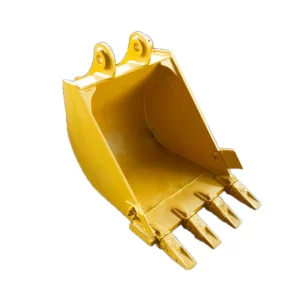
Pentru a aprecia sofisticarea unui dinte de găleată, trebuie să -i examineze forma. Imaginați -vă că nu ca o simplă bucată de metal, dar ca un instrument proiectat cu scop în fiecare curbă și unghi. Chiar punctul este că sfat, care este responsabil pentru fractura inițială și penetrarea materialului. Claritatea și forma sa sunt determinanți primari ai cât de ușor poate intra găleata în pământ. În spatele vârfului se află corp din dinte, care oferă masa și puterea structurală pentru a rezista la imensul forțe de îndoire și impact. Forma corpului influențează modul în care materialul curge peste dinte și în găleată. In sfarsit, există coadă sau capătul casetei, Secțiunea goală care se potrivește peste adaptor. Geometria internă a acestei secțiuni este concepută cu exactitate pentru a se potrivi cu adaptorul său corespunzător, asigurându -se o strânsă, secure potrivire care distribuie forțele uniform și previne wobbling, care este o cauză principală a uzurii accelerate. Every aspect of a tooth's design is a calculated response to the physics of digging.
Rolul adaptorului: O conexiune critică
Adaptorul este podul dintre dinte înlocuitor și găleată permanentă. Este de obicei sudat pe marginea de frunte a buzei cu găleată, becoming an integral part of the bucket's structure. Caracteristica sa principală este nas, the male counterpart to the tooth's shank. The fit between the adapter nose and the tooth's internal pocket is the single most important factor in the system's longevity. O potrivire liberă permite micro-mișcări sub sarcină, un fenomen cunoscut sub numele de Peening. Această acțiune repetată de ciocanire deformează metalul atât pe nasul adaptorului, cât și pe interiorul dintelui, agravând progresiv potrivirea până când sistemul devine instabil și nu reușește. Un adaptor de calitate este fabricat cu toleranțe de înaltă precizie pentru a asigura o potrivire inițială inițială. De asemenea, este făcut dintr -un ușor mai moale, totuși mai dur, aliaj de oțel decât dinte. Această filozofie de design asigură că dintele mai ușor înlocuibil absoarbe majoritatea uzurii, păstrarea vieții adaptorului mai permanent.
Mecanisme de blocare: Pini, Deținători, și căutarea securității
Ultima piesă a acestui puzzle mecanic este mecanismul de blocare. Acest sistem, ceea ce fixează dintele la adaptor, trebuie să fie atât incredibil de puternic pentru a rezista forțelor de forfecare, cât și suficient de simplu pentru a permite înlocuirea rapidă și sigură pe teren. Cele mai comune sisteme implică un oțel pin și un flexibil retener. Știftul trece prin găurile aliniate din dinte și adaptor, în timp ce dispozitivul de reținere se potrivește într-o adâncitură, blocând știftul pe loc.
Există mai multe variații pe această temă:
- Sisteme de știfturi laterale: Ştiftul este introdus din partea laterală a dintelui, necesitând adesea un ciocan. Acestea sunt comune și eficiente, dar uneori pot fi dificil de îndepărtat după o utilizare extinsă, deoarece murdăria și rugina pot prinde știftul.
- Sisteme cu pini verticale: Știftul este aruncat de sus și fixat cu un dispozitiv de reținere. Acest design poate oferi o protecție mai bună pentru știft și permite adesea o îndepărtare mai ușoară. Sistemele precum Esco Super V® folosesc un știft vertical care nu necesită ciocan, îmbunătățirea siguranței.
- Sisteme fără pin: Unele modele moderne au mecanisme de blocare integrate care sunt activate cu un instrument simplu, eliminând cu totul nevoia de știfturi și dispozitive de reținere separate. Acestea oferă cele mai rapide și adesea cele mai sigure cicluri de înlocuire.
Alegerea sistemului de blocare are un impact direct asupra timpului de întreținere și a siguranței lucrătorilor. Un sistem greu de utilizat poate determina tehnicienii să ia scurtături sau, mai rău, rezultă dinți fixați necorespunzător. Un furnizor de dinte de găleată și adaptor de încredere va fi capabil să explice avantajele și dezavantajele fiecărui sistem pentru o anumită aplicație.
O clasificare a dinților cu găleată: Formular de potrivire pentru a funcționa
Eficacitatea unui proiect de excavare depinde de utilizarea instrumentului potrivit pentru lucrare. La fel cum un dulgher are diferite ferăstraie pentru diferite tăieturi, un operator de excavator are nevoie de dinți de cupă diferiți pentru diferite condiții de sol. Morfologia unui dinte de găleată nu este arbitrară; este o reflectare directă a scopului propus. Selectarea tipului de dinte potrivit poate crește dramatic penetrarea, îmbunătățirea timpilor de încărcare, reduce consumul de combustibil, și extinde durata de viață a întregului sistem GET.
Scop general (GP) Dintii: Calul de muncă versatil
Scopul general, sau GP, dintele este cel mai comun design. Reprezintă un compromis, un echilibru între penetrare, rezistenţă, și poartă viața. E clasic, forma oarecum robustă este potrivită pentru săpare și încărcare în soluri moi până la moderat compactate, cum ar fi pământul vegetal, lut, și pietriș afanat. Gândiți-vă la aceasta ca fiind anvelopa pentru toate anotimpurile din lumea GET. Deși s-ar putea să nu exceleze într-o singură condiție extremă, Versatilitatea sa îl face alegerea implicită pentru o gamă largă de sarcini standard de construcții și demovarea pământului. Pentru un contractant care se confruntă cu site -uri de locuri de muncă variate, Dintele GP oferă performanțe fiabile, fără a fi nevoie de schimbări constante. Un furnizor bun de găleată și adaptor va stoca o gamă largă de dinți GP pentru a se potrivi cu diferite dimensiuni și sisteme ale mașinii.
Dintii de abraziune: Luptând războiul împotriva uzurii
În medii dominate de nisip, pietriş, sau stâncă fin zdrobită, inamicul primar nu este impact, ci abraziune. Aceste materiale acționează ca șmirghel, măcinând fără încetare la oțel. Dintii de abraziune sunt concepute special pentru a combate acest tip de uzură. Prezintă mai mult „material de uzură” - mai gros, Corp mai robust, cu oțel suplimentar plasat strategic în zone de uzură înaltă. Au adesea un vârf mai puțin ascuțit în comparație cu dinții de penetrare, deoarece oricum claritatea se pierde rapid în condiții abrazive. Accentul aici este pe maximizarea cantității de oțel de sacrificiu care poate fi uzat înainte ca dintele să fie înlocuit.. Utilizarea unui dinte de abraziune în sol foarte abraziv poate dubla sau chiar tripla durata de viață a uzurii în comparație cu un dinte GP, conducând la economii semnificative de costuri pe termen lung. Acestea sunt deosebit de relevante în deșerturile nisipoase din Orientul Mijlociu sau câmpiile aluviale găsite în anumite părți ale Asiei de Sud-Est..
Dinții de penetrare: Pentru Breaking New Earth
Când pământul este dur, compactat, sau semi-congelat, provocarea principală este de a sparge suprafața. Acesta este domeniul dintelui de penetrare. Acești dinți se caracterizează printr-o formă ascuțită, ascuţit, sau „tigrul" vârf și un mai îngust, corp mai raționalizat. The design focuses all the machine's force onto a very small area, crescând presiunea și permițând dintelui să rupă materialul. Imaginați-vă că încercați să împingeți o scândură în pământ decât să împingeți un țăruș; miza pătrunde deoarece forţa este concentrată. Compartimentul pentru această capacitate excelentă de penetrare este o reducere a materialului de uzură și a rezistenței generale. Un dinte de penetrare se va uza mai repede decât un dinte de abraziune în sol nisipos și este mai susceptibil la rupere dacă întâlnește un dinte mare., obiect solid. Sunt ideale pentru excavarea argilului dens, şist, sau terenurile afectate de permafrost din nordul Rusiei.
Dinți de stâncă și daltă: Lovitorii grei
Pentru cele mai solicitante aplicatii, precum exploatarea în cariere și minerit de roci dure, sunt necesari dinti de roca specializati. Aceștia sunt cei grei din lumea dinților.
- Rock Chisel Teeth: Acești dinți au o lățime, bont, vârf ca o daltă. Nu sunt concepute pentru a pătrunde în același mod ca un dinte de tigru. În schimb, sunt construite pentru o rezistență extremă la impact și durabilitate. They use the machine's power to pry and fracture rock along existing fissures. Secțiunea lor transversală masivă le face foarte rezistente la rupere sub sarcinile imense de șocuri comune în mediile de carieră.
- Dinți ascuțiți de stâncă: Acestea oferă un compromis, cu o mai robustă, punct conic decât un dinte standard de penetrare. Ele asigură o mai bună penetrare în roca fracturată sau stratificată decât un dinte de daltă, oferind totuși o rezistență superioară împotriva ruperii.
Alegerea dintre o daltă și un dinte de rocă ascuțit depinde adesea de tipul specific de rocă excavată. Un furnizor de dinte de găleată și adaptor cu cunoștințe poate oferi îndrumări neprețuite pe baza condițiilor geologice. În plus, pentru aceste aplicații extreme, un ripper de înaltă calitate este adesea folosit pentru a prefractura roca, reducând stresul asupra găleții și a dinților acesteia.
Proiecte specializate: De la dinți de tigru la tigri gemeni
Dincolo de categoriile principale, există mai multe modele inovatoare și specializate:
- Dinți de tigru: Un nume comun pentru un ascuțit, dinte de penetrare într-un singur punct.
- Dinți gemeni de tigru: Acestea prezintă două puncte, creând o formă de V. Acest design este excelent pentru șanțuri, deoarece ajută la definirea pereților șanțului și oferă o pardoseală curată.
- Dinții Flare: Acestea au o largă, formă plată, aproape ca o pică mică. Nu sunt pentru săpat, ci pentru nivelare, nivelare, si lucrari de curatenie, lăsând în urmă o suprafață netedă.
Înțelegerea acestei taxonomii este esențială pentru optimizarea oricărei operațiuni de săpat. Transformă dintele găleții dintr-o marfă simplă într-un instrument de precizie, permițând operatorilor să-și adapteze echipamentele la provocările unice ale pământului pe care îl mișcă.
Sufletul oțelului: Știința materialelor și procesele de fabricație
Performanța unui dinte de găleată este determinată în cele din urmă de materialul din care este fabricat și de modul în care este procesat materialul respectiv. Un dinte trebuie să fie suficient de dur pentru a rezista uzurii abrazive, totuși suficient de dur pentru a rezista la șocuri puternice fără a se fractura. Aceste două proprietăți, duritate si tenacitate, sunt adesea în opoziție în metalurgia oțelului. Atingerea echilibrului optim este arta și știința producției GET. Acest lucru necesită o înțelegere profundă a compoziției aliajului, tratament termic, și metodele de fabricație.
Inima de oțel: Înțelegerea compoziției aliajului
Dinții găleții nu sunt fabricați din oțel carbon simplu. Sunt forjate sau turnate din oțeluri sofisticate slab aliate. Un aliaj este un metal realizat prin combinarea a două sau mai multe elemente metalice, mai ales pentru a da o rezistenţă sau o rezistenţă mai mare la coroziune. Baza este din fier, dar mic, adăugări precise de alte elemente, cunoscuți ca agenți de aliere, să-și schimbe în mod fundamental proprietățile.
- Carbon (C): Cel mai fundamental agent de aliere din oțel. Creșterea conținutului de carbon crește duritatea și rezistența, dar reduce ductilitatea și duritatea. Aliajele GET au un conținut de carbon controlat cu atenție.
- Mangan (Mn): Crește călibilitatea (capacitatea de a fi întărit prin tratament termic) și contribuie la forță și duritate.
- Crom (Cr): Un element cheie pentru creșterea durității, rezistenta la uzura, si rezistenta la coroziune. Este o componentă principală în oțelurile rezistente la abraziune.
- Molibden (lu): Crește semnificativ duritatea și rezistența la temperaturi ridicate. De asemenea, ajută la prevenirea fragilității temperamentului, o condiție în care oțelul poate deveni casant după tratamentul termic.
- Nichel (În): Adaugă duritate, mai ales la temperaturi scăzute, făcându-l valoros pentru echipamentele care funcționează în climate reci precum Rusia.
Un furnizor reputat de dinte de găleată și adaptor va putea furniza foi de specificații ale materialelor care detaliază compoziția aliajului a produselor lor. Această transparență este un semn al unui producător care are încredere în calitatea oțelului său.
Castingul vs. Dezbatere de forjare: O chestiune de proces
Există două metode principale pentru fabricarea dinților cupei: turnare si forjare. Each has its own set of advantages and implications for the final product's performance.
Casting: În casting, Oțelul aliat topit este turnat într -o matriță în formă de dinte final.
- Proces: Este un mod relativ rentabil de a produce forme complexe, permițând modele complexe cu plasare optimizată a materialului de uzură.
- Structura cerealelor: Metalul se răcește și se solidifică în matriță, rezultând o structură de cereale echiaxate. Cerealele sunt aproximativ egale în toate dimensiunile și orientate aleatoriu.
- Proprietăți: Acest lucru poate duce uneori la porozitate sau incluziuni microscopice dacă procesul nu este controlat cu atenție. in orice caz, Tehnici moderne de turnare, cum ar fi turnarea cu asigurări în vid, au îmbunătățit considerabil calitatea și consistența produselor turnate. Cei mai mulți dinți de găleți de înaltă calitate de pe piață sunt astăzi distribuiți.
Forjare: În forjare, o țagla solidă de oțel este încălzită la o temperatură maleabilă și apoi ciocănită sau presată în forma dorită.
- Proces: Acest proces este în general mai costisitor și mai puțin potrivit pentru forme complexe decât turnarea.
- Structura cerealelor: Forța mecanică a forjarii deformează și aliniază structura granulară a oțelului, creând un flux direcţional. Această structură de cereale rafinată este de obicei mai densă și lipsită de porozitatea care poate afecta piesele turnate.
- Proprietăți: Dinții forjați sunt renumiți pentru rezistența și duritatea lor excepționale. Structura de cereale aliniată oferă o rezistență superioară la impact și oboseală. Forjarea este adesea folosită pentru componente care necesită rezistență maximă absolută, cum ar fi niște dinți de piatră cu impact puternic sau dinții pentru un ripper puternic.
Alegerea între turnare și forjare nu este una simplă de „bine vs. rău." O turnare de înaltă calitate dintr-o turnătorie de top poate depăși o forjare de calitate scăzută. Cheia constă în controlul calității întregului proces, de la topirea inițială a oțelului până la tratamentul termic final.
Duritate și tenacitate: Actul de echilibrare eternă
După ce se formează un dinte, suferă o critică tratament termic proces. Aceasta implică de obicei încălzirea dintelui la o temperatură ridicată, apoi răcind-o rapid (stingere), urmată de o încălzire secundară la o temperatură mai scăzută (temperare).
- stingere: Răcirea rapidă prinde oțelul într-un mod foarte dur, structură cristalină fragilă numită martensită.
- temperare: Încălzirea ulterioară ameliorează tensiunile interne și modifică structura martensitică, reducerea fragilității și creșterea tenacității.
Duritatea finală a unui dinte este măsurată pe scara Rockwell C (HRC). Un dinte tipic de găleată va avea o duritate în intervalul de 48-52 HRC. Dacă este mult mai greu, ar putea fi prea fragil și predispus să se rupă la impact. Dacă este mult mai moale, se va uza prea repede. Producătorii folosesc adesea tratament termic diferențial, creând un dinte care este foarte dur la vârf și în zonele cu uzură ridicată, lăsând în același timp tija puțin mai moale și mai rezistentă pentru a absorbi mai bine șocurile și pentru a proteja adaptorul. Un furnizor de dinte de găleată și adaptor cunoaște înțelegerea acestui echilibru și obține produse care sunt optimizate atât pentru duritate, cât și pentru duritate, asigurându-se că pot rezista rigorilor aplicării propuse.
Modele de purtare ca instrument de diagnosticare
Observarea modului în care un dinte se uzează poate oferi informații valoroase despre aplicare și dacă este utilizat dintele corect.
- Rotunjire: Dacă un dinte se uzează uniform, devenind tocită, dar fără a-și pierde forma generală, aceasta indică faptul că materialul este în primul rând abraziv și un dinte în stil abraziune ar putea fi o alegere mai bună.
- ciobirea/ruperea: Dacă dinții se ciobesc sau se sparg frecvent, ea indică condiții de mare impact. Acest lucru ar putea însemna că este nevoie de un dinte de piatră mai puternic, sau că tehnica operatorului are nevoie de ajustare pentru a evita zgomotul cu vârfurile.
- Subscurtarea: Dacă partea inferioară a dintelui se uzează mai repede decât partea superioară, sugerează un mediu cu abraziune ridicată cu un „unghi de atac scăzut."
- Uzură asimetrică: Dacă o parte a dintelui se uzează mai repede decât cealaltă, ar putea indica faptul că operatorul încarcă constant cupa laterală, o practică care ar trebui corectată.
Prin „citire" modelele de uzură, un manager de șantier cu experiență își poate ajusta cu precizie selecția GET și practicile operaționale, transformând o simplă piesă de schimb într-o sursă de date operaționale valoroase.
Alegerea unui partener în performanță: Cum să selectați un dinte de găleată și un furnizor de adaptori
Decizia de unde să-și aprovizioneze instrumentele de angajare la sol este una dintre cele mai de impact pe care le poate face un manager de flotă sau un proprietar de companie de construcții.. Acesta influențează direct timpul de funcționare al mașinii, costurile de întreținere, și profitabilitatea globală a proiectului. Trecerea dincolo de o mentalitate de simplă achiziție de mărfuri la una de parteneriat strategic este esențială. Furnizorul potrivit de dinte de găleată și adaptor nu este doar un furnizor; sunt consultant, un partener logistic, și un factor cheie la succesul dumneavoastră operațional.
Dincolo de eticheta de preț: Evaluarea costului total de proprietate
Cea mai frecventă greșeală în achiziționarea GET este concentrarea exclusiv pe prețul pe unitate. Un dinte mai ieftin care se uzează 30% mai repede sau, mai rău, eșuează și provoacă perioade de nefuncționare, este mult mai scump pe termen lung. Conceptul de cost total de proprietate (TCO) oferă un cadru mai holistic și mai precis pentru evaluare.
TCO include:
- Prețul inițial de achiziție: Costul inițial al dintelui și al adaptorului.
- Poarta viata: Câte ore de funcționare pot fi realizate înainte de înlocuire? Un dinte ceva mai scump, cu metalurgie superioară, ar putea oferi o durată de uzură dublă, reducând efectiv la jumătate costul său pe oră.
- Costuri asociate cu forța de muncă: Timpul și forța de muncă necesare pentru schimbare. Un dinte greu de înlocuit mărește orele de întreținere.
- Impactul asupra consumului de combustibil: Un ascuțit, dintele bine proiectat pătrunde mai ușor, reducerea sarcinii asupra motorului și a sistemului hidraulic, conducând la economii măsurabile de combustibil.
- Costul timpului de nefuncționare: Cel mai semnificativ cost. O singură defecțiune poate opri o mașină, și, eventual, un întreg șantier de muncă, costă mii de dolari pe oră în productivitate pierdută.
- Risc de daune indirecte: Costul unui dinte pierdut care deteriorează un concasor sau un alt echipament poate fi astronomic.
Când este privit prin prisma TCO, propunerea de valoare a unui furnizor de înaltă calitate devine clară. Produsele lor, în timp ce poate nu este cel mai ieftin de pe factură, reprezintă adesea cel mai mic cost total al operațiunii.
Semnele distinctive ale unui furnizor de calitate: Ce să cauți
Identificarea unui furnizor superior de dinte de găleată și adaptor implică căutarea unui set de atribute cheie care semnalează calitatea, fiabilitate, si expertiza.
- Transparența materialului: Ei ar trebui să fie dispuși și capabili să furnizeze rapoarte și specificații metalurgice detaliate pentru produsele lor. Revendicări vagi de „aliaj de înaltă rezistență" sunt un steag roșu.
- Excelență în fabricație: Ar trebui să înțeleagă profund partenerii lor de producție' procese, fie cădere sau forjare, și să poți vorbi cu măsurile de control al calității în vigoare.
- Inventar cuprinzător: Un furnizor bun deține o gamă largă de stiluri de dinți, Sisteme de adaptare, și dimensiuni pentru a se potrivi cu diverse mașini și aplicații. Acest „un singur stop-shop" Capacitatea simplifică achizițiile, în special pentru flote cu echipamente diverse de la producători precum Caterpillar, Komatsu, Volvo, sau John Deere.
- Expertiza tehnica: Personalul lor de vânzări și asistență ar trebui să fie mai mult decât doar conștienți de comandă. Aceștia ar trebui să poată pune întrebări interesante despre aplicația dvs. - materialul dvs., Mașina ta, Obiectivele dvs. operaționale - și recomandați soluția optimă GET. Ar trebui să fie o sursă de cunoaștere.
- Fiabilitatea lanțului de aprovizionare: Pe o piață globală, capacitatea de a livra piesele potrivite la momentul potrivit este primordială. Un furnizor de încredere are o logistică robustă, stoc semnificativ la îndemână, și capacitatea de a prognoza cererea, asigurându-vă că nu sunteți lăsat să așteptați piesele în timp ce mașina dvs. sta inactiv. De exemplu, un furnizor cu depozite situate strategic pentru a deservi piețele din Australia, Asia de Sud-Est, iar Orientul Mijlociu poate oferi servicii semnificativ mai bune clienților din acele regiuni.
- Garanție și suport: Un furnizor de renume stă în spatele produsului lor. Ei vor oferi o garanție clară împotriva defectelor de fabricație și vor oferi asistență în cazul în care apare o problemă. Scopul lor este o relație pe termen lung, nu o vânzare unică.
Navigarea în lanțul global de aprovizionare: OEM vs. Aftermarket
Piața pentru GET este împărțită în general în două categorii: Producători de echipamente originale (OEM) și piața de schimb.
- Furnizori OEM: Acestea sunt piese furnizate de producătorul mașinii (De ex., Omida, Komatsu). Se garantează că se potrivesc perfect și sunt în general de foarte înaltă calitate. Dezavantajul principal este că sunt aproape întotdeauna cea mai scumpă opțiune.
- Furnizori aftermarket: Acestea sunt companii independente care produc piese compatibile cu echipamentele OEM. Calitatea de pe piața de schimb poate varia dramatic, de la excepțional la periculos de sărac.
Provocarea și oportunitatea constă în identificarea unui furnizor de dinte de cupă și adaptoare de top pe piața de schimb. Un furnizor aftermarket de înaltă calitate oferă o propunere de valoare convingătoare: Echivalent OEM sau chiar calitate superioară la un preț mai competitiv. Adesea, ei inovează mai repede decât OEM-urile și pot oferi modele specializate care nu sunt disponibile de la producătorul original. Atunci când alegeți un furnizor aftermarket, semnele distinctive menționate mai sus — transparența, expertiza, și fiabilitatea — devin și mai importante. O sursă grozavă pentru cupe de excavator pentru sarcini grele și componentele aferente vor furniza adesea documentație extinsă pentru a susține afirmațiile lor de calitate.
Considerații regionale pentru Rusia, Australia, și Asia de Sud-Est
Un furnizor cu adevărat global înțelege că „cel mai bun" dintele este dependent de context.
- Australia: Cunoscut pentru că este incredibil de greu, minereu de fier abraziv și alte zăcăminte minerale. Aici, abraziunea de înaltă duritate și dinții de rocă din aliaje de crom-moly sunt esențiale. Furnizorul trebuie să înțeleagă provocările unice ale mineritului în regiunea Pilbara.
- Rusia: Vasta de temperatură a temperaturii și prezența permafrostului în multe regiuni cererea obțin cu o rezistență excelentă la temperatură scăzută. Aliajele cu conținut mai mare de nichel sunt de preferat pentru a preveni fractura fragilă în condiții de îngheț. Dintii de penetrare sunt cheia pentru ruperea terenului congelat.
- Asia de Sud-Est: Multe zone sunt caracterizate de umed, argilă lipicioasă și soluri lateritice. Deși nu este extrem de abraziv, Aceste materiale se pot împacheta în găleată, reducerea sarcinii utile. Designuri din dinți și găleată care promovează un flux de material bun și „scurgeri" sunt benefice.
- Orientul Mijlociu: Prevalența nisipului și a Rock -ului de calcar abraziv pune o premiu pe Wear Life. Dintii rezistenți la abraziune sunt alegerea standard pentru majoritatea aplicațiilor de molipsire a pământului din această regiune.
Un furnizor care poate vorbi cu aceste nuanțe regionale demonstrează un nivel de expertiză care merge cu mult dincolo de simpla referință încrucișată a numerelor de piesă. They show an empathetic understanding of the customer's lived operational reality.
O revizuire comparativă a sistemelor majore ale dinților și adaptorului
De-a lungul anilor, marii producători au dezvoltat sisteme brevetate pentru atașarea dinților cupei, each with a unique design philosophy regarding security, ease of use, and wear characteristics. Understanding the differences between these systems is crucial when outfitting a machine or choosing a replacement system. A proficient bucket tooth and adapter supplier will be familiar with all these systems and can offer high-quality aftermarket equivalents.
| System Name | Locking Mechanism | Key Advantage | Best Application | Potential Drawback |
|---|---|---|---|---|
| Caterpillar® J-Series | Horizontal Pin & Retainer | Ubiquity and availability. Puternic, proven design. | Construcție generală, minerit. Un întreg versatil. | PIN -ul poate fi dificil de eliminat după o utilizare grea (necesită un ciocan). |
| ESCO® Super V® | Pinul vertical fără ciocan | Siguranță sporită (Nu este nevoie de ciocan). Potrivirea mai strânsă reduce uzura nasului. | Medii de înaltă producție în care sunt necesare schimbări frecvente. | Proiectarea proprie a proprietății poate avea o disponibilitate mai mică de piață decât seria J Cat J. |
| ESCO® Ultralok® | Blocare integrată fără ciocan | Schimbări extrem de rapide și sigure. Blocarea integrată nu înseamnă părți libere. | Cariere, minerit, Orice operație prioritizând viteza și siguranța. | Cel mai complex sistem; Cost inițial mai mare pentru adaptoare. |
| Hensley® Parabolic® | Horizontal Pin & Retainer | Proiectarea nasului parabolic auto-strâns sub încărcare, Reducerea mișcării. | Aplicații cu impact ridicat în cazul în care menținerea unei potriviri strânse este esențială. | Sistemul cu pinuri în mai multe părți poate fi mai complex decât pinii standard. |
| Seria Komatsu® | Horizontal Pin & Retainer | Proiectat pentru o potrivire precisă cu găleți și mașini Komatsu. | Optimizat pentru utilizare pe echipamentele Komatsu. | Mai puțin universal decât seria J; Poate fi mai greu de sursă de la toți furnizorii. |
| Bradken® Twistlok ™ | Twist-on mecanic | Fără ciocan, Sistem bazat pe instrumente pentru schimbări sigure și rapide. | Solicită aplicații miniere și construcții. | Sistemul propriu necesită un instrument de instalare specific. |
Acest tabel servește ca ghid general. Performanța oricărui sistem depinde foarte mult de calitatea producției, indiferent dacă OEM sau Aftermarket. O versiune aftermarket de nivel superior a unui dinte din seria J poate depăși un sistem proprietar slab făcut. Discuția cu furnizorul dvs. ar trebui să se concentreze pe găsirea sistemului care echilibrează cel mai bine performanța, cost, și siguranță pentru contextul dvs. operațional specific.
Protocoale pentru longevitate: Instalare, Întreţinere, și analiză de uzură
Even the highest quality bucket teeth and adapters will underperform if they are not installed correctly and maintained diligently. A disciplined approach to GET management is a low-cost, high-return investment that pays dividends in extended component life, increased safety, and reduced machine downtime. Acesta transformă rolul echipajului de întreținere și al operatorului de la schimbători reactivi de piese în administratori proactivi de active.
Arta instalării și demontării în siguranță
Instalarea corectă este baza performanței GET. O sarcină care ar putea părea simplă este încărcată cu potențial de eroare și vătămare dacă nu este făcută corect.
Etape de instalare:
- Curățenia este primordială: Curățați bine nasul adaptorului și buzunarul interior al dintelui nou. Folosiți o perie de sârmă sau o racletă pentru a îndepărta toată murdăria, rugini, și resturi. Orice material străin poate împiedica așezarea corectă a dintelui, ducând la o potrivire slăbită.
- Loc potrivit: Așezați dintele pe nasul adaptorului. Ar trebui să se potrivească perfect. Dacă este excesiv de slăbit, nasul adaptorului poate fi uzat și trebuie inspectat pentru înlocuire.
- Aliniați găurile: Asigurați-vă că orificiile din dinte și adaptor sunt perfect aliniate.
- Instalați dispozitivul de reținere: Pentru sisteme din două părți, introduceți mai întâi elementul de fixare în locașul său din adaptor.
- Conduceți Pinul: Introduceți știftul prin dinte și adaptor, asigurându-se că cuplează corect dispozitivul de reținere. Pentru ace în stil ciocan, folosiți întotdeauna un ciocan cu față moale sau un pumn pentru a evita deteriorarea știftului. Pentru sisteme fără ciocan, follow the manufacturer's specific instructions.
- Verificare: Verificați vizual dacă știftul este complet așezat și blocat sigur de dispozitivul de reținere.
Îndepărtarea: Procesul este inversul instalării. Pentru ace ciocănite care sunt prinse, uleiul penetrant și un instrument adecvat de îndepărtare a știfturilor sunt esențiale. Nu folosiți niciodată o pistoletă de tăiere pentru a îndepărta un știft decât dacă este ultima soluție absolută, deoarece căldura poate deteriora temperamentul atât al dintelui, cât și al adaptorului.
Inspecții zilnice: O investiție de cinci minute pentru profituri uriașe
Cel mai eficient program de întreținere este unul de frecvente, inspecții scurte. Operatorii ar trebui să fie instruiți să efectueze o inspecție rapidă a GET la începutul fiecărei ture..
| Frecvența de inspecție | Punct de control | Ce să cauți | Acțiune dacă este găsită problema |
|---|---|---|---|
| Zilnic (Înainte de schimbare) | Securitatea dintilor | Orice mișcare vizibilă sau „clatinare”." a dintelui de pe adaptor. | Reasigurați sau înlocuiți imediat știftul și dispozitivul de fixare. |
| Zilnic (Înainte de schimbare) | Starea dinților | Uzura excesiva, fisuri, sau lipsa dintilor. | Înlocuiți dinții uzați sau deteriorați. |
| Zilnic (Înainte de schimbare) | Pin & Retainer | Verificați dacă știftul este așezat corect și dispozitivul de reținere este intact. | Înlocuiți orice componente de blocare deteriorate sau lipsă. |
| Săptămânal | Uzura nasului adaptor | Cu dintele scos, inspectați nasul adaptorului pentru semne de peening, rotunjire, sau uzură excesivă. | Dacă uzura este semnificativă, programați adaptorul pentru înlocuire. |
| Săptămânal | Buza găleată & Suduri | Fisuri în structura găleții, mai ales în jurul sudurilor adaptorului. | Opriți funcționarea și trimiteți pentru reparații de sudură pentru a preveni defecțiunile catastrofale. |
Această listă simplă de verificare, atunci când este efectuată în mod consecvent, pot surprinde mici probleme înainte ca acestea să devină eșecuri majore. It empowers the operator to take ownership of the machine's condition.
Înțelegerea indicatorilor de uzură și cunoașterea când trebuie înlocuiți
Dinții găleții sunt proiectați pentru a fi uzați și înlocuiți. Întrebarea este, când este momentul potrivit? Înlocuirea lor prea devreme irosește bani, în timp ce înlocuirea lor prea târziu riscă să deterioreze adaptorul și să reducă performanța.
Majoritatea dinților de înaltă calitate au încorporați indicatoare de uzura. Acestea pot fi un mic șanț sau gropiță pe partea laterală a dintelui. Când dintele s-a uzat până la nivelul acestui indicator, a ajuns la sfârșitul duratei de viață efective și ar trebui înlocuit.
În lipsa unui indicator specific, o regulă generală este înlocuirea unui dinte atunci când acesta și-a pierdut profilul inițial și devine tocit. Un dinte contondent necesită mult mai multă forță pentru a pătrunde în pământ, creșterea timpului de ardere a combustibilului și a ciclului. De asemenea, nu mai protejează adaptorul, transferând uzura abrazivă către componenta mai permanentă. Continuarea folosirii unui dinte uzat este o economie falsă. O strategie proactivă de înlocuire, ghidat de indicatorii de uzură și de observarea performanței, este mult mai rentabil. Un bun furnizor de dinte de găleată și adaptor poate oferi îndrumări cu privire la durata de viață estimată a produselor lor în aplicația dumneavoastră specifică, ajutându-vă să vă planificați întreținerea și inventarul.
Pericolele unei potriviri slabe: Modul în care componentele nepotrivite cauzează o defecțiune catastrofală
Este tentant să amesteci și să potriviți componente de la diferiți furnizori pentru a economisi câțiva dolari. in orice caz, aceasta este o practică excepțional de riscantă. Chiar dacă un dinte de la furnizorul A „se potrivește" pe un adaptor de la furnizorul B, este posibil ca toleranțele interne să nu se potrivească perfect. După cum am discutat mai devreme, chiar și o cantitate mică de mișcare inițială va fi mărită sub sarcină, ducând la uzura rapidă a nasului adaptorului. Această uzură accelerată distruge rapid adaptorul scump, nega orice economii de la dintele mai ieftin. În plus, potrivirea necorespunzătoare pune stres anormal pe știftul de blocare, crescând probabilitatea ca acesta să se tundă și ca dintele să se piardă. Folosește întotdeauna dinții, adaptoare, și știfturi care sunt proiectate ca un sistem, provenit dintr-un singur, furnizor de încredere. Integritatea întregului sistem depinde de exact, potrivire proiectată între componentele sale.
Sistemul interconectat: Găleți, Rippers, și piese de tracțiune
O mașină de construcții este un sistem complex de părți interconectate, iar performanța unei componente le afectează invariabil pe altele. Uneltele de cuplare la sol nu funcționează în vid. Starea lor are un impact direct și profund asupra sănătății găleții în sine, eficiența altor atașamente, cum ar fi rippers, și rata de uzură a pieselor scumpe ale trenului de rulare. A holistic view is necessary to truly manage the machine's operational health and costs.
O relație simbiotică: Cum sunt conectate GET și uzura trenului de rulare
Trenul de rulare al unei mașini pe șenile, cum ar fi un excavator sau un buldozer, care cuprinde șenile, role, leneşi, și pinioane—pot reprezenta până la 50% of the machine's total maintenance cost over its lifetime. Este o cheltuială operațională semnificativă. Starea dinților găleții joacă un rol surprinzător de direct în gestionarea acestui cost.
Imaginați-vă că mașina încearcă să sape cu contondente, dinți uzați. Nu poate pătrunde ușor în material. Operatorul este forțat să aplice mai multă forță - mai multă forță de rupere din partea hidraulică și mai mult efort de tracțiune de la șenile. Acest efort sporit înseamnă că motorul funcționează mai greu, arde mai mult combustibil. De asemenea, înseamnă că mașina poate avea nevoie să se repoziționeze mai des sau să își rotească șenile pentru a obține achiziție, accelerând dramatic uzura pantofilor de cale, ace, și bucșe ale pieselor trenului de rulare.
Invers, o găleată echipată cu ascuțit, dinții corespunzători se taie ușor în pământ. Ciclul de săpare este mai rapid și mai lin. Motorul funcționează la o sarcină mai eficientă, iar tensiunea asupra trenului de rulare este redusă la minimum. În acest sens, investiția în GET de înaltă calitate este o investiție directă în păstrarea duratei de viață a trenului de rulare. Un manager de flotă priceput înțelege că banii cheltuiți pe un set bun de dinți sunt economisiți de mai multe ori în costuri reduse de combustibil și de înlocuire a pieselor de caroserie.. Când vă consultați cu furnizorul de dinte de găleată și adaptor, Merită să încadrați conversația în jurul acestei eficiențe totale ale sistemului.
Rippers și protectori de coajă: Spargerea terenului înainte de a săpa
În foarte greu, sol compactat sau rocă, Forțarea unei găleți să facă toată munca este ineficientă și pune un stres imens pe mașină. Aici un atașament de ripper devine de neprețuit. Un Ripper este în esență un singur, massive tooth mounted on the back of a dozer or on an excavator's arm. Scopul său este să fractureze și să slăbească materialul consolidat înainte ca găleata să vină pentru a -l muta.
Utilizarea unui Ripper schimbă mai întâi întreaga dinamică a săpăturii.
- Reduce stresul: Reduce dramatic impactul și forțele de întrerupere necesare de la găleată, păstrarea vieții dinților găleții, adaptoare, și structura găleții în sine.
- Crește productivitatea: Găleata poate muta apoi materialul slăbit mult mai rapid și cu sarcini mai pline, creșterea volumului total de material deplasat pe oră.
- Îmbunătățește fragmentarea: Un ripper poate ajuta la spargerea rocii supradimensionate în bucăți mai ușor de gestionat, ceea ce este benefic pentru incarcare si pentru operatiunile de concasare din aval.
Ca dinții de găleată, dintele de pe un ripper este un articol cu uzură ridicată care trebuie să fie fabricat din oțel aliat extrem de dur și durabil. Tija ripperului este, de asemenea, protejată de carcase de uzură înlocuibile sau de protecție pentru tije. Aprovizionarea acestor componente de la un furnizor care înțelege aplicațiile cu impact ridicat este vitală.
Rolul unei daltă pentru mașinile de construcții
Termenul daltă pentru mașinile de construcții se referă cel mai adesea la vârful sculei utilizat într-un ciocan hidraulic sau un atașament de ruptor. Deși nu este un dinte de găleată, Este o altă piesă critică care funcționează în concert cu excavatorul. Un ciocan hidraulic cu un punct de dalta este utilizat pentru a demola betonul, rupe bolovani mari, sau excavați roca solidă pe care nici măcar un ripper nu o poate gestiona.
Relația cu găleata este secvențială. Un operator ar putea folosi mai întâi ciocanul cu o dalta pentru utilaje de construcție pentru a descompune o bordură de stâncă, apoi treceți la o găleată cu dinții de stâncă pentru a elimina resturile. Având instrumentele potrivite, permite mașinii să fie o soluție versatilă cu probleme. Metalurgia unui punct de dalta este similară cu cea a unui dinte de rocă cu impact mare, prioritizarea durității extreme pentru a rezista constantei, Impacturi de înaltă frecvență ale ciocanului. Un furnizor cuprinzător GET poate deține, de asemenea, aceste și alte instrumente de atașare, providing a single point of contact for all the machine's "working ends," inclusiv o serie de soluții de găleată personalizate.
Prin înțelegerea acestor interconexiuni, se poate orchestra utilizarea diferitelor atașamente și componente pentru a maximiza eficiența și a minimiza uzura pe întreaga mașină. Este o trecere de la simpla operare a unei mașini la conducerea unei simfonii mecanice.
Calea înainte: Inovații emergente în tehnologia de implicare la sol
Lumea instrumentelor de angajare a solului, în timp ce înrădăcinate în principiile fundamentale ale forţei şi abraziunii, nu este static. Condus de căutarea necruțătoare a unei eficiențe mai mari, siguranţă, și sustenabilitate, producătorii și cercetătorii depășesc în mod constant granițele a ceea ce este posibil. The bucket tooth of tomorrow may look similar to today's, dar va fi mai inteligent, mai puternic, și mai integrat în ecosistemul digital al șantierului modern. A forward-thinking bucket tooth and adapter supplier is not just selling today's technology; ei sunt cu ochii pe aceste evoluții viitoare pentru a-și consilia mai bine clienții.
Smart GET: Creșterea dinților echipați cu senzori
Una dintre cele mai interesante frontiere este integrarea electronicii direct în componentele GET. Conceptul de „Smart GET" sau „Intelligent GET" implică încorporarea senzorilor în dinții găleții sau adaptoare.
- Sensarea uzurii: Embedded sensors could provide real-time wear data directly to the machine's cab or to the fleet manager's office. Acest lucru ar elimina presupunerile în înlocuirea dinților, permițând modificări la momentul optim precis pentru a maximiza durata de viață fără a risca deteriorarea adaptorului. Ar automatiza procesul de analiză a uzurii.
- Măsurarea sarcinii utile: Extensometrele din adaptoare ar putea contribui la sisteme de măsurare a sarcinii utile mai precise, ajutând operatorii să optimizeze încărcarea camioanelor și să evite supraîncărcarea, ceea ce reprezintă un risc de siguranță și provoacă uzura prematură a anvelopelor și a componentelor transmisiei.
- Monitorizarea impactului și a stresului: Senzorii ar putea înregistra evenimente de impact și niveluri de stres, furnizarea de date valoroase despre tehnica operatorului și condițiile solului. Un manager ar putea identifica operatorii care pun un stres excesiv asupra echipamentului și să ofere instruire țintită. De asemenea, ar putea ajuta la cartografierea unor secțiuni deosebit de dure ale unei mine sau ale unui șantier de construcții.
- Detectarea pierderii dinților: Un senzor ar putea alerta imediat operatorul dacă un dinte se desprinde, permițându-le să se oprească și să-l recupereze înainte ca acesta să intre într-un concasor sau să se piardă într-un depozit.
Deși încă o tehnologie emergentă în 2025, principiile de bază sunt solide, iar câțiva producători importanți dezvoltă în mod activ aceste sisteme. Pe măsură ce costul senzorilor și al comunicației fără fir scade, smart GET este gata să treacă de la un produs de nișă la o caracteristică standard pe mașinile de înaltă producție.
Materiale avansate și acoperiri: Depășirea limitelor vieții de uzură
Căutarea unui mai greu, materialul mai dur este perpetuu. Metalurgiștii experimentează în mod constant cu noi compoziții de aliaje și tehnici de tratament termic pentru a obține îmbunătățiri suplimentare ale performanței.
- Oțel nanostructurat: Se efectuează cercetări asupra oțelurilor cu structuri cu granulație ultrafine, apropiindu-se la scara nanometrică. Aceste materiale au potențialul de a prezenta combinații fără precedent de forță și duritate.
- Materiale compozite: Unele modele încorporează inserții de carbură de tungsten sau suprapuneri în zone de înaltă uzură. Carbura de tungsten este excepțional de greu și rezistentă la uzură. În timp ce scump, Pentru aplicații extrem de abrazive, Acești dinți compuși pot oferi o viață de uzură care este de multe ori decât din oțelul convențional.
- Acoperiri avansate: Acoperirile cu orientare tară aplicată prin procese precum pulverizarea termică sau placarea cu laser pot adăuga un strat extrem de rezistent la un nivel mai dur, Material de bază mai ductil. Acest lucru permite „cel mai bun din ambele lumi" abordare, cu o suprafață care rezistă la abraziune și un nucleu care rezistă la impact.
Aceste progrese materiale promit nu doar îmbunătățiri incrementale, ci și schimbări în vitreg în viața de uzură, reducând în continuare costul total de proprietate pentru operatori.
Sustenabilitate și reciclare în producția GET
Industriile construcțiilor și minerit sunt supuse unei presiuni din ce în ce mai mari pentru a-și îmbunătăți amprenta asupra mediului. Acest focus se extinde asupra componentelor pe care le folosesc.
- Reciclare: Oțelul este reciclabil la infinit, și componentele GET nu fac excepție. Dinții uzați și adaptoarele reprezintă o sursă valoroasă de fier vechi de oțel de înaltă calitate. Furnizorii și producătorii își eficientizează din ce în ce mai mult logistica inversă pentru a colecta GET uzat pentru reciclare, închiderea buclei de material.
- Fabricare eficientă din punct de vedere energetic: Turnătoriile și forjele moderne adoptă tehnologii mai eficiente din punct de vedere energetic, precum cuptoarele cu inducție și sistemele îmbunătățite de recuperare a căldurii, pentru a reduce amprenta de carbon a procesului de fabricație.
- Durată de viață mai lungă: Poate cea mai semnificativă contribuție la durabilitate este pur și simplu realizarea de piese care durează mai mult. Fiecare extindere a duratei de uzură înseamnă că se consumă mai puțină materie primă, se folosește mai puțină energie în producție, și este necesar mai puțin transport pe durata de viață a unui proiect.
Choosing a bucket tooth and adapter supplier who is conscious of these environmental factors and actively participates in recycling programs can be a part of a company's broader corporate social responsibility strategy. Viitorul GET este unul în care performanța, inteligență, și sustenabilitatea nu sunt interese concurente, ci sunt aspecte integrate ale unui singur, soluție extrem de proiectată.
Întrebări frecvente
How do I identify the correct tooth system for my machine if I don't know the part number? Cea mai bună abordare este să faci fotografii clare ale dintelui, adaptorul, și orice numere sau simboluri vizibile de pe părți. Măsurați dimensiunile cheie, cum ar fi lățimea nasului adaptorului și distanța dintre găuri. Un furnizor de dinte de găleată și adaptor cu cunoștințe poate identifica adesea sistemul din aceste fotografii și măsurători, încrucișându-le cu bazele lor extinse de date pentru a găsi potrivirea corectă pentru grupul dvs. specific.
Este sigur să reparați un dinte de găleată uzat?? În general, nu se recomandă sudarea-repararea dinților cupei. Căldura intensă de la sudare va distruge tratamentul termic atent controlat al oțelului aliat, creând pete moi care se uzează rapid și zone fragile care sunt predispuse la crăpare. Costul și riscul asociat cu o reparație eșuată a sudurii depășesc aproape întotdeauna costul unui dinte nou. Este mai eficient să te concentrezi pe înlocuirea dinților la momentul potrivit.
Care este principala diferență dintre o cupă de excavator și o cupă de încărcare? În timp ce ambele sunt folosite pentru mutarea materialului, sunt proiectate pentru diferite forțe. An excavator bucket is designed for high breakout force and digging below the machine's grade. Tind să fie mai înguste, cu dinți mai lungi pentru penetrare. O găleată de încărcare este proiectată pentru a colecta și a încărca material liber dintr-un depozit la nivel sau deasupra nivelului. Ele sunt de obicei mai largi, cu o podea mai plată și pot folosi mai scurte, dinți mai robusti sau o simplă muchie de tăiere înșurubat.
Pot folosi aceiași dinți în nisip și în stâncă? Puteți, dar ar fi extrem de ineficient. Folosirea unui dinte ascuțit de penetrare proiectat pentru rocă în nisip abraziv va determina uzura acestuia extrem de rapid. Folosind un contondent, dintele de abraziune puternică în roca tare va împiedica pătrunderea, crește arderea combustibilului, și puneți o presiune masivă asupra mașinii. Cel mai bine este întotdeauna să potriviți profilul dintelui cu materialul primar în care lucrați.
De ce este noul meu dinte slăbit pe adaptor? Dacă un nou-nouț, dintele model corect este slăbit, problema este aproape sigur un nas adaptor uzat. Peste orar, chiar și cu o potrivire bună, adaptorul se va uza. Încercarea de a pune un dinte nou pe un adaptor uzat este o greșeală comună care duce la cedarea prematură a dintelui nou. Adaptorul este de asemenea un element de uzură, doar cu o viață mult mai lungă decât a dintelui. Trebuie înlocuit atunci când nu mai oferă o potrivire perfectă.
Cât de mult îmi afectează cu adevărat un dinte uzat consumul de combustibil? Efectul este semnificativ. Studiile și testele pe teren ale producătorilor importanți au arătat că operarea cu dinți tociți poate crește consumul de combustibil cu 10-20% sau chiar mai mult, in functie de duritatea materialului. Motorul trebuie să lucreze mult mai mult pentru a forța unealta contondente în pământ. Pe parcursul unui an, economiile de combustibil din păstrarea dinților ascuțiți pe o mașină pot plăti cu ușurință costul dinților de mai multe ori.
Care este avantajul unui sistem de blocare fără ciocan? Avantajele principale sunt siguranța și viteza. Lovirea știfturilor în și în afară poate duce la răni din cauza leagănelor ratate sau a așchiilor de metal zburătoare. Sistemele fără ciocan elimină acest risc. Ele sunt, de asemenea, mult mai rapide de operat, permițând adesea schimbarea unui set complet de dinți într-o fracțiune din timpul necesar cu un știft și un ciocan tradițional, ceea ce se traduce prin reducerea timpului de nefuncţionare a maşinii.
Sunt componentele aftermarket GET la fel de bune ca OEM? Calitatea pieselor aftermarket variază foarte mult. Furnizorii de pe piața de schimb de top produc piese care îndeplinesc sau chiar depășesc specificațiile OEM în ceea ce privește calitatea materialului și performanța, oferind o valoare mai bună. in orice caz, piesele de schimb de calitate scăzută pot fi fabricate din oțel inferior și au toleranțe slabe, conducând la uzură rapidă și defecțiune. Cheia este să ai un parteneriat cu un furnizor reputat de dinți și adaptoare de găleată de pe piața de schimb care furnizează certificări de materiale și susține produsele lor cu o garanție.
O contemplare finală asupra instrumentelor și progresului
Dintele de găleată, în forma sa umilă şi aspra, reprezintă ceva profund în ceea ce privește efortul uman. Este un instrument, iar un instrument este o punte între o idee și realizarea fizică a acesteia. Fiecare drum, Fiecare baraj, Fiecare a mea, Și fiecare zgârie -nori începe cu simplul, act puternic de spargere a terenului. Acest act este mediat de această mică bucată de oțel întărit. Întruchipează o tensiune între forța brută și designul sofisticat, între uzura sacrificială și scopul de durată. Considerarea atentă a formei sale, materialul său, iar aplicarea sa nu este doar un exercițiu tehnic; este o expresie a dorinței de eficiență, siguranţă, și măiestrie asupra lumii fizice. Alegerea unui furnizor, Diligența unei rutine de întreținere, iar cunoștințele operatorului se transformă în acest singur punct de contact, unde mașina întâlnește Pământul și începe munca de construire a lumii noastre.
Referințe
Meşteşuguri. (2023). Producători de găleată de carieră. Crafts-mfg.com.
Meşteşuguri. (2023). Producători de găleată de stâncă. Crafts-mfg.com.
Construcție de utilaje Papé & Silvicultură. (2021). Tipuri de găleată excavatoare & dimensiuni. Construction.PapeMachinery.com. https://construction.papemachinery.com/blog/excavator-bucket-types-and-sizes
Ssab. (2025). Dimensiuni ale găleții excavatoare. ssab.com.
Excavator SW. (2025). Dimensiunea găleții excavatoare: Cum să alegeți tipul potrivit?. swexcavator.com. https://www.swexcavator.com/info-detail/excavator-bucket-size-how-to-choose-the-right-type
Fabricarea Virnig. (2025). Ghidul final pentru gălețile de pontar. Virnigmfg.com. https://www.virnigmfg.com/the-ultimate-guide-to-skid-steer-buckets/
Fabricarea Virnig. (2025). Ghidul final pentru gălețile de pontar. ofertă.virnigmfg.com. https://offer.virnigmfg.com/the-ultimate-guide-to-skid-steer-buckets