
خلاصة
يمثل الحصول على مكونات آلات البناء الثقيلة اعتبارًا تشغيليًا وماليًا مهمًا لأي مؤسسة. يتناول هذا التحليل الأخطاء الخمسة الأكثر شيوعًا والأكثر ضررًا من الناحية المالية التي تحدث عند شراء قطع غيار ماكينات فولفو. وهو يحقق في العلاقة المعقدة بين تكلفة المكون الأولية, النفقات التشغيلية طويلة الأجل, والمفهوم الشامل للتكلفة الإجمالية للملكية (TCO). وتمتد المناقشة إلى التقييم النقدي لمصداقية الموردين باعتبارها حصنًا ضد انتشار المكونات المقلدة أو دون المستوى المطلوب. استكشاف تفصيلي لضرورة التوافق الدقيق بين الجزء والجهاز, خاصة في الأنظمة المعقدة مثل الهيكل السفلي, تم تقديمه. توفر الوثيقة أيضًا تمييزًا دقيقًا بين المستندات الأصلية, الشركة المصنعة للمعدات الأصلية (تصنيع المعدات الأصلية), وأجزاء ما بعد البيع, تقديم إطار استراتيجي للاختيار. أخيراً, وهو يدعو إلى تحول نموذجي من الإصلاح التفاعلي إلى الإصلاح الاستباقي, الصيانة التنبؤية, بحجة أن مثل هذه الإستراتيجية ضرورية لزيادة عمر المعدات إلى الحد الأقصى, الجهوزية التشغيلية, والعائد على الاستثمار للمالكين عبر الأسواق العالمية المتنوعة.
الوجبات الرئيسية
- تقييم التكلفة الإجمالية للملكية, ليس فقط سعر الشراء الأولي.
- فحص الموردين بدقة لمنع استخدام المكونات المقلدة.
- تأكد من التوافق الدقيق بين الجزء والجهاز باستخدام الأرقام التسلسلية.
- احصل بشكل استراتيجي على قطع غيار ما بعد البيع عالية الجودة لماكينات فولفو لتحقيق التوازن بين التكلفة والأداء.
- اعتماد جداول صيانة استباقية لتوقع الاحتياجات بالإضافة إلى إطالة عمر المكونات.
- افهم علم المواد وراء تآكل الأجزاء من أجل الشراء المستنير.
جدول المحتويات
- مقدمة: المخاطر العالية لاختيار المكونات لمعدات البناء من فولفو
- خطأ 1: إعطاء الأولوية للسعر الأولي على التكلفة الإجمالية للملكية (TCO)
- خطأ 2: إهمال التحقق من المورد وأصالة الجزء
- خطأ 3: تجاهل التوافق الدقيق بين الجزء والجهاز
- خطأ 4: سوء فهم حقيقي مقابل. OEM مقابل. طيف ما بعد البيع
- خطأ 5: اعتماد "إصلاح الأمر عند حدوث كسر" تفاعلي" يقترب
- الأسئلة المتداولة (التعليمات)
- خاتمة
- مراجع
مقدمة: المخاطر العالية لاختيار المكونات لمعدات البناء من فولفو
لقد اكتسبت شركة فولفو لمعدات البناء سمعة عالمية في مجال الهندسة القوية, موثوق, والآلات المتقدمة تكنولوجياً. من الحفارات الهائلة التي تحفر الأساسات في المراكز الحضرية سريعة النمو في جنوب شرق آسيا إلى اللوادر ذات العجلات القوية التي تعمل في مناطق التعدين الشاسعة في أستراليا, هذه الآلات ذات اللون الأصفر والرمادي هي رموز للإنتاجية. جوهر قيمتها, لكن, لا يكمن فقط في الشراء الأولي للآلة نفسها. بدلاً من, يتم تحقيقه من خلال آلاف الساعات دون انقطاع, عملية فعالة. ويرتبط الأداء المستمر لهذه الآلات ارتباطًا وثيقًا بجودة المكونات التي تشكلها بالكامل. اختيار قطع الغيار لآلات فولفو, لذلك, ليست مهمة الشراء الدنيوية; it is a high-stakes strategic decision with profound implications for a project's profitability, أمان, والجدول الزمني.
إن اتخاذ قرار غير مستنير يمكن أن يؤدي إلى سلسلة من العواقب السلبية. فشل واحد سابق لأوانه لمكون بسيط على ما يبدو, مثل بكرة الجنزير أو سن الدلو, يمكن أن يؤدي إلى توقف آلة تبلغ قيمتها ملايين الدولارات. تتضاءل التكلفة المباشرة للجزء البديل مقارنة بالتكاليف الفلكية لوقت التوقف غير المجدول. وتشمل هذه التكاليف العمالة الخاملة, عقوبات المشروع, الخسارة المحتملة للعقود, بالإضافة إلى النفقات اللوجستية للإصلاحات الطارئة. بالإضافة إلى, يمكن للجزء دون المستوى المطلوب أن يسبب تآكلًا سريعًا للأجزاء المجاورة, مكونات أكثر تكلفة, بدء تأثير الدومينو للفشل في جميع أنحاء النظام. على سبيل المثال, يمكن للعجلة المسننة سيئة الصنع أن تدمر بشكل منهجي سلسلة المسار بأكملها, تحويل مشكلة المئة دولار إلى كارثة قيمتها عشرة آلاف دولار.
السوق العالمية لمكونات المعدات الثقيلة معقدة, يسكنها مجموعة من الموردين الذين يقدمون كل شيء بدءًا من العناصر الأصلية التي تحمل علامة فولفو وحتى مجموعة مذهلة من بدائل ما بعد البيع. لمديري المعدات في مناطق مثل روسيا, الشرق الأوسط, أو أفريقيا, يمثل التنقل في هذا المشهد تحديات فريدة من نوعها, بما في ذلك سلاسل التوريد الطويلة, معايير الجودة المتغيرة, بالإضافة إلى التهديد المستمر للسلع المقلدة. إن الفهم المتعاطف لهذه التحديات يتطلب تجاوز المقارنة البسيطة للأسعار. فهو يتطلب أعمق, المزيد من البحث الفلسفي في طبيعة القيمة نفسها. ما هي التكلفة الحقيقية للجزء? فالأمر لا يقتصر على الرقم الموجود على الفاتورة فحسب، بل هو مجموع أدائها, طول العمر, وتأثيرها على الآلة كنظام متكامل, ومساهمتها في الحياة الاقتصادية الشاملة للأصل. ستشرح المناقشة التالية الأخطاء الخمسة الأكثر شيوعًا والأكثر تكلفة في عملية الشراء هذه, تقديم واضح, إطار منظم لتمكين المالكين والمشغلين من اتخاذ الخيارات التي تحمي استثماراتهم وتحافظ على زخمهم التشغيلي.
خطأ 1: إعطاء الأولوية للسعر الأولي على التكلفة الإجمالية للملكية (TCO)
أحد أكثر الأخطاء إغراءً وإضرارًا في نهاية المطاف في عملية الشراء هو التثبيت على سعر الشراء الأولي لأحد المكونات. في عالم من الميزانيات المحدودة والعطاءات التنافسية, إن جاذبية الادخار مقدمًا قوية. إن عرض سعر دلو أرخص بنسبة عشرين بالمائة من منافسيه يبدو بمثابة فوز مالي مباشر. هذا المنظور, لكن, هو قصر النظر بشدة. فهو يفشل في حساب إجمالي الحياة الاقتصادية للجزء ودوره ضمن النظام البيئي الأكبر للآلة. The true measure of a part's value is its Total Cost of Ownership (TCO), مفهوم شامل لا يشمل فقط النفقات الأولية ولكن جميع التكاليف اللاحقة المرتبطة باستخدامه مع مرور الوقت. Neglecting TCO in favor of a low sticker price is akin to choosing a building's foundation based on the cheapest concrete available, دون النظر إلى قدرتها على التحمل أو مرونتها في مواجهة الضغوط البيئية. غالبًا ما تكون المدخرات الأولية سرابًا, إخفاء نفقات أكبر بكثير في المستقبل.
وهم الادخار مقدما
إن جاذبية التكلفة الأولية المنخفضة متجذرة في البساطة, مقياس ملموس يسهل الإبلاغ عنه وتبريره. حتى الآن, واقع تشغيل المعدات الثقيلة هو أن الأجزاء الأرخص يتم تصنيعها في كثير من الأحيان بمواد رديئة أو تفاوتات هندسية أقل دقة. إن وجود سبيكة فولاذية منخفضة الجودة في ساق الكسارة قد يوفر المال عند نقطة الشراء, لكنها سوف تبلى بشكل أسرع, كسر تحت ضغط عال, أو تفشل في اختراق الأرض الصلبة بشكل فعال, reducing the machine's overall productivity. خذ بعين الاعتبار الهيكل السفلي لحفارة فولفو, نظام من المكونات المتشابكة المعرضة لضغوط هائلة والتآكل. قد تكون مجموعة سلاسل الجنزير التي تم شراؤها بخصم كبير مصنوعة من الفولاذ الذي لم يخضع للمعالجة الحرارية المناسبة. في حين أنها متطابقة بصريًا مع بديل عالي الجودة, سوف تمتد هذه السلاسل بسرعة أكبر. زيادة "الملعب" (المسافة بين مراكز الدبوس) لن تتماشى تمامًا مع أسنان العجلة المسننة, مما يؤدي إلى طحن, حركة القفز التي تعمل على تسريع تآكل كل من السلسلة والعجلة المسننة.
والنتيجة هي حلقة مفرغة من الاستبدال. "الرخيصة" فشل الجزء قبل الأوان, مما يستلزم ليس فقط عملية شراء أخرى ولكن أيضًا جولة أخرى من تكاليف العمالة و, الأكثر ضررا, فترة أخرى من توقف الجهاز. يمكن أن يؤدي فشل واحد أيضًا إلى حدوث أضرار جانبية. تخيل أن خرطومًا هيدروليكيًا دون المستوى المطلوب ينفجر تحت الضغط. تكلفة الخرطوم نفسه ضئيلة. تشمل التكلفة الحقيقية فقدان السائل الهيدروليكي الباهظ الثمن, احتمالية التلوث البيئي, خطر إصابة الموظفين, العمل لاستبدال الخرطوم وتطهير النظام, بالإضافة إلى الساعات أو الأيام التي تكون فيها الآلة خارج الخدمة. وبالتالي فإن التوفير الأولي في الخرطوم يصبح بلا معنى بسبب العواقب البعيدة المدى لفشله. يسلط هذا التأثير المتتالي الضوء على كيفية عدم إمكانية عرض المكون بمعزل عن الآخر. كل جزء هو مواطن في المجتمع الميكانيكي للآلة, وفشل أحدهم يمكن أن يضع عبئا لا مبرر له على الآخرين.
حساب التكلفة الحقيقية: إطار التكلفة الإجمالية للملكية
لتجاوز وهم الادخار مقدما, أكثر انضباطا, مطلوب نهج تحليلي. يوفر إطار التكلفة الإجمالية للملكية طريقة منظمة لتقييم التأثير المالي الكامل لاختيار المكون. الصيغة الأساسية هي أداة قوية للتفكير:
TCO = سعر الشراء الأولي + (تكاليف الصيانة + تكاليف الإصلاح) + تكاليف التوقف – قيمة الإنقاذ/إعادة البيع
Let's apply a hypothetical, بعد واقعية, سيناريو. يحتاج مدير الأسطول لشركة إنشاءات في كوريا إلى استبدال مجموعات الجنزير في حفار فولفو EC480E. لديهم خياران:
- الخيار أ: أجزاء الهيكل السفلي منخفضة التكلفة. السعر الأولي: $15,000. العمر المتوقع: 2,500 ساعات.
- الخيار ب: أجزاء الهيكل السفلي عالية الجودة ما بعد البيع. السعر الأولي: $22,000. العمر المتوقع: 5,000 ساعات.
مقارنة الأسعار البسيطة تجعل الخيار (أ) يبدو متفوقًا. انتهى تحليل التكلفة الإجمالية للملكية 5,000 ساعات العمل, لكن, يكشف قصة مختلفة.
| عامل التكلفة | الخيار أ: قطع غيار منخفضة التكلفة | الخيار ب: ما بعد البيع عالي الجودة | تحليل |
|---|---|---|---|
| السعر الأولي | $15,000 | $22,000 | الخيار ب هو 47% أكثر تكلفة مقدما. |
| البدائل في 5,000 ساعة | 1 (في 2,500 ساعة) | 0 | يتطلب الخيار أ دورة استبدال كاملة. |
| تكلفة استبدال الجزء | $15,000 | $0 | عملية الشراء الثانية للخيار أ تضاعف تكلفة الجزء. |
| العمل من أجل الاستبدال | 2 الأحداث × 16 ساعة × 75 دولارًا في الساعة = $2,400 | 1 الحدث العاشر 16 ساعة × 75 دولارًا في الساعة = $1,200 | يتطلب الخيار أ حدثين تثبيت منفصلين. |
| تكلفة التوقف | 2 الأحداث × 16 ساعة × 500 دولار/ساعة = $16,000 | 1 الحدث العاشر 16 ساعة × 500 دولار/ساعة = $8,000 | التوقف هو حساب مخفي كبير. |
| التكلفة الإجمالية انتهت 5,000 ساعة | $48,400 | $31,200 | يوفر الخيار B توفيرًا حقيقيًا لـ $17,200. |
يوضح هذا الجدول بشكل صارخ مبدأ التكلفة الإجمالية للملكية (TCO).. الأولي $7,000 يتبخر التوفير الذي يقدمه الخيار أ ويتحول إلى أ $17,200 الخسارة على مدى العمر التشغيلي الذي يتم قياسه. يكشف الحساب أن "أرخص" الخيار هو, في الحقيقة, أكثر من 50% أكثر تكلفة على المدى الطويل. يفرض الإطار تحولًا في المنظور من "ما هي تكلفة الشراء؟?" إلى "ما هي تكلفة الامتلاك والتشغيل?".
التكاليف الخفية لوقت التوقف عن العمل في العمليات العالمية
يستخدم حساب التكلفة الإجمالية للملكية (TCO) أعلاه تكلفة التوقف عن العمل البالغة $500 كل ساعة, شخصية يمكن أن تبدو مجردة. للمشغلين على الأرض, هذه التكلفة ملموسة بشكل مؤلم. في حقول النفط والغاز في الشرق الأوسط, يعمل مشروع حفر خطوط الأنابيب وفقًا لجدول زمني دقيق للغاية. If an excavator's bucket fails due to a cracked weld on a cheap replacement, قد يضطر طاقم مد الأنابيب بأكمله إلى الوقوف خاملاً. التكلفة اليومية لهذا الفريق الخامل, جنبا إلى جنب مع العقوبات التعاقدية للتأخير, يمكن أن يصل إلى عشرات الآلاف من الدولارات. إن ساعة التوقف ليست مجرد ساعة من آلة صامتة; إنها ساعة من التقدم الضائع, ساعة من العمل مدفوع الأجر ولكن غير منتج, وساعة أقرب إلى الموعد النهائي الضائع.
ولنتأمل هنا عملية قطع الأشجار في منطقة نائية من جنوب شرق آسيا خلال موسم الأمطار. نافذة استخراج الأخشاب قصيرة. If a forwarder's main hydraulic pump, واستبدالها ببديل منخفض التكلفة, فشل, يمكن أن تقطعت السبل بالآلة على بعد أميال من طريق صالح للخدمة. إن التحدي اللوجستي المتمثل في إيصال ميكانيكي وقطع الغيار الصحيحة لآلات فولفو إلى ذلك الموقع هو تحدي هائل. لا يتم قياس وقت التوقف عن العمل بالساعات، بل بالأيام أو حتى الأسابيع. خلال تلك الفترة, تم تفويت الحصص, وتضيع الإيرادات. التكلفة الحقيقية لفشل المضخة ليست سعر الشراء، بل قيمة الأخشاب التي لم يتم حصادها. تؤكد هذه السيناريوهات على الأهمية المتزايدة للموثوقية في العمليات البعيدة أو الحساسة للوقت. في مثل هذه السياقات, القسط المدفوع مقابل دائم, المكون الموثوق به ليس تكلفة; إنها بوليصة تأمين ضد الفشل التشغيلي الكارثي. إن اختيار الأجزاء بناءً على التكلفة الإجمالية للملكية هو اختيار القدرة على التنبؤ بدلاً من عدم اليقين والربحية طويلة المدى على عابرة, الادخار الوهمي.
خطأ 2: إهمال التحقق من المورد وأصالة الجزء
في السوق العالمية لمكونات الآلات الثقيلة, لا يتم إنشاء جميع الموردين على قدم المساواة. لقد جعل العصر الرقمي الحصول على قطع الغيار من جميع أنحاء العالم أسهل من أي وقت مضى, ولكنها فتحت أيضًا الباب أمام البائعين عديمي الضمير لتسويق المنتجات المقلدة ودون المستوى المطلوب. إن وضع الثقة في مورد لم يتم فحصه يعد مقامرة كبيرة. وتمتد العواقب إلى ما هو أبعد من الخسارة المالية لتشمل مخاطر السلامة الجسيمة والأضرار طويلة المدى التي تلحق بالمعدات القيمة. إن النهج الدؤوب والمنهجي للتحقق من الموردين ليس روتينًا بيروقراطيًا; إنه تمرين أساسي في إدارة المخاطر. It involves looking past the glossy online catalog and professional-looking website to scrutinize the supplier's credentials, سمعة, والجودة التي يمكن التحقق منها لمنتجاتها. تهدف هذه العملية إلى التأكد من أن قطع غيار ماكينات فولفو التي تشتريها أصلية, تلبية معايير التصنيع الصارمة, بالإضافة إلى أنها مدعومة بأعمال مشروعة.
التهديد المنتشر للأجزاء المقلدة ودون المستوى المطلوب
تمثل مشكلة الأجزاء المقلدة تهديدًا واسع النطاق وخبيثًا في صناعات البناء والتعدين. هذه ليست مجرد "عامة"." أجزاء; فهي مكونات مصممة عمدا للخداع, غالبًا ما يتم تعبئتها في صناديق تحاكي العلامة التجارية الأصلية, كاملة مع الشعارات المزيفة وأرقام الأجزاء. يمكن أن يكون الخداع معقدًا بشكل ملحوظ. قد يبدو المحمل المزيف مطابقًا للمحمل الأصلي من الخارج, ولكن في الداخل, قد تكون مصنوعة من الفولاذ الرديء مع خلوصات غير مناسبة, متجهة إلى الاستيلاء والفشل تحت الحمل. قد يؤدي هذا الفشل إلى تدمير علبة التروس أو المحرك النهائي, مما أدى إلى إصلاحات تكلف عشرات الآلاف من الدولارات.
تمثل الأجزاء دون المستوى المطلوب ذات صلة, على الرغم من اختلاف طفيف, خطر. قد لا تكون هذه المنتجات مزيفة بشكل مباشر ولكن يتم إنتاجها من قبل الشركات المصنعة التي تختصر المواد والعمليات لتقليل التكاليف. قد يتم لحام ملحق الدلو معًا باستخدام تقنيات غير مناسبة أو بدون التسخين المسبق للفولاذ عالي القوة, خلق نقاط ضعف في HAZ (المنطقة المتأثرة بالحرارة) التي تكون عرضة للتشقق تحت ضغط الحفر. إن إزميل آلات البناء المصنوع من سبيكة فولاذية غير صحيحة سوف يبلى بسرعة أو حتى ينكسر عند اصطدامه بالصخور, تشكل خطرا كبيرا على السلامة من الشظايا المعدنية المتطايرة. ويكمن الخطر في أن هذه العيوب غالبا ما تكون غير مرئية بالعين المجردة. قد يتم تثبيت الجزء بشكل صحيح وحتى يعمل لفترة قصيرة قبل أن يؤدي ضعفه الكامن إلى حدوث مفاجئ, فشل كارثي. ولهذا السبب فإن هوية المورد وسلامته لها أهمية قصوى. يعمل المورد ذو السمعة الطيبة كحارس للجودة, التأكد من أن المكونات التي يبيعونها قد تم تصنيعها وفقًا لمواصفات دقيقة.
قائمة مرجعية لفحص مورد قطع الغيار لديك
كيف, ثم, هل يقوم المشتري المميز بفصل الشريك الجدير بالثقة عن المسؤولية المحتملة? يتطلب تحقيقا منهجيا, شكل من أشكال العناية الواجبة. فكر في الأمر على أنه توظيف موظف مهم لعمليتك. لن تقوم بتعيين شخص ما دون التحقق من مراجعه واستئنافه; يجب أن تنطبق نفس الصرامة على مورد قطع الغيار الخاص بك.
فيما يلي قائمة مرجعية عملية لفحص الموردين المحتملين:
- ابحث عن الشهادات وإمكانية التتبع: اسأل عما إذا كان المورد أو شركاؤهم في التصنيع حاصلين على شهادة ISO 9001 معتمد. تشير هذه الشهادة إلى الالتزام بالمعايير العالمية لأنظمة إدارة الجودة. يجب أن يكون المورد ذو السمعة الطيبة قادرًا على تقديم تقارير تتبع المواد أو شهادات المطابقة لمنتجاته, إثبات أصل ونوعية الفولاذ المستخدم.
- التحقيق في وجودهم الجسدي: هل لدى المورد عنوان فعلي يمكن التحقق منه؟, مستودع, والمكتب? استخدم أدوات رسم الخرائط عبر الإنترنت لإلقاء نظرة على مواقعهم. يجب أن تكون الشركة التي تعمل فقط من خلال صندوق بريد أو عنوان سكني علامة حمراء رئيسية. تمتلك الشركات المشروعة أصولًا وبنية تحتية ملموسة.
- قم بفحص سمعتهم وتاريخهم على الإنترنت: ابحث عن المراجعات المستقلة, دراسات الحالة, أو شهادات. منذ متى كانوا في العمل? غالبًا ما يشير التاريخ الطويل في الصناعة إلى سجل حافل من الموثوقية. كن حذرًا من الموردين الذين ليس لديهم تاريخ أو طوفان من الأدوية العامة, المراجعات الإيجابية المفرطة التي تبدو غير حقيقية.
- استفسر عن سياسات الضمان والإرجاع: سيقدم المورد الذي يقف وراء منتجه توضيحًا واضحًا, ضمان شامل. اطلب سياسة الضمان كتابيًا. كيف يتعاملون مع المطالبة? يشير الضمان الغامض أو غير الموجود إلى عدم الثقة في منتجاتهم.
- اختبر معرفتهم التقنية: قم بإشراك موظفي المبيعات أو الدعم لديهم بأسئلة فنية محددة. اسأل عن تصنيف صلابة برينل لحافة الدلو, الدرجة المحددة من الفولاذ المستخدم في سيقان الكسارة, أو عملية المعالجة الحرارية لأسنان العجلة. يشير الفريق ذو المعرفة إلى شركة تستثمر في الجوانب الفنية لمنتجاتها, ليس فقط في نقل الصناديق. قد يكون المورد الذي لا يستطيع الإجابة على هذه الأسئلة مجرد بائع ليس لديه فهم حقيقي لما يبيعه.
- طلب المراجع: اطلب معلومات الاتصال لعدد قليل من عملائهم على المدى الطويل, ويفضل أن يكون ذلك في منطقة أو صناعة مشابهة لقطاعك. إن التحدث مباشرة مع مالك معدات آخر حول تجربته يمكن أن يوفر شيئًا لا يقدر بثمن, رؤية غير متحيزة.
فهم علم المواد: لماذا تعتبر جودة الفولاذ مهمة؟
في قلب أي جزء متين من التآكل توجد المادة التي صنع منها. لمكونات مثل الدلاء, شفرات, كسارات, وأجزاء الهيكل السفلي, إن النوع المحدد من الفولاذ ومعالجته ليست تفاصيل بسيطة، بل هي المحددات الأساسية للأداء وعمر الخدمة. لن يفهم المورد ذو السمعة الطيبة هذا فحسب، بل سيكون أيضًا شفافًا بشأن المواد التي يستخدمها.
غالبًا ما يتم العثور على المفتاح بقوة عالية, سبائك فولاذية مقاومة للتآكل. العديد من أدوات المشاركة الأرضية عالية الجودة (يحصل), على سبيل المثال, مصنوعة من فولاذ البورون. البورون هو عنصر السبائك الدقيقة; حتى بكميات صغيرة (على سبيل المثال, 20-40 جزء في المليون), فهو يزيد بشكل كبير من "التصلب"." من الفولاذ. وهذا يعني أنه أثناء عملية المعالجة الحرارية, يمكن أن تخترق الصلابة المادة بشكل أعمق من السطح.
عملية المعالجة الحرارية نفسها, عادة ما تنطوي على التبريد والتلطيف, لا يقل أهمية.
- التبريد: يتم تسخين الجزء إلى درجة حرارة عالية جدًا (أكثر من 800 درجة مئوية) ثم يتم تبريده بسرعة في الماء, زيت, أو الهواء. This process locks the steel's crystal structure into a very hard state known as martensite.
- تقع: يعتبر الفولاذ المارتنسيتي غير المقسى شديد الصلابة ولكنه هش للغاية أيضًا. تتضمن عملية التقسية إعادة تسخين الجزء إلى درجة حرارة أقل لفترة محددة. هذه العملية تخفف الضغوط الداخلية وتقلل من الهشاشة, مما يؤدي إلى منتج نهائي يتمتع بتوازن مثالي للصلابة (لمقاومة التآكل) والمتانة (لمقاومة التأثير).
قد يتم تصنيع جزء دون المستوى المطلوب من الفولاذ الكربوني البسيط, أو قد تكون مصنوعة من سبيكة جيدة ولكن لم تتم معالجتها بالحرارة بشكل صحيح. قد يكون فقط "تصلب الحالة," مع طبقة رقيقة من الصلابة على السطح تتآكل بسرعة, فضح النواة الناعمة تحتها. أو قد يكون مرويًا ولكن غير مخفف, مما يجعلها عرضة للتحطم مثل الزجاج عند أول اصطدام خطير. عندما تقوم بفحص المورد, أنت تقوم ضمنيًا بفحص فهمهم وسيطرتهم على هذه العمليات المعدنية. إن اختيار المورد الذي يمكنه تقديم مواصفات تفصيلية حول تركيب المواد والمعالجة الحرارية هو اختيار شريك ملتزم بالمبادئ الأساسية للمتانة.
خطأ 3: تجاهل التوافق الدقيق بين الجزء والجهاز
في عالم الآلات الثقيلة المعقد, مفهوم "قريب بما فيه الكفاية"." هي وصفة للفشل. إن الافتراض بأن الجزء المصمم لطراز معين من ماكينة فولفو سوف يناسب أي ماكينة من نفس الطراز هو تبسيط شائع ولكنه محفوف بالمخاطر. يقوم المصنعون باستمرار بتحسين تصميماتهم, مما يؤدي إلى اختلافات دقيقة ولكن مهمة في المكونات حتى داخل نفس خط الطراز. غالبًا ما ترتبط هذه التغييرات بنطاقات أرقام تسلسلية محددة أو سنوات الإنتاج. يمكن أن يؤدي تجاهل هذه التفاصيل الدقيقة والفشل في ضمان التوافق الدقيق بين الجزء والجهاز إلى مجموعة من المشكلات, تتراوح من صعوبات التثبيت إلى الأداء الضعيف والتدمير المتسارع للأنظمة الميكانيكية بأكملها. إن السعي وراء الدقة في تحديد الأجزاء ليس تحذلقًا; إنه مطلب أساسي للحفاظ على السلامة التشغيلية وطول عمر المعدات.
ما وراء رقم الموديل: الفروق الدقيقة في الأرقام التسلسلية وسنوات الإنتاج
قد يعلم مدير المعدات أنه يحتاج إلى محرك نهائي جديد لـ "Volvo EC220D" حفارة. لكن, خلال عمر إنتاج EC220D, ربما قامت شركة فولفو بشراء محركات هيدروليكية من شركات مصنعة مختلفة, أو ربما قاموا بتحديث نسب التروس أو أنماط مسامير التثبيت لتحسين الأداء. قد لا يتناسب محرك الأقراص النهائي المخصص لنموذج الإنتاج المبكر أو يعمل بشكل صحيح في نموذج لاحق, على الرغم من تسمية كلاهما بـ "EC220D."
This is where the machine's Product Identification Number (دبوس), غالبا ما يشار إليه بالرقم التسلسلي, يصبح لا غنى عنه. The PIN is the machine's unique identity card. أنه يحتوي على معلومات مشفرة حول تكوينه المحدد, تاريخ التصنيع, والفاتورة الدقيقة للمواد المستخدمة في تجميعها. عند طلب قطع الغيار الهامة لآلات فولفو, يعد توفير رقم التعريف الشخصي الكامل لمورد مطلع هو الطريقة الأكثر موثوقية لضمان حصولك على المكون الصحيح. سيستخدم مورد قطع الغيار المحترف رقم التعريف الشخصي للوصول إلى كتالوج الأجزاء الإلكتروني المحدد لهذا الجهاز تحديدًا, القضاء على التخمين. يمكنهم رؤية ذلك بالنسبة للأجهزة بعد رقم تسلسلي معين, على سبيل المثال, تم تحديث مجموعة ضبط المسار, تتطلب مجموعة ختم مختلفة. Attempting to order the part without the PIN is like a doctor writing a prescription without knowing the patient's specific medical history or allergies—the potential for a negative outcome is high.
تأثير الدومينو لسوء الإعداد في أنظمة الهيكل السفلي
ربما تكون عواقب سوء الإعداد واضحة بشكل واضح في نظام الهيكل السفلي. الهيكل السفلي ليس مجرد مجموعة من الأجزاء; إنه معقد, نظام متزامن حيث يجب أن يتفاعل كل مكون مع المكونات الأخرى بدقة شبه مثالية. The total cost of a machine's undercarriage can represent up to 50% من إجمالي ميزانية الصيانة على مدار عمرها, لذا فإن الأخطاء هنا مكلفة بشكل خاص.
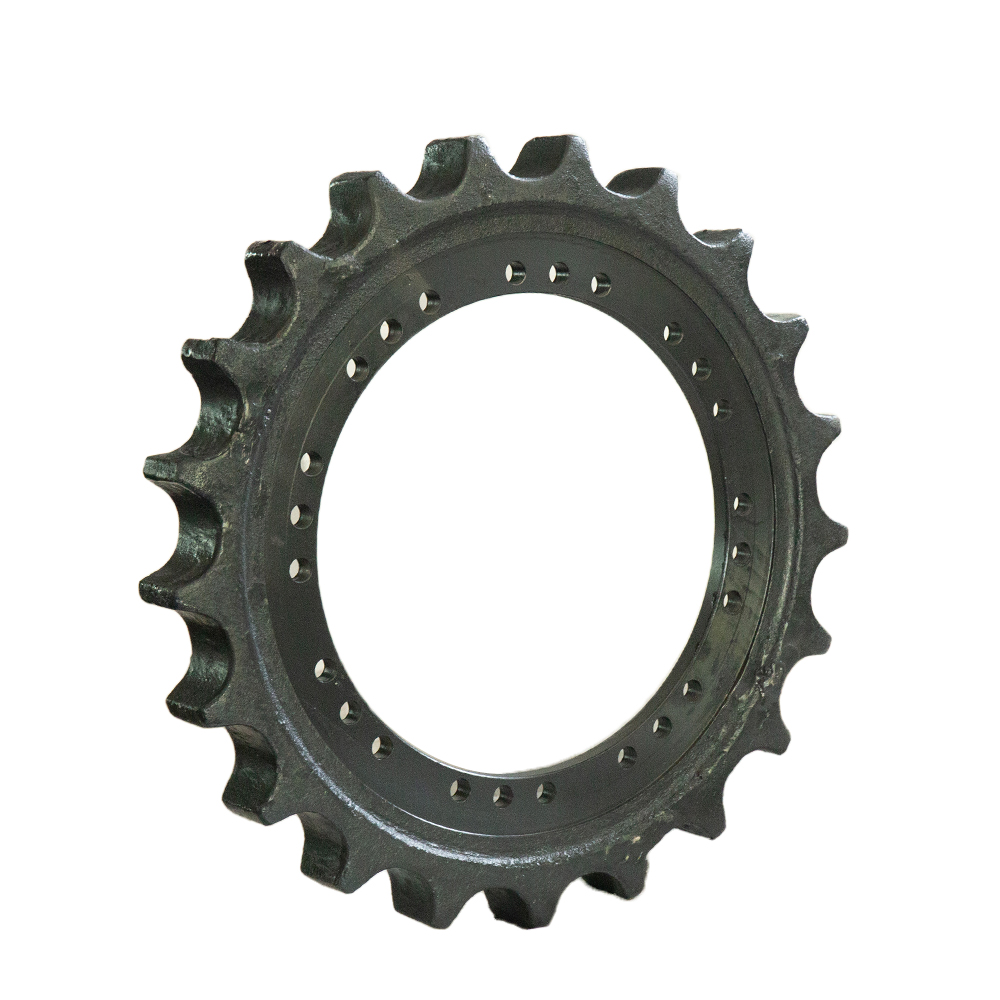
Let's consider the crucial interaction between the track chain and the sprocket. المسافة بين مركز كل دبوس في سلسلة المسار تسمى "الملعب"." يتم تصنيع العجلة المسننة الجديدة بأسنان مصممة بشكل مثالي للتعامل مع البطانات الخاصة بسلسلة جديدة ذات خطوة محددة. كما ترتدي السلسلة, تتآكل دبابيسها وبطاناتها الداخلية, مما يتسبب في إطالة الملعب أو "تمدده"." معًا, تتآكل الأسنان المسننة من هذا التفاعل.
الآن, تخيل تثبيت جديد, سلسلة مسار عالية الجودة على القديم, ضرس البالية بشدة. الأسنان المسننة البالية, التي أصبحت رقيقة و"معلقة".," will not properly engage the new chain's bushings. سوف يركزون القوة على المناطق الخاطئة, مما تسبب في تآكل السلسلة الجديدة بمعدل متسارع بشكل كبير. على العكس من ذلك, يمكن أن يكون تركيب ضرس جديد بسلسلة غير متطابقة أو سيئة التصنيع مدمرًا بنفس القدر. إذا كانت السلسلة البديلة ذات الجودة المنخفضة تحتوي على نغمة غير متسقة أو غير صحيحة منذ البداية, سيبدأ على الفور في إتلاف أسنان العجلة المسننة الجديدة.
مثال محدد للغاية هو حافة ضرس فولفو, وهو المسنن, حلقة الترباس التي تحرك السلسلة. إذا كانت الحافة البديلة تحتوي على قطر أو شكل سن غير صحيح قليلاً, قد يتم فرضه في مكانه أثناء التثبيت. تحت الحمل, لكن, سيؤدي اختلال الدقائق إلى ضغط غير متساوٍ على البراغي, مما قد يؤدي إلى قطعها. بمهارة أكبر, سيؤدي الارتباط غير المناسب للأسنان إلى حدوث عملية طحن ترسل اهتزازات ضارة عبر المحرك النهائي بأكمله, من المحتمل أن يؤدي ذلك إلى الإضرار بالمحامل والتروس باهظة الثمن بالداخل. يتم القضاء على التوفير الأولي في الجزء غير المناسب بتكلفة الأضرار الجانبية التي يسببها. يعمل الهيكل السفلي كوحدة واحدة, نظام باهظ الثمن, وإدخال جزء واحد غير مطابق يشبه إدخال فيروس إلى كائن حي سليم.
فك أرقام الأجزاء والخطط
لتجنب مشاكل التوافق هذه, يجب أن يصبح أصحاب المعدات والميكانيكيون ماهرين في استخدام الأدوات المتاحة لتحديد الأجزاء. The primary tools are the machine's parts manual and the electronic parts catalogs (ابكس) المقدمة من قبل الشركات المصنعة والموردين السمعة.
تحديد موقع رقم الجزء: دليل الأجزاء, سواء في شكل مادي أو رقمي, is the machine's bible. أنه يحتوي على مخططات عرض موسع لكل نظام على الجهاز. هذه المخططات لا تقدر بثمن. وهي توضح كيفية تجميع المكونات وتعيين رقم مرجعي لكل قطعة على حدة. من خلال تحديد موقع التمثيل المرئي للجزء المطلوب في الرسم التخطيطي, يمكنك العثور على رقم الجزء المقابل له في القائمة المرفقة. من الضروري الانتباه إلى الملاحظات الموجودة في الكتالوج والتي تحدد التغييرات بناءً على الأرقام التسلسلية (على سبيل المثال, "للأجهزة رقم التعريف الشخصي XXXXXX وما فوق").
استخدام الرسوم البيانية للعرض المنفجر: تقوم هذه المخططات بأكثر من مجرد المساعدة في تحديد رقم الجزء. أنها تكشف عن العلاقة بين المكونات. عند استبدال جزء فاشل, قد تظهر دراسة متأنية للمخطط الأختام ذات الصلة, حلقات, أو الحشيات التي يجب استبدالها دائمًا في نفس الوقت. على سبيل المثال, إن استبدال مضخة المياه دون استبدال حشيتها أيضًا يتطلب حدوث تسرب. يوفر الرسم البياني قائمة مرجعية مرئية لضمان الإصلاح الكامل والمهني.
الإسناد الترافقي والتحقق: بمجرد أن يكون لديك رقم الجزء, يمكن للمورد المحترف استخدامه لتأكيد الإعداد وتقديم البدائل. ويمكنهم إجراء إحالة مرجعية لرقم قطعة فولفو الأصلي إلى رقم معادل عالي الجودة لما بعد البيع. ويمكنهم أيضًا استخدام خبراتهم لطرح أسئلة توضيحية. على سبيل المثال, إذا طلبت جزءًا من أسطوانة هيدروليكية, قد يطلبون منك قياس قطر القضيب أو التجويف للتأكيد, as there might be multiple options for your machine's PIN. تعتبر عملية التحقق التعاونية هذه بين العميل والمورد نهائية, فحص حاسم لمنع الخطأ المكلف المتمثل في طلب الجزء الخطأ. فهو يحول المعاملة من عملية شراء بسيطة إلى شراكة لحل المشكلات.
خطأ 4: سوء فهم حقيقي مقابل. OEM مقابل. طيف ما بعد البيع
إن سوق مكونات المعدات الثقيلة ليس ثنائيًا بسيطًا من "الجيد"." و "سيئة" أجزاء. إنه طيف دقيق مع عدة مستويات من الجودة, سعر, والمصادر. في أحد الأطراف توجد قطع غيار أصلية, ومن ناحية أخرى يوجد عالم واسع ومتنوع من خيارات ما بعد البيع, وفي مكان ما بينهما تقع فئة OEM. إن سوء الفهم العميق للفروق بين هذه الفئات هو مصدر متكرر لقرارات الشراء السيئة. إن اختيار النوع المناسب من الأجزاء للتطبيق الصحيح هو عمل استراتيجي يتطلب تقييمًا واضحًا للمخاطر, ميزانية, والدور المحدد الذي يلعبه المكون. ببساطة التخلف عن الأغلى (أصيل) أو الأرخص (ما بعد البيع) إن الخيار دون دراسة متأنية يمكن أن يؤدي إما إلى نفقات غير ضرورية أو مخاطر غير مقبولة. يتضمن النهج المتطور الاستفادة من النطاق بأكمله لتحسين تكلفة وموثوقية أسطولك.
تحديد الطبقات: أصيل, تصنيع المعدات الأصلية, وما بعد البيع
لاتخاذ خيارات ذكية, يجب على المرء أولاً أن يتحدث لغة مصادر الأجزاء بدقة. غالبا ما تستخدم المصطلحات بالتبادل, لكن لها معاني متميزة.
قطع غيار أصلية: هذه هي المكونات التي تباع مباشرة من قبل الشركة المصنعة للمعدات, في هذه الحالة, فولفو. إنها تأتي في صندوق يحمل علامة فولفو وهي نفس الأجزاء المستخدمة لتجميع الماكينة في المصنع. أنها توفر ضمانة لتناسب مثالي, جودة المواد, والأداء. ويأتي هذا الضمان بسعر ممتاز, which reflects not only the quality of the part but also the cost of Volvo's extensive global distribution network, العلامات التجارية, بحث, والتنمية. هم المعيار للجودة.
تصنيع المعدات الأصلية (الشركة المصنعة للمعدات الأصلية) أجزاء: هذا هو واحد من أكثر المصطلحات التي يساء فهمها. جزء OEM هو أحد المكونات التي تصنعها نفس الشركة التي تزود شركة فولفو بالجزء الأصلي. على سبيل المثال, لا تقوم شركة فولفو بتصنيع المحامل الخاصة بها, بيستونز, أو الشواحن التوربينية. They design the specifications and then contract with a specialized company—let's say Bosch for fuel injectors or SKF for bearings—to produce them. يتم وضع الأجزاء المرسلة إلى مصنع فولفو في صندوق فولفو وتصبح "أصلية"." نفس الأجزاء, مصنوعة على نفس خط الإنتاج وبنفس المعايير, التي تبيعها Bosch أو SKF من خلال قنوات التوزيع الخاصة بها هي "OEM" أجزاء. They offer genuine-level quality without the equipment manufacturer's brand markup, يمثل اقتراح قيمة كبيرة. ويتمثل التحدي في تحديد مورد OEM الصحيح لمكون معين.
أجزاء ما بعد البيع: هذه هي الفئة الأوسع والأكثر تنوعًا. جزء ما بعد البيع هو أي جزء يتم إنتاجه بواسطة أي شركة ليست مورد OEM. الجودة في عالم ما بعد البيع موجودة على نطاق واسع. في نهاية واحدة, you have highly reputable companies that specialize in specific component categories, such as undercarriage or ground-engaging tools. These companies may reverse-engineer the genuine part and then use their specialized expertise to make improvements, perhaps using a more advanced steel alloy or a more robust design. Their products can meet or even exceed genuine specifications. These are the "high-quality aftermarket" الموردين. At the other end of the spectrum are manufacturers producing low-cost, low-quality parts with inferior materials and poor quality control. The key is that "aftermarket" is not a synonym for "inferior"; it is simply a designation of origin. Discernment is required to separate the high-quality aftermarket from the low-quality options.
A Comparative Analysis for Strategic Sourcing
Choosing between these tiers involves trading off several factors. The following table provides a framework for this strategic decision-making process, helping to clarify the pros and cons of each category for parts for Volvo machines.
| ميزة | أصيل (Volvo Branded) | تصنيع المعدات الأصلية (الشركة المصنعة للمعدات الأصلية) | ما بعد البيع عالي الجودة |
|---|---|---|---|
| Price | الأعلى | معتدل (20-40% less than Genuine) | عامل (غالباً 40-60% less than Genuine) |
| جودة | Benchmark standard, guaranteed | Identical to Genuine quality | Can meet or exceed Genuine standards |
| ملائم & وظيفة | Guaranteed perfect fit | Identical to Genuine fit | Designed to match Genuine fit; high-quality suppliers guarantee it |
| ضمان | Typically backed by the full Volvo network | Backed by the OEM manufacturer (على سبيل المثال, Bosch, SKF) | Backed by the aftermarket supplier; can be very comprehensive |
| توافر | Generally good through official dealers | Can be harder to source; requires identifying the OEM | Excellent for common wear parts from specialized suppliers |
| Source | Official Volvo dealer network | Independent parts distributors, OEM's own network | Specialized aftermarket suppliers and distributors |
This comparison reveals that there is no single "best" choice for every situation. The optimal decision is context-dependent.
When to Choose Each Type: A Practical Guide
The art of expert parts sourcing lies in knowing when to deploy each type of part to achieve the best balance of cost, أداء, and risk management.
Choose Genuine Parts When:
- The machine is still under its factory warranty. Using non-genuine parts during the warranty period can potentially void coverage for related failures.
- The part is a highly complex, safety-critical electronic component, like an Engine Control Unit (ECU). The proprietary software and intricate calibration of these components make the genuine option the safest bet.
- The cost of failure is astronomically high and absolute certainty is required, such as for internal engine or transmission components on a primary production machine.
Choose OEM Parts When:
- The machine is out of warranty, and you are looking for genuine-level quality without the genuine price tag.
- You can positively identify the OEM supplier for the component you need. This is common for items like filters, belts, turbochargers, and fuel system components.
- You are performing a major repair or rebuild and want to maintain the original factory performance characteristics at a more reasonable cost.
Choose High-Quality Aftermarket Parts When:
- You are replacing high-wear components. This is the sweet spot for reputable aftermarket suppliers. Items like undercarriage parts (بكرات, العاطلون, سلاسل المسار), دلاء, teeth, cutting edges, and other ground-engaging tools are consumed through normal use. A high-quality aftermarket supplier specializing in a quality Volvo undercarriage can offer products made from superior wear-resistant steel at a fraction of the genuine price. The TCO savings in this category are often immense.
- You are looking for an improved or heavy-duty version of a standard part. Aftermarket companies often innovate, offering, على سبيل المثال, a bucket with extra reinforcement for severe rock applications or a ripper shank with a more aggressive profile for better penetration.
- The machine is older, and genuine or OEM parts are becoming difficult to find or prohibitively expensive. A strong aftermarket can keep older, yet still productive, machines running economically.
By understanding this spectrum, a fleet manager can create a blended sourcing strategy. They might use genuine parts for a sensitive engine sensor, OEM filters for routine service, and high-quality aftermarket undercarriage components for a track replacement, thereby optimizing the entire maintenance budget without compromising the reliability of their parts for Volvo machines.
خطأ 5: اعتماد "إصلاح الأمر عند حدوث كسر" تفاعلي" يقترب
The most traditional—and arguably the most costly—approach to maintenance is to wait for something to fail before taking action. This "fix-it-when-it-breaks" philosophy, also known as reactive maintenance, treats heavy machinery like a household appliance. It functions until it doesn't, and only then is attention paid. For complex, capital-intensive assets like Volvo construction equipment, this is a deeply flawed strategy. It cedes control of the maintenance schedule to chance, guaranteeing that failures will occur at the most inconvenient times, leading to maximum disruption and expense. A more enlightened and economically sound approach is to shift from a reactive to a proactive and even predictive mindset. This involves regular inspections, planned maintenance based on operational data, and a conscious effort to extend component life through proper operation. It is the difference between being a passive victim of mechanical failure and an active manager of asset health.
The Power of Proactive Undercarriage Inspection
As previously discussed, the undercarriage of a tracked machine is one of its most expensive wear systems. It is also a system that provides clear, visible signals of its health long before a catastrophic failure occurs. A proactive approach begins with simple, routine visual inspections that can be performed by the operator in just a few minutes at the start of each day. This is not a complex technical task; it is a habit of disciplined observation.
A basic daily walk-around inspection should include:
- Checking Track Sag: The tension of the track chain is vital. A track that is too tight accelerates wear on all components. A track that is too loose can cause the machine to "throw a track," leading to significant downtime. The operator's manual specifies the correct amount of sag, which can be checked quickly with a tape measure.
- Inspecting for Leaks: Look at the track rollers, العاطلون, and final drives. Any sign of oil leakage indicates a failing seal. A seal is an inexpensive part, but if it fails completely, the component will lose its lubrication, leading to the rapid destruction of the expensive internal bearings and shafts. Catching a leak early turns a thousand-dollar repair into a fifty-dollar one.
- Examining Sprocket Teeth: The teeth on the drive sprocket provide a clear history of wear. كما يرتدون, they become thinner and develop a "hooked" or pointed shape. A severely worn sprocket will damage a new track chain. Observing the wear pattern helps in planning the replacement of both the sprocket and chain together to maximize the life of the new system. A phenomenon known as "scalloping," where the tooth surface between the tips becomes concave, is another clear indicator that the sprocket is nearing the end of its service life.
- Measuring Bushing and Tread Wear: More advanced inspections, which can be done weekly or monthly by a maintenance technician, involve using specialized tools to measure the wear on track bushings and the height of the grousers (treads) on the track pads. This data can be tracked over time to accurately predict when the undercarriage will reach the end of its functional life, allowing for planned replacement during scheduled downtime rather than in the middle of a critical job.
Implementing a Predictive Maintenance Schedule
Proactive maintenance evolves into predictive maintenance when it starts using data to forecast failures. Modern Volvo machines are equipped with sophisticated telematics systems, like Volvo's CareTrack, which continuously monitor thousands of data points, from engine temperature and hydraulic pressure to fuel consumption and fault codes. This stream of data is a powerful tool for predicting the need for replacement parts for Volvo machines.
Instead of changing a hydraulic filter every 500 ساعات (a traditional, preventative schedule), a predictive system might analyze the pressure differential across the filter. As the filter becomes clogged, the pressure drop increases. The system can send an alert when the pressure drop reaches a predetermined threshold, indicating that the filter is nearing the end of its effective life and needs to be changed. This ensures the filter is used for its full functional life without ever being pushed to the point of failure.
For operations without advanced telematics, a similar logic can be applied manually. By keeping detailed logs of part replacements and operating hours, a manager can establish a historical baseline for the lifespan of various components on their specific job sites. If, على سبيل المثال, the bucket teeth on a wheel loader working in a highly abrasive sand pit consistently last for 150 ساعات, a replacement can be scheduled at the 140-hour mark. This simple data-driven approach prevents the loss of productivity that occurs when teeth wear down completely and also prevents "over-maintaining" the machine by replacing parts that still have functional life remaining. A key part of a predictive schedule is also smart inventory management. Knowing that you will need a new set of undercarriage parts in approximately three months allows you to order them with standard shipping, avoiding the exorbitant costs of air freight for a multi-ton shipment.
The Role of Operator Training in Part Longevity
The final pillar of a proactive maintenance philosophy is recognizing the profound impact of the machine operator. The person at the controls is not just a driver; they are the primary custodian of the machine's mechanical health on a day-to-day basis. How they operate the machine can either drastically shorten or significantly extend the life of its components, particularly the undercarriage and ground-engaging tools.
Effective operator training should emphasize techniques that minimize stress on the machine:
- Minimize Counter-Rotation: Spinning the machine on the spot with one track going forward and the other in reverse places immense torsional stress on the track frames and undercarriage components. Encouraging operators to make wider, more gradual "Y" turns reduces this stress.
- Limit High-Speed Reverse Travel: Track chains are designed to primarily pull load in the forward direction. Extensive high-speed operation in reverse causes accelerated wear on the reverse-drive side of the sprocket teeth and track bushings.
- Alternate Turning Direction: Consistently turning in only one direction will cause one side of the undercarriage to wear out much faster than the other. Training operators to alternate their turning patterns helps to even out the wear.
- Work Up and Down Slopes, Not Across Them: Operating sideways on a slope (side-hilling) places continuous, heavy loads on the downhill side's track rollers, العاطلون, and track frame, مما يؤدي إلى الفشل المبكر.
- Use the Right Digging Technique: Using the bucket or a chisel for construction machinery to pry or twist at rock places enormous side-loads on the boom, يلزق, and bucket pins and bushings, leading to rapid wear. Proper technique involves using the machine's hydraulic power in a straight line as much as possible.
By investing in operator training, a company invests in the longevity of its parts. An operator who understands the mechanical consequences of their actions is an invaluable partner in the effort to control maintenance costs and maximize machine uptime. The shift from a reactive to a proactive and predictive maintenance culture is a shift in philosophy—from viewing maintenance as an expense to be avoided to seeing it as an investment in reliability to be embraced.
الأسئلة المتداولة (التعليمات)
How can I verify if an aftermarket part meets quality standards? To verify quality, request technical specifications from the supplier, such as the type of steel used (على سبيل المثال, فولاذ البورون), its hardness rating (على سبيل المثال, HB400, HB500), and details about the heat treatment process. Ask for certifications like ISO 9001 and inquire about their warranty policy. A reputable supplier will be transparent with this information.
Is using aftermarket parts going to void my Volvo machine's warranty? During the base warranty period, manufacturers can require the use of genuine parts for repairs to be covered under warranty. If a failure is proven to be caused by a defective aftermarket part, the manufacturer may deny the warranty claim for that specific failure. لكن, using a high-quality aftermarket part, such as an oil filter or a bucket tooth, does not automatically void the entire machine warranty. It is best to check the specific terms of your warranty agreement.
What is the most common part to fail first on a Volvo excavator undercarriage? While it depends heavily on operating conditions, the sprockets and the track chain bushings are often among the first components to show significant wear. The sprocket teeth engage directly with the chain bushings on every rotation, making this a high-friction, high-impact interface. Proactive monitoring of sprocket tooth shape and track chain "stretch" is key.
How important is the heat treatment of a bucket or ripper? Heat treatment is exceptionally important. It is the process that gives a component its ideal balance of surface hardness (لمقاومة التآكل) and core toughness (to resist impact and prevent shattering). A bucket made from excellent steel but with improper heat treatment can be either too soft (wearing out quickly) or too brittle (cracking under load).
Can I use parts from a different machine model if they look similar? This is strongly discouraged. Even if a part looks visually identical, there can be minute differences in dimensions, material specifications, or tolerances that are not apparent. Using an incorrect part can lead to poor fitment, compromised performance, and cascading damage to other components. Always use the machine's specific serial number (دبوس) to identify the exact correct part.
What's the best way to reduce shipping costs for heavy parts to regions like Africa or Australia? The best strategy is to plan ahead. Proactive and predictive maintenance allows you to forecast your need for heavy items like undercarriage components or a new bucket months in advance. This enables you to order them via ocean freight, which is dramatically cheaper than air freight. Consolidating orders with a supplier can also reduce the per-item shipping cost.
How do I find the correct part number for my specific Volvo machine? The most reliable method is to use your machine's unique Product Identification Number (دبوس) or serial number. Provide this number to a qualified parts supplier. They can use it to access the precise electronic parts catalog for your machine, which eliminates guesswork and ensures you receive a component that is guaranteed to fit and function correctly.
خاتمة
The process of sourcing and procuring parts for Volvo machines transcends simple transactional purchasing; it is an integral component of strategic asset management. The examination of the five common mistakes—prioritizing initial price, neglecting supplier diligence, ignoring compatibility, misunderstanding the parts spectrum, and remaining in a reactive maintenance posture—reveals a clear path toward greater operational efficiency and financial prudence. The adoption of a Total Cost of Ownership perspective provides a rational framework for decision-making, compelling a focus on long-term value over short-term savings. بصورة مماثلة, a rigorous supplier vetting process acts as a crucial defense against the risks of substandard and counterfeit components that threaten both safety and equipment health.
Precision in part identification, guided by the machine's specific serial number, ensures the seamless integration of new components, preserving the intricate harmony of the machine's systems. A nuanced understanding of the genuine, تصنيع المعدات الأصلية, and high-quality aftermarket tiers empowers managers to develop a flexible, cost-effective sourcing strategy tailored to the specific application and age of the equipment. أخيراً, the philosophical shift from a reactive to a proactive and predictive maintenance culture, supported by diligent inspections and operator training, transforms maintenance from an unpredictable expense into a manageable investment in reliability. By internalizing these principles, owners and operators of Volvo equipment in diverse and demanding markets can better protect their investments, minimize costly downtime, and ultimately enhance the productivity and profitability of their operations.
مراجع
Artizono. (2024, يونيو 28). Different types of sprockets explained. Artizono. https://artizono.com/sprockets-types/
EquipmentShare. (2023, November 21). A guide to sprockets in construction equipment: Types, functions, صيانة, وأكثر. https://shop.equipmentshare.com/blogs/parts-in-depth/sprockets?srsltid=AfmBOoqpB5y88EUJg-nC98o5U9jGYeWv2JQ2VD9-M8LF7rO57LWRL6Oq
Magnum Industrial. (2024, أبريل 4). أسنان العجلة: The ultimate guide. https://www.magnumindustrial.com/learning-center/sprockets-ultimate-guide/
PDFCofee. (2021, December 27). أسنان العجلة. https://pdfcoffee.com/sprockets-3-pdf-free.html