
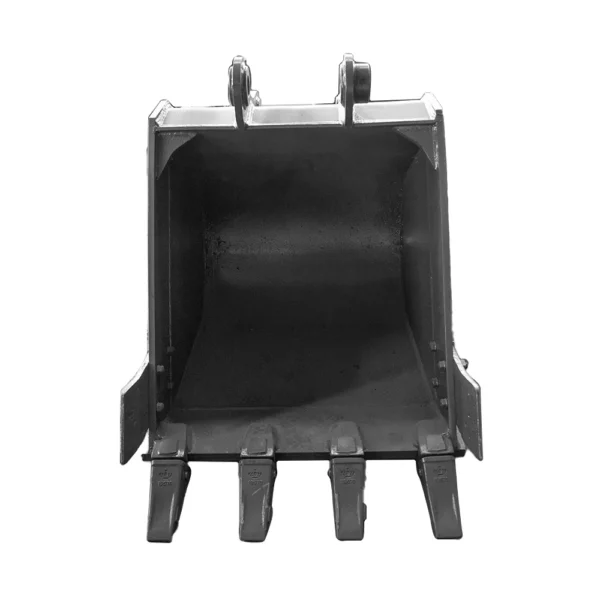
Абстрактный
Выбор соответствующего передового лезвия для погрузчика является определением глубокого последствия для эффективности эксплуатации и экономической жизнеспособности тяжелой техники в строительстве, добыча, и сельскохозяйственные сектора. В этом анализе рассматривается многогранный процесс выбора подходящего лезвия, Выходя за рамки поверхностного рассмотрения затрат на более глубокое исследование материальной науки, Инженерный дизайн, и требования к конкретным приложениям. Это утверждает, что оптимальный выбор не является универсальной постоянной, а скорее зависимой от контекста переменной, В зависимости от таких факторов, как абразивность местности, уровень воздействия работы, и климатические условия оперативного театра. Дискурс углубляется в металлургические свойства сталей, включая рейтинги твердости и роль сплавов, таких как бор, и соединяет эти свойства с практическими проблемами, сталкивающимися в разнообразных глобальных условиях, От замороженных территорий России до абразивных песков Ближнего Востока. Более того, он исследует профили лезвия, Протоколы обслуживания, и критерии выбора авторитетного поставщика, Утверждая, что целостное понимание этих элементов необходимо для максимизации продолжительности жизни оборудования, Минимизация времени простоя, и обеспечение долгосрочной прибыльности инженерных проектов.
Ключевые выводы
- Соберите стальную твердость (HB) на вашу основную работу: Высокий HB для истирания, Прочность на воздействие.
- Рассмотрим обратимую передовую лопасть для погрузчика, чтобы эффективно удвоить его эксплуатационную жизнь.
- Выберите дизайн лезвия, такие как зубчатые, На основе материала, который вам нужно проникнуть.
- Реализовать ежедневные проверки на трещины и затягивания болта, чтобы предотвратить серьезные сбои.
- Оценить поставщиков по общей стоимости владения, Не только начальная цена лезвия.
- Техника оператора значительно влияет на скорость износа и продолжительность жизни передового края.
- Используйте правильно, Высококачественные болты плуга для установки для обеспечения безопасности и производительности.
Оглавление
- Материал состав и твердость: Душа лезвия
- Дизайн и профиль лезвия: Форма диктует функцию
- Приложение и операционная среда: Глобальная перспектива
- Установка, Обслуживание, и максимизировать продолжительность жизни: Практика долговечности
- Выбор авторитетного поставщика: Партнерство в результате эффективности
- Часто задаваемые вопросы
- Заключение
- Ссылки
Материал состав и твердость: Душа лезвия
Для начала нашего расследования в мире компонентов тяжелых машин, Давайте сначала рассмотрим точку контакта, Сам интерфейс между мощным погрузчиком и землей предназначен для формирования. Передовое лезвие для погрузчика - это не просто полоска стальной, прикрепленной к ведру; Это кусок инженерной материалы науки, the quality of which dictates the machine's efficiency, расход топлива, и долголетие всей сборки ведра. Выбор лезвия - значит принять решение о том, как вы будете взаимодействовать с физическим миром. Будете ли вы царить свободный песок в жаре Дубая, Или вы пробитесь сквозь замороженную землю в сибирской зиме? Сталь должна быть подходящей для задачи, и понимание его фундаментальных свойств является первым шагом к принятию мудрого и прибыльного решения. Это не вопрос простого предпочтения, но один из соглашений о внутреннем характере материала с внешними проблемами, с которыми он столкнется.
Понимание твердости стали: Бринелл (HB) и Роквелл (HRC)
Когда мы говорим о «твердости" в стали, Мы имеем в виду его сопротивление локализованной пластической деформации, такие как вмятина или царапина. Представьте себе, что прижимаете свой большой палец в кусок глины по сравнению с деревянным блоком. Сопротивление, которое вы чувствуете, является простым аналогом для твердости. В мире металлургии, Нам нужны более точные меры. Две наиболее распространенные масштабы, с которыми вы столкнетесь при выборе рельсового лезвия для погрузчика, - это номер твердости Бринелла (HB или HBW) И шкала твердости Роквелла (HRC).
Тест Бринелла включает в себя нажатие твердого стали или карбида шарика определенного диаметра на поверхность материала с определенной силой в течение определенного времени. Затем измеряется диаметр полученного вдали. Меньшее в обращении указывает на более сложный материал, Получение более высокого числа Бринелла. Для резки края, Вы обычно увидите значения в диапазоне от 250 HB для основного края углеродистой стали до конца 500 HB за премию, тепло, обработанная борной сплавной сталью.
Тест Роквелла в принципе аналогичен, но использует алмазный конус или небольшой стальный шарик и измеряет глубину проникновения. Шкала HRC часто используется для очень твердых сталей. Пока есть диаграммы конверсии, it's helpful to think of them as different languages describing the same property. Для наших целей, Бринелл (HBW) Масштаб чаще всего цитируется производителями деталей и режущихся краев., Итак, мы сосредоточимся там.
Почему это число так важно? Твердость напрямую коррелирует с устойчивостью к истиранию. Более высокий номер HB означает, что сталь будет изнашиваться медленнее при измельчении абразивных материалов, таких как песок, гравий, и измельченный рок. А 500 HB Steel Edge может длиться три -пять раз дольше, чем 250 HB углеродная сталь в тех же абразивных условиях. Эта разница не тривиальна; он переводится непосредственно на меньшее количество изменений лезвия, меньше времени простоя, и значительная экономия затрат на срок службы машины.
| Сталь типа | Типичная твердость Бринелла (HBW) | Общие приложения | Устойчивость к истиранию | Воздействие сопротивления |
|---|---|---|---|---|
| Высокая углеродная сталь | 200-300 | Светлый, низкая абразия (НАПРИМЕР., верхний слой почвы, снег) | Низкий | Хороший |
| Тепло (Ht) Сталь | 400 | Общее назначение, Умеренное истирание (НАПРИМЕР., глина, грязь) | Середина | Очень хороший |
| HT Boron сплав Сталь | 450-500 | Высокая абразива (НАПРИМЕР., песок, гравий, камень) | Высокий | Хороший |
| Премиум HT Boron Steel | 500+ | Экстремальная абразия (НАПРИМЕР., карьер, добыча) | Очень высоко | Умеренный |
Как показывает таблица, Часто есть компромисс. Поскольку сталь становится все труднее, это также может стать более хрупким, это означает, что его способность поглощать внезапные удары или удары без трещин (это "прочность") может уменьшить. Это центральное натяжение при выборе правого материала для передового кромка для погрузчика.
Сквозной против. Поверхностные стали
Твердость, которую мы только что обсудили, может быть достигнута по -разному, приводя к двум основным категориям стали, используемых для режущих краев: сквозной и запорной поверхности (или закармливаться). Понимание различия похоже на понимание разницы между луком сплошного дуба и ламинированным шпоном. Оба сильны, Но их внутренняя структура и режимы отказа разные.
Сквозной сталь, Как следует из названия, имеет постоянную твердость от своей поверхности до ее ядра. Это достигается за счет нагрева всего лезвия до критической температуры и последующего его быстрого охлаждения. (процесс, называемый закалкой), с последующим отпуском для уменьшения хрупкости. В результате получается лезвие, которое изнашивается с очень предсказуемой скоростью.. Поскольку материал измельчается, вновь обнаженная сталь имеет ту же твердость, что и исходная поверхность.. Это предпочтительный тип для большинства применений, требующих высокой абразивности, поскольку он сохраняет свои износостойкие свойства на протяжении всего срока службы.. Думайте об этом как о твердой плитке высококачественного шоколада.; каждый кусочек так же хорош, как первый. Такая последовательность является отличительной чертой превосходного лезвия для погрузчика..
Поверхностно-закаленная сталь, с другой стороны, имеет чрезвычайно твердый внешний «корпус»" и более мягкий, более пластичный сердечник. Это обычно достигается за счет таких процессов, как Carburizing или упрочнение индукции, которые изменяют химию или структуру только поверхностного слоя. Основное преимущество этого подхода заключается в том, что он создает лезвие с очень жестким, шоковое ядро, которое может противостоять высоким воздействиям, В то время как внешняя поверхность обеспечивает хорошую начальную стойкость к износу. Недостаток, однако, Если, как только этот жесткий внешний корпус изношен - и он может быть довольно тонким - скорость износа резко ускоряется, когда более мягкий металл ядра выставлен. Это можно сравнить с конфеты с твердой оболочкой; Как только вы прорваетесь через раковину, Мягкий центр быстро исчезает. Для определенного высокого воздействия, низкообразивные рабочие места, Это может быть жизнеспособным выбором, Но для измельчающей работы большинство погрузчиков выполняют, Сталь сквозной закалки обычно предлагает более выгодное предложение по совокупной стоимости..
Роль легирующих элементов: Бор, Углерод, и марганец
«База" материал всех этих лезвий — железо. В высокопроизводительную сталь, способную выдерживать невероятные силы, ее превращают специальные легированные ею элементы.. Let's consider the three most significant players in the context of a cutting edge blade for loader: углерод, марганец, и переломный момент, бор.
Углерод является основным упрочнителем стали.. Простейшими словами, чем больше углерода вы добавите (до определенного момента), тем тверже сталь может стать в результате термической обработки. «Высокоуглеродистый" сталь, используется для основных режущих кромок, может быть вокруг 0.8% углерод. Однако, добавление углерода также увеличивает хрупкость. Это классический компромисс. Слишком много углерода, и ваш край может разбить в первый раз, когда он попадает в камень. Слишком мало, И это будет носит как карандаш.
Марганец - еще один ключевой ингредиент. Он выполняет несколько функций. Это способствует силе и твердости, но, возможно, что еще более важно, it improves the steel's response to heat treatment (это "затвердеваемость") и увеличивает его прочность. Это помогает создать более прочный и устойчивый конечный продукт, тот, который может сопротивляться растрескиванию под напряжением. Качественная передовая кромка будет иметь тщательно контролируемое количество марганца, чтобы сбалансировать твердость с воздействием сопротивления.
Boron является суперзвездой современной передовой металлургии. Это мощный закал, so potent that it is added in minuscule amounts—we're talking parts per million. При добавлении в сталь, которая затем правильно обрабатывается, бор резко увеличивает его укрепление. Это позволяет создавать толстые секции стали, которые подвергаются сквозной закалке до очень высокого и однородного числа Бринелля. (500+ HB). «Бористая сталь" режущая кромка стала отраслевым стандартом для любого применения, связанного со значительным истиранием.. Обеспечивает высочайший уровень износостойкости., обеспечение максимально длительного срока службы полотна. Разработка бористой стали стала значительным шагом вперед для всех наземных инструментов., включая лезвия, Потрошитель Шенкс, и долота. Когда вы видите производителя, рекламирующего «бористую сталь" режущий отвал для погрузчика, они сигнализируют о продукте премиум-класса, предназначенном для самых тяжелых условий.
Выбор материалов для глобальной среды
The true test of one's understanding comes when applying these principles to the diverse and demanding environments where these machines operate. Оптимальный материал для погрузчика в песчаных пустынях ОАЭ не тот, что для работающего в гранитном карьере в ЮАР или на зимней стройке в Корее..
Для высокоабразивных условий Ближнего Востока и большей части Австралии., где погрузчики постоянно перемещают острозернистый песок и абразивные грунты, нет замены твердости. Здесь, бористая сталь сквозной закалки с твердостью 500 HB или даже выше — единственный логичный выбор.. Истирание – главный враг, и каждая точка по шкале Бринелля соответствует увеличению количества часов работы. Использование меньшего 400 Сталь HB в таких условиях была бы ложной экономией., что приводит к частым изменениям и длительному простою.
В условиях высокого воздействия, например, карьеры в Африке или места сноса, уравнение меняется. Хотя истирание все еще является фактором, риск катастрофического отказа от удара с большой, твердые породы являются доминирующей проблемой. Чрезвычайно твердое, но хрупкое лезвие может сломаться или отколоться., делая это бесполезным. Здесь, оператору может быть лучше подойдет сталь, которая жертвует небольшим количеством твердости ради значительного увеличения ударной вязкости.. Это может означать сталь со сквозной закалкой и немного меньшим числом Бринелля. (возможно 450 HB) но с более высоким содержанием марганца или специальным процессом закалки, предназначенным для максимизации ударопрочности. Выбор режущего отвала для погрузчика становится продуманной оценкой риска..
Для работы в мерзлых землях России и холодных зимах Кореи, другое материальное свойство становится первостепенным: низкотемпературная вязкость. Все стали имеют «температуру перехода от пластичного к хрупкому»." Ниже этой температуры, сталь теряет способность деформироваться и поглощать энергию, становится хрупким, как стекло. Лезвие, которое является абсолютно прочным при 20°C, может разрушиться при ударе при -20°C.. Для этих приложений, Крайне важно выбрать сталь, которая была протестирована и сертифицирована на предмет ее ударных свойств при низких температурах. (часто измеряется с помощью теста Шарпи с V-образным надрезом). Поставщик, обладающий опытом работы на этих рынках, поймет необходимость в конкретных сплавах, которые сохраняют свою прочность даже в условиях сильного холода., обеспечение надежности строительной техники в течение всего года.
Дизайн и профиль лезвия: Форма диктует функцию
Установив твердое понимание материальной сущности переднего края, теперь мы должны обратить внимание на его форму. Геометрия клинка — его форма, его толщина, его профиль — не произвольный эстетический выбор. It is a functional design intended to optimize the blade's interaction with specific materials and tasks. Если состав материала – душа клинка, его дизайн - это его тело, физическое проявление своего предназначения. Выбор правильной конструкции режущего отвала для погрузчика так же важен, как и выбор правильного материала.. Неправильный профиль может привести к плохому проникновению., повышенный расход топлива, и преждевременный износ, даже если сама сталь высочайшего качества.
Флэт против. Зубчатые края
Самый фундаментальный выбор дизайна — между плоской, прямой край и зубчатый, или зубчатый, край. Этот выбор фундаментально меняет способ взаимодействия ковша погрузчика с землей..
Плоский край, часто называемый прямым краем, самый распространенный и универсальный вариант. Он обеспечивает плавное, непрерывная линия контакта с материалом. Это делает его идеальным для задач общего назначения, таких как погрузка сыпучих материалов. (песок, гравий, земля), обратное перетаскивание для создания гладкой поверхности, и генеральная уборка территории. Его сила заключается в способности аккуратно очищать и эффективно перемещать складированные материалы.. Для операторов по ландшафтному дизайну, сельское хозяйство, или повторная обработка заявок, плоский край — это вариант по умолчанию и наиболее эффективный выбор. Он оставляет чистый, ровная поверхность, что часто требуется при планировке и отделочных работах.
Зазубренный край, напротив, это специализированный инструмент. Он имеет ряд зубчатых выступов вдоль лезвия.. Подумайте о разнице между ножом для масла и ножом для стейка.. Зубчатая кромка концентрирует всю силу погрузчика на мелких точках зубьев., резко увеличивает давление на грунт и проникающую способность. Это делает его исключительно эффективным для жесткого расставания., уплотненная почва, сланец, или полумерзлый грунт. В карьере, это может помочь высвободить взорванную породу из кучи. Недостатком является то, что он оставляет бороздки., неровная поверхность, делая его непригодным для отделочных работ. Он также имеет меньшую площадь поверхности, соприкасающейся с землей., для соскабливания рыхлого материала с твердой поверхности, это может быть менее эффективно, чем плоское лезвие. Решение использовать зубчатое режущее лезвие для погрузчика является стремлением к агрессивному копанию и проникновению, а не к финишной обработке..
Реверсивный против. Нереверсивные лезвия
This design feature is one of the simplest yet most impactful from an economic standpoint. It relates to the bolt-hole pattern on the blade.
A Non-Reversible Blade has a single row of bolt holes, usually along its top edge. It is installed, used until it is worn out, and then discarded. Its usable life is limited to the single wearing surface.
A Reversible Blade, с другой стороны, is a marvel of practical engineering. It is designed with a symmetrical cross-section and two parallel rows of bolt holes. It is installed and used until the first edge is worn down to the service limit. Затем, instead of being discarded, the blade can be unbolted, flipped 180 градусов, and re-installed, presenting a brand new, sharp edge to the work. This simple act effectively doubles the service life of the cutting edge for a marginal increase in initial cost. For any operation where blade wear is a significant operating expense, choosing a reversible cutting edge blade for loader is an obvious and powerful way to reduce the total cost of ownership. It is a testament to how intelligent design can create immense value. The vast majority of modern loader cutting edges are reversible for this very reason. It is one of the first features one should look for when evaluating options.
The Double Bevel vs. Single Bevel Debate
The "bevel" refers to the angled or sharpened part of the blade that forms the cutting edge itself. The profile of this bevel influences penetration and wear characteristics.
The Double Bevel Edge is the industry standard for loader buckets. It has a symmetrical "V" shape when viewed in cross-section. Both the top and bottom surfaces are angled to meet at a central point. This design is robust and provides good penetration for general-purpose use. Because it is symmetrical, it is ideal for reversible blades, as the wear characteristics are the same whether it is installed on its top or bottom edge. It is a balanced, all-around performer, making it the most common profile for a cutting edge blade for loader.
The Single Bevel Edge is an asymmetrical design. One face of the blade is flat, while the other is beveled to create the edge. This creates a sharper, more aggressive cutting angle, similar to a chisel. This design can offer superior penetration in certain conditions, particularly when a very clean "slicing" action is desired. It is more commonly found on excavator buckets or specialized grading equipment. For loaders, its application is more niche. The asymmetrical wear pattern can be a disadvantage, and it is not as well-suited for reversible designs. Unless you have a very specific task that requires a sharp, slicing cut, the double bevel design is almost always the more practical and durable choice for a loader.
Specialized Profiles for Niche Applications
Beyond the common designs, a world of specialized profiles exists to tackle unique challenges. These are often developed in response to specific industry needs and demonstrate the adaptive nature of heavy equipment engineering.
A Spade Nose Edge is a type of bucket edge profile, often found on rock buckets, имеет V-образный центр, выступающий вперед от остальной части лезвия.. This design focuses the machine's power onto a single point of entry, очень похоже на кончик лопаты. Он предназначен для максимального проникновения в чрезвычайно твердые, консолидированные материалы, такие как калише или осадочная порода. Он ломает землю в центре, что облегчает сбор раздробленного материала остальной частью ковша.
Wrap-Around Edges – это не столько профиль самой режущей кромки, сколько то, как лезвие интегрируется с ковшом.. Эти лезвия имеют концы, изогнутые вверх и вокруг сторон ковша.. Эти изогнутые участки, известные как концевые биты или боковые фрезы, служить двойной цели. Они защищают боковые стороны ковша., которые также являются зонами повышенного износа, and they improve the bucket's penetration capability by helping to cut clearance for the sides of the bucket as it digs. For aggressive digging in tight materials, a bucket equipped with a cutting edge and wrap-around end bits offers superior protection and performance. Many modern high-quality loader buckets are designed to accommodate these protective components, which can be considered an extension of the cutting edge system. Choosing these additions is another layer in the strategic selection of your ground-engaging tools.
Приложение и операционная среда: Глобальная перспектива
We have dissected the blade's material and its form. Сейчас, we must synthesize this knowledge and place it within the dynamic context of the real world. The most meticulously engineered cutting edge blade for loader is useless if it is mismatched to its task. The application is the crucible where theory is tested, and the operating environment provides the specific challenges of heat, cold, влияние, и истирание. To think like an expert is to visualize the blade at work, to empathize with the forces it endures, and to select the tool that is not just good in the abstract, but right for the specific job site, whether it be in the humid tropics of Southeast Asia or the frozen plains of the North.
Let us construct a table to frame our thinking, connecting the work to the tool in a clear and logical manner.
| Приложение | Основная задача(с) | Recommended Hardness (HBW) | Recommended Profile | Regional Example |
|---|---|---|---|---|
| Stockpile Loading | Low Impact, Moderate Abrasion | 400-450 | Плоский, Reversible | Ports in Korea (loading coal) |
| Site Stripping | Высокая абразивность, Low Impact | 500+ | Плоский, Reversible | Australian construction sites (верхний слой почвы) |
| Quarry/Mining | Высокое воздействие, Высокая абразивность | 450-500 (Toughness-focused) | Serrated or Flat with Teeth | African copper mines |
| Road Maintenance | Moderate Impact, Low Abrasion | 400 | Плоский, Reversible | Rural roads in Southeast Asia |
| Snow Removal | Высокое воздействие (hidden objects) | 400 (Toughness-focused) or Polyurethane | Плоский, Reversible | Urban areas in Russia |
Loading and Material Handling (Юго-Восточная Азия)
Imagine a wheel loader working at a port in Malaysia or a processing plant in Thailand. Its primary task is re-handling—moving vast quantities of materials like palm kernels, wood chips, or processed minerals from stockpiles onto trucks or conveyor belts. Здесь, the primary challenge is not impact. The material is loose and relatively uniform. The main enemy is constant, grinding wear. The blade spends its entire day scraping against the ground and sliding through the material pile.
Для этого приложения, a through-hardened steel in the 400-450 HB range offers a good balance of wear resistance and cost-effectiveness. A premium 500 HB boron steel might be overkill if the material is not highly abrasive. The key design feature here is a flat, reversible blade. The flat profile ensures a clean scrape of the ground, minimizing product loss, and the reversibility doubles the blade's life, which is paramount in such a high-cycle application. The operator's goal is speed and efficiency, and the blade must support that by providing a smooth, reliable interface with the material. A serrated edge would be counterproductive, as it would not scrape cleanly and would leave valuable material behind. The choice of cutting edge blade for loader here is driven by the need for endurance in a marathon of repetitive motion.
Site Stripping and Grading (Австралия)
Сейчас, transport your mind to a new construction site in the Pilbara region of Western Australia. Задача — снять верхний слой красноватой земли, чтобы подготовить почву под фундамент.. Почва здесь славится высоким содержанием оксидов железа и других абразивных минералов.. Он действует как гигантский кусок наждачной бумаги.. Влияние низкое, но скорость абразивного износа астрономическая.
Это среда, в которой премиум-класс, сквозная закалка 500+ Режущая кромка из бористой стали HB – не роскошь; это необходимость. Используя стандарт 400 Лезвие из углеродистой стали HB здесь было бы все равно, что принести нож в перестрелку.. It would be visibly worn after a single day's work. Чрезвычайная твердость бористой стали — единственная эффективная защита от неустанного измельчения абразивной почвы.. Квартира, двойной фаски, реверсивная конструкция снова является логичным выбором. Плоский край обеспечивает точную сортировку., and the reversibility extracts the maximum possible life from this expensive, high-performance steel. The success of the entire earthmoving operation hinges on using ground-engaging tools that can withstand this punishing environment. A mismatched cutting edge blade for loader would bring the project to a halt with constant downtime for replacements.
Quarry and Mining Operations (Африка)
Let's move our scenario to a copper mine in Zambia or a granite quarry in South Africa. The loader is not moving soil; it is moving blasted rock. The environment is a chaotic jumble of sharp angles, immense weights, and unpredictable impacts. The blade must be able to pry stubborn rocks from the pile and withstand the shock of a multi-ton boulder dropping into the bucket.
Здесь, the selection calculus shifts from a pure focus on abrasion to a balanced consideration of hardness and toughness. A blade that is too hard (and therefore too brittle) could suffer a catastrophic fracture on its first major impact. The goal is to find a "sweet spot." This often means a through-hardened alloy steel, perhaps around 450 HB, that has been specifically tempered to maximize its toughness and ability to absorb impact energy without cracking.
The design profile also becomes more aggressive. This is a prime application for a serrated cutting edge or, чаще, a heavy-duty flat edge supplemented with bolt-on bucket teeth. The teeth act as the primary penetration tool, breaking up the pile and taking the brunt of the initial impacts, which helps to preserve the integrity of the cutting edge blade for loader bolted behind them. The choice here is about survivability in a brutal, high-impact world. Wrap-around end bits are also highly recommended to protect the bucket corners from the constant side impacts.
Snow Removal and Winter Work (Россия, Корея)
Окончательно, picture a loader clearing snow from city streets in Moscow or a large industrial park outside of Seoul after a heavy snowfall. At first glance, snow seems like the most benign material imaginable. It is soft and non-abrasive. Однако, the true danger lies hidden beneath it. Manhole covers, curbs, frozen chunks of ice, and other solid obstacles can deliver a sudden, high-energy impact to the blade at speed.
The material requirement is similar to the quarry application but for a different reason. The blade needs excellent low-temperature toughness. A standard steel edge might become brittle in the -25°C temperatures and shatter on impact with a hidden curb. Следовательно, a through-hardened steel with guaranteed Charpy impact values at low temperatures is essential. A hardness of 400 HB is typically sufficient, as abrasion is not the primary concern.
For more delicate surfaces, like decorative paving or parking garages where scraping damage is unacceptable, a completely different type of cutting edge is used: one made from polyurethane or rubber. These flexible edges conform to the surface and can squeegee it clean without causing damage. They wear much faster than steel and cannot handle impacts, but in the right application, they are the perfect tool. This illustrates the most important lesson: определение «лучшего»" режущая кромка отвала для погрузчика полностью зависит от условий работы.
Установка, Обслуживание, и максимизировать продолжительность жизни: Практика долговечности
Акт покупки подходящего режущего полотна для погрузчика, руководствуясь глубоким пониманием материала, дизайн, и приложение, это значительное достижение. Однако, это только первая глава истории. Истинный потенциал и ценность этого лезвия реализуются при правильной установке., тщательное обслуживание, и умелая эксплуатация. Лезвие из бористой стали премиум-класса может быть испорчено за долю ожидаемого срока службы из-за неправильной установки или небрежного обращения.. Этот раздел переходит из области выбора в мир практики.. Речь идет о человеческом факторе — заботе, внимание, и мастерство, которые превращают кусок стали в надежный и долговечный инструмент..
Критическая важность правильного оборудования
A cutting edge is affixed to the bucket with a series of specialized bolts known as plow bolts. It is impossible to overstate the importance of using the correct, high-quality hardware for this connection. Using underrated or incorrect bolts is a catastrophic mistake, akin to building a strong wall on a foundation of sand.
Plow bolts are specifically designed for this high-stress application. They typically feature a domed, countersunk head that sits flush with the surface of the blade, reducing drag and wear on the bolt itself. Крайне важно, they have a square section just below the head, which locks into a corresponding square hole in the cutting edge. This prevents the bolt from spinning as the nut is tightened, allowing for proper torque to be applied.
The most vital specification of a plow bolt is its grade, which indicates its strength. For cutting edge installation, you must use bolts of SAE Grade 8 or metric Class 10.9 or higher. These are heat-treated, high-strength bolts designed to withstand the immense shear and tensile forces exerted on the blade during operation. Using common, lower-grade hardware (like Grade 2 или 5) is an act of profound false economy. These weaker bolts can stretch under load, causing the blade to loosen, or they can shear off completely, resulting in the blade detaching from the bucket. A detached cutting edge is not only a costly loss of a part; it is a significant safety hazard that can cause serious damage or injury. Always pair a quality blade with quality hardware. The marginal savings on cheaper bolts are dwarfed by the potential cost of failure.
A Routine Inspection Checklist
The lifespan of a cutting edge blade for loader can be significantly extended through a simple, consistent inspection routine. This should be part of the operator's daily walk-around check before starting work. It takes only a few moments but can prevent costly failures and unscheduled downtime.
Check for Cracks: Visually inspect the entire length of the blade, paying close attention to the areas around the bolt holes. These are high-stress concentration points. A small crack can propagate rapidly under operational stress, leading to a complete fracture of the blade. If a crack is found, the blade must be replaced.
Monitor Wear Patterns: Look at how the blade is wearing. Ideally, it should wear evenly across its length. If the center is wearing much faster than the ends (an effect sometimes called "smiling"), it might indicate the operator is using excessive down pressure or tilting the bucket incorrectly. Uneven wear reduces the overall life of the blade, as it must be replaced when the most worn section reaches its limit.
Assess Wear Relative to the Base Edge: The cutting edge is a sacrificial component designed to protect the more expensive and structural base edge of the bucket. There should always be a clear demarcation where the cutting edge ends and the bucket's base edge begins. If the cutting edge is allowed to wear so far back that the base edge of the bucket starts to make contact with the ground, you have waited too long. Repairing a worn bucket base edge is a major welding and fabrication job, far more expensive and time-consuming than simply replacing the cutting edge. Most blades have wear indicators or a recommended wear limit; operators must be trained to recognize and respect this limit.
Confirm Bolt Tightness: This is perhaps the most important check. A loose blade is a destructive blade. Even a small amount of movement between the blade and the bucket will cause the bolt holes to elongate and wear, a phenomenon known as "ovaling." This damages both the cutting edge and, more critically, the bucket itself. Once the holes in the bucket are ovaled, it becomes impossible to keep a new blade tight, leading to a cascade of recurring failures. Operators can check for looseness by tapping the bolts with a hammer (a tight bolt will ring, a loose one will thud) or simply by re-torquing them periodically according to the manufacturer's specifications.
Welding and Hardfacing: Advanced Life Extension
In some situations, it can be cost-effective to repair or enhance a cutting edge rather than immediately replacing it. This is particularly true for large, expensive blades on heavy production machines.
Welding a cracked cutting edge is a contentious topic. Как правило, it is not recommended for through-hardened alloy steels. Интенсивный, localized heat of the welding process can destroy the carefully controlled heat treatment of the steel in the affected area, creating a soft, weak spot that is prone to rapid failure. If a repair must be attempted in an emergency, it requires specialized low-hydrogen welding rods, a strict pre-heating and post-heating procedure, and a highly skilled welder. For most operations, the risk of a failed weld outweighs the potential benefit, and replacement is the safer and more reliable option.
Hardfacing, с другой стороны, is a proactive life-extension strategy. It involves using a specialized welding process to apply a layer of extremely hard, wear-resistant material onto the surface of the blade. This is typically done on a new or partially worn blade in the areas that experience the most aggressive wear. The hardfacing material, which can have a hardness exceeding 60 HRC, acts as a sacrificial layer that protects the base material of the blade. This process can be highly effective in extreme-abrasion environments, potentially doubling or tripling the life of a cutting edge blade for loader. Однако, it is a skilled trade. The correct hardfacing alloy must be chosen for the application (some are better for abrasion, others for impact), and it must be applied correctly to avoid damaging the underlying blade.
Operator Technique and Its Impact on Wear
No discussion of blade life is complete without acknowledging the profound influence of the machine operator. Опытный, conscientious operator can make a cutting edge last significantly longer than an aggressive or inexperienced one. This is a crucial area for training and management.
- Avoid Excessive Down Pressure: A common mistake is to use excessive down pressure (the "crowd" function) in an attempt to get a fuller bucket. This does little to improve loading efficiency but dramatically increases the grinding force on the cutting edge, accelerating wear and burning more fuel. Квалифицированный оператор учится загружать ковш, въезжая в кучу и скручивая ковш., using the machine's forward momentum rather than hydraulic force to do the work.
- Поддерживайте правильный угол ковша: При поездке с загруженным ведром, оператор должен держать ковш откаченным назад настолько, чтобы режущая кромка не царапала землю.. Ненужный контакт с землей, особенно мощеные поверхности, является основной причиной преждевременного износа.
- Сведите к минимуму вращение шин: Вращение шин при попытке вдавить их в кучу приводит к сильному нагреву и истиранию режущей кромки.. Это признак плохой техники. Оператор должен приближаться к свае с постоянной скоростью или, если материал очень твердый, использовать технику «накачки»" the bucket to loosen it rather than trying to force the machine through brute strength.
- Understand the Blade's Limits: A good operator develops a feel for the machine and the material. They learn to avoid direct, high-speed impacts with immovable objects and to use the bucket's power intelligently to pry and lift, rather than simply battering the material.
В конечном счете, the operator is the final steward of the cutting edge blade for a loader. Fostering a culture of care, skill, and respect for the equipment is one of the most effective long-term strategies for controlling wear-part costs.
Выбор авторитетного поставщика: Партнерство в результате эффективности
The final factor in our comprehensive examination is perhaps the most strategic: the choice of a supplier. In a global marketplace filled with options ranging from original equipment manufacturers (OEM-производители) to a vast array of aftermarket producers, this decision can be bewildering. A simplistic approach might be to choose the lowest price, but this often leads to poor outcomes. The selection of a supplier for a cutting edge blade for loader, или любая другая критическая часть износа, такая как компоненты ходовой части или Rippers, не следует рассматривать как простую транзакцию. Это следует рассматривать как формирование партнерства с компанией, чья экспертиза, Контроль качества, и сервис будет вносить непосредственный вклад в успех вашей работы.
За пределами цены: Оценка качества и последовательности
Первоначальная цена покупки передовой - лишь небольшая часть от общей стоимости. Более просвещенная перспектива учитывает общую стоимость владения (TCO), которая включает в себя начальную цену плюс затраты, связанные с его использованием, такие как замена труда, время простоя машины, и частота замены.
Let's imagine two blades. Лезвие затрат $300. Лезвие б, изготовлен из премиальной стали Boron, расходы $500. Только по цене, Клинок А кажется лучшей сделкой. Однако, в абразивном применении, Blade A lasts for 150 hours before it needs to be replaced. Blade B lasts for 600 часы.
To get 600 hours of work, you would need to buy four of Blade A, for a total material cost of $1200. You would also have to perform three extra blade changes. If a blade change takes two hours of a mechanic's time and causes two hours of machine downtime (at a cost of, say, $150/hour for labor and lost productivity), those three extra changes cost you an additional $900. The total cost for 600 hours with Blade A is $2100. The total cost for 600 hours with Blade B is its initial $500 price plus one installation, for a total cost far lower than the "cheaper" вариант.
This is the logic of TCO. A reputable supplier understands this and will not compete solely on price. They will compete on value, providing a product whose superior performance and longevity deliver the lowest total cost. They will be able to explain the metallurgical reasons why their product lasts longer, referencing hardness ratings and alloy content. Consistency is also key. A good supplier has rigorous quality control processes to ensure that every cutting edge blade for loader they sell meets the same high standards. There are no surprise "soft" batches that wear out prematurely.
The Significance of OEM vs. Вторичные детали
The debate between OEM and aftermarket parts is a long-standing one in the heavy equipment industry.
ОЕМ (Производитель оригинального оборудования) parts are those sold by the manufacturer of the machine itself (НАПРИМЕР., Гусеница, Комацу, Вольво). The primary advantage is a guarantee of perfect fit and compatibility. You know the part is designed specifically for your machine. The primary disadvantage is that these parts typically come with a significant price premium.
Запчасти для вторичного рынка производятся независимыми компаниями.. The quality in the aftermarket world varies enormously. There are low-cost, low-quality producers who use inferior steel and poor manufacturing processes. There are also high-quality aftermarket suppliers who specialize in wear parts and invest heavily in research, разработка, и контроль качества. These top-tier aftermarket companies often produce parts that are equal to, or in some cases, superior to OEM parts, at a more competitive price point. They may be more agile, able to introduce new alloys or designs to the market more quickly than a large OEM.
The key is to find a high-quality aftermarket supplier. This is where your own knowledge becomes powerful. By understanding the concepts of steel hardness, сквозная закалка, and boron alloys, you can ask intelligent questions and discern which suppliers are truly offering a high-performance product. A good supplier will welcome these technical questions. They will be proud to discuss their manufacturing process and the specifications of their steel. They provide not just parts, but also durable earthmoving components backed by expertise.
What to Look for in a Supplier: Technical Support and Inventory
A supplier's value extends beyond the physical product. Look for a partner who offers robust technical support. Can you call them and discuss your specific application? If you are working in permafrost in Siberia, do they have a materials expert who can recommend the best alloy for low-temperature toughness? If you are experiencing unusual wear patterns on your blades in an Australian mine, can they help you diagnose the problem? This level of support transforms a supplier from a mere vendor into a valuable consultant.
Inventory is the other critical service component. A cutting edge is a wear part; по определению, you will need to replace it. When that time comes, machine downtime is your biggest enemy. A supplier who maintains a large and strategically located inventory can get you the part you need quickly, whether you are in Southeast Asia, Ближний Восток, или Африка. Ask potential suppliers about their stock levels and their logistics capabilities. A low price on a blade is meaningless if it takes six weeks to arrive while your loader sits idle. A reliable supply chain for crucial wear parts like the cutting edge blade for loader is fundamental to operational readiness.
Reading Between the Lines: Certifications and Traceability
How can you verify a supplier's claims of quality? One way is to look for external validation. Iso 9001 certification, например, indicates that the company has a documented and audited quality management system in place. While not a direct guarantee of product quality, it shows a commitment to process control and consistency.
An even more powerful indicator is material traceability. A top-tier supplier should be able to provide a material test report (ССО) for the specific batch of steel used to make your blade. This report, provided by the steel mill, details the precise chemical composition (the percentages of carbon, марганец, бор, и т. д.) and the results of mechanical tests like hardness and tensile strength. The ability to trace a specific blade back to its raw materials is the ultimate mark of a transparent and quality-focused manufacturing process. It demonstrates that the supplier is not just making claims; they are dealing in verifiable data. When you choose a supplier who can provide this level of documentation, you are choosing a partner who is confident in their product and accountable for its performance.
Часто задаваемые вопросы
How often should I replace my loader's cutting edge?
There is no fixed time interval. Replacement frequency depends entirely on the abrasiveness of your application, the hardness of your blade, and your operator's technique. The correct time to replace it is when it has worn down to the manufacturer's recommended service limit, or before it wears to the point of exposing the bucket's base edge to the ground. Daily visual inspection is the best practice.
Can I weld a cracked cutting edge?
It is generally not recommended for modern, through-hardened alloy steel blades. The heat from welding can ruin the blade's carefully engineered heat treatment, creating a weak spot that is likely to fail again quickly. Replacement is almost always the safer and more reliable long-term solution.
What is the difference between a cutting edge and a base edge?
The base edge is the structural, bottom lip of the bucket itself, to which the cutting edge is bolted. The cutting edge is a sacrificial wear strip designed to be replaced. Its primary job is to perform the cutting and wear so that the much more expensive and integral base edge of the bucket does not.
Is a more expensive boron steel blade really worth the cost?
In any application with moderate to high abrasion (like working in sand, гравий, or abrasive soils), the answer is almost always yes. A boron steel blade can last three to five times longer than a standard carbon steel blade. While its initial price is higher, its significantly longer life dramatically reduces the total cost of ownership by lowering replacement frequency, затраты на рабочую силу, and machine downtime.
How tight should the plow bolts be?
Plow bolts must be tightened to a specific torque value using a calibrated torque wrench. This value depends on the diameter and grade of the bolt. Under-tightening will allow the blade to move and damage the bucket, while over-tightening can stretch the bolt and cause it to fail. Always consult the manufacturer's specifications for the correct torque values for your specific hardware.
What are wear indicators on a cutting edge?
Some cutting edges have features like a groove or a hole that indicates the wear limit. When the wear reaches this indicator, it signals that it is time to replace or reverse the blade. This provides a clear visual cue to the operator and prevents excessive wear that could damage the bucket.
Can I use a loader cutting edge on a motor grader?
Нет, you should not. While they look similar, Режущие кромки погрузчика и лезвия грейдера рассчитаны на различные нагрузки и области применения.. Лезвия грейдера обычно тоньше и рассчитаны на особые нагрузки при планировке.. Режущие кромки погрузчика толще и рассчитаны на сильные удары., сверхмощные силы копания и погрузки. Всегда используйте деталь, специально предназначенную для вашей машины..
Заключение
Путь выбора современного отвала для погрузчика, когда они выполняются с осторожностью и интеллектуальной строгостью, представляет собой микрокосм инженерного совершенства. Это процесс, требующий синтеза разрозненных областей знаний.: металлургия стальных сплавов, геометрические принципы дизайна, прагматические реалии глобальной рабочей среды, и дисциплинированная практика технического обслуживания. Мы видели, что концепция «лучшего" blade is a fluid one, defined not in a vacuum but by the specific context of its use. The high-hardness boron steel that thrives in the abrasive sands of Australia would be a brittle liability in the high-impact quarries of Africa without sufficient toughness.
The choice is not a simple matter of comparing prices on a spreadsheet. It is an investment in productivity, a strategic decision that impacts fuel consumption, время простоя, operator efficiency, and the longevity of the entire machine. By moving our thinking from the initial price to the total cost of ownership, we adopt a more sustainable and profitable perspective. The five factors we have explored—material, дизайн, application, обслуживание, and supplier choice—provide a robust framework for making this decision. A cutting edge is not a commodity. It is the point of engagement between human intention and the physical world, and choosing the right one is a testament to an understanding that in the world of heavy machinery, quality is not an expense, but an enduring asset.
Ссылки
ЧАС. Р. Части. (2023, Июнь 14). Wheel loader bucket buying guide | Bucket types explained. ЧАС&R Construction Equipment Parts. hrparts.com
Lugong, М. (2025, апрель 23). 9 types of excavator buckets and their uses. Lugong Machinery. lugongma.com
SkidSteers.com. (2021, апрель 10). Things you are looking for when buying a skid steer bucket. skidsteers.com
Вирниг Производство. (2025, Июль 14). Полное руководство по ковшам с бортовым поворотом. virnigmfg.com
Вирниг Производство. (2025, апрель 17). Полное руководство по ковшам с бортовым поворотом. Offer.virnigmfg.com