
Абстрактный
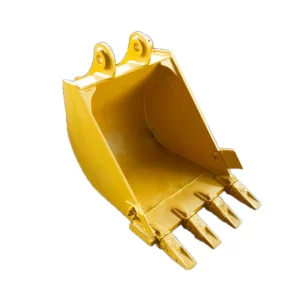
В этом документе представлено углубленное исследование зубьев ковша и адаптеров., Интегральные компоненты инструментов для информирования на земле (ПОЛУЧАТЬ) Для тяжелой строительной машины. Он исследует функциональную механику этих частей, детализируя их анатомию и критические взаимоотношения между зубами, адаптер, и запорный механизм. В тексте представлена исчерпывающая систематика типов зубов., сопоставление конкретных конструкций с их предполагаемым применением, от копания общего назначения до вскрытия твердых пород. Значительная часть посвящена материаловедению, определяющему их долговечность., анализ свойств стальных сплавов и технологических процессов литья и ковки. Речь идет о стратегическом выборе поставщика зубьев ковша и адаптера., акцентирование внимания на критериях помимо первоначальной стоимости, например, общая стоимость владения, качество продукции, и надежность цепочки поставок. Протоколы технического обслуживания, процедуры установки, а также обсуждается диагностическая ценность характера износа.. Анализ помещает эти компоненты в более широкую операционную экосистему., учитывая их взаимодействие с деталями ходовой части, рыхлители, и долота, и завершается изучением будущих технологических инноваций в этой области..
Ключевые выводы
- Тщательно оцените состояние грунта, чтобы выбрать правильный профиль зубьев для конкретной работы..
- Приоритизация поставщика на основе совокупной стоимости владения, не только начальная цена.
- Регулярно проверяйте посадку зуба и адаптера, чтобы предотвратить преждевременный износ и выход из строя..
- Выбор качественного поставщика зубьев ковша и адаптера обеспечивает эффективность работы..
- Изучите свойства материала GET, чтобы спрогнозировать производительность и срок службы..
- Внедрите строгий график технического обслуживания, чтобы максимально продлить срок службы ваших компонентов..
- Recognize that proper GET selection reduces strain on the machine's undercarriage.
Оглавление
- Фундаментальное исследование инструментов для взаимодействия с землей
- Анатомия силы: Деконструкция системы зуба и адаптера
- Классификация зубьев ковша: Соответствие формы и функции
- Душа стали: Материаловедение и производственные процессы
- Выбор партнера по производительности: Как выбрать поставщика зубьев ковша и адаптера
- Сравнительный обзор основных систем зубьев и адаптеров
- Протоколы долголетия: Установка, Обслуживание, и анализ износа
- Взаимосвязанная система: Ведра, Потрошители, и детали ходовой части
- Путь вперед: Новые инновации в области наземных технологий
- Часто задаваемые вопросы
- Заключительное размышление об инструментах и прогрессе
- Ссылки
Фундаментальное исследование инструментов для взаимодействия с землей
Невоспетые герои землеройных работ
Когда мы наблюдаем большой экскаватор или колесный погрузчик на стройке, наше внимание, естественно, привлекают огромные размеры машины., мощность его гидравлических рычагов, и огромный объем земли, который он перемещает. Это зрелище современной инженерной мысли.. Еще, фактическая точка контакта, сам интерфейс между машиной и материалом, часто остается незамеченным. Эти точки соприкосновения являются инструментами взаимодействия с землей., или ПОЛУЧИТЬ. Конкретно, зубья ковша и соответствующие им адаптеры. Не будет преувеличением предположить, что эти относительно небольшие, сменные стальные компоненты — настоящие рабочие лошадки при любых земляных работах.. Без них, мощная машина становится неэффективной, как хирург, делающий деликатную операцию тупым инструментом. Их производительность определяет производительность машины., его расход топлива, и общая экономическая эффективность проекта. Они в буквальном смысле являются острием прогресса в раскопках., добыча, и строительство. Понимание их функции, дизайн, и правильный выбор имеет глубокую экономическую и эксплуатационную значимость..
Почему зубья и адаптеры ковша имеют большее значение, чем вы думаете
Отношения между зубом ковша и его адаптером основаны на тесном и активном сотрудничестве.. Зуб – жертвенный элемент, разработан, чтобы выдерживать основные удары и истирание, защита гораздо более дорогой и цельной конструкции ковша. Адаптер служит надежной основой, приварен к кромке ковша, обеспечение надежной точки крепления зуба. Целостность этого соединения имеет первостепенное значение. Плохо пригнанный зуб, изношенный адаптер, или неисправный стопорный штифт может привести к каскаду проблем. В лучшем случае, это приводит к потере производительности, поскольку машина останавливается для замены. В худшем случае, потерянный зуб может попасть в дробилку, причинение катастрофического ущерба последующему технологическому оборудованию, что приводит к десяткам тысяч долларов на ремонт и длительному простою. Следовательно, выбор этих компонентов, и в расширении, выбор поставщика зубьев ковша и переходника, выходит за рамки простого решения о закупке. Это становится стратегическим выбором в отношении управления рисками, операционная эффективность, и долгосрочное здоровье всего парка оборудования. Эти детали не являются просто расходными материалами.; they are a central pillar of an operation's profitability.
Анатомия силы: Деконструкция системы зуба и адаптера
Анатомия зуба: От чаевого до хвостовика
Ценить изысканность зуба ведра, Нужно изучить его форму. Представьте, что это не как простой кусок металла, Но как инструмент, разработанный с целью в каждой кривой и угле. Сама точка - кончик, который отвечает за первоначальный перелом и проникновение материала. Его резкость и форма являются основными детерминантами того, насколько легко ведро может попасть в землю. За кончиком находится тело зуба, который обеспечивает массу и структурную силу, чтобы противостоять огромным силу изгиба и воздействия. Форма тела влияет на то, как материал течет над зубом и в ведро. Окончательно, есть хвостовик или Конец коробки, Полая секция, которая вписывается в адаптер. Внутренняя геометрия этого раздела точно разработана в соответствии с соответствующим адаптером, обеспечение плотного, безопасная посадка, которая распределяет силы равномерно и предотвращает колебание, который является основной причиной ускоренного износа. Every aspect of a tooth's design is a calculated response to the physics of digging.
Роль адаптера: Критическая связь
Адаптер - это мост между заменяемым зубом и постоянным ведром. Обычно его приваривают на передний край губы ведра, becoming an integral part of the bucket's structure. Его основная особенность - это нос, the male counterpart to the tooth's shank. The fit between the adapter nose and the tooth's internal pocket is the single most important factor in the system's longevity. Свободная посадка позволяет микро-движения при нагрузке, явление, известное как пилинг. Это повторяющееся ударное действие деформирует металл как на носовой части адаптера, так и на внутренней стороне зуба., постепенное ухудшение соответствия, пока система не станет нестабильной и не выйдет из строя. Качественный адаптер изготавливается с высокой точностью допусков, что обеспечивает плотную первоначальную посадку.. Он также сделан из немного более мягкого, еще жестче, стальной сплав, чем зуб. Эта философия дизайна гарантирует, что более легко заменяемый зуб поглощает большую часть износа., сохранение срока службы более постоянного адаптера.
Запирающие механизмы: Булавки, Слуги, и стремление к безопасности
Последней частью этой механической головоломки является запорный механизм.. Эта система, который фиксирует зуб на адаптере, должен быть невероятно прочным, чтобы противостоять силам сдвига, и достаточно простым, чтобы обеспечить быструю и безопасную замену в полевых условиях.. Наиболее распространенные системы включают стальную приколоть и гибкий гонорар. Штифт проходит через совмещенные отверстия в зубе и адаптере., при этом фиксатор входит в углубление, фиксация штифта на месте.
Есть несколько вариаций на эту тему:
- Системы боковых штифтов: Штифт вбивается со стороны зуба, часто требуется молоток. Они распространены и эффективны, но иногда их трудно удалить после интенсивного использования., так как грязь и ржавчина могут заклинить штифт.
- Вертикальные штыревые системы: Штифт вставляется сверху и фиксируется фиксатором.. Такая конструкция может обеспечить лучшую защиту штифта и часто облегчает его извлечение.. В таких системах, как Esco Super V®, используется вертикальный штифт, для которого не требуется молоток., повышение безопасности.
- Бесконтактные системы: Некоторые современные конструкции имеют встроенные запирающие механизмы, которые активируются простым инструментом., полное устранение необходимости в отдельных штифтах и фиксаторах. Они предлагают самые быстрые и часто самые безопасные циклы замены..
Выбор системы блокировки напрямую влияет на время технического обслуживания и безопасность персонала.. Система, которую сложно использовать, может привести к тому, что технические специалисты будут использовать короткие пути или, худший, привести к неправильному закреплению зубов. Надежный поставщик зубьев ковша и адаптеров сможет объяснить преимущества и недостатки каждой системы для конкретного применения..
Классификация зубьев ковша: Соответствие формы и функции
Эффективность проекта раскопок зависит от использования правильного инструмента для работы.. Точно так же, как у плотника разные пилы для разных распилов., оператору экскаватора нужны разные зубья ковша для разных условий грунта. Морфология зуба ковша не является произвольной.; это прямое отражение его прямого назначения. Выбор подходящего типа зуба может значительно увеличить проникновение., улучшить время загрузки, снизить расход топлива, и продлить срок службы всей системы GET.
Общего назначения (врач общей практики) Зубы: Универсальная рабочая лошадка
Общая цель, или терапевт, зуб — наиболее распространенная конструкция. Это представляет собой компромисс, баланс между проникновением, сила, и носить жизнь. Это классика, довольно прочная форма хорошо подходит для копания и погрузки в мягких и умеренно уплотненных грунтах, например, верхний слой почвы, глина, и рыхлый гравий. Думайте об этом как о всесезонной шине мира GET.. Хотя он может и не преуспеть ни в одном экстремальном состоянии., его универсальность делает его выбором по умолчанию для широкого спектра стандартных строительных и землеройных задач.. Для подрядчика, который сталкивается с различными рабочими площадками, зуб GP обеспечивает надежную работу без необходимости постоянной замены. Хороший поставщик зубьев ковша и адаптеров будет иметь в наличии широкий ассортимент зубьев GP, подходящих для машин различных размеров и систем..
Истирание зубов: Борьба с износом
В средах с преобладанием песка, гравий, или мелко измельченный камень, главный враг не удар, а истирание. Эти материалы действуют как наждачная бумага., неустанно шлифовать сталь. Абразивные зубья разработаны специально для борьбы с этим типом износа.. В них больше «изнашиваемого материала» — более толстый, более прочный корпус с дополнительными стальными элементами, стратегически расположенными в зонах повышенного износа. Они часто имеют менее острый кончик по сравнению с проникающими зубами., поскольку острота в любом случае быстро теряется в абразивных условиях. Основное внимание здесь уделяется максимальному увеличению количества расходуемой стали, которая может быть изношена до того, как зуб потребуется заменить.. Использование абразивного зуба в высокоабразивной почве может удвоить или даже утроить срок службы по сравнению с зубом GP., что приведет к значительной экономии затрат в долгосрочной перспективе. Они особенно актуальны для песчаных пустынь Ближнего Востока или аллювиальных равнин в некоторых частях Юго-Восточной Азии..
Проникновение зубов: Для открытия новых горизонтов
Когда земля твердая, уплотненный, или полузамороженный, основная задача – выйти на поверхность. Это область проникновения зуба.. Эти зубы характеризуются острым, заостренный, или «тигр»" наконечник и более узкий, более обтекаемое тело. The design focuses all the machine's force onto a very small area, Увеличение давления и позволяя зубку разрушать материал. Представьте себе, что вы пытаетесь протолкнуть доску в землю, а не нажали коврик; Кол проникает, потому что сила сосредоточена. Компромисс для этой превосходной возможности проникновения-это снижение износа и общая прочность. Зуб проникновения будет износом, чем зуб с истиранием в песчаной почве, и более подвержен разрыву, если он сталкивается с большим, твердый объект. Они идеально подходят для раскопки плотной глины, сланец, или пострадавшая от вечной мерзлота территория северной России.
Камень и зубы: Тяжелые нападающие
Для самых требовательных приложений, такие как карьер и майнинга жесткой скалы, требуются специальные каменные зубы. Это тяжеловесы зубного мира.
- Зубы-долото: Эти зубы имеют широкую, тупой, наконечник, похожий на долото. Они не предназначены для проникновения таким же образом, как зуб тигра.. Вместо, они созданы для чрезвычайной ударопрочности и долговечности.. They use the machine's power to pry and fracture rock along existing fissures. Массивное поперечное сечение делает их очень устойчивыми к разрушению при огромных ударных нагрузках, характерных для карьерных условий..
- Каменные заостренные зубы: Они предлагают компромисс, с более прочным, коническое острие, чем у стандартного проникающего зуба. Они обеспечивают лучшее проникновение в трещиноватую или слоистую породу, чем зуб долота., при этом обеспечивая превосходную прочность против поломки.
Выбор между долотом и заостренным зубом часто зависит от конкретного типа добываемой породы.. Опытный поставщик зубьев ковша и адаптеров может предоставить неоценимые рекомендации с учетом геологических условий.. Кроме того, для этих экстремальных приложений, качественный рыхлитель часто используется для предварительного разрушения породы, снижение нагрузки на ковш и его зубья.
Специализированные конструкции: От зубов тигра до тигров-близнецов
За пределами основных категорий, существует несколько инновационных и специализированных конструкций:
- Зубы Тигра: Общее название острого, зуб с одноточечным проникновением.
- Двойные зубы тигра: Они характеризуются двумя моментами, создание V-образной формы. Эта конструкция отлично подходит для рытья траншей., поскольку это помогает определить стены траншеи и обеспечивает чистый пол.
- Расклешенные зубы: Они имеют широкий, плоская форма, почти как маленькая лопата. Они не для копания, а для сортировки., выравнивание, и работы по уборке, оставляя после себя гладкую поверхность.
Понимание этой таксономии необходимо для оптимизации любой операции по раскопкам.. Он превращает зуб ковша из простого товара в точный инструмент., позволяя операторам адаптировать свое оборудование к уникальным задачам Земли, по которой они перемещаются.
Душа стали: Материаловедение и производственные процессы
Производительность зуба ковша в конечном итоге определяется материалом, из которого он изготовлен, и способом его обработки.. Зуб должен быть достаточно твердым, чтобы противостоять абразивному износу., но достаточно прочный, чтобы выдерживать сильные удары без разрушения. Эти два свойства, твердость и прочность, часто находятся в оппозиции в металлургии. Достижение оптимального баланса – это искусство и наука производства GET.. Это требует глубокого понимания состава сплава., термическая обработка, и методы изготовления.
Сердце из стали: Понимание состава сплава
Зубья ковша изготовлены не из простой углеродистой стали.. Их куют или отливают из сложных низколегированных сталей.. Сплав – это металл, полученный путем соединения двух или более металлических элементов., особенно для придания большей прочности или устойчивости к коррозии. Основа железная., но маленький, точное добавление других элементов, известные как легирующие агенты, кардинально изменить свои свойства.
- Углерод (С): Самый основной легирующий агент в стали.. Увеличение содержания углерода увеличивает твердость и прочность, но снижает пластичность и ударную вязкость.. Сплавы GET имеют тщательно контролируемое среднее содержание углерода..
- Марганец (Мин.): Увеличивает прокаливаемость (способность упрочняться термической обработкой) и способствует прочности и выносливости.
- Хром (Кр): Ключевой элемент для повышения твердости, износостойкость, и коррозионная стойкость. Это основной компонент износостойких сталей..
- Молибден (Мо): Значительно повышает ударную вязкость и прочность при высоких температурах.. Это также помогает предотвратить отпускную хрупкость., состояние, при котором сталь может стать хрупкой после термообработки.
- Никель (В): Добавляет прочность, особенно при низких температурах, что делает его ценным для оборудования, работающего в холодном климате, таком как Россия..
Авторитетный поставщик зубьев ковша и адаптеров сможет предоставить спецификации материалов, в которых подробно описан состав сплава их продукции.. Такая прозрачность – признак производителя, уверенного в качестве своей стали..
Кастинг против. Формирование дебатов: Вопрос процесса
Существует два основных метода изготовления зубьев ковша.: литье и ковка. Each has its own set of advantages and implications for the final product's performance.
Кастинг: На кастинге, расплавленную легированную сталь заливают в форму, имеющую форму последнего зуба..
- Процесс: Это относительно экономичный способ изготовления сложных форм., позволяет создавать сложные конструкции с оптимизированным размещением изнашиваемого материала.
- Зернистая структура: Металл охлаждается и затвердевает в форме., что приводит к равноосной зернистой структуре. Зерна примерно равны по всем размерам и ориентированы случайным образом..
- Характеристики: Иногда это может привести к микроскопической пористости или включениям, если процесс не контролируется тщательно.. Однако, современные технологии литья, например, вакуумное литье, значительно улучшили качество и стабильность литых изделий. Большинство высококачественных зубьев ковша, представленных сегодня на рынке, отлиты.
Ковка: В ковке, Сплошная заготовка из стали нагревается до податливой температуры, а затем забивается или прижимается в желаемой форме.
- Процесс: Этот процесс, как правило, дороже и менее подходит для сложных форм, чем литья.
- Зернистая структура: Механическая сила ковки деформируется и выравнивает зерновую структуру стали, Создание направленного потока. Эта изысканная структура зерна обычно плотнее и свободна от пористости, которая может повлиять на отливки.
- Характеристики: Кованые зубы известны своей исключительной силой и прочности. Выровненная структура зерна обеспечивает превосходную сопротивление воздействию и усталости. Коделка часто используется для компонентов, которые требуют абсолютной максимальной силы, например, некоторые высокоэффективные каменные зубы или зубы для мощного потрошителя.
Выбор между кастингом и костью не простой из "хорошего против. плохой." Качественное литье из литейного завода высшего уровня может превзойти некачественную поковку.. Ключ заключается в контроле качества всего процесса., от начальной плавки стали до окончательной термообработки.
Твердость и прочность: Закон о вечном балансе
После формирования зуба, оно подвергается критическому термическая обработка процесс. Обычно это предполагает нагрев зуба до высокой температуры., затем быстро охладить его (закалка), с последующим вторичным нагревом при более низкой температуре (закалка).
- закалка: Быстрое охлаждение делает сталь очень твердой., хрупкая кристаллическая структура, называемая мартенситом.
- Закалка: Последующий нагрев снимает внутренние напряжения и модифицирует мартенситную структуру., уменьшение хрупкости и увеличение ударной вязкости.
Окончательная твердость зуба измеряется по шкале Роквелла С. (HRC). Типичный зуб ковша будет иметь твердость в диапазоне 48-52 HRC. Если это намного сложнее, он может быть слишком хрупким и склонным к разрушению при ударе. Если он намного мягче, оно изнашивается слишком быстро. Производители часто применяют дифференциальную термическую обработку., создание очень твердого зуба на кончике и в зонах повышенного износа, при этом хвостовик становится немного мягче и жестче, чтобы лучше поглощать удары и защищать адаптер.. Опытный поставщик зубьев ковша и переходников понимает этот баланс и предлагает продукцию, оптимизированную как по твердости, так и по ударной вязкости., обеспечение того, чтобы они могли выдерживать суровые условия предполагаемого применения..
Характер износа как инструмент диагностики
Наблюдение за тем, как изнашивается зуб, может предоставить ценную информацию о применении и о том, правильный ли зуб используется..
- Округление: Если зуб стирается равномерно, становится тупым, но не теряет своей общей формы, это указывает на то, что материал в основном абразивный, и лучше использовать абразивный зуб..
- Сколы/ломки: Если зубы часто скалываются или щелкают, это указывает на условия высокого воздействия. Это может означать, что необходим более прочный каменный зуб., или что техника оператора нуждается в корректировке, чтобы избежать поддевания кончиками.
- Недоочистка: Если нижняя часть зуба стирается быстрее, чем верхняя, это предполагает среду с высокой абразивностью и низким углом атаки."
- Асимметричная одежда: Если одна сторона зуба изнашивается быстрее другой, это может указывать на то, что оператор постоянно загружает ковш сбоку., практика, которую следует исправить.
«Читая" модели ношения, Опытный менеджер сайта может точно настроить свои методы выбора и эксплуатации, Превращение простой замены в источник ценных рабочих данных.
Выбор партнера по производительности: Как выбрать поставщика зубьев ковша и адаптера
Решение о том, где можно найти инструменты для затраты на землю, является одним из наиболее эффективных вариантов, которые может сделать менеджер флота или владелец строительной компании. Это напрямую влияет на время безотказной работы машины, затраты на техническое обслуживание, И общая прибыльность проекта. Выход за пределы мышления простой закупки товара к одному из стратегического партнерства имеет важное значение. Поставщик зубов и адаптера правого ведра - не просто продавец; Они консультант, партнер по логистике, и ключевой вклад в ваш оперативный успех.
Помимо цены: Оценка общей стоимости владения
Наиболее распространенная ошибка при закупке GET-сосредоточиться исключительно на цене за единицу. Дешевый зуб, который изнашивается 30% быстрее или, худший, выходит из строя и приводит к простою, в долгосрочной перспективе это намного дороже. Концепция совокупной стоимости владения (TCO) обеспечивает более целостную и точную основу для оценки.
ТШО включает в себя:
- Первоначальная цена покупки: Первоначальная стоимость зуба и адаптера.
- Носите жизнь: Сколько часов работы можно достичь до замены? Немного более дорогой зуб с превосходной металлургией может обеспечить удвоенный срок службы., эффективно сокращая вдвое стоимость часа.
- Сопутствующие затраты на рабочую силу: Время и трудозатраты, необходимые для замены. Зуб, который трудно заменить, увеличивает время обслуживания.
- Влияние на расход топлива: Резкий, хорошо спроектированный зуб легче проникает, снижение нагрузки на двигатель и гидравлику, что приводит к ощутимой экономии топлива.
- Стоимость простоя: Самая значительная стоимость. Единый сбой может остановить машину, и потенциально целый сайт, Стоимость тысячи долларов в час в потерянной производительности.
- Риск последующего повреждения: Стоимость потерянного зуба, повреждающего дробилку или другое оборудование, может быть астрономической.
При просмотре через объектив TCO, Ценностное предложение высококачественного поставщика становится ясным. Их продукция, Хотя, возможно, не самый дешевый на счете, часто представляют самую низкую общую стоимость операции.
Отличительные признаки качественного поставщика: Что искать
Определение поставщика превосходного ковша зуба и адаптера включает в себя поиск набора ключевых атрибутов, которые сигнализируют качество, надежность, и опыт.
- Материал прозрачность: Они должны быть готовы и могут предоставить подробные металлургические отчеты и спецификации для своих продуктов. Расплывчатые заявления о «высокопрочных сплавах»" красный флаг.
- Совершенство производства: Они должны иметь глубокое понимание своих партнеров-производителей.' процессы, будь то литье или ковка, и иметь возможность рассказать о действующих мерах контроля качества.
- Комплексная инвентаризация: Хороший поставщик предлагает широкий выбор стилей зубов., системы адаптеров, и размеры для соответствия различным машинам и приложениям. Это «единое окно»" возможность упрощает закупки, особенно для автопарков с разнообразным оборудованием таких производителей, как Caterpillar, Комацу, Вольво, или Джон Дир.
- Техническая экспертиза: Их сотрудники по продажам и поддержке должны быть больше, чем просто приемщиками заказов.. Они должны иметь возможность задавать содержательные вопросы о вашем заявлении — вашем материале., твоя машина, ваши операционные цели и порекомендуйте оптимальное решение GET. Они должны быть источником знаний.
- Надежность цепочки поставок: На мировом рынке, способность доставлять нужные детали в нужное время имеет первостепенное значение. Надежный поставщик имеет надежную логистику, значительный запас в наличии, и способность прогнозировать спрос, гарантируя, что вам не придется ждать запчастей, пока ваша машина простаивает. Например, поставщик со складами, стратегически расположенными для обслуживания рынков Австралии, Юго-Восточная Азия, и Ближний Восток может предложить значительно лучшее обслуживание клиентам в этих регионах..
- Гарантия и поддержка: Авторитетный поставщик поддерживает свою продукцию. Они предоставят четкую гарантию на производственные дефекты и окажут поддержку в случае возникновения проблемы.. Их цель – долгосрочные отношения, не разовая продажа.
Навигация по глобальной цепочке поставок: OEM против. вторичный рынок
Рынок GET в целом разделен на две категории.: Производители оригинального оборудования (ОЕМ) и вторичный рынок.
- OEM -поставщики: Это детали, поставляемые производителем машины (НАПРИМЕР., Гусеница, Комацу). Они гарантированно подходят идеально и, как правило, очень высокого качества. Основным недостатком является то, что они почти всегда самый дорогой вариант.
- Поставщики вторичного рынка: Это независимые компании, которые производят детали, совместимые с OEM -оборудованием. Качество на вторичном рынке может резко различаться, от исключительного к опасно бедным.
Задача и возможность лежат в определении поставщика зубов и адаптера на вершине верхнего уровня. Высококачественный поставщик вторичного рынка предлагает убедительное ценностное предложение: OEM-эквивалентный или даже превосходное качество по более конкурентоспособной цене. Они часто внедряют инновации быстрее, чем OEM-производители, и могут предлагать специализированные конструкции, недоступные у оригинального производителя.. При выборе поставщика вторичного рынка, отличительные черты, упомянутые выше — прозрачность, экспертиза, и надежность — становятся еще важнее. Отличный источник для сверхмощные ковши экскаватора и связанные с ними компоненты часто предоставляют обширную документацию, подтверждающую их заявления о качестве..
Региональные аспекты для России, Австралия, и Юго-Восточная Азия
По-настоящему глобальный поставщик понимает, что «лучший" зуб зависит от контекста.
- Австралия: Известен своей невероятно сложной, абразивная железная руда и другие месторождения полезных ископаемых. Здесь, необходимы абразивные и скальные зубья высокой твердости из хромомолибденовых сплавов.. Поставщик должен понимать уникальные проблемы горнодобывающей промышленности в регионе Пилбара..
- Россия: Значительные перепады температур и наличие вечной мерзлоты во многих регионах требуют использования GET с превосходной низкотемпературной прочностью.. Сплавы с более высоким содержанием никеля предпочтительнее для предотвращения хрупкого разрушения в условиях замерзания.. Проникающие зубья — ключ к разрушению мерзлого грунта.
- Юго-Восточная Азия: Многие районы характеризуются влажным климатом., липкие глинистые и латеритные почвы. Хоть и не очень абразивный, эти материалы можно упаковать в ведро, уменьшение полезной нагрузки. Конструкция зубьев и ковша обеспечивает хорошую подачу материала и «очистку»." полезны.
- Средний Восток: Преобладание песка и абразивных известняковых пород увеличивает срок службы.. Устойчивые к истиранию зубья являются стандартным выбором для большинства землеройных работ в этом регионе..
Поставщик, который может учитывать эти региональные нюансы, демонстрирует уровень знаний, выходящий далеко за рамки простого сопоставления номеров деталей.. They show an empathetic understanding of the customer's lived operational reality.
Сравнительный обзор основных систем зубьев и адаптеров
На протяжении многих лет, крупные производители разработали собственные системы крепления зубьев ковша, каждый из которых имеет уникальную философию дизайна в отношении безопасности, простота использования, и характеристики износа. Понимание различий между этими системами имеет решающее значение при оснащении машины или выборе системы замены.. Опытный поставщик зубьев ковша и адаптеров будет знаком со всеми этими системами и может предложить высококачественные эквиваленты послепродажного обслуживания..
| Имя системы | Механизм блокировки | Ключевое преимущество | Лучшее приложение | Потенциальный недостаток |
|---|---|---|---|---|
| Caterpillar® серии J | Горизонтальный штифт & слуга | Вездесущность и доступность. Сильный, проверенная конструкция. | Общее строительство, добыча. Универсальный универсал. | Штифт может быть трудно удалить после интенсивного использования. (нужен молоток). |
| Эско® Супер В® | Вертикальный безударный штифт | Повышенная безопасность (молоток не нужен). Более плотная посадка уменьшает износ носа. | Высокопроизводительные среды, где необходимы частые изменения. | Запатентованная конструкция может иметь меньшую доступность на вторичном рынке, чем Cat серии J.. |
| Эско® Ультралок® | Встроенный безударный замок | Чрезвычайно быстрые и безопасные изменения. Встроенный замок означает отсутствие незакрепленных деталей.. | Карьеры, добыча, любая операция с приоритетом скорости и безопасности. | Самая сложная система; более высокая первоначальная стоимость адаптеров. |
| Хенсли® Параболик® | Горизонтальный штифт & слуга | Параболическая конструкция носика самозатягивается под нагрузкой., уменьшение движения. | Ударопрочные приложения, где поддержание плотной посадки имеет первостепенное значение.. | Система штифтов, состоящая из нескольких частей, может быть более сложной, чем стандартные штифты.. |
| Серия Комацу® | Горизонтальный штифт & слуга | Разработан для точной совместимости с ковшами и машинами Komatsu.. | Оптимизирован для использования на технике Komatsu.. | Менее универсален, чем Cat J-серии.; может быть сложнее получить информацию от всех поставщиков. |
| Брэдкен® Твистлок™ | Механический поворотный | Бесударный, инструментальная система для безопасных и быстрых изменений. | Требовательные приложения в горнодобывающей промышленности и строительстве. | Собственная система требует специального инструмента для установки.. |
Эта таблица служит общим руководством.. Производительность любой системы во многом зависит от качества изготовления., будь то OEM или вторичный рынок. Версия зуба J-серии высшего уровня послепродажного обслуживания может превзойти плохо изготовленную запатентованную систему.. Обсуждение с вашим поставщиком должно быть сосредоточено на поиске системы, которая наилучшим образом сбалансирует производительность., расходы, и безопасность для вашего конкретного эксплуатационного контекста.
Протоколы долголетия: Установка, Обслуживание, и анализ износа
Даже самые высококачественные зубья и адаптеры ковша будут работать хуже, если они не будут установлены правильно и не будут тщательно обслуживаться.. Дисциплинированный подход к управлению GET – недорогой вариант., высокодоходные инвестиции, которые приносят дивиденды в виде увеличенного срока службы компонентов, повышенная безопасность, и сокращение времени простоя машины. Это превращает роль бригады технического обслуживания и оператора из быстро реагирующих специалистов по замене деталей в упреждающих менеджеров активов..
Искусство безопасной установки и удаления
Правильная установка — основа производительности GET. Задача, которая может показаться простой, чревата вероятностью ошибок и травм, если ее выполнить неправильно..
Этапы установки:
- Чистота превыше всего: Тщательно очистите носик адаптера и внутренний карман нового зуба.. Используйте проволочную щетку или скребок, чтобы удалить всю грязь., ржавчина, и мусор. Любой посторонний материал может помешать правильному прилеганию зуба., приводящее к свободной посадке.
- Правильное сидение: Поместите зуб на нос адаптера. Оно должно плотно прилегать. Если он слишком свободен, Носик адаптера может быть изношен, и его следует проверить на предмет замены..
- Выровняйте отверстия: Убедитесь, что отверстия в зубе и адаптере идеально совмещены..
- Установите фиксатор: Для двухкомпонентных систем, сначала вставьте фиксатор в его углубление в адаптере.
- Забейте булавку: Проденьте штифт через зуб и переходник., убедиться, что он правильно зацепляется с фиксатором. Для штифтов молоткового типа, всегда используйте молоток с мягким бойком или пробойник, чтобы не повредить штифт.. Для безударных систем, follow the manufacturer's specific instructions.
- Проверка: Визуально проверьте, что штифт полностью установлен и надежно зафиксирован фиксатором..
Удаление: Процесс является обратной установкой. Для забитых выводов, которые захвачены, проникающее масло и правильный инструмент удаления штифта необходимы. Никогда не используйте режущий факел, чтобы удалить штифт, если это не является абсолютным последним средством, Поскольку тепло может повредить характер как зуба, так и адаптера.
Ежедневные проверки: Пятиминутная инвестиция в огромную прибыль
Наиболее эффективная программа обслуживания - одна из частых, Краткие проверки. Операторы должны быть обучены для быстрого прохождения осмотра своего получения в начале каждой смены.
| Частота проверки | Контрольная точка | Что искать | Действие, если проблема найдена |
|---|---|---|---|
| Ежедневно (Предварительный сдвиг) | Зубная безопасность | Любое видимое движение или «колебание" зуба на адаптере. | Немедленно переоценка или заменить булавку и фиксатор. |
| Ежедневно (Предварительный сдвиг) | Зуб | Чрезмерный износ, трещины, или отсутствующие зубы. | Заменить изношенные или поврежденные зубы. |
| Ежедневно (Предварительный сдвиг) | Приколоть & слуга | Проверьте, правильно ли установлен штифт и цел ли фиксатор.. | Замените все поврежденные или отсутствующие запирающие компоненты.. |
| Еженедельно | Износ носовой части адаптера | С удаленным зубом, осмотрите нос переходника на наличие признаков проклевывания, округление, или чрезмерный износ. | Если износ значительный, запланируйте замену адаптера. |
| Еженедельно | Губа ковша & Сварные швы | Трещины в конструкции ковша, особенно вокруг сварных швов переходника. | Остановите работу и отправьте на ремонт сварки, чтобы предотвратить катастрофический отказ.. |
Этот простой контрольный список, при последовательном выполнении, может обнаружить небольшие проблемы до того, как они перерастут в серьезные сбои. It empowers the operator to take ownership of the machine's condition.
Понимание индикаторов износа и определение момента замены
Зубья ковша рассчитаны на изнашивание и замену.. Вопрос в том, когда подходящее время? Слишком ранняя замена приводит к потере денег., Заменив их слишком поздно рискует повредить адаптер и снизить производительность.
Большинство высококачественных зубов имеют встроенные Индикаторы износа. These can be a small groove or dimple on the side of the tooth. Когда зуб изнашивается до уровня этого индикатора, он достиг конца своего эффективного срока службы и должен быть заменен.
В отсутствие конкретного индикатора, Общее эмпирическое правило - заменить зуб, когда он потерял свой первоначальный профиль и станет тупым. Тупой зуб требуется значительно больше силы, чтобы проникнуть в землю, Увеличение сжигания топлива и времени цикла. It also stops protecting the adapter, Передача абразивного износа в более постоянный компонент. Продолжение использования изношенного зуба - ложная экономика. Стратегия упреждающей замены, Руководство по индикаторам износа и наблюдению за производительностью, гораздо более рентабельно. Хороший поставщик зубов и адаптеров с хорошим ковшом может предоставить руководство по ожидаемому срока службы износа для своих продуктов в вашем конкретном приложении, Помогая вам планировать обслуживание и инвентарь.
Опасности плохой подгонки: Как несоответствующие компоненты вызывают катастрофическую неудачу
Заманчиво смешивать и сочетать компоненты от разных поставщиков, чтобы сэкономить несколько долларов. Однако, Это исключительно рискованная практика. Даже если зуб от поставщика подходит" На адаптере от поставщика B, Внутренние допуски могут не идеально соответствовать. Как обсуждалось ранее, Даже крошечное количество начального движения будет увеличено под нагрузкой, приводя к быстрому износу носа адаптера. Этот ускоренный износ быстро разрушает дорогой адаптер, отрицание любых сбережений от более дешевого зуба. Более того, Неправильная посадка ставит ненормальное напряжение на фиксирующем штифте, Увеличение вероятности его сдвига и потерянного зуба. Всегда используйте зубы, адаптеры, и булавки, которые разработаны как система, Получен из одного, надежный поставщик. The integrity of the entire system depends on the precise, инженерная посадка между его компонентами.
Взаимосвязанная система: Ведра, Потрошители, и детали ходовой части
Строительная машина - это сложная система взаимосвязанных частей, и производительность одного компонента неизменно влияет на других. Наземные инструменты не работают в вакууме. Their condition has a direct and profound impact on the health of the bucket itself, эффективность других привязанств, таких как Rippers, и скорость износа дорогих деталей ходовой части. A holistic view is necessary to truly manage the machine's operational health and costs.
Симбиотические отношения: Как связаны GET и износ ходовой части
Ходовая часть гусеничной машины, такой как экскаватор или бульдозер, включая гусеницы., валки, бездельники, и звездочки — могут составлять до 50% of the machine's total maintenance cost over its lifetime. Это значительные эксплуатационные расходы. Состояние зубьев ковша играет удивительно прямую роль в управлении этими затратами..
Представьте себе, что машина пытается копать тупыми, изношенные зубы. Он не может легко проникнуть в материал. Оператору приходится прилагать больше усилий — больше силы отрыва от гидравлики и больше тягового усилия от гусениц.. Это увеличенное усилие означает, что двигатель работает интенсивнее., сжигание большего количества топлива. Это также означает, что машине, возможно, придется чаще менять положение или вращать гусеницы, чтобы добиться покупки., резко ускоряя износ башмаков гусеницы, булавки, и втулки ходовой части.
Наоборот, ведро с острым, соответствующие зубы с легкостью врезаются в землю. Цикл копания стал быстрее и плавнее. Двигатель работает с более эффективной нагрузкой, и нагрузка на ходовую часть сведена к минимуму. В этом смысле, инвестирование в качественную ГЭТ – это прямая инвестиция в сохранение ресурса ходовой части. Опытный менеджер автопарка понимает, что деньги, потраченные на хороший набор зубьев, многократно сэкономятся за счет снижения затрат на топливо и замену деталей ходовой части.. При консультации с поставщиком зубьев ковша и адаптера, стоит построить разговор вокруг этой общей эффективности системы.
Рыхлители и защитники хвостовиков: Прежде чем копать, прорывайтесь вперед
В очень тяжелом, уплотненная почва или камень, заставлять ковш выполнять всю работу неэффективно и создает огромную нагрузку на машину.. Именно здесь насадка-рыхлитель становится неоценимой.. Потрошитель по сути один, massive tooth mounted on the back of a dozer or on an excavator's arm. Его цель — разрушить и ослабить консолидированный материал до того, как ковш подойдет для его перемещения..
Использование рыхлителя сначала меняет всю динамику раскопок..
- Снижает стресс: Это значительно снижает ударную и отрывную силу, необходимую для ковша., сохранение срока службы зубьев ковша, адаптеры, и сама структура ведра.
- Повышает производительность: Тогда ковш сможет перемещать разрыхленный материал гораздо быстрее и с большей нагрузкой., увеличение общего объема материала, перемещаемого в час.
- Улучшает фрагментацию: Рыхлитель может помочь разбить негабаритный камень на более удобные куски., что полезно для погрузки и последующих операций дробления.
Как зубы ведра, Зуб рыхлителя — это быстроизнашивающийся элемент, который должен быть изготовлен из чрезвычайно прочной и долговечной легированной стали.. Стойка рыхлителя также защищена сменными защитными кожухами или защитными кожухами.. Крайне важно приобретать эти компоненты у поставщика, который разбирается в высокоэффективных приложениях..
Роль долота для строительной техники
Термин «долото» для строительной техники чаще всего относится к острию инструмента, используемому в приспособлении для гидравлического молота или отбойного молотка.. Пока не ковшовый зуб, это еще одна важная часть GET, работающая совместно с экскаватором.. Гидравлический молот с долотом используется для разрушения бетона., разбить большие валуны, или выкопать твердую породу, с которой не справится даже рыхлитель.
Связь с ведром является последовательной.. Оператор может сначала использовать молоток с долотом для строительной техники, чтобы разрушить выступ скалы., затем переключитесь на ведро с каменными зубьями, чтобы убрать мусор.. Наличие подходящих инструментов позволяет машине быть универсальным средством решения проблем.. Металлургия острия долота аналогична металлургии ударного каменного зуба., отдавая приоритет исключительной прочности, чтобы выдерживать постоянные, высокочастотные удары молотка. Комплексный поставщик GET также может предложить эти и другие навесные инструменты., providing a single point of contact for all the machine's "working ends," включая ряд индивидуальные решения для ведер.
Понимая эти взаимосвязи, можно организовать использование различного навесного оборудования и компонентов для максимизации эффективности и минимизации износа всей машины.. Это переход от простого управления машиной к дирижированию механической симфонии..
Путь вперед: Новые инновации в области наземных технологий
Мир инструментов для работы с землей, основаны на фундаментальных принципах силы и истирания., не статичен. Движимый неустанным стремлением к повышению эффективности, безопасность, и устойчивость, производители и исследователи постоянно расширяют границы возможного. The bucket tooth of tomorrow may look similar to today's, но это будет умнее, сильнее, и более интегрированы в цифровую экосистему современного рабочего места. A forward-thinking bucket tooth and adapter supplier is not just selling today's technology; они следят за будущими разработками, чтобы лучше консультировать своих клиентов..
Умный ПОЛУЧИТЬ: Распространение зубов, оснащенных датчиками
Одним из наиболее интересных направлений является интеграция электроники непосредственно в компоненты GET.. Концепция «Smart GET»" или «Интеллектуальный GET" предполагает встраивание датчиков в зубья ковша или адаптеры..
- Измерение износа: Embedded sensors could provide real-time wear data directly to the machine's cab or to the fleet manager's office. Это избавит от догадок при замене зубов., возможность внесения изменений в точный оптимальный момент, чтобы продлить срок службы без риска повреждения адаптера. Это автоматизирует процесс анализа износа.
- Измерение полезной нагрузки: Деформационные датчики внутри адаптеров могут способствовать более точным системам измерения полезной нагрузки, Помогая операторам оптимизировать загрузку грузовиков и избежать перегрузки, который представляет собой риск безопасности и вызывает преждевременное износ шин и компонентов трансмиссии.
- Воздействие и мониторинг стресса: Датчики могут записать события воздействия и уровни стресса, Предоставление ценных данных о технике оператора и условиях названия. Менеджер мог идентифицировать операторов, которые подвергают чрезмерного нагрузки на оборудование и провести целенаправленное обучение. It could also help to map out particularly hard sections of a mine or construction site.
- Обнаружение потери зуба: Датчик может немедленно предупредить оператора, если зуб будет отстраненным, позволяя им остановиться и забрать его, прежде чем он попадет в дробилку или потеряется в отвале.
Хотя это еще новая технология в 2025, основополагающие принципы разумны, и несколько крупных производителей активно разрабатывают эти системы. Как снижается стоимость датчиков и беспроводной связи, Smart GET готов перейти от нишевого продукта к стандартной функции высокопроизводительных машин..
Современные материалы и покрытия: Раздвигая границы срока службы
Стремление к более сложному, более прочный материал вечен. Металлурги постоянно экспериментируют с новыми составами сплавов и методами термообработки, чтобы добиться дальнейшего улучшения производительности..
- Наноструктурированная сталь: Ведутся исследования сталей со сверхмелкозернистой структурой., приближаясь к наномасштабу. Эти материалы обладают потенциалом демонстрировать беспрецедентное сочетание прочности и ударной вязкости..
- Композитные материалы: Некоторые конструкции включают вставки из карбида вольфрама или накладки в зонах повышенного износа.. Карбид вольфрама исключительно твердый и износостойкий.. Хотя и дорого, для чрезвычайно абразивных применений, эти композитные зубья могут обеспечить срок службы износа, во много раз превышающий срок службы обычной стали..
- Усовершенствованные покрытия: Твердосплавные покрытия, наносимые с помощью таких процессов, как термическое напыление или лазерная наплавка, могут добавить высокоизносостойкий слой к более прочному материалу., более пластичный основной материал. Это позволяет получить «лучшее из обоих миров»" подход, с поверхностью, устойчивой к истиранию, и сердцевиной, устойчивой к ударам.
Эти достижения в области материалов обещают не только постепенное улучшение, но и постепенное изменение срока службы GET., дальнейшее снижение совокупной стоимости владения для операторов.
Устойчивое развитие и возможность вторичной переработки в производстве GET
Строительная и горнодобывающая отрасли испытывают все большее давление с целью уменьшить свое воздействие на окружающую среду.. Это внимание распространяется на компоненты, которые они используют..
- Переработка: Сталь пригодна для бесконечной переработки, и GET-компоненты не являются исключением.. Изношенные зубья и адаптеры представляют собой ценный источник высококачественного стального лома.. Поставщики и производители все активнее оптимизируют свою обратную логистику для сбора использованных GET для переработки., замыкание материального цикла.
- Энергоэффективное производство: Современные литейные и кузнечные заводы внедряют более энергоэффективные технологии., такие как индукционные печи и усовершенствованные системы рекуперации тепла., уменьшить выбросы углекислого газа в производственный процесс.
- Более длительный срок службы: Возможно, самый значительный вклад в устойчивое развитие — это просто изготовление деталей, которые служат дольше.. Каждое продление срока службы означает меньшее потребление сырья., меньше энергии используется в производстве, и требуется меньше транспорта на протяжении всего срока реализации проекта.
Choosing a bucket tooth and adapter supplier who is conscious of these environmental factors and actively participates in recycling programs can be a part of a company's broader corporate social responsibility strategy. Будущее GET — это то, где производительность, интеллект, и устойчивость не являются конкурирующими интересами, а являются интегрированными аспектами единого, высокотехнологичное решение.
Часто задаваемые вопросы
How do I identify the correct tooth system for my machine if I don't know the part number? Лучший подход — сделать четкие фотографии зуба., адаптер, и любые видимые цифры или символы на деталях. Измерьте ключевые размеры, например, ширина носика адаптера и расстояние между отверстиями. Опытный поставщик зубьев ковша и переходников часто может идентифицировать систему по этим фотографиям и измерениям., перекрестные ссылки на их обширные базы данных, чтобы найти то, что подходит для вашего конкретного сегмента..
Безопасно ли ремонтировать изношенный зуб ковша сваркой? В целом, не рекомендуется ремонтно-сварочные зубья ковша. Сильный нагрев от сварки испортит тщательно контролируемую термообработку легированной стали., создание мягких мест, которые быстро изнашиваются, и хрупких зон, склонных к растрескиванию. Затраты и риски, связанные с неудачным ремонтом сваркой, почти всегда перевешивают стоимость нового зуба.. Более эффективно сосредоточиться на замене зубов в подходящее время..
В чем основное отличие ковша экскаватора от ковша погрузчика? Хотя оба используются для перемещения материала, они рассчитаны на разные силы. An excavator bucket is designed for high breakout force and digging below the machine's grade. Они, как правило, уже и имеют более длинные зубцы для проникновения.. Ковш-погрузчик предназначен для черпания и погрузки сыпучего материала из отвала на уровне земли или выше.. Обычно они шире, имеют более плоский пол и могут использовать более короткие, более прочные зубья или простая режущая кромка с болтовым креплением.
Могу ли я использовать одни и те же зубы в песке и в камне?? Ты можешь, но это будет крайне неэффективно. Использование острого проникающего зуба, предназначенного для работы с камнями в абразивном песке, приведет к его очень быстрому износу.. Используя тупой, тяжелый абразивный зуб в твердой породе предотвратит проникновение, увеличить расход топлива, и подвергнуть машину огромной нагрузке. Всегда лучше всего подобрать профиль зуба в соответствии с основным материалом, с которым вы работаете..
Почему мой новый зуб болтается на адаптере? Если совершенно новый, зуб правильной модели расшатался, проблема почти наверняка в изношенном носике переходника. Через некоторое время, даже с хорошей посадкой, адаптер изнашивается. Попытка поставить новый зуб на изношенный адаптер – распространенная ошибка, приводящая к преждевременному выходу нового зуба из строя.. Адаптер тоже является изнашиваемым предметом., просто с гораздо более длительным сроком службы, чем зуб. Его необходимо заменить, если он больше не обеспечивает плотную посадку..
Насколько изношенный зуб действительно влияет на мой расход топлива? Эффект значительный. Исследования и полевые испытания крупных производителей показали, что эксплуатация с затупленными зубьями может увеличить расход топлива на 10-20% или даже больше, в зависимости от твердости материала. Двигателю приходится работать гораздо сильнее, чтобы вдавить тупой инструмент в землю.. В течение года, экономия топлива за счет поддержания острых зубьев на машине может легко окупить стоимость зубьев в несколько раз.
В чем преимущество безударной системы запирания? Главные преимущества – безопасность и скорость.. Забивание и выбивание штифтов может привести к травмам из-за промахов или отлетающих металлических осколков.. Безударные системы устраняют этот риск.. Они также намного быстрее работают, часто позволяет заменить полный набор зубов за долю времени, которое требуется при использовании традиционного штифта и молотка, что приводит к сокращению времени простоя машины.
Являются ли послепродажные компоненты GET такими же хорошими, как OEM?? Качество запчастей на вторичном рынке сильно различается.. Ведущие поставщики послепродажного обслуживания производят детали, которые соответствуют или даже превосходят спецификации OEM с точки зрения качества материалов и производительности., предлагая лучшее соотношение цены и качества. Однако, некачественные запасные части могут быть изготовлены из некачественной стали и иметь плохие допуски., приводит к быстрому износу и выходу из строя. Ключевым моментом является партнерство с авторитетным поставщиком зубьев ковша и адаптеров для вторичного рынка, который предоставляет сертификаты материалов и предоставляет гарантию на свою продукцию..
Заключительное размышление об инструментах и прогрессе
Зуб ковша, в своей скромной и грубой форме, представляет собой что-то глубокое в человеческой деятельности. Это инструмент, а инструмент – это мост между идеей и ее физической реализацией. Каждая дорога, каждая плотина, каждая моя, и каждый небоскреб начинается с простого, мощный акт прорыва земли. Это действие осуществляется с помощью небольшого кусочка закаленной стали.. Он воплощает в себе напряжение между грубой силой и утонченным дизайном., между жертвенным ношением и вечной целью. Тщательное рассмотрение его формы, его материал, и его применение — это не просто техническое упражнение; это выражение стремления к эффективности, безопасность, и господство над физическим миром. Выбор поставщика, тщательность процедуры технического обслуживания, и знания оператора — все стекается в эту единую точку контакта, где машина встречается с землей и начинается работа по созданию нашего мира.
Ссылки
Ремесла. (2023). Производители карьерных ковшей. ремесла-mfg.com.
Ремесла. (2023). Производители каменных ковшей. ремесла-mfg.com.
Папе Машиностроение Строительство & Лесное хозяйство. (2021). Типы ковшей экскаваторов & размеры. Construction.papemachinery.com. https://construction.papemachinery.com/blog/excavator-bucket-types-and-sizes
ССАБ. (2025). Размеры ковша экскаватора. ssab.com.
SW Экскаватор. (2025). Размер ковша экскаватора: Как выбрать правильный тип?. swexcavator.com. https://www.swexcavator.com/info-detail/excavator-bucket-size-how-to-choose-the-right-type
Вирниг Производство. (2025). Полное руководство по ковшам с бортовым поворотом. virnigmfg.com. https://www.virnigmfg.com/the-ultimate-guide-to-skid-steer-buckets/
Вирниг Производство. (2025). Полное руководство по ковшам с бортовым поворотом. Offer.virnigmfg.com. https://offer.virnigmfg.com/the-ultimate-guide-to-skid-steer-buckets