
เชิงนามธรรม
การซื้อส่วนประกอบสำหรับเครื่องจักรก่อสร้างขนาดใหญ่ถือเป็นการพิจารณาด้านการดำเนินงานและทางการเงินที่สำคัญสำหรับองค์กรใดๆ. การวิเคราะห์นี้ตรวจสอบข้อผิดพลาดห้าประการที่พบบ่อยที่สุดและส่งผลเสียทางการเงินซึ่งเกิดขึ้นเมื่อจัดหาชิ้นส่วนสำหรับเครื่องจักรของ Volvo. โดยจะตรวจสอบความสัมพันธ์ที่ซับซ้อนระหว่างต้นทุนส่วนประกอบเริ่มต้น, ค่าใช้จ่ายในการดำเนินงานระยะยาว, และแนวคิดที่ครอบคลุมของต้นทุนรวมในการเป็นเจ้าของ (TCO). การอภิปรายขยายไปถึงการประเมินความน่าเชื่อถือของซัพพลายเออร์ที่สำคัญในฐานะปราการป้องกันการแพร่กระจายของส่วนประกอบลอกเลียนแบบหรือต่ำกว่ามาตรฐาน. การสำรวจโดยละเอียดเกี่ยวกับความจำเป็นสำหรับความเข้ากันได้ระหว่างชิ้นส่วนกับเครื่องจักรอย่างแม่นยำ, โดยเฉพาะภายในระบบที่ซับซ้อน เช่น ช่วงล่าง, ถูกนำเสนอ. เอกสารนี้ยังให้ความแตกต่างระหว่างของแท้อีกด้วย, ผู้ผลิตอุปกรณ์ดั้งเดิม (OEM), และอะไหล่หลังการขาย, เสนอกรอบกลยุทธ์ในการคัดเลือก. ในที่สุด, สนับสนุนการเปลี่ยนกระบวนทัศน์จากการซ่อมแซมเชิงรับไปสู่เชิงรุก, การบำรุงรักษาเชิงคาดการณ์, โดยอ้างว่ากลยุทธ์ดังกล่าวเป็นพื้นฐานในการทำให้อุปกรณ์มีอายุการใช้งานยาวนานที่สุด, สถานะการออนไลน์, และผลตอบแทนจากการลงทุนสำหรับเจ้าของในตลาดโลกที่หลากหลาย.
ประเด็นสำคัญ
- ประเมินต้นทุนรวมในการเป็นเจ้าของ, ไม่ใช่แค่ราคาซื้อเริ่มแรกเท่านั้น.
- ตรวจสอบซัพพลายเออร์อย่างละเอียดเพื่อป้องกันการใช้ส่วนประกอบลอกเลียนแบบ.
- ตรวจสอบความเข้ากันได้ระหว่างชิ้นส่วนกับเครื่องจักรทุกประการโดยใช้หมายเลขซีเรียล.
- จัดหาชิ้นส่วนหลังการขายคุณภาพสูงอย่างมีกลยุทธ์สำหรับเครื่องจักรของ Volvo เพื่อสร้างสมดุลระหว่างต้นทุนกับประสิทธิภาพ.
- นำกำหนดการบำรุงรักษาเชิงรุกมาใช้เพื่อคาดการณ์ความต้องการพร้อมทั้งยืดอายุส่วนประกอบ.
- ทำความเข้าใจเกี่ยวกับวัสดุศาสตร์เบื้องหลังชิ้นส่วนที่สึกหรอเพื่อการซื้ออย่างมีข้อมูล.
สารบัญ
- การแนะนำ: การเลือกส่วนประกอบที่มีเดิมพันสูงสำหรับอุปกรณ์ก่อสร้างของ Volvo
- ความผิดพลาด 1: ให้ความสำคัญกับราคาเริ่มต้นมากกว่าต้นทุนการเป็นเจ้าของทั้งหมด (TCO)
- ความผิดพลาด 2: ละเลยการตรวจสอบซัพพลายเออร์และความถูกต้องของชิ้นส่วน
- ความผิดพลาด 3: ละเว้นความเข้ากันได้ระหว่างชิ้นส่วนกับเครื่องจักรที่แม่นยำ
- ความผิดพลาด 4: ความเข้าใจผิดระหว่างของแท้กับของแท้. OEM vs. สเปกตรัมหลังการขาย
- ความผิดพลาด 5: การนำ "แก้ไข-เมื่อ-มัน-พัง" แบบโต้ตอบมาใช้" เข้าใกล้
- คำถามที่พบบ่อย (คำถามที่พบบ่อย)
- บทสรุป
- การอ้างอิง
การแนะนำ: การเลือกส่วนประกอบที่มีเดิมพันสูงสำหรับอุปกรณ์ก่อสร้างของ Volvo
Volvo Construction Equipment ได้สร้างชื่อเสียงระดับโลกในด้านความแข็งแกร่งทางวิศวกรรม, เชื่อถือได้, และเครื่องจักรที่ทันสมัยทางเทคโนโลยี. ตั้งแต่รถขุดที่น่าเกรงขามที่แกะสลักรากฐานในศูนย์กลางเมืองที่กำลังพัฒนาอย่างรวดเร็วของเอเชียตะวันออกเฉียงใต้ ไปจนถึงรถตักล้อยางที่ทรงพลังที่ทำงานในภูมิประเทศการทำเหมืองอันกว้างใหญ่ของออสเตรเลีย, เครื่องจักรสีเหลืองและสีเทาเหล่านี้เป็นสัญลักษณ์ของประสิทธิภาพการทำงาน. แก่นแท้ของคุณค่าของพวกเขา, อย่างไรก็ตาม, ไม่ได้อยู่เฉพาะในการซื้อเครื่องครั้งแรกเท่านั้น. แทน, มันถูกรับรู้ผ่านการไม่หยุดชะงักเป็นเวลาหลายพันชั่วโมง, การดำเนินงานที่มีประสิทธิภาพ. ประสิทธิภาพอย่างต่อเนื่องของเครื่องจักรเหล่านี้เชื่อมโยงกับคุณภาพของส่วนประกอบที่ประกอบขึ้นเป็นส่วนประกอบทั้งหมดอย่างแยกไม่ออก. การเลือกใช้อะไหล่ทดแทนสำหรับเครื่องวอลโว่, ดังนั้น, ไม่ใช่งานจัดซื้อจัดจ้างที่ธรรมดา; it is a high-stakes strategic decision with profound implications for a project's profitability, ความปลอดภัย, และไทม์ไลน์.
การเลือกโดยไม่ได้รับข้อมูลสามารถก่อให้เกิดผลเสียตามมาได้. ความล้มเหลวก่อนวัยอันควรของส่วนประกอบที่ดูเหมือนเล็กน้อย, เหมือนลูกกลิ้งตีนตะขาบหรือฟันถัง, สามารถทำให้เครื่องจักรมูลค่าหลายล้านดอลลาร์ต้องหยุดชะงักลงได้. ต้นทุนโดยตรงของชิ้นส่วนทดแทนจะถูกจำกัดด้วยต้นทุนมหาศาลของการหยุดทำงานที่ไม่ได้กำหนดไว้. ต้นทุนเหล่านี้รวมค่าแรงที่ไม่ได้ใช้งานด้วย, บทลงโทษของโครงการ, การสูญเสียสัญญาที่อาจเกิดขึ้น, บวกกับค่าใช้จ่ายด้านลอจิสติกส์ของการซ่อมแซมฉุกเฉิน. นอกจากนี้, ชิ้นส่วนที่ไม่ได้มาตรฐานสามารถกระตุ้นให้เกิดการสึกหรออย่างรวดเร็วในบริเวณที่อยู่ติดกัน, ส่วนประกอบที่มีราคาแพงกว่า, การเริ่มต้นผลกระทบแบบโดมิโนจากความล้มเหลวทั่วทั้งระบบ. เช่น, เฟืองที่ผลิตไม่ดีสามารถทำลายโซ่ติดตามทั้งหมดอย่างเป็นระบบ, เปลี่ยนปัญหาร้อยดอลลาร์ให้กลายเป็นหายนะหมื่นดอลลาร์.
ตลาดทั่วโลกสำหรับส่วนประกอบเครื่องจักรกลหนักมีความซับซ้อน, เต็มไปด้วยซัพพลายเออร์มากมายที่นำเสนอทุกอย่างตั้งแต่สินค้าแบรนด์วอลโว่ของแท้ไปจนถึงทางเลือกหลังการขายที่น่าสับสนมากมาย. สำหรับผู้จัดการอุปกรณ์ในภูมิภาคเช่นรัสเซีย, ตะวันออกกลาง, หรือแอฟริกา, การสำรวจภูมิทัศน์นี้ทำให้เกิดความท้าทายที่ไม่เหมือนใคร, รวมถึงห่วงโซ่อุปทานที่ยาวนาน, มาตรฐานคุณภาพที่แปรผัน, บวกกับการคุกคามสินค้าลอกเลียนแบบอย่างต่อเนื่อง. ความเข้าใจอย่างเห็นอกเห็นใจต่อความท้าทายเหล่านี้จำเป็นต้องก้าวไปไกลกว่าการเปรียบเทียบราคาธรรมดาๆ. มันจำเป็นต้องมีความลึก, การซักถามเชิงปรัชญาเพิ่มเติมเกี่ยวกับธรรมชาติของคุณค่านั้นเอง. ราคาจริงของชิ้นส่วนเท่าไหร่ครับ? ไม่ใช่แค่ตัวเลขในใบแจ้งหนี้เท่านั้น แต่ยังรวมถึงผลรวมของประสิทธิภาพด้วย, อายุยืนยาวของมัน, ผลกระทบต่อเครื่องในฐานะระบบรวม, และการมีส่วนร่วมต่ออายุทางเศรษฐกิจโดยรวมของสินทรัพย์. การอภิปรายต่อไปนี้จะวิเคราะห์ข้อผิดพลาดที่พบบ่อยที่สุดและมีค่าใช้จ่ายสูงห้าประการในกระบวนการจัดซื้อจัดจ้างนี้, นำเสนอความชัดเจน, กรอบการทำงานที่มีโครงสร้างเพื่อช่วยให้เจ้าของและผู้ปฏิบัติงานสามารถเลือกทางเลือกที่ปกป้องการลงทุนและรักษาโมเมนตัมในการดำเนินงานไว้ได้.
ความผิดพลาด 1: ให้ความสำคัญกับราคาเริ่มต้นมากกว่าต้นทุนการเป็นเจ้าของทั้งหมด (TCO)
หนึ่งในข้อผิดพลาดที่เย้ายวนใจและสร้างความเสียหายในท้ายที่สุดในการจัดซื้อจัดจ้างคือการตรึงราคาซื้อเริ่มต้นของส่วนประกอบ. ในโลกที่มีงบประมาณจำกัดและการแข่งขันประมูลสูง, เสน่ห์ของการออมล่วงหน้านั้นทรงพลัง. การเสนอราคาสำหรับถังที่ถูกกว่าคู่แข่งยี่สิบเปอร์เซ็นต์ดูเหมือนว่าจะได้รับชัยชนะทางการเงินที่ตรงไปตรงมา. มุมมองนี้, อย่างไรก็ตาม, สายตาสั้นมาก. ไม่สามารถคำนึงถึงอายุการใช้งานทางเศรษฐกิจโดยรวมของชิ้นส่วนและบทบาทของชิ้นส่วนภายในระบบนิเวศที่ใหญ่กว่าของเครื่องจักร. The true measure of a part's value is its Total Cost of Ownership (TCO), แนวคิดแบบองค์รวมที่ไม่เพียงแต่ครอบคลุมค่าใช้จ่ายเริ่มต้นเท่านั้น แต่ยังรวมถึงต้นทุนที่ตามมาทั้งหมดที่เกี่ยวข้องกับการใช้งานเมื่อเวลาผ่านไป. Neglecting TCO in favor of a low sticker price is akin to choosing a building's foundation based on the cheapest concrete available, โดยไม่คำนึงถึงความสามารถในการรับน้ำหนักหรือความยืดหยุ่นต่อความเครียดจากสิ่งแวดล้อม. การออมครั้งแรกมักเป็นเพียงภาพลวงตา, ปกปิดค่าใช้จ่ายที่สูงกว่ามาก.
ภาพลวงตาของการออมล่วงหน้า
การอุทธรณ์ด้วยต้นทุนเริ่มต้นที่ต่ำมีรากฐานมาจากความเรียบง่าย, ตัวชี้วัดที่จับต้องได้ซึ่งง่ายต่อการรายงานและปรับให้เหมาะสม. ยัง, ความเป็นจริงของการใช้งานเครื่องจักรกลหนักก็คือชิ้นส่วนราคาถูกมักผลิตด้วยวัสดุที่ต่ำกว่าหรือค่าความคลาดเคลื่อนทางวิศวกรรมที่แม่นยำน้อยกว่า. โลหะผสมเหล็กเกรดต่ำกว่าในก้านริปเปอร์อาจประหยัดเงิน ณ จุดซื้อ, แต่จะเสื่อมสภาพเร็วขึ้น, การแตกหักภายใต้ความเครียดสูง, หรือไม่สามารถเจาะพื้นแข็งได้อย่างมีประสิทธิภาพ, reducing the machine's overall productivity. พิจารณาช่วงล่างของรถขุด Volvo, ระบบของส่วนประกอบที่เชื่อมต่อกันภายใต้ความเครียดและการเสียดสีครั้งใหญ่. ชุดโซ่ตีนตะขาบที่ซื้อในราคาลดพิเศษอาจทำจากเหล็กที่ไม่ผ่านการอบชุบด้วยความร้อนที่เหมาะสม. ในขณะที่มีรูปลักษณ์เหมือนกันกับทางเลือกคุณภาพสูงกว่า, โซ่เหล่านี้จะยืดเร็วขึ้น. "ระดับเสียงที่เพิ่มขึ้น" (ระยะห่างระหว่างศูนย์กลางพิน) จะไม่จัดตำแหน่งอย่างสมบูรณ์กับฟันของเฟืองอีกต่อไป, นำไปสู่การบด, การกระโดดที่เร่งการสึกหรอของทั้งโซ่และเฟือง.
ผลที่ตามมาคือวงจรการทดแทนที่เลวร้าย. "ราคาถูก" ส่วนหนึ่งล้มเหลวก่อนเวลาอันควร, ไม่เพียงแต่ต้องซื้ออีกครั้งเท่านั้น แต่ยังต้องเสียค่าแรงอีกรอบด้วย, ที่สร้างความเสียหายมากที่สุด, การหยุดทำงานของเครื่องจักรอีกช่วงหนึ่ง. ความล้มเหลวเพียงครั้งเดียวอาจทำให้เกิดความเสียหายต่อหลักประกันได้. ลองนึกภาพท่อไฮดรอลิกที่ไม่ได้มาตรฐานระเบิดภายใต้ความกดดัน. ต้นทุนของท่อนั้นน้อยมาก. ต้นทุนที่แท้จริงรวมถึงการสูญเสียน้ำมันไฮดรอลิกที่มีราคาแพง, ศักยภาพในการปนเปื้อนสิ่งแวดล้อม, ความเสี่ยงต่อการบาดเจ็บของบุคลากร, งานเปลี่ยนท่อและไล่ล้างระบบ, บวกกับชั่วโมงหรือวันที่เครื่องไม่ทำงาน. การประหยัดท่อเบื้องต้นจึงไร้ความหมายเนื่องจากผลที่ตามมาอันกว้างขวางของความล้มเหลว. เอฟเฟกต์แบบเรียงซ้อนนี้เน้นย้ำว่าไม่สามารถดูส่วนประกอบแบบแยกส่วนได้อย่างไร. แต่ละชิ้นส่วนเป็นพลเมืองในสังคมเครื่องจักรกลของเครื่องจักร, และความล้มเหลวของคนๆ หนึ่งสามารถสร้างภาระแก่คนอื่นๆ ทั้งหมดอย่างเกินควรได้.
การคำนวณต้นทุนที่แท้จริง: กรอบการทำงาน TCO
เพื่อก้าวไปไกลกว่าภาพลวงตาของการออมล่วงหน้า, มีระเบียบวินัยมากขึ้น, จำเป็นต้องมีวิธีการวิเคราะห์. กรอบงานต้นทุนรวมในการเป็นเจ้าของให้วิธีการที่มีโครงสร้างสำหรับการประเมินผลกระทบทางการเงินทั้งหมดจากตัวเลือกส่วนประกอบ. สูตรพื้นฐานเป็นเครื่องมือที่ทรงพลังในการคิด:
TCO = ราคาซื้อเริ่มแรก + (ค่าบำรุงรักษา + ค่าซ่อม) + ต้นทุนการหยุดทำงาน – มูลค่าการกอบกู้/การขายต่อ
Let's apply a hypothetical, แต่สมจริง, สถานการณ์. ผู้จัดการกลุ่มยานพาหนะของบริษัทก่อสร้างในเกาหลีจำเป็นต้องเปลี่ยนกลุ่มติดตามรถในรถขุด Volvo EC480E. พวกเขามีสองทางเลือก:
- ตัวเลือก ก: ชิ้นส่วนช่วงล่างราคาประหยัด. ราคาเริ่มต้น: $15,000. อายุการใช้งานที่คาดหวัง: 2,500 ชั่วโมง.
- ตัวเลือก ข: ชิ้นส่วนช่วงล่างหลังการขายคุณภาพสูง. ราคาเริ่มต้น: $22,000. อายุการใช้งานที่คาดหวัง: 5,000 ชั่วโมง.
การเปรียบเทียบราคาง่ายๆ ทำให้ตัวเลือก A ดูเหนือกว่า. การวิเคราะห์ TCO จบลงแล้ว 5,000 ชั่วโมงทำการ, อย่างไรก็ตาม, เผยให้เห็นเรื่องราวที่แตกต่าง.
| ปัจจัยด้านต้นทุน | ตัวเลือก ก: อะไหล่ราคาประหยัด | ตัวเลือก ข: หลังการขายคุณภาพสูง | การวิเคราะห์ |
|---|---|---|---|
| ราคาเริ่มต้น | $15,000 | $22,000 | ตัวเลือก B คือ 47% มีราคาแพงกว่าล่วงหน้า. |
| ทดแทนใน 5,000 ชม | 1 (ที่ 2,500 ชม) | 0 | ตัวเลือก A ต้องมีรอบการเปลี่ยนใหม่ทั้งหมด. |
| ต้นทุนการเปลี่ยนชิ้นส่วน | $15,000 | $0 | การซื้อครั้งที่สองสำหรับตัวเลือก A จะเพิ่มต้นทุนชิ้นส่วนเป็นสองเท่า. |
| แรงงานเพื่อทดแทน | 2 เหตุการณ์ x 16 ชม. x $75/ชม. = $2,400 | 1 เหตุการณ์ x 16 ชม. x $75/ชม. = $1,200 | ตัวเลือก A ต้องมีเหตุการณ์การติดตั้งสองเหตุการณ์แยกกัน. |
| ต้นทุนการหยุดทำงาน | 2 เหตุการณ์ x 16 ชม. x $500/ชม. = $16,000 | 1 เหตุการณ์ x 16 ชม. x $500/ชม. = $8,000 | การหยุดทำงานเป็นค่าใช้จ่ายแอบแฝงที่สำคัญ. |
| ต้นทุนรวมเกิน 5,000 ชม | $48,400 | $31,200 | ตัวเลือก B ให้การประหยัดอย่างแท้จริง $17,200. |
ตารางนี้แสดงให้เห็นอย่างชัดเจนถึงหลักการ TCO. เริ่มต้น $7,000 การประหยัดที่นำเสนอโดยตัวเลือก A จะระเหยและเปลี่ยนเป็น $17,200 การสูญเสียตลอดอายุการใช้งานที่วัดได้. จากการคำนวณพบว่า “ถูกกว่า”" ตัวเลือกคือ, ในความเป็นจริง, มากกว่า 50% มีราคาแพงกว่าในระยะยาว. กรอบการทำงานบังคับให้มีการเปลี่ยนมุมมองจาก "การซื้อมีค่าใช้จ่ายเท่าใด?" ถึง "การเป็นเจ้าของและดำเนินการมีค่าใช้จ่ายเท่าไร?".
ต้นทุนที่ซ่อนอยู่ของการหยุดทำงานในการปฏิบัติการทั่วโลก
การคำนวณ TCO ข้างต้นใช้ต้นทุนการหยุดทำงานเท่ากับ $500 ต่อชั่วโมง, ตัวเลขที่อาจดูเป็นนามธรรม. สำหรับผู้ปฏิบัติงานภาคพื้นดิน, ต้นทุนนั้นเป็นรูปธรรมอย่างเจ็บปวด. ในแหล่งน้ำมันและก๊าซของตะวันออกกลาง, โครงการขุดท่อส่งก๊าซจะดำเนินการตามกำหนดเวลาที่เฉียบขาด. If an excavator's bucket fails due to a cracked weld on a cheap replacement, ทีมงานวางท่อทั้งหมดอาจถูกบังคับให้ยืนนิ่งเฉย. ค่าใช้จ่ายรายวันของทีมที่ไม่ได้ใช้งานนั้น, บวกกับค่าปรับตามสัญญาสำหรับความล่าช้า, สามารถทะลุหลักหมื่นดอลลาร์ได้. การหยุดทำงานหนึ่งชั่วโมงไม่ได้เป็นเพียงแค่หนึ่งชั่วโมงของเครื่องจักรที่เงียบเท่านั้น; มันเป็นชั่วโมงแห่งความก้าวหน้าที่หายไป, หนึ่งชั่วโมงของแรงงานที่ได้รับค่าจ้างแต่ไร้ประสิทธิผล, และใกล้ถึงกำหนดเวลาที่พลาดไปหนึ่งชั่วโมง.
พิจารณาการดำเนินการตัดไม้ในพื้นที่ห่างไกลของเอเชียตะวันออกเฉียงใต้ในช่วงฤดูฝน. หน้าต่างในการสกัดไม้นั้นสั้น. If a forwarder's main hydraulic pump, ทดแทนด้วยทางเลือกที่มีต้นทุนต่ำ, ล้มเหลว, เครื่องจักรอาจอยู่ห่างจากถนนที่ให้บริการได้หลายไมล์. ความท้าทายด้านลอจิสติกส์ในการหาช่างเครื่องและชิ้นส่วนที่ถูกต้องสำหรับรถวอลโว่ไปยังสถานที่นั้นมีความท้าทายมากมาย. เวลาหยุดทำงานไม่ได้วัดเป็นชั่วโมงแต่วัดเป็นวันหรือเป็นสัปดาห์. ในช่วงเวลานั้น, โควต้าหายไป, และรายได้ก็หายไป. ต้นทุนที่แท้จริงของความล้มเหลวของปั๊มนั้นไม่ใช่ราคาซื้อ แต่เป็นมูลค่าของไม้ที่ไม่ได้รับการเก็บเกี่ยว. สถานการณ์เหล่านี้เน้นย้ำถึงความสำคัญที่เพิ่มขึ้นของความน่าเชื่อถือในการดำเนินงานระยะไกลหรือที่ต้องคำนึงถึงเวลา. ในบริบทดังกล่าว, เบี้ยประกันภัยที่จ่ายเพื่อความคงทน, ส่วนประกอบที่เชื่อถือได้ไม่ใช่ต้นทุน; เป็นกรมธรรม์ประกันภัยต่อความล้มเหลวในการดำเนินงานที่เป็นภัยพิบัติ. การเลือกชิ้นส่วนโดยยึดตาม TCO คือการเลือกความสามารถในการคาดการณ์เหนือความไม่แน่นอน และความสามารถในการทำกำไรในระยะยาวในช่วงเวลาสั้นๆ, ประหยัดลวงตา.
ความผิดพลาด 2: ละเลยการตรวจสอบซัพพลายเออร์และความถูกต้องของชิ้นส่วน
ในตลาดระดับโลกสำหรับส่วนประกอบเครื่องจักรกลหนัก, ซัพพลายเออร์บางรายไม่ได้ถูกสร้างขึ้นเท่ากัน. ยุคดิจิทัลทำให้การจัดหาชิ้นส่วนจากทั่วโลกเป็นเรื่องง่ายกว่าที่เคย, แต่ยังเปิดประตูให้ผู้ขายที่ไร้ศีลธรรมทำการตลาดผลิตภัณฑ์ลอกเลียนแบบและต่ำกว่ามาตรฐานอีกด้วย. การให้ความไว้วางใจในซัพพลายเออร์ที่ไม่ได้รับการตรวจสอบถือเป็นการพนันที่สำคัญ. ผลที่ตามมาขยายไปไกลกว่าการสูญเสียทางการเงินซึ่งรวมไปถึงความเสี่ยงด้านความปลอดภัยที่ร้ายแรงและความเสียหายระยะยาวต่ออุปกรณ์อันมีค่า. แนวทางที่ขยันขันแข็งและเป็นระบบในการตรวจสอบซัพพลายเออร์ไม่ใช่เทปสีแดงของระบบราชการ; เป็นการฝึกพื้นฐานในการบริหารความเสี่ยง. It involves looking past the glossy online catalog and professional-looking website to scrutinize the supplier's credentials, ชื่อเสียง, และคุณภาพที่สามารถตรวจสอบได้ของผลิตภัณฑ์ของตน. กระบวนการนี้เป็นเรื่องเกี่ยวกับการตรวจสอบให้แน่ใจว่าชิ้นส่วนสำหรับรถวอลโว่ที่คุณซื้อเป็นของแท้, เป็นไปตามมาตรฐานการผลิตที่เข้มงวด, อีกทั้งได้รับการสนับสนุนจากธุรกิจที่ถูกกฎหมาย.
ภัยคุกคามที่แพร่หลายของชิ้นส่วนลอกเลียนแบบและชิ้นส่วนต่ำกว่ามาตรฐาน
ปัญหาชิ้นส่วนปลอมแปลงเป็นภัยคุกคามที่แพร่หลายและร้ายกาจในอุตสาหกรรมการก่อสร้างและเหมืองแร่. สิ่งเหล่านี้ไม่ได้เป็นเพียง "ทั่วไป"" ชิ้นส่วน; เป็นส่วนประกอบที่จงใจออกแบบมาเพื่อหลอกลวง, มักบรรจุในกล่องที่เลียนแบบตราสินค้าของแท้, พร้อมโลโก้ปลอมและหมายเลขชิ้นส่วน. การหลอกลวงนั้นซับซ้อนมาก. ตลับลูกปืนของปลอมอาจมีลักษณะเหมือนกันกับของแท้เมื่อมองจากภายนอก, แต่อยู่ข้างใน, อาจทำจากเหล็กคุณภาพต่ำและมีช่องว่างที่ไม่เหมาะสม, ถูกกำหนดให้ยึดและล้มเหลวภายใต้ภาระ. ความล้มเหลวนี้อาจทำลายกระปุกเกียร์หรือไดรฟ์สุดท้ายได้, ส่งผลให้ค่าซ่อมเป็นเงินหลายหมื่นเหรียญสหรัฐ.
ชิ้นส่วนที่ต่ำกว่ามาตรฐานแสดงถึงความเกี่ยวข้อง, แม้ว่าจะแตกต่างกันเล็กน้อย, อันตราย. สิ่งเหล่านี้อาจไม่ใช่ของปลอมโดยตรง แต่ผลิตโดยผู้ผลิตที่ตัดมุมวัสดุและกระบวนการเพื่อลดต้นทุน. สิ่งที่แนบมากับถังอาจถูกเชื่อมเข้าด้วยกันโดยใช้เทคนิคที่ไม่เหมาะสมหรือไม่มีการทำความร้อนเหล็กที่มีความแข็งแรงสูงล่วงหน้า, สร้างจุดอ่อนใน HAZ (โซนได้รับผลกระทบจากความร้อน) ที่มีแนวโน้มที่จะแตกร้าวภายใต้ความเครียดจากการขุด. สิ่วสำหรับเครื่องจักรก่อสร้างที่ปลอมแปลงจากโลหะผสมเหล็กที่ไม่ถูกต้องจะทื่อเร็วหรือแตกหักเมื่อกระทบกับหิน, ก่อให้เกิดอันตรายด้านความปลอดภัยอย่างมากจากเศษโลหะที่กระเด็น. อันตรายก็คือข้อบกพร่องเหล่านี้มักมองไม่เห็นด้วยตาเปล่า. ชิ้นส่วนอาจติดตั้งอย่างถูกต้องและทำงานได้ในช่วงเวลาสั้นๆ ก่อนที่จุดอ่อนโดยธรรมชาติจะนำไปสู่ปัญหากะทันหัน, ความล้มเหลวอย่างหายนะ. นี่คือเหตุผลว่าทำไมเอกลักษณ์และความสมบูรณ์ของซัพพลายเออร์จึงเป็นสิ่งสำคัญยิ่ง. ซัพพลายเออร์ที่มีชื่อเสียงทำหน้าที่เป็นผู้ดูแลคุณภาพ, ตรวจสอบให้แน่ใจว่าส่วนประกอบที่ขายได้รับการผลิตตามข้อกำหนดที่แม่นยำ.
รายการตรวจสอบสำหรับการตรวจสอบซัพพลายเออร์ชิ้นส่วนของคุณ
ยังไง, แล้ว, ผู้ซื้อที่ชาญฉลาดจะแยกพันธมิตรที่น่าเชื่อถือออกจากความรับผิดที่อาจเกิดขึ้นหรือไม่? ต้องมีการตรวจสอบอย่างเป็นระบบ, รูปแบบของความรอบคอบ. คิดว่าเป็นการจ้างพนักงานที่สำคัญสำหรับการดำเนินงานของคุณ. คุณจะไม่จ้างใครสักคนโดยไม่ตรวจสอบข้อมูลอ้างอิงและเรซูเม่ของพวกเขา; ซัพพลายเออร์ชิ้นส่วนของคุณควรใช้ความเข้มงวดเดียวกันนี้.
ต่อไปนี้เป็นรายการตรวจสอบที่เป็นประโยชน์สำหรับการคัดเลือกซัพพลายเออร์ที่มีศักยภาพ:
- แสวงหาการรับรองและตรวจสอบย้อนกลับ: ถามว่าซัพพลายเออร์หรือหุ้นส่วนการผลิตของพวกเขาเป็น ISO หรือไม่ 9001 ได้รับการรับรอง. การรับรองนี้บ่งชี้ถึงการปฏิบัติตามมาตรฐานสากลสำหรับระบบการจัดการคุณภาพ. ซัพพลายเออร์ที่มีชื่อเสียงควรสามารถจัดทำรายงานการตรวจสอบย้อนกลับของวัสดุหรือใบรับรองความสอดคล้องสำหรับผลิตภัณฑ์ของตนได้, พิสูจน์แหล่งกำเนิดและคุณภาพของเหล็กที่ใช้.
- ตรวจสอบการปรากฏตัวทางกายภาพของพวกเขา: ซัพพลายเออร์มีที่อยู่ทางกายภาพที่สามารถตรวจสอบได้หรือไม่, คลังสินค้า, และสำนักงาน? ใช้เครื่องมือทำแผนที่ออนไลน์เพื่อดูตำแหน่งของพวกเขา. บริษัทที่ดำเนินงานนอกตู้ไปรษณีย์หรือที่อยู่อาศัยเพียงอย่างเดียวควรเป็นธงสีแดงที่สำคัญ. ธุรกิจที่ถูกกฎหมายมีสินทรัพย์และโครงสร้างพื้นฐานที่จับต้องได้.
- พิจารณาชื่อเสียงและประวัติทางออนไลน์ของพวกเขาอย่างละเอียด: มองหาบทวิจารณ์ที่เป็นอิสระ, กรณีศึกษา, หรือคำรับรอง. พวกเขาอยู่ในธุรกิจมานานแค่ไหนแล้ว? ประวัติศาสตร์อันยาวนานในอุตสาหกรรมนี้มักบ่งบอกถึงประวัติความน่าเชื่อถือ. ระวังซัพพลายเออร์ที่ไม่มีประวัติหรือมีเรื่องทั่วไปมากมาย, บทวิจารณ์เชิงบวกมากเกินไปที่ดูไม่น่าเชื่อถือ.
- สอบถามเกี่ยวกับนโยบายการรับประกันและการคืนสินค้า: ซัพพลายเออร์ที่ยืนหยัดอยู่เบื้องหลังผลิตภัณฑ์ของตนจะเสนอความชัดเจน, การรับประกันที่ครอบคลุม. สอบถามนโยบายการรับประกันเป็นลายลักษณ์อักษร. พวกเขาจัดการกับข้อเรียกร้องอย่างไร? การรับประกันที่คลุมเครือหรือไม่มีอยู่บ่งชี้ถึงการขาดความมั่นใจในผลิตภัณฑ์ของตัวเอง.
- ทดสอบความรู้ทางเทคนิคของพวกเขา: ชักชวนให้พนักงานขายหรือฝ่ายสนับสนุนถามคำถามทางเทคนิคที่เฉพาะเจาะจง. ถามเกี่ยวกับระดับความแข็ง Brinell ของขอบถัง, เกรดเฉพาะของเหล็กที่ใช้ในด้ามริปเปอร์, หรือกระบวนการอบชุบเฟืองด้วยความร้อน. ทีมงานที่มีความรู้บ่งชี้ถึงบริษัทที่ลงทุนในด้านเทคนิคของผลิตภัณฑ์ของตน, ไม่ใช่แค่ในกล่องที่เคลื่อนย้ายได้. ซัพพลายเออร์ที่ไม่สามารถตอบคำถามเหล่านี้ได้อาจเป็นเพียงผู้ค้าปลีกที่ไม่มีความเข้าใจอย่างแท้จริงในสิ่งที่พวกเขาขาย.
- ขอข้อมูลอ้างอิง: ขอข้อมูลติดต่อสำหรับลูกค้าระยะยาวบางส่วน, โดยเฉพาะอย่างยิ่งในภูมิภาคหรืออุตสาหกรรมที่คล้ายกับของคุณเอง. การพูดคุยกับเจ้าของอุปกรณ์รายอื่นโดยตรงเกี่ยวกับประสบการณ์ของพวกเขาสามารถให้คุณค่าอันล้ำค่าได้, ความเข้าใจที่เป็นกลาง.
ทำความเข้าใจเกี่ยวกับวัสดุศาสตร์: เหตุใดคุณภาพเหล็กจึงมีความสำคัญ
หัวใจสำคัญของชิ้นส่วนที่ทนทานต่อการสึกหรอคือวัสดุที่ใช้ในการผลิต. สำหรับส่วนประกอบเช่นบัคเก็ต, ใบมีด, ริปเปอร์, และชิ้นส่วนช่วงล่าง, เหล็กประเภทเฉพาะและการบำบัดไม่ใช่รายละเอียดเล็กๆ น้อยๆ แต่เป็นปัจจัยหลักในด้านประสิทธิภาพและอายุการใช้งาน. ซัพพลายเออร์ที่มีชื่อเสียงจะไม่เพียงแต่เข้าใจเรื่องนี้เท่านั้น แต่ยังจะมีความโปร่งใสเกี่ยวกับวัสดุที่พวกเขาใช้อีกด้วย.
กุญแจมักพบมีความแข็งแรงสูง, โลหะผสมเหล็กที่ทนต่อการขัดถู. เครื่องมือกราวด์คุณภาพสูงมากมาย (รับ), ตัวอย่างเช่น, ทำจากเหล็กโบรอน. โบรอนเป็นธาตุไมโครอัลลอยด์; แม้ในปริมาณเล็กน้อย (เช่น, 20-40 ส่วนต่อล้าน), มันช่วยเพิ่ม "ความสามารถในการชุบแข็ง" ได้อย่างมาก" ของเหล็ก. ซึ่งหมายความว่าในระหว่างกระบวนการบำบัดความร้อน, ความแข็งสามารถเจาะลึกเข้าไปในวัสดุจากพื้นผิวได้.
กระบวนการบำบัดความร้อนนั้นเอง, โดยทั่วไปเกี่ยวข้องกับการดับและแบ่งเบาบรรเทา, ก็มีความสำคัญไม่แพ้กัน.
- การดับ: ชิ้นส่วนถูกให้ความร้อนที่อุณหภูมิสูงมาก (มากกว่า 800°C) แล้วทำให้เย็นลงในน้ำอย่างรวดเร็ว, น้ำมัน, หรืออากาศ. This process locks the steel's crystal structure into a very hard state known as martensite.
- การแบ่งเบาบรรเทา: เหล็กกล้ามาร์เทนซิติกที่ไม่ผ่านการอบชุบมีความแข็งมากแต่ก็เปราะมากเช่นกัน. การแบ่งเบาบรรเทาเกี่ยวข้องกับการอุ่นชิ้นส่วนให้มีอุณหภูมิต่ำลงในช่วงเวลาที่กำหนด. กระบวนการนี้ช่วยลดความเครียดภายในและลดความเปราะบาง, ส่งผลให้ผลิตภัณฑ์ขั้นสุดท้ายมีความสมดุลของความแข็งที่เหมาะสมที่สุด (สำหรับความต้านทานการสึกหรอ) และความเหนียว (เพื่อการต้านทานแรงกระแทก).
ชิ้นส่วนที่ไม่ได้มาตรฐานอาจทำจากเหล็กกล้าคาร์บอนธรรมดา, หรืออาจทำจากโลหะผสมที่ดีแต่ผ่านการอบชุบด้วยความร้อนไม่ถูกต้อง. มันอาจจะเป็นเพียง "กรณีแข็ง"," โดยมีชั้นความแข็งบาง ๆ บนพื้นผิวที่สึกหรออย่างรวดเร็ว, เผยให้เห็นแกนอ่อนที่อยู่ด้านล่าง. หรืออาจจะดับแต่ไม่อารมณ์, ทำให้มันแตกกระจายเหมือนกระจกเมื่อถูกกระแทกอย่างรุนแรงครั้งแรก. เมื่อคุณสัตวแพทย์ซัพพลายเออร์, คุณกำลังตรวจสอบความเข้าใจและการควบคุมกระบวนการทางโลหะวิทยาเหล่านี้โดยปริยาย. การเลือกซัพพลายเออร์ที่สามารถให้ข้อมูลจำเพาะโดยละเอียดเกี่ยวกับองค์ประกอบของวัสดุและการรักษาความร้อนคือการเลือกพันธมิตรที่มุ่งมั่นในหลักการพื้นฐานของความทนทาน.
ความผิดพลาด 3: ละเว้นความเข้ากันได้ระหว่างชิ้นส่วนกับเครื่องจักรที่แม่นยำ
ในโลกที่ซับซ้อนของเครื่องจักรกลหนัก, แนวคิด “ใกล้พอ." เป็นสูตรสำเร็จแห่งความล้มเหลว. การสันนิษฐานว่าชิ้นส่วนที่ออกแบบมาสำหรับรถวอลโว่รุ่นใดรุ่นหนึ่งจะพอดีกับเครื่องจักรรุ่นเดียวกันนั้น ถือเป็นเรื่องธรรมดาที่มักทำให้ง่ายเกินไปแต่ก็เต็มไปด้วยอันตราย. ผู้ผลิตปรับปรุงการออกแบบของตนอย่างต่อเนื่อง, นำไปสู่การเปลี่ยนแปลงส่วนประกอบที่ละเอียดอ่อนแต่มีนัยสำคัญแม้อยู่ในกลุ่มผลิตภัณฑ์รุ่นเดียวกัน. การเปลี่ยนแปลงเหล่านี้มักเชื่อมโยงกับช่วงหมายเลขประจำเครื่องหรือปีที่ผลิตโดยเฉพาะ. การเพิกเฉยรายละเอียดเล็กๆ น้อยๆ เหล่านี้และการไม่รับรองความเข้ากันได้ระหว่างชิ้นส่วนกับเครื่องจักรที่แน่นอน อาจนำไปสู่ปัญหามากมายได้, ตั้งแต่ความยากในการติดตั้งไปจนถึงประสิทธิภาพการทำงานที่ลดลง และการเร่งทำลายระบบกลไกทั้งหมด. การแสวงหาความแม่นยำในการระบุชิ้นส่วนไม่ใช่เรื่องอวดรู้; เป็นข้อกำหนดพื้นฐานสำหรับการรักษาความสมบูรณ์ในการปฏิบัติงานและอายุการใช้งานที่ยาวนานของอุปกรณ์.
นอกเหนือจากหมายเลขรุ่น: ความแตกต่างของหมายเลขประจำเครื่องและปีที่ผลิต
ผู้จัดการอุปกรณ์อาจรู้ว่าพวกเขาต้องการไดรฟ์สุดท้ายใหม่สำหรับ "Volvo EC220D" รถขุด. อย่างไรก็ตาม, ในช่วงอายุการผลิตของ EC220D, วอลโว่อาจมีมอเตอร์ไฮดรอลิกที่มาจากผู้ผลิตหลายราย, หรืออาจอัปเดตอัตราทดเกียร์หรือรูปแบบสลักเกลียวยึดเพื่อปรับปรุงประสิทธิภาพ. ไดรฟ์สุดท้ายที่มีไว้สำหรับรุ่นที่ใช้งานจริงในช่วงแรกอาจไม่พอดีหรือทำงานไม่ถูกต้องในรุ่นต่อๆ ไป, แม้ว่าทั้งสองจะมีป้ายกำกับว่า "EC220D."
This is where the machine's Product Identification Number (เข็มหมุด), มักเรียกว่าหมายเลขซีเรียล, กลายเป็นสิ่งที่ขาดไม่ได้. The PIN is the machine's unique identity card. มีข้อมูลที่เข้ารหัสเกี่ยวกับการกำหนดค่าเฉพาะ, วันที่ผลิต, และรายการวัสดุที่ใช้ในการประกอบ. เมื่อสั่งซื้อชิ้นส่วนสำคัญสำหรับเครื่องวอลโว่, การให้ PIN แบบเต็มแก่ซัพพลายเออร์ที่มีความรู้เป็นวิธีที่เชื่อถือได้มากที่สุดในการรับประกันว่าคุณจะได้รับส่วนประกอบที่ถูกต้อง. ซัพพลายเออร์ชิ้นส่วนมืออาชีพจะใช้ PIN เพื่อเข้าถึงแค็ตตาล็อกชิ้นส่วนอิเล็กทรอนิกส์เฉพาะสำหรับเครื่องจักรนั้นๆ, ขจัดการคาดเดา. พวกเขาจะเห็นว่าสำหรับเครื่องที่มีหมายเลขซีเรียลที่แน่นอน, เช่น, อัปเดตชุดตัวปรับแทร็กแล้ว, ต้องใช้ชุดซีลอื่น. Attempting to order the part without the PIN is like a doctor writing a prescription without knowing the patient's specific medical history or allergies—the potential for a negative outcome is high.
ผลโดมิโนจากการติดตั้งที่ไม่ดีในระบบช่วงล่าง
ผลที่ตามมาของการประกอบที่ไม่ดีอาจแสดงให้เห็นได้ชัดเจนที่สุดในระบบช่วงล่าง. ช่วงล่างไม่ได้เป็นเพียงการรวบรวมชิ้นส่วนเท่านั้น; มันซับซ้อน, ระบบซิงโครไนซ์ซึ่งแต่ละส่วนประกอบจะต้องโต้ตอบกับส่วนประกอบอื่นด้วยความแม่นยำที่เกือบจะสมบูรณ์แบบ. The total cost of a machine's undercarriage can represent up to 50% ของงบประมาณการบำรุงรักษาทั้งหมดตลอดอายุการใช้งาน, ดังนั้นความผิดพลาดที่นี่จึงมีค่าใช้จ่ายสูงเป็นพิเศษ.
Let's consider the crucial interaction between the track chain and the sprocket. ระยะห่างระหว่างจุดศูนย์กลางของแต่ละพินในห่วงโซ่รางเรียกว่า "พิทช์" เฟืองตัวใหม่ผลิตขึ้นโดยมีฟันที่ได้รับการขึ้นรูปอย่างสมบูรณ์แบบเพื่อประกอบเข้ากับบุชชิ่งของโซ่ใหม่ที่ระยะพิทช์เฉพาะ. ในขณะที่โซ่สวม, หมุดและบูชภายในสึกหรอ, ทำให้สนามยาวขึ้นหรือ "ยืดออก"" พร้อมกัน, ฟันเฟืองสึกหรอจากการโต้ตอบนี้.
ตอนนี้, ลองนึกภาพการติดตั้งใหม่, โซ่ติดตามคุณภาพสูงบนตัวเก่า, เฟืองสึกหรออย่างหนัก. ฟันเฟืองที่สึกหรอ, ที่ผอมลงและ "ติดงอมแงม"," will not properly engage the new chain's bushings. พวกเขาจะรวมพลังไปในพื้นที่ที่ไม่ถูกต้อง, ทำให้โซ่ใหม่สึกหรอเร็วมาก. ในทางกลับกัน, การติดตั้งเฟืองใหม่ด้วยโซ่ที่ไม่ตรงกันหรือผลิตมาไม่ดีก็อาจเป็นผลเสียหายได้เช่นกัน. หากโซ่ทดแทนคุณภาพต่ำมีระยะพิทช์ไม่สอดคล้องกันหรือไม่ถูกต้องตั้งแต่เริ่มต้น, มันจะเริ่มทำให้ฟันของสเตอร์ตัวใหม่เสียหายทันที.
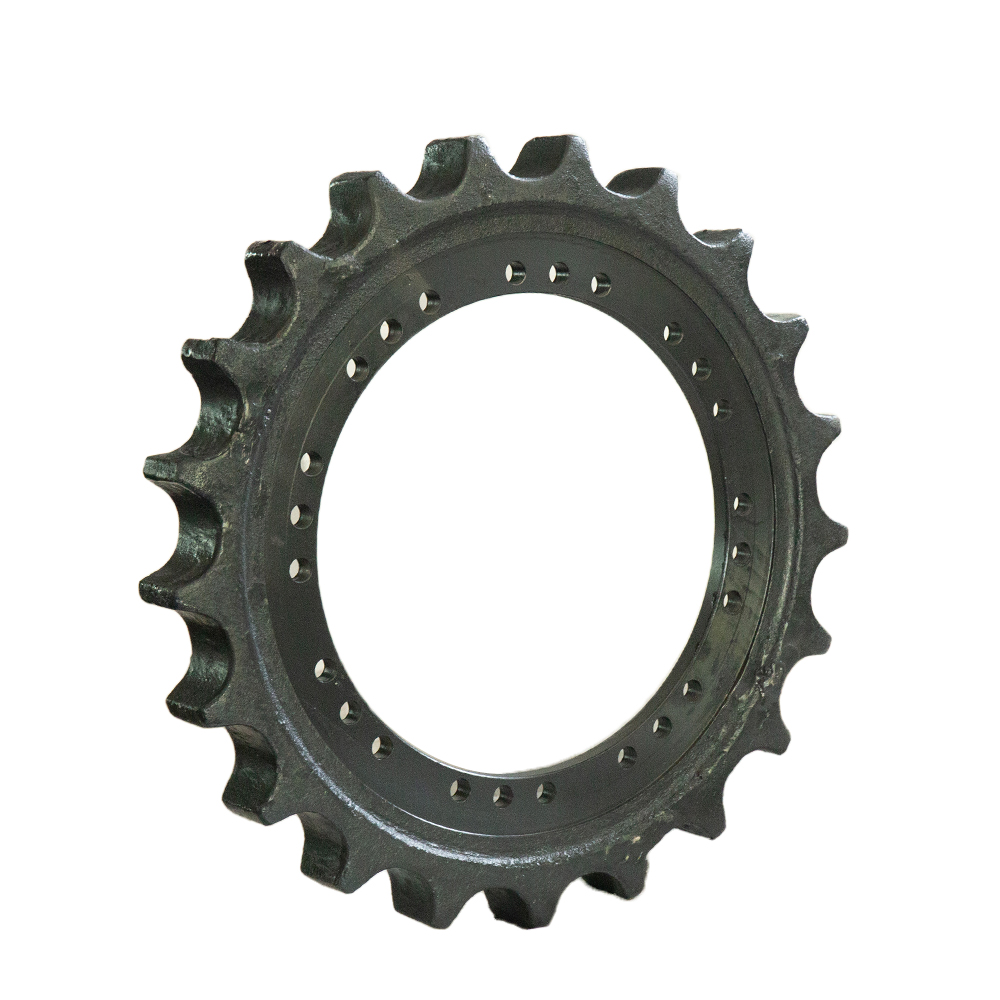
ตัวอย่างที่เฉพาะเจาะจงมากคือ ขอบสเตอร์วอลโว่, ซึ่งเป็นฟัน, แหวนสลักที่ขับเคลื่อนโซ่. หากขอบล้อสำหรับเปลี่ยนมีเส้นผ่านศูนย์กลางรูปแบบสลักเกลียวหรือโปรไฟล์ฟันไม่ถูกต้องเล็กน้อย, อาจถูกบังคับให้เข้าที่ระหว่างการติดตั้ง. ภายใต้ภาระ, อย่างไรก็ตาม, การวางแนวที่ไม่ตรงเล็กน้อยจะทำให้เกิดความเค้นบนสลักเกลียวไม่สม่ำเสมอ, อาจนำไปสู่การตัดออก. อย่างละเอียดยิ่งขึ้น, การยึดฟันที่ไม่เหมาะสมจะสร้างการบดที่ส่งการสั่นสะเทือนที่สร้างความเสียหายไปยังเฟืองท้ายทั้งหมด, อาจส่งผลเสียต่อตลับลูกปืนและเกียร์ที่มีราคาแพงภายในได้. การประหยัดเบื้องต้นสำหรับชิ้นส่วนที่ไม่เหมาะสมจะถูกทำลายด้วยต้นทุนของความเสียหายของหลักประกันที่เกิดขึ้น. ช่วงล่างทำงานเป็นชิ้นเดียว, ระบบราคาแพง, และการแนะนำชิ้นส่วนที่ไม่สอดคล้องกันเพียงชิ้นเดียวก็เหมือนกับการนำไวรัสเข้าสู่สิ่งมีชีวิตที่มีสุขภาพดี.
การถอดรหัสหมายเลขชิ้นส่วนและแผนผัง
เพื่อหลีกเลี่ยงปัญหาความเข้ากันได้เหล่านี้, เจ้าของอุปกรณ์และช่างเครื่องจะต้องเชี่ยวชาญในการใช้เครื่องมือที่มีอยู่เพื่อระบุชิ้นส่วน. The primary tools are the machine's parts manual and the electronic parts catalogs (EPC) จัดทำโดยผู้ผลิตและซัพพลายเออร์ที่มีชื่อเสียง.
การค้นหาหมายเลขชิ้นส่วน: คู่มือชิ้นส่วน, ทั้งในรูปแบบทางกายภาพหรือดิจิทัล, is the machine's bible. ประกอบด้วยไดอะแกรมแบบกระจายของทุกระบบบนเครื่อง. ไดอะแกรมเหล่านี้มีค่าอันล้ำค่า. โดยจะแสดงวิธีการประกอบส่วนประกอบต่างๆ และกำหนดหมายเลขอ้างอิงให้กับชิ้นส่วนแต่ละชิ้น. โดยการระบุตำแหน่งการแสดงภาพของส่วนที่ต้องการในแผนภาพ, คุณสามารถดูหมายเลขชิ้นส่วนที่เกี่ยวข้องได้ในรายการที่แนบมาด้วย. สิ่งสำคัญคือต้องใส่ใจกับหมายเหตุในแค็ตตาล็อกที่ระบุการเปลี่ยนแปลงตามหมายเลขซีเรียล (เช่น, "สำหรับเครื่อง PIN XXXXX ขึ้นไป").
การใช้แผนภาพแบบขยายมุมมอง: ไดอะแกรมเหล่านี้ทำมากกว่าแค่ช่วยระบุหมายเลขชิ้นส่วน. พวกเขาเปิดเผยความสัมพันธ์ระหว่างส่วนประกอบต่างๆ. เมื่อเปลี่ยนชิ้นส่วนที่ชำรุด, การศึกษาแผนภาพอย่างรอบคอบอาจแสดงตราประทับที่เกี่ยวข้อง, โอริง, หรือปะเก็นที่ควรเปลี่ยนพร้อมๆ กันเสมอ. ตัวอย่างเช่น, การเปลี่ยนปั๊มน้ำโดยไม่ได้เปลี่ยนปะเก็นด้วยจะทำให้มีการรั่วไหล. แผนภาพนี้แสดงรายการตรวจสอบด้วยภาพเพื่อให้แน่ใจว่าการซ่อมแซมเสร็จสมบูรณ์และเป็นมืออาชีพ.
การอ้างอิงโยงและการตรวจสอบ: เมื่อคุณมีหมายเลขชิ้นส่วนแล้ว, ซัพพลายเออร์มืออาชีพสามารถใช้เพื่อยืนยันการประกอบและเสนอทางเลือกอื่น. พวกเขาสามารถอ้างอิงโยงหมายเลขชิ้นส่วนของแท้ของ Volvo เข้ากับอะไหล่หลังการขายคุณภาพสูงได้. พวกเขายังสามารถใช้ความเชี่ยวชาญของตนเพื่อถามคำถามเพื่อชี้แจง. ตัวอย่างเช่น, หากสั่งอะไหล่กระบอกไฮดรอลิก, พวกเขาอาจขอให้คุณวัดแกนหรือเส้นผ่านศูนย์กลางของรูเพื่อยืนยัน, as there might be multiple options for your machine's PIN. กระบวนการตรวจสอบความร่วมมือระหว่างลูกค้าและซัพพลายเออร์ถือเป็นที่สิ้นสุด, การตรวจสอบที่สำคัญเพื่อป้องกันความผิดพลาดอันมีค่าใช้จ่ายสูงในการสั่งซื้อชิ้นส่วนผิด. เปลี่ยนธุรกรรมจากการซื้อง่ายๆ ให้เป็นความร่วมมือในการแก้ปัญหา.
ความผิดพลาด 4: ความเข้าใจผิดระหว่างของแท้กับของแท้. OEM vs. สเปกตรัมหลังการขาย
ตลาดสำหรับส่วนประกอบเครื่องจักรกลหนักไม่ใช่ระบบไบนารี่ของ "สินค้าที่ดี"" และ "ไม่ดี" ชิ้นส่วน. เป็นสเปกตรัมที่เหมาะสมยิ่งและมีคุณภาพหลายระดับ, ราคา, และการจัดหา. ปลายด้านหนึ่งเป็นอะไหล่แท้, อีกด้านคือโลกแห่งตัวเลือกหลังการขายที่กว้างใหญ่และหลากหลาย, และที่ไหนสักแห่งในระหว่างนั้นมีหมวดหมู่ของ OEM. ความเข้าใจผิดอย่างลึกซึ้งเกี่ยวกับความแตกต่างระหว่างหมวดหมู่เหล่านี้เป็นสาเหตุของการตัดสินใจซื้อที่ไม่ดีบ่อยครั้ง. การเลือกประเภทชิ้นส่วนให้เหมาะกับการใช้งานเป็นการดำเนินการเชิงกลยุทธ์ที่ต้องมีการประเมินความเสี่ยงด้วยสายตาที่ชัดเจน, งบประมาณ, และบทบาทเฉพาะที่องค์ประกอบเล่น. เพียงแค่เริ่มต้นที่แพงที่สุด (แท้จริง) หรือถูกที่สุด (หลังการขาย) ตัวเลือกที่ไม่มีการพิจารณาอย่างรอบคอบอาจนำไปสู่ค่าใช้จ่ายที่ไม่จำเป็นหรือความเสี่ยงที่ยอมรับไม่ได้. แนวทางที่ซับซ้อนเกี่ยวข้องกับการใช้ประโยชน์จากสเปกตรัมทั้งหมดเพื่อเพิ่มประสิทธิภาพต้นทุนและความน่าเชื่อถือให้กับกลุ่มยานพาหนะของคุณ.
การกำหนดระดับ: แท้จริง, OEM, และหลังการขาย
เพื่อตัดสินใจเลือกอย่างชาญฉลาด, ก่อนอื่นเราต้องพูดภาษาของการจัดหาชิ้นส่วนอย่างแม่นยำก่อน. คำศัพท์นี้มักใช้แทนกันได้, แต่มีความหมายที่แตกต่างกัน.
อะไหล่แท้: ส่วนประกอบเหล่านี้เป็นส่วนประกอบที่จำหน่ายโดยผู้ผลิตอุปกรณ์โดยตรง, ในกรณีนี้, วอลโว่. มาในกล่องแบรนด์ Volvo และเป็นชิ้นส่วนเดียวกับที่ใช้ในการประกอบเครื่องจักรที่โรงงาน. พวกเขารับประกันความพอดีที่สมบูรณ์แบบ, คุณภาพของวัสดุ, และประสิทธิภาพ. การรับประกันนี้มาในราคาระดับพรีเมียม, which reflects not only the quality of the part but also the cost of Volvo's extensive global distribution network, การสร้างแบรนด์, วิจัย, และการพัฒนา. พวกเขาเป็นเกณฑ์มาตรฐานด้านคุณภาพ.
OEM (ผู้ผลิตอุปกรณ์ดั้งเดิม) ชิ้นส่วน: นี่เป็นหนึ่งในคำที่เข้าใจผิดมากที่สุด. ชิ้นส่วน OEM คือส่วนประกอบที่ผลิตโดยบริษัทเดียวกับที่จัดหาชิ้นส่วนของแท้ให้กับ Volvo. ตัวอย่างเช่น, วอลโว่ไม่ได้ผลิตตลับลูกปืนของตัวเอง, ลูกสูบ, หรือเทอร์โบชาร์จเจอร์. They design the specifications and then contract with a specialized company—let's say Bosch for fuel injectors or SKF for bearings—to produce them. ชิ้นส่วนที่ส่งไปยังโรงงานของวอลโว่จะถูกใส่ในกล่องของวอลโว่และกลายเป็น "ของแท้"" ส่วนเดียวกันเลย, ผลิตในสายการผลิตเดียวกันด้วยมาตรฐานเดียวกัน, ที่ Bosch หรือ SKF ขายผ่านช่องทางการจัดจำหน่ายของตนเองคือ "OEM" ชิ้นส่วน. They offer genuine-level quality without the equipment manufacturer's brand markup, แสดงถึงคุณค่าที่สำคัญ. ความท้าทายคือการระบุซัพพลายเออร์ OEM ที่ถูกต้องสำหรับส่วนประกอบเฉพาะ.
ชิ้นส่วนหลังการขาย: นี่คือหมวดหมู่ที่กว้างที่สุดและหลากหลายที่สุด. ชิ้นส่วนหลังการขายคือชิ้นส่วนใดๆ ที่ผลิตโดยบริษัทใดๆ ที่ไม่ใช่ซัพพลายเออร์ OEM. คุณภาพในโลกหลังการขายนั้นมีอยู่มากมาย. ที่ปลายด้านหนึ่ง, คุณมีบริษัทที่มีชื่อเสียงอย่างมากซึ่งเชี่ยวชาญด้านส่วนประกอบเฉพาะประเภท, เช่น ช่วงล่างหรือเครื่องมือยึดพื้น. บริษัทเหล่านี้อาจทำวิศวกรรมย้อนกลับกับชิ้นส่วนของแท้ จากนั้นจึงใช้ความเชี่ยวชาญเฉพาะด้านเพื่อทำการปรับปรุง, อาจใช้โลหะผสมเหล็กขั้นสูงหรือการออกแบบที่แข็งแกร่งยิ่งขึ้น. ผลิตภัณฑ์ของตนสามารถตอบสนองหรือเกินกว่าข้อกำหนดเฉพาะของแท้ได้. เหล่านี้คือ "ตลาดหลังการขายคุณภาพสูง" ซัพพลายเออร์. อีกด้านหนึ่งของสเปกตรัมคือผู้ผลิตที่ผลิตสินค้าต้นทุนต่ำ, ชิ้นส่วนคุณภาพต่ำด้วยวัสดุด้อยคุณภาพและการควบคุมคุณภาพไม่ดี. ที่สำคัญคือ “หลังการขาย”" ไม่ใช่คำพ้องความหมายสำหรับ "ด้อยกว่า"; มันเป็นเพียงการกำหนดแหล่งกำเนิด. จำเป็นต้องใช้วิจารณญาณเพื่อแยกตลาดหลังการขายคุณภาพสูงออกจากตัวเลือกคุณภาพต่ำ.
การวิเคราะห์เปรียบเทียบสำหรับการจัดหาเชิงกลยุทธ์
การเลือกระหว่างระดับเหล่านี้เกี่ยวข้องกับการแลกเปลี่ยนปัจจัยหลายประการ. ตารางต่อไปนี้เป็นกรอบสำหรับกระบวนการตัดสินใจเชิงกลยุทธ์นี้, ช่วยชี้แจงข้อดีข้อเสียของแต่ละหมวดหมู่สำหรับชิ้นส่วนสำหรับเครื่องวอลโว่.
| คุณสมบัติ | แท้จริง (ตราสินค้าวอลโว่) | OEM (ผู้ผลิตอุปกรณ์ดั้งเดิม) | หลังการขายคุณภาพสูง |
|---|---|---|---|
| ราคา | สูงสุด | ปานกลาง (20-40% น้อยกว่าของแท้) | ตัวแปร (บ่อยครั้ง 40-60% น้อยกว่าของแท้) |
| คุณภาพ | มาตรฐานเกณฑ์มาตรฐาน, รับประกัน | เหมือนกับคุณภาพของแท้ | สามารถตอบสนองหรือเกินมาตรฐานของแท้ได้ |
| พอดี & การทำงาน | รับประกันความลงตัวที่สมบูรณ์แบบ | เหมือนกับของแท้พอดี | ออกแบบมาให้เข้ากับของแท้; ซัพพลายเออร์คุณภาพสูงรับประกัน |
| การรับประกัน | โดยปกติแล้วจะได้รับการสนับสนุนจากเครือข่าย Volvo เต็มรูปแบบ | ได้รับการสนับสนุนจากผู้ผลิต OEM (เช่น, บ๊อช, เอสเคเอฟ) | ได้รับการสนับสนุนจากซัพพลายเออร์หลังการขาย; สามารถครอบคลุมได้มาก |
| ความพร้อมใช้งาน | โดยทั่วไปดีผ่านตัวแทนจำหน่ายอย่างเป็นทางการ | แหล่งที่มาอาจยากกว่า; ต้องมีการระบุ OEM | เหมาะสำหรับชิ้นส่วนที่สึกหรอทั่วไปจากซัพพลายเออร์เฉพาะทาง |
| แหล่งที่มา | เครือข่ายตัวแทนจำหน่ายวอลโว่อย่างเป็นทางการ | ผู้จัดจำหน่ายชิ้นส่วนอิสระ, OEM's own network | ซัพพลายเออร์และผู้จัดจำหน่ายหลังการขายเฉพาะทาง |
การเปรียบเทียบนี้เผยให้เห็นว่าไม่มีซิงเกิลที่ "ดีที่สุด"" ทางเลือกสำหรับทุกสถานการณ์. การตัดสินใจที่เหมาะสมที่สุดนั้นขึ้นอยู่กับบริบท.
เมื่อใดควรเลือกแต่ละประเภท: คู่มือปฏิบัติ
ศิลปะในการจัดหาชิ้นส่วนโดยผู้เชี่ยวชาญอยู่ที่การรู้ว่าเมื่อใดควรปรับใช้ชิ้นส่วนแต่ละประเภทเพื่อให้ได้สมดุลด้านต้นทุนที่ดีที่สุด, ผลงาน, และการบริหารความเสี่ยง.
เลือกอะไหล่แท้เมื่อใด:
- เครื่องยังอยู่ภายใต้การรับประกันจากโรงงาน. การใช้ชิ้นส่วนที่ไม่ใช่ของแท้ในระหว่างระยะเวลาการรับประกันอาจทำให้ความคุ้มครองสำหรับความล้มเหลวที่เกี่ยวข้องเป็นโมฆะ.
- ส่วนที่มีความซับซ้อนสูง, ส่วนประกอบอิเล็กทรอนิกส์ที่มีความสำคัญต่อความปลอดภัย, เหมือนหน่วยควบคุมเครื่องยนต์ (กล่องอีซียู). ซอฟต์แวร์ที่เป็นกรรมสิทธิ์และการสอบเทียบที่ซับซ้อนของส่วนประกอบเหล่านี้ทำให้ตัวเลือกของแท้เป็นทางออกที่ปลอดภัยที่สุด.
- ต้นทุนของความล้มเหลวนั้นสูงมาก และจำเป็นต้องมีความมั่นใจอย่างแน่นอน, เช่นสำหรับเครื่องยนต์ภายในหรือส่วนประกอบระบบส่งกำลังบนเครื่องจักรการผลิตหลัก.
เลือกชิ้นส่วน OEM เมื่อใด:
- เครื่องหมดประกันแล้ว, และคุณกำลังมองหาคุณภาพระดับของแท้โดยไม่มีป้ายราคาของแท้.
- คุณสามารถระบุซัพพลายเออร์ OEM สำหรับส่วนประกอบที่คุณต้องการได้ในเชิงบวก. ซึ่งเป็นเรื่องปกติสำหรับรายการต่างๆ เช่น ตัวกรอง, เข็มขัด, เทอร์โบชาร์จเจอร์, และส่วนประกอบของระบบเชื้อเพลิง.
- คุณกำลังดำเนินการซ่อมแซมหรือสร้างใหม่ครั้งใหญ่ และต้องการรักษาคุณลักษณะด้านประสิทธิภาพดั้งเดิมของโรงงานในราคาที่สมเหตุสมผลมากขึ้น.
เลือกอะไหล่หลังการขายคุณภาพสูงเมื่อใด:
- คุณกำลังเปลี่ยนส่วนประกอบที่มีการสึกหรอสูง. นี่คือจุดที่น่าสนใจสำหรับซัพพลายเออร์หลังการขายที่มีชื่อเสียง. รายการต่างๆ เช่น ชิ้นส่วนช่วงล่าง (ลูกกลิ้ง, คนเกียจคร้าน, ติดตามโซ่), ถัง, ฟัน, ขอบตัด, และเครื่องมือที่ใช้งานภาคพื้นดินอื่นๆ จะถูกใช้งานตามปกติ. ซัพพลายเออร์หลังการขายคุณภาพสูงที่เชี่ยวชาญด้าน ช่วงล่างคุณภาพของวอลโว่ สามารถนำเสนอผลิตภัณฑ์ที่ทำจากเหล็กที่ทนทานต่อการสึกหรอที่เหนือกว่าในราคาเพียงเศษเสี้ยวของของแท้. การประหยัด TCO ในหมวดหมู่นี้มักจะทำได้มหาศาล.
- คุณกำลังมองหาชิ้นส่วนมาตรฐานเวอร์ชันปรับปรุงหรืองานหนัก. บริษัทหลังการขายมักจะคิดค้นสิ่งใหม่ๆ, การเสนอขาย, ตัวอย่างเช่น, บุ้งกี๋ที่มีการเสริมแรงเป็นพิเศษสำหรับการใช้งานบนหินที่รุนแรง หรือด้ามริปเปอร์ที่มีโปรไฟล์ที่ดุดันมากขึ้นเพื่อการเจาะที่ดีกว่า.
- เครื่องก็เก่าแล้ว, และชิ้นส่วนของแท้หรือ OEM เริ่มหายากหรือมีราคาแพงมาก. ตลาดหลังการขายที่แข็งแกร่งสามารถรักษาอายุไว้ได้, แต่ยังคงมีประสิทธิผล, เครื่องจักรทำงานอย่างประหยัด.
โดยการทำความเข้าใจสเปกตรัมนี้, ผู้จัดการกลุ่มยานพาหนะสามารถสร้างกลยุทธ์การจัดหาแบบผสมผสานได้. พวกเขาอาจใช้อะไหล่แท้สำหรับเซ็นเซอร์เครื่องยนต์ที่มีความละเอียดอ่อน, ตัวกรอง OEM สำหรับการบริการตามปกติ, และส่วนประกอบช่วงล่างหลังการขายคุณภาพสูงสำหรับการเปลี่ยนแทร็ก, ดังนั้นจึงเป็นการเพิ่มประสิทธิภาพงบประมาณการบำรุงรักษาทั้งหมดโดยไม่กระทบต่อความน่าเชื่อถือของชิ้นส่วนสำหรับเครื่องจักรของ Volvo.
ความผิดพลาด 5: การนำ "แก้ไข-เมื่อ-มัน-พัง" แบบโต้ตอบมาใช้" เข้าใกล้
แนวทางดั้งเดิมที่สุด—และอาจมีราคาแพงที่สุด—ในการบำรุงรักษาคือการรอให้บางสิ่งล้มเหลวก่อนที่จะดำเนินการ. สิ่งนี้ "แก้ไขเมื่อมันพัง" ปรัชญา, หรือที่เรียกว่าการบำรุงรักษาเชิงโต้ตอบ, ปฏิบัติต่อเครื่องจักรกลหนักเหมือนเครื่องใช้ในครัวเรือน. It functions until it doesn't, และเมื่อนั้นเท่านั้นที่จะมีการให้ความสนใจ. สำหรับคอมเพล็กซ์, สินทรัพย์ที่ใช้เงินทุนสูง เช่น อุปกรณ์ก่อสร้างของ Volvo, นี่เป็นกลยุทธ์ที่มีข้อบกพร่องอย่างลึกซึ้ง. มันยกการควบคุมกำหนดการบำรุงรักษาให้เป็นโอกาส, รับประกันว่าความล้มเหลวจะเกิดขึ้นในเวลาที่ไม่สะดวกที่สุด, นำไปสู่การหยุดชะงักและค่าใช้จ่ายสูงสุด. แนวทางที่รู้แจ้งและประหยัดมากขึ้นคือการเปลี่ยนจากกรอบความคิดเชิงรับไปเป็นกรอบความคิดเชิงรุกและแม้กระทั่งเชิงคาดการณ์. สิ่งนี้เกี่ยวข้องกับการตรวจสอบเป็นประจำ, การบำรุงรักษาตามแผนตามข้อมูลการปฏิบัติงาน, และความพยายามอย่างมีสติในการยืดอายุการใช้งานของส่วนประกอบด้วยการทำงานที่เหมาะสม. มันเป็นความแตกต่างระหว่างการเป็นเหยื่อเชิงรับของความล้มเหลวทางกลไกกับผู้จัดการด้านสุขภาพสินทรัพย์ที่กระตือรือร้น.
พลังของการตรวจสอบช่วงล่างเชิงรุก
ตามที่กล่าวไว้ก่อนหน้านี้, ช่วงล่างของเครื่องจักรตีนตะขาบเป็นหนึ่งในระบบการสึกหรอที่มีราคาแพงที่สุด. อีกทั้งยังเป็นระบบที่ให้ความชัดเจน, สัญญาณที่มองเห็นได้ของความสมบูรณ์ของมันก่อนที่ความหายนะจะเกิดขึ้น. แนวทางเชิงรุกเริ่มต้นด้วยความเรียบง่าย, การตรวจสอบด้วยสายตาเป็นประจำซึ่งผู้ปฏิบัติงานสามารถทำได้ในเวลาเพียงไม่กี่นาทีเมื่อเริ่มต้นแต่ละวัน. นี่ไม่ใช่งานทางเทคนิคที่ซับซ้อน; มันเป็นนิสัยของการสังเกตอย่างมีระเบียบวินัย.
ควรมีการตรวจสอบแบบเดินรอบๆ ขั้นพื้นฐานทุกวัน:
- การตรวจสอบแทร็กลดลง: ความตึงของโซ่ตีนตะขาบเป็นสิ่งสำคัญ. สนามที่คับแคบเกินไปจะเร่งการสึกหรอของส่วนประกอบทั้งหมด. รางที่หลวมเกินไปอาจทำให้เครื่อง "โยนรางได้," นำไปสู่การหยุดทำงานอย่างมีนัยสำคัญ. The operator's manual specifies the correct amount of sag, ซึ่งสามารถตรวจสอบได้อย่างรวดเร็วด้วยสายวัด.
- การตรวจสอบการรั่วไหล: ดูลูกกลิ้งตีนตะขาบ, คนเกียจคร้าน, และไดรฟ์สุดท้าย. สัญญาณการรั่วไหลของน้ำมันบ่งชี้ว่าซีลชำรุด. ซีลเป็นชิ้นส่วนที่ไม่แพง, แต่หากล้มเหลวโดยสิ้นเชิง, ส่วนประกอบจะสูญเสียการหล่อลื่น, นำไปสู่การทำลายแบริ่งและเพลาภายในที่มีราคาแพงอย่างรวดเร็ว. การตรวจจับรอยรั่วตั้งแต่เนิ่นๆ จะทำให้การซ่อมแซมจากพันดอลลาร์กลายเป็นห้าสิบดอลลาร์.
- การตรวจสอบฟันเฟือง: ฟันบนเฟืองขับช่วยให้มีประวัติการสึกหรอที่ชัดเจน. ขณะที่พวกเขาสวมใส่, พวกมันบางลงและพัฒนา "ติดงอมแงม"" หรือรูปทรงแหลม. เฟืองที่สึกหรออย่างรุนแรงจะทำให้โซ่ตีนตะขาบใหม่เสียหาย. การสังเกตรูปแบบการสึกหรอช่วยในการวางแผนการเปลี่ยนทั้งเฟืองและโซ่ร่วมกันเพื่อยืดอายุการใช้งานของระบบใหม่ให้สูงสุด. ปรากฏการณ์ที่เรียกว่า "สแกลลอป"," โดยที่ผิวฟันระหว่างปลายจะเว้า, เป็นอีกหนึ่งตัวบ่งชี้ที่ชัดเจนว่าเฟืองใกล้จะหมดอายุการใช้งานแล้ว.
- การวัดบูชและการสึกหรอของดอกยาง: การตรวจสอบขั้นสูงเพิ่มเติม, ซึ่งสามารถทำได้เป็นรายสัปดาห์หรือรายเดือนโดยช่างซ่อมบำรุง, เกี่ยวข้องกับการใช้เครื่องมือพิเศษในการวัดการสึกหรอของบูชตีนตะขาบและความสูงของสายพาน (ดอกยาง) บนแทร็กแพด. ข้อมูลนี้สามารถติดตามได้ตลอดเวลาเพื่อคาดการณ์ได้อย่างแม่นยำว่าโครงส่วนล่างจะหมดอายุการใช้งานเมื่อใด, ช่วยให้สามารถวางแผนการเปลี่ยนใหม่ในช่วงเวลาหยุดทำงานตามกำหนดการ แทนที่จะอยู่ในช่วงกลางของงานที่สำคัญ.
การดำเนินการกำหนดการบำรุงรักษาเชิงคาดการณ์
การบำรุงรักษาเชิงรุกจะพัฒนาไปสู่การบำรุงรักษาเชิงคาดการณ์เมื่อเริ่มใช้ข้อมูลเพื่อคาดการณ์ความล้มเหลว. เครื่องจักรวอลโว่สมัยใหม่ติดตั้งระบบเทเลเมติกส์ที่ซับซ้อน, like Volvo's CareTrack, ซึ่งตรวจสอบจุดข้อมูลนับพันอย่างต่อเนื่อง, ตั้งแต่อุณหภูมิเครื่องยนต์และแรงดันไฮดรอลิกไปจนถึงการสิ้นเปลืองน้ำมันเชื้อเพลิงและรหัสความผิดปกติ. กระแสข้อมูลนี้เป็นเครื่องมือที่มีประสิทธิภาพในการคาดการณ์ความจำเป็นในการเปลี่ยนชิ้นส่วนสำหรับเครื่องจักรของ Volvo.
แทนที่จะเปลี่ยนไส้กรองไฮดรอลิกทุกๆ 500 ชั่วโมง (แบบดั้งเดิม, กำหนดการป้องกัน), ระบบคาดการณ์อาจวิเคราะห์ความแตกต่างของแรงดันทั่วทั้งตัวกรอง. เมื่อตัวกรองเกิดการอุดตัน, ความดันลดลงเพิ่มขึ้น. ระบบสามารถส่งการแจ้งเตือนเมื่อแรงดันตกถึงเกณฑ์ที่กำหนดไว้, แสดงว่าตัวกรองใกล้จะหมดอายุการใช้งานและจำเป็นต้องเปลี่ยน. สิ่งนี้ทำให้แน่ใจได้ว่าตัวกรองจะถูกนำมาใช้ตลอดอายุการใช้งานโดยไม่เคยถูกผลักจนถึงจุดที่ล้มเหลว.
สำหรับการทำงานที่ไม่มีระบบเทเลเมติกส์ขั้นสูง, ตรรกะที่คล้ายกันสามารถนำไปใช้ด้วยตนเองได้. โดยการเก็บบันทึกรายละเอียดของการเปลี่ยนชิ้นส่วนและเวลาทำการ, ผู้จัดการสามารถสร้างพื้นฐานในอดีตสำหรับอายุการใช้งานของส่วนประกอบต่างๆ ในไซต์งานเฉพาะของตนได้. ถ้า, ตัวอย่างเช่น, ฟันถังของรถตักล้อยางที่ทำงานอยู่ในหลุมทรายที่มีฤทธิ์กัดกร่อนสูงจะมีอายุการใช้งานยาวนาน 150 ชั่วโมง, สามารถกำหนดเวลาการเปลี่ยนทดแทนได้เมื่อถึงเวลา 140 ชั่วโมง. วิธีการง่ายๆ ที่ขับเคลื่อนด้วยข้อมูลนี้ช่วยป้องกันการสูญเสียความสามารถในการผลิตที่เกิดขึ้นเมื่อฟันสึกกร่อนโดยสิ้นเชิง และยังป้องกัน "การดูแลรักษามากเกินไป"" โดยเปลี่ยนอะไหล่ที่ยังมีอายุการใช้งานเหลืออยู่. ส่วนสำคัญของกำหนดการเชิงคาดการณ์ก็คือการจัดการสินค้าคงคลังอย่างชาญฉลาดเช่นกัน. เมื่อทราบว่าคุณจะต้องมีชิ้นส่วนช่วงล่างชุดใหม่ภายในเวลาประมาณสามเดือน คุณจึงสามารถสั่งซื้อด้วยการจัดส่งแบบมาตรฐานได้, หลีกเลี่ยงต้นทุนค่าขนส่งทางอากาศที่สูงเกินไปสำหรับการขนส่งหลายตัน.
บทบาทของการฝึกอบรมผู้ปฏิบัติงานในการมีอายุยืนยาวของชิ้นส่วน
เสาหลักสุดท้ายของปรัชญาการบำรุงรักษาเชิงรุกคือการตระหนักถึงผลกระทบอันลึกซึ้งของผู้ควบคุมเครื่องจักร. ผู้ควบคุมไม่ได้เป็นเพียงคนขับเท่านั้น; they are the primary custodian of the machine's mechanical health on a day-to-day basis. วิธีการใช้งานเครื่องจักรสามารถลดระยะเวลาหรือยืดอายุการใช้งานของส่วนประกอบต่างๆ ได้อย่างมาก, โดยเฉพาะช่วงล่างและอุปกรณ์ยึดพื้น.
การฝึกอบรมผู้ปฏิบัติงานอย่างมีประสิทธิภาพควรเน้นเทคนิคที่ช่วยลดความเครียดบนเครื่องจักร:
- ลดการหมุนสวนทางให้เหลือน้อยที่สุด: การหมุนเครื่องจักรตรงจุดโดยให้รางหนึ่งไปข้างหน้าและอีกรางหนึ่งถอยหลังจะทำให้เกิดความเค้นบิดอย่างมากบนโครงรางและส่วนประกอบช่วงล่าง. ส่งเสริมให้ผู้ประกอบการขยายวงกว้างขึ้น, ค่อยเป็นค่อยไป "Y" การผลัดกันช่วยลดความเครียดนี้.
- จำกัดการเดินทางย้อนกลับด้วยความเร็วสูง: โซ่ตีนตะขาบได้รับการออกแบบมาเพื่อดึงโหลดในทิศทางไปข้างหน้าเป็นหลัก. การทำงานด้วยความเร็วสูงอย่างกว้างขวางในการถอยหลังทำให้เกิดการสึกหรออย่างรวดเร็วที่ด้านขับเคลื่อนถอยหลังของฟันเฟืองและบูชตีนตะขาบ.
- ทิศทางการเลี้ยวสำรอง: การเลี้ยวไปในทิศทางเดียวอย่างสม่ำเสมอจะทำให้ช่วงล่างด้านหนึ่งสึกหรอเร็วกว่าอีกทิศทางมาก. การฝึกอบรมผู้ปฏิบัติงานให้สลับรูปแบบการเลี้ยวช่วยให้การสึกหรอสม่ำเสมอ.
- ทำงานขึ้นและลงทางลาด, ไม่ข้ามพวกเขา: การทำงานด้านข้างบนทางลาด (ด้านข้าง-hilling) สถานที่อย่างต่อเนื่อง, heavy loads on the downhill side's track rollers, คนเกียจคร้าน, และแทรคเฟรม, นำไปสู่ความล้มเหลวก่อนวัยอันควร.
- ใช้เทคนิคการขุดที่ถูกต้อง: การใช้ถังหรือสิ่วสำหรับเครื่องจักรก่อสร้างเพื่องัดหรือบิดหินทำให้เกิดภาระด้านข้างจำนวนมหาศาลบนบูม, ติด, และหมุดและบูชถัง, ทำให้เกิดการสึกหรออย่างรวดเร็ว. Proper technique involves using the machine's hydraulic power in a straight line as much as possible.
โดยลงทุนในการฝึกอบรมผู้ปฏิบัติงาน, บริษัทลงทุนในการมีอายุยืนยาวของชิ้นส่วนต่างๆ. ผู้ปฏิบัติงานที่เข้าใจผลที่ตามมาทางกลจากการกระทำของพวกเขาคือพันธมิตรที่ทรงคุณค่าในความพยายามที่จะควบคุมต้นทุนการบำรุงรักษาและเพิ่มเวลาทำงานของเครื่องจักรให้สูงสุด. การเปลี่ยนจากวัฒนธรรมการบำรุงรักษาเชิงโต้ตอบไปเป็นวัฒนธรรมการบำรุงรักษาเชิงรุกและเชิงคาดการณ์คือการเปลี่ยนแปลงในปรัชญา—จากการมองว่าการบำรุงรักษาเป็นค่าใช้จ่ายเพื่อหลีกเลี่ยงการมองว่าเป็นการลงทุนในความน่าเชื่อถือที่ต้องยอมรับ.
คำถามที่พบบ่อย (คำถามที่พบบ่อย)
ฉันจะตรวจสอบได้อย่างไรว่าชิ้นส่วนหลังการขายตรงตามมาตรฐานคุณภาพ? เพื่อตรวจสอบคุณภาพ, ขอข้อกำหนดทางเทคนิคจากซัพพลายเออร์, เช่นชนิดของเหล็กที่ใช้ (เช่น, เหล็กโบรอน), ระดับความแข็งของมัน (เช่น, HB400, HB500), และรายละเอียดเกี่ยวกับกระบวนการบำบัดความร้อน. ขอใบรับรองเช่น ISO 9001 และสอบถามเกี่ยวกับนโยบายการรับประกัน. ซัพพลายเออร์ที่มีชื่อเสียงจะมีความโปร่งใสกับข้อมูลนี้.
Is using aftermarket parts going to void my Volvo machine's warranty? ในช่วงระยะเวลาการรับประกันพื้นฐาน, ผู้ผลิตสามารถกำหนดให้ใช้ชิ้นส่วนของแท้ในการซ่อมเพื่อให้อยู่ภายใต้การรับประกัน. หากมีการพิสูจน์ว่าความล้มเหลวเกิดจากชิ้นส่วนหลังการขายที่ชำรุด, ผู้ผลิตอาจปฏิเสธการเรียกร้องการรับประกันสำหรับความล้มเหลวเฉพาะนั้น. อย่างไรก็ตาม, โดยใช้อะไหล่หลังการขายคุณภาพสูง, เช่น กรองน้ำมันเครื่อง หรือฟันถัง, จะไม่ทำให้การรับประกันเครื่องทั้งหมดเป็นโมฆะโดยอัตโนมัติ. วิธีที่ดีที่สุดคือตรวจสอบข้อกำหนดเฉพาะของข้อตกลงการรับประกันของคุณ.
อะไรคือชิ้นส่วนที่พบบ่อยที่สุดที่จะเกิดข้อผิดพลาดก่อนบนช่วงล่างของรถขุด Volvo? แม้ว่าจะขึ้นอยู่กับสภาพการใช้งานเป็นอย่างมากก็ตาม, เฟืองและบูชโซ่ตีนตะขาบมักเป็นหนึ่งในส่วนประกอบแรกๆ ที่แสดงถึงการสึกหรออย่างเห็นได้ชัด. ฟันเฟืองจะสัมผัสโดยตรงกับบูชโซ่ทุกครั้งที่หมุน, ทำให้มีแรงเสียดทานสูง, อินเทอร์เฟซที่มีผลกระทบสูง. การตรวจสอบเชิงรุกของรูปร่างฟันเฟืองและโซ่ติดตาม "ยืด"" เป็นกุญแจสำคัญ.
การอบชุบด้วยความร้อนของบุ้งกี๋หรือริปเปอร์มีความสำคัญเพียงใด? การอบชุบด้วยความร้อนมีความสำคัญอย่างยิ่ง. เป็นกระบวนการที่ทำให้ส่วนประกอบมีความสมดุลที่เหมาะสมกับความแข็งของพื้นผิว (สำหรับความต้านทานการสึกหรอ) และความเหนียวของแกนกลาง (เพื่อต้านทานการกระแทกและป้องกันการแตกหัก). ถังที่ทำจากเหล็กชั้นดีแต่ใช้ความร้อนที่ไม่เหมาะสมอาจทำให้อ่อนเกินไปได้ (สึกหรออย่างรวดเร็ว) หรือเปราะเกินไป (แตกร้าวภายใต้ภาระ).
ฉันสามารถใช้ชิ้นส่วนจากเครื่องจักรรุ่นอื่นได้หรือไม่ หากมีลักษณะคล้ายกัน? นี่ท้อแท้อย่างยิ่ง. แม้ว่าส่วนหนึ่งจะดูเหมือนกันก็ตาม, อาจมีมิติที่แตกต่างกันเล็กน้อย, ข้อมูลจำเพาะของวัสดุ, หรือความอดทนที่ไม่ปรากฏชัด. การใช้ชิ้นส่วนที่ไม่ถูกต้องอาจทำให้ประกอบได้ไม่ดี, ประสิทธิภาพการทำงานที่ถูกบุกรุก, และความเสียหายต่อส่วนประกอบอื่น ๆ. Always use the machine's specific serial number (เข็มหมุด) เพื่อระบุส่วนที่ถูกต้องแม่นยำ.
What's the best way to reduce shipping costs for heavy parts to regions like Africa or Australia? กลยุทธ์ที่ดีที่สุดคือการวางแผนล่วงหน้า. การบำรุงรักษาเชิงรุกและเชิงคาดการณ์ช่วยให้คุณคาดการณ์ความต้องการสิ่งของที่มีน้ำหนักมาก เช่น ส่วนประกอบช่วงล่างหรือถังใหม่ได้ล่วงหน้าหลายเดือน. ซึ่งจะทำให้คุณสามารถสั่งซื้อผ่านการขนส่งทางทะเลได้, ซึ่งมีราคาถูกกว่าการขนส่งทางอากาศอย่างมาก. การรวมคำสั่งซื้อกับซัพพลายเออร์ยังสามารถลดต้นทุนการจัดส่งต่อรายการได้อีกด้วย.
ฉันจะค้นหาหมายเลขชิ้นส่วนที่ถูกต้องสำหรับรถวอลโว่ของฉันได้อย่างไร? The most reliable method is to use your machine's unique Product Identification Number (เข็มหมุด) หรือหมายเลขซีเรียล. แจ้งหมายเลขนี้แก่ซัพพลายเออร์ชิ้นส่วนที่ผ่านการรับรอง. พวกเขาสามารถใช้เพื่อเข้าถึงแค็ตตาล็อกชิ้นส่วนอิเล็กทรอนิกส์ที่แม่นยำสำหรับเครื่องจักรของคุณ, ซึ่งช่วยลดการคาดเดาและรับประกันว่าคุณจะได้รับส่วนประกอบที่รับประกันว่าจะพอดีและทำงานได้อย่างถูกต้อง.
บทสรุป
กระบวนการจัดหาและจัดซื้อชิ้นส่วนสำหรับเครื่องจักรของ Volvo อยู่เหนือการซื้อผ่านธุรกรรมธรรมดาๆ; มันเป็นองค์ประกอบสำคัญของการจัดการสินทรัพย์เชิงกลยุทธ์. การตรวจสอบข้อผิดพลาดทั่วไป 5 ประการ—การจัดลำดับความสำคัญของราคาเริ่มต้น, ละเลยความรอบคอบของซัพพลายเออร์, ละเลยความเข้ากันได้, ความเข้าใจผิดเกี่ยวกับสเปกตรัมของชิ้นส่วน, และคงอยู่ในท่าทางการบำรุงรักษาเชิงรับ ซึ่งเผยให้เห็นเส้นทางที่ชัดเจนไปสู่ประสิทธิภาพการดำเนินงานและความรอบคอบทางการเงินที่ดีขึ้น. การนำมุมมองต้นทุนรวมในการเป็นเจ้าของมาใช้ทำให้เกิดกรอบการทำงานที่มีเหตุผลสำหรับการตัดสินใจ, มุ่งเน้นที่มูลค่าระยะยาวมากกว่าการออมระยะสั้น. ในทำนองเดียวกัน, กระบวนการตรวจสอบซัพพลายเออร์ที่เข้มงวดทำหน้าที่เป็นการป้องกันที่สำคัญต่อความเสี่ยงของส่วนประกอบที่ไม่ได้มาตรฐานและของปลอมที่คุกคามทั้งความปลอดภัยและสุขภาพของอุปกรณ์.
ความแม่นยำในการระบุชิ้นส่วน, guided by the machine's specific serial number, ช่วยให้มั่นใจได้ถึงการบูรณาการส่วนประกอบใหม่อย่างราบรื่น, preserving the intricate harmony of the machine's systems. ความเข้าใจอันลึกซึ้งของของแท้, OEM, และระดับหลังการขายคุณภาพสูงช่วยให้ผู้จัดการสามารถพัฒนาความยืดหยุ่นได้, กลยุทธ์การจัดหาที่คุ้มค่าซึ่งปรับให้เหมาะกับการใช้งานและอายุของอุปกรณ์โดยเฉพาะ. ในที่สุด, การเปลี่ยนแปลงทางปรัชญาจากวัฒนธรรมเชิงโต้ตอบไปสู่วัฒนธรรมการบำรุงรักษาเชิงรุกและเชิงคาดการณ์, ได้รับการสนับสนุนจากการตรวจสอบอย่างขยันขันแข็งและการฝึกอบรมผู้ปฏิบัติงาน, เปลี่ยนการบำรุงรักษาจากค่าใช้จ่ายที่คาดเดาไม่ได้ให้เป็นการลงทุนด้านความน่าเชื่อถือที่สามารถจัดการได้. โดยยึดหลักการเหล่านี้ไว้ภายใน, เจ้าของและผู้ควบคุมอุปกรณ์ของวอลโว่ในตลาดที่หลากหลายและเป็นที่ต้องการสามารถปกป้องการลงทุนของตนได้ดียิ่งขึ้น, ลดการหยุดทำงานที่มีค่าใช้จ่ายสูง, และเพิ่มประสิทธิภาพการผลิตและผลกำไรของการดำเนินงานในที่สุด.
การอ้างอิง
อาติซอน. (2024, มิถุนายน 28). อธิบายเฟืองประเภทต่างๆ. อาติซอน. https://artizono.com/sprockets-types/
อุปกรณ์แบ่งปัน. (2023, พฤศจิกายน 21). คำแนะนำเกี่ยวกับเฟืองในอุปกรณ์ก่อสร้าง: ประเภท, ฟังก์ชั่น, การซ่อมบำรุง, และอีกมากมาย. https://shop.equipmentshare.com/blogs/parts-in-depth/sprockets?srsltid=AfmBOoqpB5y88EUJg-nC98o5U9jGYeWv2JQ2VD9-M8LF7rO57LWRL6Oq
แม็กนั่ม อินดัสเตรียล. (2024, เมษายน 4). เฟือง: คู่มือขั้นสูงสุด. https://www.magnumindustrial.com/learning-center/sprockets-ultimate-guide/
PDFกาแฟ. (2021, ธันวาคม 27). เฟือง. https://pdfcoffee.com/sprockets-3-pdf-free.html