
Soyut
Bu analiz, Çin'den ekskavatör ve buldozer palet bağlantıları tedarik etmenin stratejik avantajlarının kapsamlı bir incelemesini sağlar. 2025. Ülkenin gelişmiş üretim yeteneklerine ilişkin incelikli bir bakış açısı sunmak için modası geçmiş algıların ötesine geçmektedir., metalurjinin karmaşık süreçlerine odaklanmak, hassas mühendislik, ve modern Çin ray bağlantısını tanımlayan sıkı kalite kontrolü. Söylem zorlayıcı ekonomik öneriyi değerlendiriyor, yalnızca ilk satın alma fiyatıyla değil, aynı zamanda sıkı bir Toplam Sahip Olma Maliyeti aracılığıyla (TCO) çerçeve, bu da uzun ömürlülüğü sağlar, Bakım, ve operasyonel verimlilik. Üstelik, bu alt takım parçalarının çeşitli ve zorlu küresel ortamlarda dayanıklılığını ve yüksek performansını sağlayan malzeme bilimi ve mühendisliğini araştırıyor, Avustralya'nın aşındırıcı topraklarından Rusya'nın aşırı sıcaklıklarına kadar. Çalışma aynı zamanda kapsamlı ürün kullanılabilirliğini de haritalandırıyor, özelleştirme potansiyeli, ve kovalar ve sökücüler gibi ilgili bileşenlerin entegre ekosistemi. Nihayet, Başarılı bir yaklaşımın teşvik edilmesinde duyarlı ve sertifikalı bir tedarikçi ağının kritik rolünü değerlendirir., uzun vadeli satın alma ilişkileri.
Kilit çıkarımlar
- Toplam Sahip Olma Maliyetini Değerlendirin, sadece başlangıç fiyatı değil.
- Gelişmiş metalurji ve ısıl işlem süreçlerini sergileyen tedarikçilere öncelik verin.
- ISO gibi tedarikçi sertifikalarını doğrulayın 9001 tutarlı kalite güvencesi için.
- Yüksek kaliteli Çin palet bağlantısı genel alt takım ömrünü önemli ölçüde uzatır.
- Palet baklası malzemesi özelliklerini özel çalışma ortamınıza göre eşleştirin.
- Uyumluluk için eksiksiz bir alt takım parçası yelpazesi sunan tedarikçileri düşünün.
- Güçlü satış sonrası destek ve teknik rehberlik sağlayan iş ortakları arayın.
İçindekiler
- Sebep 1: Modern Çin İmalatının Gelişmişliğini Ortaya Çıkarmak
- Sebep 2: Ödün Vermeden Maliyet Verimliliğine Derin Bir Bakış
- Sebep 3: Zorlu Arazilerde Dayanıklılık ve Performans
- Sebep 4: Ürün Kullanılabilirliği ve Özelleştirmenin Genişliği ve Derinliği
- Sebep 5: Sağlam ve Duyarlı Bir Tedarikçi Ağının Gücü
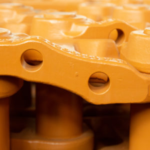
Sebep 1: Modern Çin İmalatının Gelişmişliğini Ortaya Çıkarmak
Çin'de imalata ilişkin anlatı son yirmi yılda derin bir dönüşüm geçirdi. Modern bir Çin demiryolu bağlantısını geçmiş bir dönemin merceğinden değerlendirmek, meydana gelen teknolojik sıçramayı temelde yanlış anlamaktır.. Tartışma, kararlı bir şekilde hacimli üretime odaklanmaktan, hassasiyete odaklanan bir noktaya kaydı., yenilik, ve kalite. Bu evrim bir pazarlama meselesi değil, teknolojiye yapılan büyük yatırımlardan kaynaklanan somut bir gerçekliktir., araştırma, ve insan sermayesi. Ağır inşaat makinesi bileşenlerinin seçici alıcıları için, Bu yeni paradigmayı anlamak, filolarının operasyonel kapasitesine ve uzun ömürlülüğüne stratejik açıdan sağlam bir yatırım yapma yolunda ilk adımdır. Önyargılı kavramları bir kenara bırakmayı ve artık rekabet eden bir imalat sektörünün ampirik kanıtlarıyla ilgilenmeyi gerektirir., ve sıklıkla yol açar, küresel ölçekte.
İtibaren “Çin yapımı” ile “Çin'de oluşturuldu”: Bir Paradigma Değişimi
Gelen yolculuk “Çin yapımı” ile “Çin'de oluşturuldu” endüstriyel felsefede temel bir değişimi temsil ediyor. Başlangıçta dünyanın fabrikası olarak tanındı, ülkenin üretim becerisi, küresel markalar için muazzam ölçekte mal üretme kapasitesi üzerine inşa edildi. Bu, ekonomisinin temel taşı olmaya devam ederken, Yeniliğe yönelik kasıtlı ve hükümet destekli bir dönüş, araştırma, ve kalkınma rolünü yeniden tanımladı. Bu özellikle ağır sanayi sektöründe belirgindir., inşaat makineleri için kritik bileşenler sağlayan.
Bu artık sadece parçaların yabancı bir plana göre montajından ibaret değil. Yerli tasarımla ilgili, malzeme bilimi yeniliği, ve özel üretim süreçlerinin oluşturulması. Yürüyüş takımı parçalarının önde gelen üreticileri, örneğin, artık kendi araştırma ve geliştirme merkezlerini işletiyorlar. Ürünlerinin aşınma direncini ve çekme mukavemetini iyileştirmeye adanmış metalürji uzmanları ve mühendislerden oluşan ekipler çalıştırıyorlar.. Bu değişim, bugün satın alınan bir Çin ray bağlantısının genellikle ekipman operatörlerinin karşılaştığı belirli gerçek dünya sorunlarını çözmek için tasarlanmış şirket içi mühendisliğin bir sonucu olduğu anlamına geliyor., ister yüksek aşındırıcı koşullarda erken aşınma olsun, ister yüksek darbeli ortamlarda stres kırılmaları olsun. Bu evrim uzun vadeli bir vizyonun kanıtıdır, Ülkeyi endüstriyel teknoloji ve kalitede takipçiden lidere dönüştürmek.
İleri Metalurji ve Isıl İşlemin Rolü
Bir palet baklasının dayanıklılığının temelinde malzeme bileşimi ve işlenme şekli yer alır. Metalurji biliminin en önemli hale geldiği yer burasıdır, ve bu, üst düzey Çinli üreticilerin dikkate değer bir gelişmişlik elde ettiği bir alandır. Süreç hammadde seçimiyle başlar. Yüksek kaliteli palet bağlantıları genellikle bor çeliği alaşımından dövülür (23MnB veya 40MnB gibi). Bor, çok küçük miktarlarda bile, çeliğin sertleşebilirliğini önemli ölçüde artırır, sonraki ısıl işlem sırasında daha derin ve daha düzgün bir sertliğin elde edilmesine olanak tanır. Bu, birinci sınıf bir Çin palet bağlantısını jenerik bir bağlantıdan ayıran kritik bir faktördür., daha düşük kaliteli alternatif.
Isıl işlem sürecinin kendisi çok aşamalıdır, bilimsel olarak kontrol edilen prosedür. Metalin ısıtılıp söndürülmesinden çok daha karmaşıktır.. Yüksek kaliteli bir parça bağlantısı için tipik bir süreç şunları içerir::
- Dövme: Çelik dövülebilir bir sıcaklığa kadar ısıtılır ve baklanın tam şekline göre dövülür. Bu işlem çeliğin tane yapısını hizalar, Önemli bir başlangıç gücü kazandırma.
- Normalleştirme: Dövme bakla, tane yapısını iyileştirmek ve dövme işleminden kaynaklanan iç gerilimleri azaltmak için ısıtılabilir ve havayla soğutulabilir..
- İndüksiyonla Sertleştirme: Bu en kritik aşama. Bağlantının ray yüzeyleri (silindirlerle temas eden alanlar) yüksek frekanslı indüksiyonlu ısıtmaya tabi tutulur. Bu, çeliğin yalnızca yüzey katmanını hızla kritik bir sıcaklığa ısıtır. Bunun hemen ardından, bağlantı sıvı bir ortamda söndürülür (su, yağ, veya polimer). Bu hızlı soğuma yüzeyin kristal yapısını martensite dönüştürür., son derece sert ve aşınmaya dayanıklı bir mikro yapı. Önemli olan bu sertleşmiş katmanın derinliğini kontrol etmektir. Çok sığ, ve hızla aşınacak. Çok derin, ve bağlantı kırılgan hale gelir ve kırılmaya yatkın hale gelir. Gelişmiş üreticiler, hassas ve tutarlı bir kasa derinliği sağlamak için bilgisayar kontrollü indüksiyon sistemleri kullanıyor, genellikle 3 mm ile 5 mm arasındadır.
- Temperleme: Söndürmeden sonra, bağlantı daha düşük bir sıcaklığa ısıtılır ve belirli bir süre tutulur. Bu işlem su vermenin neden olduğu kırılganlığı giderir, Yüzey sertliğinden önemli ölçüde ödün vermeden baklanın sağlamlığını ve darbe direncini arttırmak.
Bağlantının çekirdeği daha yumuşak ve daha esnek kalır, çalışma sırasında yaşanan büyük şok yüklerini çatlamadan absorbe etmesini sağlar. Sonuç, ikili kişiliğe sahip bir bileşendir: son derece zor, aşınmaya dayanıklı dış yüzey ve sağlam, esnek çekirdek. Bu kombinasyon, iyi yapılmış bir Çin ray bağlantısının binlerce saatlik zorlu çalışmaya dayanabilmesini sağlayan şeydir..
Hassas Mühendislik: Robotik, CNC İşleme, ve Kalite Kontrol
Bir metalurjik prosesin teorik mükemmelliği, ancak onun yürütülme hassasiyeti kadar iyidir. Modern Çin fabrikalarının otomasyon ve bilgisayarlı sayısal kontrolün yaygın kullanımıyla kendilerini farklılaştırdığı nokta burasıdır. (CNC) işleme. Dövme ve ısıl işlemden sonra, Palet baklasının her kritik boyutu hassas toleranslara göre işlenmelidir. Pimler ve burçlar için delikler, ray yüzeyleri, ve palet zinciri içinde düzgün montaj ve işlevin sağlanması için bağlantı noktalarının mükemmel şekilde şekillendirilmesi gerekir.
CNC işleme merkezleri, üretilen her bağlantının neredeyse aynı olmasını sağlar, genellikle mikron cinsinden ölçülen boyutsal doğrulukla. Bu tutarlılık düzeyine manuel yöntemlerle ulaşmak imkansızdır. Bir palet zinciri monte edildiğinde bunu garanti eder, saha (pim merkezinden pim merkezine olan mesafe) tüm uzunluğu boyunca aynıdır. Tutarsız hatve, hem palet bağlantılarında hem de karşılık gelen zincir dişlisi ve rölantide hızlı aşınmanın ana nedenidir.
Üstelik, Malzeme taşımada robotik otomasyon giderek daha fazla kullanılıyor, CNC makinelerini yükleme ve boşaltma, ve hatta kaynak işlemlerini gerçekleştirmek. Bu yalnızca verimliliği artırmakla kalmaz, aynı zamanda tekrarlanan görevlerde insan hatası unsurunu da ortadan kaldırır, daha tutarlı bir nihai ürüne yol açar.
Kalite kontrolü son aşamadır, tartışılamaz adım. Artık hattın sonunda yapılan basit bir görsel inceleme değil. Önde gelen üreticiler çok katmanlı bir kalite güvence protokolü kullanıyor. Bu şunları içerir::
- Spektrometrik Analiz: Şartnameleri karşıladığından emin olmak için ham çeliğin kimyasal bileşiminin kontrol edilmesi.
- Sertlik Testi: Isıl işlemden sonra numune bağlantılarının yüzey sertliğini ve çekirdek sertliğini doğrulamak için Rockwell veya Brinell test cihazlarını kullanma.
- Vaka Derinliği Analizi: Örnek bağlantıyı bölümlere ayırma, cilalamak, ve sertleşmiş tabakanın derinliğini görsel olarak incelemek ve ölçmek için asitle dağlama.
- Manyetik Parçacık Muayenesi (ÇBYE): Dövme veya ısıl işlem sırasında oluşabilecek yüzey veya yüzeye yakın çatlakları tespit etmek için kullanılan tahribatsız bir muayene yöntemidir..
- Boyutsal Metroloji: Koordinat Ölçme Makinelerinin Kullanımı (CMM) işlenmiş tüm boyutların belirtilen toleranslar dahilinde olduğunu doğrulamak için.
Bu titiz, Kalite kontrolüne veri odaklı yaklaşım, atölyenize gelen Çin ray bağlantısının sadece bir çelik parçası olmamasını sağlar, ancak güvenilir servise hazır, hassas bir şekilde tasarlanmış bir bileşen. Bu kalite taahhüdü genellikle uluslararası kabul görmüş sertifikalarla desteklenmektedir., ISO gibi 9001, Bir şirketin kalite yönetim sistemlerini denetleyen ve doğrulayan.
Sebep 2: Ödün Vermeden Maliyet Verimliliğine Derin Bir Bakış
Alt takım parçalarının Çin'den tedarik edilmesinin ekonomik argümanı genellikle filo yöneticileri ve sahipleri için ilk dikkate alınan noktadır.. Fakat, İlk satın alma fiyatına basit bir şekilde odaklanmak yanıltıcı olabilir. Gerçek finansal avantaj daha incelikli bir konseptte yatmaktadır: Toplam Sahip Olma Maliyeti (TCO). Üstün bir Çin palet bağlantısı yalnızca ucuz olduğu için değil, ikna edici bir değer teklifi sunar, ancak rekabetçi bir satın alma maliyetini, sonuçta uzun vadeli işletme giderlerini azaltan uzun ömürlülük ve güvenilirlikle birleştirdiği için. Bu bakış açısında bir değişiklik gerektirir, Alt takım bileşenlerini tek kullanımlık ürünler olarak görmekten, bunları pahalı sermaye ekipmanlarının üretkenliğine ve çalışma süresine yönelik kritik yatırımlar olarak görmeye kadar.
Ölçek Ekonomileri: Hacim Fiyatı Nasıl Düşürür?
Çin ray bağlantısının rekabetçi fiyatlandırmasına katkıda bulunan en önemli faktörlerden biri ölçek ekonomisi ilkesidir.. Çin'in ağır sanayi sektöründeki üretim hacminin eşi benzeri yok. Büyük üreticiler yüzlerce parti halinde palet baklaları üretmezler; bunları binlerce veya onbinlerce partiler halinde üretiyorlar. Bu devasa ölçeğin maliyet üzerinde birçok doğrudan etkisi var:
- Toplu Hammadde Alımı: Üreticiler, çelik ve diğer hammaddeleri büyük miktarlarda satın alarak son derece uygun fiyatlarda pazarlık yapabilirler.. Bu indirim nihai ürün maliyetine aktarılır.
- Üretim Hattı Optimizasyonu: Yüksek hacimli üretim, özel sektöre büyük yatırım yapılmasını haklı kılıyor, yüksek otomasyona sahip üretim hatları. Gelişmiş dövme preslerinin maliyeti, robotik işleyiciler, ve sürekli ısıl işlem fırınları milyonlarca birim üzerinden amorti edilmektedir., birim başına maliyeti son derece düşük hale getirir. Üreten bir fabrika 10,000 ayda bir bağlantı, yalnızca üretim yapan bir fabrika için haklı görülmeyecek bir teknolojiye yatırım yapabilir 500.
- Birim Başına Daha Düşük Yük: Sabit maliyetler, fabrika bakımı gibi, idari personel, ve araştırma ve geliştirme, çok daha fazla sayıda ürüne yayılmıştır. Bu, her bir palet baklasının taşıması gereken yük oranını azaltır.
Bu ölçek tek bir fabrikadan ibaret değil. Tam bir endüstriyel ekosistemdir. Yoğun uzman tedarikçi ağı, ham çelikten kesici takımlara ve lojistik hizmetlere kadar her şeyi sağlar, hepsi fiyat ve verimlilik konusunda yarışıyor. Bu aşırı rekabet ortamı, hat baklası üreticisinin girdi maliyetlerini daha da aşağıya çekiyor. Yüksek kaliteli bir Çin ray bağlantısının diğer bölgelerdeki üreticiler için genellikle zor olan bir fiyat noktasında sunulmasına olanak tanıyan şey, dahili üretim ölçeği ile harici ekosistem verimliliğinin bu birleşimidir..
Toplam Sahip Olma Maliyetinin Analizi (TCO) Çin Parça Bağlantısının
İlk satın alma fiyatı, varlığın gerçek maliyetinin yalnızca bir bileşenidir. Daha karmaşık bir değerlendirme Toplam Sahip Olma Maliyetini kullanır (TCO) modeli. TCO, bir bileşenin tüm hizmet ömrü boyunca ilgili tüm maliyetlerini dikkate alır. Parça bağlantısı için, temel değişkenler başlangıç fiyatıdır, beklenen servis ömrü (saatler içinde), ve değiştirilmesiyle ilgili işçilik maliyeti ve arıza süresi.
Daha düşük kaliteli bir ürünü karşılaştıran varsayımsal bir senaryoyu ele alalım., premium ile daha ucuz parça bağlantısı, 20 tonluk ekskavatör için iyi tasarlanmış Çin palet bağlantısı.
Masa 1: Varsayımsal TCO Karşılaştırması Bitti 4000 Çalışma Saatleri
| Maliyet Faktörü | Seçenek A: Düşük Kaliteli Parça Bağlantısı | Seçenek B: Premium Çin Parça Bağlantısı |
|---|---|---|
| İlk Satın Alma Fiyatı (set başına) | $3,000 | $4,500 |
| Beklenen Hizmet Ömrü | 2000 saat | 4000 saat |
| Değiştirme Sayısı 4000 saat | 1 (en 2000 saat) | 0 |
| İkame İşçilik Maliyeti | $1,200 (8 saat @ 150$/saat) | $0 |
| Makine Arıza Süresinin Maliyeti | $1,600 (8 saat @ 200$/saat) | $0 |
| Toplam Maliyet Bitti 4000 Saat | $5,800 ($3,000 + $1,200 + $1,600) | $4,500 |
| Çalışma Saati Başına Maliyet | $1.45 | $1.13 |
Bu açıklayıcı modelde, premium Çin ray bağlantısının bir özelliği olmasına rağmen 50% daha yüksek ilk satın alma fiyatı, üstün dayanıklılığı ve daha uzun hizmet ömrü, önemli ölçüde daha düşük Toplam Sahip Olma Maliyeti ile sonuçlandı. Orta yaş değişimi ihtiyacını ortadan kaldırdı, Yalnızca ikinci parça setinin maliyetinden değil, aynı zamanda vasıflı işgücünün ve, en kritik şekilde, makine aksama süresinden kaynaklanan gelir kaybı.
Bu TCO hesaplaması yanlışlığı ortaya koyuyor “para tasarrufu” mevcut en ucuz bileşeni satın alarak. Geliri inşaat makinelerinin operasyonel kullanılabilirliğine bağlı olan tüm işletmeler için, çalışma süresi en değerli şeydir. için çalışan dayanıklı bir palet bağlantısı 4,000, 5,000, veya sorunsuz daha fazla saat, kârlılığa doğrudan katkıda bulunan bir varlıktır. Biraz daha yüksek olan ilk yatırım, erken arızanın doğrudan ve dolaylı maliyetlerinden kaçınılarak birçok kez geri ödenir.. Bu, güvenilir ve uzun ömürlü bir Çin palet bağlantısı üreten saygın üreticiler tarafından sunulan değer teklifinin özüdür..
Küreselleşen Pazarda Tedarik Zinciri Optimizasyonu ve Lojistik
Maliyet etkinliği bulmacasının son parçası, bu ağır bileşenleri Çin'deki fabrika sahasından Orta Doğu'daki bir çalışma sahasına taşıyan gelişmiş küresel tedarik zinciridir., Avustralya'da bir maden, veya Güneydoğu Asya'da bir inşaat projesi. Son yirmi yılda, Çin dünyanın en verimli ve entegre lojistik ağlarından birini geliştirdi.
Bu şunları içerir::
- Birinci Sınıf Liman Altyapısı: Cüsseli, Şanghay gibi şehirlerdeki yüksek otomasyona sahip limanlar, Ningbo, ve Qingdao, şaşırtıcı hacimlerdeki konteyner trafiğini olağanüstü bir hızla işleyebiliyor, Gemilerin yüklemeyi beklerken harcadığı süreyi azaltmak.
- Stratejik Depolama: Birçok büyük üretici ve distribütörün dünya çapında önemli bölgesel merkezlerde depoları bulunmaktadır.. Bu, toplu olarak merkezi bir konuma gönderim yapmalarına olanak tanır (Örn., Ortadoğu için Dubai, veya Güneydoğu Asya için Singapur) ve daha sonra daha küçük miktarları tek tek ülkelere dağıtın. Bu “merkez ve konuştu” model, son müşteri için nakliye maliyetlerini ve teslimat sürelerini azaltır.
- Deneyimli Lojistik Ortaklar: Nakliye şirketlerinden ve nakliye hatlarından oluşan olgun bir ekosistem, ağır endüstriyel malların elleçlenmesinde uzmanlaşmıştır. Maliyet ve güvenilirlik açısından optimize edilmiş rotalar ve süreçler oluşturdular. Karmaşık gümrük evraklarını yönetebilir ve fabrikadan varış noktasına sorunsuz bir geçiş sağlayabilirler.
Rusya veya Kore'deki bir müşteri için, bu, bir konteyner alt takım parçası sipariş etmenin rutin olduğu anlamına gelir, öngörülebilir süreç. Gelişmiş lojistik ağı, teslim sürelerinin en aza indirilmesini ve nakliye maliyetlerinin rekabetçi tutulmasını sağlar. Ağır yükleri güvenilir ve uygun maliyetli bir şekilde taşıma yeteneği, Dünya çapındaki Çin ray bağlantısı gibi hacimli bir ürün kritik bir öneme sahiptir, ve sıklıkla gözden kaçırılıyor, genel değerinin bileşeni. Üretim ölçeği sayesinde elde edilen ekonomik avantajların nakliye sırasında kaybolmamasını sağlar. Deneyimli biriyle ortak olduğunuzda Çin parça bağlantısı üreticileri, sadece bir ürün satın almıyorsunuz; bu geniş ve verimli küresel tedarik ağından yararlanıyorsunuz.
Sebep 3: Zorlu Arazilerde Dayanıklılık ve Performans
Bir ray bağlantısının teorik kalitesi, metalurjisi ve üretim hassasiyeti ile tanımlanır, sonuçta alanın affetmez gerçekliğinde doğrulanır. Bir bileşenin gerçek değeri, çalışma ortamının benzersiz zorluklarına dayanma yeteneğiyle ölçülür. İnşaat makineleri gezegendeki en zorlu koşullardan bazılarında kullanılıyor, aşındırıcıdan, çöl bölgelerinin aşındırıcı kumlarından arktik altı bölgelerin aşırı soğuk ve sert kayalarına kadar. Birinci sınıf bir Çin palet bağlantısı, herkese uyan tek bir çözüm olarak tasarlanmamıştır, ancak bu geniş yelpazedeki zorlu uygulamalarda güvenilir performans sergilemek için gereken malzeme bilimi ve esneklikle tasarlanmış sağlam bir bileşen olarak. Dayanıklılığı, bu ortamların belirli aşınma faktörlerini öngören ve bunlara karşı koyan tasarım felsefesinin doğrudan bir sonucudur..
Vaka Çalışmaları: Rusya'nın Permafrost ve Orta Doğu Çöllerindeki Performansı
Uygulamaya özel mühendisliğin pratik önemini anlamak, iki zıt düşünelim, İnşaat makinelerinin gerekli olduğu zorlu ortamlar.
Sibirya Mücadelesi (Rusya): Sibirya'nın geniş kaynak çıkarma projelerinde, ekskavatörler ve buldozerler -40°C'nin altına düşebilen sıcaklıklarda aylarca çalışırlar. Buradaki temel malzeme sorunu aşınma değil, düşük sıcaklıkta gevrekleşme. Standart karbon çeliği bu sıcaklıklarda sünekliğini kaybedebilir ve cam gibi kırılgan hale gelebilir. Ilıman bir iklimde ray bağlantısını yalnızca çökertecek bir kayanın çarpması, aşırı soğukta feci bir kırılmaya neden olabilir.
Bu pazar için tasarlanan yüksek kaliteli Çin palet baklası, daha yüksek nikel içeriğine sahip çelik alaşımdan üretilecek. Nikel, çeliğin kriyojenik sıcaklıklarda dayanıklılığını ve darbe dayanımını artıran önemli bir alaşım elementidir.. Isıl işlem ve temperleme işlemi de dayanıklılığı en üst düzeye çıkarmak için dikkatli bir şekilde kalibre edilecektir., yüzey sertliğinde hafif bir ödünleşim anlamına gelse bile. Odak noktası kırılgan kırılmayı önlemektir, bu da acil ve maliyetli kesintilere neden olur. Bu ortamda bir palet baklasının başarısı, uzun bir süre boyunca dayanıklı kalma ve şok kaynaklı çatlamaya karşı koyma yeteneği ile ölçülür., soğuk kış.
Arap Mücadelesi (Orta Doğu): Tersine, BAE veya Suudi Arabistan çöllerinde büyük ölçekli bir inşaat projesini düşünün. Burada, sıcaklık yüksek, ama asıl düşman aşınma. Yerel kum genellikle silika bakımından yüksektir (kuvars), son derece sert ve aşındırıcı bir mineraldir. Bu para cezası, Keskin kenarlı kum, alt takımın her hareketli parçasına doğru ilerliyor, öğütme macunu gibi davranan.
Bu ortam için, Çin palet bağlantısının mühendislik önceliği çekirdek sağlamlığından maksimum yüzey sertliğine doğru kayıyor. Çelik alaşımı, yüksek karbon ve manganez içeriği nedeniyle seçilecek, indüksiyonla sertleştirme sırasında daha sert bir yüzey elde edilmesini sağlar. Amaç bir yaratmaktır “dava” mümkün olduğu kadar sert olan bağlantı rayında, sıklıkla aşan 55 HRC (Rockwell C ölçeği), kumun amansız öğütme etkisine direnmek için. Bağlantının çekirdeğinin hala sağlam olması gerekiyor, ancak tasarımın ana unsuru aşınma direncidir. Bu ortamda vaktinden önce aşınan bir ray bağlantısı milyonlarca dolarlık bir projeyi durma noktasına getirebilir. Performansı, sertleştirilmiş ray yüzeyi daha yumuşak çekirdek malzemesine kadar aşınıncaya kadar kaç bin saat çalışabileceğiyle değerlendirilir..
Bu iki durum dayanıklılığın tek bir kavram olmadığını göstermektedir., evrensel mülkiyet. Belirli bir dizi çevresel zorluk için bir bileşenin malzeme özelliklerini optimize etmeye yönelik kasıtlı bir mühendislik seçiminin sonucudur..
Maddi bilim: Direnci Tanımlayan Alaşım Bileşimleri
Yukarıda açıklanan performans özellikleri çelik alaşımının spesifik kimyasal bileşimine dayanmaktadır.. Bor sertleşebilirlik için önemli bir bileşen olmasına rağmen, Çeliğin amaçlanan uygulamaya uygun hale getirilmesi için diğer elementler kesin miktarlarda eklenir. Bunu bir yemek tarifi gibi düşün, her bir bileşenin son yemeğe belirli bir kalite kattığı yer.
Masa 2: Yaygın Alaşım Elementleri ve Bunların Ray Bağlantısı Performansına Etkileri
| Alaşım Elementi | Birincil Etki(S) | İdeal Uygulama Ortamı |
|---|---|---|
| Karbon (C) | Sertliği ve çekme mukavemetini artırır. Birincil sertleştirme elemanı. | Genel amaç, ancak yüksek aşınmalı ortamlar için çok önemlidir. |
| Manganez (Mn) | Sertleşebilirliği artırır, kuvvet, ve aşınma direnci. Ayrıca çeliği deokside eder. | Yüksek aşınma ve yüksek etkili uygulamalar. Karbonla iyi çalışır. |
| Bor (B) | Küçük miktarlarda sertleşebilirliği önemli ölçüde artırır, daha derine izin vermek, daha etkili ısıl işlem. | Çoğu modernin temeli, yüksek kaliteli parça bağlantıları. |
| Krom (CR) | Sertliği artırır, aşınma direnci, ve korozyon direnci. | Aşındırıcı ve korozif ortamlar (Örn., kıyı bölgeleri, belirli mayınlar). |
| Nikel (İçinde) | Dayanıklılığı ve darbe mukavemetini önemli ölçüde artırır, özellikle düşük sıcaklıklarda. | Soğuk hava uygulamaları için gereklidir (Örn., Rusya, Kanada). |
| Molibden (Ay) | Gücü artırır, dayanıklılık, ve sertleşebilirlik. Öfke kırılganlığına karşı koymaya yardımcı olur. | Yüksek mukavemetli, yüksek etkili uygulamalar, sıklıkla Chromium ile birlikte kullanılır. |
Bir üreticinin uzmanlığı, en uygun alaşımı seçme ve ardından tüm potansiyelini açığa çıkarmak için doğru ısıl işlemi uygulama becerisiyle ortaya çıkar.. Saygın bir tedarikçi, Çin palet bağlantılarının malzeme özelliklerini tartışabilecek ve spesifik iş sahanız için en iyi seçeneği önerebilecektir., ister Güneydoğu Asya'daki aşındırıcı bir kıyı projesi için yüksek kromlu bir bağlantı, ister Rusya'nın Uzak Doğu'sunda bir boru hattı işi için yüksek nikelli bir bağlantı olsun.
Aşınma ve Yıpranma Analizi: Kaliteli bir Çin Palet Bağlantısı Alt Takım Ömrünü Nasıl Uzatır?
Paletli bir makinenin alt takımı karmaşıktır, birbirine bağlı sistem. Bir bileşenin sağlığı diğer tüm bileşenlerin ömrünü doğrudan etkiler. Bir parça bağlantısı tek başına çalışmaz; palet makaralarıyla sürekli etkileşim halindedir, aylaklar, ve tahrik dişlisi. Palet bağlantılarındaki erken aşınma kaçınılmaz olarak bu diğer pahalı bileşenlerin daha hızlı aşınmasına neden olacaktır..
Bu iki temel yolla gerçekleşir:
- Hatve Uzaması (Zincir Esnetme): Palet zincirindeki iç pimler ve burçlar aşındıkça, her bağlantının merkezi arasındaki etkili mesafe (perde) artmaya başlar. Buna genellikle denir “zincir gerginliği.” Saha uzadıkça, palet baklaları artık tahrik dişlisinin dişleriyle mükemmel bir şekilde örtüşmüyor. Zincir dişlisi dişleri kökte doğru şekilde oturmak yerine uçlarındaki bağlantı burçlarına temas etmeye başlar. Bu hızlı neden olur, dişli dişlerde yıkıcı aşınma, genellikle dişlinin zamanından çok önce değiştirilmesini gerektirir. Yüksek kaliteli bir Çin parça bağlantısı, hassas işlenmiş delikleri ve indüksiyonla sertleştirilmiş pimleri ve burçları ile, bu iç aşınmaya çok daha uzun süre dayanır, Doğru adımın korunması ve dişlinin ömrünün korunması.
- Ray Aşınması ve Makaralı Flanş Aşınması: Ray bağlantısının ray yüzeyi aşındıkça, içbükey veya düzensiz bir profil geliştirebilir. Bu, palet makaralarının onunla temas etme şeklini değiştirir. Düz bir yüzeyde düzgün bir şekilde yuvarlanmak yerine, aşınmış baklanın kenarlarına sürtünmeye başlayabilirler, hem silindir basamaklarında hem de silindir flanşlarında daha hızlı aşınmaya neden olur. Düzgün bir şekilde sertleştirilmiş ve profilli Çin palet bağlantısı, dayanıklı bir bağlantı sağlar, silindirlerin hareket etmesi için tutarlı bir yüzey, tüm sistemin eşit ve öngörülebilir şekilde aşınmasını sağlamak.
Bu nedenle birinci sınıf bir Çin palet bağlantısına yatırım yapmak, yalnızca bağlantıların kendisine yapılan bir yatırım değildir.. Bu, tüm alt takım sistemine yapılan bir yatırımdır. En temel temas noktasındaki aşınma oranını yavaşlatarak, iyi bir bağlantı seti, silindirlerin değiştirme aralığını önemli ölçüde uzatabilir, aylaklar, ve dişliler, makinenin ömrü boyunca parça ve işçilikten önemli miktarda tasarruf sağlar. Bağlantının dayanıklılığı tüm sistemin dayanıklılığının temelini oluşturur, kova veya sökücü gibi diğer hayati ataşmanlar dahil, Etkili bir şekilde çalışmak için istikrarlı ve güvenilir bir mobil tabana güvenen.
Sebep 4: Ürün Kullanılabilirliği ve Özelleştirmenin Genişliği ve Derinliği
Küreselleşmiş bir inşaat ve kaynak çıkarma endüstrisinde, Filo yöneticileri genellikle çeşitli uluslararası üreticilere ait çok çeşitli makine koleksiyonunu denetler. Uyumlu, yüksek kaliteli yedek parçaları tedarik etme olanağı, hazır, ve bazen özelleştirilebilir olması önemli bir lojistik ve operasyonel avantajdır. Çin'in yürüyen aksam parçalarına yönelik olgun üretim ekosistemi bu açıdan öne çıkıyor, neredeyse her büyük ekipman markasını kapsayan geniş bir katalog sunuyor. Bu, ısmarlama mühendislik için artan kapasite ile tamamlanmaktadır, benzersiz gereksinimleri olan müşterilerin, kendi özel ihtiyaçlarına göre uyarlanmış bileşenleri tedarik etmelerine olanak tanır. Kapsamlı kullanılabilirlik ve esnek üretimin bu birleşimi, karma bir filoyu sürdürmek için Çin'den bir hat bağlantısı tedarik etmeyi stratejik açıdan doğru bir karar haline getiriyor.
Geniş Bir Katalog: Global Markalarla Uyumluluk
Çin alt takım parçaları pazarının en ilgi çekici avantajlarından biri geniş kapsamıdır. Önde gelen üreticiler, orijinal ekipman üreticisinin tersine mühendislik ve planlarının hazırlanmasına büyük yatırım yaptı (OEM) çok çeşitli ekskavatörlerin teknik özellikleri, buldozerler, kaldırım taşları, ve diğer paletli makineler. Bu, filonuzun Caterpillar'ın hakimiyetinde olup olmadığı anlamına gelir., Komatsu, Hitachi, volvo, Basan, Kobelco, veya Sumitomo, neredeyse kesinlikle yüksek kaliteli bir şey var, Doğrudan yedek Çin parça bağlantısı mevcut. julimachinery.com Tek bir tedarikçiden temin edilebilen uyumlu ürün yelpazesine mükemmel bir örnek sağlar.
Bu kapsamlı kapsam birçok önemli avantaj sunar:
- Basitleştirilmiş Tedarik: Filo yöneticileri satın alma işlemlerini tek veya birkaç güvenilir tedarikçiyle birleştirebilir, çok sayıda farklı OEM bayisiyle ilişkileri yönetmek zorunda kalmak yerine. Bu evrak işlerini basitleştirir, lojistik, ve ödeme süreçleri.
- Markalar Arasında Rekabetçi Fiyatlandırma: Satış sonrası pazarının rekabetçi doğası, OEM fiyatlandırmasının kontrol edilmesini sağlar. Sahipler, OEM spesifikasyonlarını karşılayan veya aşan yüksek kaliteli bir Çin palet bağlantısı tedarik edebilirler, genellikle daha uygun bir fiyat noktasında, makinenin markası ne olursa olsun.
- Eski Modellerin Kullanılabilirliği: OEM üreticileri bazen daha eski veya daha az yaygın makine modelleri için desteği keser. Çin üretiminin esnek ve talebe dayalı doğası, bu eski makinelerin parçalarının çoğunlukla hala üretimde olduğu anlamına geliyor, eski sermaye ekipmanlarının uygulanabilir hizmet ömrünün uzatılması.
Bu geniş katalog onlarca yıllık pazar analizinin ve takım ve üretim kalıplarına yapılan yatırımın sonucudur.. Avustralya'da Komatsu buldozerler ve Hitachi ekskavatörlerden oluşan karışık bir filoya sahip bir alıcı için, veya Kore'de Volvo ve Doosan makinelerine sahip bir yüklenici, gerekli tüm parça zincirlerini tek bir noktadan sağlama yeteneği, güvenilir temas noktası önemli bir operasyonel verimliliktir.
Ismarlama Çözümler ve Özel Spesifikasyonlar Potansiyeli
Standart katalog ihtiyaçların çoğunu karşılarken, bazı uygulamalar kullanıma hazır bir çözümden fazlasını gerektirir. Üst düzey Çinli üreticilerin mühendislik yeteneklerinin ön plana çıktığı yer burasıdır. Benzersiz zorluklara veya çok özel performans gereksinimlerine sahip müşteriler için, ısmarlama bir Çin parça bağlantısı sipariş etme imkanı mevcuttur.
Bu tür özelleştirme örnekleri şunları içerebilir::
- Özel Alaşım Bileşimi: Eşsiz derecede aşındırıcı toprak kimyasına sahip bir bölgede faaliyet gösteren bir madencilik şirketi, kimyasal bozulmaya karşı direnci en üst düzeye çıkarmak için özel bir krom-molibden çelik alaşımından yapılmış bir dizi ray bağlantısı devreye alabilir.
- Uygulamaya Özel Isıl İşlem: Keskin arazilerde sık sık seyahat etmeyi gerektiren bir ormancılık operasyonu, kırık kaya (yüksek etkili) ancak daha az toplam mesafe (alçakgönüllülük) biraz daha yumuşak bir parça bağlantısı isteyebilir, ama daha sert, ufalanma ve dökülmeyi önleyen yüzey sertleştirme profili.
- Değiştirilmiş Boyutlar: Bazı durumlarda, bir makine, ağırlık dağılımını veya ağırlık merkezini değiştiren standart dışı bir ataşmanla sonradan donatılabilir. Bu yeni yükleri daha iyi karşılamak için biraz daha geniş raya veya değiştirilmiş profile sahip özel bir ray bağlantısı tasarlanabilir.
Bu düzeyde bir kişiselleştirme, müşteri ile üreticinin mühendislik ekibi arasında yakın bir ortaklık gerektirir. İlişkiyi basit bir işlemden işbirliğine dayalı bir problem çözme egzersizine taşır.. Müşteri gerçek dünyadaki operasyonel verileri ve performans hedeflerini sağlar, derin uzmanlığa sahip bir üretici iken, şirket felsefesini ve geçmişini keşfederek hakkında bilgi edinebileceğiniz kişiler gibi, Ismarlama bir çözüm oluşturmak için malzeme bilimi ve üretim bilgisi sağlar. Bu yetenek sektörün olgunluğunu gösteriyor, seri üretimden yüksek değer sağlamaya doğru evrimini sergiliyor, mühendislik çözümleri.
Bağlantının Ötesinde: Alt Takım Parçalarının Entegre Ekosistemi
Parça bağlantısı kritik bir bileşendir, ancak bu daha büyük alt takım sisteminin yalnızca bir parçasıdır. Gerçekten stratejik bir tedarikçi entegre bir çözüm sunar, ilgili aşınma parçalarının tüm yelpazesini sağlamak. Buna palet makaraları da dahildir (alt silindirler), taşıyıcı silindirler (üst silindirler), tahrik dişlileri, aylaklar, ve koşu ayakkabılarının kendileri. bunlara ek olarak, Bu uzman üreticilerin birçoğu diğer yüksek aşınmaya sahip, zemine temas eden aletler üretmek için uzmanlıklarını genişletti, ekskavatör kepçesi gibi, buldozer sökücü, veya hidrolik kırıcının keskisi.
Tüm bu bileşenleri tek bir yerden tedarik etmek, Yüksek kaliteli üretici önemli avantajlar sunuyor:
- Garantili Sistem Uyumluluğu: Parça bağlantısı ne zaman, silindirler, ve zincir dişlisinin tümü aynı şirket tarafından aynı mühendislik standartlarına göre tasarlanmış ve üretilmiştir., mükemmel uyum ve optimum etkileşimden emin olabilirsiniz. Dişli dişlerinin profilleri Çin palet bağlantısının burçlarıyla mükemmel şekilde eşleşecektir. Makaraların dişleri, bağlantıların raylarıyla tam olarak eşleşecektir. Bu sistem düzeyindeki entegrasyon, daha sorunsuz çalışmayı ve daha dengeli çalışmayı sağlar, tüm bileşenlerde öngörülebilir aşınma.
- Tek Noktadan Verimlilik: Tedarik açısından bakıldığında, Tek bir siparişte eksiksiz bir alt takım yeniden kitini (hatta yeni bir kova ve bir set riper dişini) sipariş etme yeteneği büyük bir zaman tasarrufu sağlar. Lojistiği kolaylaştırır, Nakliyeyi birleştirerek nakliye maliyetlerini azaltır, ve garanti ve destek taleplerini basitleştirir.
- Tutarlı Kalite: Yüksek standartlarıyla tanınan bir üreticiyle ortaklık kurarak, Palet bağlantılarında bulunan aynı kalite taahhüdünün silindirlerinde de mevcut olacağından emin olabilirsiniz, dişliler, ve diğer parçalar. Bu tutarlılık güvenilirliğe ulaşmanın anahtarıdır, inşaat makinelerinizden uzun vadeli performans.
Bu entegre yaklaşım, müşterinin ihtiyaçlarının derinlemesine anlaşılmasını yansıtır. Filo yöneticilerinin yalnızca tek tek parçaları satın almadığının bilincindedir; karmaşık bir mekanik sistemin sağlığını ve performansını yönetiyorlar. Kapsamlı bir hizmet sunabilen bir tedarikçi, Tüm sistem için yüksek kaliteli çözüm, operasyonun başarısında uzun vadeli değerli bir ortak haline gelir.
Sebep 5: Sağlam ve Duyarlı Bir Tedarikçi Ağının Gücü
Fiziksel ürün (ray bağlantısının çeliği ve mühendisliği) denklemin yalnızca bir parçasıdır. Başarılı ve sürdürülebilir bir satın alma stratejisi eşit derecede şunlara bağlıdır: “yumuşak” Ürünü çevreleyen altyapı: iletişimin kalitesi, hizmetin güvenilirliği, ve uzun vadeli desteğin güvencesi. Küresel bir pazarda, özellikle Afrika gibi bölgelerdeki alıcılar için, orta Doğu, ve Güneydoğu Asya, Bir tedarikçiyle güvene dayalı bir ilişki kurma yeteneği çok önemlidir. En iyi Çinli üreticiler bunu anlıyor. Sadece fabrikalarına değil aynı zamanda profesyonel yapılara da yatırım yaptılar., uluslararası odaklı hizmet ekipleri ve küresel standartlara bağlılıklarını gösteren sertifikaların alınması. Müşteri ilişkilerine verilen bu odaklanma nihai noktadır., Çin'den ray bağlantısı tedarik etmenin üstün bir stratejik seçim olmasının önemli nedeni.
İletişimde Gezinme, Hizmet, ve Satış Sonrası Destek
Geçmişte, Dil engelleri ve kültürel farklılıklar bazen Çinli tedarikçilerle ilişkilerde zorluklar olarak gösteriliyordu. Fakat, modern, İhracat odaklı üretici bu sorunların büyük ölçüde üstesinden geldi. Önde gelen şirketler artık İngilizce'yi ve genellikle diğer dilleri akıcı bir şekilde konuşabilen çok dilli satış ve teknik destek ekipleri çalıştırıyor, ve uluslararası iş uygulamaları konusunda bilgili olan.
Güçlü bir tedarikçi ilişkisi şu özelliklerle karakterize edilir::
- Açık ve Hızlı İletişim: Hızlı alma yeteneği, Teknik bir soruya veya sipariş durumuyla ilgili bir soruya net yanıt verilmesi hayati öneme sahiptir. En iyi tedarikçiler, modern iletişim araçlarını kullanıyor ve farklı zaman dilimlerindeki soruların verimli bir şekilde ele alınmasını sağlamak için özel personele sahip.
- Teknik uzmanlık: Satış ekibi sadece sipariş alan kişilerden daha fazlası olmalıdır. Özel makineniz ve uygulamanız için doğru Çin palet bağlantısını seçmenize yardımcı olabilecek teknik danışmanlar olarak görev yapmalıdırlar.. Malzeme özelliklerini tartışabilmeliler, ısıl işlem seçenekleri, ve beklenen performans özellikleri.
- Güvenilir Satış Sonrası Destek: Konteyner gelince ilişki bitmiyor. Gönderim tutarsızlığı olursa ne olur?, şüpheli bir üretim hatası, veya garanti desteğine ihtiyaç var? Saygın bir tedarikçi bu sorunları çözmek için açık ve adil bir sürece sahip olacaktır.. Kalitesine güvendikleri için ürünlerinin arkasında duruyorlar. Bu satış sonrası taahhüt, bir şirketin bütünlüğünün önemli bir göstergesidir ve uzun vadeli güven inşa etmede çok önemli bir faktördür.
Bu düzeyde hizmet, tedarikçiyi yalnızca bir satıcıdan gerçek bir iş ortağına dönüştürür. Filonuzun sorunsuz çalışmasına katkıda bulunan bir kaynak haline gelirler, sadece parça sağlamakla kalmıyor, ama aynı zamanda çözümler ve gönül rahatlığı.
Sertifikaların ve Uluslararası Standartların Önemi (ISO)
Bir alıcı nasıl, binlerce kilometre uzakta bulunan, Üreticinin kalite ve süreç kontrolüne ilişkin iddialarını doğrulamak? En güvenilir yöntem uluslararası geçerliliği olan üçüncü taraf sertifikasyonlarından geçer.. İmalat dünyasında bunlardan en önemlisi ISO'dur. 9001 standart.
ISO 9001 bir ürün sertifikası değildir; bu bir süreç sertifikasıdır. ISO 9001 sertifikalı bir şirket, bağımsız denetçilere sağlam ve iyi belgelenmiş bir Kalite Yönetim Sistemine sahip olduğunu kanıtlamıştır. (KYS). Bu sistem, hammaddelerin varışta nasıl denetlendiğine kadar her şeyi kapsar., makinelerin nasıl kalibre edildiğine, üretim süreçlerinin nasıl kontrol edildiğine, Nihai ürünlerin nasıl denetlendiğine ilişkin, ve müşteri şikayetlerinin nasıl ele alındığı.
Çin parça bağlantısının alıcısı için, bir tedarikçinin ISO'su 9001 sertifikasyon birkaç önemli güvence sağlar:
- Tutarlılık: Üreticinin ürünü aynı yüksek kalitede üretebilecek sistemlere sahip olduğunu gösterir., defalarca. Hat dışındaki 10.000'inci hat bağlantısı ilkiyle aynı olmalıdır.
- İzlenebilirlik: ISO'nun önemli bir parçası 9001 izlenebilirlik. Üretici, belirli bir grup parça bağlantısını, kullanılan hammaddelere ve üretildiği günden itibaren üretim kayıtlarına kadar izleyebilmelidir.. Bir sorun ortaya çıktığında bu çok değerlidir.
- İyileştirme Taahhüdü: Standart sürekli iyileştirme taahhüdünü gerektirir. Şirketin statik olmadığını, süreçlerini ve ürünlerini zaman içinde daha iyi hale getirmek için aktif olarak çalıştığını gösterir..
Diğer sertifikalar ilgili olabilir ancak (ISO gibi 14001 çevre yönetimi için), ISO 9001 Üretimde kalite ve güvenilirliğin temel ölçütüdür. Bu sertifikasyonda ısrar etmek, her alıcı için basit ama güçlü bir durum tespiti adımıdır.
Çinli Üreticilerle Uzun Vadeli Ortaklıklar Kurmak
En başarılı satın alma stratejileri, mutlak en düşük fiyatı amaçlayan tek seferlik işlemlere dayanmaz.. Onlar istikrarlı binaya dayanıyorlar, birkaç güvenilir tedarikçiyle uzun vadeli ortaklıklar. Böyle bir ilişki, ilk satın almanın çok ötesine geçen faydalar sunar.
Uzun vadeli bir ortak işinizi tanır, filonuz, ve spesifik operasyonel zorluklarınız. Operasyonunuza fayda sağlayabilecek yeni ürünleri veya malzemeleri proaktif olarak önerebilirler.. Talebin yoğun olduğu dönemlerde daha uygun ödeme koşulları veya öncelikli stok tahsisi sunabilirler.. Bir makineniz arızalandığında ve kritik bir parçaya acilen ihtiyaç duyduğunuzda, güçlü bir bağa sahip olduğunuz bir tedarikçi, yerleşik bir ilişkinin size yardımcı olmak için ekstra yol kat etme olasılığı çok daha yüksektir.
Bu ortaklığı kurmak her iki tarafın da çabasını gerektirir. Alıcının fiyat etiketinin ötesine bakmasını ve tedarikçinin teknik kapasitesini değerlendirmesini gerektirir., hizmet kalitesi, ve uzun vadeli vizyon. Tedarikçinin sürekli olarak yüksek kaliteli bir ürün sunmasını gerektirir, dayanıklı bir Çin palet bağlantısı veya güvenilir bir ekskavatör kepçesi gibi, ve bunu mükemmel hizmetle desteklemek. İnşaat sektöründeki firmalar için, madencilik, Avustralya'nın tarım sektörleri, Rusya, Afrika, ve ötesinde, Bu güçlü tedarik zinciri ortaklıklarını kurmak, dayanıklı ve karlı bir iş kurmanın temel unsurudur. Sadece bir bileşenin güvenliğini sağlamaz, ancak operasyonel zincirlerinde güvenilir bir bağlantı.
Sık sorulan sorular (SSS)
1. Çeyrek: Satış sonrası Çin parça bağlantıları OEM parçalar kadar iyi midir??
A1: Saygın üreticilerin yüksek kaliteli satış sonrası Çin palet bağlantıları, OEM özelliklerini karşılayabilir ve hatta aşabilir. Bu üreticiler gelişmiş çelik alaşımları kullanıyor, hassas ısıl işlemler, ve sıkı kalite kontrolü (ISO gibi 9001) dayanıklılık ve performans için tasarlanmış bileşenler üretmek. Önemli olan, teknik özellikleri sağlayabilen ve ürününün arkasında duran kanıtlanmış bir tedarikçiyi seçmektir..
2. Çeyrek: Parça bağlantısı seçerken dikkate alınması gereken en önemli faktör nedir??
A2: En kritik faktör palet baklasının malzeme özelliklerini ve tasarımını özel çalışma ortamınıza uygun hale getirmektir.. Yüksek aşındırıcı koşullar için (kumlu toprak gibi), maksimum yüzey sertliğine ihtiyacınız var. Yüksek darbe koşulları için (kayalık arazi gibi) veya aşırı soğuk, kırılmaları önlemek için üstün çekirdek dayanıklılığına ihtiyacınız var. En uygun ürünü seçmek için başvurunuzu tedarikçinizle görüşün.
3. Çeyrek: Satın almadan önce parça bağlantısının kalitesini nasıl doğrulayabilirim??
A3: Malzemeyi belirten teknik veri sayfalarını tedarikçiden isteyin (Örn., 40MnB çeliği), yüzey sertliği (HRC cinsinden ölçülür), ve indüksiyonla sertleştirmenin kasa derinliği. Ayrıca, üreticinin ISO olduğunu doğrulayın 9001 sertifikalı, Tutarlı bir kalite yönetim sistemine bağlılığı gösteren.
4. Çeyrek: Satış sonrası Çin parça bağlantısı kullanmak makinemin garantisini geçersiz kılar mı?
A4: Birçok bölgede, Amerika Birleşik Devletleri gibi (Magnuson-Moss Garanti Yasası kapsamında) ve benzer tüketici koruma yasalarına sahip diğer ülkeler, üreticiler sırf satış sonrası parçalar kullandığınız için makinenin garantisini geçersiz kılamaz. Garanti yalnızca OEM'in söz konusu arızaya doğrudan satış sonrası parçanın neden olduğunu kanıtlaması durumunda reddedilebilir. Fakat, makineniz ve bölgeniz için özel garanti koşullarını kontrol etmek her zaman akıllıca olacaktır.
S5: Nedir “saha,” ve bir parça bağlantısı için neden önemlidir??
A5: Pitch, bir palet zincirindeki pimler arasındaki merkezden merkeze mesafedir. Kesinliği korumak, Alt takım sistemi için tutarlı adım çok önemlidir. Parçalar aşındıkça, bu mesafe artabilir (“saha uzatma”), zincirin artık dişliye doğru şekilde geçmemesine neden oluyor. Bu, hem zincir dişlisinin hem de palet bağlantı burçlarının hızlı aşınmasına yol açar. Kaliteli bir palet bağlantısı, başlangıçtan itibaren doğru adımın sağlanması için hassas toleranslara göre işlenmiştir.
S6: Kaliteli bir parça bağlantısı ne kadar süre dayanmalıdır??
A6: Hizmet ömrü uygulamaya bağlı olarak önemli ölçüde değişiklik gösterir, operatör tekniği, ve zemin koşulları. Orta şartlarda, premium parça bağlantısı uzun sürebilir 4,000-6,000 çalışma saatleri veya daha fazlası. Şiddetli, aşındırıcı, veya yüksek etkili ortamlar, ömrü kısalacak. Kaliteli bir bağlantının amacı, belirli bir uygulama için mümkün olan maksimum hizmet ömrünü sağlamaktır., daha düşük bir toplam sahip olma maliyeti sağlamak.
S7: Palet zincirimdeki kırık halkayı değiştirebilir miyim??
A7: Acil bir durumda mümkün olsa da, genellikle tavsiye edilmez. Aşınmış bir zincirdeki yeni halkanın adımı ve yüksekliği farklı olacaktır, Eşit olmayan yük dağılımına neden olur ve bitişik bağlantılarda aşınmayı hızlandırır, silindirler, ve dişli. Palet zincirlerini komple set olarak değiştirmek en iyi uygulamadır.
S8: Kapalı ve kapalı ve yağlanmış palet zinciri arasındaki fark nedir?
A8: Kapalı bir palet zinciri, aşındırıcı malzemeleri iç pim ve burç bağlantısından uzak tutmak için contalar kullanır, aşınmayı azaltmak. Yalıtılmış ve yağlanmış (veya “yağlanmış”) Palet zinciri, iç mafsalın uzun ömürlü bir yağlayıcıyla doldurulmasıyla bir adım daha ileri gider. Bu, iç sürtünmeyi ve aşınmayı önemli ölçüde azaltır, zincirin ömrünü önemli ölçüde uzatır, özellikle yüksek seyahat uygulamalarında. Çoğu modern ekskavatör palet bağlantısı, sızdırmaz ve yağlanmış bir düzeneğin parçasıdır.
Bileşen Seçiminde Son Hususlar
Bir palet baklasının seçimi, yalnızca yedek parçanın tedarik edilmesinin ötesindedir; bir projenin tüm operasyonel ve finansal sağlığına yansıyan stratejik bir karardır. Söylem, basit fiyat bazlı değerlendirmeden daha karmaşık bir değerlendirmeye geçti., Malzeme bilimi ilkelerine dayanan bütünsel değerlendirme, hassas mühendislik, ve uzun vadeli ekonomik değer. Modern Çin parça bağlantısı, bu ilkelere bağlı bir üreticiden temin edildiğinde, zorlayıcı bir vaka sunuyor. Taklitten yeniliğe olgunlaşmış endüstriyel ekosistemden doğan bir üründür., Yalnızca uygun maliyetli değil, aynı zamanda gezegenin en zorlu çalışma ortamlarına dayanacak şekilde tasarlanmış bileşenler sunma kapasitesine sahip.
Nihayetinde, Malzeme spesifikasyonlarını sormak için dikkatli bir araştırma yapma sorumluluğu alıcıya aittir., kalite sertifikalarını doğrulamak için, ve yalnızca satıcı olarak değil, ortak olarak hizmet veren tedarikçilerle ilişkiler kurmak. Toplam Sahip Olma Maliyeti zihniyetini benimseyerek ve gerçek dayanıklılığı destekleyen mühendislik kalitesine öncelik vererek, Filo yöneticileri ve ekipman sahipleri, operasyonel dayanıklılıklarını artırmak için küresel pazarın güçlü yönlerinden yararlanabilirler, uzun vadeli maliyetleri azaltmak, ve ağır makinelerinin gelecek yıllarda da üretken kalmasını sağlayın.