
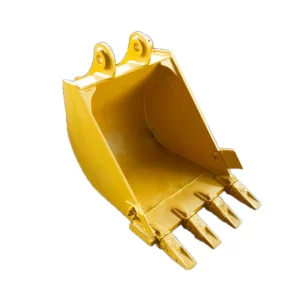
Soyut
Bu belge, kova dişleri ve adaptörlerinin derinlemesine bir incelemesini sağlar., Yer tutma araçlarının ayrılmaz bileşenleri (ELDE ETMEK) Ağır inşaat makineleri için. Bu parçaların fonksiyonel mekaniğini araştırıyor, anatomilerini ve diş arasındaki kritik ilişkiyi detaylandırma, adaptör, ve kilitleme mekanizması. Metin, diş türlerinin kapsamlı bir taksonomisi sunar, Belirli tasarımların amaçlanan uygulamaları ile ilişkilendirilmesi, Genel amaçlı kazmadan nüfuz eden sert kayaya kadar. Önemli bir bölüm, dayanıklılıklarını yöneten maddi bilimlere adanmıştır., Çelik alaşımlarının özelliklerinin ve döküm ve dövme üretim süreçlerinin analiz edilmesi. Söylem, bir kova dişi ve adaptör tedarikçisinin stratejik seçimine uzanıyor, Başlangıç maliyetinin ötesinde kriterlerin vurgulanması, toplam sahip olma maliyeti gibi, ürün kalitesi, ve tedarik zinciri güvenilirliği. Bakım protokolleri, kurulum prosedürleri, ve aşınma modellerinin tanısal değeri de tartışılmaktadır. Analiz, bu bileşenleri daha geniş operasyonel ekosistem içerisine yerleştiriyor, alt takım parçalarıyla etkileşimleri dikkate alındığında, yırtıcılar, ve keskiler, ve bu alandaki gelecekteki teknolojik yenilikleri keşfederek son bulur.
Kilit çıkarımlar
- İş için doğru diş profilini seçmek için zemin koşullarını titizlikle değerlendirin.
- Toplam sahip olma maliyetine göre bir tedarikçiye öncelik verin, sadece başlangıç fiyatı değil.
- Erken aşınmayı ve arızayı önlemek için diş ve adaptörün uyumunu düzenli olarak kontrol edin.
- Kaliteli bir kepçe dişi ve adaptör tedarikçisi seçmek operasyonel verimliliği garanti eder.
- Performansı ve ömrünü tahmin etmek için GET'in malzeme özelliklerini anlayın.
- Bileşenlerinizin ömrünü en üst düzeye çıkarmak için sıkı bir bakım programı uygulayın.
- Recognize that proper GET selection reduces strain on the machine's undercarriage.
İçindekiler
- Zemini Etkileyen Araçlara İlişkin Temel Bir Araştırma
- Kuvvetin Anatomisi: Diş ve Adaptör Sisteminin Yapısızlaştırılması
- Kova Dişlerinin Sınıflandırılması: Biçimi İşlevle Eşleştirme
- Çeliğin Ruhu: Malzeme Bilimi ve Üretim Süreçleri
- Performansta Ortak Seçmek: Kepçe Dişi ve Adaptör Tedarikçisi Nasıl Seçilir
- Büyük Diş ve Adaptör Sistemlerinin Karşılaştırmalı Bir İncelemesi
- Uzun Ömür Protokolleri: Kurulum, Bakım, ve Aşınma Analizi
- Birbirine Bağlı Sistem: Kovalar, sökücüler, ve Alt Takım Parçaları
- İleriye giden yol: Zemini Etkileyen Teknolojide Gelişen Yenilikler
- Sık sorulan sorular
- Araçlar ve İlerleme Üzerine Son Bir Düşünce
- Referanslar
Zemini Etkileyen Araçlara İlişkin Temel Bir Araştırma
Earthmoving'in unung kahramanları
Bir şantiyede büyük bir ekskavatör veya tekerlek yükleyicisini gözlemlediğimizde, Dikkatimiz doğal olarak makinenin muazzam ölçeğine çekilir, hidrolik kollarının gücü, ve hareket ettiği yeryüzünün hacmi. Modern mühendisliğin bir gösterisi. Henüz, gerçek temas noktası, makine ve malzeme arasındaki arayüz, Genellikle fark edilmez. Bu temas noktaları zemin ilgi çekici araçlardır, veya al. Özellikle, kova dişleri ve bunların karşılık gelen adaptörleri. Bu nispeten küçük olduğunu öne sürmek bir abartma değil, Değiştirilebilir Çelik Bileşenler. Onlarsız, Güçlü bir makine verimsiz hale gelir, Künt bir enstrüman ile hassas bir operasyon denemek için bir cerrah gibi. Performansları makinenin verimliliğini belirler, Yakıt tüketimi, ve bir projenin genel maliyet etkinliği. Kazıdaki ilerlemenin gerçek son teknolojisidir., madencilik, ve inşaat. İşlevlerini anlamak, tasarım, ve uygun seçim derin bir ekonomik ve operasyonel önem meselesidir.
Kova dişleri ve adaptörleri neden düşündüğünüzden daha önemli
Bir kova dişi ve adaptörü arasındaki ilişki samimi ve güçlü bir işbirliğidir. Diş kurban unsurdur, Etki ve aşınma yükünü taşımak için tasarlanmıştır, Çok daha pahalı ve integral kova yapısını korumak. Adaptör güvenli temel görevi görür, Kovanın dudağına kaynaklı, Diş için sağlam bir montaj noktası sağlamak. Bu bağlantının bütünlüğü çok önemlidir. Kötü yerleştirilmiş bir diş, aşınmış bir adaptör, veya arızalı bir kilitleme pimi bir dizi soruna yol açabilir. En iyi ihtimalle, makine değişim için durduğunda üretkenlik kaybına neden olur. En kötü ihtimalle, kayıp bir diş kırıcıya gidebilir, sonraki işleme ekipmanında yıkıcı hasara neden olur, onbinlerce dolarlık onarımlara ve uzun süreli aksamalara yol açıyor. Öyleyse, bu bileşenlerin seçimi, ve uzantı olarak, kepçe dişi ve adaptör tedarikçisinin seçimi, basit bir satın alma kararının ötesine geçer. Risk yönetimi konusunda stratejik bir seçim haline gelir, operasyonel verimlilik, ve tüm ekipman filosunun uzun vadeli sağlığı. Bu parçalar yalnızca sarf malzemesi değildir; they are a central pillar of an operation's profitability.
Kuvvetin Anatomisi: Diş ve Adaptör Sisteminin Yapısızlaştırılması
Bir Dişin Anatomisi: Uçtan Sapa
Bir kepçe dişinin karmaşıklığını takdir etmek, Formunu incelemek gerekir. Basit bir metal parçası olarak değil hayal edin, ancak her eğri ve açıda amaç ile tasarlanmış bir araç olarak. Mesele şu ki uç, Malzemenin ilk kırılmasından ve penetrasyonundan sorumlu olan. Keskinliği ve şekli, kovanın yere ne kadar kolay girebileceğinin birincil belirleyicileridir. Ucun arkasında yatıyor vücut diş, muazzam bükülme ve etki kuvvetlerine dayanmak için kütle ve yapısal gücü sağlar. Vücudun şekli, malzemenin dişin üzerinden ve kovaya nasıl aktığını etkiler. Nihayet, var incik veya kutu sonu, Adaptöre uyan içi boş bölüm. Bu bölümün dahili geometrisi, karşılık gelen adaptörüne uyacak şekilde tam olarak tasarlanmıştır., Sıkı sağlamak, Kuvvetleri eşit olarak dağıtan ve sallanmayı önleyen güvenli uyum, Hızlandırılmış aşınmanın birincil nedeni olan. Every aspect of a tooth's design is a calculated response to the physics of digging.
Adaptörün rolü: Kritik bir bağlantı
Adaptör, değiştirilebilir diş ile kalıcı kova arasındaki köprüdür. Tipik olarak kova dudağının ön kenarına kaynak yapılır, becoming an integral part of the bucket's structure. Birincil özelliği burun, the male counterpart to the tooth's shank. The fit between the adapter nose and the tooth's internal pocket is the single most important factor in the system's longevity. Gevşek bir uyum, yük altında mikro hareketlere izin verir, Peening olarak bilinen bir fenomen. Bu tekrarlanan çekiçleme hareketi, metali hem adaptör burnunda hem de dişin iç kısmında deforme eder, Sistem dengesiz hale gelene ve başarısız olana kadar arası aşamalı olarak kötüleşir. Bir başlangıçta uyum sağlamak için yüksek hassasiyetli toleranslarla kaliteli bir adaptör üretilir. Ayrıca biraz daha yumuşak bir, henüz daha sert, Dişten daha çelik alaşımı. Bu tasarım felsefesi, daha kolay değiştirilebilir dişin aşınmanın çoğunu emmesini sağlar, Daha kalıcı adaptörün ömrünü korumak.
Kilitleme mekanizmaları: Pinler, Tutan, ve güvenlik arayışı
Bu mekanik bulmacanın son parçası kilitleme mekanizmasıdır. Bu sistem, dişi adaptöre sabitleyen, Kesme kuvvetlerine direnmek için hem inanılmaz derecede güçlü hem de tarlada hızlı ve güvenli bir şekilde değiştirilmeye izin verecek kadar basit olmalı. En yaygın sistemler bir çelik içerir pin Ve esnek avans. Pim diş ve adaptördeki hizalanmış deliklerden geçer, Tutucu bir girintiye uyurken, Pimi yerinde kilitleme.
Bu temada birkaç varyasyon var:
- Yan pim sistemleri: Pim dişin yanından sürülür, genellikle çekiç gerektirir. Bunlar yaygın ve etkilidir, ancak bazen kapsamlı kullanımdan sonra çıkarılması zor olabilir, kir ve pas pimi ele geçirebilir.
- Dikey pim sistemleri: Pim üstten düşer ve bir tutucu ile sabitlenir. Bu tasarım, pim için daha iyi koruma sağlayabilir ve genellikle daha kolay çıkarılmasını sağlar. ESCO Super V® gibi sistemler, çekiç gerektirmeyen dikey bir pim kullanın, Güvenliği Geliştirme.
- Pinless Sistemler: Bazı modern tasarımlar, basit bir araçla etkinleştirilen entegre kilitleme mekanizmalarına sahiptir., Ayrı pimlere ve tutuculara olan ihtiyacı tamamen ortadan kaldırmak. Bunlar en hızlı ve genellikle en güvenli yedek döngüleri sunar.
Kilitleme sistemi seçimi bakım süresi ve işçi güvenliği üzerinde doğrudan bir etkiye sahiptir. Kullanılması zor bir sistem, teknisyenlerin kısayol almasına yol açabilir veya, daha kötüsü, Yanlış sabitlenmiş dişlerle sonuçlanır. Güvenilir bir kova dişi ve adaptör tedarikçisi, belirli bir uygulama için her sistemin avantajlarını ve dezavantajlarını açıklayabilecek.
Kova Dişlerinin Sınıflandırılması: Biçimi İşlevle Eşleştirme
Bir kazı projesinin etkinliği, iş için doğru aracı kullanmaya çalışıyor. Just as a carpenter has different saws for different cuts, an excavator operator needs different bucket teeth for different ground conditions. The morphology of a bucket tooth is not arbitrary; it is a direct reflection of its intended purpose. Selecting the appropriate tooth type can dramatically increase penetration, improve loading times, reduce fuel consumption, and extend the life of the entire GET system.
General Purpose (Gp) Dişler: The Versatile Workhorse
The General Purpose, or GP, tooth is the most common design. It represents a compromise, a balance between penetration, kuvvet, and wear life. Its classic, somewhat robust shape is well-suited for digging and loading in soft to moderately compacted soils, such as topsoil, kil, and loose gravel. Think of it as the all-season tire of the GET world. Herhangi bir aşırı durumda mükemmel olmayabilir, Çok yönlülüğü, çok çeşitli standart inşaat ve toprak hareketi görevleri için varsayılan seçim haline getirir. Çeşitli iş siteleriyle karşılaşan bir yüklenici için, GP dişi, sürekli değişime ihtiyaç duymadan güvenilir performans sağlar. İyi bir kova dişi ve adaptör tedarikçisi, çeşitli makine boyutlarına ve sistemlerine uyacak şekilde çok çeşitli GP dişleri stoklayacak.
Aşınma Dişleri: Giyime Karşı Savaşla Mücadele
Kumun hakim olduğu ortamlarda, çakıl, veya ince ezilmiş kaya, Birincil düşman etki değil, aşınma. Bu malzemeler zımpara kağıdı gibi davranıyor, Çelikte acımasızca öğütüyor. Aşınma dişleri, bu tür aşınma ile mücadele etmek için özel olarak tasarlanmıştır. Daha fazla "giyim malzemesi" bulunurlar - daha kalın, Yüksek aşınma alanlarına stratejik olarak yerleştirilmiş ilave çelikle daha sağlam gövde. Penetrasyon dişlerine kıyasla genellikle daha az keskin bir uca sahiptirler., zaten aşındırıcı koşullarda keskinlik hızla kaybolduğundan. Buradaki odak noktası, dişin değiştirilmesi gerekmeden önce aşınabilecek fedakar çelik miktarını en üst düzeye çıkarmaktır.. Yüksek derecede aşındırıcı toprakta aşınma dişinin kullanılması, GP dişe kıyasla aşınma ömrünü iki, hatta üç katına çıkarabilir, uzun vadede önemli maliyet tasarrufu sağlar. Bunlar özellikle Orta Doğu'nun kumlu çölleri veya Güneydoğu Asya'nın bazı kısımlarındaki alüvyonlu ovalarla ilgilidir..
Penetrasyon Dişleri: Yeni Bir İlke Atmak İçin
Zemin sert olduğunda, sıkıştırılmış, veya yarı dondurulmuş, asıl zorluk yüzeyi kırmaktır. Bu penetrasyon dişinin alanıdır. Bu dişler keskin bir yapıya sahiptir., sivri, veya "kaplan" ucu ve daha dar, daha akıcı vücut. The design focuses all the machine's force onto a very small area, Basıncı arttırmak ve dişin malzemeyi kırmasına izin vermek. Bir kazığı itmek yerine bir tahtayı yere itmeye çalıştığınızı hayal edin; güç yoğunlaştığı için kazık deliyor. Bu mükemmel nüfuz etme kapasitesinin karşılığı, aşınma malzemesinde ve genel mukavemette bir azalmadır. Penetrasyon dişi, kumlu topraktaki aşınma dişinden daha hızlı aşınır ve büyük bir dişle karşılaştığında kırılmaya karşı daha hassastır., katı nesne. Yoğun kili kazmak için idealdirler, şist, veya Kuzey Rusya'nın permafrosttan etkilenen bölgeleri.
Taş ve Keski Dişleri: Ağır vurucular
En zorlu uygulamalar için, taş ocağı ve sert kaya madenciliği gibi, Özel kaya dişleri gereklidir. Bunlar diş dünyasının ağır ağırlıkları.
- Kaya keski dişleri: Bu dişlerin geniş, köreltmek, keski benzeri ipucu. Bir kaplan dişiyle aynı şekilde nüfuz edecek şekilde tasarlanmamıştır.. Yerine, Aşırı etki direnci ve dayanıklılık için inşa edilmiştir. They use the machine's power to pry and fracture rock along existing fissures. Büyük kesitleri, onları taş ocağı ortamlarında yaygın olan muazzam şok yükleri altında yakalamaya son derece dirençli hale getirir..
- Kaya sivri dişler: Bunlar bir uzlaşma sunar, daha sağlam bir, Standart bir penetrasyon dişinden daha konik nokta. Keskin veya katmanlı kayaya bir keski dişinden daha iyi penetrasyon sağlarlar, kırılmaya karşı hala üstün bir güç sunarken.
Keski ile sivri kaya dişi arasındaki seçim genellikle kazılan kayanın türüne bağlıdır.. Bilgili bir kepçe dişi ve adaptör tedarikçisi, jeolojik koşullara bağlı olarak çok değerli rehberlik sağlayabilir. bunlara ek olarak, bu ekstrem uygulamalar için, Kayayı önceden kırmak için genellikle yüksek kaliteli bir sökücü kullanılır, Kova ve dişleri üzerindeki baskıyı azaltmak.
Özel Tasarımlar: Kaplan Dişlerinden İkiz Kaplanlara
Ana kategorilerin ötesinde, birçok yenilikçi ve özel tasarım var:
- Kaplan Dişleri: Keskin için ortak bir isim, tek nokta penetrasyonlu diş.
- İkiz Kaplan Dişleri: Bunlar iki noktaya sahiptir, V şekli oluşturma. Bu tasarım kanal açma için mükemmeldir, hendek duvarlarının tanımlanmasına yardımcı olduğu ve temiz bir zemin sağladığı için.
- Genişletme Dişleri: Bunlar geniş bir, düz şekil, neredeyse küçük bir kürek gibi. Kazmak için değil tesviye için varlar, tesviye, ve temizlik çalışmaları, arkasında pürüzsüz bir yüzey bırakarak.
Bu sınıflandırmayı anlamak, herhangi bir kazma işlemini optimize etmek için çok önemlidir.. Kepçe dişini basit bir eşyadan hassas bir alete dönüştürür, operatörlerin ekipmanlarını taşıdıkları dünyanın kendine özgü zorluklarına göre uyarlamalarına olanak tanır.
Çeliğin Ruhu: Malzeme Bilimi ve Üretim Süreçleri
Bir kepçe dişinin performansı sonuçta yapıldığı malzemeye ve malzemenin işlenme şekline göre belirlenir.. Bir dişin aşındırıcı aşınmaya dayanacak kadar sert olması gerekir, yine de kırılmadan yüksek darbe şoklarına dayanacak kadar sağlam. Bu iki özellik, sertlik ve tokluk, çelik metalurjisinde sıklıkla birbirine karşıttır. Optimum dengeye ulaşmak GET üretiminin sanatı ve bilimidir. Bu, alaşım bileşiminin derinlemesine anlaşılmasını gerektirir, ısıl işlem, ve üretim yöntemleri.
Çelik Kalbi: Alaşım Bileşimini Anlamak
Kepçe dişleri basit karbon çeliğinden yapılmamıştır. Sofistike düşük alaşımlı çeliklerden dövülmüş veya dökülmüştür.. Alaşım, iki veya daha fazla metalik elementin birleştirilmesiyle elde edilen bir metaldir, özellikle daha fazla güç veya korozyona karşı direnç sağlamak için. Taban demirdir, ama küçük, diğer unsurların kesin ilaveleri, alaşım maddeleri olarak bilinir, özelliklerini temelden değiştirin.
- Karbon (C): Çelikteki en temel alaşım maddesi. Artan karbon içeriği sertliği ve mukavemeti artırır ancak sünekliği ve tokluğu azaltır. GET alaşımları dikkatle kontrol edilen orta aralıkta karbon içeriğine sahiptir.
- Manganez (Mn): Sertleşebilirliği artırır (ısıl işlemle sertleştirilebilme özelliği) ve güç ve dayanıklılığa katkıda bulunur.
- Krom (CR): Sertliği arttırmak için önemli bir unsur, aşınma direnci, ve korozyon direnci. Aşınmaya dayanıklı çeliklerin birincil bileşenidir.
- Molibden (Ay): Yüksek sıcaklıklarda tokluğu ve mukavemeti önemli ölçüde artırır. Ayrıca öfke kırılganlığının önlenmesine de yardımcı olur, çeliğin ısıl işlemden sonra kırılgan hale gelebileceği bir durum.
- Nikel (İçinde): Dayanıklılık ekler, özellikle düşük sıcaklıklarda, Rusya gibi soğuk iklimlerde çalışan ekipmanlar için değerli olmasını sağlıyor.
Saygın bir kepçe dişi ve adaptör tedarikçisi, ürünlerinin alaşım bileşimini detaylandıran malzeme spesifikasyon sayfaları sağlayabilecektir.. Bu şeffaflık, çeliğinin kalitesine güvenen bir üreticinin göstergesidir.
Döküm vs. Tartışmayı Başlatmak: Bir Süreç Meselesi
Kepçe dişleri üretmek için iki temel yöntem vardır: döküm ve dövme. Each has its own set of advantages and implications for the final product's performance.
Döküm: Dökümde, erimiş alaşımlı çelik, son dişe benzeyen bir kalıba dökülür.
- İşlem: Karmaşık şekiller üretmenin nispeten uygun maliyetli bir yoludur, Optimize edilmiş aşınma malzemesi yerleşimi ile karmaşık tasarımlara olanak tanır.
- Tane Yapısı: Metal kalıpta soğur ve katılaşır, eş eksenli bir tane yapısına neden olur. Taneler kabaca tüm boyutlarda eşittir ve rastgele yönlendirilmişlerdir..
- Özellikler: İşlem dikkatli bir şekilde kontrol edilmezse bu bazen mikroskobik gözenekliliğe veya kalıntılara yol açabilir.. Fakat, modern döküm teknikleri, vakum destekli döküm gibi, Döküm ürünlerinin kalitesini ve tutarlılığını büyük ölçüde geliştirdik. Bugün piyasadaki en yüksek kaliteli kepçe dişleri dökümdür.
Dövme: Dövgede, katı bir çelik kütük dövülebilir bir sıcaklığa ısıtılır ve daha sonra istenilen şekle göre dövülür veya preslenir.
- İşlem: Bu işlem genellikle daha pahalıdır ve karmaşık şekiller için dökümden daha az uygundur.
- Tane Yapısı: Dövmenin mekanik kuvveti çeliğin tane yapısını deforme eder ve hizalar, yönlü bir akış oluşturmak. Bu rafine tane yapısı tipik olarak daha yoğundur ve dökümleri etkileyebilecek gözeneklilik içermez.
- Özellikler: Dövme dişler olağanüstü sağlamlıkları ve dayanıklılıklarıyla ünlüdür. Hizalanmış tane yapısı darbe ve yorulmaya karşı üstün direnç sağlar. Dövme genellikle mutlak maksimum dayanım gerektiren bileşenler için kullanılır, bazı yüksek etkili kaya dişleri veya güçlü bir sökücünün dişleri gibi.
Döküm ve dövme arasındaki seçim basit bir "iyiye karşı iyiye karşı" seçimi değildir.. kötü." Üst düzey bir dökümhaneden alınan yüksek kaliteli bir döküm, düşük kaliteli bir dövmeden daha iyi performans gösterebilir. Anahtar, tüm sürecin kalite kontrolünde yatmaktadır., İlk çelik eriyiğinden son ısıl işleme kadar.
Sertlik ve Tokluk: Ebedi Dengeleme Yasası
Diş oluştuktan sonra, kritik bir süreçten geçiyor ısıl işlem işlem. Bu genellikle dişi yüksek bir sıcaklığa ısıtmayı içerir., sonra hızla soğutuyoruz (söndürme), ardından daha düşük bir sıcaklıkta ikincil ısıtma yapılır (tavlama).
- Söndürme: Hızlı soğuma çeliği çok sert bir ortamda hapseder, martenzit adı verilen kırılgan kristal yapı.
- Temperleme: Sonraki ısıtma, iç gerilimleri azaltır ve martensitik yapıyı değiştirir, kırılganlığın azaltılması ve dayanıklılığın arttırılması.
Bir dişin son sertliği Rockwell C ölçeğinde ölçülür (HRC). Tipik bir kepçe dişinin sertliği şu aralıkta olacaktır: 48-52 HRC. Eğer çok daha zorsa, çok kırılgan olabilir ve darbe anında kırılmaya eğilimli olabilir. Eğer çok daha yumuşaksa, çok çabuk yıpranacak. Üreticiler genellikle diferansiyel ısıl işlem kullanır, ucu çok sert ve aşınmanın yüksek olduğu bölgelerde diş oluşumu, şoku daha iyi absorbe etmek ve adaptörü korumak için sapı biraz daha yumuşak ve sert bırakırken. Bilgili bir kepçe dişi ve adaptör tedarikçisi bu dengeyi anlıyor ve hem sertlik hem de tokluk açısından optimize edilmiş ürünler tedarik ediyor, amaçlanan uygulamanın zorluklarına dayanabilmelerini sağlamak.
Teşhis Aracı Olarak Aşınma Desenleri
Dişin nasıl aşındığını gözlemlemek, uygulama ve doğru dişin kullanılıp kullanılmadığı hakkında değerli bilgiler sağlayabilir..
- Yuvarlama: Diş eşit şekilde aşınıyorsa, körleşiyor ancak genel şeklini kaybetmiyor, bu, malzemenin öncelikle aşındırıcı olduğunu ve aşınma tarzı bir dişin daha iyi bir seçim olabileceğini gösterir.
- Ufalanma/Kırılma: Dişler sıklıkla kırılıyor veya kırılıyorsa, yüksek etkili koşullara işaret eder. Bu daha güçlü bir kaya dişine ihtiyaç olduğu anlamına gelebilir, veya operatör tekniğinin uçlarla meraklılığı önlemek için ayarlanması gerektiği.
- Az ovalama: Dişin alt kısmı üst kısmına göre daha hızlı aşınıyorsa, düşük "saldırı açısına sahip, aşınmanın yüksek olduğu bir ortam önerir."
- Asimetrik Aşınma: Dişin bir tarafı diğerine göre daha hızlı aşınıyorsa, operatörün sürekli olarak kepçeyi yandan yüklediğini gösterebilir, düzeltilmesi gereken bir uygulama.
"okuyarak" aşınma desenleri, deneyimli bir tesis yöneticisi, GET seçimine ve operasyonel uygulamalarına ince ayar yapabilir, Basit bir yedek parçayı değerli operasyonel veri kaynağına dönüştürmek.
Performansta Ortak Seçmek: Kepçe Dişi ve Adaptör Tedarikçisi Nasıl Seçilir
Yere müdahale araçlarının nereden temin edileceği kararı, bir filo yöneticisinin veya inşaat şirketi sahibinin yapabileceği en etkili seçimlerden biridir.. Makinenin çalışma süresini doğrudan etkiler, bakım maliyetleri, ve genel proje karlılığı. Basit emtia satın alma zihniyetinin ötesinde stratejik ortaklık zihniyetine geçmek çok önemlidir. Doğru kepçe dişi ve adaptör tedarikçisi yalnızca bir satıcı değildir; onlar bir danışman, lojistik ortağı, ve operasyonel başarınıza önemli bir katkı sağlayan.
Fiyat Etiketinin Ötesinde: Toplam Sahip Olma Maliyetinin Değerlendirilmesi
GET satın alırken en sık yapılan hata yalnızca birim fiyata odaklanmaktır. Aşınan daha ucuz bir diş 30% daha hızlı veya, daha kötüsü, başarısız olur ve kesintiye neden olur, uzun vadede çok daha pahalıdır. Toplam Sahip Olma Maliyeti kavramı (TCO) değerlendirme için daha bütünsel ve doğru bir çerçeve sağlar.
TCO şunları içerir::
- İlk Satın Alma Fiyatı: Diş ve adaptörün ön maliyeti.
- Ömür Giyin: Değiştirmeden önce kaç saatlik çalışma sağlanabilir?? Üstün metalurjiye sahip, biraz daha pahalı bir diş, aşınma ömrünü iki katına çıkarabilir, saat başına maliyeti etkili bir şekilde yarıya indiriyor.
- İlgili İşçilik Maliyetleri: Değişiklikler için gereken zaman ve emek. Değiştirilmesi zor bir diş bakım saatlerini uzatır.
- Yakıt Tüketimi Üzerindeki Etki: Keskin, iyi tasarlanmış diş daha kolay nüfuz eder, motor ve hidrolik üzerindeki yükün azaltılması, ölçülebilir yakıt tasarrufu sağlar.
- Kesinti Maliyeti: En önemli maliyet. Tek bir arıza bir makineyi durdurabilir, ve potansiyel olarak bütün bir şantiye, üretkenlik kaybı nedeniyle saat başına binlerce dolara mal oluyor.
- Dolaylı Hasar Riski: Kırıcıya veya başka bir ekipmana zarar veren kayıp bir dişin maliyeti astronomik olabilir.
TCO merceğinden bakıldığında, Yüksek kaliteli bir tedarikçinin değer teklifi netleşiyor. Ürünleri, belki de faturadaki en ucuzu olmasa da, genellikle operasyonun en düşük toplam maliyetini temsil eder.
Kaliteli Bir Tedarikçinin Nitelikleri: Nelere Bakılmalı?
Üstün bir kepçe dişi ve adaptör tedarikçisinin belirlenmesi, kaliteyi işaret eden bir dizi temel özelliğin aranmasını gerektirir., güvenilirlik, ve uzmanlık.
- Materyal Şeffaflığı: Ürünleri için ayrıntılı metalürjik raporlar ve spesifikasyonlar sağlamaya istekli ve yetenekli olmalıdırlar.. "Yüksek mukavemetli alaşım" konusundaki muğlak iddialar" kırmızı bayraktır.
- Üretim Mükemmelliği: Üretim ortakları hakkında derin bir anlayışa sahip olmalılar' süreçler, döküm veya dövme olsun, ve yürürlükteki kalite kontrol önlemleriyle ilgili konuşabilme.
- Kapsamlı Envanter: İyi bir tedarikçi geniş bir diş stili yelpazesine sahiptir, adaptör sistemleri, çeşitli makinelere ve uygulamalara uyacak boyutlar ve boyutlar. Bu "tek durak noktası" yeteneği satın almayı kolaylaştırır, özellikle Caterpillar gibi üreticilerin çeşitli ekipmanlarına sahip filolar için, Komatsu, volvo, veya John Deere.
- Teknik uzmanlık: Satış ve destek personeli sadece sipariş alan kişilerden daha fazlası olmalıdır. Başvurunuzla, yani materyalinizle ilgili aydınlatıcı sorular sorabilmeliler., senin makinen, operasyonel hedefleriniz ve en uygun GET çözümünü önerin. Bilgi kaynağı olmalılar.
- Tedarik Zinciri Güvenilirliği: Küresel bir pazarda, Doğru parçaları doğru zamanda teslim edebilme yeteneği çok önemlidir. Güvenilir bir tedarikçinin sağlam lojistiği vardır, Eldeki önemli stok, ve talebi tahmin etme yeteneği, makineniz boşta dururken parça beklemek zorunda kalmamanızı sağlar. Örneğin, Avustralya'daki pazarlara hizmet vermek için stratejik olarak konumlandırılmış depolara sahip bir tedarikçi, Güneydoğu Asya, Orta Doğu bu bölgelerdeki müşterilere önemli ölçüde daha iyi hizmet sunabilir.
- Garanti ve Destek: Saygın bir tedarikçi ürününün arkasında duruyor. Üretim hatalarına karşı açık bir garanti sunacak ve bir sorun çıkması durumunda destek sağlayacaklardır.. Amaçları uzun vadeli bir ilişkidir, tek seferlik bir satış değil.
Küresel Tedarik Zincirinde Gezinme: OEM VS. Satış Sonrası
GET pazarı genel olarak iki kategoriye ayrılmıştır: Orijinal Ekipman Üreticileri (OEM) ve satış sonrası.
- OEM Tedarikçileri: Bunlar makine üreticisi tarafından sağlanan parçalardır (Örn., Tırtıl, Komatsu). Mükemmel uyum garantilidir ve genellikle çok yüksek kalitededirler. Birincil dezavantaj, neredeyse her zaman en pahalı seçenek olmalarıdır..
- Satış Sonrası Tedarikçiler: Bunlar, OEM ekipmanıyla uyumlu parçalar üreten bağımsız şirketlerdir. Satış sonrası pazarındaki kalite önemli ölçüde farklılık gösterebilir, olağanüstüden tehlikeli derecede fakire.
Zorluk ve fırsat, satış sonrası pazarda birinci sınıf kepçe dişi ve adaptör tedarikçisini belirlemekte yatıyor. Yüksek kaliteli bir satış sonrası tedarikçisi ilgi çekici bir değer teklifi sunar: Daha rekabetçi bir fiyat noktasında OEM eşdeğeri ve hatta üstün kalite. Genellikle OEM'lerden daha hızlı yenilik yaparlar ve orijinal üreticide bulunmayan özel tasarımlar sunabilirler.. Satış sonrası tedarikçi seçerken, yukarıda belirtilen özellikler: şeffaflık, uzmanlık, ve güvenilirlik—daha da önemli hale geliyor. için harika bir kaynak ağır hizmet ekskavatör kepçeleri ve ilgili bileşenler genellikle kalite iddialarını desteklemek için kapsamlı belgeler sağlar.
Rusya İçin Bölgesel Hususlar, Avustralya, ve Güneydoğu Asya
Gerçek anlamda küresel bir tedarikçi "en iyinin" olduğunu bilir." diş bağlama bağlıdır.
- Avustralya: İnanılmaz derecede zor olmasıyla bilinir, aşındırıcı demir cevheri ve diğer maden yatakları. Burada, Krom-moly alaşımlarından yapılmış yüksek sertlikte aşınma ve kaya dişleri önemlidir. Tedarikçi, Pilbara bölgesindeki madenciliğin kendine özgü zorluklarını anlamalıdır.
- Rusya: Pek çok bölgede büyük sıcaklık dalgalanmaları ve permafrost varlığı, düşük sıcaklıkta mükemmel dayanıklılığa sahip GET'i talep ediyor. Donma koşullarında kırılgan kırılmayı önlemek için daha yüksek nikel içeriğine sahip alaşımlar tercih edilir. Delme dişleri donmuş zemini kırmanın anahtarıdır.
- Güneydoğu Asya: Birçok alan ıslak, yapışkan kil ve lateritik topraklar. Son derece aşındırıcı olmasa da, bu malzemeler kovaya sığabilir, yükün azaltılması. İyi malzeme akışını ve "ovma işlemini" destekleyen diş ve kova tasarımları" faydalıdır.
- Orta Doğu: Kum ve aşındırıcı kireçtaşı kayalarının yaygınlığı, aşınma ömrünü uzatır. Aşınmaya dayanıklı dişler bu bölgedeki çoğu hafriyat uygulaması için standart seçimdir.
Bu bölgesel nüansları anlatabilen bir tedarikçi, parça numaralarını çapraz referanslamanın çok ötesine geçen bir uzmanlık düzeyi sergiliyor. They show an empathetic understanding of the customer's lived operational reality.
Büyük Diş ve Adaptör Sistemlerinin Karşılaştırmalı Bir İncelemesi
Yıllar içinde, büyük üreticiler kepçe dişlerinin takılması için özel sistemler geliştirmiştir, her biri güvenliğe ilişkin benzersiz bir tasarım felsefesine sahiptir, kullanım kolaylığı, ve aşınma özellikleri. Bu sistemler arasındaki farkları anlamak, bir makineyi donatırken veya bir yedek sistem seçerken çok önemlidir.. Yetenekli bir kepçe dişi ve adaptör tedarikçisi tüm bu sistemlere aşina olacak ve yüksek kaliteli satış sonrası eşdeğerlerini sunabilecektir..
| Sistem Adı | Kilitleme Mekanizması | Temel Avantaj | En İyi Uygulama | Potansiyel Dezavantaj |
|---|---|---|---|---|
| Caterpillar® J-Serisi | Yatay Pim & Avans | Her yerde bulunabilirlik ve kullanılabilirlik. Güçlü, kanıtlanmış tasarım. | Genel inşaat, madencilik. Çok yönlü çok yönlü. | Yoğun kullanımdan sonra pimin çıkarılması zor olabilir (çekiç gerektirir). |
| Esco® Süper V® | Dikey Çekiçsiz Pim | Arttırılmış güvenlik (çekiç gerekmez). Daha sıkı uyum burun aşınmasını azaltır. | Sık sık değişiklik yapılması gereken yüksek üretim ortamları. | Tescilli tasarımın satış sonrası bulunabilirliği Cat J Serisine göre daha az olabilir. |
| Esco® Ultralok® | Entegre Çekiçsiz Kilit | Son derece hızlı ve güvenli değişiklikler. Entegre kilit, gevşek parça olmadığı anlamına gelir. | Taş ocakları, madencilik, hız ve güvenliğe öncelik veren her türlü operasyon. | En karmaşık sistem; adaptörler için daha yüksek başlangıç maliyeti. |
| Hensley® Parabolik® | Yatay Pim & Avans | Parabolik burun tasarımı yük altında kendiliğinden sıkılır, hareketi azaltmak. | Sıkı bir uyum sağlamanın çok önemli olduğu yüksek etkili uygulamalar. | Çok parçalı pin sistemi standart pinlerden daha karmaşık olabilir. |
| Komatsu® Serisi | Yatay Pim & Avans | Komatsu kovaları ve makinelerine tam uyum sağlayacak şekilde tasarlanmıştır. | Komatsu ekipmanlarında kullanım için optimize edilmiştir. | Cat J Serisinden daha az evrensel; tüm tedarikçilerden kaynak bulmak daha zor olabilir. |
| Bradken® Twistlok™ | Mekanik Çevirmeli | Çekiçsiz, Güvenli ve hızlı değişiklikler için araç tabanlı sistem. | Zorlu madencilik ve inşaat uygulamaları. | Tescilli sistem özel bir kurulum aracı gerektirir. |
Bu tablo genel bir kılavuz görevi görmektedir. Herhangi bir sistemin performansı büyük ölçüde üretim kalitesine bağlıdır, OEM veya satış sonrası olsun. J Serisi dişin üst düzey satış sonrası versiyonu, kötü yapılmış özel bir sistemden daha iyi performans gösterebilir. Tedarikçinizle yapacağınız görüşme, performansı en iyi dengeleyen sistemi bulmaya odaklanmalıdır., maliyet, ve spesifik operasyonel bağlamınız için güvenlik.
Uzun Ömür Protokolleri: Kurulum, Bakım, ve Aşınma Analizi
En kaliteli kepçe dişleri ve adaptörler bile, doğru şekilde takılmaz ve bakımı özenle yapılmazlarsa düşük performans gösterirler.. GET yönetimine disiplinli bir yaklaşım düşük maliyetlidir, Uzatılmış bileşen ömrüyle karşılığını veren yüksek getirili yatırım, artan güvenlik, ve makine aksama sürelerinin azalması. Bakım ekibinin ve operatörün rolünü reaktif parça değiştiricilerden proaktif varlık yöneticilerine dönüştürür.
Güvenli Kurulum ve Kaldırma Sanatı
Doğru kurulum GET performansının temelidir. Basit gibi görünen bir görev, doğru şekilde yapılmadığı takdirde hata ve yaralanma potansiyeliyle doludur.
Kurulum Adımları:
- Temizlik Herşeyden Önemlidir: Adaptör burnunu ve yeni dişin iç cebini iyice temizleyin. Tüm kiri temizlemek için tel fırça veya kazıyıcı kullanın, pas, ve enkaz. Herhangi bir yabancı madde dişin düzgün oturmasını engelleyebilir, gevşek bir uyum sağlar.
- Uygun Oturma: Dişi adaptörün burnuna yerleştirin. Rahat bir uyum olmalı. Aşırı gevşek ise, adaptör burnu aşınmış olabilir ve değiştirilmek üzere kontrol edilmelidir.
- Delikleri Hizalayın: Dişteki ve adaptördeki küçük deliklerin mükemmel şekilde hizalandığından emin olun.
- Tutucuyu Takın: İki parçalı sistemler için, tutucuyu önce adaptördeki yuvasına yerleştirin.
- Pini Sür: Pimi diş ve adaptörden geçirin, tutucuyu doğru şekilde kavramasını sağlamak. Çekiç tarzı pimler için, Pimin hasar görmesini önlemek için daima yumuşak yüzlü bir çekiç veya zımba kullanın. Çekiçsiz sistemler için, follow the manufacturer's specific instructions.
- Doğrulama: Pimin tamamen yerine oturduğunu ve tutucu tarafından güvenli bir şekilde kilitlendiğini görsel olarak kontrol edin.
Kaldırma: İşlem kurulumun tersidir. Ele geçirilen dövülmüş pimler için, delici yağ ve uygun bir pim çıkarma aleti gereklidir. Kesinlikle son çare olmadıkça, bir pimi çıkarmak için asla kesme hamlacı kullanmayın., ısı hem dişin hem de adaptörün yapısına zarar verebileceğinden.
Günlük Denetimler: Büyük Getiriler Sağlayan Beş Dakikalık Bir Yatırım
En etkili bakım programı sık sık yapılan bakım programlarından biridir., kısa denetimler. Operatörler, her vardiyanın başında GET'lerini hızlı bir şekilde dolaşarak denetlemek üzere eğitilmelidir..
| Muayene Sıklığı | Kontrol noktası | Nelere Bakılmalı? | Sorun Bulunursa Yapılacak İşlem |
|---|---|---|---|
| Günlük (Vardiya Öncesi) | Diş Güvenliği | Görünür herhangi bir hareket veya "sallanma"" adaptördeki dişin. | Pimi ve tutucuyu derhal yeniden sabitleyin veya değiştirin. |
| Günlük (Vardiya Öncesi) | Diş Durumu | Aşırı aşınma, çatlaklar, veya eksik dişler. | Aşınmış veya hasar görmüş dişleri değiştirin. |
| Günlük (Vardiya Öncesi) | Sabitle & Avans | Pimin düzgün şekilde oturup oturmadığını ve tutucunun sağlam olup olmadığını kontrol edin. | Hasarlı veya eksik kilitleme bileşenlerini değiştirin. |
| Haftalık | Adaptör Burun Aşınması | Diş çıkarıldığında, adaptörün burnunu çekiçleme belirtileri açısından inceleyin, yuvarlama, veya aşırı aşınma. | Aşınma önemliyse, adaptörün değiştirilmesini planlayın. |
| Haftalık | Kova Dudak & Kaynaklar | Kova yapısında çatlaklar, özellikle adaptör kaynaklarının çevresinde. | Büyük arızaları önlemek için çalışmayı durdurun ve kaynak onarımına gönderin. |
Bu basit kontrol listesi, tutarlı bir şekilde gerçekleştirildiğinde, küçük sorunları büyük arızalara dönüşmeden önce yakalayabilir. It empowers the operator to take ownership of the machine's condition.
Aşınma Göstergelerini Anlamak ve Ne Zaman Değiştirileceğini Bilmek
Kepçe dişleri aşınıp değiştirilebilecek şekilde tasarlanmıştır. Soru şu:, doğru zaman ne zaman? Bunları çok erken değiştirmek para israfına neden olur, bunları çok geç değiştirmek adaptöre zarar verme ve performansı düşürme riski taşır.
Yüksek kaliteli dişlerin çoğu yerleşiktir aşınma göstergeleri. Bunlar dişin yan tarafında küçük bir oyuk veya çukur olabilir. Diş bu gösterge seviyesine kadar aşındığında, etkin hizmet ömrünün sonuna ulaşmış ve değiştirilmesi gerekiyor.
Belirli bir göstergenin yokluğunda, Genel kural, orijinal profilini kaybeden ve körelmiş bir dişi değiştirmektir.. Kör bir dişin zemine nüfuz etmesi çok daha fazla kuvvet gerektirir, yakıt yakma ve çevrim sürelerinin arttırılması. Ayrıca adaptörü korumayı da durdurur, aşındırıcı aşınmanın daha kalıcı bileşene aktarılması. Aşınmış bir dişi kullanmaya devam etmek yanlış bir ekonomidir. Proaktif bir değiştirme stratejisi, aşınma göstergeleri ve performans gözlemi rehberliğinde, çok daha uygun maliyetlidir. İyi bir kepçe dişi ve adaptör tedarikçisi, özel uygulamanızda ürünlerinin beklenen aşınma ömrü konusunda rehberlik sağlayabilir, bakım ve envanterinizi planlamanıza yardımcı olur.
Kötü Uyumun Tehlikeleri: Uyumsuz Bileşenler Felaketli Arızalara Nasıl Neden Olur?
Birkaç dolar tasarruf etmek için farklı tedarikçilerden gelen bileşenleri karıştırıp eşleştirmek cazip geliyor. Fakat, bu son derece riskli bir uygulamadır. Tedarikçi A'nın dişi "uygun olsa bile" Tedarikçi B'nin adaptöründe, iç toleranslar tam olarak eşleşmeyebilir. Daha önce tartışıldığı gibi, yük altında çok küçük miktardaki ilk hareket bile büyüyecektir, adaptör burnunun hızlı aşınmasına yol açar. Bu hızlandırılmış aşınma, pahalı adaptörü hızla mahveder, daha ucuz dişten elde edilen tasarrufları ortadan kaldırmak. Üstelik, uygun olmayan uyum kilitleme pimine anormal baskı uygular, kesilme ve dişin kaybolma olasılığını artırır. Her zaman dişlerini kullan, adaptörler, ve sistem olarak tasarlanmış pinler, tek kaynaklı, güvenilir tedarikçi. Tüm sistemin bütünlüğü kesinliğe bağlıdır., bileşenleri arasında tasarlanmış uyum.
Birbirine Bağlı Sistem: Kovalar, sökücüler, ve Alt Takım Parçaları
Bir inşaat makinesi birbirine bağlı parçalardan oluşan karmaşık bir sistemdir, ve bir bileşenin performansı her zaman diğerlerini etkiler. Yere takılan aletler vakumda çalışmaz. Durumları kovanın sağlığı üzerinde doğrudan ve derin bir etkiye sahiptir, sökücüler gibi diğer ataşmanların verimliliği, ve pahalı alt takım parçalarının aşınma oranı. A holistic view is necessary to truly manage the machine's operational health and costs.
Simbiyotik Bir İlişki: GET ve Alt Takım Aşınması Nasıl Bağlantılıdır?
Ekskavatör veya dozer gibi paletli bir makinenin paletlerden oluşan alt takımı, silindirler, aylaklar, ve dişliler — en fazla 50% of the machine's total maintenance cost over its lifetime. Önemli bir operasyonel giderdir. Kepçe dişlerinin durumu bu maliyetin yönetilmesinde şaşırtıcı derecede doğrudan bir rol oynuyor.
Makinenin körle kazmaya çalıştığını hayal edin, aşınmış dişler. Malzemeye kolayca nüfuz edemez. Operatör daha fazla kuvvet uygulamak zorunda kalır; hidrolikten daha fazla koparma kuvveti ve paletlerden daha fazla çekiş gücü. Bu artan çaba, motorun daha fazla çalışması anlamına gelir, daha fazla yakıt yakmak. Bu aynı zamanda makinenin satın alma kazanmak için daha sık yeniden konumlandırması veya paletlerini döndürmesi gerekebileceği anlamına da gelir, palet pabuçlarının aşınmasını önemli ölçüde hızlandırır, iğneler, ve alt takım parçalarının burçları.
Tersine, keskin silahlarla donatılmış bir kova, uygun dişler zemine kolaylıkla dilimlenir. Kazma döngüsü daha hızlı ve sorunsuzdur. Motor daha verimli bir yükte çalışır, ve alt takım üzerindeki gerilim en aza indirilir. Bu anlamda, yüksek kaliteli GET'e yatırım yapmak, alt takımın ömrünü korumaya yönelik doğrudan bir yatırımdır. Bilgili bir filo yöneticisi, iyi bir diş seti için harcanan paranın, yakıt ve alt takım parçaları değiştirme maliyetlerinin azalmasıyla birçok kez tasarruf edildiğini biliyor. Kepçe dişi ve adaptör tedarikçinize danıştığınızda, konuşmayı bu toplam sistem verimliliği etrafında çerçevelemeye değer.
Riperler ve Sap Koruyucular: Kazmadan Önce Zemini Kırmak
çok zor durumda, sıkıştırılmış toprak veya kaya, Kovayı tüm işi yapmaya zorlamak verimsizdir ve makineye büyük bir yük bindirir.. Burası bir sökücü ataşmanının paha biçilmez hale geldiği yerdir. Bir sökücü aslında tek bir, massive tooth mounted on the back of a dozer or on an excavator's arm. Amacı, birleştirilmiş malzemeyi kova hareket etmeden önce kırmak ve gevşetmektir..
Bir sökücü kullanmak öncelikle kazının tüm dinamiğini değiştirir.
- Stresi Azaltır: Kovanın gerektirdiği darbe ve koparma kuvvetlerini önemli ölçüde azaltır, kepçe dişlerinin ömrünün korunması, adaptörler, ve kova yapısının kendisi.
- Verimliliği Artırır: Böylece kova, gevşetilen malzemeyi çok daha hızlı ve daha dolu yüklerle taşıyabilir., saat başına taşınan toplam malzeme hacminin arttırılması.
- Parçalanmayı İyileştirir: Bir sökücü, büyük boyutlu kayaları daha kolay idare edilebilir parçalara ayırmaya yardımcı olabilir, yükleme ve aşağı yönlü kırma işlemleri için faydalıdır.
Kova dişleri gibi, riperdeki diş, son derece sert ve dayanıklı alaşımlı çelikten yapılması gereken, yüksek aşınmaya sahip bir parçadır. Sökücünün sapı aynı zamanda değiştirilebilir aşınma örtüleri veya sap koruyucuları ile de korunur. Bu bileşenlerin yüksek etkili uygulamalardan anlayan bir tedarikçiden temin edilmesi hayati önem taşımaktadır.
İnşaat Makinalarında Keskinin Rolü
İnşaat makineleri için keski terimi çoğunlukla hidrolik kırıcı veya kırıcı ataşmanında kullanılan alet ucunu ifade eder.. Kova dişi olmasa da, GET'in ekskavatörle uyum içinde çalışan bir diğer kritik parçası. Betonu yıkmak için keski uçlu bir hidrolik çekiç kullanılır, büyük kayaları parçalamak, veya bir sökücünün bile kaldıramayacağı sağlam kayaları kazın.
Kovayla ilişki sıralıdır. Bir operatör ilk önce inşaat makinelerinde kaya çıkıntısını kırmak için çekici ve keskiyi kullanabilir, daha sonra kalıntıları temizlemek için kaya dişli bir kovaya geçin. Doğru aletlerin mevcut olması, makinenin çok yönlü bir sorun çözücü olmasını sağlar. Keski ucunun metalurjisi yüksek darbeli kaya dişinin metalurjisine benzer, sürekli dayanıklılığa dayanmak için aşırı sağlamlığa öncelik vermek, çekicin yüksek frekanslı darbeleri. Kapsamlı bir GET tedarikçisi ayrıca bunları ve diğer bağlantı araçlarını da taşıyabilir, providing a single point of contact for all the machine's "working ends," bir dizi dahil özel kova çözümleri.
Bu ara bağlantıları anlayarak, verimliliği en üst düzeye çıkarmak ve makinenin tamamındaki aşınmayı en aza indirmek için farklı ataşmanların ve bileşenlerin kullanımı düzenlenebilir. Bu sadece bir makineyi çalıştırmaktan mekanik bir senfoni orkestrasyonuna geçiştir..
İleriye giden yol: Zemini Etkileyen Teknolojide Gelişen Yenilikler
Zemini harekete geçiren aletlerin dünyası, kuvvet ve aşınmanın temel prensiplerine dayanırken, statik değil. Daha fazla verimliliğin aralıksız arayışıyla hareket ediyoruz, emniyet, ve sürdürülebilirlik, üreticiler ve araştırmacılar sürekli olarak mümkün olanın sınırlarını zorluyor. The bucket tooth of tomorrow may look similar to today's, ama daha akıllıca olacak, daha güçlü, ve modern iş sahasının dijital ekosistemine daha entegre. A forward-thinking bucket tooth and adapter supplier is not just selling today's technology; müşterilerine daha iyi tavsiyelerde bulunmak için gelecekteki gelişmeleri takip ediyorlar.
Akıllı AL: Sensörle Donatılmış Dişlerin Yükselişi
En heyecan verici sınırlardan biri elektroniklerin doğrudan GET bileşenlerine entegrasyonudur. "Akıllı GET" kavramı" veya "Akıllı GET" sensörlerin kepçe dişleri veya adaptörler içine yerleştirilmesini içerir.
- Aşınma Algılama: Embedded sensors could provide real-time wear data directly to the machine's cab or to the fleet manager's office. Bu, diş değişiminde tahmine dayalı çalışmayı ortadan kaldıracaktır, Adaptörün hasar görmesini riske atmadan ömrü en üst düzeye çıkarmak için en uygun anda değişiklik yapılmasına olanak tanır. Aşınma analizi sürecini otomatikleştirecek.
- Yük Ölçümü: Adaptörlerin içindeki gerinim ölçerler daha doğru yük ölçüm sistemlerine katkıda bulunabilir, operatörlerin kamyon yüklemesini optimize etmelerine ve aşırı yüklemeyi önlemelerine yardımcı oluyor, bu bir güvenlik riskidir ve lastiklerde ve aktarma organları bileşenlerinde erken aşınmaya neden olur.
- Etki ve Stres İzleme: Sensörler darbe olaylarını ve stres seviyelerini kaydedebilir, Operatör tekniği ve zemin koşulları hakkında değerli veriler sağlar. Bir yönetici, ekipmana aşırı yük bindiren operatörleri tespit edebilir ve hedefe yönelik eğitim sağlayabilir.. Ayrıca bir madenin veya inşaat alanının özellikle sert bölümlerinin haritasını çıkarmaya da yardımcı olabilir..
- Diş Kaybının Tespiti: Bir sensör, bir dişin kopması durumunda operatörü anında uyarabilir, kırıcıya girmeden veya stok yığınında kaybolmadan önce durup geri almalarına olanak tanır.
Henüz gelişmekte olan bir teknoloji olmasına rağmen 2025, temel ilkeler sağlamdır, ve birçok büyük üretici bu sistemleri aktif olarak geliştiriyor. Sensörlerin ve kablosuz iletişimin maliyeti azaldıkça, smart GET, yüksek üretim kapasiteli makinelerde niş bir üründen standart bir özelliğe geçmeye hazırlanıyor.
Gelişmiş Malzemeler ve Kaplamalar: Aşınma Ömrünün Sınırlarını Zorlamak
Daha zor bir arayış, daha sert malzeme kalıcıdır. Metalurjistler performansta daha fazla iyileştirme sağlamak için sürekli olarak yeni alaşım bileşimleri ve ısıl işlem teknikleri üzerinde denemeler yapıyorlar..
- Nanoyapılı Çelik: Ultra ince taneli yapılara sahip çelikler üzerinde araştırmalar yapılıyor, nano ölçeğe yaklaşıyor. Bu malzemeler benzeri görülmemiş güç ve tokluk kombinasyonları sergileme potansiyeline sahiptir.
- Kompozit Malzemeler: Bazı tasarımlarda çabuk aşınan alanlarda tungsten karbür kesici uçlar veya kaplamalar bulunur. Tungsten karbür son derece sert ve aşınmaya dayanıklıdır. Pahalı olsa da, son derece aşındırıcı uygulamalar için, bu kompozit dişler geleneksel çeliğe göre birçok kat daha uzun bir aşınma ömrü sunabilir.
- Gelişmiş Kaplamalar: Termal püskürtme veya lazer kaplama gibi işlemlerle uygulanan sert kaplamalar, daha sert bir malzemeye aşınmaya karşı oldukça dirençli bir katman ekleyebilir., daha esnek taban malzemesi. Bu, "her iki dünyanın da en iyisine" olanak tanır" yaklaşmak, Aşınmaya dayanıklı bir yüzeye ve darbeye dayanıklı bir çekirdeğe sahip.
Bu maddi ilerlemeler, yalnızca artan iyileştirmeler değil, aynı zamanda GET'in aşınma ömründe adım adım değişiklikler vaat ediyor, operatörler için toplam sahip olma maliyetini daha da azaltmak.
GET Üretiminde Sürdürülebilirlik ve Geri Dönüştürülebilirlik
İnşaat ve madencilik endüstrileri çevresel ayak izlerini iyileştirme konusunda giderek artan bir baskı altındadır. Bu odak, kullandıkları bileşenlere kadar uzanır.
- Geri dönüşüm: Çelik sonsuza kadar geri dönüştürülebilir, ve GET bileşenleri istisna değildir. Aşınmış dişler ve adaptörler yüksek kaliteli hurda çelik için değerli bir kaynaktır. Tedarikçiler ve üreticiler geri dönüşüm için kullanılmış GET'leri toplamak amacıyla tersine lojistiklerini giderek daha verimli hale getiriyor, malzeme döngüsünü kapatmak.
- Enerji Verimli Üretim: Modern dökümhaneler ve demirhaneler enerji açısından daha verimli teknolojiler benimsiyor, indüksiyon fırınları ve geliştirilmiş ısı geri kazanım sistemleri gibi, Üretim sürecinin karbon ayak izini azaltmak için.
- Daha Uzun Aşınma Ömrü: Belki de sürdürülebilirliğe en önemli katkı, daha uzun ömürlü parçalar üretmektir. Aşınma ömründeki her uzatma, daha az ham maddenin tüketilmesi anlamına gelir, Üretimde daha az enerji kullanılır, ve bir projenin ömrü boyunca daha az nakliyeye ihtiyaç duyulur.
Choosing a bucket tooth and adapter supplier who is conscious of these environmental factors and actively participates in recycling programs can be a part of a company's broader corporate social responsibility strategy. GET'in geleceği, performansın, istihbarat, ve sürdürülebilirlik birbiriyle çatışan çıkarlar değil, tek bir bütünün bütünleşik yönleridir., yüksek düzeyde mühendislik çözümü.
Sık sorulan sorular
How do I identify the correct tooth system for my machine if I don't know the part number? En iyi yaklaşım dişin net fotoğraflarının çekilmesidir., adaptör, ve parçalar üzerinde görünen sayılar veya semboller. Temel boyutları ölçün, adaptör burnunun genişliği ve iğne delikleri arasındaki mesafe gibi. Bilgili bir kepçe dişi ve adaptör tedarikçisi, sistemi genellikle bu fotoğraflardan ve ölçümlerden tanıyabilir, Kendi grubunuza uygun olanı bulmak için kapsamlı veritabanlarıyla çapraz referanslama.
Aşınmış bir kepçe dişini kaynakla onarmak güvenli midir?? Genel olarak, kepçe dişlerinin kaynakla onarılması tavsiye edilmez. Kaynaktan kaynaklanan yoğun ısı, alaşımlı çeliğin dikkatlice kontrol edilen ısıl işlemini bozacaktır., çabuk aşınan yumuşak noktalar ve çatlamaya eğilimli kırılgan bölgeler oluşturur. Başarısız bir kaynak onarımıyla ilişkili maliyet ve risk neredeyse her zaman yeni bir dişin maliyetinden daha ağır basar. Uygun zamanda diş değiştirmeye odaklanmak daha etkilidir.
Bir ekskavatör kovası ve bir yükleyici kovası arasındaki temel fark nedir? Her ikisi de hareketli malzeme için kullanılırken, farklı güçler için tasarlanmıştır. An excavator bucket is designed for high breakout force and digging below the machine's grade. Penetrasyon için daha uzun dişlerle daha dar olma eğilimindedirler. Bir yükleyici kovası, bir stoktan gevşek malzemeyi kepçe ve yüklemek için tasarlanmıştır.. Tipik olarak daha düz bir zemin ile daha geniştir ve daha kısa kullanabilirler, Daha sağlam dişler veya basit bir cıvatalı kesme uç.
Aynı dişleri kumda ve kayda kullanabilir miyim? Yapabilirsiniz, ama oldukça verimsiz olurdu. Aşındırıcı kumda kaya için tasarlanmış keskin bir delici dişin kullanılması, dişin çok çabuk aşınmasına neden olur. Künt kullanma, sert kayadaki ağır aşınma dişi penetrasyonu önleyecektir, yakıt yakımını artırın, ve makineye büyük bir yük bindiriyor. Diş profilini üzerinde çalıştığınız birincil malzemeyle eşleştirmek her zaman en iyisidir.
Yeni dişim neden adaptörde gevşek?? Eğer yepyeni, doğru model diş gevşek, sorun neredeyse kesinlikle aşınmış bir adaptör burnudur. Mesai, iyi bir uyumla bile, adaptör aşınacaktır. Aşınmış bir adaptöre yeni bir diş takmaya çalışmak, yeni dişin zamanından önce bozulmasına yol açan yaygın bir hatadır. Adaptör aynı zamanda bir aşınma öğesidir, sadece dişten çok daha uzun bir ömre sahip. Artık rahat bir uyum sağlamadığında değiştirilmelidir.
Aşınmış bir diş yakıt tüketimimi gerçekten ne kadar etkiler?? Etki önemli. Büyük üreticiler tarafından yapılan çalışmalar ve saha testleri, kör dişlerle çalışmanın yakıt tüketimini şu şekilde artırabileceğini göstermiştir: 10-20% veya daha fazlası, malzemenin sertliğine bağlı olarak. Körelmiş aleti yere itmek için motorun çok daha fazla çalışması gerekir. Bir yıl boyunca, Keskin dişlerin bir makinede tutulmasından kaynaklanan yakıt tasarrufu, dişlerin maliyetini birkaç kat kolaylıkla karşılayabilir.
Çekiçsiz kilitleme sisteminin avantajı nedir? Başlıca avantajları güvenlik ve hızdır. Pimleri içeri ve dışarı çekiçlemek, kaçırılan vuruşlar veya uçuşan metal kıymıklar nedeniyle yaralanmalara yol açabilir. Çekiçsiz sistemler bu riski ortadan kaldırır. Ayrıca çok daha hızlı çalışırlar, genellikle geleneksel bir pim ve çekiçle gereken süreden çok daha kısa bir sürede tüm diş setinin değiştirilmesine olanak tanır, bu da makinenin aksama süresinin azalması anlamına gelir.
Satış sonrası GET bileşenleri OEM kadar iyi midir?? Satış sonrası parçaların kalitesi büyük farklılıklar gösterir. Üst düzey satış sonrası tedarikçileri, malzeme kalitesi ve performansı açısından OEM spesifikasyonlarını karşılayan ve hatta aşan parçalar üretiyor, daha iyi bir değer sunmak. Fakat, Düşük kaliteli satış sonrası parçalar, kalitesiz çelikten yapılabilir ve toleransları zayıf olabilir, hızlı aşınmaya ve arızaya yol açar. Önemli olan, malzeme sertifikaları sağlayan ve garantiyle ürünlerinin arkasında duran saygın bir satış sonrası kova dişi ve adaptör tedarikçisiyle ortaklık kurmaktır..
Araçlar ve İlerleme Üzerine Son Bir Düşünce
Kova dişi, mütevazı ve sağlam haliyle, insan çabası hakkında derin bir şeyi temsil eder. Bu bir araçtır, ve bir araç, bir fikir ile onun fiziksel olarak gerçekleştirilmesi arasında bir köprüdür. Her yol, her baraj, her maden, ve her gökdelen basit olanla başlar, güçlü bir çığır açma eylemi. Bu harekete bu küçük sertleştirilmiş çelik parçası aracılık ediyor. Kaba kuvvet ile sofistike tasarım arasındaki gerilimi temsil ediyor, fedakarlık ve kalıcı amaç arasında. Biçiminin dikkatli bir şekilde değerlendirilmesi, onun malzemesi, ve uygulaması yalnızca teknik bir uygulama değildir; verimlilik arzusunun bir ifadesidir, emniyet, ve fiziksel dünya üzerinde ustalık. Tedarikçi seçimi, bir bakım rutininin titizliği, ve operatörün bilgisinin tamamı bu tek temas noktasına akıyor, makinenin toprakla buluştuğu ve dünyamızı inşa etme çalışmalarının başladığı yer.
Referanslar
El sanatları. (2023). Taş ocağı kepçesi üreticileri. crafts-mfg.com.
El sanatları. (2023). Kaya kovası üreticileri. crafts-mfg.com.
Papé Makina İnşaat & Ormancılık. (2021). Ekskavatör kepçesi türleri & boyutlar. inşaat.papemachinery.com. https://construction.papemachinery.com/blog/excavator-bucket-types-and-sizes
SSAB. (2025). Ekskavatör kepçesi boyutları. ssab.com.
SW Ekskavatör. (2025). Ekskavatör kepçesi boyutu: Doğru tip nasıl seçilir?. swexcavator.com. https://www.swexcavator.com/info-detail/excavator-bucket-size-how-to-choose-the-right-type
Virnig üretimi. (2025). Skid Steer kovaları için nihai kılavuz. virnigmfg.com. https://www.virnigmfg.com/the-ultimate-guide-to-skid-steer-buckets/
Virnig üretimi. (2025). Skid Steer kovaları için nihai kılavuz. teklif.virnigmfg.com. https://offer.virnigmfg.com/the-ultimate-guide-to-skid-steer-buckets