
Tóm tắt
Tuổi thọ hoạt động và hiệu quả của máy móc hạng nặng Komatsu về bản chất có liên quan đến chất lượng và sự phù hợp của các bộ phận thay thế.. Phân tích toàn diện này xem xét các yếu tố quan trọng liên quan đến việc lựa chọn các bộ phận mang lại lợi tức đầu tư cao cho máy Komatsu ở 2025, vượt ra ngoài chi phí trả trước đơn giản để đánh giá toàn diện hơn. Nó điều tra khái niệm về Tổng chi phí sở hữu (TCO), trong đó kết hợp tuổi thọ một phần, thời gian ngừng hoạt động của máy, và chi phí lao động vào tính toán mua sắm. Bài diễn thuyết đi sâu vào khoa học vật liệu và sự khác biệt trong sản xuất giữa hàng chính hãng, hậu mãi, và các lựa chọn tái sản xuất, làm sáng tỏ cách thức luyện kim, rèn, và kỹ thuật đúc ảnh hưởng trực tiếp đến độ bền của linh kiện. Hơn nữa, nó giải quyết sự cần thiết của việc kết hợp các bộ phận với môi trường hoạt động cụ thể, chẳng hạn như điều kiện mài mòn ở các mỏ ở Úc hay nhiệt độ khắc nghiệt ở Nga. Vai trò của uy tín nhà cung cấp, bảo hành, và hỗ trợ hậu cần cũng được xem xét kỹ lưỡng như những yếu tố quan trọng của chiến lược bộ phận hợp lý. Hướng dẫn này cung cấp một khuôn khổ có cấu trúc để người quản lý đội xe và chủ sở hữu-người vận hành đưa ra quyết định sáng suốt nhằm nâng cao hiệu suất máy và giảm chi phí vận hành dài hạn.
Key Takeaways
- Đánh giá các bộ phận dựa trên Tổng chi phí sở hữu, không chỉ là giá mua ban đầu.
- Kiểm tra kỹ lưỡng chất lượng vật liệu và quy trình sản xuất để có độ bền vượt trội.
- Chọn các bộ phận cho máy Komatsu được thiết kế đặc biệt cho điều kiện làm việc tại địa phương của bạn.
- Hợp tác với các nhà cung cấp có chế độ bảo hành tốt, hỗ trợ đáng tin cậy, và độ tin cậy đã được chứng minh.
- Hiểu được lợi ích khác biệt của hàng chính hãng, hậu mãi chất lượng cao, và các bộ phận tái sản xuất.
- Kết hợp chính xác các bộ phận của khung gầm với địa hình để kéo dài tuổi thọ thiết bị của bạn.
- Thường xuyên kiểm tra Dụng cụ tiếp đất để tránh hư hỏng tốn kém cho gầu và cánh tay.
Mục lục
- Một sự hiểu biết sâu sắc hơn: Tại sao chiến lược bộ phận của bạn lại quan trọng
- Kiểm tra 1: Đánh giá tổng chi phí sở hữu (TCO), Không chỉ là giá nhãn dán
- Kiểm tra 2: Rà soát khoa học vật liệu và quy trình sản xuất
- Kiểm tra 3: Kết hợp bộ phận với ứng dụng và môi trường
- Kiểm tra 4: Xác minh uy tín của nhà cung cấp và hệ thống hỗ trợ
- Kiểm tra 5: Điều hướng chính hãng vs. Hậu mãi vs. Tranh luận tái sản xuất
- Giải phẫu thời gian hoạt động: Đi sâu vào các thành phần quan trọng của Komatsu
- Câu hỏi thường gặp (Câu hỏi thường gặp)
- Suy nghĩ cuối cùng về việc xây dựng khả năng phục hồi
- Tài liệu tham khảo
Một sự hiểu biết sâu sắc hơn: Tại sao chiến lược bộ phận của bạn lại quan trọng
Khi bạn đứng trước một thiết bị của Komatsu, cho dù đó là chiếc máy xúc PC1250 đáng gờm đang khoét sâu vào lòng đất hay chiếc máy ủi D475A đang tạo hình cảnh quan, bạn đang chứng kiến nhiều thứ hơn chỉ là một cỗ máy. Bạn đang thấy một hệ sinh thái phức tạp gồm các thành phần được kết nối với nhau, mỗi người thực hiện một vai trò đòi hỏi khắt khe. Tính toàn vẹn của hệ sinh thái này, và bằng cách mở rộng, năng suất và lợi nhuận của hoạt động của bạn, phụ thuộc vào những quyết định bạn đưa ra chứ không phải khi bạn mua máy, nhưng mỗi khi bạn thay thế một bộ phận. Lựa chọn phụ tùng cho máy Komatsu không chỉ đơn thuần là công việc mua sắm; đó là một quyết định chiến lược có ảnh hưởng xuyên suốt toàn bộ hoạt động của bạn.
Hãy coi nó như cơ thể con người. Một vận động viên đẳng cấp thế giới không thể đạt phong độ cao nhất nếu họ chạy với đôi giày cũ mòn hoặc nạp năng lượng với chế độ dinh dưỡng kém.. Tương tự, máy Komatsu của bạn, một vận động viên đẳng cấp thế giới trong lĩnh vực thiết bị hạng nặng, không thể mang lại hiệu suất huyền thoại nếu được lắp các bộ phận không đạt tiêu chuẩn. Bơm thủy lực bị hỏng không chỉ là bộ phận bị hỏng; đó là một loạt các hậu quả—thời gian ngừng hoạt động ngoài kế hoạch, lỡ thời hạn, nhà điều hành thất vọng, và cơn ác mộng hậu cần khi đưa đúng thành phần đến một địa điểm ở xa, có thể là ở vùng hẻo lánh của Úc hoặc vùng đồng bằng rộng lớn ở Siberia.
Hướng dẫn này được hình thành từ sự đồng cảm với chủ sở hữu máy, người quản lý đội tàu, và người điều hành trên mặt đất. Nó thừa nhận áp lực to lớn để kiểm soát chi phí trong khi tối đa hóa thời gian hoạt động. Nó đưa cuộc trò chuyện vượt ra khỏi sự đơn giản quyến rũ của mức giá thấp và chuyển sang một chủ đề mang nhiều sắc thái hơn., khám phá trung thực hơn về giá trị. Chúng ta sẽ hành trình qua khoa học hữu hình của luyện kim, tính kinh tế thực tế của Tổng chi phí sở hữu (TCO), và thực tế địa lý hình thành nên nhu cầu về thiết bị của bạn. Chúng ta sẽ xem xét ý nghĩa của việc chọn một bộ phận không chỉ dành cho máy, nhưng đối với trái đất cụ thể, nó sẽ di chuyển, khí hậu nó sẽ chịu đựng, và doanh nghiệp mà nó phải hỗ trợ. Đây là về việc xây dựng khả năng phục hồi, một thành phần tại một thời điểm.
Kiểm tra 1: Đánh giá tổng chi phí sở hữu (TCO), Không chỉ là giá nhãn dán
Trong thế giới máy móc hạng nặng, the initial price tag of a component is often a siren's call, dụ dỗ chúng ta hướng tới điều có vẻ là sự lựa chọn tiết kiệm nhất. Nó đơn giản, con số hữu hình dễ so sánh. Tuy nhiên, this initial cost represents only a fraction of the part's true financial impact over its lifespan. Một thước đo sâu sắc và trung thực hơn là Tổng chi phí sở hữu (TCO), một khái niệm đòi hỏi chúng ta phải nhìn xa hơn giao dịch ngay lập tức và xem xét toàn bộ chi phí liên quan đến một bộ phận từ khi mua đến khi thanh lý. Áp dụng tư duy TCO là bước kiểm tra đầu tiên và có lẽ là quan trọng nhất trong việc phát triển chiến lược linh kiện có ROI cao cho đội xe Komatsu của bạn.
Chi phí tiềm ẩn của một cuộc "mặc cả""
Let's construct a mental model. Hãy tưởng tượng bạn cần thay guốc xích trên máy xúc Komatsu PC400 đang làm việc tại một mỏ đá ở Hàn Quốc. Bạn có hai lựa chọn. Lựa chọn A là một bộ giày thể thao từ một nhà cung cấp chưa được xác minh, có giá ở 30% ít hơn lựa chọn B, đến từ một nhà sản xuất hậu mãi có uy tín. Khoản tiết kiệm ban đầu từ Lựa chọn A có vẻ hấp dẫn. Nhưng điều gì xảy ra tiếp theo?
Option A's track shoes, được làm từ hợp kim thép cấp thấp hơn với quá trình xử lý nhiệt không nhất quán, bắt đầu cho thấy sự hao mòn đáng kể chỉ sau 1,500 giờ. Quần lót được làm tròn, giảm lực kéo và hiệu suất máy. Một chiếc giày bị nứt do sức ép di chuyển trên đá nổ. Hiện nay, máy phải được kéo ra khỏi dây chuyền sản xuất. Những chi phí tiềm ẩn bắt đầu lộ diện:
- Chi phí thời gian ngừng hoạt động: Máy xúc bây giờ không hoạt động. Nếu máy này di chuyển 200 cubic meters of material per hour and your operation's profit is $5 mỗi mét khối, đó là sự mất mát $1,000 cứ mỗi giờ nó không hoạt động. Cả ngày ngừng hoạt động để thay thế có thể có nghĩa là $8,000 mất doanh thu.
- Chi phí lao động: Các kỹ thuật viên lành nghề của bạn bây giờ phải dành thêm một ngày nữa để loại bỏ nhóm đường ray bị lỗi và lắp đặt một bộ đường ray mới. Tiền lương của họ, những lợi ích, và chi phí cơ hội của việc họ không thực hiện các nhiệm vụ bảo trì phòng ngừa khác sẽ tăng lên.
- Thiệt hại tài sản thế chấp: Một bộ phận bị hỏng sớm có thể gây ra hiệu ứng domino. Đế bánh xích bị hỏng có thể làm hỏng con lăn bánh xích, người lười biếng, hoặc thậm chí là ổ đĩa cuối cùng, biến một vấn đề tưởng chừng nhỏ thành một thất bại thảm khốc và tốn kém.
- Chi phí thay thế (Lại): Bây giờ bạn buộc phải mua một bộ giày thể thao khác, tăng gấp đôi chi phí linh kiện ban đầu một cách hiệu quả. Cuộc “thương lượng" đã biến mất.
Lựa chọn B, bộ giá cao hơn, được sản xuất bằng hợp kim thép boron cụ thể và trải qua quá trình "làm cứng xuyên suốt" nghiêm ngặt" quá trình. Những đôi giày này hoạt động đáng tin cậy cho 4,000 giờ trước khi cần thay thế trong thời gian bảo trì theo lịch trình, không phát sinh thời gian ngừng hoạt động ngoài kế hoạch. Khi bạn tính toán TCO, "đắt hơn" Lựa chọn B rõ ràng là lựa chọn kinh tế hơn.
Tính toán TCO đơn giản
Mặc dù phân tích TCO đầy đủ có thể phức tạp, một phiên bản đơn giản hóa có thể cực kỳ sáng tỏ. Hãy xem xét khuôn khổ này khi đánh giá các bộ phận cho máy Komatsu:
TCO = Giá mua ban đầu + (Chi phí nhân công lắp đặt x Số lần thay thế) + (Chi phí thời gian ngừng hoạt động mỗi giờ x Số giờ thời gian ngừng hoạt động ngoài kế hoạch) – Giá trị cứu hộ/bán lại
Let's apply this to our track shoe example over a 4,000-hour period.
| Yếu tố chi phí | Lựa chọn A (Chất lượng thấp) | Lựa chọn B (Chất lượng cao) |
|---|---|---|
| Giá ban đầu | $7,000 | $10,000 |
| Tuổi thọ | 1,500 giờ | 4,000 giờ |
| Thay thế trong 4,000 giờ | ~2,6 (làm tròn đến 3 lượt cài đặt) | 1 cài đặt |
| Chi phí nhân công cho mỗi lần cài đặt | $1,200 (8 giờ x $150/giờ) | $1,200 (8 giờ x $150/giờ) |
| Tổng chi phí lao động | $3,600 | $1,200 |
| Thời gian ngừng hoạt động ngoài kế hoạch | 16 giờ (8 giờ/lỗi x 2 thất bại) | 0 giờ |
| Chi phí thời gian ngừng hoạt động | $16,000 (16 giờ x $1.000/giờ) | $0 |
| Tổng chi phí | $7,000 + $3,600 + $16,000 = $26,600 | $10,000 + $1,200 + $0 = $11,200 |
Bảng đơn giản hóa này làm cho chi phí thực sự rõ ràng. ban đầu $3,000 tiết kiệm từ phần rẻ hơn dẫn đến một khoản bổ sung $15,400 trong tổng chi phí trong suốt thời gian sử dụng của bộ phận có chất lượng cao hơn. Đây là sức mạnh của phân tích TCO. It transforms your perspective from a cost-cutter to a value-investor in your own fleet's productivity.
Mở rộng TCO sang các thành phần khác
Dòng lý luận này áp dụng cho tất cả các bộ phận hao mòn của máy Komatsu.
- Răng xô: Một chiếc răng rẻ tiền bị mất cạnh nhanh chóng hoặc bị gãy cần phải thay thế thường xuyên hơn và tăng mức tiêu hao nhiên liệu khi máy hoạt động khó hơn để xuyên qua vật liệu. chất lượng cao, răng xô chịu mài mòn duy trì hồ sơ của họ lâu hơn, đảm bảo sự thâm nhập và thời gian chu kỳ tối ưu.
- Bộ lọc thủy lực: Bộ lọc chất lượng thấp có thể không thu được các chất ô nhiễm mịn, dẫn đến hao mòn sớm trên máy bơm và van đắt tiền, dẫn đến hóa đơn sửa chữa gấp hàng nghìn lần chi phí của bộ lọc cao cấp.
- Con lăn gầm: Con lăn không có vòng đệm kín sẽ mất khả năng bôi trơn, nắm bắt, và tạo các điểm phẳng trên đường liên kết của bạn, tăng tốc độ hao mòn của toàn bộ nhóm đường đua.
Suy nghĩ về TCO là một kỷ luật. Nó đòi hỏi sự thay đổi trong tư duy và cam kết theo dõi hiệu suất. Nhưng đó là bước kiểm tra nền tảng cho bất kỳ ai nghiêm túc trong việc quản lý một đội thiết bị hạng nặng để có được lợi nhuận và độ tin cậy tối đa.. Trước khi bạn hỏi "Nó giá bao nhiêu?", hãy rèn luyện bản thân để hỏi "Tổng chi phí để sở hữu và vận hành bộ phận này trong suốt vòng đời của nó là bao nhiêu?"?"
Kiểm tra 2: Rà soát khoa học vật liệu và quy trình sản xuất
The second critical check in our pursuit of high-ROI parts for Komatsu machines takes us from the accountant's ledger into the world of the metallurgical engineer. Các đặc tính vật lý của một thành phần—sức mạnh của nó, độ cứng, và sự dẻo dai—không phải ngẫu nhiên. Chúng là kết quả trực tiếp của việc lựa chọn nguyên liệu thô và sử dụng quy trình sản xuất. Hiểu được những điều cơ bản của những yếu tố này cho phép bạn đặt những câu hỏi sáng suốt và phân biệt một bộ phận thực sự chắc chắn với một bộ phận bắt chước chỉ trông giống bộ phận đó.. A part's ability to withstand the immense forces and abrasive environments it faces is written in its very atomic structure.
Ngôn ngữ của thép: Không chỉ có sắt và carbon
Khi một nhà cung cấp tuyên bố một bộ phận được làm bằng "thép," đó là một lời tuyên bố gần như vô nghĩa. Nó giống như việc một đầu bếp nói rằng món ăn được làm từ "thịt"." Các chi tiết quan trọng nằm ở loại và cấp độ cụ thể. Hiệu suất của các bộ phận gầm xe, xô, và các công cụ tiếp cận mặt đất (LẤY) phần lớn được quyết định bởi các hợp kim thép được sử dụng.
Hãy coi hợp kim thép là công thức cơ bản của sắt và cacbon, với các "gia vị" cụ thể—các yếu tố khác—được thêm vào để đạt được các đặc tính mong muốn. Đối với các bộ phận thiết bị nặng, một trong những yếu tố quan trọng nhất trong số này là Boron (B). Khi thêm vào thép với lượng rất nhỏ, số tiền được kiểm soát (thường ít như 0.003%), boron dramatically increases the steel's độ cứng. Điều này có nghĩa là trong quá trình xử lý nhiệt, độ cứng có thể thâm nhập sâu hơn vào lõi vật liệu, thay vì chỉ tạo thành một lớp mỏng, da giòn. Một sự "cứng rắn"" phần, giàu boron, sẽ hao mòn đồng đều và có thể dự đoán được, duy trì tính toàn vẹn cấu trúc của nó, trong khi đó một "trường hợp cứng" hoặc bộ phận hợp kim thấp sẽ nhanh chóng bị mòn lớp cứng bên ngoài, làm cho lõi mềm bị xuống cấp và hư hỏng nhanh chóng.
Một yếu tố quan trọng khác là Mangan (Mn), điều này cũng cải thiện độ cứng và góp phần tăng cường độ bền và khả năng chống mài mòn. Khi bạn nhìn thấy thông số kỹ thuật của vật liệu như "23MnB" hoặc "35MnB," đó là tín hiệu cho thấy nhà sản xuất đang sử dụng hợp kim thép boron chuyên dụng được thiết kế để có độ mài mòn cao, ứng dụng có tác động cao. Đó là ngôn ngữ nói lên sự bền bỉ.
Rèn vs. Đúc: Hình dạng của sức mạnh
Sau khi chọn đúng hợp kim, nó phải được tạo thành hình dạng của phần cuối cùng. Hai phương pháp phổ biến nhất cho các bộ phận chịu mài mòn nặng là rèn và đúc.
rèn: Hãy tưởng tượng một người thợ rèn đang đập một miếng kim loại nóng đỏ. Rèn là hiện đại, công nghiệp tương đương. Một mảnh thép (một phôi thép) được nung nóng và sau đó được định hình bởi lực nén cực lớn, hoặc từ một cái búa hoặc một máy ép. Quá trình này tinh chỉnh cấu trúc hạt bên trong của thép, căn chỉnh các hạt với hình dạng của bộ phận. Điều này tạo ra sự liên tục, dòng hạt không bị vỡ, dẫn đến độ bền kéo đặc biệt, chống mỏi, và độ bền va đập. Rèn là phương pháp ưu việt cho các bộ phận chịu tải trọng tác động cao và theo chu kỳ, chẳng hạn như các liên kết rãnh bánh xe và một số loại răng xô.
Đúc: Trong quá trình này, Thép nóng chảy được đổ vào khuôn có hình dạng mong muốn và để nguội và đông đặc lại. Đúc là tuyệt vời để tạo ra các hình dạng phức tạp khó hoặc không thể giả mạo, chẳng hạn như nhiều loại bộ điều hợp gầu và chuôi ripper. Mặc dù việc đúc tốt từ hợp kim chất lượng cao có thể rất chắc chắn, cấu trúc hạt thường ngẫu nhiên hơn và ít đậm đặc hơn so với phần rèn, có thể làm cho nó dễ bị nứt hơn dưới tác động mạnh.
Cả hai phương pháp đều không "tốt hơn"; chúng phù hợp cho các mục đích khác nhau. The key is that the manufacturer uses the appropriate method for the part's intended function. Nhà cung cấp uy tín sẽ minh bạch về quy trình sản xuất của mình.
Sự kỳ diệu của xử lý nhiệt
Một bộ phận được hợp kim và tạo hình chính xác vẫn chưa sẵn sàng để đưa vào hiện trường. trận chung kết, và được cho là quan trọng nhất, giai đoạn là xử lý nhiệt. This is a carefully controlled process of heating and cooling that transforms the steel's internal crystalline structure to optimize its mechanical properties.
Quá trình phổ biến nhất là Làm nguội và ủ (Q&T).
- Austenit hóa: Bộ phận được nung nóng đến nhiệt độ rất cao (VÍ DỤ., 850-950°C), làm cho các tinh thể sắt biến đổi thành cấu trúc gọi là austenite, có thể hòa tan rất nhiều cacbon.
- Làm dịu đi: Sau đó bộ phận này được làm nguội nhanh chóng bằng cách nhúng nó vào chất lỏng, thường là nước, dầu, hoặc một giải pháp polymer. Sự làm lạnh nhanh chóng này giữ lại các nguyên tử carbon bên trong tinh thể sắt, buộc họ vào một tình huống rất khó khăn, cấu trúc giòn gọi là martensite. Hiệu quả của việc dập tắt, và độ cứng thâm nhập sâu đến mức nào, is where the alloy's hardenability (nhờ boron và mangan) trở nên rất quan trọng.
- Ủ: Phần tôi bây giờ cực kỳ cứng nhưng cũng giòn, như thủy tinh. Quá trình ủ liên quan đến việc hâm nóng bộ phận đến nhiệt độ thấp hơn (VÍ DỤ., 200-600°C) và giữ nó trong một thời gian cụ thể. Quá trình này làm giảm căng thẳng bên trong và cho phép một số martensite biến thành mềm hơn., cấu trúc cứng rắn hơn. Nhiệt độ ủ là một sự cân bằng tinh tế: nhiệt độ cao hơn mang lại độ dẻo dai hơn nhưng độ cứng kém hơn, trong khi nhiệt độ thấp hơn giữ được độ cứng cao hơn nhưng độ dẻo dai kém hơn.
The goal is to achieve the perfect balance for the part's function. Răng gầu cần độ cứng bề mặt cực cao (đo trên thang đo Rockwell C, thường HRC 50-55) để chống mài mòn, while a track link needs immense core toughness to resist snapping under the machine's weight and impact. Lỗi trong quá trình xử lý nhiệt—nhiệt độ không chính xác, thời gian dập tắt, hoặc điều khiển không nhất quán—có thể dẫn đến các bộ phận quá mềm và nhanh chóng bị mòn, hoặc quá giòn và gãy bất ngờ. Đây thường là nơi các nhà sản xuất chi phí thấp cắt giảm chi phí, dẫn đến các bộ phận bề ngoài giống nhau nhưng chức năng kém hơn.
Khi bạn đầu tư phụ tùng cho máy Komatsu, bạn đang đầu tư vào khoa học vật liệu và kiểm soát quy trình đằng sau chúng. Bạn đang trả tiền cho chuyên gia biết rõ về hợp kim chính xác, phương pháp rèn, và Q&Công thức T để tạo ra một chi tiết có thể chịu đựng được.
Kiểm tra 3: Kết hợp bộ phận với ứng dụng và môi trường
Máy Komatsu là công dân toàn cầu, hoạt động ở mọi khí hậu và địa hình có thể tưởng tượng được. Máy ủi D65EX có thể dành cả đời để đẩy đất đóng băng ở Viễn Đông Nga, trong khi một chiếc khác đẩy cát có độ mài mòn cao trên các sa mạc của UAE. Máy xúc PC210 trong rừng rậm Sumatra di chuyển nhẹ nhàng, đất ngập nước, trong khi đối tác của nó ở mỏ bạch kim ở Nam Phi đang phải vật lộn với khó khăn, đá nhọn. Kiểm tra thứ ba đối với chiến lược linh kiện có ROI cao là sự thừa nhận đồng cảm rằng "một kích thước không phù hợp với tất cả." Bộ phận tối ưu không chỉ là bộ phận phù hợp với model máy, mà là một thiết bị được thiết kế cho những thách thức cụ thể của môi trường làm việc.
khung gầm: Your Machine's Footprint on the World
Gầm xe là nơi máy tiếp đất, và đây là hệ thống bị ảnh hưởng sâu sắc nhất bởi điều kiện mặt đất. Nó có thể chiếm tới 50% of a machine's total maintenance costs, vì vậy việc đưa ra những lựa chọn đúng đắn ở đây là điều tối quan trọng.
Hãy xem xét giày thể thao, điểm tiếp xúc trực tiếp nhất. Một tiêu chuẩn giày ba lỗ, giống như những thứ thường thấy trên máy xúc, là một công cụ toàn diện tuyệt vời cho điều kiện đất và đá hỗn hợp. Ba gã khốn nạn (xương sườn nhô ra) cung cấp lực kéo và khả năng xoay tuyệt vời mà không quá hung hãn.
Tuy nhiên, điều gì sẽ xảy ra nếu máy xúc của bạn đang làm việc trong một dự án cải tạo đất ở khu vực ven biển Đông Nam Á, liên tục trên bùn mềm hoặc đất đầm lầy? Một chiếc giày chuẩn sẽ chìm, khuấy động mặt đất, và lãng phí nhiên liệu khi cỗ máy cố gắng giành lấy lực kéo. Đây, Một giày đầm lầy (hoặc Giày áp suất mặt đất thấp) là sự lựa chọn đúng đắn. Những đôi giày này rộng hơn đáng kể và thường có bề mặt phẳng hơn, thiết kế quần lót được sửa đổi, như được thảo luận bởi các chuyên gia tại gfmparts.com. Chúng hoạt động giống như giày tuyết, distributing the machine's immense weight over a larger area, giảm áp lực mặt đất (PSI hoặc kPa) và cho phép máy "nổi" trên bề mặt mềm. Sử dụng giày đầm lầy trong môi trường này có thể tăng khả năng di chuyển đáng kể, Giảm mức tiêu thụ nhiên liệu, và tránh để máy bị sa lầy.
Ngược lại, sử dụng những đôi giày đầm lầy rộng tương tự ở một mỏ đá cứng ở Úc sẽ là một sai lầm đắt giá. rộng, giày mỏng sẽ dễ bị cong và nứt, và những chiếc quần tối giản sẽ tạo ra lực kéo kém trên bề mặt cứng. Cho ứng dụng này, hẹp hơn, nhiệm vụ nặng nề giày hai lỗ hoặc một đôi giày đá chuyên dụng thì phù hợp hơn. Chúng dày hơn và chắc chắn hơn để xử lý tải trọng tác động cao.
Nguyên tắc này mở rộng đến toàn bộ hệ thống gầm xe. Một khung gầm hoạt động trong cát có độ mài mòn cao (giống như ở nhiều nơi ở Trung Đông) sẽ bị mòn nhanh hơn ở chốt, sứ xuyên, và con lăn. Trong trường hợp này, lựa chọn một hệ thống có con dấu nâng cao, like Komatsu's heavy-duty or sealed and lubricated track (MUỐI), trở thành một khoản đầu tư khôn ngoan. Các vòng đệm cao cấp ngăn chặn các hạt mài mòn xâm nhập vào khu vực chốt và ống lót bên trong, đó là nguyên nhân chính của "sự kéo dài đường ray" và mài mòn sớm.
Bàn: Theo dõi lựa chọn giày theo địa hình và khu vực
| Loại địa hình | Giày khuyên dùng | Đặc điểm chính | Khu vực/Ngành chung | Mẫu xe Komatsu mẫu |
|---|---|---|---|---|
| Đất mềm, Bùn, đầm lầy | đầm lầy / Giày LGP | Rộng, hồ sơ phẳng, quần sửa đổi. Áp lực đất thấp. | Đông Nam Á (đồn điền dầu cọ), Nga (lãnh nguyên), Cải tạo bờ biển | PC200, PC300 với thiết lập LGP |
| Đất hỗn hợp, Bụi bẩn, Đất sét | Cá mú ba lần (Tiêu chuẩn) | Cân bằng lực kéo tốt, quay, và tuyển nổi. Linh hoạt. | Xây dựng tổng hợp (Trên toàn thế giới), Nông nghiệp | PC210, PC360, D61, D85 |
| Đá, mỏ đá, Phá hủy | Groer đôi / Giày đá | Thu hẹp hơn, dày hơn, mạnh mẽ hơn. Khả năng chống va đập cao. | Châu Úc (Khai thác mỏ), Nam Phi (Khai thác mỏ), khai thác đá | PC490, PC800, D155, D275 |
| Bề mặt lát đá, Nhựa đường | Pad cao su / Giày bệt | Bề mặt nhẵn để tránh hư hỏng. Có thể là miếng đệm bắt vít hoặc đường ray liên tục. | Xây dựng đô thị, Làm đường | PC35MR, Pc55mr, một số máy lát nền |
Tệp đính kèm và NHẬN: Mục đích kinh doanh của máy
Logic tương tự của việc khớp công cụ với nhiệm vụ sẽ được áp dụng với lực lớn hơn nữa đối với các phụ kiện đính kèm và Công cụ tiếp đất (LẤY). Sử dụng sai nhóm không chỉ không hiệu quả; nó có thể gây áp lực quá mức lên sự bùng nổ, cánh tay, và hệ thống thủy lực.
- Để đào mềm (lớp đất mặt, cát): Một chiều rộng, xô làm việc chung với dung tích lớn là lý tưởng. Nó di chuyển nhiều vật liệu hơn sau mỗi lần chuyền, tối đa hóa năng suất.
- Đối với đất nén và đất sét: Một nhiệm vụ nặng nề (HD) xô là cần thiết. Nó có tính năng mạ dày hơn, máy cắt bên gia cố, và các mối hàn chắc chắn hơn để xử lý lực đột phá cao hơn.
- Đối với công việc khai thác đá cứng và khai thác đá: Nhiệm vụ nặng nề hoặc cực đoan (XD) xô đá là không thể thương lượng. Chúng được xây dựng từ sức mạnh cao nhất, thép chịu mài mòn (như AR450 hoặc AR500). Chúng có lưỡi cắt hình chữ V hoặc mũi thuổng để tập trung lực xuyên thấu, tấm che môi dày hơn, tấm che cánh, và một cấu trúc được gia cố chắc chắn. Sử dụng một chiếc gầu thông dụng trong mỏ đá là công thức dẫn đến thất bại thảm hại. Bản thân Komatsu cũng cung cấp nhiều loại gầu cho các ứng dụng khác nhau, từ xây dựng đến khai thác mỏ, như đã thấy trên .
Việc lựa chọn răng gầu là một mô hình thu nhỏ của toàn bộ nguyên tắc này.
- răng đục: Một sự lựa chọn có mục đích chung cho khả năng thẩm thấu tốt và tuổi thọ cao trong đất và đất sét.
- Răng hổ: Dọc theo, sắc, răng nhọn được thiết kế để thâm nhập tối đa vào mặt đất được nén chặt hoặc đóng băng. Tuy nhiên, chúng dễ bị gãy hơn trong các ứng dụng đá có tác động mạnh.
- Răng hổ đôi: Cung cấp khả năng thâm nhập mạnh mẽ như một con hổ đơn lẻ nhưng có nhiều sức mạnh hơn và đáy hào mượt mà hơn.
- Răng đá: Được gia cố mạnh mẽ, răng cùn được thiết kế để chịu va đập mạnh và chọc thủng đá, ưu tiên độ bền hơn độ sắc nét.
Making the right choice requires an empathetic understanding of the operator's daily challenges and the physical demands of the job site. Đó là về việc hỏi: "Vật liệu là gì? Mức độ tác động là gì? Mục tiêu chính - thâm nhập là gì, dung tích, hoặc độ bền?" Bằng cách sắp xếp các bộ phận của máy Komatsu với câu trả lời cho những câu hỏi này, bạn chuyển đổi từ việc chỉ thay thế các bộ phận sang trang bị chiến lược cho máy của mình để đạt được thành công.
Kiểm tra 4: Xác minh uy tín của nhà cung cấp và hệ thống hỗ trợ
Trong hành trình đảm bảo các bộ phận có ROI cao cho máy Komatsu, chúng tôi đã đào sâu vào nền kinh tế của TCO và khoa học vật liệu. Hiện nay, chúng tôi đi đến một cuộc kiểm tra về cơ bản là về mối quan hệ giữa con người với nhau và sự tin tưởng: độ tin cậy của nhà cung cấp của bạn. Một bộ phận chỉ tốt khi có công ty đứng đằng sau nó. Trong một thị trường toàn cầu tràn ngập các lựa chọn chóng mặt, từ Nhà sản xuất thiết bị gốc chính thức (OEM) đại lý cho vô số nhà cung cấp trực tuyến, khả năng phân biệt một đối tác đáng tin cậy với một người bán đơn thuần là một kỹ năng quan trọng. Một nhà cung cấp đáng tin cậy không chỉ bán cho bạn một bộ phận; they provide a support system that underpins your machine's uptime.
Ngoài giao dịch: Điều gì xác định một nhà cung cấp chất lượng?
Nhà cung cấp không chỉ là một nhà kho và nhãn vận chuyển. A true partner in your operation's success exhibits a series of verifiable qualities. Khi đánh giá một nhà cung cấp tiềm năng, dù ở Úc, Nga, hoặc Trung Đông, coi đó là một quá trình thẩm định.
Chuyên môn kỹ thuật và tính minh bạch: Một nhà cung cấp đáng tin cậy tuyển dụng những người hiểu biết về máy móc. Họ có thể thảo luận không chỉ về số bộ phận, nhưng ứng dụng. Họ có thể giải thích sự khác biệt về mác thép giữa hai loại lưỡi cắt không?? Họ có thể đề xuất cấu hình khung gầm phù hợp với điều kiện mặt đất cụ thể của bạn không? Chuyên môn này là dấu hiệu cho thấy họ đang đầu tư vào hiệu suất của bạn, không chỉ khối lượng bán hàng của họ. Tìm kiếm những nhà cung cấp có, giống imaraengineeringsupplies.com, định vị mình là một đội ngũ chuyên gia tận tâm giải quyết các vấn đề về thiết bị. Minh bạch về quy trình sản xuất, nguồn gốc vật chất, và quy trình kiểm soát chất lượng cũng là dấu hiệu của sự tự tin, nhà cung cấp chất lượng cao.
Quy trình bảo hành mạnh mẽ và yêu cầu công bằng: A warranty is a supplier's statement of confidence in their own product. Một lời bảo đảm hời hợt hoặc mơ hồ là một lá cờ đỏ. Bảo hành mạnh mẽ, đặc biệt là trên các mặt hàng có giá trị cao như bộ phận bánh xe hoặc máy bơm thủy lực, nên rõ ràng, toàn diện, và phác thảo một quy trình đơn giản để đưa ra yêu cầu bồi thường. Hỏi các nhà cung cấp tiềm năng về quy trình yêu cầu bồi thường của họ. Họ xử lý thất bại tiềm tàng như thế nào? Một đối tác sẽ làm việc với bạn để chẩn đoán vấn đề, không chống lại bạn để từ chối trách nhiệm. Họ hiểu rằng danh tiếng của họ được xây dựng dựa trên cách họ phản ứng khi có sự cố xảy ra.
Khả năng hậu cần và sự sẵn có của các bộ phận: Một phần tuyệt vời sẽ vô dụng nếu bạn không thể có được nó khi bạn cần. Điều này đặc biệt đúng đối với các hoạt động ở những địa điểm xa, phổ biến trong lĩnh vực khai thác mỏ và tài nguyên của Úc, Châu phi, và Nga. Nhà cung cấp đáng tin cậy phải có mạng lưới hậu cần tinh vi. Họ có trung tâm phân phối ở khu vực của bạn không? Thời gian giao hàng thông thường của họ đối với các bộ phận hao mòn thông thường so với các mặt hàng đặt hàng đặc biệt là bao lâu? Họ có thể giải quyết sự phức tạp của vận chuyển quốc tế và thủ tục hải quan đến địa điểm của bạn không? Việc tồn kho quá nhiều các bộ phận thông dụng của máy Komatsu là dấu hiệu của một vấn đề nghiêm trọng., hoạt động được vốn hóa tốt cam kết giảm thiểu thời gian ngừng hoạt động của bạn. Một danh mục đa dạng của linh kiện gầm xe chất lượng cao là dấu hiệu tốt của một nhà cung cấp chuyên biệt và đáng tin cậy.
Truy xuất nguồn gốc và kiểm soát chất lượng: Nhà cung cấp làm thế nào để đảm bảo chất lượng các bộ phận của họ? Hỏi về kiểm soát chất lượng của họ (Kiểm soát chất lượng) quá trình. Họ có thực hiện thử nghiệm riêng của mình trên các lô bộ phận không? Điều này có thể bao gồm kiểm tra độ cứng (bằng máy thử Rockwell), kiểm tra chiều (với thước cặp và thước đo), và thậm chí thử nghiệm phá hủy để xác minh độ bền vật liệu. Mỗi bộ phận phải có một số hình thức truy xuất nguồn gốc, thường thông qua số lô hoặc mã nối tiếp, cho phép nó được theo dõi về ngày sản xuất và lô nguyên liệu. Trách nhiệm giải trình này là cần thiết để xác định và khắc phục bất kỳ vấn đề chất lượng tiềm ẩn nào.
Danh tiếng thị trường và tuổi thọ: Mặc dù không phải là thước đo hoàn hảo, a company's history can be revealing. Họ đã kinh doanh được bao lâu? Họ có thể cung cấp tài liệu tham khảo hoặc nghiên cứu điển hình từ khách hàng trong ngành hoặc khu vực của bạn không? Đã đạt được danh tiếng tích cực lâu dài trong cộng đồng thiết bị nặng, không mua. Nó được xây dựng qua nhiều năm cung cấp các sản phẩm đáng tin cậy và cung cấp dịch vụ đáng tin cậy.
Chọn nhà cung cấp cũng giống như chọn bác sĩ chuyên khoa cho sức khỏe của bạn. Bạn sẽ không chọn bác sĩ chỉ dựa vào ai là người rẻ nhất. Bạn sẽ tìm kiếm kiến thức chuyên môn, danh tiếng, và cảm giác tin tưởng. Áp dụng sự nghiêm ngặt tương tự khi chọn nguồn cho các bộ phận tạo nên huyết mạch cho máy móc Komatsu của bạn.
Kiểm tra 5: Điều hướng chính hãng vs. Hậu mãi vs. Tranh luận tái sản xuất
Kiểm tra cuối cùng trong danh sách của chúng tôi đề cập đến một trong những chủ đề gây tranh cãi và dai dẳng nhất trong việc bảo trì thiết bị nặng: Có nên sử dụng linh kiện OEM chính hãng, bộ phận hậu mãi, hoặc các linh kiện được tái sản xuất? Không có câu trả lời đúng duy nhất cho mọi tình huống. Mỗi loại có hồ sơ chi phí riêng biệt, những lợi ích, và rủi ro. Một cách tiếp cận mang tính chiến lược thực sự bao gồm việc hiểu rõ các cấu hình này và triển khai thông minh từng loại bộ phận ở nơi phù hợp nhất cho hoạt động của bạn, ngân sách, và khả năng chấp nhận rủi ro.
Hiểu các danh mục
Đầu tiên, let's establish clear definitions, vì các thuật ngữ thường được sử dụng một cách lỏng lẻo.
- OEM chính hãng (Nhà sản xuất thiết bị gốc) bộ phận: Đây là những bộ phận được sản xuất bởi hoặc cho Komatsu và được bán thông qua mạng lưới đại lý chính thức của họ. Họ là, theo định nghĩa, giống như các bộ phận được lắp vào máy của bạn khi nó rời khỏi nhà máy. Komatsu nhấn mạnh rằng các bộ phận chính hãng của họ được thiết kế để hoạt động như một hệ thống hoàn chỉnh, Đảm bảo hiệu suất và độ tin cậy tối ưu ().
- Các bộ phận hậu mãi: Đây là những bộ phận được sản xuất bởi các công ty không phải OEM. Chất lượng trong danh mục này rất khác nhau. Nó dao động từ hậu mãi chất lượng cao các bộ phận, được sản xuất bởi các nhà sản xuất có uy tín, thậm chí có thể là nhà cung cấp OEM cho các thương hiệu khác và thường đặt mục tiêu đáp ứng hoặc vượt quá các thông số kỹ thuật OEM, tất cả các con đường xuống chất lượng thấp, giả mạo các bộ phận được thiết kế ngược bằng vật liệu và quy trình kém hơn.
- tái sản xuất (tạm giam) bộ phận: Đây là những bộ phận OEM đã qua sử dụng đã được tháo rời hoàn toàn, làm sạch, kiểm tra, và xây dựng lại theo thông số kỹ thuật của nhà máy, với bất kỳ bộ phận nào bị mòn hoặc hư hỏng sẽ được thay thế bằng bộ phận mới. Bản thân Komatsu cung cấp chương trình Reman toàn diện, quảng bá nó như một lựa chọn tiết kiệm chi phí và thân thiện với môi trường, mang lại chất lượng và bảo hành OEM.
Một phân tích so sánh
Để đưa ra quyết định sáng suốt, chúng ta cần so sánh các lựa chọn này dựa trên một số yếu tố chính. Bảng sau đây cung cấp một khuôn khổ cho sự so sánh này.
| Nhân tố | Phụ tùng OEM chính hãng | Phụ tùng hậu mãi chất lượng cao | Phụ tùng hậu mãi chất lượng thấp | tái sản xuất (tạm giam) bộ phận |
|---|---|---|---|---|
| Chi phí ban đầu | Cao nhất | Trung bình đến cao (20-40% ít hơn OEM) | Thấp nhất (50%+ ít hơn OEM) | Vừa phải (40-60% của OEM giá mới) |
| Chất lượng & Phù hợp | Đảm bảo đáp ứng các thông số kỹ thuật ban đầu và phù hợp hoàn hảo. | Thường đáp ứng hoặc vượt quá thông số kỹ thuật OEM. Fit nói chung là tuyệt vời. | Có tính biến đổi cao. Phù hợp kém, vật liệu không nhất quán. | Được xây dựng lại theo thông số kỹ thuật OEM bằng cách sử dụng các bộ phận chính hãng. Chất lượng tuyệt vời và phù hợp. |
| Hiệu suất | Designed for optimal performance within the machine's system. | Có thể cung cấp dịch vụ tương đương hoặc đôi khi chuyên biệt (VÍ DỤ., tích cực hơn NHẬN) hiệu suất. | Thường dẫn đến giảm hiệu quả, mòn sớm, và khả năng xảy ra thiệt hại tài sản thế chấp. | Hiệu suất thường giống hệt với một bộ phận chính hãng mới. |
| Sự bảo đảm | Điển hình là mạnh mẽ, bảo hành toàn diện được hỗ trợ bởi OEM. | Khác nhau tùy theo nhà cung cấp nhưng những nhà cung cấp có uy tín cung cấp bảo hành cạnh tranh. | Bảo hành tối thiểu hoặc không tồn tại. "Như là" bán hàng là phổ biến. | Thường đi kèm với chế độ bảo hành tương tự hoặc rất giống với phụ tùng chính hãng mới. |
| Có sẵn | Nói chung là tốt cho các dòng xe hiện tại thông qua mạng lưới đại lý, nhưng có thể chậm hoặc đắt tiền đối với các máy cũ. | Tính sẵn có tuyệt vời cho nhiều mẫu máy hiện tại và cũ hơn từ nhiều nguồn. | Tính sẵn có không thường xuyên và không đáng tin cậy. | Tính sẵn sàng tốt cho các thành phần chính (động cơ, truyền động, máy bơm) thông qua chương trình OEM Reman. |
| Trường hợp sử dụng lý tưởng | Các bộ phận quan trọng trên máy mới hoặc máy chưa được bảo hành trong đó độ tin cậy là tối quan trọng (VÍ DỤ., bên trong động cơ, ổ đĩa cuối cùng). | Các mặt hàng có độ mài mòn cao trên máy hết bảo hành (VÍ DỤ., gầm xe, LẤY, bộ lọc) trong đó TCO là động lực chính. | Không được khuyến nghị cho bất kỳ ứng dụng nào trên máy móc sản xuất. | Thay thế hiệu quả chi phí của các thành phần chính (động cơ, máy bơm) để nhanh chóng đưa máy hoạt động trở lại với độ tin cậy của OEM. |
Phát triển chiến lược kết hợp
Các nhà quản lý đội xe phức tạp nhất không tuân thủ một cách giáo điều vào một danh mục phụ tùng duy nhất. Thay vì, họ sử dụng một con lai, hoặc "pha trộn," strategy based on a component's criticality.
Vì "Trái tim và khối óc": Đối với quan trọng nhất, các bộ phận có hậu quả cao như bên trong động cơ, bộ phận truyền, ổ đĩa cuối cùng, và các thiết bị điện tử phức tạp, lập luận ủng hộ việc sử dụng các bộ phận OEM hoặc OEM Reman chính hãng là mạnh mẽ nhất. Dung sai kỹ thuật là cực kỳ tốt, và cái giá của sự thất bại là thảm khốc. Phí bảo hiểm được trả cho chất lượng được đảm bảo và khả năng tương thích hệ thống của một bộ phận chính hãng là một chính sách bảo hiểm hợp lý chống lại các hóa đơn sửa chữa lớn và thời gian ngừng hoạt động kéo dài.
Đối với "Xương và cơ bắp": Dành cho các hệ thống có độ mài mòn cao như bánh xe và Dụng cụ tiếp đất (LẤY), trường hợp các bộ phận hậu mãi chất lượng cao trở nên rất hấp dẫn. Những bộ phận này được thiết kế để tiêu thụ. Các nhà cung cấp hậu mãi có uy tín chuyên về các lĩnh vực này và thường đầu tư mạnh vào khoa học vật liệu để sản xuất các bộ phận có thể hoạt động tốt hơn bản gốc trong các ứng dụng cụ thể. Bằng cách tập trung vào TCO (như đã thảo luận trong Kiểm tra 1) và hợp tác với nhà cung cấp đáng tin cậy (Kiểm tra 4), bạn có thể tiết kiệm đáng kể chi phí mà không ảnh hưởng đến độ tin cậy.
Lợi thế của Reman: Chương trình Komatsu Reman mang đến "sự kết hợp tốt nhất của cả hai thế giới" kịch bản cho các thành phần chính. Khi bơm thủy lực hoặc động cơ bị hỏng, một thành phần Reman có thể được hoán đổi nhanh chóng, giảm thiểu thời gian chết. Bạn có được chất lượng, bảo hành, và yên tâm về phụ tùng chính hãng với chi phí chỉ bằng một phần nhỏ của phụ tùng mới, đồng thời đưa ra lựa chọn có trách nhiệm với môi trường bằng cách tham gia vào nền kinh tế tuần hoàn.
Cuộc tranh luận không phải là sự lựa chọn đơn giản giữa “tốt" và "xấu." Đó là một sắc thái, bài tập chiến lược. Nó yêu cầu bạn phải hỏi: What is this part's function? Hậu quả của sự thất bại của nó là gì? Ngân sách của tôi và mức độ chấp nhận rủi ro là bao nhiêu? Bằng cách trả lời những câu hỏi này một cách trung thực, bạn có thể trộn và kết hợp một cách thông minh, hậu mãi, và tái sản xuất các bộ phận cho máy Komatsu để tạo ra sự bền bỉ, tiết kiệm chi phí, và đội tàu có năng suất cao.
Giải phẫu thời gian hoạt động: Đi sâu vào các thành phần quan trọng của Komatsu
Đã thiết lập một khuôn khổ chiến lược để lựa chọn các bộ phận, let's now apply this thinking to the specific, hệ thống làm việc chăm chỉ của máy Komatsu. Hiểu được chức năng và các điểm lỗi thường gặp của các thành phần cốt lõi này sẽ giúp bạn cải thiện hơn nữa khả năng đưa ra quyết định có ROI cao. We will focus on the three areas that bear the brunt of the machine's labor: gầm xe, các tệp đính kèm, và các công cụ tiếp cận mặt đất (LẤY).
khung gầm: Nền tảng của phong trào
Như chúng ta đã đề cập trước đó, gầm xe là một hệ thống phức tạp và tốn kém. Đó là minh chứng cho kỹ thuật, được thiết kế để hỗ trợ và đẩy một cỗ máy nặng hàng tấn vượt qua những địa hình hiểm trở. Let's break down its key wear components.
Chuỗi theo dõi (hoặc Liên kết): Đây là xương sống của nhóm theo dõi. Mỗi chuỗi bao gồm các liên kết, ghim, và ống lót. Điểm hao mòn chính là bên trong, giữa chốt và ống lót. Khi họ mặc, khoảng cách giữa chúng ("sân") tăng lên, làm cho dây xích bị "căng"." Đây là lý do tại sao đường ray được bịt kín và bôi trơn (MUỐI) thiết kế rất quan trọng; chúng giữ chất mài mòn và bôi trơn trong, làm chậm đáng kể sự hao mòn bên trong này. Khi chọn xích xích, the quality of the steel forging and the precision of the heat treatment on the links, ghim, and bushings are the most critical factors for longevity. A wide selection of undercarriage parts for various models, from smaller excavators to large dozers, is available from specialized suppliers like .
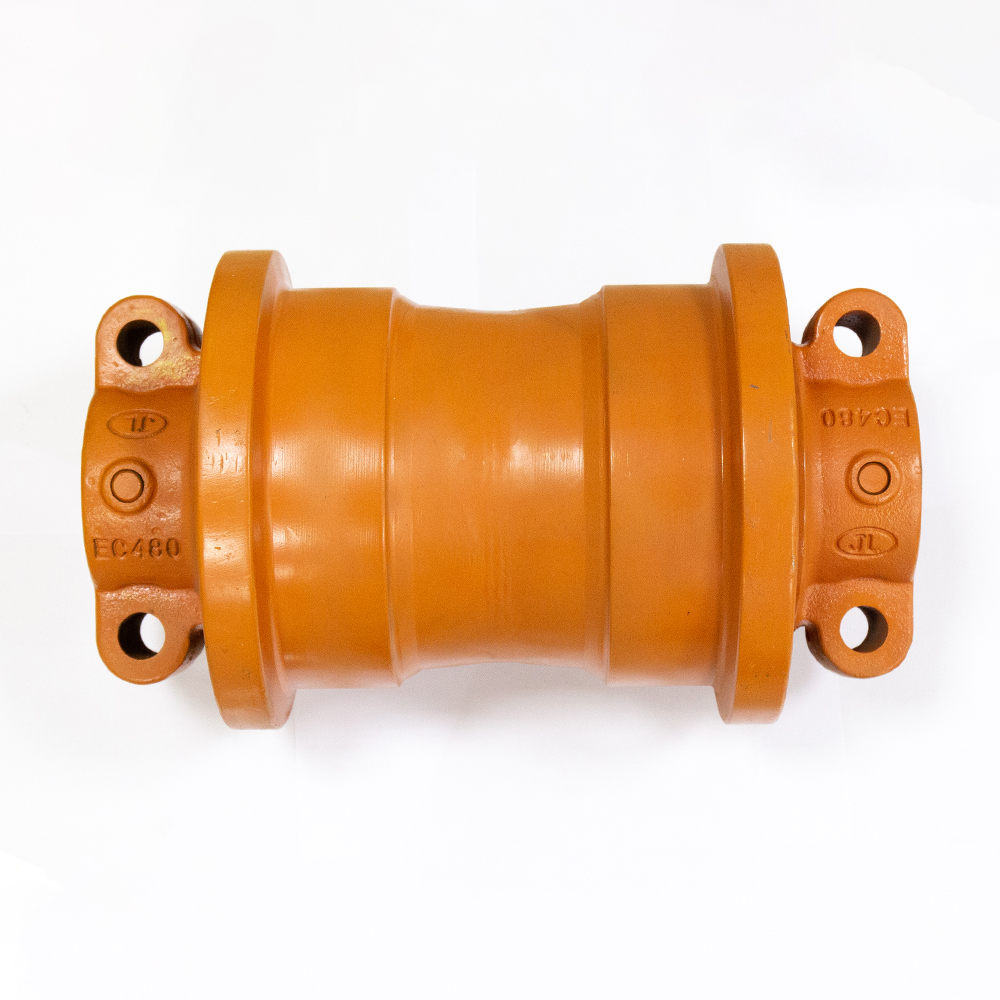
Con lăn theo dõi: These wheels run along the track chain, bearing the machine's weight. They must withstand constant rotation under immense load. The quality of a roller is determined by its shell (the outer body), the shaft, and especially its seals. Failed seals lead to loss of lubrication and rapid failure, which can then cause damage to the track links themselves. Look for rollers with high-quality duo-cone seals and shells that have been properly through-hardened.
Người làm biếng và bánh xích: The idler is the large wheel at the front of the track frame that guides the track, while the sprocket is the toothed wheel at the rear that is driven by the final drive to propel the track. Both must be made from wear-resistant cast steel. As the sprocket teeth wear, they become "hooked," which accelerates bushing wear. As the idler's running surface wears, it can lead to improper track guiding. These components should be monitored and typically replaced along with the track chains to ensure the entire system wears evenly.
Attachments: The Tools of the Trade
The versatility of a Komatsu excavator or wheel loader comes from its ability to use a wide array of attachments. The quality of these attachments directly impacts productivity.
Xô: As we have discussed, buckets are not a single entity. They are specialized tools. Beyond the general-duty, nhiệm vụ nặng nề, and severe-duty rock buckets, there are other specialized types:
- Ditch Cleaning Buckets: Rộng, shallow buckets with a smooth cutting edge, perfect for grading and handling soft materials.
- Xếp rãnh: Narrow buckets designed to dig trenches of a specific width for utilities or pipelines.
- Xô bộ xương: These have ribbed bottoms, allowing smaller particles like soil and water to fall through while retaining larger rocks—ideal for sorting material on site. The steel quality (look for AR-rated plates), weld penetration, and reinforcement design on high-stress areas (like the corners and side cutters) are the defining features of a durable bucket.
Hydraulic Breakers (Hammers): These attachments are used for demolition and breaking oversized rock. They are incredibly high-stress tools. The quality of the main body casting, the piston's metallurgy and heat treatment, and the durability of the tool point (chisel or moil) are critical. A low-quality breaker is a constant source of frustration, with frequent seal blowouts and low impact energy.
Rippers: A single or multi-shank ripper on a dozer is designed to fracture hardpan or rock before excavation. The shank itself must be made of high-tensile forged steel to resist bending and snapping. The replaceable ripper tip bears the brunt of the wear and must be cast from a high-hardness, high-impact alloy.
Công cụ tiếp đất (LẤY): The Point of Attack
GET are the consumable wear parts attached to buckets and rippers. They are designed to be sacrificed to protect the more expensive attachment. The selection of GET is a constant balance of wear life, penetration, and cost.
Teeth and Adapters: The adapter is welded to the bucket lip, and the tooth is attached to the adapter, usually with a pin and retainer system. This allows for quick replacement of the tooth in the field. The bond between tooth and adapter is a high-stress point. A poor-fitting system will have "slop," leading to accelerated wear on both the tooth and the adapter, and can even result in the pin breaking and the tooth being lost. The quality of the casting and the precision of the locking mechanism are paramount. Many suppliers, giống , offer a wide variety of tooth systems to fit different machines and applications.
Cutting Edges and End Bits: These are the replaceable blades bolted to the bottom of dozer blades and the edges of loader buckets. They must be made from through-hardened boron steel to provide a long, even wear life. A common mistake is to buy a cheap, low-alloy cutting edge that wears out in the middle, creating a "frown" that reduces dozing efficiency and requires the entire blade to be replaced prematurely. High-quality edges are often reversible, allowing you to flip them over and use the second side, effectively doubling their life.
By understanding the specific demands on each of these core components, you can apply the five checks with greater precision. You can ask a potential supplier not just if they have a track roller for a PC200, but about the Rockwell hardness of the roller shell and the type of seals it uses. This level of informed inquiry is what separates a passive buyer from a strategic partner in your machine's health.
Câu hỏi thường gặp (Câu hỏi thường gặp)
How can I identify a high-quality aftermarket part from a low-quality one?
Identifying quality requires a multi-faceted approach. Đầu tiên, look at the supplier's reputation, bảo hành, and technical transparency, as detailed in Check 4. Physically, inspect the part for signs of quality manufacturing. Look for clean, precise welds on fabricated parts like buckets. On cast parts like bucket teeth, check for a smooth finish without excessive pitting or porosity. For machined parts, look for clean, sharp edges and consistent finishes. Ask the supplier for material specifications; a reputable source will proudly share details about the steel alloys (VÍ DỤ., boron steel) and heat treatment processes (VÍ DỤ., làm cứng xuyên suốt) they use. A low price combined with a vague or non-existent warranty is the most significant red flag.
Is it ever a good idea to use non-genuine parts on a machine that is still under warranty?
Using non-genuine parts on a machine while it is still under the manufacturer's warranty is a risky proposition and generally not recommended for critical systems. If a non-genuine part is found to be the cause of a failure, Komatsu or any OEM will likely deny the warranty claim for the resulting damage. Ví dụ, if a cheap aftermarket oil filter disintegrates and causes engine damage, the engine repair will not be covered. For high-wear items not directly linked to the powertrain, like bucket teeth or cutting edges, the risk is lower. Tuy nhiên, the safest policy during the warranty period is to use genuine OEM or OEM-approved parts to ensure full warranty protection.
How do I know when to replace undercarriage components?
Undercarriage wear should be measured and tracked, not just visually estimated. A technician can use specialized tools like ultrasonic measurement devices and calipers to measure key dimensions: track pin and bushing external wear, track link height, roller tread diameter, and sprocket tooth profile. Comparing these measurements to the OEM's wear tables (usually provided in the service manual) will tell you the percentage of wear on each component. Như một nguyên tắc chung, it is most cost-effective to replace components as a system. Ví dụ, replacing pins and bushings should be done before they wear to the point of damaging the track links and sprocket teeth. Aim to replace components when they reach around 100-120% of their "allowable wear" limit to avoid in-field failures.
What impact does the operator have on the lifespan of parts for Komatsu machines?
The operator has a tremendous impact on part lifespan. A smooth, skilled operator who avoids shock loads, excessive high-speed tracking in reverse, and unnecessary spinning of the tracks can significantly extend the life of the undercarriage and powertrain. Proper operating techniques, such as digging from the front of the idlers rather than over the side, reduce stress on track rollers and the swing mechanism. Making wide, gentle turns instead of sharp, counter-rotating pivots drastically reduces wear on track links and shoes. Operator training is one of the most effective investments you can make in reducing your long-term parts and maintenance costs.
Are remanufactured parts as reliable as new parts?
High-quality remanufactured parts, especially those from the OEM's own program like Komatsu Reman, are exceptionally reliable. These are not simply "repaired" or "rebuilt" các bộ phận. The process involves completely disassembling the component (the "core"), thoroughly cleaning and inspecting every piece, and replacing all wear items—seals, gaskets, bearings, and any other part that does not meet strict OEM specifications—with new genuine parts. The component is then reassembled and tested to the same standards as a brand-new part. The result is a component that offers the same performance and is backed by the same warranty as new, but at a significantly lower cost.
Suy nghĩ cuối cùng về việc xây dựng khả năng phục hồi
The journey through the intricate world of parts for Komatsu machines brings us to a simple, yet profound, realization: the choices we make in the workshop are as consequential as the strategies we plan in the boardroom. The health of a multi-million dollar fleet is not maintained through grand gestures, but through the cumulative wisdom of small, daily decisions. It is in the choice of a through-hardened cutting edge over a brittle imitation, the selection of a high-quality aftermarket undercarriage that respects the principles of TCO, and the trust placed in a supplier who is a partner in your uptime.
Mỗi phần, from the smallest bolt to a complete engine, is a thread in the fabric of your operation's resilience. A weak thread compromises the entire cloth. By embracing a philosophy of value over price, of science over speculation, and of partnership over mere transaction, you are not just maintaining machines. You are fortifying your business against the unpredictable challenges of the field, ensuring that your Komatsu equipment can continue to do what it was built for: to powerfully and reliably shape the world around us. This informed approach is the ultimate expression of respect for the machine, for the people who operate it, and for the enterprise it sustains.
Tài liệu tham khảo
Bunyip Equipment. (2025). Bucket teeth and wear parts. Bunyip Equipment.
FJDynamics. (2025, Có thể 22). Đứng đầu 10 parts of excavator you should know in 2025. FJDynamics. https://www.fjdynamics.com/blog/industry-insights-65/parts-of-excavator-563
Bộ phận GFM. (2025, Bước đều 4). Excavator track shoe type analysis: Composition, design principle and selection guide. Bộ phận GFM. https://gfmparts.com/excavator-track-shoe-type-analysis/
Imara Engineering Supplies. (2024, Tháng tư 10). Komatsu heavy equipment parts: A comprehensive guide. Imara Engineering Supplies. https://imaraengineeringsupplies.com/blogs/news/komatsu-heavy-equipment-parts?srsltid=AfmBOopsZGq0x6wy4vjr75ynMDqUJtyJhejpzXT1dzNbfrlEOWZkPXhv
Komatsu. (2025). Attachments. Komatsu Ltd.
Komatsu. (2025). bộ phận. Komatsu Southern Africa.