
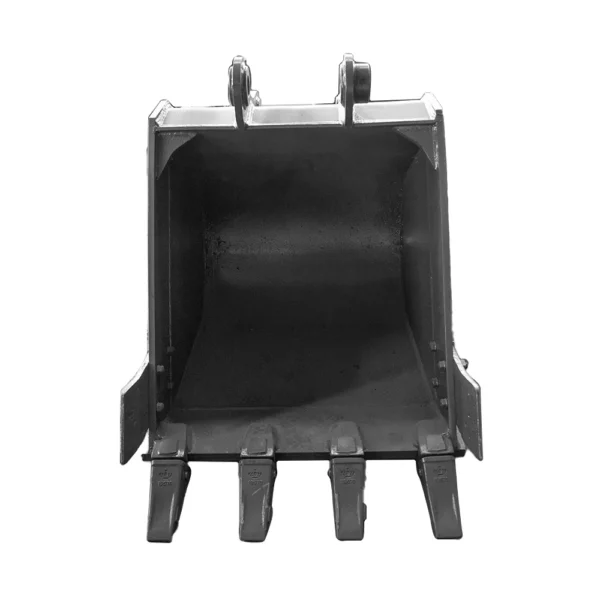
Tóm tắt
Việc lựa chọn một lưỡi cắt thích hợp cho máy xúc là một quyết định có ý nghĩa sâu sắc đối với hiệu quả vận hành và khả năng kinh tế của máy móc hạng nặng trong xây dựng., khai thác mỏ, và lĩnh vực nông nghiệp. Phân tích này xem xét quá trình nhiều mặt của việc lựa chọn một lưỡi dao phù hợp, vượt ra ngoài việc xem xét hời hợt về chi phí để nghiên cứu sâu hơn về khoa học vật liệu, thiết kế kỹ thuật, và yêu cầu cụ thể của ứng dụng. Nó thừa nhận rằng sự lựa chọn tối ưu không phải là một hằng số phổ quát mà là một biến phụ thuộc vào ngữ cảnh, phụ thuộc vào các yếu tố như độ mài mòn của địa hình, mức độ tác động của công việc, và điều kiện khí hậu của nhà hát hoạt động. Bài giảng đi sâu vào tính chất luyện kim của thép, bao gồm xếp hạng độ cứng và vai trò của hợp kim như boron, và kết nối các thuộc tính này với những thách thức thực tế phải đối mặt trong các môi trường toàn cầu khác nhau, từ khu vực đông lạnh của Nga đến cát mài mòn của Trung Đông. Hơn nữa, nó khám phá cấu hình lưỡi, Giao thức bảo trì, và các tiêu chí để chọn nhà cung cấp có uy tín, lập luận rằng một sự hiểu biết toàn diện về các yếu tố này là không thể thiếu để tối đa hóa tuổi thọ của thiết bị, giảm thiểu thời gian chết, và đảm bảo lợi nhuận dài hạn của các dự án kỹ thuật.
Key Takeaways
- Kết hợp độ cứng thép (HB) cho công việc chính của bạn: HB cao để mài mòn, Độ cứng cho tác động.
- Hãy xem xét một lưỡi dao tiên tiến có thể đảo ngược cho bộ tải để tăng gấp đôi hiệu quả tuổi thọ hoạt động của nó.
- Chọn Thiết kế Blade, chẳng hạn như răng cưa, dựa trên tài liệu bạn cần thâm nhập.
- Thực hiện kiểm tra hàng ngày cho các vết nứt và độ kín của bu lông để ngăn chặn những thất bại lớn.
- Đánh giá các nhà cung cấp về tổng chi phí sở hữu, Không chỉ là giá lưỡi ban đầu.
- Kỹ thuật vận hành ảnh hưởng đáng kể đến tỷ lệ hao mòn và tuổi thọ của cạnh cắt.
- Sử dụng đúng, Bu lông cày cao cấp để cài đặt để đảm bảo an toàn và hiệu suất.
Mục lục
- Thành phần vật chất và độ cứng: Linh hồn của lưỡi kiếm
- Thiết kế và hồ sơ của lưỡi dao: Hình thức ra lệnh chức năng
- Ứng dụng và môi trường hoạt động: Một quan điểm toàn cầu
- Cài đặt, BẢO TRÌ, và tối đa hóa tuổi thọ: Thực hành độ bền
- Chọn một nhà cung cấp có uy tín: Một quan hệ đối tác trong hiệu suất
- Câu hỏi thường gặp
- Phần kết luận
- Tài liệu tham khảo
Thành phần vật chất và độ cứng: Linh hồn của lưỡi kiếm
Để bắt đầu cuộc điều tra của chúng tôi về thế giới của các thành phần máy móc hạng nặng, Trước tiên chúng ta hãy xem xét điểm liên lạc, giao diện chính giữa một bộ tải mạnh mẽ và trái đất có nghĩa là định hình. Lưỡi dao cạnh cắt cho bộ nạp không chỉ đơn thuần là một dải thép được bắt vít vào thùng; nó là một phần của khoa học vật liệu kỹ thuật, the quality of which dictates the machine's efficiency, Tiêu thụ nhiên liệu, và tuổi thọ của toàn bộ tổ hợp xô. Chọn một lưỡi kiếm là đưa ra quyết định về cách bạn sẽ tham gia vào thế giới vật chất. Bạn sẽ cào cát lỏng lẻo trong cái nóng của Dubai, Hay bạn sẽ vượt qua Trái đất đóng băng trong một mùa đông Siberia? Thép phải phù hợp với nhiệm vụ, và hiểu các thuộc tính cơ bản của nó là bước đầu tiên để đưa ra quyết định khôn ngoan và có lợi nhuận. Đây không phải là vấn đề sở thích đơn giản, Nhưng một trong những điều chỉnh đặc tính nội tại của vật liệu với những thách thức bên ngoài mà nó sẽ phải đối mặt.
Hiểu độ cứng của thép: Brinell (HB) và Rockwell (HRC)
Khi chúng ta nói về "độ cứng" bằng thép, chúng tôi đang đề cập đến khả năng chống biến dạng dẻo cục bộ của nó, chẳng hạn như vết lõm hoặc vết xước. Hãy tưởng tượng bạn ấn ngón tay cái của mình vào một miếng đất sét và một khối gỗ. Điện trở mà bạn cảm thấy là một sự tương tự đơn giản cho độ cứng. Trong thế giới luyện kim, chúng ta cần các biện pháp chính xác hơn. Hai thang đo phổ biến nhất mà bạn sẽ gặp khi chọn lưỡi cắt cho máy xúc lật là Số độ cứng Brinell (HB hoặc HBW) và Thang đo độ cứng Rockwell (HRC).
Thử nghiệm Brinell bao gồm việc ép một quả bóng thép cứng hoặc cacbua có đường kính cụ thể vào bề mặt vật liệu với một lực cụ thể trong một thời gian cụ thể.. Đường kính của vết lõm sau đó được đo. Vết lõm nhỏ hơn cho thấy vật liệu cứng hơn, mang lại số Brinell cao hơn. Để cắt các cạnh, bạn thường sẽ thấy các giá trị nằm trong khoảng từ 250 HB cho cạnh thép cacbon cơ bản trở lên 500 HB với mức phí bảo hiểm, thép hợp kim boron được xử lý nhiệt.
Thử nghiệm Rockwell về nguyên tắc tương tự nhưng sử dụng hình nón kim cương hoặc quả bóng thép nhỏ và đo độ sâu thâm nhập. Cân HRC thường được sử dụng cho các loại thép rất cứng. Mặc dù có biểu đồ chuyển đổi, it's helpful to think of them as different languages describing the same property. Vì mục đích của chúng tôi, Brinell (HBW) cân được trích dẫn phổ biến nhất bởi các nhà sản xuất bộ phận khung gầm và lưỡi cắt, vì vậy chúng ta sẽ tập trung vào đó.
Tại sao con số này lại quan trọng đến vậy? Độ cứng tương quan trực tiếp với khả năng chống mài mòn. Số HB cao hơn có nghĩa là thép sẽ mòn chậm hơn khi mài với các vật liệu có tính mài mòn như cát, Sỏi, và đá nghiền. MỘT 500 Cạnh thép HB có thể kéo dài ba đến năm lần so với 250 Cạnh thép carbon hb trong cùng điều kiện mài mòn. Sự khác biệt này không phải là tầm thường; Nó chuyển trực tiếp thành ít thay đổi lưỡi hơn, ít thời gian chết, và tiết kiệm chi phí đáng kể trong vòng đời của máy.
| Loại thép | Độ cứng Brinell điển hình (HBW) | Các ứng dụng phổ biến | Kháng mài mòn | Kháng lực tác động |
|---|---|---|---|---|
| Thép carbon cao | 200-300 | Nhẹ nhàng, sự tiêu diệt thấp (VÍ DỤ., lớp đất mặt, tuyết) | Thấp | Tốt |
| Được xử lý nhiệt (Ht) Thép | 400 | Mục đích chung, Sự mài mòn vừa phải (VÍ DỤ., Đất sét, bụi bẩn) | Trung bình | Rất tốt |
| HT Boron Alolely Steel | 450-500 | Sự tiêu diệt cao (VÍ DỤ., cát, Sỏi, đá) | Cao | Tốt |
| Thép HT Boron cao cấp | 500+ | Sự hủy bỏ cực đoan (VÍ DỤ., mỏ đá, khai thác mỏ) | Rất cao | Vừa phải |
Như bảng minh họa, Thường có sự đánh đổi. Khi thép trở nên khó hơn, nó cũng có thể trở nên giòn hơn, có nghĩa là khả năng hấp thụ những cú sốc hoặc tác động đột ngột của nó mà không bị nứt ("sự dẻo dai" của nó) có thể giảm. Đây là lực căng trọng tâm trong việc lựa chọn vật liệu phù hợp cho lưỡi cắt tiên tiến dành cho máy xúc lật.
Làm cứng hoàn toàn vs. Thép cứng bề mặt
Độ cứng mà chúng ta vừa thảo luận có thể đạt được bằng nhiều cách khác nhau, dẫn đến hai loại thép chính được sử dụng để cắt lưỡi: được làm cứng xuyên suốt và làm cứng bề mặt (hoặc trường hợp cứng). Hiểu sự khác biệt cũng giống như hiểu sự khác biệt giữa dầm gỗ sồi nguyên khối và dầm veneer nhiều lớp. Cả hai đều mạnh mẽ, nhưng cấu trúc bên trong và cách thức hỏng hóc của chúng khác nhau.
Thép đã được tôi cứng, đúng như tên gọi, có độ cứng nhất quán từ bề mặt đến tận lõi của nó. Điều này đạt được bằng cách làm nóng toàn bộ lưỡi dao đến nhiệt độ tới hạn và sau đó làm nguội nhanh chóng. (một quá trình gọi là dập tắt), tiếp theo là quá trình ủ để giảm độ giòn. Kết quả là lưỡi dao bị mòn với tốc độ rất dễ đoán. Khi vật liệu bị nghiền nát, thép mới lộ ra có độ cứng tương đương với bề mặt ban đầu. Đây là loại được ưa chuộng cho hầu hết các ứng dụng có độ mài mòn cao vì nó duy trì được đặc tính chống mài mòn trong suốt thời gian sử dụng.. Hãy nghĩ về nó như một thanh sôcôla chất lượng cao; mỗi miếng cắn đều ngon như lần đầu tiên. Tính nhất quán này là đặc điểm nổi bật của lưỡi dao tiên tiến vượt trội dành cho máy xúc lật.
Thép cứng bề mặt, Mặt khác, có một "vỏ" bên ngoài cực kỳ cứng" và mềm mại hơn, lõi dẻo hơn. Điều này thường đạt được thông qua các quá trình như chế hòa khí hoặc làm cứng cảm ứng., làm thay đổi tính chất hóa học hoặc cấu trúc của lớp bề mặt. Lợi ích chính của phương pháp này là nó tạo ra một lưỡi dao có độ bền rất cao., Lõi hấp thụ sốc có thể chịu được tác động cao, Trong khi bề mặt bên ngoài cung cấp khả năng chống mài mòn ban đầu tốt. Hạn chế, Tuy nhiên, Có phải là một khi trường hợp bên ngoài cứng này bị mòn, và nó có thể khá mỏng, tốc độ hao mòn tăng tốc đáng kể khi kim loại lõi mềm hơn được lộ ra. Điều này có thể được ví như một viên kẹo có vỏ cứng; Một khi bạn bị nứt qua vỏ, Trung tâm mềm biến mất nhanh chóng. Đối với một số tác động cao nhất định, Công việc tiêu thụ thấp, Đây có thể là một lựa chọn khả thi, Nhưng đối với công việc mài, hầu hết các trình tải thực hiện, Thép xuyên cứng thường cung cấp một đề xuất tổng giá trị tốt hơn.
Vai trò của các yếu tố hợp kim: Boron, Carbon, và mangan
"Cơ sở" vật liệu cho tất cả các lưỡi này là sắt. Điều biến nó thành một loại thép hiệu suất cao có khả năng chịu được lực đáng kinh ngạc là các thành phần cụ thể được hợp kim với nó. Let's consider the three most significant players in the context of a cutting edge blade for loader: cacbon, mangan, và người thay đổi cuộc chơi, boron.
Carbon là chất làm cứng cơ bản nhất của thép. Nói một cách đơn giản nhất, bạn càng thêm nhiều carbon (đến một điểm), thép càng cứng có thể trở nên cứng hơn thông qua xử lý nhiệt. Một loại “cacbon cao" thép, được sử dụng cho các cạnh cắt cơ bản, có thể có xung quanh 0.8% cacbon. Tuy nhiên, thêm carbon cũng làm tăng độ giòn. Đây là sự đánh đổi cổ điển. Quá nhiều cacbon, và lưỡi dao của bạn có thể bị vỡ khi chạm vào một tảng đá lần đầu tiên. Quá ít, và nó sẽ mòn đi như bút chì.
Mangan là một thành phần quan trọng khác. Nó phục vụ một số chức năng. Nó góp phần vào sức mạnh và độ cứng, nhưng có lẽ quan trọng hơn, it improves the steel's response to heat treatment ("độ cứng" của nó) và tăng độ dẻo dai của nó. Nó giúp tạo ra một sản phẩm cuối cùng bền hơn và đàn hồi hơn, một loại có thể chống nứt khi bị căng thẳng. Một lưỡi cắt chất lượng sẽ có lượng mangan được kiểm soát cẩn thận để cân bằng độ cứng với khả năng chống va đập.
Boron là siêu sao của ngành luyện kim tiên tiến hiện đại. Nó là một chất làm cứng mạnh mẽ, so potent that it is added in minuscule amounts—we're talking parts per million. Khi thêm vào thép sau đó được xử lý nhiệt đúng cách, boron tăng đáng kể độ cứng của nó. Điều này cho phép tạo ra các phần thép dày được tôi cứng hoàn toàn đến chỉ số Brinell rất cao và đồng đều. (500+ HB). Một “thép boron" tiên tiến đã trở thành tiêu chuẩn công nghiệp cho bất kỳ ứng dụng nào liên quan đến độ mài mòn đáng kể. Nó cung cấp mức độ chống mài mòn cao nhất, đảm bảo tuổi thọ dài nhất có thể cho lưỡi dao. Sự phát triển của thép boron là một bước nhảy vọt đáng kể cho tất cả các công cụ gắn trên mặt đất, bao gồm cả lưỡi dao, cần cẩu, và đục. Khi bạn thấy một nhà sản xuất quảng cáo "thép boron" lưỡi cắt tiên tiến cho máy xúc lật, họ đang báo hiệu một sản phẩm cao cấp được thiết kế cho những điều kiện khắc nghiệt nhất.
Lựa chọn vật liệu cho môi trường toàn cầu
The true test of one's understanding comes when applying these principles to the diverse and demanding environments where these machines operate. Vật liệu tối ưu cho máy xúc lật trên sa mạc đầy cát ở UAE không giống với vật liệu làm việc tại mỏ đá granit ở Nam Phi hoặc trên công trường xây dựng mùa đông ở Hàn Quốc.
Đối với các điều kiện mài mòn cao ở Trung Đông và phần lớn nước Úc, nơi các máy xúc liên tục di chuyển cát hạt sắc và đất mài mòn, không có sự thay thế cho độ cứng. Đây, một loại thép boron được tôi cứng hoàn toàn với độ cứng bằng 500 HB hoặc thậm chí cao hơn là sự lựa chọn hợp lý duy nhất. Sự mài mòn là kẻ thù chính, và mỗi điểm trên thang Brinell tương đương với nhiều giờ hoạt động hơn. Sử dụng ít hơn 400 Thép HB trong môi trường này sẽ là một nền kinh tế sai lầm, dẫn đến những thay đổi thường xuyên và thời gian ngừng hoạt động kéo dài.
Trong môi trường có tác động cao, chẳng hạn như các mỏ đá ở Châu Phi hoặc các địa điểm phá dỡ, phương trình thay đổi. Trong khi mài mòn vẫn là một yếu tố, nguy cơ thất bại thảm hại do va chạm với lực lớn, đá cứng là mối quan tâm chính. Lưỡi dao cực kỳ cứng nhưng giòn có thể bị gãy hoặc sứt mẻ, khiến nó trở nên vô dụng. Đây, người vận hành có thể được phục vụ tốt hơn bằng loại thép hy sinh một lượng nhỏ độ cứng để tăng độ dẻo dai đáng kể. Điều này có thể có nghĩa là thép được tôi cứng hoàn toàn với số Brinell thấp hơn một chút (có lẽ 450 HB) nhưng có hàm lượng mangan cao hơn hoặc quy trình ủ cụ thể được thiết kế để tối đa hóa khả năng chống va đập. Việc lựa chọn lưỡi cắt tiên tiến cho máy xúc lật trở thành một đánh giá rủi ro được tính toán.
Để làm việc ở vùng đất băng giá của Nga và mùa đông lạnh giá của Hàn Quốc, một tài sản vật chất khác trở nên quan trọng: độ dẻo dai ở nhiệt độ thấp. Tất cả các loại thép đều có "nhiệt độ chuyển tiếp từ dẻo sang giòn"." Dưới nhiệt độ này, thép mất khả năng biến dạng và hấp thụ năng lượng, trở nên giòn như thủy tinh. Một cạnh hoàn toàn cứng ở nhiệt độ 20°C có thể vỡ khi va chạm ở -20°C. Đối với những ứng dụng này, điều quan trọng là phải chọn loại thép đã được thử nghiệm và chứng nhận về đặc tính chịu va đập ở nhiệt độ thấp (thường được đo bằng phép thử Charpy V-Not). Nhà cung cấp có kiến thức chuyên môn về các thị trường này sẽ hiểu nhu cầu về các hợp kim cụ thể có khả năng duy trì độ bền ngay cả trong điều kiện cực lạnh, đảm bảo độ tin cậy của máy móc xây dựng trong suốt cả năm.
Thiết kế và hồ sơ của lưỡi dao: Hình thức ra lệnh chức năng
Đã nắm vững được bản chất vật chất của một công nghệ tiên tiến, bây giờ chúng ta phải chuyển sự chú ý sang hình thức của nó. Hình dạng của lưỡi dao—hình dạng của nó, độ dày của nó, hình dáng của nó—không phải là một sự lựa chọn mang tính thẩm mỹ tùy tiện. It is a functional design intended to optimize the blade's interaction with specific materials and tasks. Nếu thành phần vật chất là linh hồn của lưỡi kiếm, thiết kế của nó là phần thân của nó, biểu hiện vật chất của mục đích của nó. Việc chọn thiết kế phù hợp cho lưỡi cắt tiên tiến dành cho máy xúc lật của bạn cũng quan trọng như việc chọn đúng vật liệu. Cấu hình không chính xác có thể dẫn đến khả năng thâm nhập kém, Tăng mức tiêu thụ nhiên liệu, và mài mòn sớm, ngay cả khi bản thân thép có chất lượng cao nhất.
phẳng vs. Cạnh có răng cưa
Sự lựa chọn thiết kế cơ bản nhất là giữa một căn hộ, cạnh thẳng và có răng cưa, hoặc có răng, bờ rìa. Lựa chọn này về cơ bản làm thay đổi cách thùng nạp tiếp xúc với mặt đất.
Một cạnh phẳng, thường được gọi là cạnh thẳng, là lựa chọn phổ biến và linh hoạt nhất. Nó mang lại sự mượt mà, đường tiếp xúc liên tục với vật liệu. Điều này làm cho nó trở nên lý tưởng cho các nhiệm vụ có mục đích chung như tải vật liệu rời (cát, Sỏi, đất), kéo ngược để tạo ra một kết thúc mịn, và dọn dẹp trang web chung. Điểm mạnh của nó nằm ở khả năng cạo sạch và di chuyển vật liệu dự trữ một cách hiệu quả. Dành cho người vận hành trong lĩnh vực cảnh quan, nông nghiệp, hoặc xử lý lại các ứng dụng, cạnh phẳng là sự lựa chọn mặc định và hiệu quả nhất. Nó để lại một vết sạch, bề mặt bằng phẳng, thường là yêu cầu trong công việc chấm điểm và hoàn thiện.
Một cạnh có răng cưa, ngược lại, là một công cụ chuyên dụng. Nó có một loạt các phần nhô ra giống như răng dọc theo lưỡi dao. Hãy nghĩ về sự khác biệt giữa dao cắt bơ và dao cắt bít tết. Mép răng cưa tập trung toàn bộ lực của bộ nạp vào các điểm nhỏ của răng, tăng đáng kể áp lực mặt đất và khả năng xuyên thủng. Điều này làm cho nó đặc biệt hiệu quả để phá vỡ khó khăn, đất nén, đá phiến, hoặc mặt đất nửa đóng băng. Trong một mỏ đá, nó có thể giúp nới lỏng đá nổ ra khỏi đống. Nhược điểm là nó để lại một rãnh, bề mặt không bằng phẳng, làm cho nó không phù hợp để hoàn thành công việc. Nó cũng có diện tích bề mặt tiếp xúc với mặt đất ít hơn, vì vậy để cạo vật liệu rời trên bề mặt cứng, nó có thể kém hiệu quả hơn một lưỡi dao phẳng. Quyết định sử dụng lưỡi cắt có răng cưa cho máy xúc lật là một cam kết về khả năng đào mạnh mẽ và xuyên thấu vượt quá khả năng hoàn thiện.
Có thể đảo ngược so với. Lưỡi dao không thể đảo ngược
Tính năng thiết kế này là một trong những tính năng đơn giản nhất nhưng có tác động lớn nhất từ quan điểm kinh tế.. Nó liên quan đến kiểu lỗ bu-lông trên lưỡi dao.
Lưỡi dao không thể đảo ngược có một hàng lỗ bu lông, thường dọc theo cạnh trên của nó. Nó được cài đặt, sử dụng cho đến khi nó bị hao mòn, rồi vứt đi. Tuổi thọ sử dụng của nó được giới hạn ở bề mặt mòn duy nhất.
Một lưỡi dao đảo ngược, Mặt khác, là một tuyệt tác của kỹ thuật thực tế. Được thiết kế với mặt cắt ngang đối xứng và hai hàng lỗ bu lông song song. Nó được lắp đặt và sử dụng cho đến khi cạnh đầu tiên bị mòn đến giới hạn sử dụng. Sau đó, thay vì bị loại bỏ, lưỡi dao có thể được tháo chốt, lật ngược 180 độ, và cài đặt lại, giới thiệu một thương hiệu mới, sắc bén trong công việc. Hành động đơn giản này giúp tăng gấp đôi tuổi thọ của lưỡi cắt một cách hiệu quả, giúp tăng nhẹ chi phí ban đầu. Đối với bất kỳ hoạt động nào mà việc mài mòn lưỡi cắt là một chi phí vận hành đáng kể, chọn một lưỡi cắt có thể đảo ngược cho máy xúc lật là một cách rõ ràng và hiệu quả để giảm tổng chi phí sở hữu. Đó là minh chứng cho thấy thiết kế thông minh có thể tạo ra giá trị to lớn như thế nào. Phần lớn các lưỡi cắt của máy xúc lật hiện đại đều có thể đảo ngược được vì lý do này. Đây là một trong những tính năng đầu tiên người ta nên tìm kiếm khi đánh giá các lựa chọn.
Góc xiên đôi vs. Cuộc tranh luận góc xiên đơn
Sự "góc xiên" đề cập đến phần góc cạnh hoặc sắc nét của lưỡi dao tạo thành lưỡi cắt. Biên dạng của góc xiên này ảnh hưởng đến đặc tính xuyên thấu và mài mòn.
Cạnh vát kép là tiêu chuẩn công nghiệp dành cho gầu xúc. Nó có chữ "V đối xứng" hình dạng khi xem trong mặt cắt ngang. Cả bề mặt trên và dưới đều được tạo góc để gặp nhau tại điểm trung tâm. Thiết kế này chắc chắn và mang lại khả năng xuyên thấu tốt cho mục đích sử dụng chung. Vì nó đối xứng, nó lý tưởng cho các lưỡi đảo ngược, vì đặc tính mài mòn là như nhau cho dù nó được lắp ở cạnh trên hay cạnh dưới. Đó là một sự cân bằng, người biểu diễn toàn diện, làm cho nó trở thành cấu hình phổ biến nhất cho lưỡi dao tiên tiến dành cho máy xúc lật.
Single Bevel Edge là một thiết kế không đối xứng. Một mặt của lưỡi dao phẳng, trong khi cái còn lại được vát tạo cạnh. Điều này tạo ra sự sắc nét hơn, góc cắt mạnh mẽ hơn, tương tự như một cái đục. Thiết kế này có thể mang lại khả năng xuyên thấu vượt trội trong một số điều kiện nhất định, đặc biệt khi "cắt lát" rất sạch sẽ" hành động được mong muốn. Nó thường được tìm thấy nhiều hơn trên gầu máy xúc hoặc thiết bị phân loại chuyên dụng. Dành cho máy xúc, ứng dụng của nó phù hợp hơn. Kiểu mặc không đối xứng có thể là một bất lợi, và nó không phù hợp lắm với các thiết kế có thể đảo ngược. Trừ khi bạn có một nhiệm vụ rất cụ thể đòi hỏi sự nhạy bén, cắt lát, thiết kế vát đôi hầu như luôn là sự lựa chọn thiết thực và bền bỉ hơn cho máy xúc lật.
Hồ sơ chuyên biệt cho các ứng dụng thích hợp
Ngoài những thiết kế thông thường, tồn tại một thế giới hồ sơ chuyên biệt để giải quyết những thách thức độc đáo. Chúng thường được phát triển để đáp ứng nhu cầu cụ thể của ngành và thể hiện tính chất thích ứng của kỹ thuật thiết bị nặng.
Cạnh mũi thuổng là một loại biên dạng cạnh xô, thường được tìm thấy trên xô đá, có tâm hình chữ V nhô ra phía trước so với phần còn lại của lưỡi dao. This design focuses the machine's power onto a single point of entry, giống như đầu của một cái xẻng thuổng. Nó được thiết kế để thâm nhập tối đa trong môi trường cực kỳ cứng., vật liệu hợp nhất như caliche hoặc đá trầm tích. Nó phá vỡ mặt đất ở trung tâm, giúp phần còn lại của thùng dễ dàng xúc vật liệu bị gãy hơn.
Các cạnh bao quanh không nói về hình dạng của lưỡi cắt mà nói nhiều hơn về cách lưỡi dao tích hợp với gầu. Những lưỡi dao này có các đầu được tạo hình để uốn cong lên và xung quanh các cạnh của thùng. Những phần cong này, được gọi là bit cuối hoặc dao cắt bên, phục vụ mục đích kép. Họ bảo vệ các cạnh của xô, cũng là những khu vực có độ mài mòn cao, and they improve the bucket's penetration capability by helping to cut clearance for the sides of the bucket as it digs. Để đào tích cực trong vật liệu chặt chẽ, thùng được trang bị lưỡi cắt tiên tiến và các đầu cuối bao bọc mang lại khả năng bảo vệ và hiệu suất vượt trội. Nhiều hiện đại gầu xúc chất lượng cao được thiết kế để chứa các thành phần bảo vệ này, có thể được coi là một phần mở rộng của hệ thống tiên tiến. Việc chọn những bổ sung này là một bước khác trong việc lựa chọn chiến lược các công cụ hấp dẫn trên mặt đất của bạn.
Ứng dụng và môi trường hoạt động: Một quan điểm toàn cầu
We have dissected the blade's material and its form. Hiện nay, chúng ta phải tổng hợp kiến thức này và đặt nó trong bối cảnh năng động của thế giới thực. Lưỡi cắt tiên tiến nhất được thiết kế tỉ mỉ nhất dành cho máy xúc sẽ trở nên vô dụng nếu nó không phù hợp với nhiệm vụ của nó. Ứng dụng này là lò thử nghiệm nơi lý thuyết được kiểm tra, và môi trường hoạt động mang lại những thách thức cụ thể về nhiệt, lạnh lẽo, sự va chạm, và mài mòn. Suy nghĩ như một chuyên gia là hình dung lưỡi dao đang hoạt động, để đồng cảm với những sức mạnh mà nó phải chịu đựng, và để chọn công cụ không chỉ tốt về mặt trừu tượng, nhưng phù hợp với địa điểm làm việc cụ thể, dù ở vùng nhiệt đới ẩm ướt của Đông Nam Á hay vùng đồng bằng băng giá ở phía Bắc.
Chúng ta hãy xây dựng một bảng để định hình suy nghĩ của chúng ta, kết nối công việc với công cụ một cách rõ ràng và hợp lý.
| Ứng dụng | Thử thách chính(S) | Độ cứng khuyến nghị (HBW) | Hồ sơ được đề xuất | Ví dụ khu vực |
|---|---|---|---|---|
| Đang tải kho dự trữ | Tác động thấp, Độ mài mòn vừa phải | 400-450 | Phẳng, Có thể đảo ngược | Cảng ở Hàn Quốc (tải than) |
| Tước trang web | Độ mài mòn cao, Tác động thấp | 500+ | Phẳng, Có thể đảo ngược | Công trường xây dựng Úc (lớp đất mặt) |
| Mỏ đá/Khai thác mỏ | Tác động cao, Độ mài mòn cao | 450-500 (Tập trung vào độ dẻo dai) | Có răng cưa hoặc phẳng có răng | Mỏ đồng châu Phi |
| Bảo trì đường bộ | Tác động vừa phải, Độ mài mòn thấp | 400 | Phẳng, Có thể đảo ngược | Đường nông thôn ở Đông Nam Á |
| Dọn tuyết | Tác động cao (đồ vật bị giấu) | 400 (Tập trung vào độ dẻo dai) hoặc Polyurethane | Phẳng, Có thể đảo ngược | Các khu đô thị ở Nga |
Tải và xử lý vật liệu (Đông Nam Á)
Hãy tưởng tượng một bộ tải bánh xe làm việc tại một cảng ở Malaysia hoặc một nhà máy chế biến ở Thái Lan. Nhiệm vụ chính của nó là xử lý lại một lượng lớn vật liệu như hạt cọ, Chip gỗ, hoặc các khoáng chất được chế biến từ kho dự trữ lên xe tải hoặc băng tải. Đây, Thách thức chính không phải là tác động. Vật liệu lỏng lẻo và tương đối đồng đều. Kẻ thù chính là không đổi, mài mòn. Lưỡi dao dành cả ngày để cào vào mặt đất và trượt qua đống vật liệu.
Cho ứng dụng này, một loại thép cứng trong 400-450 Phạm vi HB cung cấp sự cân bằng tốt về khả năng chống mài mòn và hiệu quả chi phí. Một phí bảo hiểm 500 HB Boron Steel có thể quá mức cần thiết nếu vật liệu không bị mài mòn cao. Tính năng thiết kế chính ở đây là một căn hộ, lưỡi dao đảo ngược. Hồ sơ phẳng đảm bảo cạo sạch mặt đất, giảm thiểu thất thoát sản phẩm, and the reversibility doubles the blade's life, điều tối quan trọng trong một ứng dụng có chu kỳ cao như vậy. The operator's goal is speed and efficiency, và lưỡi dao phải hỗ trợ điều đó bằng cách mang lại sự trơn tru, giao diện đáng tin cậy với vật liệu. Một cạnh có răng cưa sẽ phản tác dụng, vì nó sẽ không cạo sạch và sẽ để lại những vật liệu có giá trị. Việc lựa chọn lưỡi cắt tiên tiến cho máy xúc lật ở đây xuất phát từ nhu cầu về sức bền trong một cuộc đua marathon với chuyển động lặp đi lặp lại.
Tước và phân loại trang web (Châu Úc)
Hiện nay, vận chuyển tâm trí của bạn đến một công trường xây dựng mới ở vùng Pilbara, Tây Úc. Nhiệm vụ là bóc bỏ lớp đất đỏ trên cùng để chuẩn bị nền móng. Đất ở đây nổi tiếng với hàm lượng oxit sắt và các khoáng chất mài mòn khác cao.. Nó hoạt động giống như một mảnh giấy nhám khổng lồ. Tác động thấp, nhưng tốc độ mài mòn là vô cùng lớn.
Đây là môi trường mà phí bảo hiểm, được làm cứng hoàn toàn 500+ Lưỡi cắt thép boron HB không phải là một thứ xa xỉ; đó là một điều cần thiết. Sử dụng một tiêu chuẩn 400 Cạnh thép carbon HB ở đây sẽ giống như mang dao đi đấu súng. It would be visibly worn after a single day's work. Độ cứng cực cao của thép boron là biện pháp bảo vệ hiệu quả duy nhất chống lại sự mài mòn không ngừng của đất mài mòn. Một căn hộ, vát đôi, thiết kế đảo ngược một lần nữa là sự lựa chọn hợp lý. Cạnh phẳng cho phép phân loại chính xác, và khả năng đảo ngược giúp kéo dài tuổi thọ tối đa có thể từ thiết bị đắt tiền này, thép hiệu suất cao. Sự thành công của toàn bộ hoạt động vận chuyển đất phụ thuộc vào việc sử dụng các công cụ tiếp đất có thể chịu được môi trường khắc nghiệt này. Lưỡi cắt không khớp dành cho máy xúc sẽ khiến dự án bị đình trệ với thời gian ngừng hoạt động liên tục để thay thế.
Hoạt động khai thác và khai thác mỏ (Châu phi)
Let's move our scenario to a copper mine in Zambia or a granite quarry in South Africa. Máy xúc không di chuyển đất; nó đang di chuyển tảng đá nổ tung. Môi trường là một mớ hỗn độn của các góc nhọn, trọng lượng to lớn, và những tác động khó lường. Lưỡi dao phải có khả năng cạy những tảng đá cứng đầu ra khỏi đống và chịu được cú sốc khi một tảng đá nặng nhiều tấn rơi vào thùng.
Đây, phép tính lựa chọn chuyển từ tập trung thuần túy vào độ mài mòn sang xem xét cân bằng độ cứng và độ dẻo dai. Một lưỡi dao quá cứng (và do đó quá giòn) có thể bị gãy xương thảm khốc trong lần va chạm lớn đầu tiên. Mục tiêu là tìm ra “điểm ngọt ngào”." Điều này thường có nghĩa là thép hợp kim được tôi cứng hoàn toàn, có lẽ ở xung quanh 450 HB, đã được tôi luyện đặc biệt để tối đa hóa độ dẻo dai và khả năng hấp thụ năng lượng va chạm mà không bị nứt.
Profile thiết kế cũng trở nên hầm hố hơn. Đây là ứng dụng hàng đầu cho lưỡi cắt có răng cưa hoặc, phổ biến hơn, cạnh phẳng chịu lực cao được bổ sung thêm răng gầu bắt bu-lông. Răng đóng vai trò là công cụ thâm nhập chính, phá vỡ cọc và chịu tác động ban đầu, giúp bảo vệ tính toàn vẹn của lưỡi cắt dành cho máy xúc lật được bắt vít phía sau chúng. Sự lựa chọn ở đây là về khả năng sống sót trong một môi trường tàn bạo., thế giới có tác động cao. Các bit cuối bao quanh cũng được khuyến khích sử dụng để bảo vệ các góc gầu khỏi các tác động phụ liên tục.
Công việc dọn tuyết và mùa đông (Nga, Hàn Quốc)
Cuối cùng, hãy hình dung một chiếc máy xúc đang dọn tuyết trên các đường phố ở Moscow hoặc một khu công nghiệp lớn bên ngoài Seoul sau một trận tuyết rơi dày đặc. Thoạt nhìn, tuyết dường như là vật liệu lành tính nhất có thể tưởng tượng được. Nó mềm và không bị mài mòn. Tuy nhiên, mối nguy hiểm thực sự ẩn giấu bên dưới nó. Nắp cống, lề đường, khối băng đông lạnh, và những chướng ngại vật rắn khác có thể gây ra một cú sốc bất ngờ, tác động năng lượng cao đến lưỡi dao ở tốc độ.
Yêu cầu về vật liệu tương tự như ứng dụng khai thác đá nhưng vì một lý do khác. Lưỡi dao cần độ dẻo dai tuyệt vời ở nhiệt độ thấp. Một cạnh thép tiêu chuẩn có thể trở nên giòn ở nhiệt độ -25°C và vỡ ra khi va chạm với một lề đường ẩn. Vì thế, thép đã được tôi cứng hoàn toàn với giá trị va đập Charpy được đảm bảo ở nhiệt độ thấp là điều cần thiết. Độ cứng của 400 HB thường là đủ, vì mài mòn không phải là mối quan tâm chính.
Đối với các bề mặt mỏng manh hơn, như lát đường trang trí hoặc nhà để xe nơi mà việc cạo xước là không thể chấp nhận được, một loại lưỡi cắt hoàn toàn khác được sử dụng: một cái được làm từ polyurethane hoặc cao su. Các cạnh linh hoạt này phù hợp với bề mặt và có thể vắt sạch mà không gây hư hỏng. Chúng mòn nhanh hơn thép nhiều và không thể chịu được tác động, nhưng trong ứng dụng phù hợp, chúng là công cụ hoàn hảo. Điều này minh họa bài học quan trọng nhất: định nghĩa “tốt nhất" lưỡi cắt tiên tiến dành cho máy xúc lật hoàn toàn phụ thuộc vào bối cảnh công việc.
Cài đặt, BẢO TRÌ, và tối đa hóa tuổi thọ: Thực hành độ bền
Hành động mua lưỡi cắt chính xác cho máy xúc lật, được hướng dẫn bởi sự hiểu biết sâu sắc về vật chất, thiết kế, và ứng dụng, là một thành tích đáng kể. Tuy nhiên, Nó chỉ là chương đầu tiên của câu chuyện. Tiềm năng và giá trị thực sự của lưỡi kiếm đó được thực hiện thông qua việc cài đặt thích hợp, Bảo trì siêng năng, và hoạt động khéo léo. Một cạnh thép boron cao cấp có thể bị hủy hoại trong một phần của tuổi thọ dự kiến của nó bằng cách lắp đặt hoặc bỏ qua không chính xác. Phần này chuyển từ vương quốc lựa chọn sang thế giới thực hành. Đó là về yếu tố con người - sự chăm sóc, chú ý, và kỹ năng biến một mảnh thép thành một công cụ đáng tin cậy và lâu dài.
Tầm quan trọng quan trọng của phần cứng chính xác
Một cạnh cắt được gắn vào xô với một loạt các bu lông chuyên dụng được gọi là bu lông cày. Không thể nói quá tầm quan trọng của việc sử dụng đúng, Phần cứng chất lượng cao cho kết nối này. Sử dụng bu lông bị đánh giá thấp hoặc không chính xác là một sai lầm thảm khốc, Akin để xây dựng một bức tường mạnh mẽ trên một nền tảng cát.
Bu lông cày được thiết kế đặc biệt cho ứng dụng căng thẳng cao này. Chúng thường có một hình vòm, đầu quầy nằm bên ngoài bề mặt của lưỡi kiếm, giảm lực cản và mặc trên chính bu lông. Điều quan trọng, Họ có một phần vuông ngay bên dưới đầu, khóa vào một lỗ vuông tương ứng ở cạnh cắt. Điều này ngăn chặn bu lông quay khi đai ốc được thắt chặt, cho phép áp dụng mô -men xoắn thích hợp.
Thông số kỹ thuật quan trọng nhất của một bu lông cày là điểm của nó, trong đó chỉ ra sức mạnh của nó. Để cài đặt tiên tiến, Bạn phải sử dụng bu lông của lớp SAE 8 hoặc lớp số liệu 10.9 hoặc cao hơn. Đây là được xử lý nhiệt, Bu lông cường độ cao được thiết kế để chịu được lực cắt và lực kéo cực lớn tác động lên lưỡi dao trong quá trình vận hành. Sử dụng chung, phần cứng cấp thấp hơn (thích lớp 2 hoặc 5) là một hành động kinh tế sai lầm sâu sắc. Những bu lông yếu hơn này có thể bị giãn khi chịu tải, làm cho lưỡi dao bị lỏng, hoặc họ có thể cắt bỏ hoàn toàn, dẫn đến lưỡi dao rơi ra khỏi thùng. Lưỡi cắt bị bong ra không chỉ là sự mất mát tốn kém của một bộ phận; đó là một mối nguy hiểm đáng kể về an toàn có thể gây ra thiệt hại hoặc thương tích nghiêm trọng. Luôn kết hợp một lưỡi dao chất lượng với phần cứng chất lượng. Khoản tiết kiệm cận biên đối với bu lông rẻ hơn bị thu hẹp lại do chi phí hư hỏng tiềm tàng.
Danh sách kiểm tra định kỳ
Tuổi thọ của lưỡi cắt tiên tiến dành cho máy xúc lật có thể được kéo dài đáng kể thông qua một thao tác đơn giản, quy trình kiểm tra nhất quán. This should be part of the operator's daily walk-around check before starting work. Chỉ mất một chút thời gian nhưng có thể ngăn chặn những thất bại tốn kém và thời gian ngừng hoạt động đột xuất.
Kiểm tra vết nứt: Kiểm tra trực quan toàn bộ chiều dài của lưỡi dao, chú ý kỹ các khu vực xung quanh lỗ bu lông. Đây là những điểm tập trung ứng suất cao. Một vết nứt nhỏ có thể lan truyền nhanh chóng dưới áp lực vận hành, dẫn đến gãy hoàn toàn lưỡi dao. Nếu tìm thấy vết nứt, lưỡi dao phải được thay thế.
Theo dõi kiểu mòn: Nhìn vào cách lưỡi dao đang mòn. Lý tưởng nhất, nó sẽ mòn đều dọc theo chiều dài của nó. Nếu phần giữa mòn nhanh hơn nhiều so với phần cuối (một hiệu ứng đôi khi được gọi là "mỉm cười"), nó có thể cho thấy người vận hành đang sử dụng áp suất giảm quá mức hoặc nghiêng thùng không đúng cách. Mòn không đều làm giảm tuổi thọ chung của lưỡi dao, vì nó phải được thay thế khi phần bị mòn nhiều nhất đạt đến giới hạn.
Đánh giá độ mòn so với cạnh cơ sở: Lưỡi cắt là một bộ phận hy sinh được thiết kế để bảo vệ cạnh cơ sở có cấu trúc và đắt tiền hơn của gầu. There should always be a clear demarcation where the cutting edge ends and the bucket's base edge begins. Nếu lưỡi cắt bị mòn quá xa đến mức mép đáy của gầu bắt đầu tiếp xúc với mặt đất, bạn đã chờ đợi quá lâu. Sửa chữa mép đế gầu bị mòn là công việc hàn và chế tạo chính, đắt tiền và tốn thời gian hơn nhiều so với việc chỉ thay thế thiết bị tiên tiến. Hầu hết các lưỡi dao đều có chỉ báo độ mòn hoặc giới hạn độ mòn được khuyến nghị; người vận hành phải được đào tạo để nhận biết và tôn trọng giới hạn này.
Xác nhận độ chặt của bu lông: Đây có lẽ là bước kiểm tra quan trọng nhất. Một lưỡi kiếm lỏng lẻo là một lưỡi kiếm hủy diệt. Ngay cả một chuyển động nhỏ giữa lưỡi dao và gầu cũng sẽ làm cho các lỗ bu lông bị giãn ra và mòn., một hiện tượng được gọi là "hình bầu dục." Điều này làm hỏng cả lưỡi cắt và, phê phán hơn, chính cái xô. Khi các lỗ trên thùng có hình bầu dục, việc giữ chặt một lưỡi dao mới trở nên bất khả thi, dẫn đến một loạt các thất bại tái diễn. Người vận hành có thể kiểm tra độ lỏng bằng cách dùng búa gõ vào bu lông (một cái chốt chặt sẽ kêu, một cái lỏng lẻo sẽ uỵch) or simply by re-torquing them periodically according to the manufacturer's specifications.
Hàn và làm cứng: Kéo dài tuổi thọ nâng cao
Trong một số tình huống, việc sửa chữa hoặc nâng cấp một công nghệ tiên tiến có thể tiết kiệm chi phí hơn là thay thế nó ngay lập tức. Điều này đặc biệt đúng đối với quy mô lớn, lưỡi dao đắt tiền trên máy sản xuất hạng nặng.
Hàn một lưỡi cắt bị nứt là một chủ đề gây tranh cãi. Như một nguyên tắc chung, nó không được khuyến khích sử dụng cho thép hợp kim đã được tôi cứng hoàn toàn. Sự mãnh liệt, Nhiệt cục bộ của quá trình hàn có thể phá hủy quá trình xử lý nhiệt được kiểm soát cẩn thận của thép ở khu vực bị ảnh hưởng, tạo ra sự mềm mại, điểm yếu dễ bị thất bại nhanh chóng. Nếu phải cố gắng sửa chữa trong trường hợp khẩn cấp, nó đòi hỏi que hàn chuyên dụng có hàm lượng hydro thấp, một quy trình làm nóng trước và sau làm nóng nghiêm ngặt, và một thợ hàn có tay nghề cao. Đối với hầu hết các hoạt động, nguy cơ mối hàn bị hỏng lớn hơn lợi ích tiềm năng, và thay thế là lựa chọn an toàn và đáng tin cậy hơn.
Bề mặt cứng, Mặt khác, là một chiến lược kéo dài cuộc sống chủ động. Nó liên quan đến việc sử dụng quy trình hàn chuyên dụng để áp dụng một lớp cực kỳ cứng., vật liệu chống mài mòn trên bề mặt lưỡi dao. Điều này thường được thực hiện trên một lưỡi dao mới hoặc bị mòn một phần ở những khu vực bị mài mòn mạnh nhất.. Vật liệu làm cứng, có thể có độ cứng vượt quá 60 HRC, hoạt động như một lớp hy sinh bảo vệ vật liệu cơ bản của lưỡi dao. Quá trình này có thể có hiệu quả cao trong môi trường mài mòn cực độ, có khả năng tăng gấp đôi hoặc gấp ba tuổi thọ của lưỡi cắt tiên tiến dành cho máy xúc lật. Tuy nhiên, đó là một nghề lành nghề. Hợp kim bề mặt cứng chính xác phải được chọn cho ứng dụng (một số tốt hơn cho sự mài mòn, những người khác để tác động), và nó phải được áp dụng một cách chính xác để tránh làm hỏng lưỡi dao bên dưới.
Kỹ thuật vận hành và tác động của nó đối với sự mài mòn
Không có cuộc thảo luận nào về tuổi thọ của lưỡi cắt mà không thừa nhận ảnh hưởng sâu sắc của người vận hành máy. Một người có tay nghề cao, người vận hành tận tâm có thể làm cho lưỡi cắt tồn tại lâu hơn đáng kể so với người năng nổ hoặc thiếu kinh nghiệm. Đây là lĩnh vực quan trọng trong đào tạo và quản lý.
- Tránh áp lực xuống quá mức: Một sai lầm phổ biến là sử dụng áp suất giảm quá mức (“đám đông" chức năng) trong nỗ lực để có được một thùng đầy hơn. Điều này không cải thiện được hiệu quả tải nhưng làm tăng đáng kể lực mài trên lưỡi cắt, tăng tốc độ mài mòn và đốt cháy nhiều nhiên liệu hơn. Người vận hành có tay nghề cao học cách chất tải gầu bằng cách đóng gầu vào cọc và làm cong gầu, using the machine's forward momentum rather than hydraulic force to do the work.
- Duy trì góc xô chính xác: Khi đi du lịch với một cái xô được tải, Người vận hành nên giữ cho thùng được cuộn trở lại đủ để cạnh cắt không cạo mặt đất. Liên hệ không cần thiết với mặt đất, Đặc biệt là bề mặt lát đá, là nguyên nhân chính của hao mòn sớm.
- Giảm thiểu quay lốp xe: Quay lốp trong khi cố gắng đẩy vào một đống tạo ra sức nóng dữ dội và mài mòn ở cạnh cắt. Nó là một dấu hiệu của kỹ thuật kém. Người vận hành nên tiếp cận đống với động lượng ổn định hoặc, Nếu vật liệu rất khó, Sử dụng một kỹ thuật "bơm" cái xô để nới lỏng nó hơn là cố gắng buộc máy thông qua sức mạnh vũ phu.
- Understand the Blade's Limits: Một nhà điều hành tốt phát triển cảm giác cho máy và vật liệu. Họ học cách tránh trực tiếp, high-speed impacts with immovable objects and to use the bucket's power intelligently to pry and lift, thay vì chỉ đơn giản là đập nát vật liệu.
Cuối cùng, người vận hành là người quản lý cuối cùng của lưỡi dao tiên tiến cho máy xúc lật. Nuôi dưỡng văn hóa chăm sóc, kỹ năng, và tôn trọng thiết bị là một trong những chiến lược dài hạn hiệu quả nhất để kiểm soát chi phí phụ tùng hao mòn.
Chọn một nhà cung cấp có uy tín: Một quan hệ đối tác trong hiệu suất
Yếu tố cuối cùng trong cuộc kiểm tra toàn diện của chúng tôi có lẽ là yếu tố mang tính chiến lược nhất.: sự lựa chọn của một nhà cung cấp. Trong một thị trường toàn cầu có nhiều lựa chọn từ các nhà sản xuất thiết bị gốc (OEM) cho một loạt các nhà sản xuất hậu mãi, quyết định này có thể gây hoang mang. Một cách tiếp cận đơn giản có thể là chọn mức giá thấp nhất, nhưng điều này thường dẫn đến kết quả kém. Lựa chọn nhà cung cấp lưỡi cắt tiên tiến cho máy xúc lật, hoặc bất kỳ bộ phận hao mòn quan trọng nào khác như các bộ phận của gầm xe hoặc bộ kéo, không nên được xem như một giao dịch đơn giản. Nó nên được coi là sự hình thành mối quan hệ đối tác với một công ty có chuyên môn, kiểm soát chất lượng, và dịch vụ sẽ đóng góp trực tiếp vào sự thành công trong hoạt động của bạn.
Ngoài giá: Đánh giá chất lượng và tính nhất quán
Giá mua ban đầu của một thiết bị tiên tiến chỉ bằng một phần nhỏ trong tổng chi phí của nó. Một góc nhìn sáng suốt hơn xem xét Tổng chi phí sở hữu (TCO), bao gồm giá ban đầu cộng với các chi phí liên quan đến việc sử dụng nó., chẳng hạn như lao động thay thế, thời gian ngừng hoạt động của máy, và tần suất thay thế.
Let's imagine two blades. Chi phí lưỡi A $300. Lưỡi B, được làm từ thép boron cao cấp, chi phí $500. Riêng về giá, Blade A có vẻ như là thỏa thuận tốt hơn. Tuy nhiên, trong một ứng dụng mài mòn, Lưỡi A kéo dài trong 150 vài giờ trước khi nó cần được thay thế. Lưỡi B tồn tại trong 600 giờ.
Để có được 600 giờ làm việc, bạn sẽ cần mua bốn chiếc Blade A, với tổng chi phí vật chất là $1200. Bạn cũng sẽ phải thực hiện thêm ba lần thay đổi lưỡi cắt. If a blade change takes two hours of a mechanic's time and causes two hours of machine downtime (với chi phí là, nói, $150/giờ lao động và năng suất bị mất), ba thay đổi bổ sung đó khiến bạn phải trả thêm phí $900. Tổng chi phí cho 600 số giờ với Blade A là $2100. Tổng chi phí cho 600 giờ với Blade B là lần đầu tiên $500 giá cộng một công lắp đặt, với tổng chi phí thấp hơn nhiều so với "rẻ hơn"" lựa chọn.
Đây là logic của TCO. Nhà cung cấp uy tín hiểu rõ điều này và sẽ không chỉ cạnh tranh về giá. Họ sẽ cạnh tranh về giá trị, cung cấp một sản phẩm có hiệu suất vượt trội và tuổi thọ cao với tổng chi phí thấp nhất. Họ sẽ có thể giải thích lý do luyện kim tại sao sản phẩm của họ tồn tại lâu hơn, tham khảo xếp hạng độ cứng và hàm lượng hợp kim. Tính nhất quán cũng là chìa khóa. Một nhà cung cấp tốt có các quy trình kiểm soát chất lượng nghiêm ngặt để đảm bảo rằng mọi lưỡi dao tiên tiến dành cho máy xúc lật mà họ bán đều đáp ứng các tiêu chuẩn cao như nhau. Không có gì ngạc nhiên “mềm”" lô bị hao mòn sớm.
Tầm quan trọng của OEM so với. Các bộ phận hậu mãi
Cuộc tranh luận giữa OEM và các bộ phận hậu mãi là một vấn đề lâu dài trong ngành thiết bị nặng.
OEM (Nhà sản xuất thiết bị gốc) các bộ phận là những bộ phận được bán bởi chính nhà sản xuất máy (VÍ DỤ., sâu bướm, Komatsu, Volvo). Ưu điểm chính là đảm bảo sự phù hợp và tương thích hoàn hảo. Bạn biết bộ phận này được thiết kế dành riêng cho máy của bạn. Nhược điểm chính là những bộ phận này thường có giá cao hơn đáng kể..
Các bộ phận hậu mãi được sản xuất bởi các công ty độc lập. Chất lượng trong thế giới hậu mãi rất khác nhau. Có chi phí thấp, nhà sản xuất chất lượng thấp sử dụng thép kém chất lượng và quy trình sản xuất kém. Ngoài ra còn có các nhà cung cấp hậu mãi chất lượng cao chuyên về phụ tùng hao mòn và đầu tư nhiều vào nghiên cứu, phát triển, và kiểm soát chất lượng. Những công ty hậu mãi hàng đầu này thường sản xuất các bộ phận tương đương với, hoặc trong một số trường hợp, vượt trội so với các bộ phận OEM, ở mức giá cạnh tranh hơn. Họ có thể nhanh nhẹn hơn, có thể giới thiệu các hợp kim hoặc thiết kế mới ra thị trường nhanh hơn một OEM lớn.
Điều quan trọng là tìm được nhà cung cấp hậu mãi chất lượng cao. Đây là nơi kiến thức của bạn trở nên mạnh mẽ. Bằng cách hiểu các khái niệm về độ cứng của thép, làm cứng xuyên suốt, và hợp kim boron, bạn có thể đặt những câu hỏi thông minh và nhận ra nhà cung cấp nào thực sự cung cấp sản phẩm hiệu suất cao. Một nhà cung cấp tốt sẽ hoan nghênh những câu hỏi kỹ thuật này. Họ sẽ tự hào khi thảo luận về quy trình sản xuất và các thông số kỹ thuật của sản phẩm thép của họ.. Họ không chỉ cung cấp các bộ phận, nhưng cũng có bộ phận chuyển động đất bền được hỗ trợ bởi chuyên môn.
Những gì cần tìm kiếm ở một nhà cung cấp: Hỗ trợ kỹ thuật và hàng tồn kho
A supplier's value extends beyond the physical product. Tìm kiếm một đối tác cung cấp hỗ trợ kỹ thuật mạnh mẽ. Bạn có thể gọi cho họ và thảo luận về ứng dụng cụ thể của bạn không? Nếu bạn đang làm việc trong vùng băng vĩnh cửu ở Siberia, họ có chuyên gia vật liệu nào có thể đề xuất loại hợp kim tốt nhất có độ bền ở nhiệt độ thấp không? Nếu bạn gặp phải hiện tượng mòn bất thường trên lưỡi dao của mình tại một mỏ ở Úc, họ có thể giúp bạn chẩn đoán vấn đề không? Mức hỗ trợ này biến nhà cung cấp từ một nhà cung cấp đơn thuần thành một nhà tư vấn có giá trị.
Hàng tồn kho là thành phần dịch vụ quan trọng khác. Lưỡi cắt là bộ phận bị mòn; theo định nghĩa, bạn sẽ cần phải thay thế nó. Khi thời điểm đó đến, thời gian ngừng hoạt động của máy là kẻ thù lớn nhất của bạn. Nhà cung cấp duy trì lượng hàng tồn kho lớn và có vị trí chiến lược có thể nhanh chóng cung cấp cho bạn sản phẩm bạn cần, dù bạn ở Đông Nam Á, Trung Đông, hoặc Châu Phi. Hỏi các nhà cung cấp tiềm năng về mức tồn kho và khả năng hậu cần của họ. Một mức giá thấp cho một lưỡi dao sẽ là vô nghĩa nếu phải mất sáu tuần mới có hàng trong khi máy xúc của bạn không hoạt động. Chuỗi cung ứng đáng tin cậy cho các bộ phận quan trọng dễ bị mài mòn như lưỡi cắt tiên tiến của máy xúc lật là nền tảng cho sự sẵn sàng vận hành.
Đọc giữa dòng: Chứng nhận và truy xuất nguồn gốc
How can you verify a supplier's claims of quality? Một cách là tìm kiếm xác nhận bên ngoài. ISO 9001 chứng nhận, Ví dụ, chỉ ra rằng công ty có hệ thống quản lý chất lượng được ghi chép và kiểm toán tại chỗ. Mặc dù không phải là sự đảm bảo trực tiếp về chất lượng sản phẩm, nó thể hiện cam kết kiểm soát quy trình và tính nhất quán.
Một chỉ số thậm chí còn mạnh mẽ hơn là truy xuất nguồn gốc nguyên liệu. Nhà cung cấp hàng đầu phải có thể cung cấp báo cáo thử nghiệm vật liệu (Mtr) đối với lô thép cụ thể được sử dụng để chế tạo lưỡi dao của bạn. Báo cáo này, được cung cấp bởi nhà máy thép, chi tiết thành phần hóa học chính xác (tỷ lệ phần trăm của carbon, mangan, boron, vân vân.) và kết quả kiểm tra cơ học như độ cứng và độ bền kéo. Khả năng truy tìm nguyên liệu thô của một lưỡi dao cụ thể là dấu ấn cuối cùng của quy trình sản xuất minh bạch và tập trung vào chất lượng. Nó chứng tỏ rằng nhà cung cấp không chỉ đưa ra những tuyên bố; họ đang xử lý dữ liệu có thể kiểm chứng. Khi bạn chọn một nhà cung cấp có thể cung cấp mức độ tài liệu này, bạn đang chọn một đối tác tự tin vào sản phẩm của họ và chịu trách nhiệm về hiệu quả hoạt động của nó.
Câu hỏi thường gặp
How often should I replace my loader's cutting edge?
Không có khoảng thời gian cố định. Tần suất thay thế phụ thuộc hoàn toàn vào độ mài mòn của ứng dụng của bạn, độ cứng của lưỡi dao của bạn, and your operator's technique. The correct time to replace it is when it has worn down to the manufacturer's recommended service limit, or before it wears to the point of exposing the bucket's base edge to the ground. Kiểm tra trực quan hàng ngày là cách tốt nhất.
Tôi có thể hàn một lưỡi cắt bị nứt không?
Nó thường không được khuyến khích cho hiện đại, lưỡi thép hợp kim được tôi cứng. The heat from welding can ruin the blade's carefully engineered heat treatment, tạo ra một điểm yếu có khả năng thất bại nhanh chóng. Thay thế hầu như luôn là giải pháp lâu dài an toàn và đáng tin cậy hơn.
Sự khác biệt giữa cạnh cắt và cạnh cơ sở là gì?
Cạnh đáy là cấu trúc, môi dưới của xô, nơi lưỡi cắt được bắt vít vào. Lưỡi cắt là dải mài mòn hy sinh được thiết kế để thay thế. Công việc chính của nó là thực hiện việc cắt và mài mòn sao cho cạnh đế tích hợp và đắt tiền hơn nhiều của gầu không bị ảnh hưởng..
Liệu một lưỡi thép boron đắt tiền hơn có thực sự xứng đáng với số tiền bỏ ra không??
Trong bất kỳ ứng dụng nào có độ mài mòn từ trung bình đến cao (thích làm việc trên cát, Sỏi, hoặc đất mài mòn), câu trả lời hầu như luôn là có. Lưỡi thép boron có thể bền gấp ba đến năm lần so với lưỡi thép carbon tiêu chuẩn. Mặc dù giá ban đầu của nó cao hơn, tuổi thọ dài hơn đáng kể của nó làm giảm đáng kể tổng chi phí sở hữu bằng cách giảm tần suất thay thế, chi phí lao động, và thời gian ngừng hoạt động của máy.
Bu lông cày phải chặt đến mức nào?
Bu lông cày phải được siết chặt đến một giá trị mô-men xoắn cụ thể bằng cách sử dụng cờ lê mô-men xoắn đã hiệu chỉnh. Giá trị này phụ thuộc vào đường kính và cấp độ của bu lông. Việc siết quá chặt sẽ khiến lưỡi dao di chuyển và làm hỏng gầu, trong khi siết quá chặt có thể làm căng bu-lông và khiến nó bị hỏng. Always consult the manufacturer's specifications for the correct torque values for your specific hardware.
Chỉ báo hao mòn trên lưỡi cắt là gì?
Một số lưỡi cắt có các đặc điểm như rãnh hoặc lỗ cho biết giới hạn mài mòn. Khi độ mòn đạt đến chỉ số này, nó báo hiệu đã đến lúc phải thay thế hoặc đảo ngược lưỡi dao. Điều này cung cấp tín hiệu trực quan rõ ràng cho người vận hành và ngăn ngừa sự mài mòn quá mức có thể làm hỏng gầu.
Tôi có thể sử dụng máy xúc lật trên máy san gạt không?
KHÔNG, bạn không nên. Mặc dù chúng trông giống nhau, lưỡi cắt của máy xúc và lưỡi máy san được thiết kế cho các lực và ứng dụng khác nhau. Lưỡi của máy san gạt thường mỏng hơn và được thiết kế cho ứng suất phân loại cụ thể. Các cạnh cắt của máy xúc dày hơn và được thiết kế để chịu được va đập cao, lực lượng nặng nề của việc đào và tải. Luôn sử dụng bộ phận được thiết kế riêng cho máy của bạn.
Phần kết luận
Hành trình lựa chọn lưỡi cắt tiên tiến cho máy xúc lật, khi được thực hiện một cách cẩn thận và nghiêm túc về mặt trí tuệ, bộc lộ chính nó là một mô hình thu nhỏ của kỹ thuật xuất sắc. Đó là một quá trình đòi hỏi sự tổng hợp các lĩnh vực kiến thức khác nhau: luyện kim các hợp kim thép, nguyên tắc hình học của thiết kế, thực tế thực tế của môi trường làm việc toàn cầu, và thực hành bảo trì có kỷ luật. Chúng ta đã thấy rằng khái niệm “tốt nhất" lưỡi dao là một thứ chất lỏng, được xác định không phải trong chân không mà bởi bối cảnh cụ thể của việc sử dụng nó. Thép boron có độ cứng cao phát triển mạnh ở vùng cát mài mòn ở Úc sẽ là một vật liệu dễ vỡ ở các mỏ đá chịu tác động mạnh ở Châu Phi nếu không có đủ độ bền.
Lựa chọn không đơn giản là so sánh giá trên bảng tính. Đó là sự đầu tư vào năng suất, một quyết định chiến lược có tác động đến mức tiêu thụ nhiên liệu, thời gian ngừng hoạt động, hiệu quả điều hành, và tuổi thọ của toàn bộ máy. Bằng cách chuyển suy nghĩ của chúng tôi từ giá ban đầu sang tổng chi phí sở hữu, chúng tôi áp dụng quan điểm bền vững hơn và có lợi hơn. Năm yếu tố chúng tôi đã khám phá—vật chất, thiết kế, ứng dụng, BẢO TRÌ, và lựa chọn nhà cung cấp—cung cấp một khuôn khổ vững chắc để đưa ra quyết định này. Công nghệ tiên tiến không phải là hàng hóa. Đó là điểm gắn kết giữa ý định của con người và thế giới vật chất, và việc lựa chọn đúng là minh chứng cho sự hiểu biết rằng trong thế giới máy móc hạng nặng, chất lượng không phải là một chi phí, nhưng là tài sản lâu dài.
Tài liệu tham khảo
H. R. bộ phận. (2023, Tháng sáu 14). Hướng dẫn mua gầu xúc lật | Đã giải thích các loại nhóm. H&R Phụ tùng thiết bị xây dựng. hrparts.com
Lugong, M. (2025, Tháng tư 23). 9 các loại gầu xúc và công dụng của chúng. Máy móc Lugong. lugongma.com
SkidSteers.com. (2021, Tháng tư 10). Những điều bạn đang tìm kiếm khi mua xô lái trượt. skidsteers.com
Sản xuất Virnig. (2025, Tháng bảy 14). Hướng dẫn cơ bản về gầu trượt. virnigmfg.com
Sản xuất Virnig. (2025, Tháng tư 17). Hướng dẫn cơ bản về gầu trượt. cung cấp.virnigmfg.com