
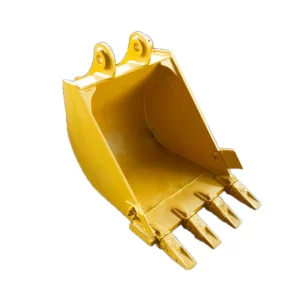
Tóm tắt
Tài liệu này cung cấp một bài kiểm tra chuyên sâu về răng và bộ điều hợp xô, Các thành phần tích hợp của các công cụ xâm phạm mặt đất (LẤY) Đối với máy móc xây dựng nặng. Nó khám phá cơ học chức năng của các bộ phận này, chi tiết giải phẫu của họ và mối quan hệ quan trọng giữa răng, bộ chuyển đổi, và cơ chế khóa. Văn bản trình bày một phân loại toàn diện của các loại răng, tương quan các thiết kế cụ thể với các ứng dụng dự định của họ, Từ mục tiêu đa năng đến thâm nhập đá cứng. Một phần đáng kể được dành riêng cho khoa học vật chất điều chỉnh độ bền của chúng, phân tích các tính chất của hợp kim thép và các quy trình sản xuất đúc và rèn. Bài diễn văn mở rộng cho việc lựa chọn chiến lược của một nhà cung cấp răng và bộ chuyển đổi xô, nhấn mạnh tiêu chí vượt quá chi phí ban đầu, chẳng hạn như tổng chi phí sở hữu, chất lượng sản phẩm, và độ tin cậy chuỗi cung ứng. Giao thức bảo trì, Quy trình cài đặt, và giá trị chẩn đoán của các mẫu hao mòn cũng được thảo luận. Phân tích đặt các thành phần này trong hệ sinh thái hoạt động rộng hơn, Xem xét sự tương tác của họ với các bộ phận dưới xe, người xé xác, và đục, và kết luận bằng cách khám phá những đổi mới công nghệ trong tương lai trong lĩnh vực này.
Key Takeaways
- Đánh giá các điều kiện mặt đất một cách tỉ mỉ để chọn hồ sơ răng chính xác cho công việc.
- Ưu tiên nhà cung cấp dựa trên tổng chi phí sở hữu, Không chỉ giá ban đầu.
- Thường xuyên kiểm tra răng và bộ điều hợp phù hợp để ngăn ngừa hao mòn sớm.
- Chọn một nhà cung cấp răng và bộ chuyển đổi chất lượng, đảm bảo hiệu quả hoạt động.
- Hiểu các thuộc tính vật chất của Get để dự đoán hiệu suất và tuổi thọ.
- Thực hiện lịch bảo trì nghiêm ngặt để tối đa hóa tuổi thọ của các thành phần của bạn.
- Recognize that proper GET selection reduces strain on the machine's undercarriage.
Mục lục
- Một cuộc điều tra nền tảng về các công cụ hấp dẫn mặt đất
- Giải phẫu lực: Giải mã hệ thống răng và bộ điều hợp
- Một phân loại răng xô: Phù hợp với hình thức với chức năng
- Linh hồn của thép: Khoa học vật chất và quy trình sản xuất
- Chọn đối tác trong hiệu suất: Cách chọn một nhà cung cấp răng và bộ chuyển đổi xô
- Đánh giá so sánh các hệ thống răng và bộ chuyển đổi chính
- Giao thức cho tuổi thọ: Cài đặt, BẢO TRÌ, và phân tích mặc
- Hệ thống kết nối với nhau: Xô, Rippers, và các bộ phận dưới xe
- Con đường phía trước: Những đổi mới mới nổi trong công nghệ hấp dẫn mặt đất
- Câu hỏi thường gặp
- Một suy ngẫm cuối cùng về các công cụ và tiến bộ
- Tài liệu tham khảo
Một cuộc điều tra nền tảng về các công cụ hấp dẫn mặt đất
Những anh hùng vô danh của Earthmoving
Khi chúng tôi quan sát một máy xúc hoặc bánh xe lớn tại một công trường xây dựng, Sự chú ý của chúng tôi được thu hút một cách tự nhiên vào quy mô to lớn của máy, sức mạnh của cánh tay thủy lực của nó, Và khối lượng tuyệt đối của trái đất nó di chuyển. Đó là một cảnh tượng của kỹ thuật hiện đại. Chưa, điểm liên lạc thực tế, giao diện chính giữa máy và vật liệu, thường không được chú ý. Những điểm tiếp xúc này là những công cụ hấp dẫn mặt đất, hoặc nhận được. Cụ thể, răng xô và bộ điều hợp tương ứng của chúng. Nó không phải là một sự quá mức để đề xuất rằng những, Các thành phần thép có thể thay thế là những công việc thực sự của bất kỳ hoạt động di động nào. Không có họ, Một cỗ máy mạnh mẽ trở nên không hiệu quả, Giống như một bác sĩ phẫu thuật đang cố gắng phẫu thuật tinh tế với một dụng cụ cùn. Hiệu suất của họ chỉ ra năng suất của máy, Tiêu thụ nhiên liệu của nó, và hiệu quả chi phí tổng thể của một dự án. Họ là những tiến bộ tiên tiến theo nghĩa đen trong khai quật, khai thác mỏ, và xây dựng. Hiểu chức năng của họ, thiết kế, và lựa chọn đúng là một vấn đề có ý nghĩa kinh tế và hoạt động sâu sắc.
Tại sao răng và bộ điều hợp lại quan trọng hơn bạn nghĩ
Mối quan hệ giữa răng xô và bộ chuyển đổi của nó là một trong những sự hợp tác thân mật và mạnh mẽ. Răng là yếu tố hy sinh, được thiết kế để chịu đựng sự va chạm và mài mòn, Bảo vệ cấu trúc xô đắt tiền và tích hợp hơn nhiều. Bộ điều hợp đóng vai trò là nền tảng an toàn, hàn vào môi xô, Cung cấp một điểm gắn mạnh mẽ cho răng. Tính toàn vẹn của kết nối này là tối quan trọng. Một chiếc răng được trang bị kém, một bộ chuyển đổi mòn, Hoặc một chốt khóa thất bại có thể dẫn đến một loạt các vấn đề. Tốt nhất, nó dẫn đến mất năng suất khi máy dừng lại để thay thế. Tệ nhất, Một chiếc răng bị mất có thể đi vào máy nghiền, gây ra thiệt hại thảm hại cho thiết bị xử lý hạ nguồn, dẫn đến hàng chục ngàn đô la trong việc sửa chữa và thời gian ngừng hoạt động. Vì thế, việc lựa chọn các thành phần này, và bằng cách mở rộng, sự lựa chọn của một nhà cung cấp răng và bộ chuyển đổi xô, vượt qua một quyết định mua sắm đơn giản. Nó trở thành một lựa chọn chiến lược về quản lý rủi ro, Hiệu quả hoạt động, và sức khỏe lâu dài của toàn bộ đội tàu thiết bị. Những bộ phận này không chỉ là hàng tiêu dùng; they are a central pillar of an operation's profitability.
Giải phẫu lực: Giải mã hệ thống răng và bộ điều hợp
Giải phẫu răng: Từ đầu đến thân
Để đánh giá cao sự tinh tế của một chiếc răng xô, người ta phải kiểm tra hình thức của nó. Hãy tưởng tượng nó không phải là một mảnh kim loại đơn giản, Nhưng là một công cụ được thiết kế với mục đích trong mọi đường cong và góc. Chính điểm là mẹo, chịu trách nhiệm cho sự gãy xương ban đầu và sự xâm nhập của vật liệu. Độ sắc nét và hình dạng của nó là các yếu tố quyết định chính về việc nhóm có thể đi vào mặt đất dễ dàng như thế nào. Đằng sau đầu nằm thân hình của răng, trong đó cung cấp khối lượng và sức mạnh cấu trúc để chống lại các lực lượng và tác động to lớn. Hình dạng của cơ thể ảnh hưởng đến cách vật liệu chảy qua răng và vào xô. Cuối cùng, Có chân hoặc kết thúc hộp, phần rỗng phù hợp với bộ chuyển đổi. Hình học bên trong của phần này được thiết kế chính xác để phù hợp với bộ chuyển đổi tương ứng của nó, Đảm bảo chặt chẽ, Sự phù hợp an toàn, phân phối các lực lượng đồng đều và ngăn chặn sự chao đảo, đó là nguyên nhân chính của hao mòn tăng tốc. Every aspect of a tooth's design is a calculated response to the physics of digging.
Vai trò của bộ điều hợp: Một kết nối quan trọng
Bộ điều hợp là cầu nối giữa răng có thể thay thế và xô vĩnh viễn. Nó thường được hàn vào cạnh đầu của môi xô, becoming an integral part of the bucket's structure. Tính năng chính của nó là mũi, the male counterpart to the tooth's shank. The fit between the adapter nose and the tooth's internal pocket is the single most important factor in the system's longevity. Một sự phù hợp lỏng lẻo cho phép các chuyển động vi mô dưới tải, một hiện tượng được gọi là peening. Hành động đập lặp đi lặp lại này làm biến dạng kim loại trên cả mũi bộ điều hợp và bên trong răng, tăng dần sự phù hợp cho đến khi hệ thống trở nên không ổn định và không thành công. Một bộ chuyển đổi chất lượng được sản xuất với dung sai độ chính xác cao để đảm bảo phù hợp ban đầu. Nó cũng được làm từ một chút mềm hơn, Tuy nhiên, khó khăn hơn, hợp kim thép hơn răng. Triết lý thiết kế này đảm bảo rằng chiếc răng dễ thay thế dễ dàng hơn sẽ hấp thụ phần lớn sự hao mòn, Bảo tồn cuộc sống của bộ chuyển đổi vĩnh viễn hơn.
Cơ chế khóa: Ghim, Người giữ lại, và nhiệm vụ bảo mật
Phần cuối cùng của câu đố cơ học này là cơ chế khóa. Hệ thống này, trong đó bảo vệ răng vào bộ điều hợp, phải cực kỳ mạnh mẽ để chống lại các lực cắt và đủ đơn giản để cho phép thay thế nhanh chóng và an toàn trong lĩnh vực này. Các hệ thống phổ biến nhất liên quan đến thép ghim và một sự linh hoạt người giữ lại. Chốt đi qua các lỗ thẳng hàng trong răng và bộ chuyển đổi, Trong khi người giữ lại phù hợp với hốc, Khóa pin vào vị trí.
Có một số biến thể về chủ đề này:
- Hệ thống pin bên: Chốt được điều khiển từ bên cạnh răng, thường yêu cầu một cái búa. Đây là những điều phổ biến và hiệu quả nhưng đôi khi có thể khó loại bỏ sau khi sử dụng rộng rãi, Vì bụi bẩn và rỉ sét có thể thu giữ pin.
- Hệ thống pin dọc: Chốt được thả vào từ trên cùng và được bảo đảm với một người giữ. Thiết kế này có thể cung cấp sự bảo vệ tốt hơn cho pin và thường cho phép loại bỏ dễ dàng hơn. Các hệ thống như ESCO Super V® sử dụng pin thẳng đứng không yêu cầu búa, cải thiện sự an toàn.
- Hệ thống Pinless: Một số thiết kế hiện đại có các cơ chế khóa tích hợp được kích hoạt với một công cụ đơn giản, Loại bỏ sự cần thiết của các chân và người giữ riêng biệt. Chúng cung cấp các chu kỳ thay thế nhanh nhất và thường an toàn nhất.
Việc lựa chọn hệ thống khóa có tác động trực tiếp đến thời gian bảo trì và an toàn cho công nhân. Một hệ thống khó sử dụng có thể dẫn đến các kỹ thuật viên sử dụng các phím tắt hoặc, tệ hơn, dẫn đến răng được bảo mật không đúng cách. Một nhà cung cấp răng và bộ điều hợp đáng tin cậy sẽ có thể giải thích những ưu điểm và nhược điểm của mỗi hệ thống cho một ứng dụng nhất định.
Một phân loại răng xô: Phù hợp với hình thức với chức năng
Hiệu quả của một dự án khai quật dựa trên việc sử dụng công cụ phù hợp cho công việc. Giống như một thợ mộc có các cưa khác nhau cho các vết cắt khác nhau, Người vận hành máy đào cần răng thùng khác nhau cho các điều kiện mặt đất khác nhau. Hình thái của răng xô không tùy ý; nó là một sự phản ánh trực tiếp mục đích dự định của nó. Chọn loại răng thích hợp có thể làm tăng đáng kể sự thâm nhập, cải thiện thời gian tải, Giảm mức tiêu thụ nhiên liệu, và kéo dài tuổi thọ của toàn bộ hệ thống Get.
Mục đích chung (GP) Răng: Công việc đa năng
Mục đích chung, hoặc GP, răng là thiết kế phổ biến nhất. Nó đại diện cho một sự thỏa hiệp, sự cân bằng giữa sự thâm nhập, sức mạnh, Và mặc cuộc sống. Cổ điển của nó, Hình dạng hơi mạnh mẽ rất phù hợp để đào và tải trong đất mềm đến vừa phải, chẳng hạn như lớp đất mặt, Đất sét, và sỏi lỏng lẻo. Hãy nghĩ về nó như là lốp xe tất cả các mùa của thế giới. Mặc dù nó có thể không xuất sắc trong bất kỳ điều kiện cực đoan nào, Tính linh hoạt của nó làm cho nó trở thành lựa chọn mặc định cho một loạt các tác vụ xây dựng và tạo động đất tiêu chuẩn. Cho một nhà thầu phải đối mặt với các trang web việc làm khác nhau, GP Răng cung cấp hiệu suất đáng tin cậy mà không cần thay đổi liên tục. Một nhà cung cấp răng và bộ điều hợp tốt.
Răng mài mòn: Chiến đấu với cuộc chiến chống mòn
Trong môi trường bị chi phối bởi cát, Sỏi, hoặc đá nghiền nát tinh xảo, Kẻ thù chính không phải là tác động mà là mài mòn. Những vật liệu này hoạt động như giấy nhám, không ngừng mài đi bằng thép. Răng mài mòn được thiết kế đặc biệt để chống lại loại hao mòn này. Chúng có nhiều "vật liệu mặc" dày hơn, Cơ thể mạnh mẽ hơn với thép bổ sung được đặt một cách chiến lược trong các khu vực mặc cao. Họ thường có một mẹo ít sắc hơn so với răng thâm nhập, Vì độ sắc nét nhanh chóng bị mất trong điều kiện mài mòn. Trọng tâm ở đây là tối đa hóa lượng thép hy sinh có thể bị mòn trước khi răng cần phải được thay thế. Sử dụng răng mài mòn trong đất mài mòn cao có thể tăng gấp đôi hoặc thậm chí gấp ba tuổi thọ so với răng GP, dẫn đến tiết kiệm chi phí đáng kể trong thời gian dài. Chúng đặc biệt có liên quan trong các sa mạc cát của Trung Đông hoặc đồng bằng phù sa được tìm thấy ở các vùng của Đông Nam Á.
Răng thâm nhập: Để phá vỡ nền tảng mới
Khi mặt đất khó khăn, nén, hoặc bán đông lạnh, Thách thức chính là phá vỡ bề mặt. Đây là miền của răng thâm nhập. Những chiếc răng này được đặc trưng bởi một sắc nét, nhọn, hoặc "Tiger" tiền boa và hẹp hơn, Cơ thể được sắp xếp hợp lý hơn. The design focuses all the machine's force onto a very small area, tăng áp lực và cho phép răng làm gãy vật liệu. Hãy tưởng tượng cố gắng đẩy một tấm ván xuống đất so với đẩy cổ phần; cổ phần thâm nhập vì lực được tập trung. Sự đánh đổi cho khả năng thâm nhập tuyệt vời này là giảm vật liệu hao mòn và sức mạnh tổng thể. Một chiếc răng thâm nhập sẽ bị mòn nhanh hơn một chiếc răng mài mòn trong đất cát và dễ bị vỡ hơn nếu nó gặp phải, đối tượng rắn. Chúng rất lý tưởng để khai quật đất sét dày đặc, đá phiến, hoặc căn cứ bị ảnh hưởng bởi băng vĩnh cửu của miền bắc nước Nga.
Răng và đục răng: Những người đánh thuê nặng
Đối với các ứng dụng đòi hỏi khắt khe nhất, chẳng hạn như khai thác đá và khai thác đá cứng, cần có răng đá chuyên dụng. Đây là những đối thủ nặng ký của thế giới răng.
- Răng đá: Những chiếc răng này có một, cùn, Tip giống như cái đục. Chúng không được thiết kế để thâm nhập theo cách tương tự như răng hổ. Thay vì, Chúng được xây dựng để chống va đập cực độ và độ bền. They use the machine's power to pry and fracture rock along existing fissures. Their massive cross-section makes them highly resistant to snapping under the immense shock loads common in quarry environments.
- Rock Pointed Teeth: These offer a compromise, with a more robust, điểm hình nón hơn răng xuyên tiêu chuẩn. Chúng mang lại sự thâm nhập tốt hơn vào đá bị nứt hoặc phân lớp hơn là răng đục, trong khi vẫn cung cấp sức mạnh vượt trội chống vỡ.
Việc lựa chọn giữa một chiếc đục và một chiếc răng đá nhọn thường phụ thuộc vào loại đá cụ thể được khai quật.. Nhà cung cấp răng gầu và bộ chuyển đổi hiểu biết có thể cung cấp hướng dẫn có giá trị dựa trên điều kiện địa chất. Ngoài ra, cho những ứng dụng cực đoan này, một máy xới chất lượng cao thường được sử dụng để làm nứt đá trước, giảm căng thẳng cho xô và răng của nó.
Thiết kế chuyên dụng: Từ răng hổ đến song hổ
Ngoài các danh mục chính, có một số thiết kế sáng tạo và chuyên biệt:
- Răng hổ: Một tên chung cho một sắc nét, răng xuyên một điểm.
- Răng hổ đôi: Những đặc điểm này có hai điểm, tạo hình chữ V. Thiết kế này là tuyệt vời cho việc đào hào, vì nó giúp xác định các bức tường rãnh và mang lại một sàn nhà sạch sẽ.
- Răng bùng phát: Chúng có một phạm vi rộng, hình phẳng, gần giống như một cái thuổng nhỏ. Chúng không phải để đào mà để phân loại, san bằng, và công việc dọn dẹp, để lại một bề mặt mịn màng phía sau.
Hiểu cách phân loại này là điều cần thiết để tối ưu hóa mọi hoạt động đào. Nó biến răng gầu từ một mặt hàng đơn giản thành một công cụ chính xác, cho phép người vận hành điều chỉnh thiết bị của họ phù hợp với những thách thức đặc biệt của trái đất mà họ đang di chuyển.
Linh hồn của thép: Khoa học vật chất và quy trình sản xuất
Hiệu suất của răng gầu cuối cùng được xác định bởi vật liệu được tạo ra và cách xử lý vật liệu đó. Răng phải đủ cứng để chống mài mòn, nhưng đủ cứng cáp để chịu được những cú va chạm mạnh mà không bị gãy. Hai thuộc tính này, độ cứng và độ dẻo dai, thường đối lập nhau trong ngành luyện kim thép. Đạt được sự cân bằng tối ưu là nghệ thuật và khoa học của sản xuất GET. Điều này đòi hỏi sự hiểu biết sâu sắc về thành phần hợp kim, xử lý nhiệt, và phương pháp sản xuất.
Trái tim thép: Hiểu thành phần hợp kim
Răng gầu không được làm từ thép carbon đơn giản. Chúng được rèn hoặc đúc từ thép hợp kim thấp tinh vi. Hợp kim là kim loại được tạo thành bằng cách kết hợp hai hoặc nhiều nguyên tố kim loại, đặc biệt là để tăng cường độ bền hoặc khả năng chống ăn mòn. Đế là sắt, nhưng nhỏ, bổ sung chính xác các yếu tố khác, được gọi là tác nhân tạo hợp kim, thay đổi căn bản các thuộc tính của nó.
- Carbon (C): Tác nhân tạo hợp kim cơ bản nhất trong thép. Tăng hàm lượng carbon làm tăng độ cứng và sức mạnh nhưng làm giảm độ dẻo và dai. GET alloys have a carefully controlled mid-range carbon content.
- Mangan (Mn): Tăng độ cứng (the ability to be hardened by heat treatment) and contributes to strength and toughness.
- crom (Cr): A key element for increasing hardness, hao mòn điện trở, và khả năng chống ăn mòn. It is a primary component in abrasion-resistant steels.
- Molypden (Mo): Significantly increases toughness and strength at high temperatures. It also helps to prevent temper brittleness, a condition where steel can become brittle after heat treatment.
- Niken (TRONG): Adds toughness, particularly at low temperatures, making it valuable for equipment operating in cold climates like Russia.
A reputable bucket tooth and adapter supplier will be able to provide material specification sheets that detail the alloy composition of their products. Sự minh bạch này là dấu hiệu của một nhà sản xuất tự tin vào chất lượng thép của mình.
buổi casting vs. Tranh luận giả mạo: Một vấn đề của quá trình
Có hai phương pháp chính để chế tạo răng gầu: đúc và rèn. Each has its own set of advantages and implications for the final product's performance.
Đúc: Đang đúc, thép hợp kim nóng chảy được đổ vào khuôn có hình dạng giống như chiếc răng cuối cùng.
- Quá trình: Đó là một cách tương đối hiệu quả về mặt chi phí để tạo ra các hình dạng phức tạp, cho phép thiết kế phức tạp với vị trí vật liệu mài mòn được tối ưu hóa.
- Cấu trúc hạt: Kim loại nguội đi và đông đặc lại trong khuôn, dẫn đến một cấu trúc hạt cân bằng. Các hạt gần như bằng nhau về mọi chiều và được định hướng ngẫu nhiên.
- Của cải: Điều này đôi khi có thể dẫn đến độ xốp hoặc tạp chất cực nhỏ nếu quá trình này không được kiểm soát cẩn thận.. Tuy nhiên, kỹ thuật đúc hiện đại, chẳng hạn như đúc hỗ trợ chân không, đã cải thiện đáng kể chất lượng và tính nhất quán của sản phẩm đúc. Hầu hết các loại răng gầu cao cấp trên thị trường hiện nay đều là răng gầu đúc.
rèn: Trong rèn, một phôi thép rắn được nung nóng đến nhiệt độ dễ uốn và sau đó được rèn hoặc ép thành hình dạng mong muốn.
- Quá trình: Quá trình này thường đắt hơn và ít phù hợp hơn với các hình dạng phức tạp so với đúc.
- Cấu trúc hạt: Lực cơ học khi rèn làm biến dạng và căn chỉnh cấu trúc thớ của thép, tạo ra dòng chảy định hướng. Cấu trúc hạt tinh chế này thường đặc hơn và không có độ xốp có thể ảnh hưởng đến vật đúc.
- Của cải: Răng rèn nổi tiếng vì sức mạnh và độ dẻo dai đặc biệt của chúng. Cấu trúc hạt thẳng hàng mang lại khả năng chống va đập và mỏi vượt trội. Rèn thường được sử dụng cho các thành phần đòi hỏi sức mạnh tối đa tuyệt đối, chẳng hạn như một số răng đá có tác động mạnh hoặc răng dành cho máy xé toạc mạnh mẽ.
Sự lựa chọn giữa đúc và rèn không phải là một vấn đề đơn giản giữa "tốt và. xấu." Vật đúc chất lượng cao từ xưởng đúc hàng đầu có thể hoạt động tốt hơn vật rèn chất lượng thấp. Chìa khóa nằm ở việc kiểm soát chất lượng của toàn bộ quá trình, từ quá trình nấu chảy thép ban đầu đến xử lý nhiệt cuối cùng.
Độ cứng và độ dẻo dai: Đạo luật cân bằng vĩnh cửu
Sau khi một chiếc răng được hình thành, nó trải qua một giai đoạn quan trọng xử lý nhiệt quá trình. Điều này thường liên quan đến việc làm nóng răng ở nhiệt độ cao., sau đó làm nguội nhanh (dập tắt), tiếp theo là gia nhiệt thứ cấp ở nhiệt độ thấp hơn (ủ).
- Làm dịu đi: Việc làm nguội nhanh giữ thép ở trạng thái rất cứng, cấu trúc tinh thể giòn gọi là martensite.
- Ủ: Quá trình gia nhiệt tiếp theo làm giảm ứng suất bên trong và điều chỉnh cấu trúc martensitic, giảm độ giòn và tăng độ dẻo dai.
Độ cứng cuối cùng của răng được đo bằng thang Rockwell C (HRC). Một chiếc răng gầu điển hình sẽ có độ cứng trong khoảng 48-52 HRC. Nếu nó khó hơn nhiều, nó có thể quá giòn và dễ bị gãy khi va chạm. Nếu nó nhẹ nhàng hơn nhiều, nó sẽ hao mòn quá nhanh. Các nhà sản xuất thường sử dụng xử lý nhiệt vi sai, tạo ra một chiếc răng rất cứng ở đầu và ở những vùng bị mài mòn nhiều, đồng thời để phần thân mềm hơn và cứng hơn một chút để hấp thụ sốc tốt hơn và bảo vệ bộ chuyển đổi. A knowledgeable bucket tooth and adapter supplier understands this balance and sources products that are optimized for both hardness and toughness, ensuring they can withstand the rigors of their intended application.
Wear Patterns as a Diagnostic Tool
Observing how a tooth wears down can provide valuable information about the application and whether the correct tooth is being used.
- Rounding: If a tooth wears down evenly, becoming blunt but not losing its overall shape, it indicates that the material is primarily abrasive and an abrasion-style tooth might be a better choice.
- Chipping/Breaking: If teeth are frequently chipping or snapping, it points to high-impact conditions. This could mean a stronger rock tooth is needed, or that the operator technique needs adjustment to avoid prying with the tips.
- Under-scouring: If the bottom of the tooth wears away faster than the top, it suggests a high-abrasion environment with a low "angle of attack."
- Asymmetric Wear: If one side of the tooth wears faster than the other, it could indicate that the operator is consistently side-loading the bucket, a practice that should be corrected.
By "reading" the wear patterns, an experienced site manager can fine-tune their GET selection and operational practices, turning a simple replacement part into a source of valuable operational data.
Chọn đối tác trong hiệu suất: Cách chọn một nhà cung cấp răng và bộ chuyển đổi xô
The decision of where to source ground engaging tools is one of the most impactful choices a fleet manager or construction company owner can make. It directly influences machine uptime, chi phí bảo trì, and overall project profitability. Chuyển từ tư duy mua hàng hóa đơn giản sang quan hệ đối tác chiến lược là điều cần thiết. Nhà cung cấp bộ chuyển đổi và răng gầu phù hợp không chỉ là nhà cung cấp; họ là một nhà tư vấn, đối tác hậu cần, và là người đóng góp quan trọng cho sự thành công trong hoạt động của bạn.
Ngoài thẻ giá: Đánh giá tổng chi phí sở hữu
Sai lầm phổ biến nhất khi mua GET là chỉ tập trung vào giá mỗi đơn vị. Một chiếc răng rẻ hơn bị mòn 30% nhanh hơn hoặc, tệ hơn, thất bại và gây ra thời gian chết, về lâu dài sẽ đắt hơn rất nhiều. Khái niệm tổng chi phí sở hữu (TCO) cung cấp một khuôn khổ toàn diện và chính xác hơn để đánh giá.
TCO bao gồm:
- Giá mua ban đầu: Chi phí trả trước của răng và bộ chuyển đổi.
- Mặc cuộc sống: Có thể đạt được bao nhiêu giờ hoạt động trước khi thay thế? Một chiếc răng đắt hơn một chút với kỹ thuật luyện kim cao cấp có thể mang lại tuổi thọ mài mòn gấp đôi, giảm một nửa chi phí mỗi giờ một cách hiệu quả.
- Chi phí lao động liên quan: Thời gian và lao động cần thiết để thay đổi. Một chiếc răng khó thay thế sẽ tăng thời gian bảo trì.
- Tác động đến mức tiêu thụ nhiên liệu: Một sắc nét, răng được thiết kế tốt thâm nhập dễ dàng hơn, giảm tải cho động cơ và thủy lực, dẫn đến tiết kiệm nhiên liệu có thể đo lường được.
- Chi phí ngừng hoạt động: Chi phí đáng kể nhất. Một sai sót có thể khiến máy ngừng hoạt động, và có thể là toàn bộ trang web việc làm, tốn hàng ngàn đô la mỗi giờ do mất năng suất.
- Nguy cơ thiệt hại do hậu quả: Chi phí của một chiếc răng bị mất làm hỏng máy nghiền hoặc thiết bị khác có thể rất lớn.
Khi nhìn qua lăng kính của TCO, đề xuất giá trị của một nhà cung cấp chất lượng cao trở nên rõ ràng. Sản phẩm của họ, while perhaps not the cheapest on the invoice, often represent the lowest total cost to the operation.
The Hallmarks of a Quality Supplier: What to Look For
Identifying a superior bucket tooth and adapter supplier involves looking for a set of key attributes that signal quality, độ tin cậy, and expertise.
- Material Transparency: They should be willing and able to provide detailed metallurgical reports and specifications for their products. Vague claims of "high-strength alloy" are a red flag.
- Manufacturing Excellence: They should have a deep understanding of their manufacturing partners' processes, whether casting or forging, and be able to speak to the quality control measures in place.
- Comprehensive Inventory: A good supplier holds a wide range of tooth styles, adapter systems, and sizes to match various machines and applications. This "one-stop-shop" capability simplifies procurement, especially for fleets with diverse equipment from manufacturers like Caterpillar, Komatsu, Volvo, or John Deere.
- Chuyên môn kỹ thuật: Their sales and support staff should be more than just order-takers. They should be able to ask insightful questions about your application—your material, your machine, your operational goals—and recommend the optimal GET solution. They should be a source of knowledge.
- Supply Chain Reliability: In a global market, the ability to deliver the right parts at the right time is paramount. A reliable supplier has robust logistics, significant stock on hand, and the ability to forecast demand, ensuring you are not left waiting for parts while your machine sits idle. Ví dụ, a supplier with warehouses strategically located to serve markets in Australia, Đông Nam Á, and the Middle East can offer significantly better service to customers in those regions.
- Warranty and Support: A reputable supplier stands behind their product. They will offer a clear warranty against manufacturing defects and provide support if a problem arises. Their goal is a long-term relationship, not a one-time sale.
Navigating the Global Supply Chain: OEM vs. Hậu mãi
The market for GET is broadly divided into two categories: Original Equipment Manufacturers (OEM) and the aftermarket.
- OEM Suppliers: These are parts supplied by the machine manufacturer (VÍ DỤ., sâu bướm, Komatsu). They are guaranteed to fit perfectly and are generally of very high quality. The primary drawback is that they are almost always the most expensive option.
- Aftermarket Suppliers: These are independent companies that manufacture parts compatible with OEM equipment. The quality in the aftermarket can vary dramatically, from exceptional to dangerously poor.
The challenge and opportunity lie in identifying a top-tier aftermarket bucket tooth and adapter supplier. A high-quality aftermarket supplier offers a compelling value proposition: OEM-equivalent or even superior quality at a more competitive price point. They often innovate faster than OEMs and may offer specialized designs not available from the original manufacturer. When choosing an aftermarket supplier, the hallmarks mentioned above—transparency, expertise, and reliability—become even more important. A great source for heavy-duty excavator buckets and related components will often provide extensive documentation to back up their quality claims.
Regional Considerations for Russia, Châu Úc, và Đông Nam Á
A truly global supplier understands that the "best" tooth is context-dependent.
- Châu Úc: Known for its incredibly hard, abrasive iron ore and other mineral deposits. Đây, high-hardness abrasion and rock teeth made from chrome-moly alloys are essential. The supplier must understand the unique challenges of mining in the Pilbara region.
- Nga: The vast temperature swings and presence of permafrost in many regions demand GET with excellent low-temperature toughness. Alloys with higher nickel content are preferable to prevent brittle fracture in freezing conditions. Penetration teeth are key for breaking frozen ground.
- Đông Nam Á: Many areas are characterized by wet, sticky clay and lateritic soils. While not extremely abrasive, these materials can pack into the bucket, reducing payload. Tooth and bucket designs that promote good material flow and "scouring" are beneficial.
- Trung đông: The prevalence of sand and abrasive limestone rock puts a premium on wear life. Abrasion-resistant teeth are the standard choice for most earthmoving applications in this region.
A supplier who can speak to these regional nuances demonstrates a level of expertise that goes far beyond simply cross-referencing part numbers. They show an empathetic understanding of the customer's lived operational reality.
Đánh giá so sánh các hệ thống răng và bộ chuyển đổi chính
Trong những năm qua, major manufacturers have developed proprietary systems for attaching bucket teeth, each with a unique design philosophy regarding security, ease of use, and wear characteristics. Understanding the differences between these systems is crucial when outfitting a machine or choosing a replacement system. A proficient bucket tooth and adapter supplier will be familiar with all these systems and can offer high-quality aftermarket equivalents.
| System Name | Locking Mechanism | Key Advantage | Best Application | Potential Drawback |
|---|---|---|---|---|
| Caterpillar® J-Series | Horizontal Pin & Retainer | Ubiquity and availability. Mạnh, proven design. | General construction, khai thác mỏ. A versatile all-rounder. | Pin can be difficult to remove after heavy use (requires a hammer). |
| Esco® Super V® | Vertical Hammerless Pin | Increased safety (no hammer needed). Tighter fit reduces nose wear. | High-production environments where frequent changes are needed. | Proprietary design may have less aftermarket availability than Cat J-Series. |
| Esco® Ultralok® | Integrated Hammerless Lock | Extremely fast and safe changes. Integrated lock means no loose parts. | Quarries, khai thác mỏ, any operation prioritizing speed and safety. | Most complex system; higher initial cost for adapters. |
| Hensley® Parabolic® | Horizontal Pin & Retainer | Parabolic nose design self-tightens under load, reducing movement. | High-impact applications where maintaining a tight fit is paramount. | The multi-part pin system can be more complex than standard pins. |
| Komatsu® Series | Horizontal Pin & Retainer | Designed for a precise fit with Komatsu buckets and machines. | Optimized for use on Komatsu equipment. | Less universal than Cat J-Series; may be harder to source from all suppliers. |
| Bradken® Twistlok™ | Mechanical Twist-On | Hammerless, tool-based system for safe and quick changes. | Demanding mining and construction applications. | Proprietary system requires a specific installation tool. |
This table serves as a general guide. The performance of any system is heavily dependent on the quality of manufacturing, whether OEM or aftermarket. A top-tier aftermarket version of a J-Series tooth can outperform a poorly made proprietary system. The discussion with your supplier should focus on finding the system that best balances performance, cost, and safety for your specific operational context.
Giao thức cho tuổi thọ: Cài đặt, BẢO TRÌ, và phân tích mặc
Even the highest quality bucket teeth and adapters will underperform if they are not installed correctly and maintained diligently. A disciplined approach to GET management is a low-cost, high-return investment that pays dividends in extended component life, increased safety, and reduced machine downtime. It transforms the role of the maintenance crew and operator from reactive part-changers to proactive asset managers.
The Art of Safe Installation and Removal
Proper installation is the foundation of GET performance. A task that might seem simple is laden with potential for error and injury if not done correctly.
Installation Steps:
- Cleanliness is Paramount: Thoroughly clean the adapter nose and the inside pocket of the new tooth. Use a wire brush or scraper to remove all dirt, rỉ sét, và mảnh vụn. Any foreign material can prevent the tooth from seating properly, leading to a loose fit.
- Proper Seating: Place the tooth onto the adapter nose. It should be a snug fit. If it is excessively loose, the adapter nose may be worn and should be inspected for replacement.
- Align the Holes: Ensure the pinholes in the tooth and adapter are perfectly aligned.
- Install the Retainer: For two-part systems, insert the retainer into its recess in the adapter first.
- Drive the Pin: Drive the pin through the tooth and adapter, ensuring it engages the retainer correctly. For hammer-style pins, always use a soft-faced hammer or a drift punch to avoid damaging the pin. For hammerless systems, follow the manufacturer's specific instructions.
- Verification: Visually inspect that the pin is fully seated and securely locked by the retainer.
Removal: The process is the reverse of installation. For hammered pins that are seized, penetrating oil and a proper pin removal tool are essential. Never use a cutting torch to remove a pin unless it is the absolute last resort, as the heat can damage the temper of both the tooth and the adapter.
Daily Inspections: A Five-Minute Investment for Huge Returns
The most effective maintenance program is one of frequent, brief inspections. Operators should be trained to perform a quick walk-around inspection of their GET at the beginning of every shift.
| Inspection Frequency | Checkpoint | What to Look For | Action if Issue is Found |
|---|---|---|---|
| Daily (Pre-Shift) | Tooth Security | Any visible movement or "wobble" of the tooth on the adapter. | Immediately re-secure or replace the pin and retainer. |
| Daily (Pre-Shift) | Tooth Condition | Excessive wear, vết nứt, or missing teeth. | Replace worn or damaged teeth. |
| Daily (Pre-Shift) | Pin & Retainer | Check if the pin is properly seated and the retainer is intact. | Replace any damaged or missing locking components. |
| Weekly | Adapter Nose Wear | With the tooth removed, inspect the adapter nose for signs of peening, rounding, or excessive wear. | If wear is significant, schedule the adapter for replacement. |
| Weekly | Bucket Lip & Welds | Cracks in the bucket structure, especially around the adapter welds. | Stop operation and send for weld repair to prevent catastrophic failure. |
This simple checklist, when performed consistently, can catch small problems before they escalate into major failures. It empowers the operator to take ownership of the machine's condition.
Understanding Wear Indicators and Knowing When to Replace
Bucket teeth are designed to be worn out and replaced. The question is, when is the right time? Replacing them too early wastes money, while replacing them too late risks damaging the adapter and reducing performance.
Most high-quality teeth have built-in wear indicators. These can be a small groove or dimple on the side of the tooth. When the tooth has worn down to the level of this indicator, it has reached the end of its effective service life and should be replaced.
In the absence of a specific indicator, a general rule of thumb is to replace a tooth when it has lost its original profile and become blunt. A blunt tooth requires significantly more force to penetrate the ground, increasing fuel burn and cycle times. It also stops protecting the adapter, transferring abrasive wear to the more permanent component. Continuing to use a worn tooth is a false economy. A proactive replacement strategy, guided by wear indicators and performance observation, is far more cost-effective. A good bucket tooth and adapter supplier can provide guidance on the expected wear life for their products in your specific application, helping you to plan your maintenance and inventory.
The Perils of a Poor Fit: How Mismatched Components Cause Catastrophic Failure
It is tempting to mix and match components from different suppliers to save a few dollars. Tuy nhiên, this is an exceptionally risky practice. Even if a tooth from Supplier A "fits" on an adapter from Supplier B, the internal tolerances may not match perfectly. As discussed earlier, even a tiny amount of initial movement will be magnified under load, leading to rapid wear of the adapter nose. This accelerated wear quickly ruins the expensive adapter, negating any savings from the cheaper tooth. Hơn nữa, the improper fit puts abnormal stress on the locking pin, increasing the likelihood of it shearing and the tooth being lost. Always use teeth, bộ điều hợp, and pins that are designed as a system, sourced from a single, reliable supplier. The integrity of the entire system depends on the precise, engineered fit between its components.
Hệ thống kết nối với nhau: Xô, Rippers, và các bộ phận dưới xe
A construction machine is a complex system of interconnected parts, and the performance of one component invariably affects others. The ground engaging tools do not operate in a vacuum. Their condition has a direct and profound impact on the health of the bucket itself, the efficiency of other attachments like rippers, and the wear rate of the expensive undercarriage parts. A holistic view is necessary to truly manage the machine's operational health and costs.
A Symbiotic Relationship: How GET and Undercarriage Wear are Connected
The undercarriage of a tracked machine like an excavator or dozer—comprising the tracks, con lăn, người lười biếng, and sprockets—can account for up to 50% of the machine's total maintenance cost over its lifetime. It is a significant operational expense. The condition of the bucket teeth plays a surprisingly direct role in managing this cost.
Imagine the machine trying to dig with blunt, worn-out teeth. It cannot penetrate the material easily. The operator is forced to apply more force—more breakout force from the hydraulics and more tractive effort from the tracks. This increased effort means the engine works harder, burning more fuel. It also means the machine may need to reposition more frequently or spin its tracks to gain purchase, dramatically accelerating the wear on the track shoes, ghim, and bushings of the undercarriage parts.
Ngược lại, a bucket outfitted with sharp, appropriate teeth slices into the ground with ease. The digging cycle is faster and smoother. The engine operates at a more efficient load, and the strain on the undercarriage is minimized. In this sense, investing in high-quality GET is a direct investment in preserving the life of the undercarriage. A savvy fleet manager understands that the money spent on a good set of teeth is saved many times over in reduced fuel and undercarriage parts replacement costs. When you consult with your bucket tooth and adapter supplier, Nó đáng để đóng khung cuộc trò chuyện xung quanh tổng hiệu suất hệ thống này.
Rippers và người bảo vệ Shank: Đột phá trước khi bạn đào
Rất khó, đất hoặc đá nén, Buộc một cái xô phải làm tất cả công việc không hiệu quả và gây căng thẳng to lớn cho máy. Đây là nơi một tệp đính kèm Ripper trở nên vô giá. Một Ripper về cơ bản là một, massive tooth mounted on the back of a dozer or on an excavator's arm. Mục đích của nó là bị gãy và nới lỏng vật liệu hợp nhất trước khi xô đến để di chuyển nó.
Sử dụng một Ripper trước tiên thay đổi toàn bộ động lực của cuộc khai quật.
- Giảm căng thẳng: Nó làm giảm đáng kể các lực lượng và các lực đột phá cần thiết từ thùng, Bảo tồn cuộc sống của răng xô, bộ điều hợp, và chính cấu trúc xô.
- Tăng năng suất: The bucket can then move the loosened material much more quickly and with fuller loads, increasing the overall volume of material moved per hour.
- Improves Fragmentation: A ripper can help to break oversized rock into more manageable pieces, which is beneficial for loading and for downstream crushing operations.
Like bucket teeth, the tooth on a ripper is a high-wear item that needs to be made from extremely tough and durable alloy steel. The shank of the ripper is also protected by replaceable wear shrouds or shank protectors. Sourcing these components from a supplier who understands high-impact applications is vital.
The Role of a Chisel for Construction Machinery
The term chisel for construction machinery most often refers to the tool point used in a hydraulic hammer or breaker attachment. Trong khi không phải là một chiếc răng xô, Đó là một phần quan trọng khác của Get That hoạt động trong buổi hòa nhạc với máy xúc. Một cây búa thủy lực với điểm đục được sử dụng để phá hủy bê tông, Phá vỡ những tảng đá lớn, hoặc khai quật đá rắn mà ngay cả một ripper cũng không thể xử lý được.
Mối quan hệ với xô được tuần tự. Người điều hành trước tiên có thể sử dụng búa với một cái đục cho máy móc xây dựng để phá vỡ một gờ đá, Sau đó chuyển sang một cái xô có răng đá để dọn sạch các mảnh vụn. Có sẵn các công cụ phù hợp cho phép máy trở thành người giải quyết vấn đề đa năng. Metallurgy của một điểm đục tương tự như một chiếc răng đá tác động cao, ưu tiên sự khó khăn cực độ để chịu được liên tục, Tác động tần số cao của búa. A comprehensive GET supplier may also carry these and other attachment tools, providing a single point of contact for all the machine's "working ends," including a range of custom bucket solutions.
By understanding these interconnections, one can orchestrate the use of different attachments and components to maximize efficiency and minimize wear across the entire machine. It is a move from simply operating a machine to conducting a mechanical symphony.
Con đường phía trước: Những đổi mới mới nổi trong công nghệ hấp dẫn mặt đất
The world of ground engaging tools, while rooted in the fundamental principles of force and abrasion, is not static. Driven by the relentless pursuit of greater efficiency, sự an toàn, and sustainability, manufacturers and researchers are constantly pushing the boundaries of what is possible. The bucket tooth of tomorrow may look similar to today's, but it will be smarter, mạnh mẽ hơn, and more integrated into the digital ecosystem of the modern job site. A forward-thinking bucket tooth and adapter supplier is not just selling today's technology; they are keeping an eye on these future developments to better advise their customers.
Smart GET: The Rise of Sensor-Equipped Teeth
One of the most exciting frontiers is the integration of electronics directly into GET components. The concept of "Smart GET" or "Intelligent GET" involves embedding sensors within the bucket teeth or adapters.
- Wear Sensing: Embedded sensors could provide real-time wear data directly to the machine's cab or to the fleet manager's office. This would eliminate the guesswork in tooth replacement, allowing for changes at the precise optimal moment to maximize life without risking adapter damage. It would automate the wear analysis process.
- Payload Measurement: Strain gauges within the adapters could contribute to more accurate payload measurement systems, helping operators to optimize truck loading and avoid overloading, which is a safety risk and causes premature wear on tires and drivetrain components.
- Impact and Stress Monitoring: Sensors could record impact events and stress levels, providing valuable data on operator technique and ground conditions. A manager could identify operators who are putting excessive stress on the equipment and provide targeted training. It could also help to map out particularly hard sections of a mine or construction site.
- Tooth Loss Detection: A sensor could immediately alert the operator if a tooth becomes detached, allowing them to stop and retrieve it before it enters a crusher or gets lost in a stockpile.
While still an emerging technology in 2025, the underlying principles are sound, and several major manufacturers are actively developing these systems. As the cost of sensors and wireless communication decreases, smart GET is poised to move from a niche product to a standard feature on high-production machines.
Advanced Materials and Coatings: Pushing the Boundaries of Wear Life
The quest for a harder, tougher material is perpetual. Metallurgists are constantly experimenting with new alloy compositions and heat treatment techniques to eke out further improvements in performance.
- Nanostructured Steel: Research is being conducted into steels with ultra-fine grain structures, approaching the nanoscale. These materials have the potential to exhibit unprecedented combinations of strength and toughness.
- Composite Materials: Some designs incorporate tungsten carbide inserts or overlays in high-wear areas. Tungsten carbide is exceptionally hard and wear-resistant. While expensive, for extremely abrasive applications, these composite teeth can offer a wear life that is many times that of conventional steel.
- Advanced Coatings: Hard-facing coatings applied through processes like thermal spraying or laser cladding can add a highly wear-resistant layer to a tougher, more ductile base material. This allows for a "best of both worlds" approach, with a surface that resists abrasion and a core that resists impact.
These material advancements promise not just incremental improvements but step-changes in the wear life of GET, further reducing the total cost of ownership for operators.
Sustainability and Recyclability in GET Manufacturing
The construction and mining industries are under increasing pressure to improve their environmental footprint. This focus extends to the components they use.
- Recycling: Steel is infinitely recyclable, and GET components are no exception. Worn-out teeth and adapters represent a valuable source of high-quality scrap steel. Suppliers and manufacturers are increasingly streamlining their reverse logistics to collect used GET for recycling, closing the material loop.
- Energy-Efficient Manufacturing: Modern foundries and forges are adopting more energy-efficient technologies, such as induction furnaces and improved heat recovery systems, to reduce the carbon footprint of the manufacturing process.
- Longer Wear Life: Perhaps the most significant contribution to sustainability is simply making parts that last longer. Every extension in wear life means less raw material is consumed, less energy is used in manufacturing, and less transportation is required over the life of a project.
Choosing a bucket tooth and adapter supplier who is conscious of these environmental factors and actively participates in recycling programs can be a part of a company's broader corporate social responsibility strategy. The future of GET is one where performance, trí thông minh, and sustainability are not competing interests but are integrated aspects of a single, highly engineered solution.
Câu hỏi thường gặp
How do I identify the correct tooth system for my machine if I don't know the part number? The best approach is to take clear photographs of the tooth, the adapter, and any visible numbers or symbols on the parts. Measure the key dimensions, such as the width of the adapter nose and the distance between the pinholes. A knowledgeable bucket tooth and adapter supplier can often identify the system from these photos and measurements, cross-referencing them with their extensive databases to find the correct fit for your specific bucket.
Is it safe to weld-repair a worn bucket tooth? Generally, it is not recommended to weld-repair bucket teeth. The intense heat from welding will ruin the carefully controlled heat treatment of the alloy steel, creating soft spots that wear quickly and brittle zones that are prone to cracking. The cost and risk associated with a failed weld-repair almost always outweigh the cost of a new tooth. It is more effective to focus on replacing teeth at the appropriate time.
What is the main difference between an excavator bucket and a loader bucket? While both are used for moving material, they are designed for different forces. An excavator bucket is designed for high breakout force and digging below the machine's grade. They tend to be narrower with longer teeth for penetration. A loader bucket is designed for scooping and loading loose material from a stockpile at or above grade. They are typically wider with a flatter floor and may use shorter, more robust teeth or a simple bolt-on cutting edge.
Can I use the same teeth in sand and in rock? You can, but it would be highly inefficient. Using a sharp penetration tooth designed for rock in abrasive sand will cause it to wear down extremely quickly. Using a blunt, heavy abrasion tooth in hard rock will prevent penetration, increase fuel burn, and put massive strain on the machine. It is always best to match the tooth profile to the primary material you are working in.
Why is my new tooth loose on the adapter? If a brand new, correct-model tooth is loose, the problem is almost certainly a worn adapter nose. Theo thời gian, even with a good fit, the adapter will wear down. Trying to put a new tooth on a worn adapter is a common mistake that leads to the new tooth failing prematurely. The adapter is a wear item too, just with a much longer life than the tooth. It must be replaced when it no longer provides a snug fit.
How much does a worn tooth really affect my fuel consumption? The effect is significant. Các nghiên cứu và thử nghiệm thực địa của các nhà sản xuất lớn đã chỉ ra rằng hoạt động với răng xỉn có thể làm tăng mức tiêu thụ nhiên liệu bằng cách 10-20% hoặc thậm chí nhiều hơn, Tùy thuộc vào độ cứng của vật liệu. Động cơ phải làm việc chăm chỉ hơn nhiều để buộc công cụ cùn xuống đất. Trong suốt một năm, Tiết kiệm nhiên liệu từ việc giữ răng sắc nhọn trên máy có thể dễ dàng trả cho chi phí của răng nhiều lần.
Ưu điểm của hệ thống khóa không búa là gì? Ưu điểm chính là an toàn và tốc độ. Chân văng vào và ra có thể dẫn đến chấn thương từ sự thay đổi bị bỏ lỡ hoặc các mảnh vụn kim loại bay. Hệ thống không búa loại bỏ rủi ro này. Chúng cũng nhanh hơn nhiều để hoạt động, thường cho phép một bộ răng đầy đủ được thay đổi trong một phần nhỏ của thời gian, which translates to reduced machine downtime.
Are aftermarket GET components as good as OEM? The quality of aftermarket parts varies widely. Top-tier aftermarket suppliers produce parts that meet or even exceed OEM specifications in terms of material quality and performance, offering a better value. Tuy nhiên, low-quality aftermarket parts can be made from inferior steel and have poor tolerances, leading to rapid wear and failure. The key is to partner with a reputable aftermarket bucket tooth and adapter supplier who provides material certifications and stands behind their products with a warranty.
Một suy ngẫm cuối cùng về các công cụ và tiến bộ
The bucket tooth, in its humble and rugged form, represents something profound about the human endeavor. It is a tool, and a tool is a bridge between an idea and its physical realization. Every road, every dam, every mine, Và mọi tòa nhà chọc trời đều bắt đầu với đơn giản, hành động mạnh mẽ của sự đột phá. Hành động đó được trung gian bởi mảnh thép cứng nhỏ này. Nó thể hiện sự căng thẳng giữa lực lượng vũ phu và thiết kế tinh vi, giữa mặc hy sinh và mục đích bền bỉ. Xem xét cẩn thận hình thức của nó, tài liệu của nó, Và ứng dụng của nó không chỉ đơn thuần là một bài tập kỹ thuật; Đó là một biểu hiện của một mong muốn về hiệu quả, sự an toàn, và làm chủ thế giới vật chất. Sự lựa chọn của một nhà cung cấp, sự siêng năng của một thói quen bảo trì, và kiến thức của người vận hành đều chảy vào điểm tiếp xúc duy nhất này, nơi máy gặp Trái đất và công việc xây dựng thế giới của chúng ta bắt đầu.
Tài liệu tham khảo
Thủ công. (2023). Nhà sản xuất thùng khai thác đá. Crafts-mfg.com.
Thủ công. (2023). Nhà sản xuất xô đá. Crafts-mfg.com.
Xây dựng máy móc Papé & Lâm nghiệp. (2021). Các loại xô đào & kích thước. xây dựng.papemachery.com. https://construction.papemachinery.com/blog/excavator-bucket-types-and-sizes
Ssab. (2025). Excavator bucket sizes. ssab.com.
SW Excavator. (2025). Excavator bucket size: How to choose the right type?. swexcavator.com. https://www.swexcavator.com/info-detail/excavator-bucket-size-how-to-choose-the-right-type
Sản xuất Virnig. (2025). Hướng dẫn cơ bản về gầu trượt. virnigmfg.com. https://www.virnigmfg.com/the-ultimate-guide-to-skid-steer-buckets/
Sản xuất Virnig. (2025). Hướng dẫn cơ bản về gầu trượt. cung cấp.virnigmfg.com. https://offer.virnigmfg.com/the-ultimate-guide-to-skid-steer-buckets