
خلاصة
يمثل نظام الهيكل السفلي للحفار جزءًا كبيرًا من القيمة الإجمالية للماكينة وتكلفة الصيانة. محور هذا النظام هو بكرة الجنزير, عنصر مكلف بتحمل الوزن الهائل لآلات البناء وتوجيه سلسلة المسار. يوفر هذا الدليل فحصًا شاملاً لأسطوانة الجنزير الموجودة في الحفار 2025, تجاوز الأوصاف التشغيلية البسيطة لاستكشاف المبادئ الدقيقة لوظيفتها, صيانة, وطول العمر. إنه يتعمق في علم المواد وراء بناء الأسطوانة, فيزياء توزيع الأحمال, والتحديات القبلية لبيئة عملها. من خلال تحليل أوضاع الفشل الشائعة من خلال عدسة تشخيصية, يقدم النص سبع استراتيجيات احترافية للمشغلين ومديري الأساطيل. وتشمل هذه الاستراتيجيات بروتوكولات التفتيش الاستباقي, ممارسات التشحيم الأمثل, وتقنيات تشغيلية مدروسة مصممة للتخفيف من التآكل. الهدف هو تمكين القراء بشكل أعمق, فهم أكثر شمولية, تحويل الصيانة الروتينية من قائمة مرجعية إجرائية إلى ممارسة متطورة للحفاظ على الأصول, وبالتالي تعزيز وقت تشغيل الماكينة والكفاءة التشغيلية.
الوجبات الرئيسية
- قم بإجراء عمليات تفتيش يومية للتعرف على العلامات المبكرة للتآكل أو التلف.
- تنفيذ جدول تشحيم صارم بناءً على ساعات التشغيل وظروفه.
- افهم الفرق بين وضع الأسطوانة ذات الحافة المفردة والمزدوجة لإجراء الصيانة الصحيحة.
- تحسين تقنيات التشغيل, تجنب السفر المفرط بسرعة عالية والمنعطفات الحادة.
- قم بتنظيف الهيكل السفلي بشكل صحيح للسماح بإجراء فحص دقيق لكل بكرة جنزير.
- حدد بكرات بديلة عالية الجودة بناءً على المواد وعمليات التصنيع.
- اضبط شد المسار بشكل صحيح لمنع التآكل المتسارع للبكرات والمكونات الأخرى.
جدول المحتويات
- نصيحة 1: فهم التشريح ووظيفة أسطوانة الجنزير
- نصيحة 2: إتقان بروتوكولات التفتيش والتنظيف المنتظم
- نصيحة 3: تنفيذ استراتيجية التشحيم الاستباقية
- نصيحة 4: التعرف على أوضاع الفشل الشائعة وتشخيصها
- نصيحة 5: تحسين التقنيات التشغيلية لتقليل التآكل
- نصيحة 6: اختيار أسطوانة الجنزير البديلة المناسبة لجهازك
- نصيحة 7: دمج المراقبة المتقدمة والتقنيات المستقبلية
نصيحة 1: فهم التشريح ووظيفة أسطوانة الجنزير
لرعاية حقا لآلة, يجب على المرء أولاً تطوير فهم عميق للأجزاء المكونة له, ليس فقط كأشياء ثابتة ولكن كمشاركين ديناميكيين في باليه ميكانيكي معقد. ويعتبر الهيكل السفلي للحفارة بمثابة شهادة على هذه الفكرة. إنه أساس الآلة, ارتباطها بالأرض, ومصدر حركته. ضمن هذا النظام القوي من العجلة المسننة, العاطلون, والسلاسل, تلعب أسطوانة الجنزير دورًا ذا أهمية عميقة. وهو عنصر من قوة هائلة, ومع ذلك، فإن طول عمره يخضع لمبادئ الرعاية والاحترام التشغيلي. دعونا نبدأ استكشافنا بتشريح هذا الجزء الحيوي, الانتقال من تعريفه الأساسي إلى دقة تصميمه ووظيفته.
ما هو بالضبط المسار الأسطوانة?
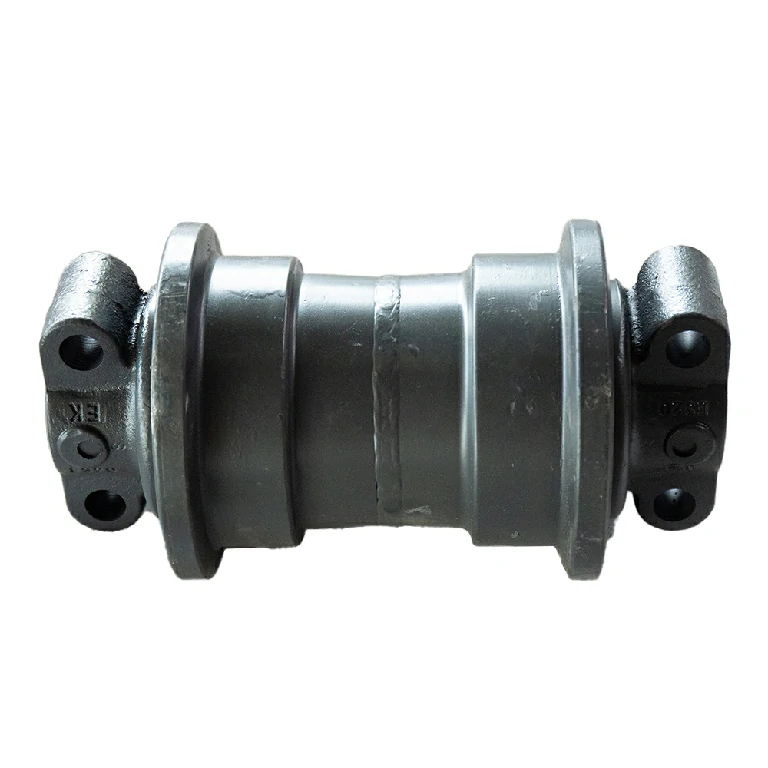
على مستواه الأساسي, بكرة المسار, تسمى أحيانًا الأسطوانة السفلية أو الأسطوانة السفلية, هي عجلة. لكن يا لها من عجلة. لا يتدحرج بحرية عبر طريق مفتوح; بدلاً من, رحلتها محصورة, توجيه ودعم الثقيل بشكل دائم, سلسلة المسار المفصلية. تخيل قطار الشحن. تحمل عجلات عربة القطار حمولة هائلة, لكنهم يسترشدون بالمسار الثابت لمسار السكة الحديد. تخدم بكرة الجنزير غرضًا مزدوجًا مماثلاً. يتم تركيبه في الجزء السفلي من إطار مسار الحفار, وتتمثل مسؤوليتها الأساسية في تحمل الوزن التشغيلي الكامل للآلة - والذي يمكن أن يتراوح من طن واحد للحفارة الصغيرة إلى أكثر من طن 100 طنًا لآلة تعدين كبيرة، ونقل تلك الحمولة عبر سلسلة الجنزير إلى الأرض.
معًا, الملف الشخصي المخدد للأسطوانة, المعروفة باسم شفة, يتعامل مع روابط المسار. تضمن هذه المشاركة بقاء سلسلة المسار متوازية, منعها من الانزلاق من الهيكل السفلي أثناء تحرك الماكينة, المنعطفات, أو يعمل على الأسطح غير المستوية. لذا, إن بكرة الجنزير ليست مجرد عجلة سلبية; إنه دليل نشط, عمود الحاملة, وعنصر حاسم للتنقل. صحتها تملي الاستقرار, كفاءة, وسلاسة حركة الآلة بأكملها. بدون بكرات تعمل بشكل صحيح, ستكون الحفارة غير مستقرة, حركتها غير منتظمة, وسيكون نظام الهيكل السفلي بأكمله معرضًا لخطر الفشل الكارثي.
المكونات الأساسية: نظرة في الداخل
إن تقشير الغلاف الفولاذي المتصلب لبكرة الجنزير يكشف عن أعجوبة هندسية مصممة لتحمل القوى المذهلة والبيئات القاسية. إن البساطة الواضحة لشكلها الخارجي تتناقض مع التعقيد الداخلي الذي يعتبر ضروريًا لأدائها.
في قلب الأسطوانة يوجد رمح, صلبة, دبوس فولاذي مقوى يعمل كمحور للدوران. يتم تثبيت العمود على إطار مسار الحفار ويوفر العمود الفقري الهيكلي للتجميع بأكمله.
يدور حول هذا العمود هو جسم الأسطوانة أو صدَفَة. هذا هو الجزء الذي تراه من الخارج, المكون الذي يقوم بالاتصال المباشر بسلسلة المسار. وهي مصنوعة من نسبة عالية من الكربون, الفولاذ الفولاذ, وهي مادة تم اختيارها لصلابتها الاستثنائية ومقاومتها للتآكل الكاشط. عملية التصنيع ليست صب بسيطة; أنها تنطوي على تزوير لإنشاء بنية الحبوب التي توفر قوة متفوقة, تليها عملية المعالجة الحرارية الدقيقة. تعمل هذه العملية على تقوية السطح الخارجي لمقاومة تآكل الطحن الناتج عن وصلات الجنزير مع ترك القلب أكثر ليونة قليلًا وأكثر ليونة لامتصاص أحمال الصدمات دون الكسر.
بين العمود الثابت وجسم الأسطوانة الدوارة يوجد البطانات. هذه عادة ما تكون من البرونز أو مركب ثنائي المعدن متخصص. البطانة عبارة عن سطح محمل قرباني, مصممة لتوفير واجهة منخفضة الاحتكاك للدوران. جودته أمر بالغ الأهمية; سوف تتآكل البطانة ذات الجودة الرديئة بسرعة, مما يؤدي إلى الإفراط في اللعب, اختلال, والفشل النهائي للأسطوانة بأكملها.
حماية هذه البيئة الداخلية الحساسة من عالم الطين الخارجي, ماء, تراب, والحطام هو مجموعة الختم. ربما يكون هذا هو الجزء الأكثر أهمية وتعقيدًا في الأسطوانة. تستخدم بكرات الجنزير الحديثة أختامًا ثنائية المخروط, والتي تتكون من حلقتين معدنيتين محكمتين يتم تثبيتهما على اتصال دائم بواسطة حلقتين حيديتين من اللدائن المرنة. يخلق هذا التصميم ختمًا محكمًا يؤدي وظيفتين في وقت واحد: يحافظ على زيت التشحيم الداخلي, ويحافظ على الملوثات الخارجية. غالبًا ما يكون فشل هذا الختم هو بداية النهاية لأسطوانة الجنزير.
شفة واحدة مقابل. بكرات شفة مزدوجة
أثناء قيامك بفحص خط بكرات الجنزير على طول إطار مسار الحفار, قد تلاحظ اختلافًا طفيفًا في شكلها. البعض سيكون له شفة, أو حافة مرتفعة, على كلا الجانبين, بينما سيكون لدى الآخرين شفة على جانب واحد فقط. هذا ليس حادثًا أو عيبًا في التصنيع; إنه اختيار تصميم متعمد يُعرف بتكوين الحافة المفردة والشفة المزدوجة. تم تصميم موضع وتناوب هذين النوعين من البكرات لتوفير التوجيه الأمثل لسلسلة الجنزير.
| ميزة | بكرة مسار ذات شفة واحدة | الأسطوانة المسار شفة مزدوجة |
|---|---|---|
| تصميم | تتميز بشفة توجيهية واحدة على الجانب الخارجي. | يتميز بشفتين توجيهيتين, واحد على كل جانب. |
| موضع | يتم وضعها عادةً بجوار العروات والعروات المسننة لدليل حذاء الجنزير. | بالتناوب مع بكرات شفة واحدة على طول إطار المسار. |
| الوظيفة الأساسية | يوفر توجيهًا جانبيًا مع السماح بمرونة طفيفة في المسار. | يوفر توجيهات صارمة, التقاط رابط المسار بالكامل. |
| طلب | ضروري لتوجيه السلسلة حول منحنيات العجلة المسننة/العجلة الوسيطة. | يشكل الابتدائي “السكك الحديدية” للأجزاء المستقيمة من المسار. |
| نمط الارتداء | يتركز التآكل على الحافة المفردة. | يمكن أن يحدث التآكل على كلا الشفتين, خاصة أثناء الدوران المتكرر. |
تعمل بكرات الشفة المزدوجة مثل القضبان الأساسية للسكك الحديدية, مع شفتيهما مما يخلق قناة عميقة تحتضن رابط المسار بشكل آمن. إنها توفر المصدر الرئيسي للتوجيه على طول المقاطع المستقيمة لإطار المسار. تتخللها بكرات ذات شفة واحدة. يتم وضعها بشكل استراتيجي لتتماشى مع الدبوس الرئيسي والأجزاء المرتفعة من روابط المسار, تقديم التوجيه دون تدخل. هذا النمط المتناوب مزدوج, أعزب, مزدوج, واحد - ينشئ نظامًا آمنًا ومرنًا, السماح لسلسلة الجنزير بالتنقل حول العجلة المسننة ووحدة التباطؤ دون ربط مع الحفاظ على محاذاة ثابتة أثناء السفر. إن فهم هذا التمييز ليس أكاديميًا فقط; إنه أمر حيوي لإعادة التجميع الصحيح ولتشخيص أنماط تآكل معينة.
التمييز بين بكرات الجنزير والبكرات الحاملة
هناك نقطة ارتباك شائعة بالنسبة لأولئك الجدد في مجال الآلات الثقيلة وهي الفرق بين بكرة الجنزير والأسطوانة الحاملة. كلاهما “بكرات” وجزء من الهيكل السفلي, لكن موقعها ووظيفتها مختلفتان تمامًا. كما أسسنا, توجد بكرات المسار في الجزء السفلي من إطار المسار, دعم وزن الآلة على سلسلة الجنزير الملامسة للأرض.
ال الأسطوانة الناقل, أو الأسطوانة العلوية, يقع على الجانب العلوي من إطار المسار. والغرض الوحيد منه هو دعم وزن سلسلة المسار نفسها أثناء عودتها من العجلة المسننة إلى العجلة الوسيطة الأمامية. يمنع الطويل, مساحة كبيرة من المسار من الترهل المفرط. يمكن أن يضرب المسار المترهل إطار المسار, خلق اهتزازات غير مرغوب فيها, وربما يؤدي إلى إلغاء التتبع. لا تتحمل الأسطوانة الحاملة أي جزء من وزن الماكينة; يقتصر حملها على السلسلة وحدها julimachinery.com. بالتالي, تعد البكرات الحاملة أصغر بكثير من بكرات الجنزير ولم يتم تصميمها لتحمل نفس أحمال الضغط والصدمات الهائلة. في حين أن كلاهما مهم لهيكل سفلي صحي, أدوارهم, وبالتالي متطلبات الصيانة وأنماط الفشل, مختلفة بشكل أساسي. يمكن أن يؤدي الخلط بين الاثنين إلى طلب أجزاء غير صحيحة وتقييمات صيانة غير مناسبة.
نصيحة 2: إتقان بروتوكولات التفتيش والتنظيف المنتظم
العلاقة بين المشغل وأجهزته مبنية على أساس الملاحظة والاستجابة. تنقل الآلة حالتها الصحية من خلال إشارات دقيقة، أي صوت جديد, اهتزاز طفيف, خط من النفط. يتعلم المشغل الدؤوب قراءة هذه اللغة. للهيكل السفلي للحفارة, النظام الذي يمثل ما يصل إلى 50% من تكاليف الصيانة مدى الحياة للآلة, هذه اللغة مكتوبة في أنماط التآكل, وجود الحطام, وسلامة مكوناته. إن إتقان نظام منضبط للفحص والتنظيف ليس عملاً روتينيًا; إنه الشكل الأكثر فعالية واقتصادية للطب الوقائي الذي يمكنك ممارسته لآلات البناء الخاصة بك.
الجولة اليومية: خط دفاعك الأول
قبل أن ينقلب المحرك, قبل أن يبدأ عمل اليوم, يجب أن يكون التفتيش اليومي بمثابة طقوس لا يجوز انتهاكها. هذه ليست نزهة عادية ولكنها فحص مركّز. بالنسبة للهيكل السفلي, وهذا يعني الانحناء للأسفل والنظر عن كثب إلى بكرات الجنزير. ما الذي تبحث عنه?
أولاً, ابحث عن ما هو واضح: علامات التسرب. تعتبر طبقة الزيت الممزوجة بالغبار والأوساخ حول الأغطية الطرفية لبكرة الجنزير بمثابة علامة حمراء. إنه يشير إلى فشل ختم المخروط الثنائي. تعيش هذه الأسطوانة الآن في الوقت الضائع. مادة التشحيم الداخلية تتسرب, والأوساخ الكاشطة والمياه تشق طريقها إلى الداخل, تدمير البطانات الداخلية والعمود بسرعة.
ثانية, تحقق من عدم وجود أي بكرات لا تدور بحرية. يمكنك غالبًا اكتشاف ذلك من خلال البحث عن شيء لامع, بقعة مسطحة على سطح تشغيل الأسطوانة. هذا “اكتشاف مسطح” يحدث عندما تتماسك الأسطوانة ويتم سحبها عبر سلسلة المسار بدلاً من الدوران معها. وهذا يخلق احتكاكًا هائلاً ويسرع من تآكل كل من الأسطوانة ووصلات الجنزير باهظة الثمن.
ثالث, ابحث عن الأضرار الهيكلية. افحص حواف الأسطوانة بحثًا عن التقطيع الكبير, تكسير, أو المفرط, ارتداء ذو حواف سكين. تحقق من البراغي التي تثبت الأسطوانة في إطار المسار, التأكد من تواجدهم جميعًا وظهورهم مشدودًا. قد تستغرق هذه العملية برمتها خمس دقائق فقط, لكن تلك الدقائق الخمس يمكن أن تكون الفارق بين اكتشاف المشكلة مبكرًا والتعامل مع مشكلة رئيسية, توقف العمل عن العمل لاحقاً.
وضع جدول زمني رسمي للتفتيش
في حين أن التجول اليومي ضروري لاكتشاف المشاكل الحادة, أكثر رسمية, توفر عملية الفحص الموثقة رؤية طويلة المدى لسلامة الهيكل السفلي. وهذا مهم بشكل خاص لمديري الأساطيل في مناطق مثل قطاع التعدين في أستراليا أو مشاريع البناء واسعة النطاق في الشرق الأوسط, حيث يكون وقت تشغيل الماكينة أمرًا بالغ الأهمية.
وينبغي إجراء هذا الفحص الرسمي على فترات منتظمة للخدمة, ربما كل 250 أو 500 ساعات, وينبغي تسجيل النتائج. وهذا ينطوي على أكثر من مجرد فحص بصري. قد يتضمن ذلك استخدام أدوات متخصصة لقياس التآكل على معالجات الأسطوانة والفلنجات. من خلال تتبع هذه القياسات مع مرور الوقت, يمكنك تحديد معدل التآكل لكل مكون. هذه البيانات قوية بشكل لا يصدق. يسمح لك بالانتقال من نموذج الصيانة التفاعلية (إصلاح الأشياء عندما تنكسر) إلى واحدة التنبؤية. يمكنك التنبؤ بالوقت الذي من المحتمل أن تصل فيه مجموعة من الأسطوانات إلى نهاية فترة الخدمة الخاصة بها وتحديد موعد لاستبدالها أثناء فترة التوقف المخطط لها, بدلاً من المعاناة من فشل غير متوقع في منتصف وظيفة حرجة. هذا النهج القائم على البيانات, يناصره الكثيرون كبار المتخصصين في المعدات, يحول الصيانة من تكلفة إلى استثمار استراتيجي في الموثوقية.
فن التنظيف: أكثر من مجرد جماليات
في العديد من بيئات العمل, من الحقول الزراعية الموحلة في جنوب شرق آسيا إلى المحاجر المتربة في أفريقيا, يصبح الهيكل السفلي للحفار مليئًا بالمواد بسرعة. ومن المغري أن ننظر إلى هذا التراكم باعتباره نتيجة طبيعية للعمل, لكنه عدو صامت لأسطوانة الجنزير.
مادة معبأة, خاصة عندما تكون كاشطة أو قابلة للتآكل, يسرع التآكل بشكل ملحوظ. يملأ الفراغ بين العناصر المتحركة, طحن بعيدا في قذائف الأسطوانة, الشفاه, وحراس الختم. عندما تتجمد هذه المادة في المناخات الباردة مثل روسيا, يمكن أن تصبح صلبة مثل الخرسانة, وضع ضغط هائل على البكرات وسلسلة الجنزير عند بدء تشغيل الماكينة, من المحتمل أن تسبب أضرارًا فورية وشديدة.
بالإضافة إلى, الهيكل السفلي المتسخ هو هيكل سفلي غير قابل للفحص. لا يمكنك رؤية تسرب الختم, الترباس فضفاضة, أو شفة متشققة عندما تكون مخفية تحت طبقة سميكة من الطين المجفف. لذلك, التنظيف المنتظم هو شرط أساسي للفحص الفعال. يعد استخدام غسالة الضغط أو الأشياء بأسمائها الحقيقية في نهاية كل يوم عمل لإزالة الجزء الأكبر من الحطام المتراكم مهمة حيوية. فهو لا يعمل فقط على إطالة عمر البكرات من خلال تقليل التآكل الكاشط، ولكنه يتيح أيضًا أن يكون الفحص اليومي مفيدًا. الهيكل السفلي النظيف هو هيكل سفلي شفاف, واحد يمكنه توصيل حالته الصحية بوضوح.
تحديد علامات التحذير المبكرة من التآكل
إن تعلم التعرف على العلامات المبكرة للتآكل يشبه تعلم الطبيب اكتشاف الأعراض الأولى للمرض. يسمح بالتدخل المبكر قبل أن تصبح الحالة حرجة. لأسطوانة المسار, تتقدم العلامات بنمط يمكن التنبؤ به.
العلامة الأولى غالبا ما تكون “التبول” على مداس الأسطوانة. يظهر هذا على شكل تسطيح أو تكاثر طفيف للمعدن عند حواف سطح التلامس, بسبب الضغط الهائل من وصلات المسار. في حين أن بعض التبول أمر طبيعي, يمكن أن يشير الإفراط في التبول إلى حالة التحميل الزائد أو شد المسار غير المناسب.
التالي, سوف تلاحظ ارتداء شفة. كما تتحرك سلسلة المسار, إنها تمارس قوى جانبية على حواف الأسطوانة, خاصة أثناء الدوران. سوف تبدأ الشفاه في التخفيف. عندما تصبح حادة أو “ذو حدين سكين,” لقدرتهم على توجيه المسار معرضة للخطر, ويزداد خطر إلغاء التتبع.
معًا, سوف يتآكل مداس الأسطوانة نفسه. كما يتناقص قطر الأسطوانة, فهو يؤثر على هندسة الهيكل السفلي بأكمله. تتغير درجة الصوت بين البكرات بشكل فعال, والتي يمكن أن تسرع من تآكل البطانات الخاصة بوصلة المسار. يعد قياس قطر الأسطوانة ومقارنتها بمواصفات الشركة المصنعة جزءًا أساسيًا من عملية الفحص الرسمية. إن التعرف على هذه العلامات وفهم ما تعنيه يسمح لك باتخاذ الإجراءات التصحيحية, ما إذا كان يتم تعديل عادات المشغل, التحقق من التوتر المسار, أو جدولة عملية استبدال قبل أن تتحول مشكلة التآكل البسيطة إلى فشل كبير في النظام.
نصيحة 3: تنفيذ استراتيجية التشحيم الاستباقية
يوجد داخل الغلاف الفولاذي المقوى لكل بكرة جنزير نظامًا بيئيًا مصممًا بعناية للأجزاء المتحركة. يعتمد بقاء هذا النظام البيئي كليًا على شيء واحد: التشحيم المناسب. التشحيم هو شريان الحياة للأسطوانة. أنه يقلل من الاحتكاك, يبدد الحرارة, ويمنع الاستيلاء الكارثي على المعدن للمكونات الداخلية. إن إهمال التشحيم يعني الحكم على الأسطوانة بالموت المبكر والمكلف. إن استراتيجية التشحيم الاستباقية لا تتعلق فقط بإضافة الزيت; يتعلق الأمر بفهم وظيفتها, باستخدام النوع الصحيح, وتطبيقها في الوقت المناسب.
لماذا يعتبر التشحيم بمثابة شريان الحياة لبكراتك
دعونا نتخيل ما يحدث داخل أسطوانة الجنزير أثناء عملها. القشرة الخارجية, تزن مئات الكيلوغرامات وتدعم عدة أطنان من وزن الآلة, يدور حول عمود فولاذي ثابت. الشيء الوحيد الذي يمنع هذين المكونين القويين من طحن بعضهما البعض إلى غبار هو طبقة مجهرية من الزيت, في كثير من الأحيان لا يكون سمكه أكثر من شعرة الإنسان, يتم الحفاظ عليها داخل مساحة الجلبة البرونزية.
يؤدي هذا الفيلم الزيتي عدة مهام بطولية. أولاً, فهو يخفف الاحتكاك. بدونها, ستكون الحرارة المتولدة هائلة, مما يؤدي إلى توسيع المعدن, انفتل, وفي النهاية يلحم نفسه معًا في نوبة دائمة. ثانية, فهو يعمل كمبرد, حمل الحرارة بعيدًا عن منطقة الاتصال ذات الضغط العالي بين الجلبة والعمود وتبديدها عبر جسم الأسطوانة. ثالث, فهو يساعد على التخلص من جزيئات التآكل المجهرية التي يتم إنشاؤها حتماً, منعها من التراكم والعمل كمعجون جلخ.
يتم حماية سلامة طبقة الزيت هذه بواسطة أختام ثنائية المخروط. عندما تعمل هذه الأختام بشكل صحيح, يمكن أن يستمر الزيت طوال مدة الخدمة المقصودة للأسطوانة. لكن, كما يشير أحد دليل الصيانة, في ظروف قاسية, يمكن اختراق هذه الأختام. عندما يفشل الختم, ينهار نظام الحماية هذا بأكمله. يتسرب الزيت, والملوثات مثل الماء, رمل, والحصى تصب في. والنتيجة هي تصعيد سريع للتآكل. الاحتكاك والحرارة ترتفعان, يتم تدمير البطانة بسرعة, وتستولي الأسطوانة. وهذا هو السبب في أن تسرب الزيت الصغير الذي يتم رصده أثناء الفحص اليومي يعد بمثابة تحذير بالغ الأهمية.
اختيار مادة التشحيم المناسبة لبيئتك
لا يتم إنشاء جميع زيوت التشحيم على قدم المساواة. يجب أن يكون الزيت الموجود داخل أسطوانة الجنزير قويًا بدرجة كافية للتعامل مع الضغوط الشديدة ونطاق واسع من درجات الحرارة. لمعظم بكرات الجنزير الحديثة, تحدد الشركات المصنعة زيت التروس للخدمة الشاقة, عادة في SAE 30 إلى SAE 50 نطاق اللزوجة. يعتمد الاختيار بشكل كبير على درجة حرارة التشغيل المحيطة.
في المناخات الحارة في الشرق الأوسط أو وسط أستراليا, أكثر سمكا, زيت عالي اللزوجة (مثل ساي 50) ضروري. قد يفقد الزيت الرقيق الكثير من اللزوجة عند درجات الحرارة المرتفعة, عدم توفير طبقة حماية مناسبة. على العكس من ذلك, في الشتاء القارس في روسيا أو كوريا, أرق, زيت منخفض اللزوجة (مثل ساي 30) مطلوب. قد يصبح الزيت السميك قاسيًا جدًا في البرد, منعه من التدفق بشكل صحيح إلى الخلوصات الضيقة للبطانات عند بدء التشغيل, مما يؤدي إلى فترة “التشغيل الجاف” والتآكل المتسارع.
من الأهمية بمكان مراجعة دليل التشغيل والصيانة الخاص بالشركة المصنعة للماكينة للحصول على التوصيات المحددة لجهازك ومناخك. إن استخدام النوع الخاطئ من الزيت يمكن أن يكون ضارًا تمامًا مثل عدم استخدام الزيت على الإطلاق. قد تحتوي بعض البكرات القديمة أو المتخصصة على زرقات شحم بدلاً من أن تكون مملوءة بالزيت. في هذه الحالات, ومن المهم بنفس القدر استخدام النوع المحدد من الشحوم, عادة واحدة مع الضغط الشديد (الجيش الشعبي) إضافات.
إجراء التشحيم خطوة بخطوة
للبكرات التي تم تصميمها لتكون “مشحم مدى الحياة,” مهمتك الأساسية هي حماية الأختام التي تحافظ على الزيت المملوء بالمصنع في مكانه. للبكرات التي تتطلب إعادة التشحيم بشكل دوري (وهو أقل شيوعًا في التصميمات الحديثة ولكنه لا يزال موجودًا), أو في الحالات التي تم فيها استبدال الختم, يجب اتباع إجراء دقيق.
- ضع الآلة: الخطوة الأولى هي وضع الجهاز بأمان. إذا كان ذلك ممكنا, قم بتدوير المسار بحيث تكون قابس التعبئة الموجود على الأسطوانة التي تقوم بخدمتها في مكانه “3 الساعة” أو “9 الساعة” موضع. وهذا يمنع الزيت من الانسكاب فورًا عند إزالة القابس. ومن الحكمة أيضًا رفع جانب الآلة التي تعمل عليها, أخذ الوزن من البكرات. وهذا يسمح بتوزيع مادة التشحيم بشكل أكثر توازناً ويجعل الفحص أسهل.
- تنظيف المنطقة: قم بتنظيف المنطقة المحيطة بسدادة التعبئة جيدًا. لا ترغب في إدخال أي أوساخ أو حصى في الآلية الداخلية للأسطوانة أثناء عملية التعبئة.
- الافراج عن الضغط: قم بفك القابس ببطء وحذر. قد يكون هناك بعض الضغط المتراكم داخل الأسطوانة, خاصة إذا كان الجو دافئا. يؤدي فكه ببطء إلى السماح لهذا الضغط بالتنفيس بأمان.
- املأ إلى المستوى الصحيح: استخدام قمع نظيف أو مضخة زيت مخصصة لذلك, أضف نوع الزيت المحدد. مستوى التعبئة الصحيح أمر بالغ الأهمية. يجب عليك ملء الأسطوانة حتى يتساوى الزيت مع الجزء السفلي من فتحة سدادة التعبئة. الإفراط في الملء يمكن أن يكون ضارًا مثل نقص الملء. لا تحتوي الأسطوانة المملوءة بشكل زائد على مساحة للزيت للتمدد أثناء تسخينها, والتي يمكن أن تفجر الأختام ذاتها التي تحاول حمايتها.
- استبدال وتشديد المكونات: بمجرد ملئها, أعد تثبيت القابس وشدّه إلى عزم الدوران المحدد من قبل الشركة المصنعة. لا تبالغ, لأن ذلك قد يؤدي إلى إتلاف الخيوط أو القابس نفسه.
أخطاء التشحيم الشائعة التي يجب تجنبها
حتى مع أفضل النوايا, يمكن أن تحدث الأخطاء. إن إدراك المخاطر الشائعة يمكن أن يساعدك على تجنبها.
- تجاهل تسرب: الخطأ الأكثر شيوعًا هو رؤية تسرب بسيط وتجاهله. أسطوانة الجنزير المتسربة هي أسطوانة فاشلة. يجب استبداله. محاولة ل “أعلى تشغيله” فكل يوم هو تمرين عقيم ومكلف يتجاهل جذور المشكلة: ختم مخترق والتلوث الداخلي المستمر.
- استخدام الزيت الخاطئ: كما نوقش, قد يؤدي استخدام زيت ذو لزوجة غير مناسبة لمناخك إلى عدم كفاية التشحيم والفشل المبكر.
- الإفراط في الملء: إغراء الإضافة “قليلا اضافية لحسن التدبير” يجب مقاومته. سيؤدي تراكم الضغط الناتج عن التمدد الحراري إلى تدمير الأختام.
- التلوث أثناء التعبئة: استخدام القمع القذر, مضخات, أو الخرق يمكن أن يدخل جزيئات كاشطة إلى البيئة الداخلية النظيفة للأسطوانة, هزيمة الغرض من التشحيم.
- خلط مواد التشحيم: لا تخلط أبدًا أنواعًا أو ماركات مختلفة من الزيوت إلا إذا كنت متأكدًا من توافقها. يمكن أن تتفاعل المواد المضافة غير المتوافقة مع بعضها البعض, تقليل فعالية التشحيم.
من خلال التعامل مع التشحيم ليس كمهمة وضيعة ولكن كمهمة دقيقة, الإجراء الفني, أنت تعمل بشكل فعال على حماية صحة أحد مكونات جهازك الأكثر أهمية والأكثر تكلفة وإطالة عمره.
نصيحة 4: التعرف على أوضاع الفشل الشائعة وتشخيصها
أسطوانة الجنزير تعيش حياة وحشية. يتم الضغط عليه بشكل دائم, صدمت, وتآكلها في بيئة مشبعة بالأوساخ والرطوبة. إنها شهادة على علم المعادن والهندسة الحديثة بأنها تدوم طويلاً. لكن, الفشل هو اليقين في نهاية المطاف. إن مفتاح إدارة الهيكل السفلي بفعالية هو التعرف على علامات الفشل الوشيك قبل وقت طويل من أن يصبح كارثيًا. يعد تعلم تشخيص أوضاع الفشل هذه مهارة توفر الوقت والمال, السماح بالتدخلات المخططة بدلاً من التكلفة, إصلاحات رد الفعل.
اكتشاف مسطح: الأسباب والوقاية
واحدة من أكثر العلامات المميزة للمشكلة هي “اكتشاف مسطح.” يحدث هذا عندما تتعطل بكرة الجنزير وتتوقف عن الدوران. كما تتحرك الحفارة, تقوم سلسلة المسار الدوارة بسحب الأسطوانة الثابتة على طول, طحن بقعة مسطحة في سطحها المتصلب. يمكنك غالبًا سماع هذا كصوت قعقعة إيقاعي أثناء تحرك الآلة, مرة واحدة لكل ثورة المسار.
السبب الرئيسي للنوبة هو الفقدان الكامل للتشحيم الداخلي. ويسبق هذا دائمًا تقريبًا فشل الختم, مما يسمح للزيت بالهروب ودخول الملوثات. يؤدي الطين الكاشطة من الأوساخ والماء إلى تآكل البطانات الداخلية بسرعة. يتراكم الاحتكاك والحرارة حتى تلتحم المكونات الداخلية للأسطوانة معًا.
الوقاية من الإكتشاف المسطح, لذلك, يتعلق الأمر بشكل أساسي بحماية الأختام وضمان التشحيم المناسب. يعود هذا إلى نصائحنا السابقة: عمليات التفتيش اليومية الدؤوبة لاكتشاف التسريبات في وقت مبكر, التنظيف المنتظم لمنع المواد الكاشطة من التجمع وإتلاف واقيات الختم, وتجنب العمل في العمق, المياه المسببة للتآكل لفترات طويلة حيثما أمكن ذلك. بمجرد أن تحتوي الأسطوانة على بقعة مسطحة كبيرة, إنه أمر لا يمكن إصلاحه. يجب استبداله, لأنه سيتسبب في أضرار جسيمة لروابط المسار التي يتصل بها مع كل دورة للمسار.
ارتداء شفة: العلامات الدلالية
الشفاه الموجودة على بكرة الجنزير هي الأيدي التوجيهية. إنهم يحافظون على سلسلة المسار القوية في الخط. كما تدور الآلة أو تعمل على المنحدرات الجانبية, روابط المسار تدفع ضد هذه الشفاه, مما يجعلهم يرتدون. يعد وجود قدر معين من تآكل الفلنجة أمرًا طبيعيًا طوال عمر الأسطوانة. لكن, يعد التآكل المفرط أو السريع للشفة أحد أعراض المشكلة الأساسية.
| وضع الفشل | العلامات المرئية | الأسباب الأولية | الإجراءات الوقائية |
|---|---|---|---|
| اكتشاف مسطح | لامعة, منطقة مسطحة على مداس الأسطوانة; صوت قرقعة إيقاعي. | نوبة داخلية بسبب فقدان التشحيم (فشل الختم). | فحص التسرب اليومي; التنظيف المنتظم للهيكل السفلي. |
| ارتداء شفة | الشفاه تصبح رقيقة, حاد, أو “ذو حدين سكين.” | تحول مفرط; عملية متسقة على المنحدرات الجانبية; تتبع المحاذاة غير الصحيحة. | تختلف اتجاهات الدوران; تقليل العمل على المنحدر الجانبي; تحقق من محاذاة المسار. |
| الاستيلاء / التسرب | بقايا زيتية على جسم/إطار الأسطوانة; الأسطوانة لا تتحول. | ختم الفشل من العمر, ضرر, أو التثبيت غير السليم. | حماية حراس الختم; تجنب المياه العميقة/المواد المسببة للتآكل. |
| تكسير القشرة | شقوق واضحة على جسم الأسطوانة, في كثير من الأحيان تنشأ من المداس. | أحمال الصدمات الشديدة (على سبيل المثال, آلة اسقاط); التعب المادي. | تجنب العمليات ذات التأثير الكبير; تشغيل الآلة بسلاسة. |
السبب الأكثر شيوعًا للتآكل المفرط للشفة هو تقنية المشغل. سيؤدي الدوران المستمر في اتجاه واحد إلى تآكل الشفاه الموجودة على أحد جانبي الماكينة بشكل أسرع بكثير من الجانب الآخر. العمل بشكل مستمر على منحدر جانبي, أو “الاسقلوب,” يضع أيضًا حملًا جانبيًا ثابتًا على الشفاه.
سبب مهم آخر هو اختلال المسار. إذا لم يتم محاذاة العجلة الوسيطة الأمامية والعجلة المسننة بشكل مثالي, ستحاول سلسلة المسار باستمرار السير إلى جانب واحد, ممارسة الدفع المستمر ضد الشفاه الأسطوانة. يمكن أن يحدث هذا بسبب لوحة توجيه المهمل البالية أو إطار المسار المنحني.
يتضمن التعرف على تآكل الفلنجة الفحص البصري والقياس. عندما تصبح الشفاه رقيقة وحادة, يفقدون قدرتهم على توجيه المسار بفعالية ويمكنهم حتى البدء في قطع روابط المسار. يتضمن الحل مجموعة من تدريبات المشغلين لتقليل الالتفاف والاصطدام العنيفين, بالإضافة إلى إجراء فحوصات دورية لمحاذاة الهيكل السفلي.
النوبات وتسرب النفط: فشل فادح
كما ناقشنا, تسرب الزيت هو ناقوس الموت لأسطوانة الجنزير. إنه وضع الفشل الأكثر خطورة الذي يجب تحديده لأنه السبب الجذري للنوبات والبقع المسطحة. عندما ترى خطًا واضحًا من الزيت والأوساخ على جانب الأسطوانة, أنت ترى الدليل المباشر على فشل الختم الثنائي المخروط.
ما الذي يسبب فشل هذه الأختام القوية? هناك العديد من الجناة. العمر واحد; يمكن أن تفقد الحلقات المرنة التي تنشط الأختام مرونتها بمرور الوقت. الضرر هو سبب رئيسي آخر. يمكن أن تصطدم صخرة أو قطعة من الحطام المحشورة بين إطار المسار والأسطوانة بواقي الختم, تشويهه والمساس بالختم. يمكن أن يؤدي التثبيت غير الصحيح أثناء الإصلاح السابق أيضًا إلى فشل مبكر. أخيراً, يمكن أن يؤدي التشغيل لفترات طويلة في ملاط شديد الكشط أو التآكل إلى تآكل مكونات الختم.
التشخيص بسيط: إذا تسربت, لقد فشلت. لا يوجد إصلاح ميداني للختم الثنائي المخروط. يجب إزالة الأسطوانة من الجهاز واستبدالها. ولهذا السبب يعد النهج الاستباقي ذا قيمة كبيرة. عن طريق الشراء بكرات الجنزير البديلة عالية الجودة بأختام قوية وحمايتها من خلال التنظيف الدؤوب والتشغيل الدقيق, يمكنك إطالة عمرهم بشكل كبير ومنع هذه الإخفاقات الحاسمة.
تأثير الدومينو: كيف يؤثر أحد الأسطوانات الفاشلة على النظام
قد يكون من المغري تجاهل إحدى بكرات الجنزير الفاشلة, خاصة إذا بدا أن الجهاز يعمل “جيدا بما فيه الكفاية.” وهذا خطأ مكلف. الهيكل السفلي هو نظام من الأجزاء المترابطة, وفشل أحد العناصر سيؤدي حتما إلى ضغوط إضافية على جيرانه.
لم تعد الأسطوانة المضبوطة أو البالية تدعم حصتها من وزن الماكينة. يتم نقل هذا الحمل على الفور إلى الأسطوانات المجاورة, زيادة عبء العمل وتسريع تآكلها. لم تعد الأسطوانة ذات الشفاه البالية قادرة على توجيه المسار بشكل صحيح, مما قد يؤدي إلى زيادة تآكل حواف البكرات الأخرى وعلى جوانب روابط الجنزير نفسها.
فكر في الأمر كحفرة واحدة على طريق مزدحم. تنحرف السيارات لتجنب ذلك, مما يرهق أكتاف الطريق ويضغط على تعليق السيارات. بنفس الطريقة, أسطوانة واحدة سيئة تعطل السلاسة, التشغيل المتوازن للهيكل السفلي بأكمله. يؤدي هذا الاضطراب إلى إنشاء تأثير فشل متتالي, حيث يؤدي جزء واحد فاشل إلى الفشل المبكر لعدة أجزاء أخرى. دائمًا ما تكون معالجة الأسطوانة الفاشلة على الفور أكثر فعالية من حيث التكلفة من الانتظار حتى يؤدي فشلها إلى إتلاف مكونات أخرى باهظة الثمن مثل سلسلة الجنزير أو البكرات الأخرى.
نصيحة 5: تحسين التقنيات التشغيلية لتقليل التآكل
العامل الأكبر الوحيد الذي يؤثر على عمر الهيكل السفلي للحفار هو الشخص الذي يجلس في مقعد المشغل. ماهر, يمكن للمشغل الذي يتحلى بالضمير أن يضاعف عمر مكونات الهيكل السفلي مقارنة بمكونات قوية أو غير مدربة. الآلة هي أداة, ومثل أي أداة, الطريقة التي يتم بها استخدامها تحدد طول عمرها. إن تحسين التقنيات التشغيلية لا يعني العمل بشكل أبطأ; يتعلق الأمر بالعمل بشكل أكثر ذكاءً, تقليل الضغط غير الضروري على المكونات المهمة مثل أسطوانة الجنزير, وفهم فيزياء حركة الآلة.
مخاطر السفر عالي السرعة والعكس
تتمتع معظم الحفارات الحديثة بسرعتين للسير. الإعداد عالي السرعة مفيد لـ “الترام,” أو تحريك الآلة لمسافات أطول عبر المستوى, موقع العمل المجهز. لكن, الاستخدام المكثف للسفر عالي السرعة, خاصة على الأرض الوعرة, يسرع بشكل كبير من تآكل الهيكل السفلي. القوى المعنية تتزايد بشكل كبير مع السرعة. يتم تضخيم كل نتوء وهزة, إرسال موجات صادمة عبر بكرات الجنزير والنظام بأكمله.
السفر العكسي هو أكثر ضررا. تم تصميم سلسلة الجنزير لتعمل بكفاءة أكبر مع قوة السحب القادمة من الأعلى, مع قيام العجلة المسننة بسحب السلسلة فوق بكرات الحامل ووحدة التباطؤ. عند السفر في الاتجاه المعاكس, يدفع العجلة المسننة السلسلة إلى الأرض أسفل بكرات الجنزير. يؤدي هذا إلى زيادة كبيرة في التآكل على وصلة الجنزير والبطانات الأسطوانية نظرًا لتغير نقطة الاتصال وديناميكيات التحميل. في حين أن العملية العكسية أمر لا مفر منه, يمكن أن يكون لتقليل المسافة الطويلة أو السفر عالي السرعة في الاتجاه المعاكس تأثير إيجابي كبير على عمر بكرات الجنزير وسلاسل الجنزير. القاعدة الأساسية الجيدة هي التخطيط لعملك لمواصلة السفر للأمام 80% من إجمالي حركتك.
التنقل في المنحدرات والتضاريس غير المستوية
يعد العمل على المنحدرات متطلبًا شائعًا للحفارات, لكنه يضع ضغوطًا فريدة على الهيكل السفلي. عند السفر بشكل مستقيم لأعلى أو لأسفل منحدر, يتغير وزن الآلة, وضع كمية غير متناسبة من الحمل على البكرات في الخلف (الذهاب شاقة) أو الجبهة (الذهاب إلى أسفل). ليس هناك الكثير للقيام به حيال ذلك, ولكن هذا شيء يجب أن تكون على علم به.
الممارسة الأكثر ضررًا هي العمل أو السفر بشكل جانبي عبر المنحدر, تقنية تعرف باسم “الاسقلوب.” وهذا يضع حملاً جانبيًا ثابتًا على الهيكل السفلي بأكمله. تحاول سلسلة المسار باستمرار الانزلاق إلى أسفل, مما يجبره على حواف بكرات الجنزير وجوانب وحدات التباطؤ. وهذا يؤدي إلى تآكل شفة سريعة وشديدة, أحد أوضاع الفشل الأكثر شيوعًا والتي يمكن الوقاية منها. كلما كان ذلك ممكنا, يجب التخطيط للعمل ليتم تنفيذه بشكل مستقيم لأعلى ولأسفل الصف. إذا كان عبور المنحدر ضروريًا, يجب أن يتم ذلك بعناية ولأقصر مسافة ممكنة.
بصورة مماثلة, على غير متساو, أرض صخرية, ينبغي بذل كل جهد للسفر بسلاسة. تجنب ترك مسار واحد يسقط في شبق عميق أو التسلق فوق عائق كبير, لأن هذا يضع ضغطًا إلتوائيًا هائلاً على إطار المسار ويخلق أحمالًا نقطية هائلة على البكرات الفردية.
تجنب “من جانب واحد” أنماط الارتداء
آلات, مثل الناس, يمكن أن تتطور العادات. المشغل الذي يوسع نطاقه باستمرار, ستؤدي المنعطفات الكاسحة إلى اليسار إلى حدوث تآكل أكبر بكثير لمكونات الهيكل السفلي الموجودة على الجانب الأيمن, والعكس صحيح. وذلك لأن المسار الخارجي يجب أن يقطع مسافة أكبر بكثير من المسار الداخلي أثناء المنعطف, مما يؤدي إلى المزيد من الدورات لبكرات الجنزير الخارجية والمزيد من عملية الغسل.
إحدى الطرق البسيطة لمكافحة ذلك هي تبديل اتجاهات الدوران بوعي طوال يوم العمل. إذا قمت بعدة دورات إلى اليسار في الصباح, حاول القيام ببعض المنعطفات الصحيحة في فترة ما بعد الظهر. وهذا يساعد على تسوية التآكل على جانبي الماكينة. عادة أخرى ضارة هي صنع الأشياء الحادة, “المحور” أو “دوران مضاد” يعمل على الأسطح عالية الجر مثل الخرسانة أو الأسفلت. يؤدي هذا الإجراء إلى إجبار المسارات على الانزلاق جانبيًا, مما يؤدي إلى خلق ضغط إلتوائي هائل على وصلات الجنزير وتحميل حواف الأسطوانة بشكل جانبي. فمن الأفضل بكثير أن تجعل على نطاق أوسع, يتحول ثلاث نقاط كلما سمحت المساحة بذلك.
تأثير شد المسار على عمر الأسطوانة
تتبع التوتر, أو “تبلد,” يعد أحد أكثر الجوانب التي يساء فهمها في صيانة الهيكل السفلي. هناك فكرة خاطئة مفادها أن المسار الأضيق هو المسار الأفضل. وهذا غير صحيح بشكل خطير. يعد المسار الضيق جدًا أحد أكثر الظروف تدميراً وتكلفة للهيكل السفلي.
عندما يكون المسار مشدودًا بشكل مفرط, يخلق ضخمة, تحميل مستمر على جميع المكونات الدوارة. إنه يزيد بشكل كبير من الاحتكاك بين دبابيس وصلة المسار والبطانات. أكثر صلة بمناقشتنا, فهو يضع ضغطًا هائلاً على أعمدة وبطانات بكرات الجنزير, بالإضافة إلى المحامل الموجودة في العجلة الوسيطة الأمامية وضرس القيادة النهائي. يمكن أن يؤدي المسار الضيق للغاية إلى زيادة معدلات التآكل بنسبة 100٪ 50% أو أكثر. إنه يسرق الآلة من القدرة الحصانية, نفايات الوقود, ويضع النظام بأكمله تحت حالة من الثبات, الإجهاد العالي.
على العكس من ذلك, المسار الذي يكون فضفاضًا جدًا يمثل أيضًا مشكلة. يمكن أن يسبب المسار ل “سوط” بسرعات عالية ويزيد من خطر إلغاء التتبع, وخاصة عند العمل على المنحدرات أو في الاتجاه المعاكس. يفشل المسار السائب أيضًا في التعشيق بشكل صحيح مع حواف الأسطوانة, والتي يمكن أن تؤدي إلى ارتداء غير منتظم.
الإجراء الصحيح هو ضبط شد المسار وفقًا لمواصفات الشركة المصنعة وظروف العمل الحالية. مسار يعمل في الموحلة, يجب أن تكون ظروف التعبئة أكثر مرونة قليلاً من المسار الذي يعمل بقوة, أرض جافة. يحتاج الطين إلى مساحة ليتم عصره; المسار الضيق سوف يحبسه, إنشاء “أسمنت” التأثير الذي ناقشناه سابقًا. يعد تعلم كيفية قياس وضبط ترهل الجنزير بشكل صحيح مهارة أساسية لأي مشغل أو ميكانيكي ويحقق مكاسب هائلة في إطالة عمر كل بكرات الجنزير.
نصيحة 6: اختيار أسطوانة الجنزير البديلة المناسبة لجهازك
سيأتي وقت في حياة كل حفارة تصل فيه بكرات الجنزير الأصلية إلى نهاية عمرها التشغيلي. ارتداء أمر لا مفر منه. قرار ما ليحل محلهم, لكن, يعد أمرًا بالغ الأهمية سيؤثر بشكل مباشر على أداء الجهاز في المستقبل, مصداقية, وتكلفة التشغيل. يتجاوز هذا الاختيار مجرد العثور على الجزء المناسب. أنه ينطوي على تقييم مدروس للجودة, طرق التصنيع, وسمعة المورد. إن اتخاذ قرار حكيم هنا هو استثمار في وقت التشغيل المستقبلي.
OEM مقابل. ما بعد البيع: قرار مدروس
أحد الأسئلة الأولى التي يواجهها مديرو الأساطيل والمالكون والمشغلون هو ما إذا كانوا يريدون شراء الشركة المصنعة للمعدات الأصلية (تصنيع المعدات الأصلية) أجزاء أو لاستكشاف ما بعد البيع. هناك اعتبارات صحيحة لدى كلا الجانبين.
بكرات OEM هي تلك التي يتم إنتاجها بواسطة الشركة المصنعة الأصلية للحفار أو لصالحها (على سبيل المثال, يرقة, كوماتسو, فولفو). الميزة الأساسية هي ضمان التوافق والجودة. أنت تعلم أن الجزء سيكون مناسبًا تمامًا وقد تم تصنيعه وفقًا للمواد الدقيقة ومواصفات المعالجة الحرارية كالأصل. الجانب السلبي عادة ما يكون نقطة سعر أعلى.
ما بعد البيع, على الجانب الآخر, يقدم مناظر طبيعية واسعة من الخيارات. يمكن أن تتراوح الجودة من استثنائية إلى سيئة بشكل خطير. غالبًا ما يكون عامل الجذب الأساسي لأجزاء ما بعد البيع هو سعر الشراء الأولي المنخفض. يمكن لأسطوانة جنزير ما بعد البيع عالية الجودة من مورد حسن السمعة أن تقدم أداءً مكافئًا لتصنيع المعدات الأصلية وبتكلفة أكثر تنافسية. غالبًا ما يتخصص هؤلاء الموردون في أجزاء الهيكل السفلي وقد استثمروا بشكل كبير في أبحاثهم الخاصة, تطوير, ومراقبة الجودة. الخطر يكمن في التكلفة المنخفضة, مقدمو الخدمة ذوو الجودة المنخفضة الذين يختصرون المواد أو عمليات التصنيع. إن الأسطوانة الرخيصة التي تفشل قبل الأوان ستكلف وقتًا أطول بكثير من وقت التوقف عن العمل والأضرار الجانبية مقارنة بما تم توفيره عند الشراء الأولي. المفتاح هو عدم اختيار ما بعد البيع على OEM, ولكن لاختيار الجودة على الرداءة, بغض النظر عن المصدر.
علم المواد: ما الذي يجعل الأسطوانة الجودة?
أداء أسطوانة الجنزير يولد في النار والضغط. يتم تحديد متانتها قبل فترة طويلة من تثبيتها في الآلة. يكمن الفرق بين الأسطوانة المتميزة والأسطوانة دون المستوى المطلوب في العوالم غير المرئية لعلوم المواد وعمليات التصنيع.
إن غلاف بكرة الجنزير من الطبقة العليا ليس مجرد حديد مصبوب. يبدأ كقطعة مزورة من الكربون العالي, الفولاذ الفولاذ. تزوير, عملية تشكيل المعدن باستخدام قوى الضغط الموضعية, يخلق بنية حبيبية متواصلة تتبع محيط الأسطوانة. وهذا يوفر قوة ومقاومة فائقة لأحمال الصدمات عالية التأثير التي يتعرض لها الحفار. صب بسيط, بديل أرخص, يؤدي إلى بنية حبيبية أكثر عشوائية وأكثر عرضة للتشقق تحت الضغط.
بعد تزوير, تخضع الأسطوانة لعملية معالجة حرارية دقيقة تُعرف باسم التصلب التعريفي. هذه تقنية متطورة حيث يتم تمرير جسم الأسطوانة عبر مجال مغناطيسي عالي التردد, الذي يسخن الطبقة السطحية بسرعة. ومن ثم يتم إخماده على الفور. تخلق هذه العملية غلافًا خارجيًا شديد الصلابة (في كثير من الأحيان إلى عمق عدة ملليمترات) مع صلابة روكويل القادرة على مقاومة التآكل الشديد. الأهم من ذلك, فهو يترك اللب الداخلي للأسطوانة أكثر ليونة وأكثر ليونة قليلاً. هذه الليونة هي التي تسمح للأسطوانة بامتصاص أحمال الصدمات دون أن تنكسر. ستكون الأسطوانة المتصلبة طوال الطريق هشة للغاية, في حين أن الذي لم يتم تصلبه بما فيه الكفاية سوف يبلى بسرعة. تعد دقة هذه المعالجة الحرارية التفاضلية سمة مميزة للشركة المصنعة عالية الجودة وسببًا رئيسيًا للعمل مع مورد موثوق لأجزاء الهيكل السفلي.
مطابقة الأسطوانة للتطبيق والجهاز الخاص بك
عند اختيار البديل, من الضروري التأكد من حصولك على الأسطوانة الصحيحة لطراز الحفار الخاص بك. في حين أن بعض البكرات قد تبدو متشابهة, اختلافات صغيرة في الأبعاد, حجم رمح, أو أنماط الترباس يمكن أن تجعلها غير متوافقة. استخدم دائمًا نوع الآلة, نموذج, والرقم التسلسلي لتأكيد رقم الجزء الصحيح.
أبعد من مجرد النموذج, فكر في طلبك الأساسي. إذا كانت جهازك يعمل بشكل أساسي في التطبيقات عالية التأثير مثل مقلع الصخور أو أعمال الهدم, الاستثمار في قسط, بكرات مزورة هو قرار حكيم. مقاومة الصدمات الفائقة ستدفع ثمنها طوال العمر. إذا كان عملك يتم بشكل أساسي في التربة الناعمة أو أعمال الحفر العامة, قد تكون الأسطوانة القياسية عالية الجودة كافية تمامًا. يمكن للمورد الجيد تقديم إرشادات حول الخيار الأفضل لاحتياجاتك المحددة, التأكد من أنك لا تدفع مبالغ زائدة مقابل مواصفات لا تحتاجها, ولا التقليل من التحديد والمخاطرة بالفشل المبكر. هذا هو المكان الذي تثبت فيه خبرة شركة متخصصة تتفهم الفروق الدقيقة في آلات البناء أنها لا تقدر بثمن.
أهمية المورد الموثوق
في السوق العالمية, خاصة مع العملاء في مناطق متنوعة من كوريا إلى أفريقيا, دور المورد أمر بالغ الأهمية. المورد الجيد هو أكثر من مجرد متجر قطع غيار; فهم شريك في صحة جهازك. ما الذي يحدد المورد الموثوق به?
أولاً, لديهم فهم عميق لمنتجاتهم. يمكنهم التحدث بذكاء عن عمليات الحدادة والمعالجة الحرارية لبكراتهم. إنهم يفهمون الفرق في الجودة بين منتجاتهم والبدائل ذات الجودة المنخفضة. ثانية, يحافظون على مخزون قوي. في عالم البناء, التوقف عن العمل مكلف بشكل لا يصدق. القدرة على الحصول على الجزء الصحيح بسرعة أمر حيوي. يمكن للمورد الذي يتمتع بشبكة لوجستية قوية ومستودعات تخزين أن يقلل من الوقت الذي تتوقف فيه جهازك عن العمل. ثالث, إنهم يدعمون منتجاتهم بضمان قوي وخدمة عملاء سريعة الاستجابة. وهذا يوفر راحة البال ويظهر ثقتهم في جودة ما يبيعونه. أخيراً, شركة ذات تاريخ طويل والتزام بالصناعة, كما رأينا في أولئك الذين يشاركونهم علانية فلسفة الشركة, غالبًا ما يكون رهانًا أكثر أمانًا من الرهان العابر, بائع مجهول الهوية عبر الإنترنت. إن علاقتك مع مورد قطع الغيار الخاص بك لا تقل أهمية عن علاقتك مع الميكانيكي أو المشغلين لديك.
نصيحة 7: دمج المراقبة المتقدمة والتقنيات المستقبلية
لعقود من الزمن, لقد كانت إدارة الهيكل السفلي بمثابة نظام تفاعلي وقائم على الخبرة إلى حد كبير. يمكن للميكانيكي المتمرس الاستماع إلى مقطوعة موسيقية, انظر إلى أنماط التآكل, وقم بتخمين مدروس حول حياته المتبقية. بينما تظل هذه الخبرة لا تقدر بثمن, الصناعة الآن على أعتاب التحول التكنولوجي. تكامل البيانات, أجهزة الاستشعار, وبدأت التحليلات التنبؤية في تحويل صيانة الهيكل السفلي من فن إلى علم. لمديري الأسطول ذوي التفكير المستقبلي في 2025, إن تبني هذه التقنيات الجديدة هو الحدود التالية في تعظيم الكفاءة وتقليل التكاليف.
صعود تكنولوجيا المعلومات في إدارة الهيكل السفلي
أنظمة التليماتية, والتي تستخدم نظام تحديد المواقع العالمي (GPS) وأجهزة الاستشعار الموجودة على متن الطائرة لنقل بيانات الجهاز لاسلكيًا, أصبحت قياسية في معظم آلات البناء الجديدة. تم استخدامه في البداية لتتبع الموقع, ساعات المحرك, واستهلاك الوقود, أصبحت هذه الأنظمة متطورة بشكل متزايد. وهم الآن يراقبون مجموعة من المعلمات التشغيلية التي لها تأثير مباشر على تآكل الهيكل السفلي.
يمكن لتقنيات التحكم عن بعد الحديثة تتبع النسبة المئوية للوقت الذي تقضيه الآلة في السفر بسرعة عالية مقابل السرعة المنخفضة, مقدار الوقت الذي يقضيه السفر في الاتجاه المعاكس, وحتى مقدار الوقت الذي يقضيه في الدوران. توفر هذه البيانات الهدف, نظرة غير متحيزة لكيفية تشغيل الآلة. يمكن لمدير الأسطول الآن معرفة ما إذا كانت آلة معينة تخضع لممارسات التآكل العالية باستمرار. وهذا يسمح بتدريب المشغلين المستهدفين, لا مبنية على افتراضات, ولكن على البيانات الصعبة. على سبيل المثال, إذا أظهرت البيانات أن حفارًا واحدًا لديه وقت سفر عكسي قدره 40% في حين أن متوسط الأسطول هو 15%, إنها فرصة واضحة للتدخل الذي سيوفر آلاف الدولارات من تآكل بكرات الجنزير والجلبة قبل الأوان.
اختبار الموجات فوق الصوتية للكشف عن الخلل الداخلي
أحد التحديات التي تواجه صيانة بكرات الجنزير هو أن بعض حالات الفشل الأكثر خطورة تبدأ بعمق داخل المكون. إن الشق المجهري الذي يتشكل في قلب غلاف الأسطوانة بسبب عيب في التصنيع أو حمل الصدمة الشديد غير مرئي للعين المجردة. ولن يصبح واضحًا إلا عندما ينتشر إلى السطح ويسبب فشلًا ذريعًا.
لمكافحة هذا, تعتمد بعض برامج الصيانة المتقدمة اختبار الموجات فوق الصوتية (يوتا) التقنيات, مماثلة لتلك المستخدمة في صناعات الطيران وخطوط الأنابيب. يستخدم UT موجات صوتية عالية التردد لفحص الهيكل الداخلي للصلب. يقوم الفني بوضع مسبار على الأسطوانة, ويقوم الجهاز بإرسال نبضة صوتية من خلاله. من خلال تحليل الأصداء العائدة, يمكن للجهاز اكتشاف الانقطاعات الداخلية مثل الشقوق, الفراغات, أو الادراج.
في حين أن هذه لا تزال ممارسة متخصصة, يتم استخدامه للتطبيقات الهامة, كما هو الحال في مجارف التعدين الكبيرة حيث يمكن أن يؤدي فشل بكرة واحدة إلى إيقاف عملية بملايين الدولارات. عندما تصبح التكنولوجيا أكثر قابلية للحمل وبأسعار معقولة, يمكننا أن نتوقع أن نراها تصبح أداة تشخيصية أكثر شيوعًا في أساطيل البناء العامة, مما يسمح باكتشاف الأسطوانات المعيبة حتى قبل وضعها في الخدمة أو بعد وقوع حدث تصادم كبير.
المستقبل: بكرات ذكية مع أجهزة استشعار مدمجة
إن الكأس المقدسة لإدارة الهيكل السفلي هي القدرة على معرفة الحالة الدقيقة لأحد المكونات في الوقت الفعلي. المستقبل, الذي يقترب بسرعة, يكمن في “ذكي” عناصر. تخيل أسطوانة مسار بها مستشعر مدمج بداخلها. يمكن لهذا المستشعر مراقبة العديد من المعلمات الرئيسية مباشرة.
يمكن أن يوفر مستشعر درجة الحرارة إنذارًا مبكرًا بفشل التشحيم, اكتشاف ارتفاع الحرارة قبل فترة طويلة من حدوث النوبة. يمكن لمستشعر الاهتزاز تحليل توقيع اهتزاز الأسطوانة, اكتشاف الترددات المميزة المرتبطة بالجلبة الفاشلة أو البقعة المسطحة النامية. يمكن لمستشعر الضغط أيضًا مراقبة الضغط الداخلي للتأكد من سلامة الأختام المخروطية الثنائية.
سيتم نقل هذه البيانات لاسلكيًا إلى وحدة التحكم عن بعد الرئيسية بالماكينة ثم إلى لوحة معلومات مدير الأسطول. بدلًا من رؤية تسرب الزيت ومعرفة أن الأسطوانة قد تعطلت بالفعل, سيحصل المدير على تنبيه: “تحذير: أسطوانة #4 على حفارة #12 يظهر ارتفاع في درجة الحرارة. احتمال فشل الختم. استبدال الجدول الزمني.” هذا هو جوهر الصيانة التنبؤية. يسمح بإجراء الإصلاحات في الوقت المناسب, بأقل قدر من الاضطراب وقبل حدوث أي أضرار جانبية. بينما لم ينتشر بعد في 2025, تعمل العديد من الشركات المصنعة وشركات التكنولوجيا على تطوير واختبار هذه الأنظمة بنشاط.
بناء ثقافة الصيانة التنبؤية
إن اعتماد هذه التقنيات لا يقتصر فقط على شراء أجهزة جديدة; فهو يتطلب تحولا ثقافيا داخل المنظمة. يعني الابتعاد عن “إذا لم ينكسر, لا تصلحه” عقلية. يتطلب الالتزام بتحليل البيانات والثقة في الرؤى التي توفرها البيانات. ويعني تدريب الميكانيكيين والفنيين على كيفية استخدام أدوات التشخيص الجديدة هذه وتفسير نتائجها.
يتضمن بناء ثقافة الصيانة التنبؤية دمج البيانات من تكنولوجيا المعلومات وأجهزة الاستشعار مع بيانات الفحص العملي التقليدية. ويعني ذلك إنشاء سجل صحي شامل للهيكل السفلي لكل آلة. تسمح هذه الرؤية الشاملة بالتنبؤ بشكل أكثر دقة بعمر المكونات, إدارة أفضل للمخزون من قطع الغيار مثل البكرات, دلاء, والكسارات, وجدولة أكثر كفاءة لوقت توقف الصيانة. إنه يحول قسم الصيانة من مركز تكلفة إلى مساهم استراتيجي في ربحية الشركة وموثوقيتها. لأي شركة تعمل في مجال الآلات الثقيلة, هذا هو الطريق إلى الأمام.
التعليمات
كم مرة يجب أن أستبدل بكرات الجنزير الخاصة بالحفارة؟? لا يوجد فاصل زمني ثابت. الاستبدال يعتمد على الحالة, ليس ساعات. يعتمد ذلك على تطبيق جهازك, تقنيات التشغيل, وممارسات الصيانة. إن الفحص المنتظم وقياس التآكل على مداس الأسطوانة والفلنجات وفقًا لحدود التآكل التي حددتها الشركة المصنعة هي أفضل طريقة لتحديد متى يكون الاستبدال ضروريًا.
هل يمكنني استبدال بكرة جنزير واحدة فقط؟, أم يجب أن أستبدلهم جميعًا مرة واحدة? إذا تعطلت إحدى البكرات قبل الأوان بسبب عيب أو تلف, يمكنك استبدال هذا فقط. لكن, إذا كانت البكرات تبلى من الاستخدام العادي, غالبًا ما يكون استبدالها جميعًا في نفس الوقت أكثر فعالية من حيث التكلفة, جنبا إلى جنب مع بكرات الناقل. وذلك لأن الأسطوانة الجديدة الممزوجة بالأسطوانة البالية سيكون لها قطر مختلف, مما يؤدي إلى توزيع غير متساوٍ للحمل وربما يؤدي إلى تسريع تآكل المكون الجديد وسلسلة الجنزير.
ما هو الفرق بين بكرة الجنزير والبكرة الحاملة? بكرة المسار (أو الأسطوانة السفلية) يقع في الجزء السفلي من إطار المسار ويدعم الوزن الكامل للحفار على سلسلة المسار. الأسطوانة الناقلة (أو الأسطوانة العلوية) يوجد أعلى الإطار ويدعم فقط وزن سلسلة الجنزير نفسها عند عودتها إلى وحدة التباطؤ الأمامية. بكرات الحامل أصغر حجمًا ومصممة لحمل أخف بكثير.
ما الذي يسبب تسرب الزيت من بكرة الجنزير? يحدث تسرب الزيت دائمًا تقريبًا بسبب فشل الختم الداخلي الثنائي المخروط. يمكن أن يحدث هذا بسبب العمر, تلف التأثير على واقي ختم الأسطوانة, تركيب غير لائق, أو التشغيل لفترات طويلة في المواد الكاشطة أو المسببة للتآكل التي تؤدي إلى تآكل وجوه الختم.
كيف يؤثر شد الجنزير غير المناسب على بكرات الجنزير? المسار الضيق جدًا يخلق هائلاً, الاحتكاك المستمر والحمل على البطانات الداخلية وعمود الأسطوانة, تسريع التآكل بشكل كبير. يمكن أن يتسبب المسار غير المحكم في اصطدام المسار بالبكرات ويزيد من خطر خروج المسار, مما قد يؤدي إلى إتلاف حواف الأسطوانة.
هل بكرات الجنزير ما بعد البيع جيدة مثل OEM? تختلف جودة بكرات ما بعد البيع بشكل كبير. يمكن لبكرات ما بعد البيع عالية الجودة من مورد حسن السمعة أن تلبي مواصفات OEM أو حتى تتجاوزها من حيث المواد وعمليات التصنيع, تقدم قيمة ممتازة. لكن, منخفضة التكلفة, يمكن أن تفشل بكرات ما بعد البيع منخفضة الجودة بسرعة, تكلف أكثر على المدى الطويل. المفتاح هو اختيار مورد موثوق به, ليس فقط بأقل سعر.
ما هي العلامات الرئيسية لفشل أسطوانة الجنزير؟? العلامات الأولية هي تسرب الزيت من أغطية النهاية, الأسطوانة التي استولت على وتطوير أ “بقعة مسطحة,” التآكل المفرط أو الحاد على الشفاه, وصوت قعقعة إيقاعي أثناء السفر. أي من هذه العلامات تستدعي الفحص الفوري والاستبدال المحتمل.
فكرة ختامية
إن الرقصة المعقدة للفولاذ التي تمثل الهيكل السفلي للحفارة هي أعجوبة هندسية, وبكرة الجنزير هي أحد فنانيها الرئيسيين. رحلتنا من خلال وظيفتها, صيانة, والفشل المحتمل يكشف حقيقة بسيطة: العلم والاجتهاد هما أعظم أدوات الحفظ. من خلال تجاوز قائمة مرجعية بسيطة وتعزيز فهم أعمق للقوى المؤثرة - أهمية الآلة النظيفة, خصائص التشحيم الواهبة للحياة, لغة أنماط التآكل, وحكمة التشغيل الذكي - نحن نمكن أنفسنا. نقوم بتحويل عملية الصيانة من عمل روتيني رد الفعل إلى استراتيجية استباقية. إن الاهتمام بهذه المكونات الحيوية لا يقتصر فقط على منع الأعطال; يتعلق الأمر بتكريم القوة والإمكانات المذهلة للآلات التي نقودها, ضمان بقائهم منتجين, موثوق, وآمنة لكاملهم, الحياة المقصودة.