
چکیده
سیستم زیرسازی بیل مکانیکی بخش قابل توجهی از ارزش کل ماشین و هزینه تعمیر و نگهداری را نشان می دهد.. مرکز اصلی این سیستم غلتک مسیر است, قطعه ای که وظیفه دارد وزن بسیار زیاد ماشین آلات ساختمانی را تحمل کند و زنجیره مسیر را هدایت کند. این راهنما یک بررسی جامع از غلتک مسیر بیل مکانیکی را در اختیار شما قرار می دهد 2025, فراتر از توضیحات عملیاتی ساده برای کشف اصول ظریف عملکرد آن, نگهدار, و طول عمر. این به علم مواد پشت ساخت غلتک می پردازد, فیزیک توزیع بار, و چالش های تریبولوژیکی محیط عملیاتی آن. با تجزیه و تحلیل حالت های رایج خرابی از طریق یک لنز تشخیصی, متن هفت استراتژی حرفه ای برای اپراتورها و مدیران ناوگان ارائه می دهد. این استراتژی ها شامل پروتکل های بازرسی پیشگیرانه است, روش های بهینه روانکاری, و تکنیک های عملیاتی آگاهانه طراحی شده برای کاهش سایش. هدف این است که خوانندگان را با مطالب عمیق تر توانمند کنیم, درک جامع تر, تبدیل تعمیر و نگهداری معمول از یک چک لیست رویه ای به یک روش پیچیده حفظ دارایی, در نتیجه زمان کارکرد دستگاه و کارایی عملیاتی را افزایش می دهد.
غذای اصلی
- برای مشاهده علائم اولیه سایش یا آسیب، بازرسی های روزانه را انجام دهید.
- بر اساس ساعات و شرایط کار، برنامه دقیق روغن کاری را اجرا کنید.
- تفاوت بین قرار دادن غلتک فلنج تک و دوبل را برای نگهداری صحیح درک کنید.
- بهینه سازی تکنیک های عملیاتی, اجتناب از سفر با سرعت زیاد و پیچ های تند.
- زیرشاخه را به درستی تمیز کنید تا امکان بازرسی دقیق هر غلتک مسیر فراهم شود.
- غلطک های جایگزین با کیفیت بالا را بر اساس مواد و فرآیندهای ساخت انتخاب کنید.
- تنش مسیر را به درستی تنظیم کنید تا از سایش سریع غلتک ها و سایر قطعات جلوگیری کنید.
فهرست مطالب
- نکته 1: درک آناتومی و عملکرد غلتک مسیر
- نکته 2: تسلط بر پروتکل های بازرسی و تمیز کردن منظم
- نکته 3: اجرای یک استراتژی روانکاری پیشگیرانه
- نکته 4: تشخیص و تشخیص حالت های رایج شکست
- نکته 5: بهینه سازی تکنیک های عملیاتی برای کاهش سایش
- نکته 6: انتخاب غلتک مسیر جایگزین مناسب برای دستگاه شما
- نکته 7: ادغام نظارت پیشرفته و فناوری های آینده
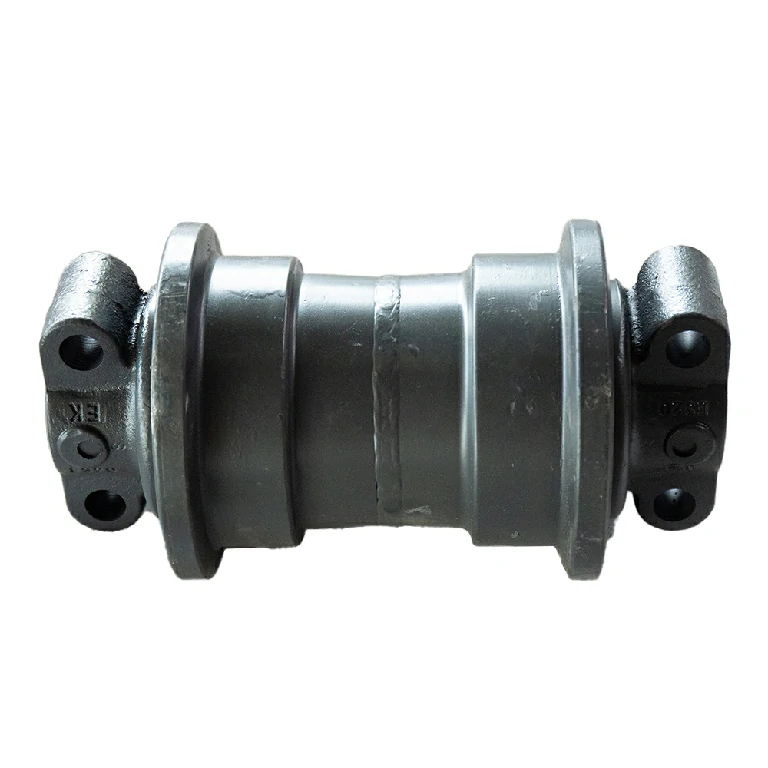
نکته 1: درک آناتومی و عملکرد غلتک مسیر
برای مراقبت واقعی از یک ماشین, ابتدا باید درک دقیقی از اجزای تشکیل دهنده آن ایجاد کرد, نه صرفاً به عنوان اشیاء ثابت، بلکه به عنوان شرکت کنندگان پویا در یک باله مکانیکی پیچیده. زیرانداز بیل مکانیکی گواهی بر این ایده است. پایه و اساس ماشین است, اتصال آن به زمین, و منبع تحرک آن. در این سیستم قوی از چرخ دنده ها, بیکارها, و زنجیر, غلتک مسیر نقش مهمی را ایفا می کند. این جزئی از قدرت بسیار زیاد است, با این حال طول عمر آن توسط اصول مراقبت و احترام عملیاتی کنترل می شود. اجازه دهید کاوش خود را با تشریح این بخش حیاتی آغاز کنیم, حرکت از تعریف اصلی آن به ظرافت های طراحی و عملکرد آن.
غلتک آهنگ دقیقاً چیست?
در اساسی ترین سطح آن, یک غلتک مسیر, گاهی اوقات غلتک پایین یا غلتک پایین نامیده می شود, یک چرخ است. اما چه چرخی است. آزادانه در یک جاده باز نمی چرخد; در عوض, سفر آن یک سفر محدود است, همیشه سنگین را هدایت و حمایت می کند, زنجیره مسیر مفصلی. یک قطار باری را تصور کنید. چرخ های واگن قطار بار بسیار زیادی را حمل می کنند, اما آنها توسط مسیر ثابت مسیر راه آهن هدایت می شوند. غلتک مسیر یک هدف دوگانه مشابه را انجام می دهد. در پایین قاب مسیر بیل مکانیکی نصب شده است, و مسئولیت اصلی آن تحمل کل وزن عملیاتی دستگاه است - که می تواند از یک تن برای یک مینی بیل مکانیکی تا بیشتر باشد. 100 تن برای یک ماشین معدن بزرگ - و آن بار را از طریق زنجیره مسیر به زمین منتقل کنید.
همزمان, پروفیل شیاردار غلتک, معروف به فلنج, با پیوندهای آهنگ درگیر می شود. این تعامل تضمین می کند که زنجیره مسیر در یک راستا باقی می ماند, جلوگیری از لیز خوردن آن از زیرشاخه در حین حرکت دستگاه, نوبت, یا روی سطوح ناهموار کار می کند. بنابراین, غلتک مسیر فقط یک چرخ غیرفعال نیست; این یک راهنمای فعال است, یک ستون باربر, و یک عنصر حیاتی برای حرکت. سلامت آن ثبات را دیکته می کند, بهره وری, و نرمی حرکت کل دستگاه. بدون غلطک هایی که به درستی کار می کنند, بیل مکانیکی ناپایدار خواهد بود, حرکت آن نامنظم است, و کل سیستم زیر شاسی در معرض خطر خرابی فاجعه بار خواهد بود.
اجزای اصلی: نگاهی به داخل
کندن پوسته فولادی سخت شده یک غلتک مسیر، مهندسی شگفت انگیزی را نشان می دهد که برای مقاومت در برابر نیروهای باورنکردنی و محیط های خشن طراحی شده است.. سادگی ظاهری بیرونی آن پیچیدگی داخلی را که برای عملکرد آن ضروری است، رد می کند.
در قلب غلتک قرار دارد شفت, یک جامد, پین فولادی سخت شده که به عنوان محور چرخش عمل می کند. شفت به قاب مسیر بیل مکانیکی ثابت می شود و ستون فقرات ساختاری را برای کل مجموعه فراهم می کند..
چرخش در اطراف این محور است بدنه غلتکی یا پوسته. این همان بخشی است که از بیرون می بینید, قطعه ای که تماس مستقیم با زنجیره مسیر برقرار می کند. این از یک کربن بالا ساخته شده است, فولاد آلیاژی بور, ماده ای که به دلیل چقرمگی استثنایی و مقاومت در برابر سایش ساینده انتخاب شده است. فرآیند تولید، ریخته گری ساده نیست; این شامل آهنگری برای ایجاد ساختار دانه ای است که استحکام بالاتری را ارائه می دهد, به دنبال یک فرآیند عملیات حرارتی دقیق. این فرآیند سطح بیرونی را سخت می کند تا در برابر سایش اتصالات مسیر مقاومت کند در حالی که هسته را کمی نرم تر و انعطاف پذیرتر می کند تا بارهای ضربه را بدون شکستگی جذب کند..
بین شفت ثابت و بدنه غلتکی دوار قرار دارند بوش. اینها معمولاً برنز یا یک کامپوزیت تخصصی دو فلزی هستند. بوش یک سطح یاتاقان قربانی است, طراحی شده برای ارائه یک رابط کم اصطکاک برای چرخش. کیفیت آن در درجه اول اهمیت قرار دارد; یک بوش بی کیفیت به سرعت فرسوده می شود, منجر به بازی بیش از حد می شود, ناهماهنگی, و در نهایت خرابی کل غلتک.
محافظت از این محیط داخلی ظریف در برابر دنیای بیرون از گل و لای, اب, گرد و غبار, و زباله است گروه مهر و موم. این شاید مهم ترین و پیچیده ترین بخش غلتک باشد. غلتک های مسیر مدرن از مهر و موم های دو مخروطی استفاده می کنند, که از دو حلقه مهر و موم فلزی ریز تشکیل شده است که توسط دو حلقه توریک الاستومری در تماس دائمی هستند.. این طرح یک مهر و موم هرمتیک ایجاد می کند که دو عملکرد را به طور همزمان انجام می دهد: روغن روان کننده داخلی را داخل نگه می دارد, و آلاینده های خارجی را دور نگه می دارد. شکست این مهر و موم اغلب آغاز پایان برای یک غلتک مسیر است.
تک فلنج در مقابل. غلتک دو فلنج
همانطور که شما خط غلتک های مسیر را در امتداد قاب مسیر بیل مکانیکی بررسی می کنید, ممکن است متوجه تفاوت ظریف در شکل آنها شوید. برخی فلنج خواهند داشت, یا لبه بلند شده, در هر دو طرف, در حالی که بقیه فقط در یک طرف فلنج خواهند داشت. این یک تصادف یا نقص تولید نیست; این یک انتخاب طراحی عمدی است که به عنوان پیکربندی تک فلنج و دو فلنج شناخته می شود. قرارگیری و تناوب این دو نوع غلتک برای ارائه راهنمایی بهینه برای زنجیره مسیر مهندسی شده است..
| نشان | غلتک آهنگ تک فلنج | غلتک مسیر دو فلنج |
|---|---|---|
| طرح | دارای یک فلنج هدایت کننده در قسمت بیرونی. | دارای دو فلنج هدایت کننده, یکی در هر طرف. |
| موقعیت | معمولاً در مجاورت لنگه ها و چرخ دنده های راهنمای کفش مسیر قرار می گیرد. | متناوب با غلتک های تک فلنج در امتداد قاب مسیر. |
| عملکرد اصلی | هدایت جانبی را فراهم می کند و در عین حال به انعطاف پذیری کمی مسیر اجازه می دهد. | راهنمایی سفت و سخت ارائه می دهد, گرفتن کامل لینک آهنگ. |
| کاربرد | برای هدایت زنجیر در اطراف انحنای چرخ دنده / بیکار ضروری است. | اولیه را تشکیل می دهد “راه آهن” برای بخش های مستقیم مسیر. |
| الگوی پوشیدن | سایش روی تک فلنج متمرکز است. | سایش ممکن است در هر دو فلنج ایجاد شود, به خصوص در هنگام چرخش مکرر. |
غلتک های دو فلنج مانند ریل های اولیه راه آهن عمل می کنند, با دو فلنج خود یک کانال عمیق را ایجاد می کنند که به طور ایمن پیوند مسیر را نگه می دارد. آنها منبع اصلی هدایت را در امتداد بخش های مستقیم قاب مسیر فراهم می کنند. غلتک های تک فلنجی بین آنها پراکنده شده است. اینها به صورت استراتژیک قرار می گیرند تا با پین اصلی و بخش های برجسته پیوندهای مسیر هماهنگ شوند, ارائه راهنمایی بدون دخالت. این الگوی متناوب - دو برابر, مجرد, دو برابر کردن, single- سیستمی را ایجاد می کند که هم امن و هم انعطاف پذیر باشد, به زنجیره مسیر اجازه می دهد تا بدون اتصال به چرخش چرخ دنده و بیکار حرکت کند در حالی که در طول سفر کاملاً در یک راستا باقی می ماند.. درک این تمایز فقط علمی نیست; برای مونتاژ مجدد صحیح و تشخیص الگوهای سایش خاص حیاتی است.
تمایز بین غلتک های مسیر و غلتک های حامل
یک نقطه سردرگمی مشترک برای کسانی که تازه وارد ماشین آلات سنگین می شوند، تفاوت بین غلتک مسیر و غلتک حامل است.. هر دو هستند “غلطک ها” و بخشی از زیرانداز, اما مکان و عملکرد آنها کاملاً متمایز است. همانطور که ما تاسیس کردیم, غلتک های مسیر در پایین قاب مسیر قرار دارند, تحمل وزن دستگاه بر روی زنجیره مسیر که با زمین در تماس است.
این غلتک حامل, یا غلتک بالایی, در سمت بالای قاب مسیر قرار دارد. تنها هدف آن تحمل وزن خود زنجیر ریل است که از چرخ دنده به چرخ عقب باز می گردد.. از طولانی شدن آن جلوگیری می کند, وسعت سنگین مسیر از افتادگی بیش از حد. یک مسیر آویزان می تواند به چارچوب مسیر برخورد کند, ایجاد ارتعاشات نامطلوب, و به طور بالقوه منجر به حذف ردیابی می شود. غلتک حامل هیچ بخشی از وزن دستگاه را تحمل نمی کند; بار آن به تنهایی به زنجیره محدود می شود julimachinery.com. در نتیجه, غلتک های حامل بسیار کوچکتر از غلتک های مسیر هستند و برای مقاومت در برابر بارهای فشاری و ضربه ای بسیار زیاد ساخته نشده اند.. در حالی که هر دو برای یک زیرانداز سالم مهم هستند, نقش های آنها, و بنابراین نیازهای تعمیر و نگهداری و حالت های خرابی آنها, اساسا متفاوت هستند. اشتباه گرفتن این دو می تواند منجر به سفارش نادرست قطعات و ارزیابی های تعمیر و نگهداری نادرست شود.
نکته 2: تسلط بر پروتکل های بازرسی و تمیز کردن منظم
رابطه بین یک اپراتور و ماشین آنها بر اساس مشاهده و پاسخ ساخته شده است. این دستگاه وضعیت سلامتی خود را از طریق نشانه های ظریف - یک صدای جدید - به اطلاع می رساند, یک لرزش خفیف, یک رگه روغن. اپراتور کوشا خواندن این زبان را یاد می گیرد. برای زیرشاخه بیل مکانیکی, سیستمی که تا 50% از هزینه های نگهداری در طول عمر ماشین, این زبان با الگوهای سایش نوشته شده است, وجود آوار, و یکپارچگی اجزای آن. تسلط بر یک رژیم منظم بازرسی و نظافت یک کار طاقت فرسا نیست; این موثرترین و مقرون به صرفه ترین شکل طب پیشگیری است که می توانید برای ماشین آلات ساختمانی خود انجام دهید.
پیاده روی روزانه: اولین خط دفاع شما
قبل از اینکه موتور بچرخد, قبل از شروع کار روز, بازرسی روزانه باید یک مراسم غیرقابل تعرض باشد. این یک قدم زدن معمولی نیست بلکه یک معاینه متمرکز است. برای زیرانداز, این به معنای خم شدن و نگاه کردن از نزدیک به غلتک های مسیر است. دنبال چی میگردی?
اولین, به دنبال چیز بدیهی باشید: نشانه های نشت. پوششی از روغن مخلوط با گرد و غبار و خاک در اطراف کلاهک انتهایی یک غلتک مسیر یک پرچم قرمز است.. این نشان می دهد که مهر و موم دو مخروطی از کار افتاده است. این غلتک اکنون در زمان قرضی زندگی می کند. روان کننده داخلی در حال فرار است, و خاک و آب ساینده راه خود را باز می کند, به سرعت بوش و شفت داخلی را از بین می برد.
دوم, غلتک هایی که آزادانه نمی چرخند را بررسی کنید. شما اغلب می توانید این را با جستجوی براق تشخیص دهید, نقطه صاف روی سطح در حال اجرا غلتک. این “لکه بینی صاف” زمانی اتفاق میافتد که یک غلتک به جای چرخش با زنجیر ریل، آن را میگیرد و به سمت آن کشیده میشود.. این باعث ایجاد اصطکاک بسیار زیاد و تسریع سایش در اتصالات غلتکی و گران قیمت می شود.
سوم, به دنبال آسیب های ساختاری باشید. فلنج های غلتکی را برای بریدگی قابل توجه بررسی کنید, ترک خوردن, یا بیش از حد, پوشیدن لبه چاقو. پیچهایی را که غلتک را روی قاب مسیر محکم میکنند، بررسی کنید, اطمینان حاصل شود که همه آنها حضور دارند و محکم به نظر می رسند. کل این فرآیند ممکن است تنها پنج دقیقه طول بکشد, اما این پنج دقیقه می تواند تفاوت بین زودهنگام گرفتن یک مشکل و رسیدگی به یک مشکل اصلی باشد, شکست توقف کار بعدا.
تنظیم برنامه بازرسی رسمی
در حالی که گردش روزانه برای تشخیص مشکلات حاد ضروری است, رسمی تر, فرآیند بازرسی مستند، دید بلندمدتی از سلامت زیرانداز ارائه می دهد. این امر به ویژه برای مدیران ناوگان در مناطقی مانند بخش معدن استرالیا یا پروژه های ساختمانی در مقیاس بزرگ در خاورمیانه مهم است., جایی که زمان کارکرد دستگاه بسیار مهم است.
این بازرسی رسمی باید در فواصل زمانی منظم انجام شود, شاید هر 250 یا 500 ساعت ها, و یافته ها باید ثبت شود. این شامل بیش از یک بررسی بصری است. ممکن است شامل استفاده از ابزارهای تخصصی برای اندازه گیری سایش روی آج غلتکی و فلنج باشد. با ردیابی این اندازه گیری ها در طول زمان, شما می توانید نرخ سایش را برای هر جزء تعیین کنید. این داده ها فوق العاده قدرتمند هستند. این به شما امکان می دهد از یک مدل تعمیر و نگهداری واکنشی حرکت کنید (تعمیر چیزها در هنگام شکستن) به یک پیش بینی. میتوانید پیشبینی کنید که مجموعهای از غلتکها احتمالاً چه زمانی به پایان عمر مفید خود میرسند و زمانبندی تعویض آنها در طول زمان توقف برنامهریزیشده, به جای اینکه در میانه یک کار حیاتی دچار یک شکست غیرمنتظره شوید. این رویکرد داده محور, توسط بسیاری حمایت شد متخصصان برجسته تجهیزات, تعمیر و نگهداری را از هزینه به سرمایه گذاری استراتژیک در قابلیت اطمینان تبدیل می کند.
هنر تمیز کردن: فراتر از زیبایی شناسی
در بسیاری از محیط های کاری, از مزارع گل آلود کشاورزی جنوب شرقی آسیا تا معادن غبارآلود آفریقا, زیرشاخه بیل مکانیکی به سرعت مملو از مواد می شود. وسوسه انگیز است که این تجمع را به عنوان یک نتیجه عادی کار در نظر بگیریم, اما این یک دشمن خاموش برای غلتک مسیر است.
مواد بسته بندی شده, به خصوص زمانی که ساینده یا خورنده باشد, به طور قابل توجهی سایش را تسریع می کند. فضای بین اجزای متحرک را پر می کند, ساییدن پوسته های غلتک, فلنج ها, و حفاظ های مهر و موم. زمانی که این ماده در آب و هوای سردتر مانند روسیه یخ می زند, می تواند به سختی بتن تبدیل شود, هنگام راه اندازی دستگاه، فشار زیادی بر روی غلتک ها و زنجیره مسیر وارد می کند, به طور بالقوه باعث آسیب فوری و شدید می شود.
علاوه بر این, زیرانداز کثیف یک زیرانداز غیرقابل بازرسی است. شما نمی توانید یک مهر و موم نشتی را ببینید, یک پیچ شل, یا فلنج ترک خورده زمانی که زیر یک لایه ضخیم گل خشک پنهان شده باشد. از این رو, نظافت منظم یک پیش نیاز برای بازرسی موثر است. استفاده از یک ماشین شستشوی فشار یا یک بیل ساده در پایان هر روز کاری برای پاک کردن بخش عمده ای از زباله های انباشته شده یک کار حیاتی است.. نه تنها عمر غلتک ها را با کاهش سایش ساینده افزایش می دهد، بلکه باعث می شود بازرسی روزانه معنی دار باشد.. زیرانداز تمیز یک زیرانداز شفاف است, یکی که بتواند وضعیت سلامتی خود را به وضوح بیان کند.
شناسایی علائم هشدار دهنده اولیه سایش
یادگیری تشخیص علائم اولیه سایش مانند این است که پزشک یاد بگیرد اولین علائم یک بیماری را تشخیص دهد. این امکان مداخله زودهنگام را قبل از بحرانی شدن شرایط فراهم می کند. برای یک غلتک مسیر, علائم در یک الگوی قابل پیش بینی پیشرفت می کنند.
اولین علامت اغلب است “دراز کشیدن” روی آج غلتکی. این به صورت صاف شدن جزئی یا قارچ گونه شدن فلز در لبه های سطح تماس ظاهر می شود., ناشی از فشار بسیار زیاد از لینک های مسیر. در حالی که مقداری ادرار کردن طبیعی است, ریزش بیش از حد می تواند نشان دهنده وضعیت اضافه بار یا کشش نامناسب مسیر باشد.
بعدی, شما سایش فلنج را مشاهده خواهید کرد. همانطور که زنجیره مسیر حرکت می کند, بر روی فلنج های غلتکی نیروهای جانبی وارد می کند, به خصوص در هنگام چرخش. فلنج ها شروع به نازک شدن خواهند کرد. وقتی تیز می شوند یا “لبه چاقو,” توانایی آنها برای هدایت مسیر به خطر افتاده است, و خطر ردیابی افزایش می یابد.
همزمان, خود آج غلتکی فرسوده می شود. با کاهش قطر غلتک, بر هندسه کل زیرانداز تأثیر می گذارد. گام بین غلطک ها به طور موثر تغییر می کند, که می تواند سایش بوش های پیوند مسیر را تسریع بخشد. اندازه گیری قطر غلتک و مقایسه آن با مشخصات سازنده بخش کلیدی فرآیند بازرسی رسمی است.. شناخت این نشانه ها و درک آنچه نشان می دهند به شما امکان می دهد اقدامات اصلاحی انجام دهید, آیا آن را تنظیم عادات اپراتور, بررسی کشش مسیر, یا برنامه ریزی برای تعویض قبل از اینکه یک مشکل فرسودگی جزئی به یک خرابی عمده سیستم تبدیل شود.
نکته 3: اجرای یک استراتژی روانکاری پیشگیرانه
در پوسته فولادی سخت شده هر غلتک مسیر، یک اکوسیستم دقیق مهندسی شده از قطعات متحرک نهفته است.. بقای این اکوسیستم کاملاً به یک چیز بستگی دارد: روغن کاری مناسب. روانکاری رگ حیاتی غلتک است. اصطکاک را کاهش می دهد, گرما را دفع می کند, و از تصرف فاجعه آمیز فلز روی فلز اجزای داخلی جلوگیری می کند. غفلت از روانکاری به معنای محکوم کردن غلتک به مرگ زودرس و پرهزینه است. یک استراتژی روانکاری فعال فقط در مورد اضافه کردن روغن نیست; این در مورد درک عملکرد آن است, با استفاده از نوع صحیح, و استفاده از آن در زمان مناسب.
چرا روانکاری رگ حیاتی غلتک های شماست؟
اجازه دهید آنچه را که در داخل غلتک مسیر کار میکند، تجسم کنیم. پوسته بیرونی, صدها کیلوگرم وزن دارد و چندین تن وزن دستگاه را تحمل می کند, در اطراف یک محور ثابت فولادی می چرخد. تنها چیزی که مانع از آسیاب شدن این دو جزء قدرتمند به گرد و غبار می شود، یک فیلم میکروسکوپی روغن است, اغلب ضخیم تر از موی انسان نیست, در فضای بوش برنز نگهداری می شود.
این فیلم روغنی چندین کار قهرمانانه را انجام می دهد. اولین, اصطکاک را کاهش می دهد. بدون آن, گرمای تولید شده بسیار زیاد خواهد بود, باعث انبساط فلز می شود, پیچ و تاب, و در نهایت در یک تشنج دائمی خود را به هم جوش می دهد. دوم, به عنوان خنک کننده عمل می کند, انتقال گرما از ناحیه تماس پرفشار بین بوش و شفت و پخش آن از طریق بدنه غلتکی. سوم, کمک می کند تا ذرات سایش میکروسکوپی که به طور اجتناب ناپذیر ایجاد می شوند، از بین بروند, از تجمع آنها جلوگیری می کند و به عنوان یک خمیر ساینده عمل می کند.
یکپارچگی این فیلم روغن توسط مهر و موم دو مخروطی محافظت می شود. زمانی که این مهر و موم ها به درستی کار می کنند, روغن می تواند برای عمر مفید غلتک دوام بیاورد. با این حال, همانطور که یکی از راهنمای تعمیر و نگهداری اشاره می کند, در شرایط سخت, این مهر و موم می تواند به خطر بیافتد. وقتی مهر و موم از کار می افتد, کل این سیستم حفاظتی فرو می ریزد. روغن نشت می کند, و آلاینده هایی مانند آب, شن, و شن بریزید. نتیجه افزایش سریع سایش است. اصطکاک و گرما سر به فلک می کشد, بوش به سرعت از بین می رود, و غلتک می گیرد. به همین دلیل است که یک نشتی کوچک روغن در هنگام بازرسی روزانه یک هشدار بسیار مهم است.
انتخاب روان کننده مناسب برای محیط
همه روغن های روان کننده یکسان ساخته نمی شوند. روغن داخل غلتک مسیر باید به اندازه کافی قوی باشد تا بتواند فشارهای شدید و طیف وسیعی از دماها را تحمل کند. برای اکثر غلتک های مسیر مدرن, تولید کنندگان یک روغن دنده سنگین را مشخص می کنند, معمولا در SAE 30 به SAE 50 محدوده ویسکوزیته. انتخاب به شدت به دمای کارکرد محیط بستگی دارد.
در آب و هوای گرم خاورمیانه یا استرالیای مرکزی, ضخیم تر, روغن با ویسکوزیته بالاتر (مانند SAE 50) ضروری است. روغن نازک تر در دماهای بالا ویسکوزیته بسیار زیادی را از دست می دهد, عدم ارائه یک فیلم محافظ کافی. برعکس, در زمستان های سرد روسیه یا کره, یک لاغر کننده, روغن با ویسکوزیته کمتر (مانند SAE 30) مورد نیاز است. روغن غلیظ تر در سرما خیلی سفت می شود, جلوگیری از جریان مناسب آن در فاصله های تنگ بوشینگ ها هنگام راه اندازی, منجر به دوره ای از “دویدن خشک” و سایش تسریع شده.
برای توصیه های خاص برای دستگاه و آب و هوای خود، مراجعه به دفترچه راهنمای عملیات و نگهداری سازنده دستگاه بسیار مهم است. استفاده از نوع نامناسب روغن می تواند به همان اندازه که استفاده نکردن از روغن اصلاً مضر باشد. برخی از غلتک های قدیمی یا تخصصی ممکن است به جای پر شدن از روغن، دارای دانه های گریس باشند. در این موارد, استفاده از نوع مشخص شده گریس به همان اندازه مهم است, معمولا یکی با فشار شدید (EP) مواد افزودنی.
روش روغن کاری گام به گام
برای غلتک هایی که طراحی شده اند “روغن کاری شده برای مادام العمر,” وظیفه اصلی شما محافظت از مهر و موم هایی است که روغن کارخانه را در جای خود نگه می دارند. برای غلتک هایی که نیاز به روغن کاری مجدد دوره ای دارند (که در طرح های مدرن کمتر دیده می شود اما همچنان وجود دارد), یا برای موقعیت هایی که یک مهر و موم جایگزین شده است, یک رویه دقیق باید دنبال شود.
- ماشین را در موقعیت مکانی قرار دهید: اولین قدم این است که دستگاه را ایمن قرار دهید. در صورت امکان, مسیر را طوری بچرخانید که دوشاخه پرکننده غلتکی که در حال تعمیر آن هستید در آن قرار گیرد “3 ساعت” یا “9 ساعت” موقعیت. این باعث می شود که روغن بلافاصله پس از برداشتن دوشاخه بیرون نریزد. همچنین عاقلانه است که طرف دستگاهی را که روی آن کار می کنید بالا بیاورید, برداشتن وزن از روی غلتک ها. این اجازه می دهد تا روان کننده به طور یکنواخت توزیع شود و بازرسی را آسان تر می کند.
- منطقه را تمیز کنید: اطراف پلاگین پرکننده را کاملا تمیز کنید. در طول فرآیند پر کردن غلتک نمی خواهید کثیفی یا شن وارد مکانیسم داخلی غلتک شود.
- رهاسازی فشار: دوشاخه را به آرامی و با احتیاط باز کنید. ممکن است مقداری فشار در داخل غلتک ایجاد شود, مخصوصا اگر گرم باشد. شل شدن آهسته آن باعث می شود این فشار به طور ایمن تخلیه شود.
- تا سطح صحیح پر کنید: با استفاده از قیف تمیز یا پمپ روغن اختصاصی, نوع مشخص شده روغن را اضافه کنید. سطح صحیح پر کردن بسیار مهم است. باید غلتک را تا زمانی پر کنید که روغن با قسمت پایینی دریچه پرکننده تراز شود. پر کردن بیش از حد می تواند به اندازه کم پر شدن مضر باشد. غلتکی که بیش از حد پر شده است، با گرم شدن، جایی برای انبساط روغن ندارد, که می تواند مهر و موم هایی را که می خواهید محافظت کنید منفجر کند.
- دوشاخه را تعویض و سفت کنید: یک بار پر شد, دوشاخه را دوباره نصب کنید و آن را با گشتاور مشخص شده سازنده محکم کنید. بیش از حد سفت نکنید, زیرا می تواند به رزوه ها یا خود دوشاخه آسیب برساند.
اشتباهات رایج روغن کاری که باید از آنها اجتناب کنید
حتی با بهترین نیت, اشتباهات ممکن است اتفاق بیفتد. آگاهی از مشکلات رایج می تواند به شما در اجتناب از آنها کمک کند.
- نادیده گرفتن نشت: رایج ترین اشتباه، دیدن یک نشتی جزئی و نادیده گرفتن آن است. غلتک مسیر نشتی یک غلتک شکست خورده است. نیاز به تعویض دارد. تلاش برای “آن را بالا ببرید” هر روز یک تمرین بیهوده و پرهزینه است که مشکل اصلی را نادیده می گیرد: مهر و موم شکسته و آلودگی داخلی مداوم.
- استفاده از روغن اشتباه: همانطور که بحث شد, استفاده از روغن با ویسکوزیته نادرست برای آب و هوا می تواند منجر به روانکاری ناکافی و خرابی زودرس شود..
- پر شدن بیش از حد: وسوسه اضافه کردن “کمی اضافی برای اندازه گیری خوب” باید مقاومت کرد. افزایش فشار حاصل از انبساط حرارتی باعث از بین رفتن آببندها میشود.
- آلودگی در حین پر کردن: استفاده از قیف های کثیف, پمپ ها, یا کهنه ها می توانند ذرات ساینده را وارد محیط تمیز داخلی غلتک کنند, از بین بردن هدف روغن کاری.
- مخلوط کردن روان کننده ها: هرگز انواع یا مارک های مختلف روغن را مخلوط نکنید، مگر اینکه از سازگاری آنها مطمئن باشید. افزودنی های ناسازگار می توانند با یکدیگر واکنش نشان دهند, کاهش اثربخشی روانکاری.
با در نظر گرفتن روانکاری نه به عنوان یک کار ساده بلکه به عنوان یک کار دقیق, رویه فنی, شما فعالانه از سلامتی محافظت می کنید و عمر یکی از حیاتی ترین و گران ترین قطعات دستگاه خود را افزایش می دهید.
نکته 4: تشخیص و تشخیص حالت های رایج شکست
یک غلتک مسیر منجر به وجود بی رحمانه می شود. دائماً فشرده می شود, شوکه شده, و در محیطی اشباع از خاک و رطوبت ساییده می شود. این گواهی بر متالورژی و مهندسی مدرن است که آنها تا زمانی که ماندگار هستند. با این حال, شکست یک قطعیت نهایی است. کلید مدیریت موثر زیرانداز این است که علائم خرابی قریب الوقوع را خیلی قبل از اینکه فاجعه بار شود تشخیص دهید.. یادگیری تشخیص این حالت های خرابی مهارتی است که هم در زمان و هم در هزینه صرفه جویی می کند, امکان مداخلات برنامه ریزی شده به جای پرهزینه, تعمیرات واکنشی.
لکه بینی صاف: علل و پیشگیری
یکی از مشخص ترین نشانه های مشکل این است “لکه بینی صاف” این زمانی اتفاق می افتد که یک غلتک مسیر را گرفته و از چرخش باز می ایستد. همانطور که بیل مکانیکی حرکت می کند, زنجیره مسیر چرخان غلتک ثابت را به امتداد می کشد, آسیاب کردن یک نقطه صاف در سطح سخت شده آن. شما اغلب می توانید این صدا را به عنوان صدایی ریتمیک در حین حرکت دستگاه بشنوید, یک بار در هر چرخش مسیر.
علت اصلی تشنج از دست دادن کامل روانکاری داخلی است. تقریباً همیشه قبل از خرابی مهر و موم رخ می دهد, که اجازه می دهد روغن فرار کند و آلاینده ها وارد شوند. دوغاب ساینده خاک و آب به سرعت بوش های داخلی را از بین می برد. اصطکاک و گرما ایجاد می شود تا زمانی که اجزای داخلی غلتک خود را به هم جوش دهند.
پیشگیری از لکه بینی صاف, از این رو, اساساً در مورد محافظت از مهر و موم و اطمینان از روانکاری مناسب است. این به نکات قبلی ما برمی گردد: بازرسیهای روزانه سختگیرانه برای تشخیص زودهنگام نشتی, تمیز کردن منظم برای جلوگیری از بسته شدن مواد ساینده در اطراف و آسیب رساندن به محافظ های مهر و موم, و اجتناب از عملیات در عمق, آب خورنده برای مدت طولانی در صورت امکان. هنگامی که یک غلتک دارای یک نقطه مسطح قابل توجه است, قابل تعمیر نیست. باید تعویض شود, زیرا با هر چرخش مسیر به پیوندهای مسیر که با آنها تماس می گیرد آسیب جدی وارد می کند.
سایش فلنج: نشانه های گویایی
فلنج های روی غلتک مسیر دست های هدایت کننده آن هستند. آنها زنجیره مسیر قدرتمند را در خط نگه می دارند. همانطور که ماشین می چرخد یا در شیب های جانبی کار می کند, پیوندهای مسیر به این فلنج ها فشار می آورند, باعث پوشیدن آنها می شود. مقدار مشخصی از سایش فلنج در طول عمر یک غلتک طبیعی است. با این حال, سایش زیاد یا سریع فلنج یکی از علائم یک مشکل اساسی است.
| حالت شکست | علائم بصری | علل اولیه | اقدامات پیشگیرانه |
|---|---|---|---|
| لکه بینی صاف | یک براق, ناحیه صاف روی آج غلتکی; صدای تق تق ریتمیک. | تشنج داخلی به دلیل از دست دادن روانکاری (خرابی مهر و موم). | بازرسی روزانه نشت; نظافت منظم زیرانداز. |
| سایش فلنج | فلنج ها نازک می شوند, تیز, یا “لبه چاقو.” | چرخش بیش از حد; عملکرد مداوم در شیب های جانبی; ناهماهنگی مسیر. | جهت چرخش را تغییر دهید; کار شیب جانبی را به حداقل برسانید; تراز مسیر را بررسی کنید. |
| تشنج / نشت | باقیمانده روغن روی بدنه/قاب غلتکی; غلتک نمی چرخد. | شکست مهر و موم از سن, خسارت, یا نصب نامناسب. | از محافظ های مهر و موم محافظت کنید; از آب عمیق / مواد خورنده اجتناب کنید. |
| ترک پوسته | ترک های قابل مشاهده روی بدنه غلتک, اغلب از آج سرچشمه می گیرد. | بارهای شوک شدید (به عنوان مثال, دستگاه پرتاب); خستگی مادی. | از انجام عملیات با ضربه زیاد خودداری کنید; دستگاه را به آرامی کار کند. |
شایع ترین علت سایش بیش از حد فلنج، تکنیک اپراتور است. چرخش مداوم در یک جهت باعث فرسودگی فلنج های یک طرف دستگاه بسیار سریعتر از طرف دیگر می شود. کار مداوم در یک شیب جانبی, یا “صدف کردن,” همچنین بار جانبی ثابتی را روی فلنج ها قرار می دهد.
یکی دیگر از دلایل مهم، ناهماهنگی مسیر است. اگر چرخ دنده جلو و چرخ دنده عقب کاملاً در یک راستا قرار نگیرند, زنجیره مسیر دائماً سعی می کند به یک طرف راه برود, اعمال یک رانش مداوم بر روی فلنج های غلتکی. این می تواند ناشی از فرسودگی صفحه راهنمای بیکار یا قاب مسیر خمیده باشد.
تشخیص سایش فلنج شامل بازرسی بصری و اندازه گیری می شود. وقتی فلنج ها نازک و تیز می شوند, آنها توانایی خود را برای هدایت موثر مسیر از دست می دهند و حتی می توانند شروع به برش پیوندهای مسیر کنند. راه حل شامل ترکیبی از آموزش اپراتور برای به حداقل رساندن چرخش تهاجمی و اسکالوپ کردن است, همراه با بررسی های دوره ای تراز زیرانداز.
توقیف و نشت نفت: یک شکست بحرانی
همانطور که بحث کردیم, نشت روغن ناقوس مرگ برای غلتک مسیر است. این بحرانی ترین حالت شکست برای شناسایی است زیرا علت اصلی تشنج و لکه بینی صاف است. وقتی رگهای از روغن و کثیفی را در کنار غلتک میبینید, شما در حال مشاهده شواهد مستقیم از یک مهر و موم دو مخروطی شکست خورده هستید.
چه چیزی باعث از کار افتادن این مهر و موم های قوی می شود? چندین مقصر وجود دارد. سن یک است; حلقه های الاستومری که به مهر و موم ها انرژی می دهند می توانند به مرور زمان خاصیت ارتجاعی خود را از دست بدهند. آسیب یکی دیگر از دلایل اصلی است. سنگ یا تکه ای از آوار که بین قاب مسیر و غلتک فرو می رود می تواند به محافظ آب بند برخورد کند., تغییر شکل آن و به خطر انداختن مهر و موم. نصب نادرست در طول تعمیر قبلی نیز می تواند منجر به خرابی زودرس شود. سرانجام, کارکردن برای مدت طولانی در دوغاب بسیار ساینده یا خورنده می تواند اجزای آب بندی را از بین ببرد.
تشخیص ساده است: اگر نشت کند, شکست خورده است. هیچ تعمیر میدانی برای مهر و موم دو مخروطی وجود ندارد. غلتک باید از دستگاه خارج شده و جایگزین شود. به همین دلیل است که یک رویکرد فعالانه بسیار ارزشمند است. با خرید غلتک های مسیر جایگزین با کیفیت بالا با مهر و موم های قوی و محافظت از آنها از طریق تمیز کردن دقیق و عملیات دقیق, شما می توانید به طور قابل توجهی عمر آنها را افزایش دهید و از این شکست های مهم جلوگیری کنید.
اثر دومینو: چگونه یک غلتک شکست خورده بر سیستم تأثیر می گذارد
نادیده گرفتن یک غلتک مسیر شکست خورده می تواند وسوسه انگیز باشد, به خصوص اگر به نظر می رسد دستگاه در حال کار است “به اندازه کافی خوب” این یک اشتباه پرهزینه است. زیرانداز سیستمی از قطعات به هم پیوسته است, و خرابی یک جزء به ناچار استرس بیشتری را بر همسایگان آن وارد می کند.
غلتک گیر کرده یا فرسوده دیگر سهم خود را از وزن دستگاه تحمل نمی کند. این بار بلافاصله به غلتک های مجاور منتقل می شود, افزایش حجم کار و تسریع در فرسودگی آنها. غلتکی با فلنج های فرسوده دیگر نمی تواند مسیر را به درستی هدایت کند, که می تواند منجر به افزایش سایش در فلنج های دیگر غلتک ها و در کناره های خود پیوندهای مسیر شود.
آن را به عنوان یک چاله در یک جاده شلوغ در نظر بگیرید. ماشین ها برای جلوگیری از آن منحرف می شوند, که شانه های جاده را فرسوده می کند و به سیستم تعلیق خودروها استرس وارد می کند. به همین ترتیب, یک غلتک بد، صافی را مختل می کند, عملکرد متعادل کل زیرانداز. این اختلال یک اثر شکست آبشاری ایجاد می کند, جایی که یک قطعه شکست خورده منجر به خرابی زودرس چندین قطعه دیگر می شود. رسیدگی سریع به یک غلتک از کار افتاده همیشه مقرون به صرفه تر از انتظار است تا زمانی که خرابی آن به سایر اجزای گران قیمت مانند زنجیره مسیر یا سایر غلتک ها آسیب برساند..
نکته 5: بهینه سازی تکنیک های عملیاتی برای کاهش سایش
بزرگترین عاملی که بر طول عمر زیرانداز بیل مکانیکی تأثیر می گذارد، فردی است که روی صندلی اپراتور می نشیند.. یک ماهر, اپراتور با وجدان می تواند عمر اجزای زیرشاخه را در مقایسه با یک تهاجمی یا آموزش ندیده دو برابر کند.. ماشین یک ابزار است, و مثل هر وسیله ای, نحوه استفاده از آن، طول عمر آن را تعیین می کند. بهینهسازی تکنیکهای عملیاتی به معنای کندتر کار کردن نیست; این در مورد کار کردن هوشمندانه است, به حداقل رساندن استرس غیرضروری بر روی اجزای حیاتی مانند غلتک مسیر, و درک فیزیک حرکت ماشین.
خطرات سفر با سرعت بالا و معکوس
اکثر بیل مکانیکی های مدرن دارای دو سرعت حرکت هستند. تنظیم سرعت بالا برای “تراموا,” یا حرکت ماشین در فواصل طولانی تر در یک سطح, سایت کار آماده شده. با این حال, استفاده گسترده از سفر با سرعت بالا, به خصوص در زمین ناهموار, به طور چشمگیری سایش زیر خودرو را تسریع می کند. نیروهای درگیر با سرعت به طور تصاعدی افزایش می یابند. هر ضربه و تکان بزرگنمایی میشود, ارسال امواج شوک از طریق غلتک های مسیر و کل سیستم.
سفر معکوس حتی مضرتر است. زنجیره مسیر طوری طراحی شده است که با نیروی کششی که از بالا وارد می شود کارآمدترین عملکرد را داشته باشد, با چرخ زنجیر که زنجیر را روی غلطک های حامل و بیکار می کشد. هنگام سفر برعکس, چرخ زنجیر زنجیر را در زیر غلتک های مسیر به داخل زمین فشار می دهد. این باعث ایجاد سایش بیشتر در پیوند مسیر و بوش های غلتکی می شود زیرا نقطه تماس و دینامیک بار تغییر می کند.. در حالی که عملکرد معکوس اجتناب ناپذیر است, به حداقل رساندن مسافت طولانی یا با سرعت بالا در مسیر معکوس می تواند تأثیر مثبت قابل توجهی بر عمر غلتک های مسیر و زنجیر مسیر شما داشته باشد.. یک قانون سرانگشتی خوب این است که برای کار خود برنامه ریزی کنید تا سفر به جلو را ادامه دهید 80% از کل حرکت شما.
پیمایش در شیب ها و زمین های ناهموار
کار بر روی شیب ها یک نیاز رایج برای بیل مکانیکی است, اما فشارهای منحصر به فردی را بر روی زیرانداز وارد می کند. هنگام حرکت مستقیم از یک شیب به بالا یا پایین, وزن دستگاه تغییر می کند, قرار دادن مقدار نامتناسب بار بر روی غلتک های عقب (سربالایی رفتن) یا جلو (رفتن به سراشیبی). در این مورد کار زیادی نمی توان کرد, اما این چیزی است که باید از آن آگاه بود.
عمل مضرتر کار کردن یا حرکت به پهلو در یک شیب است, تکنیکی که به نام “صدف کردن” این یک بار جانبی ثابت را روی کل زیرانداز وارد می کند. زنجیره مسیر دائماً در تلاش است تا سرازیر شود, که آن را در برابر فلنج های غلتک های مسیر و کناره های هرزگردها مجبور می کند. این منجر به سایش سریع و شدید فلنج می شود, یکی از رایج ترین و قابل پیشگیری ترین حالت های خرابی. در صورت امکان, کار باید طوری برنامه ریزی شود که مستقیماً بالا و پایین درجه انجام شود. اگر پیمودن یک شیب ضروری است, باید با دقت و در کمترین فاصله ممکن انجام شود.
به همین ترتیب, روی ناهموار, زمین سنگی, باید تمام تلاش خود را به کار گرفت تا به راحتی سفر کنید. از سقوط یک مسیر در شیار عمیق یا بالا رفتن از یک مانع بزرگ خودداری کنید, زیرا فشار پیچشی عظیمی بر روی قاب مسیر وارد می کند و بارهای نقطه ای عظیمی را روی غلتک های جداگانه ایجاد می کند..
اجتناب کردن “یک طرفه” الگوهای پوشیدن
ماشین آلات, مثل مردم, می تواند عادات را ایجاد کند. اپراتور که به طور مداوم عریض می سازد, چرخش های جارو به سمت چپ باعث ساییدگی قابل توجهی بیشتر در قسمت های زیرین سمت راست می شود, و برعکس. این به این دلیل است که مسیر بیرونی باید مسافت بسیار بیشتری را نسبت به مسیر داخلی طی یک پیچ طی کند, در نتیجه چرخش های بیشتری برای غلتک های مسیر بیرونی و عمل شستشوی بیشتر انجام می شود.
یک راه ساده برای مبارزه با این، تغییر آگاهانه جهت چرخش در طول روز کاری است. اگر صبح چند دور به چپ چرخید, سعی کنید بعد از ظهر چند چرخش به راست انجام دهید. این به یکنواخت شدن سایش دو طرف دستگاه کمک می کند. یکی دیگر از عادت های مضر، تیز کردن است, “محوری” یا “ضد چرخش” روی سطوح با کشش بالا مانند بتن یا آسفالت روشن می شود. این عمل مسیرها را مجبور به لغزش به طرفین می کند, ایجاد تنش پیچشی بسیار زیاد بر روی پیوندهای مسیر و بارگذاری جانبی فلنج های غلتکی. خیلی بهتره که عریض تر بشه, هر زمان که فضا اجازه دهد سه نقطه می چرخد.
تاثیر کشش مسیر بر عمر غلتک
تنش را دنبال کنید, یا “افتادگی,” یکی از اشتباه ترین جنبه های نگهداری از زیرانداز است. یک تصور غلط رایج وجود دارد که پیست تنگ تر مسیر بهتری است. این به طرز خطرناکی نادرست است. مسیری که خیلی تنگ است یکی از مخرب ترین و پرهزینه ترین شرایط برای یک زیرانداز است.
هنگامی که یک مسیر بیش از حد کشش دارد, توده ای را ایجاد می کند, بار ثابت بر روی تمام اجزای دوار. اصطکاک بین پین های پیوند مسیر و بوشینگ ها را به طور چشمگیری افزایش می دهد. بیشتر مربوط به بحث ما است, فشار زیادی بر روی شفت و بوش های غلتکی مسیر وارد می کند, و همچنین یاتاقان ها در هرزگرد جلو و چرخ دنده نهایی. مسیری که خیلی تنگ است می تواند میزان سایش را افزایش دهد 50% یا بیشتر. اسب بخار را از ماشین سلب می کند, سوخت را هدر می دهد, و کل سیستم را تحت یک حالت ثابت قرار می دهد, استرس بالا.
برعکس, آهنگی که خیلی شل است نیز مشکل ساز است. می تواند باعث شود که مسیر به “شلاق زدن” در سرعت های بالا و خطر ردیابی را افزایش می دهد, به خصوص هنگام کار در شیب یا معکوس. یک مسیر شل نیز نمی تواند به درستی با فلنج های غلتکی درگیر شود, که می تواند منجر به سایش نامنظم شود.
روش صحیح این است که تنش مسیر را با توجه به مشخصات سازنده و شرایط کاری فعلی تنظیم کنید. مسیری که در گل آلود کار می کند, شرایط بسته بندی باید کمی شل تر از مسیری باشد که روی سخت کار می کند, زمین خشک. گل نیاز به فضایی دارد تا بیرون بیاید; یک مسیر تنگ آن را به دام می اندازد, ایجاد “بتن” اثری که قبلاً در مورد آن صحبت کردیم. یادگیری درست اندازهگیری و تنظیم افتادگی مسیر یک مهارت اساسی برای هر اپراتور یا مکانیک است و مزایای زیادی در افزایش عمر هر غلتک مسیر دارد..
نکته 6: انتخاب غلتک مسیر جایگزین مناسب برای دستگاه شما
زمانی در زندگی هر بیل مکانیکی فرا می رسد که غلتک های مسیر اصلی آن به پایان عمر خود می رسند.. پوشیدن اجتناب ناپذیر است. تصمیم در مورد اینکه با چه چیزی جایگزین شوند, با این حال, یک مورد حیاتی است که مستقیماً بر عملکرد آینده دستگاه تأثیر می گذارد, قابلیت اطمینان, و هزینه عملیاتی. این انتخاب فراتر از یافتن یک قطعه مناسب است. این شامل یک ارزیابی سنجیده از کیفیت است, روش های تولید, و شهرت تامین کننده. انتخاب عاقلانه در اینجا سرمایه گذاری در زمان کار آینده است.
OEM در مقابل. پس از فروش: یک تصمیم سنجیده
یکی از اولین سوالاتی که مدیران ناوگان و مالک-اپراتورها با آن مواجه می شوند این است که آیا شرکت سازنده تجهیزات اصلی را خریداری کنند یا خیر. (OEM) قطعات یا برای کاوش در بازار پس از فروش. ملاحظات معتبری از هر دو طرف وجود دارد.
غلتک های OEM آنهایی هستند که توسط یا برای سازنده اصلی بیل مکانیکی تولید می شوند (به عنوان مثال, کرم ابریشم, کوماتسو, ولوو). مزیت اصلی سازگاری و کیفیت تضمین شده است. می دانید که قطعه کاملاً جا می شود و مطابق با مشخصات دقیق مواد و عملیات حرارتی به عنوان اصلی ساخته شده است.. نقطه منفی معمولاً قیمت بالاتر است.
پس از فروش, از طرف دیگر, چشم انداز وسیعی از گزینه ها را ارائه می دهد. کیفیت می تواند از استثنایی تا به شدت ضعیف متغیر باشد. جذابیت اصلی قطعات پس از فروش اغلب قیمت خرید اولیه پایین تر است. یک غلتک ردیابی پس از فروش با کیفیت بالا از یک تامین کننده معتبر می تواند عملکردی معادل OEM را با هزینه رقابتی تر ارائه دهد.. این تامین کنندگان اغلب در قطعات زیر شاسی تخصص دارند و در تحقیقات خود سرمایه گذاری زیادی کرده اند, توسعه, و کنترل کیفیت. خطر در هزینه کم نهفته است, ارائه دهندگان با کیفیت پایینی که مواد یا فرآیندهای تولید را کاهش می دهند. یک غلتک ارزان قیمت که زودتر از موعد از کار بیفتد، در زمان خرابی و خسارات جانبی بسیار بیشتر از صرفه جویی در خرید اولیه هزینه خواهد داشت.. نکته کلیدی این است که بازار پس از فروش را به جای OEM انتخاب نکنید, اما انتخاب کیفیت بر حد متوسط, بدون توجه به منبع.
علم مواد: چه چیزی یک غلتک با کیفیت را می سازد?
عملکرد یک غلتک مسیر در آتش و فشار متولد می شود. دوام آن مدت ها قبل از اینکه به دستگاه پیچ شود مشخص می شود. تفاوت بین یک غلتک درجه یک و یک غلتک نامرغوب در دنیای نامرئی علم مواد و فرآیندهای تولید نهفته است..
پوسته غلتکی ردیف بالا به سادگی چدن نیست. این به عنوان یک قطعه آهنگری از کربن بالا شروع می شود, فولاد آلیاژی بور. آهنگری, فرآیند شکل دادن فلز با استفاده از نیروهای فشاری موضعی, یک ساختار دانه ای پیوسته ایجاد می کند که از خطوط غلتک پیروی می کند. این استحکام و مقاومت عالی را در برابر بارهای ضربه ای که یک بیل مکانیکی تجربه می کند، فراهم می کند. ریخته گری ساده, جایگزین ارزان تر, منجر به ساختار دانهای تصادفیتر میشود که بیشتر در معرض ترک خوردن تحت تنش است.
پس از آهنگری, غلتک تحت یک فرآیند عملیات حرارتی دقیق قرار می گیرد که به عنوان سخت شدن القایی شناخته می شود. این یک تکنیک پیچیده است که در آن بدنه غلتکی از یک میدان مغناطیسی با فرکانس بالا عبور داده می شود, که به سرعت لایه سطحی را گرم می کند. سپس بلافاصله خاموش می شود. این فرآیند یک پوسته بیرونی عمیقاً سخت شده ایجاد می کند (اغلب تا عمق چند میلی متری) با سختی راکول که قادر به مقاومت در برابر سایش شدید ساینده است. مهم است, هسته داخلی غلتک را کمی نرم تر و انعطاف پذیرتر می کند. این شکل پذیری چیزی است که به غلتک اجازه می دهد تا بارهای ضربه ای را بدون شکستگی جذب کند. غلتکی که تا آخر سفت شده باشد بسیار شکننده خواهد بود, در حالی که آنهایی که به اندازه کافی سفت نشده باشند به سرعت فرسوده می شوند. دقت این عملیات حرارتی دیفرانسیل مشخصه یک تولید کننده با کیفیت و دلیلی کلیدی برای کار با a است تامین کننده قطعات زیر شاسی مطمئن.
تطبیق غلتک با برنامه و ماشین شما
هنگام انتخاب جایگزین, اطمینان از دریافت غلتک مناسب برای مدل خاص بیل مکانیکی بسیار مهم است. در حالی که برخی از غلتک ها ممکن است مشابه به نظر برسند, تفاوت های کوچک در ابعاد, اندازه شفت, یا الگوهای پیچ می تواند آنها را ناسازگار کند. همیشه از ساخت دستگاه استفاده کنید, مدل, و شماره سریال برای تایید شماره قطعه صحیح.
فراتر از مدل, درخواست اولیه خود را در نظر بگیرید. اگر ماشین شما عمدتاً در کاربردهای با ضربه زیاد مانند معدن سنگ یا تخریب کار می کند, سرمایه گذاری در حق بیمه, غلطک های جعلی تصمیم عاقلانه ای است. مقاومت در برابر ضربه برتر عمر طولانی خود را پرداخت خواهد کرد. اگر کار شما عمدتاً در خاک نرم یا خاکبرداری عمومی است, یک غلتک استاندارد با کیفیت بالا ممکن است کاملاً کافی باشد. یک تامین کننده خوب می تواند در مورد بهترین گزینه برای نیازهای خاص شما راهنمایی کند, اطمینان حاصل کنید که برای مشخصاتی که به آن نیاز ندارید بیش از حد پرداخت نمی کنید, و نه کم مشخص کردن و خطر شکست زودرس. اینجاست که تخصص یک شرکت تخصصی که تفاوت های ظریف ماشین آلات ساختمانی را درک می کند بسیار ارزشمند است..
اهمیت تامین کننده قابل اعتماد
در بازار جهانی, به ویژه با مشتریان در مناطق مختلف از کره تا آفریقا, نقش تامین کننده مهم است. یک تامین کننده خوب چیزی بیش از یک فروشگاه قطعات است; آنها در سلامت دستگاه شما شریک هستند. چه چیزی یک تامین کننده قابل اعتماد را تعریف می کند?
اولین, آنها درک عمیقی از محصولات خود دارند. آنها می توانند هوشمندانه در مورد فرآیندهای آهنگری و عملیات حرارتی غلتک های خود صحبت کنند. آنها تفاوت کیفیت بین محصولات خود و جایگزین های درجه پایین را درک می کنند. دوم, آنها موجودی قوی را حفظ می کنند. در دنیای ساخت و ساز, خرابی فوق العاده گران است. توانایی به دست آوردن سریع قطعه مناسب حیاتی است. یک تامین کننده با شبکه لجستیکی قوی و انبارداری می تواند زمان از کار افتادن دستگاه شما را به حداقل برساند. سوم, آنها پشت محصولات خود با گارانتی محکم و خدمات مشتری پاسخگو می ایستند. این باعث آرامش خاطر می شود و نشان می دهد که اعتماد آنها به کیفیت چیزی که می فروشند. سرانجام, شرکتی با سابقه طولانی و متعهد به صنعت, همانطور که در کسانی که آشکارا خود را به اشتراک می گذارند دیده می شود فلسفه شرکت, اغلب یک شرط امن تر از گذرا است, فروشنده آنلاین بدون چهره. رابطه شما با تامین کننده قطعات به اندازه ارتباط شما با مکانیک یا اپراتورتان مهم است.
نکته 7: ادغام نظارت پیشرفته و فناوری های آینده
برای چندین دهه, مدیریت زیرانداز یک رشته عمدتاً واکنشی و مبتنی بر تجربه بوده است. یک مکانیک باتجربه می توانست به آهنگی گوش دهد, به الگوهای سایش نگاه کنید, و در مورد عمر باقی مانده آن حدس بزنید. در حالی که این تخصص بسیار ارزشمند است, این صنعت اکنون در آستانه یک تغییر تکنولوژیک قرار دارد. یکپارچه سازی داده ها, حسگر, و تجزیه و تحلیل پیشگویانه شروع به تبدیل تعمیر و نگهداری زیرانداز از یک هنر به یک علم کرده است. برای مدیران ناوگان آینده نگر در 2025, پذیرش این فناوری های جدید، مرز بعدی در به حداکثر رساندن کارایی و به حداقل رساندن هزینه ها است.
ظهور تله ماتیک در مدیریت زیرساخت
سیستم های تله ماتیک, که از GPS و حسگرهای داخلی برای انتقال داده های ماشین به صورت بی سیم استفاده می کنند, در اکثر ماشین آلات ساختمانی جدید استاندارد شده اند. در ابتدا برای ردیابی مکان استفاده شد, ساعت موتور, و مصرف سوخت, این سیستم ها به طور فزاینده ای پیچیده می شوند. آنها اکنون مجموعهای از پارامترهای عملیاتی را که تأثیر مستقیمی بر فرسودگی زیرانداز دارند، نظارت میکنند.
تلهماتیک مدرن میتواند درصد زمانی را که ماشین صرف سفر با سرعت بالا در مقابل سرعت کم میکند، ردیابی کند, مقدار زمان صرف شده برای سفر به صورت معکوس, و حتی مقدار زمان صرف شده برای چرخش. این داده ها یک هدف را فراهم می کند, نگاهی بی طرفانه به نحوه عملکرد یک ماشین. یک مدیر ناوگان اکنون میتواند ببیند که آیا یک دستگاه خاص در معرض اعمال مستمر فرسودگی بالا است یا خیر. این امکان آموزش اپراتور هدفمند را فراهم می کند, بر اساس فرضیات نیست, اما روی داده های سخت. مثلا, اگر داده ها نشان دهد که یک بیل مکانیکی دارای زمان سفر معکوس است 40% در حالی که میانگین ناوگان است 15%, این یک فرصت روشن برای مداخله ای است که هزاران دلار در سایش نابهنگام غلتک و بوشینگ مسیر صرفه جویی می کند..
تست اولتراسونیک برای تشخیص عیب داخلی
یکی از چالشهای نگهداری غلتک مسیر این است که برخی از مهمترین خرابیها از اعماق قطعه شروع میشوند. یک ترک میکروسکوپی که در هسته یک پوسته غلتکی به دلیل نقص تولید یا بار ضربه شدید ایجاد می شود با چشم غیرمسلح نامرئی است.. تنها زمانی آشکار می شود که به سطح منتشر شود و باعث شکست فاجعه بار شود.
برای مبارزه با این, برخی از برنامه های تعمیر و نگهداری پیشرفته از آزمایش اولتراسونیک استفاده می کنند (UT) تکنیک ها, مشابه مواردی که در صنایع هوافضا و خطوط لوله استفاده می شود. UT از امواج صوتی با فرکانس بالا برای بررسی ساختار داخلی فولاد استفاده می کند. یک تکنسین یک پروب را روی غلتک قرار می دهد, و دستگاه یک پالس صوتی از طریق آن ارسال می کند. با تجزیه و تحلیل پژواک های برگشتی, دستگاه می تواند ناپیوستگی های داخلی مانند ترک ها را تشخیص دهد, فضاهای خالی, یا اجزاء.
در حالی که این هنوز یک عمل تخصصی است, برای کاربردهای حیاتی استفاده می شود, مانند بیل های معدنی بزرگ که در آن شکست یک غلتک می تواند یک عملیات چند میلیون دلاری را متوقف کند.. همانطور که فناوری قابل حمل تر و مقرون به صرفه تر می شود, میتوان انتظار داشت که آن را به یک ابزار تشخیصی رایجتر در ناوگان ساختمانی عمومی تبدیل کنیم, امکان تشخیص غلطک های معیوب حتی قبل از استفاده از آنها یا پس از یک ضربه مهم.
آینده: غلتک های هوشمند با سنسورهای تعبیه شده
جام مقدس مدیریت زیرانداز توانایی دانستن وضعیت دقیق یک قطعه در زمان واقعی است. آینده, که به سرعت در حال نزدیک شدن است, نهفته در “هوشمند” اجزاء. غلتکی را تصور کنید که یک سنسور درون آن تعبیه شده است. این سنسور می تواند چندین پارامتر کلیدی را مستقیماً نظارت کند.
یک سنسور دما می تواند یک هشدار اولیه در مورد خرابی روغن کاری ارائه دهد, تشخیص افزایش گرما خیلی قبل از وقوع تشنج. یک سنسور ارتعاش می تواند امضای ارتعاش غلتک را تجزیه و تحلیل کند, تشخیص فرکانسهای مشخصه مرتبط با خرابی بوشینگ یا یک نقطه صاف در حال توسعه. یک سنسور فشار حتی می تواند فشار داخلی را برای تایید یکپارچگی مهر و موم های دو مخروطی نظارت کند.
این داده ها به صورت بی سیم به واحد اصلی تله ماتیک دستگاه و سپس به داشبورد مدیر ناوگان منتقل می شود.. به جای اینکه نشت روغن را ببینید و بدانید که غلتک قبلاً شکست خورده است, مدیر یک هشدار دریافت می کند: “هشدار: غلتک #4 روی بیل مکانیکی #12 دمای بالا را نشان می دهد. احتمال خرابی مهر و موم. زمانبندی تعویض.” این ماهیت تعمیر و نگهداری پیش بینی است. این اجازه می دهد تا تعمیرات در مناسب ترین زمان انجام شود, با حداقل اختلال و قبل از وقوع هر گونه خسارت جانبی. در حالی که هنوز به طور گسترده در 2025, چندین تولید کننده و شرکت های فناوری به طور فعال در حال توسعه و آزمایش این سیستم ها هستند.
ایجاد فرهنگ نگهداری پیشگو
استفاده از این فناوریها فقط برای خرید سختافزار جدید نیست; نیاز به یک تغییر فرهنگی در درون سازمان دارد. یعنی دور شدن از “اگر خراب نشده باشد, درستش نکن” ذهنیت. این نیازمند تعهد به تجزیه و تحلیل داده ها و اعتماد به بینش هایی است که داده ها ارائه می دهند. این به معنی آموزش مکانیک ها و تکنسین ها در نحوه استفاده از این ابزارهای تشخیصی جدید و تفسیر یافته های آنها است..
ایجاد یک فرهنگ تعمیر و نگهداری پیشبینیکننده شامل ادغام دادههای تلماتیک و حسگرها با دادههای بازرسی عملی سنتی است.. این به معنای ایجاد یک پرونده بهداشتی جامع برای زیرانداز هر دستگاه است. این دیدگاه جامع امکان پیشبینی دقیقتر عمر قطعه را فراهم میکند, مدیریت موجودی بهتر قطعات یدکی مانند غلطک, سطل ها, و ریپرز, و زمانبندی کارآمدتر زمان توقف تعمیر و نگهداری. بخش تعمیر و نگهداری را از یک مرکز هزینه به یک مشارکت کننده استراتژیک در سودآوری و قابلیت اطمینان شرکت تبدیل می کند.. برای هر شرکتی که ماشین آلات سنگین کار می کند, این مسیر رو به جلو است.
پرسش
چند بار باید غلتک های مسیر بیل مکانیکی خود را تعویض کنم? هیچ فاصله زمانی ثابتی وجود ندارد. تعویض بر اساس شرایط است, نه ساعت. بستگی به کاربرد دستگاه شما دارد, تکنیک های عملیاتی, و شیوه های نگهداری. بازرسی و اندازه گیری منظم سایش روی آج غلتکی و فلنج ها در برابر محدودیت های سایش سازنده بهترین راه برای تعیین زمان نیاز به تعویض است..
آیا می توانم فقط یک غلتک مسیر را جایگزین کنم؟, یا باید همه آنها را یکجا تعویض کنم? اگر یک غلتک به دلیل نقص یا آسیب زودرس از کار بیفتد, شما می توانید فقط آن را جایگزین کنید. با این حال, اگر غلطک ها در اثر استفاده معمولی فرسوده شده باشند, اغلب مقرون به صرفه است که همه آنها را به طور همزمان جایگزین کنید, همراه با غلطک های حامل. این به این دلیل است که یک غلتک جدید مخلوط با غلتک های فرسوده قطر متفاوتی خواهد داشت, ایجاد توزیع بار ناهموار و به طور بالقوه تسریع سایش در قطعه جدید و زنجیره مسیر.
تفاوت بین غلتک مسیر و غلتک حامل چیست؟? یک غلتک مسیر (یا غلتک پایین) در پایین قاب مسیر قرار دارد و وزن کامل بیل مکانیکی را روی زنجیره مسیر تحمل می کند. یک غلتک حامل (یا غلتک بالایی) در بالای قاب قرار دارد و تنها وزن خود زنجیر ریل را در حین بازگشت به چرخدنده جلو تحمل میکند.. غلتک های حامل کوچکتر هستند و برای بار بسیار سبک تر ساخته شده اند.
چه چیزی باعث نشت روغن از غلتک مسیر می شود? نشت روغن تقریباً همیشه به دلیل خرابی مهر و موم داخلی دو مخروطی ایجاد می شود. این ممکن است به دلیل سن اتفاق بیفتد, آسیب ضربه به محافظ مهر و موم غلتک, نصب نامناسب, یا برای مدت طولانی در مواد ساینده یا خورنده که سطوح مهر و موم را فرسوده می کنند، کار کند.
چگونه کشش نامناسب مسیر بر غلتک های مسیر تأثیر می گذارد? مسیری که خیلی تنگ است، فوق العاده ایجاد می کند, اصطکاک و بار ثابت روی بوشینگ و شفت داخلی غلتک, به طور چشمگیری سرعت بخشیدن به سایش. مسیری که بیش از حد شل است می تواند باعث شود که مسیر به غلتک ها برخورد کند و خطر جدا شدن مسیر را افزایش دهد., که می تواند به فلنج های غلتکی آسیب برساند.
آیا غلتک های ردیابی پس از فروش به خوبی OEM هستند? کیفیت غلتک های پس از فروش بسیار متفاوت است. غلتک های با کیفیت بالا از یک تامین کننده معتبر می توانند مشخصات OEM را از نظر مواد و فرآیندهای تولید برآورده کنند یا حتی از آنها فراتر رود., ارائه ارزش عالی. با این حال, کم هزینه, غلتک های با کیفیت پایین می توانند به سرعت خراب شوند, در دراز مدت هزینه بیشتری دارد. نکته اصلی انتخاب یک تامین کننده قابل اعتماد است, نه فقط پایین ترین قیمت.
علائم اصلی خرابی غلتک مسیر چیست؟? علائم اولیه نشت روغن از درپوش های انتهایی است, غلتکی که الف را گرفته و توسعه داده است “نقطه مسطح,” سایش بیش از حد یا تیز بر روی فلنج ها, و صدای تق تق ریتمیک در طول سفر. هر یک از این علائم بازرسی فوری و احتمالاً جایگزینی را تضمین می کند.
یک فکر پایانی
رقص پیچیده فولاد که زیرانداز یک بیل مکانیکی است، شگفتی مهندسی است., و غلتک آهنگ یکی از مجریان اصلی آن است. سفر ما از طریق عملکرد آن, نگهدار, و شکست های احتمالی یک حقیقت ساده را آشکار می کند: دانش و کوشش بزرگترین ابزار حفظ است. با فراتر رفتن از یک چک لیست ساده و تقویت درک عمیق تر از نیروهای موجود - اهمیت یک ماشین تمیز, خواص حیات بخش روانکاری, زبان الگوهای پوشیدن, و حکمت عملیات هوشمند - ما خودمان را قدرتمند می کنیم. ما عمل نگهداری را از یک کار طاقت فرسا به یک استراتژی پیشگیرانه تبدیل می کنیم. مراقبت از این اجزای حیاتی صرفاً برای جلوگیری از خرابی نیست; این در مورد احترام به قدرت و پتانسیل باورنکردنی ماشین هایی است که ما به آنها فرمان می دهیم, اطمینان حاصل شود که آنها مولد باقی می مانند, قابل اعتماد, و برای کامل آنها امن است, زندگی مورد نظر.