
추상적인
Hitachi 건설 기계의 운영 무결성과 수명은 본질적으로 구성 부품의 품질과 연관되어 있습니다.. 이 분석은 Hitachi 기계용 고품질 애프터마켓 부품 선택을 위한 포괄적인 프레임워크를 제공합니다., 특히 차대 시스템에 중점을 두고 있습니다., 버킷, 리퍼나 끌과 같은 지면 작업 도구. 평가를 위한 중요한 기준을 검토합니다., 부품 제조의 재료 과학으로 시작, 철강 조성 및 단조와 주조의 비교 장점을 포함, 열처리 공정의 중추적인 역할과 함께. 담론은 차대 부품의 기계적 호환성과 설계 특수성까지 확장됩니다., 조화로운 운영을 보장하기 위한 시스템 기반 접근 방식 강조. 더 나아가, 버킷 및 리퍼와 같은 부착물의 기능적 디자인을 탐구합니다., 다양한 글로벌 환경에서 구조적 특성을 응용 분야별 요구 사항과 연관시킵니다., 중동의 거친 모래부터 러시아의 얼어붙은 지형까지. 이 가이드는 또한 소싱의 실용성을 다룹니다., 공급업체 확인, 강력한 판매 후 지원 및 보증 조항의 중요성. 마지막으로, it underscores the operator's role in proactive maintenance as a means of maximizing the service life of these critical components.
주요 테이크 아웃
- 우수한 경도와 내구성을 보장하기 위해 강종 및 부품 열처리를 면밀히 조사합니다..
- Hitachi 기계의 애프터마켓 부품을 평가하여 정확한 OEM 설계 사양을 충족하는지 확인합니다..
- 특정 작업 현장 조건 및 재료에 따라 버킷 및 리퍼와 같은 부착물을 선택하십시오..
- 투명한 품질 검증과 강력한 보증 지원을 제공하는 공급업체와 협력하세요.
- 조기 부품 고장을 방지하기 위해 일관된 검사 및 유지 관리 일정을 구현합니다..
- 차대 구성 요소가 시스템으로 작동한다는 것을 이해합니다.; 관련 부품을 함께 교체.
- 총 소유 비용을 고려하십시오., 다운타임 포함, 초기 구매 가격뿐만 아니라.
목차
- 확인하다 1: 재료 구성 및 제조 방법에 대한 심층 조사
- 확인하다 2: 차대 호환성에 대한 시스템 기반 평가
- 확인하다 3: 애플리케이션별 우수성에 대한 첨부 파일 평가
- 확인하다 4: 공급업체 신뢰성 검증 및 구매 후 지원
- 확인하다 5: The Operator's Role in Proactive Maintenance and Inspection
- 자주 묻는 질문 (FAQ)
- 가치와 수명에 대한 최종 고려 사항
- 참조
확인하다 1: 재료 구성 및 제조 방법에 대한 심층 조사
중장비의 물리적 세계를 고려하기 시작할 때, 엄청난 규모와 권력에 사로잡히기 쉽습니다.. An excavator's arm, 엄청난 양의 흙을 들어올릴 수 있는 능력, 무차별 대입 원칙에 의해서만 작동하는 것 같습니다.. 아직, 이러한 인식은 심오한 단순화이다. The machine's resilience, 수천 시간의 혹독한 작업을 견딜 수 있는 능력, 크기에서 발생하는 것이 아니라 조용함에서 발생합니다., 거의 눈에 띄지 않음, 개별 부품의 무결성. 히타치 기계의 교체 부품 선택, 그러므로, 단순한 조달행위가 아니다; 이는 재료의 강도와 엔지니어링 설계의 본질을 이해하는 연습입니다.. 부품을 단순한 대상으로 보는 것에서 특정 제품으로 이해하는 것으로 관점의 전환이 필요합니다., 엄청난 스트레스를 견딜 수 있는 능력을 부여하는 의도적인 프로세스.
철강 품질의 근본적인 중요성
내구성이 뛰어난 건설 기계 부품의 중심에는 부품을 구성하는 강철이 있습니다.. 하지만 일부가 "강철로 만들어졌다"고 말하는 것은" 책이 "종이로 만들어졌다"고 말하는 것과 같습니다." 강철의 특성, 즉 특정 합금과 순도는 강철의 미래 성능을 결정하는 첫 번째이자 가장 근본적인 요소입니다.. 버킷 톱니와 같이 마모가 심한 부품용, 리퍼 정강이, 그리고 하부구조 링크, 제조업체는 일반적으로 특수강 합금을 사용합니다..
Think of it as preparing a recipe for a high-performance athlete's meal. 아무 재료나 그냥 사용하지 않을 거예요; 영양적 특성에 따라 특정 제품을 선택하게 됩니다.. 비슷하게, 야금학자들은 탄소와 같은 원소를 첨가합니다., 망간, 크롬, 원하는 특성을 가진 강철 합금을 만들기 위해 붕소와 철을 결합합니다.. 고탄소강, 예를 들어, 우수한 경도 제공, 이는 마모에 저항하는 데 매우 중요합니다.. 하지만, 탄소 함량이 높으면 강철이 더 부서지기 쉽습니다.. 이에 대응하려면, elements like manganese are added to improve toughness—the material's ability to absorb energy and deform without fracturing. 붕소강은 또 다른 일반적인 선택입니다., 특히 지상 작업 도구의 경우. 극소량의 붕소는 "경화성을 크게 증가시킬 수 있습니다." 강철의, 열처리 중에 더 깊고 균일한 경도를 얻을 수 있습니다.. 히타치 기계 부품을 조달할 때, 잠재적 공급업체에게 물어봐야 할 중요한 질문은 단순히 철강인지 여부가 아닙니다., 하지만 어떤 종류의 강철이 어떤 사양으로 생산되는지. 평판이 좋은 제조업체는 35MnB 또는 40Cr과 같은 합금 사용에 대해 투명하게 공개합니다., 신뢰의 기반과 품질에 대한 실질적인 지표를 제공합니다..
단조 대. 주조: 두 가지 방법에 대한 이야기
적절한 강철 합금이 선택되면, 원자재는 최종 형태로 성형되어야 합니다., 트랙 롤러 또는 버킷 어댑터 등. 가장 널리 사용되는 두 가지 방법은 주조와 단조입니다.. 둘 다 기능성 부품을 생산할 수 있지만, 그것들은 근본적으로 다른 내부 구조를 낳습니다., 강도와 수명에 직접적인 영향을 미치는.
주조란 금속을 녹인 상태로 가열하여 틀에 부어 넣는 작업입니다.. 복잡한 모양을 만들기 위한 다재다능하고 비용 효율적인 방법입니다.. 하지만, 녹은 금속이 냉각되어 굳어지면서, 내부 입자 구조는 대체로 균일하고 방향성이 없습니다.. 공정이 완벽하게 제어되지 않으면 때때로 다공성 또는 내부 공극이 발생하기 쉽습니다., 잠재적인 약점을 만드는 것.
단조, 대조적으로, 강철을 가열하여 가단성이 있는 상태로 만드는 것을 포함합니다., 하지만 녹지 않은, 해머나 프레스를 사용하여 엄청난 압력을 가해 모양을 만들고 모양을 만드는 것. 철 조각을 작업하는 대장장이를 상상해 보세요.. 반복되는 타격은 모양만 바꾸는 것이 아니다; 금속의 내부 입자 구조를 개선합니다., 부품의 윤곽에 맞춰 정렬. 이 과정을 통해 공극이 제거되고 밀도가 높아집니다., continuous grain flow that enhances the part's tensile strength, 피로 저항, 그리고 전체적인 인성. 트랙 링크 및 구동 스프로킷과 같이 충격이 크고 주기적 하중을 받는 구성 요소의 경우 단조 부품은 주조 부품에 비해 거의 항상 우수한 성능과 더 긴 서비스 수명을 제공합니다..
| 특징 | 단조 | 주조 |
|---|---|---|
| 프로세스 | 압력을 가하여 견고한 금속 성형 | 녹은 금속을 틀에 붓는다 |
| 곡물 구조 | 세련된, 방향성, 그리고 조밀하다 | 무방향성, 잠재적으로 다공성 |
| 힘 | 우수한 인장강도 및 피로강도 | 일반적으로 단조 부품보다 낮습니다. |
| 복잡성 | 더 간단한 것에 가장 적합, 스트레스가 많은 모양 | 복합물에 탁월, 복잡한 모양 |
| 비용 | 더 높은 툴링 및 생산 비용 | 툴링 및 생산 비용 절감 |
| 일반적인 사용 | 링크 추적, 커넥팅로드, 톱니 | 버킷 어댑터, 복합 하우징, 일부 게으름뱅이 |
열처리: 보이지 않는 내구성의 건축가
강철 합금이 제조법이고 단조가 성형이라면, 그다음 열처리가 마지막이에요, 중요한 요리 과정. 최고급 붕소강으로 만든 단조 트랙 링크는 상대적으로 부드러우며 적절한 열처리가 없으면 빨리 마모됩니다.. This process involves a precisely controlled cycle of heating and cooling to alter the steel's microstructure, 기계적 특성 최적화.
가장 일반적인 방법은 "담금질 및 템퍼링"입니다." 부품이 특정 온도로 가열됩니다., 매우 높은 온도, 결정 구조에 변화를 일으킴. 그러면 급속히 냉각됩니다., 또는 "담금질," 기름이나 물과 같은 매체에서. 이러한 급속 냉각으로 바람직한 고온 구조가 제자리에 고정됩니다., 극도의 경도를 초래. 하지만, 담금질만 한 부품은 실제로 사용하기에는 너무 부서지기 쉽습니다.. 마치 유리조각 같을 거예요. 아주 단단해요, 하지만 충격을 받으면 부서지기 쉽습니다..
이 문제를 해결하려면, 부품은 "템퍼링"이라는 두 번째 가열 단계를 거칩니다." 일정시간 동안 낮은 온도로 가열됩니다., 내부 응력을 완화하고 인성을 부여하는, 대부분의 경도를 유지하면서 취성을 감소시킵니다.. 열처리의 예술과 과학은 경도 사이의 완벽한 균형을 이루는 데 있습니다. (내마모성) 그리고 인성 (충격 저항을 위해). 열처리가 제대로 되지 않은 부품은 너무 부드러워 조기에 마모될 수 있습니다., 또는 너무 부서지기 쉽고 치명적으로 실패함. 평가할 때 고품질 Hitachi 트랙 롤러, 예를 들어, 현장에서의 성능을 궁극적으로 결정하는 것은 보이지 않는 열처리 품질입니다..
확인하다 2: 차대 호환성에 대한 시스템 기반 평가
Hitachi 굴삭기와 같은 추적 장비의 하부 구성품은 차량 전체에서 기계적으로 가장 복잡하고 비용이 많이 드는 시스템 중 하나입니다.. 그것은 최대를 차지할 수 있습니다 50% of the machine's total maintenance costs over its lifetime. 일반적이지만 비용이 많이 드는 실수는 구성 요소인 트랙 체인을 보는 것입니다., 롤러, 톱니, 및 아이들러 - 독립 부품. 실제로는, 그들은 하나의 형태를 이룬다, 상호 연결된 시스템, a mechanical symphony where each part's performance is intimately tied to the condition of its neighbors. 새로운 것을 소개합니다, 마모된 부품 시스템에 고품질 구성 요소를 추가하는 것은 전문 댄서에게 맞지 않는 파트너와 함께 공연하도록 요청하는 것과 같습니다.; 결과는 단지 부진한 성과만이 아니다, 그러나 마모가 가속화되고 새 부품 자체가 손상될 가능성이 있습니다..
하체 구성품의 교향곡: 시스템 접근 방식
트랙 체인을 이 교향곡의 중심 리듬으로 상상해 보세요.. 스프로킷은 구동 비트를 제공합니다., transferring power from the final drive to the chain's bushings. 롤러, 상단과 하단 모두, 보조 오케스트라로 활동하다, 기계의 엄청난 무게를 지탱하고 체인을 가이드하는 것. 트랙 프레임 전면에 있는 아이들러와 반동 스프링 어셈블리가 장력을 제공합니다., 체인 정렬을 적절하게 유지하고 충격을 흡수합니다..
지금, 한 요소가 조정되지 않으면 어떤 일이 발생하는지 고려하십시오.. 마모된 스프로킷, 예를 들어, 이빨이 날카롭고 얇아질 것이다. 새로운 트랙 체인이 설치된 경우, 새로운, 둥근 부싱이 마모된 스프로킷 톱니와 올바르게 맞물리지 않습니다.. 이러한 불일치로 인해 부싱의 작은 영역에 힘이 집중됩니다., 마모가 빠르게 가속화되고 새 체인에 대한 투자가 무효화됩니다. (씨 뿌리는 사람, 2017). 비슷하게, 평평한 부분이 있거나 플랜지가 마모된 롤러는 트랙 링크를 올바르게 지지하지 못합니다., 링크의 고르지 않은 마모 및 잠재적인 추적 해제로 이어짐. 핵심 원칙은 "일치하는 착용"입니다." 최적의 성능과 비용 효율성을 위해, 차대 구성 요소는 응집력 있는 세트로 관리 및 교체되어야 합니다..
Hitachi 모델의 디코딩 트랙 롤러 사양
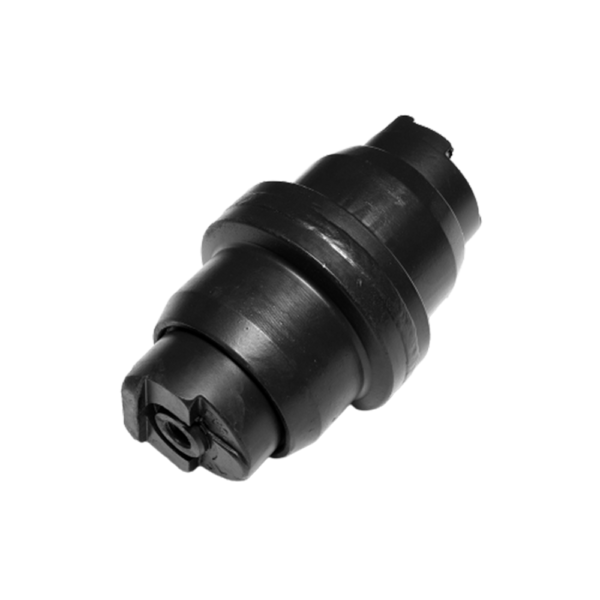
트랙 롤러는 차대 시스템의 하중을 전달하는 역할을 합니다.. They support the machine's weight and guide the track chain, 극심한 압력과 지속적인 오염 조건에서 작동. 대체품을 선택할 때, 여러 가지 디자인 기능에는 세심한 주의가 필요합니다..
첫 번째는 단일 플랜지 롤러와 이중 플랜지 롤러의 차이점입니다.. 이는 체인을 안내하고 체인이 "걷는" 것을 방지하기 위해 트랙 프레임을 따라 전략적으로 배치됩니다." 롤러에서 떨어져. 이중 플랜지 롤러를 단일 플랜지 롤러로 교체 (또는 그 반대) 가이드 메커니즘을 손상시키고 심각한 손상을 초래할 수 있습니다..
두번째, 씰의 품질이 가장 중요합니다. A roller's internal bearings are protected from dirt, 수분, 씰 세트로 인한 잔해물, 종종 듀오콘 씰. 이러한 씰의 효율성은 롤러의 수명을 직접적으로 결정합니다. (몬테스, 2025). 씰이 실패하면 연마재가 베어링에 들어갈 수 있습니다., 필수 윤활유가 빠져나가는 동안. 이로 인해 베어링이 빠르게 파손되고 롤러가 고착됩니다., 그런 다음 체인에 의해 끌려갑니다., 트랙 링크를 손상시키는 평평한 지점 생성. 씰에 사용된 재료와 결합 표면의 정밀도는 고품질 롤러의 특징입니다..
마지막으로, 이전에 논의한 것처럼, 롤러의 외피는 깊은 곳을 제공하기 위해 적절하게 열처리되어야 합니다., 경화된 마모 표면. 이를 통해 하중을 받는 트랙 체인의 마모 작용에 저항할 수 있습니다.. 얕거나 일정하지 않은 경도층은 빠르게 마모됩니다., leading to a premature loss of the roller's diameter and compromising the entire system's geometry.
| 요소 | 일반적인 마모 표시기 | 방치의 결과 | 권장 조치 |
|---|---|---|---|
| 스프로켓 | 치아가 뾰족해지거나 "갈고리"가 됩니다." | 새 트랙 체인 부싱이 빠르게 마모됩니다. | 트랙 체인으로 교체 |
| 트랙 체인 | "스트레칭" (피치 증가) | 스프로킷 및 아이들러와의 결합 불량 | 피치 측정; 사양을 벗어나면 교체하세요. |
| 트랙 롤러 | 플랜지가 마모됨, 평평한 곳, 기름 누출 | 고르지 못한 링크 마모, 잠재적인 추적 해제 | 누출 검사 및 직경 측정 |
| 아이들러 | 중앙 플랜지 또는 트레드 표면 마모 | 트랙 정렬 불량, 가속화된 링크 마모 | 마모 표면 측정; 누출 확인 |
| 트랙 슈즈 | 마모된 그라우저 (트랙션 바) | 견인력 및 장비 생산성 손실 | 그라우저 높이가 최소일 때 교체 |
스프로킷, 아이들러, 및 체인: 완벽한 메시 보장
스프로킷의 관계, 유동 바퀴, 트랙 체인은 차대에서 가장 역동적입니다.. The sprocket's job is to engage the track bushing with perfect precision, converting the final drive's torque into linear motion. 체인이 마모됨에 따라, 각 핀과 부싱 사이의 거리, 피치'로 알려져 있다.," 증가하다. 이것을 흔히 '체인 스트레치'라고 합니다.," 금속 자체가 늘어나지는 않지만. 꽤, 핀과 부싱 사이의 내부 마모로 인해 시스템에 더 많은 유격이 발생합니다..
체인의 원래 피치와 일치하도록 설계된 치형으로 새로운 스프라켓을 제작합니다.. 체인 피치가 증가함에 따라, 부싱은 스프로킷 톱니에서 더 높이 올라갑니다., 두 구성 요소의 마모를 가속화합니다.. 이것이 바로 스프라켓과 체인을 일치하는 세트로 교체하는 것이 거의 보편적으로 권장되는 이유입니다.. 오래된 스프로킷에 새 체인을 설치하는 것은 체인의 조기 파괴로 이어질 뿐인 잘못된 경제입니다..
트랙 프레임 전면에 있는 아이들러는 두 가지 목적으로 사용됩니다.: 체인을 롤러 위로 안내하고, 반동 스프링 및 트랙 조절 장치를 통해, 적절한 장력을 유지한다. 마모된 아이들러 트레드가 체인을 제대로 안내하지 못합니다., 플랜지가 마모되면 트랙 링크가 손상될 수 있습니다.. 적절한 트랙 장력 역시 운전자가 제어할 수 있는 중요한 요소입니다.. 너무 빡빡한 트랙은 모든 구성 요소(핀)의 부하를 극적으로 증가시킵니다., 부싱, 톱니, 및 아이들러 - 마모가 급격히 증가함. 트랙이 너무 느슨하면 트랙이 상단 롤러에 부딪히거나 심지어 회전 중이나 고르지 못한 지면에서 완전히 트랙이 빠질 수 있습니다.. 궤도 처짐의 정기 점검 및 조정, according to the manufacturer's specifications for the specific operating conditions, 모든 차대 부품의 수명을 극대화하는 데 필수적입니다..
확인하다 3: 애플리케이션별 우수성에 대한 첨부 파일 평가
차대가 이동성을 제공하는 동안, 그것은 첨부 파일, 즉 버킷입니다., 리퍼, 끌 - 실제 작업을 수행하는 도구. 지구와 직접 접촉하는 도구입니다., 바위, 그리고 잔해, and their design has a profound impact on the machine's productivity, 연료 효율성, 및 전반적인 운영 비용. Selecting the right attachment is not merely about finding one that fits the machine's coupler. It is about matching the tool's design, 재료, 당면한 작업의 특정 요구에 맞는 건설. 부드러운 토양을 파기 위해 설계된 버킷은 채석장에서 빨리 파손됩니다., "나쁘기 때문이 아니다." 버킷, 하지만 작업에 맞지 않는 도구이기 때문에. This demands an empathetic understanding of the machine's role and the environment in which it will labor.
용량 초과: 효율성과 내마모성을 고려한 버킷 설계
버킷의 가장 분명한 특징은 부피 용량입니다., 입방미터 또는 야드 단위로 측정됨. 생산 계획에 중요하지만, 용량은 전체 이야기의 한 부분일 뿐입니다.. 버킷의 기하학적 구조도 마찬가지로 중요합니다.. 더 넓은 버킷, 예를 들어, 정지 작업 및 마무리 작업에 탁월하지만 세게 관통하려고 할 때 더 큰 저항에 직면하게 됩니다., 압축된 땅. 더 좁은, more V-shaped bucket concentrates the machine's breakout force onto a smaller area, 거친 조건에서 침투력 향상.
The design of the bucket's cutting edge and side plates is also a critical area of differentiation. 범용 (GP) 양동이는 혼합된 토양에 적합한 만능 선택입니다., 점토, 그리고 작은 자갈. 헤비듀티 (HD) 그리고 가혹한 의무 (SD) 버킷은 더 두꺼운 강철판으로 강화됩니다., 바닥과 측면에 추가 마모 스트립, 그리고 종종 더 강한 것을 사용합니다, 내마모성이 더 높은 강철 등급 (AR400이나 AR500처럼) 그들의 건설에.
암석 버킷은 내구성의 정점을 나타냅니다.. 일반적으로 침투력을 극대화하기 위해 스페이드 노즈 또는 V자형 립이 특징입니다., 종종 주조 덮개로 보호되는 두꺼운 측면 플레이트, 그리고 암석을 들어올리는 충격에 강한 비틀림 힘을 견딜 수 있도록 더욱 견고한 내부 구조를 갖추었습니다.. 버킷을 선택할 때, 이동할 주요 자료를 고려하십시오.. 철거 또는 채석 작업에 경량 GP 버킷을 사용하면 급격한 구조적 파손이 발생합니다., 무거운 것을 사용하는 동안, overbuilt rock bucket to move topsoil will needlessly increase fuel consumption and reduce the machine's effective payload.
리핑의 물리학: 지상 교전 도구 (얻다) 선택
지상 접속 도구 (얻다) 버킷이나 리퍼에 부착된 마모 부품을 가리키는 용어입니다., 어댑터, 그리고 사이드 커터. 이것은 마모와 손상을 견디도록 설계된 희생적인 구성 요소입니다., 버킷이나 리퍼 생크의 더 비싼 구조를 보호합니다.. 올바른 GET 시스템을 선택하면 성능에 극적인 영향을 미칠 수 있습니다..
치아의 모양을 먼저 고려합니다.
- 표준/범용 치아: 일반 굴착에 적합한 강도와 관통력의 균형을 제공합니다..
- 호랑이/관통 이빨: 날카롭게, 하드판 침투에 뛰어난 뾰족한 디자인, 서리, 또는 촘촘하게 포장된 재료. 하지만, 더 얇은 프로파일은 더 빨리 마모되고 충격 저항을 위한 재료가 적다는 것을 의미합니다..
- 암석/마모 이빨: 더 짧습니다, 더 부피가 큰, 그리고 더 많은 "착용 소재" 그들의 디자인에. 모래나 자갈과 같은 마모가 심한 환경에서 오랫동안 사용할 수 있도록 제작되었습니다., 하지만 침투 능력이 떨어집니다..
치아를 어댑터에 부착하는 데 사용되는 시스템도 중요합니다.. 기존 핀온 시스템은 안정적이지만 변경하는 데 시간이 많이 걸릴 수 있습니다.. 현대식 해머리스 시스템은 더 빠르고 안전한 교체를 가능하게 하는 통합 잠금 메커니즘을 사용합니다., 기계 가동 중단 시간 감소. 리퍼의 경우, GET은 리퍼 톱니로 구성됩니다. (또는 부팅) 그리고 생크 프로텍터. 치아는 암석과 처음 접촉할 때 극심한 충격력을 견딜 수 있어야 합니다., 생크 보호 장치는 메인 리퍼 생크가 재료를 통과할 때 연마 마모로부터 보호합니다.. 고품질 GET을 소싱하려면 파손과 마모에 저항하기 위해 적절하게 열처리된 고경도 합금강으로 만든 부품을 찾는 것이 포함됩니다..
치즐 및 리퍼 생크 무결성: 극심한 힘에 저항
리퍼 생크 자체는 건설 작업에서 가장 강한 힘을 받는 부품입니다.. 암석이나 얼어붙은 땅을 파쇄하려면 기계의 전체 당기는 힘을 단일 지점으로 전달해야 합니다.. 리퍼 생크의 무결성은 소재와 단면 디자인에서 비롯됩니다.. 그들은 일반적으로 고강도로 만들어집니다., 굽힘 및 치명적인 파손을 방지하기 위한 경화 합금강.
" 끌" 도구의 일종이다, 유압 해머 또는 차단기에 자주 사용됩니다., 힘을 집중함으로써 유사하게 기능하는 것. 콘크리트의 모일포인트인지, 바위를 부수는 무딘 도구, 아니면 도랑을 파는 끌, 금속학적 원리는 동일합니다. 도구가 효과적이려면 매우 단단한 작업 팁을 가지고 있어야 합니다., 하지만 더 부드러운 것도 있어요, tougher shank and striking end to absorb the piston's impact without shattering or damaging the hammer itself. 이는 차등 열처리를 통해 달성됩니다., 도구의 다른 부분에 다른 속성이 부여되는 경우. 교체용 치즐이나 리퍼 생크를 검사할 때, 균일하게 열처리된 것처럼 보이거나 일반 재료로 만들어진 부품을 조심해야 합니다., 불특정 강철. 고품질 부품은 경도의 균형을 맞추도록 설계된 정교한 제조 공정의 결과입니다., 인성, 단일 강철 조각의 피로 저항성.
확인하다 4: 공급업체 신뢰성 검증 및 구매 후 지원
글로벌 시장에서는 2025, Hitachi 기계의 부품 소싱은 더 이상 현지 딜러에게만 국한되지 않습니다.. 광범위한 국제 공급업체 네트워크가 광범위한 애프터마켓 옵션을 제공합니다.. 이는 비용 절감과 선택의 폭을 넓힐 수 있는 기회를 제공합니다., 또한 실사의 필요성이 더 커집니다.. 부품의 품질은 단순히 물리적 특성의 함수가 아닙니다.; 이는 또한 그 뒤에 서 있는 회사를 반영하는 것이기도 합니다.. A supplier's credibility, 투명도, 고객 지원에 대한 헌신은 귀하의 투자를 보호하고 마음의 평화를 보장하는 무형이지만 귀중한 자산입니다..
평판이 좋은 부품 공급업체의 특징
품질이 낮은 상품을 일시적으로 판매하는 판매자와 신뢰할 수 있는 공급자를 어떻게 식별할 수 있습니까?? 이 과정은 신원 조사를 수행하는 것과 유사합니다., 전문성과 신뢰성의 일관된 징후를 찾고 있습니다..
첫 번째, 평판이 좋은 공급업체는 이력과 실제 존재감을 가지고 있습니다.. 그들은 거래 플랫폼의 익명 개체가 아닙니다.. 전문적인 웹사이트를 갖춘 회사를 찾아보세요, 검증 가능한 실제 주소, 그리고 명확한 연락처 정보. 수년간 사업을 운영해 온 회사는 유지해야 할 평판과 조사할 수 있는 실적을 가지고 있습니다..
두번째, 제조 및 품질 관리의 투명성은 강력한 지표입니다.. 자신감 있는 공급업체는 자신의 부품이 어디서 만들어지고 어떤 표준을 준수하는지 논의하는 것을 두려워하지 않습니다.. 사용된 특정 강철 합금에 대한 정보를 제공할 수 있습니다., 제조 방법 (단조 대. 주조), 열처리 공정의 세부 사항. 일부는 품질 인증을 제공할 수도 있습니다., ISO와 같은 9001, 문서화되고 일관된 품질 관리 시스템에 대한 의지를 보여줍니다.. 이러한 세부 사항에 대해 모호하거나 "고품질"이라는 주장에만 의존하는 공급업체를 의심하십시오." 아무런 뒷받침 증거도 제시하지 않은 채.
제삼, 시장 입지와 전문성을 고려하세요.. Hitachi와 같은 특정 브랜드의 차대 부품이나 지상 작업 도구를 전문으로 하는 공급업체는 엔진 필터부터 전구까지 모든 것을 판매하는 일반 업체보다 더 깊은 지식 기반을 보유할 가능성이 높습니다.. 이들의 초점을 통해 해당 구성 요소와 관련된 특정 기술적 과제 및 실패 모드를 이해할 수 있습니다., 더 나은 제품 개발과 더 많은 지식을 갖춘 지원으로 이어집니다..
품질에 대한 진술로서의 보증
보증은 단순한 법적 문서 그 이상입니다; it is a statement of the manufacturer's confidence in its own product. 최소한의 보증 또는 존재하지 않는 보증을 제공하는 공급업체는 부품의 내구성에 대한 믿음이 부족함을 암묵적으로 전달하는 것입니다.. 거꾸로, 재료 또는 기술 결함으로 인한 조기 고장을 포괄하는 포괄적인 보증은 회사가 품질 관리에 투자했으며 제품을 지원할 의향이 있다는 신호입니다..
보증을 평가할 때, 작은 글씨를 읽어라. 보장되는 내용과 기간을 이해하세요.. 보증은 대개 작동 시간이나 기간을 기준으로 합니다., 어느 쪽이든 먼저 오는 것. 제외 사항을 참고하세요.. 예를 들어, 부품이 잘못 설치되었거나 설계되지 않은 응용 프로그램에 사용된 경우 보증이 무효화될 수 있습니다.. 좋은 보증은 분명합니다, 공정한, 그리고 간단하다. 이는 공급업체와 고객 간의 파트너십을 반영합니다., 양 당사자 모두 책임이 있는 경우. 공급업체는 결함 없는 부품을 제공할 책임이 있습니다., 고객은 적절한 설치 및 작동에 대한 책임이 있습니다..
해당 지역의 기술 지원 및 부품 가용성
세상에서 가장 좋은 부분도 필요할 때 얻을 수 없다면 쓸모가 없습니다, 또는 문제가 생겼을 때 도움을 받을 수 없는 경우. 구매를 확정하기 전에, 특히 국제 공급 업체로부터, 특정 지역에 대한 물류 및 지원 기능을 조사하십시오., 서호주(Western Australia)의 외딴 광산 현장인지 여부, 동남아시아의 인프라 프로젝트 개발, 또는 러시아 연방의 어려운 기후.
공급자가 귀하의 위치까지 합리적인 배송 시간을 보장할 수 있는 유통 센터 또는 파트너십을 보유하고 있습니까?? 해외에서 부품을 기다리며 몇 주 동안 기계가 다운되면 막대한 수익 손실이 발생함. 귀하 국가의 통관 및 수입 절차를 효율적으로 처리할 수 있습니까??
뿐만 아니라, 어떤 수준의 기술 지원을 제공합니까?? 설치에 관해 문의사항이 있거나 부품이 조기에 고장나는 경우, 귀하의 언어를 구사하고 기술적인 문제를 이해하는, 연락할 수 있는 지식이 풍부한 사람이 있습니까?? 우수한 구매 후 지원은 고객에 대한 장기적인 헌신을 보여줍니다., 단일 판매에 대한 단기적인 관심이 아닌. 이러한 서비스 수준은 최고의 부품 공급업체와 단순한 유통업체를 구분하는 결정적인 특징입니다.. 유지 관리 시 마모 패턴이나 호환성 문제에 대해 전문가와 상담할 수 있는 기능 히타치 차대 부품 귀하의 운영 효율성과 수익성에 직접적으로 기여하는 귀중한 서비스입니다..
확인하다 5: The Operator's Role in Proactive Maintenance and Inspection
우리는 최고급 강철로 단조된 부품을 조달할 수 있습니다., 가장 엄격한 공차로 제조됨, 가장 포괄적인 보증이 뒷받침됩니다, 그러나 최종 수명은 공장에서 결정되지 않습니다.. 매일 흙 속에서 결정된다, 진흙, 그리고 작업 현장의 바위. Hitachi 기계 부품의 수명을 보장하기 위한 마지막이자 아마도 가장 중요한 점검은 공급업체에 달려 있는 것이 아닙니다., 하지만 소유자와 운영자와 함께. 사전 예방적인 유지 관리와 부지런한 검사는 견뎌야 할 일이 아닙니다.; 비용 관리를 위한 강력한 전략입니다., 치명적인 실패를 방지, 모든 단일 구성요소에서 최대값을 추출합니다.. 잘 관리되는 기계는 소유자에게 신뢰성과 더 긴 생산 수명을 제공합니다..
부품 수명 연장을 위한 정기점검의 역할
가장 효과적인 유지 관리 도구는 훈련되고 관찰력이 뛰어난 눈입니다.. 간단한, 매 교대 근무 시작 시 일관된 순회 검사를 수행하면 심각한 오류가 발생하기 훨씬 전에 문제가 발생하는 것을 밝힐 수 있습니다.. 이는 복잡한 기술적 절차가 아닙니다.; 주의깊게 관찰하는 습관이다.
- 하부 구조: 운영자는 문제의 명백한 징후를 찾아야 합니다.. 트랙 패드에 느슨하거나 빠진 볼트가 있습니까?? 롤러나 아이들러에서 눈에 띄는 오일 누출이 있습니까?, 측면을 따라 흐르는 젖은 줄무늬로 표시됩니다.? 트랙 체인이 눈에 띄게 느슨하거나 팽팽합니까?? 스프로킷 이빨 좀 보세요; 날카롭고 뾰족해 보이기 시작했나요?? 이 일일 육안 점검, 몇 분 밖에 걸리지 않습니다., 조기 마모에 대한 첫 번째 방어선입니다..
- 버킷 및 GET: 버킷 이빨 검사. 그 중 부러진 게 있나요?, 없어진, 또는 어댑터가 마모되었습니다.? 치아가 없으면 어댑터가 빨리 마모될 수 있습니다., 교체 비용이 훨씬 더 비싼 부품. 버킷의 용접 부위를 확인하고 균열 징후가 있는지 찾아보세요., 특히 어댑터와 리프팅 후크가 부착된 부위 주변.
- 일반기계: 기계가 작동하는 소리를 들어보세요. 특이한 연삭, 비명을 지르는, 또는 차대에서 터지는 소리가 나면 롤러가 고착되었거나 구동 시스템에 문제가 있음을 나타낼 수 있습니다.. 과도한 진동을 느끼다. These sensory inputs are valuable data that can signal a need for a closer look.
Understanding Wear Patterns as Diagnostic Tools
The way a component wears tells a story. Learning to read these stories allows an operator or mechanic to diagnose underlying problems, not just treat symptoms. 예를 들어, if the inside edges of the track links are showing accelerated wear, it may point to a misalignment issue with the idlers or rollers. If only one side of the sprocket teeth is wearing, it could indicate a problem with the track frame alignment itself.
On a bucket, if the corner teeth are wearing down much faster than the center teeth, it might suggest that the operator is using the corners to pry or "sweep" material, putting immense stress on the side of thebucket. This feedback can be used to refine operating techniques to promote more even wear and extend the life of the GET. Recognizing these patterns transforms maintenance from a reactive task (replacing what is broken) to a proactive one (understanding why it broke and preventing a recurrence). This diagnostic approach is fundamental to the principles of mechanized track maintenance (씨 뿌리는 사람, 2017).
윤활 및 청소: The Simple Habits that Save Fortunes
In the harsh world of heavy equipment, two of the simplest maintenance tasks—lubrication and cleaning—are also two of the most impactful.
매끄럽게 하기: While many modern components like track rollers and idlers are "sealed for life," they are not invincible. The "life" of their internal bearings is entirely dependent on the integrity of the seals and the quality of the grease or oil within (Allmaier, 2022). For components that do require regular greasing, such as the bucket linkage pins, adhering to the manufacturer's recommended lubrication schedule is not optional. A single pin and bushing failure due to lack of grease can cause the entire linkage to become loose, placing eccentric loads on other pins and accelerating their wear exponentially. It can also lead to stress cracks in the excavator's boom and stick.
청소: 하부 차량, in particular, benefits immensely from regular cleaning. Packed mud, 바위, and debris add significant weight to the undercarriage, increasing fuel consumption. 더 중요한 것은, this packed material prevents the components from interfacing correctly. Mud packed between the bushings and sprocket teeth accelerates wear. A rock jammed between the track chain and the idler can cause immense damage. In freezing climates, mud that freezes overnight can turn the undercarriage into a solid block, placing extreme strain on the final drives and potentially breaking seals when the machine tries to move. Taking the time to clean out the undercarriage at the end of the day is not just about aesthetics; it is a critical maintenance procedure that reduces strain and allows for proper visual inspection.
자주 묻는 질문 (FAQ)
Are aftermarket parts for Hitachi machines as reliable as OEM parts?
The quality of aftermarket parts can vary significantly. High-quality aftermarket parts from reputable manufacturers can meet or even exceed OEM (원래 장비 제조업체) specifications in terms of material, fit, 성능, often at a more competitive price. The key is to source them from a trusted supplier who is transparent about their manufacturing processes, 재료의 품질, and offers a solid warranty. 거꾸로, 저가, low-quality aftermarket parts can lead to premature failure and costly downtime.
How do I know when it's time to replace my machine's undercarriage?
Undercarriage replacement is typically determined by measuring key components against the manufacturer's wear specifications, not just by visual appearance. A specialized technician will measure the track chain "pitch" (the distance between pins) to check for stretch, the diameter of the rollers, and the wear on sprocket teeth and idler surfaces. A rule of thumb is to consider a full replacement when the track chain bushings are worn to the point of needing to be turned, as other components are likely nearing the end of their service life as well.
What is the main difference between a rock bucket and a general-purpose bucket?
A rock bucket is specifically engineered for high-impact and high-abrasion environments. It features a thicker shell made from higher-grade abrasion-resistant steel (예를 들어, AR450), a V-shaped or spade-nose cutting edge for better penetration, and additional protective components like side shrouds and wear bars. A general-purpose (GP) bucket is lighter and designed for digging and moving less abrasive materials like soil, 점토, and gravel. Using a GP bucket in a rock application will lead to rapid damage and structural failure.
How does the operating climate in places like Russia or the Middle East affect part wear?
Extreme climates significantly impact wear. In the cold climates of Russia, frozen ground acts like rock, demanding higher penetration force and increasing stress on buckets, 이, 그리고 리퍼. Frozen mud can cause immense strain on undercarriage components. In the hot, sandy environments of the Middle East, the fine, abrasive sand accelerates wear on all moving parts, particularly undercarriage components like seals, 다리, 그리고 부싱. This is known as abrasive wear and requires parts with high surface hardness.
Can I install a new track chain on my old sprockets?
It is strongly discouraged. A worn sprocket has a changed tooth profile that will not mesh correctly with the new bushings of a new chain. This mismatch causes a concentration of force that rapidly wears down the new chain, drastically reducing its lifespan and negating your investment. For best results and the lowest long-term cost, sprockets and track chains should always be replaced as a matched set.
What does "through-hardened" mean for a part like a ripper shank?
"Through-hardened" means that the heat treatment process has achieved a consistent hardness not just on the surface but deep into the core of the part. This is critical for components like ripper shanks that are subjected to immense bending forces. A part that is only "case-hardened" (hard on the surface but soft in the core) would be prone to bending or snapping under the extreme stress of ripping rock.
Why is forging considered superior to casting for high-stress parts?
Forging refines the metal's internal grain structure, aligning it with the shape of the part and eliminating internal voids. This creates a denser, tougher component with superior resistance to impact and fatigue. 주조, while excellent for complex shapes, results in a more random grain structure that can be less robust under the cyclical, high-impact loads experienced by parts like track links and sprockets.
가치와 수명에 대한 최종 고려 사항
In equipping and maintaining heavy machinery, the temptation to focus on the immediate, upfront cost of a component is a powerful one. 아직, a deeper reflection reveals that the true cost of a part is not written on its price tag. It is written over thousands of hours of operation, in the productivity gained or lost, and in the downtime avoided or incurred. The selection of parts for Hitachi machines is an engagement with a philosophy of value, one that weighs the initial expense against the promise of endurance. A forged track link, though more costly to produce than its cast counterpart, repays that investment through a longer service life and greater resistance to failure. A well-designed rock bucket, perfectly matched to its task, enhances the machine's efficiency, saving fuel and time with every cycle.
The principles outlined here—a deep inquiry into material science, a systems-based view of mechanical assemblies, a careful matching of tool to task, a diligent vetting of suppliers, and a disciplined approach to maintenance—are not merely technical guidelines. They represent a commitment to operational excellence. They foster a relationship with the machine that is based on understanding and care, rather than simple use and consumption. By embracing this perspective, we move beyond being mere purchasers of parts and become informed custodians of our equipment's capacity, ensuring that these powerful tools remain productive, 믿을 수 있는, and profitable for years to come.
참조
Allmaier, 시간. (2022). Increase Service Life for Rail Wheel Bearings—A Review of Grease Lubrication for This Application. Lubricants, 10(3), 36. https://doi.org/10.3390/lubricants10030036
Camso. (2025). Construction tracks basics: 9 questions to master rubber tracks. https://camso.co/en/blog/best-practices/construction-track-basics
Monster Tires. (2024). Rubber Tracks Guide.
몬테스, 엘. (2025). A Thorough Explanation of Heavy Equipment Rollers. Fortis HD. https://www.fortishd.com/blogs/about-hd-equipment/a-thorough-explanation-of-heavy-equipment-rollers-purpose-types-and-wear-signs
Rolls Bearing. (2015). 트랙 롤러 101: Everything you need to know.
TFL Bearing. (2024). Basic Concepts of Rolling Bearings. https://tfl-bearing.com/page/Basic-Concepts-of-Rolling-Bearings
씨 뿌리는 사람, 엘. (2017). The Basic Principles of Mechanised Track Maintenance (3rd ed.). PMC Media House GmbH.