
추상적인
Komatsu 중장비의 작동 수명과 효율성은 본질적으로 교체 부품의 품질 및 적합성과 연관되어 있습니다.. 이 종합적인 분석은 Komatsu 기계의 고수익 부품 선택과 관련된 중요한 요소를 조사합니다. 2025, 단순한 초기 비용을 넘어 보다 전체적인 평가로 전환. 총 소유 비용의 개념을 조사합니다. (TCO), 부품 수명을 포함하는, 기계 가동 중단 시간, 조달 계산에 인건비 포함. 담론은 정품 간의 재료 과학 및 제조 차이를 탐구합니다., 애프터마켓, 및 재생산 옵션, 야금술의 원리를 설명하다, 단조, 주조 기술은 부품 내구성에 직접적인 영향을 미칩니다.. 뿐만 아니라, 특정 운영 환경에 부품을 일치시켜야 하는 필요성을 해결합니다., 호주 광산의 거친 환경이나 러시아의 극심한 기온 등. 공급업체 신뢰성의 역할, 보증, 및 물류 지원도 건전한 부품 전략의 필수 요소로 면밀히 조사됩니다.. 이 가이드는 차량 관리자와 자영업자가 기계 성능을 향상하고 장기 운영 비용을 줄이는 정보에 입각한 결정을 내릴 수 있도록 구조화된 프레임워크를 제공합니다..
주요 테이크 아웃
- 총 소유 비용을 기준으로 부품 평가, 초기 구매 가격뿐만 아니라.
- 뛰어난 내구성을 위해 소재 품질과 제조 공정을 면밀히 조사합니다..
- 현지 작업 조건에 맞게 특별히 설계된 Komatsu 기계용 부품을 선택하세요..
- 강력한 보증을 제공하는 공급업체와 협력하세요, 안정적인 지원, 그리고 검증된 신뢰성.
- 정품의 뚜렷한 이점을 이해하세요., 고품질 애프터마켓, 그리고 재생산된 부품.
- 장비의 수명을 연장하기 위해 차대 구성 요소를 지형에 적절하게 일치시킵니다..
- 버킷과 암에 대한 비용이 많이 드는 손상을 방지하기 위해 지상 결합 도구를 정기적으로 검사하십시오..
목차
- 더 깊은 이해: 부품 전략이 중요한 이유
- 확인하다 1: 총 소유 비용 평가 (TCO), 스티커 가격뿐만 아니라
- 확인하다 2: 재료 과학 및 제조 공정 조사
- 확인하다 3: 애플리케이션 및 환경에 부품 매칭
- 확인하다 4: 공급업체 신뢰성 및 지원 시스템 검증
- 확인하다 5: 정품과 비교 탐색. 애프터마켓과. 재생산 토론
- 가동 시간 분석: 중요한 Komatsu 구성 요소에 대한 심층 분석
- 자주 묻는 질문 (FAQ)
- 탄력성 구축에 대한 최종 생각
- 참조
더 깊은 이해: 부품 전략이 중요한 이유
Komatsu 장비 앞에 섰을 때, 땅을 파고드는 강력한 PC1250 굴삭기든 풍경을 형성하는 D475A 도저든, 당신은 단순한 기계 이상의 것을 목격하고 있습니다. 당신은 상호 연결된 구성 요소의 복잡한 생태계를 보고 있습니다., 각자가 까다로운 역할을 수행. 이 생태계의 무결성, 그리고 확장에 의해, 운영의 생산성과 수익성, 기계를 구매할 때가 아니라 당신이 내리는 결정에 달려 있습니다., 하지만 부품을 교체할 때마다. Komatsu 기계의 부품 선택은 단순한 조달 작업이 아닙니다.; 이는 전체 운영에 영향을 미치는 전략적 결정입니다..
인간의 몸이라고 생각하세요. 세계적인 운동선수라도 닳아빠진 신발을 신고 달리거나 영양이 부족하면 최고의 성적을 낼 수 없습니다.. 비슷하게, 당신의 코마츠 기계, 중장비 분야의 세계적인 운동선수, 표준 이하의 부품이 장착되면 전설적인 성능을 제공할 수 없습니다.. 고장난 유압 펌프는 단순한 부품 고장이 아닙니다; 결과가 연속적으로 발생합니다. 예상치 못한 가동 중지 시간이 발생합니다., 마감일을 놓쳤습니다, 좌절한 운영자, 원격 사이트에 올바른 구성 요소를 가져오는 것은 물류상의 악몽입니다., 호주 아웃백이든 시베리아의 광활한 평원이든 상관없습니다..
이 가이드는 기계 소유자에 대한 공감의 장에서 고안되었습니다., 함대 관리자, 그리고 현장에 있는 오퍼레이터. 가동 시간을 극대화하면서 비용을 통제해야 한다는 엄청난 압박을 인정합니다.. 이는 대화를 저렴한 스티커 가격의 매혹적인 단순함을 넘어 보다 미묘한 차이로 이동시킵니다., 보다 진실된 가치 탐구. 우리는 야금학의 실질적인 과학을 통해 여행할 것입니다, 총 소유 비용의 실제 경제학 (TCO), 장비에 대한 수요를 형성하는 지리적 현실. 기계뿐만 아니라 부품을 선택한다는 것이 무엇을 의미하는지 생각해 보겠습니다., 하지만 특정 지구에서는 움직일 것입니다, 견딜 수 있는 기후, 그리고 그것이 지원해야 하는 사업. 이는 회복력을 키우는 것에 관한 것입니다., 한 번에 하나의 구성 요소.
확인하다 1: 총 소유 비용 평가 (TCO), 스티커 가격뿐만 아니라
중장비의 세계에서는, the initial price tag of a component is often a siren's call, 가장 경제적인 선택으로 보이는 쪽으로 우리를 유혹합니다.. 그것은 간단하다, 비교하기 쉬운 실체적인 숫자. 하지만, this initial cost represents only a fraction of the part's true financial impact over its lifespan. 보다 심오하고 진실된 측정 기준은 총 소유 비용입니다. (TCO), 즉각적인 거래를 넘어 구매부터 폐기까지 부품과 관련된 모든 비용을 고려해야 하는 개념입니다.. TCO 사고방식을 채택하는 것은 Komatsu 차량에 대한 높은 ROI 부품 전략을 개발하는 데 있어 첫 번째이자 아마도 가장 중요한 점검입니다..
"흥정"의 숨겨진 비용"
Let's construct a mental model. 한국 채석장에서 작업 중인 Komatsu PC400 굴삭기의 트랙슈를 교체해야 한다고 상상해 보십시오.. 두 가지 옵션이 있습니다. 옵션 A는 확인되지 않은 공급업체의 트랙화 세트입니다., 가격이 책정된 30% 옵션 B 미만, 평판이 좋은 애프터마켓 제조업체에서 나온 것입니다.. 옵션 A를 통한 초기 절감 효과는 매력적입니다.. 하지만 다음에 무슨 일이 일어날까요??
Option A's track shoes, 열 처리가 일관되지 않은 낮은 등급의 강철 합금으로 제작됨, 직후부터 상당한 마모가 나타나기 시작합니다. 1,500 시간. 그라우저는 둥글게 되어있습니다., 견인력과 장비 효율성 감소. 폭파된 암석 위로 이동하는 중 긴장으로 인해 신발 하나가 갈라짐. 지금, 기계를 생산 라인에서 꺼내야 함. 숨겨진 비용이 표면화되기 시작합니다.:
- 다운타임 비용: 굴착기는 이제 유휴 상태입니다.. 이 기계가 움직이면 200 cubic meters of material per hour and your operation's profit is $5 입방미터당, 그것은 손실이다 $1,000 매 시간마다 작동하지 않습니다. 교체를 위해 하루 종일 다운타임이 발생하면 $8,000 수익 손실.
- 인건비: 숙련된 기술자는 이제 실패한 트랙 그룹을 제거하고 새 세트를 설치하는 데 또 하루를 소비해야 합니다.. 그들의 임금, 이익, 다른 예방적 유지 관리 작업을 수행하지 않는 데 따른 기회 비용이 합산됩니다..
- 부수적 피해: 조기에 고장난 부품은 도미노 효과를 일으킬 수 있습니다. 트랙 슈가 부러지면 트랙 롤러가 손상될 수 있습니다., 유동 바퀴, 아니면 마지막 드라이브라도, 사소해 보이는 문제를 재앙적이고 비용이 많이 드는 실패로 바꾸는 것.
- 교체 비용 (다시): 이제 다른 트랙슈즈 세트를 구입해야 합니다., 초기 부품 비용을 효과적으로 두 배로 늘리세요.. "할인"" 사라졌다.
옵션 B, 고가의 세트, 특정 붕소강 합금으로 제조되었으며 엄격한 "통과 경화" 과정을 거쳤습니다." 프로세스. 이 신발은 다음과 같은 경우에 안정적으로 작동합니다. 4,000 예정된 유지 관리 기간 동안 교체가 필요하기 몇 시간 전, 계획되지 않은 다운타임 발생 없음. TCO를 계산할 때, "더 비싸다" 옵션 B가 확실히 더 경제적인 선택입니다..
단순화된 TCO 계산
전체 TCO 분석은 복잡할 수 있지만, 단순화된 버전은 놀라울 정도로 밝을 수 있습니다. Komatsu 기계 부품을 평가할 때 이 프레임워크를 고려하십시오.:
TCO = 초기 구매 가격 + (설치 인건비 x 교체 횟수) + (시간당 가동 중지 시간 비용 x 계획되지 않은 가동 중지 시간 시간) – 회수/재판매 가치
Let's apply this to our track shoe example over a 4,000-hour period.
| 비용 요소 | 옵션 A (낮은 품질) | 옵션 B (고품질) |
|---|---|---|
| 초기 가격 | $7,000 | $10,000 |
| 수명 | 1,500 시간 | 4,000 시간 |
| 교체품 4,000 시간 | ~2.6 (반올림 3 설치) | 1 설치하다 |
| 설치당 인건비 | $1,200 (8 시간 x $150/시간) | $1,200 (8 시간 x $150/시간) |
| 총 인건비 | $3,600 | $1,200 |
| 계획되지 않은 가동 중지 시간 | 16 시간 (8 시간/실패 x 2 실패) | 0 시간 |
| 다운타임 비용 | $16,000 (16 시간 x $1,000/시간) | $0 |
| 총 비용 | $7,000 + $3,600 + $16,000 = $26,600 | $10,000 + $1,200 + $0 = $11,200 |
이 단순화된 표를 통해 실제 비용이 명확해집니다.. 초기 $3,000 더 저렴한 부품으로 인한 비용 절감으로 인해 추가 비용이 발생했습니다. $15,400 고품질 부품의 수명 동안 총 비용. 이것이 TCO 분석의 힘이다. It transforms your perspective from a cost-cutter to a value-investor in your own fleet's productivity.
TCO를 다른 구성 요소로 확장
이 추론은 Komatsu 기계의 모든 마모 부품에 적용됩니다..
- 버킷 치아: 가장자리가 빨리 잃거나 부러지는 값싼 톱니는 더 자주 교체해야 하며 기계가 재료를 관통하기 위해 더 열심히 작동하므로 연료 소모가 증가합니다.. 고품질, 내마모성 버킷 치아 프로필을 더 오래 유지하세요, 최적의 침투 및 사이클 시간 보장.
- 유압 필터: 품질이 낮은 필터는 미세한 오염 물질을 포착하지 못할 수 있습니다., 값비싼 펌프와 밸브의 조기 마모로 이어짐, 프리미엄 필터 가격의 수천 배에 달하는 수리 비용 발생.
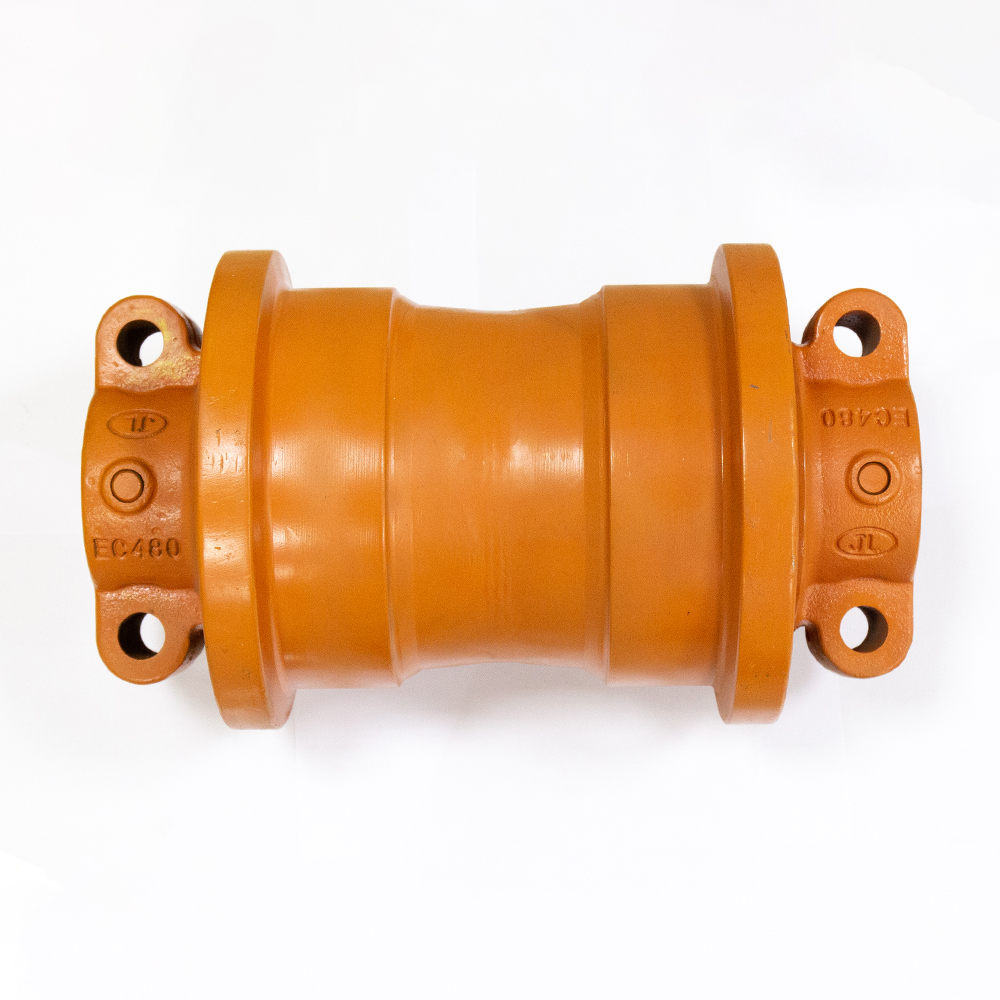
- 차대 롤러: 씰이 적절하지 않은 롤러는 윤활성을 잃게 됩니다., 잡다, 트랙 링크에 평평한 지점을 만듭니다., 전체 트랙 그룹의 마모를 가속화합니다..
TCO 측면에서 생각하는 것은 규율입니다.. 사고방식의 전환과 성과 추적에 대한 헌신이 필요합니다.. 그러나 이는 최대의 수익성과 신뢰성을 위해 중장비 관리에 대해 진지하게 생각하는 모든 사람을 위한 기본 점검입니다.. "비용이 얼마냐고 묻기 전에?", "이 부품을 전체 수명 동안 소유하고 운영하는 데 드는 총 비용은 얼마입니까?"라고 질문하도록 스스로 훈련하십시오.?"
확인하다 2: 재료 과학 및 제조 공정 조사
The second critical check in our pursuit of high-ROI parts for Komatsu machines takes us from the accountant's ledger into the world of the metallurgical engineer. 부품의 물리적 특성 - 강도, 경도, 그리고 강인함은 우연이 아닙니다.. 이는 선택한 원자재와 사용된 제조 공정의 직접적인 결과입니다.. 이러한 요소의 기본 사항을 이해하면 안목 있는 질문을 할 수 있고, 겉모습만 보이는 모방품과 진정으로 견고한 부품을 구별할 수 있습니다.. A part's ability to withstand the immense forces and abrasive environments it faces is written in its very atomic structure.
강철의 언어: 철과 탄소 그 이상
공급업체가 부품이 "강철"로 만들어졌다고 명시하는 경우," 거의 의미없는 선언이다. 마치 요리사가 요리는 '고기'로 만든다고 말하는 것과 같습니다." 중요한 세부 사항은 특정 유형 및 등급에 있습니다.. 차대 구성 요소의 성능, 버킷, 및 지상 참여 도구 (얻다) 주로 사용되는 강철 합금에 따라 결정됩니다..
강철 합금을 철과 탄소의 기본 제조법으로 생각하십시오., 원하는 특성을 얻기 위해 특정 "향신료"(다른 요소)를 추가함. 중장비 부품용, 이 요소들 중 가장 중요한 것 중 하나는 붕소 (비). 아주 작은 양으로 강철에 첨가하면, 통제된 양 (종종 0.003%), boron dramatically increases the steel's 경화성. 이는 열처리 과정에서, 경도가 재료의 코어 깊숙히 침투할 수 있습니다., 그냥 얇게 바르는 것보다, 부서지기 쉬운 피부. "완화 경화" 부분, 붕소가 풍부하다, 균등하고 예측 가능하게 마모됩니다, 구조적 완전성을 유지, 반면에 "케이스 강화" 또는 저합금 부품은 단단한 외부 층을 빠르게 마모시킵니다., 소프트 코어를 급속한 성능 저하 및 고장에 노출.
또 다른 핵심 요소는 망간 (망), 경화성을 향상시키고 강도와 내마모성에 기여합니다.. "23MnB" 같은 재질 스펙을 보면" 또는 "35MnB," 이는 제조업체가 내마모성을 위해 설계된 특수 붕소강 합금을 사용하고 있다는 신호입니다., 영향력이 큰 애플리케이션. 내구성을 말하는 언어이다..
단조 대. 주조: 힘의 형태
올바른 합금이 선택되면, 최종 부품의 모양으로 형성되어야 합니다.. 마모가 심한 부품을 가공하는 가장 일반적인 두 가지 방법은 단조와 주조입니다..
단조: 대장장이가 붉게 달궈진 금속 조각을 망치로 두드리는 모습을 상상해 보세요.. 단조는 현대적이다, 산업용 등가물. 강철 조각 (빌렛) 가열된 후 엄청난 압축력에 의해 성형됩니다., 망치나 프레스로. 이 공정은 강철의 내부 입자 구조를 개선합니다., 입자를 부품의 모양에 맞춰 정렬. 이는 연속적인, 깨지지 않는 곡물 흐름, 탁월한 인장 강도를 가져옵니다., 피로 저항, 및 충격 인성. 단조는 충격이 크고 주기적인 하중을 받는 부품에 탁월한 방법입니다., 차대 트랙 링크 및 특정 유형의 버킷 톱니 등.
주조: 이 과정에서, 쇳물을 원하는 모양의 틀에 붓고 냉각하여 응고시킵니다.. 주조는 단조가 어렵거나 불가능한 복잡한 형상을 만드는 데 탁월합니다., 다양한 유형의 버킷 어댑터 및 리퍼 생크 등. 고품질 합금으로 잘 제작된 주조는 매우 강할 수 있지만, 입자 구조는 일반적으로 단조 부품보다 더 무작위적이고 밀도가 낮습니다., 극심한 충격으로 인해 균열이 발생하기 더 취약해질 수 있습니다..
두 방법 모두 보편적으로 "더 나은" 방법은 아닙니다.; 그들은 다른 목적에 적합합니다. The key is that the manufacturer uses the appropriate method for the part's intended function. 평판이 좋은 공급업체는 제조 공정을 투명하게 공개합니다..
열처리의 마법
올바르게 합금되고 성형된 부품은 아직 현장에서 사용할 준비가 되어 있지 않습니다.. 결승전, 그리고 틀림없이 가장 중요한, 단계는 열처리. This is a carefully controlled process of heating and cooling that transforms the steel's internal crystalline structure to optimize its mechanical properties.
가장 일반적인 과정은 담금질 및 템퍼링 (큐&티).
- 오스테나이트화: 부품이 매우 높은 온도로 가열됩니다. (예를 들어, 850-950℃), 철 결정이 오스테나이트라는 구조로 변하게 됩니다., 많은 양의 탄소를 용해시킬 수 있는.
- 담금질: 그런 다음 부품을 액체에 넣어 급속 냉각합니다., 일반적으로 물, 기름, 또는 폴리머 용액. 이러한 급속 냉각은 철 결정 내에 탄소 원자를 가두어 놓습니다., 그들을 매우 힘든 상황에 몰아넣는다, 마르텐사이트라고 불리는 부서지기 쉬운 구조. 담금질의 효과, 경도가 얼마나 깊이 침투하는지, is where the alloy's hardenability (붕소와 망간 덕분에) 너무 중요해진다.
- 템퍼링: 담금질된 부분은 이제 매우 단단하지만 부서지기 쉽습니다., 유리처럼. 템퍼링에는 부품을 더 낮은 온도로 재가열하는 것이 포함됩니다. (예를 들어, 200-600℃) 특정 시간 동안 보관하고. 이 과정은 내부 응력을 완화하고 마르텐사이트의 일부가 더 연질로 변하는 것을 허용합니다., 더 견고한 구조. 템퍼링 온도는 섬세한 균형입니다.: 온도가 높을수록 인성은 높아지지만 경도는 낮아집니다., 온도가 낮을수록 경도는 높아지지만 인성은 낮아집니다..
The goal is to achieve the perfect balance for the part's function. 버킷 치아에는 극도의 표면 경도가 필요합니다. (Rockwell C 스케일로 측정, 종종 HRC 50-55) 마모에 저항하기 위해, while a track link needs immense core toughness to resist snapping under the machine's weight and impact. 열처리 공정의 실패 - 잘못된 온도, 담금질 시간, 또는 일관되지 않은 제어로 인해 부품이 너무 부드러워지고 빨리 마모될 수 있습니다., 또는 너무 부서지기 쉽고 예기치 않게 파손됨. 저가 제조업체가 코너를 자르는 경우가 종종 있습니다., 결과적으로 외관상 동일하지만 기능적으로 열등한 부품이 생성됩니다..
코마츠 기계 부품에 투자하는 경우, 당신은 재료 과학과 그 뒤에 있는 프로세스 제어에 투자하고 있습니다.. 당신은 정확한 합금을 아는 전문 지식에 대한 비용을 지불하고 있습니다, 단조방법, 그리고 Q&견딜 수 있는 부품을 생산하는 T 레시피.
확인하다 3: 애플리케이션 및 환경에 부품 매칭
코마츠 기계는 세계 시민입니다, 상상할 수 있는 모든 기후와 지형에서 작동. D65EX 도저는 러시아 극동 지역의 얼어붙은 땅을 밀어내며 평생을 보낼 수도 있습니다., 또 다른 사람은 UAE 사막에 마모성이 높은 모래를 밀어 넣습니다.. 수마트라 정글에서 PC210 굴삭기가 부드럽게 항해하고 있습니다., 물에 젖은 토양, 남아프리카의 백금 광산에 있는 상대편이 어려운 상황에 처해 있는 동안, 날카로운 바위. ROI가 높은 부품 전략을 위한 세 번째 점검 사항은 "하나의 크기가 모든 것에 적합하지는 않습니다."라는 공감적 인식입니다." 최적의 부품은 단순히 기계 모델에 맞는 부품이 아닙니다., 작업 환경의 특정 과제에 맞게 설계된 것입니다..
차대: Your Machine's Footprint on the World
차대는 기계가 지면과 만나는 곳입니다., 지면 상태에 가장 큰 영향을 받는 시스템입니다.. 그것은 최대를 차지할 수 있습니다 50% of a machine's total maintenance costs, 따라서 여기서 올바른 선택을 하는 것이 가장 중요합니다.
트랙슈즈를 고려해보세요, 가장 직접적인 접촉 지점. 표준 트리플 그라우저 신발, 굴착기에서 흔히 볼 수 있는 것과 같은, 혼합된 토양과 암석 조건에 대한 환상적인 만능 제품입니다.. 그라우저 세 명 (튀어나온 갈비뼈) 지나치게 공격적이지 않으면서 뛰어난 견인력과 회전 능력을 제공합니다..
하지만, 귀하의 굴착기가 동남아시아 해안 지역에서 매립 프로젝트를 진행하고 있다면 어떨까요?, 부드러운 진흙이나 늪지대에서 끊임없이? 표준 신발은 가라 앉을 것입니다, 땅을 휘젓다, 기계가 견인력을 얻기 위해 고군분투하면서 연료가 낭비됩니다.. 여기, 에이 늪 신발 (또는 낮은 지면 압력 신발) 올바른 선택이다. 이 신발은 훨씬 더 넓고 종종 더 평평합니다., 수정된 그라우저 디자인, 전문가들이 논의한대로 gfmparts.com. 그들은 눈신처럼 기능합니다, distributing the machine's immense weight over a larger area, 지면 압력 감소 (PSI 또는 kPa) 그리고 기계가 "떠다니도록"" 부드러운 표면 위에. 이 환경에서 습지 신발을 사용하면 이동성이 크게 향상될 수 있습니다., 연료 소비를 줄입니다, 기계가 막히는 것을 방지합니다..
거꾸로, 호주의 단단한 암석 채석장에서 똑같은 넓은 습지 신발을 사용하는 것은 비용이 많이 드는 실수가 될 것입니다. 넓은, 얇은 신발은 구부러지거나 갈라지기 쉽습니다., 최소 그라우저는 단단한 표면에서 견인력이 좋지 않습니다.. 이 애플리케이션의 경우, 더 좁은, 튼튼한 이중 그라우저 신발 또는 특수 암벽화가 더 적합합니다. 충격이 큰 하중을 처리할 수 있도록 더 두껍고 견고합니다..
이 원칙은 전체 차대 시스템으로 확장됩니다.. 마모성이 높은 모래에서 작동하는 차대 (중동의 많은 지역처럼) 핀 마모가 가속화됩니다., 부싱, 그리고 롤러. 이 경우, 향상된 밀봉 기능을 갖춘 시스템 선택, like Komatsu's heavy-duty or sealed and lubricated track (소금), 현명한 투자가 됩니다. 우수한 씰은 연마 입자가 내부 핀과 부싱 영역으로 들어가는 것을 방지합니다., 이것이 "트랙 스트레치"의 주요 원인입니다." 그리고 조기 마모.
테이블: 지형 및 지역별 트랙 신발 선택
| 지형 유형 | 추천 신발 | 주요 특징 | 공통 지역/산업 | Komatsu 모델 예 |
|---|---|---|---|---|
| 부드러운 토양, 진흙, 늪 | 늪 / LGP 신발 | 넓은, 플랫 프로파일, 수정된 그라우저. 낮은 지면 압력. | 동남아시아 (팜유 농장), 러시아 제국 (동토대), 해안 매립 | PC200, LGP가 설정된 PC300 |
| 혼합 토양, 흙, 점토 | 트리플 그라우저 (기준) | 견인력의 균형이 좋음, 선회, 그리고 부양. 변하기 쉬운. | 일반건축 (세계적인), 농업 | PC210, PC360, D61, D85 |
| 바위, 채석장, 파괴 | 더블 그라우저 / 락슈 | 더 좁게, 더 두꺼운, 더욱 견고해졌습니다. 높은 충격 저항. | 호주 (채광), 남아프리카공화국 (채광), 채석 | PC490, PC800, D155, D275 |
| 포장된 표면, 아스팔트 | 고무 패드 / 플랫슈즈 | 손상을 방지하기 위해 매끄러운 표면. 볼트 연결식 패드 또는 연속 트랙일 수 있음. | 도시 건설, 도로공사 | PC35MR, PC55MR, 일부 포장 기계 |
첨부 파일 및 GET: 기계의 비즈니스 끝
도구를 작업에 일치시키는 동일한 논리가 부착물 및 지상 결합 도구에 훨씬 더 큰 힘으로 적용됩니다. (얻다). 잘못된 버킷을 사용하는 것은 비효율적일 뿐만 아니라; 호황에 과도한 스트레스를 줄 수 있습니다., 팔, 및 유압 시스템.
- 부드러운 굴착용 (표토, 모래): 넓은, 대용량의 일반 업무용 버킷이 이상적입니다.. 패스할 때마다 더 많은 재료가 이동합니다., 생산성 극대화.
- 치밀한 토양 및 점토용: 무거운 의무 (HD) 버킷이 필요합니다. 두꺼운 도금이 특징, 강화된 사이드 커터, 더 높은 돌파력을 처리하기 위한 더 강한 용접.
- 단단한 암석 및 채석 작업용: 가혹한 의무 또는 극한의 의무 (XD) 바위 양동이는 협상할 수 없습니다. 이것들은 가장 높은 강도로 만들어졌습니다., 내마모성 강철 (AR450이나 AR500처럼). 관통력을 집중시키기 위해 V자형 또는 스페이드노즈 절삭날이 특징입니다., 두꺼운 입술 덮개, 날개 덮개, 그리고 강화된 구조. 채석장에서 일반용 버킷을 사용하는 것은 치명적인 실패를 초래하는 방법입니다. Komatsu는 다양한 용도에 맞는 다양한 버킷을 제공합니다., 건설부터 광업까지, 에서 볼 수 있듯이 .
버킷 치아의 선택은 이 전체 원리의 축소판입니다..
- 끌 이빨: 토양과 점토에 대한 우수한 침투력과 수명을 위한 범용 선택.
- 호랑이 이빨: 을 따라, 날카로운, 단단히 압축되거나 얼어붙은 땅에 최대 침투를 위해 설계된 뾰족한 톱니. 하지만, 충격이 큰 암석 응용 분야에서 파손되기 쉽습니다..
- 쌍둥이 호랑이 이빨: 한 마리의 호랑이처럼 공격적인 침투력을 제공하지만 더 강하고 부드러운 트렌치 바닥을 제공합니다..
- 암석 치아: 크게 강화된, 높은 충격과 암석을 파헤칠 수 있도록 설계된 무딘 이빨, 선명도보다 내구성을 우선시.
Making the right choice requires an empathetic understanding of the operator's daily challenges and the physical demands of the job site. 물어보는 것입니다: "재료는 무엇입니까?? 영향 수준은 무엇입니까? 주요 목표는 무엇입니까? 침투, 용량, 아니면 내구성?" 이러한 질문에 대한 답을 바탕으로 Komatsu 기계용 부품을 정렬함으로써, 단순한 부품 교체에서 성공을 위해 전략적으로 장비를 갖추는 것으로 전환합니다..
확인하다 4: 공급업체 신뢰성 및 지원 시스템 검증
Komatsu 기계의 ROI가 높은 부품을 확보하기 위한 여정에서, 우리는 TCO의 경제성과 재료 과학을 탐구했습니다.. 지금, 우리는 근본적으로 인간관계와 신뢰에 관한 점검에 도달했습니다.: 공급업체의 신뢰성. 부품의 품질은 그 부품을 뒷받침하는 회사의 품질에 달려 있습니다.. 어지러울 정도로 다양한 옵션으로 가득한 글로벌 시장에서, 공식 OEM(Original Equipment Manufacturer)에서 제공 (OEM) 수많은 온라인 판매업체와 대리점, 단순한 판매자와 신뢰할 수 있는 파트너를 식별하는 능력은 중요한 기술입니다.. 신뢰할 수 있는 공급업체는 단순히 부품만 판매하는 것이 아닙니다.; they provide a support system that underpins your machine's uptime.
거래 그 이상: 품질 공급업체를 정의하는 것?
공급업체는 창고와 배송 라벨 그 이상입니다.. A true partner in your operation's success exhibits a series of verifiable qualities. 잠재적 공급업체를 평가할 때, 호주에 있든, 러시아 제국, 아니면 중동, 실사 과정이라고 생각하세요.
기술 전문성 및 투명성: 신뢰할 수 있는 공급업체는 기계를 이해하는 사람들을 고용합니다.. 부품 번호뿐만 아니라 논의할 수도 있어야 합니다., 하지만 응용 프로그램. 두 가지 유형의 절삭날 사이의 강철 등급 차이를 설명할 수 있습니까?? 특정 지면 조건에 적합한 차대 구성을 권장할 수 있습니까?? 이 전문 지식은 귀하의 성과에 투자하고 있다는 신호입니다., 판매량뿐만 아니라. 다음과 같은 공급업체를 찾으세요., 좋다 imaraengineeringsupplies.com, 장비 문제 해결을 전담하는 전문가 팀으로 자리매김. 제조 공정의 투명성, 물질적 기원, 품질 관리 절차 역시 자신감 있는 기업의 특징입니다., 고품질 공급업체.
강력한 보증 및 공정한 청구 프로세스: A warranty is a supplier's statement of confidence in their own product. 허술하거나 모호하게 표현된 보증은 위험 신호입니다.. 강력한 보증, 특히 차대 부품이나 유압 펌프와 같은 고가 품목의 경우, 명확해야 한다, 포괄적인, 청구를 위한 간단한 절차를 설명합니다.. 잠재적 공급업체에게 청구 절차에 대해 문의하세요.. 잠재적인 실패를 어떻게 처리합니까?? 파트너가 귀하와 협력하여 문제를 진단합니다., 책임을 부인하기 위해 당신을 반대하는 것이 아닙니다. 그들은 일이 잘못되었을 때 어떻게 대응하느냐에 따라 자신의 평판이 형성된다는 것을 이해합니다..
물류 능력 및 부품 가용성: 환상적인 부분도 필요할 때 얻을 수 없다면 쓸모가 없습니다. 이는 특히 원격 위치에서의 작업에 해당됩니다., 이는 호주의 광업 및 자원 부문에서 흔히 볼 수 있는 것입니다., 아프리카, 그리고 러시아. 신뢰할 수 있는 공급업체는 정교한 물류 네트워크를 보유해야 합니다.. 귀하의 지역에 유통 센터가 있습니까?? 일반 마모 부품과 특별 주문 품목의 일반적인 리드 타임은 얼마나 됩니까?? 귀하의 위치에 대한 국제 배송 및 통관의 복잡성을 처리할 수 있습니까?? Komatsu 기계의 공통 부품에 대한 풍부한 재고는 심각한 문제의 징후입니다., 가동 중지 시간을 최소화하기 위해 최선을 다하는 자본이 풍부한 운영. 다양한 카탈로그 고품질 차대 구성품 전문적이고 신뢰할 수 있는 공급업체를 나타내는 좋은 지표입니다..
추적성 및 품질 관리: 공급업체는 부품의 품질을 어떻게 보장합니까?? 품질 관리에 대해 문의하세요. (품질관리) 프로세스. 부품 배치에 대해 자체 테스트를 수행합니까?? 여기에는 경도 테스트가 포함될 수 있습니다. (로크웰 테스터와 함께), 치수 검사 (캘리퍼와 게이지가 있는), 재료 강도를 확인하기 위한 파괴 테스트도 수행합니다.. 각 부품에는 어떤 형태로든 추적성이 있어야 합니다., 종종 배치 번호나 일련 코드를 통해, 이를 통해 제조 날짜와 자재 배치까지 추적할 수 있습니다.. 이러한 책임은 잠재적인 품질 문제를 식별하고 해결하는 데 필수적입니다..
시장 평판 및 수명: 완벽한 측정항목은 아니지만, a company's history can be revealing. 사업을 시작한 지 얼마나 됐나요?? 해당 업계 또는 지역 고객의 참고 자료나 사례 연구를 제공할 수 있습니까?? 중장비 커뮤니티에서 오랫동안 긍정적인 평판을 얻었습니다., 사지 않았다. 신뢰할 수 있는 제품을 제공하고 신뢰할 수 있는 서비스를 제공하기 위해 수년에 걸쳐 구축되었습니다..
공급업체를 선택하는 것은 건강을 위해 전문의를 선택하는 것과 같습니다.. 누가 가장 싼가만을 기준으로 의사를 선택하지 않을 것입니다.. 당신은 전문 지식을 찾을 것입니다, 평판, 그리고 신뢰감. Komatsu 기계의 생명선을 구성하는 부품의 공급원을 선택할 때도 동일한 엄격함을 적용하십시오..
확인하다 5: 정품과 비교 탐색. 애프터마켓과. 재생산 토론
목록에 대한 최종 점검에서는 중장비 유지 관리에 있어 가장 지속적이고 논란이 많은 주제 중 하나를 다룹니다.: 순정 OEM 부품을 사용해야 할까요?, 애프터마켓 부품, 또는 재생산된 부품? 모든 상황에 하나의 정답은 없습니다. 각 카테고리에는 고유한 비용 프로필이 있습니다., 이익, 그리고 위험. 진정한 전략적 접근 방식에는 이러한 프로필을 이해하고 작업에 가장 적합한 각 유형의 부품을 지능적으로 배포하는 것이 포함됩니다., 예산, 위험 허용 범위.
카테고리 이해
첫 번째, let's establish clear definitions, 용어가 종종 느슨하게 사용되기 때문에.
- 정품 OEM (원래 장비 제조업체) 부분품: 이는 Komatsu에서 제조하거나 Komatsu를 위해 제조되었으며 공식 딜러 네트워크를 통해 판매되는 부품입니다.. 그들은, 정의에 따르면, 공장에서 출고될 때 기계에 설치된 부품과 동일. Komatsu는 순정 부품이 완전한 시스템으로 작동하도록 설계되었음을 강조합니다., 최적의 성능과 신뢰성 보장 ().
- 애프터 마켓 부분: OEM이 아닌 타사에서 제작한 부품입니다.. 이 카테고리의 품질은 엄청나게 다양합니다.. 범위는 다음과 같습니다. 고품질 애프터마켓 부분품, 다른 브랜드의 OEM 공급업체일 수도 있고 종종 OEM 사양을 충족하거나 초과하는 것을 목표로 하는 평판이 좋은 제조업체에서 생산합니다., 끝까지 품질이 낮은, 위조 물건 열악한 재료와 공정으로 역설계된 부품.
- 재생산됨 (반송) 부분품: 완전히 분해된 중고 OEM 부품입니다., 청소됨, 검사, 공장 사양으로 재구축, 마모되거나 손상된 부품은 새 부품으로 교체됩니다.. Komatsu 자체는 포괄적인 Reman 프로그램을 제공합니다., OEM 품질과 보증을 제공하는 비용 효율적이고 환경 친화적인 옵션으로 홍보.
비교 분석
현명한 결정을 내리려면, 여러 주요 요소에 걸쳐 이러한 옵션을 비교해야 합니다.. 다음 표는 이러한 비교를 위한 프레임워크를 제공합니다..
| 요인 | 정품 OEM 부품 | 고품질 애프터마켓 부품 | 품질이 낮은 애프터마켓 부품 | 재생산됨 (반송) 부분품 |
|---|---|---|---|---|
| 초기비용 | 제일 높은 | 보통에서 높음 (20-40% OEM보다 적음) | 최저 (50%+ OEM보다 적음) | 보통의 (40-60% OEM 새 가격) |
| 품질 & 맞다 | 원래 사양을 충족하고 완벽하게 맞도록 보장됩니다.. | 종종 OEM 사양을 충족하거나 초과합니다.. 핏은 대체적으로 훌륭해요. | 매우 가변적. 핏이 좋지 않음, 일관성 없는 재료. | 순정 부품을 사용하여 OEM 사양으로 재구축됨. 우수한 품질과 핏. |
| 성능 | Designed for optimal performance within the machine's system. | 동등하거나 때로는 전문적인 서비스를 제공할 수 있음 (예를 들어, 더 공격적으로 GET) 성능. | 효율성 저하로 이어지는 경우가 많음, 조기 마모, 그리고 부수적 피해 가능성. | 성능은 일반적으로 새 순정 부품과 동일합니다.. |
| 보증 | 일반적으로 강한, OEM이 지원하는 포괄적인 보증. | 공급업체에 따라 다르지만 평판이 좋은 업체는 경쟁력 있는 보증을 제공합니다.. | 최소한의 보증 또는 존재하지 않는 보증. "있는 그대로" 판매가 일반적이다. | 일반적으로 새 순정 부품과 동일하거나 매우 유사한 보증이 제공됩니다.. |
| 유효성 | 일반적으로 딜러 네트워크를 통해 현재 모델에 적합합니다., 하지만 오래된 시스템의 경우 속도가 느리거나 비용이 많이 들 수 있습니다.. | 다양한 소스에서 제공되는 광범위한 현재 및 기존 모델에 대한 뛰어난 가용성. | 가용성이 산발적이고 신뢰할 수 없음. | 주요 구성요소에 대한 우수한 가용성 (엔진, 전송, 슬리퍼) OEM Reman 프로그램을 통해. |
| 이상적인 사용 사례 | 신뢰성이 가장 중요한 새 기계 또는 보증 기간이 만료된 기계의 중요 구성 요소 (예를 들어, 엔진 내부, 최종 드라이브). | 보증이 만료된 기계의 마모가 심한 품목 (예를 들어, 하부 구조, 얻다, 필터) TCO가 주요 동인인 경우. | 생산 기계에 대한 적용에는 권장되지 않습니다.. | 주요 구성 요소를 비용 효율적으로 교체 (엔진, 슬리퍼) OEM 신뢰성을 바탕으로 기계를 신속하게 다시 작동시키려면. |
하이브리드 전략 개발
가장 정교한 차량 관리자는 단일 부품 범주를 독단적으로 고수하지 않습니다.. 대신에, 그들은 하이브리드를 사용합니다, 또는 "혼합," strategy based on a component's criticality.
"심장과 뇌"를 위해: 가장 중요한 경우, 엔진 내부와 같이 결과가 큰 구성 요소, 전송 부품, 최종 드라이브, 그리고 복잡한 전자제품, 정품 OEM 또는 OEM Reman 부품 사용에 대한 주장이 가장 강력합니다.. 엔지니어링 공차는 믿을 수 없을 정도로 미세합니다., 그리고 실패의 대가는 치명적이다. 순정 부품의 품질과 시스템 호환성을 보장하기 위해 지불되는 프리미엄은 막대한 수리 비용과 가동 중지 시간 연장에 대한 건전한 보험 정책입니다..
"뼈와 근육"에 대해서: 차대 및 지상 결합 도구와 같은 마모가 심한 시스템용 (얻다), 고품질 애프터마켓 부품에 대한 사례가 매우 설득력을 얻고 있습니다.. 이 부품은 소비되도록 설계되었습니다.. 평판이 좋은 애프터마켓 공급업체는 이러한 분야를 전문으로 하며 특정 응용 분야에서 원본보다 성능이 뛰어난 부품을 생산하기 위해 재료 과학에 막대한 투자를 하는 경우가 많습니다.. TCO에 중점을 두어 (Check에서 논의한대로 1) 그리고 믿을 수 있는 공급업체와 협력하여 (확인하다 4), 신뢰성을 저하시키지 않으면서 상당한 비용 절감을 달성할 수 있습니다..
Reman의 장점: Komatsu Reman 프로그램은 "두 세계의 최고"를 제공합니다." 주요 구성 요소에 대한 시나리오. 유압펌프나 엔진이 고장난 경우, Reman 구성 요소를 빠르게 교체할 수 있습니다., 다운 타임 최소화. 당신은 품질을 얻습니다, 보증, 새 부품 가격의 일부만으로 순정 부품을 구입하여 마음의 평화를 누릴 수 있습니다., 순환 경제에 참여함으로써 환경적으로 책임 있는 선택을 하는 동시에.
논쟁은 '좋다' 사이의 단순한 선택이 아니다." 그리고 "나쁘다." 미묘한 차이입니다, 전략적 훈련. 그것은 당신이 물어볼 필요가 있습니다: What is this part's function? 실패의 결과는 무엇입니까? 내 예산과 위험 선호도는 얼마입니까?? 이러한 질문에 솔직하게 대답함으로써, 지능적으로 정품을 믹스 앤 매치할 수 있습니다., 애프터마켓, 탄력성을 창출하기 위해 Komatsu 기계용 부품을 재생산했습니다., 비용 효율적, 생산성이 높은 함대.
가동 시간 분석: 중요한 Komatsu 구성 요소에 대한 심층 분석
부품 선정을 위한 전략적 프레임워크 확립, let's now apply this thinking to the specific, Komatsu 기계의 열심히 일하는 시스템. 이러한 핵심 구성 요소의 기능과 일반적인 실패 지점을 이해하면 높은 ROI 결정을 내리는 능력이 더욱 향상됩니다.. We will focus on the three areas that bear the brunt of the machine's labor: 하부 차량, 첨부 파일, 및 지상 참여 도구 (얻다).
차대: 운동의 기초
앞서 다루었듯이, 차대는 복잡하고 비용이 많이 드는 시스템입니다.. 공학의 증거이다, 험난한 지형에서 수톤에 달하는 기계를 지지하고 추진하도록 설계되었습니다.. Let's break down its key wear components.
추적 체인 (또는 링크): 이것은 트랙 그룹의 중추입니다.. 각 체인은 링크로 구성됩니다., 다리, 그리고 부싱. 주요 마모 지점은 내부입니다., 핀과 부싱 사이. 그들이 입는 대로, 그들 사이의 거리 ("피치") 증가하다, 체인이 늘어나게 됩니다." 이것이 바로 밀봉되고 윤활된 트랙을 사용하는 이유입니다. (소금) 디자인이 너무 중요해요; 연마재는 차단하고 윤활유는 차단합니다., 내부 마모를 대폭 늦추는 것. 트랙 체인을 선택할 때, 단조강의 품질과 링크의 열처리 정밀도, 다리, 그리고 부싱은 장수를 위한 가장 중요한 요소입니다.. 다양한 모델에 대한 다양한 차대 부품 선택, 소형 굴삭기부터 대형 도저까지, 다음과 같은 전문 공급업체에서 구입할 수 있습니다. .
트랙 롤러: 이 바퀴는 트랙 체인을 따라 움직입니다., bearing the machine's weight. 엄청난 하중 하에서 지속적인 회전을 견뎌야 합니다.. 롤러의 품질은 쉘에 의해 결정됩니다 (외부 신체), 샤프트, 그리고 특히 그 물개. 씰이 실패하면 윤활유가 손실되고 급속한 고장이 발생합니다., 그러면 트랙 링크 자체가 손상될 수 있습니다.. 적절하게 경화된 고품질 듀오콘 씰과 쉘이 있는 롤러를 찾으십시오..
아이들러 및 스프로킷: 아이들러는 트랙을 안내하는 트랙 프레임 앞쪽에 있는 큰 바퀴입니다., 스프로킷은 트랙을 추진하기 위해 최종 드라이브에 의해 구동되는 뒤쪽의 톱니바퀴입니다.. 둘 다 내마모성 주강으로 제작되어야 합니다.. 스프로킷 톱니가 마모됨에 따라, 그들은 "푹 빠지게 된다," 부싱 마모를 가속화합니다.. As the idler's running surface wears, 부적절한 트랙 안내로 이어질 수 있습니다.. 이러한 구성 요소는 전체 시스템이 균일하게 마모되도록 모니터링하고 일반적으로 트랙 체인과 함께 교체해야 합니다..
첨부파일: 무역의 도구
Komatsu 굴삭기 또는 휠 로더의 다양성은 다양한 부착물을 사용할 수 있는 능력에서 비롯됩니다.. 이러한 부착물의 품질은 생산성에 직접적인 영향을 미칩니다..
버킷: 우리가 논의한 것처럼, 버킷은 단일 개체가 아닙니다.. 그들은 전문 도구입니다. 일반업무를 넘어서, 튼튼한, 그리고 가혹한 작업용 암석 버킷, 다른 특수 유형도 있습니다:
- 도랑 청소 버킷: 넓은, 절단면이 부드러운 얕은 버킷, 부드러운 재료의 등급 분류 및 취급에 적합.
- 트렌칭 버킷: 유틸리티 또는 파이프라인을 위한 특정 폭의 도랑을 굴착하도록 설계된 좁은 버킷.
- 스켈레톤 버킷: 밑단이 골지 처리되어 있습니다., 더 큰 암석을 유지하면서 토양 및 물과 같은 작은 입자는 통과할 수 있으므로 현장에서 자재를 분류하는 데 이상적입니다.. 강철의 품질 (AR 등급 플레이트를 찾아보세요), 용접 침투, 응력이 심한 부위의 보강설계 및 보강설계 (코너와 사이드 커터처럼) 내구성이 뛰어난 버킷을 정의하는 특징입니다..
유압 차단기 (망치): 이 부착물은 대형 암석을 철거하고 부수는 데 사용됩니다.. 엄청나게 스트레스를 많이 받는 도구입니다. 본체 주조 품질, the piston's metallurgy and heat treatment, 그리고 툴 포인트의 내구성 (끌 또는 모일) 중요하다. 품질이 낮은 차단기는 끊임없는 좌절의 원인입니다., 씰 파열이 자주 발생하고 충격 에너지가 낮음.
리퍼: 도저의 단일 또는 다중 생크 리퍼는 굴착 전에 경판이나 암석을 파쇄하도록 설계되었습니다.. 생크 자체는 굽힘과 부러짐을 방지하기 위해 고장력 단조강으로 제작되어야 합니다.. 교체 가능한 리퍼 팁은 마모를 견디며 높은 경도로 주조되어야 합니다., 고충격 합금.
지상 접속 도구 (얻다): 공격 지점
GET은 버킷과 리퍼에 부착되는 소모성 마모 부품입니다.. 더 비싼 부착물을 보호하기 위해 희생되도록 설계되었습니다.. GET의 선택은 마모 수명의 지속적인 균형입니다., 침투, 그리고 비용.
치아 및 어댑터: 어댑터는 버킷 립에 용접됩니다., 치아가 어댑터에 부착되어 있습니다., 일반적으로 핀과 리테이너 시스템을 사용합니다.. 이를 통해 현장에서 치아를 빠르게 교체할 수 있습니다.. 치아와 어댑터 사이의 결합은 높은 응력 지점입니다.. 적합하지 않은 시스템은 "경사"를 갖게 됩니다.," 치아와 어댑터 모두 마모가 가속화됩니다., 핀이 부러지고 치아가 빠질 수도 있습니다.. 주조 품질과 잠금 메커니즘의 정밀도가 가장 중요합니다.. 많은 공급업체, 좋다 , 다양한 기계 및 응용 분야에 적합한 다양한 치아 시스템 제공.
커팅 엣지 및 엔드 비트: 도저 블레이드 하단과 로더 버킷 가장자리에 볼트로 고정되는 교체 가능한 블레이드입니다.. 긴 수명을 제공하려면 반드시 경화된 붕소강으로 만들어야 합니다., 인생도 입는다. 흔한 실수는 싼 것을 사는 것이다., 중간이 마모되는 저합금 절삭날, "눈살을 찌푸리는 표정을 짓다" 이는 도징 효율성을 감소시키고 전체 블레이드를 조기에 교체해야 함. 고품질 가장자리는 종종 뒤집을 수 있습니다., 뒤집어서 두 번째 면을 사용할 수 있습니다., 효과적으로 수명을 두 배로 늘리는 것.
이러한 핵심 구성 요소 각각에 대한 구체적인 요구 사항을 이해함으로써, 5가지 검사를 더 정확하게 적용할 수 있습니다.. PC200용 트랙 롤러가 있는지 뿐만 아니라 잠재적 공급업체에 문의할 수도 있습니다., 그러나 롤러 쉘의 로크웰 경도와 사용되는 씰 유형에 대해서는. This level of informed inquiry is what separates a passive buyer from a strategic partner in your machine's health.
자주 묻는 질문 (FAQ)
품질이 낮은 부품과 고품질 애프터마켓 부품을 어떻게 식별할 수 있습니까??
품질을 식별하려면 다각적인 접근 방식이 필요합니다.. 첫 번째, look at the supplier's reputation, 보증, 기술적 투명성, 확인에 자세히 설명되어 있습니다. 4. 물리적으로, 품질 제조의 징후가 있는지 부품을 검사하십시오.. 깨끗한 것을 찾아보세요, 버킷과 같은 가공 부품의 정밀 용접. 버킷 톱니와 같은 주조 부품에, 과도한 구멍이나 다공성 없이 매끄러운 마무리를 확인하십시오.. 가공 부품용, 깨끗한 것을 찾아라, 날카로운 모서리와 일관된 마감. 재료 사양은 공급업체에 문의하세요.; 평판이 좋은 소식통이 철강 합금에 대한 세부 정보를 자랑스럽게 공유할 것입니다. (예를 들어, 붕소강) 및 열처리 공정 (예를 들어, 경화를 통한) 그들은 사용한다. 모호하거나 존재하지 않는 보증과 결합된 저렴한 가격은 가장 중요한 위험 신호입니다..
아직 보증 기간이 남아 있는 기계에 비순정 부품을 사용하는 것이 좋은 생각입니까??
Using non-genuine parts on a machine while it is still under the manufacturer's warranty is a risky proposition and generally not recommended for critical systems. 비정품 부품으로 인한 고장이 발생한 경우, Komatsu 또는 OEM은 결과적인 손상에 대한 보증 청구를 거부할 가능성이 높습니다.. 예를 들어, 값싼 애프터마켓 오일 필터가 분해되어 엔진이 손상되는 경우, 엔진 수리는 보장되지 않습니다. 파워트레인에 직접 연결되지 않은 마모가 심한 품목의 경우, 양동이 이빨이나 최첨단 같은 것, 위험이 더 낮다. 하지만, 보증 기간 동안 가장 안전한 정책은 정품 OEM 또는 OEM 승인 부품을 사용하여 완전한 보증 보호를 보장하는 것입니다..
차대 구성품 교체 시기를 어떻게 알 수 있나요??
차대 마모를 측정하고 추적해야 합니다., 단순히 시각적으로 추정한 것이 아니라. 기술자는 초음파 측정 장치 및 캘리퍼와 같은 특수 도구를 사용하여 주요 치수를 측정할 수 있습니다.: 트랙 핀 및 부싱 외부 마모, 트랙 링크 높이, 롤러 트레드 직경, 및 스프로킷 톱니 프로파일. Comparing these measurements to the OEM's wear tables (일반적으로 서비스 설명서에 나와 있습니다.) 각 구성 요소의 마모 비율을 알려줍니다.. 일반적으로, 구성 요소를 시스템으로 교체하는 것이 가장 비용 효율적입니다.. 예를 들어, 트랙 링크와 스프로킷 톱니가 손상될 정도로 마모되기 전에 핀과 부싱을 교체해야 합니다.. 부품이 주변에 닿으면 교체하는 것을 목표로 하세요. 100-120% 그들의 "허용 마모" 현장 실패를 방지하기 위한 제한.
작업자가 Komatsu 기계 부품 수명에 어떤 영향을 미칩니까??
작업자는 부품 수명에 막대한 영향을 미칩니다.. 매끄러운, 충격 부하를 피하는 숙련된 작업자, 역방향 과도한 고속 추적, 트랙이 불필요하게 회전하면 차대와 파워트레인의 수명이 크게 연장될 수 있습니다.. 적절한 운영 기술, 측면이 아닌 아이들러의 전면에서 굴착하는 등, 트랙 롤러 및 스윙 메커니즘의 응력 감소. 넓게 만들기, 날카로운 회전보다는 부드러운 회전, 역회전 피벗은 트랙 링크와 신발의 마모를 대폭 줄여줍니다.. 운전자 교육은 장기적인 부품 및 유지 관리 비용을 절감하기 위해 할 수 있는 가장 효과적인 투자 중 하나입니다..
재생산된 부품은 새 부품만큼 신뢰할 수 있습니까??
고품질 재생산 부품, especially those from the OEM's own program like Komatsu Reman, 매우 신뢰할 수 있습니다. 이것은 단순히 "수리된 것"이 아닙니다." 또는 "재건축" 부분품. 이 과정에는 구성 요소를 완전히 분해하는 과정이 포함됩니다. ("핵심"), 모든 부분을 철저히 청소하고 검사합니다., 모든 마모 품목 교체 - 씰, 개스킷, 문장, 엄격한 OEM 사양을 충족하지 않는 기타 부품 - 새 순정 부품 사용. 그런 다음 구성 요소를 새 부품과 동일한 표준에 따라 재조립하고 테스트합니다.. 그 결과 동일한 성능을 제공하고 새 제품과 동일한 보증이 적용되는 구성 요소가 탄생했습니다., 하지만 상당히 저렴한 비용으로.
탄력성 구축에 대한 최종 생각
Komatsu 기계 부품의 복잡한 세계를 여행하면서 우리는 간단한 결론을 얻을 수 있습니다., 아직 심오한, 실현: 워크숍에서 우리가 내리는 선택은 우리가 회의실에서 계획하는 전략만큼 중요합니다.. 수백만 달러 규모의 함대의 상태는 거창한 행동으로 유지되지 않습니다., 하지만 작은 사람들의 축적된 지혜를 통해, 매일의 결정. 부서지기 쉬운 모조품보다 완전히 경화된 절삭날을 선택하는 것입니다., TCO 원칙을 존중하는 고품질 애프터마켓 차대 선택, 가동 시간의 파트너인 공급업체에 대한 신뢰.
각 부분, 가장 작은 볼트부터 완전한 엔진까지, is a thread in the fabric of your operation's resilience. 약한 실이 천 전체를 손상시킵니다. 가격보다 가치의 철학을 수용함으로써, 추측보다 과학의, 단순한 거래를 통한 파트너십, 기계를 유지보수하는 것뿐만 아니라. 현장의 예측할 수 없는 과제에 맞서 비즈니스를 강화하고 있습니다., 귀하의 Komatsu 장비가 원래 목적대로 계속 작동할 수 있도록 보장: 우리 주변의 세계를 강력하고 안정적으로 형성하기 위해. 이러한 정보에 입각한 접근 방식은 기계에 대한 존중의 궁극적인 표현입니다., 그것을 운영하는 사람들을 위해, 그리고 기업을 위해 그것은 지속됩니다.
참조
Bunyip 장비. (2025). 버킷 치아 및 마모 부품. Bunyip 장비.
FJ다이나믹스. (2025, 5월 22). 맨 위 10 당신이 알아야 할 굴삭기의 부품 2025. FJ다이나믹스. https://www.fjdynamics.com/blog/industry-insights-65/parts-of-excavator-563
GFM 부품. (2025, 3월 4). 굴삭기 트랙슈 유형 분석: 구성, 디자인 원리 및 선택 가이드. GFM 부품. https://gfmparts.com/excavator-track-shoe-type-analysis/
이마라 엔지니어링 용품. (2024, 4월 10). 코마츠 중장비 부품: 포괄적인 가이드. 이마라 엔지니어링 용품. https://imaraengineeringsupplies.com/blogs/news/komatsu-heavy-equipment-parts?srsltid=AfmBOopsZGq0x6wy4vjr75ynMDqUJtyJhejpzXT1dzNbfrlEOWZkPXhv
고마츠. (2025). 첨부파일. 코마츠 주식회사.
고마츠. (2025). 부분품. 고마츠 남아프리카.