
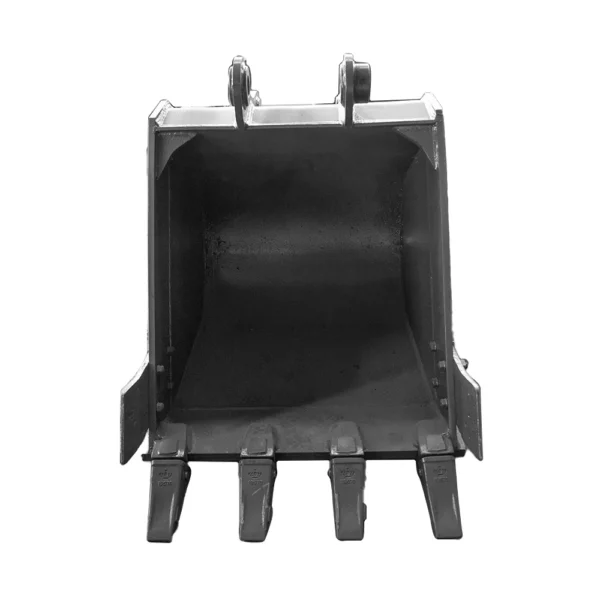
추상적인
로더를위한 적절한 최첨단 블레이드의 선택은 건설 중에 중장비의 운영 효능과 경제적 생존력에 대한 심오한 결과를 결정하는 것입니다., 채광, 그리고 농업 부문. 이 분석은 적절한 블레이드를 선택하는 다각적 인 프로세스를 검사합니다., 재료 과학에 대한 더 깊은 조사에 대한 비용을 피상적으로 고려하는 것 이상, 엔지니어링 설계, 및 응용 프로그램 별 요구 사항. 최적의 선택은 보편적 인 상수가 아니라 컨텍스트 의존적 변수라고합니다., 지형의 연마성과 같은 요인에 따라, 작업의 충격 수준, 그리고 작전 극장의 기후 조건. 담론은 강의 야금 특성을 탐구합니다, 경도 등급과 붕소와 같은 합금의 역할 포함, 이러한 특성을 다양한 글로벌 환경에서 직면한 실제 과제와 연결합니다., 러시아의 얼어붙은 땅에서부터 중동의 거친 모래까지. 뿐만 아니라, 블레이드 프로필을 탐색합니다., 유지 관리 프로토콜, 그리고 평판이 좋은 공급자를 선택하는 기준, 장비 수명을 극대화하려면 이러한 요소에 대한 전체적인 이해가 필수적이라고 주장합니다., 다운 타임 최소화, 엔지니어링 프로젝트의 장기적인 수익성 보장.
주요 테이크 아웃
- 강철 경도 일치 (HB) 너의 본업으로: 마모에 대한 높은 HB, 충격에 대한 인성.
- 작동 수명을 효과적으로 두 배로 늘리려면 로더용 리버시블 최첨단 블레이드를 고려하십시오..
- 블레이드 디자인 선택, 톱니 모양과 같은, 침투해야하는 재료를 기반으로.
- 균열 및 볼트 조임 상태를 매일 점검하여 중대한 고장을 예방합니다..
- 총 소유 비용으로 공급 업체를 평가하십시오, 초기 블레이드 가격만이 아닙니다.
- 연산자 기술은 최첨단의 마모 속도와 수명에 크게 영향을 미칩니다..
- 올바른 사용, 안전 및 성능을 보장하기 위해 설치를위한 고급 쟁기 볼트.
목차
- 재료 구성과 경도: 칼날의 영혼
- 블레이드의 디자인 및 프로필: 형태는 기능을 지시합니다
- 응용 프로그램 및 운영 환경: 글로벌 관점
- 설치, 유지, 수명 최대화: 내구성의 실천
- 평판이 좋은 공급 업체 선택: 성능 파트너십
- 자주 묻는 질문
- 결론
- 참조
재료 구성과 경도: 칼날의 영혼
중장비 구성 요소의 세계에 대한 문의를 시작하려면, 먼저 접촉 지점을 고려해 봅시다, 강력한 로더와 지구 사이의 바로 인터페이스는 모양을 만들기위한 것입니다.. 로더의 최첨단 블레이드는 단순히 버킷에 볼트로 고정 된 강철 스트립이 아닙니다.; 엔지니어링 된 재료 과학입니다, the quality of which dictates the machine's efficiency, 연료 소비, 그리고 전체 버킷 어셈블리의 장수. 블레이드를 선택하는 것은 물리적 세계에 어떻게 참여할 것인지에 대한 결정을 내리는 것입니다.. 두바이의 열기 속에서 느슨한 모래를 긁어?, 아니면 시베리아 겨울에 얼어 붙은 지구를 뚫을 것인가? 강철은 작업에 적합해야합니다, 그리고 기본 속성을 이해하는 것은 현명하고 수익성있는 결정을 내리는 첫 단계입니다.. 이것은 간단한 선호의 문제가 아닙니다, 그러나 자료의 본질적인 특성을 외부 도전과 직면하게하는 것의 하나.
강철 경도 이해: 브리넬 (HB) 그리고 로크웰 (HRC)
우리가 "경도에 대해 이야기 할 때" 강철로, 우리는 현지화 된 플라스틱 변형에 대한 저항을 언급하고 있습니다., 찌그러짐이나 스크래치와 같은. 엄지 손가락을 점토 조각과 나무 블록에 눌렀다 고 상상해보십시오.. 당신이 느끼는 저항은 경도에 대한 간단한 아날로그입니다.. 야금의 세계에서, 보다 정확한 조치가 필요합니다. 로더의 최첨단 블레이드를 선택할 때 발생하는 가장 일반적인 두 가지 스케일은 Brinell 경도 번호입니다. (HB 또는 HBW) 그리고 로크웰 경도 척도 (HRC).
Brinell 테스트는 특정 직경의 단단한 강철 또는 카바이드 볼을 특정 시간 동안 특정 힘으로 재료의 표면에 눌러야합니다.. 그런 다음 생성 된 압입의 직경을 측정합니다. 더 작은 들여 쓰기는 더 어려운 재료를 나타냅니다, 더 높은 브리넬 수를 산출합니다. 가장자리를 자르기 위해, 당신은 일반적으로 주변에서 범위의 값을 볼 수 있습니다 250 기본 카본 스틸 가장자리에 대한 HB 500 프리미엄의 경우 HB, 열처리 된 붕소 합금 강철.
Rockwell 테스트는 원칙적으로 비슷하지만 다이아몬드 원뿔 또는 작은 강철 공을 사용하고 침투 깊이를 측정합니다.. HRC 스케일은 종종 매우 단단한 강에 사용됩니다.. 전환 차트가 있습니다, it's helpful to think of them as different languages describing the same property. 우리의 목적을 위해, 브리넬 (HBW) 규모, 그래서 우리는 거기에 집중할 것입니다.
이 숫자가 왜 그렇게 중요합니까?? 경도는 내마모성과 직접적으로 상관됩니다. HB 숫자가 높을수록 모래와 같은 거친 재료에 연마 할 때 강철이 더 천천히 마모됩니다., 자갈, 그리고 으깬 바위. ㅏ 500 HB 스틸 엣지는 250 동일한 연마 조건에서 HB 탄소강 에지. 이 차이는 사소한 것이 아닙니다; 블레이드 변화가 적습니다, 가동 중지 시간이 적습니다, 기계 수명에 비해 상당한 비용 절감.
| 강철 유형 | 전형적인 브리넬 경도 (HBW) | 일반적인 응용 프로그램 | 마모 저항 | 충격 저항 |
|---|---|---|---|---|
| 고 탄소강 | 200-300 | 가벼운 의무, 저축 (예를 들어, 표토, 눈) | 낮은 | 좋은 |
| 열처리 (ht) 강철 | 400 | 범용, 적당한 마모 (예를 들어, 점토, 흙) | 중간 | 매우 좋은 |
| HT 붕소 합금강 | 450-500 | 고축성 (예를 들어, 모래, 자갈, 바위) | 높은 | 좋은 |
| 프리미엄 HT 붕소 강철 | 500+ | 극단적 인 균형 (예를 들어, 채석장, 채광) | 매우 높습니다 | 보통의 |
테이블에서 알 수 있듯이, 종종 상충 관계가 있습니다. 강철이 점점 어려워지면서, 또한 더욱 부서지기도 할 수 있습니다, 크래킹없이 갑작스런 충격이나 영향을 흡수하는 능력을 의미합니다. (그것의 "강인함") 감소 할 수 있습니다. This is the central tension in selecting the right material for a cutting edge blade for loader.
Through-Hardened vs. Surface-Hardened Steels
The hardness we just discussed can be achieved in different ways, leading to two primary categories of steel used for cutting edges: through-hardened and surface-hardened (or case-hardened). Understanding the distinction is like understanding the difference between a solid oak beam and a laminated veneer beam. Both are strong, but their internal structure and failure modes are different.
Through-hardened steel, as the name implies, has a consistent hardness from its surface all the way to its core. 이는 블레이드 전체를 임계 온도까지 가열한 후 급속 냉각함으로써 달성됩니다. (담금질이라고 불리는 과정), 취성을 줄이기 위해 템퍼링 공정이 이어집니다.. 그 결과 매우 예측 가능한 속도로 마모되는 블레이드가 탄생했습니다.. 재료가 으깨지면서, 새로 노출된 강철은 원래 표면과 동일한 경도를 갖습니다.. 이는 전체 수명 동안 내마모 특성을 유지하기 때문에 대부분의 고마모 응용 분야에 선호되는 유형입니다.. 고급 초콜릿의 견고한 바라고 생각하세요; 모든 물린은 처음만큼 좋다. 이러한 일관성은 로더용 우수한 절삭날 블레이드의 특징입니다..
표면 경화강, 반면에, 외부 "케이스가 매우 단단함" 그리고 더 부드러워, 더 연성 코어. 이는 일반적으로 침탄 또는 유도 경화와 같은 공정을 통해 달성됩니다., 표면층의 화학적 성질이나 구조만을 변화시키는 물질. 이 접근 방식의 주요 이점은 매우 견고한 블레이드를 생성한다는 것입니다., 높은 충격을 견딜 수 있는 충격 흡수 코어, 외부 표면은 우수한 초기 내마모성을 제공합니다.. 단점, 하지만, 이 단단한 외부 케이스가 마모되면(매우 얇을 수 있음) 더 부드러운 코어 금속이 노출됨에 따라 마모 속도가 극적으로 가속화됩니다.. 이것은 단단한 껍질을 가진 사탕에 비유될 수 있습니다; 일단 껍질을 깨고 나면, 소프트 센터는 빨리 사라집니다. 특정한 고충격의 경우, 마모가 적은 작업, 이것은 실행 가능한 선택이 될 수 있습니다, 그러나 연삭 작업의 경우 대부분의 로더가 수행합니다., 경화강은 일반적으로 더 나은 전체 가치 제안을 제공합니다..
합금 원소의 역할: 붕소, 탄소, 및 망간
"베이스" 이 칼날의 재료는 모두 철입니다. 그것을 놀라운 힘을 견딜 수있는 고성능 강철로 변형시키는 것은 그것과 합금 된 특정 요소입니다.. Let's consider the three most significant players in the context of a cutting edge blade for loader: 탄소, 망간, 그리고 게임 체인저, 붕소.
탄소는 강철에서 가장 근본적인 경화제입니다. 가장 간단한 용어로, 더 많은 탄소를 추가합니다 (최대 한 지점까지), 강철은 열처리를 통해 강철이 더 어려워 질 수 있습니다. "고 탄소" 강철, 기본 절단 가장자리에 사용됩니다, 주변에있을 수도 있습니다 0.8% 탄소. 하지만, 탄소를 추가하면 Brittleness가 증가합니다. 이것은 고전적인 트레이드 오프입니다. 너무 많은 탄소, 그리고 처음으로 바위에 부딪 칠 때 가장자리가 산산조각 나게. 너무 작습니다, 그리고 그것은 크레용처럼 마모 될 것입니다.
망간은 또 다른 핵심 성분입니다. 여러 가지 기능을 수행합니다. 그것은 힘과 경도에 기여합니다, 그러나 아마도 더 중요한 것입니다, it improves the steel's response to heat treatment (그 "경화성") 그리고 인성을 증가시킵니다. 더욱 내구성 있고 탄력 있는 최종 제품을 만드는 데 도움이 됩니다., 응력 하에서 균열에 저항할 수 있는 것. 고품질 절삭날에는 경도와 내충격성의 균형을 맞추기 위해 세심하게 조절된 망간 양이 포함됩니다..
붕소는 현대 최첨단 야금의 슈퍼스타입니다.. 강력한 경화제입니다, so potent that it is added in minuscule amounts—we're talking parts per million. 강철에 첨가한 후 적절하게 열처리한 경우, 붕소는 경화성을 극적으로 증가시킵니다.. 이를 통해 매우 높고 균일한 브리넬 수로 완전 경화된 강철의 두꺼운 부분을 생성할 수 있습니다. (500+ HB). "붕소강" 최첨단 기술은 상당한 마모를 수반하는 모든 응용 분야의 산업 표준이 되었습니다.. 최고 수준의 내마모성을 제공합니다., 블레이드의 가능한 가장 긴 사용 수명을 보장합니다.. 붕소강의 개발은 모든 지상 작업 도구에 있어서 중요한 도약이었습니다., 블레이드 포함, 리퍼 정강이, 그리고 끌. 제조업체에서 "붕소강"을 광고하는 것을 보면" 로더용 최첨단 블레이드, 그들은 가장 혹독한 조건을 위해 설계된 프리미엄 제품을 알리고 있습니다..
지구 환경을 위한 소재 선택
The true test of one's understanding comes when applying these principles to the diverse and demanding environments where these machines operate. UAE 모래사막의 로더에 적합한 자재는 남아프리카의 화강암 채석장이나 한국의 겨울철 건설 현장에서 작업하는 로더의 최적 재료와 다릅니다..
중동 및 대부분의 호주 지역에서 발견되는 마모성이 높은 환경에 적합, 로더가 날카로운 모래와 거친 토양을 지속적으로 이동하는 곳, 경도를 대체할 수 있는 것은 없습니다. 여기, 경도를 지닌 완전 경화된 붕소강 500 HB 이상이 유일한 논리적 선택입니다.. 마모가 주요 적입니다., 브리넬 척도의 모든 지점은 더 많은 작업 시간을 의미합니다.. 더 적은 것을 사용하여 400 이러한 환경에서 HB강은 잘못된 경제가 될 것입니다., 잦은 변경과 가동 중단 시간 연장으로 이어짐.
영향이 큰 환경에서, 아프리카의 채석장이나 철거 현장 등, 방정식이 바뀌다. 마모는 여전히 중요한 요소이지만, 큰 충격으로 인한 치명적인 고장 위험, 단단한 암석이 가장 큰 관심사입니다.. 매우 단단하지만 부서지기 쉬운 칼날은 부러지거나 부서질 수 있습니다., 쓸모없게 만드는 것. 여기, 작업자는 인성을 크게 높이기 위해 약간의 경도를 희생하는 강철을 사용하는 것이 더 나을 수 있습니다.. 이는 브리넬 수치가 약간 낮은 완전 경화 강철을 의미할 수 있습니다. (아마도 450 HB) 그러나 충격 저항을 최대화하도록 설계된 더 높은 망간 함량 또는 특정 템퍼링 공정을 사용합니다.. 로더용 최첨단 블레이드 선택은 계산된 위험 평가가 됩니다..
러시아의 얼어붙은 땅과 한국의 추운 겨울 작업을 위해, 다른 물질적 특성이 중요해짐: 저온 인성. 모든 강철에는 "연성-취성 전이 온도"가 있습니다." 이 온도 이하, 강철은 에너지를 변형하고 흡수하는 능력을 잃습니다., 유리처럼 부서지기 쉬운. 20°C에서 완벽하게 견고한 모서리는 -20°C에서 충격을 받으면 부서질 수 있습니다.. 이러한 애플리케이션의 경우, 저온 충격 특성에 대해 테스트되고 인증된 강철을 선택하는 것이 중요합니다. (종종 샤르피 V-노치 테스트로 측정됩니다.). 이 시장에 대한 전문 지식을 갖춘 공급업체는 극한의 추위에도 인성을 유지하는 특정 합금의 필요성을 이해할 것입니다., 일년 내내 건설 기계의 신뢰성을 보장합니다..
블레이드의 디자인 및 프로필: 형태는 기능을 지시합니다
최첨단의 물질적 본질을 확고히 파악하여, 이제 우리는 그 형태에 관심을 돌려야 합니다. 블레이드의 기하학적 구조 - 모양, 그 두께, 그 프로필은 임의의 미학적 선택이 아닙니다.. It is a functional design intended to optimize the blade's interaction with specific materials and tasks. 재료 구성이 칼날의 영혼이라면, 그 디자인은 그 몸이다, 목적의 물리적 표현. 로더용 최첨단 블레이드에 적합한 디자인을 선택하는 것은 올바른 재료를 선택하는 것만큼 중요합니다.. 잘못된 프로필은 침투력이 저하될 수 있습니다., 연료 소비 증가, 그리고 조기 마모, 강철 자체가 최고 품질이라고 해도.
플랫 대. 톱니 모양의 가장자리
가장 기본적인 디자인 선택은 평면 사이입니다., 직선 모서리와 톱니 모양, 또는 이빨이 있는, 가장자리. 이 선택은 로더 버킷이 지면과 맞물리는 방식을 근본적으로 변경합니다..
평평한 가장자리, 종종 직선 모서리라고 불림, 가장 일반적이고 다양한 옵션입니다. 그것은 매끄러운을 제공합니다, 물질과의 연속적인 접촉선. 이는 느슨한 자재 로딩과 같은 일반적인 목적의 작업에 이상적입니다. (모래, 자갈, 토양), 뒤로 드래그하여 매끄러운 마무리를 만듭니다., 및 일반 사이트 정리. 깨끗하게 긁어내고, 비축된 자재를 효율적으로 이동시키는 것이 강점입니다.. 조경 작업자용, 농업, 또는 신청서를 다시 처리하는 중, 평평한 가장자리는 기본이며 가장 효과적인 선택입니다.. 깨끗하게 남깁니다, 평평한 표면, 이는 정지 작업 및 마무리 작업의 요구 사항인 경우가 많습니다..
톱니 모양의 가장자리, 대조적으로, 전문 도구입니다. 칼날을 따라 일련의 이빨 모양의 돌출부가 있습니다.. 버터 나이프와 스테이크 나이프의 차이점을 생각해 보세요. 톱니 모양의 가장자리는 로더의 모든 힘을 치아의 작은 지점에 집중시킵니다., 지면 압력과 침투 능력이 대폭 증가합니다.. 이것은 하드 헤어짐에 매우 효과적입니다., 압축된 토양, 혈암, 아니면 반쯤 얼어붙은 땅. 채석장에서, 그것은 더미에서 폭파된 암석을 느슨하게 하는 데 도움이 될 수 있습니다. 단점은 홈이 남는다는 것, 고르지 않은 표면, 마무리 작업에 부적합하게 만듭니다.. 또한 지면과 접촉하는 표면적이 적습니다., 그래서 단단한 표면에 있는 느슨한 재료를 긁어내기 위해, 플랫 블레이드보다 효율성이 떨어질 수 있습니다.. 로더에 톱니 모양의 칼날을 사용하기로 한 결정은 마무리 능력보다 공격적인 굴착과 침투에 대한 집념입니다..
가역성 대. 비가역성 블레이드
이 디자인 기능은 경제적 관점에서 가장 단순하면서도 가장 영향력 있는 기능 중 하나입니다.. 블레이드의 볼트 구멍 패턴과 관련이 있습니다..
비가역 블레이드에는 한 줄의 볼트 구멍이 있습니다., 일반적으로 상단 가장자리를 따라. 설치되어 있습니다, 닳을 때까지 사용, 그러다가 폐기됨. 사용 수명은 단일 착용 표면으로 제한됩니다..
뒤집을 수 있는 칼날, 반면에, 실용적인 공학의 경이로움이다. 대칭적인 단면과 두 개의 평행한 볼트 구멍 열로 설계되었습니다.. 첫 번째 모서리가 서비스 한계까지 마모될 때까지 설치되어 사용됩니다.. 그 다음에, 폐기되는 대신, 블레이드는 볼트를 풀 수 있습니다, 뒤집어진 180 학위, 그리고 다시 설치, 새로운 것을 제시하다, 작업에 대한 날카로운 모서리. 이 간단한 조치는 초기 비용을 약간 증가시키면서 최첨단의 사용 수명을 효과적으로 두 배로 늘립니다.. 블레이드 마모가 상당한 운영 비용을 발생시키는 모든 작업의 경우, 로더용 양면 절단날 블레이드를 선택하는 것은 총 소유 비용을 절감하는 분명하고 강력한 방법입니다.. 이는 지능형 디자인이 어떻게 엄청난 가치를 창출할 수 있는지를 보여주는 증거입니다.. 현대 로더 커팅 엣지의 대다수는 바로 이러한 이유로 뒤집을 수 있습니다.. 옵션을 평가할 때 가장 먼저 찾아야 할 기능 중 하나입니다..
더블 베벨 대. 단일 베벨 토론
"베벨" 칼날 자체를 형성하는 칼날의 각진 부분이나 날카로운 부분을 말합니다.. 이 베벨의 프로파일은 침투 및 마모 특성에 영향을 미칩니다..
Double Bevel Edge는 로더 버킷의 업계 표준입니다.. 대칭형 "V"를 가지고 있습니다." 단면으로 봤을 때 모양. 위쪽과 아래쪽 표면이 모두 중심점에서 만나도록 각도가 지정되어 있습니다.. 이 디자인은 견고하며 범용 사용에 적합한 침투력을 제공합니다.. 대칭이기 때문에, 가역 블레이드에 이상적입니다., 상단 가장자리에 설치하든 하단 가장자리에 설치하든 마모 특성은 동일하므로. 이는 균형 잡힌, 만능 출연자, 로더용 최첨단 블레이드의 가장 일반적인 프로파일입니다..
단일 베벨 에지는 비대칭 디자인입니다.. 칼날의 한쪽 면은 편평하다., 다른 하나는 모서리를 만들기 위해 경사져 있습니다.. 이렇게 하면 더 날카로운 모양이 만들어집니다., 더욱 공격적인 절단 각도, 끌과 비슷하다. 이 디자인은 특정 조건에서 탁월한 침투력을 제공할 수 있습니다., 특히 매우 깨끗한 "슬라이싱"의 경우" 행동이 바람직하다. 굴삭기 버킷이나 특수 등급 장비에서 더 흔히 발견됩니다.. 로더용, 그 응용 프로그램은 더 틈새 시장입니다. 비대칭적인 마모 패턴은 단점이 될 수 있습니다., 리버시블 디자인에는 적합하지 않습니다.. 예리한 작업이 필요한 매우 구체적인 작업이 아닌 이상, 슬라이싱 컷, 이중 베벨 디자인은 거의 항상 로더에 있어 더 실용적이고 내구성이 뛰어난 선택입니다..
틈새 애플리케이션을 위한 전문 프로필
흔한 디자인을 넘어서, 고유한 문제를 해결하기 위해 전문화된 프로필의 세계가 존재합니다.. 이는 특정 산업 요구에 부응하여 개발되는 경우가 많으며 중장비 엔지니어링의 적응성을 보여줍니다..
Spade Nose Edge는 일종의 버킷 엣지 프로파일입니다., 바위 양동이에서 자주 발견됨, 블레이드의 나머지 부분보다 앞으로 돌출된 V자형 중앙이 특징입니다.. This design focuses the machine's power onto a single point of entry, 스페이드 삽 끝과 매우 흡사하다.. 매우 단단한 부위에 최대 침투를 위해 설계되었습니다., 칼리쉬나 퇴적암과 같은 굳어진 물질. 중앙에서 땅을 파는군요, 버킷의 나머지 부분이 파손된 물질을 더 쉽게 퍼낼 수 있도록 합니다..
랩 어라운드 엣지(Wrap-Around Edge)는 절삭 엣지 자체의 프로파일보다는 블레이드가 버킷과 통합되는 방식에 대한 것입니다.. 이 블레이드에는 버킷의 측면과 주변을 따라 구부러지도록 형성된 끝이 있습니다.. 이들 곡선 구간, 엔드 비트 또는 사이드 커터로 알려져 있음, 이중 목적을 달성하다. 버킷의 측면을 보호합니다., 마모가 심한 부분이기도 합니다., and they improve the bucket's penetration capability by helping to cut clearance for the sides of the bucket as it digs. 단단한 재료를 공격적으로 굴착하는 데 적합, 최첨단과 랩 어라운드 엔드 비트가 장착된 버킷은 탁월한 보호 기능과 성능을 제공합니다.. 많은 현대 고품질 로더 버킷 이러한 보호 구성 요소를 수용하도록 설계되었습니다., 이는 최첨단 시스템의 확장이라고 볼 수 있습니다.. 이러한 추가 기능을 선택하는 것은 현장 참여 도구를 전략적으로 선택하는 또 다른 단계입니다..
응용 프로그램 및 운영 환경: 글로벌 관점
We have dissected the blade's material and its form. 지금, 우리는 이 지식을 종합하여 현실 세계의 역동적인 맥락에 배치해야 합니다.. 가장 정교하게 설계된 로더용 최첨단 블레이드도 작업에 맞지 않으면 쓸모가 없습니다.. 응용 프로그램은 이론이 테스트되는 도가니입니다., 작동 환경은 열이라는 특정 문제를 야기합니다., 추운, 영향, 그리고 마모. 전문가처럼 생각한다는 것은 칼날이 작동하는 모습을 시각화하는 것과 같다, 그것이 견디는 힘에 공감하기 위해, 그리고 추상적으로만 좋지 않은 도구를 선택하기 위해, 하지만 특정 작업 현장에 적합, 동남아시아의 습한 열대 지방이건, 북부의 얼어붙은 평원이건 간에.
우리의 생각을 정리할 수 있는 표를 만들어 봅시다, 명확하고 논리적인 방식으로 작업을 도구에 연결.
| 애플리케이션 | 주요 과제(에스) | 권장 경도 (HBW) | 추천 프로필 | 지역적 사례 |
|---|---|---|---|---|
| 비축물 적재 | 낮은 영향, 적당한 마모 | 400-450 | 평평한, 거꾸로 할 수 있는 | 한국의 항구 (석탄 적재) |
| 사이트 스트리핑 | 높은 마모, 낮은 영향 | 500+ | 평평한, 거꾸로 할 수 있는 | 호주 건설 현장 (표토) |
| 채석장/채광 | 높은 영향, 높은 마모 | 450-500 (강인함 중심) | 톱니 모양 또는 톱니가 있는 편평한 모양 | 아프리카 구리 광산 |
| 도로 유지관리 | 중간 정도의 영향, 낮은 마모 | 400 | 평평한, 거꾸로 할 수 있는 | 동남아시아의 시골길 |
| 제설 | 높은 영향 (숨겨진 물건) | 400 (강인함 중심) 또는 폴리우레탄 | 평평한, 거꾸로 할 수 있는 | 러시아의 도시 지역 |
적재 및 자재 취급 (동남아시아)
말레이시아 항구나 태국 가공 공장에서 일하는 휠로더를 상상해 보세요.. 주요 임무는 재취급, 즉 야자 열매와 같은 막대한 양의 재료를 옮기는 것입니다., 우드 칩, 또는 비축된 광물을 트럭이나 컨베이어 벨트로 가공한 것. 여기, 주요 과제는 영향이 아닙니다.. 재질이 느슨하고 비교적 균일함. 주요 적은 끊임없이, 연삭 마모. 칼날은 하루 종일 땅을 긁고 재료 더미를 미끄러지듯 움직입니다..
이 애플리케이션의 경우, 완전히 경화된 강철 400-450 HB 제품군은 내마모성과 비용 효율성의 적절한 균형을 제공합니다.. 프리미엄 500 재료의 마모성이 높지 않은 경우 HB 붕소강은 과잉일 수 있습니다.. 여기서 중요한 디자인 특징은 평면입니다., 가역 블레이드. 평평한 프로파일은 지면을 깨끗하게 긁어냅니다., 제품 손실 최소화, and the reversibility doubles the blade's life, 이는 사이클이 높은 애플리케이션에서 가장 중요합니다.. The operator's goal is speed and efficiency, 블레이드는 부드러운 회전을 제공하여 이를 지원해야 합니다., 재료와의 안정적인 인터페이스. 톱니 모양의 가장자리는 비생산적입니다., 깨끗하게 긁히지 않고 귀중한 재료가 남을 수 있기 때문입니다.. 여기에서 로더용 최첨단 블레이드를 선택하는 이유는 반복 동작의 마라톤에서 지구력이 필요하기 때문입니다..
사이트 스트리핑 및 등급 지정 (호주)
지금, 서호주 필바라(Pilbara) 지역의 새로운 건설 현장으로 마음을 옮겨 보세요.. The task is to strip the top layer of reddish earth to prepare the ground for foundations. The soil here is famous for its high content of iron oxides and other abrasive minerals. It acts like a giant piece of sandpaper. Impact is low, but the rate of abrasive wear is astronomical.
This is the environment where a premium, through-hardened 500+ HB boron steel cutting edge is not a luxury; 그것은 꼭 필요한 일이다. Using a standard 400 HB carbon steel edge here would be like bringing a knife to a gunfight. It would be visibly worn after a single day's work. The extreme hardness of the boron steel is the only effective defense against the relentless grinding of the abrasive soil. A flat, double-bevel, reversible design is again the logical choice. The flat edge allows for precise grading, and the reversibility extracts the maximum possible life from this expensive, high-performance steel. 전체 지구의 운영 작업의 성공은이 처벌 환경을 견딜 수있는 지상 참여 도구를 사용하는 데 달려 있습니다.. 로더의 불일치 절단 가장자리 블레이드는 교체를 위해 지속적인 다운 타임으로 프로젝트를 중단 할 것입니다..
채석장 및 광업 운영 (아프리카)
Let's move our scenario to a copper mine in Zambia or a granite quarry in South Africa. 로더는 토양을 움직이지 않습니다; 폭발 된 바위가 움직이고 있습니다. 환경은 날카로운 각도의 혼란스러운 혼란입니다, 엄청난 무게, 예측할 수없는 영향. 칼날은 더미에서 완고한 바위를 깎을 수 있어야하고 양동이에 떨어지는 멀티 톤 볼더의 충격을 견딜 수 있어야합니다..
여기, 선택 미적분학은 순수한 마모에 대한 초점에서 경도와 강인함에 대한 균형 잡힌 고려로 이동합니다.. 너무 단단한 칼날 (and therefore too brittle) could suffer a catastrophic fracture on its first major impact. The goal is to find a "sweet spot." This often means a through-hardened alloy steel, perhaps around 450 HB, that has been specifically tempered to maximize its toughness and ability to absorb impact energy without cracking.
The design profile also becomes more aggressive. This is a prime application for a serrated cutting edge or, more commonly, a heavy-duty flat edge supplemented with bolt-on bucket teeth. The teeth act as the primary penetration tool, breaking up the pile and taking the brunt of the initial impacts, which helps to preserve the integrity of the cutting edge blade for loader bolted behind them. The choice here is about survivability in a brutal, high-impact world. Wrap-around end bits are also highly recommended to protect the bucket corners from the constant side impacts.
Snow Removal and Winter Work (러시아 제국, 한국)
마지막으로, picture a loader clearing snow from city streets in Moscow or a large industrial park outside of Seoul after a heavy snowfall. At first glance, snow seems like the most benign material imaginable. It is soft and non-abrasive. 하지만, the true danger lies hidden beneath it. Manhole covers, curbs, frozen chunks of ice, and other solid obstacles can deliver a sudden, high-energy impact to the blade at speed.
The material requirement is similar to the quarry application but for a different reason. The blade needs excellent low-temperature toughness. A standard steel edge might become brittle in the -25°C temperatures and shatter on impact with a hidden curb. 그러므로, a through-hardened steel with guaranteed Charpy impact values at low temperatures is essential. A hardness of 400 HB is typically sufficient, as abrasion is not the primary concern.
For more delicate surfaces, like decorative paving or parking garages where scraping damage is unacceptable, a completely different type of cutting edge is used: one made from polyurethane or rubber. These flexible edges conform to the surface and can squeegee it clean without causing damage. They wear much faster than steel and cannot handle impacts, but in the right application, they are the perfect tool. This illustrates the most important lesson: the definition of the "best" cutting edge blade for loader is entirely dependent on the context of the work.
설치, 유지, 수명 최대화: 내구성의 실천
The act of purchasing the correct cutting edge blade for a loader, guided by a deep understanding of material, 설계, and application, is a significant achievement. 하지만, it is only the first chapter of the story. The true potential and value of that blade are realized through proper installation, diligent maintenance, and skillful operation. A premium boron steel edge can be ruined in a fraction of its expected life by incorrect installation or neglect. This section moves from the realm of selection to the world of practice. It is about the human element—the care, attention, and skill that transform a piece of steel into a reliable and long-lasting tool.
The Critical Importance of Correct Hardware
A cutting edge is affixed to the bucket with a series of specialized bolts known as plow bolts. It is impossible to overstate the importance of using the correct, high-quality hardware for this connection. Using underrated or incorrect bolts is a catastrophic mistake, akin to building a strong wall on a foundation of sand.
Plow bolts are specifically designed for this high-stress application. They typically feature a domed, countersunk head that sits flush with the surface of the blade, reducing drag and wear on the bolt itself. Crucially, they have a square section just below the head, which locks into a corresponding square hole in the cutting edge. This prevents the bolt from spinning as the nut is tightened, allowing for proper torque to be applied.
The most vital specification of a plow bolt is its grade, which indicates its strength. For cutting edge installation, you must use bolts of SAE Grade 8 or metric Class 10.9 or higher. These are heat-treated, high-strength bolts designed to withstand the immense shear and tensile forces exerted on the blade during operation. Using common, lower-grade hardware (like Grade 2 또는 5) is an act of profound false economy. These weaker bolts can stretch under load, causing the blade to loosen, or they can shear off completely, resulting in the blade detaching from the bucket. A detached cutting edge is not only a costly loss of a part; it is a significant safety hazard that can cause serious damage or injury. Always pair a quality blade with quality hardware. The marginal savings on cheaper bolts are dwarfed by the potential cost of failure.
A Routine Inspection Checklist
The lifespan of a cutting edge blade for loader can be significantly extended through a simple, consistent inspection routine. This should be part of the operator's daily walk-around check before starting work. It takes only a few moments but can prevent costly failures and unscheduled downtime.
Check for Cracks: Visually inspect the entire length of the blade, paying close attention to the areas around the bolt holes. These are high-stress concentration points. A small crack can propagate rapidly under operational stress, leading to a complete fracture of the blade. If a crack is found, the blade must be replaced.
Monitor Wear Patterns: Look at how the blade is wearing. Ideally, it should wear evenly across its length. If the center is wearing much faster than the ends (an effect sometimes called "smiling"), it might indicate the operator is using excessive down pressure or tilting the bucket incorrectly. Uneven wear reduces the overall life of the blade, as it must be replaced when the most worn section reaches its limit.
Assess Wear Relative to the Base Edge: The cutting edge is a sacrificial component designed to protect the more expensive and structural base edge of the bucket. There should always be a clear demarcation where the cutting edge ends and the bucket's base edge begins. If the cutting edge is allowed to wear so far back that the base edge of the bucket starts to make contact with the ground, you have waited too long. Repairing a worn bucket base edge is a major welding and fabrication job, far more expensive and time-consuming than simply replacing the cutting edge. Most blades have wear indicators or a recommended wear limit; operators must be trained to recognize and respect this limit.
Confirm Bolt Tightness: This is perhaps the most important check. A loose blade is a destructive blade. Even a small amount of movement between the blade and the bucket will cause the bolt holes to elongate and wear, a phenomenon known as "ovaling." This damages both the cutting edge and, more critically, the bucket itself. Once the holes in the bucket are ovaled, it becomes impossible to keep a new blade tight, leading to a cascade of recurring failures. Operators can check for looseness by tapping the bolts with a hammer (a tight bolt will ring, a loose one will thud) or simply by re-torquing them periodically according to the manufacturer's specifications.
Welding and Hardfacing: Advanced Life Extension
In some situations, it can be cost-effective to repair or enhance a cutting edge rather than immediately replacing it. This is particularly true for large, expensive blades on heavy production machines.
Welding a cracked cutting edge is a contentious topic. As a general rule, it is not recommended for through-hardened alloy steels. The intense, localized heat of the welding process can destroy the carefully controlled heat treatment of the steel in the affected area, creating a soft, weak spot that is prone to rapid failure. If a repair must be attempted in an emergency, it requires specialized low-hydrogen welding rods, a strict pre-heating and post-heating procedure, and a highly skilled welder. For most operations, the risk of a failed weld outweighs the potential benefit, and replacement is the safer and more reliable option.
Hardfacing, 반면에, is a proactive life-extension strategy. It involves using a specialized welding process to apply a layer of extremely hard, wear-resistant material onto the surface of the blade. This is typically done on a new or partially worn blade in the areas that experience the most aggressive wear. The hardfacing material, which can have a hardness exceeding 60 HRC, acts as a sacrificial layer that protects the base material of the blade. This process can be highly effective in extreme-abrasion environments, potentially doubling or tripling the life of a cutting edge blade for loader. 하지만, it is a skilled trade. The correct hardfacing alloy must be chosen for the application (some are better for abrasion, others for impact), and it must be applied correctly to avoid damaging the underlying blade.
운영자 기술과 마모에 미치는 영향
기계 연산자의 심오한 영향을 인정하지 않고 블레이드 수명에 대한 논의는 완전하지 않습니다.. 숙련 된, 양심적 인 운영자. 이것은 교육 및 관리를위한 중요한 영역입니다.
- 과도한 하향 압력을 피하십시오: 일반적인 실수는 과도한 하향 압력을 사용하는 것입니다 ("군중" 기능) 더 많은 양동이를 얻으려고 시도합니다. 이것은 하중 효율을 향상시키는 데 거의 도움이되지 않지만 최첨단의 연삭 력을 극적으로 증가시킵니다., 마모를 가속화하고 더 많은 연료를 태우십시오. 숙련 된 운영자는 더미로 운전하고 양동이를 말려 버킷을 적재하는 법을 배웁니다., using the machine's forward momentum rather than hydraulic force to do the work.
- Maintain Correct Bucket Angle: When traveling with a loaded bucket, the operator should keep the bucket rolled back sufficiently so the cutting edge is not scraping the ground. Unnecessary contact with the ground, especially paved surfaces, is a primary cause of premature wear.
- Minimize Spinning the Tires: Spinning the tires while trying to push into a pile creates intense heat and abrasion on the cutting edge. It is a sign of poor technique. The operator should approach the pile with steady momentum or, if the material is very hard, use a technique of "pumping" the bucket to loosen it rather than trying to force the machine through brute strength.
- Understand the Blade's Limits: A good operator develops a feel for the machine and the material. They learn to avoid direct, high-speed impacts with immovable objects and to use the bucket's power intelligently to pry and lift, rather than simply battering the material.
궁극적으로, the operator is the final steward of the cutting edge blade for a loader. Fostering a culture of care, skill, and respect for the equipment is one of the most effective long-term strategies for controlling wear-part costs.
평판이 좋은 공급 업체 선택: 성능 파트너십
The final factor in our comprehensive examination is perhaps the most strategic: the choice of a supplier. In a global marketplace filled with options ranging from original equipment manufacturers (OEM) to a vast array of aftermarket producers, this decision can be bewildering. A simplistic approach might be to choose the lowest price, but this often leads to poor outcomes. The selection of a supplier for a cutting edge blade for loader, or any other critical wear part like undercarriage components or rippers, should not be viewed as a simple transaction. It should be seen as the formation of a partnership with a company whose expertise, quality control, and service will contribute directly to the success of your operation.
Beyond Price: Evaluating Quality and Consistency
The initial purchase price of a cutting edge is only a small fraction of its total cost. A more enlightened perspective considers the Total Cost of Ownership (TCO), which includes the initial price plus the costs associated with its use, such as replacement labor, 기계 가동 중단 시간, and the frequency of replacement.
Let's imagine two blades. Blade A costs $300. Blade B, made from a premium boron steel, costs $500. On price alone, Blade A seems like the better deal. 하지만, in an abrasive application, Blade A lasts for 150 hours before it needs to be replaced. Blade B lasts for 600 시간.
To get 600 hours of work, you would need to buy four of Blade A, for a total material cost of $1200. You would also have to perform three extra blade changes. If a blade change takes two hours of a mechanic's time and causes two hours of machine downtime (at a cost of, say, $150/hour for labor and lost productivity), those three extra changes cost you an additional $900. The total cost for 600 hours with Blade A is $2100. The total cost for 600 hours with Blade B is its initial $500 price plus one installation, for a total cost far lower than the "cheaper" option.
This is the logic of TCO. A reputable supplier understands this and will not compete solely on price. They will compete on value, providing a product whose superior performance and longevity deliver the lowest total cost. They will be able to explain the metallurgical reasons why their product lasts longer, referencing hardness ratings and alloy content. Consistency is also key. A good supplier has rigorous quality control processes to ensure that every cutting edge blade for loader they sell meets the same high standards. There are no surprise "soft" batches that wear out prematurely.
The Significance of OEM vs. 애프터 마켓 부분
The debate between OEM and aftermarket parts is a long-standing one in the heavy equipment industry.
OEM (원래 장비 제조업체) parts are those sold by the manufacturer of the machine itself (예를 들어, 무한 궤도, 고마츠, 볼보). The primary advantage is a guarantee of perfect fit and compatibility. You know the part is designed specifically for your machine. The primary disadvantage is that these parts typically come with a significant price premium.
Aftermarket parts are produced by independent companies. The quality in the aftermarket world varies enormously. There are low-cost, low-quality producers who use inferior steel and poor manufacturing processes. There are also high-quality aftermarket suppliers who specialize in wear parts and invest heavily in research, development, 품질 관리. These top-tier aftermarket companies often produce parts that are equal to, or in some cases, superior to OEM parts, at a more competitive price point. They may be more agile, able to introduce new alloys or designs to the market more quickly than a large OEM.
The key is to find a high-quality aftermarket supplier. This is where your own knowledge becomes powerful. By understanding the concepts of steel hardness, through-hardening, and boron alloys, you can ask intelligent questions and discern which suppliers are truly offering a high-performance product. A good supplier will welcome these technical questions. They will be proud to discuss their manufacturing process and the specifications of their steel. They provide not just parts, but also durable earthmoving components backed by expertise.
What to Look for in a Supplier: Technical Support and Inventory
A supplier's value extends beyond the physical product. Look for a partner who offers robust technical support. Can you call them and discuss your specific application? If you are working in permafrost in Siberia, do they have a materials expert who can recommend the best alloy for low-temperature toughness? If you are experiencing unusual wear patterns on your blades in an Australian mine, can they help you diagnose the problem? This level of support transforms a supplier from a mere vendor into a valuable consultant.
Inventory is the other critical service component. A cutting edge is a wear part; by definition, you will need to replace it. When that time comes, machine downtime is your biggest enemy. A supplier who maintains a large and strategically located inventory can get you the part you need quickly, whether you are in Southeast Asia, 중동, 아니면 아프리카. Ask potential suppliers about their stock levels and their logistics capabilities. A low price on a blade is meaningless if it takes six weeks to arrive while your loader sits idle. A reliable supply chain for crucial wear parts like the cutting edge blade for loader is fundamental to operational readiness.
Reading Between the Lines: Certifications and Traceability
How can you verify a supplier's claims of quality? One way is to look for external validation. ISO 9001 certification, 예를 들어, indicates that the company has a documented and audited quality management system in place. While not a direct guarantee of product quality, it shows a commitment to process control and consistency.
An even more powerful indicator is material traceability. A top-tier supplier should be able to provide a material test report (MTR) for the specific batch of steel used to make your blade. This report, provided by the steel mill, details the precise chemical composition (the percentages of carbon, 망간, 붕소, 등.) and the results of mechanical tests like hardness and tensile strength. 특정 블레이드를 원료로 추적하는 능력은 투명하고 품질 중심 제조 공정의 궁극적 인 표시입니다.. 공급 업체가 주장하는 것이 아니라는 것을 보여줍니다.; 그들은 검증 가능한 데이터를 다루고 있습니다. 이 수준의 문서를 제공 할 수있는 공급 업체를 선택할 때, 귀하는 제품에 대해 자신감 있고 성과에 대해 책임을 둔 파트너를 선택합니다..
자주 묻는 질문
How often should I replace my loader's cutting edge?
고정 시간 간격이 없습니다. 교체 빈도는 전적으로 응용 프로그램의 연마성에 달려 있습니다., 칼날의 경도, and your operator's technique. The correct time to replace it is when it has worn down to the manufacturer's recommended service limit, or before it wears to the point of exposing the bucket's base edge to the ground. Daily visual inspection is the best practice.
Can I weld a cracked cutting edge?
It is generally not recommended for modern, through-hardened alloy steel blades. The heat from welding can ruin the blade's carefully engineered heat treatment, creating a weak spot that is likely to fail again quickly. Replacement is almost always the safer and more reliable long-term solution.
What is the difference between a cutting edge and a base edge?
The base edge is the structural, bottom lip of the bucket itself, to which the cutting edge is bolted. The cutting edge is a sacrificial wear strip designed to be replaced. Its primary job is to perform the cutting and wear so that the much more expensive and integral base edge of the bucket does not.
Is a more expensive boron steel blade really worth the cost?
In any application with moderate to high abrasion (like working in sand, 자갈, or abrasive soils), the answer is almost always yes. A boron steel blade can last three to five times longer than a standard carbon steel blade. While its initial price is higher, its significantly longer life dramatically reduces the total cost of ownership by lowering replacement frequency, labor costs, and machine downtime.
How tight should the plow bolts be?
Plow bolts must be tightened to a specific torque value using a calibrated torque wrench. This value depends on the diameter and grade of the bolt. 불완전하게 켜면 날이 움직여 양동이가 움직이고 손상됩니다., 과도하게 조롱하면 볼트를 늘려 실패 할 수 있습니다.. Always consult the manufacturer's specifications for the correct torque values for your specific hardware.
최첨단의 마모 표시기는 무엇입니까??
일부 절단 가장자리에는 그루브 또는 마모 한계를 나타내는 구멍과 같은 기능이 있습니다.. 마모 가이 표시기에 도달하면, 그것은 블레이드를 교체하거나 뒤집을 시간이라는 신호입니다.. 이것은 운영자에게 명확한 시각적 신호를 제공하고 양동이를 손상시킬 수있는 과도한 마모를 방지합니다..
모터 그레이더에서 로더 절단 가장자리를 사용할 수 있습니까??
아니요, 당신은 안됩니다. 비슷해 보이지만, 로더 절단 가장자리와 그레이드 블레이드는 다양한 힘과 응용 프로그램을 위해 설계되었습니다.. Grader blades are typically thinner and designed for the specific stresses of grading. Loader cutting edges are thicker and built to withstand the high-impact, heavy-duty forces of digging and loading. Always use the part specifically designed for your machine.
결론
The journey of selecting a cutting edge blade for a loader, when undertaken with care and intellectual rigor, reveals itself to be a microcosm of engineering excellence. It is a process that demands a synthesis of disparate fields of knowledge: the metallurgy of steel alloys, the geometric principles of design, the pragmatic realities of global work environments, and the disciplined practice of maintenance. We have seen that the concept of a "best" blade is a fluid one, defined not in a vacuum but by the specific context of its use. The high-hardness boron steel that thrives in the abrasive sands of Australia would be a brittle liability in the high-impact quarries of Africa without sufficient toughness.
The choice is not a simple matter of comparing prices on a spreadsheet. It is an investment in productivity, a strategic decision that impacts fuel consumption, downtime, operator efficiency, and the longevity of the entire machine. By moving our thinking from the initial price to the total cost of ownership, we adopt a more sustainable and profitable perspective. The five factors we have explored—material, 설계, application, 유지, and supplier choice—provide a robust framework for making this decision. A cutting edge is not a commodity. It is the point of engagement between human intention and the physical world, and choosing the right one is a testament to an understanding that in the world of heavy machinery, quality is not an expense, but an enduring asset.
참조
시간. 아르 자형. 부분품. (2023, June 14). Wheel loader bucket buying guide | Bucket types explained. 시간&R Construction Equipment Parts. hrparts.com
Lugong, 중. (2025, April 23). 9 types of excavator buckets and their uses. Lugong Machinery. lugongma.com
SkidSteers.com. (2021, April 10). Things you are looking for when buying a skid steer bucket. skidsteers.com
Virnig Manufacturing. (2025, 칠월 14). The ultimate guide to skid steer buckets. virnigmfg.com
Virnig Manufacturing. (2025, April 17). The ultimate guide to skid steer buckets. 제안 .virnigmfg.com