
ບົດຄັດຫຍໍ້
ຄວາມຊື່ສັດໃນການດໍາເນີນງານແລະອາຍຸຍືນຂອງເຄື່ອງຈັກກໍ່ສ້າງ Hitachi ແມ່ນເຊື່ອມຕໍ່ພາຍໃນກັບຄຸນນະພາບຂອງອົງປະກອບຂອງອົງປະກອບຂອງມັນ.. ການວິເຄາະນີ້ສະຫນອງກອບທີ່ສົມບູນແບບສໍາລັບການເລືອກຊິ້ນສ່ວນຫລັງການຂາຍທີ່ມີຄຸນນະພາບສູງສໍາລັບເຄື່ອງຈັກ Hitachi, ໂດຍມີຈຸດສຸມສະເພາະກ່ຽວກັບລະບົບ undercarriage, ຄຸ, ແລະເຄື່ອງມືທີ່ໃຊ້ໃນພື້ນທີ່ເຊັ່ນ: rippers ແລະ chisels. ມັນກວດສອບເງື່ອນໄຂທີ່ສໍາຄັນສໍາລັບການປະເມີນຜົນ, ເລີ່ມຕົ້ນດ້ວຍວິທະຍາສາດວັດສະດຸຂອງການຜະລິດສ່ວນປະກອບ, ລວມທັງອົງປະກອບຂອງເຫລໍກແລະຄຸນປະໂຫຍດປຽບທຽບຂອງ forging ທຽບກັບການຫລໍ່, ຄຽງຄູ່ກັບບົດບາດສໍາຄັນຂອງຂະບວນການປິ່ນປົວຄວາມຮ້ອນ. ການສົນທະນາຂະຫຍາຍໄປສູ່ຄວາມເຂົ້າກັນໄດ້ຂອງກົນຈັກ ແລະການອອກແບບສະເພາະຂອງພາກສ່ວນ undercarriage, ເນັ້ນໃສ່ວິທີການທີ່ອີງໃສ່ລະບົບເພື່ອຮັບປະກັນການດໍາເນີນການປະສົມກົມກຽວ. ຕື່ມອີກ, ມັນສໍາຫຼວດການອອກແບບທີ່ເປັນປະໂຫຍດຂອງໄຟລ໌ແນບເຊັ່ນ: ຄຸແລະ rippers, ກ່ຽວຂ້ອງກັບຄຸນລັກສະນະໂຄງສ້າງຂອງພວກເຂົາກັບຄວາມຕ້ອງການສະເພາະຂອງແອັບພລິເຄຊັນໃນສະພາບແວດລ້ອມທົ່ວໂລກທີ່ຫຼາກຫຼາຍ, ຈາກດິນຊາຍທີ່ມີຮອຍເປື້ອນຂອງຕາເວັນອອກກາງໄປເຖິງດິນແດນແຊ່ແຂງຂອງລັດເຊຍ. ຄູ່ມືຍັງໄດ້ກ່າວເຖິງການປະຕິບັດຂອງການຊອກຫາ, ການຢັ້ງຢືນຜູ້ສະຫນອງ, ແລະຄວາມສໍາຄັນຂອງການສະຫນັບສະຫນູນຫລັງການຂາຍທີ່ເຂັ້ມແຂງແລະການສະຫນອງການຮັບປະກັນ. ສຸດທ້າຍ, it underscores the operator's role in proactive maintenance as a means of maximizing the service life of these critical components.
Key Takeaways
- ກວດສອບຊັ້ນເຫຼັກແລະການປິ່ນປົວຄວາມຮ້ອນຂອງພາກສ່ວນເພື່ອຮັບປະກັນຄວາມແຂງແລະທົນທານດີກວ່າ.
- ປະເມີນພາກສ່ວນຫຼັງການຂາຍສໍາລັບເຄື່ອງຈັກ Hitachi ເພື່ອຢືນຢັນວ່າພວກເຂົາຕອບສະຫນອງຂໍ້ກໍານົດການອອກແບບ OEM ທີ່ຊັດເຈນ.
- ເລືອກໄຟລ໌ແນບເຊັ່ນ: ຄຸ ແລະ rippers ໂດຍອີງໃສ່ເງື່ອນໄຂສະຖານທີ່ວຽກສະເພາະ ແລະວັດສະດຸຂອງທ່ານ.
- ຄູ່ຮ່ວມງານກັບຜູ້ສະຫນອງທີ່ສະຫນອງການກວດສອບຄຸນນະພາບທີ່ໂປ່ງໃສແລະການສະຫນັບສະຫນູນການຮັບປະກັນທີ່ເຂັ້ມແຂງ.
- ປະຕິບັດຕາຕະລາງການກວດກາແລະບໍາລຸງຮັກສາທີ່ສອດຄ່ອງເພື່ອປ້ອງກັນຄວາມລົ້ມເຫຼວຂອງອົງປະກອບກ່ອນໄວອັນຄວນ.
- ເຂົ້າໃຈວ່າອົງປະກອບ undercarriage ເຮັດວຽກເປັນລະບົບ; ທົດແທນພາກສ່ວນທີ່ກ່ຽວຂ້ອງຮ່ວມກັນ.
- ພິຈາລະນາຄ່າໃຊ້ຈ່າຍທັງຫມົດຂອງການເປັນເຈົ້າຂອງ, ລວມທັງເວລາຢຸດເຮັດວຽກ, ບໍ່ພຽງແຕ່ລາຄາຊື້ເບື້ອງຕົ້ນເທົ່ານັ້ນ.
ສາລະບານ
- ກວດສອບ 1: ການສອບຖາມຢ່າງເລິກເຊິ່ງກ່ຽວກັບອົງປະກອບຂອງວັດສະດຸແລະວິທີການຜະລິດ
- ກວດສອບ 2: ການປະເມີນຄວາມເຂົ້າກັນໄດ້ຕາມລະບົບຂອງ undercarriage
- ກວດສອບ 3: ການປະເມີນໄຟລ໌ແນບສໍາລັບຄວາມດີເລີດສະເພາະຂອງແອັບພລິເຄຊັນ
- ກວດສອບ 4: ການກວດສອບຄວາມຫນ້າເຊື່ອຖືຂອງຜູ້ສະຫນອງແລະການສະຫນັບສະຫນູນຫຼັງການຊື້
- ກວດສອບ 5: The Operator's Role in Proactive Maintenance and Inspection
- ຄໍາຖາມທີ່ຖາມເລື້ອຍໆ (FAQ)
- ການພິຈາລະນາສຸດທ້າຍກ່ຽວກັບຄຸນຄ່າ ແລະອາຍຸຍືນ
- ເອກະສານອ້າງອີງ
ກວດສອບ 1: ການສອບຖາມຢ່າງເລິກເຊິ່ງກ່ຽວກັບອົງປະກອບຂອງວັດສະດຸແລະວິທີການຜະລິດ
ເມື່ອພວກເຮົາເລີ່ມຕົ້ນພິຈາລະນາໂລກທາງດ້ານຮ່າງກາຍຂອງເຄື່ອງຈັກຫນັກ, ມັນງ່າຍທີ່ຈະກາຍເປັນຄົນສົນໃຈກັບຂະ ໜາດ ແລະພະລັງງານ. An excavator's arm, ສາມາດຍົກໂຕນແຜ່ນດິນໂລກໄດ້, ເບິ່ງຄືວ່າປະຕິບັດຕາມຫຼັກການຂອງຜົນບັງຄັບໃຊ້ brute ຢ່າງດຽວ. ທັນ, ຄວາມຮັບຮູ້ນີ້ແມ່ນເປັນການງ່າຍອັນເລິກເຊິ່ງ. The machine's resilience, ຄວາມສາມາດຂອງຕົນທີ່ຈະອົດທົນຫຼາຍພັນຊົ່ວໂມງຂອງການເຮັດວຽກລົງໂທດ, ບໍ່ໄດ້ມາຈາກຂະຫນາດແຕ່ມາຈາກຄວາມງຽບ, ເກືອບເບິ່ງບໍ່ເຫັນ, ຄວາມສົມບູນຂອງພາກສ່ວນສ່ວນບຸກຄົນຂອງມັນ. ການຄັດເລືອກຂອງພາກສ່ວນທົດແທນສໍາລັບເຄື່ອງຈັກ Hitachi, ດັ່ງນັ້ນ, ບໍ່ແມ່ນການກະ ທຳ ທີ່ງ່າຍດາຍຂອງການຈັດຊື້; ມັນເປັນການອອກກໍາລັງກາຍເພື່ອເຂົ້າໃຈເນື້ອແທ້ຂອງຄວາມເຂັ້ມແຂງຂອງອຸປະກອນການແລະການອອກແບບວິສະວະກໍາ. ມັນຮຽກຮ້ອງໃຫ້ມີການປ່ຽນແປງໃນທັດສະນະຈາກການເຫັນສ່ວນຫນຶ່ງເປັນຈຸດປະສົງພຽງແຕ່ເພື່ອເຂົ້າໃຈມັນເປັນຜະລິດຕະພັນສະເພາະ, ຂະບວນການໂດຍເຈດຕະນາທີ່ imbue ມັນມີຄວາມສາມາດທີ່ຈະທົນຄວາມກົດດັນອັນໃຫຍ່ຫຼວງ.
ຄວາມສໍາຄັນພື້ນຖານຂອງຄຸນນະພາບເຫຼັກກ້າ
ຈຸດໃຈກາງຂອງອົງປະກອບເຄື່ອງຈັກກໍ່ສ້າງທີ່ທົນທານແມ່ນເຫຼັກທີ່ມັນໄດ້ຖືກສ້າງຕັ້ງຂຶ້ນ. ແຕ່ຈະເວົ້າວ່າສ່ວນຫນຶ່ງແມ່ນ "ເຮັດດ້ວຍເຫຼັກກ້າ" ມັນເປັນການອະທິບາຍເປັນການເວົ້າວ່າຫນັງສືແມ່ນ "ເຮັດດ້ວຍເຈ້ຍ." ຄຸນລັກສະນະຂອງເຫຼັກກ້າ - ໂລຫະປະສົມສະເພາະແລະຄວາມບໍລິສຸດຂອງມັນ - ເປັນຕົວກໍານົດທໍາອິດແລະພື້ນຖານທີ່ສຸດຂອງການປະຕິບັດໃນອະນາຄົດຂອງມັນ.. ສໍາລັບອົງປະກອບທີ່ສວມໃສ່ສູງເຊັ່ນ: ແຂ້ວ bucket, shanks ripper, ແລະການເຊື່ອມຕໍ່ undercarriage, ຜູ້ຜະລິດປົກກະຕິແລ້ວຫັນໄປຫາໂລຫະປະສົມເຫຼັກກ້າພິເສດ.
Think of it as preparing a recipe for a high-performance athlete's meal. ທ່ານຈະບໍ່ພຽງແຕ່ໃຊ້ສ່ວນປະກອບໃດໆ; ທ່ານຈະເລືອກເອົາສະເພາະໃດຫນຶ່ງສໍາລັບຄຸນສົມບັດທາງໂພຊະນາຂອງເຂົາເຈົ້າ. ເຊັ່ນດຽວກັນ, metallurgists ເພີ່ມອົງປະກອບເຊັ່ນ: ຄາບອນ, ແມກນີສ, ໂຄຣຽມ, ແລະ boron ກັບທາດເຫຼັກເພື່ອສ້າງໂລຫະປະສົມເຫຼັກກ້າທີ່ມີລັກສະນະທີ່ຕ້ອງການ. ເຫຼັກກາກບອນສູງ, ສໍາລັບການຍົກຕົວຢ່າງ, ສະຫນອງຄວາມແຂງທີ່ດີເລີດ, ເຊິ່ງເປັນສິ່ງສໍາຄັນສໍາລັບການຕ້ານການສວມໃສ່ abrasive. ແນວໃດກໍ່ຕາມ, ປະລິມານຄາບອນສູງສາມາດເຮັດໃຫ້ເຫຼັກກ້າໄດ້. ເພື່ອຕ້ານການນີ້, elements like manganese are added to improve toughness—the material's ability to absorb energy and deform without fracturing. ເຫຼັກ Boron ແມ່ນທາງເລືອກທົ່ວໄປອີກອັນຫນຶ່ງ, ໂດຍສະເພາະສໍາລັບເຄື່ອງມືທີ່ມີສ່ວນຮ່ວມໃນພື້ນທີ່. ຈໍານວນນ້ອຍໆຂອງ boron ສາມາດເພີ່ມ "ການແຂງຕົວ."" ຂອງເຫຼັກກ້າ, ອະນຸຍາດໃຫ້ບັນລຸຄວາມແຂງທີ່ເລິກກວ່າ ແລະເປັນເອກະພາບກວ່າໃນລະຫວ່າງການປິ່ນປົວຄວາມຮ້ອນ. ໃນເວລາທີ່ການສະຫນອງພາກສ່ວນສໍາລັບເຄື່ອງຈັກ Hitachi, ຄໍາຖາມທີ່ສໍາຄັນທີ່ຈະຖາມຜູ້ສະຫນອງທີ່ມີທ່າແຮງບໍ່ແມ່ນພຽງແຕ່ຖ້າມັນເປັນເຫຼັກ, ແຕ່ສິ່ງທີ່ປະເພດຂອງເຫຼັກແລະສິ່ງທີ່ສະເພາະມັນໄດ້ຖືກຜະລິດ. ຜູ້ຜະລິດທີ່ມີຊື່ສຽງຈະມີຄວາມໂປ່ງໃສກ່ຽວກັບການນໍາໃຊ້ໂລຫະປະສົມເຊັ່ນ 35MnB ຫຼື 40Cr., ການສະຫນອງພື້ນຖານສໍາລັບຄວາມໄວ້ວາງໃຈແລະຕົວຊີ້ວັດຄຸນນະພາບທີ່ເຫັນໄດ້ຊັດເຈນ.
Forging vs. ການສົ່ງສັນຍານ: ນິທານເລື່ອງສອງວິທີ
ເມື່ອເລືອກໂລຫະປະສົມເຫຼັກທີ່ເຫມາະສົມ, ວັດຖຸດິບຕ້ອງໄດ້ຮັບການຮູບຮ່າງເຂົ້າໄປໃນຮູບແບບສຸດທ້າຍຂອງມັນ, ເຊັ່ນ: roller ຕິດຕາມຫຼືຕົວປັບຖັງ. ສອງວິທີທີ່ນິຍົມທີ່ສຸດສໍາລັບການນີ້ແມ່ນການຫລໍ່ແລະ forging. ໃນຂະນະທີ່ທັງສອງສາມາດຜະລິດພາກສ່ວນທີ່ເປັນປະໂຫຍດ, ພວກ ເຂົາ ເຈົ້າ ໃຫ້ ຜົນ ຜະ ລິດ ໂຄງ ສ້າງ ພາຍ ໃນ ທີ່ ແຕກ ຕ່າງ ກັນ ຢ່າງ ເລິກ ຊຶ້ງ, ເຊິ່ງສົ່ງຜົນກະທົບໂດຍກົງຕໍ່ຄວາມເຂັ້ມແຂງ ແລະອາຍຸຍືນ.
ການຫລໍ່ປະກອບດ້ວຍການໃຫ້ຄວາມຮ້ອນຂອງໂລຫະໄປສູ່ສະພາບ molten ແລະ pouring ມັນເຂົ້າໄປໃນ mold ໄດ້. ມັນເປັນວິທີການທີ່ຫລາກຫລາຍແລະປະຫຍັດຄ່າໃຊ້ຈ່າຍໃນການສ້າງຮູບຮ່າງທີ່ສັບສົນ. ແນວໃດກໍ່ຕາມ, ຍ້ອນວ່າໂລຫະທີ່ລະລາຍເຢັນລົງ ແລະແຂງຕົວ, ໂຄງສ້າງເມັດພືດພາຍໃນຂອງມັນສ່ວນໃຫຍ່ແມ່ນເປັນເອກະພາບແລະບໍ່ເປັນທິດທາງ. ບາງຄັ້ງນີ້ສາມາດປ່ອຍໃຫ້ມັນມີຄວາມອ່ອນໄຫວຕໍ່ກັບ porosity ຫຼື voids ພາຍໃນຖ້າຫາກວ່າຂະບວນການບໍ່ໄດ້ຖືກຄວບຄຸມຢ່າງສົມບູນ, ການສ້າງຈຸດອ່ອນທີ່ມີທ່າແຮງ.
ການປອມແປງ, ໃນທາງກົງກັນຂ້າມ, ປະກອບດ້ວຍການໃຫ້ຄວາມຮ້ອນຂອງເຫຼັກເປັນ malleable ໄດ້, ແຕ່ບໍ່ molten, ລັດແລະຮູບຮ່າງມັນພາຍໃຕ້ຄວາມກົດດັນອັນໃຫຍ່ຫຼວງໂດຍໃຊ້ hammers ຫຼືກົດ. ຈິນຕະນາການວ່າຊ່າງຕີເຫຼັກເຮັດວຽກເຫຼັກ. ການຟັນຊ້ຳໆບໍ່ພຽງແຕ່ປ່ຽນຮູບຮ່າງເທົ່ານັ້ນ; ພວກເຂົາເຈົ້າປັບປຸງໂຄງສ້າງເມັດພາຍໃນຂອງໂລຫະ, ສອດຄ່ອງມັນກັບ contours ຂອງພາກສ່ວນ. ຂະບວນການນີ້ກໍາຈັດ voids ແລະສ້າງຄວາມຫນາແຫນ້ນ, continuous grain flow that enhances the part's tensile strength, ຄວາມຕ້ານທານຄວາມເມື່ອຍລ້າ, ແລະຄວາມທົນທານໂດຍລວມ. ສໍາລັບອົງປະກອບທີ່ມີຜົນກະທົບສູງແລະວົງຈອນການໂຫຼດ - ເຊັ່ນ: ການເຊື່ອມຕໍ່ຕິດຕາມແລະ sprockets ຂັບ - ພາກສ່ວນ forged ເກືອບສະເຫມີໃຫ້ປະສິດທິພາບທີ່ດີກວ່າແລະຊີວິດການບໍລິການທີ່ຍາວກວ່າເມື່ອທຽບກັບສຽງໂຫວດທັງຫມົດທຽບເທົ່າ..
| ຄຸນສົມບັດ | ການປອມແປງ | ການສົ່ງສັນຍານ |
|---|---|---|
| ຂະບວນການ | ຮູບຮ່າງຂອງໂລຫະແຂງພາຍໃຕ້ຄວາມກົດດັນ | Pouring ໂລຫະ molten ເຂົ້າໄປໃນ mold ໄດ້ |
| ໂຄງສ້າງເມັດພືດ | ທີ່ຫລອມໂລຫະ, ທິດທາງ, ແລະຫນາແຫນ້ນ | ບໍ່ມີທິດທາງ, ອາດຈະເປັນ porous |
| ຄວາມເຂັ້ມແຂງ | ຄວາມແຮງ tensile ແລະ fatigue ດີກວ່າ | ໂດຍທົ່ວໄປຕ່ໍາກວ່າພາກສ່ວນ forged |
| ຄວາມສັບສົນ | ທີ່ດີທີ່ສຸດສໍາລັບການງ່າຍດາຍ, ຮູບຮ່າງຄວາມກົດດັນສູງ | ທີ່ດີເລີດສໍາລັບສະລັບສັບຊ້ອນ, ຮູບຮ່າງສັບສົນ |
| ຄ່າໃຊ້ຈ່າຍ | ຄ່າໃຊ້ຈ່າຍໃນການຜະລິດແລະເຄື່ອງມືທີ່ສູງຂຶ້ນ | ຄ່າໃຊ້ຈ່າຍໃນການຜະລິດແລະເຄື່ອງມືຕ່ໍາ |
| ການນໍາໃຊ້ທົ່ວໄປ | ຕິດຕາມການເຊື່ອມຕໍ່, rods ເຊື່ອມຕໍ່, ເຫຼັກກ້າ | ອະແດບເຕີຖັງ, ທີ່ຢູ່ອາໄສສະລັບສັບຊ້ອນ, idlers ບາງ |
ການປິ່ນປົວຄວາມຮ້ອນ: ສະຖາປະນິກທີ່ເບິ່ງບໍ່ເຫັນຂອງຄວາມທົນທານ
ຖ້າໂລຫະປະສົມເຫຼັກແມ່ນສູດແລະ forging ແມ່ນຮູບຮ່າງ, ຫຼັງຈາກນັ້ນ, ການປິ່ນປົວຄວາມຮ້ອນແມ່ນສຸດທ້າຍ, ຂະບວນການປຸງແຕ່ງອາຫານທີ່ສໍາຄັນ. ເສັ້ນທາງເຊື່ອມຕໍ່ forged ທີ່ເຮັດຈາກເຫຼັກ boron ທີ່ດີທີ່ສຸດແມ່ນຍັງຂ້ອນຂ້າງອ່ອນແລະຈະຫມົດໄວໂດຍບໍ່ມີການປິ່ນປົວຄວາມຮ້ອນທີ່ເຫມາະສົມ.. This process involves a precisely controlled cycle of heating and cooling to alter the steel's microstructure, optimizing ຄຸນສົມບັດກົນຈັກຂອງຕົນ.
ວິທີການທົ່ວໄປທີ່ສຸດແມ່ນ "quenching ແລະ tempering." ສ່ວນແມ່ນໃຫ້ຄວາມຮ້ອນສະເພາະ, ອຸນຫະພູມສູງຫຼາຍ, ເຮັດໃຫ້ເກີດການປ່ຽນແປງໃນໂຄງສ້າງ crystalline ຂອງມັນ. ຫຼັງຈາກນັ້ນ, ມັນໄດ້ຖືກເຮັດໃຫ້ເຢັນຢ່າງໄວວາ, ຫຼື "ດັບ," ໃນຂະຫນາດກາງເຊັ່ນນ້ໍາມັນຫຼືນ້ໍາ. ຄວາມເຢັນຢ່າງໄວວານີ້ເຮັດໃຫ້ໂຄງສ້າງອຸນຫະພູມສູງທີ່ປາຖະໜາຄ້າງຢູ່, ສົ່ງຜົນໃຫ້ມີຄວາມແຂງກະດ້າງທີ່ສຸດ. ແນວໃດກໍ່ຕາມ, ພາກສ່ວນທີ່ພຽງແຕ່ quenched ມັກຈະ brittle ເກີນໄປສໍາລັບການນໍາໃຊ້ປະຕິບັດ. ມັນຈະເປັນຄືກັບແກ້ວຫນຶ່ງ—ແຂງຫຼາຍ, ແຕ່ມີຄວາມສ່ຽງທີ່ຈະແຕກຫັກພາຍໃຕ້ຜົນກະທົບ.
ເພື່ອແກ້ໄຂບັນຫານີ້, ພາກສ່ວນດັ່ງກ່າວໄດ້ຮັບຂັ້ນຕອນທີສອງຂອງການໃຫ້ຄວາມຮ້ອນທີ່ເອີ້ນວ່າ "tempering." ມັນຖືກໃຫ້ຄວາມຮ້ອນກັບອຸນຫະພູມຕ່ໍາສໍາລັບໄລຍະເວລາທີ່ກໍານົດໄວ້, ເຊິ່ງບັນເທົາຄວາມກົດດັນພາຍໃນແລະໃຫ້ຄວາມເຄັ່ງຄັດ, ຫຼຸດຜ່ອນຄວາມ brittleness ໃນຂະນະທີ່ຮັກສາຄວາມແຂງສ່ວນໃຫຍ່. ສິນລະປະແລະວິທະຍາສາດຂອງການປິ່ນປົວຄວາມຮ້ອນນອນຢູ່ໃນການບັນລຸຄວາມສົມດູນທີ່ສົມບູນແບບລະຫວ່າງຄວາມແຂງ (ສໍາລັບການຕໍ່ຕ້ານການສວມໃສ່) ແລະຄວາມທົນທານ (ສໍາລັບການຕໍ່ຕ້ານຜົນກະທົບ). ພາກສ່ວນທີ່ໄດ້ຮັບຄວາມຮ້ອນບໍ່ດີອາດຈະອ່ອນເກີນໄປ ແລະສວມໃສ່ກ່ອນໄວອັນຄວນ, ຫຼື brittle ເກີນໄປແລະລົ້ມເຫລວໄພພິບັດ. ເມື່ອປະເມີນ ມ້ວນເຄື່ອງຕິດຕາມ Hitachi ຄຸນນະພາບສູງ, ຕົວຢ່າງ, ມັນແມ່ນຄຸນນະພາບທີ່ເບິ່ງບໍ່ເຫັນຂອງການປິ່ນປົວຄວາມຮ້ອນທີ່ສຸດທ້າຍກໍານົດການປະຕິບັດຂອງມັນຢູ່ໃນພາກສະຫນາມ.
ກວດສອບ 2: ການປະເມີນຄວາມເຂົ້າກັນໄດ້ຕາມລະບົບຂອງ undercarriage
ຊັ້ນໃຕ້ດິນຂອງເຄື່ອງຈັກທີ່ຕິດຕາມຄືລົດຂຸດ Hitachi ແມ່ນໜຶ່ງໃນລະບົບກົນຈັກທີ່ຊັບຊ້ອນ ແລະ ຄ່າໃຊ້ຈ່າຍສູງທີ່ສຸດໃນລົດທັງໝົດ.. ມັນສາມາດກວມເອົາເຖິງ 50% of the machine's total maintenance costs over its lifetime. ຄວາມຜິດພາດທົ່ວໄປແຕ່ມີຄ່າໃຊ້ຈ່າຍຫຼາຍແມ່ນການເບິ່ງອົງປະກອບຂອງມັນ - ຕິດຕາມຕ່ອງໂສ້, ມ້ວນ, ເຫຼັກກ້າ, ແລະ idlers - ເປັນພາກສ່ວນເອກະລາດ. ໃນຄວາມເປັນຈິງ, ພວກເຂົາປະກອບເປັນອັນດຽວ, ລະບົບເຊື່ອມຕໍ່ກັນ, a mechanical symphony where each part's performance is intimately tied to the condition of its neighbors. ແນະນຳໃໝ່, ອົງປະກອບທີ່ມີຄຸນນະພາບສູງເຂົ້າໄປໃນລະບົບຂອງຊິ້ນສ່ວນທີ່ສວມໃສ່ແມ່ນຄ້າຍຄືກັບການຮ້ອງຂໍໃຫ້ນັກເຕັ້ນລໍາມືອາຊີບສະແດງກັບຄູ່ຮ່ວມງານທີ່ບໍ່ມີຂັ້ນຕອນ.; ຜົນໄດ້ຮັບບໍ່ພຽງແຕ່ເປັນການປະຕິບັດທີ່ບໍ່ດີ, ແຕ່ເລັ່ງການສວມໃສ່ແລະຄວາມເສຍຫາຍທີ່ອາດເກີດຂຶ້ນກັບສ່ວນໃຫມ່ຂອງມັນເອງ.
The Symphony of the Undercarriage: ວິທີການລະບົບ
ຈິນຕະນາການລະບົບຕ່ອງໂສ້ຕິດຕາມເປັນຈັງຫວະສູນກາງຂອງ symphony ນີ້. sprocket ສະຫນອງຈັງຫວະການຂັບລົດ, transferring power from the final drive to the chain's bushings. ມ້ວນ, ທັງເທິງແລະລຸ່ມ, ເຮັດຫນ້າທີ່ເປັນວົງດົນຕີສະຫນັບສະຫນູນ, ແບກນ້ໍາຫນັກອັນມະຫາສານຂອງເຄື່ອງຈັກແລະນໍາພາລະບົບຕ່ອງໂສ້. The idler ແລະການປະກອບພາກຮຽນ spring recoil ຂອງຕົນຢູ່ດ້ານຫນ້າຂອງກອບຕິດຕາມສະຫນອງຄວາມກົດດັນ, ຮັກສາລະບົບຕ່ອງໂສ້ໃຫ້ສອດຄ່ອງຢ່າງຖືກຕ້ອງແລະດູດຊຶມການຊ໊ອກ.
ດຽວນີ້, ພິຈາລະນາສິ່ງທີ່ເກີດຂື້ນໃນເວລາທີ່ອົງປະກອບຫນຶ່ງບໍ່ສອດຄ່ອງ. ເປັນ sprocket ສວມໃສ່, ຕົວຢ່າງ, ຈະເຮັດໃຫ້ແຂ້ວຂອງມັນແຫຼມ ແລະບາງໆ. ເມື່ອລະບົບຕ່ອງໂສ້ຕິດຕາມໃຫມ່ຖືກຕິດຕັ້ງ, ໃຫມ່, ພຸ່ມໄມ້ຮອບຈະບໍ່ເປັນຕາຫນ່າງຢ່າງຖືກຕ້ອງກັບແຂ້ວ sprocket ທີ່ສວມໃສ່. ຄວາມບໍ່ສອດຄ່ອງນີ້ສ້າງຄວາມເຂັ້ມຂຸ້ນຂອງກໍາລັງຢູ່ໃນພື້ນທີ່ຂະຫນາດນ້ອຍຂອງພຸ່ມໄມ້, ເລັ່ງການສວມໃສ່ຂອງຕົນຢ່າງໄວວາ ແລະຍົກເລີກການລົງທຶນໃນລະບົບຕ່ອງໂສ້ໃໝ່ (ແກ່ນພືດ, 2017). ເຊັ່ນດຽວກັນ, rollers ທີ່ມີຈຸດຮາບພຽງຢູ່ຫຼື flanges worn ຈະບໍ່ສະຫນັບສະຫນູນການເຊື່ອມຕໍ່ຕິດຕາມຢ່າງຖືກຕ້ອງ, ນໍາໄປສູ່ການສວມໃສ່ທີ່ບໍ່ສະຫມໍ່າສະເຫມີໃນການເຊື່ອມຕໍ່ແລະອາດຈະ de-tracking. ຫຼັກການຫຼັກການແມ່ນຫນຶ່ງໃນ "ການໃສ່ທີ່ສອດຄ້ອງກັນ." ສໍາລັບການປະຕິບັດທີ່ດີທີ່ສຸດແລະປະຫຍັດຄ່າໃຊ້ຈ່າຍ, ອົງປະກອບຂອງ undercarriage ຄວນໄດ້ຮັບການຄຸ້ມຄອງແລະທົດແທນເປັນຊຸດ cohesive.
ການຖອດລະຫັດຂໍ້ມູນຈໍາເພາະ Roller Tracker ສໍາລັບ Hitachi Models
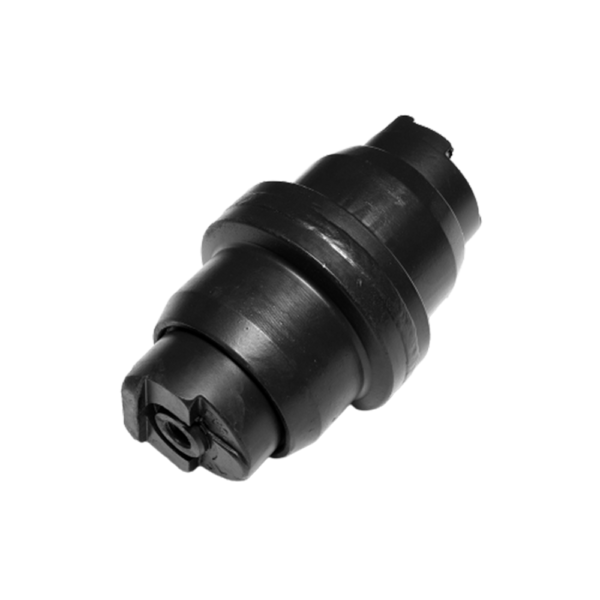
ມ້ວນຕິດຕາມແມ່ນຕົວຮັບມືຂອງລະບົບ undercarriage. They support the machine's weight and guide the track chain, ປະຕິບັດງານພາຍໃຕ້ເງື່ອນໄຂຂອງຄວາມກົດດັນທີ່ຮຸນແຮງແລະການປົນເປື້ອນຄົງທີ່. ເມື່ອເລືອກການທົດແທນ, ລັກສະນະການອອກແບບຈໍານວນຫນຶ່ງຮຽກຮ້ອງໃຫ້ມີຄວາມສົນໃຈຢ່າງໃກ້ຊິດ.
ຫນ້າທໍາອິດແມ່ນຄວາມແຕກຕ່າງລະຫວ່າງ rollers ດຽວ flange ແລະ double-flange rollers. ສິ່ງເຫຼົ່ານີ້ຖືກວາງຍຸດທະສາດຕາມກອບຕິດຕາມເພື່ອນໍາພາລະບົບຕ່ອງໂສ້ແລະປ້ອງກັນບໍ່ໃຫ້ມັນ "ຍ່າງ" off rollers ໄດ້. ການປ່ຽນລູກກິ້ງສອງດ້ານດ້ວຍແຜ່ນແປນດຽວ (ຫຼືໃນທາງກັບກັນ) ຈະປະນີປະນອມກົນໄກການຊີ້ນໍາແລະສາມາດນໍາໄປສູ່ຄວາມເສຍຫາຍທີ່ຮ້າຍແຮງ.
ທີສອງ, ຄຸນນະພາບຂອງປະທັບຕາແມ່ນສໍາຄັນທີ່ສຸດ. A roller's internal bearings are protected from dirt, ຄວາມຊຸ່ມຊື່ນ, ແລະ debris ໂດຍຊຸດຂອງປະທັບຕາ, ມັກຈະປະທັບຕາ duo-cone. ປະສິດທິພາບຂອງປະທັບຕາເຫຼົ່ານີ້ກໍານົດໂດຍກົງຊີວິດຂອງ roller ໄດ້ (Montes, 2025). ການປະທັບຕາທີ່ລົ້ມເຫລວອະນຸຍາດໃຫ້ວັດສະດຸຂັດເຂົ້າໄປໃນລູກປືນ, ໃນຂະນະທີ່ນ້ໍາມັນຫລໍ່ລື່ນທີ່ສໍາຄັນຫນີໄປ. ນີ້ນໍາໄປສູ່ຄວາມລົ້ມເຫຼວຂອງລູກປືນຢ່າງໄວວາແລະລູກກິ້ງທີ່ຖືກຍຶດ, ເຊິ່ງຫຼັງຈາກນັ້ນຈະຖືກລາກຕາມລະບົບຕ່ອງໂສ້, ການສ້າງຈຸດຮາບພຽງທີ່ທໍາລາຍການເຊື່ອມຕໍ່ຕິດຕາມ. ວັດສະດຸທີ່ໃຊ້ໃນການປະທັບຕາແລະຄວາມແມ່ນຍໍາຂອງຫນ້າການຫາຄູ່ຂອງພວກເຂົາແມ່ນຈຸດເດັ່ນຂອງລູກກິ້ງທີ່ມີຄຸນນະພາບ.
ສຸດທ້າຍ, ດັ່ງທີ່ໄດ້ສົນທະນາຜ່ານມາ, ເປືອກຂອງ roller ຕ້ອງໄດ້ຮັບການປິ່ນປົວຄວາມຮ້ອນຢ່າງຖືກຕ້ອງເພື່ອໃຫ້ຄວາມເລິກ, ພື້ນຜິວສວມໃສ່ແຂງ. ນີ້ອະນຸຍາດໃຫ້ຕ້ານກັບການປະຕິບັດການຂັດຂອງລະບົບຕ່ອງໂສ້ຕິດຕາມພາຍໃຕ້ການໂຫຼດ. ຊັ້ນຄວາມແຂງທີ່ຕື້ນ ຫຼື ບໍ່ສອດຄ່ອງຈະໝົດໄວ, leading to a premature loss of the roller's diameter and compromising the entire system's geometry.
| ອົງປະກອບ | ຕົວຊີ້ວັດການສວມໃສ່ທົ່ວໄປ | ຜົນສະທ້ອນຂອງການລະເລີຍ | ການປະຕິບັດທີ່ແນະນໍາ |
|---|---|---|---|
| Sprocket | ແຂ້ວກາຍເປັນແຫຼມ ຫຼື "ຕິດ" | ພຸ່ມໄມ້ຕ່ອງໂສ້ຕ່ອງໂສ້ ໃໝ່ ສິ້ນເປືອງຢ່າງໄວວາ | ທົດແທນດ້ວຍລະບົບຕ່ອງໂສ້ຕິດຕາມ |
| ຕິດຕາມລະບົບຕ່ອງໂສ້ | " stretching" (pitch ເພີ່ມຂຶ້ນ) | ການມີສ່ວນພົວພັນທີ່ບໍ່ດີກັບ sprocket ແລະ idler | ວັດແທກລະດັບສຽງ; ແທນທີ່ເມື່ອເກີນ spec |
| ຕິດຕາມ Rollers | ແຜ່ນແປນສວມໃສ່, ຈຸດແປ, ນ້ຳມັນຮົ່ວ | ການສວມໃສ່ການເຊື່ອມຕໍ່ທີ່ບໍ່ສະເຫມີກັນ, ການຕິດຕາມທີ່ເປັນໄປໄດ້ | ກວດສອບການຮົ່ວໄຫຼ ແລະວັດແທກເສັ້ນຜ່າສູນກາງ |
| ຄົນຫວ່າງງານ | ແຜ່ນແປນກາງທີ່ສວມໃສ່ຫຼືພື້ນຜິວ tread | ການຈັດຮຽງເສັ້ນທາງບໍ່ດີ, ເລັ່ງການເຊື່ອມຕໍ່ສວມໃສ່ | ວັດແທກພື້ນຜິວທີ່ສວມໃສ່; ກວດເບິ່ງການຮົ່ວໄຫຼ |
| ຕິດຕາມເກີບ | ນຸ່ງເຄື່ອງ (ແຖບ traction) | ການສູນເສຍ traction ແລະຜົນຜະລິດຂອງເຄື່ອງຈັກ | ປ່ຽນແທນເມື່ອຄວາມສູງຂອງ grouser ໜ້ອຍທີ່ສຸດ |
ເຫຼັກກ້າ, ຄົນຫວ່າງງານ, ແລະລະບົບຕ່ອງໂສ້: ຮັບປະກັນຕາຫນ່າງທີ່ສົມບູນແບບ
ຄວາມສໍາພັນລະຫວ່າງ sprocket ໄດ້, idler, ແລະລະບົບຕ່ອງໂສ້ຕິດຕາມແມ່ນແບບເຄື່ອນໄຫວທີ່ສຸດໃນ undercarriage. The sprocket's job is to engage the track bushing with perfect precision, converting the final drive's torque into linear motion. ເປັນຕ່ອງໂສ້ wears, ໄລຍະຫ່າງລະຫວ່າງແຕ່ລະ pin ແລະ bushing, ເປັນທີ່ຮູ້ຈັກເປັນ "pitch," ເພີ່ມຂຶ້ນ. ນີ້ມັກຈະເອີ້ນວ່າ "ການຍືດສາຍໂສ້," ເຖິງແມ່ນວ່າໂລຫະຂອງມັນເອງບໍ່ໄດ້ stretching. ແທນທີ່ຈະ, ການສວມໃສ່ພາຍໃນລະຫວ່າງ pins ແລະ bushing ສ້າງການຫຼິ້ນຫຼາຍໃນລະບົບ.
sprocket ໃຫມ່ແມ່ນຜະລິດດ້ວຍ profile ແຂ້ວອອກແບບເພື່ອໃຫ້ກົງກັບ pitch ຕົ້ນສະບັບຂອງຕ່ອງໂສ້. ໃນຂະນະທີ່ pitch ລະບົບຕ່ອງໂສ້ເພີ່ມຂຶ້ນ, ພຸ່ມໄມ້ໄດ້ຂັບເຄື່ອນສູງຂຶ້ນເທິງແຂ້ວ sprocket, ເລັ່ງການສວມໃສ່ທັງສອງອົງປະກອບ. ນີ້ແມ່ນເຫດຜົນທີ່ວ່າມັນໄດ້ຖືກແນະນໍາໃຫ້ເກືອບທົ່ວໂລກເພື່ອທົດແທນ sprockets ແລະຕ່ອງໂສ້ເປັນຊຸດທີ່ກົງກັນ. ການຕິດຕັ້ງຕ່ອງໂສ້ໃຫມ່ໃນ sprocket ເກົ່າແມ່ນເສດຖະກິດທີ່ບໍ່ຖືກຕ້ອງທີ່ຈະນໍາໄປສູ່ການທໍາລາຍຂອງລະບົບຕ່ອງໂສ້ກ່ອນໄວອັນຄວນ..
idler ຢູ່ທາງຫນ້າຂອງກອບຕິດຕາມໃຫ້ບໍລິການຈຸດປະສົງຄູ່: ມັນນໍາພາລະບົບຕ່ອງໂສ້ໃສ່ rollers ແລະ, ຜ່ານພາກຮຽນ spring recoil ແລະຕິດຕາມ, ຮັກສາຄວາມກົດດັນທີ່ເຫມາະສົມ. ຢາງລົດທີ່ສວມໃສ່ຈະບໍ່ນໍາພາລະບົບຕ່ອງໂສ້ຢ່າງຖືກຕ້ອງ, ແລະ flanges worn ສາມາດເຮັດໃຫ້ເກີດຄວາມເສຍຫາຍຕໍ່ການເຊື່ອມຕໍ່ຕິດຕາມ. ຄວາມກົດດັນຂອງການຕິດຕາມທີ່ເຫມາະສົມຍັງເປັນປັດໃຈສໍາຄັນທີ່ຜູ້ປະກອບການສາມາດຄວບຄຸມໄດ້. ແຖບທີ່ເຄັ່ງຄັດເກີນໄປຈະເພີ່ມການໂຫຼດຂອງອົງປະກອບທັງໝົດ - pins, ພຸ່ມໄມ້, ເຫຼັກກ້າ, ແລະ idlers - ນໍາໄປສູ່ການເພີ່ມຂຶ້ນຢ່າງໄວວາຂອງການສວມໃສ່. ເສັ້ນທາງທີ່ວ່າງເກີນໄປສາມາດເຮັດໃຫ້ຕິດຕາມກັບລູກກິ້ງດ້ານເທິງ ຫຼືແມ້ກະທັ້ງລົດການຕິດທັງໝົດໃນລະຫວ່າງການລ້ຽວ ຫຼືໃນພື້ນທີ່ບໍ່ສະໝ່ຳສະເໝີ.. ການກວດສອບປົກກະຕິແລະການປັບຕົວຂອງ sag ຕິດຕາມ, according to the manufacturer's specifications for the specific operating conditions, ເປັນສິ່ງຈໍາເປັນສໍາລັບການສູງສຸດຂອງຊີວິດຂອງພາກສ່ວນ undercarriage ທັງຫມົດ.
ກວດສອບ 3: ການປະເມີນໄຟລ໌ແນບສໍາລັບຄວາມດີເລີດສະເພາະຂອງແອັບພລິເຄຊັນ
ໃນຂະນະທີ່ undercarriage ສະຫນອງການເຄື່ອນໄຫວ, ມັນແມ່ນສິ່ງທີ່ຕິດຄັດມາ - ຄຸ, ripper ໄດ້, chisel—ທີ່ປະຕິບັດວຽກງານຕົວຈິງ. ເຫຼົ່ານີ້ແມ່ນເຄື່ອງມືທີ່ມີສ່ວນຮ່ວມໂດຍກົງກັບແຜ່ນດິນໂລກ, ຫີນ, ແລະສິ່ງເສດເຫຼືອ, and their design has a profound impact on the machine's productivity, ປະສິດທິພາບນໍ້າມັນເຊື້ອໄຟ, ແລະຄ່າໃຊ້ຈ່າຍໃນການດໍາເນີນງານໂດຍລວມ. Selecting the right attachment is not merely about finding one that fits the machine's coupler. It is about matching the tool's design, ວັດສະດຸ, ແລະການກໍ່ສ້າງຕາມຄວາມຕ້ອງການສະເພາະຂອງວຽກຢູ່ໃນມື. ຖັງທີ່ຖືກອອກແບບສໍາລັບການຂຸດດິນອ່ອນຈະລົ້ມເຫລວຢ່າງໄວວາໃນບ່ອນຂຸດຄົ້ນຫີນ, ບໍ່ແມ່ນເພາະວ່າມັນເປັນ "ບໍ່ດີ" ຄຸ, ແຕ່ເນື່ອງຈາກວ່າມັນເປັນເຄື່ອງມືທີ່ບໍ່ຖືກຕ້ອງສໍາລັບວຽກງານ. This demands an empathetic understanding of the machine's role and the environment in which it will labor.
ເກີນຄວາມສາມາດ: ການອອກແບບຖັງສໍາລັບປະສິດທິພາບແລະການຕໍ່ຕ້ານການສວມໃສ່
ລັກສະນະທີ່ຊັດເຈນທີ່ສຸດຂອງ bucket ແມ່ນຄວາມສາມາດ volumetric ຂອງມັນ, ວັດແທກເປັນແມັດກ້ອນ ຫຼືເດີ່ນ. ໃນຂະນະທີ່ມີຄວາມສໍາຄັນສໍາລັບການວາງແຜນການຜະລິດ, ຄວາມອາດສາມາດແມ່ນພຽງແຕ່ສ່ວນຫນຶ່ງຂອງເລື່ອງ. ເລຂາຄະນິດຂອງ bucket ແມ່ນມີຄວາມສໍາຄັນເທົ່າທຽມກັນ. ຖັງກວ້າງກວ່າ, ຕົວຢ່າງ, ແມ່ນດີເລີດສໍາລັບການຈັດລໍາດັບແລະການສໍາເລັດຮູບແຕ່ຈະປະເຊີນກັບການຕໍ່ຕ້ານຫຼາຍກວ່າເກົ່າໃນເວລາທີ່ພະຍາຍາມເຈາະຢ່າງຫນັກແຫນ້ນ, ດິນຫນາແຫນ້ນ. ແຄບກວ່າ, more V-shaped bucket concentrates the machine's breakout force onto a smaller area, ປັບປຸງການເຈາະໃນສະພາບທີ່ເຄັ່ງຄັດ.
The design of the bucket's cutting edge and side plates is also a critical area of differentiation. ຈຸດປະສົງທົ່ວໄປ (GP) ຄຸເປັນທາງເລືອກທີ່ດີທັງຫມົດສໍາລັບການປະສົມຂອງດິນ, ດິນເຜົາ, ແລະ gravel ຂະຫນາດນ້ອຍ. ໜັກ (HD) ແລະຫນ້າທີ່ຮຸນແຮງ (SD) ຄຸຖືກເສີມດ້ວຍແຜ່ນເຫຼັກທີ່ຫນາກວ່າ, ແຖບສວມໃສ່ເພີ່ມເຕີມຢູ່ດ້ານລຸ່ມ ແລະດ້ານຂ້າງ, ແລະມັກຈະໃຊ້ທີ່ເຂັ້ມແຂງກວ່າ, ເຫຼັກກ້າເກຣດທົນທານຕໍ່ການກັດກ່ອນ (ເຊັ່ນ AR400 ຫຼື AR500) ໃນການກໍ່ສ້າງຂອງເຂົາເຈົ້າ.
ຄຸຫີນເປັນຕົວແທນຈຸດສູງສຸດຂອງຄວາມທົນທານ. ໂດຍທົ່ວໄປແລ້ວພວກມັນມີປາກຊ່ອງດັງ ຫຼືຮູບຊົງຕົວ V ເພື່ອເພີ່ມແຮງເຈາະ, ແຜ່ນດ້ານຂ້າງທີ່ໜາກວ່າມັກຈະຖືກປ້ອງກັນດ້ວຍແຜ່ນເຫຼັກ, ແລະໂຄງສ້າງພາຍໃນທີ່ແຂງແຮງກວ່າເພື່ອຕ້ານກັບກໍາລັງແຮງບິດທີ່ມີຜົນກະທົບສູງຂອງຫີນ prying. ເມື່ອເລືອກຖັງ, ພິຈາລະນາວັດຖຸຕົ້ນຕໍທີ່ເຈົ້າຈະເຄື່ອນຍ້າຍ. ການນໍາໃຊ້ຖັງ GP ທີ່ມີນ້ໍາຫນັກເບົາໃນການທໍາລາຍຫຼືການຂຸດຫີນຈະນໍາໄປສູ່ຄວາມລົ້ມເຫຼວຂອງໂຄງສ້າງຢ່າງໄວວາ., ໃນຂະນະທີ່ການນໍາໃຊ້ຢ່າງຮຸນແຮງ, overbuilt rock bucket to move topsoil will needlessly increase fuel consumption and reduce the machine's effective payload.
ຟີຊິກຂອງ Ripping: Ground Engagement Tool (ໄດ້ຮັບ) ການຄັດເລືອກ
ເຄື່ອງມືທີ່ມີສ່ວນຮ່ວມໃນພື້ນທີ່ (ໄດ້ຮັບ) ແມ່ນຄໍາສັບສໍາລັບພາກສ່ວນສວມໃສ່ກັບຖັງຫຼື ripper - ແຂ້ວ, ຜູ້ດັດແປງ, ແລະເຄື່ອງຕັດຂ້າງ. ເຫຼົ່ານີ້ແມ່ນອົງປະກອບການເສຍສະລະທີ່ຖືກອອກແບບມາເພື່ອຮັບຜິດຊອບຄວາມເສຍຫາຍຂອງການສວມໃສ່ແລະນ້ໍາຕາ, ປົກປ້ອງໂຄງສ້າງທີ່ມີລາຄາແພງກວ່າຂອງຖັງຫຼື ripper shank. ການເລືອກລະບົບ GET ທີ່ຖືກຕ້ອງສາມາດມີຜົນກະທົບຢ່າງຫຼວງຫຼາຍຕໍ່ການປະຕິບັດ.
ຮູບຮ່າງຂອງແຂ້ວແມ່ນການພິຈາລະນາທໍາອິດ.
- ແຂ້ວມາດຕະຖານ/ຈຸດປະສົງທົ່ວໄປ: ສະເຫນີຄວາມສົມດຸນທີ່ດີຂອງຄວາມເຂັ້ມແຂງແລະການເຈາະສໍາລັບການຂຸດທົ່ວໄປ.
- Tiger / ແຂ້ວເຈາະ: ມີແຫຼມ, ການອອກແບບຊີ້ທີ່ດີເລີດໃນການທໍາລາຍເຂົ້າໄປໃນ hardpan, ອາກາດຫນາວ, ຫຼືວັດສະດຸຫຸ້ມຫໍ່ແຫນ້ນ. ແນວໃດກໍ່ຕາມ, ໂປໄຟທີ່ບາງກວ່າຂອງພວກເຂົາຫມາຍຄວາມວ່າພວກເຂົານຸ່ງເສື້ອໄວແລະມີວັດສະດຸຫນ້ອຍສໍາລັບການຕໍ່ຕ້ານຜົນກະທົບ.
- ແຂ້ວຫີນ/ຮອຍຂັດ: ສັ້ນກວ່າ, bulker, ແລະມີ "ອຸປະກອນການສວມໃສ່."" ໃນການອອກແບບຂອງເຂົາເຈົ້າ. ພວກມັນຖືກສ້າງຂື້ນເພື່ອອາຍຸຍືນໃນສະພາບແວດລ້ອມທີ່ມີຮອຍຂີດຂ່ວນສູງເຊັ່ນດິນຊາຍແລະຫີນກ້ອນ, ແຕ່ສະເຫນີຄວາມສາມາດໃນການເຈາະຫນ້ອຍລົງ.
ລະບົບທີ່ໃຊ້ໃນການຕິດແຂ້ວກັບອະແດບເຕີແມ່ນສໍາຄັນເຊັ່ນກັນ. ລະບົບ pin-on ແບບດັ້ງເດີມແມ່ນເຊື່ອຖືໄດ້ແຕ່ສາມາດໃຊ້ເວລາຫຼາຍໃນການປ່ຽນແປງ. ລະບົບ hammerless ທີ່ທັນສະໄຫມໃຊ້ກົນໄກການລັອກປະສົມປະສານທີ່ຊ່ວຍໃຫ້ການທົດແທນໄວແລະປອດໄພກວ່າ, ຫຼຸດຜ່ອນເວລາຢຸດເຄື່ອງ. ສໍາລັບ ripper ເປັນ, GET ປະກອບດ້ວຍແຂ້ວ ripper (ຫຼື boot) ແລະຕົວປ້ອງກັນ shank. ແຂ້ວຕ້ອງສາມາດທົນຕໍ່ຜົນກະທົບທີ່ຮຸນແຮງເມື່ອການຕິດຕໍ່ເບື້ອງຕົ້ນກັບຫີນ, ໃນຂະນະທີ່ຕົວປ້ອງກັນ shank ປ້ອງກັນ shank ripper ຕົ້ນຕໍຈາກການສວມໃສ່ abrasive ຍ້ອນວ່າມັນຖືກດຶງຜ່ານວັດສະດຸ.. ການຈັດຫາ GET ທີ່ມີຄຸນນະພາບສູງແມ່ນກ່ຽວຂ້ອງກັບການຊອກຫາຊິ້ນສ່ວນທີ່ເຮັດຈາກເຫຼັກໂລຫະປະສົມທີ່ມີຄວາມແຂງສູງທີ່ໄດ້ຮັບການປິ່ນປົວຄວາມຮ້ອນຢ່າງຖືກຕ້ອງເພື່ອຕ້ານການກະດູກຫັກແລະການຂັດ..
Chisel ແລະ Ripper Shank Integrity: ຕ້ານກໍາລັງທີ່ຮ້າຍແຮງ
shank ripper ຕົວຂອງມັນເອງແມ່ນອົງປະກອບທີ່ຂຶ້ນກັບບາງກໍາລັງທີ່ເຂັ້ມແຂງທີ່ສຸດໃນວຽກງານການກໍ່ສ້າງ. ມັນຕ້ອງສົ່ງພະລັງງານດຶງຢ່າງເຕັມທີ່ຂອງເຄື່ອງຈັກເຂົ້າໄປໃນຈຸດດຽວເພື່ອກະດູກຫັກຂອງຫີນຫຼືດິນແຊ່ແຂງ. ຄວາມສົມບູນຂອງ shank ripper ແມ່ນມາຈາກວັດສະດຸແລະການອອກແບບຕັດສ່ວນ. ປົກກະຕິແລ້ວພວກມັນແມ່ນຜະລິດຈາກຄວາມເຂັ້ມແຂງສູງ, ເຫຼັກໂລຫະປະສົມຜ່ານແຂງເພື່ອຕ້ານການໂຄ້ງແລະຄວາມລົ້ມເຫຼວຂອງໄພພິບັດ.
A "chisel" ເປັນປະເພດຂອງເຄື່ອງມື, ມັກໃຊ້ໃນໄມ້ຄ້ອນໄຮໂດຼລິກ ຫຼືເຄື່ອງແຕກ, ທີ່ເຮັດຫນ້າທີ່ຄ້າຍຄືກັນໂດຍການສຸມໃສ່ກໍາລັງ. ບໍ່ວ່າຈະເປັນຈຸດ moil ສໍາລັບສີມັງ, ເຄື່ອງມືທີ່ບໍ່ຖືກຕ້ອງສໍາລັບການແຕກຫີນ, ຫຼື chisel ສໍາລັບ trenching, ຫຼັກການໂລຫະແມ່ນຄືກັນ. ເຄື່ອງມືຕ້ອງມີຄໍາແນະນໍາທີ່ເຮັດວຽກຫນັກຫຼາຍເພື່ອໃຫ້ມີປະສິດທິພາບ, ແຕ່ຍັງມີ softer, tougher shank and striking end to absorb the piston's impact without shattering or damaging the hammer itself. ນີ້ແມ່ນບັນລຸໄດ້ໂດຍຜ່ານການປິ່ນປົວຄວາມຮ້ອນທີ່ແຕກຕ່າງກັນ, ບ່ອນທີ່ພາກສ່ວນຕ່າງໆຂອງເຄື່ອງມືແມ່ນໃຫ້ຄຸນສົມບັດທີ່ແຕກຕ່າງກັນ. ໃນເວລາທີ່ກວດສອບການທົດແທນ chisel ຫຼື ripper shank, ຄວນລະວັງຂອງພາກສ່ວນທີ່ປະກົດວ່າໄດ້ຮັບການຮັກສາຄວາມຮ້ອນຢ່າງສະໝ່ຳສະເໝີ ຫຼືເຮັດມາຈາກເຄື່ອງໃຊ້ທົ່ວໄປ, ເຫຼັກບໍ່ລະບຸ. ອົງປະກອບທີ່ມີຄຸນນະພາບຈະເປັນຜົນມາຈາກຂະບວນການຜະລິດທີ່ຊັບຊ້ອນທີ່ອອກແບບມາເພື່ອດຸ່ນດ່ຽງຄວາມແຂງ, ຄວາມທົນທານ, ແລະການຕໍ່ຕ້ານຄວາມເຫນື່ອຍລ້າໃນຊິ້ນດຽວຂອງເຫລໍກ.
ກວດສອບ 4: ການກວດສອບຄວາມຫນ້າເຊື່ອຖືຂອງຜູ້ສະຫນອງແລະການສະຫນັບສະຫນູນຫຼັງການຊື້
ໃນຕະຫຼາດໂລກຂອງ 2025, ການຈັດຊື້ຊິ້ນສ່ວນຂອງເຄື່ອງຈັກ Hitachi ແມ່ນບໍ່ຈໍາກັດກັບຕົວແທນຈໍາຫນ່າຍທ້ອງຖິ່ນອີກຕໍ່ໄປ. ເຄືອຂ່າຍທີ່ກວ້າງຂວາງຂອງຜູ້ສະຫນອງສາກົນສະຫນອງທາງເລືອກທີ່ຫລາກຫລາຍຂອງຕະຫຼາດຫຼັງການຂາຍ. ໃນຂະນະທີ່ນີ້ສະຫນອງໂອກາດສໍາລັບການປະຫຍັດຄ່າໃຊ້ຈ່າຍແລະການຄັດເລືອກຢ່າງກວ້າງຂວາງ, it also introduces a greater need for due diligence. The quality of a part is not just a function of its physical characteristics; it is also a reflection of the company that stands behind it. A supplier's credibility, transparency, and commitment to customer support are intangible but invaluable assets that protect your investment and ensure your peace of mind.
The Hallmarks of a Reputable Parts Supplier
How can one discern a trustworthy supplier from a transient seller of low-quality goods? The process is akin to conducting a background check, looking for consistent signs of professionalism and reliability.
ທໍາອິດ, a reputable supplier has a history and a physical presence. They are not an anonymous entity on a trading platform. Look for a company with a professional website, a verifiable physical address, and clear contact information. Companies that have been in business for many years have a reputation to uphold and a track record that can be investigated.
ທີສອງ, transparency in manufacturing and quality control is a powerful indicator. A confident supplier is not afraid to discuss where their parts are made and what standards they are held to. They may provide information about the specific steel alloys used, the manufacturing methods (forging vs. ການຫລໍ່), and the details of their heat treatment processes. Some may even offer quality certifications, ເຊັ່ນ ISO 9001, which demonstrates a commitment to a documented and consistent quality management system. Be skeptical of suppliers who are vague about these details or who rely solely on claims of "high quality" without providing any supporting evidence.
ທີສາມ, consider their market presence and expertise. A supplier that specializes in undercarriage parts or ground-engaging tools for specific brands like Hitachi will likely have a deeper knowledge base than a generalist who sells everything from engine filters to light bulbs. Their focus allows them to understand the specific technical challenges and failure modes associated with those components, leading to better product development and more knowledgeable support.
Warranty as a Statement of Quality
ການຮັບປະກັນແມ່ນຫຼາຍກ່ວາພຽງແຕ່ເອກະສານທາງດ້ານກົດຫມາຍ; it is a statement of the manufacturer's confidence in its own product. A supplier offering a minimal or non-existent warranty is implicitly communicating a lack of faith in the durability of their parts. ກົງກັນຂ້າມ, a comprehensive warranty that covers premature failure due to defects in materials or workmanship signals that the company has invested in quality control and is willing to stand behind its product.
When evaluating a warranty, ອ່ານການພິມທີ່ດີ. Understand what is covered and for how long. Warranties are often based on hours of operation or a period of time, ອັນໃດມາກ່ອນ. Note any exclusions. ຕົວຢ່າງ, a warranty may be voided if the part is installed incorrectly or used in an application for which it was not designed. A good warranty is clear, ຍຸດຕິທຳ, and straightforward. It reflects a partnership between the supplier and the customer, where both parties have responsibilities. The supplier is responsible for providing a defect-free part, and the customer is responsible for proper installation and operation.
Technical Support and Parts Availability in Your Region
The best part in the world is useless if you cannot get it when you need it, or if you cannot get help when you have a problem. Before committing to a purchase, especially from an international supplier, investigate their logistics and support capabilities for your specific region, whether it be the remote mining sites of Western Australia, the developing infrastructure projects in Southeast Asia, or the challenging climate of the Russian Federation.
Does the supplier have distribution centers or partnerships that can ensure reasonable shipping times to your location? A machine that is down for weeks waiting for a part from overseas represents a massive loss of revenue. Can they handle the customs and importation processes for your country efficiently?
ນອກຈາກນັ້ນ, what level of technical support do they offer? If you have a question about installation or if a part fails prematurely, is there a knowledgeable person you can contact who speaks your language and understands your technical issue? Excellent post-purchase support demonstrates a long-term commitment to the customer, not just a short-term interest in making a single sale. This level of service is a defining characteristic that separates premier parts providers from mere distributors. The ability to consult with an expert on wear patterns or compatibility issues when maintaining your Hitachi undercarriage parts is an invaluable service that contributes directly to the efficiency and profitability of your operation.
ກວດສອບ 5: The Operator's Role in Proactive Maintenance and Inspection
We can source parts forged from the finest steel, manufactured to the tightest tolerances, and backed by the most comprehensive warranty, yet their ultimate lifespan is not determined in the factory. It is decided every day in the dirt, ຂີ້ຕົມ, and rock of the job site. The final and perhaps most critical check in ensuring the longevity of parts for Hitachi machines rests not with the supplier, but with the owner and operator. Proactive maintenance and diligent inspection are not chores to be endured; they are powerful strategies for managing costs, ປ້ອງກັນຄວາມລົ້ມເຫຼວຂອງໄພພິບັດ, and extracting the maximum value from every single component. A machine that is cared for will reward its owner with reliability and a longer productive life.
The Role of Regular Inspection in Extending Part Lifespan
The most effective maintenance tool is a trained and observant eye. ງ່າຍດາຍ, consistent walk-around inspection performed at the beginning of every shift can reveal developing problems long before they become critical failures. This is not a complex technical procedure; it is a habit of careful observation.
- undercarriage: ຜູ້ປະຕິບັດງານຄວນຊອກຫາອາການທີ່ຊັດເຈນຂອງບັນຫາ. Are there any loose or missing bolts on the track pads? Are there visible oil leaks from the rollers or idlers, indicated by wet streaks running down their sides? Are the track chains noticeably loose or tight? Look at the sprocket teeth; are they beginning to look sharp and pointed? This daily visual check, which takes only a few minutes, is the first line of defense against premature wear.
- Bucket and GET: Examine the bucket teeth. Are any of them broken, ຫາຍ, or worn down to the adapter? A missing tooth exposes the adapter to rapid wear, ສ່ວນປະກອບທີ່ລາຄາແພງກວ່າທີ່ຈະທົດແທນ. Check the welds on the bucket and look for any signs of cracking, especially around the areas where the adapter and lifting hooks are attached.
- General Machine: Listen to the machine as it operates. Unusual grinding, ຮ້ອງໄຫ້, or popping sounds from the undercarriage can indicate a seized roller or a problem with the drive system. Feel for excessive vibration. These sensory inputs are valuable data that can signal a need for a closer look.
Understanding Wear Patterns as Diagnostic Tools
The way a component wears tells a story. Learning to read these stories allows an operator or mechanic to diagnose underlying problems, not just treat symptoms. ຕົວຢ່າງ, if the inside edges of the track links are showing accelerated wear, it may point to a misalignment issue with the idlers or rollers. If only one side of the sprocket teeth is wearing, it could indicate a problem with the track frame alignment itself.
On a bucket, if the corner teeth are wearing down much faster than the center teeth, it might suggest that the operator is using the corners to pry or "sweep" ວັດສະດຸ, putting immense stress on the side of thebucket. This feedback can be used to refine operating techniques to promote more even wear and extend the life of the GET. Recognizing these patterns transforms maintenance from a reactive task (replacing what is broken) to a proactive one (understanding why it broke and preventing a recurrence). This diagnostic approach is fundamental to the principles of mechanized track maintenance (ແກ່ນພືດ, 2017).
ການລະບາຍນ້ໍາແລະການທໍາຄວາມສະອາດ: The Simple Habits that Save Fortunes
In the harsh world of heavy equipment, two of the simplest maintenance tasks—lubrication and cleaning—are also two of the most impactful.
ການລະບາຍນ້ໍາ: While many modern components like track rollers and idlers are "sealed for life," they are not invincible. The "life" of their internal bearings is entirely dependent on the integrity of the seals and the quality of the grease or oil within (Allmaier, 2022). For components that do require regular greasing, such as the bucket linkage pins, adhering to the manufacturer's recommended lubrication schedule is not optional. A single pin and bushing failure due to lack of grease can cause the entire linkage to become loose, placing eccentric loads on other pins and accelerating their wear exponentially. It can also lead to stress cracks in the excavator's boom and stick.
ທໍາຄວາມສະອາດ: undercarriage ໄດ້, ໂດຍສະເພາະ, benefits immensely from regular cleaning. ຂີ້ຕົມຫຸ້ມຫໍ່, ຫີນ, and debris add significant weight to the undercarriage, ການບໍລິໂພກນໍ້າມັນເພີ່ມຂຶ້ນ. ສໍາຄັນກວ່າ, this packed material prevents the components from interfacing correctly. Mud packed between the bushings and sprocket teeth accelerates wear. A rock jammed between the track chain and the idler can cause immense damage. ໃນສະພາບອາກາດ freezing, mud that freezes overnight can turn the undercarriage into a solid block, placing extreme strain on the final drives and potentially breaking seals when the machine tries to move. Taking the time to clean out the undercarriage at the end of the day is not just about aesthetics; it is a critical maintenance procedure that reduces strain and allows for proper visual inspection.
ຄໍາຖາມທີ່ຖາມເລື້ອຍໆ (FAQ)
Are aftermarket parts for Hitachi machines as reliable as OEM parts?
The quality of aftermarket parts can vary significantly. High-quality aftermarket parts from reputable manufacturers can meet or even exceed OEM (ຜູ້ຜະລິດອຸປະກອນຕົ້ນສະບັບ) specifications in terms of material, ພໍດີ, ແລະການປະຕິບັດ, often at a more competitive price. The key is to source them from a trusted supplier who is transparent about their manufacturing processes, ຄຸນນະພາບວັດສະດຸ, and offers a solid warranty. ກົງກັນຂ້າມ, ລາຄາຖືກ, low-quality aftermarket parts can lead to premature failure and costly downtime.
How do I know when it's time to replace my machine's undercarriage?
Undercarriage replacement is typically determined by measuring key components against the manufacturer's wear specifications, not just by visual appearance. A specialized technician will measure the track chain "pitch" (ໄລຍະຫ່າງລະຫວ່າງ pins) to check for stretch, ເສັ້ນຜ່າສູນກາງຂອງ rollers ໄດ້, and the wear on sprocket teeth and idler surfaces. A rule of thumb is to consider a full replacement when the track chain bushings are worn to the point of needing to be turned, as other components are likely nearing the end of their service life as well.
What is the main difference between a rock bucket and a general-purpose bucket?
A rock bucket is specifically engineered for high-impact and high-abrasion environments. It features a thicker shell made from higher-grade abrasion-resistant steel (ຕົວຢ່າງ:, AR450), a V-shaped or spade-nose cutting edge for better penetration, and additional protective components like side shrouds and wear bars. A general-purpose (GP) bucket is lighter and designed for digging and moving less abrasive materials like soil, ດິນເຜົາ, ແລະ gravel. Using a GP bucket in a rock application will lead to rapid damage and structural failure.
How does the operating climate in places like Russia or the Middle East affect part wear?
Extreme climates significantly impact wear. In the cold climates of Russia, frozen ground acts like rock, demanding higher penetration force and increasing stress on buckets, ແຂ້ວ, ແລະ rippers. Frozen mud can cause immense strain on undercarriage components. ໃນຮ້ອນ, sandy environments of the Middle East, ປັບໃໝ, abrasive sand accelerates wear on all moving parts, particularly undercarriage components like seals, ເຂັມ, ແລະພຸ່ມໄມ້. This is known as abrasive wear and requires parts with high surface hardness.
Can I install a new track chain on my old sprockets?
ມັນທໍ້ຖອຍໃຈຢ່າງແຂງແຮງ. A worn sprocket has a changed tooth profile that will not mesh correctly with the new bushings of a new chain. This mismatch causes a concentration of force that rapidly wears down the new chain, drastically reducing its lifespan and negating your investment. For best results and the lowest long-term cost, sprockets and track chains should always be replaced as a matched set.
What does "through-hardened" mean for a part like a ripper shank?
"Through-hardened" means that the heat treatment process has achieved a consistent hardness not just on the surface but deep into the core of the part. This is critical for components like ripper shanks that are subjected to immense bending forces. A part that is only "case-hardened" (hard on the surface but soft in the core) would be prone to bending or snapping under the extreme stress of ripping rock.
Why is forging considered superior to casting for high-stress parts?
Forging refines the metal's internal grain structure, aligning it with the shape of the part and eliminating internal voids. This creates a denser, tougher component with superior resistance to impact and fatigue. ການສົ່ງສັນຍານ, while excellent for complex shapes, results in a more random grain structure that can be less robust under the cyclical, high-impact loads experienced by parts like track links and sprockets.
ການພິຈາລະນາສຸດທ້າຍກ່ຽວກັບຄຸນຄ່າ ແລະອາຍຸຍືນ
In equipping and maintaining heavy machinery, the temptation to focus on the immediate, upfront cost of a component is a powerful one. ທັນ, a deeper reflection reveals that the true cost of a part is not written on its price tag. It is written over thousands of hours of operation, in the productivity gained or lost, and in the downtime avoided or incurred. The selection of parts for Hitachi machines is an engagement with a philosophy of value, one that weighs the initial expense against the promise of endurance. ການເຊື່ອມໂຍງການຕິດຕາມທີ່ຖືກປອມ, though more costly to produce than its cast counterpart, repays that investment through a longer service life and greater resistance to failure. A well-designed rock bucket, perfectly matched to its task, enhances the machine's efficiency, saving fuel and time with every cycle.
The principles outlined here—a deep inquiry into material science, a systems-based view of mechanical assemblies, a careful matching of tool to task, a diligent vetting of suppliers, and a disciplined approach to maintenance—are not merely technical guidelines. They represent a commitment to operational excellence. They foster a relationship with the machine that is based on understanding and care, rather than simple use and consumption. By embracing this perspective, we move beyond being mere purchasers of parts and become informed custodians of our equipment's capacity, ensuring that these powerful tools remain productive, ເຊື່ອຖືໄດ້, and profitable for years to come.
ເອກະສານອ້າງອີງ
Allmaier, ຮ. (2022). Increase Service Life for Rail Wheel Bearings—A Review of Grease Lubrication for This Application. Lubricants, 10(3), 36. https://doi.org/10.3390/lubricants10030036
Camso. (2025). Construction tracks basics: 9 questions to master rubber tracks. https://camso.co/en/blog/best-practices/construction-track-basics
Monster Tires. (2024). Rubber Tracks Guide.
Montes, ລ. (2025). A Thorough Explanation of Heavy Equipment Rollers. Fortis HD. https://www.fortishd.com/blogs/about-hd-equipment/a-thorough-explanation-of-heavy-equipment-rollers-purpose-types-and-wear-signs
Rolls Bearing. (2015). ຕິດຕາມ rollers 101: Everything you need to know.
TFL Bearing. (2024). Basic Concepts of Rolling Bearings. https://tfl-bearing.com/page/Basic-Concepts-of-Rolling-Bearings
ແກ່ນພືດ, ລ. (2017). The Basic Principles of Mechanised Track Maintenance (3rd ed.). PMC Media House GmbH.