
Abstrak
Pengambilalihan komponen untuk jentera pembinaan berat merupakan pertimbangan operasi dan kewangan yang signifikan untuk mana -mana perusahaan. Analisis ini mengkaji lima kesilapan yang paling lazim dan kewangan yang dibuat apabila sumber sumber untuk mesin Volvo. Ia menyiasat hubungan kompleks antara kos komponen awal, Perbelanjaan operasi jangka panjang, dan konsep keseluruhan kos pemilikan (Tco). Perbincangan ini meliputi penilaian kritikal kredibiliti pembekal sebagai benteng terhadap percambahan komponen palsu atau substandard. Penerokaan terperinci mengenai keperluan untuk keserasian sebahagian-ke-mesin, terutamanya dalam sistem yang rumit seperti bawah tanah, dibentangkan. Dokumen ini juga menyediakan pembezaan yang bernuansa antara tulen, Pengilang peralatan asal (OEM), dan bahagian selepas pasaran, Menawarkan kerangka strategik untuk pemilihan. Akhirnya, Ia menganjurkan peralihan paradigma dari pembaikan reaktif ke proaktif, penyelenggaraan ramalan, dengan alasan bahawa strategi sedemikian adalah asas untuk memaksimumkan umur panjang peralatan, operasi operasi, dan pulangan pelaburan untuk pemilik di pelbagai pasaran global.
Takeaways utama
- Menilai jumlah kos pemilikan, bukan hanya harga pembelian awal.
- Pembekal doktor haiwan yang teliti untuk mengelakkan penggunaan komponen palsu.
- Pastikan keserasian bahagian-ke-mesin yang tepat menggunakan nombor siri.
- Sumber Strategik Bahagian Aftermarket Berkualiti Tinggi Untuk Mesin Volvo Untuk Mengimbangi Kos Dengan Prestasi.
- Mengamalkan jadual penyelenggaraan proaktif untuk menjangkakan keperluan ditambah memanjangkan hayat komponen.
- Memahami sains material di sebalik bahagian memakai untuk pembelian yang dimaklumkan.
Jadual Kandungan
- pengenalan: Kepentingan pemilihan komponen yang tinggi untuk peralatan pembinaan Volvo
- Kesilapan 1: Mengutamakan harga awal berbanding jumlah kos pemilikan (Tco)
- Kesilapan 2: Mengabaikan pengesahan pembekal dan keaslian sebahagian
- Kesilapan 3: Mengabaikan keserasian bahagian-ke-mesin yang tepat
- Kesilapan 4: Salah faham yang tulen vs. OEM vs. Spektrum selepas pasaran
- Kesilapan 5: Mengamalkan reaktif "fix-it-when-it-breaks" Pendekatan
- Soalan yang sering ditanya (Soalan Lazim)
- Kesimpulan
- Rujukan
pengenalan: Kepentingan pemilihan komponen yang tinggi untuk peralatan pembinaan Volvo
Peralatan Pembinaan Volvo telah menanam reputasi global untuk kejuruteraan yang mantap, boleh dipercayai, dan jentera maju teknologi. Dari penggali yang menggerunkan yang mengukir asas -asas di pusat -pusat bandar yang berkembang pesat di Asia Tenggara ke pemuat roda yang kuat yang beroperasi di landskap perlombongan yang luas di Australia, Mesin kuning dan kelabu ini adalah simbol produktiviti. Intipati nilai mereka, Walau bagaimanapun, tidak tinggal semata -mata dalam pembelian awal mesin itu sendiri. Sebaliknya, Ia direalisasikan melalui beribu -ribu jam tanpa gangguan, Operasi yang cekap. Prestasi mesin yang berterusan ini berkait rapat dengan kualiti komponen yang membentuk keseluruhannya. Pemilihan bahagian pengganti untuk mesin Volvo, oleh itu, bukan tugas perolehan biasa; it is a high-stakes strategic decision with profound implications for a project's profitability, keselamatan, dan garis masa.
Membuat pilihan yang tidak bermaklumat dapat mencetuskan akibat negatif. Kegagalan pramatang tunggal komponen yang kelihatan kecil, seperti roller trek atau gigi baldi, boleh membawa mesin berjuta-juta dolar untuk menghentikan pengisaran. Kos langsung bahagian pengganti menjadi kerdil oleh kos astronomi downtime yang tidak dijadualkan. Kos ini termasuk buruh terbiar, Penalti Projek, kehilangan kontrak yang berpotensi, ditambah dengan perbelanjaan logistik pembaikan kecemasan. Tambahan pula, Bahagian yang tidak berkesudahan boleh menyebabkan pakaian dipercepatkan di bersebelahan, komponen yang lebih mahal, memulakan kesan kegagalan domino sepanjang sistem. Contohnya, Pemancuan yang kurang dihasilkan secara sistematik boleh memusnahkan keseluruhan rantaian trek, mengubah masalah seratus dolar menjadi bencana sepuluh ribu dolar.
Pasaran global untuk komponen peralatan berat adalah kompleks, dihuni oleh spektrum pembekal yang menawarkan segala-galanya dari barangan berjenama Volvo yang tulen ke pelbagai alternatif selepas pasaran yang membingungkan. Untuk pengurus peralatan di kawasan seperti Rusia, Timur Tengah, atau Afrika, Menavigasi landskap ini memberikan cabaran unik, termasuk rantaian bekalan yang panjang, Piawaian kualiti berubah -ubah, ditambah dengan ancaman barang palsu yang berterusan. Pemahaman yang empati tentang cabaran ini memerlukan bergerak melebihi perbandingan harga yang mudah. Ia memerlukan lebih mendalam, Lebih banyak siasatan falsafah ke atas sifat nilai itu sendiri. Berapakah kos sebenar bahagian? Ia bukan sekadar nombor dalam invois tetapi jumlah prestasinya, panjang umurnya, kesannya terhadap mesin sebagai sistem bersepadu, dan sumbangannya kepada kehidupan ekonomi keseluruhan aset. Perbincangan berikut akan membedah lima kesilapan yang paling biasa dan mahal dalam proses perolehan ini, menawarkan yang jelas, rangka kerja berstruktur untuk memperkasakan pemilik dan pengendali untuk membuat pilihan yang melindungi pelaburan mereka dan mengekalkan momentum operasi mereka.
Kesilapan 1: Mengutamakan harga awal berbanding jumlah kos pemilikan (Tco)
Salah satu kesilapan yang paling menggoda dan akhirnya merosakkan dalam perolehan adalah penetapan pada harga pembelian awal komponen. Dalam dunia belanjawan yang ketat dan pembidaan yang kompetitif, Daya tarikan penjimatan pendahuluan sangat kuat. Petikan untuk baldi yang lebih dua puluh peratus lebih murah daripada pesaingnya kelihatan seperti kemenangan kewangan yang mudah. Perspektif ini, Walau bagaimanapun, sangat myopic. Ia gagal menyumbang jumlah kehidupan ekonomi bahagian dan peranannya dalam ekosistem mesin yang lebih besar. The true measure of a part's value is its Total Cost of Ownership (Tco), Konsep holistik yang merangkumi bukan hanya pengeluaran awal tetapi semua kos berikutnya yang berkaitan dengan penggunaannya dari masa ke masa. Neglecting TCO in favor of a low sticker price is akin to choosing a building's foundation based on the cheapest concrete available, tanpa mempertimbangkan kapasiti galas beban atau daya tahannya terhadap tekanan alam sekitar. Penjimatan awal sering menjadi fatamorgana, menyembunyikan perbelanjaan yang jauh lebih besar.
Ilusi simpanan pendahuluan
Rayuan kos awal yang rendah berakar dalam keadaan sederhana, Metrik ketara yang mudah dilaporkan dan dibenarkan. Namun, Realiti operasi peralatan berat adalah bahawa bahagian yang lebih murah sering dihasilkan dengan bahan -bahan yang lebih rendah atau toleransi kejuruteraan yang kurang tepat. Aloi keluli kelas rendah di ripper shank mungkin menjimatkan wang pada titik pembelian, Tetapi ia akan lebih cepat, patah di bawah tekanan tinggi, atau gagal menembusi tanah keras dengan berkesan, reducing the machine's overall productivity. Pertimbangkan bahagian bawah penggali Volvo, sistem komponen yang saling mengunci tertakluk kepada tekanan dan lelasan yang besar. Satu set rantai trek yang dibeli dengan diskaun yang tinggi mungkin dibuat daripada keluli yang tidak menjalani rawatan haba yang betul. Walaupun secara visual serupa dengan alternatif yang lebih berkualiti, rantai ini akan meregang dengan lebih pantas. Peningkatan "pitch" (jarak antara pusat pin) tidak lagi sejajar dengan gigi sproket, membawa kepada pengisaran, tindakan melompat yang mempercepatkan haus pada kedua-dua rantai dan gegancu.
Hasilnya adalah kitaran ganas penggantian. Yang "murah" bahagian gagal sebelum waktunya, memerlukan bukan sahaja pembelian lain tetapi juga satu pusingan kos buruh dan, paling merosakkan, satu lagi tempoh masa mati mesin. Kegagalan tunggal juga boleh menyebabkan kerosakan cagaran. Bayangkan hos hidraulik yang tidak disengajakan di bawah tekanan. Kos hos itu sendiri adalah minimum. Kos sebenar termasuk kehilangan cecair hidraulik mahal, Potensi pencemaran alam sekitar, risiko kecederaan kepada kakitangan, buruh untuk menggantikan hos dan membersihkan sistem, Plus jam atau hari mesin itu keluar dari komisen. Penjimatan awal pada hos itu tidak dapat dimanfaatkan oleh akibat yang meluas dari kegagalannya. Kesan Cascading ini menyoroti bagaimana komponen tidak dapat dilihat secara berasingan. Setiap bahagian adalah warganegara dalam masyarakat mekanikal mesin, dan kegagalan seseorang dapat meletakkan beban yang tidak wajar pada semua yang lain.
Mengira kos sebenar: Rangka kerja TCO
Untuk melampaui ilusi simpanan pendahuluan, yang lebih berdisiplin, pendekatan analitikal diperlukan. Rangka kerja Jumlah Kos Pemilikan menyediakan kaedah berstruktur untuk menilai kesan kewangan penuh pilihan komponen. Formula asas adalah alat yang berkuasa untuk berfikir:
TCO = harga pembelian awal + (Kos penyelenggaraan + Kos Pembaikan) + Kos downtime – Nilai Salvage/Jualan Semula
Let's apply a hypothetical, lagi realistik, senario. Pengurus armada untuk syarikat pembinaan di Korea perlu menggantikan kumpulan trek pada jengkaut Volvo EC480E. Mereka mempunyai dua pilihan:
- Pilihan A: Bahagian Bawah Pengangkutan Kos Rendah. Harga Permulaan: $15,000. Jangka Jangka Hayat: 2,500 Jam.
- Pilihan B: Bahagian Bawah Kereta Selepas Pasaran Berkualiti Tinggi. Harga Permulaan: $22,000. Jangka Jangka Hayat: 5,000 Jam.
Perbandingan harga yang mudah menjadikan Pilihan A kelihatan lebih unggul. Analisis TCO berakhir 5,000 waktu operasi, Walau bagaimanapun, mendedahkan cerita yang berbeza.
| Faktor Kos | Pilihan A: Bahagian Kos Rendah | Pilihan B: Aftermarket Berkualiti Tinggi | Analisis |
|---|---|---|---|
| Harga Permulaan | $15,000 | $22,000 | Pilihan B ialah 47% lebih mahal dimuka. |
| Penggantian dalam 5,000 jam | 1 (di 2,500 jam) | 0 | Pilihan A memerlukan kitaran penggantian penuh. |
| Kos Alat Ganti | $15,000 | $0 | Pembelian kedua untuk Pilihan A menggandakan kos bahagian. |
| Buruh untuk Penggantian | 2 peristiwa x 16 jam x $75/jam = $2,400 | 1 peristiwa x 16 jam x $75/jam = $1,200 | Pilihan A memerlukan dua acara pemasangan berasingan. |
| Kos Masa Henti | 2 peristiwa x 16 jam x $500/jam = $16,000 | 1 peristiwa x 16 jam x $500/jam = $8,000 | Masa henti ialah perbelanjaan tersembunyi utama. |
| Jumlah Kos tamat 5,000 jam | $48,400 | $31,200 | Pilihan B menyediakan penjimatan sebenar $17,200. |
Jadual ini dengan jelas menggambarkan prinsip TCO. Awal $7,000 penjimatan yang ditawarkan oleh Pilihan A menyejat dan berubah menjadi a $17,200 kerugian sepanjang hayat operasi yang diukur. Pengiraan mendedahkan bahawa "lebih murah" pilihan ialah, sebenarnya, lebih daripada 50% lebih mahal dalam jangka masa panjang. Rangka kerja memaksa peralihan dalam perspektif daripada "Berapa kos untuk membeli?" kepada "Berapa kos untuk memiliki dan mengendalikan?".
Kos Tersembunyi Masa Henti dalam Operasi Global
Pengiraan TCO di atas menggunakan kos masa henti sebanyak $500 setiap jam, sosok yang boleh kelihatan abstrak. Untuk pengendali di lapangan, kos itu adalah konkrit yang menyakitkan. Di ladang minyak dan gas di Timur Tengah, projek penggalian saluran paip beroperasi mengikut jadual yang nipis. If an excavator's bucket fails due to a cracked weld on a cheap replacement, seluruh krew pemasangan paip mungkin terpaksa berdiri terbiar. Kos harian pasukan terbiar itu, digabungkan dengan penalti kontrak untuk kelewatan, boleh mencecah puluhan ribu ringgit. Satu jam masa henti bukan hanya satu jam mesin senyap; ia adalah satu jam kemajuan yang hilang, satu jam buruh bergaji tetapi tidak produktif, dan satu jam lebih dekat dengan tarikh akhir yang terlepas.
Pertimbangkan operasi pembalakan di kawasan terpencil di Asia Tenggara semasa musim hujan. Tingkap untuk mengeluarkan kayu adalah pendek. If a forwarder's main hydraulic pump, digantikan dengan alternatif kos rendah, gagal, mesin itu boleh terkandas batu dari jalan yang boleh digunakan. Cabaran logistik untuk mendapatkan mekanik dan bahagian yang betul untuk mesin Volvo ke lokasi itu sangat besar. Downtime tidak diukur dalam beberapa jam tetapi dalam beberapa hari atau bahkan berminggu -minggu. Dalam tempoh itu, Kuota terlepas, dan pendapatan hilang. Kos sebenar kegagalan pam itu bukan harga pembeliannya tetapi nilai kayu yang tidak dituai. Senario ini menggariskan kepentingan kebolehpercayaan yang diperkuatkan dalam operasi jarak jauh atau masa yang sensitif. Dalam konteks sedemikian, premium dibayar untuk tahan lama, Komponen yang boleh dipercayai bukan kos; Ini adalah polisi insurans terhadap kegagalan operasi bencana. Memilih bahagian berdasarkan TCO adalah memilih kebolehprediksi terhadap ketidakpastian dan keuntungan jangka panjang berbanding sekejap, Penjimatan ilusi.
Kesilapan 2: Mengabaikan pengesahan pembekal dan keaslian sebahagian
Di pasaran global untuk komponen jentera berat, Tidak semua pembekal dicipta sama. Zaman digital telah menjadikannya lebih mudah dari sebelumnya untuk sumber bahagian dari seluruh dunia, Tetapi ia juga telah membuka pintu untuk vendor yang tidak bertanggungjawab untuk memasarkan produk palsu dan tidak bermaya. Meletakkan kepercayaan kepada pembekal yang tidak dicari adalah perjudian yang penting. Akibatnya melampaui kerugian kewangan untuk merangkumi risiko keselamatan yang serius dan kerosakan jangka panjang terhadap peralatan berharga. Pendekatan yang rajin dan sistematik untuk pengesahan pembekal bukan pita merah birokrasi; Ini adalah latihan asas dalam pengurusan risiko. It involves looking past the glossy online catalog and professional-looking website to scrutinize the supplier's credentials, reputasi, dan kualiti produk mereka yang boleh disahkan. Proses ini adalah mengenai memastikan bahagian untuk mesin Volvo yang anda beli adalah sahih, memenuhi piawaian pembuatan yang ketat, plus disokong oleh perniagaan yang sah.
Ancaman Berleluasa Bahagian Tiruan dan Substandard
Masalah alat ganti palsu adalah ancaman yang meluas dan berbahaya dalam industri pembinaan dan perlombongan. Ini bukan sahaja "generik" bahagian; mereka adalah komponen yang sengaja direka untuk menipu, selalunya dibungkus dalam kotak yang meniru penjenamaan tulen, lengkap dengan logo palsu dan nombor bahagian. Penipuan boleh menjadi sangat canggih. Galas tiruan mungkin kelihatan sama dengan galas tulen di luar, tetapi di dalam, ia mungkin diperbuat daripada keluli rendah dengan kelegaan yang tidak betul, ditakdirkan untuk merebut dan gagal di bawah beban. Kegagalan ini boleh memusnahkan kotak gear atau pemacu akhir, membawa kepada pembaikan yang menelan belanja puluhan ribu ringgit.
Bahagian substandard mewakili yang berkaitan, walaupun sedikit berbeza, bahaya. Ini mungkin bukan pemalsuan langsung tetapi dihasilkan oleh pengilang yang mengambil bahagian dalam bahan dan proses untuk mengurangkan kos. Lampiran baldi mungkin dikimpal bersama menggunakan teknik yang tidak betul atau tanpa pra-memanaskan keluli berkekuatan tinggi, mewujudkan titik lemah dalam HAZ (Zon Terjejas Panas) yang terdedah kepada retak di bawah tekanan menggali. Pahat untuk jentera pembinaan yang ditempa daripada aloi keluli yang tidak betul akan kusam dengan cepat atau bahkan berkecai apabila memukul batu, menimbulkan bahaya keselamatan yang ketara daripada serpihan logam yang terbang. Bahayanya ialah kecacatan ini selalunya tidak dapat dilihat dengan mata kasar. Bahagian itu boleh dipasang dengan betul dan juga berfungsi untuk tempoh yang singkat sebelum kelemahan yang wujud membawa kepada secara tiba-tiba, kegagalan bencana. Inilah sebabnya identiti dan integriti pembekal adalah diutamakan. Pembekal yang bereputasi bertindak sebagai penjaga pintu kualiti, memastikan komponen yang mereka jual telah dihasilkan mengikut spesifikasi yang tepat.
Senarai Semak untuk Menyemak Pembekal Alat Ganti Anda
Bagaimana, kemudian, adakah pembeli yang arif memisahkan rakan kongsi yang boleh dipercayai daripada liabiliti yang berpotensi? Ia memerlukan penyiasatan berkaedah, satu bentuk usaha wajar. Anggap ia sebagai mengupah pekerja kritikal untuk operasi anda. Anda tidak akan mengupah seseorang tanpa menyemak rujukan dan resume mereka; ketegasan yang sama harus dikenakan kepada pembekal alat ganti anda.
Berikut ialah senarai semak praktikal untuk memeriksa bakal pembekal:
- Dapatkan Pensijilan dan Kebolehkesanan: Tanya sama ada pembekal atau rakan kongsi pembuatan mereka adalah ISO 9001 diperakui. Pensijilan ini menunjukkan pematuhan kepada piawaian global untuk sistem pengurusan kualiti. Pembekal yang bereputasi seharusnya boleh menyediakan laporan kebolehkesanan material atau sijil pematuhan untuk produk mereka, membuktikan asal usul dan kualiti keluli yang digunakan.
- Siasat Kehadiran Fizikal Mereka: Adakah pembekal mempunyai alamat fizikal yang boleh disahkan, gudang, dan pejabat? Gunakan alat pemetaan dalam talian untuk melihat lokasi mereka. Syarikat yang beroperasi semata-mata di luar peti pejabat pos atau alamat kediaman harus menjadi bendera merah utama. Perniagaan yang sah mempunyai aset dan infrastruktur yang ketara.
- Teliti Reputasi dan Sejarah Dalam Talian Mereka: Cari ulasan bebas, Kajian kes, atau testimoni. Sudah berapa lama mereka berniaga? Sejarah yang panjang dalam industri sering mencadangkan rekod prestasi kebolehpercayaan. Berhati-hati dengan pembekal yang tidak mempunyai sejarah atau banjir generik, ulasan yang terlalu positif yang kelihatan tidak sahih.
- Tanya Mengenai Polisi Waranti dan Pemulangan: Pembekal yang berdiri di belakang produk mereka akan menawarkan yang jelas, jaminan menyeluruh. Minta polisi jaminan secara bertulis. Bagaimana mereka mengendalikan tuntutan? Waranti yang tidak jelas atau tidak wujud menunjukkan kekurangan keyakinan terhadap produk mereka sendiri.
- Uji Pengetahuan Teknikal Mereka: Libatkan kakitangan jualan atau sokongan mereka dengan soalan teknikal khusus. Tanya tentang penilaian kekerasan Brinell bagi tepi baldi, gred keluli khusus yang digunakan dalam batang ripper mereka, atau proses rawatan haba untuk gegancunya. Pasukan yang berpengetahuan menunjukkan syarikat yang melabur dalam aspek teknikal produk mereka, bukan sahaja dalam kotak bergerak. Pembekal yang tidak dapat menjawab soalan ini mungkin hanya penjual semula tanpa pemahaman sebenar tentang apa yang mereka jual.
- Minta Rujukan: Minta maklumat hubungan untuk beberapa pelanggan jangka panjang mereka, sebaiknya di rantau atau industri yang serupa dengan anda sendiri. Bercakap secara langsung dengan pemilik peralatan lain tentang pengalaman mereka boleh memberikan yang tidak ternilai, wawasan yang tidak berat sebelah.
Memahami Sains Bahan: Mengapa Kualiti Keluli Penting
Di tengah-tengah mana-mana bahagian haus yang tahan lama adalah bahan dari mana ia dibuat. Untuk komponen seperti baldi, bilah, rippers, dan bahagian bawah pengangkutan, jenis keluli khusus dan rawatannya bukanlah butiran kecil—ia adalah penentu utama prestasi dan jangka hayat. Pembekal yang bereputasi bukan sahaja akan memahami perkara ini tetapi juga akan telus tentang bahan yang mereka gunakan.
Kunci sering dijumpai dalam kekuatan tinggi, aloi keluli tahan lelasan. Banyak alat menarik tanah berkualiti tinggi (Dapatkan), contohnya, diperbuat daripada keluli boron. Boron ialah unsur pengaloian mikro; walaupun dalam kuantiti kecil (Mis., 20-40 bahagian per juta), ia secara mendadak meningkatkan "kebolehkerasan" keluli. Ini bermakna semasa proses rawatan haba, kekerasan boleh menembusi lebih dalam ke dalam bahan dari permukaan.
Proses rawatan haba itu sendiri, biasanya melibatkan pelindapkejutan dan pembajaan, adalah sama penting.
- Pelindapkejutan: Bahagian itu dipanaskan pada suhu yang sangat tinggi (melebihi 800°C) dan kemudian disejukkan dengan cepat di dalam air, minyak, atau udara. This process locks the steel's crystal structure into a very hard state known as martensite.
- Pembiakan: Keluli martensit yang tidak dibaja adalah sangat keras tetapi juga sangat rapuh. Pembajaan melibatkan memanaskan semula bahagian ke suhu yang lebih rendah untuk tempoh tertentu. Proses ini melegakan tekanan dalaman dan mengurangkan kerapuhan, menghasilkan produk akhir yang mempunyai keseimbangan kekerasan yang optimum (untuk rintangan haus) dan ketangguhan (untuk rintangan hentaman).
Bahagian substandard mungkin dibuat daripada keluli karbon ringkas, atau ia mungkin diperbuat daripada aloi yang baik tetapi telah dirawat haba yang tidak betul. Ia mungkin hanya "mengeraskan kes," dengan lapisan kekerasan nipis pada permukaan yang cepat luntur, mendedahkan teras lembut di bawahnya. Atau ia mungkin dipadamkan tetapi tidak marah, menjadikannya terdedah kepada pecah seperti kaca apabila kesan serius pertama. Apabila anda memeriksa pembekal, anda secara tersirat memeriksa pemahaman dan kawalan mereka terhadap proses metalurgi ini. Memilih pembekal yang boleh memberikan spesifikasi terperinci tentang komposisi bahan dan rawatan haba ialah memilih rakan kongsi yang komited kepada prinsip asas ketahanan.
Kesilapan 3: Mengabaikan keserasian bahagian-ke-mesin yang tepat
Dalam dunia jentera berat yang rumit, konsep "cukup dekat" adalah resipi untuk kegagalan. Andaian bahawa bahagian yang direka untuk model khusus mesin Volvo akan sesuai dengan mana-mana mesin model yang sama adalah penyederhanaan yang biasa tetapi berbahaya.. Pengilang terus memperhalusi reka bentuk mereka, membawa kepada variasi yang halus tetapi ketara dalam komponen walaupun dalam barisan model yang sama. Perubahan ini sering dikaitkan dengan julat nombor siri tertentu atau tahun pengeluaran. Mengabaikan butiran halus ini dan gagal memastikan keserasian bahagian-ke-mesin yang tepat boleh membawa kepada pelbagai masalah, bermula daripada kesukaran pemasangan kepada prestasi terjejas dan pemusnahan dipercepatkan keseluruhan sistem mekanikal. Mengejar ketepatan dalam pengenalan sebahagian bukanlah pedantry; ia merupakan keperluan asas untuk mengekalkan integriti operasi dan jangka hayat peralatan.
Melebihi Nombor Model: Nuansa Nombor Siri dan Tahun Pengeluaran
Pengurus peralatan mungkin tahu mereka memerlukan pemacu akhir baharu untuk "Volvo EC220D mereka" jengkaut. Namun begitu, semasa hayat pengeluaran EC220D, Volvo mungkin mempunyai sumber motor hidraulik daripada pengeluar yang berbeza, atau mereka mungkin telah mengemas kini nisbah gear atau corak bolt pelekap untuk meningkatkan prestasi. Pemacu akhir yang dimaksudkan untuk model pengeluaran awal mungkin tidak sesuai atau berfungsi dengan betul dalam model terkemudian, walaupun kedua-duanya dilabel "EC220D."
This is where the machine's Product Identification Number (PIN), sering dirujuk sebagai nombor siri, menjadi amat diperlukan. The PIN is the machine's unique identity card. Ia mengandungi maklumat yang dikodkan tentang konfigurasi khususnya, tarikh pembuatan, dan bil tepat bahan yang digunakan dalam pemasangannya. Apabila memesan bahagian kritikal untuk mesin Volvo, memberikan PIN penuh kepada pembekal yang berpengetahuan adalah cara yang paling boleh dipercayai untuk menjamin bahawa anda menerima komponen yang betul. Pembekal alat ganti profesional akan menggunakan PIN untuk mengakses katalog alat ganti elektronik khusus untuk mesin yang tepat itu, menghapuskan tekaan. Mereka boleh melihatnya untuk mesin selepas nombor siri tertentu, contohnya, pemasangan pelaras trek telah dikemas kini, memerlukan kit pengedap yang berbeza. Attempting to order the part without the PIN is like a doctor writing a prescription without knowing the patient's specific medical history or allergies—the potential for a negative outcome is high.
Kesan Domino Kelengkapan Lemah dalam Sistem Undercarriage
Akibat daripada kesesuaian yang tidak baik mungkin digambarkan dengan jelas dalam sistem undercarriage. Undercarriage bukan sekadar koleksi bahagian; ia adalah kompleks, sistem disegerakkan di mana setiap komponen mesti berinteraksi dengan yang lain dengan ketepatan yang hampir sempurna. The total cost of a machine's undercarriage can represent up to 50% daripada jumlah bajet penyelenggaraan sepanjang hayatnya, jadi kesilapan di sini amat mahal.
Let's consider the crucial interaction between the track chain and the sprocket. Jarak antara pusat setiap pin dalam rantai trek dipanggil "pitch." Sproket baharu dihasilkan dengan gigi berprofil sempurna untuk terlibat dengan sesendal rantai baharu padang tertentu. Apabila rantai itu dipakai, pin dan sesendal dalamannya haus, menyebabkan padang memanjang atau "regangan." Secara serentak, gigi sproket haus akibat interaksi ini.
Sekarang, bayangkan memasang yang baru, rantai trek berkualiti tinggi ke yang lama, sproket yang sangat haus. Gigi sproket yang haus, yang telah menjadi kurus dan "hook," will not properly engage the new chain's bushings. Mereka akan menumpukan kuasa di kawasan yang salah, menyebabkan rantai baru haus pada kadar dipercepatkan secara drastik. Sebaliknya, memasang gegancu baharu dengan rantai yang tidak padan atau dihasilkan dengan buruk boleh sama merosakkannya. Jika rantai gantian berkualiti rendah mempunyai nada yang tidak konsisten atau tidak betul dari awal, ia akan serta-merta mula merosakkan gigi gegancu baru.
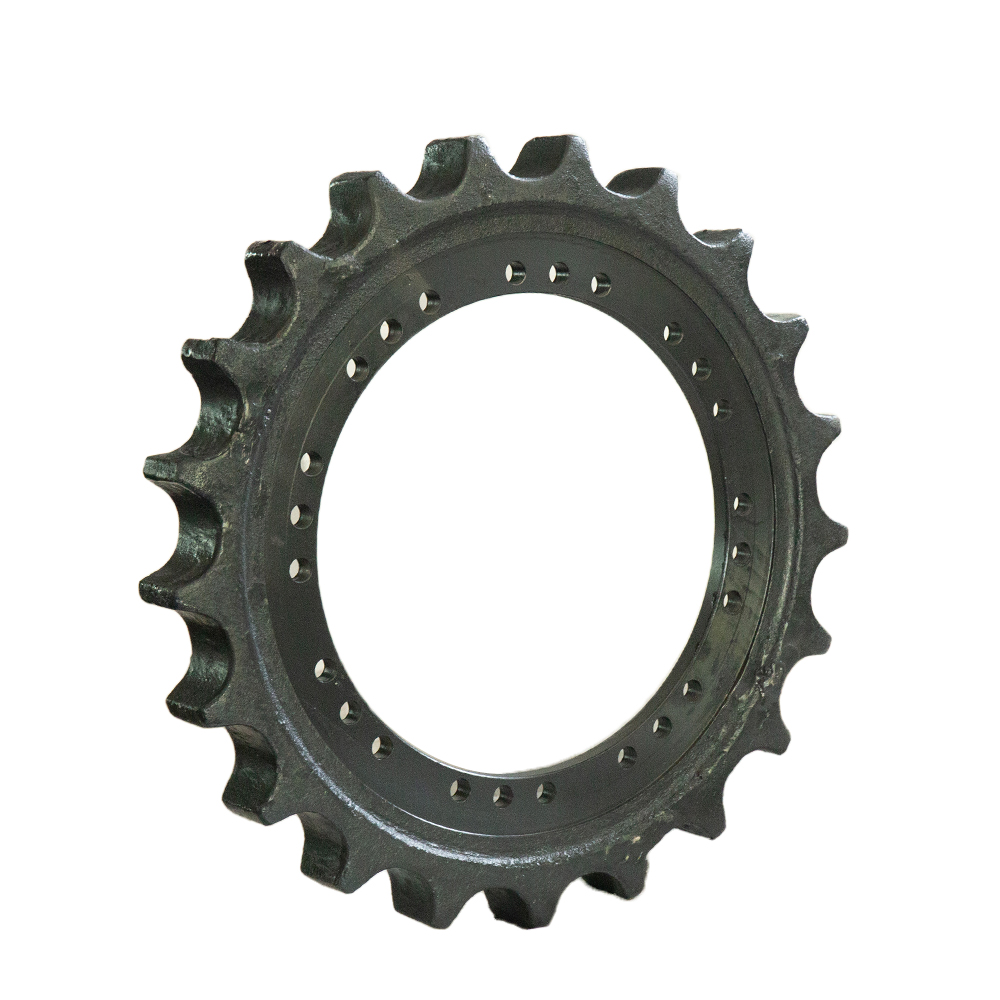
Contoh yang sangat spesifik ialah Rim sproket Volvo, iaitu yang bergigi, gelang bolt-on yang memacu rantai. Jika rim gantian mempunyai diameter atau profil gigi corak bolt yang salah sedikit, ia mungkin dipaksa ke tempatnya semasa pemasangan. Di bawah beban, Walau bagaimanapun, penjajaran minit akan menyebabkan tekanan tidak sekata pada bolt, berpotensi membawa kepada mereka mencukur. Lebih halus, pertunangan gigi yang tidak betul akan mencipta tindakan pengisaran yang menghantar getaran yang merosakkan melalui keseluruhan pemacu akhir, berpotensi merosakkan galas dan gear mahal di dalamnya. Penjimatan awal pada bahagian yang tidak sesuai dimusnahkan oleh kos kerosakan cagaran yang ditimbulkannya. Undercarriage beroperasi sebagai satu, sistem mahal, dan memperkenalkan satu bahagian yang tidak mematuhi adalah seperti memasukkan virus ke dalam organisma yang sihat.
Menyahkod Nombor Bahagian dan Skema
Untuk mengelakkan masalah keserasian ini, pemilik peralatan dan mekanik mesti mahir menggunakan alatan yang ada untuk mengenal pasti bahagian. The primary tools are the machine's parts manual and the electronic parts catalogs (EPC) disediakan oleh pengilang dan pembekal yang bereputasi.
Mencari Nombor Bahagian: Manual bahagian, sama ada dalam bentuk fizikal atau digital, is the machine's bible. Ia mengandungi gambar rajah paparan meletup bagi setiap sistem pada mesin. Gambar rajah ini tidak ternilai. Mereka menunjukkan cara komponen dipasang dan memberikan nombor rujukan kepada setiap bahagian individu. Dengan mencari perwakilan visual bahagian yang diperlukan dalam rajah, anda boleh mencari nombor bahagian yang sepadan dalam senarai yang disertakan. Adalah penting untuk memberi perhatian kepada nota dalam katalog yang menyatakan perubahan berdasarkan nombor siri (Mis., "Untuk PIN mesin XXXXX dan ke atas").
Menggunakan Rajah Pandangan Meletup: Gambar rajah ini melakukan lebih daripada sekadar membantu mengenal pasti nombor bahagian. Mereka mendedahkan hubungan antara komponen. Apabila menggantikan bahagian yang gagal, kajian teliti rajah mungkin menunjukkan meterai berkaitan, o-cincin, atau gasket yang harus sentiasa diganti pada masa yang sama. Sebagai contoh, menggantikan pam air tanpa juga menggantikan gasketnya adalah meminta kebocoran. Rajah menyediakan senarai semak visual untuk memastikan pembaikan yang lengkap dan profesional.
Rujukan Silang dan Pengesahan: Sebaik sahaja anda mempunyai nombor bahagian, pembekal profesional boleh menggunakannya untuk mengesahkan kesesuaian dan menawarkan alternatif. Mereka boleh merujuk silang nombor bahagian Volvo tulen kepada setara selepas pasaran berkualiti tinggi. Mereka juga boleh menggunakan kepakaran mereka untuk bertanya soalan penjelasan. Sebagai contoh, jika anda memesan bahagian untuk silinder hidraulik, mereka mungkin meminta anda mengukur rod atau diameter lubang untuk mengesahkan, as there might be multiple options for your machine's PIN. Proses pengesahan kerjasama antara pelanggan dan pembekal ini adalah muktamad, pemeriksaan penting untuk mengelakkan kesilapan yang mahal apabila memesan bahagian yang salah. Ia mengubah urus niaga daripada pembelian mudah kepada perkongsian penyelesaian masalah.
Kesilapan 4: Salah faham yang tulen vs. OEM vs. Spektrum selepas pasaran
Pasaran untuk komponen alat berat bukanlah binari mudah "baik" dan "buruk" bahagian. Ia adalah spektrum bernuansa dengan beberapa peringkat kualiti, harga, dan penyumberan. Di satu hujung adalah bahagian Tulen, di sisi lain ialah dunia pilihan selepas pasaran yang luas dan pelbagai, dan di antaranya terletak kategori OEM. Salah faham yang mendalam tentang perbezaan antara kategori ini adalah punca kerap keputusan pembelian yang lemah. Memilih jenis bahagian yang betul untuk aplikasi yang betul adalah tindakan strategik yang memerlukan penilaian risiko yang jelas, bajet, dan peranan khusus yang dimainkan oleh komponen tersebut. Hanya lalai kepada yang paling mahal (tulen) atau yang paling murah (aftermarket) pilihan tanpa pertimbangan yang teliti boleh membawa kepada sama ada perbelanjaan yang tidak perlu atau risiko yang tidak boleh diterima. Pendekatan yang canggih melibatkan memanfaatkan keseluruhan spektrum untuk mengoptimumkan kos dan kebolehpercayaan armada anda.
Menentukan Peringkat: tulen, OEM, dan Aftermarket
Untuk membuat pilihan yang bijak, seseorang mesti terlebih dahulu bercakap bahasa sumber bahagian dengan tepat. Istilah sering digunakan secara bergantian, tetapi mereka mempunyai makna yang berbeza.
Bahagian Tulen: Ini adalah komponen yang dijual terus oleh pengeluar peralatan, dalam kes ini, Volvo. Ia datang dalam kotak berjenama Volvo dan bahagian yang sama persis digunakan untuk memasang mesin di kilang. Mereka menawarkan jaminan kesesuaian yang sempurna, kualiti material, dan prestasi. Jaminan ini datang pada harga premium, which reflects not only the quality of the part but also the cost of Volvo's extensive global distribution network, penjenamaan, penyelidikan, dan pembangunan. Mereka adalah penanda aras untuk kualiti.
OEM (Pengilang peralatan asal) bahagian: Ini adalah salah satu istilah yang paling salah faham. Bahagian OEM ialah komponen yang dibuat oleh syarikat yang sama yang membekalkan bahagian tulen kepada Volvo. Sebagai contoh, Volvo tidak mengeluarkan galasnya sendiri, omboh, atau pengecas turbo. They design the specifications and then contract with a specialized company—let's say Bosch for fuel injectors or SKF for bearings—to produce them. Alat ganti yang dihantar ke kilang Volvo dimasukkan ke dalam kotak Volvo dan menjadi "Tulen." Bahagian yang sama, dibuat pada barisan pengeluaran yang sama dengan piawaian yang sama, yang Bosch atau SKF jual melalui saluran pengedaran mereka sendiri ialah "OEM" bahagian. They offer genuine-level quality without the equipment manufacturer's brand markup, mewakili proposisi nilai yang signifikan. Cabarannya ialah mengenal pasti pembekal OEM yang betul untuk komponen tertentu.
Bahagian selepas pasaran: Ini adalah kategori yang paling luas dan paling pelbagai. Bahagian selepas pasaran ialah mana-mana bahagian yang dikeluarkan oleh mana-mana syarikat yang bukan pembekal OEM. Kualiti dalam dunia pasaran selepas wujud pada skala yang luas. Di satu hujung, anda mempunyai syarikat bereputasi tinggi yang pakar dalam kategori komponen tertentu, seperti undercarriage atau alatan yang melibatkan tanah. Syarikat-syarikat ini mungkin merekayasa balik bahagian tulen dan kemudian menggunakan kepakaran khusus mereka untuk membuat penambahbaikan, mungkin menggunakan aloi keluli yang lebih maju atau reka bentuk yang lebih teguh. Produk mereka boleh memenuhi atau bahkan melebihi spesifikasi tulen. Ini adalah "pasaran selepas berkualiti tinggi" pembekal. Di hujung spektrum yang lain adalah pengeluar yang mengeluarkan kos rendah, bahagian berkualiti rendah dengan bahan yang lebih rendah dan kawalan kualiti yang lemah. Kuncinya ialah "pasaran selepas itu" bukan sinonim untuk "inferior"; ia hanyalah sebutan asal. Kebijaksanaan diperlukan untuk memisahkan pasaran selepas berkualiti tinggi daripada pilihan berkualiti rendah.
Analisis Perbandingan untuk Penyumberan Strategik
Memilih antara peringkat ini melibatkan perdagangan dari beberapa faktor. Jadual berikut menyediakan rangka kerja untuk proses membuat keputusan strategik ini, membantu menjelaskan kebaikan dan keburukan setiap kategori untuk alat ganti untuk mesin Volvo.
| Ciri | tulen (Berjenama Volvo) | OEM (Pengilang peralatan asal) | Aftermarket Berkualiti Tinggi |
|---|---|---|---|
| harga | Tertinggi | Sederhana (20-40% kurang daripada Tulen) | Pembolehubah (Selalunya 40-60% kurang daripada Tulen) |
| Kualiti | Standard penanda aras, terjamin | Sama dengan kualiti Tulen | Boleh memenuhi atau melebihi piawaian Tulen |
| Sesuai & Fungsi | Dijamin sesuai | Sama dengan Kesesuaian Tulen | Direka untuk dipadankan dengan kesesuaian Asli; pembekal berkualiti tinggi menjaminnya |
| Waranti | Biasanya disokong oleh rangkaian Volvo penuh | Disokong oleh pengilang OEM (Mis., Bosch, SKF) | Disokong oleh pembekal aftermarket; boleh menjadi sangat komprehensif |
| Ketersediaan | Secara umumnya baik melalui pengedar rasmi | Boleh menjadi lebih sukar untuk mendapatkan sumber; memerlukan mengenal pasti OEM | Cemerlang untuk bahagian haus biasa daripada pembekal khusus |
| Sumber | Rangkaian pengedar rasmi Volvo | Pengedar alat ganti bebas, OEM's own network | Pembekal dan pengedar selepas pasaran khusus |
Perbandingan ini mendedahkan bahawa tidak ada satu pun "terbaik" pilihan untuk setiap situasi. Keputusan yang optimum bergantung kepada konteks.
Bila Memilih Setiap Jenis: Panduan Praktikal
Seni penyumberan bahagian pakar terletak pada mengetahui masa untuk menggunakan setiap jenis bahagian untuk mencapai keseimbangan kos yang terbaik, prestasi, dan pengurusan risiko.
Pilih Alat Ganti Tulen Bila:
- Mesin masih dalam jaminan kilangnya. Menggunakan alat ganti bukan tulen semasa tempoh jaminan berpotensi membatalkan perlindungan untuk kegagalan yang berkaitan.
- Bahagiannya adalah sangat kompleks, komponen elektronik kritikal keselamatan, seperti Unit Kawalan Enjin (ECU). Perisian proprietari dan penentukuran rumit bagi komponen ini menjadikan pilihan tulen pertaruhan paling selamat.
- Kos kegagalan adalah tinggi secara astronomi dan kepastian mutlak diperlukan, seperti untuk enjin dalaman atau komponen transmisi pada mesin pengeluaran utama.
Pilih Bahagian OEM Bila:
- Mesin tiada jaminan, dan anda sedang mencari kualiti tahap tulen tanpa tanda harga tulen.
- Anda boleh mengenal pasti pembekal OEM secara positif untuk komponen yang anda perlukan. Ini adalah perkara biasa untuk item seperti penapis, tali pinggang, pengecas turbo, dan komponen sistem bahan api.
- Anda sedang melakukan pembaikan atau pembinaan semula yang besar dan ingin mengekalkan ciri prestasi kilang asal pada kos yang lebih berpatutan.
Pilih Alat Ganti Pasaran Berkualiti Tinggi Apabila:
- Anda sedang menggantikan komponen haus tinggi. Ini adalah tempat yang menarik untuk pembekal selepas pasaran yang bereputasi. Item seperti bahagian bawah pengangkutan (penggelek, pemalas, rantai trek), baldi, gigi, memotong tepi, dan alatan lain yang melibatkan tanah digunakan melalui penggunaan biasa. Pembekal selepas pasaran berkualiti tinggi yang mengkhusus dalam a undercarriage Volvo berkualiti boleh menawarkan produk yang diperbuat daripada keluli tahan haus unggul pada sebahagian kecil daripada harga tulen. Penjimatan TCO dalam kategori ini selalunya sangat besar.
- Anda sedang mencari versi yang lebih baik atau tugas berat bagi bahagian standard. Syarikat selepas pasaran sering membuat inovasi, persembahan, contohnya, baldi dengan tetulang tambahan untuk aplikasi batu yang teruk atau ripper shank dengan profil yang lebih agresif untuk penembusan yang lebih baik.
- Mesin lebih tua, dan bahagian tulen atau OEM menjadi sukar dicari atau terlalu mahal. Pasaran selepas yang kukuh boleh mengekalkan usia, namun masih produktif, mesin berjalan secara ekonomi.
Dengan memahami spektrum ini, pengurus armada boleh mencipta strategi penyumberan campuran. Mereka mungkin menggunakan bahagian tulen untuk penderia enjin yang sensitif, Penapis OEM untuk perkhidmatan rutin, dan komponen undercarriage selepas pasaran berkualiti tinggi untuk penggantian trek, dengan itu mengoptimumkan keseluruhan belanjawan penyelenggaraan tanpa menjejaskan kebolehpercayaan bahagian mereka untuk mesin Volvo.
Kesilapan 5: Mengamalkan reaktif "fix-it-when-it-breaks" Pendekatan
Yang paling tradisional -dan boleh dikatakan yang paling mahal -apkloach untuk penyelenggaraan adalah menunggu sesuatu gagal sebelum mengambil tindakan. Ini "fix-it-when-it-breaks" Falsafah, juga dikenali sebagai penyelenggaraan reaktif, merawat jentera berat seperti perkakas isi rumah. It functions until it doesn't, Dan hanya kemudian perhatian dibayar. Untuk kompleks, aset intensif modal seperti peralatan pembinaan Volvo, ini adalah strategi yang sangat cacat. Ia menyatukan kawalan jadual penyelenggaraan untuk peluang, menjamin bahawa kegagalan akan berlaku pada masa yang paling menyusahkan, membawa kepada gangguan dan perbelanjaan maksimum. Pendekatan yang lebih tercerahkan dan ekonomi adalah untuk beralih dari reaktif kepada minda yang proaktif dan bahkan. Ini melibatkan pemeriksaan biasa, penyelenggaraan yang dirancang berdasarkan data operasi, dan usaha sedar untuk memanjangkan hayat komponen melalui operasi yang betul. Ia adalah perbezaan antara menjadi mangsa pasif kegagalan mekanikal dan pengurus aktif kesihatan aset.
Kuasa Pemeriksaan Undercarriage Proaktif
Seperti yang dibincangkan sebelum ini, bahagian bawah kenderaan mesin yang dikesan adalah salah satu sistem haus yang paling mahal. Ia juga merupakan sistem yang menyediakan jelas, isyarat kesihatannya yang boleh dilihat jauh sebelum kegagalan bencana berlaku. Pendekatan proaktif bermula dengan mudah, pemeriksaan visual rutin yang boleh dilakukan oleh pengendali hanya dalam beberapa minit pada permulaan setiap hari. Ini bukan tugas teknikal yang rumit; ia adalah satu tabiat pemerhatian yang berdisiplin.
Pemeriksaan berjalan-jalan harian asas harus disertakan:
- Menyemak Track Sag: Ketegangan rantai trek adalah penting. Trek yang terlalu ketat mempercepatkan haus pada semua komponen. Trek yang terlalu longgar boleh menyebabkan mesin "membuang trek," membawa kepada downtime yang ketara. The operator's manual specifies the correct amount of sag, yang boleh disemak dengan cepat dengan pita pengukur.
- Memeriksa Kebocoran: Lihatlah penggelek trek, pemalas, dan pemacu akhir. Sebarang tanda kebocoran minyak menunjukkan pengedap yang gagal. Meterai adalah bahagian yang murah, tetapi jika ia gagal sepenuhnya, komponen tersebut akan kehilangan pelincirannya, membawa kepada kemusnahan pantas galas dan aci dalaman yang mahal. Menangkap kebocoran awal mengubah pembaikan seribu dolar menjadi lima puluh dolar.
- Memeriksa Gigi Sproket: Gigi pada sproket pemacu memberikan sejarah kehausan yang jelas. Seperti yang mereka pakai, mereka menjadi lebih kurus dan membangunkan "hooked" atau bentuk runcing. Sproket yang haus teruk akan merosakkan rantai trek baharu. Memerhati corak haus membantu dalam merancang penggantian kedua-dua gegancu dan rantai bersama-sama untuk memaksimumkan hayat sistem baharu. Fenomena yang dikenali sebagai "scalloping," di mana permukaan gigi antara hujung menjadi cekung, adalah satu lagi penunjuk yang jelas bahawa gegancu hampir tamat hayat perkhidmatannya.
- Mengukur Kehausan Sesendal dan Tapak: Pemeriksaan yang lebih lanjut, yang boleh dilakukan setiap minggu atau bulanan oleh juruteknik penyelenggaraan, melibatkan penggunaan alat khusus untuk mengukur haus pada sesendal trek dan ketinggian grousers (tapak kaki) pada pad trek. Data ini boleh dijejaki dari semasa ke semasa untuk meramalkan dengan tepat bila undercarriage akan mencapai penghujung hayat fungsinya, membenarkan penggantian yang dirancang semasa waktu henti yang dijadualkan dan bukannya di tengah-tengah kerja kritikal.
Melaksanakan Jadual Penyelenggaraan Ramalan
Penyelenggaraan proaktif berkembang menjadi penyelenggaraan ramalan apabila ia mula menggunakan data untuk meramalkan kegagalan. Mesin Volvo moden dilengkapi dengan sistem telematik yang canggih, like Volvo's CareTrack, yang sentiasa memantau beribu-ribu titik data, daripada suhu enjin dan tekanan hidraulik kepada penggunaan bahan api dan kod kerosakan. Aliran data ini ialah alat yang berkuasa untuk meramalkan keperluan alat ganti untuk mesin Volvo.
Daripada menukar penapis hidraulik setiap 500 Jam (yang tradisional, jadual pencegahan), sistem ramalan mungkin menganalisis perbezaan tekanan merentasi penapis. Apabila penapis menjadi tersumbat, penurunan tekanan meningkat. Sistem boleh menghantar amaran apabila penurunan tekanan mencapai ambang yang telah ditetapkan, menunjukkan bahawa penapis menghampiri penghujung hayat berkesannya dan perlu ditukar. Ini memastikan penapis digunakan untuk hayat berfungsi sepenuhnya tanpa pernah ditolak ke tahap kegagalan.
Untuk operasi tanpa telematik canggih, logik yang serupa boleh digunakan secara manual. Dengan menyimpan log terperinci penggantian bahagian dan waktu operasi, pengurus boleh mewujudkan garis asas sejarah untuk jangka hayat pelbagai komponen di tapak kerja khusus mereka. Jika, contohnya, gigi baldi pada pemuat roda yang berfungsi dalam lubang pasir yang sangat kasar secara konsisten bertahan selamanya 150 Jam, penggantian boleh dijadualkan pada tanda 140 jam. Pendekatan dipacu data mudah ini menghalang kehilangan produktiviti yang berlaku apabila gigi rosak sepenuhnya dan juga menghalang "penyelenggaraan yang berlebihan" mesin dengan menggantikan bahagian yang masih mempunyai baki hayat berfungsi. Bahagian penting dalam jadual ramalan juga ialah pengurusan inventori pintar. Mengetahui bahawa anda memerlukan set bahagian bawah pengangkutan baharu dalam masa kira-kira tiga bulan membolehkan anda memesannya dengan penghantaran standard, mengelakkan kos pengangkutan udara yang terlalu tinggi untuk penghantaran berbilang tan.
Peranan Latihan Operator dalam Bahagian Panjang Umur
Tonggak terakhir falsafah penyelenggaraan proaktif ialah mengiktiraf kesan mendalam pengendali mesin. Orang yang mengawal bukan sekadar pemandu; they are the primary custodian of the machine's mechanical health on a day-to-day basis. Cara mereka mengendalikan mesin sama ada boleh memendekkan secara drastik atau memanjangkan hayat komponennya dengan ketara, terutamanya alat pengangkutan bawah dan tanah.
Latihan pengendali yang berkesan harus menekankan teknik yang meminimumkan tekanan pada mesin:
- Minimumkan Putaran Balas: Memusing mesin di tempat kejadian dengan satu trek ke hadapan dan satu lagi secara terbalik meletakkan tekanan kilasan yang besar pada rangka trek dan komponen undercarriage. Menggalakkan pengendali untuk membuat lebih luas, lebih beransur-ansur "Y" giliran mengurangkan tekanan ini.
- Hadkan Perjalanan Songsang Berkelajuan Tinggi: Rantai trek direka bentuk terutamanya untuk menarik beban ke arah hadapan. Operasi berkelajuan tinggi yang meluas secara terbalik menyebabkan kehausan dipercepatkan pada bahagian pacuan belakang gigi gegancu dan sesendal trek.
- Arah Pusing Ganti: Membelok secara konsisten hanya ke satu arah akan menyebabkan satu bahagian bahagian bawah kereta menjadi haus lebih cepat daripada yang lain. Training operators to alternate their turning patterns helps to even out the wear.
- Work Up and Down Slopes, Not Across Them: Operating sideways on a slope (side-hilling) places continuous, heavy loads on the downhill side's track rollers, pemalas, dan bingkai trek, membawa kepada kegagalan pramatang.
- Use the Right Digging Technique: Using the bucket or a chisel for construction machinery to pry or twist at rock places enormous side-loads on the boom, stick, and bucket pins and bushings, leading to rapid wear. Proper technique involves using the machine's hydraulic power in a straight line as much as possible.
By investing in operator training, a company invests in the longevity of its parts. An operator who understands the mechanical consequences of their actions is an invaluable partner in the effort to control maintenance costs and maximize machine uptime. The shift from a reactive to a proactive and predictive maintenance culture is a shift in philosophy—from viewing maintenance as an expense to be avoided to seeing it as an investment in reliability to be embraced.
Soalan yang sering ditanya (Soalan Lazim)
How can I verify if an aftermarket part meets quality standards? To verify quality, request technical specifications from the supplier, such as the type of steel used (Mis., boron steel), its hardness rating (Mis., HB400, HB500), and details about the heat treatment process. Ask for certifications like ISO 9001 and inquire about their warranty policy. A reputable supplier will be transparent with this information.
Is using aftermarket parts going to void my Volvo machine's warranty? During the base warranty period, manufacturers can require the use of genuine parts for repairs to be covered under warranty. If a failure is proven to be caused by a defective aftermarket part, the manufacturer may deny the warranty claim for that specific failure. Namun begitu, using a high-quality aftermarket part, such as an oil filter or a bucket tooth, does not automatically void the entire machine warranty. It is best to check the specific terms of your warranty agreement.
What is the most common part to fail first on a Volvo excavator undercarriage? While it depends heavily on operating conditions, the sprockets and the track chain bushings are often among the first components to show significant wear. The sprocket teeth engage directly with the chain bushings on every rotation, making this a high-friction, high-impact interface. Proactive monitoring of sprocket tooth shape and track chain "stretch" is key.
How important is the heat treatment of a bucket or ripper? Heat treatment is exceptionally important. It is the process that gives a component its ideal balance of surface hardness (untuk rintangan haus) dan ketahanan teras (to resist impact and prevent shattering). A bucket made from excellent steel but with improper heat treatment can be either too soft (wearing out quickly) or too brittle (cracking under load).
Can I use parts from a different machine model if they look similar? Ini sangat tidak digalakkan. Even if a part looks visually identical, there can be minute differences in dimensions, material specifications, or tolerances that are not apparent. Using an incorrect part can lead to poor fitment, compromised performance, and cascading damage to other components. Always use the machine's specific serial number (PIN) to identify the exact correct part.
What's the best way to reduce shipping costs for heavy parts to regions like Africa or Australia? The best strategy is to plan ahead. Proactive and predictive maintenance allows you to forecast your need for heavy items like undercarriage components or a new bucket months in advance. This enables you to order them via ocean freight, which is dramatically cheaper than air freight. Consolidating orders with a supplier can also reduce the per-item shipping cost.
How do I find the correct part number for my specific Volvo machine? The most reliable method is to use your machine's unique Product Identification Number (PIN) or serial number. Provide this number to a qualified parts supplier. They can use it to access the precise electronic parts catalog for your machine, which eliminates guesswork and ensures you receive a component that is guaranteed to fit and function correctly.
Kesimpulan
The process of sourcing and procuring parts for Volvo machines transcends simple transactional purchasing; it is an integral component of strategic asset management. The examination of the five common mistakes—prioritizing initial price, neglecting supplier diligence, ignoring compatibility, misunderstanding the parts spectrum, and remaining in a reactive maintenance posture—reveals a clear path toward greater operational efficiency and financial prudence. Penggunaan jumlah kos perspektif pemilikan menyediakan rangka kerja rasional untuk membuat keputusan, Memaksa tumpuan pada nilai jangka panjang melalui penjimatan jangka pendek. Begitu juga, Proses Vetting Pembekal yang ketat bertindak sebagai pertahanan penting terhadap risiko komponen yang kurang baik dan palsu yang mengancam kesihatan dan peralatan peralatan.
Ketepatan dalam identifikasi bahagian, guided by the machine's specific serial number, memastikan integrasi komponen baru yang lancar, preserving the intricate harmony of the machine's systems. Pemahaman yang bernuansa tentang yang tulen, OEM, dan peringkat selepas pasaran berkualiti tinggi memberi kuasa kepada pengurus untuk membangunkan fleksibel, Strategi sumber yang berkesan kos yang disesuaikan dengan aplikasi tertentu dan umur peralatan. Akhirnya, Peralihan falsafah dari reaktif kepada budaya penyelenggaraan proaktif dan ramalan, disokong oleh pemeriksaan rajin dan latihan pengendali, mengubah penyelenggaraan dari perbelanjaan yang tidak dapat diramalkan ke dalam pelaburan yang boleh diurus dalam kebolehpercayaan. Dengan menginternalisasi prinsip -prinsip ini, pemilik dan pengendali peralatan Volvo di pasaran yang pelbagai dan menuntut dapat melindungi pelaburan mereka dengan lebih baik, Kurangkan downtime yang mahal, dan akhirnya meningkatkan produktiviti dan keuntungan operasi mereka.
Rujukan
Artizon. (2024, Jun 28). Pelbagai jenis sprocket yang dijelaskan. Artizon. https://artizono.com/sprockets-types/
Equipmentshare. (2023, November 21). Panduan untuk Sprocket dalam Peralatan Pembinaan: Jenis, fungsi, penyelenggaraan, dan banyak lagi. https://shop.equipmentshare.com/blogs/parts-in-depth/sprockets?srsltid=AfmBOoqpB5y88EUJg-nC98o5U9jGYeWv2JQ2VD9-M8LF7rO57LWRL6Oq
Magnum Industrial. (2024, April 4). Sproket: Panduan utama. https://www.magnumindustrial.com/learning-center/sprockets-ultimate-guide/
Pdfcofee. (2021, Disember 27). Sproket. https://pdfcoffee.com/sprockets-3-pdf-free.html