
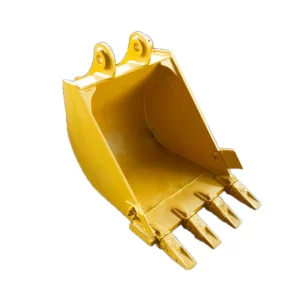
Abstrak
Dokumen ini memberikan pemeriksaan mendalam mengenai gigi baldi dan penyesuai, Komponen Integral alat-alat yang terlibat (Dapatkan) untuk jentera pembinaan berat. Ia meneroka mekanik fungsional bahagian -bahagian ini, memperincikan anatomi mereka dan hubungan kritikal antara gigi, penyesuai, dan mekanisme mengunci. Teks membentangkan taksonomi yang komprehensif jenis gigi, mengaitkan reka bentuk khusus dengan aplikasi yang dimaksudkan, dari tujuan umum menggali untuk menembusi batu keras. Sebahagian besar didedikasikan untuk sains bahan yang mengawal ketahanan mereka, menganalisis sifat aloi keluli dan proses pembuatan pemutus dan penempaan. Wacana ini meluas kepada pemilihan strategik pembekal gigi dan penyesuai baldi, menekankan kriteria melebihi kos awal, seperti jumlah kos pemilikan, kualiti produk, dan kebolehpercayaan rantaian bekalan. Protokol penyelenggaraan, prosedur pemasangan, dan nilai diagnostik corak haus juga dibincangkan. Analisis ini terletak komponen ini dalam ekosistem operasi yang lebih luas, Memandangkan interaksi mereka dengan bahagian bawah tanah, rippers, dan pahat, dan menyimpulkan dengan meneroka inovasi teknologi masa depan dalam bidang.
Takeaways utama
- Menilai keadaan tanah dengan teliti untuk memilih profil gigi yang betul untuk pekerjaan.
- Mengutamakan pembekal berdasarkan jumlah kos pemilikan, bukan hanya harga awal.
- Periksa secara kerap gigi dan penyesuai sesuai untuk mengelakkan pakaian dan kegagalan pramatang.
- Memilih pembekal gigi baldi dan penyesuai yang berkualiti memastikan kecekapan operasi.
- Memahami sifat bahan untuk meramalkan prestasi dan jangka hayat.
- Melaksanakan jadual penyelenggaraan yang ketat untuk memaksimumkan kehidupan komponen anda.
- Recognize that proper GET selection reduces strain on the machine's undercarriage.
Jadual Kandungan
- Siasatan asas ke alat yang menarik
- Anatomi kekerasan: Membongkar sistem gigi dan penyesuai
- Klasifikasi gigi baldi: Borang yang sepadan untuk berfungsi
- Jiwa keluli: Proses sains dan pembuatan bahan
- Memilih rakan kongsi dalam prestasi: Cara memilih pembekal gigi baldi dan penyesuai
- Kajian perbandingan sistem gigi dan penyesuai utama
- Protokol untuk umur panjang: Pemasangan, Penyelenggaraan, dan memakai analisis
- Sistem yang saling berkaitan: baldi, Rippers, dan bahagian bawah
- Jalan ke hadapan: Inovasi yang muncul dalam teknologi yang menarik
- Soalan yang sering ditanya
- Perenungan terakhir mengenai alat dan kemajuan
- Rujukan
Siasatan asas ke alat yang menarik
Wira yang tidak dikenali dari tanah
Semasa kita memerhatikan penggali besar atau pemuat roda di tapak pembinaan, Perhatian kita secara semula jadi ditarik ke skala mesin yang sangat besar, kekuatan lengan hidrauliknya, dan jumlah bumi yang bergerak. Ini adalah tontonan kejuruteraan moden. Namun, Titik sebenar hubungan, antara muka antara mesin dan bahan, selalunya tidak disedari. Titik hubungan ini adalah alat yang menarik, atau dapatkan. Khusus, gigi baldi dan penyesuai yang sepadan. Ia bukan terlalu banyak untuk mencadangkan bahawa ini agak kecil, Komponen keluli yang boleh diganti adalah kerja sebenar operasi tanah. Tanpa mereka, mesin yang kuat menjadi tidak cekap, seperti pakar bedah yang berusaha beroperasi dengan instrumen yang tumpul. Prestasi mereka menentukan produktiviti mesin, penggunaan bahan api, dan keberkesanan kos keseluruhan projek. Mereka adalah canggih literal kemajuan dalam penggalian, perlombongan, dan pembinaan. Memahami fungsi mereka, reka bentuk, dan pemilihan yang betul adalah masalah penting ekonomi dan operasi yang mendalam.
Mengapa gigi baldi dan penyesuai lebih penting daripada yang anda fikirkan
Hubungan antara gigi baldi dan penyesuainya adalah salah satu kerjasama intim dan kuat. Gigi adalah elemen pengorbanan, direka untuk menanggung kesan dan lelasan, Melindungi struktur baldi yang jauh lebih mahal dan penting. Penyesuai berfungsi sebagai asas selamat, dikimpal ke bibir baldi, menyediakan titik pelekap yang mantap untuk gigi. Integriti sambungan ini sangat penting. Gigi yang tidak dipasang, penyesuai yang dipakai, atau pin penguncian yang gagal dapat menyebabkan masalah. Paling baik, ia mengakibatkan produktiviti yang hilang kerana mesin berhenti untuk penggantian. Paling teruk, gigi yang hilang dapat bergerak ke penghancur, menyebabkan kerosakan bencana terhadap peralatan pemprosesan hiliran, membawa kepada puluhan ribu dolar dalam pembaikan dan meluaskan waktu. Oleh itu, pemilihan komponen ini, dan dengan lanjutan, pilihan pembekal gigi baldi dan penyesuai, melampaui keputusan perolehan yang mudah. Ia menjadi pilihan strategik mengenai pengurusan risiko, kecekapan operasi, dan kesihatan jangka panjang seluruh armada peralatan. Bahagian ini bukan semata -mata habis; they are a central pillar of an operation's profitability.
Anatomi kekerasan: Membongkar sistem gigi dan penyesuai
Anatomi gigi: Dari hujung ke shank
Untuk menghargai kecanggihan gigi baldi, seseorang mesti memeriksa bentuknya. Bayangkan ia bukan sebagai sekeping logam yang mudah, Tetapi sebagai alat yang direka dengan tujuan dalam setiap lengkung dan sudut. Maksudnya ialah Petua, yang bertanggungjawab untuk patah awal dan penembusan bahan. Ketajaman dan bentuknya adalah penentu utama betapa mudahnya baldi dapat memasuki tanah. Di sebalik hujungnya terletak badan gigi, yang memberikan kekuatan jisim dan struktur untuk menahan kekuatan lenturan dan kesan yang besar. Bentuk badan mempengaruhi bagaimana bahan mengalir ke atas gigi dan ke dalam baldi. Akhirnya, ada shank atau akhir kotak, bahagian kosong yang sesuai dengan penyesuai. Geometri dalaman seksyen ini tepat direka bentuk untuk menyesuaikan penyesuai yang sepadan, memastikan ketat, Fit selamat yang mengedarkan kuasa secara merata dan menghalang goyah, yang merupakan penyebab utama pakaian dipercepat. Every aspect of a tooth's design is a calculated response to the physics of digging.
Peranan penyesuai: Sambungan kritikal
Penyesuai adalah jambatan antara gigi yang boleh diganti dan baldi tetap. Ia biasanya dikimpal ke tepi bibir baldi, becoming an integral part of the bucket's structure. Ciri utamanya ialah hidung, the male counterpart to the tooth's shank. The fit between the adapter nose and the tooth's internal pocket is the single most important factor in the system's longevity. Fit longgar membolehkan pergerakan mikro di bawah beban, a phenomenon known as peening. This repeated hammering action deforms the metal on both the adapter nose and the inside of the tooth, progressively worsening the fit until the system becomes unstable and fails. A quality adapter is manufactured with high-precision tolerances to ensure a snug initial fit. It is also made from a slightly softer, yet tougher, steel alloy than the tooth. This design philosophy ensures that the more easily replaceable tooth absorbs the majority of the wear, preserving the life of the more permanent adapter.
Locking Mechanisms: Pins, Retainers, and the Quest for Security
The final piece of this mechanical puzzle is the locking mechanism. Sistem ini, which secures the tooth to the adapter, must be both incredibly strong to resist shearing forces and simple enough to allow for quick and safe replacement in the field. The most common systems involve a steel pin and a flexible retainer. The pin passes through aligned holes in the tooth and adapter, while the retainer fits into a recess, locking the pin in place.
There are several variations on this theme:
- Side Pin Systems: The pin is driven in from the side of the tooth, often requiring a hammer. These are common and effective but can sometimes be difficult to remove after extensive use, as dirt and rust can seize the pin.
- Vertical Pin Systems: The pin is dropped in from the top and secured with a retainer. This design can offer better protection for the pin and often allows for easier removal. Systems like the Esco Super V® use a vertical pin that does not require a hammer, improving safety.
- Pinless Systems: Some modern designs have integrated locking mechanisms that are activated with a simple tool, eliminating the need for separate pins and retainers altogether. These offer the fastest and often safest replacement cycles.
The choice of locking system has a direct impact on maintenance time and worker safety. Sistem yang sukar digunakan boleh menyebabkan juruteknik mengambil jalan pintas atau, lebih buruk, mengakibatkan gigi yang tidak dijamin. Pembekal gigi baldi dan penyesuai yang boleh dipercayai akan dapat menjelaskan kelebihan dan kelemahan setiap sistem untuk aplikasi yang diberikan.
Klasifikasi gigi baldi: Borang yang sepadan untuk berfungsi
Keberkesanan projek penggalian bergantung kepada menggunakan alat yang sesuai untuk pekerjaan. Sama seperti tukang kayu mempunyai gergaji yang berbeza untuk pemotongan yang berbeza, Operator penggali memerlukan gigi baldi yang berbeza untuk keadaan tanah yang berbeza. Morfologi gigi baldi tidak sewenang -wenang; Ini adalah gambaran langsung dari tujuannya. Memilih jenis gigi yang sesuai dapat meningkatkan penembusan secara dramatik, Meningkatkan masa pemuatan, mengurangkan penggunaan bahan api, dan memanjangkan hayat keseluruhan sistem.
Tujuan umum (Gp) Gigi: Kerja keras yang serba boleh
Tujuan umum, atau gp, gigi adalah reka bentuk yang paling biasa. Ia mewakili kompromi, keseimbangan antara penembusan, kekuatan, dan memakai kehidupan. Klasiknya, Bentuk yang agak mantap sangat sesuai untuk menggali dan memuatkan tanah yang lembut hingga sederhana, seperti tanah atas, tanah liat, dan kerikil longgar. Fikirkan ia sebagai tayar sepanjang musim Get World. Walaupun ia mungkin tidak cemerlang dalam keadaan yang melampau, kepelbagaiannya menjadikannya pilihan lalai untuk pelbagai tugas pembinaan dan tugas yang standard. Untuk kontraktor yang menghadapi laman web yang bervariasi, Gigi GP menyediakan prestasi yang boleh dipercayai tanpa memerlukan perubahan berterusan. Pembekal gigi baldi dan penyesuai yang baik akan menyimpan pelbagai gigi GP agar sesuai dengan pelbagai saiz mesin dan sistem.
Gigi lelasan: Memerangi perang melawan haus
Dalam persekitaran yang dikuasai oleh pasir, Kerikil, atau batu yang dihancurkan dengan halus, Musuh utama tidak memberi kesan tetapi lelasan. Bahan -bahan ini bertindak seperti kertas pasir, tanpa henti mengisar di keluli. Gigi lelasan direka khusus untuk memerangi jenis pakaian ini. Mereka mempunyai lebih banyak "bahan pakai" -daya lebih tebal, Badan yang lebih mantap dengan keluli tambahan ditempatkan secara strategik di kawasan yang dipakai tinggi. Mereka sering mempunyai tip yang kurang tajam berbanding dengan gigi penembusan, kerana ketajaman cepat hilang dalam keadaan kasar. Tumpuan di sini adalah memaksimumkan jumlah keluli pengorbanan yang boleh dipakai sebelum gigi perlu diganti. Menggunakan gigi lelasan di tanah yang sangat kasar boleh menggandakan atau tiga kali ganda hayat memakai berbanding dengan gigi GP, membawa kepada penjimatan kos yang ketara dalam jangka masa panjang. Ini sangat relevan di padang pasir berpasir di Timur Tengah atau dataran aluvial yang terdapat di bahagian Asia Tenggara.
Gigi penembusan: Kerana melanggar tanah baru
Apabila tanah sukar, dipadatkan, atau separa beku, Cabaran utama adalah untuk memecahkan permukaan. Ini adalah domain gigi penembusan. Gigi ini dicirikan oleh tajam, menunjuk, atau "harimau" Petua dan sempit, lebih banyak badan yang diperkemas. The design focuses all the machine's force onto a very small area, Meningkatkan tekanan dan membolehkan gigi patah bahan. Bayangkan cuba mendorong papan ke tanah berbanding menolak kepentingan; kepentingan menembusi kerana daya tertumpu. Perdagangan untuk keupayaan penembusan yang sangat baik ini adalah pengurangan bahan haus dan kekuatan keseluruhan. Gigi penembusan akan haus lebih cepat daripada gigi lelasan di tanah berpasir dan lebih mudah pecah jika ia menemui yang besar, objek pepejal. Mereka sesuai untuk menggali tanah liat padat, Shale, atau alasan yang terkena permafrost di Rusia utara.
Gigi batu dan pahat: Pemukul berat
Untuk aplikasi yang paling menuntut, seperti pertambangan kuari dan rock keras, gigi batu khusus diperlukan. Ini adalah kelas berat dunia gigi.
- Gigi pahat batu: Gigi ini mempunyai luas, tumpul, Petua seperti pahat. Mereka tidak direka untuk menembusi dengan cara yang sama seperti gigi harimau. Sebaliknya, Mereka dibina untuk rintangan dan ketahanan kesan yang melampau. They use the machine's power to pry and fracture rock along existing fissures. Keratan rentas besar mereka menjadikan mereka sangat tahan untuk mengetuk di bawah beban kejutan yang besar yang biasa dalam persekitaran kuari.
- Rock menunjuk gigi: Ini menawarkan kompromi, dengan lebih mantap, titik kerucut daripada gigi penembusan standard. Mereka memberikan penembusan yang lebih baik ke dalam batu patah atau berlapis daripada gigi pahat, Walaupun masih menawarkan kekuatan yang lebih baik terhadap kerosakan.
Pilihan antara pahat dan gigi batu yang tajam sering bergantung pada jenis batu tertentu yang digali. Pembekal gigi baldi dan penyesuai yang berpengetahuan dapat memberikan bimbingan yang tidak ternilai berdasarkan keadaan geologi. Selain itu, Untuk aplikasi yang melampau ini, Ripper berkualiti tinggi sering digunakan untuk mempraktikkan batu, mengurangkan tekanan pada baldi dan giginya.
Reka bentuk khusus: Dari gigi harimau hingga harimau kembar
Beyond the main categories, there are several innovative and specialized designs:
- Tiger Teeth: A common name for a sharp, single-point penetration tooth.
- Twin Tiger Teeth: These feature two points, creating a V-shape. This design is excellent for trenching, as it helps to define the trench walls and provides a clean-cut floor.
- Flare Teeth: These have a wide, flat shape, almost like a small spade. They are not for digging but for grading, meratakan, and clean-up work, leaving a smooth surface behind.
Understanding this taxonomy is essential for optimizing any digging operation. It transforms the bucket tooth from a simple commodity into a precision tool, enabling operators to tailor their equipment to the unique challenges of the earth they are moving.
Jiwa keluli: Proses sains dan pembuatan bahan
The performance of a bucket tooth is ultimately determined by the material it is made from and the way that material is processed. A tooth must be hard enough to resist abrasive wear, yet tough enough to withstand high-impact shocks without fracturing. These two properties, kekerasan dan ketangguhan, are often in opposition within steel metallurgy. Achieving the optimal balance is the art and science of GET manufacturing. This requires a deep understanding of alloy composition, rawatan haba, and manufacturing methods.
The Heart of Steel: Understanding Alloy Composition
Bucket teeth are not made from simple carbon steel. They are forged or cast from sophisticated low-alloy steels. An alloy is a metal made by combining two or more metallic elements, especially to give greater strength or resistance to corrosion. The base is iron, but small, precise additions of other elements, known as alloying agents, fundamentally change its properties.
- Karbon (C): The most fundamental alloying agent in steel. Increasing carbon content increases hardness and strength but reduces ductility and toughness. GET alloys have a carefully controlled mid-range carbon content.
- Mangan (Mn): Increases hardenability (the ability to be hardened by heat treatment) and contributes to strength and toughness.
- Chromium (Cr): A key element for increasing hardness, rintangan haus, and corrosion resistance. It is a primary component in abrasion-resistant steels.
- Molybdenum (Mo): Significantly increases toughness and strength at high temperatures. It also helps to prevent temper brittleness, a condition where steel can become brittle after heat treatment.
- Nickel (Ni): Adds toughness, particularly at low temperatures, making it valuable for equipment operating in cold climates like Russia.
A reputable bucket tooth and adapter supplier will be able to provide material specification sheets that detail the alloy composition of their products. This transparency is a sign of a manufacturer who is confident in the quality of their steel.
The Casting vs. Forging Debate: A Matter of Process
There are two primary methods for manufacturing bucket teeth: pemutus dan penempaan. Each has its own set of advantages and implications for the final product's performance.
Pemutus: In casting, molten alloyed steel is poured into a mold shaped like the final tooth.
- Proses: It is a relatively cost-effective way to produce complex shapes, allowing for intricate designs with optimized wear material placement.
- Struktur bijirin: The metal cools and solidifies in the mold, resulting in an equiaxed grain structure. The grains are roughly equal in all dimensions and randomly oriented.
- Properties: This can sometimes lead to microscopic porosity or inclusions if the process is not carefully controlled. Namun begitu, modern casting techniques, such as vacuum-assist casting, have greatly improved the quality and consistency of cast products. Most high-quality bucket teeth on the market today are cast.
Menempa: Dalam penempaan, a solid billet of steel is heated to a malleable temperature and then hammered or pressed into the desired shape.
- Proses: This process is generally more expensive and less suitable for complex shapes than casting.
- Struktur bijirin: The mechanical force of forging deforms and aligns the grain structure of the steel, creating a directional flow. This refined grain structure is typically denser and free of the porosity that can affect castings.
- Properties: Forged teeth are renowned for their exceptional strength and toughness. The aligned grain structure provides superior resistance to impact and fatigue. Forging is often used for components that require the absolute maximum in strength, such as some high-impact rock teeth or the teeth for a powerful ripper.
The choice between casting and forging is not a simple one of "good vs. bad." A high-quality casting from a top-tier foundry can outperform a low-quality forging. The key lies in the quality control of the entire process, from the initial steel melt to the final heat treatment.
Hardness and Toughness: The Eternal Balancing Act
After a tooth is formed, it undergoes a critical rawatan haba proses. This usually involves heating the tooth to a high temperature, then rapidly cooling it (pelindapkejutan), followed by a secondary heating at a lower temperature (pembiakan).
- Pelindapkejutan: The rapid cooling traps the steel in a very hard, brittle crystalline structure called martensite.
- Pembiakan: The subsequent heating relieves internal stresses and modifies the martensitic structure, reducing brittleness and increasing toughness.
The final hardness of a tooth is measured on the Rockwell C scale (HRC). A typical bucket tooth will have a hardness in the range of 48-52 HRC. If it is much harder, it might be too brittle and prone to snapping on impact. If it is much softer, it will wear out too quickly. Manufacturers often employ differential heat treatment, creating a tooth that is very hard at the tip and in high-wear areas, Semasa meninggalkan tongkat sedikit lebih lembut dan lebih sukar untuk menyerap kejutan dan melindungi penyesuai. Pembekal gigi baldi dan penyesuai yang berpengetahuan memahami produk keseimbangan dan sumber ini yang dioptimumkan untuk kekerasan dan ketangguhan, memastikan mereka dapat menahan kekerasan permohonan mereka yang dimaksudkan.
Pakai corak sebagai alat diagnostik
Memerhatikan bagaimana gigi memakai dapat memberikan maklumat yang berharga mengenai aplikasi dan sama ada gigi yang betul sedang digunakan.
- Pembulatan: Sekiranya gigi memakai secara merata, menjadi tumpul tetapi tidak kehilangan bentuk keseluruhannya, ia menunjukkan bahawa bahan itu terutamanya kasar dan gigi gaya lelasan mungkin menjadi pilihan yang lebih baik.
- Chipping/Breaking: Sekiranya gigi sering dipotong atau ditangkap, ia menunjukkan keadaan berimpak tinggi. This could mean a stronger rock tooth is needed, or that the operator technique needs adjustment to avoid prying with the tips.
- Under-scouring: If the bottom of the tooth wears away faster than the top, it suggests a high-abrasion environment with a low "angle of attack."
- Asymmetric Wear: If one side of the tooth wears faster than the other, it could indicate that the operator is consistently side-loading the bucket, a practice that should be corrected.
By "reading" the wear patterns, an experienced site manager can fine-tune their GET selection and operational practices, turning a simple replacement part into a source of valuable operational data.
Memilih rakan kongsi dalam prestasi: Cara memilih pembekal gigi baldi dan penyesuai
The decision of where to source ground engaging tools is one of the most impactful choices a fleet manager or construction company owner can make. Ia secara langsung mempengaruhi uptime mesin, kos penyelenggaraan, dan keuntungan keseluruhan projek. Bergerak melampaui minda pembelian komoditi mudah ke salah satu perkongsian strategik adalah penting. Baldi yang betul dan pembekal penyesuai bukan sekadar vendor; Mereka adalah perunding, rakan logistik, dan penyumbang utama kejayaan operasi anda.
Di luar tag harga: Menilai Jumlah Kos Pemilikan
Kesilapan yang paling biasa dalam mendapatkan GET adalah memberi tumpuan semata-mata pada harga per unit. Gigi lebih murah yang haus 30% lebih cepat atau, lebih buruk, gagal dan menyebabkan waktu henti, jauh lebih mahal dalam jangka masa panjang. Konsep jumlah kos pemilikan (Tco) Memberi rangka kerja yang lebih holistik dan tepat untuk penilaian.
TCO termasuk:
- Harga pembelian awal: Kos pendahuluan gigi dan penyesuai.
- Pakai kehidupan: Berapa jam operasi dapat dicapai sebelum penggantian? Gigi yang sedikit lebih mahal dengan metalurgi unggul mungkin menawarkan dua kali ganda hayat memakai, mengurangkan kosnya sejam.
- Kos buruh yang berkaitan: Masa dan buruh yang diperlukan untuk perubahan. Gigi yang sukar untuk menggantikan meningkatkan jam penyelenggaraan.
- Kesan terhadap penggunaan bahan api: Tajam, gigi yang direka dengan baik menembusi lebih mudah, mengurangkan beban pada enjin dan hidraulik, membawa kepada penjimatan bahan api yang boleh diukur.
- Kos downtime: Kos yang paling ketara. Kegagalan tunggal boleh menghentikan mesin, dan berpotensi keseluruhan tapak kerja, berharga ribuan dolar sejam dalam produktiviti yang hilang.
- Risiko kerosakan berbangkit: Kos gigi yang hilang merosakkan penghancur atau peralatan lain boleh menjadi astronomi.
Apabila dilihat melalui lensa TCO, the value proposition of a high-quality supplier becomes clear. Their products, while perhaps not the cheapest on the invoice, often represent the lowest total cost to the operation.
The Hallmarks of a Quality Supplier: Apa yang Perlu Dicari
Identifying a superior bucket tooth and adapter supplier involves looking for a set of key attributes that signal quality, kebolehpercayaan, and expertise.
- Material Transparency: They should be willing and able to provide detailed metallurgical reports and specifications for their products. Vague claims of "high-strength alloy" adalah bendera merah.
- Manufacturing Excellence: They should have a deep understanding of their manufacturing partners' processes, whether casting or forging, and be able to speak to the quality control measures in place.
- Comprehensive Inventory: A good supplier holds a wide range of tooth styles, adapter systems, and sizes to match various machines and applications. This "one-stop-shop" capability simplifies procurement, especially for fleets with diverse equipment from manufacturers like Caterpillar, Komatsu, Volvo, or John Deere.
- Kepakaran teknikal: Their sales and support staff should be more than just order-takers. They should be able to ask insightful questions about your application—your material, your machine, your operational goals—and recommend the optimal GET solution. They should be a source of knowledge.
- Supply Chain Reliability: In a global market, the ability to deliver the right parts at the right time is paramount. A reliable supplier has robust logistics, significant stock on hand, and the ability to forecast demand, ensuring you are not left waiting for parts while your machine sits idle. Sebagai contoh, a supplier with warehouses strategically located to serve markets in Australia, Asia Tenggara, and the Middle East can offer significantly better service to customers in those regions.
- Warranty and Support: A reputable supplier stands behind their product. They will offer a clear warranty against manufacturing defects and provide support if a problem arises. Their goal is a long-term relationship, not a one-time sale.
Navigating the Global Supply Chain: OEM vs. Aftermarket
The market for GET is broadly divided into two categories: Original Equipment Manufacturers (OEM) and the aftermarket.
- OEM Suppliers: These are parts supplied by the machine manufacturer (Mis., Caterpillar, Komatsu). They are guaranteed to fit perfectly and are generally of very high quality. The primary drawback is that they are almost always the most expensive option.
- Aftermarket Suppliers: These are independent companies that manufacture parts compatible with OEM equipment. The quality in the aftermarket can vary dramatically, from exceptional to dangerously poor.
The challenge and opportunity lie in identifying a top-tier aftermarket bucket tooth and adapter supplier. A high-quality aftermarket supplier offers a compelling value proposition: OEM-equivalent or even superior quality at a more competitive price point. They often innovate faster than OEMs and may offer specialized designs not available from the original manufacturer. When choosing an aftermarket supplier, the hallmarks mentioned above—transparency, expertise, and reliability—become even more important. A great source for heavy-duty excavator buckets and related components will often provide extensive documentation to back up their quality claims.
Regional Considerations for Russia, Australia, dan Asia Tenggara
A truly global supplier understands that the "best" tooth is context-dependent.
- Australia: Known for its incredibly hard, abrasive iron ore and other mineral deposits. Di sini, high-hardness abrasion and rock teeth made from chrome-moly alloys are essential. The supplier must understand the unique challenges of mining in the Pilbara region.
- Rusia: The vast temperature swings and presence of permafrost in many regions demand GET with excellent low-temperature toughness. Alloys with higher nickel content are preferable to prevent brittle fracture in freezing conditions. Penetration teeth are key for breaking frozen ground.
- Asia Tenggara: Many areas are characterized by wet, sticky clay and lateritic soils. While not extremely abrasive, these materials can pack into the bucket, reducing payload. Tooth and bucket designs that promote good material flow and "scouring" are beneficial.
- Timur Tengah: The prevalence of sand and abrasive limestone rock puts a premium on wear life. Abrasion-resistant teeth are the standard choice for most earthmoving applications in this region.
A supplier who can speak to these regional nuances demonstrates a level of expertise that goes far beyond simply cross-referencing part numbers. They show an empathetic understanding of the customer's lived operational reality.
Kajian perbandingan sistem gigi dan penyesuai utama
Over the years, major manufacturers have developed proprietary systems for attaching bucket teeth, each with a unique design philosophy regarding security, ease of use, and wear characteristics. Understanding the differences between these systems is crucial when outfitting a machine or choosing a replacement system. A proficient bucket tooth and adapter supplier will be familiar with all these systems and can offer high-quality aftermarket equivalents.
| System Name | Locking Mechanism | Key Advantage | Permohonan terbaik | Potential Drawback |
|---|---|---|---|---|
| Caterpillar® J-Series | Horizontal Pin & Retainer | Ubiquity and availability. Kuat, proven design. | Pembinaan umum, perlombongan. A versatile all-rounder. | Pin can be difficult to remove after heavy use (requires a hammer). |
| Esco® Super V® | Vertical Hammerless Pin | Increased safety (no hammer needed). Tighter fit reduces nose wear. | High-production environments where frequent changes are needed. | Proprietary design may have less aftermarket availability than Cat J-Series. |
| Esco® Ultralok® | Integrated Hammerless Lock | Extremely fast and safe changes. Integrated lock means no loose parts. | Quarries, perlombongan, any operation prioritizing speed and safety. | Most complex system; higher initial cost for adapters. |
| Hensley® Parabolic® | Horizontal Pin & Retainer | Parabolic nose design self-tightens under load, reducing movement. | High-impact applications where maintaining a tight fit is paramount. | The multi-part pin system can be more complex than standard pins. |
| Komatsu® Series | Horizontal Pin & Retainer | Designed for a precise fit with Komatsu buckets and machines. | Optimized for use on Komatsu equipment. | Less universal than Cat J-Series; may be harder to source from all suppliers. |
| Bradken® Twistlok™ | Mechanical Twist-On | Hammerless, tool-based system for safe and quick changes. | Demanding mining and construction applications. | Proprietary system requires a specific installation tool. |
This table serves as a general guide. The performance of any system is heavily dependent on the quality of manufacturing, whether OEM or aftermarket. A top-tier aftermarket version of a J-Series tooth can outperform a poorly made proprietary system. The discussion with your supplier should focus on finding the system that best balances performance, kos, and safety for your specific operational context.
Protokol untuk umur panjang: Pemasangan, Penyelenggaraan, dan memakai analisis
Even the highest quality bucket teeth and adapters will underperform if they are not installed correctly and maintained diligently. A disciplined approach to GET management is a low-cost, high-return investment that pays dividends in extended component life, increased safety, and reduced machine downtime. It transforms the role of the maintenance crew and operator from reactive part-changers to proactive asset managers.
The Art of Safe Installation and Removal
Proper installation is the foundation of GET performance. A task that might seem simple is laden with potential for error and injury if not done correctly.
Installation Steps:
- Cleanliness is Paramount: Thoroughly clean the adapter nose and the inside pocket of the new tooth. Use a wire brush or scraper to remove all dirt, karat, dan serpihan. Any foreign material can prevent the tooth from seating properly, leading to a loose fit.
- Proper Seating: Place the tooth onto the adapter nose. It should be a snug fit. If it is excessively loose, the adapter nose may be worn and should be inspected for replacement.
- Align the Holes: Ensure the pinholes in the tooth and adapter are perfectly aligned.
- Install the Retainer: For two-part systems, insert the retainer into its recess in the adapter first.
- Drive the Pin: Drive the pin through the tooth and adapter, ensuring it engages the retainer correctly. For hammer-style pins, always use a soft-faced hammer or a drift punch to avoid damaging the pin. For hammerless systems, follow the manufacturer's specific instructions.
- Pengesahan: Visually inspect that the pin is fully seated and securely locked by the retainer.
Removal: The process is the reverse of installation. For hammered pins that are seized, penetrating oil and a proper pin removal tool are essential. Never use a cutting torch to remove a pin unless it is the absolute last resort, as the heat can damage the temper of both the tooth and the adapter.
Pemeriksaan harian: A Five-Minute Investment for Huge Returns
The most effective maintenance program is one of frequent, brief inspections. Operators should be trained to perform a quick walk-around inspection of their GET at the beginning of every shift.
| Inspection Frequency | Checkpoint | Apa yang Perlu Dicari | Action if Issue is Found |
|---|---|---|---|
| Setiap hari (Pre-Shift) | Tooth Security | Any visible movement or "wobble" of the tooth on the adapter. | Immediately re-secure or replace the pin and retainer. |
| Setiap hari (Pre-Shift) | Tooth Condition | Excessive wear, retak, or missing teeth. | Replace worn or damaged teeth. |
| Setiap hari (Pre-Shift) | Pin & Retainer | Check if the pin is properly seated and the retainer is intact. | Replace any damaged or missing locking components. |
| Mingguan | Adapter Nose Wear | With the tooth removed, inspect the adapter nose for signs of peening, rounding, or excessive wear. | If wear is significant, schedule the adapter for replacement. |
| Mingguan | Bucket Lip & Welds | Cracks in the bucket structure, especially around the adapter welds. | Stop operation and send for weld repair to prevent catastrophic failure. |
This simple checklist, when performed consistently, can catch small problems before they escalate into major failures. It empowers the operator to take ownership of the machine's condition.
Understanding Wear Indicators and Knowing When to Replace
Bucket teeth are designed to be worn out and replaced. The question is, when is the right time? Replacing them too early wastes money, while replacing them too late risks damaging the adapter and reducing performance.
Most high-quality teeth have built-in wear indicators. These can be a small groove or dimple on the side of the tooth. When the tooth has worn down to the level of this indicator, it has reached the end of its effective service life and should be replaced.
In the absence of a specific indicator, a general rule of thumb is to replace a tooth when it has lost its original profile and become blunt. A blunt tooth requires significantly more force to penetrate the ground, increasing fuel burn and cycle times. It also stops protecting the adapter, transferring abrasive wear to the more permanent component. Continuing to use a worn tooth is a false economy. A proactive replacement strategy, guided by wear indicators and performance observation, is far more cost-effective. A good bucket tooth and adapter supplier can provide guidance on the expected wear life for their products in your specific application, helping you to plan your maintenance and inventory.
The Perils of a Poor Fit: How Mismatched Components Cause Catastrophic Failure
It is tempting to mix and match components from different suppliers to save a few dollars. Namun begitu, this is an exceptionally risky practice. Even if a tooth from Supplier A "fits" on an adapter from Supplier B, the internal tolerances may not match perfectly. Seperti yang dibincangkan sebelumnya, even a tiny amount of initial movement will be magnified under load, leading to rapid wear of the adapter nose. This accelerated wear quickly ruins the expensive adapter, negating any savings from the cheaper tooth. Tambahan pula, the improper fit puts abnormal stress on the locking pin, increasing the likelihood of it shearing and the tooth being lost. Always use teeth, penyesuai, and pins that are designed as a system, sourced from a single, reliable supplier. The integrity of the entire system depends on the precise, engineered fit between its components.
Sistem yang saling berkaitan: baldi, Rippers, dan bahagian bawah
Mesin pembinaan adalah sistem kompleks bahagian yang saling berkaitan, dan prestasi satu komponen selalu mempengaruhi orang lain. Alat menarik tanah tidak beroperasi dalam vakum. Keadaan mereka mempunyai kesan langsung dan mendalam terhadap kesihatan baldi itu sendiri, kecekapan lampiran lain seperti rippers, dan kadar haus bahagian bawah tanah yang mahal. A holistic view is necessary to truly manage the machine's operational health and costs.
Hubungan simbiotik: Bagaimana Dapatkan dan Pakaian Undercarriage Disambungkan
Bawah bawah mesin yang dikesan seperti penggali atau dozer -menyusun jejak, penggelek, pemalas, dan sprocket -boleh menyumbang sehingga 50% of the machine's total maintenance cost over its lifetime. Ia adalah perbelanjaan operasi yang ketara. The condition of the bucket teeth plays a surprisingly direct role in managing this cost.
Imagine the machine trying to dig with blunt, worn-out teeth. It cannot penetrate the material easily. The operator is forced to apply more force—more breakout force from the hydraulics and more tractive effort from the tracks. This increased effort means the engine works harder, membakar lebih banyak bahan api. It also means the machine may need to reposition more frequently or spin its tracks to gain purchase, dramatically accelerating the wear on the track shoes, pin, and bushings of the undercarriage parts.
Sebaliknya, a bucket outfitted with sharp, appropriate teeth slices into the ground with ease. The digging cycle is faster and smoother. The engine operates at a more efficient load, and the strain on the undercarriage is minimized. In this sense, investing in high-quality GET is a direct investment in preserving the life of the undercarriage. A savvy fleet manager understands that the money spent on a good set of teeth is saved many times over in reduced fuel and undercarriage parts replacement costs. When you consult with your bucket tooth and adapter supplier, it is worth framing the conversation around this total system efficiency.
Rippers and Shank Protectors: Breaking Ground Before You Dig
In very hard, compacted soil or rock, forcing a bucket to do all the work is inefficient and puts immense stress on the machine. This is where a ripper attachment becomes invaluable. A ripper is essentially a single, massive tooth mounted on the back of a dozer or on an excavator's arm. Its purpose is to fracture and loosen consolidated material before the bucket comes in to move it.
Using a ripper first changes the entire dynamic of the excavation.
- Reduces Stress: It dramatically reduces the impact and breakout forces required from the bucket, preserving the life of the bucket teeth, penyesuai, and the bucket structure itself.
- Increases Productivity: The bucket can then move the loosened material much more quickly and with fuller loads, increasing the overall volume of material moved per hour.
- Improves Fragmentation: A ripper can help to break oversized rock into more manageable pieces, which is beneficial for loading and for downstream crushing operations.
Like bucket teeth, the tooth on a ripper is a high-wear item that needs to be made from extremely tough and durable alloy steel. The shank of the ripper is also protected by replaceable wear shrouds or shank protectors. Sourcing these components from a supplier who understands high-impact applications is vital.
The Role of a Chisel for Construction Machinery
The term chisel for construction machinery most often refers to the tool point used in a hydraulic hammer or breaker attachment. While not a bucket tooth, it is another critical piece of GET that works in concert with the excavator. A hydraulic hammer with a chisel point is used to demolish concrete, break up large boulders, or excavate solid rock that even a ripper cannot handle.
The relationship to the bucket is sequential. An operator might first use the hammer with a chisel for construction machinery to break down a rock ledge, then switch to a bucket with rock teeth to clear away the debris. Having the right tools available allows the machine to be a versatile problem-solver. The metallurgy of a chisel point is similar to that of a high-impact rock tooth, prioritizing extreme toughness to withstand the constant, high-frequency impacts of the hammer. A comprehensive GET supplier may also carry these and other attachment tools, providing a single point of contact for all the machine's "working ends," including a range of custom bucket solutions.
By understanding these interconnections, one can orchestrate the use of different attachments and components to maximize efficiency and minimize wear across the entire machine. It is a move from simply operating a machine to conducting a mechanical symphony.
Jalan ke hadapan: Inovasi yang muncul dalam teknologi yang menarik
The world of ground engaging tools, while rooted in the fundamental principles of force and abrasion, is not static. Driven by the relentless pursuit of greater efficiency, keselamatan, and sustainability, manufacturers and researchers are constantly pushing the boundaries of what is possible. The bucket tooth of tomorrow may look similar to today's, but it will be smarter, lebih kuat, and more integrated into the digital ecosystem of the modern job site. A forward-thinking bucket tooth and adapter supplier is not just selling today's technology; they are keeping an eye on these future developments to better advise their customers.
Smart GET: The Rise of Sensor-Equipped Teeth
One of the most exciting frontiers is the integration of electronics directly into GET components. The concept of "Smart GET" or "Intelligent GET" involves embedding sensors within the bucket teeth or adapters.
- Wear Sensing: Embedded sensors could provide real-time wear data directly to the machine's cab or to the fleet manager's office. This would eliminate the guesswork in tooth replacement, allowing for changes at the precise optimal moment to maximize life without risking adapter damage. It would automate the wear analysis process.
- Payload Measurement: Strain gauges within the adapters could contribute to more accurate payload measurement systems, helping operators to optimize truck loading and avoid overloading, which is a safety risk and causes premature wear on tires and drivetrain components.
- Impact and Stress Monitoring: Sensors could record impact events and stress levels, providing valuable data on operator technique and ground conditions. A manager could identify operators who are putting excessive stress on the equipment and provide targeted training. It could also help to map out particularly hard sections of a mine or construction site.
- Tooth Loss Detection: A sensor could immediately alert the operator if a tooth becomes detached, allowing them to stop and retrieve it before it enters a crusher or gets lost in a stockpile.
While still an emerging technology in 2025, the underlying principles are sound, and several major manufacturers are actively developing these systems. As the cost of sensors and wireless communication decreases, smart GET is poised to move from a niche product to a standard feature on high-production machines.
Advanced Materials and Coatings: Pushing the Boundaries of Wear Life
The quest for a harder, tougher material is perpetual. Metallurgists are constantly experimenting with new alloy compositions and heat treatment techniques to eke out further improvements in performance.
- Nanostructured Steel: Research is being conducted into steels with ultra-fine grain structures, approaching the nanoscale. These materials have the potential to exhibit unprecedented combinations of strength and toughness.
- Composite Materials: Some designs incorporate tungsten carbide inserts or overlays in high-wear areas. Tungsten carbide is exceptionally hard and wear-resistant. While expensive, for extremely abrasive applications, these composite teeth can offer a wear life that is many times that of conventional steel.
- Advanced Coatings: Hard-facing coatings applied through processes like thermal spraying or laser cladding can add a highly wear-resistant layer to a tougher, more ductile base material. This allows for a "best of both worlds" pendekatan, with a surface that resists abrasion and a core that resists impact.
These material advancements promise not just incremental improvements but step-changes in the wear life of GET, further reducing the total cost of ownership for operators.
Sustainability and Recyclability in GET Manufacturing
The construction and mining industries are under increasing pressure to improve their environmental footprint. This focus extends to the components they use.
- Recycling: Steel is infinitely recyclable, and GET components are no exception. Worn-out teeth and adapters represent a valuable source of high-quality scrap steel. Suppliers and manufacturers are increasingly streamlining their reverse logistics to collect used GET for recycling, closing the material loop.
- Energy-Efficient Manufacturing: Modern foundries and forges are adopting more energy-efficient technologies, such as induction furnaces and improved heat recovery systems, to reduce the carbon footprint of the manufacturing process.
- Longer Wear Life: Perhaps the most significant contribution to sustainability is simply making parts that last longer. Every extension in wear life means less raw material is consumed, less energy is used in manufacturing, and less transportation is required over the life of a project.
Choosing a bucket tooth and adapter supplier who is conscious of these environmental factors and actively participates in recycling programs can be a part of a company's broader corporate social responsibility strategy. The future of GET is one where performance, kecerdasan, and sustainability are not competing interests but are integrated aspects of a single, highly engineered solution.
Soalan yang sering ditanya
How do I identify the correct tooth system for my machine if I don't know the part number? The best approach is to take clear photographs of the tooth, the adapter, and any visible numbers or symbols on the parts. Measure the key dimensions, such as the width of the adapter nose and the distance between the pinholes. A knowledgeable bucket tooth and adapter supplier can often identify the system from these photos and measurements, cross-referencing them with their extensive databases to find the correct fit for your specific bucket.
Is it safe to weld-repair a worn bucket tooth? Secara amnya, it is not recommended to weld-repair bucket teeth. The intense heat from welding will ruin the carefully controlled heat treatment of the alloy steel, creating soft spots that wear quickly and brittle zones that are prone to cracking. The cost and risk associated with a failed weld-repair almost always outweigh the cost of a new tooth. It is more effective to focus on replacing teeth at the appropriate time.
What is the main difference between an excavator bucket and a loader bucket? While both are used for moving material, they are designed for different forces. An excavator bucket is designed for high breakout force and digging below the machine's grade. They tend to be narrower with longer teeth for penetration. A loader bucket is designed for scooping and loading loose material from a stockpile at or above grade. They are typically wider with a flatter floor and may use shorter, more robust teeth or a simple bolt-on cutting edge.
Can I use the same teeth in sand and in rock? You can, but it would be highly inefficient. Using a sharp penetration tooth designed for rock in abrasive sand will cause it to wear down extremely quickly. Using a blunt, heavy abrasion tooth in hard rock will prevent penetration, increase fuel burn, and put massive strain on the machine. It is always best to match the tooth profile to the primary material you are working in.
Why is my new tooth loose on the adapter? If a brand new, correct-model tooth is loose, the problem is almost certainly a worn adapter nose. Lama kelamaan, even with a good fit, the adapter will wear down. Trying to put a new tooth on a worn adapter is a common mistake that leads to the new tooth failing prematurely. The adapter is a wear item too, just with a much longer life than the tooth. It must be replaced when it no longer provides a snug fit.
How much does a worn tooth really affect my fuel consumption? The effect is significant. Studies and field tests by major manufacturers have shown that operating with dull teeth can increase fuel consumption by 10-20% or even more, depending on the hardness of the material. The engine has to work much harder to force the blunt tool into the ground. Over the course of a year, the fuel savings from keeping sharp teeth on a machine can easily pay for the cost of the teeth several times over.
What is the advantage of a hammerless locking system? The primary advantages are safety and speed. Hammering pins in and out can lead to injuries from missed swings or flying metal splinters. Hammerless systems eliminate this risk. They are also much faster to operate, often allowing a full set of teeth to be changed in a fraction of the time it takes with a traditional pin and hammer, which translates to reduced machine downtime.
Are aftermarket GET components as good as OEM? The quality of aftermarket parts varies widely. Top-tier aftermarket suppliers produce parts that meet or even exceed OEM specifications in terms of material quality and performance, offering a better value. Namun begitu, low-quality aftermarket parts can be made from inferior steel and have poor tolerances, leading to rapid wear and failure. The key is to partner with a reputable aftermarket bucket tooth and adapter supplier who provides material certifications and stands behind their products with a warranty.
Perenungan terakhir mengenai alat dan kemajuan
The bucket tooth, in its humble and rugged form, represents something profound about the human endeavor. It is a tool, and a tool is a bridge between an idea and its physical realization. Every road, every dam, every mine, and every skyscraper begins with the simple, forceful act of breaking ground. That act is mediated by this small piece of hardened steel. It embodies a tension between brute force and sophisticated design, between sacrificial wear and enduring purpose. The careful consideration of its form, its material, and its application is not merely a technical exercise; it is an expression of a desire for efficiency, keselamatan, and mastery over the physical world. The choice of a supplier, the diligence of a maintenance routine, and the knowledge of the operator all flow into this single point of contact, di mana mesin memenuhi bumi dan kerja membina dunia kita bermula.
Rujukan
Kraf. (2023). Pengilang Bucket Quarry. Crafts-Mfg.com.
Kraf. (2023). Pengilang baldi batu. Crafts-Mfg.com.
Pembinaan Jentera Papé & Perhutanan. (2021). Jenis baldi penggali & saiz. Construction.papemachinery.com. https://construction.papemachinery.com/blog/excavator-bucket-types-and-sizes
Ssab. (2025). Saiz baldi penggali. ssab.com.
SW Excavator. (2025). Saiz baldi penggali: Cara memilih jenis yang betul?. swexcavator.com. https://www.swexcavator.com/info-detail/excavator-bucket-size-how-to-choose-the-right-type
Pembuatan Virnig. (2025). Panduan Ultimate untuk Skid Steer Bucket. virnigmfg.com. https://www.virnigmfg.com/the-ultimate-guide-to-skid-steer-buckets/
Pembuatan Virnig. (2025). Panduan Ultimate untuk Skid Steer Bucket. menawarkan.virnigmfg.com. https://offer.virnigmfg.com/the-ultimate-guide-to-skid-steer-buckets