
सार
उपयुक्त हाइड्रोलिक ट्र्याक प्रेस मेसिनको चयनले भारी निर्माण र खनन उपकरणहरूको फ्लीटहरू प्रबन्ध गर्ने संस्थाहरूको लागि आधारभूत निर्णयलाई प्रतिनिधित्व गर्दछ।. यस कागजातले यस छनौटलाई नियन्त्रित गर्ने महत्वपूर्ण कारकहरूको विधिगत परीक्षा प्रदान गर्दछ, उपकरण अपटाइम र परिचालन दक्षता अधिकतम बनाउनको लागि. यसले एक व्यापक सात-बिन्दु चेकलिस्ट प्रस्तुत गर्दछ जसले पेशेवरहरूलाई फ्लीट आवश्यकताहरू विरुद्ध टन क्षमताको मूल्याङ्कन गर्ने प्रक्रिया मार्फत मार्गदर्शन गर्दछ।, उपकरणको अनुकूलन क्षमता र गुणस्तर, र पोर्टेबल र स्थिर एकाइहरू बीच रणनीतिक छनोट. थप विश्लेषण हाइड्रोलिक प्रणाली डिजाइनको जटिलताहरूमा विस्तार हुन्छ, सुरक्षा संयन्त्र र एर्गोनोमिक विचारहरूको एकीकरण, स्वामित्वको कुल लागतको एक सूक्ष्म गणना, र आपूर्तिकर्ता प्रतिष्ठा र बिक्री पछि समर्थन प्रमाणीकरणको अनिवार्यता. प्राप्तिलाई साधारण खरीदको रूपमा नभई परिचालन निरन्तरतामा रणनीतिक लगानीको रूपमा पुगेर, यो गाइडले रूस जस्ता बजारहरूमा निर्णय-निर्माताहरूलाई सुसज्जित गर्दछ, अस्ट्रेलिया, मध्य पूर्व, र दक्षिणपूर्व एशियाले मर्मत क्षमताहरू बढाउने हाइड्रोलिक ट्र्याक प्रेस मेसिन चयन गर्न, अन्डरक्यारिज जीवन विस्तार गर्दछ, र अन्ततः नाफा बलियो बनाउँछ.
कुञ्जी टेकअवेज
- आफ्नो विशिष्ट फ्लीटको सबैभन्दा ठूलो मेसिनमा प्रेस टनेज सिधै मिलाउनुहोस्.
- तपाइँका सबै उपकरणहरू सेवा गर्नको लागि एक व्यापक र टिकाऊ टूलिङ सेटमा लगानी गर्नुहोस्.
- तपाईंको परिचालन कार्यप्रवाहको आधारमा स्थिर र पोर्टेबल प्रेसहरू बीच छनौट गर्नुहोस्.
- भरपर्दो हाइड्रोलिक ट्र्याक प्रेस मेसिन भनेको उपकरण अपटाइममा प्रत्यक्ष लगानी हो.
- दुबै अपरेटरहरू र महँगो ट्र्याक कम्पोनेन्टहरू जोगाउन सुरक्षा सुविधाहरूलाई प्राथमिकता दिनुहोस्.
- स्वामित्वको कुल लागत विश्लेषण गर्नुहोस्, प्रारम्भिक खरिद मूल्य मात्र होइन.
- आपूर्तिकर्ता प्रतिष्ठा र दीर्घकालीन बिक्री पछि समर्थनको लागि तिनीहरूको क्षमता प्रमाणित गर्नुहोस्.
सामग्रीको तालिका
- अन्डरक्यारेज मर्मतसम्भारमा आधारभूत परिप्रेक्ष्य
- 1. टनेज र पावर आवश्यकताहरू मूल्याङ्कन गर्दै
- 2. उपकरण र अनुकूलन क्षमता मूल्याङ्कन
- 3. पोर्टेबिलिटी र कार्यशाला एकीकरण निर्धारण गर्दै
- 4. हाइड्रोलिक प्रणाली डिजाइन र विश्वसनीयता जाँच
- 5. सुरक्षा सुविधाहरू र अपरेटर एर्गोनोमिक्सलाई प्राथमिकता दिँदै
- 6. स्वामित्वको कुल लागत विश्लेषण (TCO) स्टिकर मूल्यभन्दा बाहिर
- 7. आपूर्तिकर्ता प्रतिष्ठा र बिक्री पछि समर्थन प्रमाणीकरण
- बारम्बार सोधिने प्रश्नहरू (FAQ)
- रणनीतिक लगानीमा अन्तिम विचार
- सन्दर्भहरू
अन्डरक्यारेज मर्मतसम्भारमा आधारभूत परिप्रेक्ष्य
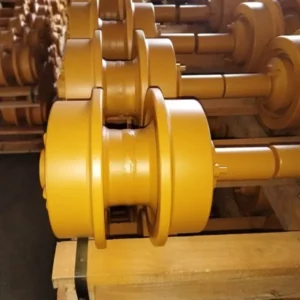
हामीले मर्मतसम्भारको लागि प्रयोग हुने मेसिनरीहरूको बारेमा अर्थपूर्ण छलफल सुरु गर्नु अघि, हामीले पहिले त्यो मर्मतसम्भारको विषयको साझा समझ स्थापित गर्नुपर्छ: ट्र्याक गरिएको भारी उपकरणको अन्डरक्यारेज. एक बुलडोजर वा एक उत्खनन कल्पना गर्नुहोस्. चुनौतीपूर्ण भूभाग पार गर्न यसको क्षमता, माटो धकेल्न वा जग खन्न, जमिनमा मिल्ने स्टिल कम्पोनेन्टहरूको जटिल प्रणालीमा पूर्ण रूपमा निर्भर छ. यो प्रणाली, अन्डरक्यारेज, मेसिनको खुट्टा र खुट्टा जस्तै छ. यसले ट्र्याक चेनहरूको सेट समावेश गर्दछ, जुन आफैं एक अर्कासँग जोडिएका लिङ्कहरूबाट बनेका हुन्छन्, पिन, झाडीहरू, र जुत्ता ट्र्याक गर्नुहोस्. यी चेनहरू स्प्रोकेटहरूद्वारा संचालित हुन्छन् र आइडलरहरू र रोलरहरूद्वारा निर्देशित हुन्छन्. यो नियन्त्रित प्रणाली हो, रोलिङ घर्षण.
यी मेसिनहरू सञ्चालन हुने वातावरण— चाहे त्यो अस्ट्रेलियाको खानी होस्, मध्य पूर्व मा एक निर्माण साइट, वा साइबेरियामा पाइपलाइन परियोजना - स्वाभाविक रूपमा अप्ठ्यारो र क्षमाशील छ. माटो, चट्टान, बालुवा, र भग्नावशेषहरू अण्डरक्यारेजको चलिरहेको भागहरूमा निरन्तर रूपमा काम गर्छन्. घर्षण सामग्रीको यो निरन्तर प्रवेश, मेसिनको अथाह तौल र प्रोपल्सन र टर्निङको शक्तिशाली बलसँग मिलाएर, निरन्तर पहिरनमा जान्छ. ट्र्याक लिङ्कहरू जडान गर्ने पिन र बुशिङहरू यस पहिरनको केन्द्रबिन्दुमा छन्. तिनीहरू जोडहरू हुन्, ट्र्याक चेन को घुँडा, र तिनीहरूले अविश्वसनीय कतरनी र घूर्णन बलहरू सहन. सयौं र हजारौं घण्टा भन्दा बढी, यी भागहरूको सटीक रूपमा मिसिन सहिष्णुता टाढा लगाइन्छ. "पिच," वा अर्को पिनको बीचको दूरी, लम्बिन थाल्छ. यसलाई अक्सर "ट्र्याक स्ट्रेच" भनिन्छ।" जसरी पिच विस्तार हुन्छ, ट्र्याक चेन अब स्प्रोकेटको दाँतसँग पूर्ण रूपमा मिल्दैन, सम्पूर्ण प्रणालीमा द्रुत पहिरनको लागि नेतृत्व.
अन्डरक्यारेज पहिरनको आर्थिक प्रभावहरू पर्याप्त छन्. धेरै भारी ट्र्याक उपकरणहरूको लागि, अन्डरक्यारेज सम्मको लागि खाता हुन सक्छ 50% of the machine's total maintenance budget over its operational life (Prabowo et al।, 2021). पहिरनलाई जाँच नगरी अगाडि बढ्न अनुमति दिँदा असफलताको क्यास्केड हुन्छ. एक लगाएको चेनले नयाँ स्प्रोकेटलाई नष्ट गर्नेछ. ए" तानिएको" ट्र्याक डि-ट्र्याक हुने सम्भावना बढी हुन्छ, वा रोलर्सबाट बाहिर आउनुहोस्, तत्काल र महँगो डाउनटाइमको कारण. कुनै पनि प्रभावकारी मर्मत कार्यक्रमको लक्ष्य, त्यसैले, यो पहिरनलाई सक्रिय रूपमा व्यवस्थापन गर्नु हो. यस कार्यक्रमको मुख्य प्रक्रिया "पिन र बुशिंग पालो" हो।" जब बुशिंगहरू एक छेउमा महत्त्वपूर्ण रूपमा लगाएका छन्, तिनीहरूलाई दबाउन सकिन्छ, घुमाइएको 180 डिग्री, र नयाँ पहिरनको सतह प्रस्तुत गर्न पछाडि थिचियो, प्रभावकारी रूपमा आफ्नो सेवा जीवन दोब्बर. अन्ततः, दुबै पिन र बुशिङहरू सेवा सीमाभन्दा बाहिर लगाइन्छ र पूर्ण रूपमा प्रतिस्थापन गर्नुपर्छ.
यहाँ हाइड्रोलिक ट्र्याक प्रेस मेसिनले कथामा प्रवेश गर्छ. पिन र बुशिङहरू साधारण नट र बोल्टको साथ ठाउँमा राखिएका छैनन्. तिनीहरू चरम "हस्तक्षेप फिट संग स्थापित छन्" वा "फिट थिच्नुहोस्।" यसको मतलब यो पिन ट्र्याक लिङ्कमा प्वालमा फिट भएको प्वाल भन्दा थोरै ठूलो छ. यसलाई स्थापना गर्न, कम्पोनेन्टहरूलाई क्षणिक रूपमा विकृत गर्न ठूलो बल आवश्यक छ ताकि तिनीहरू भेला हुन सकून्. एक पटक ठाउँमा, परिणामस्वरूप दबाबले एक शक्तिशाली घर्षण बन्धन सिर्जना गर्दछ जसले पिनलाई लिङ्क भित्र घुमाउनबाट रोक्छ. यस बन्धनलाई पार गर्न र पिनलाई बाहिर धकेल्न आवश्यक बलको दायरा हुन सक्छ 50 साना उपकरणहरूको लागि टन राम्रोसँग 300 ठूला खनन मेसिनरीका लागि टन. यो एक कार्य हो जुन म्यानुअल उपकरणहरूसँग गर्न असम्भव छ. हाइड्रोलिक ट्र्याक प्रेस यो एकलको लागि डिजाइन गरिएको विशेष उपकरण हो, महत्त्वपूर्ण उद्देश्य: ट्र्याक पिन र बुशिङहरू हटाउन र स्थापना गर्न आवश्यक नियन्त्रित बललाई सुरक्षित र प्रभावकारी रूपमा लागू गर्न. सही छनोट गर्नु भनेको उपकरण खरिद मात्र होइन; यो एक रणनीतिक निर्णय हो जसले लागतलाई प्रत्यक्ष असर गर्छ, दक्षता, र तपाईंको सम्पूर्ण उपकरण मर्मत कार्यको सुरक्षा.
1. टनेज र पावर आवश्यकताहरू मूल्याङ्कन गर्दै
हाम्रो चेकलिस्टको पहिलो र सबैभन्दा आधारभूत बिन्दु टनेजको मूल्याङ्कन हो. टनेज, हाइड्रोलिक ट्र्याक प्रेस मेसिनको सन्दर्भमा, मेसिनले लगाउन सक्ने बलको अधिकतम मात्रालाई जनाउँछ. यो यसको कच्चा शक्ति को मापन हो. यस अवधारणाको बारेमा सोच्नको लागि हामीलाई साधारण संख्या भन्दा पर जानु आवश्यक छ र त्यो शक्ति के पूरा गर्न प्रयोग भइरहेको छ भनेर बुझ्न आवश्यक छ।. सही टनेज को चयन सबैभन्दा ठूलो संख्या छनोट गर्ने कुरा होइन; यो एक सटीक ईन्जिनियरिङ् गणना हो जसले क्षतिको जोखिमसँग क्षमतालाई सन्तुलनमा राख्छ.
टनेज बुझ्दै: पिन थिच्ने भौतिकी
यसको मुटुमा, ट्र्याक प्रेसको कार्य स्थिर घर्षण र हस्तक्षेप फिटको अवशिष्ट बलहरू हटाउनु हो।. जब ट्र्याक पिन ट्र्याक लिङ्कमा थिचिन्छ, पिनको बाहिरी व्यास लिङ्क बोरको भित्री व्यास भन्दा आंशिक रूपमा ठूलो छ. यसले ठूलो दबाब सिर्जना गर्दछ, हजारौं पाउन्ड प्रति वर्ग इन्च मा मापन, दुई सतहहरू बीच. यो दबाबले अपरेशनको समयमा लिङ्क आँखा-पट्टीमा पिन स्थिर रहन्छ सुनिश्चित गर्दछ. त्यो पिन हटाउन, प्रेसले यो बन्धन तोड्न र पिन बाहिर स्लाइड गर्न पर्याप्त बल उत्पन्न गर्नुपर्छ.
एक ठूलो धक्का प्रयास गर्ने कल्पना गर्नुहोस्, रक्सीको बोतलमा टाइट-फिटिंग कर्क. अब कल्पना गर्नुहोस् कि कर्क कठोर इस्पातबाट बनेको छ, बोतल ५० किलोग्राम ट्र्याक लिङ्क हो, अनि तिनीहरूले चट्टान र बालुवालाई पिसिरहेका छन् 2,000 घण्टा. खिया, फोहोर, र धातुमा माइक्रोस्कोपिक विकृतिहरू (पिसाब) आवश्यक बलको मात्रा नाटकीय रूपमा बढाउन सक्छ, "ब्रेकअवे घर्षण" भनेर चिनिने घटना।" पिन चलाउनको लागि आवश्यक प्रारम्भिक बल प्रायः यसलाई चलिरहन आवश्यक बल भन्दा बढी हुन्छ.
A hydraulic press accomplishes this using Pascal's principle. पम्पले हाइड्रोलिक तरल पदार्थलाई ठूलो सिलिन्डरमा धकेल्छ, पिस्टन मा अभिनय. किनभने पिस्टनको सतह क्षेत्र धेरै ठूलो छ, एक अपेक्षाकृत कम तरल दबाव उत्पादन बल को एक ठूलो मात्रा मा गुणन गर्न सकिन्छ. 100-टन प्रेस एक हो जसले वजनको बराबर बल उत्पन्न गर्न सक्छ। 100 मेट्रिक टन. यो बुझ्दा थप किन सधैं राम्रो हुँदैन भनेर स्पष्ट गर्न मद्दत गर्छ. आवेदन दिँदै 200 एक पिन मा बल को टन मात्र आवश्यक छ 80 टनले ट्र्याक लिङ्क क्र्याक वा स्थायी रूपमा विकृत हुन सक्छ, एक महँगो घटक बर्बाद गर्दै. उल्टो, 100-टन प्रेस इच्छाको साथ 150-टन पिन थिच्ने प्रयास गर्दै, सबै भन्दा राम्रो मा, काम गर्न असफल, र नराम्रो मा, could lead to a catastrophic failure of the press's frame or hydraulic components under overload conditions.
तपाईंको फ्लीटमा मिल्दो टनेज
सही टनेज छनोट गर्ने प्रक्रिया तपाईंले सेवा गर्न चाहनुभएको उपकरण फ्लीटको पूर्ण लेखा परीक्षणबाट सुरु हुन्छ।. बुलडोजर को प्रत्येक मोडेल, उत्खनन, वा ट्र्याक गरिएको लोडरमा निश्चित व्यास र फिट सहिष्णुताको पिन र बुशिंगहरू सहितको विशिष्ट ट्र्याक चेन हुन्छ।. निर्माताहरूले सेवा विनिर्देशहरू प्रदान गर्छन् जसले हटाउने र स्थापनाको लागि आवश्यक बलको विवरण दिन्छ. तपाईको लक्ष्य तपाईको फ्लीटमा रहेको मेसिन पहिचान गर्नु हो जसलाई उच्चतम टन भार चाहिन्छ र प्रेस चयन गर्नुहोस् जुन आरामले त्यो आवश्यकता भन्दा बढी छ।, सुरक्षित परिचालन मार्जिन प्रदान गर्दै.
उदाहरणका लागि, एउटा सानो डोजर जस्तै क्याटरपिलर D4 वरिपरि आवश्यक हुन सक्छ 60-80 टन बल. कोमात्सु PC200 वा Hitachi ZX210 जस्ता मध्य-आकारको उत्खनन आवश्यक हुन सक्छ 100-120 टन. जब तपाईं ठूला उपकरणहरूमा जानुहुन्छ, संख्याहरू तीव्र रूपमा चढ्छन्. एउटा ठूलो डोजर जस्तै बिरालो D9 वा कोमात्सु D275 मा प्रेस माग गर्नेछ 150-200 आफ्नो दायरा. अन्तमा, ठूलो मात्रामा खानी सञ्चालनमा पाइने विशाल मेसिनहरू, जस्तै बिरालो D11 वा कोमात्सु D475, सक्षम प्रेस चाहिन्छ 250 टन वा बढी.
यसलाई थप ठोस बनाउन, निम्न तालिकालाई विचार गर्नुहोस् जसले सामान्य गाइड प्रदान गर्दछ. ध्यान दिनुहोस् कि यी अनुमानहरू हुन्, र तपाईंले सधैँ आफ्नो मेसिनको लागि विशेष सेवा पुस्तिका परामर्श गर्नुपर्छ.
| मेसिन क्लास (उदाहरण मोडेलहरू) | विशिष्ट पिन व्यास | अनुमानित टनेज आवश्यक छ |
|---|---|---|
| सानो डोजर / उत्खनन (बिरालो D3/D5, कोमात्सु PC130) | 40mm – 55mm | 60 – 100 टन |
| मध्यम डोजर / उत्खनन (बिरालो D6/D7, कोमात्सु PC300) | 55mm – 70mm | 100 – 150 टन |
| ठूलो डोजर / उत्खनन (बिरालो D8/D9, कोमात्सु PC450) | 70mm – 85mm | 150 – 220 टन |
| खनन कक्षा डोजर (बिरालो D10/D11, कोमात्सु D375/D475) | 85mm – 100mm+ | 220 – 350+ टन |
एउटा सामान्य गल्ती भनेको फ्लीटमा औसत मेसिन साइजमा आधारित प्रेस खरिद गर्नु हो. यदि तपाईंसँग दसवटा PC200 उत्खननकर्ताहरू र एउटा D9 डोजर छ भने, एक 100-टन प्रेस सेवा गर्नेछ 90% आफ्नो फ्लीट को, तर यो तपाईंको सबैभन्दा ठूलो र अक्सर सबैभन्दा महत्त्वपूर्ण सम्पत्तिको लागि पूर्ण रूपमा बेकार हुनेछ. सही दृष्टिकोण D9 को लागि प्रेस को आकार हो, 200-टन प्रेसले PC200s लाई सजिलै संग सेवा गर्न सक्छ (यसको हाइड्रोलिक दबाव तल तिर विनियमित गरेर), तर उल्टो सत्य होइन.
बेमेल शक्ति को जोखिम
यो निर्णय गलत हुनुको नतिजा गम्भीर छ र साधारण असक्षमता भन्दा बाहिर फैलिएको छ. प्राविधिकहरूले जिद्दी पिन हटाउन संघर्ष गर्दा एक कम शक्ति भएको प्रेसले समय बर्बाद गर्छ. यो अक्सर असुरक्षित workarounds मा परिणाम, जस्तै यसलाई विस्तार गर्न टर्चको साथ ट्र्याक लिङ्क तताउने. कहिलेकाहीँ प्रभावकारी हुँदा, यो अभ्यासले कठोर इस्पातको स्वभाव परिवर्तन गर्न सक्छ, लिङ्कलाई कमजोर पार्दै र भविष्यमा क्र्याक गर्नको लागि संवेदनशील बनाउँदै. यसले तपाईंको अन्डरक्यारेजमा लुकेको दायित्व परिचय गराउँछ. यसबाहेक, कुनै कामको लागि उपयुक्त नभएको कामलाई ह्यान्डल गर्नको लागि यसको पूर्ण अधिकतम मूल्याङ्कन गरिएको टनेजमा लगातार प्रेस चलाउनुले यसको सिलको आयु एकदमै छोटो पार्छ।, पम्पहरू, र संरचनात्मक अवयवहरू, समयपूर्व विफलता को नेतृत्व.
अत्यधिक शक्ति भएको प्रेसले जोखिमको फरक सेट प्रस्तुत गर्दछ. जबकि यसलाई नियमन गर्न सकिन्छ, अपरेटर त्रुटिको सम्भावना महत्त्वपूर्ण छ. एकाग्रतामा क्षणिक कमी वा आवश्यक दबाबको गलतफहमीले अत्यधिक बल प्रयोग गर्न सक्छ. यसले "अण्डा" गर्न सक्छ" लिङ्क बोर, परिशुद्धता-मेशिन प्वाललाई अंडाकार आकारमा खिच्दै. यसरी बिग्रिएको लिङ्कले कहिल्यै नयाँ पिनलाई सही रूपमा समात्ने छैन, महँगो कम्पोनेन्ट स्क्र्याप रेन्डर गर्दै. सबैभन्दा चरम अवस्थामा, धेरै बल प्रयोग गर्दा कास्ट स्टील लिङ्कको भंगुर विफलता हुन सक्छ, अतुलनीय बलका साथ उडिरहेको धातुका टुक्राहरू पठाउँदै — एक विनाशकारी सुरक्षा घटना. त्यसैले, लक्ष्य तपाईको ठूला कार्यहरूको लागि पर्याप्त शक्ति भएको मेसिन चयन गर्नु हो, एक विश्वसनीय दबाव विनियमन प्रणाली, र यसलाई कडा अपरेटर प्रशिक्षणसँग जोड्न.
2. उपकरण र अनुकूलन क्षमता मूल्याङ्कन
एकपटक टनेजको आधारभूत प्रश्नलाई सम्बोधन गरिएको छ, फोकस उपकरणहरूमा सर्नु पर्छ जसले वास्तवमा त्यो बललाई workpiece मा हस्तान्तरण गर्दछ. एक शक्तिशाली हाइड्रोलिक ट्र्याक प्रेस मेसिन उपकरणको मिश्रित फ्लीटमा पाइने ट्र्याक लिङ्क र पिन आकारहरूको विस्तृत विविधतासँग इन्टरफेस गर्न टूलिङको सही सेट बिना बेकार छ।. गुणस्तर, पूर्णता, र टूलिङ प्याकेजको अनुकूलनता प्रेसको रूपमा मात्र महत्त्वपूर्ण छ. टूलिङको बारेमा सोच्नु भनेको मास्टर मेकानिकको लागि सकेट सेटलाई विचार गर्नु जस्तै हो; एक शक्तिशाली रिन्च हातमा कामको लागि सही साइज र सकेटको प्रकार बिना कम प्रयोगको हुन्छ.
ट्र्याक प्रेस टूलिङको एनाटॉमी
ट्र्याक प्रेसको लागि उपकरणमा विशेष परिवारको समावेश हुन्छ, कडा इस्पात कम्पोनेन्टहरू सँगै काम गर्न डिजाइन गरिएको सुरक्षित र सही रूपमा प्रेसिंग बललाई मार्गदर्शन गर्न. जबकि डिजाइनहरू निर्माताहरू बीच भिन्न हुन्छन्, मूल अवयवहरू सामान्यतया एकरूप हुन्छन्.
पहिलो मुख्य हो C-फ्रेम वा प्रेसको चेसिस, जसले हाइड्रोलिक सिलिन्डर राख्छ. "घाला" तपाईंले सेवा गर्न चाहेको सबैभन्दा अग्लो ट्र्याक लिङ्क समायोजन गर्नको लागि यो फ्रेमको ठूलो हुनुपर्छ.
पछि छन् एडेप्टर र समर्थन. ट्र्याक लिङ्कलाई सुरक्षित स्थानमा राख्नको लागि यी प्रेस फ्रेमको तल्लो हातमा राखिन्छन्. दबाबमा चिप्लन वा झुकाउनबाट रोक्न तिनीहरूले लिङ्कको विशिष्ट प्रोफाइलसँग मेल खानुपर्छ. झुकिएको लिङ्कले पिनलाई कोणमा थिच्न सक्छ, पिन र लिङ्क बोर दुवैलाई क्षति पुर्याउँछ.
द धक्का दिनेहरू वा भेडाहरू ती कम्पोनेन्टहरू हुन् जुन हाइड्रोलिक सिलिन्डरको अन्त्यमा जोडिएको हुन्छ र पिनसँग सीधा सम्पर्क बनाउँछ।. They must be perfectly sized to the pin's diameter. धेरै सानो पुशरले पिनको अन्त्यमा च्याउ लगाउन सक्छ, हटाउन असम्भव बनाउँदै. धेरै ठूलो भएको पुशरले ट्र्याक लिङ्कसँग सम्पर्क गर्न सक्छ, क्षति निम्त्याउँछ. अक्सर, एउटा सेटमा दुई-चरण प्रक्रियाको लागि फरक लम्बाइको पुशरहरू समावेश हुन्छन् जुन पहिले पिनलाई फ्रि ब्रेक गर्ने र त्यसपछि यसलाई लिङ्क मार्फत पूर्ण रूपमा पुश गर्ने।.
अन्तमा, त्यहाँ छन् गाइडहरू र उपकरण स्थापना. नयाँ पिन स्थापना गर्दा, एक गाइड उपकरण प्राय: प्राप्त गर्ने अन्तमा प्रयोग गरिन्छ कि पिन पूर्ण रूपमा सीधा लिङ्क बोरमा प्रवेश गर्दछ. यसले पिन वा बोरको छेउमा धातु दाँज्नबाट रोक्छ, जसले प्रेस फिटको अखण्डतामा सम्झौता गर्नेछ.
यी प्रत्येक कम्पोनेन्टहरू उच्च गुणस्तरबाट निर्मित हुनुपर्छ, गर्मी उपचार उपकरण स्टील. तिनीहरू विशाल कम्प्रेसिभ बलहरूको अधीनमा छन् र चिपिङको प्रतिरोध गर्नुपर्छ, क्र्याकिंग, वा विकृत. नरम स्टीलबाट बनेको इन्फरियर टुलिङ्ग चाँडै असफल हुनेछ, प्रतिस्थापन मात्र आवश्यक छैन तर महत्त्वपूर्ण सुरक्षा खतरा पनि.
एक व्यापक उपकरण किट को महत्व
कुनै पनि संगठनको लागि जुन विभिन्न निर्माताहरूबाट मेसिनरीहरूको विविध फ्लीट सञ्चालन गर्दछ (जस्तै, क्याटरपिलर, कोमात्सु, हिटाची, भोल्भो), एक व्यापक उपकरण किट एक लक्जरी होइन; यो एक आवश्यकता हो. प्रत्येक निर्माताले प्राय: स्वामित्व लिङ्क डिजाइन र पिन आयामहरू प्रयोग गर्दछ, समान आकार वर्गमा मेसिनहरूको लागि पनि. क्याटरपिलर मेसिनको लागि डिजाइन गरिएको टुलिङको साथ कोमात्सु ट्र्याक सेवा गर्ने प्रयास असफलताको लागि एक नुस्खा हो.
गुणस्तरीय आपूर्तिकर्ताले एडेप्टरहरूको विस्तृत सरणीको साथ मास्टर किट प्रस्ताव गर्नेछ, धक्का दिनेहरू, र स्पष्ट रूपमा लेबल गरिएको र बलियो भण्डारण केसमा व्यवस्थित गरिएका गाइडहरू. आदर्श किटले तपाइँका प्राविधिकहरूलाई कार्यशालामा रोल गर्ने कुनै पनि मेसिनलाई विश्वासपूर्वक सेवा गर्न अनुमति दिन्छ।, ढिलाइ बिना. मेसिन सेवाको लागि आउँदा उपकरण फेला पार्न वा निर्माण गर्नको लागि विकल्प भनेको अराजक स्क्र्याम्बल हो. यसले विस्तारित डाउनटाइम निम्त्याउँछ, सही टुलिङ सोर्स हुनको लागि मेसिन निष्क्रिय बसेकोले.
ठूलो उत्खनन वा डोजरको लागत कमिसन बाहिर भएको विचार गर्नुहोस्. यो हजारौं मा चल्न सक्छ, वा हजारौं पनि, हराएको उत्पादकता मा प्रति दिन डलर को. यो तुलनामा, हाइड्रोलिक ट्र्याक प्रेस मेसिनको रूपमा एकै समयमा पूर्ण टुलिङ्ग सेट किन्नको वृद्धिशील लागत नगण्य छ।. यो बहुमुखी प्रतिभा र उत्तरदायित्व मा एक लगानी हो. सम्भावित प्रेस मूल्याङ्कन गर्दा, समावेश उपकरणको विस्तृत सूचीको लागि आपूर्तिकर्तालाई सोध्नुहोस्. तपाईंको फ्लीटमा प्रत्येक मेसिनको लागि सेवा आवश्यकताहरूसँग यो सूचीलाई क्रस-सन्दर्भ गर्नुहोस्. एक आपूर्तिकर्ता जसले पूर्ण प्रदान गर्न सक्छ, तपाइँको विशिष्ट फ्लीटको लागि प्रेस र टूलिङ दुबैको टर्नकी समाधानले ठूलो मूल्य प्रदान गर्दछ. यी उच्च-गुणस्तरको अन्डरक्यारेज कम्पोनेन्टहरू एक भरपर्दो भारी उपकरण फ्लीट को आधार हो.
सामाग्री गुणस्तर र उपकरण को स्थायित्व
भनाइ "तपाईंले तिर्नु भएको कुरा प्राप्त गर्नुहुन्छ" विशेष गरी सत्य हो जब यो प्रेस टूलिङ ट्र्याक गर्न आउँछ. उच्च-गुणस्तर र कम-गुणस्तरको टूलिङ बीचको भिन्नता धातु विज्ञान र निर्माण प्रक्रियामा निहित छ।.
प्रिमियम टूलिङ्ग सामान्यतया उच्च-कार्बन मिश्र धातु इस्पातबाट बनाइन्छ, जस्तै 4140 वा 4340 क्रोम-मोलिब्डेनम स्टील. सटीक आयामहरूमा मिसिन पछि, यो एक नियन्त्रित गर्मी उपचार प्रक्रिया पार गर्दछ. यसमा एक विशिष्ट तापमानमा इस्पात तताउने समावेश छ, त्यसपछि यसलाई तेल वा पानीमा छिटो निभाउने, टेम्परिङ प्रक्रिया पछि (कम तापमानमा पुन: तताउने). यसले अत्यन्तै कडा सतह भएको कम्पोनेन्ट सिर्जना गर्दछ जसले पहिरन र विकृतिलाई प्रतिरोध गर्न सक्छ, तर अलिकति नरम संग, कडा कोर जसले चकनाचूर बिना प्रभावको झटका अवशोषित गर्न सक्छ.
यसको विपरीत, सस्तो टुलिङ अक्सर सरल बाट बनाइन्छ, कम महँगो कार्बन स्टील र अनुचित रूपमा तातो उपचार वा तातो उपचार नगरिएको हुन सक्छ. यस्तो उपकरण यसको उच्च-गुणस्तर समकक्षको समान देखिन सक्छ, तर प्रेसको ठूलो दबाबमा, यो असफल हुनेछ. पुशर टिप विकृत र मशरूम हुन सक्छ. समर्थन एडाप्टर क्र्याक हुन सक्छ. यस प्रकृतिको असफलता एक असुविधा मात्र होइन. जब सयौं टन लोड अन्तर्गत कम्पोनेन्ट असफल हुन्छ, यसले भण्डारित ऊर्जालाई विस्फोटक रूपमा छोड्न सक्छ.
उपकरण निरीक्षण गर्दा, गुणस्तरीय उत्पादनका संकेतहरू खोज्नुहोस्. समाप्त चिकनी हुनुपर्छ, र आयाम सटीक. निर्माताले सामग्री र कठोरता मूल्याङ्कनको बारेमा विस्तृत विवरणहरू प्रदान गर्न सक्षम हुनुपर्छ (अक्सर रकवेल सी मापन मा मापन). एक सम्मानित आपूर्तिकर्ता तिनीहरूको उपकरणको गुणस्तर पछि खडा हुनेछ किनभने तिनीहरू बुझ्छन् कि यो एक महत्वपूर्ण सुरक्षा घटक हो।. टिकाउमा लगानी, एक संग एक निर्माता बाट ठीकसँग इन्जिनियर गरिएको उपकरण बलियो उत्पादन इतिहास आफ्नो प्राविधिक सुरक्षा, महँगो ट्र्याक कम्पोनेन्टहरूमा हुने क्षतिलाई रोक्छ, र तपाइँको ट्र्याक प्रेस आगामी वर्षहरु को लागी एक भरपर्दो सम्पत्ति हो भनेर सुनिश्चित गर्दछ.
3. पोर्टेबिलिटी र कार्यशाला एकीकरण निर्धारण गर्दै
हाइड्रोलिक ट्र्याक प्रेस मेसिनको भौतिक रूप र तपाईंको परिचालन कार्यप्रवाह भित्र यसको प्लेसमेन्ट अर्को महत्वपूर्ण विचार हो।. छनौट मौलिक रूपमा ठूलो बीचमा छ, स्थिर प्रेस जुन एक समर्पित अन्डरक्यारेज कार्यशालाको केन्द्रबिन्दु बन्छ, र थप कम्प्याक्ट, क्षेत्र सेवाको लागि डिजाइन गरिएको पोर्टेबल प्रेस. यो एक साधारण प्रश्न होइन जुन "राम्रो हो," but rather which model aligns with your organization's maintenance philosophy and logistical realities. निर्णयले कस्तो आकार दिने हो, कहाँ, र तपाईंले अण्डरक्यारेज सेवा आवश्यकताहरूलाई कति छिटो प्रतिक्रिया दिन सक्नुहुन्छ.
स्थिर बनाम. पोर्टेबल प्रेसहरू: एक तुलनात्मक विश्लेषण
स्थिर र पोर्टेबल ट्र्याक प्रेसहरू धेरै फरक सन्दर्भहरूको लागि डिजाइन गरिएका छन्. स्थिर प्रेस उच्च-भोल्युमको लागि परम्परागत समाधान हो, गहिरो अन्डरक्यारेज पुनर्निर्माण. यो एक ठूलो छ, उपकरणको भारी टुक्रा, अक्सर कार्यशाला भुइँमा बोल्ट. यसको आकार एक फाइदा हो, अत्यधिक कठोर फ्रेम प्रदान गर्ने जसले अधिकतम टनेज अन्तर्गत कुनै पनि फ्लेक्सलाई प्रतिरोध गर्दछ, पूर्ण पङ्क्तिबद्धता सुनिश्चित गर्दै. यी प्रेसहरू सामान्यतया पावर कन्वेयर प्रणाली वा ओभरहेड क्रेनहरूसँग भारी ट्र्याक चेनहरू हेरफेर गर्न जोडिएका हुन्छन्।, जसको तौल धेरै टन हुन सक्छ.
एक पोर्टेबल प्रेस, अर्कोतर्फ, गतिशीलता को लागी डिजाइन गरिएको छ. यसले थप कम्प्याक्ट सी-फ्रेम सुविधा दिन्छ र प्रायः ट्रलीमा माउन्ट गरिन्छ वा फोर्कलिफ्ट वा सेवा क्रेनद्वारा उठाउन डिजाइन गरिएको हुन्छ।. यसको शक्ति स्रोत पनि मोबाइल हो, सामान्यतया पेट्रोल वा डिजेल-संचालित हाइड्रोलिक पावर इकाई, वा यसलाई सेवा ट्रकको सहायक हाइड्रोलिकमा प्लम्ब गर्न सकिन्छ. प्राथमिक फाइदा भनेको प्रेसलाई मेसिनमा लैजाने क्षमता हो, मेसिन ल्याउनु भन्दा (वा यसको ट्र्याकहरू) प्रेस को लागी. यो दुर्गम स्थानहरूमा तत्काल मर्मतको लागि खेल-परिवर्तक हुन सक्छ, अस्ट्रेलियाको खानी र वन क्षेत्र वा रूसमा विशाल निर्माण परियोजनाहरूमा सामान्य.
निम्न तालिकाले यस रणनीतिक छनोटमा सहायताको प्रत्यक्ष तुलना प्रदान गर्दछ:
| सुविधा | स्थिर कार्यशाला प्रेस | पोर्टेबल फिल्ड प्रेस |
|---|---|---|
| पावर/टनेज | सामान्यतया उच्च (150 – 350+ टन) | सामान्यतया कम (50 – 200 टन) |
| कार्यप्रवाह | पूर्ण पुनर्निर्माणको लागि उच्च दक्षता | एकल-बिन्दु मर्मतका लागि द्रुत प्रतिक्रिया |
| पोर्टेबिलिटी | कुनै पनि छैन; निश्चित स्थापना | उच्च; काम साइटमा सार्न सकिन्छ |
| पूर्वाधार | एक समर्पित कार्यशाला आवश्यक छ, क्रेनहरू, शक्ति | आत्म-निहित वा सेवा ट्रक प्रयोग गर्दछ |
| लागत | उच्च प्रारम्भिक लगानी | कम प्रारम्भिक लगानी |
| उत्तम प्रयोग केस | केन्द्रीकृत मर्मत डिपोहरू, ठूलो फ्लीट ओभरहाल | क्षेत्र सेवा, आपतकालीन मर्मत, टाढाको साइटहरू |
धेरै ठूला संस्थाहरूको लागि, इष्टतम समाधान "कितर/वा" होइन" विकल्प तर एक हाइब्रिड दृष्टिकोण. एक शक्तिशाली स्थिर प्रेस संग सुसज्जित केन्द्रीय कार्यशाला अनुसूचित ह्यान्डल गर्दछ, सम्पूर्ण फ्लीटको लागि पूर्ण ट्र्याक पुनर्निर्माण. यसले सफा गर्न अनुमति दिन्छ, नियन्त्रित वातावरण जहाँ गुणस्तर नियन्त्रण उच्च छ. साथै, क्षेत्र सेवा टोलीहरूलाई एक वा बढी पोर्टेबल प्रेसहरू तोकिएका छन्. यी एकाइहरू त्यसपछि आपतकालीन अवस्थाहरू ह्यान्डल गर्न पठाउन सकिन्छ, जस्तै कार्यशालाबाट माइल टाढा रहेको मेसिनमा टुटेको मास्टर पिन, अपाङ्ग मेसिन ढुवानी संग सम्बन्धित अपार समय र लागत बचत.
आदर्श कार्यशाला लेआउट डिजाइन गर्दै
यदि तपाइँ स्थिर हाइड्रोलिक ट्र्याक प्रेस मेसिनको लागि रोज्नुहुन्छ भने, कार्यशालामा यसको एकीकरण दक्षता र सुरक्षाको लागि सर्वोपरि छ. तपाईं केवल एक उपकरण स्थापना गर्दै हुनुहुन्छ; तपाईं कार्यप्रवाह डिजाइन गर्दै हुनुहुन्छ. नियुक्ति तार्किक हुनुपर्छ, अत्यन्त भारी र अप्ठ्यारो ट्र्याक चेनहरूको आन्दोलनलाई कम गर्दै.
प्रक्रिया एक नामित "फोहोर संग सुरु हुन्छ" क्षेत्र जहाँ ट्र्याकहरू ल्याइन्छ र सफा गरिन्छ. प्याक गरिएको फोहोर र ग्रिम हटाउनको लागि यहाँ उच्च-दबाव धुने आवश्यक छ, जसले दबाइ प्रक्रियामा हस्तक्षेप गर्न सक्छ. त्यहाँबाट, ट्र्याक प्रेस क्षेत्रमा सार्नु पर्छ. एक ओभरहेड ब्रिज क्रेन वा जिब क्रेनहरूको एक श्रृंखला पूर्ण ट्र्याक समूहहरू ह्यान्डल गर्नको लागि गैर-वार्तालाप योग्य छ।. प्रेसको वरपरको क्षेत्र स्पष्ट रूपमा चिन्हित बहिष्करण क्षेत्र हुनुपर्छ, प्रशिक्षित अपरेटरको लागि मात्र पहुँचयोग्य.
भागहरूको प्रवाहलाई विचार गर्नुहोस्. नयाँ पिनको लागि बेन्च र भण्डारण हुनुपर्छ, झाडीहरू, सिलहरू, र कुनै अन्य अन्डरक्यारिज भागहरू पुनर्निर्माणको लागि आवश्यक छ. थिचेका भागहरूका लागि छुट्टै क्षेत्र तोक्नुपर्छ, निरीक्षण र निपटान को लागी तयार छ. लेआउट उत्पादन लाइन सिर्जना गर्नुपर्छ, यदि यो एक साधारण हो भने: सफा -> छुट्याउन -> निरीक्षण -> भेला -> अन्तिम निरीक्षण. राम्रोसँग डिजाइन गरिएको लेआउट, एक सक्षम स्थिर प्रेस वरिपरि केन्द्रित, ट्र्याकहरूको जोडीलाई दिनदेखि घण्टासम्म पुन: निर्माण गर्न लाग्ने समयलाई घटाउन सक्छ, नाटकीय रूपमा तपाइँको राजस्व उत्पन्न उपकरण को उपलब्धता बढ्दै.
पोर्टेबल प्रेसहरूको साथ फिल्ड सेवाको रसद
पोर्टेबल प्रेस प्रयोग गर्ने रसद पूर्ण रूपमा फरक छ, आत्मनिर्भरता र अनुकूलन क्षमतामा ध्यान केन्द्रित गर्दै. प्रेस आफैं प्रणालीको एक भाग हो. एक पूर्ण सुसज्जित सेवा ट्रक यसको जीवन समर्थन हो. यो ट्रकमा प्रेस उठाउन सक्ने क्रेन हुनुपर्छ (जुन अझै पनि सय किलोग्राम तौल हुन सक्छ) र यसलाई असक्षम मेसिनको ट्र्याकमा राख्दै.
शक्ति स्रोत अर्को प्रमुख विचार हो. धेरै पोर्टेबल प्रेसहरू आफ्नै समर्पित हाइड्रोलिक पावर प्याकको साथ बेचिन्छन्, सामान्यतया सानो दहन इन्जिन द्वारा संचालित. यसले प्रेसलाई पूर्ण रूपमा स्वतन्त्र इकाई बनाउँछ. वैकल्पिक रूपमा, प्रेस पावर टेक अफबाट चलाउन सकिन्छ (PTO) सेवा ट्रक को हाइड्रोलिक प्रणाली. यसले ढुवानी हुने उपकरणको मात्रा घटाउँछ तर प्रेसलाई त्यो विशिष्ट ट्रकमा निर्भर बनाउँछ.
कार्यशालाको तुलनामा क्षेत्रमा सुरक्षा अझ चुनौतीपूर्ण छ. जमिन प्रायः असमान हुन्छ, र मौसम एक कारक हुन सक्छ. मेसिन र ट्र्याक खण्डमा काम भइरहेको ठीकसँग स्थिर गर्न प्राविधिकहरूलाई तालिम दिइनुपर्छ. काठको ब्लक वा प्रमाणित स्ट्यान्डहरू प्रयोग गरी उच्च-दबाव थिच्ने कार्यको समयमा कुनै पनि आन्दोलन रोक्न आवश्यक छ।. अत्यधिक चिसो भएको क्षेत्रहरूमा, रूस र कोरिया को भागहरु जस्तै, हाइड्रोलिक तरल पदार्थ फरक चिपचिपा हुनु आवश्यक हुन सक्छ, र घटकहरू थप भंगुर हुन सक्छ. तातो मा, मध्य पूर्व वा अफ्रिकाको धुलो अवस्था, सेटअपको समयमा हाइड्रोलिक प्रणालीको प्रदूषण रोक्न प्राथमिक चिन्ताको विषय हो. क्षेत्र सेवा सञ्चालनको सफलता सावधानीपूर्वक योजना बनाउनमा निर्भर हुन्छ, सही उपकरण, र उच्च दक्ष प्राविधिकहरू जसले चुनौतीपूर्ण परिस्थितिहरूमा अनुकूलन गर्न सक्छन्.
4. हाइड्रोलिक प्रणाली डिजाइन र विश्वसनीयता जाँच
कुनै पनि हाइड्रोलिक ट्र्याक प्रेस मेसिनको मूलमा यसको हाइड्रोलिक प्रणाली हो. यो मांसपेशी र संचार प्रणाली हो जसले विद्युतीय वा यान्त्रिक शक्तिलाई विशालमा अनुवाद गर्दछ, आफ्नो कार्यको लागि नियन्त्रित बल आवश्यक छ. प्रेसको सतही मूल्याङ्कनले यसको अधिकतम टनेजमा मात्र केन्द्रित हुन सक्छ, तर थप परिष्कृत विश्लेषणको लागि डिजाइनमा गहिरो हेराई चाहिन्छ, गुणस्तर, र हाइड्रोलिक घटकहरूको विश्वसनीयता. एक राम्रो डिजाइन प्रणाली कुशल छ, नियन्त्रण योग्य, र टिकाउ, जबकि एक खराब डिजाइन एक निराशा को एक निरंतर स्रोत हुन सक्छ, डाउनटाइम, र सुरक्षा खतराहरू.
द हार्ट अफ द मेसिन: पम्पहरू, सिलिन्डर, र Hoses
हाइड्रोलिक प्रणाली कसरी मूल्यांकन गर्ने भनेर बुझ्न, यसले कसरी काम गर्छ भन्ने आधारभूत मानसिक मोडेल पाउन मद्दत गर्छ. प्रक्रिया तरल गतिशीलता को एक सुन्दर आवेदन छ, governed by Pascal's Law, जसले बताउँछ कि एक बन्द तरल पदार्थमा लागू गरिएको दबाब तरल पदार्थको प्रत्येक भाग र युक्त भाँडाको पर्खालहरूमा असीमित रूपमा प्रसारित हुन्छ।.
यो बाट सुरु हुन्छ हाइड्रोलिक पम्प. यो यन्त्र, सामान्यतया इलेक्ट्रिक मोटर वा दहन इन्जिन द्वारा संचालित, जलाशयबाट हाइड्रोलिक तरल पदार्थ निकाल्छ र दबाब दिन्छ. उच्च-गुणस्तरको प्रेसहरूमा हेर्नको लागि मुख्य विशेषता भनेको ए दुई-चरण पम्प. यो एक चतुर डिजाइन हो जसले उच्च-भोल्युम प्रयोग गर्दछ, पुशरले पिनसँग सम्पर्क नगरेसम्म सिलिन्डरलाई द्रुत रूपमा विस्तार गर्न कम-दबाव गियर. यो " दृष्टिकोण हो" चरण. एक पटक प्रणालीले प्रतिरोध महसुस गर्छ (दबाव निर्माण गर्न सुरु हुन्छ), यो स्वचालित रूपमा कम भोल्युममा स्विच हुन्छ, उच्च दबाव पिस्टन चरण. यसले ढिलो गर्न अनुमति दिन्छ, थिच्नका लागि आवश्यक अधिकतम बलको नियन्त्रित अनुप्रयोग, समय बर्बाद नगरी सिलिन्डरलाई यसको निःशुल्क यात्रा मार्फत सार्न.
दबाबयुक्त तरल पदार्थ बग्छ नली र इस्पात लाइनहरू लाई नियन्त्रण वाल्व. This is the operator's interface, तिनीहरूलाई सुरु गर्न अनुमति दिँदै, रोक्नुहोस्, र सिलिन्डरमा तरल पदार्थको प्रवाहलाई उल्टाउनुहोस्. नली को गुणस्तर र मूल्याङ्कन सर्वोपरि छन्. तिनीहरूले दबाबहरू सामना गर्न सक्षम हुनुपर्दछ जुन बढी हुन सक्छ 10,000 psi (700 बार). यस दबाबमा नली फुट्नु भनेको चुहावट मात्र होइन; यो एक हिंसात्मक छ, खतरनाक घटना जसले छाला मार्फत तरल पदार्थ इंजेक्शन गर्न सक्छ.
अन्तमा, तरल पदार्थ भित्र पस्छ हाइड्रोलिक सिलिन्डर. यो जहाँ जादू हुन्छ. सिलिन्डर भित्रको पिस्टनको ठूलो सतह क्षेत्रले तरल दबाबलाई टन बलमा गुणा गर्छ।. The quality of the cylinder's construction—the thickness of its walls, यसको बोरको शुद्धता, and the quality of its seals—is a direct determinant of the press's longevity and ability to hold pressure without leaking.
उच्च-गुणस्तर हाइड्रोलिक प्रणालीको प्रमुख संकेतकहरू
जब तपाइँ सम्भावित हाइड्रोलिक ट्र्याक प्रेस मेसिनको निरीक्षण गर्दै हुनुहुन्छ, you don't need to be a certified fluid power engineer to spot the indicators of quality. तपाईं एक सूचित जासूस रूपमा काम गर्न सक्नुहुन्छ, सुराग खोज्दै.
पहिले, अवयवहरू जाँच गर्नुहोस्. के तिनीहरू प्रतिष्ठित छन्, विश्वव्यापी रूपमा मान्यता प्राप्त निर्माताहरू (जस्तै, पार्कर, ईटन, Bosch Rexroth), वा तिनीहरू अब्रान्डेड छन्, सामान्य भागहरु? स्थापित ब्रान्डहरूसँग गुणस्तर नियन्त्रण र विश्वसनीयताको लागि प्रतिष्ठा छ.
हेर्नुस् हाइड्रोलिक नलीहरू. तिनीहरू स्पष्ट रूपमा तिनीहरूको दबाब मूल्याङ्कनमा चिन्ह लगाइनुपर्छ, जुन अधिकतम प्रणाली दबावको लागि उपयुक्त हुनुपर्छ. Look for protective sheathing in areas where hoses might rub against the machine's frame. सबै फिटिंगहरू उच्च गुणस्तरको स्टील हुनुपर्छ, प्लेट गरिएको भाँडो धातु होइन.
निरीक्षण गर्नुहोस् हाइड्रोलिक जलाशय. यसमा तरल पदार्थको स्तर सजिलैसँग जाँच गर्नको लागि दृश्य गिलास र प्रणालीमा हावाबाट हुने प्रदूषकहरूलाई रोक्नको लागि फिल्टर समावेश गरिएको श्वासप्रश्वास टोपी हुनुपर्छ।. सबैभन्दा महत्त्वपूर्ण, तर अक्सर बेवास्ता, घटक छ हाइड्रोलिक फिल्टर. राम्रो प्रणालीमा उच्च गुणस्तरको फिल्टर हुन्छ, अक्सर एक दबाव गेज वा सूचक संग जसले फिल्टर तत्व प्रतिस्थापन गर्न आवश्यक देखाउँछ. प्रदूषण कुनै पनि हाइड्रोलिक प्रणालीको नम्बर एक शत्रु हो (टोटन, 2000), र प्रभावकारी निस्पंदन प्राथमिक सुरक्षा हो.
अवलोकन गर्नुहोस् नियन्त्रण गर्दछ. के तिनीहरू बलियो र सहज छन्? एक साधारण लीभर वा बटन नियन्त्रण एक जटिल इलेक्ट्रोनिक इन्टरफेस भन्दा सुरक्षित रूपमा प्रयोग गर्न अपरेटरहरूको लागि धेरै भरपर्दो र सजिलो छ।. प्रणालीमा समावेश हुनुपर्छ दबाव राहत वाल्व. यो एक महत्वपूर्ण सुरक्षा उपकरण हो, कारखानामा पूर्व सेट, जसले प्रणालीलाई अधिकतम डिजाइन गरिएको दबाबभन्दा बढी हुनबाट रोक्छ. यो सुरक्षा जाल हो जसले सम्पूर्ण प्रणालीलाई ओभरलोडबाट जोगाउँछ.
हाइड्रोलिक कम्पोनेन्टहरूको मर्मत र दीर्घायु
राम्रोसँग निर्मित हाइड्रोलिक प्रणाली, जब राम्रोसँग मर्मत गरिन्छ, दशकौं भरपर्दो सेवा प्रदान गर्न सक्छ. स्वामित्वको कुल लागत मर्मतसम्भारको सहजता र यसको कम्पोनेन्टहरूको स्थायित्वबाट उल्लेखनीय रूपमा प्रभावित हुन्छ।. मर्मतको दर्शन प्रतिक्रियात्मक मर्मतको सट्टा सक्रिय हेरचाहको हुनुपर्छ.
एक साधारण, नियमित मर्मत तालिका दीर्घायुको कुञ्जी हो. This is not a complex task and should be part of the operator's routine.
- दैनिक भिजुअल निरीक्षण: प्रत्येक प्रयोग गर्नु अघि, अपरेटरले मेसिनको वरिपरि हिंड्नु पर्छ र रोएको कुनै पनि संकेतहरूको लागि सबै नली र फिटिंगहरू दृश्यात्मक रूपमा निरीक्षण गर्नुपर्छ।, चुहावट, वा भौतिक क्षति. एउटा सानो चुहावट भविष्यको असफलताको चेतावनी संकेत हो.
- हाइड्रोलिक तरल स्तर जाँच गर्नुहोस्: जलाशय मा तरल स्तर दैनिक जाँच गर्नुपर्छ. कम तरल पदार्थको स्तरले पम्पलाई cavitate गर्न सक्छ (हावामा चुस्नु), जसले यसलाई चाँडै नष्ट गर्न सक्छ.
- फिल्टर सूचक निगरानी गर्नुहोस्: यदि प्रणालीमा फिल्टर अवस्था सूचक छ, यसलाई नियमित रूपमा जाँच गर्नुपर्छ. भरिएको फिल्टरले तरल पदार्थको पम्पलाई भोकै राख्छ र फोहोर तरल पदार्थलाई फिल्टरलाई बाइपास गर्न अनुमति दिन्छ।, प्रणाली मार्फत प्रदूषकहरू परिसंचरण.
- सिफारिस गरिएका सेवा अन्तरालहरू पालना गर्नुहोस्: निर्माताले हाइड्रोलिक तरल पदार्थ र फिल्टर तत्व परिवर्तन गर्नको लागि तालिका प्रदान गर्नेछ. पम्प र सिलिन्डरको लामो सेवा जीवन सुनिश्चित गर्न यो तालिका पालन गर्नु नै सबैभन्दा प्रभावकारी कुरा हो।. हाइड्रोलिक तरल पदार्थले शक्ति मात्र प्रसारण गर्दैन; यसले चलिरहेको भागहरूलाई लुब्रिकेट गर्छ र गर्मीलाई टाढा लैजान्छ. समयसँगै, तरल पदार्थ घट्छ र यसको सुरक्षात्मक additives गुमाउँछ.
खरीद विचार गर्दा, सिलिन्डरको लागि सिल किटहरू जस्तै सामान्य प्रतिस्थापन पार्ट्सको उपलब्धता र लागत बारे आपूर्तिकर्तालाई सोध्नुहोस्।, फिल्टर तत्वहरू, र नलीहरू. एक आपूर्तिकर्ता जसले यी वस्तुहरू स्टक गर्दछ र तिनीहरूलाई छिटो उपलब्ध गराउन सक्छ एक मूल्यवान साझेदार हो. विदेशबाट साधारण सिल किटको पर्खाइमा हप्ताहरूदेखि बन्द रहेको मेसिन उत्पादक सम्पत्ति होइन. The reliability of the hydraulic system is a direct reflection of the manufacturer's commitment to quality engineering.
5. सुरक्षा सुविधाहरू र अपरेटर एर्गोनोमिक्सलाई प्राथमिकता दिँदै
हाइड्रोलिक ट्र्याक प्रेस मेसिनको सञ्चालनमा ठूलो बलको प्रयोग समावेश छ. जबकि यो ठूलो उत्पादकत्व को एक उपकरण हो, यसले निहित जोखिम पनि बोक्छ. प्रेस छनोट गर्न जिम्मेवार दृष्टिकोणले निर्णय लिने प्रक्रियाको अगाडि अपरेटरको सुरक्षा राख्नु पर्छ।. यसमा मेसिनमा निर्मित ईन्जिनियर गरिएको सुरक्षा सुविधाहरूको सावधानीपूर्वक परीक्षण समावेश छ, साथै एर्गोनोमिक डिजाइन जसले अपरेटरको व्यवहारलाई प्रभाव पार्छ र त्रुटिको सम्भावना कम गर्दछ. एक सुरक्षित मेसिन एक उत्पादक मेसिन हो, दुर्घटनाहरूको परिणाम डाउनटाइमको सबैभन्दा महँगो रूप हो.
इन्जिनियर गरिएको सुरक्षा नियन्त्रणहरू
आधुनिक ट्र्याक प्रेसहरूले अपरेटर र उपकरणहरूको सुरक्षा गर्न डिजाइन गरिएको सुरक्षा नियन्त्रणहरूको पदानुक्रम समावेश गर्नुपर्छ।. यी वैकल्पिक अतिरिक्तहरू होइनन्; तिनीहरू आधारभूत डिजाइन आवश्यकताहरू हुन्.
सबैभन्दा महत्त्वपूर्ण सुरक्षा उपकरण हो दबाव राहत वाल्व, अघिल्लो खण्डमा छलफल गरिए अनुसार. यसले अति-दबाव विरुद्ध अन्तिम असफल सुरक्षितको रूपमा कार्य गर्दछ, चाहे अपरेटर त्रुटि वा अप्रत्याशित रूपमा जिद्दी पिन को कारण हो. तपाईंले यो भल्भ अवस्थित छ र यो अनधिकृत समायोजनबाट सुरक्षित छ भनी प्रमाणित गर्नुपर्छ.
अर्को मुख्य विशेषता हो रक्षा गर्दै. प्रेस को कार्य क्षेत्र, जहाँ पिन धकेलिएको छ, एक बलियो इस्पात वा polycarbonate गार्ड द्वारा सुरक्षित हुनुपर्छ. यो गार्डले कम्पोनेन्ट विफलताको दुर्लभ घटनामा कुनै पनि सम्भावित मलबे समावेश गर्दछ, जस्तै दबाबमा पिन टुक्रिने. केही उन्नत प्रणालीहरूले इन्टरलक गार्डहरू प्रयोग गर्छन्, जहाँ गार्ड सुरक्षित ठाउँमा नभएसम्म प्रेस सञ्चालन गर्न सकिँदैन.
द अपरेटर नियन्त्रणहरू आफैं एक महत्वपूर्ण सुरक्षा विशेषता हो. सबै भन्दा राम्रो अभ्यास एक हो दुई हात नियन्त्रण प्रणाली. यसका लागि प्रेस सक्रिय गर्नको लागि अपरेटरले नियन्त्रणमा दुवै हात राख्नु पर्छ. This simple design ensures that the operator's hands are safely away from the "danger zone" प्रेस र्याम र वर्कपीसको उच्च-दबाव सञ्चालनको क्रममा. एकल-लीभर वा खुट्टा-प्याडल नियन्त्रणहरू, जबकि देखिन्छ छिटो, अपरेटरले गलत समयमा गलत ठाउँमा हात वा औंला राखेको जोखिमलाई उल्लेखनीय रूपमा बढाउँछ.
अन्तमा, समग्रमा स्थिरता मेसिनको सुरक्षा विचार हो. एक स्थिर प्रेस एक ठोस कंक्रीट भुइँमा राम्रोसँग लङ्गर हुनुपर्छ. पोर्टेबल प्रेस चौडा हुनुपर्छ, यसलाई टिपिङबाट रोक्नको लागि स्थिर आधार, विशेष गरी फिल्डमा असमान जमिनमा प्रयोग गर्दा.
कम अपरेटर थकान को लागी एर्गोनोमिक्स
एर्गोनोमिक्स, कामदार फिट गर्न कार्यस्थल डिजाइन गर्ने विज्ञान, सुरक्षा र उत्पादकता मा एक सूक्ष्म तर शक्तिशाली भूमिका खेल्छ. अप्ठ्यारो वा शारीरिक रूपमा प्रयोग गर्न माग गर्ने मेसिनले अपरेटरलाई थकान ल्याउनेछ. थकित अपरेटरले गल्ती गर्ने सम्भावना धेरै हुन्छ, बाइपास सुरक्षा प्रक्रियाहरू, वा तनावमा चोट लाग्ने.
प्रेस मूल्याङ्कन गर्दा, विचार गर्नुहोस् काम गर्ने उचाइ. प्राविधिकले ट्र्याक लिङ्क र टुलिङ राख्नु पर्ने क्षेत्र आरामदायक उचाइमा हुनुपर्छ, सामान्यतया कमर स्तर वरिपरि. यसले झुकाउने र उठाउने आवश्यकतालाई कम गर्छ, reducing strain on the operator's back. स्थिर प्रेसहरूको लागि, यो प्राय: पेडेस्टलमा प्रेस माउन्ट गरेर वा अपरेटरलाई उभिनको लागि रिसेसेड पिट डिजाइन गरेर प्राप्त गरिन्छ।.
को प्रक्रिया बारे सोच्नुहोस् उपकरण परिवर्तन गर्दै. फरक ट्र्याक साइजको लागि पुशर र एडेप्टरहरू स्वैप गर्न कति सजिलो छ? राम्रोसँग डिजाइन गरिएको प्रणालीले द्रुत-परिवर्तन पिन वा साधारण ताला लगाउने संयन्त्र प्रयोग गर्नेछ. खराब डिजाइन गरिएको प्रणालीलाई भारी रेन्चहरू र महत्त्वपूर्ण शारीरिक प्रयास आवश्यक हुन सक्छ, प्रत्येक कामको लागि सही उपकरण प्रयोग गर्न प्राविधिकहरूलाई निरुत्साहित गर्दै.
द नियन्त्रणको स्पष्टता र लेआउट राम्रो ergonomics मा पनि योगदान. गेजहरू ठूलो हुनुपर्छ, स्पष्ट, and positioned in the operator's line of sight. नियन्त्रणहरू तार्किक रूपमा समूहबद्ध हुनुपर्छ र स्पष्ट रूपमा विश्वव्यापी प्रतीकहरूसँग लेबल गरिएको हुनुपर्छ. लक्ष्य भनेको एक सहज इन्टरफेस सिर्जना गर्नु हो जसले अपरेटरमा संज्ञानात्मक भार कम गर्दछ, तिनीहरूलाई पिन थिच्ने नाजुक कार्यमा उनीहरूको पूर्ण ध्यान केन्द्रित गर्न अनुमति दिँदै. राम्रो एर्गोनोमिक डिजाइन निर्माताको पहिचान हो जसले आफ्नो मेसिनलाई वास्तविक संसारमा कसरी प्रयोग गरिनेछ भनेर गहिरो रूपमा सोचेको छ।.
प्रशिक्षण र सुरक्षित सञ्चालन प्रक्रियाहरू
यो एक गहिरो सत्य हो कि सबैभन्दा उत्तम डिजाइन गरिएको मेसिन पनि असुरक्षित रूपमा सञ्चालन गर्न सकिन्छ. सुरक्षाको अन्तिम र सबैभन्दा महत्त्वपूर्ण तह राम्रोसँग प्रशिक्षित छ, सक्षम अपरेटर. हाइड्रोलिक ट्र्याक प्रेस मेसिनको खरिद व्यापक प्रशिक्षणको लागि प्रतिबद्धताको साथ हुनुपर्छ.
एक सम्मानित आपूर्तिकर्ताले खरिद प्याकेजको भागको रूपमा अपरेटर प्रशिक्षण प्रस्ताव गर्नुपर्छ. यो प्रशिक्षण छोटो हुनु हुँदैन, 10-मिनेट सिंहावलोकन. यो एक विस्तृत हुनुपर्छ, ह्यान्ड्स-अन सत्र आवरण:
- A thorough review of the machine's controls, सुविधाहरू, र सीमाहरू.
- दिइएको कामको लागि उपयुक्त उपकरण चयन र स्थापनाको लागि सही प्रक्रिया.
- भारी ट्र्याक लिङ्कहरू र चेनहरू उठाउन र ह्यान्डल गर्नका लागि सुरक्षित प्रविधिहरू.
- विघटन र विधानसभा प्रक्रियाको चरण-दर-चरण वाकथ्रु.
- प्रेसर गेज बुझ्दै र सही कसरी लागू गर्ने, विभिन्न पिन आकारहरूको लागि विनियमित बल.
- आपतकालीन बन्द प्रक्रियाहरू.
यो प्रारम्भिक प्रशिक्षण दस्तावेज हुनुपर्छ, र नियमित रिफ्रेसर तालिमको तालिका बनाउनुपर्छ. तपाईंको संगठनले औपचारिक सुरक्षित कार्य प्रक्रिया विकास गर्नुपर्छ (SWP) वा काम सुरक्षा विश्लेषण (JSA) ट्र्याक प्रेस को सञ्चालन को लागी. यो लिखित कागजातले उत्कृष्ट अभ्यासहरूलाई संहिता बनाउँछ र सबै अपरेटरहरूको लागि मानक बन्छ. यो एक जीवित दस्तावेज हुनुपर्छ, नजिकको हराएको वा घटनाहरूबाट सिकेका कुनै पनि पाठहरूको साथ अपडेट. सुरक्षा र कठोर प्रशिक्षणको संस्कृतिको साथ राम्रोसँग डिजाइन गरिएको मेसिनलाई संयोजन गरेर, तपाईंले हाइड्रोलिक ट्र्याक प्रेसलाई सम्भावित खतराबाट सुरक्षित र कुशल मर्मत कार्यक्रमको आधारशिलामा रूपान्तरण गर्नुहुन्छ.
6. स्वामित्वको कुल लागत विश्लेषण (TCO) स्टिकर मूल्यभन्दा बाहिर
पूँजी उपकरण खरिदमा एउटा सामान्य समस्या प्रारम्भिक खरिद मूल्यमा धेरै संकुचित रूपमा केन्द्रित छ. एक अधिक परिष्कृत र अन्ततः अधिक लाभदायक दृष्टिकोण स्वामित्वको कुल लागत मूल्याङ्कन गर्न हो। (TCO). TCO एक बृहत् वित्तीय अनुमान हो जसमा अग्रिम लागत मात्र नभई यसको सम्पूर्ण जीवनचक्रमा सम्पत्तिसँग सम्बन्धित सबै प्रत्यक्ष र अप्रत्यक्ष लागतहरू पनि समावेश हुन्छन्।. हाइड्रोलिक ट्र्याक प्रेस मेसिनको लागि, एक TCO विश्लेषणले बताउँछ कि सबैभन्दा सस्तो मेसिन लामो समयको लागि विरलै कम महँगो हुन्छ. यो विश्लेषणले निर्णयलाई साधारण खरिदबाट रणनीतिक लगानी गणनामा रूपान्तरण गर्छ.
प्रारम्भिक लगानीको पुनर्निर्माण
प्रारम्भिक लगानी, वा स्टिकर मूल्य, लागत को सबैभन्दा देखिने भाग हो, तर यो आफैमा धेरै तत्वहरु मिलेर बनेको छ. पहिलो प्रेसको आधार मूल्य हो. दोस्रो, र समान रूपमा महत्त्वपूर्ण, टूलिङ प्याकेजको लागत हो. पहिले चर्चा गरे जस्तै, सही उपकरण बिना प्रेस अपूर्ण छ. केही आपूर्तिकर्ताहरूले प्रेसको लागि कम आधार मूल्य प्रस्ताव गर्न सक्छन् तर त्यसपछि आवश्यक टूलिङ एडेप्टर र पुशरहरूको लागि अत्यधिक रकम चार्ज गर्छन्।. पूर्ण लागतको मूल्याङ्कन गर्न महत्त्वपूर्ण छ, कार्यात्मक प्रणाली जसले तपाईंको सम्पूर्ण फ्लीट सेवा गर्न सक्छ.
अन्य अग्रिम लागतहरू जुन ढुवानी र भाडामा समावेश हुनुपर्छ. एक ठूलो स्थिर प्रेस यातायात को लागी एक महत्वपूर्ण लजिस्टिक उपक्रम हुन सक्छ, विशेष गरी अफ्रिका वा अष्ट्रेलियाको आउटब्याकमा दुर्गम स्थानहरूमा. स्थापना र कमीशन लागत पनि विचार गर्नुपर्छ. के आपूर्तिकर्ताले स्थापनाको निरीक्षण गर्न प्राविधिक प्रदान गर्दछ, मेसिन स्तर, र प्रारम्भिक अपरेटर प्रशिक्षण प्रदान गर्नुहोस्? वा त्यो अतिरिक्त लागत हो? अन्तमा, कुनै पनि आवश्यक सुविधा परिमार्जन, जस्तै नयाँ कंक्रीट प्याड खन्याउने वा स्थिर प्रेसको लागि समर्पित विद्युतीय सेवा स्थापना गर्ने, प्रारम्भिक लगानीको हिस्सा हो. यी सबै तत्वहरूको पूर्ण लेखाले साँचो "दिवस एक" प्रदान गर्दछ" मेसिनको लागत.
परिचालन र मर्मतसम्भार लागतहरूमा फैक्टरिंग
The TCO analysis truly begins to show its value when you project the costs that will be incurred over the machine's operational life, जुन हुन सक्छ 10, 20, वा अझ धेरै वर्ष.
परिचालन लागत प्रेस चलाउन आवश्यक उपभोग्य वस्तुहरू समावेश गर्नुहोस्. यी मध्ये सबैभन्दा महत्त्वपूर्ण भनेको बिजुलीबाट चल्ने प्रेस वा दहन इन्जिनको लागि इन्धनको लागत हो।. जबकि यो प्रति-कार्य आधारमा सानो लाग्न सक्छ, यसले हजारौं घण्टा सञ्चालनमा थप्न सक्छ.
मर्मत लागत अधिक महत्त्वपूर्ण चर हुन् र मेसिनको गुणस्तरसँग सीधा सम्बन्धित छन्. यी समावेश छन्:
- हाइड्रोलिक तरल पदार्थ र फिल्टर: यी नियमित तालिकामा प्रतिस्थापन गर्न आवश्यक छ. ठूलो जलाशय भएको मेसिन वा विशेष आवश्यक पर्ने मेसिन, महँगो तरल पदार्थ यस क्षेत्रमा उच्च लागत हुनेछ.
- प्रतिस्थापन सिलहरू: हाइड्रोलिक सिलिन्डरमा सिलहरू पहिरन वस्तुहरू हुन् र अन्ततः बदल्न आवश्यक हुनेछ. यी सील किटहरूको लागत र उपलब्धता एक महत्त्वपूर्ण कारक हो.
- प्रतिस्थापन उपकरण: यहाँ सम्म कि सबै भन्दा राम्रो गुणस्तर उपकरण अन्ततः लगाउने वा क्षतिग्रस्त हुन सक्छ. व्यक्तिगत टुलिङ कम्पोनेन्टहरू प्रतिस्थापनको लागतलाई विचार गर्नुपर्छ.
- अनुसूचित मर्मत: यो ठूलो अज्ञात छ. जेनेरिक हाइड्रोलिक कम्पोनेन्ट भएको कम गुणस्तरको प्रेसले समयभन्दा पहिले पम्प फेल हुने सम्भावना धेरै हुन्छ।, लीक भल्भ, वा फुटेका वेल्डहरू. यी अप्रत्याशित ब्रेकडाउनहरूले मर्मत लागत मात्र खर्च गर्दैन (भाग र श्रम) तर महँगो परिचालन डाउनटाइमलाई पनि नेतृत्व गर्दछ. एकबाट राम्रोसँग निर्मित मेसिन भारी मेसिनरी पार्ट्स को सम्मानित आपूर्तिकर्ता यसको जीवनकालमा अनुसूचित मर्मत लागतहरू उल्लेखनीय रूपमा कम हुनेछ.
दुई प्रेस तुलना गर्दा, एक कम प्रारम्भिक लागत संग तर कम गुणस्तर घटक संग निर्मित, र अर्को उच्च प्रारम्भिक लागत संग तर प्रीमियम संग निर्मित, विश्वसनीय घटकहरू, TCO विश्लेषणले लगभग सधैं उच्च-गुणस्तरको मेसिनलाई समर्थन गर्नेछ. सस्तो मेसिनको प्रारम्भिक बचत प्रायः उच्च मर्मत र मर्मत खर्चले केही वर्ष भित्र मेटाइन्छ।.
लगानीमा प्रतिफल गणना गर्दै (ROI) अपटाइम मार्फत
TCO विश्लेषणको सबैभन्दा शक्तिशाली भाग भनेको प्रेसको स्वामित्वको आर्थिक लाभको गणना गर्नु हो, जसले तपाईंलाई यसको लगानीमा प्रतिफल निर्धारण गर्न अनुमति दिन्छ (ROI). इन-हाउस हाइड्रोलिक ट्र्याक प्रेस मेसिनको प्राथमिक लाभ उपकरण डाउनटाइम र बाह्य मर्मत लागतमा नाटकीय कमी हो।.
पहिले, आफ्नो वर्तमान लागत गणना. तपाइँ हाल एक विशेष मर्मत पसलमा ट्र्याकहरू पठाउन प्रति वर्ष कति खर्च गर्नुहुन्छ? यसमा पसलको इनभ्वाइस मात्र होइन ट्र्याकहरू हटाउनको लागि श्रम लागत पनि समावेश छ, ढुवानी लागत, र सबैभन्दा महत्त्वपूर्ण, यस सम्पूर्ण अवधिमा निष्क्रिय रहेको मेसिनको लागत. एक ठूलो उत्खनन जस्तै प्राथमिक उत्पादन मेसिनको लागि डाउनटाइमको लागत आश्चर्यजनक हुन सक्छ.
अब, इन-हाउस प्रेसको साथ नयाँ वास्तविकता प्रोजेक्ट गर्नुहोस्. मर्मत आफ्नो तालिका मा गर्न सकिन्छ, अक्सर रातभर वा सप्ताहन्तमा, उत्पादनमा पर्ने असरलाई न्यूनीकरण गर्ने. The only costs are your technician's labor and the parts (नयाँ पिन र बुशिंगहरू).
Let's consider a simplified thought experiment. मानौं तपाईको मुख्य उत्खननकर्ताको लागि डाउनटाइमको लागत हो $1,000 प्रति घण्टा. बाह्य पसलमा सामान्य पिन र बुशिङ मोडले मेसिनलाई सेवाबाट बाहिर लैजान सक्छ 48 घण्टा (यातायात सहित), तपाईंलाई लागत $48,000 हराएको उत्पादन मा, साथै मर्मत बिल. यदि तपाइँ एकल 12-घण्टा शिफ्टमा घर भित्र एउटै काम गर्न सक्नुहुन्छ, तपाईंले बचत गर्नुभयो 36 डाउनटाइमको घण्टा, वा $36,000, एकल मर्मतमा. यदि तपाईंले आफ्नो फ्लीटमा वर्षमा केही पटक मात्र यस प्रकारको सेवा गर्नुहुन्छ भने, यो स्पष्ट हुन्छ कि उच्च-गुणस्तरको हाइड्रोलिक ट्र्याक प्रेसले उल्लेखनीय छोटो अवधिमा आफैंको लागि भुक्तान गर्न सक्छ।. ROI मात्र सकारात्मक छैन; यो अक्सर असाधारण उच्च छ. प्रेस खर्च हुन बन्द हुन्छ र नाफा उत्पन्न गर्ने सम्पत्ति हो भनेर प्रकट हुन्छ, एउटा उपकरण जसले तपाइँको मुख्य व्यवसायलाई चलिरहेको राखेर तल्लो रेखामा प्रत्यक्ष रूपमा योगदान गर्दछ.
7. आपूर्तिकर्ता प्रतिष्ठा र बिक्री पछि समर्थन प्रमाणीकरण
हाम्रो चेकलिस्टको अन्तिम बिन्दु मेसिनको भौतिक विशेषताहरूभन्दा बाहिर जान्छ र तपाईंले यसलाई खरिद गर्न रोज्नुभएको साझेदारमा केन्द्रित हुन्छ।. हाइड्रोलिक ट्र्याक प्रेस मेसिन एक दीर्घकालीन सम्पत्ति हो, र आपूर्तिकर्तासँग तपाईंको सम्बन्ध प्रेसको स्टील र हाइड्रोलिक जत्तिकै महत्त्वपूर्ण हुन सक्छ।. एक सम्मानित आपूर्तिकर्ताले मेसिन मात्र प्रदान गर्दैन, तर गुणस्तरको ग्यारेन्टी पनि, भागहरु को एक विश्वसनीय स्रोत, र प्राविधिक सहयोगको जीवन रेखा. यसको विपरीत, बिक्री पछि गायब हुने लेनदेन विक्रेताले तपाईंलाई "अनाथ" छोड्न सक्छ" मेसिन जुन दायित्व बन्छ.
एक सम्मानित निर्माता को विशेषताहरु
विश्वव्यापी बजारमा, स्थापित बीच भेद गर्न चुनौतीपूर्ण हुन सक्छ, गुणस्तर-केन्द्रित निर्माताहरू र क्षणिक व्यापारिक कम्पनीहरू. यद्यपि, त्यहाँ धेरै प्रमुख संकेतकहरू छन् जसले तपाईंलाई विश्वासयोग्य आपूर्तिकर्ता पहिचान गर्न मद्दत गर्न सक्छ.
उद्योग अनुभव र इतिहास: कम्पनी कति लामो समयदेखि व्यापारमा छ? कति समयदेखि तिनीहरूले विशेष रूपमा ट्र्याक प्रेसहरू निर्माण गर्दै आएका छन्? दशकको अनुभव भएको कम्पनीसँग प्रमाणित ट्र्याक रेकर्ड छ र यसले वास्तविक-विश्व ग्राहक प्रतिक्रियाको आधारमा समयसँगै यसको डिजाइनलाई परिष्कृत गरेको छ।. तिनीहरूको लामो समयदेखिको प्रतिष्ठा जोगाउन निहित स्वार्थ छ.
पारदर्शिता र प्रमाणीकरण: एक सम्मानित निर्माता आफ्नो सुविधा र प्रक्रियाहरु मा गर्व छ. आफ्नो उत्पादन क्षमताहरु को बारे मा पारदर्शी कम्पनीहरु को लागी हेर्नुहोस्. के तिनीहरूसँग आईएसओ छ? 9001 प्रमाणीकरण? गुणस्तर व्यवस्थापन प्रणालीहरूको लागि यो अन्तर्राष्ट्रिय मानकले गुणस्तर नियन्त्रणको लागि औपचारिक प्रतिबद्धता देखाउँछ, प्रक्रिया कागजात, र निरन्तर सुधार. यो एक स्वतन्त्र प्रमाणित संकेत हो कि कम्पनीले गुणस्तरलाई गम्भीर रूपमा लिन्छ.
ग्राहक प्रशंसापत्र र केस स्टडीहरू: एक विश्वस्त आपूर्तिकर्ताले तपाईंलाई अन्य ग्राहकहरूबाट सन्दर्भहरू प्रदान गर्न सक्षम हुनेछ, तपाईंको उद्योग र क्षेत्रमा आदर्श रूपमा. मेसिनको अवस्थित मालिकसँग कुरा गर्दा अमूल्य प्रदान गर्न सक्छ, यसको प्रदर्शन मा निष्पक्ष अन्तरदृष्टि, विश्वसनीयता, and the quality of the supplier's support.
प्रत्यक्ष उत्पादन बनाम. रिसेलिंग: तपाईं निर्माता वा तेस्रो-पक्ष पुनर्विक्रेतासँग प्रत्यक्ष व्यवहार गर्दै हुनुहुन्छ भने यो बुझ्न महत्त्वपूर्ण छ. जबकि पुनर्विक्रेताहरू बहुमूल्य स्थानीय साझेदार हुन सक्छन्, निर्मातासँग प्रत्यक्ष व्यवहार गर्दा प्राय: राम्रो प्राविधिक समर्थन र अधिक प्रतिस्पर्धी मूल्य निर्धारण हुन्छ. डिजाइन गर्ने कम्पनी, इन्जिनियरहरू, र यसको आफ्नै उत्पादनहरू निर्माण गर्दछ ज्ञानको गहिराइ छ जुन एक साधारण पुनर्विक्रेतासँग मिल्न सक्दैन.
स्पेयर पार्ट्स र प्राविधिक समर्थन को उपलब्धता मूल्याङ्कन
ट्र्याक प्रेस, मेसिनको कुनै टुक्रा जस्तै, अन्ततः स्पेयर पार्ट्स चाहिन्छ र प्राविधिक समस्याहरू सामना गर्न सक्छ जसलाई विशेषज्ञ सल्लाह आवश्यक पर्दछ. The supplier's ability to provide this after-sales support is a critical factor in your decision, विशेष गरी अफ्रिका जस्ता भौगोलिक रूपमा विविध बजारहरूमा सञ्चालन गर्ने व्यवसायहरूको लागि, दक्षिणपूर्वी एशिया, र मध्य पूर्व.
खरिद गर्नु अघि, उनीहरूको समर्थन पूर्वाधारको बारेमा प्रत्यक्ष प्रश्नहरू सोध्नुहोस्.
- स्पेयर पार्ट्स सूची: के तिनीहरूले सिल किटहरू जस्तै सामान्य पहिरन भागहरूको स्टक राख्छन्, फिल्टरहरू, र उपकरण? तिनीहरूले यी भागहरू तपाईंको स्थानमा कति चाँडो पठाउन सक्छन्? एक महिना पर्खँदै डाउन भएको मेसिन $50 सील किट आपूर्ति श्रृंखला व्यवस्थापन को एक विनाशकारी विफलता हो.
- प्राविधिक दस्तावेज: के मेसिन म्यानुअलहरूको विस्तृत सेटको साथ आउँदछ? This should include an operator's manual, सेवा तालिका संग एक मर्मत पुस्तिका, र विस्फोट-दृश्य रेखाचित्र र भाग संख्याहरू सहितको विस्तृत भाग पुस्तिका. यो कागजात तपाईंको आफ्नै प्राविधिकहरूको लागि नियमित मर्मत र समस्या निवारण गर्न आवश्यक छ.
- प्राविधिक समर्थन पहुँच: के हुन्छ जब तपाइँसँग समस्या छ तपाइँ म्यानुअल संग समाधान गर्न सक्नुहुन्न? त्यहाँ प्राविधिक समर्थन हटलाइन वा इमेल ठेगाना छ? के समर्थन कर्मचारीहरू जानकार इन्जिनियरहरू वा केवल कल सेन्टर अपरेटरहरू हुन्? तपाईंको समय क्षेत्र र भाषामा समर्थन उपलब्ध छ? जटिल हाइड्रोलिक वा विद्युतीय समस्याहरूको लागि, तपाइँको प्राविधिकलाई निदान प्रक्रिया मार्फत हिड्न सक्ने विशेषज्ञको पहुँच भएकोले अनुमान लगाउने दिन र डाउनटाइम बचत गर्न सक्छ।.
एक बलियो बिक्री पछि समर्थन प्रणालीमा लगानी गरेको आपूर्तिकर्ताले आफ्ना ग्राहकहरूलाई दीर्घकालीन प्रतिबद्धता देखाउँदैछ।. तिनीहरूले उत्पादन मात्र बिक्री गर्दैनन्; तिनीहरूले पूर्ण सेवा समाधान प्रदान गर्दै छन्.
एक व्यापक वारेन्टी को मूल्य
आपूर्तिकर्ता द्वारा प्रदान गरिएको वारेन्टी भनेको उनीहरूको उत्पादनको गुणस्तर र स्थायित्वमा उनीहरूको विश्वासको प्रत्यक्ष कथन हो।. छोटो, सीमित वारेन्टी रातो झण्डा हुन सक्छ, सुझाव दिँदै कि निर्माताले कम्पोनेन्टहरू टिक्ने आशा गर्दैन.
वारेन्टीको विवरणहरू सावधानीपूर्वक विश्लेषण गर्नुहोस्.
- अवधि: वारेन्टी अवधि कति लामो छ? गुणस्तरीय उपकरणको लागि मानक सामान्यतया हो 12 महिना, तर केही प्रिमियम निर्माताहरूले लामो सर्तहरू प्रस्ताव गर्न सक्छन्.
- कभरेज: वास्तवमा के कभर गरिएको छ? के यसले भाग र श्रम दुवैलाई समेट्छ? के त्यहाँ केहि "लगाउने वस्तुहरू" को लागि बहिष्करणहरू छन्? राम्रो वारेन्टीले स्पष्ट रूपमा परिभाषित गर्नेछ कि के हो र के समावेश छैन.
- प्रक्रिया: वारेन्टी दाबी गर्ने प्रक्रिया के हो? यो एक सरल छ, सीधा प्रक्रिया, वा यो गाह्रो र निरुत्साहित गर्न डिजाइन गरिएको हो?
एक बलियो, स्पष्ट, र व्यापक वारेन्टीले मानसिक शान्ति प्रदान गर्दछ. यसले तपाईंको लगानीलाई निर्माण दोषहरूको कारणले गर्दा समयपूर्व असफलताबाट जोगाउँछ र स्वामित्वको प्रारम्भिक अवधिमा तपाईंको वित्तीय जोखिम कम गर्छ।. यो प्रमाणको अन्तिम टुक्रा हो जसले पुष्टि गर्दछ कि तपाईं एक आपूर्तिकर्तासँग साझेदारी गर्दै हुनुहुन्छ जो उनीहरूको उत्पादनको पछाडि उभिएको छ र तपाईंको दीर्घकालीन सफलताको लागि प्रतिबद्ध छ।.
बारम्बार सोधिने प्रश्नहरू (FAQ)
के म मेरा सबै मेसिनहरूको लागि एक हाइड्रोलिक ट्र्याक प्रेस प्रयोग गर्न सक्छु?
धेरै अवस्थामा, हो, यदि तपाइँ पर्याप्त टनेज र एक व्यापक उपकरण सेट संग एक प्रेस चयन गर्नुहोस्. कुञ्जी भनेको तपाईको फ्लीटमा सबैभन्दा बल चाहिने मेसिन पहिचान गर्नु हो (सामान्यतया तपाईंको सबैभन्दा ठूलो डोजर वा उत्खनन) र त्यो आवश्यकता पूरा गर्ने वा बढी हुने प्रेस छान्नुहोस्. साना ट्र्याकहरूको लागि कम बल प्रदान गर्न उच्च-टनेज प्रेसलाई सधैं विनियमित गर्न सकिन्छ, तर कम टनेज प्रेसले ठूला उपकरणहरू सेवा गर्न सक्दैन. बहुमुखी प्रतिभा त्यसपछि प्रत्येक विशिष्ट ट्र्याक मोडेलको लागि सही एडेप्टर र पुशरहरू भएकोबाट आउँछ.
100-टन र 200-टन प्रेस बीचको वास्तविक भिन्नता के हो??
प्राथमिक भिन्नता तिनीहरूले उत्पन्न गर्न सक्ने अधिकतम बल हो. 100-टन प्रेस सानो देखि मध्यम आकारको निर्माण उपकरणहरूको लागि उपयुक्त छ, लगभग सम्म उत्खनन जस्तै 25 टन (जस्तै, PC200, ZX210). ठूला उपकरणहरूको लागि 200-टन प्रेस आवश्यक छ, जस्तै ठूलो डोजर (जस्तै, D8, D9) र मा उत्खननकर्ताहरू 40-50 टन वर्ग. 200-टन प्रेसमा अझ बलियो फ्रेम हुनेछ, ठूलो हाइड्रोलिक सिलिन्डर, र यो बल हासिल गर्न अक्सर एक अधिक शक्तिशाली हाइड्रोलिक पम्प, यसलाई भौतिक रूपमा ठूलो र महँगो मेसिन बनाउँदै.
मैले पिन र बुशिङ टर्न जस्ता ट्र्याक मर्मत सम्भार कति पटक गर्नुपर्छ?
यो निश्चित समय अन्तरालमा आधारित छैन तर नापिएको पहिरनमा आधारित छ. मर्मतसम्भार नियमित अन्डरक्यारेज निरीक्षण द्वारा निर्देशित हुनुपर्छ, जहाँ एक प्राविधिकले ट्र्याक पिच मापन गर्न विशेष उपकरणहरू प्रयोग गर्दछ (पिन बीचको दूरी) र बुशिङहरूमा बाह्य पहिरन. धेरै निर्माताहरूले पहिरन चार्टहरू प्रदान गर्छन् जसले निर्दिष्ट गर्दछ कि कहिले पिन र बुशिङ टर्न सिफारिस गरिन्छ र जब कम्पोनेन्टहरू सेवा सीमाभन्दा बाहिर लगाइन्छ र प्रतिस्थापन गर्नुपर्छ।. मापन गरिएको पहिरनको आधारमा यो मर्मत सम्भार गर्दै, एक्लै घण्टा भन्दा, सबैभन्दा लागत-प्रभावी रणनीति हो.
पोर्टेबल ट्र्याक प्रेस ठूला डोजरहरूको लागि पर्याप्त शक्तिशाली छ?
यो पोर्टेबल प्रेस र डोजर को विशिष्ट मोडेल मा निर्भर गर्दछ. सम्म उत्पन्न गर्न सक्ने उच्च क्षमता पोर्टेबल प्रेसहरू उपलब्ध छन् 200 टन बल, तिनीहरूलाई Caterpillar D9 जस्तै ठूला डोजरहरू सेवा गर्न पूर्ण रूपमा सक्षम बनाउँदै. यद्यपि, धेरै साना, अधिक सामान्य पोर्टेबल प्रेस मा छन् 50-100 टन दायरा र यो कार्यको लागि पर्याप्त हुनेछैन. तपाईंले फिल्डमा सेवा दिन चाहनुभएको मेसिनको आवश्यकताहरूसँग पोर्टेबल प्रेसको टनेज स्पेसिफिकेशन मिलाउन आवश्यक छ।.
ट्र्याक प्रेस सञ्चालन गर्दा मुख्य सुरक्षा जोखिमहरू के हुन्?
प्राथमिक जोखिमहरू प्रणालीमा ठूलो भण्डारण ऊर्जा समावेश गर्दछ. मुख्य खतराहरू समावेश छन्: "पिन्च पोइन्टमा समातिएको छ" र्याम र ट्र्याक लिङ्क बीच, उच्च-दबाव हाइड्रोलिक तरल पदार्थ चुहावटबाट चोट, र यदि एक कम्पोनेन्ट उडान मलबे द्वारा मारिएको (एक भंगुर पिन वा एक दोषपूर्ण उपकरण जस्तै) लोड अन्तर्गत टुक्रिन्छ. यी जोखिमहरू दुई-हात नियन्त्रणहरू भएको मेसिन प्रयोग गरेर कम गरिन्छ, उचित सुरक्षा, उपयुक्त व्यक्तिगत सुरक्षा उपकरण लगाउने (विशेष गरी सुरक्षा चश्मा), र अपरेटरहरूलाई सुरक्षित कार्य प्रक्रियाहरूमा राम्ररी प्रशिक्षित गरिएको सुनिश्चित गर्दै.
मलाई ट्र्याक पिन र बुशिङ बदल्न आवश्यक छ भने मलाई कसरी थाहा हुन्छ?
You know it's time for replacement based on two main criteria. पहिलो हो "पिच विस्तार" वा "ट्र्याक स्ट्रेच।" पिन र भित्री बुशिंग पर्खाल लगाउने रूपमा, लिङ्कहरू बीचको दूरी बढ्छ. यो एक विशेष शासक वा अल्ट्रासोनिक उपकरण संग मापन गरिन्छ. Once the pitch extends beyond the manufacturer's specified limit, चेन अब स्प्रोकेटसँग ठीकसँग जाल हुने छैन र पुन: निर्माण गर्नुपर्छ. दोस्रो मापदण्ड बाह्य बुशिंग पहिरन हो. प्राविधिकले बुशिङको बाँकी पर्खाल मोटाई मापन गर्दछ. एक पटक यो एक निश्चित बिन्दुमा लगाउँछ, यो क्र्याकिङ जोखिम र प्रतिस्थापन गर्नुपर्छ. एक "पिन र बुशिंग पालो" जब बुशिंग एक छेउमा लगाइन्छ तर अझै दोस्रो जीवनको लागि घुमाउन पर्याप्त सामग्री छ जब प्रदर्शन गरिन्छ।.
रणनीतिक लगानीमा अन्तिम विचार
यो सात-बिन्दु चेकलिस्ट मार्फत यात्रा एक सुसंगत विषयवस्तु प्रकट गर्दछ. हाइड्रोलिक ट्र्याक प्रेस मेसिनको छनोट प्रत्यायोजित गर्न र मूल्यमा मात्र निर्णय गर्न एक साधारण खरीद कार्य होइन।. It is a strategic decision with far-reaching consequences for an organization's productivity, सुरक्षा, र लाभप्रदता. चेकलिस्टको प्रत्येक बिन्दु - टनेजको आधारभूत भौतिकीबाट बिक्री पछिको समर्थनको सूक्ष्म मूल्यसम्म - परिप्रेक्ष्यमा परिवर्तन गर्न आग्रह गर्दछ।. हामीले प्रेसलाई ओभरहेड खर्चको रूपमा हेर्नुपर्छ, तर अपटाइमको आधारभूत सक्षमकर्ताको रूपमा. यो बहु-मिलियन-डलर उत्खनन र बुलडोजर उत्पादक राख्ने उपकरण हो. पद्धतिगत अंगालेर, जानकारी गराए, र समग्र मूल्याङ्कन प्रक्रिया, तपाईंले आफ्नो अपरेशनलाई क्षमताले सुसज्जित गर्नुहुन्छ जुन सुधारिएको मेसिन उपलब्धतामा प्रत्यक्ष रूपमा अनुवाद हुन्छ, कम रखरखाव लागत, र थप लचिलो, लाभदायक उद्यम.
सन्दर्भहरू
Prabowo, ए. आर., मुत्ताकी, T., एरियोटेजो, M. ए।, & Tjahjono, T. (2021). उत्खनन इकाईमा अन्डरक्यारेजको पिन र बुशिंग विफलता: छोटो समीक्षा. एप्लाइड ईन्जिनियरिङ् विज्ञान को जर्नल, 19(3), 775-782. https://doi.org/10.5937/jaes0-29656
टोटन, G. इ. (2000). हाइड्रोलिक तरल पदार्थ निस्पंदन को समीक्षा. फ्रैंकलिन संस्थान, 337(1), 27-४३. https://doi.org/10.1016/s0016-0032(00)00037-1