
Abstract
De operationele integriteit en levensduur van grondverzetmachines van Hitachi zijn onlosmakelijk verbonden met de kwaliteit van de samenstellende componenten. Deze analyse biedt een uitgebreid raamwerk voor de selectie van hoogwaardige aftermarket-onderdelen voor Hitachi-machines, met een specifieke focus op onderstelsystemen, emmers, en grondwerktuigen zoals rippers en beitels. Het onderzoekt de kritische criteria voor evaluatie, te beginnen met de materiaalkunde van de productie van componenten, inclusief de staalsamenstelling en de vergelijkende voordelen van smeden versus gieten, naast de cruciale rol van warmtebehandelingsprocessen. Het discours strekt zich uit tot de mechanische compatibiliteit en ontwerpspecificiteit van onderstelonderdelen, waarbij de nadruk wordt gelegd op een systeemgebaseerde aanpak om een harmonieuze werking te garanderen. Verder, het onderzoekt het functionele ontwerp van aanbouwdelen zoals bakken en rippers, het correleren van hun structurele kenmerken met toepassingsspecifieke eisen in diverse mondiale omgevingen, van het schurende zand van het Midden-Oosten tot de bevroren terreinen van Rusland. De gids gaat ook in op de praktische aspecten van sourcing, verificatie van leveranciers, en het belang van robuuste after-salesondersteuning en garantiebepalingen. Eindelijk, it underscores the operator's role in proactive maintenance as a means of maximizing the service life of these critical components.
Belangrijke afhaalrestaurants
- Onderzoek de staalkwaliteit en de warmtebehandeling van onderdelen om superieure hardheid en duurzaamheid te garanderen.
- Evalueer aftermarket-onderdelen voor Hitachi-machines om er zeker van te zijn dat ze voldoen aan de nauwkeurige OEM-ontwerpspecificaties.
- Selecteer uitrustingsstukken zoals bakken en rippers op basis van uw specifieke omstandigheden en materialen op de werkplek.
- Werk samen met leveranciers die transparante kwaliteitsverificatie en krachtige garantieondersteuning bieden.
- Implementeer een consistent inspectie- en onderhoudsschema om voortijdige defecten aan componenten te voorkomen.
- Begrijp dat de onderdelen van het onderstel als een systeem functioneren; vervang gerelateerde onderdelen samen.
- Houd rekening met de totale eigendomskosten, inclusief stilstand, niet alleen de initiële aankoopprijs.
Inhoudsopgave
- Rekening 1: Een diepgaand onderzoek naar materiaalsamenstelling en productiemethoden
- Rekening 2: Een op systemen gebaseerde beoordeling van de compatibiliteit van onderwagens
- Rekening 3: Bijlagen evalueren op toepassingsspecifieke uitmuntendheid
- Rekening 4: Het verifiëren van de geloofwaardigheid van de leverancier en ondersteuning na aankoop
- Rekening 5: The Operator's Role in Proactive Maintenance and Inspection
- Veelgestelde vragen (Veelgestelde vragen)
- Een laatste overweging over waarde en levensduur
- Referenties
Rekening 1: Een diepgaand onderzoek naar materiaalsamenstelling en productiemethoden
Wanneer we de fysieke wereld van zware machines gaan overwegen, het is gemakkelijk om je te laten bezighouden met omvang en macht. An excavator's arm, in staat om tonnen aarde op te tillen, lijkt alleen te werken op basis van de principes van brute kracht. Nog, deze perceptie is een diepgaande vereenvoudiging. The machine's resilience, zijn vermogen om duizenden uren zwaar werk te verduren, komt niet voort uit de grootte, maar uit de rust, bijna onzichtbaar, integriteit van de afzonderlijke onderdelen. De selectie van vervangende onderdelen voor Hitachi-machines, daarom, is geen eenvoudige aanbestedingshandeling; het is een oefening in het begrijpen van de essentie van materiaalsterkte en technisch ontwerp. Het vereist een verschuiving in perspectief van het zien van een onderdeel als louter een object, naar het begrijpen ervan als een product van iets specifieks, doelbewuste processen die het doordrenken met het vermogen om enorme stress te weerstaan.
Het fundamentele belang van staalkwaliteit
De kern van elk duurzaam bouwmachineonderdeel wordt gevormd door het staal waaruit het is gevormd. Maar om te zeggen dat een onderdeel ‘van staal is" is ongeveer net zo beschrijvend als zeggen dat een boek ‘van papier is gemaakt’." Het karakter van het staal – zijn specifieke legering en zuiverheid – is de eerste en meest fundamentele bepalende factor voor zijn toekomstige prestaties. Voor onderdelen met hoge slijtage, zoals baktanden, ripper schanks, en onderstelverbindingen, fabrikanten wenden zich doorgaans tot gespecialiseerde staallegeringen.
Think of it as preparing a recipe for a high-performance athlete's meal. Je zou niet zomaar ingrediënten gebruiken; je zou specifieke selecteren vanwege hun voedingseigenschappen. Op dezelfde manier, metallurgen voegen elementen toe zoals koolstof, mangaan, chroom, en boor tot ijzer om staallegeringen met de gewenste eigenschappen te creëren. Hoog koolstofstaal, bijvoorbeeld, biedt uitstekende hardheid, wat essentieel is voor het weerstaan van schurende slijtage. Echter, een hoog koolstofgehalte kan het staal ook brozer maken. Om dit tegen te gaan, elements like manganese are added to improve toughness—the material's ability to absorb energy and deform without fracturing. Boriumstaal is een andere veel voorkomende keuze, vooral voor grondgereedschap. Een minuscule hoeveelheid boor kan de ‘hardbaarheid’ aanzienlijk vergroten" van het staal, waardoor een diepere en meer uniforme hardheid kan worden bereikt tijdens de warmtebehandeling. Bij de inkoop van onderdelen voor Hitachi-machines, Een cruciale vraag die je aan een potentiële leverancier moet stellen, is niet alleen of het om staal gaat, maar welk soort staal en volgens welke specificatie het wordt geproduceerd. Een gerenommeerde fabrikant zal transparant zijn over het gebruik van legeringen zoals 35MnB of 40Cr, het bieden van een basis voor vertrouwen en een tastbare indicator van kwaliteit.
Smeden versus. Gieten: Een verhaal over twee methoden
Zodra de juiste staallegering is geselecteerd, de grondstof moet in zijn definitieve vorm worden gebracht, zoals een looprol of een bakadapter. De twee meest voorkomende methoden hiervoor zijn gieten en smeden. Terwijl beide functionele onderdelen kunnen produceren, ze leveren diepgaand verschillende interne structuren op, wat een directe invloed heeft op de sterkte en levensduur.
Gieten houdt in dat het metaal in gesmolten toestand wordt verwarmd en in een mal wordt gegoten. Het is een veelzijdige en kosteneffectieve methode voor het maken van complexe vormen. Echter, terwijl het gesmolten metaal afkoelt en stolt, de interne korrelstructuur is grotendeels uniform en niet-directioneel. Dit kan het soms vatbaar maken voor porositeit of interne holtes als het proces niet perfect onder controle is, het creëren van potentiële zwakke punten.
Smeden, in tegenstelling, omvat het verwarmen van het staal tot een kneedbaar materiaal, maar niet gesmolten, staat en vorm te geven onder enorme druk met behulp van hamers of persen. Stel je een smid voor die een stuk ijzer bewerkt. De herhaalde slagen veranderen niet alleen de vorm; ze verfijnen de interne korrelstructuur van het metaal, uitlijnen met de contouren van het onderdeel. Dit proces elimineert holtes en creëert een dichtheid, continuous grain flow that enhances the part's tensile strength, weerstand tegen vermoeidheid, en algehele taaiheid. Voor componenten die worden blootgesteld aan zware en cyclische belastingen, zoals rupsschakels en aandrijfkettingwielen, zal een gesmeed onderdeel vrijwel altijd superieure prestaties en een langere levensduur bieden vergeleken met een gegoten equivalent.
| Functie | Smeden | Gieten |
|---|---|---|
| Proces | Vormgeven van massief metaal onder druk | Gesmolten metaal in een mal gieten |
| Korrelstructuur | Verfijnd, richtinggevend, en dicht | Niet-directioneel, potentieel poreus |
| Kracht | Superieure trek- en vermoeiingssterkte | Over het algemeen lager dan gesmede onderdelen |
| Complexiteit | Het beste voor eenvoudiger, vormen met hoge spanning | Uitstekend geschikt voor complexen, ingewikkelde vormen |
| Kosten | Hogere gereedschaps- en productiekosten | Lagere gereedschaps- en productiekosten |
| Gemeenschappelijk gebruik | Volg koppelingen, drijfstangen, tandwielen | Emmeradapters, complexe woningen, enkele leeglopers |
Warmtebehandeling: De onzichtbare architect van duurzaamheid
Als de staallegering het recept is en het smeden de vormgeving, dan is warmtebehandeling de finale, cruciaal kookproces. Een gesmede rupsschakel gemaakt van het beste boriumstaal is nog steeds relatief zacht en zou snel verslijten zonder de juiste warmtebehandeling. This process involves a precisely controlled cycle of heating and cooling to alter the steel's microstructure, het optimaliseren van de mechanische eigenschappen.
De meest gebruikelijke methode is "afschrikken en temperen"." Het onderdeel wordt tot een specifiek niveau verwarmd, zeer hoge temperatuur, waardoor een verandering in de kristallijne structuur ontstaat. Vervolgens wordt het snel afgekoeld, of "uitgeblust," in een medium zoals olie of water. Deze snelle afkoeling bevriest de gewenste hogetemperatuurstructuur op zijn plaats, wat resulteert in extreme hardheid. Echter, een deel dat alleen wordt afgeschrikt, is vaak te bros voor praktisch gebruik. Het zou als een stuk glas zijn: heel hard, maar gevoelig voor verbrijzelen bij impact.
Om dit op te lossen, het onderdeel ondergaat een tweede verwarmingsfase, genaamd "temperen"." Er wordt gedurende een bepaalde periode op een lagere temperatuur verwarmd, wat interne spanningen verlicht en stevigheid geeft, vermindert de broosheid terwijl het grootste deel van de hardheid behouden blijft. De kunst en wetenschap van warmtebehandeling ligt in het bereiken van de perfecte balans tussen hardheid (voor slijtvastheid) en taaiheid (voor slagvastheid). Een slecht warmtebehandeld onderdeel kan te zacht zijn en voortijdig slijten, of te broos en catastrofaal mislukken. Bij het evalueren hoogwaardige Hitachi-looprollen, Bijvoorbeeld, het is de onzichtbare kwaliteit van de warmtebehandeling die uiteindelijk de prestaties in het veld bepaalt.
Rekening 2: Een op systemen gebaseerde beoordeling van de compatibiliteit van onderwagens
Het onderstel van een rupsmachine zoals een Hitachi-graafmachine is een van de mechanisch meest complexe en kostbare systemen op het hele voertuig. Het kan oplopen tot 50% of the machine's total maintenance costs over its lifetime. Een veel voorkomende maar kostbare fout is om naar de componenten ervan te kijken: rupsbanden, rollen, tandwielen, en leeglopers – als onafhankelijke delen. In werkelijkheid, ze vormen één, onderling verbonden systeem, a mechanical symphony where each part's performance is intimately tied to the condition of its neighbors. Introductie van een nieuwe, Een hoogwaardige component in een systeem van versleten onderdelen is hetzelfde als een professionele danser vragen om op te treden met partners die uit de pas lopen; het resultaat is niet alleen een slechte prestatie, maar versnelde slijtage en potentiële schade aan het nieuwe onderdeel zelf.
De symfonie van het onderstel: Een systeembenadering
Stel je de trackketen voor als het centrale ritme van deze symfonie. Het tandwiel zorgt voor de aandrijfslag, transferring power from the final drive to the chain's bushings. De rollen, zowel boven als onder, optreden als ondersteunend orkest, het enorme gewicht van de machine dragen en de ketting geleiden. De spanrol en het terugspringende veersamenstel aan de voorzijde van het rupsframe zorgen voor de spanning, waardoor de ketting goed uitgelijnd blijft en schokken worden geabsorbeerd.
Nu, bedenk wat er gebeurt als een element ontstemd is. Een versleten tandwiel, Bijvoorbeeld, zijn tanden zullen worden geslepen en uitgedund. Wanneer een nieuwe rupsketting is geïnstalleerd, het nieuwe, ronde bussen passen niet goed in de versleten tandwieltanden. Deze mismatch creëert een concentratie van kracht op een klein deel van de bus, waardoor de slijtage snel toeneemt en de investering in de nieuwe ketting teniet wordt gedaan (Zaaier, 2017). Op dezelfde manier, rollen met platte plekken of versleten flenzen zullen de rupsschakel niet goed ondersteunen, wat leidt tot ongelijkmatige slijtage van de schakels en mogelijke ontsporing. Het kernprincipe is er één van ‘matched wear’." Voor optimale prestaties en kosteneffectiviteit, Onderstelcomponenten moeten als een samenhangend geheel worden beheerd en vervangen.
Decodering van looprolspecificaties voor Hitachi-modellen
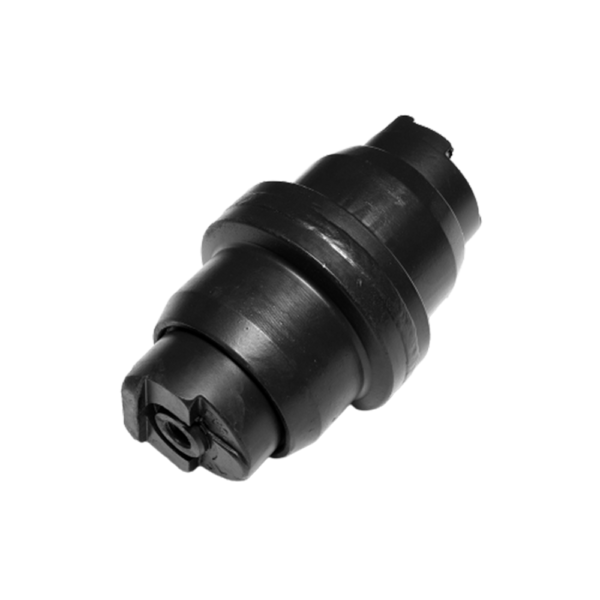
Looprollen zijn de lastdragers van het onderstelsysteem. They support the machine's weight and guide the track chain, werkend onder omstandigheden van extreme druk en constante vervuiling. Bij het selecteren van vervangingen, verschillende ontwerpkenmerken vereisen veel aandacht.
Ten eerste is er het onderscheid tussen rollen met enkele en dubbele flens. Deze zijn strategisch langs het rupsframe geplaatst om de ketting te geleiden en te voorkomen dat deze gaat "lopen"." van de rollen. Vervanging van een rol met dubbele flens door een rol met enkele flens (of omgekeerd) brengt het geleidingsmechanisme in gevaar en kan tot ernstige schade leiden.
Seconde, de kwaliteit van de afdichtingen staat voorop. A roller's internal bearings are protected from dirt, vocht, en vuil door een set afdichtingen, vaak duo-conusafdichtingen. De effectiviteit van deze afdichtingen bepaalt direct de levensduur van de wals (Montes, 2025). Door een defecte afdichting kunnen schurende materialen het lager binnendringen, terwijl de essentiële smeerolie ontsnapt. Dit leidt tot snelle lagerstoringen en vastgelopen rollen, die vervolgens door de ketting wordt meegesleurd, waardoor een vlakke plek ontstaat die de spoorschakels beschadigt. De materialen die in de afdichtingen worden gebruikt en de precisie van hun pasvlakken zijn kenmerken van een kwaliteitsrol.
Eindelijk, zoals eerder besproken, de schaal van de wals moet een goede warmtebehandeling ondergaan om diepte te verkrijgen, gehard slijtoppervlak. Hierdoor is hij bestand tegen de schurende werking van de rupsketting onder belasting. Een ondiepe of inconsistente hardheidslaag zal snel slijten, leading to a premature loss of the roller's diameter and compromising the entire system's geometry.
| Onderdeel | Algemene slijtage-indicator | Gevolg van verwaarlozing | Aanbevolen actie |
|---|---|---|---|
| Tandwiel | Tanden worden puntig of "verslaafd"." | Nieuwe rupskettingbussen verslijten snel | Vervangen door de rupsketting |
| Volg keten | "Strekken" (verhoogde toonhoogte) | Slechte koppeling met tandwiel en spanrol | Meet de toonhoogte; vervangen wanneer buiten spec |
| Looprollen | Versleten flenzen, vlakke plekken, olie lekt | Ongelijkmatige slijtage van de schakels, mogelijke ontsporing | Inspecteer op lekken en meet de diameter |
| Leeglopers | Versleten middenflens of loopvlakoppervlak | Slechte spooruitlijning, versnelde slijtage van de schakels | Slijtoppervlakken meten; controleer op lekkages |
| Trainingsschoenen | Versleten broeken (trekstangen) | Verlies van tractie en machineproductiviteit | Vervangen wanneer de hoogte van de kammen minimaal is |
Tandwielen, Leeglopers, en kettingen: Zorgen voor een perfect gaas
De relatie tussen het tandwiel, nietsdoener, en de rupsketting is het meest dynamisch in het onderstel. The sprocket's job is to engage the track bushing with perfect precision, converting the final drive's torque into linear motion. Naarmate de ketting slijt, de afstand tussen elke pen en bus, bekend als de ‘pitch’," neemt toe. Dit wordt vaak 'ketenrek' genoemd," hoewel het metaal zelf niet uitrekt. Liever, de interne slijtage tussen de pennen en bussen zorgt voor meer speling in het systeem.
Er wordt een nieuw tandwiel vervaardigd met een tandprofiel dat is ontworpen om te passen bij de oorspronkelijke steek van de ketting. Naarmate de kettingsteek groter wordt, de bussen rijden hoger op de tandwieltanden, versnelde slijtage van beide componenten. Daarom wordt het bijna universeel aanbevolen om tandwielen en kettingen als een op elkaar afgestemde set te vervangen. Het installeren van een nieuwe ketting op een oud tandwiel is een valse besparing die alleen maar zal leiden tot voortijdige vernietiging van de ketting.
De spanrol aan de voorzijde van het rupsframe heeft een tweeledig doel: het geleidt de ketting op de rollen en, via de terugslagveer en spoorversteller, behoudt de juiste spanning. Een versleten loopvlak zal de ketting niet goed geleiden, en versleten flenzen kunnen schade aan de rupsschakels veroorzaken. De juiste rupsspanning is ook een cruciale factor die de machinist kan controleren. Een te strak spoor verhoogt de belasting van alle componenten (pinnen) dramatisch, bussen, tandwielen, en meelooprollen, wat leidt tot een snelle toename van de slijtage. Een te losse rupsband kan ervoor zorgen dat de rupsband tegen de bovenste rollen slaat of zelfs geheel ontspoort tijdens bochten of op oneffen terrein. Regelmatige controles en aanpassingen van de doorbuiging van de rupsbanden, according to the manufacturer's specifications for the specific operating conditions, zijn essentieel voor het maximaliseren van de levensduur van alle onderwagenonderdelen.
Rekening 3: Bijlagen evalueren op toepassingsspecifieke uitmuntendheid
Terwijl het onderstel voor mobiliteit zorgt, het zijn de bijlagen – de emmer, de ripper, de beitel – die het eigenlijke werk uitvoert. Dit zijn de instrumenten die rechtstreeks met de aarde in verbinding staan, steen, en puin, and their design has a profound impact on the machine's productivity, brandstofefficiëntie, en totale bedrijfskosten. Selecting the right attachment is not merely about finding one that fits the machine's coupler. It is about matching the tool's design, materialen, en constructie aan de specifieke eisen van de uit te voeren taak. Een bak die is ontworpen voor het graven van zachte grond zal snel falen in een steengroeve, niet omdat het een ‘slecht’ is" emmer, maar omdat het het verkeerde gereedschap is voor de taak. This demands an empathetic understanding of the machine's role and the environment in which it will labor.
Voorbij capaciteit: Bakontwerp voor efficiëntie en slijtvastheid
Het meest voor de hand liggende kenmerk van een emmer is de volumetrische capaciteit, gemeten in kubieke meter of yards. Hoewel belangrijk voor het plannen van de productie, capaciteit is slechts een deel van het verhaal. De geometrie van de bak is even belangrijk. Een bredere emmer, Bijvoorbeeld, is uitstekend geschikt voor egalisatie- en afwerkingswerkzaamheden, maar zal grotere weerstand ondervinden bij pogingen om hard door te dringen, verdichte grond. Een smaller, more V-shaped bucket concentrates the machine's breakout force onto a smaller area, verbetering van de penetratie onder zware omstandigheden.
The design of the bucket's cutting edge and side plates is also a critical area of differentiation. Algemeen gebruik (Huisarts) emmers zijn een goede allround keuze voor een mix van grond, klei, en klein grind. Zwaar uitgevoerd (HD) en zwaar belast (SD) emmers zijn versterkt met dikkere stalen platen, extra slijtstrips aan de onderkant en zijkanten, en gebruik vaak een sterkere, slijtvastere staalsoort (zoals AR400 of AR500) in hun constructie.
Steenemmers vertegenwoordigen het toppunt van duurzaamheid. Ze hebben meestal een spade-neus of V-vormige lip om de penetratiekracht te maximaliseren, dikkere zijplaten, vaak beschermd door gegoten omhulsels, en een robuustere interne structuur om de krachtige torsiekrachten van nieuwsgierige rotsen te weerstaan. Bij het kiezen van een emmer, denk na over het primaire materiaal dat u gaat verplaatsen. Het gebruik van een lichtgewicht GP-bak bij sloop- of steengroevetoepassingen zal tot snel structureel falen leiden, terwijl u een zware gebruikt, overbuilt rock bucket to move topsoil will needlessly increase fuel consumption and reduce the machine's effective payload.
De natuurkunde van het rippen: Hulpmiddel voor grondbetrokkenheid (KRIJGEN) Selectie
Gereedschappen voor grondaangrijping (KRIJGEN) is de term voor de slijtdelen die aan de bak of ripper zijn bevestigd: de tanden, adapters, en zijsnijders. Dit zijn de opofferingscomponenten die zijn ontworpen om het zwaarst te lijden onder de slijtage, bescherming van de duurdere structuur van de bak of rippersteel. De selectie van het juiste GET-systeem kan een dramatisch effect hebben op de prestaties.
De vorm van de tand is de eerste overweging.
- Tanden voor standaard/algemeen gebruik: Biedt een goede balans tussen sterkte en penetratie voor algemene graafwerkzaamheden.
- Tijger/penetratietanden: Heb een scherpe, puntig ontwerp dat uitblinkt in het inbreken in hardpan, vorst, of strak verpakte materialen. Echter, hun dunnere profiel betekent dat ze sneller slijten en minder materiaal hebben voor slagvastheid.
- Rots-/schuurtanden: Zijn korter, omvangrijker, en hebben meer "slijtagemateriaal" in hun ontwerp. Ze zijn gebouwd voor een lange levensduur in omgevingen met veel slijtage, zoals zand en grind, maar bieden minder penetratievermogen.
Het systeem dat wordt gebruikt om de tand aan de adapter te bevestigen, is ook van vitaal belang. Traditionele pin-on-systemen zijn betrouwbaar, maar het kan tijdrovend zijn om ze te veranderen. Moderne hamerloze systemen maken gebruik van geïntegreerde vergrendelingsmechanismen die een snellere en veiligere vervanging mogelijk maken, stilstand van machines verminderen. Voor een ripper, de GET bestaat uit de rippertand (of opstarten) en de schachtbeschermer. De tand moet bij het eerste contact met gesteente extreme impactkrachten kunnen weerstaan, terwijl de schachtbeschermer de schacht van de hoofdripper beschermt tegen schurende slijtage wanneer deze door het materiaal wordt getrokken. Bij het inkopen van GET van hoge kwaliteit wordt gezocht naar onderdelen gemaakt van gelegeerd staal met een hoge hardheid die op de juiste manier een hittebehandeling hebben ondergaan om zowel breuk als slijtage te weerstaan.
Beitel- en ripperschachtintegriteit: Weerstaan aan extreme krachten
De ripperschacht zelf is een onderdeel dat wordt blootgesteld aan enkele van de meest intense krachten tijdens bouwwerkzaamheden. Het moet de volledige trekkracht van de machine naar één enkel punt overbrengen om rotsen of bevroren grond te breken. De integriteit van een ripperschacht komt voort uit het materiaal- en dwarsdoorsnedeontwerp. Ze zijn meestal gemaakt van hoge sterkte, doorgehard gelegeerd staal om buiging en catastrofaal falen te weerstaan.
Een "beitel" is een soort hulpmiddel, vaak gebruikt op hydraulische hamers of brekers, dat op dezelfde manier functioneert door kracht te concentreren. Of het nu gaat om een mospunt voor beton, een bot stuk gereedschap voor het breken van rotsen, of een beitel voor het graven van sleuven, de metallurgische principes zijn hetzelfde. De tool moet een zeer hardwerkende punt hebben om effectief te zijn, maar heb ook een zachtere, tougher shank and striking end to absorb the piston's impact without shattering or damaging the hammer itself. Dit wordt bereikt door middel van een differentiële warmtebehandeling, waarbij verschillende delen van het gereedschap verschillende eigenschappen krijgen. Bij het onderzoeken van een vervangende beitel of rippersteel, men moet op zijn hoede zijn voor onderdelen die een uniforme warmtebehandeling lijken te hebben ondergaan of die van een generiek materiaal zijn gemaakt, niet gespecificeerd staal. Een kwaliteitscomponent zal het resultaat zijn van een geavanceerd productieproces dat is ontworpen om de hardheid in evenwicht te brengen, taaiheid, en vermoeidheidsweerstand in één stuk staal.
Rekening 4: Het verifiëren van de geloofwaardigheid van de leverancier en ondersteuning na aankoop
Op de wereldmarkt van 2025, De inkoop van onderdelen voor Hitachi-machines is niet langer beperkt tot lokale dealers. Een uitgebreid netwerk van internationale leveranciers biedt een breed scala aan aftermarket-opties. Terwijl dit kansen biedt voor kostenbesparing en bredere selectie, het introduceert ook een grotere behoefte aan due diligence. De kwaliteit van een onderdeel is niet alleen een functie van de fysieke kenmerken ervan; het is ook een weerspiegeling van het bedrijf dat erachter staat. A supplier's credibility, transparantie, en toewijding aan klantenondersteuning zijn immateriële maar onschatbare activa die uw investering beschermen en uw gemoedsrust garanderen.
De kenmerken van een gerenommeerde onderdelenleverancier
Hoe kun je een betrouwbare leverancier onderscheiden van een voorbijgaande verkoper van goederen van lage kwaliteit?? Het proces lijkt op het uitvoeren van een antecedentenonderzoek, op zoek naar consistente tekenen van professionaliteit en betrouwbaarheid.
Eerst, een gerenommeerde leverancier heeft een geschiedenis en een fysieke aanwezigheid. Ze zijn geen anonieme entiteit op een handelsplatform. Zoek een bedrijf met een professionele website, een verifieerbaar fysiek adres, en duidelijke contactgegevens. Bedrijven die al jaren actief zijn, hebben een reputatie hoog te houden en een trackrecord dat onderzocht kan worden.
Seconde, transparantie in de productie en kwaliteitscontrole is een krachtige indicator. Een zelfverzekerde leverancier is niet bang om te bespreken waar hun onderdelen worden gemaakt en aan welke normen zij voldoen. Zij kunnen informatie verschaffen over de specifieke gebruikte staallegeringen, de productiemethoden (smeden versus. gieten), en de details van hun warmtebehandelingsprocessen. Sommigen bieden zelfs kwaliteitscertificeringen aan, zoals ISO 9001, waaruit blijkt dat wij ons inzetten voor een gedocumenteerd en consistent kwaliteitsmanagementsysteem. Wees sceptisch tegenover leveranciers die vaag zijn over deze details of die uitsluitend vertrouwen op claims van ‘hoge kwaliteit’" zonder enig ondersteunend bewijsmateriaal te leveren.
Derde, rekening houden met hun marktaanwezigheid en expertise. Een leverancier die gespecialiseerd is in onderstelonderdelen of grondgereedschap voor specifieke merken als Hitachi zal waarschijnlijk over een diepere kennisbasis beschikken dan een generalist die alles verkoopt, van motorfilters tot gloeilampen.. Hun focus stelt hen in staat de specifieke technische uitdagingen en faalwijzen te begrijpen die verband houden met die componenten, wat leidt tot betere productontwikkeling en meer deskundige ondersteuning.
Garantie als kwaliteitsverklaring
Een garantie is meer dan alleen een juridisch document; it is a statement of the manufacturer's confidence in its own product. Een leverancier die een minimale of niet-bestaande garantie aanbiedt, communiceert impliciet een gebrek aan vertrouwen in de duurzaamheid van zijn onderdelen. Omgekeerd, een uitgebreide garantie die voortijdige defecten als gevolg van materiaal- of fabricagefouten dekt, geeft aan dat het bedrijf heeft geïnvesteerd in kwaliteitscontrole en bereid is achter zijn product te staan.
Bij het beoordelen van een garantie, lees de kleine lettertjes. Begrijp wat er gedekt is en voor hoe lang. Garanties zijn vaak gebaseerd op bedrijfsuren of een bepaalde periode, wat het eerst komt. Houd rekening met eventuele uitsluitingen. Bijvoorbeeld, de garantie kan komen te vervallen als het onderdeel onjuist is geïnstalleerd of wordt gebruikt in een toepassing waarvoor het niet is ontworpen. Een goede garantie is duidelijk, eerlijk, en eenvoudig. Het weerspiegelt een partnerschap tussen leverancier en klant, waarbij beide partijen verantwoordelijkheden hebben. De leverancier is verantwoordelijk voor het leveren van een defectvrij onderdeel, en de klant is verantwoordelijk voor een correcte installatie en bediening.
Technische ondersteuning en beschikbaarheid van onderdelen in uw regio
Het beste deel van de wereld is nutteloos als je het niet kunt krijgen wanneer je het nodig hebt, of als u geen hulp kunt krijgen als u een probleem heeft. Voordat u tot aankoop overgaat, vooral van een internationale leverancier, onderzoek hun logistieke en ondersteunende mogelijkheden voor uw specifieke regio, of het nu de afgelegen mijnsites van West-Australië zijn, de zich ontwikkelende infrastructuurprojecten in Zuidoost-Azië, of het uitdagende klimaat van de Russische Federatie.
Heeft de leverancier distributiecentra of partnerschappen die redelijke verzendtijden naar uw locatie kunnen garanderen?? Een machine die wekenlang stilstaat, wachtend op een onderdeel uit het buitenland, betekent een enorm inkomstenverlies. Kunnen zij de douane- en importprocessen voor uw land efficiënt afhandelen??
Verder, welk niveau van technische ondersteuning bieden zij? Als u een vraag heeft over de montage of als een onderdeel voortijdig kapot gaat, Is er een deskundige persoon waarmee u contact kunt opnemen, die uw taal spreekt en uw technische probleem begrijpt?? Uitstekende ondersteuning na aankoop getuigt van een langdurige betrokkenheid bij de klant, niet alleen een kortetermijnbelang bij het maken van een enkele verkoop. Dit serviceniveau is een bepalend kenmerk dat vooraanstaande leveranciers van onderdelen onderscheidt van louter distributeurs. De mogelijkheid om een expert te raadplegen over slijtagepatronen of compatibiliteitsproblemen bij het onderhoud van uw Onderdelen van het Hitachi-onderstel is een service van onschatbare waarde die rechtstreeks bijdraagt aan de efficiëntie en winstgevendheid van uw bedrijf.
Rekening 5: The Operator's Role in Proactive Maintenance and Inspection
Wij kunnen onderdelen leveren die zijn gesmeed uit het beste staal, vervaardigd volgens de strengste toleranties, en ondersteund door de meest uitgebreide garantie, toch wordt hun uiteindelijke levensduur niet in de fabriek bepaald. Het wordt elke dag in de modder beslist, modder, en rots van de werkplek. De laatste en misschien wel meest kritische controle om de levensduur van onderdelen voor Hitachi-machines te garanderen, ligt niet bij de leverancier, maar met de eigenaar en exploitant. Proactief onderhoud en zorgvuldige inspectie zijn geen klusjes die u hoeft te doen; het zijn krachtige strategieën om de kosten te beheersen, het voorkomen van catastrofale mislukkingen, en het extraheren van de maximale waarde uit elk afzonderlijk onderdeel. Een machine waar goed voor wordt gezorgd, beloont de eigenaar met betrouwbaarheid en een langere productieve levensduur.
De rol van regelmatige inspectie bij het verlengen van de levensduur van onderdelen
Het meest effectieve onderhoudsinstrument is een getraind en oplettend oog. Een simpele, Een consistente inspectie die aan het begin van elke dienst wordt uitgevoerd, kan zich ontwikkelende problemen aan het licht brengen lang voordat deze kritische storingen worden. Dit is geen ingewikkelde technische procedure; het is een gewoonte van zorgvuldige observatie.
- Onderstel: De operator moet letten op duidelijke tekenen van problemen. Zitten er losse of ontbrekende bouten op de trackpads?? Zijn er zichtbare olielekken uit de rollen of looprollen?, aangegeven door natte strepen die langs de zijkanten lopen? Zijn de rupskettingen merkbaar los of strak?? Kijk naar de tandwieltanden; beginnen ze er scherp en puntig uit te zien? Deze dagelijkse visuele controle, wat slechts een paar minuten duurt, is de eerste verdedigingslinie tegen vroegtijdige slijtage.
- Emmer en GET: Onderzoek de tanden van de emmer. Zijn er een paar kapot?, ontbreekt, of versleten tot aan de adapter? Een ontbrekende tand stelt de adapter bloot aan snelle slijtage, een veel duurder onderdeel om te vervangen. Controleer de lasnaden op de bak en zoek naar tekenen van scheuren, vooral rond de gebieden waar de adapter en hijshaken zijn bevestigd.
- Algemene machine: Luister naar de machine terwijl deze werkt. Ongewoon slijpen, piepen, of knallende geluiden uit het onderstel kunnen duiden op een vastgelopen rol of een probleem met het aandrijfsysteem. Voel of er sprake is van overmatige trillingen. Deze sensorische inputs zijn waardevolle gegevens die kunnen wijzen op de behoefte aan nader onderzoek.
Slijtagepatronen begrijpen als diagnostische hulpmiddelen
De manier waarop een onderdeel slijt, vertelt een verhaal. Door deze verhalen te leren lezen, kan een operator of monteur onderliggende problemen diagnosticeren, niet alleen symptomen behandelen. Bijvoorbeeld, als de binnenranden van de rupsschakels versnelde slijtage vertonen, dit kan wijzen op een probleem met de uitlijning van de spanrollen of rollen. Als slechts één kant van de tandwieltanden versleten is, dit kan duiden op een probleem met de uitlijning van het spoorframe zelf.
Op een emmer, als de hoektanden veel sneller slijten dan de middelste tanden, het zou kunnen suggereren dat de operator de hoeken gebruikt om los te wrikken of te "vegen"." materiaal, enorme druk op de kant van de emmer leggen. Deze feedback kan worden gebruikt om bedieningstechnieken te verfijnen om een gelijkmatigere slijtage te bevorderen en de levensduur van de GET te verlengen. Het herkennen van deze patronen transformeert onderhoud van een reactieve taak (vervangen wat kapot is) naar een proactieve (begrijpen waarom het kapot ging en een herhaling voorkomen). Deze diagnostische benadering is van fundamenteel belang voor de principes van gemechaniseerd spooronderhoud (Zaaier, 2017).
Smering en reiniging: De eenvoudige gewoonten die fortuinen besparen
In de harde wereld van zwaar materieel, twee van de eenvoudigste onderhoudstaken (smeren en reinigen) zijn ook twee van de meest impactvolle.
Smering: Terwijl veel moderne componenten, zoals looprollen en looprollen, "voor het leven afgedicht" zijn," ze zijn niet onoverwinnelijk. Het ‘leven" van hun interne lagers is volledig afhankelijk van de integriteit van de afdichtingen en de kwaliteit van het vet of de olie daarin (Allmaier, 2022). Voor onderdelen die wel regelmatig moeten worden gesmeerd, zoals de bakkoppelingspennen, adhering to the manufacturer's recommended lubrication schedule is not optional. Het falen van een enkele pen en bus als gevolg van een gebrek aan vet kan ervoor zorgen dat de hele koppeling losraakt, het plaatsen van excentrische belastingen op andere pinnen en het versnellen van hun slijtage exponentieel. It can also lead to stress cracks in the excavator's boom and stick.
Schoonmaak: Het onderstel, in het bijzonder, heeft enorm veel baat bij regelmatig schoonmaken. Ingepakte modder, rotsen, en vuil voegen aanzienlijk gewicht toe aan het onderstel, het verhogen van het brandstofverbruik. Nog belangrijker, dit verpakte materiaal verhindert dat de componenten correct op elkaar aansluiten. Modder die tussen de bussen en tandwieltanden zit, versnelt de slijtage. Een steen die tussen de rupsketting en de spanrol vastzit, kan enorme schade veroorzaken. In ijskoude klimaten, modder die 's nachts bevriest, kan het onderstel in een stevig blok veranderen, het plaatsen van extreme druk op de eindaandrijvingen en mogelijk het breken van afdichtingen wanneer de machine probeert te bewegen. Aan het eind van de dag de tijd nemen om het onderstel schoon te maken, gaat niet alleen om esthetiek; het is een kritische onderhoudsprocedure die de spanning vermindert en een goede visuele inspectie mogelijk maakt.
Veelgestelde vragen (Veelgestelde vragen)
Zijn aftermarket-onderdelen voor Hitachi-machines net zo betrouwbaar als OEM-onderdelen??
De kwaliteit van aftermarket-onderdelen kan aanzienlijk variëren. Hoogwaardige aftermarket-onderdelen van gerenommeerde fabrikanten kunnen voldoen aan de OEM-eisen of deze zelfs overtreffen (Originele fabrikant van apparatuur) specificaties qua materiaal, fit, en prestaties, vaak tegen een meer concurrerende prijs. De sleutel is om ze te betrekken bij een vertrouwde leverancier die transparant is over hun productieprocessen, materiële kwaliteit, en biedt een solide garantie. Omgekeerd, goedkoop, aftermarket-onderdelen van lage kwaliteit kunnen leiden tot voortijdige defecten en kostbare stilstand.
How do I know when it's time to replace my machine's undercarriage?
Undercarriage replacement is typically determined by measuring key components against the manufacturer's wear specifications, niet alleen door visuele verschijning. Een gespecialiseerde technicus zal de "pitch" van de rupsketting meten" (de afstand tussen de pinnen) om te controleren op rek, de diameter van de rollen, en de slijtage van tandwieltanden en spanvlakken. Een vuistregel is om een volledige vervanging te overwegen als de rupskettingbussen zo versleten zijn dat ze moeten worden gedraaid, omdat andere componenten waarschijnlijk ook het einde van hun levensduur naderen.
Wat is het belangrijkste verschil tussen een steenemmer en een emmer voor algemeen gebruik?
Een rotsbak is speciaal ontworpen voor omgevingen met hoge impact en hoge slijtage. Het beschikt over een dikkere schaal gemaakt van slijtvast staal van hogere kwaliteit (Bijv., AR450), een V-vormige of spade-neus snijkant voor betere penetratie, en extra beschermende componenten zoals zijschermen en slijtstangen. Een algemeen doel (Huisarts) De bak is lichter en ontworpen voor het graven en verplaatsen van minder schurende materialen zoals grond, klei, en grind. Het gebruik van een GP-bak in een steentoepassing zal leiden tot snelle schade en structureel falen.
Welke invloed heeft het bedrijfsklimaat in landen als Rusland of het Midden-Oosten op de slijtage van onderdelen??
Extreme klimaten hebben een aanzienlijke invloed op de slijtage. In de koude klimaten van Rusland, bevroren grond gedraagt zich als steen, die een hogere penetratiekracht en toenemende belasting van de bakken vereisen, tanden, en rippers. Bevroren modder kan een enorme belasting op de onderdelen van het onderstel veroorzaken. In de hitte, zandige omgevingen van het Midden-Oosten, de boete, schurend zand versnelt de slijtage van alle bewegende delen, met name onderdelen van het onderstel, zoals afdichtingen, pinnen, en bussen. Dit staat bekend als schurende slijtage en vereist onderdelen met een hoge oppervlaktehardheid.
Kan ik een nieuwe rupsketting op mijn oude tandwielen monteren??
Het wordt sterk afgeraden. Een versleten tandwiel heeft een veranderd tandprofiel dat niet goed past in de nieuwe bussen van een nieuwe ketting. Deze mismatch veroorzaakt een concentratie van kracht die de nieuwe ketting snel verslijt, waardoor de levensduur drastisch wordt verkort en uw investering teniet wordt gedaan. Voor het beste resultaat en de laagste langetermijnkosten, Tandwielen en rupskettingen moeten altijd als een bijpassende set worden vervangen.
Wat betekent "doorgehard" bedoel voor een onderdeel als een ripperschacht?
"Doorgehard" betekent dat het warmtebehandelingsproces een consistente hardheid heeft bereikt, niet alleen aan het oppervlak, maar diep in de kern van het onderdeel. Dit is van cruciaal belang voor componenten zoals ripperschachten die worden blootgesteld aan enorme buigkrachten. Een onderdeel dat alleen "gehard is"." (hard aan de oppervlakte, maar zacht in de kern) zou gevoelig zijn voor buigen of breken onder de extreme spanning van scheurend gesteente.
Waarom wordt smeden als superieur beschouwd aan gieten voor onderdelen met hoge spanning?
Forging refines the metal's internal grain structure, uitlijnen met de vorm van het onderdeel en interne holtes elimineren. Hierdoor ontstaat een dichtere, hardere component met superieure weerstand tegen schokken en vermoeidheid. Gieten, terwijl uitstekend voor complexe vormen, resulteert in een meer willekeurige korrelstructuur die onder de cyclische omstandigheden minder robuust kan zijn, hoge impactbelastingen die worden ervaren door onderdelen zoals rupsschakels en tandwielen.
Een laatste overweging over waarde en levensduur
Bij het uitrusten en onderhouden van zware machines, de verleiding om zich op het onmiddellijke te concentreren, De initiële kosten van een component zijn van groot belang. Nog, een diepere reflectie onthult dat de werkelijke kosten van een onderdeel niet op het prijskaartje staan vermeld. Het is geschreven over duizenden bedrijfsuren, in de gewonnen of verloren productiviteit, en in de vermeden of opgelopen downtime. De selectie van onderdelen voor Hitachi-machines is een engagement met een waardefilosofie, een die de initiële kosten afweegt tegen de belofte van uithoudingsvermogen. Een vervalste spoorlink, hoewel duurder om te produceren dan zijn gegoten tegenhanger, betaalt die investering terug door een langere levensduur en een grotere weerstand tegen uitval. Een goed ontworpen stenen emmer, perfect afgestemd op zijn taak, enhances the machine's efficiency, bespaart brandstof en tijd bij elke cyclus.
De hier geschetste principes: een diepgaand onderzoek naar de materiaalwetenschap, een systeemgebaseerde kijk op mechanische assemblages, een zorgvuldige afstemming van gereedschap op taak, een zorgvuldige controle van leveranciers, en een gedisciplineerde benadering van onderhoud – zijn niet louter technische richtlijnen. Ze vertegenwoordigen een streven naar operationele uitmuntendheid. Ze onderhouden een relatie met de machine die gebaseerd is op begrip en zorgzaamheid, in plaats van eenvoudig gebruik en consumptie. Door dit perspectief te omarmen, we move beyond being mere purchasers of parts and become informed custodians of our equipment's capacity, ervoor te zorgen dat deze krachtige tools productief blijven, betrouwbaar, en jarenlang winstgevend.
Referenties
Allmaier, H. (2022). Verleng de levensduur van railwiellagers: een overzicht van vetsmering voor deze toepassing. Smeermiddelen, 10(3), 36. https://doi.org/10.3390/lubricants10030036
Camso. (2025). Basisprincipes van bouwsporen: 9 vragen om rubberen tracks onder de knie te krijgen. https://camso.co/en/blog/best-practices/construction-track-basics
Monsterbanden. (2024). Gids voor rubberen rupsbanden.
Montes, L. (2025). Een grondige uitleg van rollen voor zwaar materieel. Fortis HD. https://www.fortishd.com/blogs/about-hd-equipment/a-thorough-explanation-of-heavy-equipment-rollers-purpose-types-and-wear-signs
Rollenlager. (2015). Looprollen 101: Alles wat u moet weten.
TFL-lager. (2024). Basisconcepten van wentellagers. https://tfl-bearing.com/page/Basic-Concepts-of-Rolling-Bearings
Zaaier, L. (2017). De basisprincipes van gemechaniseerd spooronderhoud (3rd uitg.). PMC Media House GmbH.