
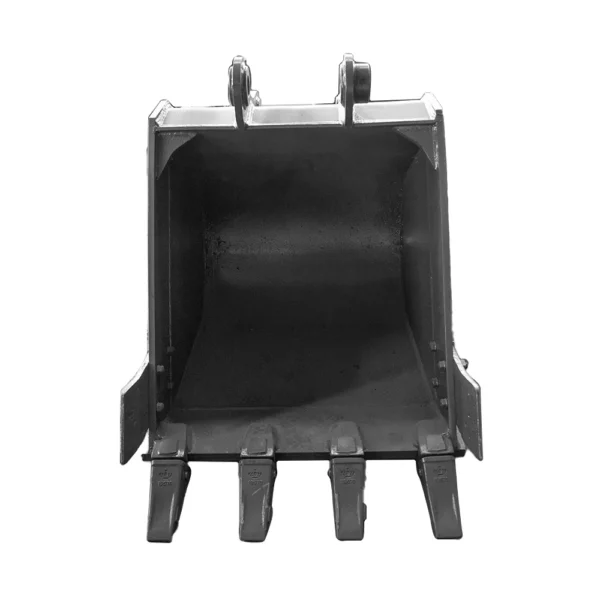
Abstract
De selectie van een geschikte snijkantblad voor een lader is een bepaling van diepgaand gevolg voor de operationele werkzaamheid en economische levensvatbaarheid van zware machines in constructie, mijnbouw, en agrarische sectoren. Deze analyse onderzoekt het veelzijdige proces van het kiezen van een geschikt mes, verder gaan dan een oppervlakkige overweging van kosten naar een dieper onderzoek naar materiële wetenschap, technisch ontwerp, en applicatiespecifieke vereisten. Het stelt dat een optimale keuze geen universele constante is, maar eerder een contextafhankelijke variabele, contingent op factoren zoals de schuurvaardigheid van het terrein, het impactniveau van het werk, en de klimatologische omstandigheden van het operationele theater. Het discours duikt in de metallurgische eigenschappen van staal, inclusief hardheidsbeoordelingen en de rol van legeringen zoals Boron, en verbindt deze eigenschappen met de praktische uitdagingen waarmee verschillende wereldwijde omgevingen worden geconfronteerd, Van het bevroren terrein van Rusland tot het schurende zand van het Midden -Oosten. Verder, Het verkent messprofielen, onderhoudsprotocollen, en de criteria voor het selecteren van een gerenommeerde leverancier, Het argument dat een holistisch begrip van deze elementen onmisbaar is voor het maximaliseren van de levensduur van de apparatuur, het minimaliseren van downtime, en zorgen voor de winstgevendheid op lange termijn van technische projecten.
Belangrijke afhaalrestaurants
- Match Steel Hardheid (HB) Naar uw primaire baan: Hoge HB voor slijtage, Taaiheid voor impact.
- Overweeg een omkeerbaar snijkantblad voor lader om de operationele levensduur effectief te verdubbelen.
- Selecteer Blade -ontwerp, zoals gekarteld, Op basis van het materiaal dat u nodig hebt om door te dringen.
- Implementeer dagelijkse inspecties voor scheuren en boutkakke om grote storingen te voorkomen.
- Evalueer leveranciers op totale eigendomskosten, Niet alleen de eerste mesprijs.
- Operatortechniek beïnvloedt de slijtage en de levensduur van de snijrand aanzienlijk.
- Gebruik correct, Hoogwaardige ploegbouten voor installatie om veiligheid en prestaties te waarborgen.
Inhoudsopgave
- Materiële samenstelling en hardheid: De ziel van het mes
- Ontwerp en profiel van het mes: Vorm dicteert de functie
- De applicatie- en operationele omgeving: Een wereldwijd perspectief
- Installatie, Onderhoud, en het maximaliseren van de levensduur: De praktijk van duurzaamheid
- Een gerenommeerde leverancier kiezen: Een partnerschap in prestaties
- Veelgestelde vragen
- Conclusie
- Referenties
Materiële samenstelling en hardheid: De ziel van het mes
Om ons onderzoek naar de wereld van zware machinescomponenten te beginnen, Laten we eerst rekening houden met het contactpunt, De interface tussen een krachtige lader en de aarde is het bedoeld om te vormen. Het snijrandblad voor een lader is niet alleen een strook staal vastgebout aan een emmer; Het is een stukje gemanipuleerde materiaalwetenschap, the quality of which dictates the machine's efficiency, brandstofverbruik, en de levensduur van de hele bucket -montage. Een mes kiezen is om een beslissing te nemen over hoe u omgaat met de fysieke wereld. Wil je los zand schrapen in de hitte van Dubai, of ga je door bevroren aarde doorbreken in een Siberische winter? Het staal moet geschikt zijn voor de taak, en het begrijpen van de fundamentele eigenschappen van het eerste is de eerste stap in de richting van een verstandige en winstgevende beslissing. Dit is geen kwestie van eenvoudige voorkeur, Maar een van het afstemmen van het intrinsieke karakter van het materiaal met de externe uitdagingen waarmee het wordt geconfronteerd.
Staalhardheid begrijpen: Brinell (HB) en Rockwell (HRC)
Wanneer we spreken van "hardheid" in staal, We verwijzen naar de weerstand tegen gelokaliseerde plastische vervorming, zoals een deuk of een kras. Stel je voor dat je je duim in een stuk klei drukt versus een houten blok. De weerstand die u voelt is een eenvoudig analoog voor hardheid. In de wereld van metallurgie, We hebben meer precieze maatregelen nodig. De twee meest voorkomende schalen die u zult tegenkomen bij het selecteren van een snijrandblad voor lader zijn het Brinell -hardheidsnummer (HB of HBW) en de Rockwell Hardness Scale (HRC).
De Brinell -test omvat het drukken van een harde stalen of carbidebal met een specifieke diameter in het oppervlak van het materiaal met een specifieke kracht voor een specifieke tijd. De diameter van de resulterende inspringing wordt vervolgens gemeten. Een kleinere inspringing duidt op een harder materiaal, een hoger Brinell -nummer opgeleverd. Voor snijranden, U zult meestal waarden zien, variërend van rond 250 HB voor een basic koolstofstaalrand tot meer 500 HB voor een premium, met warmte behandeld boorlegeringsstaal.
De Rockwell -test is in principe vergelijkbaar, maar gebruikt een diamantkegel of een kleine stalen bal en meet de penetratiediepte. De HRC -schaal wordt vaak gebruikt voor zeer harde staal. Terwijl er conversiekaarten zijn, it's helpful to think of them as different languages describing the same property. Voor onze doeleinden, de Brinell (HBW) Schaal wordt meestal aangehaald door fabrikanten van onderstelonderdelen en snijranden, Dus we zullen ons daar concentreren.
Waarom is dit nummer zo belangrijk?? Hardheid is direct gecorreleerd met slijtvastheid. Een hoger HB -nummer betekent dat het staal langzamer zal verslijten bij het slijpen tegen schurende materialen zoals zand, grind, en gemalen rots. A 500 HB Steel Edge kan drie tot vijf keer langer duren dan een 250 HB koolstofstaalrand in dezelfde schurende omstandigheden. Dit verschil is niet triviaal; het vertaalt zich direct in minder mesveranderingen, Minder downtime, en aanzienlijke kostenbesparingen gedurende de levensduur van de machine.
| Stalen type | Typische Brinell -hardheid (HBW) | Veel voorkomende toepassingen | Slijtvastheid | Impactweerstand |
|---|---|---|---|---|
| Hoog koolstofstaal | 200-300 | Licht, lage-breuk (Bijv., bovengrond, sneeuw) | Laag | Mooi zo |
| Met warmte behandeld (HT) Staal | 400 | Algemeen doel, Matige slijtage (Bijv., klei, vuil) | Medium | Erg goed |
| Ht boron legering staal | 450-500 | Zeer-verbranding (Bijv., zand, grind, steen) | Hoog | Mooi zo |
| Premium HT Boron Steel | 500+ | Extreme-buitenrasie (Bijv., groeve, mijnbouw) | Erg hoog | Gematigd |
Zoals de tabel illustreert, er is vaak sprake van een afweging. Naarmate staal harder wordt, het kan ook brozer worden, wat betekent dat het vermogen om plotselinge schokken of gevolgen te absorberen zonder te kraken (het is "taaiheid") kan afnemen. Dit is de centrale spanning bij het selecteren van het juiste materiaal voor een snijrandblad voor lader.
Door geharde VS. Oppervlakte-geharde staal
De hardheid die we zojuist hebben besproken, kan op verschillende manieren worden bereikt, leidend tot twee primaire categorieën staal die worden gebruikt voor snijranden: door geharde en oppervlakte-gehard (of case-gehard). Inzicht in het onderscheid is als het begrijpen van het verschil tussen een vaste eikenstraal en een gelamineerde fineerstraal. Beide zijn sterk, Maar hun interne structuur- en faalmodi zijn anders.
Door geharde staal, Zoals de naam al aangeeft, heeft een consistente hardheid van het oppervlak tot zijn kern. Dit wordt bereikt door het gehele blad tot een kritische temperatuur te verwarmen en vervolgens snel af te koelen (een proces dat afschrikken wordt genoemd), gevolgd door een temperingsproces om broosheid te verminderen. Het resultaat is een mes dat in een zeer voorspelbaar tempo slijt. Terwijl het materiaal wegmaalt, het nieuw blootgestelde staal heeft dezelfde hardheid als het originele oppervlak. Dit type heeft de voorkeur voor de meeste toepassingen met hoge slijtage, omdat het zijn slijtvaste eigenschappen gedurende de hele levensduur behoudt. Zie het als een stevige reep chocolade van hoge kwaliteit; elke hap is zo goed als de eerste. Deze consistentie is een kenmerk van een superieur snijblad voor laders.
Oppervlakgehard staal, aan de andere kant, heeft een extreem harde buitenkast" en een zachtere, Meer ductiele kern. Dit wordt meestal bereikt door processen zoals carburiseren of inductieharden, die de chemie of structuur van alleen de oppervlaktelaag veranderen. Het primaire voordeel van deze aanpak is dat het een mes creëert met een zeer stoere, schok-absorberende kern die hoge impact kan weerstaan, Terwijl het buitenoppervlak een goede initiële slijtvastheid biedt. Het nadeel, Echter, is dat zodra deze harde buitenste zaak is versleten - en het vrij dun kan zijn - de slijtagesnelheid dramatisch versnelt als het zachtere kernmetaal wordt blootgesteld. Dit kan worden vergeleken met een snoep met een harde schaal; Zodra je door de schaal barst, Het zachte centrum verdwijnt snel. Voor een bepaald hoge impact, lage-branas banen, Dit kan een haalbare keuze zijn, Maar voor het slijpwerk presteren de meeste laders, Door middel van geharde staal biedt over het algemeen een betere voorstelling voor totale waarde.
De rol van legeringselementen: Boor, Koolstof, en mangaan
De "basis" Materiaal voor al deze messen is ijzer. Wat het transformeert in een hoogwaardige staal die kan worden geacht ongelooflijke krachten te zijn, zijn de specifieke elementen die ermee worden gelegerd. Let's consider the three most significant players in the context of a cutting edge blade for loader: koolstof, mangaan, en de game-wisselaar, boor.
Koolstof is het meest fundamentele verhardingsmiddel in staal. In de eenvoudigste bewoordingen, hoe meer koolstof je toevoegt (tot op zekere hoogte), Hoe harder het staal kan worden door warmtebehandeling. Een "koolstofrijk" staal, Gebruikt voor basissnijranden, misschien rondom 0.8% koolstof. Echter, Koolstof toevoegen verhoogt ook de brosheid. Dit is de klassieke afweging. Te veel koolstof, en je rand kan de eerste keer dat het een rots raakt, verbrijzelen. Te weinig, En het zal wegslijten als een kleurpotlood.
Mangaan is een ander belangrijk ingrediënt. Het heeft verschillende functies. Het draagt bij aan kracht en hardheid, Maar misschien nog belangrijker, it improves the steel's response to heat treatment (zijn "hardbaarheid") en verhoogt zijn taaiheid. Het helpt bij het creëren van een duurzamer en veerkrachtiger eindproduct, een die kan weerstaan om te kraken onder stress. Een kwaliteitsnijrand heeft een zorgvuldig gecontroleerde hoeveelheid mangaan om de hardheid in evenwicht te brengen met impactweerstand.
Boron is de superster van moderne geavanceerde metallurgie. Het is een krachtige verhardingsagent, so potent that it is added in minuscule amounts—we're talking parts per million. Wanneer toegevoegd aan staal dat dan correct wordt behandeld, Boron verhoogt dramatisch zijn hardbaarheid. Hierdoor kunnen dikke delen staal worden gemaakt die doorgehard zijn tot een zeer hoog en uniform Brinell-getal (500+ HB). Een "boorstaal" Het allernieuwste is de industriestandaard geworden voor elke toepassing waarbij sprake is van aanzienlijke slijtage. Het biedt het hoogste niveau van slijtvastheid, waardoor de langst mogelijke levensduur van het mes wordt gegarandeerd. De ontwikkeling van boorstaal was een grote sprong voorwaarts voor alle grondgereedschappen, inclusief messen, ripper schanks, en beitels. Wanneer u een fabrikant ziet adverteren met een 'boorstaal'" snijkantmes voor lader, ze duiden op een premiumproduct dat is ontworpen voor de zwaarste omstandigheden.
Materialen selecteren voor mondiale omgevingen
The true test of one's understanding comes when applying these principles to the diverse and demanding environments where these machines operate. Het optimale materiaal voor een lader in de zandige woestijnen van de VAE is niet hetzelfde als voor iemand die werkt in een granieten steengroeve in Zuid -Afrika of op een winterconstructie in Korea.
Voor de zeer schurende omstandigheden gevonden in het Midden -Oosten en een groot deel van Australië, waar laders constant scherp korrelig zand en schurende bodems verplaatsen, Er is geen vervanging voor hardheid. Hier, een door de geharde boorstaal met een hardheid van 500 HB of zelfs hoger is de enige logische keuze. Slijtage is de primaire vijand, en elk punt op de Brinell -schaal vertaalt zich in meer werkuren. Een mindere gebruiken 400 HB -staal in deze omgeving zou een valse economie zijn, leidend tot frequente veranderingen en uitgebreide downtime.
In omgevingen met een hoge impact, zoals steengroeven in Afrika- of slooplocaties, De vergelijking verandert. Terwijl slijtage nog steeds een factor is, het risico van catastrofaal falen door impact met grote, Hard Rocks is de dominante zorg. Een mes dat extreem moeilijk is, maar bros kan breken of chip, waardoor het nutteloos wordt. Hier, Een operator kan beter worden bediend door een staal dat een kleine hoeveelheid hardheid opoffert voor een aanzienlijke winst in taaiheid. Dit kan een doorhard staal betekenen met een iets lager Brinell-nummer (misschien 450 HB) maar met een hoger mangaangehalte of een specifiek temperen dat is ontworpen om de impactweerstand te maximaliseren. De keuze van een snijrandblad voor lader wordt een berekende risicobeoordeling.
Voor werk op het bevroren terrein van Rusland en de koude winters van Korea, Een andere materiële eigenschap wordt van het grootste belang: Lage temperatuurstuwheid. Alle staals hebben een "ductiele-naar-brosse overgangstemperatuur." Onder deze temperatuur, Het staal verliest zijn vermogen om energie te vervormen en te absorberen, bros worden als glas. Een rand die perfect taai is bij 20 ° C kan uiteenvallen bij de impact bij -20 ° C. Voor deze toepassingen, Het is van vitaal belang om een staal te selecteren dat is getest en gecertificeerd voor de impact van lage temperatuur impacteigenschappen (Vaak gemeten door een charpy v-notch-test). Een leverancier met expertise op deze markten zal de noodzaak begrijpen van specifieke legeringen die hun taaiheid behouden, zelfs in extreme koude, het hele jaar door zorgen voor de betrouwbaarheid van de bouwmachines.
Ontwerp en profiel van het mes: Vorm dicteert de functie
Een stevig begrip van de materiële essentie van een snijrand hebben vastgesteld, We moeten nu onze aandacht op zijn vorm richten. De geometrie van het mes - de vorm, its thickness, its profile—is not an arbitrary aesthetic choice. It is a functional design intended to optimize the blade's interaction with specific materials and tasks. If the material composition is the soul of the blade, its design is its body, the physical manifestation of its purpose. Choosing the right design for your cutting edge blade for loader is as consequential as choosing the right material. An incorrect profile can lead to poor penetration, verhoogd brandstofverbruik, en vroegtijdige slijtage, even if the steel itself is of the highest quality.
Flat vs. Serrated Edges
The most fundamental design choice is between a flat, straight edge and a serrated, or toothed, edge. This choice fundamentally alters how the loader bucket engages with the ground.
A Flat Edge, often called a straight edge, is the most common and versatile option. It provides a smooth, continuous line of contact with the material. This makes it ideal for general-purpose tasks like loading loose materials (zand, grind, soil), back-dragging to create a smooth finish, and general site cleanup. De kracht ligt in het vermogen om schoon te schrapen en opgeslagen materialen efficiënt te verplaatsen. Voor exploitanten in de groenvoorziening, landbouw, of het opnieuw behandelen van aanvragen, de platte rand is de standaard en meest effectieve keuze. Het laat een schoon achter, vlakke ondergrond, wat vaak een vereiste is bij het nivelleren en afwerken van werk.
Een gekartelde rand, daarentegen, is een specialistisch instrument. Het beschikt over een reeks tandenachtige uitsteeksels langs het blad. Denk eens aan het verschil tussen een botermes en een steakmes. De gekartelde rand concentreert alle kracht van de lader op de kleine punten van de tanden, waardoor de bodemdruk en het penetratievermogen dramatisch toenemen. Dit maakt het uitzonderlijk effectief voor het hard breken, verdichte grond, schalie, of halfbevroren grond. In een steengroeve, het kan helpen om gestraald gesteente van een stapel los te maken. The downside is that it leaves a grooved, uneven surface, making it unsuitable for finishing work. It also has less surface area in contact with the ground, so for scraping loose material on a hard surface, it can be less efficient than a flat blade. The decision to use a serrated cutting edge blade for loader is a commitment to aggressive digging and penetration over finishing ability.
Reversible vs. Non-Reversible Blades
This design feature is one of the simplest yet most impactful from an economic standpoint. It relates to the bolt-hole pattern on the blade.
A Non-Reversible Blade has a single row of bolt holes, usually along its top edge. It is installed, used until it is worn out, and then discarded. Its usable life is limited to the single wearing surface.
A Reversible Blade, aan de andere kant, is een wonder van praktische techniek. Het is ontworpen met een symmetrische doorsnede en twee parallelle rijen boutgaten. Het wordt geïnstalleerd en gebruikt totdat de eerste rand is afgesleten tot de onderhoudslimiet. Dan, in plaats van weggegooid te worden, het mes kan worden losgemaakt, omgedraaid 180 graden, en opnieuw geïnstalleerd, een gloednieuw presenteren, scherpe rand van het werk. Deze eenvoudige handeling verdubbelt effectief de levensduur van de snijkant voor een marginale stijging van de initiële kosten. Voor elk gebruik waarbij bladslijtage aanzienlijke bedrijfskosten met zich meebrengt, Het kiezen van een omkeerbaar snijblad voor een lader is een voor de hand liggende en krachtige manier om de totale eigendomskosten te verlagen. Het is een bewijs van hoe intelligent ontwerp enorme waarde kan creëren. De overgrote meerderheid van de snijkanten van moderne laders zijn om deze reden omkeerbaar. Het is een van de eerste kenmerken waar u op moet letten bij het evalueren van opties.
De dubbele schuine kant vs. Single Bevel-debat
De "schuinte" verwijst naar het schuine of geslepen deel van het mes dat zelf de snijkant vormt. Het profiel van deze afschuining beïnvloedt de penetratie- en slijtage-eigenschappen.
De Double Bevel Edge is de industriestandaard voor laadbakken. Het heeft een symmetrische "V" vorm gezien in dwarsdoorsnede. Zowel het boven- als het onderoppervlak zijn onder een hoek geplaatst om elkaar op een centraal punt te ontmoeten. Dit ontwerp is robuust en biedt een goede penetratie voor algemeen gebruik. Omdat het symmetrisch is, het is ideaal voor omkeerbare messen, omdat de slijtage-eigenschappen hetzelfde zijn, ongeacht of deze op de boven- of onderrand is geïnstalleerd. Het is een evenwichtige, allround artiest, making it the most common profile for a cutting edge blade for loader.
The Single Bevel Edge is an asymmetrical design. One face of the blade is flat, while the other is beveled to create the edge. This creates a sharper, more aggressive cutting angle, similar to a chisel. This design can offer superior penetration in certain conditions, particularly when a very clean "slicing" action is desired. It is more commonly found on excavator buckets or specialized grading equipment. For loaders, its application is more niche. Het asymmetrische slijtagepatroon kan een nadeel zijn, en het is niet zo goed geschikt voor omkeerbare ontwerpen. Tenzij u een zeer specifieke taak heeft die een scherpe vereist, Snijden snijden, Het ontwerp met dubbele schotje is bijna altijd de meer praktische en duurzame keuze voor een lader.
Gespecialiseerde profielen voor nichetoepassingen
Voorbij de gemeenschappelijke ontwerpen, Er bestaat een wereld van gespecialiseerde profielen om unieke uitdagingen aan te gaan. Deze worden vaak ontwikkeld als reactie op specifieke industriële behoeften en demonstreren het adaptieve karakter van engineering van zware apparatuur.
Een schopneusrand is een soort emmerrandprofiel, vaak gevonden op rock buckets, Dat heeft een V-vormig centrum dat naar voren steekt van de rest van het mes. This design focuses the machine's power onto a single point of entry, much like the tip of a spade shovel. It is designed for maximum penetration in extremely hard, consolidated materials like caliche or sedimentary rock. It breaks the ground at the center, making it easier for the rest of the bucket to scoop up the fractured material.
Wrap-Around Edges are less about the profile of the cutting edge itself and more about how the blade integrates with the bucket. These blades have ends that are formed to curve up and around the sides of the bucket. These curved sections, known as end bits or side cutters, serve a dual purpose. They protect the sides of the bucket, which are also high-wear areas, and they improve the bucket's penetration capability by helping to cut clearance for the sides of the bucket as it digs. For aggressive digging in tight materials, a bucket equipped with a cutting edge and wrap-around end bits offers superior protection and performance. Many modern high-quality loader buckets zijn ontworpen om deze beschermende componenten te huisvesten, wat kan worden beschouwd als een uitbreiding van het geavanceerde systeem. Het kiezen van deze toevoegingen is een nieuwe laag in de strategische selectie van uw terreingerichte tools.
De applicatie- en operationele omgeving: Een wereldwijd perspectief
We have dissected the blade's material and its form. Nu, we moeten deze kennis synthetiseren en in de dynamische context van de echte wereld plaatsen. Het meest zorgvuldig ontworpen snijblad voor een lader is nutteloos als het niet geschikt is voor zijn taak. De toepassing is de smeltkroes waarin de theorie wordt getest, en de werkomgeving biedt de specifieke uitdagingen van hitte, koud, invloed, en slijtage. Denken als een expert is het mes aan het werk visualiseren, om zich in te leven in de krachten die het ondergaat, en om het instrument te selecteren dat niet alleen in abstracto goed is, maar geschikt voor de specifieke werkplek, of het nu in de vochtige tropen van Zuidoost-Azië is of in de bevroren vlaktes van het noorden.
Laten we een tafel construeren om ons denken in te kaderen, het werk op een duidelijke en logische manier met de tool verbinden.
| Sollicitatie | Primaire uitdaging(S) | Aanbevolen hardheid (HBW) | Aanbevolen profiel | Regionaal voorbeeld |
|---|---|---|---|---|
| Voorraad laden | Lage impact, Matige slijtage | 400-450 | Vlak, Omkeerbaar | Havens in Korea (kolen laden) |
| Site strippen | Hoge slijtage, Lage impact | 500+ | Vlak, Omkeerbaar | Australische bouwplaatsen (bovengrond) |
| Steengroeve/mijnbouw | Hoge impact, Hoge slijtage | 450-500 (Gefocust op robuustheid) | Gekarteld of plat met tanden | Afrikaanse kopermijnen |
| Onderhoud van wegen | Matige impact, Lage slijtage | 400 | Vlak, Omkeerbaar | Landelijke wegen in Zuidoost-Azië |
| Sneeuwruimen | Hoge impact (verborgen voorwerpen) | 400 (Gefocust op robuustheid) of polyurethaan | Vlak, Omkeerbaar | Stedelijke gebieden in Rusland |
Laden en materiaalbehandeling (Zuidoost-Azië)
Stel je een wiellader voor die in een haven in Maleisië werkt of een verwerkingsfabriek in Thailand. Its primary task is re-handling—moving vast quantities of materials like palm kernels, wood chips, or processed minerals from stockpiles onto trucks or conveyor belts. Hier, the primary challenge is not impact. The material is loose and relatively uniform. The main enemy is constant, grinding wear. The blade spends its entire day scraping against the ground and sliding through the material pile.
Voor deze toepassing, a through-hardened steel in the 400-450 HB range offers a good balance of wear resistance and cost-effectiveness. A premium 500 HB boron steel might be overkill if the material is not highly abrasive. The key design feature here is a flat, reversible blade. The flat profile ensures a clean scrape of the ground, minimizing product loss, and the reversibility doubles the blade's life, wat van het grootste belang is bij een dergelijke toepassing met een hoge cyclus. The operator's goal is speed and efficiency, en het mes moet dat ondersteunen door voor een soepele beweging te zorgen, betrouwbare interface met het materiaal. Een gekartelde rand zou contraproductief zijn, omdat het niet schoon zou schrapen en waardevol materiaal achter zou laten. De keuze voor het geavanceerde blad voor de lader wordt hier ingegeven door de behoefte aan uithoudingsvermogen tijdens een marathon van repetitieve bewegingen.
Site strippen en beoordelen (Australië)
Nu, breng je gedachten naar een nieuwe bouwplaats in de Pilbara-regio van West-Australië. De taak is om de bovenste laag roodachtige aarde te strippen om de grond voor te bereiden op funderingen. De grond hier staat bekend om zijn hoge gehalte aan ijzeroxiden en andere schurende mineralen. Het werkt als een gigantisch stuk schuurpapier. De impact is laag, but the rate of abrasive wear is astronomical.
This is the environment where a premium, doorgehard 500+ HB boron steel cutting edge is not a luxury; het is een noodzaak. Using a standard 400 HB carbon steel edge here would be like bringing a knife to a gunfight. It would be visibly worn after a single day's work. The extreme hardness of the boron steel is the only effective defense against the relentless grinding of the abrasive soil. A flat, double-bevel, reversible design is again the logical choice. The flat edge allows for precise grading, and the reversibility extracts the maximum possible life from this expensive, high-performance steel. Het succes van de hele aardverovingsoperatie hangt af van het gebruik van grondboeiende tools die bestand zijn tegen deze straffende omgeving. Een niet -overeenkomende snijkantblad voor lader zou het project tot stilstand brengen met constante downtime voor vervangingen.
Steengroeve- en mijnbouwactiviteiten (Afrika)
Let's move our scenario to a copper mine in Zambia or a granite quarry in South Africa. De lader beweegt geen grond; het is ontroerend gebrande rots. De omgeving is een chaotische wirwar van scherpe hoeken, enorme gewichten, en onvoorspelbare effecten. Het mes moet in staat zijn om koppige rotsen van de stapel te wrikken en de schok van een boulder van meerdere ton in de emmer te weerstaan.
Hier, De selectie calculus verschuift van een pure focus op slijtage naar een evenwichtige overweging van hardheid en taaiheid. Een mes dat te moeilijk is (and therefore too brittle) could suffer a catastrophic fracture on its first major impact. The goal is to find a "sweet spot." This often means a through-hardened alloy steel, perhaps around 450 HB, that has been specifically tempered to maximize its toughness and ability to absorb impact energy without cracking.
The design profile also becomes more aggressive. This is a prime application for a serrated cutting edge or, more commonly, a heavy-duty flat edge supplemented with bolt-on bucket teeth. The teeth act as the primary penetration tool, breaking up the pile and taking the brunt of the initial impacts, which helps to preserve the integrity of the cutting edge blade for loader bolted behind them. The choice here is about survivability in a brutal, high-impact world. Wrap-around eindbits worden ook sterk aanbevolen om de emmerhoeken te beschermen tegen de constante neveneffecten.
Sneeuwverwijdering en winterwerk (Rusland, Korea)
Eindelijk, Stel je een lader voor die sneeuw opruimt uit de straten van de stad in Moskou of een groot industrieel park buiten Seoul na een zware sneeuwval. Op het eerste gezicht, Sneeuw lijkt het meest goedaardige materiaal dat denkbaar is. Het is zacht en niet-schietend. Echter, Het ware gevaar ligt verborgen eronder. Putdeksels, beteugelen, bevroren stukjes ijs, en andere solide obstakels kunnen een plotseling leveren, hoge energie impact op het mes op snelheid.
De materiaalvereiste is vergelijkbaar met de steengroeve -toepassing, maar om een andere reden. Het mes heeft een uitstekende taaiheid op de lage temperatuur nodig. Een standaard stalen rand kan bros worden in de temperaturen van -25 ° C en uiteenvallen op een impact met een verborgen stoeprand. Daarom, a through-hardened steel with guaranteed Charpy impact values at low temperatures is essential. A hardness of 400 HB is typically sufficient, as abrasion is not the primary concern.
For more delicate surfaces, like decorative paving or parking garages where scraping damage is unacceptable, a completely different type of cutting edge is used: one made from polyurethane or rubber. These flexible edges conform to the surface and can squeegee it clean without causing damage. They wear much faster than steel and cannot handle impacts, but in the right application, they are the perfect tool. This illustrates the most important lesson: the definition of the "best" cutting edge blade for loader is entirely dependent on the context of the work.
Installatie, Onderhoud, en het maximaliseren van de levensduur: De praktijk van duurzaamheid
The act of purchasing the correct cutting edge blade for a loader, guided by a deep understanding of material, ontwerp, and application, is a significant achievement. Echter, it is only the first chapter of the story. The true potential and value of that blade are realized through proper installation, diligent maintenance, and skillful operation. A premium boron steel edge can be ruined in a fraction of its expected life by incorrect installation or neglect. This section moves from the realm of selection to the world of practice. It is about the human element—the care, attention, and skill that transform a piece of steel into a reliable and long-lasting tool.
The Critical Importance of Correct Hardware
A cutting edge is affixed to the bucket with a series of specialized bolts known as plow bolts. It is impossible to overstate the importance of using the correct, high-quality hardware for this connection. Using underrated or incorrect bolts is a catastrophic mistake, akin to building a strong wall on a foundation of sand.
Plow bolts are specifically designed for this high-stress application. They typically feature a domed, countersunk head that sits flush with the surface of the blade, reducing drag and wear on the bolt itself. Cruciaal, they have a square section just below the head, which locks into a corresponding square hole in the cutting edge. This prevents the bolt from spinning as the nut is tightened, allowing for proper torque to be applied.
The most vital specification of a plow bolt is its grade, which indicates its strength. For cutting edge installation, you must use bolts of SAE Grade 8 or metric Class 10.9 or higher. These are heat-treated, high-strength bolts designed to withstand the immense shear and tensile forces exerted on the blade during operation. Using common, lower-grade hardware (like Grade 2 of 5) is an act of profound false economy. These weaker bolts can stretch under load, causing the blade to loosen, or they can shear off completely, resulting in the blade detaching from the bucket. A detached cutting edge is not only a costly loss of a part; it is a significant safety hazard that can cause serious damage or injury. Always pair a quality blade with quality hardware. The marginal savings on cheaper bolts are dwarfed by the potential cost of failure.
A Routine Inspection Checklist
The lifespan of a cutting edge blade for loader can be significantly extended through a simple, consistent inspection routine. This should be part of the operator's daily walk-around check before starting work. It takes only a few moments but can prevent costly failures and unscheduled downtime.
Check for Cracks: Visually inspect the entire length of the blade, paying close attention to the areas around the bolt holes. These are high-stress concentration points. A small crack can propagate rapidly under operational stress, leading to a complete fracture of the blade. If a crack is found, the blade must be replaced.
Monitor Wear Patterns: Look at how the blade is wearing. Ideally, it should wear evenly across its length. If the center is wearing much faster than the ends (an effect sometimes called "smiling"), it might indicate the operator is using excessive down pressure or tilting the bucket incorrectly. Uneven wear reduces the overall life of the blade, as it must be replaced when the most worn section reaches its limit.
Assess Wear Relative to the Base Edge: The cutting edge is a sacrificial component designed to protect the more expensive and structural base edge of the bucket. There should always be a clear demarcation where the cutting edge ends and the bucket's base edge begins. If the cutting edge is allowed to wear so far back that the base edge of the bucket starts to make contact with the ground, you have waited too long. Repairing a worn bucket base edge is a major welding and fabrication job, far more expensive and time-consuming than simply replacing the cutting edge. Most blades have wear indicators or a recommended wear limit; operators must be trained to recognize and respect this limit.
Confirm Bolt Tightness: Dit is misschien wel de belangrijkste controle. Een los mes is een destructief mes. Zelfs een kleine beweging tussen het blad en de bak zal ervoor zorgen dat de boutgaten langer worden en slijten, een fenomeen dat bekend staat als "ovaling"." Dit beschadigt zowel de snijkant als de, kritischer, de emmer zelf. Zodra de gaten in de emmer ovaal zijn, het wordt onmogelijk om een nieuw mes strak te houden, wat leidt tot een cascade van terugkerende mislukkingen. Operators kunnen controleren op losheid door met een hamer op de bouten te tikken (een strakke bout zal rinkelen, een losse zal ploffen) or simply by re-torquing them periodically according to the manufacturer's specifications.
Lassen en hardoplassen: Geavanceerde levensverlenging
In sommige situaties, het kan kosteneffectief zijn om een snijkant te repareren of te verbeteren in plaats van deze onmiddellijk te vervangen. This is particularly true for large, expensive blades on heavy production machines.
Welding a cracked cutting edge is a contentious topic. As a general rule, it is not recommended for through-hardened alloy steels. The intense, localized heat of the welding process can destroy the carefully controlled heat treatment of the steel in the affected area, creating a soft, weak spot that is prone to rapid failure. If a repair must be attempted in an emergency, it requires specialized low-hydrogen welding rods, a strict pre-heating and post-heating procedure, and a highly skilled welder. For most operations, the risk of a failed weld outweighs the potential benefit, and replacement is the safer and more reliable option.
Hardfacing, aan de andere kant, is a proactive life-extension strategy. It involves using a specialized welding process to apply a layer of extremely hard, wear-resistant material onto the surface of the blade. This is typically done on a new or partially worn blade in the areas that experience the most aggressive wear. The hardfacing material, which can have a hardness exceeding 60 HRC, acts as a sacrificial layer that protects the base material of the blade. This process can be highly effective in extreme-abrasion environments, potentially doubling or tripling the life of a cutting edge blade for loader. Echter, it is a skilled trade. The correct hardfacing alloy must be chosen for the application (some are better for abrasion, others for impact), and it must be applied correctly to avoid damaging the underlying blade.
Operator Technique and Its Impact on Wear
No discussion of blade life is complete without acknowledging the profound influence of the machine operator. A skilled, conscientious operator can make a cutting edge last significantly longer than an aggressive or inexperienced one. This is a crucial area for training and management.
- Avoid Excessive Down Pressure: A common mistake is to use excessive down pressure (the "crowd" function) in an attempt to get a fuller bucket. This does little to improve loading efficiency but dramatically increases the grinding force on the cutting edge, accelerating wear and burning more fuel. A skilled operator learns to load the bucket by driving into the pile and curling the bucket, using the machine's forward momentum rather than hydraulic force to do the work.
- Maintain Correct Bucket Angle: When traveling with a loaded bucket, the operator should keep the bucket rolled back sufficiently so the cutting edge is not scraping the ground. Unnecessary contact with the ground, especially paved surfaces, is a primary cause of premature wear.
- Minimize Spinning the Tires: Spinning the tires while trying to push into a pile creates intense heat and abrasion on the cutting edge. It is a sign of poor technique. The operator should approach the pile with steady momentum or, if the material is very hard, use a technique of "pumping" the bucket to loosen it rather than trying to force the machine through brute strength.
- Understand the Blade's Limits: A good operator develops a feel for the machine and the material. They learn to avoid direct, high-speed impacts with immovable objects and to use the bucket's power intelligently to pry and lift, rather than simply battering the material.
Uiteindelijk, the operator is the final steward of the cutting edge blade for a loader. Fostering a culture of care, vaardigheid, and respect for the equipment is one of the most effective long-term strategies for controlling wear-part costs.
Een gerenommeerde leverancier kiezen: Een partnerschap in prestaties
The final factor in our comprehensive examination is perhaps the most strategic: the choice of a supplier. In a global marketplace filled with options ranging from original equipment manufacturers (OEM's) to a vast array of aftermarket producers, this decision can be bewildering. A simplistic approach might be to choose the lowest price, but this often leads to poor outcomes. The selection of a supplier for a cutting edge blade for loader, or any other critical wear part like undercarriage components or rippers, should not be viewed as a simple transaction. It should be seen as the formation of a partnership with a company whose expertise, quality control, and service will contribute directly to the success of your operation.
Beyond Price: Evaluating Quality and Consistency
The initial purchase price of a cutting edge is only a small fraction of its total cost. A more enlightened perspective considers the Total Cost of Ownership (Totale eigendomskosten), which includes the initial price plus the costs associated with its use, such as replacement labor, stilstand van machines, and the frequency of replacement.
Let's imagine two blades. Blade A costs $300. Blade B, made from a premium boron steel, costs $500. On price alone, Blade A seems like the better deal. Echter, in an abrasive application, Blade A lasts for 150 hours before it needs to be replaced. Blade B lasts for 600 uur.
To get 600 hours of work, you would need to buy four of Blade A, for a total material cost of $1200. You would also have to perform three extra blade changes. If a blade change takes two hours of a mechanic's time and causes two hours of machine downtime (at a cost of, say, $150/hour for labor and lost productivity), those three extra changes cost you an additional $900. The total cost for 600 hours with Blade A is $2100. The total cost for 600 hours with Blade B is its initial $500 price plus one installation, for a total cost far lower than the "cheaper" option.
This is the logic of TCO. A reputable supplier understands this and will not compete solely on price. They will compete on value, providing a product whose superior performance and longevity deliver the lowest total cost. They will be able to explain the metallurgical reasons why their product lasts longer, referencing hardness ratings and alloy content. Consistency is also key. A good supplier has rigorous quality control processes to ensure that every cutting edge blade for loader they sell meets the same high standards. There are no surprise "soft" batches that wear out prematurely.
The Significance of OEM vs. Aftermarket -onderdelen
The debate between OEM and aftermarket parts is a long-standing one in the heavy equipment industry.
OEM (Originele fabrikant van apparatuur) parts are those sold by the manufacturer of the machine itself (Bijv., Rups, Komatsu, Volvo). The primary advantage is a guarantee of perfect fit and compatibility. You know the part is designed specifically for your machine. The primary disadvantage is that these parts typically come with a significant price premium.
Aftermarket parts are produced by independent companies. The quality in the aftermarket world varies enormously. There are low-cost, low-quality producers who use inferior steel and poor manufacturing processes. There are also high-quality aftermarket suppliers who specialize in wear parts and invest heavily in research, ontwikkeling, en kwaliteitscontrole. These top-tier aftermarket companies often produce parts that are equal to, or in some cases, superior to OEM parts, at a more competitive price point. They may be more agile, able to introduce new alloys or designs to the market more quickly than a large OEM.
The key is to find a high-quality aftermarket supplier. This is where your own knowledge becomes powerful. By understanding the concepts of steel hardness, through-hardening, and boron alloys, you can ask intelligent questions and discern which suppliers are truly offering a high-performance product. A good supplier will welcome these technical questions. They will be proud to discuss their manufacturing process and the specifications of their steel. They provide not just parts, but also durable earthmoving components backed by expertise.
What to Look for in a Supplier: Technical Support and Inventory
A supplier's value extends beyond the physical product. Look for a partner who offers robust technical support. Can you call them and discuss your specific application? If you are working in permafrost in Siberia, Hebben ze een materiaalexpert die de beste legering kan aanbevelen voor taaiheid op de lage temperatuur? Als u ongebruikelijke slijtagepatronen op uw messen ervaart in een Australische mijn, Kunnen ze u helpen het probleem te diagnosticeren? Dit ondersteuningsniveau transformeert een leverancier van een louter leverancier in een waardevolle consultant.
Inventaris is de andere kritieke servicecomponent. Een snijkant is een slijtagedeel; per definitie, U moet het vervangen. Wanneer die tijd komt, Machine -downtime is je grootste vijand. Een leverancier die een grote en strategisch gelokaliseerde inventaris onderhoudt, kan u snel het deel geven dat u nodig hebt, Of u nu in Zuidoost -Azië bent, het Midden-Oosten, of Afrika. Vraag potentiële leveranciers naar hun aandelenniveaus en hun logistieke mogelijkheden. Een lage prijs op een mes is zinloos als het zes weken duurt om aan te komen terwijl uw lader inactief is. Een betrouwbare supply chain voor cruciale slijtageonderdelen zoals het snijvlakte mes voor lader is van fundamenteel belang voor operationele gereedheid.
Lezen tussen de regels: Certificeringen en traceerbaarheid
How can you verify a supplier's claims of quality? Een manier is om externe validatie te zoeken. ISO 9001 certificering, Bijvoorbeeld, geeft aan dat het bedrijf een gedocumenteerd en gecontroleerd kwaliteitsbeheersysteem heeft. Hoewel geen directe garantie voor productkwaliteit, Het toont een verplichting om controle en consistentie te verwerken.
Een nog krachtigere indicator is materiële traceerbaarheid. Een topleverancier moet een materiaaltestrapport kunnen verstrekken (MTR) Voor de specifieke batch staal die wordt gebruikt om uw mes te maken. Dit rapport, Verstrekt door de staalfabriek, Details de precieze chemische samenstelling (De percentages koolstof, mangaan, boor, enz.) and the results of mechanical tests like hardness and tensile strength. The ability to trace a specific blade back to its raw materials is the ultimate mark of a transparent and quality-focused manufacturing process. It demonstrates that the supplier is not just making claims; they are dealing in verifiable data. When you choose a supplier who can provide this level of documentation, you are choosing a partner who is confident in their product and accountable for its performance.
Veelgestelde vragen
How often should I replace my loader's cutting edge?
There is no fixed time interval. Replacement frequency depends entirely on the abrasiveness of your application, the hardness of your blade, and your operator's technique. The correct time to replace it is when it has worn down to the manufacturer's recommended service limit, or before it wears to the point of exposing the bucket's base edge to the ground. Daily visual inspection is the best practice.
Can I weld a cracked cutting edge?
It is generally not recommended for modern, through-hardened alloy steel blades. The heat from welding can ruin the blade's carefully engineered heat treatment, creating a weak spot that is likely to fail again quickly. Replacement is almost always the safer and more reliable long-term solution.
What is the difference between a cutting edge and a base edge?
The base edge is the structural, bottom lip of the bucket itself, to which the cutting edge is bolted. The cutting edge is a sacrificial wear strip designed to be replaced. Its primary job is to perform the cutting and wear so that the much more expensive and integral base edge of the bucket does not.
Is a more expensive boron steel blade really worth the cost?
In any application with moderate to high abrasion (like working in sand, grind, or abrasive soils), the answer is almost always yes. A boron steel blade can last three to five times longer than a standard carbon steel blade. While its initial price is higher, its significantly longer life dramatically reduces the total cost of ownership by lowering replacement frequency, arbeidskosten, and machine downtime.
How tight should the plow bolts be?
Plow bolts must be tightened to a specific torque value using a calibrated torque wrench. This value depends on the diameter and grade of the bolt. Under-tightening will allow the blade to move and damage the bucket, while over-tightening can stretch the bolt and cause it to fail. Always consult the manufacturer's specifications for the correct torque values for your specific hardware.
What are wear indicators on a cutting edge?
Some cutting edges have features like a groove or a hole that indicates the wear limit. When the wear reaches this indicator, it signals that it is time to replace or reverse the blade. This provides a clear visual cue to the operator and prevents excessive wear that could damage the bucket.
Can I use a loader cutting edge on a motor grader?
No, you should not. While they look similar, loader cutting edges and grader blades are designed for different forces and applications. Grader blades are typically thinner and designed for the specific stresses of grading. Loader cutting edges are thicker and built to withstand the high-impact, heavy-duty forces of digging and loading. Always use the part specifically designed for your machine.
Conclusie
The journey of selecting a cutting edge blade for a loader, when undertaken with care and intellectual rigor, reveals itself to be a microcosm of engineering excellence. It is a process that demands a synthesis of disparate fields of knowledge: the metallurgy of steel alloys, the geometric principles of design, the pragmatic realities of global work environments, and the disciplined practice of maintenance. We have seen that the concept of a "best" blade is a fluid one, defined not in a vacuum but by the specific context of its use. The high-hardness boron steel that thrives in the abrasive sands of Australia would be a brittle liability in the high-impact quarries of Africa without sufficient toughness.
The choice is not a simple matter of comparing prices on a spreadsheet. It is an investment in productivity, a strategic decision that impacts fuel consumption, downtime, operator efficiency, and the longevity of the entire machine. By moving our thinking from the initial price to the total cost of ownership, we adopt a more sustainable and profitable perspective. The five factors we have explored—material, ontwerp, application, onderhoud, and supplier choice—provide a robust framework for making this decision. A cutting edge is not a commodity. It is the point of engagement between human intention and the physical world, and choosing the right one is a testament to an understanding that in the world of heavy machinery, quality is not an expense, but an enduring asset.
Referenties
H. R. Onderdelen. (2023, juni 14). Wheel loader bucket buying guide | Bucket types explained. H&R Construction Equipment Parts. hrparts.com
Lugong, M. (2025, april 23). 9 types of excavator buckets and their uses. Lugong Machinery. lugongma.com
SkidSteers.com. (2021, april 10). Things you are looking for when buying a skid steer bucket. skidsteers.com
Virnig Manufacturing. (2025, juli 14). The ultimate guide to skid steer buckets. virnigmfg.com
Virnig Manufacturing. (2025, april 17). The ultimate guide to skid steer buckets. offer.virnigmfg.com