
เชิงนามธรรม
ความล้มเหลวก่อนกำหนดของช่วงล่างของเครื่องจักรกลหนักถือเป็นภาระด้านการดำเนินงานและการเงินที่สำคัญในอุตสาหกรรมต่างๆ เช่น การก่อสร้าง, การทำเหมืองแร่, และป่าไม้. การวิเคราะห์นี้จะตรวจสอบสาเหตุหลักของการสึกหรอแบบเร่งในโซ่และลูกกลิ้งของราง, which constitute a major portion of a machine's maintenance costs. มันวางตัวว่าเป็นแนวทางที่อิงระบบ, มีพื้นฐานมาจากความเข้าใจในด้านวัสดุศาสตร์และไตรโบโลยี, จำเป็นต่อการบรรเทาปัญหาเหล่านี้. การสอบสวนมุ่งเน้นไปที่โหมดความล้มเหลวหลักห้าโหมด: การสึกหรอแบบเสียดสี, ผลกระทบต่อความเสียหาย, การสึกหรอของกาว (โกรธ), การกัดกร่อน, และสึกหรอจากการไม่ตรงแนว. สำหรับแต่ละโหมด, มีการสำรวจกลไกทางกายภาพหรือเคมีที่ซ่อนอยู่, ตามด้วยการอภิปรายเกี่ยวกับแนวทางแก้ไขที่เกี่ยวข้องในการเลือกใช้วัสดุ, การออกแบบส่วนประกอบ, และการบำบัดความร้อน. วัตถุประสงค์คือเพื่อให้เจ้าของอุปกรณ์และผู้ปฏิบัติงานมีกรอบการทำงานโดยละเอียดสำหรับการเลือกโซ่และลูกกลิ้งรางที่ทนทานต่อการสึกหรอที่เหมาะสม. โดยการจับคู่ข้อกำหนดส่วนประกอบกับสภาพแวดล้อมการทำงานเฉพาะ, เป็นที่ถกเถียงกันอยู่ว่าอายุของช่วงล่างสามารถยืดออกไปได้อย่างมาก, นำไปสู่การหยุดทำงานที่ลดลงและต้นทุนรวมในการเป็นเจ้าของลดลง.
ประเด็นสำคัญ
- จับคู่คุณสมบัติของวัสดุ เช่น ความแข็งและความเหนียว ให้เข้ากับสภาพแวดล้อมการทำงานเฉพาะของคุณเพื่อป้องกันความล้มเหลว.
- ทำความเข้าใจโหมดความล้มเหลวหลักห้าโหมด—การเสียดสี, ผลกระทบ, การยึดเกาะ, การกัดกร่อน, และการวางแนวที่ไม่ตรง—เพื่อวินิจฉัยปัญหา.
- รางที่ปิดผนึกและหล่อลื่นบำรุงรักษาอย่างเหมาะสม (เกลือ) โซ่ช่วยลดการสึกหรอของพินและบุชชิ่งภายในได้อย่างมาก.
- ตรวจสอบและทำความสะอาดส่วนประกอบช่วงล่างอย่างสม่ำเสมอ, โดยเฉพาะในสภาวะที่เปียกหรือมีการกัดกร่อน, เพื่อยืดอายุของพวกเขา.
- การลงทุนในโซ่และลูกกลิ้งตีนตะขาบคุณภาพสูงที่ทนทานต่อการสึกหรอช่วยลดต้นทุนการดำเนินงานและการหยุดทำงานในระยะยาว.
- ให้พิจารณาโครงรถเป็นระบบที่บูรณาการกันเสมอ; ชิ้นส่วนที่ไม่ตรงกันอาจทำให้เกิดการสึกหรอเร็วขึ้น.
- ใช้กำหนดการบำรุงรักษาเชิงรุกและติดตามการวัดการสึกหรอเพื่อคาดการณ์และวางแผนการเปลี่ยนทดแทน.
สารบัญ
- การแนะนำ: ต้นทุนที่มองไม่เห็นของการสึกหรอของช่วงล่าง
- โหมดความล้มเหลว #1: ต่อสู้กับการสึกหรอจากการเสียดสีในภูมิประเทศที่เป็นทรายและเป็นกรวด
- โหมดความล้มเหลว #2: การป้องกันความเสียหายที่เกี่ยวข้องกับแรงกระแทกในพื้นดินที่เป็นหินและไม่สม่ำเสมอ
- โหมดความล้มเหลว #3: การลดการสึกหรอและการครูดของกาวในสถานการณ์ที่มีโหลดสูง
- โหมดความล้มเหลว #4: ต้านทานการกัดกร่อนในสภาพแวดล้อมที่เปียกและอุดมด้วยสารเคมี
- โหมดความล้มเหลว #5: จัดการกับการวางแนวที่ไม่ตรงและรูปแบบการสึกหรอที่ไม่สม่ำเสมอ
- A Buyer's Guide to Selecting Wear-Resistant Components in 2025
- การบำรุงรักษาและการตรวจสอบขั้นสูงเพื่อยืดอายุช่วงล่าง
- คำถามที่พบบ่อย (คำถามที่พบบ่อย)
- บทสรุป
- การอ้างอิง
การแนะนำ: ต้นทุนที่มองไม่เห็นของการสึกหรอของช่วงล่าง
เมื่อคุณดูรถดันดินหรือรถขุดที่ทรงพลัง, สายตาของคุณมักจะถูกดึงดูดไปที่ถังขนาดใหญ่, เครื่องยนต์อันทรงพลัง, or the operator's cab. ยัง, the foundation of that machine's mobility and stability—its undercarriage—often goes unnoticed until something goes wrong. Think of the undercarriage as the machine's entire musculoskeletal system. สามารถรับน้ำหนักตัวเครื่องได้เต็มที่, plus any load it's carrying, และเป็นส่วนคงที่, การสัมผัสกับพื้นอย่างรุนแรง. ระบบโซ่ติดตามนี้, ลูกกลิ้ง, คนเกียจคร้าน, และเฟืองสามารถบัญชีได้ถึง 50% of a machine's total maintenance costs over its lifetime. เมื่อมันล้มเหลวก่อนเวลาอันควร, ผลที่ตามมาจะกระเพื่อมเกินกว่าต้นทุนธรรมดาของชิ้นส่วนทดแทน.
การทำความเข้าใจช่วงล่างในฐานะระบบ
It's a common mistake to view the undercarriage as a collection of individual parts. ลูกกลิ้งตีนตะขาบไม่ได้เป็นเพียงลูกกลิ้ง; ลิงค์แทร็กไม่ใช่แค่ลิงค์. แทน, ลองจินตนาการถึงวงออเคสตราที่ได้รับการปรับแต่งอย่างประณีต. เครื่องดนตรีแต่ละชิ้นจะต้องสอดคล้องกับเครื่องดนตรีอื่นๆ เพื่อให้เสียงเพลงถูกต้อง. ช่วงล่างก็เหมือนกันทุกประการ. เฟืองขับโซ่ติดตาม, ซึ่งประกอบด้วยลิงก์ที่เชื่อมโยงถึงกันหลายสิบลิงก์, หมุด, และบูช. โซ่นี้ขี่บนชุดลูกกลิ้งตีนตะขาบและลูกกลิ้งตัวพา, ถูกนำทางที่ด้านหน้าโดยชุดคนขี้เกียจ. แต่ละส่วนประกอบได้รับการออกแบบให้ทำงานร่วมกับส่วนประกอบอื่นๆ. หากมีการสึกหรอส่วนหนึ่ง, ขนาดไม่ถูกต้อง, หรือมีคุณภาพต่ำ, มันสร้างเอฟเฟกต์โดมิโน, สร้างความเครียดเกินควรให้กับส่วนประกอบอื่นๆ ในระบบ. เช่น, a worn sprocket with a changed tooth profile will no longer engage perfectly with the track chain's bushings, ทำให้เกิดการสึกหรอเร็วขึ้นทั้งสองส่วน. นี้ "ไม่ตรงกัน" การสึกหรอเป็นสาเหตุหลักของความล้มเหลวก่อนเวลาอันควร. ดังนั้น, ทำความเข้าใจและดูแลรักษาช่วงล่างให้สมบูรณ์, ระบบบูรณาการเป็นก้าวแรกสู่การมีอายุยืนยาว.
เหตุใดความล้มเหลวก่อนกำหนดจึงเป็นมากกว่าแค่ชิ้นส่วนที่แตกหัก
ลูกกลิ้งที่ล้มเหลวเพียงตัวเดียวอาจดูเหมือนเป็นปัญหาเล็กน้อย. คุณเปลี่ยนมันและกลับไปทำงาน, ขวา? ความจริงนั้นซับซ้อนกว่ามาก. ส่วนที่ล้มเหลวนั้นมักเป็นอาการของปัญหาที่ใหญ่กว่า. มันเป็นข้อบกพร่องจากการผลิตหรือเปล่า? หรือตกเป็นเหยื่อของส่วนประกอบอื่นที่สึกหรอ, สภาพแวดล้อมการทำงานที่รุนแรง, หรือขั้นตอนการบำรุงรักษาที่ไม่เหมาะสม? การเพิกเฉยต่อต้นตอก็เหมือนกับการซ่อมหลังคารั่วโดยหาต้นตอของน้ำไม่เจอ; you're just waiting for the next failure. ความล้มเหลวก่อนกำหนดทำให้เกิดการหยุดทำงานโดยไม่ได้วางแผนไว้, a project manager's worst nightmare. มันรบกวนกำหนดการ, ดึงช่างเทคนิคออกจากการบำรุงรักษาตามปกติ, และอาจนำไปสู่อันตรายด้านความปลอดภัยในไซต์งานได้. ต้นทุนที่แท้จริงไม่ใช่แค่เพียงส่วนหนึ่งเท่านั้น, แต่ชั่วโมงแห่งผลผลิตที่สูญเสียไป, บทลงโทษตามสัญญาที่อาจเกิดขึ้น, และการสึกหรอแบบเรียงซ้อนอาจส่งผลต่อส่วนที่เหลือของโครงรถแล้ว.
ผลกระทบทางเศรษฐกิจ: หยุดทำงาน, ซ่อมแซม, และสูญเสียผลผลิต
Let's put this into perspective. รถดันดินขนาดใหญ่ที่ทำงานในเหมืองในรัฐเวสเทิร์นออสเตรเลียหรือสถานที่ก่อสร้างในเมืองที่กำลังพัฒนาอย่างรวดเร็วในเอเชียตะวันออกเฉียงใต้สามารถสร้างรายได้หลายพันดอลลาร์ต่อชั่วโมง. หากเครื่องนั้นหยุดทำงานหนึ่งวันเพื่อรออะไหล่หรือช่างเครื่อง, การสูญเสียทางการเงินมีนัยสำคัญ. พิจารณาสถานการณ์ที่ห่วงโซ่การติดตามล้มเหลวในเครื่องขุดเส้นทางวิกฤต. เครื่องหยุดทำงาน. รถบรรทุกที่กำลังบรรทุกอยู่ตอนนี้ไม่ได้ใช้งาน. กระบวนการทำงานทั้งหมดของไซต์หยุดชะงัก. “ต้นทุนที่ตามมาเหล่านี้”" มักจะทำให้ค่าซ่อมเล็กลงตามจริง. นี่คือเหตุผลที่ลงทุนในคุณภาพสูง, โซ่และลูกกลิ้งติดตามที่ทนต่อการสึกหรอไม่ใช่ค่าใช้จ่าย; เป็นกรมธรรม์ประกันภัยต่อการสูญเสียทางการเงินอย่างร้ายแรง. โดยการเลือกส่วนประกอบที่ออกแบบมาเพื่อทนต่อความท้าทายเฉพาะของไซต์งานของคุณ, คุณกำลังเลือกที่จะเพิ่มเวลาทำงานสูงสุดและปกป้องผลกำไรของคุณ.
โหมดความล้มเหลว #1: ต่อสู้กับการสึกหรอจากการเสียดสีในภูมิประเทศที่เป็นทรายและเป็นกรวด
ลองนึกภาพการเดินบนหาดทราย. ด้วยทุกย่างก้าว, เท้าของคุณจมลงเล็กน้อย, และทรายก็เปลี่ยนไป. ตอนนี้, ลองจินตนาการถึงรถขุดขนาด 50 ตันที่ทำสิ่งเดียวกัน, วันแล้ววันเล่า, แต่อยู่บนพื้นผิวที่มีของมีคม, อนุภาคที่มีทราย. นี่คือความจริงของการสึกหรอแบบเสียดสี, เครื่องเจียรเงียบของช่วงล่างของเครื่องจักรกลหนัก. อาจเป็นประเภทการสึกหรอที่พบบ่อยที่สุด, แพร่หลายในสภาพแวดล้อมตั้งแต่ทะเลทรายในตะวันออกกลางไปจนถึงเหมืองหินในแอฟริกา.
ศาสตร์แห่งการขัดถู: อนุภาคละเอียดบดขยี้ส่วนประกอบของคุณอย่างไร
ที่แกนกลางของมัน, การขัดถูเป็นกระบวนการสึกหรอทางกล. คิดว่ามันเหมือนกับการใช้กระดาษทราย. มีสองรูปแบบหลักที่เราต้องพิจารณา. ประการแรกคือการเสียดสีสองร่าง, ที่ไหนพื้นผิวหนึ่ง (เหมือนหินแหลมคม) เลื่อนเข้าหาและตัดวัสดุออกจากส่วนประกอบของคุณ. ประการที่สอง, และมักจะร้ายกาจกว่า, คือรอยถลอกสามตัว. สิ่งนี้เกิดขึ้นเมื่อมีขนาดเล็ก, อนุภาคแข็ง (เหมือนทราย, ขบ, หรือเศษหินละเอียด) ติดอยู่ระหว่างพื้นผิวที่เคลื่อนไหวสองแห่ง—เช่น, ระหว่างหมุดแทร็กและบุชชิ่ง, หรือระหว่างลูกกลิ้งกับรางเชื่อม. อนุภาคที่ติดอยู่เหล่านี้ทำหน้าที่เหมือนเครื่องมือตัดเล็กๆ, เซาะร่อง, เกา, และค่อย ๆ บดเหล็กออก.
ประสิทธิภาพของการ "บด" นี้" ขึ้นอยู่กับคุณสมบัติของอนุภาคที่มีฤทธิ์กัดกร่อน. ยิ่งอนุภาคมีความแข็งมากขึ้น (เช่น, ทรายควอทซ์นั้นแข็งมาก), ยิ่งสร้างความเสียหายมากเท่าไร. ยิ่งอนุภาคมีความคมมากขึ้น, ยิ่งมันตัดมากเท่าไร. เมื่ออนุภาคเหล่านี้ถูกผสมเป็นสารละลายกับน้ำ, สถานการณ์ยิ่งแย่ลงไปอีก, เนื่องจากสามารถสูบสารละลายเข้าไปในรอยแยกเล็กๆ ของช่วงล่างได้, รับประกันการสัมผัสสูงสุดและการสึกหรอสูงสุด.
โซลูชั่นด้านวัสดุ: เหล็กความแข็งสูงและการรักษาความร้อนขั้นสูง
ดังนั้น, เราจะต่อสู้กับการบดขยี้อย่างไม่หยุดยั้งนี้ได้อย่างไร? อาวุธหลักคือความแข็ง. ในความหมายง่ายๆ, วัสดุที่แข็งกว่าจะทนต่อการขีดข่วนหรือเยื้องจากวัสดุอื่นได้ดีกว่า. หากเหล็กของลูกกลิ้งตีนตะขาบของคุณแข็งกว่าอนุภาคที่มีฤทธิ์กัดกร่อนที่พบเจอ, อนุภาคจะถูกบดขยี้หรือเคลื่อนย้ายไปด้านข้างโดยสร้างความเสียหายให้กับลูกกลิ้งน้อยที่สุด. ด้วยเหตุนี้การเลือกใช้เหล็กและการอบชุบด้วยความร้อนจึงมีความสำคัญอย่างยิ่ง.
ผู้ผลิตโซ่และลูกกลิ้งรางที่ทนทานต่อการสึกหรอคุณภาพสูงใช้โลหะผสมเหล็กโบรอนชนิดพิเศษ. โบรอน, แม้ในปริมาณเล็กน้อย, เพิ่ม "ความแข็งตัว" ได้อย่างมาก" ของเหล็ก. ซึ่งหมายความว่าในระหว่างกระบวนการบำบัดความร้อน, สามารถสร้างชั้นความแข็งที่ลึกและสม่ำเสมอได้. โดยทั่วไปกระบวนการนี้จะเกี่ยวข้องกับการทำความร้อนส่วนประกอบให้มีอุณหภูมิที่สูงมาก (กระบวนการที่เรียกว่าออสเทนไนซ์) แล้วจึงทำให้เย็นลงอย่างรวดเร็ว (ดับ). This locks the steel's crystal structure into a very hard state known as martensite. ตามนี้ครับ, กระบวนการแบ่งเบาบรรเทาใช้เพื่อลดความเปราะบางเล็กน้อยและเพิ่มความเหนียว. เป้าหมายคือการสร้างส่วนประกอบที่มี "เคสด้านนอกที่แข็งมาก" เพื่อต้านทานการเสียดสี, ในขณะที่ยังคงความนุ่มนวลเอาไว้, แกน "ภายใน" ที่แข็งแกร่งยิ่งขึ้น" เพื่อดูดซับแรงกระแทกและป้องกันการแตกร้าว.
| กลไกการสึกหรอ | สาเหตุหลัก | คุณสมบัติของวัสดุในอุดมคติ | โซลูชันวัสดุ/การออกแบบทั่วไป |
|---|---|---|---|
| การสึกหรอแบบมีฤทธิ์กัดกร่อน | อนุภาคแข็ง (ทราย, ขบ) การบดกับพื้นผิว. | ความแข็งสูง | เหล็กโลหะผสมโบรอนที่มีการชุบแข็งแบบเหนี่ยวนำลึก. |
| การสึกหรอของแรงกระแทก | กะทันหัน, แรงสูงจากหินหรือพื้นดินที่ไม่เรียบ. | ความเหนียวสูง | เหล็กกล้าที่ผ่านการชุบแข็งหรือความแข็งสองชั้น; หน้าแปลนลูกกลิ้งเสริมแรง. |
| การสึกหรอของกาว | การเชื่อมและการฉีกขาดระดับไมโครระหว่างพื้นผิวโลหะที่ไม่มีการหล่อลื่นภายใต้ภาระงานสูง. | แรงเสียดทาน/ความลื่นต่ำ | รางที่ปิดผนึกและหล่อลื่น (เกลือ) โซ่; การเคลือบพื้นผิวแบบพิเศษ. |
| การสึกหรอที่มีฤทธิ์กัดกร่อน | ปฏิกิริยาเคมีกับความชื้น, เกลือ, หรือกรด. | ความต้านทานการกัดกร่อน | ปริมาณโครเมียมที่สูงขึ้นในโลหะผสมเหล็ก; ระบบซีลที่แข็งแกร่ง. |
การเลือกโซ่และลูกกลิ้งตีนตะขาบที่เหมาะสมสำหรับสภาพแวดล้อมที่มีการเสียดสีสูง
เมื่อคุณระบุชิ้นส่วนสำหรับเครื่องจักรที่จะอยู่ในสภาพแวดล้อมที่เป็นทรายหรือกรวดทราย, คำถามหลักของคุณกับซัพพลายเออร์ควรเกี่ยวกับความแข็งของพื้นผิว, โดยทั่วไปจะวัดด้วยสเกล Rockwell C (HRC). สำหรับลูกกลิ้งและลูกกลิ้ง, ควรมองหาความแข็งผิวในช่วง HRC 50-60. สิ่งใดที่น้อยก็จะเสื่อมสภาพก่อนเวลาอันควร.
ความสำคัญเท่าเทียมกันคือความลึกของความแข็งนี้. ส่วนประกอบราคาถูกอาจมีชั้นแข็งบางมากซึ่งจะสึกหรอเร็ว, เผยให้เห็นแกนอ่อนที่อยู่ด้านล่าง. ก็เหมือนดินสอที่มีไส้ดินสอเพียงปลายเล็กๆ. ส่วนประกอบที่มีคุณภาพก็จะมีความลึก, ความลึกของกรณีที่มีประสิทธิภาพ, ทำให้มั่นใจได้ว่าจะรักษาความต้านทานต่อการสึกหรอได้เป็นระยะเวลานานขึ้นมาก. สำหรับลิงค์แทร็ก, ซึ่งต้องเผชิญกับทั้งการเสียดสีและแรงดึงสูง, ความแข็งลดลงเล็กน้อย (รอบเหล็กแผ่นรีดร้อน 45-50) มักใช้เพื่อสร้างสมดุลระหว่างความต้านทานการสึกหรอกับความเหนียวที่จำเป็นเพื่อป้องกันการแตกหัก. Caterpillar's Heavy Duty Extended Life (HDXL) โครงด้านล่างเป็นตัวอย่างที่สำคัญของระบบที่ได้รับการออกแบบทางวิศวกรรมด้วยวัสดุที่สึกหรอเป็นพิเศษและโปรไฟล์ความแข็งที่ได้รับการปรับปรุงโดยเฉพาะสำหรับการใช้งานที่มีการเสียดสีสูง (หนอนผีเสื้อ, 2025).
กรณีศึกษา: ปฏิบัติการเหมืองหินในออสเตรเลีย
พิจารณาเหมืองหินแกรนิตที่ทำงานใกล้เมืองเพิร์ท, ออสเตรเลีย. สภาพแวดล้อมที่โหดร้ายผสมผสานกันอย่างยากลำบาก, ฝุ่นหินแกรนิตที่คมชัดและการรับแรงกระแทกสูง. เริ่มแรก, เหมืองหินแห่งนี้ใช้ลูกกลิ้งหลังการขายแบบมาตรฐานกับรถขุดหลักและมีอายุการใช้งานลูกกลิ้งโดยเฉลี่ยเพียงเท่านั้น 1,500 ชั่วโมง, นำไปสู่บ่อยครั้ง, การหยุดทำงานที่มีค่าใช้จ่ายสูง. หลังจากปรึกษาหารือกัน, พวกเขาเปลี่ยนไปใช้ชุดของ ลูกกลิ้งตีนตะขาบระดับพรีเมียม ออกแบบมาโดยเฉพาะสำหรับสภาวะที่มีการเสียดสีสูงและแรงกระแทกสูง. ลูกกลิ้งใหม่เหล่านี้ทำจากโลหะผสมเหล็กโบรอนสูงและมีโปรไฟล์การชุบแข็งแบบเหนี่ยวนำที่ลึกยิ่งขึ้น. ผลลัพธ์ที่ได้? อายุการใช้งานเฉลี่ยของลูกกลิ้งเพิ่มขึ้นจนเกิน 4,000 ชั่วโมง. ในขณะที่ราคาซื้อเริ่มแรกสูงขึ้น, การลดการหยุดทำงานและต้นทุนแรงงานส่งผลให้ 40% ลดต้นทุนการเป็นเจ้าของช่วงล่างตลอดระยะเวลาสองปี. This demonstrates the tangible value of matching the component's material properties to the specific challenges of the job.
โหมดความล้มเหลว #2: การป้องกันความเสียหายที่เกี่ยวข้องกับแรงกระแทกในพื้นดินที่เป็นหินและไม่สม่ำเสมอ
หากเกิดการเสียดสีช้า, บดความตาย, ผลกระทบเกิดขึ้นอย่างกะทันหัน, ภัยพิบัติครั้งใหญ่. พนักงานควบคุมรถทุกคนที่เคยขับเครื่องจักรที่ถูกติดตามข้ามทุ่งหินหรือทิ้งเครื่องจักรลงจากหิ้งจะรู้ดีว่าอาการสะเทือนใจที่ทำให้หัวใจหยุดเต้น. เหตุการณ์พลังงานสูงเหล่านี้ส่งคลื่นกระแทกขนาดใหญ่ผ่านช่วงล่าง, และหากส่วนประกอบไม่ได้รับการออกแบบมาให้รองรับ, ผลลัพธ์ที่ได้คือหน้าแปลนลูกกลิ้งบิ่น, ลิงก์แทร็กที่แคร็ก, หรือโครงโค้งงอ. ความล้มเหลวประเภทนี้เป็นเรื่องปกติในการรื้อถอน, การขุดในพื้นที่ฮาร์ดร็อค เช่น เทือกเขาอูราลของรัสเซีย, และเข้าสู่ระบบที่สูงชัน, ภูมิประเทศที่ไม่เรียบ.
ฟิสิกส์ของผลกระทบ: เครื่องรวมความเครียดและกลศาสตร์การแตกหัก
เพื่อทำความเข้าใจความล้มเหลวของผลกระทบ, เราต้องคิดถึงความแข็งแกร่ง, ไม่ใช่แค่ความแข็งเท่านั้น. ในขณะที่ความแข็งช่วยให้วัสดุต้านทานการขีดข่วนได้, ความเหนียวคือความสามารถในการดูดซับพลังงานและทำให้เสียรูปโดยไม่แตกหัก. แผ่นเซรามิกนั้นแข็งมาก, แต่มีความเหนียวต่ำ—ดรอปเลย, และมันก็แตกสลาย. ค้อนยางจะนุ่มกว่ามาก, แต่มีความแข็งแรงสูง คุณสามารถตีคอนกรีตได้ทั้งวัน, and it won't break.
เมื่อหน้าแปลนลูกกลิ้งตีนตะขาบชนกับก้อนหิน, กองกำลังมุ่งความสนใจไปที่พื้นที่เล็กๆ. มุมแหลมคมใดๆ, ข้อบกพร่องในการหล่อ, หรือแม้แต่รอยขีดข่วนบนส่วนประกอบก็สามารถทำหน้าที่เป็น "ตัวสร้างความเครียด"" หรือ "ความเครียดที่เพิ่มขึ้น" ลองนึกถึงการที่กระดาษฉีกขาดง่ายเมื่อคุณทำรอยเล็กๆ ที่ขอบ. ตัวเพิ่มความเครียดเหล่านี้จะทวีคูณแรงในระดับจุลทรรศน์, ทำให้เกิดรอยแตกเล็กๆ. กับผลกระทบที่ตามมาแต่ละครั้ง, รอยแตกนั้นจะขยายใหญ่ขึ้นจนเกิดการแตกหักโดยสมบูรณ์. นี่คือขอบเขตของกลศาสตร์การแตกหัก, การศึกษาว่ารอยแตกร้าวแพร่กระจายผ่านวัสดุอย่างไร.
ความสำคัญของความเหนียวเทียบกับ. ความแข็งในการออกแบบส่วนประกอบ
นี่เป็นความท้าทายขั้นพื้นฐานสำหรับวิศวกร. คุณสมบัติที่ทำให้เหล็กแข็ง (เหมือนโครงสร้างคริสตัลที่แข็งมาก) มักจะทำให้เปราะมากขึ้นและเหนียวน้อยลง. ด้วยคุณสมบัติที่ทำให้มีความเหนียว (เช่นเดียวกับความสามารถของโครงสร้างผลึกในการเปลี่ยนรูปและดูดซับพลังงาน) สามารถทำให้มันนุ่มนวลขึ้นได้. ศิลปะของการออกแบบโซ่และลูกกลิ้งรางที่ทนทานต่อการสึกหรอสำหรับสภาพแวดล้อมที่รับแรงกระแทกสูงอยู่ที่การค้นหาสมดุลที่สมบูรณ์แบบ.
ซึ่งสามารถทำได้โดยการผสมผสานระหว่างการเลือกโลหะผสมและการอบชุบด้วยความร้อนที่ซับซ้อน. ตัวอย่างเช่น, ลูกกลิ้งตีนตะขาบอาจ "ผ่านการชุบแข็งแล้ว"" ถึงระดับความแข็งปานกลาง (เช่น, HRC 45) ไปจนถึงแกนกลางของมัน. ซึ่งให้ความแข็งแรงโดยรวมที่ดีและมีความทนทานเป็นเลิศในการต้านทานการแตกร้าวภายใต้แรงกระแทก. อีกทางหนึ่ง, การออกแบบขั้นสูงบางแบบใช้ "ความแข็งแบบคู่"" การบำบัดความร้อน, โดยที่บริเวณหน้าแปลนที่รับแรงกระแทกได้มากที่สุดจะถูกคงความนุ่มนวลและแข็งแกร่งขึ้นเล็กน้อย, ในขณะที่เส้นทางกลิ้งที่สัมผัสกับโซ่ติดตามนั้นทนทานต่อการสึกหรอจากการเสียดสีได้ยากขึ้น. แนวทางที่ได้รับการปรับแต่งนี้มอบสิ่งที่ดีที่สุดของทั้งสองโลก.
คุณสมบัติการออกแบบของลูกกลิ้งและโซ่ทนแรงกระแทก
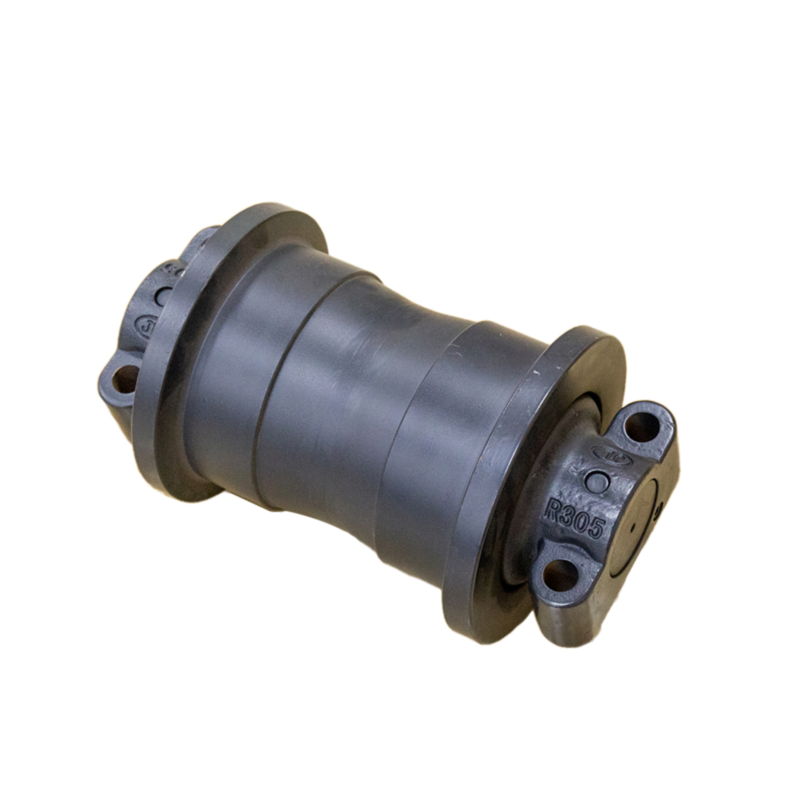
เกินกว่าวัสดุ, การออกแบบทางกายภาพของส่วนประกอบมีบทบาทอย่างมาก. ดูที่หน้าแปลนของลูกกลิ้งตีนตะขาบ. ลูกกลิ้งที่ออกแบบให้รับแรงกระแทกสูงจะมีความหนามากกว่า, โปรไฟล์หน้าแปลนที่แข็งแกร่งยิ่งขึ้นพร้อมรัศมีที่กว้างขวาง (มุมโค้งมน) ที่ฐาน. มุมโค้งมนเหล่านี้ช่วยกระจายความเครียดไปในวงกว้าง, หลีกเลี่ยงความเข้มข้นของความเครียดที่เป็นอันตรายซึ่งอาจนำไปสู่การแตกร้าว. คุณสามารถดูโครงสร้างพื้นฐานของลูกกลิ้งเหล่านี้ได้ในไดอะแกรมเชิงโต้ตอบจำนวนมาก (hrparts.com).
สำหรับโซ่ติดตาม, ตัวลิงก์ได้รับการออกแบบให้มีเนื้อหาเพิ่มเติมในพื้นที่ที่มีความเครียดวิกฤต. พวก “พินบอส.," บริเวณที่หมุดเชื่อมต่อลิงค์, มีความเสี่ยงเป็นพิเศษ. มีคุณภาพสูง, ข้อต่อที่ทนต่อแรงกระแทกจะมีการออกแบบที่หนาขึ้นในบริเวณนี้เพื่อป้องกันไม่ให้ข้อต่อยืดหรือแตกร้าวภายใต้แรงกระแทกสูง. ความพอดีและการตกแต่งก็เป็นสิ่งสำคัญยิ่งเช่นกัน; พื้นผิวที่หล่ออย่างเรียบจะทนทานต่อการแตกร้าวเมื่อยล้าได้ดีกว่าพื้นผิวที่หล่อหยาบซึ่งมีข้อบกพร่องของพื้นผิวมาก.
แนวทางปฏิบัติที่ดีที่สุดในการปฏิบัติงานเพื่อลดภาระผลกระทบให้เหลือน้อยที่สุด
ในขณะที่ส่วนประกอบที่มีคุณภาพเป็นรากฐาน, ผู้ปฏิบัติงานเป็นด่านสุดท้ายในการป้องกันความเสียหายจากการกระแทก. ผู้ปฏิบัติงานที่มีประสบการณ์สามารถยืดอายุช่วงล่างได้อย่างมากด้วยเทคนิค. ซึ่งรวมถึง:
- หลีกเลี่ยงการเดินทางด้วยความเร็วสูงในทางกลับกัน: เครื่องจักรได้รับการออกแบบให้ดูดซับแรงกระแทกได้ดีขึ้นเมื่อก้าวไปข้างหน้า, เนื่องจากชุดไอเดลอร์และสปริงแทร็กสามารถรองรับแรงกระแทกได้.
- ลดการหมุนเวียนสวนทางกัน: การหมุนเครื่องเข้าที่ทำให้เกิดแรงบิดมหาศาลบนโครงรางและลูกกลิ้ง.
- ทำให้กว้าง, ค่อยๆเปลี่ยน: คม, การเลี้ยวที่รุนแรงจะขูดด้านข้างของข้อต่อแทร็กและหน้าแปลนลูกกลิ้ง, ทำให้เกิดการสึกหรอและความเครียดโดยไม่จำเป็น.
- การวางแผนเส้นทาง: เจ้าหน้าที่ปฏิบัติงานที่ดีจะสแกนพื้นข้างหน้าและเลือกเส้นทางที่หลีกเลี่ยงหินที่ใหญ่ที่สุดและหยดที่แหลมคมที่สุด.
- การควบคุมการลงทางลาด: แทนที่จะปล่อยให้แรงโน้มถ่วงเข้าครอบงำ, the operator should use the machine's power to control the speed down a hill, ลดแรงกระแทก.
ฝึกอบรมผู้ประกอบการเกี่ยวกับเรื่องง่ายๆ เหล่านี้, เทคนิคการลดการสึกหรอสามารถให้ผลตอบแทนจากการลงทุนที่สำคัญพอๆ กับการซื้อชิ้นส่วนระดับพรีเมียม.
โหมดความล้มเหลว #3: การลดการสึกหรอและการครูดของกาวในสถานการณ์ที่มีโหลดสูง
เราได้หารือถึงภัยคุกคามภายนอกจากการเสียดสีและการกระแทกแล้ว. ตอนนี้, let's turn our attention to an internal enemy: การสึกหรอของกาว, มักเรียกว่าการครูดหรือครูด. การสึกหรอประเภทนี้เกิดขึ้นระหว่างพื้นผิวโลหะสองพื้นผิวโดยตรง, หน้าสัมผัสแบบเลื่อนภายใต้แรงดันสูง, ไม่มีการหล่อลื่นที่เพียงพอ. ข้อกังวลหลักสำหรับส่วนประกอบภายในของห่วงโซ่ตีนตะขาบ ได้แก่ หมุดและบุชชิ่ง.
การกรนคืออะไร? ปรากฏการณ์การเชื่อมระดับไมโคร
ลองนึกภาพสองคนที่สะอาด, บล็อกเหล็กแบน. หากคุณกดพวกมันเข้าด้วยกันด้วยแรงอันมหาศาลแล้วลองเลื่อนอันหนึ่งข้ามอีกอัน, เกิดอะไรขึ้น? ในระดับจุลทรรศน์, ยอดเขา (หรือ "ความไม่ประมาท") บนพื้นผิวทั้งสองมาสัมผัสกัน. แรงกดดันมหาศาลที่จุดเล็กๆ เหล่านี้ทำให้เกิดความร้อนมากพอที่จะทำให้โลหะหลอมรวมเข้าด้วยกันชั่วขณะหนึ่ง, สร้างจุลทรรศน์ "การเชื่อมเย็น"" ในขณะที่การเคลื่อนไหวเลื่อนดำเนินต่อไป, รอยเชื่อมนี้ก็จะขาดออกจากกันทันที. เมื่อมีน้ำตา, เศษโลหะอาจถูกฉีกออกจากพื้นผิวหนึ่งและถ่ายโอนไปยังอีกพื้นผิวหนึ่ง, หรืออาจแตกออกเป็นอนุภาคสึกหรอหลวมๆ. กระบวนการเชื่อมและฉีกนี้, ซ้ำแล้วซ้ำเล่าหลายล้านครั้ง, กำลังโกรธ. ส่งผลให้แรงเสียดทานเพิ่มขึ้นอย่างรวดเร็ว, ความเสียหายพื้นผิวอย่างรุนแรง, และในที่สุด, การยึดข้อต่อ. ในห่วงโซ่การติดตาม, สิ่งนี้แสดงออกมาเป็น "แช่แข็ง" ลิงก์ที่ไม่ชัดเจนอีกต่อไป, ทำให้โซ่หลุดออกจากเฟือง.
บทบาทของการหล่อลื่น: รางที่ปิดผนึกและหล่อลื่น (เกลือ) โซ่
วิธีที่มีประสิทธิภาพมากที่สุดในการต่อสู้กับการสึกหรอของกาวคือการป้องกันไม่ให้พื้นผิวโลหะทั้งสองสัมผัสกัน. นี่คืองานของสารหล่อลื่น. เครื่องจักรหนักสมัยใหม่ส่วนใหญ่ใช้รางแบบปิดผนึกและแบบหล่อลื่น (เกลือ) โซ่. แนวคิดนี้เรียบง่ายอย่างยอดเยี่ยมแต่มีการปฏิวัติ. ข้อต่อแต่ละข้อในห่วงโซ่ตีนตะขาบ โดยที่หมุดหมุนภายในบุชชิ่ง ได้รับการออกแบบให้เป็นอ่างเก็บน้ำแบบปิดผนึกซึ่งมีส่วนประกอบพิเศษ, น้ำมันเกรดหนัก.
ชุดซีลโพลียูรีเทนหรือไนไตรล์ที่ปลายแต่ละด้านของบุชชิ่งช่วยกักเก็บน้ำมันไว้, ที่สำคัญไม่แพ้กัน, ช่วยขจัดคราบสกปรก เช่น สิ่งสกปรกและน้ำ. น้ำมันนี้สร้างฟิล์มอุทกพลศาสตร์, ผอม, ชั้นสารหล่อลื่นแรงดันสูงที่แยกพินออกจากบุชชิ่ง. ตราบใดที่ซีลนี้ยังคงสภาพเดิมและมีฟิล์มน้ำมันอยู่, ป้องกันการสัมผัสระหว่างโลหะกับโลหะโดยตรง, และการสึกหรอของกาวภายในก็แทบจะหมดไป. ช่วยให้ส่วนประกอบภายในมีอายุการใช้งานยาวนานขึ้นอย่างมาก, มักจะตรงกับอายุการใช้งานของชิ้นส่วนภายนอกของโซ่. การพัฒนาเทคโนโลยี SALT เป็นหนึ่งในความก้าวหน้าที่ยิ่งใหญ่ที่สุดในการยืดอายุช่วงล่าง.
วิศวกรรมพื้นผิว: การเคลือบและการตกแต่งขั้นสุดท้ายที่ช่วยลดแรงเสียดทาน
แม้จะมีการหล่อลื่น, แรงกดดันที่รุนแรงบางครั้งอาจทำให้ชั้นฟิล์มน้ำมันแตกสลายได้ชั่วขณะ. เพื่อมอบการปกป้องอีกชั้นหนึ่ง, ผู้ผลิตใช้เทคนิควิศวกรรมพื้นผิวขั้นสูง. พื้นผิวของหมุดและบุชชิ่งมักถูกขัดเงาให้มีลักษณะเหมือนกระจก. พื้นผิวที่เรียบกว่าจะมียอดเขาสูงน้อยกว่า (ความไม่มั่นใจ), ลดโอกาสของการเชื่อมแบบไมโคร.
ในแอปพลิเคชั่นระดับพรีเมียมบางตัว, ส่วนประกอบอาจได้รับการปรับสภาพพื้นผิวหรือการเคลือบแบบพิเศษ. กระบวนการเช่นฟอสเฟตทำให้เกิดความบาง, ชั้นผลึกบนเหล็กที่ช่วยกักเก็บน้ำมันและเสียสละ, พื้นผิวป้องกันการครูดในช่วงระยะเวลาการบุกครั้งแรก. รายละเอียดเล็กๆ น้อยๆ เหล่านี้, มักมองไม่เห็นด้วยตาเปล่า, make a significant difference in the component's ability to withstand the extreme pressures found inside a track joint.
การเลือกส่วนประกอบสำหรับการใช้งานแรงดึงสูง (เช่น, หลับใน, ริป)
การใช้งานบางอย่างทำให้เกิดความตึงเครียดอย่างมากบนห่วงโซ่ของราง. รถดันดินดันวัสดุทั้งใบหรือรถขุดโดยใช้อุปกรณ์ยึดริปเปอร์เพื่อแยกหินทำให้เกิดแรงดึงอันมหาศาล. ความตึงเครียดสูงนี้แปลโดยตรงเป็นความดันที่สูงขึ้นภายในข้อต่อพินและบุชชิ่ง. ในสถานการณ์เหล่านี้, คุณภาพของระบบ SALT ของคุณเป็นสิ่งสำคัญยิ่ง.
เมื่อเลือกโซ่สำหรับการใช้งานที่มีโหลดสูง, คุณควรสอบถามเกี่ยวกับการออกแบบและวัสดุซีล. พวกเขาใช้การปิดผนึกหลายส่วนหรือไม่ (เช่น, วงแหวนรับน้ำหนักและวงแหวนโทริก) ที่ให้การกระจายแรงดันและความสามารถในการปิดผนึกที่ดีขึ้น? ระดับอุณหภูมิของวัสดุซีลคือเท่าใด? ผนึกที่แข็งและเปราะในฤดูหนาวของรัสเซีย หรืออ่อนนุ่มและอ่อนแอในความร้อนของฤดูร้อนในตะวันออกกลางจะล้มเหลวอย่างรวดเร็ว. การลงทุนในห่วงโซ่ที่แข็งแกร่ง, ระบบซีลประสิทธิภาพสูงเป็นสิ่งสำคัญในการป้องกันการสึกหรอภายในและทำให้มั่นใจว่าคุณจะได้รับประสิทธิภาพเต็มที่, ออกแบบชีวิตจากห่วงโซ่การติดตามของคุณ.
โหมดความล้มเหลว #4: ต้านทานการกัดกร่อนในสภาพแวดล้อมที่เปียกและอุดมด้วยสารเคมี
Metal's oldest enemy is corrosion. ตั้งแต่วินาทีแรกที่ทำเหล็ก, มันต้องการกลับคืนสู่ธรรมชาติ, สถานะมีเสถียรภาพมากขึ้น: เหล็กออกไซด์, หรือสนิม. กระบวนการนี้เร่งขึ้นอย่างมากเมื่อมีน้ำ, และยิ่งกว่านั้นด้วยเกลือ, กรด, หรือสารเคมีอื่นๆ. สำหรับเครื่องจักรที่ทำงานในพื้นที่ชายฝั่งทะเล, การดำเนินการขุดลอก, สิ่งอำนวยความสะดวกการจัดการขยะ, หรือเหมืองบางประเภท, การกัดกร่อนไม่ใช่เรื่องรอง; มันเป็นรูปแบบหลักของความล้มเหลว.
เคมีแห่งการกัดกร่อน: สนิมและอื่น ๆ
การกัดกร่อนเป็นกระบวนการไฟฟ้าเคมี. มันต้องมีขั้วบวก (บริเวณที่โลหะปล่อยอิเล็กตรอน), แคโทด (บริเวณที่รับอิเล็กตรอนได้), และอิเล็กโทรไลต์ (สื่อ, เหมือนน้ำ, ที่สามารถนำไอออนได้). ชิ้นส่วนเหล็กในสภาพแวดล้อมที่เปียกชื้นจะสร้างเซลล์ไฟฟ้าเคมีเล็กๆ เหล่านี้นับล้านเซลล์บนพื้นผิวของมัน. อะตอมของเหล็กที่ขั้วบวกจะละลาย, ปล่อยอิเล็กตรอนที่เคลื่อนที่ผ่านโลหะไปยังแคโทด, โดยที่พวกมันทำปฏิกิริยากับออกซิเจนและน้ำ. ไอออนของเหล็กที่ละลายจะทำปฏิกิริยากับไอออนของไฮดรอกไซด์ที่เกิดขึ้นที่แคโทดเพื่อสร้างไฮดรอกไซด์ของเหล็ก, ซึ่งแปลงเป็นสีน้ำตาลแดงที่คุ้นเคยอย่างรวดเร็ว, สารที่เป็นขุยที่เราเรียกว่าสนิม.
สนิมไม่ได้เป็นเพียงปัญหาด้านความสวยงามเท่านั้น. มันมีขนาดใหญ่กว่าเหล็กที่ใช้แทน, ซึ่งจะทำให้ชิ้นส่วนเกิดการยึดได้. ที่สำคัญกว่านั้น, มันอ่อนแอและมีรูพรุน. พื้นผิวที่เป็นสนิมไม่สามารถรับน้ำหนักได้และสึกหรอได้ง่าย, เผยให้เห็นเหล็กสดที่อยู่ด้านล่างเพื่อดำเนินวงจรการกัดกร่อนต่อไป. การรวมกันของการโจมตีทางเคมีและการสึกหรอทางกลนี้เรียกว่าการสึกหรอที่มีฤทธิ์กัดกร่อน, และมันสามารถทำลายล้างได้อย่างไม่น่าเชื่อ.
การเลือกใช้วัสดุเพื่อต้านทานการกัดกร่อน: องค์ประกอบของโลหะผสม
เหล็กกล้าคาร์บอนมาตรฐานมีความต้านทานการกัดกร่อนโดยธรรมชาติน้อยมาก. วิธีหลักในการปรับปรุงนี้คือการเพิ่มองค์ประกอบอื่นๆ เพื่อสร้างโลหะผสม. สิ่งที่มีชื่อเสียงที่สุดคือโครเมียม, ส่วนประกอบสำคัญในเหล็กกล้าไร้สนิม. โครเมียมมีความบางอย่างไม่น่าเชื่อ, ล่องหน, และชั้นโครเมียมออกไซด์ที่ไม่ทำปฏิกิริยาบนพื้นผิว. "เลเยอร์แบบพาสซีฟ" นี้" คือการรักษาตัวเอง; ถ้ามันเกิดรอยขีดข่วน, โครเมียมที่สัมผัสออกมาจะทำปฏิกิริยากับออกซิเจนทันทีเพื่อสร้างเกราะป้องกันขึ้นมาใหม่.
ในขณะที่โครงด้านล่างทำจากสเตนเลสสตีลโดยทั่วไปจะมีราคาแพงเกินไปและไม่ยากพอสำหรับการใช้งานส่วนใหญ่, ผู้ผลิตชิ้นส่วนที่ทนทานต่อการสึกหรอจะควบคุมองค์ประกอบของโลหะผสมอย่างระมัดระวังเพื่อเพิ่มความต้านทานการกัดกร่อน. Small additions of elements like chromium and nickel can improve the steel's ability to withstand corrosive attack without compromising the hardness and toughness needed for wear resistance.
| ประเภทส่วนประกอบ | OEM (ผู้ผลิตอุปกรณ์ดั้งเดิม) | หลังการขายคุณภาพสูง |
|---|---|---|
| ค่าใช้จ่าย | ราคาเริ่มต้นสูงสุด. | ราคาเริ่มต้นที่ต่ำกว่า (15-40% น้อย). |
| วัสดุ & R&ดี | กว้างขวางอาร์&ดี, โลหะผสมเหล็กที่เป็นกรรมสิทธิ์และการบำบัดความร้อน. ติดตามได้เต็มรูปแบบ. | มักใช้เกรดเหล็กที่เทียบเคียงได้ (เช่น, 40เอ็มแอนด์บี), อาศัยวิศวกรรมย้อนกลับ. |
| การรับประกัน & สนับสนุน | การรับประกันที่ครอบคลุมสนับสนุนโดยเครือข่ายตัวแทนจำหน่ายทั่วโลก. | การรับประกันแตกต่างกันไปตามซัพพลายเออร์; การสนับสนุนผ่านทางผู้ขาย. |
| บูรณาการระบบ | ออกแบบมาให้เป็นระบบที่เข้ากันได้อย่างลงตัวกับส่วนประกอบอื่นๆ ของเครื่องจักรทั้งหมด. | ได้รับการออกแบบให้ตรงหรือเกินกว่าข้อกำหนดของ OEM เพื่อความพอดีและการใช้งาน. |
| ความพร้อมใช้งาน | โดยหลักๆ ผ่านตัวแทนจำหน่ายที่ได้รับอนุญาต; อาจมีระยะเวลารอคอยสำหรับชิ้นส่วนเฉพาะ. | มีจำหน่ายกันอย่างแพร่หลายจากซัพพลายเออร์ต่างๆ, มักจะมีระดับสต็อกที่ดีขึ้น. |
| ดีที่สุดสำหรับ | เครื่องใหม่อยู่ในประกัน; ผู้ใช้ให้ความสำคัญกับการรับประกันแบรนด์เหนือสิ่งอื่นใด. | เครื่องหลังประกัน; กลุ่มยานยนต์ที่คำนึงถึงงบประมาณ; เจ้าของที่มีประสบการณ์. |
การเคลือบป้องกันและความสมบูรณ์ของซีล
Since we can't always rely on the base metal alone, การเคลือบป้องกันเป็นอีกแนวป้องกัน. สีคุณภาพสูงหรือการเคลือบอีพ็อกซี่บนพื้นผิวที่ไม่สึกหรอของโครงราง, คนเกียจคร้าน, และลูกกลิ้งเป็นตัวกั้นทางกายภาพต่ออิเล็กโทรไลต์ (น้ำ). เพื่อให้สิ่งนี้ได้ผล, การเตรียมพื้นผิวจะต้องสมบูรณ์แบบ, และการเคลือบจะต้องมีความหนาและทนทานพอที่จะต้านทานการบิ่นและรอยขีดข่วนได้.
อย่างไรก็ตาม, การป้องกันที่สำคัญที่สุดในสภาพแวดล้อมที่มีฤทธิ์กัดกร่อนคือความสมบูรณ์ของซีล. เราได้พูดคุยถึงระบบ SALT ในบริบทของการป้องกันการสึกหรอของกาวภายใน. ในสภาพแวดล้อมที่เปียกชื้น, บทบาทในการป้องกันการสึกหรอจากการกัดกร่อนก็มีความสำคัญไม่แพ้กัน. หากการซีลล้มเหลวและมีของเหลวที่มีฤทธิ์กัดกร่อนเข้าไปในพินและข้อต่อบุชชิ่ง, ไม่เพียงแต่จะชะล้างสารหล่อลื่นออกไปเท่านั้น แต่ยังโจมตีพื้นผิวภายในที่มีการขัดมันเงาอย่างรุนแรงอีกด้วย. สิ่งนี้นำไปสู่ความล้มเหลวของข้อต่ออย่างรวดเร็วและเป็นหายนะ. ดังนั้น, ในการใช้งานแบบเปียกหรือแบบอุดมด้วยสารเคมี, ข้อมูลจำเพาะและการตรวจสอบซีลโซ่ติดตามเป็นประจำมีความสำคัญสูงสุด.
การบำรุงรักษาในสภาวะที่มีฤทธิ์กัดกร่อน: โปรโตคอลการทำความสะอาดและการตรวจสอบ
ในสภาพแวดล้อมที่มีฤทธิ์กัดกร่อน, แนวทางการบำรุงรักษาจะต้องได้รับการปรับเปลี่ยน. แนวทางปฏิบัติที่สำคัญที่สุดคือการทำความสะอาดเป็นประจำ. ปล่อยให้โคลน, เศษซาก, และวัสดุที่มีฤทธิ์กัดกร่อนมาพันรอบๆ ส่วนล่าง ทำให้เกิดเป็นยาพอกที่ช่วยกักความชื้นไว้กับเหล็ก, เร่งการกัดกร่อนอย่างมาก. เมื่อสิ้นสุดแต่ละกะ, ควรล้างช่วงล่างให้สะอาดด้วยน้ำจืดเพื่อกำจัดสิ่งปนเปื้อนเหล่านี้.
ระหว่างการทำความสะอาด, ควรทำการตรวจสอบด้วยสายตา. มองหาบริเวณที่สีบิ่นหรือหลุดลอก, และสัมผัสพวกเขาทันที. ให้ความสนใจอย่างใกล้ชิดกับซีลโซ่ติดตาม. มองหาสัญญาณการรั่วไหล (มีคราบน้ำมัน) หรือความเสียหาย. ซีลที่เสียหายเพียงตัวเดียวสามารถประณามห่วงโซ่แทร็กทั้งหมดได้หากไม่ได้รับการแก้ไข. การตรวจสอบอย่างสม่ำเสมอและความมุ่งมั่นในความสะอาดสามารถเพิ่มได้หลายร้อยรายการ, ถ้าไม่ใช่หลายพัน, ชั่วโมงตลอดอายุการใช้งานของช่วงล่างที่ทำงานในสภาพแวดล้อมที่ไม่เป็นมิตร, โลกที่มีฤทธิ์กัดกร่อน.
โหมดความล้มเหลว #5: จัดการกับการวางแนวที่ไม่ตรงและรูปแบบการสึกหรอที่ไม่สม่ำเสมอ
โหมดความล้มเหลวขั้นสุดท้ายของเราเป็นหนึ่งในความแม่นยำทางกล. ช่วงล่างเป็นระบบเรขาคณิต. ลูกกลิ้งจะต้องขนานกัน, คนขี้เกียจจะต้องอยู่ในแนวเดียวกับกรอบแทร็ก, และเฟืองจะต้องอยู่ในระนาบเดียวกันกับโซ่. เมื่อเรขาคณิตนี้ถูกบุกรุก, สภาพที่เรียกว่าการวางแนวไม่ตรงเกิดขึ้น. สิ่งนี้บังคับให้ส่วนประกอบโต้ตอบในมุมที่ไม่ถูกต้อง, leading to bizarre and accelerated wear patterns that can be confusing to diagnose if you don't know what to look for.
จลนศาสตร์ของช่วงล่างที่ไม่อยู่ในแนวเดียวกัน
ลองนึกถึงการขับรถที่มีการจัดตำแหน่งล้อไม่ดี. ยางสึกไม่สม่ำเสมอตามขอบ, และรถอาจดึงไปข้างใดข้างหนึ่ง. หลักการเดียวกันนี้ใช้กับเครื่องจักรที่ถูกติดตาม, แต่พลังนั้นสูงกว่ามาก. หากโครงแทร็กงอ, หรือคนขี้เกียจอยู่ในแนวที่ไม่ตรง, โซ่ติดตามจะถูกบังคับให้ขี่ไปทางด้านข้างของหน้าแปลนคนขี้เกียจหรือหน้าแปลนลูกกลิ้ง. การใส่ด้านข้างนี้ทำให้เกิดการเจียรที่ทรงพลัง. คุณอาจเห็นว่าลูกกลิ้งด้านหนึ่งสึกหรอเร็วกว่าอีกด้านหนึ่งมาก, หรือด้านข้างของรางรถไฟมีความบางและบาง.
สิ่งนี้ไม่เพียงแต่ทำให้ด้านข้างของส่วนประกอบสึกหรอเท่านั้น แต่ยังทำให้เกิดแรงบิดอันมหาศาลบนตัวโซ่ของรางด้วย. ซีลในข้อต่อ SALT ไม่ได้ออกแบบมาเพื่อรับน้ำหนักด้านที่สูงเหล่านี้, และการวางแนวที่ไม่ตรงอาจทำให้เกิดความล้มเหลวในการซีลก่อนเวลาอันควร, ช่วยให้สิ่งสกปรกเข้าและน้ำมันออก.
บทบาทของคนเดินเตาะแตะและเฟืองในการรักษาการจัดตำแหน่ง
ส่วนประกอบที่ด้านหน้าและด้านหลังของกลุ่มลู่วิ่ง ได้แก่ ลูกกลิ้งและเฟือง เป็นตัวนำทางหลักสำหรับโซ่. คนขี้เกียจด้านหน้า, ติดตั้งอยู่ในแอก, มีหน้าที่กำหนดความตึงของรางและนำโซ่ไปไว้บนลูกกลิ้ง. If the idler's mounting is worn or damaged, มันสามารถโยกเยกหรือเอียงได้, ป้อนโซ่เข้าสู่ระบบเป็นมุม.
สเตอร์หลังให้แรงขับเคลื่อน. ฟันเฟืองที่สึกอาจทำให้โซ่ "ไต่ขึ้นได้"," สร้างการเคลื่อนไหวตบที่ส่งคลื่นกระแทกผ่านระบบ. วิกฤตมากขึ้น, หากเฟืองสึกไม่สม่ำเสมอ, สามารถดันโซ่ไปด้านใดด้านหนึ่งได้, ทำให้เกิดการเสียดสีกับแทรคการ์ดและเฟรม. การบำรุงรักษาส่วนประกอบทั้งสองนี้ให้อยู่ในสภาพที่ดีเป็นพื้นฐานในการรักษาการจัดตำแหน่งของทั้งระบบ.
การวินิจฉัยการวางแนวที่ไม่ตรง: การมองเห็นและเทคนิคการวัด
ช่างเทคนิคที่มีประสบการณ์มักจะสามารถตรวจพบความเยื้องศูนย์ได้เพียงแค่ดูรูปแบบการสึกหรอ. สิ่งสำคัญที่ต้องมองหา ได้แก่:
- สวมใส่ด้านเดียว: หน้าแปลนลูกกลิ้งหรือด้านข้อต่อของรางรถไฟสึกหรอมากขึ้นอย่างเห็นได้ชัดที่ด้านในหรือด้านนอก?
- การขูดหรือการขัดเงา: มีความสดใส, polished streaks on the sides of components where they shouldn't be rubbing?
- การสึกหรอของเฟืองไม่สม่ำเสมอ: มีปลายฟันเฟืองสึกกร่อนจนแหลมคม, โปรไฟล์ตะขอด้านหนึ่ง?
- การสึกหรอของหน้าแปลน: หน้าแปลนลูกกลิ้งและลูกกลิ้งบางหรือแหลมคมที่ขอบด้านหนึ่งหรือไม่?
เพื่อการวินิจฉัยที่แม่นยำยิ่งขึ้น, ช่างเทคนิคสามารถใช้ขอบตรงหรือเส้นเชือกเพื่อตรวจสอบการวางแนวของลูกกลิ้งที่สัมพันธ์กันและกับเฟรมของราง. การวัดระยะห่างระหว่างเฟรมของแทร็กที่ด้านหน้าและด้านหลังยังสามารถเปิดเผยได้ว่าเฟรมงอหรือ "เข้า"" หรือ "toed-out."
ลูกกลิ้งและโซ่คุณภาพสามารถทนต่อการเยื้องศูนย์เล็กน้อยได้อย่างไร
ไม่มีระบบใดที่สมบูรณ์แบบ, และแม้แต่เครื่องจักรที่ได้รับการบำรุงรักษาอย่างดีก็ยังอาจเกิดการงอและการวางแนวที่ไม่ตรงเล็กน้อยภายใต้ภาระหนัก. นี่เป็นอีกประเด็นหนึ่งที่คุณภาพของส่วนประกอบสร้างความแตกต่าง. โซ่และลูกกลิ้งรางที่ทนทานต่อการสึกหรอคุณภาพสูงผลิตขึ้นเพื่อให้มีความคลาดเคลื่อนของขนาดที่แคบมาก. ความแม่นยำนี้ช่วยให้มั่นใจว่าเข้ากันได้อย่างสมบูรณ์แบบตั้งแต่เริ่มต้น, ลดการวางแนวที่ไม่ถูกต้องในตัว. นอกจากนี้, การออกแบบที่แข็งแกร่งของหน้าแปลนบนลูกกลิ้งที่มีคุณภาพและความแข็งแรงโดยรวมของข้อต่อรางที่มีคุณภาพทำให้สามารถทนต่อแรงด้านข้างที่เกิดจากการวางแนวที่ไม่ตรงเล็กน้อยได้ดีกว่าโดยไม่เกิดความเสียหายก่อนเวลาอันควร. แม้ว่าจะไม่สามารถใช้ทดแทนการซ่อมแซมเฟรมและการจัดตำแหน่งที่เหมาะสมได้, ส่วนประกอบที่เหนือกว่าทำให้เกิดข้อผิดพลาดมากขึ้น, ช่วยปกป้องช่วงล่างจากความเครียดที่หลีกเลี่ยงไม่ได้จากการทำงานหนัก.
A Buyer's Guide to Selecting Wear-Resistant Components in 2025
การสำรวจตลาดสำหรับชิ้นส่วนช่วงล่างอาจเป็นเรื่องที่น่ากังวล. คุณกำลังเผชิญกับตัวเลือกที่หลากหลาย, จากผู้ผลิตอุปกรณ์ดั้งเดิม (OEM) ชิ้นส่วนให้กับซัพพลายเออร์หลังการขายมากมาย, แต่ละคนอ้างว่านำเสนอประสิทธิภาพและความคุ้มค่าที่ดีที่สุด. ขณะที่เรายืนอยู่ในนั้น 2025, ด้วยห่วงโซ่อุปทานระดับโลกที่ซับซ้อนกว่าที่เคย, การตัดสินใจอย่างมีข้อมูลต้องอาศัยความเข้าใจที่ชัดเจนเกี่ยวกับสิ่งที่คุณกำลังซื้อ.
OEM vs. หลังการขายคุณภาพสูง: การวิเคราะห์ต้นทุนและผลประโยชน์
ภาวะที่กลืนไม่เข้าคายไม่ออกที่พบบ่อยที่สุดที่เจ้าของอุปกรณ์เผชิญคือการเลือกใช้ชิ้นส่วน OEM หรือสำรวจตลาดหลังการขาย. Let's break down the arguments.
ชิ้นส่วน OEM, supplied by the machine's original manufacturer like Caterpillar or Komatsu, ให้ความมั่นใจในระดับสูงสุด. They are the result of millions of dollars in research and development and are designed as an integral part of the machine's total system (หนอนผีเสื้อ, 2025). สาขาวิชาโลหะวิทยา, การบำบัดความร้อน, และพิกัดความเผื่อของขนาดได้รับการควบคุมอย่างแม่นยำเพื่อให้ทำงานสอดคล้องกับส่วนที่เหลือของเครื่องจักรได้อย่างสมบูรณ์แบบ. นี่เป็นสิ่งสำคัญอย่างยิ่งสำหรับเครื่องจักรใหม่ที่ยังอยู่ภายใต้การรับประกัน. ข้อเสียคือ, คาดเดาได้, ค่าใช้จ่าย. ชิ้นส่วน OEM มีราคาแพงมาก.
อะไหล่หลังการขายคุณภาพสูง, ในทางกลับกัน, นำเสนอคุณค่าที่น่าสนใจ. ผู้ผลิตหลังการขายที่มีชื่อเสียงลงทุนมหาศาลในชิ้นส่วน OEM ที่มีการวิศวกรรมย้อนกลับ และมักใช้วัสดุและกระบวนการผลิตที่เทียบเคียงได้. เป้าหมายของพวกเขาคือการจัดหาผลิตภัณฑ์ที่ตรงตามหรือเกินกว่าข้อกำหนดของ OEM เพื่อความพอดี, รูปร่าง, และฟังก์ชั่น, แต่ในราคาที่ต่ำกว่ามาก, บ่อยครั้ง 15-40% น้อย. สำหรับเจ้าของเครื่องจักรหลังหมดประกันหรือผู้จัดการรายใหญ่, กองยานผสม, การประหยัดเหล่านี้มีมาก. คำสำคัญที่นี่คือ "คุณภาพสูง" ตลาดหลังการขายมีมากมาย, และรวมถึงซัพพลายเออร์ชิ้นส่วนด้อยคุณภาพที่อาจก่อให้เกิดผลเสียมากกว่าผลดี. ความท้าทายคือการระบุพันธมิตรหลังการขายที่เชื่อถือได้ซึ่งอยู่เบื้องหลังผลิตภัณฑ์ของตน. ซัพพลายเออร์หลายรายเช่น Equipment-X เสนอตัวเลือกทั้ง OEM และอะไหล่หลังการขายที่หลากหลาย ().
การถอดรหัสข้อกำหนดทางเทคนิค: สิ่งที่ต้องมองหา
เมื่อคุณกำลังเปรียบเทียบส่วนประกอบ, คุณต้องมองข้ามป้ายราคาและสอบถามข้อกำหนดทางเทคนิค. นี่คือวิธีแยกซัพพลายเออร์ที่มีคุณภาพออกจากส่วนที่เหลือ. พารามิเตอร์ที่สำคัญ ได้แก่:
- เกรดวัสดุ: สอบถามโลหะผสมเหล็กเฉพาะที่ใช้. มองหาเหล็กโบรอน (เช่น 23MnB หรือ 35MnB) สำหรับชิ้นส่วนที่ต้องการความแข็งสูง.
- ความแข็ง (HRC): ขอความแข็งพื้นผิวเป้าหมายและความแข็งของแกนกลาง. ตามที่ได้หารือกัน, ลูกกลิ้งควรมีความแข็งผิวสูง (HRC 50+) เพื่อต้านทานการเสียดสี, ในขณะที่แกนกลางควรจะแข็งแกร่งกว่านี้ (รอบเหล็กแผ่นรีดร้อน 30-40).
- ความลึกของเคส: นี่เป็นการวัดความลึกของชั้นที่แข็งตัวเข้าไปในชิ้นส่วน. ความลึกของตัวเรือนที่มากขึ้นหมายถึงอายุการใช้งานที่ยาวนานขึ้น. ขอ "ความลึกของกรณีที่มีประสิทธิภาพ"
- กระบวนการผลิต: ชิ้นส่วนเป็นของปลอมหรือหล่อ? โดยทั่วไปการตีขึ้นรูปจะทำให้เกิดความแข็งแกร่งขึ้น, ส่วนประกอบที่ทนทานต่อความเหนื่อยล้ามากกว่าการหล่อ.
- วัสดุซีล: สำหรับโซ่ SALT, ซีลทำมาจากอะไร? เป็นโพลียูรีเทนหรือไนไตรล์? อุณหภูมิและคุณสมบัติต้านทานการสึกหรอคืออะไร?
ซัพพลายเออร์ที่มีชื่อเสียงจะสามารถและเต็มใจที่จะให้ข้อมูลนี้แก่คุณ. หากซัพพลายเออร์หลบเลี่ยงหรือไม่สามารถตอบคำถามเหล่านี้ได้, มันเป็นธงสีแดงที่สำคัญ.
ความสำคัญของการจับคู่ระบบ: เหตุใดส่วนประกอบจึงต้องทำงานร่วมกัน
We've returned to our central theme: ช่วงล่างเป็นระบบ. เมื่อคุณเปลี่ยนส่วนประกอบ, คุณต้องแน่ใจว่ามันจะทำงานกับชิ้นส่วนที่มีอยู่ได้. ความสัมพันธ์ที่สำคัญที่สุดคือ "การขว้าง"" สนามคือระยะห่างจากจุดศูนย์กลางของพินแทร็กหนึ่งไปยังจุดศูนย์กลางของพินถัดไป. เนื่องจากโซ่ติดตามสึกหรอ, ระดับเสียงของมันเพิ่มขึ้นหรือ "ยืดออก" เพราะหมุดและบูชสึกหรอ. เฟืองใหม่ได้รับการออกแบบให้เข้ากับระยะพิทช์ของโซ่ใหม่. หากใส่เฟืองใหม่เมื่อสึกหรออย่างหนัก, โซ่ยืด, ความไม่ตรงกันจะรุนแรง, และเฟืองใหม่จะเสื่อมสภาพตามอายุการใช้งานปกติ. ด้วยเหตุนี้จึงมักแนะนำให้เปลี่ยนโซ่ตีนตะขาบและเฟืองเป็นชุด. ในทำนองเดียวกัน, ตรวจสอบให้แน่ใจว่าโปรไฟล์ลูกกลิ้งและลูกกลิ้งตรงกับการออกแบบลิงค์ของโซ่ของคุณ. ซัพพลายเออร์ที่มีชื่อเสียงของ ส่วนประกอบช่วงล่างคุณภาพสูง สามารถช่วยให้คุณมั่นใจได้ว่าคุณได้รับชุดชิ้นส่วนที่เข้ากันอย่างเหมาะสมสำหรับเครื่องจักรเฉพาะของคุณ.
รายการตรวจสอบสำหรับการประเมินลูกกลิ้งตีนตะขาบก่อนซื้อ
ก่อนที่คุณจะตัดสินใจซื้อ, ใช้รายการตรวจสอบง่ายๆ นี้:
- ขอเอกสารข้อมูลทางเทคนิค: มันระบุเกรดเหล็กหรือเปล่าครับ, ระดับความแข็ง (พื้นผิวและแกนกลาง), และความลึกของเคส?
- ตรวจสอบการเสร็จสิ้น: ลูกกลิ้งมีความเรียบหรือไม่, จบด้วยเครื่องจักรอย่างดี, ปราศจากรอยหล่อหยาบหรือขอบมีคม?
- ตรวจสอบการออกแบบหน้าแปลน: สำหรับการใช้งานที่มีแรงกระแทกสูง, มันมีความหนาไหม, โปรไฟล์หน้าแปลนเสริมแรง?
- สอบถามเกี่ยวกับการรับประกัน: ระยะเวลาการรับประกันคืออะไร, และครอบคลุมถึงอะไรบ้าง? ซัพพลายเออร์ที่มั่นใจในผลิตภัณฑ์ของตนจะเสนอการรับประกันที่มั่นคง.
- ขอข้อมูลอ้างอิง: ซัพพลายเออร์สามารถให้คำรับรองหรือกรณีศึกษาจากลูกค้าในภูมิภาคหรืออุตสาหกรรมของคุณได้?
ด้วยการเป็นผู้ซื้อที่ขยันและรอบรู้, คุณสามารถนำทางตลาดด้วยความมั่นใจและเลือกส่วนประกอบที่จะส่งมอบความจริง, มูลค่าระยะยาว.
การบำรุงรักษาและการตรวจสอบขั้นสูงเพื่อยืดอายุช่วงล่าง
การซื้อโซ่และลูกกลิ้งตีนตะขาบที่ทนทานต่อการสึกหรอที่เหมาะสมนั้นมีชัยไปกว่าครึ่งเท่านั้น. เพื่อดึงมูลค่าสูงสุดที่เป็นไปได้จากการลงทุนนั้น, คุณต้องจับคู่กับสมาร์ท, กลยุทธ์การบำรุงรักษาเชิงรุก. รูปแบบเก่าของ "การวิ่งไปสู่ความล้มเหลว" ที่ใช้ชิ้นส่วนจนพังแล้วเปลี่ยนใหม่นั้นไม่มีประสิทธิภาพและมีค่าใช้จ่ายสูงอย่างเหลือเชื่อ. แนวทางสมัยใหม่มุ่งเน้นไปที่การติดตามผล, การทำนาย, และการวางแผน.
หลักการบำรุงรักษาเชิงรุก
การบำรุงรักษาเชิงรุกเป็นเรื่องเกี่ยวกับการเปลี่ยนกรอบความคิดของคุณจากการซ่อมแซมเชิงรับไปสู่การดูแลเชิงป้องกัน. ประกอบด้วยกิจกรรมสำคัญบางประการ:
- การทำความสะอาดเป็นประจำ: ตามที่ได้กล่าวไปแล้ว, นี่เป็นงานบำรุงรักษาที่มีประสิทธิภาพมากที่สุดงานเดียว. ช่วงล่างที่สะอาดนั้นตรวจสอบได้ง่ายกว่าและวิ่งได้เย็นกว่า, และป้องกันฤทธิ์กัดกร่อนของโคลนที่บรรจุอยู่ใน.
- Routine Inspection: This should be part of the operator's daily walk-around. Look for loose hardware, น้ำมันรั่วจากลูกกลิ้งหรือซีล, และสัญญาณของการสึกหรอที่ผิดปกติที่ชัดเจน.
- Track Tension Management: This is absolutely vital. แทร็กที่แน่นเกินไปจะทำให้ส่วนประกอบทั้งหมดรับภาระเพิ่มขึ้นอย่างมาก, เร่งการสึกหรอของหมุด, บูช, เฟือง, และคนเกียจคร้าน. อีกทั้งยังกินแรงม้ามากขึ้นอีกด้วย, เผาผลาญเชื้อเพลิงมากขึ้น. รางที่หลวมเกินไปอาจทำให้เครื่อง "โยนรางได้" และอาจนำไปสู่การตบและกระแทกความเสียหายได้. The correct tension (หรือ "ย้อย") is specified in the operator's manual and should be checked regularly, โดยเฉพาะเมื่อสภาพการทำงานเปลี่ยนแปลงไป.
- การหมุนส่วนประกอบและการสลับ: ในบางกรณี, การสึกหรอสามารถถูกปรับให้เรียบลงได้ด้วยการเปลี่ยนส่วนประกอบ. ตัวอย่างเช่น, หากคุณทำงานบนทางลาดด้านข้างอย่างสม่ำเสมอ, ด้านลงเนินของช่วงล่างจะสึกหรอเร็วขึ้น. การเปลี่ยนกลุ่มแทร็กซ้ายและขวาครึ่งทางของอายุการใช้งานสามารถช่วยลดการสึกหรอและยืดอายุการใช้งานโดยรวมของระบบ.
การใช้บริการติดตามแบบกำหนดเอง (ซีทีเอส) โปรแกรม
สำหรับกองยานขนาดใหญ่, จำเป็นต้องมีแนวทางที่มีโครงสร้างมากขึ้น. นี่คือที่บริการติดตามแบบกำหนดเอง (ซีทีเอส) หรือมีโปรแกรมการจัดการช่วงล่างที่คล้ายกันเข้ามา. บริการนี้, มักนำเสนอโดยตัวแทนจำหน่ายหรือบุคคลที่สามที่เชี่ยวชาญ, เกี่ยวข้องกับช่างเทคนิคที่เยี่ยมชมไซต์ของคุณเป็นระยะๆ (เช่น, ทั้งหมด 250 หรือ 500 ชั่วโมง) เพื่อวัดและบันทึกการสึกหรอของส่วนประกอบช่วงล่างทั้งหมดของคุณอย่างมืออาชีพ.
ใช้เครื่องมืออัลตราโซนิกและคาลิปเปอร์แบบพิเศษ, ช่างเทคนิคจะวัดสิ่งต่างๆ เช่น เส้นผ่านศูนย์กลางของลูกกลิ้ง, ติดตามความสูงของลิงค์, และการสึกหรอภายนอกของหมุดและบุชชิ่ง. จากนั้นข้อมูลนี้จะถูกป้อนลงในโปรแกรมซอฟต์แวร์ที่จะติดตามอัตราการสึกหรอของส่วนประกอบแต่ละชิ้น และเปรียบเทียบกับการวัดประสิทธิภาพที่กำหนดไว้. ผลลัพธ์นี้เป็นรายงานโดยละเอียดที่ไม่เพียงแสดงสถานะปัจจุบันของโครงช่วงล่างของคุณ แต่ยังคาดการณ์การสึกหรอในอนาคตอีกด้วย. มันสามารถบอกคุณได้, ตัวอย่างเช่น, ที่ลูกกลิ้งตีนตะขาบของคุณมีประมาณ 800 ชั่วโมงแห่งชีวิตที่เหลืออยู่, หรือหมุดและบูชของคุณจะต้องหมุนเมื่อถึงเครื่องหมาย 4,000 ชั่วโมง. ความสามารถในการคาดการณ์นี้เป็นสิ่งล้ำค่า. ช่วยให้คุณสามารถกำหนดเวลาการหยุดทำงานเพื่อการซ่อมแซมในเวลาที่สะดวกสำหรับการดำเนินงานของคุณ, สั่งซื้อชิ้นส่วนล่วงหน้าเพื่อให้แน่ใจว่ามีอยู่ในมือ, และงบประมาณสำหรับค่าบำรุงรักษาในอนาคตด้วยความแม่นยำสูง.
อนาคต: เซ็นเซอร์ IoT และการวิเคราะห์การสึกหรอเชิงคาดการณ์
วิวัฒนาการต่อไปของการจัดการช่วงล่างมาถึงแล้ว. อินเทอร์เน็ตของสรรพสิ่ง (ไอโอที) กำลังนำความอัจฉริยะระดับใหม่มาสู่เครื่องจักรกลหนัก. ผู้ผลิตกำลังเริ่มฝังเซ็นเซอร์เข้ากับส่วนประกอบช่วงล่างโดยตรง. ลองจินตนาการถึงลูกกลิ้งตีนตะขาบที่มีเซ็นเซอร์อุณหภูมิในตัวซึ่งสามารถแจ้งเตือนคุณถึงตลับลูกปืนที่ชำรุดก่อนที่จะยึด, หรือหมุดตีนตะขาบพร้อมสเตรนเกจที่สามารถวัดความตึงในโซ่ได้แบบเรียลไทม์.
ข้อมูลนี้สามารถสตรีมแบบไร้สายไปยังแพลตฟอร์มกลางได้, ที่ซึ่งปัญญาประดิษฐ์ (AI) และอัลกอริธึมการเรียนรู้ของเครื่องก็สามารถวิเคราะห์ได้. AI สามารถเรียนรู้รูปแบบการสึกหรอที่เป็นเอกลักษณ์ของแต่ละเครื่องตามการใช้งานเฉพาะของเครื่อง, ตัวดำเนินการ, และสิ่งแวดล้อม. จากนั้นจะสามารถสร้างการคาดการณ์ที่แม่นยำอย่างไม่น่าเชื่อเกี่ยวกับอายุการใช้งานของส่วนประกอบ และยังให้ข้อเสนอแนะแบบเรียลไทม์แก่ผู้ปฏิบัติงานว่าเทคนิคของพวกเขาส่งผลต่ออัตราการสึกหรออย่างไร. การเปลี่ยนแปลงนี้จากการวัดเป็นระยะไปสู่การวัดต่อเนื่อง, การตรวจสอบแบบเรียลไทม์ถือเป็นรูปแบบการบำรุงรักษาเชิงรุกขั้นสูงสุด, สัญญาว่าจะลดการหยุดทำงานและเพิ่มประสิทธิภาพวงจรชีวิตของส่วนประกอบทุกชิ้น.
คำถามที่พบบ่อย (คำถามที่พบบ่อย)
ฉันจะรู้ได้อย่างไรว่าเมื่อใดควรเปลี่ยนโซ่และลูกกลิ้งตีนตะขาบ?
วิธีที่ดีที่สุดคือผ่านโปรแกรมการตรวจสอบช่วงล่างโดยมืออาชีพ (เหมือนซีทีเอส) ที่ใช้เครื่องมืออัลตราโซนิกในการวัดการสึกหรอตามข้อกำหนดของผู้ผลิต. สายตา, ตัวชี้วัดที่สำคัญได้แก่ ฟันเฟืองเริ่มคมและติดตะขอ, หน้าแปลนลูกกลิ้งสึกหรอบาง, และติดตามลิงก์ที่แสดงการขูดหรือการสแกลลอปอย่างมีนัยสำคัญ. สัญญาณอีกอย่างหนึ่งคือเมื่อห่วงโซ่แทร็ก "ยืดออก"" จนถึงจุดที่ตัวปรับตีนตะขาบอยู่ที่ส่วนขยายสูงสุดและไม่สามารถรักษาความตึงที่เหมาะสมได้อีกต่อไป.
What's the difference between a single and double flange roller?
ลูกกลิ้งตีนตะขาบมีสองประเภทหลัก. ลูกกลิ้งหน้าแปลนเดี่ยวมีหน้าแปลนด้านเดียวเท่านั้น (โดยทั่วไปแล้วจะเป็นฝั่งด้านนอก), ในขณะที่ลูกกลิ้งหน้าแปลนคู่มีหน้าแปลนทั้งสองด้าน. ใช้ในรูปแบบสลับกันบนเฟรมแทร็ก. ลูกกลิ้งหน้าแปลนคู่เป็นตัวนำทางหลักสำหรับโซ่ราง, ทำให้มันอยู่ตรงกลาง, ในขณะที่ลูกกลิ้งหน้าแปลนเดี่ยวรองรับน้ำหนักที่อยู่ระหว่างนั้น. การจัดเรียงนี้ช่วยป้องกันไม่ให้โซ่ติดตามถูกหนีบและช่วยให้งอได้ขณะเคลื่อนไปรอบเฟืองและคนเดินเตาะแตะ.
ฉันสามารถผสมและจับคู่ชิ้นส่วน OEM และชิ้นส่วนช่วงล่างหลังการขายได้หรือไม่?
ในขณะที่มันเป็นไปได้, ควรทำด้วยความระมัดระวัง. ปัจจัยที่สำคัญที่สุดคือการตรวจสอบให้แน่ใจว่าส่วนประกอบต่างๆ มีความเข้ากันได้ในมิติ, โดยเฉพาะระยะพิทช์ของโซ่ติดตามและเฟือง. การผสมชิ้นส่วนจากผู้ผลิตหลายรายอาจทำให้อัตราการสึกหรอไม่ตรงกันได้. โดยทั่วไปจะปลอดภัยที่สุดในการเปลี่ยนส่วนประกอบในชุดที่ตรงกันจากชิ้นเดียว, ซัพพลายเออร์ที่มีชื่อเสียง, ไม่ว่าจะเป็น OEM หรือแหล่งหลังการขายที่เชื่อถือได้.
เทคนิคการผ่าตัดส่งผลต่ออายุการใช้งานของช่วงล่างอย่างไร?
เทคนิคของผู้ปฏิบัติงานเป็นหนึ่งในปัจจัยที่สำคัญที่สุดในการยืดอายุการใช้งานของช่วงล่าง. นิสัยก้าวร้าวเช่นการเดินทางด้วยความเร็วสูง (โดยเฉพาะในทางกลับกัน), เลี้ยวคม, การทำงานอย่างต่อเนื่องบนทางลาดด้านข้าง, และการปั่นหมาดโดยไม่จำเป็นจะช่วยเร่งการสึกหรอได้อย่างมาก. แบบเรียบ, ผู้ปฏิบัติงานที่มีทักษะซึ่งวางแผนการเคลื่อนไหวสามารถยืดอายุการใช้งานของช่วงล่างเป็นสองเท่าได้อย่างง่ายดายเมื่อเปรียบเทียบกับคนที่ประมาท.
ประโยชน์หลักของการใช้รางแบบปิดผนึกและหล่อลื่นคืออะไร (เกลือ)?
โซ่ SALT จัดให้มีการปิดผนึก, อ่างเก็บน้ำน้ำมันภายในสำหรับแต่ละพินและข้อต่อบุชชิ่ง. เพื่อป้องกันการสัมผัสระหว่างโลหะกับโลหะโดยตรง, แทบจะขจัดการสึกหรอของกาวภายใน ("การสึกหรอของพินและบุชชิ่ง"). ช่วยให้ส่วนประกอบภายในมีอายุการใช้งานยาวนานขึ้นมาก, มักจะทำให้สามารถหมุน "พินและบูชชิ่งได้" โดยที่ชิ้นส่วนที่สึกหรอสามารถหมุนได้ 180 องศากับพื้นผิวการสึกหรอใหม่, เพิ่มชีวิตของพวกเขาเป็นสองเท่าอย่างมีประสิทธิภาพ. พวกเขายังป้องกันการกัดกร่อนอีกด้วย, ซึ่งเป็นสิ่งสำคัญในสภาพที่เป็นทรายหรือสกปรก.
บทสรุป
ช่วงล่างของเครื่องจักรตีนตะขาบเป็นผลงานชิ้นเอกของวิศวกรรมเครื่องกล, ออกแบบมาเพื่อทนต่อสภาวะที่เลวร้ายที่สุดในโลก. ยัง, มันไม่อยู่ยงคงกระพัน. อายุยืนยาวเป็นผลโดยตรงจากความร่วมมือระหว่างผู้ผลิต, ผู้จำหน่ายชิ้นส่วน, และเจ้าของเครื่อง. การเดินทางเพื่อยืดอายุการใช้งานช่วงล่างให้สูงสุดเริ่มต้นด้วยการชื่นชมอย่างลึกซึ้งต่อระบบที่บูรณาการเข้าด้วยกัน, where each component's performance is intimately linked to the others. โดยการทำความเข้าใจโหมดความล้มเหลวหลัก—การเสียดสี, ผลกระทบ, การยึดเกาะ, การกัดกร่อน, และการวางแนวที่ไม่ตรง—คุณจะได้รับพลังในการวินิจฉัยปัญหาและตัดสินใจอย่างชาญฉลาด.
การลงทุนในคุณภาพสูง, โซ่และลูกกลิ้งติดตามที่ทนต่อการสึกหรอ, ไม่ว่าจะมาจาก OEM หรือซัพพลายเออร์หลังการขายที่มีชื่อเสียง, เป็นการตัดสินใจเชิงกลยุทธ์ที่จ่ายเงินปันผลผ่านการหยุดทำงานที่ลดลง, เพิ่มผลผลิต, และต้นทุนรวมในการเป็นเจ้าของที่ต่ำกว่า. การลงทุนครั้งนี้, อย่างไรก็ตาม, จะต้องได้รับการคุ้มครองโดยความมุ่งมั่นในการบำรุงรักษาเชิงรุก, การตรวจสอบอย่างขยันขันแข็ง, และการดำเนินงานที่มีทักษะ. โดยน้อมรับแนวทางองค์รวมนี้, คุณเปลี่ยนการบำรุงรักษาช่วงล่างจากค่าใช้จ่ายเชิงรับเป็นกลยุทธ์เชิงรุกเพื่อความเป็นเลิศในการปฏิบัติงานและความสำเร็จทางการเงิน.
การอ้างอิง
หนอนผีเสื้อ. (2025). ช่วงล่าง Cat® สำหรับรถดันดินขนาดใหญ่. สืบค้นจาก
อุปกรณ์-X. (2025). ชิ้นส่วนรถขุดขนาดเล็ก – OEM & ส่วนประกอบหลังการขาย. สืบค้นจาก
ชม&อาร์อะไหล่. (2023). แผนภาพชิ้นส่วนรถขุดแบบโต้ตอบ: ค้นหาและเรียนรู้เกี่ยวกับรถขุด. สืบค้นจาก https://www.hrparts.com/blog/post/excavator-parts-diagram-interactive
เครื่องเคคิวดี. (2025). การวิเคราะห์รายละเอียดของกระบอกไฮดรอลิกของรถขุด. สืบค้นจาก https://www.kqdmachine.com/info/detailed-analysis-of-excavator-hydraulic-cylin-102920309.html
สสส. (2025). การออกแบบถัง. สืบค้นจาก
XCMG. (2025). รถขุดตีนตะขาบ XE700D. สืบค้นจาก