
Tóm tắt
An examination of heavy machinery operation reveals that undercarriage systems can constitute up to half of a machine's total maintenance expenditure. Thực tế này đặt gánh nặng đáng kể lên các nhà quản lý đội tàu và chủ sở hữu-người điều hành, người phải điều hướng thị trường phức tạp của các bộ phận thay thế. Bài viết này cung cấp một khung phân tích toàn diện để lựa chọn các giải pháp hậu mãi cho khung gầm Caterpillar trong thị trường 2025 cảnh quan thiết bị nặng. Nó vượt xa sự so sánh đơn giản về mức giá ban đầu sang một phương pháp đánh giá mạnh mẽ hơn. Phân tích đi sâu vào các nguyên tắc cơ bản của khoa học vật liệu, kỹ thuật sản xuất tương phản như rèn và đúc, và làm sáng tỏ tác động sâu sắc của thành phần luyện kim và xử lý nhiệt đến tuổi thọ của các bộ phận. Nó xem xét kỹ lưỡng hơn nữa các triết lý kỹ thuật và thiết kế, tầm quan trọng then chốt của độ tin cậy của nhà cung cấp và cơ sở hạ tầng hỗ trợ, và việc thực hiện Tổng chi phí sở hữu (TCO) người mẫu. Mục tiêu là trang bị cho những người ra quyết định những công cụ trí tuệ cần thiết để đưa ra những quyết định sáng suốt., lựa chọn hợp lý giúp tối ưu hóa thời gian hoạt động của máy, nâng cao hiệu quả hoạt động, và đảm bảo khả năng tài chính lâu dài.
Key Takeaways
- Đánh giá thông số kỹ thuật vật liệu và quá trình xử lý nhiệt, not just the part's dimensions.
- Ưu tiên các nhà cung cấp hậu mãi thể hiện những cải tiến về thiết kế so với kỹ thuật đảo ngược đơn giản.
- Assess a supplier's warranty, hỗ trợ kỹ thuật, và sự hiện diện trong khu vực trước khi mua hàng.
- Tập trung vào Tổng chi phí sở hữu (TCO) thay vì chỉ giá mua ban đầu.
- Chọn các giải pháp hậu mãi dành cho khung gầm Caterpillar dựa trên điều kiện địa điểm làm việc cụ thể của bạn.
- Thường xuyên kiểm tra và bảo dưỡng các bộ phận gầm xe để tối đa hóa tuổi thọ hoạt động của chúng.
- Hiểu rằng việc bảo trì phù hợp và các bộ phận chất lượng phối hợp với nhau để giảm thời gian ngừng hoạt động.
Mục lục
- Đi sâu vào khoa học vật liệu và quy trình sản xuất
- Kỹ thuật và Thiết kế: Ngoài một bản sao đơn giản
- Đánh giá uy tín của nhà cung cấp và hệ thống hỗ trợ
- Tổng chi phí sở hữu (TCO) vs. Giá mua ban đầu
- Sức mạnh tổng hợp lựa chọn và bảo trì dành riêng cho ứng dụng
- Câu hỏi thường gặp (Câu hỏi thường gặp)
- Phần kết luận
- Tài liệu tham khảo
Đi sâu vào khoa học vật liệu và quy trình sản xuất
Quyết định đầu tư thay thế phụ tùng gầm máy cho máy Caterpillar không chỉ đơn thuần là nhiệm vụ mua sắm; nó là một bài tập về kỹ thuật ứng dụng và tầm nhìn xa về tài chính. Các bộ phận tiếp xúc với mặt đất của máy ủi hoặc máy đào phải chịu áp lực rất lớn, mài mòn, và tác động. Khả năng chống lại các lực này của chúng không phải là vấn đề ngẫu nhiên mà là kết quả trực tiếp của thành phần vật chất và hành trình sản xuất mà chúng đã trải qua.. Lựa chọn khôn ngoan là bỏ qua màu sơn và giá cả, và bắt đầu hiểu được linh hồn của thép mà từ đó những bộ phận này được sinh ra. Điểm đầu tiên trong danh sách kiểm tra của chúng tôi, Vì vậy, là một nền tảng: bạn phải trở thành sinh viên của vật liệu và phương pháp. Nếu không có sự hiểu biết này, bạn đang điều hướng một thị trường phức tạp với một bản đồ chưa hoàn chỉnh, nơi giá thấp nhất thường dẫn đến chi phí cao nhất.
Linh hồn của thép: Tìm hiểu về luyện kim trong các bộ phận khung gầm
Chúng ta hãy xem xét "thép" thực sự là. It's easy to think of it as a single, chất đồng nhất, nhưng đó là một sự đơn giản hóa sâu sắc. Thép là hợp kim, một công thức phức tạp của sắt và carbon, với một loạt các nguyên tố khác được thêm vào với số lượng chính xác để đạt được các đặc tính cụ thể. Think of a master chef who doesn't just use flour, nhưng lựa chọn cẩn thận hàm lượng protein và xay cụ thể, sau đó thêm muối, men, và có lẽ cả những nguyên liệu khác để tạo ra ổ bánh mì hoàn hảo cho một mục đích cụ thể. Luyện kim hoạt động theo nguyên tắc tương tự.
Cơ sở của công thức của chúng tôi là sắt, nhưng ở dạng nguyên chất, nó tương đối mềm. Chất làm cứng chính là cacbon. Bằng cách đưa vào một tỷ lệ nhỏ carbon (thường ít hơn 2%) vào ma trận sắt, chúng tôi tạo ra thép. The way these carbon atoms arrange themselves within the iron's crystalline structure is what begins to give steel its remarkable strength. Nhưng đối với môi trường khắc nghiệt của gầm xe, đây chỉ là sự khởi đầu.
Các bộ phận gầm xe hiệu suất cao, chẳng hạn như liên kết theo dõi, ghim, sứ xuyên, và con lăn, yêu cầu một công thức phức tạp hơn. Các nhà luyện kim giới thiệu các nguyên tố hợp kim khác để tăng cường các tính chất cụ thể. Mangan là chất bổ sung phổ biến; nó làm tăng độ cứng và khả năng chống mài mòn mà không làm cho thép quá giòn. Hãy tưởng tượng nó như một thành phần làm cho bánh mì của chúng ta giòn và bền mà không bị vỡ thành ngàn mảnh. Crom là một yếu tố quan trọng khác, được đánh giá cao về khả năng cải thiện khả năng chống ăn mòn và, với số lượng đủ, để tạo thành các cacbua cứng có khả năng chống mài mòn đặc biệt. Đối với các bộ phận phải chịu đựng cả mài mòn và nhiệt, molypden có thể được thêm vào để duy trì độ bền ở nhiệt độ cao.
Có lẽ một trong những tiến bộ quan trọng nhất của thép hiện đại dành cho các bộ phận gầm xe là việc sử dụng boron.. Boron là một "hợp kim vi mô" yếu tố, nghĩa là nó có hiệu quả với số lượng cực kỳ nhỏ. Chức năng chính của nó là tăng "độ cứng" của thép. Khái niệm này là trung tâm. Độ cứng không giống như độ cứng; hơn là, it is the steel's ability to be hardened deeply and uniformly during the heat treatment process. Thép có độ cứng thấp chỉ có thể cứng trên bề mặt, để lại một sự mềm mại, lõi dễ bị tổn thương. Thép được xử lý bằng boron, Tuy nhiên, cho phép hiệu ứng làm cứng thâm nhập sâu hơn nhiều, tạo ra một thành phần bền bỉ xuyên suốt. Đây là sự khác biệt giữa vỏ kẹo mỏng và máy cắt hàm rắn.
Khi bạn đánh giá các giải pháp hậu mãi dành cho khung gầm Caterpillar, bạn là, về bản chất, đánh giá chất lượng của các công thức luyện kim này. Nhà sản xuất uy tín sẽ không ngại về chất liệu của mình. Họ phải có thể cung cấp các bảng thông số kỹ thuật vật liệu nêu chi tiết thành phần hóa học của thép của họ. Hãy tìm sự hiện diện của các nguyên tố hợp kim quan trọng này. Thép cacbon đơn giản có thể sản xuất rẻ hơn, nhưng nó sẽ thiếu khả năng phục hồi của thép hợp kim có công thức phù hợp. Bạn phải đặt câu hỏi: Phần này thực sự được làm bằng gì? Câu trả lời sẽ cho bạn biết rất nhiều điều về tiềm năng của nó để duy trì tuổi thọ lâu dài và hiệu quả trên máy của bạn.
Rèn vs. Đúc: What's the Real Difference for Durability?
Khi công thức thép được chọn, nguyên liệu thô phải được định hình thành một bộ phận có thể nhận biết được như thanh ray hoặc vỏ con lăn. Hai phương pháp chiếm ưu thế tồn tại cho quá trình này: rèn và đúc. Trong khi cả hai đều có thể tạo ra một bộ phận trông giống hệt bằng mắt thường, cấu trúc bên trong, và do đó hiệu suất, có thể rất khác nhau. Hiểu được sự khác biệt này cũng giống như biết sự khác biệt giữa một tác phẩm điêu khắc được chạm khắc từ một khối đá cẩm thạch và một tác phẩm được lắp ráp từ thạch cao..
Đúc là quá trình thép nóng chảy được đổ vào khuôn có hình dạng mong muốn và để nguội và đông đặc lại. Đó là một cách hiệu quả để tạo ra các hình dạng phức tạp, và nó thường là con đường sản xuất ít tốn kém hơn. Khi kim loại lỏng nguội đi, tinh thể, hay “hạt," bắt đầu hình thành và phát triển, giống như những tinh thể băng hình thành trên khung cửa sổ. Cấu trúc cuối cùng là tập hợp các hạt này, định hướng ngẫu nhiên. Mặc dù quá trình này có hiệu quả, đôi khi nó có thể tạo ra các khoảng trống hoặc độ xốp cực nhỏ nếu không được kiểm soát hoàn hảo. Cấu trúc hạt ngẫu nhiên có nghĩa là bộ phận có độ bền đồng đều theo mọi hướng, nhưng nó thiếu tính năng nâng cao, sức mạnh được điều chỉnh theo hướng có thể đạt được thông qua các phương pháp khác.
rèn, ngược lại, bắt đầu bằng một phôi thép rắn. Phôi này được nung nóng đến nhiệt độ dễ uốn và sau đó được tạo hình bằng áp suất cực lớn., hoặc từ một cái búa mạnh mẽ hoặc một máy ép. Hãy tưởng tượng một người thợ rèn đang làm việc với một miếng sắt nóng đỏ., đập nó thành hình một thanh kiếm. Nguyên tắc là như nhau, nhưng trên diện rộng, quy mô công nghiệp. Quá trình biến dạng dẻo này có tác dụng đáng chú ý đối với cấu trúc thớ bên trong của thép.. It forces the grains to elongate and align themselves with the flow of the material as it's being shaped.
“Dòng hạt” này" is the secret to forging's superior strength and fatigue resistance. Các hạt thẳng hàng hoạt động giống như các sợi trong một sợi dây, cung cấp sức mạnh dọc theo các đường căng thẳng mà bộ phận đó sẽ gặp phải tại hiện trường. Một liên kết theo dõi giả mạo, Ví dụ, sẽ có dòng hạt đi theo đường viền của nó, gia cố nó chống lại lực kéo và lực uốn mà nó phải chịu đựng. Tinh tế này, cấu trúc hạt không xốp làm cho các bộ phận rèn có khả năng chống va đập và hư hỏng do mỏi đặc biệt. Họ là, phân tử cho phân tử, dày đặc và cứng rắn hơn so với các đối tác diễn viên của họ.
Phải chăng điều này có nghĩa là tất cả các bộ phận đúc đều kém chất lượng? Không nhất thiết. Kỹ thuật đúc hiện đại đã được cải thiện đáng kể, và đối với một số bộ phận nhất định có hình học bên trong phức tạp hoặc những bộ phận chịu ứng suất ít hơn, đúc có thể là một sự lựa chọn hoàn toàn chấp nhận được và tiết kiệm chi phí. Tuy nhiên, cho quan trọng, các thành phần chịu áp lực cao như liên kết đường ray, chuỗi, và những cái ách lười biếng, Sự đồng thuận trong kỹ thuật hiệu suất cao là việc rèn mang lại lợi thế khác biệt về độ bền và độ tin cậy. Khi xem xét các giải pháp hậu mãi khung gầm Caterpillar khác nhau, hỏi liệu một bộ phận có được rèn hay đúc hay không là một câu hỏi quan trọng. Một nhà cung cấp quảng cáo nổi bật các bộ phận giả mạo đang đưa ra tín hiệu cam kết về tiêu chuẩn chất lượng và độ bền cao hơn, một cam kết thường biện minh cho sự khác biệt về giá.
Bàn 1: Phân tích so sánh các bậc bộ phận khung gầm
| Tính năng | OEM (Nhà sản xuất thiết bị gốc) | Hậu mãi cao cấp | Hậu mãi cấp thấp |
|---|---|---|---|
| Thành phần vật liệu | Thép hợp kim cao cấp với công thức độc quyền cụ thể. | Thép hợp kim cao cấp, thường với boron; thông số kỹ thuật minh bạch. | Thép cacbon cơ bản hoặc thép hợp kim thấp; thông số kỹ thuật thường không được tiết lộ. |
| Quy trình sản xuất | Chủ yếu được rèn cho các bộ phận chịu ứng suất cao; đúc được kiểm soát cao. | Thường được rèn cho các bộ phận quan trọng; kỹ thuật đúc tiên tiến. | Chủ yếu được chọn, ngay cả đối với các bộ phận chịu áp lực cao; chất lượng khác nhau. |
| Xử lý nhiệt | Sâu, làm cứng cảm ứng đồng đều với độ sâu vỏ chính xác. | Làm cứng thông qua hoặc làm cứng cảm ứng sâu. | Độ cứng bề mặt hoặc không nhất quán; lõi mềm là phổ biến. |
| Kỹ thuật & Thiết kế | R gốc&D, được tối ưu hóa cho kiểu máy cụ thể. | Có thể bao gồm những cải tiến về thiết kế (VÍ DỤ., con dấu tốt hơn, mặc hồ sơ). | Thường là bản sao trực tiếp ("thiết kế ngược") không tối ưu hóa. |
| Sự bảo đảm & Ủng hộ | Bảo hành toàn diện được hỗ trợ bởi mạng lưới đại lý toàn cầu. | Bảo hành mạnh mẽ, thường có thể so sánh với OEM; được hỗ trợ bởi nhà cung cấp. | Bảo hành có giới hạn hoặc theo tỷ lệ; hỗ trợ có thể khó truy cập. |
| Giá mua ban đầu | Cao nhất | Vừa phải (tiêu biểu 20-40% ít hơn OEM) | Thấp nhất |
| Tổng chi phí sở hữu | Có thể dự đoán được và thường thấp do tuổi thọ và độ tin cậy cao. | Có khả năng thấp nhất do giá trị tuyệt vời và tuổi thọ lâu dài. | Thường cao nhất do hư hỏng sớm, thời gian ngừng hoạt động, và chi phí lao động. |
Vai trò quan trọng của xử lý nhiệt: Ngoài độ cứng bề mặt
Nếu luyện kim là công thức và chế tạo là tạo hình, sau đó xử lý nhiệt là cuối cùng, quá trình nấu ăn biến đổi. Một thành phần thép được rèn và có công thức hoàn hảo vẫn ở trạng thái tương đối mềm, hoặc "ủ," tình trạng. Nó có tiềm năng, nhưng nó thiếu độ cứng và khả năng chống mài mòn cần thiết cho công việc khó khăn của nó. Xử lý nhiệt là một chu trình làm nóng và làm mát được kiểm soát cẩn thận để giải phóng tiềm năng này, fundamentally altering the steel's microstructure to create a component with a hard, bề mặt chống mài mòn và độ bền cao, lõi giảm chấn.
Hãy nghĩ về nó giống như sô cô la ủ. Người làm sô cô la làm tan chảy và làm nguội sô cô la đến nhiệt độ chính xác để khuyến khích sự hình thành các tinh thể bơ ca cao cụ thể. Kết quả là một thanh sô-cô-la có bề mặt sáng bóng, một cú "chụp nhanh" thỏa mãn," và sự tan chảy mịn màng. Thanh được tôi luyện không đúng cách sẽ bị xỉn màu, mềm mại, và vụn vỡ. Nguyên tắc tương tự áp dụng cho thép, mặc dù ở nhiệt độ cao hơn nhiều và có hậu quả lớn hơn nhiều.
Phương pháp phổ biến nhất cho các bộ phận gầm xe là làm cứng cảm ứng. Trong quá trình này, bề mặt mài mòn cụ thể của bộ phận—chẳng hạn như đường ray của thanh ray hoặc rãnh của con lăn—được đặt trong một cuộn dây đồng. Có dòng điện xoay chiều mạnh chạy qua cuộn dây, điều đó “gây ra" hiệu ứng làm nóng nhanh trên bề mặt thép. Nhiệt độ được nâng lên đến điểm tới hạn (một quá trình gọi là austenitizing), nơi cấu trúc tinh thể của thép thay đổi. Sau đó, bộ phận được làm mát ngay lập tức và nhanh chóng, hoặc "dập tắt," thông thường bằng cách phun nước hoặc dung dịch polymer.
Quá trình làm nguội nhanh chóng này đóng băng cấu trúc tinh thể đã thay đổi thành một cấu trúc mới, dạng cực kỳ cứng và giòn gọi là martensite. Độ sâu của lớp cứng này, được gọi là "độ sâu trường hợp," là một thông số chất lượng quan trọng. Độ sâu vỏ nông có nghĩa là bộ phận đó sẽ nhanh chóng bị mòn qua lớp cứng của nó, làm lộ lõi mềm bên dưới và dẫn đến hư hỏng nhanh chóng. Một sâu, độ sâu trường hợp thống nhất, Mặt khác, cung cấp một nguồn dự trữ chống mài mòn lâu dài.
Tuy nhiên, cứng hoàn toàn, cấu trúc martensitic quá giòn. Một cú va chạm mạnh có thể khiến nó vỡ tan. Vì thế, bước cuối cùng là cần thiết: ủ. Bộ phận được hâm nóng đến nhiệt độ thấp hơn và giữ trong một khoảng thời gian. Quá trình này làm giảm một số ứng suất bên trong khi tôi và làm giảm độ cứng một chút., nhưng nó làm tăng đáng kể độ dẻo dai—khả năng hấp thụ tác động mà không bị gãy. Mục tiêu là đạt được sự cân bằng hoàn hảo: bề mặt đủ cứng để chống mài mòn, được hỗ trợ bởi một lõi đủ cứng để chịu được những cú sốc và áp lực khi vận hành.
Khi bạn kiểm tra các giải pháp hậu mãi dành cho khung gầm Caterpillar, chất lượng của quá trình xử lý nhiệt thường là một đặc tính vô hình nhưng có tính xác định. Nhà cung cấp chi phí thấp có thể cắt giảm chi phí bằng cách sử dụng phương pháp kém chính xác hơn, chỉ đạt được độ cứng bề ngoài, hoặc bằng cách bỏ qua quá trình ủ hoàn toàn để tiết kiệm thời gian. Những bộ phận này ban đầu có thể trông cứng và cứng, nhưng họ sẽ thất bại sớm dưới sức ép của thế giới thực. Một nhà cung cấp cao cấp sẽ đầu tư vào hệ thống phức tạp, thiết bị làm cứng cảm ứng được điều khiển bằng máy tính và sẽ có thể cung cấp dữ liệu về độ sâu và kiểu độ cứng của vỏ mục tiêu. Họ hiểu rằng xử lý nhiệt không chỉ là bước cuối cùng; chính quá trình mang lại cho bộ phận tính cách và khả năng chịu đựng của nó.
Chứng chỉ giải mã: ISO gì 9001 và các tiêu chuẩn khác có ý nghĩa đối với bạn
Trong một thị trường toàn cầu có vô số nhà cung cấp, làm thế nào bạn có thể phân biệt giữa một người có kỷ luật, nhà sản xuất tập trung vào chất lượng và một xưởng có tiêu chuẩn không nhất quán? Một trong những chỉ số đáng tin cậy nhất là chứng nhận của bên thứ ba, được công nhận nhiều nhất là ISO 9001 tiêu chuẩn. Hiểu được ý nghĩa của các chứng chỉ này là một phần quan trọng trong quá trình đánh giá của bạn.
ISO 9001 không phải là tiêu chuẩn sản phẩm; nó là một tiêu chuẩn quy trình. Nó không chứng nhận rằng bản thân con lăn có chất lượng nhất định. Thay vì, nó chứng nhận rằng nhà sản xuất có Hệ thống quản lý chất lượng mạnh mẽ và được ghi chép (QMS) tại chỗ. Think of it as an audit of the entire factory's rulebook and its adherence to that rulebook. Để đạt được ISO 9001 chứng nhận, một công ty phải chứng minh rằng họ đã chính thức hóa các thủ tục cho mọi thứ, từ cách họ xử lý việc kiểm tra nguyên liệu thô đến cách hiệu chỉnh thiết bị sản xuất của mình, từ cách đào tạo nhân viên đến cách xử lý khiếu nại của khách hàng và sản phẩm không phù hợp.
Điều này có ý nghĩa gì với bạn, người mua phụ tùng gầm xe? Nó biểu thị một số điều quan trọng. Đầu tiên, nó gợi ý một cam kết về tính nhất quán. ISO 9001 công ty được chứng nhận ít có khả năng có sự khác biệt lớn về chất lượng từ lô sản phẩm này sang lô sản phẩm khác vì quy trình của họ được tiêu chuẩn hóa và giám sát. Thứ hai, nó ngụ ý sự tập trung vào truy xuất nguồn gốc. Nếu có vấn đề xảy ra với một phần, một công ty được chứng nhận sẽ có hồ sơ để truy tìm lại lô thép cụ thể, cái máy nó được tạo ra, và người điều hành giám sát nó. Điều này là vô giá để chẩn đoán các vấn đề mang tính hệ thống và ngăn ngừa chúng tái diễn..
thứ ba, và có lẽ quan trọng nhất, ISO 9001 được xây dựng trên nguyên tắc "cải tiến liên tục." Nó đòi hỏi công ty không chỉ phải có một hệ thống, mà là tích cực đo lường hiệu suất của nó và tìm cách làm cho nó tốt hơn. Văn hóa cải tiến này thường chuyển thành những sản phẩm tốt hơn theo thời gian.
Trong khi ISO 9001 là phổ biến nhất, các tiêu chuẩn khác cũng có thể có liên quan. Ví dụ, ISO 14001 certifies a company's environmental management system, có thể chỉ ra một hoạt động có trách nhiệm và hiện đại. Các tiêu chuẩn quốc gia hoặc ngành cụ thể cũng có thể được áp dụng, thể hiện mức độ tuân thủ sâu hơn. Hiệp hội kỹ sư cơ khí Hoa Kỳ (ASME), ví dụ, công bố các tiêu chuẩn như ASME B30.1-2020, đồng thời tập trung vào sự an toàn cho kích và con lăn công nghiệp, phản ánh văn hóa kỷ luật kỹ thuật rộng hơn mà các nhà sản xuất nghiêm túc thường áp dụng trong triết lý chung của họ (ASME, 2020).
Khi một nhà cung cấp tiềm năng cho các giải pháp hậu mãi khung gầm Caterpillar của bạn quảng cáo ISO của họ 9001 chứng nhận, don't just see it as a logo on their website. Xem nó như bằng chứng của một triết lý hoạt động có kỷ luật. Đó là dấu hiệu cho thấy công ty đã đầu tư vào hệ thống và quy trình làm nền tảng cho chất lượng đáng tin cậy. Đó là một dấu hiệu mạnh mẽ cho thấy những lời hứa của họ về khoa học vật chất, chế tạo, và xử lý nhiệt được hỗ trợ bởi một hệ thống kiểm soát và trách nhiệm giải trình có thể kiểm chứng được. Đây là một công cụ mạnh mẽ giúp bạn giảm thiểu rủi ro trong một quyết định mua hàng phức tạp.
Kỹ thuật và Thiết kế: Ngoài một bản sao đơn giản
Khung gầm Caterpillar nguyên bản là một tuyệt tác về kỹ thuật, kết quả của sự đầu tư to lớn vào nghiên cứu, phát triển, và thử nghiệm hiện trường. Thật hấp dẫn đối với một nhà sản xuất hậu mãi chỉ cần mua một bộ phận nguyên bản, đo lường nó một cách tỉ mỉ, và tạo một bản sao chính xác. Thực hành này, thường được gọi là "kỹ thuật đảo ngược," là cơ sở cho một phần đáng kể của ngành công nghiệp hậu mãi. Tuy nhiên, Các giải pháp hậu mãi dành cho khung gầm Caterpillar tốt nhất được ra đời từ một triết lý sâu sắc hơn—một triết lý tôn trọng thiết kế ban đầu nhưng không bị hạn chế bởi nó.
A part's dimensions are only one aspect of its performance. Nghệ thuật thực sự của kỹ thuật hậu mãi nằm ở việc hiểu được lý do đằng sau thiết kế ban đầu và sau đó tìm kiếm cơ hội cải tiến thông minh. Tại sao con dấu có hình dạng nhất định? Tại sao giới hạn hao mòn được đặt ở độ sâu cụ thể? Một nhà sản xuất có thể trả lời những câu hỏi này là một nhà sản xuất có thể vượt qua sự bắt chước để đổi mới. Họ có thể xác định các dạng lỗi phổ biến trong thiết kế ban đầu và các giải pháp kỹ thuật để giảm thiểu chúng. Điểm thứ hai trong danh sách kiểm tra của chúng tôi là tìm kiếm sự thông minh trong thiết kế. Bạn đang mua một bản sao đơn thuần, hay bạn đang đầu tư vào một bộ phận đại diện cho sự phát triển trong tư duy kỹ thuật?
Cạm bẫy của "Kỹ thuật đảo ngược": Why Identical Dimensions Aren't Enough
Thoạt nhìn, tạo ra một bản sao vật lý hoàn hảo của một bộ phận OEM có vẻ như là một con đường hợp lý dẫn đến thành công. Nếu các kích thước, cân nặng, và ngoại hình giống hệt nhau, chắc chắn hiệu suất sẽ quá. Đây là một giả định nguy hiểm và thường tốn kém. Một bộ phận hoàn toàn được thiết kế ngược, không có sự hiểu biết sâu sắc về các nguyên tắc kỹ thuật cơ bản, có khả năng ẩn chứa những thiếu sót.
Cạm bẫy đầu tiên nằm ở những đặc tính vô hình mà chúng ta đã thảo luận: luyện kim và xử lý nhiệt. Một công ty có thể sao chép hoàn hảo hình dạng của chốt ray nhưng làm nó từ hợp kim thép kém hơn. Họ có thể gia công vỏ con lăn với dung sai chính xác nhưng áp dụng phương pháp xử lý nhiệt bề ngoài để làm mòn đi trong một khoảng thời gian ngắn so với dự kiến.. Without the original manufacturer's proprietary specifications for materials and processes, kỹ sư đảo ngược thường chỉ đoán, và dự đoán của họ thường được hướng dẫn bởi việc giảm chi phí, không tối ưu hóa hiệu suất.
Cạm bẫy thứ hai liên quan đến dung sai và tích hợp hệ thống. Khung gầm không phải là tập hợp các bộ phận riêng lẻ; nó là một phức hợp, hệ thống năng động. Cách một chốt lắp vào một ống lót, cách liên kết đường ray gắn với bánh xích, cách con lăn hỗ trợ dây xích—tất cả những tương tác này đều được điều chỉnh bởi các khoảng hở và dung sai chính xác do các kỹ sư ban đầu thiết kế. Một bản sao đơn giản có thể lấy đúng kích thước của một bộ phận, nhưng nó có thể không tái tạo được dung sai tới hạn cần thiết để toàn bộ hệ thống hoạt động hài hòa. Điều này có thể dẫn đến sự hao mòn nhanh hơn không chỉ ở bản thân bộ phận thay thế mà còn ở các bộ phận OEM đắt tiền mà nó đi kèm.. Hãy tưởng tượng việc thay thế một bánh răng trong một chiếc đồng hồ Thụy Sĩ tốt bằng một bản sao trông giống hệt nhưng hơi không phù hợp.; bạn có thể tiết kiệm tiền mua thiết bị, nhưng bạn có nguy cơ phá hủy toàn bộ phong trào.
Cuối cùng, kỹ thuật đảo ngược thuần túy bỏ lỡ cơ hội cải tiến. Thiết kế OEM, trong khi xuất sắc, không phải lúc nào cũng hoàn hảo. Qua nhiều năm phục vụ trong các điều kiện đa dạng trên toàn cầu—từ vùng lãnh nguyên băng giá ở Siberia đến vùng cát mài mòn ở Trung Đông—một số kiểu mài mòn và kiểu hư hỏng nhất định có thể trở nên rõ ràng. Nhà sản xuất chỉ sao chép thiết kế gốc cũng sao chép những điểm yếu cố hữu của mình. Họ bị mắc kẹt trong quá khứ, không thể kết hợp những bài học rút ra từ hàng triệu giờ phục vụ. Đây là lý do tại sao việc một nhà cung cấp các giải pháp hậu mãi cho khung gầm Caterpillar nói rằng các bộ phận của họ tuân theo thông số kỹ thuật OEM là chưa đủ." Câu hỏi quan trọng hơn là, "Bạn hiểu và cải tiến thiết kế OEM như thế nào??"
Những đổi mới trong thiết kế hậu mãi: Công nghệ niêm phong và tuổi thọ mặc
Các nhà sản xuất hậu mãi tiến bộ nhất tự phân biệt mình không phải bằng cách họ sao chép tốt, nhưng bằng cách họ đổi mới một cách thông minh. Họ đóng vai trò vừa là kỹ sư vừa là thám tử, nghiên cứu cách thức và lý do các bộ phận của gầm xe bị mòn và hỏng, và sau đó thiết kế lại chúng để mạnh mẽ hơn. Một số tiến bộ quan trọng nhất đến từ hai lĩnh vực chính: công nghệ niêm phong và quản lý vật liệu mài mòn.
Công nghệ bịt kín hoàn toàn là nền tảng cho tuổi thọ của các bộ phận như con lăn, người lười biếng, và ghim theo dõi. Các bộ phận này chứa các chốt và ống lót bên trong phải được bôi trơn liên tục.. The seal's job is to keep that vital lubricant in and to keep abrasive materials like sand, bụi bẩn, và nước ra. Phốt bị hỏng là bản án tử hình cho con lăn hoặc khớp nối đường ray; một khi chất mài mòn đi vào buồng bên trong, chúng tạo thành một hỗn hợp bột nhão có khả năng phá hủy nhanh chóng các bộ phận từ trong ra ngoài.
Con dấu OEM rất tốt, nhưng các nhà đổi mới hậu mãi đã phát triển các thiết kế độc quyền thường mang lại hiệu suất nâng cao. Điều này có thể liên quan đến việc sử dụng các vật liệu bền hơn, ít bị nứt hơn hoặc ít bị cứng hơn.. Nó có thể liên quan đến việc thay đổi hình dạng mặt cắt ngang của con dấu để tạo ra nhiều điểm tiếp xúc hơn hoặc lực bịt kín mạnh hơn. Một số thiết kế tập trung vào việc bảo vệ tốt hơn cho bản thân con dấu, che chắn nó khỏi tác động trực tiếp và các mảnh vụn. Khi đánh giá nhà cung cấp, đặt câu hỏi chi tiết về thiết kế con dấu của họ. Họ có sử dụng tiêu chuẩn không, con dấu sẵn có, hoặc họ đã tự thiết kế? Họ có thể giải thích tại sao thiết kế của họ mang lại khả năng bảo vệ vượt trội chống lại sự ô nhiễm không?? Một công ty đã đầu tư rất nhiều vào seal R&D hiểu rằng tuổi thọ của con lăn trăm đô phụ thuộc vào phần một đô, và họ đã hành động dựa trên kiến thức đó. Con lăn vận chuyển chất lượng cao dành cho Caterpillar, ví dụ, thường có thiết kế phốt kép hình nón tiên tiến là minh chứng cho sự tập trung vào bảo vệ bên trong.
Một lĩnh vực đổi mới khác là vị trí chiến lược và định hình vật liệu mặc. Đường ray truyền thống có chiều cao đường ray đồng đều. Khi nó mặc, toàn bộ bề mặt đường ray hạ xuống. Một số thiết kế hậu mãi sáng tạo có tính năng "hi-rail" hoặc liên kết tăng cường, có thêm vật liệu mài mòn ở những khu vực tiếp xúc và mài mòn nhiều nhất. Điều này có thể kéo dài đáng kể tuổi thọ sử dụng được của xích xích trước khi nó cần chốt và vòng quay ống lót hoặc thay thế hoàn toàn. Tương tự, hình dạng của con lăn hoặc rãnh chạy không tải có thể được tối ưu hóa để phù hợp hơn với kiểu mòn của xích xích, thúc đẩy độ mài mòn đồng đều hơn trên toàn bộ hệ thống và kéo dài tuổi thọ của tất cả các bộ phận. Đây không phải là những thay đổi mà bạn có thể nhìn thấy bằng mắt thường, nhưng chúng là những sửa đổi thiết kế thông minh có thể giúp kéo dài tuổi thọ sử dụng thêm hàng trăm giờ.
Khả năng tương thích và tích hợp: Đảm bảo sự phù hợp hoàn hảo với máy cho mèo của bạn
Ngay cả bộ phận hậu mãi được thiết kế và sản xuất xuất sắc nhất cũng vô giá trị nếu nó không vừa vặn và hoạt động chính xác trên máy của bạn.. Đảm bảo khả năng tương thích hoàn hảo là một khía cạnh không thể thương lượng của kỹ thuật. Điều này vượt xa việc chỉ đơn giản là khớp mẫu bu lông trên bánh xích hoặc đường kính của chốt bánh xích. Nó đòi hỏi sự hiểu biết toàn diện về toàn bộ hệ thống khung gầm và bộ máy chứa nó.
Một nhà sản xuất có trách nhiệm về các giải pháp hậu mãi cho khung gầm Caterpillar đầu tư vào việc duy trì cơ sở dữ liệu cập nhật và rộng rãi về các mẫu máy và dãy số sê-ri của Caterpillar. Họ hiểu rằng Caterpillar liên tục cập nhật và hoàn thiện các thiết kế của mình, và một bộ phận phù hợp với máy ủi D8T của 2015 có thể không phù hợp với một 2025 người mẫu. Bộ phận kỹ thuật của họ phải siêng năng theo dõi những thay đổi này để đảm bảo các bộ phận của họ vẫn tương thích.
Khả năng tương thích này mở rộng đến cấp độ hệ thống. Khi bạn thay thế một thành phần, nó phải tích hợp liền mạch với các phần còn lại, có thể là sự kết hợp giữa OEM gốc và các thành phần hậu mãi khác. Ví dụ, "sân" của chuỗi đường ray—khoảng cách từ tâm của một chốt đến tâm của chốt tiếp theo—là một kích thước quan trọng. Nếu một chuỗi xích bán hàng hậu mãi có bước chạy thậm chí còn khác một chút so với bánh xích OEM thì nó sẽ chạy trên đó, nó sẽ gây ra sự không phù hợp. Sự không phù hợp này tạo ra sự mài mòn, sự ăn khớp tác động cao giữa ống lót đường ray và răng bánh xích, dẫn đến sự hao mòn nhanh chóng của cả dây xích mới và bánh xích đắt tiền.
Nhà cung cấp hậu mãi hàng đầu đảm bảo "kiểm soát cao độ" này" và khả năng tương thích tổng thể của hệ thống. Họ đạt được điều này thông qua việc kiểm soát chất lượng nghiêm ngặt trong quy trình sản xuất và bằng cách thiết kế các bộ phận của mình để tuân thủ các tiêu chuẩn công nghiệp đã được thiết lập cho một dòng máy nhất định.. Họ sẽ có thể tự tin tuyên bố rằng nhóm đường đua của họ sẽ hoạt động với bánh xích OEM, hoặc các con lăn dưới cùng của họ sẽ hỗ trợ đúng cách cho chuỗi đường ray OEM.
Khi hợp tác với một nhà cung cấp tiềm năng, thăm dò quy trình của họ để đảm bảo tính tương thích. Làm cách nào để họ quản lý dữ liệu cho các số sê-ri máy khác nhau? Làm cách nào để họ kiểm soát các khía cạnh quan trọng như quảng cáo chiêu hàng trong quá trình sản xuất của mình? Họ có cung cấp các nhóm bánh xe hoàn chỉnh không, hay họ chỉ bán từng linh kiện riêng lẻ? Một công ty có thể cung cấp đầy đủ, hệ thống tích hợp thường tự tin hơn vào khả năng tương thích và hiệu suất của sản phẩm của họ. Sự đảm bảo về sự phù hợp hoàn hảo này là nền tảng của chương trình kỹ thuật đáng tin cậy và là yếu tố chính trong việc bảo vệ khoản đầu tư thiết bị tổng thể của bạn.
Chức năng của các thành phần chính: Con lăn, Người lười biếng, Nhông xích, và Bài hát
Để đánh giá cao các sắc thái của kỹ thuật hậu mãi, nó giúp có được một mô hình tinh thần rõ ràng về cách các bộ phận chính của khung gầm hoạt động cùng nhau. Let's break down this synchronized mechanical ballet.
Chuỗi theo dõi (hoặc Theo dõi liên kết): Chúng tạo thành "đường sắt" khớp nối" máy đang chạy. Một loạt các liên kết rèn riêng lẻ được kết nối bằng các chốt và ống lót bằng thép cứng. hội này, thường được gọi là "nhóm theo dõi" hay “chuỗi," là xương sống của khung gầm. Thách thức kỹ thuật ở đây là rất lớn: các mắt xích phải chịu được lực kéo cực lớn khi kéo máy, trong khi các chốt và ống lót phải xoay trơn tru dưới tải trọng hàng trăm nghìn lần, đồng thời chống mài mòn bên trong và bên ngoài. Chất lượng của việc rèn liên kết, độ sâu của việc làm cứng đường ray, và tính toàn vẹn của các khớp chốt được làm kín và bôi trơn quyết định tuổi thọ của xích.
Giày thể thao (hoặc Grousers): Đây là những tấm được bắt vít vào xích xích tiếp xúc trực tiếp với mặt đất. Thiết kế của chúng là sự cân bằng giữa lực kéo, tuyển nổi, và khả năng xoay. Một người cao, giày một lỗ cung cấp lực kéo tối đa trên đất mềm, trong khi một kẻ tâng bốc hơn, giày nhiều lỗ sẽ tốt hơn khi làm việc trên các bề mặt cứng như mặt đường, vì nó làm giảm độ rung và hư hỏng bề mặt. Sự lựa chọn kỹ thuật ở đây liên quan đến việc kết hợp loại giày và chiều rộng với ứng dụng chính. Một nhà cung cấp hậu mãi chất lượng sẽ cung cấp nhiều tùy chọn để tối ưu hóa hiệu suất cho các điều kiện khác nhau.
Con lăn theo dõi (hoặc Con lăn đáy): These are the wheels that run along the track chain's rail, Chịu được toàn bộ trọng lượng của máy. Chúng phải chịu áp lực và tác động cao liên tục. Một máy ủi điển hình có một loạt các con lăn mặt bích đơn và mặt bích đôi, không chỉ hỗ trợ trọng lượng mà còn định hướng cho xích xích và ngăn xích trượt khỏi. Tuổi thọ của con lăn phụ thuộc vào chất lượng rèn vỏ của nó, độ sâu của quá trình xử lý nhiệt gai lốp, Và, quan trọng nhất, tính toàn vẹn của hệ thống vòng bi và vòng đệm bên trong của nó (tata, 2011). Một con lăn bị hỏng có thể gây hư hỏng hàng loạt cho xích ray, làm cho độ tin cậy của họ trở nên tối quan trọng.
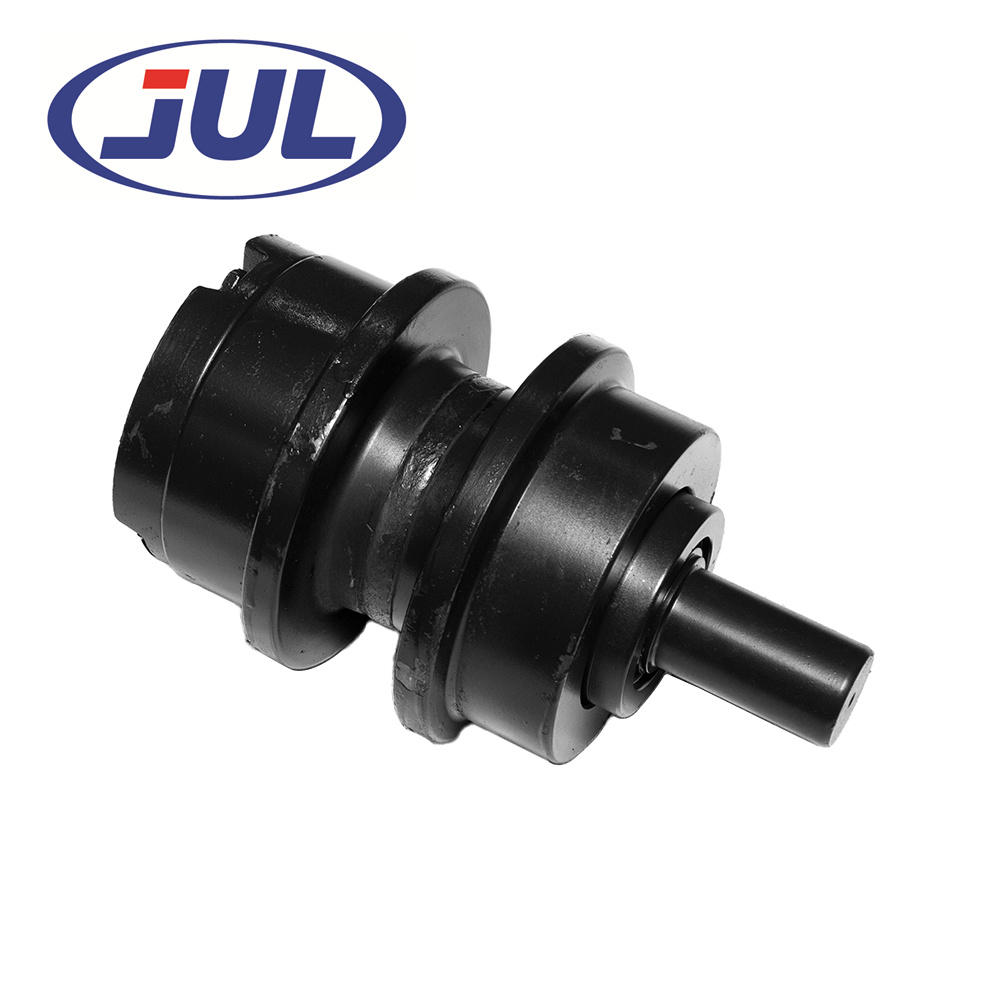
Con lăn vận chuyển (hoặc Con lăn hàng đầu): Những con lăn nhỏ hơn này hỗ trợ trọng lượng của phần trên của xích xích, ngăn chặn nó bị chảy xệ và duy trì độ căng thích hợp. While they don't bear the full weight of the machine, chúng vẫn rất quan trọng để vận hành trơn tru. Khám phá sự khác biệt Tùy chọn con lăn vận chuyển sâu bướm từ một nhà cung cấp chuyên biệt có thể là một cách tiết kiệm chi phí để duy trì tính toàn vẹn của hệ thống.
Người làm biếng và người căng thẳng: Người chạy không tải là một bánh xe lớn ở phía trước (hoặc đôi khi phía sau) của khung ray dẫn xích vào các con lăn. Nó được kết nối với một hệ thống căng thẳng (thường là một xi lanh thủy lực) cho phép người vận hành duy trì đường đi chính xác "chệch" hoặc căng thẳng. Độ căng thích hợp là rất quan trọng; đường ray quá chật sẽ gây ra áp lực lớn và làm tăng tốc độ mài mòn trên tất cả các bộ phận, trong khi đường ray quá lỏng có thể khiến đường ray rơi ra khỏi bánh xích hoặc bánh xích ("hủy theo dõi"). The idler's tread must be hardened to resist wear, và kết cấu chịu lực bên trong của nó phải chắc chắn.
Nhông xích: Đây là cái răng, driven gear at the rear of the machine that engages with the track chain's bushings and propels the machine forward or backward. Là thành phần truyền động cuối cùng, it transfers all the engine's power to the track. Các răng của bánh xích phải được tạo hình chính xác và được làm cứng để ăn khớp trơn tru với ống lót. Như chúng ta đã thảo luận, bất kỳ sự không khớp nào về bước giữa bánh xích và xích đều là công thức dẫn đến thảm họa.
Hiểu được sự tương tác này sẽ làm rõ lý do tại sao cách tiếp cận hệ thống đối với kỹ thuật lại quan trọng đến vậy. Một điểm yếu ở bất kỳ thành phần nào trong số này có thể làm tổn hại đến toàn bộ hệ thống. A great aftermarket engineer doesn't just design a good roller; họ thiết kế một con lăn hoạt động hoàn hảo với xích xích của họ, được thiết kế để ăn khớp hoàn hảo với bánh xích của chúng, tạo nên một bản giao hưởng bền bỉ, chuyển động đáng tin cậy.
Đánh giá uy tín của nhà cung cấp và hệ thống hỗ trợ
Một bộ phận gầm cao cấp không chỉ là sản phẩm của chất liệu thép tốt và thiết kế thông minh; nó là sản phẩm của một tổ chức đáng tin cậy và có thẩm quyền. Khi bạn mua một bộ xích hoặc con lăn, bạn không chỉ mua kim loại—bạn đang có mối quan hệ với nhà cung cấp. Chất lượng của mối quan hệ đó, sự minh bạch trong hoạt động của họ, và độ bền của hệ thống hỗ trợ cũng quan trọng như các đặc tính vật lý của chính bộ phận đó. Linh kiện giá rẻ từ nguồn không rõ nguồn gốc và không được hỗ trợ là một canh bạc. Một bộ phận có giá khá cao từ một nhà cung cấp có uy tín với chế độ bảo hành tốt và chuyên môn kỹ thuật dễ tiếp cận là một khoản đầu tư. Điểm thứ ba trong danh sách kiểm tra của chúng tôi, Vì vậy, chuyển từ sản phẩm tới nhà cung cấp. Bạn phải đánh giá được tư cách và năng lực của công ty đứng đằng sau.
Từ Nhà máy đến Cánh đồng: Tầm quan trọng của chuỗi cung ứng minh bạch
Các bộ phận của bạn thực sự đến từ đâu? In today's globalized economy, đây có thể là một câu hỏi khó trả lời một cách đáng ngạc nhiên. Một công ty có thể có văn phòng bán hàng ở quốc gia của bạn nhưng lấy nguồn linh kiện từ nhiều nhà máy khác nhau trên khắp thế giới, với mức độ kiểm soát chất lượng khác nhau. A transparent and direct supply chain is a powerful indicator of a supplier's credibility.
Nhà cung cấp hàng đầu thường được tích hợp theo chiều dọc, nghĩa là họ kiểm soát nhiều giai đoạn của quá trình sản xuất. Họ có thể không sở hữu nhà máy thép, nhưng họ sẽ có quyền kiểm soát trực tiếp việc rèn, gia công, xử lý nhiệt, và lắp ráp các bộ phận của chúng. Sự kiểm soát này cho phép họ thực thi các tiêu chuẩn chất lượng của mình ở mọi bước. Họ không chỉ đơn giản là một "võ sĩ tái quyền"" những người mua các bộ phận trên thị trường mở và đặt tên cho chúng. Họ là một nhà sản xuất thực sự.
Khi kiểm tra một nhà cung cấp, hỏi về cơ sở sản xuất của họ. Họ ở đâu? Họ có sở hữu nhà máy không, hay họ sử dụng nhà thầu? Họ có thể cung cấp các chuyến tham quan ảo hoặc thậm chí thực tế về dây chuyền sản xuất của họ không? Một công ty tự hào về quy trình sản xuất của mình sẽ công khai và minh bạch về quy trình đó. Họ sẽ có thể cho bạn xem các trung tâm gia công CNC của họ, trạm làm cứng cảm ứng được điều khiển bằng máy tính của họ, và các phòng thí nghiệm kiểm tra chất lượng nghiêm ngặt của họ. Sự minh bạch này tạo dựng niềm tin và thể hiện cam kết thực sự về chất lượng.
Hơn nữa, xem xét mạng lưới hậu cần và phân phối của họ, đặc biệt là trong khu vực của bạn, dù đó là Úc, Đông Nam Á, hoặc Nga. A reliable supply chain isn't just about manufacturing; it's about getting the right part to the right place at the right time. Nhà cung cấp có trung tâm phân phối được thành lập trong khu vực của bạn có thể giảm đáng kể thời gian và chi phí vận chuyển. Nhiều khả năng họ có sẵn các bộ phận cụ thể cho máy của bạn trong kho, giảm thiểu thời gian ngừng hoạt động của bạn. Năng lực hậu cần này là dấu hiệu của một tổ chức trưởng thành và hoạt động tốt, hiểu được nhu cầu cấp thiết của ngành công nghiệp thiết bị nặng (chết tiệt, 2013).
Bàn 2: Danh sách kiểm tra đánh giá nhà cung cấp
| Khu vực đánh giá | Những câu hỏi chính cần hỏi | Phản hồi lý tưởng / Chỉ báo tích cực | Cờ đỏ / Chỉ báo tiêu cực |
|---|---|---|---|
| Chế tạo & Chất lượng | Bạn có phải là nhà sản xuất? Nhà máy của bạn ở đâu? Bạn có phải là ISO không 9001 được chứng nhận? | Nhà sản xuất trực tiếp, minh bạch về cơ sở vật chất, ISO hiện tại 9001 chứng nhận. | Re-boxer/nhà kinh doanh, lảng tránh nguồn gốc, không có chứng nhận chất lượng. |
| Kỹ thuật & Thiết kế | Các bộ phận của bạn được rèn hoặc đúc? Bạn có thể giải thích quá trình xử lý nhiệt của bạn? Bạn đã thực hiện những cải tiến thiết kế nào qua OEM? | Các bộ phận chịu ứng suất cao được rèn, giải thích chi tiết về quá trình làm cứng sâu, ví dụ rõ ràng về sự đổi mới (VÍ DỤ., con dấu). | Tất cả các bộ phận được đúc, mơ hồ về xử lý nhiệt ("it's hardened"), các bộ phận chỉ là "OEM-spec" bản sao. |
| Sự bảo đảm & Ủng hộ | Thời gian bảo hành là gì và nó bao gồm những gì? Tôi phải đến đâu để yêu cầu bồi thường? Bạn có nhân viên hỗ trợ kỹ thuật không? | Thông thoáng, bảo hành toàn diện (VÍ DỤ., 3000 giờ/2 năm), quy trình yêu cầu cục bộ hoặc đáp ứng, kỹ sư có thể truy cập. | mơ hồ, tỷ lệ, hoặc chỉ bảo hành từng bộ phận; quy trình yêu cầu bồi thường phức tạp hoặc quốc tế; chỉ có nhân viên bán hàng. |
| Sự hiện diện khu vực | Bạn có nhà kho hoặc nhà phân phối ở khu vực của tôi không (VÍ DỤ., Châu Úc, Trung đông)? Thời gian dẫn điển hình là gì? | Thành lập trung tâm phân phối khu vực, có sẵn các bộ phận thông thường, thời gian thực hiện ngắn. | Chỉ vận chuyển từ một kho trung tâm ở nước ngoài, thời gian thực hiện dài và không thể đoán trước. |
| Danh tiếng & Lịch sử | Bạn đã kinh doanh được bao lâu? Bạn có thể cung cấp các nghiên cứu điển hình hoặc tài liệu tham khảo từ khách hàng trong ngành/khu vực của tôi không? | Lịch sử công ty lâu dài, lời chứng thực tích cực và có thể kiểm chứng của khách hàng và nghiên cứu điển hình. | Công ty mới không có hồ sơ theo dõi, không thể hoặc không muốn cung cấp tài liệu tham khảo. |
| Phạm vi sản phẩm | Bạn cung cấp hệ thống gầm xe hoàn chỉnh hay chỉ các bộ phận riêng lẻ? Bạn có cung cấp các bộ phận khác như xô hoặc máy xới không? | Một loạt các thành phần khung gầm tích hợp và các GET khác. | Giới hạn, lựa chọn rải rác chỉ phổ biến nhất, bộ phận chuyển động nhanh. |
Bảo hành và hỗ trợ kỹ thuật: Mạng lưới an toàn của bạn chống lại sự thất bại sớm
Cho dù nhà sản xuất có tốt đến đâu, thất bại vẫn có thể xảy ra. Áp lực lớn đặt lên các bộ phận của khung gầm có nghĩa là sẽ luôn có một khả năng nhỏ nhưng thực sự xảy ra lỗi hoặc hỏng hóc sớm.. Điều tạo nên sự khác biệt giữa một nhà cung cấp tuyệt vời và một nhà cung cấp kém là cách họ xử lý những tình huống này. Chế độ bảo hành chặt chẽ và hỗ trợ kỹ thuật dễ tiếp cận là mạng lưới an toàn của bạn, biến một thảm họa tiềm tàng thành một vấn đề có thể quản lý được.
Đầu tiên, kiểm tra chính sách bảo hành. Một nhà sản xuất tự tin sẽ hỗ trợ sản phẩm của họ với chế độ bảo hành rõ ràng và toàn diện. Hãy tìm thời lượng, thường được thể hiện bằng cả số giờ làm việc và tháng dương lịch (VÍ DỤ., "3000 giờ hoặc 24 tháng, tùy điều kiện nào đến trước"). A longer warranty period is a direct signal of the manufacturer's confidence in their product's longevity.
Cũng, xem xét kỹ những gì được bảo hành. Nó chỉ bao gồm phần thay thế, hay nó cũng góp phần vào chi phí nhân công sửa chữa? Nó có bao gồm "thiệt hại do hậu quả" không—ví dụ, nếu một con lăn bị hỏng làm hỏng đường ray, liên kết cũng được bảo hiểm? Bảo hành theo tỷ lệ, cung cấp giá trị giảm dần khi bộ phận được sử dụng, ít được mong muốn hơn một bảo hành thay thế đầy đủ. Đọc bản in đẹp. Có những điều kiện không hợp lý nào có thể làm mất hiệu lực bảo hành, such as requiring exclusive use of that brand's parts across the entire machine?
Quan trọng không kém là quy trình yêu cầu bảo hành. Nếu một bộ phận bị hỏng tại nơi làm việc ở vùng nông thôn nước Úc, bạn nộp đơn yêu cầu bằng cách nào? Bạn có phải vận chuyển hàng nặng không, bộ phận bị hỏng gửi lại nhà máy ở nước khác bằng chi phí của bạn? Nhà cung cấp uy tín sẽ có quy trình tinh gọn, thường được xử lý thông qua nhà phân phối khu vực của họ. Họ sẽ có thủ tục kiểm tra rõ ràng (thường sử dụng hình ảnh và số đo) và sẽ đưa ra quyết định công bằng và kịp thời.
Ngoài bảo hành, xem xét sự sẵn có của hỗ trợ kỹ thuật. Điều gì xảy ra khi bạn có câu hỏi về việc cài đặt, hoặc khi bạn nhận thấy một kiểu mòn bất thường? Bạn có thể nói chuyện với người hiểu về hệ thống gầm xe không, hoặc bạn đang gặp khó khăn với một nhân viên bán hàng chỉ biết số bộ phận? Một nhà cung cấp cao cấp các giải pháp hậu mãi cho khung gầm Caterpillar sẽ có các kỹ thuật viên hoặc kỹ sư giàu kinh nghiệm trong đội ngũ nhân viên có thể đưa ra lời khuyên chân thành. Họ có thể giúp bạn chẩn đoán vấn đề, đề xuất các bộ phận chính xác cho một ứng dụng cụ thể, và hướng dẫn các thủ tục bảo trì. Chuyên môn này là một nguồn tài nguyên vô giá giúp tăng thêm giá trị đáng kể ngoài chính bộ phận đó.
Đọc giữa dòng: Phân tích đánh giá của khách hàng và nghiên cứu điển hình
Trong thời đại thông tin, phản hồi trực tiếp từ người dùng khác là một công cụ mạnh mẽ. Tuy nhiên, bạn phải học cách phân tích phản hồi này một cách nghiêm túc. Không phải tất cả các đánh giá đều được tạo ra như nhau, và một người mua hiểu biết biết cách đọc giữa các dòng.
Bắt đầu bằng cách tìm kiếm lời chứng thực chi tiết và nghiên cứu điển hình, tốt nhất là từ các công ty trong ngành và khu vực của bạn. Một câu chung chung "Những phần tuyệt vời, vận chuyển nhanh!" việc xem xét lại sẽ ít hữu ích hơn một báo cáo chi tiết từ một nhà điều hành khai thác mỏ ở Tây Úc, người ghi lại việc đạt được 4,000 giờ phục vụ trên một chuỗi xích theo dõi hậu mãi trong điều kiện có độ mài mòn cao. Một nhà cung cấp chất lượng sẽ tích cực thu thập và xuất bản những nghiên cứu điển hình này. Chúng là một dạng bằng chứng, demonstrating their product's performance in a real-world context.
Khi đọc đánh giá, tìm kiếm các mẫu. Một đánh giá tiêu cực có thể là một điều bất thường, nhưng nếu nhiều khách hàng từ các khu vực khác nhau báo cáo cùng một chế độ lỗi—ví dụ:, "các chốt của đường ray bị lỏng sau 500 giờ"—đó là một lá cờ đỏ quan trọng. Ngược lại, if multiple users praise the supplier's excellent customer service in handling a warranty claim, that speaks volumes about the company's integrity.
Hãy cảnh giác với các nguồn. Reviews on the supplier's own website are naturally going to be curated. Tìm kiếm phản hồi trên các diễn đàn công nghiệp độc lập, nhóm truyền thông xã hội dành cho người vận hành thiết bị nặng, hoặc thông qua mạng lưới chuyên nghiệp của riêng bạn. Hỏi những người quản lý đội xe hoặc chủ sở hữu-điều hành khác trong khu vực của bạn xem trải nghiệm của họ với các thương hiệu hậu mãi khác nhau như thế nào. This word-of-mouth reputation is often the most honest and reliable indicator of a supplier's true quality and service level.
Cuối cùng, consider the supplier's response to negative feedback. Liệu một công ty nhận được khiếu nại của công chúng có bỏ qua nó không? Hay họ phản hồi một cách chuyên nghiệp, đề nghị điều tra vấn đề và làm cho nó đúng? Một nhà cung cấp tham gia tích cực vào việc phê bình sẽ thể hiện trách nhiệm giải trình và cam kết mang lại sự hài lòng cho khách hàng. This public behavior can be a very telling glimpse into the company's culture.
Chuyên môn khu vực: Why a Supplier's Presence in Your Market Matters
Thế giới thiết bị nặng không phải là nguyên khối. Những thách thức mà máy phải đối mặt trong điều kiện ẩm ướt, Điều kiện bùn lầy ở Đông Nam Á rất khác so với vùng núi đá, Trung Đông khô cằn hay mặt đất đóng băng của mùa đông nước Nga. Một nhà cung cấp có kiến thức chuyên môn thực sự trong khu vực và sự hiện diện thực tế tại thị trường của bạn sẽ mang lại những lợi thế đáng kể.
Sự hiện diện trong khu vực, dù thông qua một chi nhánh do công ty sở hữu hay một cơ quan chuyên trách, nhà phân phối lâu dài, có nghĩa là nhà cung cấp có "da trong trò chơi" trong thị trường của bạn. Họ không phải là một thực thể vô danh ở lục địa khác; họ là một phần của cộng đồng doanh nghiệp địa phương của bạn. Sự hiện diện tại địa phương này thường giúp bạn hiểu rõ hơn về những thách thức hoạt động cụ thể của mình. Họ sẽ biết thiết kế giày chạy bộ nào phù hợp nhất với điều kiện đất đai địa phương của bạn. Họ sẽ có kinh nghiệm về các chế độ lỗi thường gặp trên các máy ở khu vực của bạn. Họ có thể đưa ra lời khuyên phù hợp, cụ thể, và áp dụng ngay.
Sự hiện diện trong khu vực này cũng mang lại lợi ích thiết thực to lớn. Như đã đề cập, nó có nghĩa là các bộ phận sẵn có tốt hơn và thời gian thực hiện ngắn hơn. Khi máy bị hỏng, chờ đợi hàng tuần để làm thủ tục hải quan không phải là một lựa chọn. Một nhà kho địa phương thường có thể cung cấp cho bạn sản phẩm bạn cần trong vòng một ngày. Chỉ riêng lợi thế hậu cần này đã có thể biện minh cho việc lựa chọn nhà cung cấp có mạng lưới khu vực mạnh mẽ..
Hơn nữa, sự hiện diện tại địa phương giúp đơn giản hóa mọi thứ từ bán hàng đến dịch vụ. Bạn có thể xây dựng mối quan hệ với một đại diện địa phương, người nói ngôn ngữ của bạn và hiểu doanh nghiệp của bạn. Nếu có vấn đề về bảo hành, bạn có một đầu mối liên hệ tại địa phương để giúp bạn giải quyết vấn đề đó. Nếu bạn cần tư vấn kỹ thuật khẩn cấp, bạn có thể nói chuyện với ai đó trong múi giờ của riêng bạn. Mức độ tiếp cận và hỗ trợ này cực kỳ có giá trị và là điều gì đó xa vời., các nhà cung cấp chỉ có internet hiếm khi có thể sánh được. Khi đánh giá các lựa chọn của bạn cho các giải pháp hậu mãi dành cho khung gầm Caterpillar, đặt giá trị cao cho những nhà cung cấp đã đầu tư vào việc xây dựng sự hiện diện thực sự ở một góc thế giới của bạn.
Tổng chi phí sở hữu (TCO) vs. Giá mua ban đầu
Có lẽ sự thay đổi khái niệm quan trọng nhất mà người quản lý đội xe hoặc chủ sở hữu-người điều hành có thể thực hiện là chuyển từ suy nghĩ về "giá cả"." để suy nghĩ về "chi phí." Giá mua ban đầu của một bộ phận gầm xe chỉ là phần nổi của tảng băng trôi. Chi phí thực sự - Tổng chi phí sở hữu (TCO)—là một con số lớn hơn và phức tạp hơn nhiều, không chỉ bao gồm giá mua mà còn cả chi phí lắp đặt, tuổi thọ dự kiến của bộ phận, tác dụng của nó lên các thành phần khác, Và, phê bình nhất, chi phí ngừng hoạt động của máy. Một bộ phận rẻ tiền bị hỏng sớm thường là bộ phận đắt nhất bạn có thể mua. Điểm thứ tư trong danh sách kiểm tra của chúng tôi là lời kêu gọi áp dụng tư duy TCO. Nó đòi hỏi kỷ luật và sự sẵn sàng nhìn xa hơn khoản tiết kiệm ngay lập tức trên hóa đơn, nhưng đó là cách hợp lý duy nhất để quản lý chi phí lớn cho việc bảo trì gầm xe.
Tương tự tảng băng trôi: Khám phá chi phí ẩn giấu của khung gầm
Tảng băng trôi là một sự tương tự hoàn hảo cho TCO. Phần nhìn thấy được, nổi trên mặt nước, là giá mua. It's easy to see, dễ so sánh, and it's what most people focus on. Nhưng rộng lớn, khối lượng ẩn của tảng băng trôi bên dưới mực nước đại diện cho các chi phí liên quan khác. Chính khối lượng tiềm ẩn này có thể nhấn chìm ngân sách của bạn.
Let's break down what's below the surface. Đầu tiên, có chi phí nhân công lắp đặt. Phải mất một lượng thời gian lao động đáng kể để tháo dỡ một khung gầm cũ và lắp một khung gầm mới. Let's say a complete undercarriage replacement costs you 40 giờ lao động kỹ thuật viên. Nếu bạn mua một bộ nhóm bài hát giá rẻ chỉ kéo dài 2,000 giờ, bạn sẽ phải chịu chi phí lao động 40 giờ đó gấp đôi trong khoảng thời gian 4.000 giờ. Thay vào đó, nếu bạn đã mua một bộ hậu mãi cao cấp kéo dài 4,000 giờ, bạn sẽ chỉ phải trả chi phí lao động đó một lần. Việc “tiết kiệm" những bộ phận rẻ tiền sẽ nhanh chóng bị tiêu hao bởi lượng lao động dư thừa.
Thứ hai, có chi phí hao mòn nhanh trên các thành phần khác. As we've discussed, một xích xích chất lượng kém với bước xích không chính xác có thể nhanh chóng phá hủy một xích hoàn toàn tốt, và rất đắt, bánh xích OEM. Một con lăn được làm kín kém, bị kẹt có thể gây ra hiện tượng khoét và hư hỏng các liên kết đường ray chạy qua nó. Những “thiệt hại hậu quả” này" là chi phí trực tiếp do bộ phận có chất lượng thấp.
thứ ba, và cho đến nay chi phí ẩn lớn nhất, là chi phí của thời gian ngừng hoạt động đột xuất. Khi máy bị hỏng đột ngột do bộ phận khung gầm bị hỏng, chi phí nhân lên nhanh chóng. You have the direct cost of the machine being unproductive—it's not earning revenue. Bạn có thể có một nhà điều hành đang được trả tiền để chờ đợi. Bạn có thể có các máy móc khác ở nơi làm việc—xe tải, máy xúc—hiện đang ở trạng thái không hoạt động do máy ủi hoặc máy xúc không hoạt động. Bạn có thể phải đối mặt với hình phạt vì thiếu thời hạn dự án. Chi phí ngừng hoạt động này có thể dễ dàng lên tới hàng nghìn, thậm chí hàng chục nghìn đô la mỗi ngày. Một sự cố nghiêm trọng của một bộ phận giá rẻ có thể khiến bạn tốn nhiều thời gian ngừng hoạt động hơn toàn bộ giá của một khung gầm OEM cao cấp. Mô hình TCO buộc bạn phải định lượng rủi ro này và đưa nó vào quyết định của bạn.
Tính TCO: Khung thực hành dành cho người quản lý đội xe
Việc tính toán TCO chính xác có vẻ khó khăn, nhưng ngay cả một khuôn khổ đơn giản hóa cũng tốt hơn nhiều so với việc chỉ dựa vào giá mua. Let's create a basic model. Bạn cần so sánh hai tùy chọn cho một tập hợp nhóm theo dõi: tùy chọn cấp thấp và tùy chọn hậu mãi cao cấp.
Đầu tiên, thu thập thông tin đầu vào của bạn cho mỗi tùy chọn:
- P: Giá mua linh kiện.
- L: Chi phí nhân công lắp đặt (Số giờ kỹ thuật viên x Mức tính theo giờ).
- H: Tuổi thọ dự kiến tính theo giờ sử dụng (phải thực tế và sử dụng dữ liệu từ các nhà cung cấp, nghiên cứu trường hợp, hoặc kinh nghiệm của riêng bạn).
- D: Chi phí ngừng hoạt động cho một chu kỳ thay thế (Doanh thu bị mất/ngày x Số ngày sửa chữa). Đây là do sự cố đột xuất, so it's a risk factor.
Hiện nay, chúng ta có thể tính toán "Chi phí mỗi giờ" cho mỗi lựa chọn. Công thức cơ bản là: Chi phí mỗi giờ = (P + L) / H
Let's use an example for a mid-size dozer:
Lựa chọn A: Hậu mãi cấp thấp
- P = $12,000
- L = $3,200 (40 giờ @ $80/giờ)
- H = 2,500 giờ (yêu cầu của nhà cung cấp, but your experience suggests it's optimistic)
- Chi phí mỗi giờ = ($12,000 + $3,200) / 2,500 giờ = $6.08 mỗi giờ
Lựa chọn B: Hậu mãi cao cấp
- P = $18,000
- L = $3,200 (40 giờ @ $80/giờ)
- H = 4,500 giờ (được hỗ trợ bởi bảo hành và nghiên cứu trường hợp)
- Chi phí mỗi giờ = ($18,000 + $3,200) / 4,500 giờ = $4.71 mỗi giờ
Trong kịch bản này, mặc dù tùy chọn cao cấp có 50% giá mua cao hơn, chi phí mỗi giờ hoạt động của nó đã kết thúc 22% thấp hơn. “rẻ hơn" tùy chọn thực sự đắt hơn trong thời gian dài.
Hiện nay, let's factor in the risk of downtime. Let's say there's a 25% có khả năng các bộ phận cấp thấp sẽ gặp phải sự cố nghiêm trọng trước khi đạt được tuổi thọ như mong đợi, gây ra 3 ngày ngừng hoạt động với chi phí là $5,000 mỗi ngày. Chi phí điều chỉnh rủi ro là 0.25 x (3 x $5,000) = $3,750. If we add this to the low-tier option's cost over its life, TCO thậm chí còn trở nên tồi tệ hơn. Phần cao cấp, với sự kiểm soát chất lượng cao hơn và bảo hành tốt hơn, có thể chỉ có một 5% cơ hội thất bại như vậy.
Kiểu phân tích này chuyển đổi quyết định mua hàng từ quyết định mang tính cảm xúc dựa trên cú sốc nhãn dán sang quyết định hợp lý., quyết định kinh doanh dựa trên dữ liệu. Nó cung cấp một lý do hợp lý cho việc đầu tư vào chất lượng. Là người quản lý, bạn có thể sử dụng khuôn khổ này để bảo vệ sự lựa chọn của mình về các giải pháp hậu mãi khung gầm Caterpillar chất lượng cao cho quản lý cấp cao hoặc khách hàng.
Tác động của thời gian ngừng hoạt động: Làm thế nào một bộ phận rẻ có thể trở thành bộ phận đắt nhất của bạn
Let's humanize the cost of downtime. Hãy tưởng tượng bạn đang quản lý một dự án xây dựng đường ở một vùng xa xôi của Châu Phi. Bạn có một thời hạn chặt chẽ. Máy ủi chính của bạn, được trang bị mới được cài đặt, chuỗi theo dõi chi phí thấp, gặp thất bại. Một mắt xích bị nứt và dây xích bị tách ra. Máy móc nằm bất động giữa công trình.
Điều gì xảy ra tiếp theo? Tổng đài gọi cho bạn. Bạn phải cử một xe tải dịch vụ hiện trường có ít nhất hai kỹ thuật viên. Họ có thể phải di chuyển hàng giờ để đến được địa điểm. Họ chẩn đoán vấn đề, but you don't have a spare track chain on hand because you weren't expecting a failure so soon. Bạn gọi cho nhà cung cấp, ai sống ở một đất nước khác. Họ sẽ mất hai ngày để xử lý đơn đặt hàng và một tuần để vận chuyển bộ phận đó bằng đường hàng không, với chi phí rất lớn. Thế thì phải làm thủ tục hải quan. Tình huống tốt nhất, bạn được tham gia 10 ngày.
Đối với những 10 ngày, toàn bộ dự án của bạn bị tê liệt. Máy xúc đang cấp liệu cho máy nghiền không hoạt động. Những chiếc xe tải chở vật liệu đang đỗ. Toàn bộ phi hành đoàn của bạn hoặc bị đuổi về nhà hoặc được trả lương vì thời gian không hiệu quả. Dự án của bạn bị chậm tiến độ, và bạn bắt đầu phải đối mặt với các hình phạt hoàn thành muộn từ khách hàng của mình. Tổng chi phí của sai sót duy nhất này - chi phí vận chuyển hàng không, cuộc gọi kỹ thuật viên khẩn cấp, hạm đội nhàn rỗi, các khoản phạt hợp đồng—có thể dễ dàng vượt quá $50,000. Số tiền đó có thể mua được hai bộ gầm xe cao cấp chất lượng cao nhất hiện có.
Đây không phải là một kịch bản xa vời. Nó xảy ra hàng ngày trên khắp thế giới. Đó là thực tế tàn khốc về những gì sẽ xảy ra khi quyết định mua hàng chỉ dựa trên mức giá ban đầu. Chi phí thực sự của một bộ phận không phải là số tiền bạn phải trả cho nó, nhưng bạn sẽ phải trả giá thế nào khi nó thất bại. Tư duy TCO là, Vì vậy, một hình thức quản lý rủi ro. Bằng cách đầu tư vào các bộ phận chất lượng từ các nhà cung cấp có uy tín, bạn đang mua độ tin cậy. Bạn đang mua khả năng dự đoán. Bạn đang mua bảo hiểm để chống lại chi phí thảm khốc của thời gian ngừng hoạt động đột xuất.
Cân bằng chất lượng và ngân sách: Đi tìm “điểm ngọt ngào”" trong Giải pháp hậu mãi
Áp dụng tư duy TCO không có nghĩa là bạn phải luôn mua tùy chọn đắt nhất hiện có, thường là phần OEM. Mục tiêu không phải là chi tiêu nhiều nhất, nhưng để đạt được chi phí mỗi giờ thấp nhất có thể. Đây là nơi các giải pháp hậu mãi cao cấp tìm thấy "điểm hấp dẫn" của chúng."
Các bộ phận OEM đặt ra tiêu chuẩn về chất lượng và hiệu suất, nhưng chúng có giá cao, partly to cover the manufacturer's vast R&D và chi phí tiếp thị. Các bộ phận hậu mãi cấp thấp có giá ban đầu rất thấp nhưng có nguy cơ hỏng hóc sớm cao đến mức không thể chấp nhận được và TCO cao, như chúng tôi đã chứng minh.
Thị trường hậu mãi cao cấp chiếm vị trí trung gian có giá trị. Các nhà sản xuất này đã nghiên cứu thiết kế OEM, hiểu khoa học vật liệu, và được đầu tư hiện đại, sản xuất được kiểm soát chất lượng. Họ thậm chí có thể đã thiết kế những cải tiến cho thiết kế ban đầu. Bởi vì họ có cơ cấu công ty gọn gàng hơn và đặc biệt tập trung vào các bộ phận có độ mài mòn cao, họ có thể cung cấp một sản phẩm có hiệu suất gần bằng, hoặc đôi khi thậm chí còn vượt quá, tiêu chuẩn OEM, nhưng với giá mua thấp hơn đáng kể (thường 20-40% ít hơn).
Đây là điểm ngọt ngào. Bằng cách chọn một nhà cung cấp hậu mãi cao cấp, bạn có thể đạt được chi phí mỗi giờ thường thấp hơn cả OEM và các tùy chọn hậu mãi giá rẻ. Bạn có được tuổi thọ lâu dài và độ tin cậy cần thiết để giảm thiểu thời gian ngừng hoạt động, nhưng không có số vốn ban đầu cao khi mua từ đại lý.
Để tìm ra điểm hấp dẫn này đòi hỏi bạn phải làm bài tập về nhà được nêu trong danh sách kiểm tra này. Bạn phải nghiên cứu nguyên liệu và chế tạo (Điểm 1), đánh giá trí thông minh kỹ thuật (Điểm 2), and verify the supplier's credibility and support (Điểm 3). Khi bạn kết hợp sự thẩm định đó với phân tích TCO nghiêm ngặt (Điểm 4), bạn đang ở vị thế mạnh mẽ nhất có thể để đưa ra quyết định vừa thận trọng về mặt tài chính vừa hợp lý về mặt hoạt động. Bạn không còn chỉ mua các bộ phận; you are making a strategic investment in your fleet's productivity and your business's profitability.
Sức mạnh tổng hợp lựa chọn và bảo trì dành riêng cho ứng dụng
Phần cuối cùng của câu đố liên quan đến việc nhận ra hai sự thật sâu sắc về quản lý gầm xe. Đầu tiên, không phải tất cả các trang web việc làm đều được tạo ra như nhau. Khung gầm lý tưởng cho máy ủi làm việc ở môi trường mềm, đất cát khác với đất làm việc chăm chỉ, đá nhọn. Chọn một bộ phận được tối ưu hóa cho ứng dụng cụ thể của nó là một bước quan trọng để tối đa hóa tuổi thọ của nó. Thứ hai, an undercarriage's lifespan is not solely determined by the quality of its parts. Đó là kết quả của mối quan hệ cộng sinh giữa chất lượng của các bộ phận và chất lượng bảo trì mà chúng nhận được.. Một bộ phận lớn có thể bị phá hủy do bảo trì kém, trong khi ngay cả những bộ phận tầm thường cũng có thể được kéo dài tuổi thọ nhờ sự chăm sóc tận tình. Điểm cuối cùng trong danh sách kiểm tra của chúng tôi là về việc tạo ra sức mạnh tổng hợp mạnh mẽ giữa lựa chọn thông minh và bảo trì chủ động.
Khớp bộ phận với địa hình: Tác động cao so với. Môi trường mài mòn cao
Thinking about your machine's working environment is crucial. Chúng ta có thể phân loại hầu hết các trang web việc làm thành hai loại: tác động cao và mài mòn cao.
Môi trường có tác động cao: Đây là những điều kiện liên quan đến lớn, vật cứng có thể va vào gầm xe. Các ví dụ phổ biến bao gồm các địa điểm phá dỡ bằng bê tông bị hỏng, mỏ đá có đá nổ lớn (bắn đá), hoặc hoạt động khai thác gỗ bằng gốc cây và đá cuội. Trong những môi trường này, rủi ro chính không phải là hao mòn dần dần, nhưng bị gãy hoặc uốn cong đột ngột. Giày thể thao có thể bị nứt, một liên kết theo dõi có thể bị uốn cong, hoặc mặt bích con lăn có thể bị gãy do một tác động duy nhất.
Đối với các ứng dụng có tác động cao, độ dẻo dai của thép là quan trọng nhất. Điều này quay trở lại cuộc thảo luận của chúng ta về khoa học vật liệu và xử lý nhiệt.. Bạn cần các bộ phận được làm từ thép rèn chất lượng cao đã được tôi luyện đúng cách để hấp thụ chấn động mà không bị gãy. Trong khi độ cứng bề mặt vẫn quan trọng, một phần quá cứng và giòn có thể là một trách nhiệm pháp lý ở đây. Bạn cũng có thể chọn các thành phần cụ thể được thiết kế cho công việc này. Ví dụ, "dịch vụ cực đỉnh" hay "dịch vụ cực đỉnh" giày thể thao dày hơn và được thiết kế chắc chắn hơn để chống uốn cong và nứt. Việc lựa chọn các giải pháp hậu mãi cho khung gầm Caterpillar phải ưu tiên độ bền và khả năng chống va đập lên trên hết.
Môi trường mài mòn cao: Đây là những điều kiện liên quan đến nhỏ, các hạt cứng liên tục mài mòn ở các bộ phận gầm xe. Đất cát, hoạt động sỏi, và nhiều môi trường khai thác thuộc loại này. Đây, kẻ thù chính là hao mòn dần dần. Cát và sạn tạo thành hợp chất mài mòn từ từ làm xói mòn các bề mặt cứng của đường ray, con lăn, người lười biếng, và bánh xích.
Đối với các ứng dụng có độ mài mòn cao, độ cứng bề mặt và độ sâu của độ cứng đó là những đặc điểm quan trọng nhất. Bạn cần các bộ phận có độ sâu, vỏ cứng đồng nhất có thể chịu được sự mài mòn liên tục này càng lâu càng tốt. Các bộ phận có thêm vật liệu mài mòn, giống như "hi-rail" theo dõi các liên kết chúng ta đã thảo luận trước đó, có thể mang lại sự kéo dài tuổi thọ đáng kể trong những điều kiện này. The material's ability to resist being worn away, "khả năng chống mài mòn của nó," là thuộc tính quan trọng cần tìm. Đây là lúc chất lượng của quá trình xử lý nhiệt thực sự thể hiện giá trị của nó.
Nhiều trang web việc làm, tất nhiên rồi, là sự kết hợp giữa va đập và mài mòn. Điều quan trọng là phân tích các điều kiện vận hành chính của bạn và thảo luận chúng với nhà cung cấp phụ tùng của bạn. Một nhà cung cấp hiểu biết có thể đóng vai trò là nhà tư vấn, giúp bạn chọn sự kết hợp phù hợp của các thành phần—loại giày thể thao phù hợp, loại xích phù hợp—để xây dựng một hệ thống bánh xe được tối ưu hóa cho thế giới của bạn.
Mối quan hệ cộng sinh giữa các bộ phận và thực hành bảo trì
Bạn có thể mua thứ tốt nhất, gầm xe đắt nhất thế giới, nhưng nếu bạn không bảo trì nó đúng cách, bạn sẽ lãng phí tiền của mình. Ngược lại, một chương trình bảo trì có kỷ luật có thể tận dụng từng giờ cuối cùng của tuổi thọ các bộ phận của bạn. Mối quan hệ là cộng sinh; các bộ phận chất lượng đáp ứng tốt hơn để bảo trì tốt, và bảo trì tốt sẽ bảo vệ khoản đầu tư của bạn vào các bộ phận có chất lượng.
Thực hành bảo trì cơ bản nhất là vệ sinh thường xuyên. Gầm xe nên được làm sạch thường xuyên nhất có thể, lý tưởng nhất là vào cuối mỗi ca. Bùn đóng gói, Sỏi, và các mảnh vụn có thể gây ra nhiều vấn đề. Nó làm tăng trọng lượng của gầm xe, cướp điện của máy. Nó có thể ngăn con lăn quay, tạo ra các điểm bằng phẳng khi đường đi qua chúng. Ở vùng khí hậu băng giá, bùn đóng gói có thể đóng băng rắn qua đêm, Giữ chặt toàn bộ khung gầm một cách hiệu quả và gây áp lực lớn lên động cơ truyền động và chốt theo dõi khi người vận hành cố gắng di chuyển máy vào buổi sáng. Rửa áp lực đơn giản trong 15 phút vào cuối ngày là một trong những khoản đầu tư mang lại lợi nhuận cao nhất mà bạn có thể thực hiện cho cuộc sống của khung gầm.
Một thực hành quan trọng khác là duy trì độ căng của đường đua thích hợp, hoặc "chảy xệ." Đường ray quá chật là một trong những lỗi phổ biến và nguy hiểm nhất trong quản lý gầm xe. Nó làm tăng đáng kể ma sát và tải trọng trên toàn bộ hệ thống, tăng tốc độ mài mòn trên chân, sứ xuyên, bánh xích, người lười biếng, và con lăn. It's like driving your car with the parking brake partially engaged. Đường đua lỏng lẻo quá cũng có vấn đề, vì nó có thể đi lang thang và làm cho máy mất dấu vết. Mỗi máy đều có một quy trình và phép đo cụ thể để thiết lập độ võng chính xác. Điều này cần được kiểm tra thường xuyên và điều chỉnh khi điều kiện thay đổi.
Kỹ thuật điều hành cũng đóng một vai trò lớn. Người vận hành hiểu cách giảm thiểu độ mòn của gầm xe có thể giúp bạn tiết kiệm rất nhiều tiền. Điều này bao gồm những thói quen đơn giản như giảm thiểu việc đi ngược chiều tốc độ cao (điều này gây ra sự mài mòn nhiều hơn ở phía dẫn động lùi của ống lót đường ray), làm rộng, quay dần dần thay vì xoay trục sắc nét, và cố gắng cân bằng lượng rẽ theo từng hướng. Đào tạo người vận hành về những phương pháp thực hành tốt nhất này là một phần quan trọng của bất kỳ chương trình quản lý khung gầm toàn diện nào.
Kéo dài tuổi thọ gầm xe: Chủ động kiểm tra và chăm sóc
Chìa khóa để kéo dài tuổi thọ của khung gầm là chuyển từ trạng thái phản ứng ("sửa nó khi nó bị hỏng") đến sự chủ động ("quản lý trang phục") suy nghĩ. Điều này đòi hỏi phải kiểm tra thường xuyên và có hệ thống. Một kỹ thuật viên hoặc người vận hành có kinh nghiệm có thể học cách "đọc" các kiểu hao mòn trên gầm xe và hành động để tối đa hóa tuổi thọ của nó.
Một trong những biện pháp chủ động quan trọng nhất là quản lý "tuổi thọ hao mòn" của các chốt và ống lót trên xích xích kín và được bôi trơn. Khi máy hoạt động, chốt bên trong và ống lót bị mòn ở một bên. Sau một thời gian mặc nhất định (có thể đo được), vẫn còn sự sống đáng kể ở phía bên kia. Một vòng quay "pin và ống lót" là một quy trình bảo trì trong đó chuỗi đường ray được loại bỏ, và mỗi chốt và ống lót được ép ra và xoay 180 độ. Điều này bộc lộ một sự tươi mới, bề mặt chưa mòn của bánh xích, thiết lập lại đồng hồ hao mòn một cách hiệu quả và thường tăng gấp đôi tuổi thọ của xích xích với chi phí chỉ bằng một phần nhỏ so với xích mới. Biết khi nào thực hiện lượt này—không quá sớm và không quá muộn—là một kỹ năng quan trọng.
Đo gầm xe thường xuyên là nền tảng của phương pháp chủ động này. Sử dụng dụng cụ và thước cặp siêu âm chuyên dụng, kỹ thuật viên có thể đo độ mòn còn lại trên tất cả các bộ phận chính: theo dõi chiều cao đường sắt liên kết, đường kính mặt lăn, hồ sơ răng bánh xích, vân vân. Các phép đo này có thể được theo dõi theo thời gian để dự đoán khi nào các bộ phận sẽ đạt đến giới hạn hao mòn. Điều này cho phép bạn lập kế hoạch thay thế một cách có trật tự, sắp xếp thời gian ngừng hoạt động thay vì buộc bạn phải làm điều đó. Nó cũng cho phép bạn đưa ra quyết định thông minh, như thay một bánh xích bị mòn cùng lúc với xích xích để đảm bảo các bộ phận mới bắt đầu hoạt động bình đẳng với nhau. Nhiều nhà cung cấp dịch vụ hậu mãi cao cấp cung cấp các dịch vụ kiểm tra gầm xe này như một phần trong hoạt động hỗ trợ khách hàng của họ.
Giải pháp tùy chỉnh: When Standard Aftermarket Parts Aren't Enough
Đối với phần lớn các ứng dụng, cấu hình tiêu chuẩn từ nhà cung cấp hậu mãi chất lượng sẽ mang lại hiệu suất và giá trị tuyệt vời. Tuy nhiên, có những ứng dụng độc đáo và cực đoan cần có giải pháp tùy chỉnh. Điều này có thể dành cho một cỗ máy làm việc trong môi trường cực kỳ ăn mòn như mỏ muối, hoặc một loại máy chuyên dụng như lớp đường ống gây áp lực bất thường lên phần gầm của nó.
Trong những trường hợp này, bạn cần hợp tác với một nhà cung cấp có chuyên môn kỹ thuật chuyên sâu và quy trình sản xuất linh hoạt. This is the ultimate test of a supplier's capability. Họ có thể làm việc với bạn để phân tích vấn đề duy nhất của bạn không? Họ có thể giới thiệu một hợp kim đặc biệt không, một đặc điểm kỹ thuật xử lý nhiệt tùy chỉnh, hoặc một thiết kế thành phần được sửa đổi để giải quyết thách thức của bạn?
Ví dụ, cho một cỗ máy làm việc trong đầm lầy, một nhà cung cấp có thể khuyến nghị "áp suất mặt đất thấp" cực rộng" (LGP) giày theo dõi để tăng độ nổi. Họ cũng có thể đề xuất một lớp phủ đặc biệt cho các bộ phận để cải thiện khả năng chống ăn mòn.. Đối với máy làm việc trên sườn dốc, họ có thể đề xuất một mẫu quần cụ thể để cải thiện độ bám.
Khả năng cung cấp các giải pháp tùy chỉnh này là dấu ấn của một đối tác kỹ thuật thực sự, không chỉ là người bán linh kiện. Nó thể hiện sự hiểu biết sâu sắc về khoa học vật liệu, kỹ thuật ứng dụng, và nhu cầu của khách hàng. Mặc dù bạn có thể không cần một giải pháp hoàn toàn tùy chỉnh cho đội xe của mình, a supplier's ability to offer them is a powerful indicator of their overall technical competence and their commitment to solving customer problems. It's a final confirmation that you are dealing with an expert in the field of Caterpillar undercarriage aftermarket solutions.
Câu hỏi thường gặp (Câu hỏi thường gặp)
Các bộ phận hậu mãi của Caterpillar có đáng tin cậy không?
Độ tin cậy của các bộ phận hậu mãi thay đổi đáng kể. Phụ tùng hậu mãi cao cấp từ các nhà sản xuất uy tín sử dụng thép hợp kim chất lượng cao, quy trình rèn và xử lý nhiệt thích hợp, và các thiết kế sáng tạo có thể đáng tin cậy như, và đôi khi đáng tin cậy hơn, bộ phận OEM. Ngược lại, các bộ phận cấp thấp từ các nguồn không xác định thường sử dụng vật liệu và quy trình kém hơn, dẫn đến thất bại sớm và không đáng tin cậy. Điều quan trọng là đánh giá nhà cung cấp một cách siêng năng.
Làm cách nào để biết linh kiện hậu mãi có chất lượng cao hay không?
Tìm kiếm một số chỉ số chính: việc sử dụng thép rèn cho các bộ phận chịu ứng suất cao, thông số kỹ thuật vật liệu trong suốt (tìm hợp kim với mangan, crom, và boron), làm cứng cảm ứng sâu và đồng đều, ISO 9001 chứng nhận cho nhà sản xuất, bảo hành toàn diện, và tích cực, nghiên cứu điển hình chi tiết từ những người dùng khác trong ngành của bạn.
Will using aftermarket parts void my Caterpillar machine's warranty?
Ở nhiều khu vực pháp lý, chẳng hạn như Hoa Kỳ với Đạo luật bảo hành Magnuson-Moss, nhà sản xuất không thể làm mất hiệu lực bảo hành toàn bộ máy chỉ vì bạn đã sử dụng bộ phận hậu mãi. Họ sẽ phải chứng minh rằng bộ phận hậu mãi cụ thể đã gây ra lỗi cho bộ phận OEM được bảo hành. Tuy nhiên, Bản thân bộ phận hậu mãi bị lỗi và mọi hư hỏng mà nó gây ra sẽ không được bảo hành bởi Caterpillar. It's best to use high-quality aftermarket parts with their own strong warranty.
Sai lầm lớn nhất mà mọi người mắc phải với gầm xe của mình là gì?
Sai lầm phổ biến và có hại nhất là chạy đường ray quá chật. Siết chặt quá mức các đường ray sẽ làm tăng đáng kể tải trọng và ma sát trên từng bộ phận trong hệ thống—chân, sứ xuyên, liên kết, con lăn, người lười biếng, và đĩa xích—dẫn đến sự mài mòn tăng tốc đáng kể và hư hỏng sớm. Thường xuyên kiểm tra và bảo dưỡng độ võng thích hợp là cách bảo dưỡng hiệu quả nhất để kéo dài tuổi thọ gầm xe.
Tôi thực sự có thể tiết kiệm được bao nhiêu tiền với các bộ phận khung gầm hậu mãi?
Mặc dù giá mua ban đầu của các bộ phận hậu mãi cao cấp có thể cao hơn 20-40% thấp hơn OEM, khoản tiết kiệm thực sự đến từ tổng chi phí sở hữu thấp hơn (TCO). Bằng cách cung cấp tuổi thọ dài tương đương với OEM ở mức giá thấp hơn, các giải pháp hậu mãi cao cấp có thể mang lại chi phí mỗi giờ hoạt động thấp nhất, giúp bạn tiết kiệm tiền mua linh kiện, nhân công, Và, quan trọng nhất, thời gian dừng máy tốn kém.
"pitch" có nghĩa là gì?" ý nghĩa và tại sao nó quan trọng?
Cao độ là khoảng cách từ tâm đến tâm từ chốt rãnh này tới chốt rãnh tiếp theo. Đó là một khía cạnh quan trọng. Nếu bạn lắp xích mới có bước không hoàn toàn khớp với bước của bánh xích hiện có, the chain's bushings will not seat correctly in the sprocket's teeth. Điều này tạo ra hiệu ứng cao, tiếp xúc mài sẽ nhanh chóng phá hủy cả xích mới và bánh xích.
Nên thay toàn bộ gầm xe một lúc hay chỉ những bộ phận bị mòn?
Mặc dù việc chỉ thay thế những bộ phận bị mòn nhiều nhất có thể rất hấp dẫn, về lâu dài thường sẽ tiết kiệm chi phí hơn khi thay thế các bộ phận bị mòn cùng nhau thành một bộ. Ví dụ, xích mới phải luôn được lắp với bánh xích mới. Lắp xích mới vào bánh xích bị mòn sẽ khiến xích mới bị mòn rất nhanh. Phương pháp quản lý chủ động bằng cách sử dụng các phép đo thường xuyên giúp lập kế hoạch thay thế ở cấp hệ thống này để đạt được giá trị tối đa.
Phần kết luận
Điều hướng thế giới các giải pháp hậu mãi cho khung gầm Caterpillar là một nỗ lực mang lại sự siêng năng và quan điểm toàn diện. The allure of a low initial price can be a powerful siren's call, nhưng nó thường dẫn tới bờ đá của sự thất bại sớm, thời gian ngừng hoạt động quá mức, và cuối cùng, tổng chi phí cao hơn. Cách tiếp cận thực sự sắc sảo, như chúng tôi đã khám phá, là một giá vượt qua giá nhãn dán và bao gồm một hình thức tìm hiểu sâu hơn.
Đó là một quá trình bắt đầu bằng việc đánh giá cao bản chất của các thành phần—các quy trình sản xuất và luyện kim cụ thể giúp thép có được sức bền để chịu đựng.. Nó tiếp tục với con mắt quan trọng về trí tuệ kỹ thuật, ủng hộ sự đổi mới và khả năng tương thích của hệ thống hơn là bắt chước đơn thuần. It demands a thorough evaluation of the supplier's character, tìm kiếm sự minh bạch, hỗ trợ mạnh mẽ, và một hồ sơ theo dõi thành công có thể kiểm chứng. Sâu sắc nhất, nó đòi hỏi sự chuyển đổi tinh thần từ giá mua sang Tổng chi phí sở hữu, một khuôn khổ làm sáng tỏ tác động tài chính thực sự của độ tin cậy và tuổi thọ.
Bằng cách tích hợp các nguyên tắc này—bằng cách kết hợp các thành phần phù hợp với ứng dụng phù hợp và hợp nhất chúng với một chương trình bảo trì có kỷ luật—bạn biến một giao dịch mua hàng đơn giản thành một khoản đầu tư chiến lược.. Bạn không còn chỉ là người mua các bộ phận; bạn trở thành người quản lý tài sản, công cụ giảm thiểu rủi ro, và là nhân tố thúc đẩy hiệu quả hoạt động. The path to optimizing your fleet's performance and profitability lies not in finding the cheapest part, nhưng trong việc tìm kiếm giá trị tốt nhất, được trang bị kiến thức và khuôn khổ để tự tin xác định nó.
Tài liệu tham khảo
ASME. (2020). Jack cắm, con lăn công nghiệp, bánh xe không khí, và giàn thủy lực (ASME B30.1-2020). Hiệp hội kỹ sư cơ khí Hoa Kỳ.
chết tiệt, MỘT. (2013, tháng mười 4). Sâu bướm di chuyển trái đất để phân phối tốt hơn. Hậu cần ô tô. https://www.automotivelogistics.media/caterpillar-moves-the-earth-for-better-distribution/9431.article
Mạt, S., & Wranik, J. (2022). Phân tích độ mòn của các bộ phận gầm của khung gầm bánh xích. Vận hành và Độ tin cậy – Bảo trì và Độ tin cậy, 24(2), 332–340.
Pfestorf, H., Weiss, F., Đúng rồi, K. H., & Wincierz, P. (2011). Vật liệu ổ trục. In Ullmann's Encyclopedia of Industrial Chemistry. Wiley-VCH.
Mặt trời, J., & Vương, Y. (2011). Đánh giá về nghiên cứu và phát triển gần đây của vật liệu kim loại chịu mài mòn cho các ứng dụng khai thác mỏ ở Trung Quốc. Nghiên cứu vật liệu tiên tiến, 287-290, 1888-1894. https://doi.org/10.4028/www.scientific.net/AMR.287-290.1888
tata, R. P. (2011). Nguyên lý và cách sử dụng bóng & vòng bi lăn (Khóa học số: M06-024). Giáo dục thường xuyên và phát triển, Inc.
Totten, G. E. (Ed.). (2006). Sổ tay nhiệt luyện thép. Máy ép CRC.
Trafimczyk, J., & Gierulski, W. (2010). Phân tích các yếu tố ảnh hưởng đến độ mòn của xích xích. Tạp chí KONES, 17(4), 469-476.