
Trong thế giới phức tạp của kỹ thuật cơ khí, Một thành phần thường bị bỏ qua nhưng lại rất cơ bản để máy móc hoạt động hiệu quả là vành bánh xích. Công nghệ đáng chú ý này đã là nền tảng của hệ thống truyền tải điện kể từ khi thành lập, đóng vai trò không thể thiếu trong việc biến chuyển động quay thành chuyển động thẳng và ngược lại.
Tìm hiểu vành bánh xích
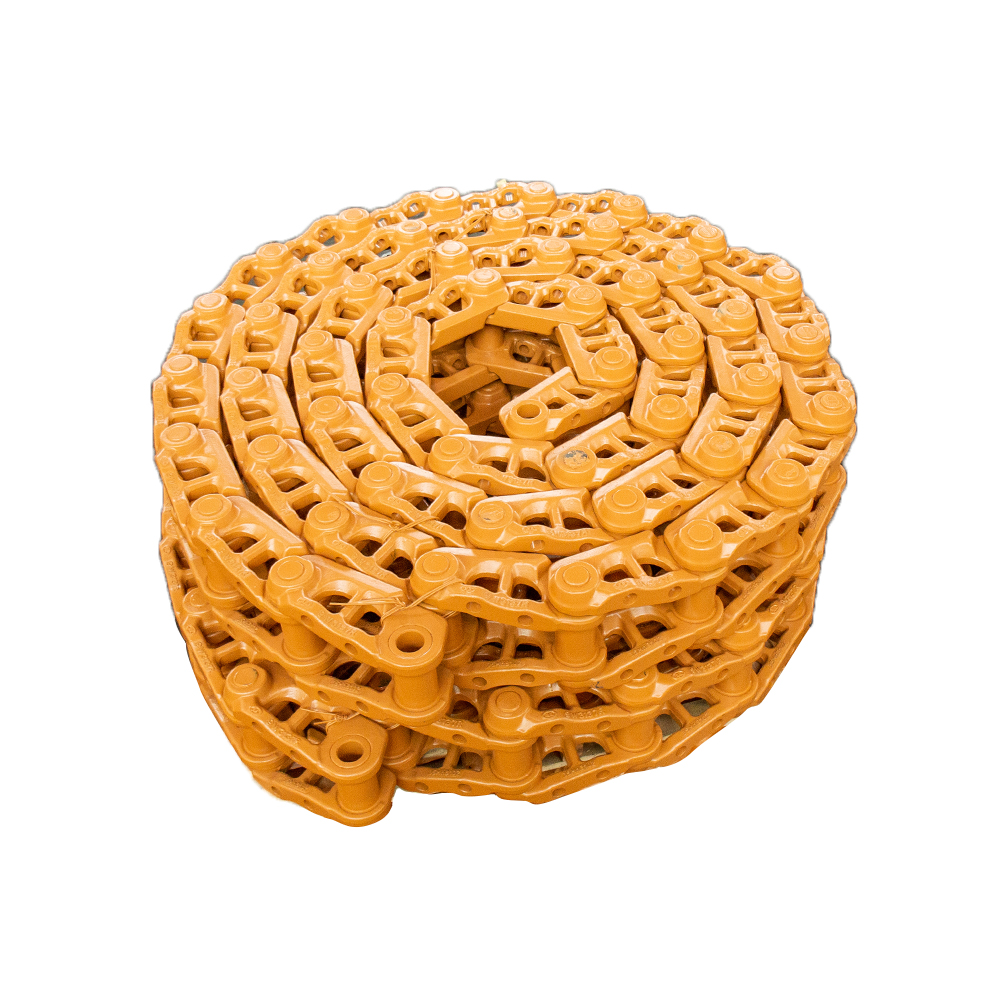
Một vành bánh xích, Thiết yếu, là một bánh xe tròn có các răng hoặc bánh răng cách đều nhau xung quanh chu vi của nó và ăn khớp với dây xích, thắt lưng, hoặc theo dõi. Nó đóng vai trò trung gian giữa các bộ phận truyền động và được dẫn động trong hệ thống truyền động của máy., đảm bảo chuyển giao quyền lực trơn tru và đáng tin cậy từ bộ phận này sang bộ phận khác.
Thiết kế của vành bánh xích bao gồm các tính toán tỉ mỉ và chế tạo chính xác để đảm bảo rằng mỗi chiếc răng vừa khớp hoàn hảo với các mắt xích hoặc các rãnh của đai định giờ. Răng được thiết kế để có độ bền và độ bền tối ưu, được thiết kế để chịu được các ứng suất và biến dạng liên tục do truyền lực mà không bị mài mòn hoặc hư hỏng sớm.
Vành bánh xích được ứng dụng vào vô số ngành công nghiệp khác nhau:
1.Xe đạp và xe máy: Trong những chiếc xe này, vành bánh xích (hoặc băng cassette cho xe đạp) đóng vai trò quan trọng trong việc chuyển số, cho phép người lái điều chỉnh công suất mô-men xoắn theo yêu cầu về địa hình hoặc tốc độ. Chúng kết nối bàn đạp hoặc động cơ với bánh sau thông qua xích xe đạp hoặc xích truyền động xe máy..
2.Hệ thống băng tải công nghiệp: Vành bánh xích lớn được sử dụng trong băng tải, nơi chúng nối với dây xích chịu tải nặng để di chuyển vật liệu và hàng hóa trên một quãng đường dài, nhấn mạnh tầm quan trọng của chúng trong sản xuất, kho bãi, và lĩnh vực hậu cần.
3.Thiết bị nông nghiệp và xây dựng: Những cánh đồng này sử dụng vành bánh xích trong máy kéo, Máy đào, và các máy móc hạng nặng khác, nơi chúng tạo điều kiện thuận lợi cho sự di chuyển của số lượng lớn, các bộ phận mạnh mẽ như máy bơm thủy lực, động cơ, và ròng rọc.
4.Máy in và máy sản xuất: Trong máy móc chính xác như máy in, vành bánh xích hoạt động cùng với đai định thời để duy trì sự đồng bộ chính xác giữa các bộ phận chuyển động, từ đó đảm bảo chất lượng đồng nhất trong quá trình sản xuất.
Cân nhắc và đổi mới thiết kế
Thiết kế của vành bánh xích không ngừng phát triển để đáp ứng nhu cầu hiện đại. Vật liệu được sử dụng có thể từ thép cho các ứng dụng công nghiệp có độ bền cao đến hợp kim nhẹ cho các máy dựa trên hiệu suất như xe đạp đua.. Hơn thế nữa, những tiến bộ trong công nghệ sản xuất cho phép tạo ra những cấu hình răng phức tạp hơn giúp giảm tiếng ồn, rung động, và mặc.
Ngoài ra, những đổi mới bao gồm bánh xích tự bôi trơn, giúp giảm thiểu nhu cầu bảo trì, và những loại có bề mặt cứng để tăng cường độ bền. Khi tính bền vững trở thành mối quan tâm chính, các nhà sản xuất đang khám phá các vật liệu thân thiện với môi trường cho vành bánh xích mà không ảnh hưởng đến hiệu suất.
Vành bánh xích khiêm tốn, trong khi có vẻ đơn giản, là minh chứng cho sự thiên tài của kỹ thuật cơ khí. Khả năng biến đổi năng lượng và điều khiển chuyển động một cách hiệu quả khiến nó trở thành một bánh răng thiết yếu trong bộ máy cuộc sống hàng ngày của chúng ta.. Từ bánh răng xe đạp nhỏ nhất cho đến bánh xích khổng lồ cung cấp năng lượng cho ngành công nghiệp nặng, thiết bị khiêm tốn này lặng lẽ đảm bảo rằng các bánh xe tiến bộ tiếp tục quay, theo cả nghĩa đen và nghĩa bóng.