
چکیده
دوام عملیاتی و عملکرد اقتصادی یک بولدوزر به طور ذاتی با یکپارچگی زیرانداز آن مرتبط است., a system that can account for over half of the machine's total lifetime maintenance expenditure. این تجزیه و تحلیل ملاحظات چندوجهی درگیر در تامین امنیت پشتیبانی پس از فروش برای اجزای بولدوزر زیر بار در 2025 بازار جهانی. این امر فراتر از یک ارزیابی ساده از هزینه های تدارکات اولیه به یک ارزیابی ظریف تر حرکت می کند, چارچوب کل نگر که شامل هزینه در ساعت است (CPH) تجزیه, علم مواد اجزای سایش, و جزئیات دانه ای فرآیندهای تولید مانند آهنگری و عملیات حرارتی. این مطالعه نقش حیاتی قابلیت اطمینان تامین کننده را ارزیابی می کند, مفاد گارانتی, و قابلیت های لجستیکی, مخصوصاً برای اپراتورها در مناطق متنوع و پر تقاضا مانند استرالیا, روسیه, خاورمیانه, و آسیای جنوب شرقی. با تشریح عواملی که به طول عمر قطعات و زمان کارکرد دستگاه کمک می کنند, این راهنما یک متدولوژی ساختاریافته برای مدیران تجهیزات فراهم می کند تا آنها را آگاه کنند, تصمیمات استراتژیک که سودآوری را افزایش می دهد و از طریق مشارکت موثر پس از فروش، زمان خرابی عملیات را به حداقل می رساند.
غذای اصلی
- برای ارزیابی اقتصادی واقعی، تحلیل هزینه در ساعت را بر قیمت خرید اولیه اولویت دهید.
- ترکیب مواد و فرآیندهای عملیات حرارتی قطعات پس از فروش را بررسی کنید.
- گارانتی جامع و پشتیبانی شفاف تامین کننده برای کاهش ریسک اساسی است.
- فروشندهای را انتخاب کنید که از سیستمهای زیر بولدوزر پشتیبانی قوی ارائه میکند.
- برای جلوگیری از سایش سریع و خرابی سیستم، سازگاری دقیق قطعه را تأیید کنید.
- Assess a supplier's logistics network for timely delivery to your operational region.
- اجزای زیرانداز را با سطوح ساییدگی و ضربه خاص محل کار خود مطابقت دهید.
فهرست مطالب
- محاسبات اقتصادی: حرکت فراتر از هزینه اولیه
- علم مواد و ساخت و ساز: بستر دوام
- تضمین گارانتی و قابلیت اطمینان تامین کننده
- سازگاری و یکپارچگی سیستم: تناسب کامل
- انتخاب ویژه برنامه: خیاطی به زمین
- زنجیره تامین و شبکه لجستیک: دریافت قطعات زمانی که به آنها نیاز دارید
- آینده مدیریت زیرساخت: فناوری و نوآوری
- سوالات متداول (پرسش)
- نتیجه
- منابع
محاسبات اقتصادی: حرکت فراتر از هزینه اولیه
فرآیند تصمیم گیری پیرامون تعمیر و نگهداری ماشین آلات سنگین, مخصوصاً زیرانداز بولدوزر, اغلب توسط فشار فوری و ملموس هزینه های اولیه مبهم است. یک مدیر تدارکات ممکن است با فاکتوری که رقمی به طور قابل توجهی کمتر از تولید کننده تجهیزات اصلی ارائه می دهد وسوسه شود. (OEM). این صرفه جویی اولیه, با این حال, می تواند یک آهنگ آژیر فریبنده باشد, اغوا کردن مدیران ناوگان به سمت تصمیمی که در طول عمر عملیاتی قطعه بسیار پرهزینه تر باشد. روایت واقعی اقتصادی قطعات زیر شاسی در سفارش خرید نوشته نشده است، بلکه در طول هزاران ساعت سنگ زنی آشکار می شود., هل دادن, و عبور از زمین های سخت. این داستانی است که بر حسب هزینه در ساعت گفته می شود, معیاری که کل واقعیت اقتصادی یک قطعه را نشان می دهد, نه فقط قیمت اولیه بلیط.
درک این تمایز مستلزم تغییر دیدگاه است, حرکت از یک ذهنیت معاملاتی به یک ذهنیت استراتژیک. این امر مستلزم تشخیص این است که زیرانداز صرفاً مجموعه ای از قطعات نیست، بلکه یک مجموعه است, سیستم پویا که در آن عملکرد هر جزء عمیقاً با اجزای دیگر در ارتباط است. شکست زودرس در یک منطقه, مانند پیوند آهنگ, می تواند آبشاری از سایش سریع غلتک ها را آغاز کند, بیکارها, و چرخ دنده ها, تبدیل یک مسئله تک جزء به یک بحران کامل سیستم. از این رو, a mature evaluation of aftermarket support for dozer undercarriage parts must be grounded in a comprehensive financial model that accounts for the full spectrum of costs incurred throughout the part's life.
مغالطه پایین ترین قیمت
بیایید جذابیت وسوسه انگیز کمترین قیمت را از طریق یک لنز متمرکزتر در نظر بگیریم. دو سری زنجیر برای یک بولدوزر سایز متوسط را تصور کنید. مجموعه A, از یک تامین کننده کمتر شناخته شده پس از فروش, قیمت گذاری شده است 20% کمتر از مجموعه B, که از یک سازنده معتبر پس از فروش با سابقه مستند کنترل کیفیت و برتری مواد می آید. پس انداز فوری در مجموعه A غیرقابل انکار جذاب است, به عنوان یک تقویت مستقیم برای بودجه سه ماهه ظاهر می شود. مدیری که این خرید را تأیید می کند، ممکن است حتی برای احتیاط مالی خود تقدیرنامه دریافت کند.
تا کنون, این دیدگاه اساساً ناقص است. از پرسیدن سؤالات کاوشگرتر شکست می خورد. ترکیب متالورژیکی فولاد در مجموعه A چگونه است؟? آیا آن را تحت فرآیندهای عملیات حرارتی دقیق مانند مجموعه B قرار داده است؟? دقت آهنگری و ماشینکاری چقدر است, و چگونه تحمل ها با هم مقایسه می شوند? اینها نکات فنی بی اهمیت نیستند; they are the very factors that determine the part's ability to withstand the immense stresses of dozer operation.
اگر مجموعه ارزانتر A بعد از آن فرسوده شود 2,500 ساعت ها, در حالی که قوی تر مجموعه B دوام می آورد 4,000 ساعت ها, تصویر اقتصادی به طور چشمگیری تغییر می کند. اولیه 20% صرفه جویی با نیاز به جایگزینی زودهنگام تحت الشعاع قرار می گیرد. This replacement entails not only the cost of a new set of chains but also the significant expense of machine downtime, the wages of the technicians performing the repair, and the potential for lost revenue from a halted project. When these "hidden" costs are factored in, "ارزان تر" مشخص شده است که گزینه گرانتر است. این سناریو یک اصل اساسی در مدیریت تجهیزات سنگین را نشان می دهد: هزینه واقعی تابعی از قیمت و طول عمر است.
| عامل | قطعات OEM | قطعات پس از فروش با کیفیت |
|---|---|---|
| هزینه اولیه | بالاترین | متوسط تا زیاد |
| هزینه در هر ساعت | اغلب به دلیل عمر طولانی رقابتی است | می تواند مقرون به صرفه ترین باشد |
| کیفیت مواد | بالا, مطابق با مشخصات اصلی | بالا, اغلب مشخصات OEM را برآورده می کند یا از آن فراتر می رود |
| ضمانتنامه | جامع, توسط سازنده پشتیبانی می شود | متفاوت است, اما تامین کنندگان معتبر ضمانت های قوی ارائه می دهند |
| در دسترس بودن | خوب, از طریق شبکه نمایندگی رسمی | عالی, با شبکه های توزیع گسترده |
| پشتیبانی فنی | قوی, مستقیم از سازنده | متفاوت است; قوی با تامین کنندگان معتبر |
معرفی هزینه در هر ساعت (CPH) تجزیه و تحلیل
هزینه در هر ساعت (CPH) تجزیه و تحلیل ابزار فکری است که به ما امکان می دهد تا از مه قیمت گذاری اولیه عبور کنیم و چشم انداز واقعی اقتصادی را ببینیم.. It is a simple yet profound calculation that reframes the procurement decision from "How much does this cost to buy?" to "How much does this cost to run?" By amortizing the total cost of a component over its operational life, CPH provides a standardized metric for comparing parts of differing prices and lifespans. It transforms the decision from a gamble on price to an investment in value.
The CPH figure is an embodiment of a part's total economic footprint. It encompasses the initial purchase price, the installation labor, and any other direct costs, all divided by the number of hours the part functions before needing replacement. This approach systematically favors durability and longevity over cheapness. قطعه ای که هزینه اولیه بیشتری دارد اما عمر مفید قابل توجهی بیشتری ارائه می دهد، تقریباً همیشه CPH کمتری را به همراه خواهد داشت., نشان دهنده بازگشت سرمایه بهتر است. پذیرش CPH اولین گام به سوی ایجاد یک استراتژی تعمیر و نگهداری است که فعال و مبتنی بر ارزش باشد, به جای واکنشی و هزینه محوری. اهداف بخش تدارکات را با نیازهای عملیاتی میدان همسو می کند, پرورش فرهنگی که در آن قابلیت اطمینان طولانی مدت معیار نهایی موفقیت است.
محاسبه CPH: یک چارچوب عملی
محاسبه هزینه در هر ساعت یک علم محرمانه نیست بلکه یک تمرین عملی در وضوح مالی است.. فرمول اصلی به شرح زیر است:
CPH = (قیمت خرید + هزینه نیروی کار نصب) / کل ساعت خدمات
Let's apply this to our earlier example of two track chain sets.
سناریو:
- ماشین: بولدوزر سایز متوسط
- نرخ نیروی کار: $100 در ساعت
- Installation Time: 16 hours for a pair of chains
- هزینه نیروی کار نصب: 16 ساعت ها * $100/hour = $1,600
Track Chain Set A (Lower Price):
- قیمت خرید: $8,000
- کل ساعت خدمات: 2,500 ساعت ها
- Total Cost = $8,000 (قیمت) + $1,600 (Labor) = $9,600
- CPH (مجموعه A) = $9,600 / 2,500 hours = $3.84 در ساعت
Track Chain Set B (Reputable Aftermarket):
- قیمت خرید: $10,000
- کل ساعت خدمات: 4,000 ساعت ها
- Total Cost = $10,000 (قیمت) + $1,600 (Labor) = $11,600
- CPH (Set B) = $11,600 / 4,000 hours = $2.90 در ساعت
The result is stark. Despite being 25% more expensive to purchase, Set B is over 24% cheaper to operate on an hourly basis. The CPH calculation exposes the flawed logic of focusing solely on the purchase price and provides an objective, data-driven justification for investing in higher-quality components. This framework empowers managers to make decisions that are demonstrably better for the company's bottom line over the long term.
Hidden Costs: Downtime, Labor, and Collateral Damage
The CPH formula, in its basic form, is already a powerful tool. با این حال, a truly comprehensive analysis must also acknowledge the costs that are not captured in this simple equation. These are the "hidden" یا هزینه های تبعی ناشی از خرابی قطعه, و اغلب می توانند قیمت خرید اولیه را پایین بیاورند.
مهمترین آنها هزینه خرابی برنامهریزی نشده است. هنگامی که بولدوزر به دلیل خرابی زیر شاسی از کار افتاده است, تأثیر مستقیم مالی فقط هزینه تعمیر نیست. این از دست دادن درآمدی است که ماشین در آن دوره ایجاد می کرد. در محیطی با تولید بالا مانند یک معدن در استرالیای غربی یا یک پروژه زیرساختی بزرگ در خاورمیانه, این هزینه فرصت از دست رفته می تواند به هزاران برسد, یا حتی ده ها هزار, دلار در روز. یک روز از کار افتادگی می تواند پس انداز اولیه یک قطعه ارزان را چندین برابر پاک کند.
علاوه بر این, بحث خسارت جانبی وجود دارد. پین یا بوش مسیر شکست خورده به صورت مجزا وجود ندارد. شکست آن می تواند منجر به کشش زنجیره مسیر شود" یا مار زدن, که به نوبه خود باعث ساییدگی غیر طبیعی و تسریع در دندان های چرخ دنده می شود, فلنج های بیکار, و آج های غلتکی را ردیابی کنید. بنابراین یک قطعه ارزان قیمت می تواند عمر کل سیستم زیر خودرو را کوتاه کند, ایجاد یک بازسازی کامل پرهزینه و زودرس. این خطر در نظر گرفتن زیرانداز به عنوان مجموعه ای از قطعات منفرد به جای یک سیستم یکپارچه است. هنگام تامین منابع قطعات زیر شاسی با کیفیت بالا, این دیدگاه گسترده سیستم است که در برابر چنین خرابی های آبشاری محافظت می کند. مدیر محتاط میداند که قابلیت اطمینان هر بخش زیربنای سلامت کل است.
علم مواد و ساخت و ساز: بستر دوام
عملکرد یک قطعه بولدوزر زیر شاسی در طول هزاران ساعت کار تنبیهی تصادفی نیست; این نتیجه مستقیم موادی است که از آن ساخته شده است و فرآیندهایی که برای شکل دادن و تقویت آن استفاده می شود. تفاوت بین پیوندی که پایدار است و پیوندی که پیش از موعد از کار میافتد را میتوان در سطح مولکولی جستجو کرد - به ترکیب خاص آلیاژها در فولاد و ساختار کریستالی که توسط عملیات حرارتی ایجاد میشود.. برای ارزیابی صحیح پشتیبانی پس از فروش برای زیر بولدوزر, باید دانشجوی متالورژی شد, حداقل در اصول اولیه آن. این دانش خریدار را از یک قیمت گذار صرف به یک قاضی آگاه در مورد کیفیت تبدیل می کند, قادر به تشخیص ارزش واقعی از یک معامله سطحی است.
زبان علم مواد - اصطلاحاتی مانند فولاد بور, خاموش کردن, و معتدل - ممکن است باطنی به نظر برسد, but it describes the very essence of a component's strength, سختی, و مقاومت در برابر سایش. Understanding these concepts is akin to a chef understanding the properties of their ingredients; it is fundamental to achieving a quality outcome. A supplier who can speak fluently and transparently about their material specifications and manufacturing controls is one who is confident in their product. برعکس, a supplier who is vague or evasive about these details should be viewed with skepticism.
Deconstructing Steel Quality: بور, کربن, و منگنز
At the heart of any undercarriage component is steel. But "steel" is not a single substance. It is a family of iron-based alloys, and its properties are determined by the precise addition of other elements. برای پوشیدن قطعات, three of the most significant alloying elements are carbon, منگنز, و بور.
کربن (جف): Carbon is the primary hardening agent in steel. As the carbon content increases, the steel's potential hardness and strength increase. با این حال, this comes at a cost. Higher carbon content can also make the steel more brittle and more difficult to weld. The art of steelmaking for undercarriage parts lies in finding the optimal carbon balance—enough to provide excellent wear resistance, but not so much that it compromises the component's ability to absorb shock without fracturing.
منگنز (منگنز): Manganese serves several roles. It contributes to the strength and hardness of the steel, similar to carbon but to a lesser degree. بسیار مهم است, it also improves the steel's response to heat treatment, a property known as "hardenability." This means that in a steel with adequate manganese, the desired hardness can be achieved more consistently and to a greater depth within the component during the quenching process.
بور (شرح): Boron is a powerful "secret weapon" in steel alloying. Added in minuscule amounts—often measured in parts per million—boron dramatically increases the hardenability of the steel. This allows manufacturers to achieve a deep and uniform hardness throughout a component, even in thick sections, without having to resort to very high levels of carbon, which could lead to brittleness. Boron-alloyed steels, like 23MnB, are therefore a hallmark of high-quality undercarriage parts, offering an exceptional combination of high surface hardness for wear resistance and a tough, ductile core to resist impact and shock loads. Asking a potential supplier about their use of boron steel is a simple yet powerful litmus test for their commitment to quality.
| Material Component | Primary Function in Steel | Impact on Undercarriage Wear Life |
|---|---|---|
| کربن | Increases hardness and tensile strength. | Higher carbon content improves abrasion resistance but can increase brittleness if not properly balanced. |
| منگنز | Enhances strength and improves hardenability (response to heat treatment). | Ensures that the desired hardness is achieved consistently throughout the part, leading to more uniform wear. |
| بور | Massively increases hardenability even in small amounts. | Allows for deep, thorough hardening, creating a component with a very hard surface and a tough core. |
| کروم | Increases corrosion resistance and hardness. | Improves resistance to wear in corrosive or wet environments and adds to overall surface hardness. |
The Forging vs. بحث ریخته گری برای قطعات زیرانداز
زمانی که فولاد فرموله شد, باید به یک جزء مانند یک پیوند مسیر یا یک پوسته غلتکی شکل داده شود. دو روش اصلی برای این کار ریخته گری و آهنگری هستند. در حالی که هر دو می توانند قطعات کاربردی تولید کنند, آنها به ساختارهای داخلی متفاوتی منجر می شوند و, در نتیجه, ویژگی های عملکردی مختلف.
ریخته گری: در بازیگری, فولاد مذاب را در قالبی به شکل دلخواه ریخته و اجازه می دهیم سرد و جامد شود. این یک فرآیند همه کاره و نسبتاً ارزان است, مناسب برای اشکال پیچیده. با این حال, همانطور که فلز سرد می شود, ساختار دانه کریستالی را تشکیل می دهد که اساساً تصادفی است, مثل یک توده شن. این می تواند حفره های میکروسکوپی و ناهماهنگی ها را در مواد ایجاد کند, که می تواند به نقاط ضعف تبدیل شود که در آن ترک ها می توانند تحت تنش شروع شوند.
آهنگری: آهنگری فرآیندی است که در آن یک قطعه فولادی جامد است, بیلت نامیده می شود, تا دمای چکش خوار گرم می شود و سپس با فشار زیاد شکل می گیرد, یا با چکش زدن یا فشار دادن آن به قالب. به آن فکر کنید مانند آهنگری که با چکش به نعل اسبی شکل می دهد. این فرآیند کاری قابل توجه برای ساختار دانه داخلی فولاد انجام می دهد. به جای چیدمان تصادفی, دانه ها مجبور می شوند در امتداد خطوط قطعه قرار بگیرند و جریان پیدا کنند. این تصفیه شده, جریان پیوسته دانه، حفره های داخلی را از بین می برد و ماده ای را ایجاد می کند که به طور قابل توجهی متراکم تر است, قوی تر, و در برابر ضربه و خستگی مقاوم تر است. برای انتقادی, اجزای پر استرس مانند پیوندهای مسیر و دندانه های سطلی, آهنگری به طور گسترده ای به عنوان روش تولید برتر شناخته شده است (آهنگری طلا, n.d.). یک قطعه آهنگری تقریباً همیشه عمر طولانی تری دارد و مقاومت بیشتری در برابر خرابی فاجعه بار نسبت به قطعات ریختگی دارد..
عملیات حرارتی: معمار نادیده استحکام و مقاومت در برابر سایش
A perfectly forged component made from the finest boron steel is still incomplete. Its ultimate properties are unlocked through the final, critical stage of manufacturing: عملیات حرارتی. This is a carefully controlled process of heating and cooling that manipulates the steel's crystalline structure to achieve the desired balance of hardness and toughness. The most common process for undercarriage parts is quenching and tempering.
خاموش کردن: The component is heated to a specific temperature (typically above 800°C) until its internal structure transforms into a state called austenite. It is then rapidly cooled—or "quenched"—by submerging it in a liquid like water, روغن, یا محلول پلیمری. This extreme cooling rate forces the austenite to transform into martensite, an incredibly hard but also very brittle crystal structure. A quenched-only part would be like glass—very hard, but it would shatter at the first significant impact.
معتدل کردن: To relieve this brittleness, the quenched part is then reheated to a much lower temperature and held there for a specific period before being allowed to cool. This tempering process allows some of the brittle martensite to transform into more ductile structures, reducing internal stresses and increasing the material's toughness. The final temperature and duration of the tempering process are precisely controlled to achieve the target specifications. The goal is to create a component with a "through-hardened" profile: extremely high hardness on the outer surfaces that directly contact the ground, gradually transitioning to a tougher, more ductile core that can absorb shock loads without fracturing.
Effective heat treatment is a complex science. It requires sophisticated furnaces, precise temperature controls, and a deep understanding of metallurgy. It is an area where shortcuts are easily taken but have devastating consequences for the final product. A reputable supplier of aftermarket support for dozer undercarriage will be able to provide detailed data on their heat treatment processes, including case depth and core hardness values for their components.
A Tale of Two Track Shoes: A Comparative Example
To make this tangible, let us imagine two track shoes. One is made from a simple high-carbon steel, cast to shape, and given a basic heat treatment. The other is forged from boron steel and subjected to a precisely controlled quench and temper process.
Initially, they may look identical. Both will fit the dozer. But their performance will diverge from the first hour of operation.
The cast shoe, when it encounters a sharp rock, might chip or crack due to its less refined grain structure and potential internal brittleness. Its wear surfaces, if not properly through-hardened, will abrade away quickly in sandy or abrasive soils.
The forged boron steel shoe, در مقابل, will have superior impact resistance. Its aligned grain structure will help to dissipate the energy of the impact, preventing a crack from forming. Its deeply hardened surface will resist abrasion far more effectively, providing a significantly longer wear life. در طول زمان, the investment in the superior materials and manufacturing of the second shoe will pay for itself many times over in extended life and reduced downtime. This is the practical manifestation of material science in the field.
تضمین گارانتی و قابلیت اطمینان تامین کننده
In the realm of heavy machinery, where components are subjected to relentless stress and extreme conditions, a warranty is more than just a piece of paper. It is a formal expression of a manufacturer's confidence in their own product. It functions as a crucial mechanism for risk mitigation for the equipment owner, a safety net that protects against the financial consequences of premature failure. با این حال, not all warranties are created equal. A truly valuable warranty is characterized not only by its duration but by the clarity of its terms, the scope of its coverage, و, از همه مهمتر, the integrity of the supplier standing behind it. When seeking aftermarket support for dozer undercarriage, a thorough and critical evaluation of the warranty policy and the supplier's reputation is an indispensable part of the due diligence process.
سند گارانتی یک قرارداد است, و مثل هر قراردادی, ارزش واقعی آن در جزئیات نهفته است. سیاستی که در ظاهر سخاوتمندانه به نظر می رسد ممکن است مملو از محرومیت ها باشد, محدودیت ها, و موانع رویه ای که آن را به طور موثر در یک سناریوی ادعایی در دنیای واقعی بی فایده می کند. از این رو, یک مدیر تجهیزات باید خواندن بین خطوط را بیاموزد, برای درک آنچه وعده داده شده است و, به همان اندازه حیاتی, چیزی که نیست. این بررسی، پایه و اساس یک استراتژی نگهداری ایمن و قابل پیش بینی است.
خواندن بین خطوط یک خط مشی گارانتی
یک مشکل رایج این است که تحت تأثیر یک دوره گارانتی طولانی قرار بگیرید, مانند 3,000 ساعت یا دو سال, بدون بررسی ماهیت پوشش. A more discerning analysis involves asking a series of specific questions:
What is actually covered? Does the warranty cover only the failed part itself, or does it extend to "consequential damage"? مثلا, if a track pin fails and causes the track chain to derail and damage the final drive housing, will the warranty cover the repair of the final drive? A policy that excludes consequential damage offers very limited protection against the true cost of a major failure.
Is labor included? The cost of the replacement part is often only a fraction of the total repair bill. The labor required to remove the failed component and install the new one can be substantial. A strong warranty from a reputable supplier will often include a provision for labor costs, demonstrating a more complete commitment to making the customer whole.
What are the exclusions? Warranties will invariably contain exclusions for normal wear and tear, improper installation, abuse, or operation in unapproved applications. These are generally reasonable. با این حال, one should be wary of vague or overly broad exclusionary clauses that could be used to deny a legitimate claim. مثلا, what constitutes "improper operation"? The policy should be clear and specific.
What is the claim process? How easy is it to file a claim? Does it require extensive paperwork, shipping the failed part across the world for inspection at the customer's expense, and a lengthy approval process? A supplier with a customer-centric approach will have a streamlined, responsive, and transparent claims process, often managed through a local dealer or representative who can inspect the failure in person.
A warranty that covers parts, کار, and consequential damage, with clear terms and a straightforward claim process, is a powerful indicator of a high-quality product and a trustworthy supplier. It signifies that the manufacturer is willing to share the risk with the customer because they have a high degree of certainty that their product will perform as advertised.
Evaluating Supplier Reputation and Market Presence
A warranty is only as good as the company that issues it. An ironclad warranty from a company that disappears or refuses to honor its commitments is worthless. This is why evaluating the supplier's reputation, ثبات, and market presence is just as important as evaluating the warranty document itself.
در بازار جهانی از 2025, reputation is a tangible asset. One can look for evidence of a supplier's track record through various channels. Online forums, industry trade publications, and direct conversations with other equipment owners in your region can provide invaluable, real-world feedback on a supplier's performance. Do they have a history of honoring their warranties? Are their products known for consistent quality? Do they stand behind their parts when issues arise? For operators in regions like Australia or Southeast Asia, it is particularly useful to seek out testimonials from local users who face similar ground conditions and logistical challenges.
Market presence is another key indicator. A supplier with an established network of dealers and distribution centers, such as those maintained by major OEMs like Caterpillar and Komatsu, demonstrates a long-term commitment to the market (; ). This physical infrastructure not only facilitates faster parts delivery but also provides local points of contact for sales, technical support, and warranty claims. A supplier who has invested in building a presence in your country or region is less likely to be a transient, fly-by-night operator. They have a vested interest in maintaining a positive reputation and providing consistent service.
The Importance of Technical Support and Expertise
Beyond the warranty, the availability of knowledgeable technical support is a critical component of reliable aftermarket service. The undercarriage is a complex system, and diagnosing wear patterns or failures can be challenging. A supplier who simply sells parts in a box is providing a commodity. A supplier who provides expert advice and diagnostic support is providing a solution.
When a problem arises, can you speak to a technical expert who understands dozer undercarriages? Can they help you analyze a wear pattern to determine if it is caused by the material, the application, or an alignment issue? Can they provide guidance on proper installation and maintenance procedures to maximize the life of the new components?
This level of support is a hallmark of a premier aftermarket supplier. It shows that they are not just interested in a single transaction but in forming a long-term partnership with their customers. They understand that their success is tied to the customer's success. This expertise can be invaluable in preventing repeat failures, optimizing maintenance schedules, and ultimately lowering the total cost of ownership. When choosing a supplier, ask about the qualifications and accessibility of their technical support team. Their answer will tell you a great deal about their overall commitment to quality and customer satisfaction.
سازگاری و یکپارچگی سیستم: تناسب کامل
The dozer undercarriage is a symphony of moving parts, a meticulously engineered system where hundreds of components must work in perfect harmony. It is not a place for "close enough." The precision of each part—its dimensions, tolerances, and geometry—is fundamental to the health and longevity of the entire system. A single component that is even a fraction of a millimeter out of specification can introduce destructive forces and abnormal wear patterns that ripple through the entire undercarriage, leading to premature failure and costly repairs. از این رو, when evaluating aftermarket support for dozer undercarriage, the assurance of perfect compatibility and seamless system integration is not a luxury; it is an absolute necessity.
This pursuit of a perfect fit requires an appreciation for the subtleties of mechanical engineering. It involves understanding that OEM specifications are not arbitrary numbers but the result of extensive research, توسعه, and testing designed to optimize performance and reliability. A reputable aftermarket manufacturer does not simply copy a part's shape; they engage in a sophisticated process of reverse engineering to understand, replicate, and in some cases even improve upon the original design's critical functional parameters.
The Risks of Mismatched Components
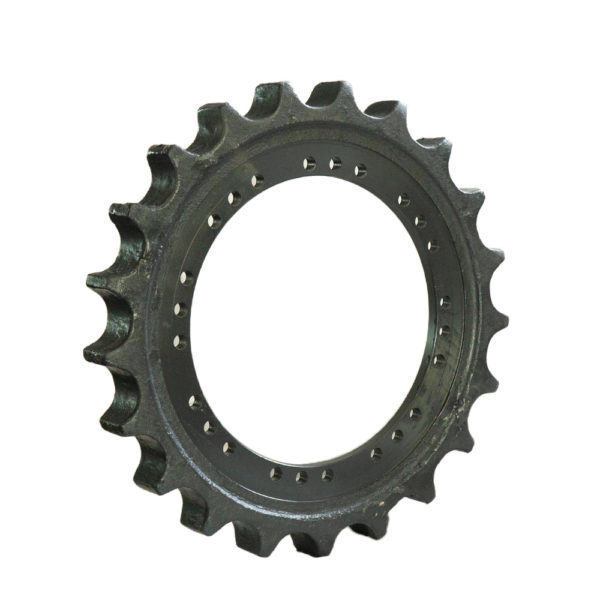
To grasp the importance of precision, let us consider the interaction between a track link and a sprocket. The distance between the center of one track pin and the next is called the "pitch." This pitch must correspond exactly to the distance between the teeth on the sprocket.
در حال حاضر, imagine an aftermarket track chain where the pitch is slightly off—perhaps due to poor manufacturing controls. As the chain engages with the sprocket, the rollers will not seat perfectly in the valleys between the sprocket teeth. در عوض, they will ride up on the sides of the teeth, creating immense point-loading and friction. This will cause both the track bushings and the sprocket teeth to wear away at an astonishingly rapid rate. The operator might notice a "clicking" or "popping" sound as the dozer travels, which is the sound of a system destroying itself.
This is just one example. Similar issues can arise from:
- Improperly machined track roller flanges: Leading to excessive wear on the sides of the track links.
- Incorrect idler dimensions: Causing the track chain to ride improperly and experience side-loading.
- Poorly fitting seals in rollers and idlers: Allowing dirt and moisture to enter the bearing cavity, leading to rapid internal destruction.
These are not hypothetical scenarios; they are common consequences of using low-quality, dimensionally inaccurate aftermarket parts. The initial savings from such a purchase are quickly consumed by the cost of replacing not just the faulty part, but all the other components it has damaged. It is a classic case of being "penny wise and pound foolish."
Understanding OEM Specifications vs. Aftermarket Equivalents
Original Equipment Manufacturers invest millions of dollars in designing and testing their undercarriage systems. The specifications for each component are the result of this rigorous process. They define not only the physical dimensions but also the material properties, surface hardness profiles, and allowable tolerances.
A high-quality aftermarket supplier understands and respects this. Their goal is not to produce a cheap imitation but a true functional equivalent. This is achieved through a meticulous reverse-engineering process:
- Scanning and Measurement: An original OEM part is scanned using high-precision 3D laser scanners and measured with coordinate measuring machines (CMM ها) to capture its exact geometry down to the micron level.
- Material Analysis: The part's material composition is analyzed using spectrometry to identify the specific steel alloy. Cross-sections are cut, polished, and etched to examine the grain structure and measure the depth and hardness profile of the heat treatment.
- Engineering and Modeling: This data is used to create a detailed computer-aided design (محفل) model and a set of manufacturing blueprints that replicate all the critical functional characteristics of the original part.
- Prototyping and Testing: Prototypes are produced and subjected to rigorous laboratory and field testing to validate that they perform identically to, or even better than, the OEM part.
A supplier who follows this disciplined process can confidently state that their parts are "OEM equivalent" or "meet or exceed OEM specifications." They are not just making a visual copy; they are recreating the engineering integrity of the original component. وقتی یک تامین کننده را انتخاب می کنید, ask them about their reverse-engineering process and their quality control measures for ensuring dimensional accuracy. A supplier of durable dozer buckets and rippers, به عنوان مثال, applies similar principles of precision engineering to ensure their ground-engaging tools fit and function correctly.
The Role of Precision Engineering in Aftermarket Parts
The commitment to precision engineering extends beyond the initial design to every stage of production. It requires investment in modern, computer-numerically controlled (CNC) machining centers that can hold tolerances measured in fractions of the width of a human hair. It demands rigorous quality control procedures, از جمله بازرسی منظم قطعاتی که از خط تولید خارج می شوند با استفاده از گیج های کالیبره شده و ابزار اندازه گیری.
حفاری سوراخ های پین و بوش را در پیوند آهنگ در نظر بگیرید. قطر, دایره ای بودن, و تراز این دو سوراخ باید کامل باشد. اگر کاملاً موازی نباشند, پین مسیر و بوش تحت یک نیروی چرخشی ثابت قرار می گیرند, منجر به سایش سریع و ناهموار می شود. اگر قطر خیلی زیاد باشد, پین شل خواهد شد, هر بار که مسیر از سستی به تنش میرود، بارگذاری ضربهای ایجاد میکند. اگر قطر خیلی کوچک باشد, تناسب تداخل خیلی زیاد خواهد بود, مونتاژ را دشوار می کند و به طور بالقوه پیوند را تحت فشار قرار می دهد.
این سطح از جزئیات است که یک تولید کننده پس از فروش با کیفیت بالا را از یک تقلید کننده ارزان قیمت جدا می کند.. The former sees the undercarriage as a precision machine; the latter sees it as a collection of simple metal parts. This difference in philosophy has a direct and profound impact on the performance, قابلیت اطمینان, and ultimate cost-per-hour of the components. A savvy equipment manager learns to look for the signs of precision engineering—clean machining, consistent finishes, and a supplier who can provide detailed specification sheets and quality control documentation for their products.
انتخاب ویژه برنامه: خیاطی به زمین
A dozer is a remarkably versatile machine, but the work it performs and the ground it traverses can vary enormously. A dozer clearing overburden in a high-silica sand quarry in Queensland, استرالیا, faces a completely different set of wear challenges than one pushing frozen earth in a Siberian winter or navigating the muddy, خاک های منسجم یک عملیات چوب بری آسیای جنوب شرقی. یک رویکرد یکسان برای انتخاب زیرانداز است, از این رو, اساساً ناقص است. یک رویکرد واقعاً استراتژیک برای تأمین منابع پشتیبانی پس از فروش برای بولدوزر شامل تجزیه و تحلیل دقیق کاربرد خاص و انتخاب عمدی اجزای طراحی شده برای رشد در آن محیط است..
این فرآیند خیاطی نیازمند مشارکت بین مالک تجهیزات و تامین کننده قطعات است. مالک دانش صمیمی از سایت های شغلی خود به ارمغان می آورد, تقاضای تولید آنها, و الگوهای پوشیدن تاریخی آنها. تامین کننده مجموعه ای از گزینه های اجزا و تخصص علم مواد را برای پیشنهاد بهترین راه حل به ارمغان می آورد. یک تامین کننده پیشرفته پس از فروش یک نوع کفش یا غلتک مخصوص مسیر ارائه نمی دهد; آنها طیف وسیعی از گزینه ها را ارائه خواهند داد, each optimized for different conditions of impact and abrasion. Choosing the right one can dramatically extend component life and reduce the CPH.
High-Abrasion Environments (Mining in Australia, Quarrying in the Middle East)
High-abrasion environments are the ultimate test of an undercarriage's durability. These conditions are characterized by hard, تیز, and granular materials like sand, شن, and certain types of rock. The primary wear mechanism here is abrasion—the constant grinding and scraping away of the component's surface material.
- The Challenge: In these environments, the material is often small enough to penetrate the small gaps in the undercarriage, creating a grinding paste that relentlessly wears down track links, بوش, roller treads, and idler surfaces. The silica content of the material is a key factor; high-silica sand is particularly aggressive.
- The Solution: برای کاربردهای با سایش بالا, the primary requirement is maximum surface hardness. This is where components made from high-quality, through-hardened boron steel truly shine. The deep hardness profile resists the grinding action of the abrasive particles far more effectively than a component with only a thin "case hardening." علاوه بر این, some manufacturers offer special "extreme service" or "abrasion-resistant" کفش های مسیر. These shoes often feature a thicker profile and are made from proprietary steel alloys with even higher hardness ratings, specifically designed for the most abrasive conditions found in places like the Pilbara region of Australia. The marginal extra cost for these specialized components is often repaid many times over in extended service life.
Low-Impact, High-Travel Scenarios (Landscaping, ساخت و ساز عمومی)
At the other end of the spectrum are applications that involve less aggressive materials but a great deal of travel. Think of a dozer used for large-scale landscaping, agricultural work, or general site preparation on soft soils.
- The Challenge: In these scenarios, the primary enemy is not abrasion but internal wear, particularly within the track pin and bushing joint. With every revolution of the track, there is a small amount of movement and friction within this joint. Over thousands of hours of high-speed travel, this accumulates into significant wear, leading to an increase in track pitch (stretch) and the eventual need for a "pin and bushing turn" or replacement. Impact damage is less of a concern.
- The Solution: برای این برنامه ها, the focus shifts from extreme surface hardness to the quality of the internal components. The ideal solution is a sealed and lubricated track (نمک) زنجیر. In a SALT system, the pin and bushing joint is sealed by a set of polyurethane seals and filled with oil. This oil provides continuous lubrication, dramatically reducing internal friction and wear. The life of the pin and bushing can be extended by a factor of two or more compared to a dry (unlubricated) زنجیر. While SALT chains have a higher initial cost, their ability to delay or eliminate the costly pin and bushing turn procedure makes them the most economical choice for any high-travel application. A quality aftermarket supplier will offer robust SALT chains with high-quality seals that resist leakage and contamination.
Extreme Temperature and Ground Conditions (Siberian permafrost, African heat)
Operating conditions at the extremes of the temperature scale introduce another layer of complexity.
Extreme Cold: In environments like Siberia or northern Canada, the primary concern is material brittleness. At very low temperatures (below -30°C), standard steel alloys can lose their ductility and become susceptible to fracture under impact. A dozer hitting a frozen rock in these conditions could potentially shatter a track link or shoe. The solution here lies in specialized low-temperature steel alloys that are formulated and heat-treated to retain their toughness and impact resistance even at cryogenic temperatures. A supplier with experience in these markets will be able to provide parts certified for low-temperature service.
Extreme Heat and Mud: In hot, مرطوب, and muddy conditions, such as those found in many parts of Africa and Southeast Asia, the issue is often "packing." The sticky, cohesive mud can pack into the undercarriage components, particularly around the sprocket and idlers. As this packed material solidifies, it effectively changes the geometry of the components, preventing the track chain from engaging properly. This creates immense strain on the entire system, leading to high track tension, power loss, and accelerated wear on all components. For these conditions, specialized "center-punched" or "mud-relief" track shoes can be a game-changer. These shoes have openings in the center that allow the mud and debris to squeeze out, preventing the buildup of packed material. Choosing the right shoe for the soil type can make a dramatic difference in undercarriage life and machine performance.
زنجیره تامین و شبکه لجستیک: دریافت قطعات زمانی که به آنها نیاز دارید
An undercarriage component, no matter how exquisitely engineered or perfectly suited to its application, is of no value if it is sitting in a warehouse on the other side of the world when your machine is down. In the time-critical worlds of construction, معدن, و کشاورزی, uptime is paramount. The ability of a supplier to deliver the right part to the right place at the right time is, از این رو, a crucial and often underestimated component of effective aftermarket support. A supplier's logistical capability—their network of distribution centers, their inventory management systems, and their relationships with shipping carriers—is as much a part of their product offering as the steel itself.
For operators in geographically vast or remote regions, such as the Australian outback, the far east of Russia, or developing mining sites in Africa, the strength of the supplier's supply chain is not a matter of convenience; it is a matter of operational survival. A two-day delay in receiving a part can have financial repercussions that far outweigh any savings on its purchase price. Consequently, a thorough assessment of a supplier's logistical network is a non-negotiable step in the selection process.
Assessing Supplier Inventory and Distribution Centers
The foundation of a responsive supply chain is a well-stocked and strategically located network of distribution centers. Major OEMs like Komatsu and Caterpillar have set the industry standard in this regard, with massive, regional parts depots designed to service their dealer networks with high fill rates and short lead times (کوماتسو, n.d.-a; شرکت کاترپیلار, n.d.). یک تامین کننده پس از فروش در سطح جهانی به دنبال تقلید از این مدل است.
هنگام ارزیابی یک تامین کننده بالقوه, موارد زیر را در نظر بگیرید:
- موقعیت انبارها: مراکز توزیع اصلی آنها در کجا قرار دارد? آیا آنها در قاره یا منطقه شما حضور دارند؟? یک تامین کننده با یک انبار در استرالیا, به عنوان مثال, می تواند به مشتری در پرث بسیار موثرتر از مشتری که کل موجودی اش در اروپا یا آمریکای شمالی است خدمات رسانی کند.
- فلسفه موجودی: رویکرد آنها به موجودی چیست? آیا طیف وسیع و عمیقی از قطعات زیر شاسی را برای مدلها و مدلهای مختلف عرضه میکنند؟, یا اصولاً به "در زمان مناسب" تکیه می کنند" مدلی که در آن قطعات تنها پس از سفارش مشتری از یک کارخانه مرکزی سفارش داده می شود? اولی یک بافر در برابر اختلالات زنجیره تامین فراهم می کند و امکان تحویل سریعتر را فراهم می کند, در حالی که دومی می تواند به تاخیرهای قابل توجهی منجر شود.
- فناوری موجودی: Do they use modern warehouse management systems (WMS) that provide real-time visibility into stock levels? Can their sales representatives or their online portal tell you instantly whether a part is in stock and where it is located? This level of technological sophistication is a sign of a well-run, professional operation.
Shipping Times and Costs to Remote Locations
For many heavy equipment users, the "last mile" of the delivery journey is the most challenging. Getting a pallet of track rollers to a major port city is one thing; getting it to a remote mine site 500 kilometers inland is another entirely.
A supplier with experience in your region will have established relationships with local and regional freight carriers who are adept at navigating these logistical hurdles. They will be able to provide realistic and reliable estimates for shipping times and costs, factoring in potential customs delays, road conditions, and other local variables.
When discussing logistics with a potential supplier, ask for specific examples of delivery times to locations similar to yours. Be wary of overly optimistic promises. It is also important to clarify the terms of shipping (اینکوترمز). Is the price quoted "Free on Board" (FOB) from their warehouse, meaning you are responsible for all shipping costs and risks from that point forward? Or is it "Delivered Duty Paid" (DDP) to your site, meaning the supplier handles everything? Understanding these terms is crucial for accurately calculating the total landed cost of the parts.
The Impact of Geopolitical Factors on Supply Chains in 2025
چشم انداز جهانی از 2025 is one of increased volatility. The lessons of the post-2020 era have shown that supply chains are vulnerable to disruption from a wide range of factors, including pandemics, trade disputes, international conflicts, and shipping lane congestion. A resilient aftermarket support strategy must take these geopolitical realities into account.
This adds another dimension to supplier evaluation: supply chain diversification. A supplier who sources all their raw materials from a single country and manufactures all their products in a single factory is more vulnerable to disruption than one with a more diversified footprint. A supplier with multiple manufacturing sites in different geopolitical regions and a multi-sourced approach to raw materials is better positioned to weather a crisis in one part of the world without a complete interruption of supply.
While it may not always be possible to have complete transparency into a supplier's entire supply chain, asking questions about their risk mitigation strategies can be revealing. Do they have contingency plans for port closures or trade tariff changes? Do they maintain safety stock in regional warehouses to buffer against shipping delays? A supplier who has thoughtfully considered these issues is more likely to be a reliable partner in an uncertain world. The choice of an aftermarket supplier is not just a choice of a product, but a choice of a supply chain, and in the modern era, the resilience of that chain is a critical factor in ensuring your own operational continuity.
آینده مدیریت زیرساخت: فناوری و نوآوری
The fundamental principles of undercarriage wear—abrasion, تأثیر, and friction—are timeless. با این حال, the tools and technologies used to manage and mitigate that wear are in a constant state of evolution. The field of undercarriage management is moving away from a reactive model, where parts are replaced only after they fail, toward a proactive and predictive model, driven by data, advanced sensors, and innovative materials. For equipment owners, staying abreast of these developments is key to unlocking new levels of efficiency, reducing costs, and maximizing machine availability. A forward-thinking aftermarket supplier is not just a purveyor of traditional parts but a partner in this technological evolution.
This new frontier of undercarriage management promises a future where maintenance is less about guesswork and more about data-driven precision. It involves harnessing the power of the Internet of Things (IoT) to give machines a voice, allowing them to report on their own health in real time. It also involves continuous innovation in the physical realm, with new alloys and designs that push the boundaries of durability.
Telematics and Predictive Maintenance
برای چندین دهه, undercarriage inspection has been a manual and somewhat subjective process, relying on technicians with ultrasonic tools and a great deal of experience to measure wear and predict remaining life. While effective, this method is labor-intensive and provides only periodic snapshots of the undercarriage's condition.
The next great leap forward is the integration of telematics and sensor technology directly into the undercarriage components themselves. Imagine:
- Smart Rollers: Track rollers embedded with temperature and vibration sensors. An unusual temperature spike in a roller could indicate a failing bearing or a loss of lubrication long before it becomes a catastrophic failure. The system could automatically send an alert to the fleet manager's phone, allowing them to schedule a replacement during the next planned service interval, avoiding unscheduled downtime.
- Track Tension Monitoring: Sensors that continuously monitor the hydraulic pressure in the track adjuster system. This provides a real-time measurement of track tension. The system could alert the operator if the track becomes too tight (due to packing) or too loose (due to pin and bushing wear), allowing for immediate correction before damage occurs.
- GPS and Operational Data Integration: By combining undercarriage sensor data with the machine's GPS and operational data (engine load, travel speed, و غیره), a powerful predictive model can be built. This model can learn how different operators and different tasks affect wear rates, providing incredibly accurate predictions of remaining component life. A fleet manager could see a dashboard showing the health of every undercarriage in their fleet, with a color-coded system indicating which machines will need service soon.
While this technology is still emerging in the aftermarket space, it is the clear direction of the industry. OEM های پیشرو در حال حاضر چنین سیستم هایی را پیاده سازی می کنند (XCMG, n.d.). هنگام انتخاب شریک پس از فروش, عاقلانه است که در مورد نقشه راه آنها برای ادغام فناوری های هوشمند در محصولات ارائه شده خود جویا شوید.
نوآوری در مواد و طراحی
تلاش برای قطعات با ماندگاری بیشتر نیز باعث نوآوری مداوم در متالورژی و طراحی قطعات می شود. توسعه فولاد بور یک گام بزرگ بود, اما تحقیقات به همین جا ختم نمی شود. متالورژی ها دائماً در حال آزمایش با آلیاژهای جدید هستند, از جمله فولادهای نانوساختار و کامپوزیت های زمینه فلزی, که نوید مقاومت بیشتر در برابر سایش و ضربه را می دهند.
نوآوری در طراحی نیز حیاتی است. ما قبلاً در مورد کفش های پیست گلی صحبت کرده ایم, اما پیشرفت های دیگر شامل:
- بوش های چرخشی: در برخی از طرح های زنجیره ای مسیر, بوش آزاد است تا دور پین بچرخد. این کار سایش دندان چرخ دنده را در کل سطح 360 درجه بوش توزیع می کند., به جای اینکه آن را در یک طرف متمرکز کنید. این می تواند به طور چشمگیری عمر بوش و چرخ دنده را افزایش دهد.
- طرح های مهر و موم بهبود یافته: اثربخشی یک زنجیره مسیر مهر و موم شده و روغن کاری شده کاملاً به یکپارچگی مهر و موم آن بستگی دارد.. تولید کنندگان به طور مداوم در حال توسعه هندسه ها و مواد جدید مهر و موم هستند (مانند نیتریل بسیار اشباع) که مقاومت بهتری در برابر گرما دارند, سایش, و آلودگی, اطمینان حاصل شود که روانکاری داخلی در داخل باقی می ماند و شن خارجی خارج می شود.
- نمایه های کامپوننت بهینه شده: استفاده از تکنیک های پیشرفته مدل سازی کامپیوتری مانند تحلیل المان محدود (FEA), مهندسان می توانند شکل اجزایی مانند پیوندهای مسیر و غلطک ها را بهینه کنند. They can add material in high-stress areas and remove it from low-stress areas, creating a stronger, more durable part without necessarily increasing its weight or cost.
The Rise of Sustainable and Remanufactured Components
In an increasingly environmentally conscious world, the "take, make, dispose" model of manufacturing is facing greater scrutiny. The heavy equipment industry is responding with a growing emphasis on sustainability, and one of the most powerful expressions of this is the rise of remanufacturing.
Remanufacturing is an industrial process whereby used components (known as "cores") are returned to a factory, completely disassembled, تمیز کرد, and inspected. Any worn parts are replaced with new ones that meet original specifications, and the component is reassembled and tested to the same standards as a new product. It is a far more rigorous process than simple "rebuilding" or "repairing."
For undercarriage components, this can be a highly effective strategy. A worn set of track rollers or idlers can be returned, and the core components—the roller shells and shafts—can be remanufactured to as-new condition. This offers several compelling benefits:
- Cost Savings: بازسازی شده (or "reman") components typically cost significantly less than new ones, offering a direct economic benefit.
- Environmental Benefits: Remanufacturing is a form of recycling that conserves the vast amounts of energy and raw materials required to produce a new part from scratch.
- Guaranteed Quality: Because they are rebuilt to OEM specifications and fully tested, reman components from a reputable source (like Komatsu's reman program) often come with the same warranty as a new part, providing peace of mind (کوماتسو, n.d.-b).
As sustainability becomes a more important factor in corporate and governmental procurement policies, the demand for remanufactured options is likely to grow. An aftermarket supplier who offers a robust remanufacturing program is not only providing a cost-effective alternative but is also demonstrating a commitment to a more sustainable future for the industry.
سوالات متداول (پرسش)
What is the main difference between OEM and aftermarket dozer undercarriage parts?
OEM (سازنده تجهیزات اصلی) parts are made by or for the company that built your dozer (به عنوان مثال, کرم ابریشم, کوماتسو). They are guaranteed to fit and function to the original factory specifications. Aftermarket parts are made by third-party companies. کیفیت قطعات پس از فروش بسیار متفاوت است; high-quality aftermarket parts from reputable suppliers like LiuGong or other specialists are reverse-engineered to meet or even exceed OEM specifications, often at a lower cost (LiuGong, n.d.). Lower-quality aftermarket parts may suffer from poor materials, inaccurate dimensions, and shorter life.
How can I tell if an aftermarket supplier is reputable?
Look for several key indicators: a long history in the industry, positive reviews and testimonials from other equipment owners, a comprehensive warranty that covers parts and potentially labor, transparent information about their manufacturing processes and material specifications (به عنوان مثال, use of forged boron steel), and an established distribution and support network in your region.
Is a more expensive aftermarket part always better?
نه لزوما, but there is often a strong correlation between price and quality. The most important metric is not the initial price but the cost-per-hour (CPH). A part that costs 20% بیشتر اما ماندگار است 50% longer is the more economical choice. Invest in value and durability, not just the lowest ticket price.
How often should I inspect my dozer undercarriage?
Regular inspections are vital. A quick daily walk-around to check for loose hardware, leaks, or obvious damage is recommended. More detailed weekly inspections should include checking track tension (sag) and looking for abnormal wear patterns. A comprehensive undercarriage inspection and measurement by a trained technician should be performed every 500 به 1,000 ساعت ها, depending on the application's severity.
Can I mix OEM and aftermarket parts on the same undercarriage?
در حالی که از نظر فنی امکان پذیر است, it is generally not recommended, especially for interacting components. مثلا, mixing a new aftermarket track chain with a worn OEM sprocket can cause accelerated wear on both. The different wear rates and potentially minor dimensional variations can disrupt the system's harmony. For best results, it is advisable to replace interacting components as a matched set from a single, تامین کننده با کیفیت بالا.
What does "cost-per-hour" mean for undercarriage parts?
Cost-per-hour (CPH) is a calculation that determines the true operating cost of a component. It is calculated by taking the total cost of the part (including purchase price and installation labor) and dividing it by the number of service hours it provides before needing replacement. This metric allows you to compare parts of different prices and lifespans on an equal footing.
Does the type of soil or rock affect which undercarriage parts I should buy?
کاملا. This is one of the most critical factors. Highly abrasive materials like sharp sand and gravel require parts with maximum surface hardness (like extreme-service track shoes). Soft, muddy conditions require shoes with mud-relief holes to prevent packing. High-impact, rocky environments demand parts with high core toughness to resist fracture. Always match your undercarriage components to your specific ground conditions.
نتیجه
The selection of aftermarket support for a dozer undercarriage is a decision of significant consequence, resonating through a company's operational efficiency and financial health. The journey through this decision-making process reveals that a superficial focus on initial purchase price is a flawed and often costly strategy. A more enlightened approach, grounded in the principles of lifecycle economics, علم مواد, and strategic partnership, yields far greater returns. By embracing the discipline of cost-per-hour analysis, managers can penetrate the fog of upfront costs and identify true value. By developing a functional literacy in metallurgy and manufacturing processes, they can distinguish durable, well-crafted components from their inferior counterparts.
در نهایت, the choice of a supplier is not a simple transaction but the formation of a relationship. It is a vote of confidence in a partner's engineering capabilities, their logistical prowess, and their commitment to standing behind their product with a meaningful warranty and expert technical support. In the demanding and ever-changing global market of 2025, from the abrasive terrains of Australia to the frozen grounds of Russia, اپراتورهایی که پیشرفت می کنند کسانی هستند که تشخیص می دهند که پایه یک بولدوزر مولد فقط فولادی نیست که روی آن کار می کند., اما هوشمندی و آینده نگری که با آن فولاد انتخاب می شود. یک زیرانداز مستحکم, توسط یک شریک قابل اعتماد پس از فروش پشتیبانی می شود, بستر بهره وری است, اطمینان حاصل شود که این ماشین های قدرتمند در خاک باقی می مانند, کار خود را انجام می دهند, و افزایش سودآوری.
منابع
Caterpillar Inc. (n.d.). قطعات زیر شاسی. خرداد بازیابی شد 21, 2025, از جانب
آهنگری طلا. (n.d.). سطل بیل مکانیکی حرفه ای & دندان های سطلی فورج. خرداد بازیابی شد 21, 2025, از جانب
کوماتسو. (n.d.-a). قطعات زیر شاسی. خرداد بازیابی شد 21, 2025, از جانب
کوماتسو. (n.d.-b). زیرانداز اصلی کوماتسو. خرداد بازیابی شد 21, 2025, از جانب
LiuGong. (n.d.). قطعات زیر شاسی. خرداد بازیابی شد 21, 2025, از جانب
XCMG. (n.d.). بیل مکانیکی XE700D. خرداد بازیابی شد 21, 2025, از جانب