
Abstract
Viabilitatea operațională și performanța economică a unui buldozer sunt intrinsec legate de integritatea trenului său de rulare., a system that can account for over half of the machine's total lifetime maintenance expenditure. Această analiză examinează considerentele cu mai multe fațete implicate în asigurarea suportului pieței de schimb pentru componentele trenului de rulare buldozer în 2025 piata globala. Se trece dincolo de o evaluare simplistă a costurilor inițiale de achiziție la o evaluare mai nuanțată, cadru holistic care încorporează costul pe oră (CPH) analiză, știința materialelor componentelor de uzură, și detaliile granulare ale proceselor de fabricație, cum ar fi forjarea și tratamentul termic. Studiul evaluează rolul critic al fiabilității furnizorilor, prevederi de garantie, și capacități logistice, în special pentru operatorii din regiuni diverse și solicitante precum Australia, Rusia, Orientul Mijlociu, și Asia de Sud-Est. Prin disecția factorilor care contribuie la longevitatea componentelor și la timpul de funcționare al mașinii, acest ghid oferă o metodologie structurată pentru ca managerii de echipamente să se informeze, decizii strategice care sporesc profitabilitatea și minimizează timpul de nefuncționare prin parteneriate eficiente de piață de schimb.
Taxe cheie
- Prioritizează analiza cost-pe-oră față de prețul inițial de achiziție pentru o adevărată evaluare economică.
- Analizați compoziția materialului și procesele de tratare termică a pieselor aftermarket.
- O garanție cuprinzătoare și un suport transparent al furnizorilor sunt fundamentale pentru atenuarea riscurilor.
- Alegeți un furnizor care oferă suport robust pentru piața de schimb pentru sistemele de tren de rulare buldozer.
- Confirmați compatibilitatea precisă a pieselor pentru a preveni uzura accelerată și defecțiunea sistemului.
- Assess a supplier's logistics network for timely delivery to your operational region.
- Potriviți componentele trenului de rulare la nivelurile specifice de abraziune și impact ale șantierului dvs.
Cuprins
- Calculul economic: Trecerea dincolo de costul inițial
- Știința materialelor și fabricație: Fundamentul durabilității
- Asigurarea garanției și a fiabilității furnizorului
- Compatibilitate și integrare de sistem: O potrivire perfectă
- Selecția specifică aplicației: Croitorie pe teren
- Lanțul de aprovizionare și rețeaua logistică: Obținerea pieselor atunci când aveți nevoie de ele
- Viitorul managementului trenului de rulare: Tehnologie și inovație
- Întrebări frecvente (FAQ)
- Concluzie
- Referințe
Calculul economic: Trecerea dincolo de costul inițial
Procesul de luare a deciziilor privind întreținerea mașinilor grele, în special trenul de rulare al buldozerului, este adesea tulburată de presiunea imediată și tangibilă a costurilor inițiale. Un manager de achiziții ar putea fi tentat de o factură care prezintă o cifră semnificativ mai mică decât cea a producătorului de echipamente originale (OEM). Această economisire inițială, Cu toate acestea, poate fi un cântec de sirenă înșelător, atragerea managerilor de flote către o decizie care se dovedește mult mai costisitoare pe durata de viață operațională a componentei. Narațiunea economică autentică a pieselor trenului de rulare nu este scrisă pe comanda de achiziție, ci este dezvăluită în mii de ore de măcinare, împingând, și traversând terenuri aspre. Este o poveste spusă în cost-pe-oră, o metrică care surprinde realitatea economică totală a unei părți, nu doar prețul inițial al biletului.
Înțelegerea acestei distincții necesită o schimbare de perspectivă, trecerea de la o mentalitate tranzacțională la una strategică. Aceasta implică recunoașterea faptului că trenul de rulare nu este doar o colecție de piese, ci un complex, sistem dinamic în care performanța fiecărei componente este profund interconectată cu celelalte. Un eșec prematur într-un domeniu, cum ar fi un link de urmărire, poate iniția o cascadă de uzură accelerată a rolelor, leneşi, și pinioane, transformând o problemă cu o singură componentă într-o criză completă a sistemului. Prin urmare, a mature evaluation of aftermarket support for dozer undercarriage parts must be grounded in a comprehensive financial model that accounts for the full spectrum of costs incurred throughout the part's life.
Eroarea prețului cel mai mic
Să luăm în considerare alura tentantă a prețului cel mai mic printr-o lentilă mai concentrată. Imaginați-vă două seturi de lanțuri de șenile pentru un buldozer de mărime medie. Set A, de la un furnizor de piață de schimb mai puțin cunoscut, are prețul la 20% mai puțin decât setul B, care provine de la un producător de piață de schimb de renume, cu un istoric documentat de control al calității și excelență materială. Economiile imediate la Setul A sunt incontestabil atractive, apărând ca un impuls direct al bugetului trimestrial. Managerul care aprobă această achiziție poate primi chiar elogii pentru prudența fiscală.
Încă, această perspectivă este fundamental incompletă. Nu reușește să pună întrebările mai investigative. Care este compoziția metalurgică a oțelului din setul A? A suferit aceleași procese riguroase de tratament termic ca setul B?? Care este precizia forjarii si prelucrarii, și cum se compară toleranțele? Acestea nu sunt aspecte tehnice banale; they are the very factors that determine the part's ability to withstand the immense stresses of dozer operation.
Dacă setul A mai ieftin se uzează după 2,500 ore, in timp ce Setul B mai robust rezista pt 4,000 ore, tabloul economic se schimbă dramatic. Inițiala 20% economisirea este eclipsată de necesitatea unei înlocuiri premature. Această înlocuire implică nu numai costul unui nou set de lanțuri, ci și cheltuiala semnificativă a timpului de oprire a mașinii, salariile tehnicienilor care efectuează reparația, și potențialul de pierdere a veniturilor dintr-un proiect oprit. Când acestea „ascunse" costurile sunt luate în considerare, cu cât „mai ieftin" opțiunea se dezvăluie a fi cea mai scumpă. Acest scenariu ilustrează un principiu de bază în managementul echipamentelor grele: costul adevărat este o funcție atât de preț, cât și de durata de viață.
| Factor | Piese OEM | Piese aftermarket de calitate |
|---|---|---|
| Costul initial | Cel mai înalt | Moderat spre ridicat |
| Cost-pe-oră | Adesea competitiv datorită duratei lungi de viață | Poate fi cel mai economic |
| Calitatea materialului | Ridicat, corespunde specificațiilor originale | Ridicat, adesea îndeplinește sau depășește specificațiile OEM |
| garanție | Cuprinzător, susținut de producător | Variază, dar furnizorii de renume oferă garanții puternice |
| Disponibilitate | Bun, prin intermediul rețelei de dealeri oficiali | Excelent, cu rețele largi de distribuție |
| Suport tehnic | Puternic, direct de la producător | Variază; puternic cu furnizorii consacrați |
Vă prezentăm costul pe oră (CPH) Analiză
Cost-pe-oră (CPH) analiza este instrumentul intelectual care ne permite să trecem prin ceața prețurilor inițiale și să vedem adevăratul peisaj economic. Este un calcul simplu, dar profund, care reformează decizia de achiziție din „Cât costă asta să cumperi?" la „Cât costă rularea asta?" Prin amortizarea costului total al unei componente pe durata de viață a acesteia, CPH oferă o valoare standardizată pentru compararea părților diferitelor prețuri și durate de viață. Transformă decizia dintr-un pariu pe preț într-o investiție în valoare.
The CPH figure is an embodiment of a part's total economic footprint. Acesta cuprinde prețul inițial de achiziție, manopera de instalare, și orice alte costuri directe, toate împărțite la numărul de ore de funcționare a piesei înainte de a avea nevoie de înlocuire. Această abordare favorizează în mod sistematic durabilitatea și longevitatea în detrimentul ieftinității. O piesă care costă mai mult în avans, dar oferă o durată de viață semnificativ mai lungă va produce aproape invariabil un CPH mai mic, reprezentând o rentabilitate mai bună a investiției. Adoptarea CPH este primul pas către construirea unei strategii de întreținere care este proactivă și bazată pe valoare, mai degrabă decât reactiv și centrat pe cost. Aliniază obiectivele departamentului de achiziții cu nevoile operaționale ale domeniului, promovarea unei culturi în care fiabilitatea pe termen lung este măsura supremă a succesului.
Calcularea CPH: Un cadru practic
Calculul costului pe oră nu este o știință arcană, ci un exercițiu practic de claritate financiară. Formula de bază este următoarea:
CPH = (Pretul de achizitie + Costul manopera de instalare) / Total ore de service
Let's apply this to our earlier example of two track chain sets.
Scenariu:
- Maşină: Buldozer de dimensiuni medii
- Rata muncii: $100 pe oră
- Timp de instalare: 16 ore pentru o pereche de lanțuri
- Costul manopera de instalare: 16 ore * $100/ora = $1,600
Set lanț de șenile A (Preț mai mic scăzut):
- Pretul de achizitie: $8,000
- Total ore de service: 2,500 ore
- Cost total = $8,000 (Preţ) + $1,600 (Muncă) = $9,600
- CPH (Set A) = $9,600 / 2,500 ore = $3.84 pe oră
Set lanț de șenile B (Aftermarket reputat):
- Pretul de achizitie: $10,000
- Total ore de service: 4,000 ore
- Cost total = $10,000 (Preţ) + $1,600 (Muncă) = $11,600
- CPH (Setul B) = $11,600 / 4,000 ore = $2.90 pe oră
Rezultatul este crunt. În ciuda faptului că este 25% mai scump de cumpărat, Setul B s-a terminat 24% mai ieftin de operat pe oră. Calculul CPH expune logica defectuoasă a concentrării exclusiv pe prețul de achiziție și oferă un obiectiv, justificare bazată pe date pentru a investi în componente de calitate superioară. This framework empowers managers to make decisions that are demonstrably better for the company's bottom line over the long term.
Costuri ascunse: Timp de nefuncţionare, Muncă, și daune colaterale
Formula CPH, în forma sa de bază, este deja un instrument puternic. in orice caz, o analiză cu adevărat cuprinzătoare trebuie să recunoască și costurile care nu sunt cuprinse în această ecuație simplă. Acestea sunt cele „ascunse" sau costuri consecutive care decurg din defectarea componentelor, și deseori pot depăși prețul inițial de achiziție.
Cel mai important dintre acestea este costul perioadelor de neprogramare neprogramate. Când un buldozer este scos din funcțiune din cauza unei defecțiuni a trenului de rulare, impactul financiar direct nu este doar costul reparației. Este pierderea veniturilor pe care mașina l-ar fi generat în acea perioadă. Într-un mediu de mare producție, cum ar fi o mină din Australia de Vest sau un proiect major de infrastructură în Orientul Mijlociu, acest cost de oportunitate pierdută poate ajunge la mii, sau chiar zeci de mii, de dolari pe zi. O singură zi de nefuncționare poate șterge de mai multe ori economiile inițiale de la o componentă ieftină.
În plus, se pune problema daunelor colaterale. Un știft sau bucșă eșuat nu există izolat. Eșecul acestuia poate duce la „întinderea” lanțului de cale" sau șerpuind, care la rândul său provoacă o uzură anormală și accelerată a dinților pinionului, flanșe foloase, și benzile de rulare pentru role. O singură componentă ieftină poate scurta astfel durata de viață a întregului sistem de tren de rulare, declanșând o reconstrucție completă costisitoare și prematură. Acesta este pericolul de a vedea trenul de rulare ca o colecție de piese individuale, mai degrabă decât un sistem integrat. La aprovizionare componente ale trenului de rulare de înaltă calitate, această perspectivă la nivelul întregului sistem este cea care protejează împotriva unor astfel de defecțiuni în cascadă. Managerul prudent înțelege că fiabilitatea fiecărei părți stă la baza sănătății întregului.
Știința materialelor și fabricație: Fundamentul durabilității
Performanța unei componente a trenului de rulare a unui buldozer pe parcursul a mii de ore de muncă pedepsită nu este o chestiune de întâmplare; este o consecință directă a materialelor din care este realizat și a proceselor folosite pentru modelarea și întărirea acestuia. Diferența dintre o legătură care durează și una care eșuează prematur poate fi urmărită la nivel molecular - la amestecul specific de aliaje din oțel și structura cristalină forjată prin tratament termic.. Pentru a evalua corect suportul pieței de schimb pentru trenul de rulare buldozer, trebuie să devii student la metalurgie, cel puţin în principiile sale de bază. Această cunoaștere transformă cumpărătorul dintr-un simplu prețuitor într-un judecător informat al calității, capabil să discearnă adevărata valoare dintr-un târg superficial.
Limbajul științei materialelor — termeni precum oțelul cu bor, stingere, și temperarea — poate părea ezoteric, but it describes the very essence of a component's strength, duritate, si rezistenta la uzura. Înțelegerea acestor concepte este asemănătoare cu un bucătar care înțelege proprietățile ingredientelor lor; este fundamental pentru a obține un rezultat de calitate. Un furnizor care poate vorbi fluent și transparent despre specificațiile materialelor și controalele de fabricație este unul care are încredere în produsul său. Invers, un furnizor care este vag sau evaziv cu privire la aceste detalii ar trebui privit cu scepticism.
Deconstruirea calității oțelului: Bor, Carbon, și mangan
În centrul oricărei componente a trenului de rulare este oțelul. Dar „oțel" nu este o singură substanță. Este o familie de aliaje pe bază de fier, iar proprietățile sale sunt determinate de adăugarea precisă a altor elemente. Pentru piese de uzură, trei dintre cele mai semnificative elemente de aliere sunt carbonul, mangan, și bor.
Carbon (C): Carbonul este agentul primar de întărire în oțel. Pe măsură ce conținutul de carbon crește, the steel's potential hardness and strength increase. in orice caz, asta are un cost. Conținutul mai mare de carbon poate face, de asemenea, oțelul mai fragil și mai dificil de sudat. Arta fabricării oțelului pentru piesele trenului de rulare constă în găsirea echilibrului optim de carbon - suficient pentru a oferi o rezistență excelentă la uzură, but not so much that it compromises the component's ability to absorb shock without fracturing.
Mangan (Mn): Manganul are mai multe roluri. Contribuie la rezistența și duritatea oțelului, similar carbonului, dar într-o măsură mai mică. crucial, it also improves the steel's response to heat treatment, o proprietate cunoscută sub numele de „calibilitate." Aceasta înseamnă că într-un oțel cu mangan adecvat, duritatea dorită poate fi atinsă mai constant și la o adâncime mai mare în cadrul componentei în timpul procesului de călire.
Bor (B): Borul este o „arma secretă” puternică" în aliaje de oțel. Adăugat în cantități minuscule - adesea măsurate în părți per milion - borul crește dramatic întăribilitatea oțelului. Acest lucru permite producătorilor să obțină o duritate profundă și uniformă în întreaga componentă, chiar și în secțiuni groase, fără a fi nevoie să recurgă la niveluri foarte ridicate de carbon, ceea ce ar putea duce la fragilitate. Oțeluri aliate cu bor, ca 23 MnB, sunt, prin urmare, un semn distinctiv al pieselor de înaltă calitate a trenului de rulare, oferind o combinație excepțională de duritate mare a suprafeței pentru rezistență la uzură și duritate, miez ductil pentru a rezista la impact și șocuri. A întreba un potențial furnizor despre utilizarea oțelului cu bor este un test de turnesol simplu, dar puternic pentru angajamentul lor față de calitate.
| Componenta materială | Funcția primară în oțel | Impactul asupra uzurii trenului de rulare |
|---|---|---|
| Carbon | Crește duritatea și rezistența la tracțiune. | Conținutul mai mare de carbon îmbunătățește rezistența la abraziune, dar poate crește fragilitatea dacă nu este echilibrat corespunzător. |
| Mangan | Îmbunătățește rezistența și îmbunătățește întărirea (răspuns la tratamentul termic). | Asigură că duritatea dorită este atinsă în mod constant în întreaga piesă, conducând la o uzură mai uniformă. |
| Bor | Mărește masiv întăribilitatea chiar și în cantități mici. | Permite adâncime, întărire temeinică, creând o componentă cu o suprafață foarte dura și un miez dur. |
| Crom | Crește rezistența la coroziune și duritatea. | Îmbunătățește rezistența la uzură în medii corozive sau umede și adaugă la duritatea totală a suprafeței. |
Forjare vs. Dezbatere turnare pentru piesele trenului de rulare
Odată ce oțelul este formulat, trebuie să fie modelat într-o componentă precum o legătură de cale sau o carcasă cu role. Cele două metode principale pentru aceasta sunt turnarea și forjarea. În timp ce ambele pot produce piese funcționale, rezultă structuri interne diferite şi, in consecinta, caracteristici de performanță diferite.
Casting: În casting, oțelul topit se toarnă într-o matriță de forma dorită și se lasă să se răcească și să se solidifice. Este un proces versatil și relativ ieftin, potrivite pentru forme complexe. in orice caz, pe măsură ce metalul se răcește, formează o structură de cereale cristalină care este în esență aleatorie, ca un morman de nisip. Acest lucru poate lăsa goluri microscopice și inconsecvențe în material, care pot deveni puncte de slăbiciune unde se pot iniția fisuri sub stres.
Forjare: Forjare este un proces în care o bucată solidă de oțel, numită billetă, este încălzit la o temperatură maleabilă și apoi modelat de o presiune imensă, fie prin ciocanul, fie prin presarea într-o matriță. Gândește-te la asta ca la un fierar care modelează o potcoavă cu un ciocan. Acest proces face ceva remarcabil structurii granulației interne a oțelului. În loc de un aranjament aleatoriu, boabele sunt forțate să se alinieze și să curgă de-a lungul contururilor piesei. Acest rafinat, fluxul continuu de cereale elimină golurile interne și creează un material care este semnificativ mai dens, mai puternic, și mai rezistent la impact și oboseală. Pentru critici, componente cu solicitare ridicată, cum ar fi legăturile de șenile și dinții cupei, forjarea este recunoscută pe scară largă ca fiind metoda superioară de fabricație (Forjarea aurului, n.d.). O piesă forjată va avea aproape întotdeauna o durată de viață mai lungă și o rezistență mai mare la defecțiuni catastrofale decât un echivalent turnat.
Tratament termic: Arhitectul nevăzut al rezistenței și rezistenței la uzură
O componentă perfect forjată din cel mai fin oțel cu bor este încă incompletă. Proprietățile sale finale sunt deblocate în final, stadiu critic al producției: tratament termic. This is a carefully controlled process of heating and cooling that manipulates the steel's crystalline structure to achieve the desired balance of hardness and toughness. Cel mai obișnuit proces pentru piesele trenului de rulare este călirea și revenirea.
stingere: Componenta este încălzită la o anumită temperatură (de obicei peste 800°C) până când structura sa internă se transformă într-o stare numită austenită. Apoi este răcit rapid – sau „stins” – prin scufundarea într-un lichid precum apa, ulei, sau o soluție de polimer. Această viteză extremă de răcire forțează austenita să se transforme în martensită, o structură cristalină incredibil de tare, dar și foarte fragilă. O parte doar stinsă ar fi ca sticla — foarte tare, dar s-ar sparge la primul impact semnificativ.
temperare: Pentru a ameliora această fragilitate, partea stinsă este apoi reîncălzită la o temperatură mult mai scăzută și menținută acolo pentru o anumită perioadă înainte de a fi lăsată să se răcească. Acest proces de revenire permite ca o parte din martensita fragilă să se transforme în structuri mai ductile, reducing internal stresses and increasing the material's toughness. Temperatura finală și durata procesului de revenire sunt controlate cu precizie pentru a atinge specificațiile țintă. Scopul este de a crea o componentă cu un „întărit" profil: duritate extrem de mare pe suprafețele exterioare care contact direct cu solul, trecand treptat la o mai dura, miez mai ductil care poate absorbi sarcinile de șoc fără a se fractura.
Tratamentul termic eficient este o știință complexă. Este nevoie de cuptoare sofisticate, control precis al temperaturii, și o înțelegere profundă a metalurgiei. Este o zonă în care comenzile rapide sunt ușor de luat, dar au consecințe devastatoare pentru produsul final. Un furnizor reputat de suport pentru piața de schimb pentru trenul de rulare buldozer va putea oferi date detaliate despre procesele lor de tratament termic, inclusiv adâncimea carcasei și valorile durității miezului pentru componentele lor.
O poveste cu pantofii cu două piese: Un exemplu comparativ
Pentru a face acest lucru tangibil, să ne imaginăm doi pantofi de șenile. Unul este realizat dintr-un oțel simplu cu conținut ridicat de carbon, turnat la formă, și a primit un tratament termic de bază. Celălalt este forjat din oțel cu bor și supus unui proces de călire și călire controlat cu precizie.
Iniţial, pot părea identice. Ambele se vor potrivi cu buldozerul. Dar performanța lor va diverge de la prima oră de funcționare.
Pantoful turnat, când întâlnește o stâncă ascuțită, s-ar putea ciobi sau crăpa datorită structurii sale mai puțin rafinate și fragilității interne. Suprafețele sale de uzură, dacă nu este întărit în mod corespunzător, se va îndepărta rapid în soluri nisipoase sau abrazive.
Pantoful din oțel cu bor forjat, prin contrast, va avea o rezistență superioară la impact. Structura sa aliniată a granulelor va ajuta la disiparea energiei impactului, împiedicând formarea unei fisuri. Suprafața sa adânc întărită va rezista la abraziune mult mai eficient, oferind o durată de viață semnificativ mai lungă. Peste orar, investiția în materiale superioare și fabricarea celui de-al doilea pantof se va amortiza de mai multe ori în termen de viață prelungit și timp de nefuncționare redus. Aceasta este manifestarea practică a științei materialelor în domeniu.
Asigurarea garanției și a fiabilității furnizorului
În domeniul mașinilor grele, unde componentele sunt supuse la stres necruțător și la condiții extreme, o garanție este mai mult decât o simplă bucată de hârtie. It is a formal expression of a manufacturer's confidence in their own product. Funcționează ca un mecanism crucial pentru atenuarea riscurilor pentru proprietarul echipamentului, o plasă de siguranță care protejează împotriva consecințelor financiare ale eșecului prematur. in orice caz, nu toate garanțiile sunt create egale. O garanție cu adevărat valoroasă se caracterizează nu numai prin durata, ci și prin claritatea termenilor, domeniul de aplicare al acesteia, și, cel mai important, integritatea furnizorului care stă în spatele acestuia. Când căutați asistență pentru piața de schimb pentru trenul de rulare buldozer, a thorough and critical evaluation of the warranty policy and the supplier's reputation is an indispensable part of the due diligence process.
Documentul de garantie este un contract, si ca orice contract, adevărata sa valoare constă în detalii. O politică care pare generoasă la suprafață poate fi plină de excluderi, limitări, și obstacole procedurale care îl fac efectiv inutil într-un scenariu de revendicare din lumea reală. Prin urmare, un manager de echipament trebuie să învețe să citească printre rânduri, să înţeleagă ce se promite şi, la fel de crucial, ce nu este. Acest control este baza unei strategii de întreținere sigure și previzibile.
Citirea între liniile unei politici de garanție
O capcană comună este să fie influențată de o perioadă lungă de garanție, ca 3,000 ore sau doi ani, fără a examina substanţa acoperirii. O analiză mai exigentă implică adresarea unei serii de întrebări specifice:
Ceea ce este de fapt acoperit? Garanția acoperă doar piesa defectă în sine, sau se extinde la „daune indirecte”? De exemplu, în cazul în care un bolț de șenile se defectează și determină deraiarea lanțului de șenile și deteriorarea carcasei transmisiei finale, garanția va acoperi reparația unității finale? O politică care exclude daunele indirecte oferă o protecție foarte limitată împotriva costului real al unei defecțiuni majore.
Este inclusă forța de muncă? Costul piesei de schimb este adesea doar o fracțiune din factura totală a reparațiilor. Forța de muncă necesară pentru a elimina componenta defectă și a instala cea nouă poate fi substanțială. O garanție puternică de la un furnizor de renume va include adesea o prevedere pentru costurile forței de muncă, demonstrând un angajament mai complet de a face clientul întreg.
Care sunt excluderile? Garanțiile vor conține în mod invariabil excluderi pentru uzura normală, Instalare necorespunzătoare, abuz, sau operarea în aplicații neaprobate. Acestea sunt în general rezonabile. in orice caz, ar trebui să fim atenți la clauzele de excludere vagi sau prea largi care ar putea fi folosite pentru a respinge o revendicare legitimă. De exemplu, ce reprezintă „funcționare necorespunzătoare”? Politica trebuie să fie clară și specifică.
Care este procesul de revendicare? Cât de ușor este să faci o reclamație? Este nevoie de documente extinse, shipping the failed part across the world for inspection at the customer's expense, și un proces lung de aprobare? Un furnizor cu o abordare centrată pe client va avea o raționalizare, receptiv, și un proces transparent de reclamații, deseori gestionat printr-un dealer sau reprezentant local care poate inspecta defecțiunea personal.
O garanție care acoperă piesele, muncă, și daune consecutive, cu termeni clari și un proces de revendicare simplu, este un indicator puternic al unui produs de înaltă calitate și al unui furnizor de încredere. Aceasta înseamnă că producătorul este dispus să împărtășească riscul cu clientul, deoarece acesta are un grad ridicat de certitudine că produsul său va funcționa așa cum este anunțat..
Evaluarea reputației furnizorilor și a prezenței pe piață
O garanție este la fel de bună ca și compania care o emite. O garanție fermă de la o companie care dispare sau refuză să-și onoreze angajamentele nu are valoare. This is why evaluating the supplier's reputation, stabilitate, iar prezența pe piață este la fel de importantă ca și evaluarea documentului de garanție în sine.
Pe piața globală a 2025, reputația este un activ corporal. One can look for evidence of a supplier's track record through various channels. Forumuri online, publicații comerciale din industrie, iar conversațiile directe cu alți proprietari de echipamente din regiunea dvs. vă pot oferi lucruri neprețuite, real-world feedback on a supplier's performance. Au un istoric de onorare a garanțiilor lor? Sunt produsele lor cunoscute pentru calitate constantă? Stau în spatele părților lor atunci când apar probleme? Pentru operatorii din regiuni precum Australia sau Asia de Sud-Est, este deosebit de util să căutați mărturii de la utilizatorii locali care se confruntă cu condiții similare de teren și provocări logistice.
Prezența pe piață este un alt indicator cheie. Un furnizor cu o rețea consolidată de dealeri și centre de distribuție, cum ar fi cele întreținute de producătorii OEM majori precum Caterpillar și Komatsu, demonstrează un angajament pe termen lung față de piață (; ). Această infrastructură fizică nu numai că facilitează livrarea mai rapidă a pieselor, dar oferă și puncte locale de contact pentru vânzări, suport tehnic, și cererile de garanție. Un furnizor care a investit în construirea unei prezențe în țara sau regiunea dvs. este mai puțin probabil să fie un trecător, operator de zbor de noapte. Ei au un interes personal să mențină o reputație pozitivă și să ofere servicii consistente.
Importanța suportului tehnic și a expertizei
Dincolo de garanție, disponibilitatea suportului tehnic cu cunoștințe este o componentă critică a serviciului aftermarket fiabil. Trenul de rulare este un sistem complex, iar diagnosticarea tiparelor de uzură sau a defecțiunilor poate fi o provocare. Un furnizor care pur și simplu vinde piese într-o cutie furnizează o marfă. Un furnizor care oferă consiliere de specialitate și suport pentru diagnosticare oferă o soluție.
Când apare o problemă, puteți vorbi cu un expert tehnic care înțelege trenurile de rulare buldozer? Vă pot ajuta să analizați un model de uzură pentru a determina dacă este cauzat de material, aplicația, sau o problemă de aliniere? Pot oferi îndrumări cu privire la procedurile adecvate de instalare și întreținere pentru a maximiza durata de viață a noilor componente?
Acest nivel de suport este un semn distinctiv al unui furnizor de piață de schimb de calitate. Aceasta arată că nu sunt interesați doar de o singură tranzacție, ci și de formarea unui parteneriat pe termen lung cu clienții lor.. They understand that their success is tied to the customer's success. Această expertiză poate fi de neprețuit în prevenirea eșecurilor repetate, optimizarea programelor de întreținere, și în cele din urmă scăderea costului total de proprietate. La alegerea unui furnizor, întrebați despre calificările și accesibilitatea echipei lor de suport tehnic. Răspunsul lor vă va spune multe despre angajamentul lor general față de calitate și satisfacția clienților.
Compatibilitate și integrare de sistem: O potrivire perfectă
Trenul de rulare al buldozerului este o simfonie de părți în mișcare, un sistem meticulos proiectat în care sute de componente trebuie să funcționeze în armonie perfectă. Nu este un loc pentru „suficient de aproape." Precizia fiecărei piese - dimensiunile sale, toleranțe, și geometria — este fundamentală pentru sănătatea și longevitatea întregului sistem. O singură componentă care este chiar o fracțiune de milimetru în afara specificațiilor poate introduce forțe distructive și modele anormale de uzură care se răspândesc în întregul tren de rulare., conducând la defecțiuni premature și reparații costisitoare. Prin urmare, atunci când se evaluează suportul pieței de schimb pentru trenul de rulare buldozer, asigurarea compatibilității perfecte și a integrării perfecte a sistemului nu este un lux; este o necesitate absolută.
Această căutare a unei potriviri perfecte necesită o apreciere pentru subtilitățile ingineriei mecanice. Aceasta implică înțelegerea faptului că specificațiile OEM nu sunt numere arbitrare, ci rezultatul unei cercetări ample, dezvoltare, și testare concepută pentru a optimiza performanța și fiabilitatea. A reputable aftermarket manufacturer does not simply copy a part's shape; se angajează într-un proces sofisticat de inginerie inversă pentru a înțelege, replica, and in some cases even improve upon the original design's critical functional parameters.
Riscurile componentelor nepotrivite
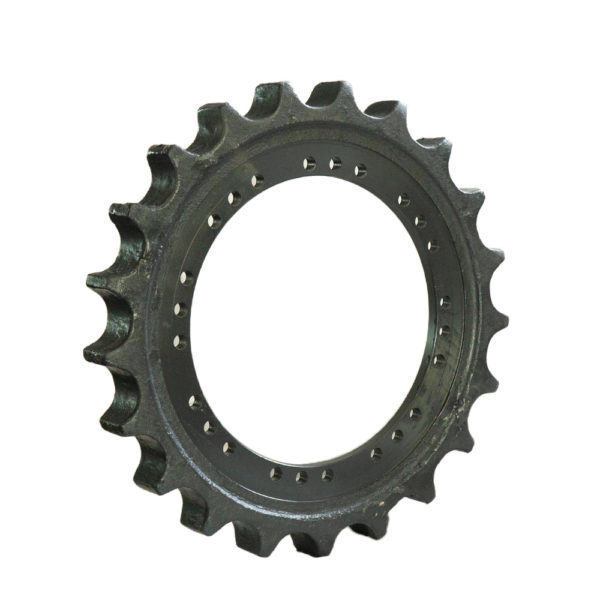
Pentru a înțelege importanța preciziei, haideți să luăm în considerare interacțiunea dintre o legătură de cale și un pinion. Distanța dintre centrul unui știft de cale și următorul se numește „pitch”." Acest pas trebuie să corespundă exact distanței dintre dinții de pe pinion.
Acum, imaginați-vă un lanț de piese de piață unde pitch-ul este ușor deplasat - poate din cauza controalelor slabe ale producției. Pe măsură ce lanțul se cuplează cu pinionul, rolele nu se vor așeza perfect în văile dintre dinții pinionului. În schimb, vor urca pe părțile laterale ale dinților, creând o încărcare punctuală imensă și frecare. Acest lucru va duce la uzarea atât a bucșelor șinelor, cât și a dinților pinionului la o viteză uimitor de rapidă.. Operatorul poate observa un „clic" sau „popping" sunet în timp ce buldozerul se deplasează, care este sunetul unui sistem care se autodistruge.
Acesta este doar un exemplu. Probleme similare pot apărea din:
- Flanșe pentru role de șenile prelucrate incorect: Ducând la uzură excesivă pe părțile laterale ale legăturilor de cale.
- Dimensiuni incorecte ale rulantului: Determinând rularea necorespunzătoare a lanțului de șenile și experiența unei încărcări laterale.
- Garnituri de etanșare prost montate în role și role: Permite pătrunderea murdăriei și umezelii în cavitatea rulmentului, ducând la distrugeri interne rapide.
Acestea nu sunt scenarii ipotetice; sunt consecințe comune ale utilizării de calitate scăzută, piese aftermarket inexacte din punct de vedere dimensional. Economiile inițiale de la o astfel de achiziție sunt rapid consumate de costul înlocuirii nu doar a piesei defecte, dar toate celelalte componente le-a deteriorat. Este un caz clasic de a fi „înțelept și prost”."
Înțelegerea specificațiilor OEM vs. Echivalente aftermarket
Producătorii de echipamente originale investesc milioane de dolari în proiectarea și testarea sistemelor lor de tren de rulare. Specificațiile pentru fiecare componentă sunt rezultatul acestui proces riguros. Ele definesc nu numai dimensiunile fizice, ci și proprietățile materialelor, profile de duritate a suprafeței, și toleranțe admisibile.
Un furnizor aftermarket de înaltă calitate înțelege și respectă acest lucru. Scopul lor nu este de a produce o imitație ieftină, ci un adevărat echivalent funcțional. Acest lucru se realizează printr-un proces meticulos de inginerie inversă:
- Scanare și măsurare: O piesă originală OEM este scanată folosind scanere laser 3D de înaltă precizie și măsurată cu mașini de măsurare a coordonatelor (CMM-uri) pentru a-i surprinde geometria exactă până la nivelul micronului.
- Analiza materialului: The part's material composition is analyzed using spectrometry to identify the specific steel alloy. Secțiunile transversale sunt tăiate, lustruit, și gravate pentru a examina structura granulelor și a măsura adâncimea și profilul de duritate al tratamentului termic.
- Inginerie și Modelare: Aceste date sunt folosite pentru a crea un proiect detaliat asistat de computer (CAD) model și un set de planuri de producție care reproduc toate caracteristicile funcționale critice ale piesei originale.
- Prototiparea și testarea: Prototipurile sunt produse și supuse unor teste riguroase de laborator și de teren pentru a valida dacă funcționează identic cu, sau chiar mai bine decât, piesa OEM.
Un furnizor care urmează acest proces disciplinat poate afirma cu încredere că piesele lor sunt „echivalente OEM" sau „îndeplinește sau depășește specificațiile OEM." Ei nu fac doar o copie vizuală; ele recreează integritatea inginerească a componentei originale. Când alegi un furnizor, întrebați-i despre procesul lor de inginerie inversă și despre măsurile lor de control al calității pentru a asigura acuratețea dimensională. Un furnizor de găleți și găleți buldozer durabile, de exemplu, aplică principii similare ale ingineriei de precizie pentru a se asigura că instrumentele lor de angrenare la sol se potrivesc și funcționează corect.
Rolul ingineriei de precizie în piesele aftermarket
Angajamentul față de ingineria de precizie se extinde dincolo de proiectarea inițială la fiecare etapă a producției. Este nevoie de investiții în modern, controlat numeric computerizat (CNC) centre de prelucrare care pot păstra toleranțe măsurate în fracțiuni din lățimea unui păr uman. Necesită proceduri riguroase de control al calității, inclusiv inspecția regulată a pieselor care ies de pe linia de producție folosind instrumente de măsurare și calibre calibrate.
Luați în considerare perforarea găurilor de știft și bucșă într-o legătură de cale. Diametrul, circularitate, iar alinierea acestor două găuri trebuie să fie perfectă. Dacă nu sunt perfect paralele, bolțul de cale și bucșa vor fi supuse unei forțe de răsucire constantă, conducând la uzură rapidă și neuniformă. Dacă diametrul este prea mare, știftul va fi slăbit, provocând încărcare la impact de fiecare dată când pista trece de la slăbiciune la tensiune. Dacă diametrul este prea mic, potrivirea interferenței va fi prea mare, făcând asamblarea dificilă și potențial stresând legătura.
Acesta este nivelul de detaliu care separă un producător aftermarket de înaltă calitate de un imitator cu costuri reduse. Primul vede trenul de rulare ca pe o mașină de precizie; acesta din urmă îl vede ca pe o colecție de piese metalice simple. Această diferență de filozofie are un impact direct și profund asupra performanței, fiabilitate, și costul final pe oră al componentelor. Un manager de echipamente priceput învață să caute semnele ingineriei de precizie - prelucrare curată, finisaje consistente, și un furnizor care poate furniza fișe detaliate de specificații și documentație de control al calității pentru produsele lor.
Selecția specifică aplicației: Croitorie pe teren
Un buldozer este o mașină remarcabil de versatilă, dar munca pe care o efectuează și terenul pe care îl traversează pot varia enorm. Un buldozer care curăța supraîncărcarea într-o carieră de nisip cu conținut ridicat de silice din Queensland, Australia, se confruntă cu un set complet diferit de provocări de uzură decât cel care împinge pământul înghețat într-o iarnă siberiană sau navighează în noroi, solurile coezive ale unei operațiuni de exploatare forestieră din Asia de Sud-Est. O abordare unică pentru selecția trenului de rulare este, prin urmare, fundamental defectuoasă. O abordare cu adevărat strategică a aprovizionării cu suport pentru piața de schimb pentru trenul de rulare buldozer implică o analiză atentă a aplicației specifice și o selecție deliberată a componentelor concepute să prospere în acel mediu.
Acest proces de croitorie necesită un parteneriat între proprietarul echipamentului și furnizorul de piese. Proprietarul aduce cunoștințe intime despre locurile lor de muncă, cererile lor de producție, și modelele lor istorice de uzură. Furnizorul aduce un portofoliu de opțiuni de componente și expertiza în știința materialelor pentru a recomanda cea mai bună soluție. Un furnizor sofisticat de aftermarket nu va oferi un singur tip de pantof sau role; vor oferi o gamă largă de opțiuni, fiecare optimizat pentru diferite condiții de impact și abraziune. Alegerea celui potrivit poate prelungi dramatic durata de viață a componentelor și poate reduce CPH.
Medii cu abraziune ridicată (Mineritul în Australia, Cariere în Orientul Mijlociu)
High-abrasion environments are the ultimate test of an undercarriage's durability. Aceste condiții sunt caracterizate de durere, ascuțit, și materiale granulare precum nisipul, pietriş, și anumite tipuri de rocă. The primary wear mechanism here is abrasion—the constant grinding and scraping away of the component's surface material.
- Provocarea: În aceste medii, materialul este adesea suficient de mic pentru a pătrunde în micile goluri din trenul de rulare, creând o pastă de măcinat care uzează neîncetat legăturile de cale, bucșe, benzi de rulare, și suprafețe de ralanti. Conținutul de silice al materialului este un factor cheie; nisipul cu conținut ridicat de silice este deosebit de agresiv.
- Soluția: Pentru aplicații cu abraziune ridicată, cerința principală este duritatea maximă a suprafeței. Aici componentele sunt fabricate din înaltă calitate, oțelul cu bor întărit prin strălucire cu adevărat. Profilul de duritate profundă rezistă la acțiunea de șlefuire a particulelor abrazive mult mai eficient decât o componentă cu doar o „întărire a carcasei” subțire." În plus, unii producători oferă „servicii extreme” speciale" sau „rezistent la abraziune" pantofi de șenile. Acești pantofi au adesea un profil mai gros și sunt fabricați din aliaje de oțel brevetate cu cote de duritate și mai mari, conceput special pentru cele mai abrazive condiții întâlnite în locuri precum regiunea Pilbara din Australia. Costul suplimentar marginal pentru aceste componente specializate este adesea rambursat de mai multe ori în perioada de viață extinsă.
Impact scăzut, Scenarii de mare călătorie (Amenajarea teritoriului, Constructii generale)
La celălalt capăt al spectrului se află aplicațiile care implică materiale mai puțin agresive, dar o mare cantitate de călătorie. Gândiți-vă la un buldozer folosit pentru amenajări pe scară largă, munca agricola, sau pregătirea generală a terenului pe soluri moi.
- Provocarea: În aceste scenarii, inamicul principal nu este abraziunea ci uzura internă, în special în știftul căii și îmbinarea bucșei. Cu fiecare revoluție a pistei, există o cantitate mică de mișcare și frecare în această articulație. Peste mii de ore de călătorie de mare viteză, aceasta se acumulează în uzură semnificativă, conducând la o creștere a pasului pistei (întinde) și eventuala necesitate pentru o „întorsătură cu știft și bucșă" sau înlocuire. Daunele de impact sunt mai puțin îngrijorătoare.
- Soluția: Pentru aceste aplicații, accentul trece de la duritatea extremă a suprafeței la calitatea componentelor interne. Soluția ideală este o cale etanșată și lubrifiată (SARE) lanţ. Într-un sistem SALT, îmbinarea știftului și a bucșei este etanșată cu un set de garnituri din poliuretan și umplută cu ulei. Acest ulei asigură o lubrifiere continuă, reducând dramatic frecarea internă și uzura. Durata de viață a știftului și a bucșei poate fi prelungită cu un factor de doi sau mai mult în comparație cu cea uscată (nelubrifiat) lanţ. În timp ce lanțurile SALT au un cost inițial mai mare, capacitatea lor de a întârzia sau elimina procedura costisitoare de întoarcere a știfturilor și a bucșei le face să fie cea mai economică alegere pentru orice aplicație cu deplasare mare. Un furnizor de calitate aftermarket va oferi lanțuri SALT robuste cu garnituri de înaltă calitate, care rezistă la scurgeri și contaminare.
Temperatură extremă și condiții ale solului (Permafrostul siberian, căldură africană)
Condițiile de funcționare la extremele scalei de temperatură introduc un alt strat de complexitate.
Frig extrem: În medii precum Siberia sau nordul Canadei, preocuparea principală este fragilitatea materialului. La temperaturi foarte scăzute (sub -30°C), aliajele standard de oțel își pot pierde ductilitatea și devin susceptibile la rupere la impact. Un buldozer care lovește o piatră înghețată în aceste condiții ar putea spulbera o legătură sau un pantof. Soluția aici constă în aliaje specializate de oțel la temperatură joasă, care sunt formulate și tratate termic pentru a-și păstra duritatea și rezistența la impact chiar și la temperaturi criogenice.. Un furnizor cu experiență pe aceste piețe va putea furniza piese certificate pentru service la temperaturi scăzute.
Căldură extremă și noroi: În cald, umed, și condiții noroioase, precum cele găsite în multe părți ale Africii și Asiei de Sud-Est, problema este adesea „împachetarea." Lipiciosul, noroiul coeziv se poate împacheta în componentele trenului de rulare, în special în jurul pinionului și roților de rulare. Pe măsură ce acest material împachetat se solidifică, schimbă efectiv geometria componentelor, împiedicând cuplarea corectă a lanțului de șenile. Acest lucru creează o presiune imensă asupra întregului sistem, conducând la o tensiune mare a căii, pierdere de putere, și uzură accelerată a tuturor componentelor. Pentru aceste conditii, specializată „centr-poans" sau „relief de noroi" pantofii de sport pot schimba jocul. Acești pantofi au deschideri în centru care permit noroiului și resturilor să se stoarce, prevenirea acumulării de material ambalat. Alegerea pantofului potrivit pentru tipul de sol poate face o diferență dramatică în durata de viață a trenului de rulare și performanța mașinii.
Lanțul de aprovizionare și rețeaua logistică: Obținerea pieselor atunci când aveți nevoie de ele
O componentă a trenului de rulare, indiferent cât de rafinat este conceput sau perfect potrivit pentru aplicarea sa, nu are nicio valoare dacă se află într-un depozit din cealaltă parte a lumii când mașina ta este oprită. În lumile construcțiilor critice în timp, minerit, si agricultura, timpul de funcționare este primordial. Capacitatea unui furnizor de a livra piesa potrivită la locul potrivit la momentul potrivit este, prin urmare, o componentă crucială și adesea subestimată a suportului eficient al pieței de schimb. A supplier's logistical capability—their network of distribution centers, sistemele lor de gestionare a stocurilor, și relațiile lor cu transportatorii de transport maritim – face parte din oferta lor de produse ca și oțelul în sine.
Pentru operatorii din regiuni geografice vaste sau îndepărtate, precum outback-ul australian, estul îndepărtat al Rusiei, sau dezvoltarea siturilor miniere în Africa, the strength of the supplier's supply chain is not a matter of convenience; este o chestiune de supraviețuire operațională. O întârziere de două zile în primirea unei piese poate avea repercusiuni financiare care depășesc cu mult orice economii la prețul de achiziție.. În consecință, a thorough assessment of a supplier's logistical network is a non-negotiable step in the selection process.
Evaluarea inventarului furnizorilor și a centrelor de distribuție
Fundamentul unui lanț de aprovizionare receptiv este o rețea de centre de distribuție bine aprovizionată și situată strategic. Principalii producători OEM precum Komatsu și Caterpillar au stabilit standardul industriei în acest sens, cu masiv, depozite regionale de piese concepute pentru a-și deservi rețelele de dealeri cu rate mari de umplere și timpi scurti de livrare (Komatsu, n.d.-a; Caterpillar Inc., n.d.). Un furnizor de piață de schimb de clasă mondială încearcă să imite acest model.
La evaluarea unui potential furnizor, luați în considerare următoarele:
- Amplasarea Depozitelor: Unde sunt situate principalele lor centre de distribuție? Au o prezență pe continentul sau regiunea dvs? Un furnizor cu un depozit în Australia, de exemplu, va putea deservi un client din Perth mult mai eficient decât unul al cărui întreg inventar se află în Europa sau America de Nord.
- Filosofia inventarului: Care este abordarea lor față de inventar? Stoc o gamă largă și profundă de piese de tren de rulare pentru diferite mărci și modele, sau se bazează în primul rând pe un „just-in-time”." model în care piesele sunt comandate de la o fabrică centrală numai după ce un client plasează o comandă? Primul oferă un tampon împotriva întreruperilor lanțului de aprovizionare și permite livrarea mai rapidă, în timp ce acesta din urmă poate duce la întârzieri semnificative.
- Tehnologia inventarului: Folosesc sisteme moderne de management al depozitelor (WMS) care oferă vizibilitate în timp real asupra nivelurilor stocurilor? Reprezentanții lor de vânzări sau portalul lor online vă pot spune imediat dacă o piesă este în stoc și unde se află? Acest nivel de sofisticare tehnologică este un semn al unei bune gestionări, operare profesională.
Timp de livrare și costuri către locații la distanță
Pentru mulți utilizatori de echipamente grele, „ultimul milă" a călătoriei de livrare este cea mai dificilă. Aducerea unui palet de role de șenile într-un oraș portuar important este un lucru; aducerea la o mină la distanță 500 kilometri în interior este cu totul alta.
Un furnizor cu experiență în regiunea dvs. va avea relații stabilite cu transportatorii de marfă locali și regionali, care sunt abili în a naviga aceste obstacole logistice. Ei vor putea oferi estimări realiste și de încredere pentru timpii și costurile de expediere, luând în considerare eventualele întârzieri vamale, conditiile drumului, și alte variabile locale.
Când discutați despre logistică cu un potențial furnizor, cere exemple specifice de timpi de livrare către locații similare cu a ta. Fiți atenți la promisiunile excesiv de optimiste. De asemenea, este important să clarificați condițiile de expediere (Incoterms). Este prețul menționat „Free la bord" (FOB) din depozitul lor, ceea ce înseamnă că sunteți responsabil pentru toate costurile și riscurile de transport din acel moment înainte? Sau este „Livrat taxă plătită" (DDP) către site-ul dvs, adică furnizorul se ocupă de tot? Înțelegerea acestor termeni este crucială pentru calcularea cu precizie a costului total debarcat al pieselor.
Impactul factorilor geopolitici asupra lanțurilor de aprovizionare în 2025
Peisajul global al 2025 este unul de volatilitate crescută. Lecțiile din era post-2020 au arătat că lanțurile de aprovizionare sunt vulnerabile la întreruperi din cauza unei game largi de factori, inclusiv pandemii, dispute comerciale, conflicte internationale, și congestionarea căilor de transport maritim. O strategie rezistentă de suport pentru piața de schimb trebuie să țină cont de aceste realități geopolitice.
Acest lucru adaugă o altă dimensiune evaluării furnizorilor: diversificarea lanțului de aprovizionare. Un furnizor care își aprovizionează toate materiile prime dintr-o singură țară și își fabrică toate produsele într-o singură fabrică este mai vulnerabil la întreruperi decât unul cu o amprentă mai diversificată.. Un furnizor cu mai multe site-uri de producție în diferite regiuni geopolitice și o abordare cu mai multe surse a materiilor prime este mai bine poziționat pentru a face față unei crize într-o parte a lumii fără o întrerupere completă a aprovizionării.
While it may not always be possible to have complete transparency into a supplier's entire supply chain, a pune întrebări despre strategiile lor de atenuare a riscurilor poate fi revelator. Au planuri de urgență pentru închiderea porturilor sau modificările tarifelor comerciale?? Mențin stocul de siguranță în depozitele regionale pentru a proteja împotriva întârzierilor de expediere? Un furnizor care a luat în considerare aceste probleme este mai probabil să fie un partener de încredere într-o lume incertă. Alegerea unui furnizor aftermarket nu este doar o alegere a unui produs, ci o alegere a unui lanț de aprovizionare, iar în epoca modernă, reziliența acelui lanț este un factor critic în asigurarea propriei continuități operaționale.
Viitorul managementului trenului de rulare: Tehnologie și inovație
Principiile fundamentale ale uzurii trenului de rulare — abraziunea, impact, și frecarea — sunt atemporale. in orice caz, instrumentele și tehnologiile utilizate pentru a gestiona și atenua uzura se află într-o stare constantă de evoluție. Domeniul managementului trenului de rulare se îndepărtează de la un model reactiv, în cazul în care piesele sunt înlocuite numai după ce se defectează, spre un model proactiv și predictiv, condus de date, senzori avansați, și materiale inovatoare. Pentru proprietarii de echipamente, a rămâne la curent cu aceste evoluții este cheia pentru a debloca noi niveluri de eficiență, reducerea costurilor, și maximizarea disponibilității mașinii. Un furnizor de piesă de schimb cu gândire de viitor nu este doar un furnizor de piese tradiționale, ci un partener în această evoluție tehnologică.
Această nouă frontieră a managementului trenului de rulare promite un viitor în care întreținerea este mai puțin despre presupuneri și mai mult despre precizia bazată pe date. Implica valorificarea puterii Internetului lucrurilor (IoT) pentru a oferi mașinilor o voce, permițându-le să raporteze despre propria sănătate în timp real. De asemenea, implică inovare continuă în domeniul fizic, cu aliaje și design noi care împing limitele durabilității.
Telematică și întreținere predictivă
De zeci de ani, inspecția trenului de rulare a fost un proces manual și oarecum subiectiv, bazându-se pe tehnicieni cu instrumente cu ultrasunete și multă experiență pentru a măsura uzura și a prezice durata de viață rămasă. În timp ce eficient, this method is labor-intensive and provides only periodic snapshots of the undercarriage's condition.
Următorul mare salt înainte este integrarea telematicii și a tehnologiei senzorilor direct în componentele trenului de rulare. Imagina:
- Role inteligente: Role de șenile încorporate cu senzori de temperatură și vibrații. O creștere neobișnuită de temperatură într-o rolă ar putea indica un rulment defect sau o pierdere a lubrifierii cu mult înainte de a deveni o defecțiune catastrofală. The system could automatically send an alert to the fleet manager's phone, permițându-le să programeze o înlocuire în timpul următorului interval de service planificat, evitând perioadele de întrerupere neprogramate.
- Monitorizarea tensiunii pistei: Senzori care monitorizează continuu presiunea hidraulică în sistemul de reglare a căii. Aceasta oferă o măsurare în timp real a tensiunii șenilei. Sistemul ar putea alerta operatorul dacă șenul devine prea strâns (din cauza ambalării) sau prea lejer (din cauza uzurii bolțurilor și bucșei), permițând corectarea imediată înainte de producerea daunelor.
- Integrarea GPS și a datelor operaționale: By combining undercarriage sensor data with the machine's GPS and operational data (sarcina motorului, viteza de deplasare, etc.), se poate construi un model predictiv puternic. Acest model poate afla cum diferiți operatori și diferite sarcini afectează ratele de uzură, oferind predicții incredibil de precise privind durata de viață rămasă a componentelor. Un manager de flotă ar putea vedea un tablou de bord care arată starea fiecărui tren de rulare din flota sa, cu un sistem cu coduri de culori care indică ce mașini vor avea nevoie de service în curând.
În timp ce această tehnologie este încă în curs de dezvoltare în spațiul aftermarket, este direcția clară a industriei. Producătorii OEM de vârf implementează deja astfel de sisteme (XCMG, n.d.). Atunci când alegeți un partener aftermarket, este înțelept să întrebați despre foaia lor de parcurs pentru integrarea tehnologiilor inteligente în ofertele lor de produse.
Inovații în materiale și design
Căutarea componentelor de durată mai lungă conduce, de asemenea, inovații continue în metalurgie și proiectarea componentelor. Dezvoltarea oțelului cu bor a fost un pas major, dar cercetarea nu se oprește aici. Metalurgiștii experimentează în mod constant cu noi aliaje, inclusiv oțeluri nanostructurate și compozite cu matrice metalică, care promit o rezistență și mai mare la abraziune și impact.
Inovația în design este, de asemenea, esențială. Am discutat deja de pantofii de șenile cu relief de noroi, dar alte progrese includ:
- Bucșe rotative: În unele modele de lanțuri de șenile, bucșa este liberă să se rotească în jurul știftului. Aceasta distribuie uzura de la dintele pinionului pe întreaga suprafață de 360 de grade a bucșei, mai degrabă decât să-l concentrăm pe o parte. Acest lucru poate prelungi dramatic durata de viață a bucșei și a pinionului.
- Modele de etanșare îmbunătățite: Eficacitatea unui lanț de șenile etanșat și lubrifiat depinde în întregime de integritatea etanșărilor sale. Producătorii dezvoltă în mod constant noi geometrii și materiale de etanșare (cum ar fi nitrilul foarte saturat) care oferă o rezistență mai bună la căldură, abraziune, și contaminare, asigurându-se că lubrifierea internă rămâne înăuntru și nisipul extern rămâne afară.
- Profiluri de componente optimizate: Folosind tehnici avansate de modelare computerizată, cum ar fi analiza cu elemente finite (FEA), inginerii pot optimiza forma componentelor, cum ar fi legăturile de șenile și rolele. Ele pot adăuga material în zonele cu stres ridicat și îl pot îndepărta din zonele cu stres scăzut, creând o mai puternică, piesă mai durabilă fără a-i crește neapărat greutatea sau costul.
Creșterea componentelor durabile și remanufacturate
Într-o lume din ce în ce mai conștientă de mediu, „lua, face, dispune" modelul de producție se confruntă cu o mai mare atenție. Industria echipamentelor grele răspunde cu un accent tot mai mare pe durabilitate, și una dintre cele mai puternice expresii ale acestui lucru este ascensiunea remanufacturării.
Remanufacturarea este un proces industrial prin care se folosesc componente (cunoscut sub numele de „nuclee”) sunt returnate la o fabrică, complet dezasamblat, curatat, si inspectat. Orice piese uzate sunt înlocuite cu altele noi care îndeplinesc specificațiile originale, iar componenta este reasamblată și testată la aceleași standarde ca un produs nou. Este un proces mult mai riguros decât simpla „reconstrucție" sau „reparare."
Pentru componentele trenului de rulare, aceasta poate fi o strategie extrem de eficientă. Se poate returna un set uzat de role sau role de rulare, iar componentele de bază - carcasele rolelor și arborii - pot fi refabricate în stare ca noi. Acest lucru oferă mai multe beneficii convingătoare:
- Economii de costuri: Remanufacturat (sau "reman") componentele costă de obicei mult mai puțin decât cele noi, oferind un beneficiu economic direct.
- Beneficii pentru mediu: Remanufacturarea este o formă de reciclare care conservă cantitățile mari de energie și materii prime necesare pentru a produce o piesă nouă de la zero.
- Calitate garantată: Pentru că sunt reconstruite conform specificațiilor OEM și testate complet, componente reman dintr-o sursă de renume (like Komatsu's reman program) Vin adesea cu aceeași garanție ca o piesă nouă, oferind liniște sufletească (Komatsu, n.d.-b).
Pe măsură ce sustenabilitatea devine un factor mai important în politicile de achiziții corporative și guvernamentale, cererea de opțiuni remanufacturate este probabil să crească. Un furnizor aftermarket care oferă un program robust de remanufactură nu oferă doar o alternativă rentabilă, ci și demonstrează un angajament pentru un viitor mai durabil pentru industrie.
Întrebări frecvente (FAQ)
Care este diferența principală dintre piesele de tren de rulare ale buldozerului OEM și aftermarket?
OEM (Producător de echipamente originale) piesele sunt fabricate de sau pentru compania care a construit buldozerul dumneavoastră (De ex., Omida, Komatsu). Se garantează că se potrivesc și funcționează conform specificațiilor originale din fabrică. Piesele aftermarket sunt produse de companii terțe. Calitatea pieselor aftermarket variază foarte mult; piesele aftermarket de înaltă calitate de la furnizori reputați precum LiuGong sau alți specialiști sunt proiectate invers pentru a îndeplini sau chiar depăși specificațiile OEM, adesea la un cost mai mic (LiuGong, n.d.). Piesele de piesă de schimb de calitate inferioară pot suferi din cauza materialelor slabe, dimensiuni inexacte, si viata mai scurta.
Cum pot să-mi dau seama dacă un furnizor aftermarket este de renume?
Căutați mai mulți indicatori cheie: o lungă istorie în industrie, recenzii și mărturii pozitive de la alți proprietari de echipamente, o garanție completă care acoperă piesele și potențialul manoperă, informații transparente despre procesele lor de fabricație și specificațiile materialelor (De ex., utilizarea oțelului forjat cu bor), și o rețea de distribuție și asistență stabilită în regiunea dvs.
Este o piesă aftermarket mai scumpă întotdeauna mai bună?
Nu neapărat, dar există adesea o corelație puternică între preț și calitate. Cea mai importantă măsură nu este prețul inițial, ci costul pe oră (CPH). O parte care costa 20% mai mult dar durează 50% mai lungă este alegerea mai economică. Investește în valoare și durabilitate, nu doar cel mai mic preț al biletului.
Cât de des ar trebui să-mi inspectez trenul de rulare al buldozerului?
Inspecțiile regulate sunt vitale. O plimbare zilnică rapidă pentru a verifica dacă există hardware slăbit, scurgeri, sau se recomandă deteriorarea evidentă. Inspecțiile săptămânale mai detaliate ar trebui să includă verificarea tensiunii șenilei (Sag) și căutând modele de uzură anormale. O inspecție și o măsurare cuprinzătoare a trenului de rulare de către un tehnician calificat ar trebui efectuate fiecare 500 la 1,000 ore, depending on the application's severity.
Pot amesteca piese OEM și piese de schimb pe același tren de rulare?
Deși este posibil din punct de vedere tehnic, in general nu este recomandat, în special pentru componentele care interacționează. De exemplu, amestecarea unui lanț de șenile de piață de schimb nou cu un pinion OEM uzat poate provoca o uzură accelerată a ambelor. The different wear rates and potentially minor dimensional variations can disrupt the system's harmony. Pentru cele mai bune rezultate, este recomandabil să înlocuiți componentele care interacționează ca un set potrivit dintr-un singur, furnizor de înaltă calitate.
Ce înseamnă „cost-pe-oră" înseamnă pentru piesele trenului de rulare?
Costul pe oră (CPH) este un calcul care determină costul real de exploatare al unei componente. Se calculează luând costul total al piesei (inclusiv prețul de achiziție și manopera de instalare) și împărțind-o la numărul de ore de service pe care le oferă înainte de a avea nevoie de înlocuire. Această măsurătoare vă permite să comparați părți ale diferitelor prețuri și durate de viață pe picior de egalitate.
Tipul de sol sau rocă afectează ce piese de tren de rulare ar trebui să cumpăr?
Absolut. Acesta este unul dintre cei mai critici factori. Materialele foarte abrazive precum nisipul ascuțit și pietrișul necesită piese cu duritate maximă a suprafeței (precum pantofii de șenile cu servicii extreme). Moale, condițiile noroioase necesită încălțăminte cu găuri pentru eliberarea noroiului pentru a preveni împachetarea. De mare impact, mediile stâncoase necesită piese cu tenacitate mare a miezului pentru a rezista la rupere. Potriviți întotdeauna componentele trenului de rulare la condițiile specifice ale solului.
Concluzie
Alegerea suportului aftermarket pentru un tren de rulare buldozer este o decizie cu consecințe semnificative, resonating through a company's operational efficiency and financial health. Călătoria prin acest proces de luare a deciziilor dezvăluie că o concentrare superficială asupra prețului inițial de achiziție este o strategie defectuoasă și adesea costisitoare. O abordare mai luminată, bazată pe principiile economiei ciclului de viață, stiinta materialelor, și parteneriat strategic, are randamente mult mai mari. Prin adoptarea disciplinei analizei cost-pe-oră, managerii pot pătrunde în ceața costurilor inițiale și pot identifica adevărata valoare. Prin dezvoltarea unei alfabetizări funcționale în metalurgie și procese de fabricație, pot distinge durabile, componente bine lucrate de la omologii lor inferioare.
În cele din urmă, alegerea unui furnizor nu este o simpla tranzactie ci formarea unei relatii. It is a vote of confidence in a partner's engineering capabilities, priceperea lor logistică, și angajamentul lor de a sprijini produsul lor cu o garanție semnificativă și asistență tehnică expertă. Pe piața globală solicitantă și în continuă schimbare a 2025, de la terenurile abrazive ale Australiei până la terenurile înghețate ale Rusiei, operatorii care prosperă vor fi cei care recunosc că fundația unui buldozer productiv nu este doar oțelul pe care rulează, ci inteligența și previziunea cu care este ales acel oțel. Un tren de rulare robust, sprijinit de un partener de încredere aftermarket, este piatra de bază a productivității, asigurându-se că aceste mașini puternice rămân în murdărie, făcându-și treaba, și conducând profitabilitatea.
Referințe
Caterpillar Inc. (n.d.). Piese ale trenului de rulare. Recuperat în iunie 21, 2025, din
Forjarea aurului. (n.d.). Cupa pentru excavator profesional & dinți forjați de găleată. Recuperat în iunie 21, 2025, din
Komatsu. (n.d.-a). Piese ale trenului de rulare. Recuperat în iunie 21, 2025, din
Komatsu. (n.d.-b). Tren de rulare original Komatsu. Recuperat în iunie 21, 2025, din
LiuGong. (n.d.). Piese ale trenului de rulare. Recuperat în iunie 21, 2025, din
XCMG. (n.d.). Excavator minier XE700D. Recuperat în iunie 21, 2025, din