
सार
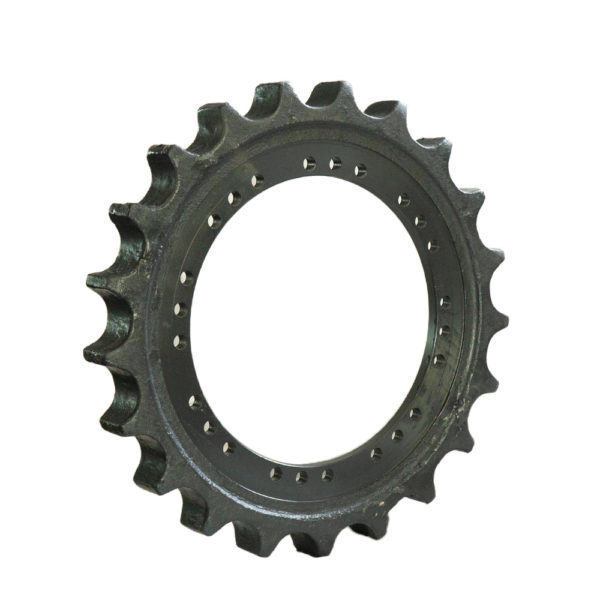
डोजरको परिचालन व्यवहार्यता र आर्थिक कार्यसम्पादन आन्तरिक रूपमा यसको अन्डरक्यारेजको अखण्डतासँग जोडिएको हुन्छ।, a system that can account for over half of the machine's total lifetime maintenance expenditure. यस विश्लेषणले डोजर अन्डरक्यारेज कम्पोनेन्टहरूका लागि अफ्टरमार्केट समर्थन सुरक्षित गर्नमा संलग्न बहुआयामिक विचारहरूको जाँच गर्दछ। 2025 विश्वव्यापी बजार. यो प्रारम्भिक खरिद लागतहरूको सरल मूल्याङ्कनभन्दा पर बढि सूक्ष्मतामा जान्छ।, समग्र ढाँचा जसले लागत-प्रति-घण्टा समावेश गर्दछ (CPH) विश्लेषण, पहिरन अवयवहरूको भौतिक विज्ञान, र फोर्जिङ र गर्मी उपचार जस्ता निर्माण प्रक्रियाहरूको दानेदार विवरणहरू. अध्ययनले आपूर्तिकर्ताको विश्वसनीयताको महत्वपूर्ण भूमिकाको मूल्याङ्कन गर्दछ, वारेन्टी प्रावधानहरू, र लजिस्टिक क्षमताहरू, विशेष गरी अस्ट्रेलिया जस्ता विविध र माग गर्ने क्षेत्रहरूमा अपरेटरहरूका लागि, रूस, मध्य पूर्व, र दक्षिणपूर्वी एशिया. घटक दीर्घायु र मेसिन अपटाइममा योगदान गर्ने कारकहरू विच्छेदन गरेर, यस गाइडले उपकरण प्रबन्धकहरूलाई सूचित गर्नको लागि एक संरचित विधि प्रदान गर्दछ, रणनीतिक निर्णयहरू जसले लाभप्रदता बढाउँछ र प्रभावकारी aftermarket साझेदारी मार्फत परिचालन डाउनटाइम कम गर्छ।.
कुञ्जी टेकअवेज
- साँचो आर्थिक मूल्याङ्कनका लागि प्रारम्भिक खरिद मूल्यमा लागत-प्रति-घण्टा विश्लेषणलाई प्राथमिकता दिनुहोस्.
- आफ्टरमार्केट भागहरूको सामग्री संरचना र गर्मी उपचार प्रक्रियाहरूको छानबिन गर्नुहोस्.
- एक व्यापक वारेन्टी र पारदर्शी आपूर्तिकर्ता समर्थन जोखिम न्यूनीकरणको लागि आधारभूत हो.
- डोजर अन्डरक्यारेज प्रणालीहरूको लागि बलियो आफ्टरमार्केट समर्थन प्रदान गर्ने विक्रेता छान्नुहोस्.
- द्रुत पहिरन र प्रणाली विफलता रोक्न सटीक भाग अनुकूलता पुष्टि गर्नुहोस्.
- Assess a supplier's logistics network for timely delivery to your operational region.
- तपाईंको काम साइटको विशिष्ट घर्षण र प्रभाव स्तरहरूमा अन्डरक्यारेज कम्पोनेन्टहरू मिलाउनुहोस्.
सामग्रीको तालिका
- आर्थिक गणना: अपफ्रन्ट लागत परे सर्दै
- भौतिक विज्ञान र निर्माण: स्थायित्व को आधार
- वारेन्टी र आपूर्तिकर्ता विश्वसनीयता को आश्वासन
- अनुकूलता र प्रणाली एकीकरण: एक उत्तम फिट
- आवेदन-विशेष चयन: भूभागमा टेलरिङ
- आपूर्ति श्रृंखला र रसद नेटवर्क: तपाईलाई आवश्यक पर्दा भागहरू प्राप्त गर्दै
- अन्डरक्यारेज व्यवस्थापनको भविष्य: प्रविधि र नवीनता
- बारम्बार सोधिने प्रश्नहरू (FAQ)
- निष्कर्ष
- सन्दर्भहरू
आर्थिक गणना: अपफ्रन्ट लागत परे सर्दै
भारी मेसिनरी को रखरखाव को वरिपरि निर्णय प्रक्रिया, विशेष गरी डोजर अन्डरक्यारेज, प्रायः अग्रिम लागतहरूको तत्काल र ठोस दबाबले बादल छ. एक खरीद प्रबन्धक एक इनभ्वाइस द्वारा प्रलोभन हुन सक्छ जुन मौलिक उपकरण निर्माताको भन्दा धेरै कम अंक प्रस्तुत गर्दछ। (OEM). यो प्रारम्भिक बचत, यद्यपि, भ्रामक साइरन गीत हुन सक्छ, फ्लीट प्रबन्धकहरूलाई निर्णयतर्फ आकर्षित गर्ने जुन कम्पोनेन्टको परिचालन आयुभन्दा धेरै महँगो साबित हुन्छ. अन्डरक्यारेज पार्ट्सको वास्तविक आर्थिक कथा खरिद अर्डरमा लेखिएको छैन तर हजारौं घन्टा ग्राइन्डिंगमा प्रकट हुन्छ।, धकेल्दै, र कठोर भू-भागहरू पार गर्दै. यो लागत-प्रति-घण्टामा भनिएको कथा हो, एक मेट्रिक जसले भागको कुल आर्थिक वास्तविकता कब्जा गर्दछ, यसको प्रारम्भिक टिकट मूल्य मात्र होइन.
यो भिन्नता बुझ्नको लागि दृष्टिकोणमा परिवर्तन आवश्यक छ, एक लेनदेन मानसिकता देखि एक रणनीतिक मा एक कदम. यसमा अण्डरक्यारेज भागहरूको सङ्कलन मात्र नभएर एउटा जटिल कुरा हो भन्ने मान्यता समावेश छ, गतिशील प्रणाली जहाँ प्रत्येक कम्पोनेन्टको कार्यसम्पादन अरूसँग गहिरो रूपमा जोडिएको हुन्छ. एउटा क्षेत्रमा समयपूर्व असफलता, जस्तै ट्र्याक लिङ्क, रोलरहरूमा द्रुत पहिरनको क्यास्केड सुरु गर्न सक्छ, अल्छीहरू, र sprockets, एकल घटक मुद्दालाई पूर्ण प्रणाली संकटमा परिणत गर्दै. त्यसैले, a mature evaluation of aftermarket support for dozer undercarriage parts must be grounded in a comprehensive financial model that accounts for the full spectrum of costs incurred throughout the part's life.
सबैभन्दा कम मूल्यको भ्रम
अझ बढी केन्द्रित लेन्स मार्फत सबैभन्दा कम मूल्यको आकर्षक आकर्षणलाई विचार गरौं. मध्य-आकार डोजरको लागि ट्र्याक चेनहरूको दुई सेटको कल्पना गर्नुहोस्. ए सेट गर्नुहोस्, एक कम ज्ञात aftermarket आपूर्तिकर्ता बाट, मा मूल्य निर्धारण गरिएको छ 20% B सेट भन्दा कम, जुन गुणस्तर नियन्त्रण र सामग्री उत्कृष्टताको दस्तावेज इतिहासको साथ एक सम्मानित aftermarket निर्माता बाट आउँछ. Set A मा तत्काल बचतहरू निर्विवाद रूपमा आकर्षक छन्, त्रैमासिक बजेटमा प्रत्यक्ष वृद्धिको रूपमा देखा पर्दछ. यो खरिद अनुमोदन गर्ने प्रबन्धकले आफ्नो वित्तीय विवेकको लागि प्रशंसा पनि प्राप्त गर्न सक्छ.
अझै, यो दृष्टिकोण मौलिक रूपमा अपूर्ण छ. यसले थप अनुसन्धानात्मक प्रश्नहरू सोध्न असफल भयो. Set A मा स्टिलको मेटलर्जिकल संरचना के हो?? के यसले सेट बी जस्तै कठोर गर्मी उपचार प्रक्रियाहरू पार गरेको छ? फोर्जिङ र मेशिनिङ को परिशुद्धता के हो, र सहिष्णुताहरू कसरी तुलना गर्छन्? यी मामूली प्राविधिक कुरा होइनन्; they are the very factors that determine the part's ability to withstand the immense stresses of dozer operation.
यदि सस्तो सेट A पछि बाहिर जान्छ 2,500 घण्टा, जबकि अधिक बलियो सेट बी को लागी सहन 4,000 घण्टा, आर्थिक चित्र नाटकीय रूपमा परिवर्तन हुन्छ. प्रारम्भिक 20% समयपूर्व प्रतिस्थापनको आवश्यकताले बचतलाई ग्रहण गरेको छ. यो प्रतिस्थापनले चेनहरूको नयाँ सेटको लागत मात्र नभई मेसिन डाउनटाइमको महत्त्वपूर्ण खर्च पनि समावेश गर्दछ।, मर्मत गर्ने प्राविधिकहरूको ज्याला, र रोकिएको परियोजनाबाट राजस्व गुमाउने सम्भावना. जब यी "लुकेका छन्" लागत मा कारक छन्, "सस्तो" विकल्प अधिक महँगो भएको खुलासा गरिएको छ. यस परिदृश्यले भारी उपकरण व्यवस्थापनमा आधारभूत सिद्धान्तलाई चित्रण गर्दछ: साँचो लागत मूल्य र आयु दुवैको कार्य हो.
| कारक | OEM भागहरू | गुणस्तर पछि बजार भागहरू |
|---|---|---|
| प्रारम्भिक लागत | उच्चतम | मध्यम देखि उच्च |
| लागत-प्रति-घण्टा | लामो जीवनको कारण प्रायः प्रतिस्पर्धी | सबैभन्दा किफायती हुन सक्छ |
| सामाग्री गुणस्तर | उच्च, मौलिक विनिर्देशहरू पूरा गर्दछ | उच्च, प्राय: OEM चश्मा पूरा गर्दछ वा बढी हुन्छ |
| वारेन्टी | व्यापक, निर्माता द्वारा समर्थित | फरक हुन्छ, तर सम्मानित आपूर्तिकर्ताहरूले बलियो वारेन्टीहरू प्रस्ताव गर्छन् |
| उपलब्धता | राम्रो, आधिकारिक डिलर नेटवर्क मार्फत | उत्कृष्ट, व्यापक वितरण नेटवर्क संग |
| प्राविधिक समर्थन | बलियो, निर्माताबाट प्रत्यक्ष | फरक हुन्छ; स्थापित आपूर्तिकर्ताहरु संग बलियो |
लागत-प्रति-घण्टा प्रस्तुत गर्दै (CPH) विश्लेषण
लागत-प्रति-घण्टा (CPH) विश्लेषण एक बौद्धिक उपकरण हो जसले हामीलाई प्रारम्भिक मूल्य निर्धारणको कुहिरोबाट काट्न र वास्तविक आर्थिक परिदृश्य हेर्न अनुमति दिन्छ।. यो एक सरल तर गहिरो गणना हो जसले खरीद निर्णयलाई "कति लागत यो किन्नको लागि" बाट पुन: फ्रेम गर्दछ?" "यो चलाउन कति खर्च लाग्छ?" यसको परिचालन जीवनमा कम्पोनेन्टको कुल लागत परिशोधन गरेर, CPH ले फरक मूल्य र आयुका भागहरू तुलना गर्नको लागि मानकीकृत मेट्रिक प्रदान गर्दछ. यसले मूल्यमा जुवा खेल्ने निर्णयलाई मूल्यमा लगानीमा परिवर्तन गर्छ.
The CPH figure is an embodiment of a part's total economic footprint. यसले प्रारम्भिक खरिद मूल्य समावेश गर्दछ, स्थापना श्रम, र कुनै पनि अन्य प्रत्यक्ष लागत, सबैलाई प्रतिस्थापनको आवश्यकता हुनु अघि पार्टले काम गर्ने घण्टाको संख्याले विभाजित गर्छ. यो दृष्टिकोण व्यवस्थित रूपमा सस्तोमा स्थायित्व र दीर्घायुको पक्षमा छ. एक भाग जसले धेरै अग्रिम लागत दिन्छ तर उल्लेखनीय रूपमा लामो सेवा जीवन प्रदान गर्दछ लगभग सधैं कम CPH उपज हुनेछ।, लगानीमा राम्रो प्रतिफलको प्रतिनिधित्व गर्दछ. सीपीएचलाई अँगाल्ने एक मर्मत रणनीति निर्माण गर्ने दिशामा पहिलो चरण हो जुन सक्रिय र मूल्य-संचालित छ, प्रतिक्रियात्मक र लागत केन्द्रित भन्दा. यसले क्षेत्रको परिचालन आवश्यकताहरूसँग खरिद विभागको लक्ष्यहरू पङ्क्तिबद्ध गर्दछ, एक संस्कृति को बढावा दिदै जहाँ दीर्घकालीन विश्वसनीयता सफलता को अन्तिम उपाय हो.
CPH गणना गर्दै: एक व्यावहारिक रूपरेखा
लागत-प्रति-घण्टाको गणना कुनै रहस्यमय विज्ञान होइन तर वित्तीय स्पष्टतामा व्यावहारिक अभ्यास हो।. आधारभूत सूत्र निम्नानुसार छ:
CPH = (खरिद मूल्य + स्थापना श्रम लागत) / कुल सेवा घण्टा
Let's apply this to our earlier example of two track chain sets.
परिदृश्य:
- मेसिन: मध्यम आकारको डोजर
- श्रम दर: $100 प्रति घण्टा
- स्थापना समय: 16 एक जोडी चेनको लागि घण्टा
- स्थापना श्रम लागत: 16 घण्टा * $100/घण्टा = $1,600
ट्र्याक चेन सेट ए (कम मूल्य):
- खरिद मूल्य: $8,000
- कुल सेवा घण्टा: 2,500 घण्टा
- कुल लागत = $8,000 (मूल्य) + $1,600 (श्रम) = $9,600
- CPH (ए सेट गर्नुहोस्) = $9,600 / 2,500 घण्टा = $3.84 प्रति घण्टा
ट्र्याक चेन सेट B (सम्मानित Aftermarket):
- खरिद मूल्य: $10,000
- कुल सेवा घण्टा: 4,000 घण्टा
- कुल लागत = $10,000 (मूल्य) + $1,600 (श्रम) = $11,600
- CPH (B सेट गर्नुहोस्) = $11,600 / 4,000 घण्टा = $2.90 प्रति घण्टा
नतिजा नितान्त छ. हुँदाहुँदै पनि 25% खरिद गर्न थप महँगो, B सेट सकियो 24% एक घण्टाको आधारमा सञ्चालन गर्न सस्तो. CPH गणनाले खरीद मूल्यमा मात्र ध्यान केन्द्रित गर्ने त्रुटिपूर्ण तर्कलाई उजागर गर्दछ र एक उद्देश्य प्रदान गर्दछ।, उच्च गुणस्तरका कम्पोनेन्टहरूमा लगानीको लागि डाटा-संचालित औचित्य. This framework empowers managers to make decisions that are demonstrably better for the company's bottom line over the long term.
लुकेको लागत: डाउनटाइम, श्रम, र संपार्श्विक क्षति
CPH सूत्र, यसको आधारभूत रूप मा, पहिले नै एक शक्तिशाली उपकरण हो. यद्यपि, एक साँच्चै व्यापक विश्लेषणले लागतहरू पनि स्वीकार गर्नुपर्छ जुन यो सरल समीकरणमा कब्जा गरिएको छैन।. यी "लुकेका छन्" वा कम्पोनेन्ट विफलताबाट उत्पन्न हुने परिणामी लागतहरू, र तिनीहरू प्रायः प्रारम्भिक खरिद मूल्यलाई कम गर्न सक्छन्.
यी मध्ये सबैभन्दा महत्त्वपूर्ण अनिश्चित डाउनटाइमको लागत हो. जब एक डोजर एक अन्डरक्यारेज विफलता को कारण कमीशन बाहिर छ, प्रत्यक्ष आर्थिक प्रभाव मर्मत लागत मात्र होइन. त्यो अवधिमा मेसिनले उत्पन्न गरेको राजस्वको घाटा हो. पश्चिमी अष्ट्रेलियाको खानी वा मध्य पूर्वको प्रमुख पूर्वाधार परियोजना जस्ता उच्च-उत्पादन वातावरणमा, यो हराएको अवसर लागत हजारौं मा चल्न सक्छ, वा हजारौं पनि, प्रति दिन डलर को. डाउनटाइमको एक दिनले सस्तो कम्पोनेन्टबाट प्रारम्भिक बचतहरू धेरै पटक मेटाउन सक्छ.
यसबाहेक, संपार्श्विक क्षतिको मुद्दा छ. एक असफल ट्र्याक पिन वा बुशिंग अलगावमा अवस्थित छैन. यसको विफलताले ट्र्याक चेन "तान्दै जान्छ" वा सर्प, जसले फलस्वरूप स्प्रोकेट दाँतहरूमा असामान्य र द्रुत पहिरन निम्त्याउँछ, idler flanges, र रोलर ट्रेडहरू ट्र्याक गर्नुहोस्. एकल सस्तो कम्पोनेन्टले सम्पूर्ण अन्डरक्यारेज प्रणालीको जीवनलाई छोटो बनाउन सक्छ, एक महँगो र समयपूर्व पूर्ण पुनर्निर्माण ट्रिगर गर्दै. यो अण्डरक्यारेजलाई एकीकृत प्रणालीको सट्टा व्यक्तिगत भागहरूको संग्रहको रूपमा हेर्ने खतरा हो. सोर्सिङ गर्दा उच्च-गुणस्तरको अन्डरक्यारेज कम्पोनेन्टहरू, यो यो प्रणाली-व्यापी परिप्रेक्ष्य हो जसले त्यस्ता क्यास्केडिङ विफलताहरू विरुद्ध सुरक्षा गर्दछ. विवेकी प्रबन्धकले बुझ्दछ कि प्रत्येक भागको विश्वसनीयताले सम्पूर्णको स्वास्थ्यलाई असर गर्छ.
भौतिक विज्ञान र निर्माण: स्थायित्व को आधार
दण्डित कार्यको हजारौं घण्टामा डोजर अन्डरक्यारेज कम्पोनेन्टको प्रदर्शन संयोगको कुरा होइन; यो बनाइएको सामग्री र यसलाई आकार र बलियो बनाउन प्रयोग गरिने प्रक्रियाहरूको प्रत्यक्ष परिणाम हो. एक ट्र्याक लिङ्क जो टिक्छ र एक जो समय भन्दा पहिले असफल हुन्छ बीचको भिन्नता आणविक स्तरमा पत्ता लगाउन सकिन्छ - स्टीलमा मिश्र धातुको विशिष्ट मिश्रण र गर्मी उपचार द्वारा बनाईएको क्रिस्टलीय संरचनामा।. डोजर अन्डरक्यारेजको लागि अफ्टरमार्केट समर्थनको उचित मूल्याङ्कन गर्न, एक धातु विज्ञान को एक विद्यार्थी हुनु पर्छ, कम्तिमा यसको आधारभूत सिद्धान्तहरूमा. यो ज्ञानले खरिदकर्तालाई मात्र मूल्य लिने व्यक्तिबाट गुणस्तरको एक सूचित न्यायाधीशमा रूपान्तरण गर्दछ, सतही सौदाबाट साँचो मूल्य बुझ्न सक्षम.
भौतिक विज्ञानको भाषा - बोरोन स्टील जस्ता शब्दहरू, निभाउने, र tempering - गूढ लाग्न सक्छ, but it describes the very essence of a component's strength, कठोरता, र प्रतिरोध लगाउने. यी अवधारणाहरू बुझ्न एक शेफलाई तिनीहरूको सामग्रीहरूको गुणहरू बुझ्ने जस्तै हो; गुणस्तरीय नतिजा हासिल गर्न यो आधारभूत छ. एक आपूर्तिकर्ता जसले आफ्नो सामग्री विशिष्टता र निर्माण नियन्त्रणहरूको बारेमा धाराप्रवाह र पारदर्शी रूपमा बोल्न सक्छ जुन आफ्नो उत्पादनमा विश्वस्त छ।. उल्टो, यी विवरणहरूको बारेमा अस्पष्ट वा बेवास्ता गर्ने आपूर्तिकर्तालाई शंकाको साथ हेरिनु पर्छ.
डिकन्स्ट्रक्टिंग स्टील गुणस्तर: बोरोन, कार्बन, र म्यांगनीज
कुनै पनि अन्डरक्यारेज कम्पोनेन्टको मुटुमा स्टील हुन्छ. तर "स्टील" एकल पदार्थ होइन. यो फलाममा आधारित मिश्र धातुहरूको परिवार हो, र यसको गुणहरू अन्य तत्वहरूको सटीक जोडद्वारा निर्धारण गरिन्छ. लुगा भागहरु को लागी, तीनवटा महत्त्वपूर्ण मिश्र धातुहरू कार्बन हुन्, म्यांगनीज, र बोरोन.
कार्बन (सी): कार्बन स्टील मा प्राथमिक कडा एजेन्ट छ. जसरी कार्बनको मात्रा बढ्छ, the steel's potential hardness and strength increase. यद्यपि, यो लागत मा आउँछ. उच्च कार्बन सामग्रीले पनि इस्पातलाई थप भंगुर र वेल्ड गर्न गाह्रो बनाउन सक्छ. अन्डरक्यारेज पार्ट्सका लागि स्टिल बनाउने कला इष्टतम कार्बन सन्तुलन खोज्नमा निहित छ - उत्कृष्ट पहिरन प्रतिरोध प्रदान गर्न पर्याप्त, but not so much that it compromises the component's ability to absorb shock without fracturing.
म्यांगनीज (Mn): म्यांगनीजले धेरै भूमिकाहरू सेवा गर्दछ. यसले इस्पातको बल र कठोरतामा योगदान गर्दछ, कार्बन जस्तै तर कम डिग्री. निर्णायक रूपमा, it also improves the steel's response to heat treatment, "कठोरता" भनेर चिनिने सम्पत्ति।" यसको मतलब पर्याप्त म्यांगनीजको साथ स्टिलमा, वांछित कठोरता शमन प्रक्रियाको क्रममा कम्पोनेन्ट भित्र थप लगातार र ठूलो गहिराइमा प्राप्त गर्न सकिन्छ।.
बोरोन (बि): बोरोन एक शक्तिशाली "गोप्य हतियार हो" इस्पात मिश्र धातु मा. माइनस्युल मात्रामा थपियो-प्रायः प्रति मिलियन भागहरूमा मापन गरिन्छ-बोरोनले स्टिलको कठोरतालाई नाटकीय रूपमा बढाउँछ।. यसले निर्माताहरूलाई कम्पोनेन्टमा गहिरो र समान कठोरता प्राप्त गर्न अनुमति दिन्छ, बाक्लो खण्डहरूमा पनि, कार्बन को धेरै उच्च स्तर को सहारा बिना, जसले भंगुरता निम्त्याउन सक्छ. बोरन मिश्र धातु स्टील्स, 23MnB जस्तै, त्यसैले उच्च-गुणस्तरको अन्डरक्यारेज पार्ट्सको पहिचान हो, पहिरन प्रतिरोध र कडा लागि उच्च सतह कठोरता को एक असाधारण संयोजन प्रस्ताव, प्रभाव र झटका भारहरूको प्रतिरोध गर्न डक्टाइल कोर. बोरोन स्टिलको प्रयोगको बारेमा सम्भावित आपूर्तिकर्तालाई सोध्नु भनेको उनीहरूको गुणस्तरप्रति प्रतिबद्धताको लागि सरल तर शक्तिशाली लिटमस परीक्षण हो।.
| सामाग्री कम्पोनेन्ट | इस्पात मा प्राथमिक प्रकार्य | अन्डरक्यारिज वेयर जीवनमा प्रभाव |
|---|---|---|
| कार्बन | कठोरता र तन्य शक्ति बढाउँछ. | उच्च कार्बन सामग्रीले घर्षण प्रतिरोधलाई सुधार गर्दछ तर यदि राम्रोसँग सन्तुलित भएन भने भंगुरता बढाउन सक्छ. |
| म्यांगनीज | बल बढाउँछ र कठोरता सुधार गर्दछ (गर्मी उपचार को प्रतिक्रिया). | सुनिश्चित गर्दछ कि वांछित कठोरता भाग भर लगातार प्राप्त हुन्छ, अधिक समान पहिरन को लागी नेतृत्व. |
| बोरोन | थोरै मात्रामा पनि कठोरता बढाउँछ. | गहिरो लागि अनुमति दिन्छ, पूर्ण कठोरता, धेरै कडा सतह र कडा कोर संग एक घटक सिर्जना. |
| क्रोमियम | जंग प्रतिरोध र कठोरता बढाउँछ. | संक्षारक वा भिजेको वातावरणमा लुगा लगाउन प्रतिरोध सुधार गर्दछ र समग्र सतह कठोरतामा थप्छ. |
फोर्जिङ बनाम. अन्डरक्यारेज पार्ट्सका लागि कास्टिङ बहस
एक पटक इस्पात बनाइन्छ, यसलाई ट्र्याक लिङ्क वा रोलर शेल जस्तै एक घटक मा आकार हुनुपर्छ. यसका लागि दुई प्राथमिक विधिहरू कास्टिङ र फोर्जिङ हुन्. जबकि दुबै कार्यात्मक भागहरू उत्पादन गर्न सक्छन्, तिनीहरूको परिणाम विभिन्न आन्तरिक संरचनाहरू र, फलस्वरूप, विभिन्न प्रदर्शन विशेषताहरू.
कास्टिङ: कास्टिङ मा, पग्लिएको स्टीललाई इच्छित आकारको मोल्डमा खन्याइन्छ र चिसो र ठोस गर्न अनुमति दिइन्छ. यो एक बहुमुखी र अपेक्षाकृत सस्तो प्रक्रिया हो, जटिल आकारहरूको लागि उपयुक्त. यद्यपि, जसरी धातु चिसो हुन्छ, यसले एक क्रिस्टलीय अन्न संरचना बनाउँछ जुन अनिवार्य रूपमा अनियमित हुन्छ, बालुवाको थुप्रो जस्तै. यसले सामग्री भित्र माइक्रोस्कोपिक शून्यता र असंगतिहरू छोड्न सक्छ, जुन कमजोरीको बिन्दु बन्न सक्छ जहाँ दरारहरू तनावमा सुरु हुन सक्छ.
फोर्जिङ: फोर्जिङ एउटा प्रक्रिया हो जहाँ स्टिलको ठोस टुक्रा, बिलेट भनिन्छ, निन्दनीय तापक्रममा तताइन्छ र त्यसपछि ठूलो दबाबले आकार दिन्छ, या त हथौडा गरेर वा मरेर थिचेर. यसलाई हथौडाले घोडाको नाल बनाउने लोहारले जस्तै सोच्नुहोस्. यो प्रक्रियाले स्टीलको आन्तरिक अन्न संरचनामा उल्लेखनीय काम गर्छ. अनियमित व्यवस्थाको सट्टा, दाना पङ्क्तिबद्ध गर्न र भाग को रूपरेखा संग प्रवाह गर्न बाध्य छन्. यो परिष्कृत, निरन्तर अनाज प्रवाहले आन्तरिक रिक्तताहरू हटाउँछ र महत्त्वपूर्ण रूपमा घना हुने सामग्री सिर्जना गर्दछ, बलियो, र प्रभाव र थकान को लागी अधिक प्रतिरोधी. आलोचनात्मक को लागी, ट्र्याक लिङ्कहरू र बाल्टिन दाँतहरू जस्ता उच्च-तनाव घटकहरू, फोर्जिङलाई उत्कृष्ट उत्पादन विधिको रूपमा व्यापक रूपमा मान्यता दिइएको छ (गोल्ड फोर्जिंग, n.d). नक्कली भागमा लगभग सधैं लामो सेवा जीवन र कास्ट समकक्ष भन्दा विनाशकारी विफलताको लागि ठूलो प्रतिरोध हुन्छ।.
गर्मी उपचार: शक्ति र पहिरन प्रतिरोध को अदृश्य वास्तुकार
उत्कृष्ट बोरोन स्टिलबाट बनेको पूर्ण रूपमा नक्कली कम्पोनेन्ट अझै अपूर्ण छ. यसको अन्तिम गुणहरू फाइनल मार्फत अनलक छन्, निर्माण को महत्वपूर्ण चरण: गर्मी उपचार. This is a carefully controlled process of heating and cooling that manipulates the steel's crystalline structure to achieve the desired balance of hardness and toughness. अन्डरक्यारेज भागहरूको लागि सबैभन्दा सामान्य प्रक्रिया भनेको शमन र टेम्परिंग हो.
शमन गर्दै: कम्पोनेन्ट एक विशिष्ट तापमान मा तताइएको छ (सामान्यतया 800 डिग्री सेल्सियस माथि) जब सम्म यसको आन्तरिक संरचना austenite भनिन्छ राज्य मा रूपान्तरण गर्दैन. त्यसपछि यसलाई पानी जस्तै तरल पदार्थमा डुबाएर द्रुत रूपमा चिसो - वा "निभाइन्छ", तेल, वा एक बहुलक समाधान. यो चरम शीतलन दरले अस्टिनाइटलाई मार्टेन्साइटमा रूपान्तरण गर्न बाध्य पार्छ, एक अविश्वसनीय कडा तर धेरै भंगुर क्रिस्टल संरचना. निभाएको मात्र भाग गिलास जस्तै हुनेछ - धेरै कडा, तर यो पहिलो महत्त्वपूर्ण प्रभाव मा चकनाचूर हुनेछ.
टेम्परिङ: यो भंगुरता हटाउन, निभाइएको भागलाई धेरै कम तापक्रममा पुन: तताइन्छ र चिसो हुन अनुमति दिनु अघि निश्चित अवधिको लागि त्यहाँ राखिन्छ।. यो टेम्परिङ प्रक्रियाले केही भंगुर मार्टेन्साइटलाई थप नरम संरचनाहरूमा रूपान्तरण गर्न अनुमति दिन्छ, reducing internal stresses and increasing the material's toughness. अन्तिम तापक्रम र टेम्परिङ प्रक्रियाको अवधि लक्ष्य विनिर्देशहरू प्राप्त गर्न ठीकसँग नियन्त्रण गरिन्छ. लक्ष्य "थ्रू-कठोर" को साथ एक घटक सिर्जना गर्नु हो" प्रोफाइल: बाहिरी सतहहरूमा अत्यधिक उच्च कठोरता जुन सीधा जमिनसँग सम्पर्क गर्दछ, बिस्तारै एक कठिन मा संक्रमण, अधिक नरम कोर जसले फ्र्याक्चर नगरी झटका भारहरू अवशोषित गर्न सक्छ.
प्रभावकारी गर्मी उपचार एक जटिल विज्ञान हो. यसको लागि परिष्कृत भट्टीहरू चाहिन्छ, सटीक तापमान नियन्त्रण, र धातु विज्ञान को गहिरो समझ. यो एक क्षेत्र हो जहाँ सर्टकटहरू सजिलै लिन सकिन्छ तर अन्तिम उत्पादनको लागि विनाशकारी परिणामहरू छन्. डोजर अन्डरक्यारेजका लागि अफ्टरमार्केट समर्थनको एक सम्मानित आपूर्तिकर्ताले उनीहरूको गर्मी उपचार प्रक्रियाहरूमा विस्तृत डाटा प्रदान गर्न सक्षम हुनेछ।, केस गहिराई र तिनीहरूको घटकहरूको लागि कोर कठोरता मानहरू सहित.
दुई ट्र्याक जुत्ताको कथा: एक तुलनात्मक उदाहरण
यसलाई मूर्त बनाउन, हामी दुई ट्र्याक जुत्ता कल्पना गरौं. एउटा साधारण उच्च-कार्बन स्टिलबाट बनेको हुन्छ, आकारमा कास्ट गर्नुहोस्, र आधारभूत गर्मी उपचार दिइयो. अर्को बोरोन स्टिलबाट नक्कली छ र एक सटीक नियन्त्रित क्विन्च र टेम्पर प्रक्रियाको अधीनमा छ।.
सुरुमा, तिनीहरू समान देखिन सक्छन्. दुवै डोजर फिट हुनेछ. तर तिनीहरूको प्रदर्शन सञ्चालनको पहिलो घण्टाबाट भिन्न हुनेछ.
कास्ट जुत्ता, जब यो एक धारिलो चट्टान को सामना गर्दछ, यसको कम परिष्कृत अन्न संरचना र सम्भावित आन्तरिक भंगुरताको कारणले चिप वा क्र्याक हुन सक्छ. यसको पहिरन सतहहरू, यदि राम्ररी मार्फत-कठोर छैन, बलौटे वा घर्षण माटोमा छिट्टै हट्नेछ.
नक्कली बोरोन स्टिल जुत्ता, यसको विपरीत, उच्च प्रभाव प्रतिरोध हुनेछ. यसको पङ्क्तिबद्ध अन्न संरचनाले प्रभावको ऊर्जालाई नष्ट गर्न मद्दत गर्नेछ, क्र्याक बन्नबाट रोक्न. यसको गहिरो कडा सतहले घर्षणलाई अझ प्रभावकारी रूपमा प्रतिरोध गर्नेछ, उल्लेखनीय रूपमा लामो पहिरन जीवन प्रदान गर्दै. समयसँगै, दोस्रो जुत्ताको उत्कृष्ट सामग्री र निर्माणमा लगानीले विस्तारित जीवन र घटेको डाउनटाइममा धेरै गुणा तिर्नेछ।. यो क्षेत्र मा भौतिक विज्ञान को व्यावहारिक अभिव्यक्ति हो.
वारेन्टी र आपूर्तिकर्ता विश्वसनीयता को आश्वासन
भारी मेसिनरी को दायरा मा, जहाँ कम्पोनेन्टहरू अथक तनाव र चरम अवस्थाहरूको अधीनमा छन्, वारेन्टी कागजको टुक्रा मात्र होइन. It is a formal expression of a manufacturer's confidence in their own product. यसले उपकरण मालिकको लागि जोखिम न्यूनीकरणको लागि महत्त्वपूर्ण संयन्त्रको रूपमा कार्य गर्दछ, एक सुरक्षा जाल जसले समयपूर्व असफलताको वित्तीय परिणामहरू विरुद्ध सुरक्षा गर्दछ. यद्यपि, सबै वारेन्टीहरू समान रूपमा सिर्जना गरिएका छैनन्. एक साँच्चै मूल्यवान वारेन्टी यसको अवधि द्वारा मात्र होइन तर यसको सर्तहरूको स्पष्टता द्वारा विशेषता हो।, यसको कभरेजको दायरा, र, सबैभन्दा महत्त्वपूर्ण, यसको पछाडि उभिएको आपूर्तिकर्ताको अखण्डता. डोजर अन्डरक्यारेजको लागि aftermarket समर्थन खोज्दा, a thorough and critical evaluation of the warranty policy and the supplier's reputation is an indispensable part of the due diligence process.
वारेन्टी कागजात एक सम्झौता हो, र कुनै पनि सम्झौता जस्तै, यसको वास्तविक मूल्य विवरणहरूमा निहित छ. सतहमा उदार देखिने नीतिलाई बहिष्कारले भरिएको हुन सक्छ, सीमाहरू, र प्रक्रियात्मक अवरोधहरू जसले यसलाई वास्तविक-विश्व दावी परिदृश्यमा प्रभावकारी रूपमा बेकार बनाउँछ. त्यसैले, एक उपकरण प्रबन्धकले रेखाहरू बीच पढ्न सिक्नुपर्छ, प्रतिज्ञा गरिएको कुरा बुझ्न र, जस्तै महत्त्वपूर्ण रूपमा, के छैन. यो छानबिन एक सुरक्षित र अनुमानित मर्मत रणनीतिको आधार हो.
वारेन्टी नीतिको रेखाहरू बीच पढ्दै
लामो वारेन्टी अवधि द्वारा बहिष्कृत हुनु भनेको साझा समस्या हो, जस्तै 3,000 घण्टा वा दुई वर्ष, कभरेज को पदार्थ को जाँच बिना. थप विवेकपूर्ण विश्लेषणमा विशेष प्रश्नहरूको श्रृंखला सोध्नु समावेश छ:
वास्तवमा के कभर गरिएको छ? के वारेन्टीले असफल भागलाई मात्र कभर गर्छ, वा यसले "परिणामी क्षति" मा विस्तार गर्दछ? उदाहरणका लागि, यदि ट्र्याक पिन असफल भयो र ट्र्याक चेन पटरीबाट खस्यो र अन्तिम ड्राइभ आवासलाई क्षति पुर्याउँछ, वारेन्टीले अन्तिम ड्राइभको मर्मतलाई कभर गर्नेछ? परिणामात्मक क्षतिलाई समावेश नगर्ने नीतिले ठूलो असफलताको वास्तविक लागत विरुद्ध धेरै सीमित सुरक्षा प्रदान गर्दछ.
श्रम समावेश छ? प्रतिस्थापन भागको लागत प्रायः कुल मर्मत बिलको एक अंश मात्र हो. असफल कम्पोनेन्ट हटाउन र नयाँ स्थापना गर्न आवश्यक श्रम पर्याप्त हुन सक्छ. प्रतिष्ठित आपूर्तिकर्ताबाट बलियो वारेन्टीमा प्रायः श्रम लागतको प्रावधान समावेश हुनेछ, ग्राहकलाई पूर्ण बनाउनको लागि थप पूर्ण प्रतिबद्धता प्रदर्शन गर्दै.
के बहिष्कारहरू छन्? वारेन्टीहरूमा सधैं सामान्य लुगा र आँसुका लागि बहिष्करणहरू समावेश हुनेछन्, अनुचित स्थापना, दुरुपयोग, वा अनुमोदित अनुप्रयोगहरूमा सञ्चालन. यी सामान्यतया व्यावहारिक छन्. यद्यपि, एक वैध दावी अस्वीकार गर्न प्रयोग गर्न सकिने अस्पष्ट वा अत्यधिक फराकिलो बहिष्करण खण्डहरूबाट सावधान हुनुपर्छ।. उदाहरणका लागि, "अनुचित सञ्चालन" के गठन गर्दछ? नीति स्पष्ट र विशिष्ट हुनुपर्छ.
दाबी प्रक्रिया के हो? दावी गर्न कति सजिलो छ? के यो व्यापक कागजी कार्य आवश्यक छ, shipping the failed part across the world for inspection at the customer's expense, र लामो अनुमोदन प्रक्रिया? ग्राहक-केन्द्रित दृष्टिकोणको साथ एक आपूर्तिकर्ता एक सुव्यवस्थित हुनेछ, उत्तरदायी, र पारदर्शी दावी प्रक्रिया, प्रायः स्थानीय डीलर वा प्रतिनिधि मार्फत व्यवस्थित गरिन्छ जसले व्यक्तिगत रूपमा विफलता निरीक्षण गर्न सक्छ.
भागहरू कभर गर्ने वारेन्टी, श्रम, र परिणामस्वरूप क्षति, स्पष्ट सर्तहरू र एक सीधा दावी प्रक्रिया संग, एक उच्च गुणस्तर उत्पादन र एक विश्वसनीय आपूर्तिकर्ता को एक शक्तिशाली सूचक हो. यसले जनाउँछ कि निर्माता ग्राहकसँग जोखिम साझा गर्न इच्छुक छ किनभने तिनीहरूसँग उच्च स्तरको निश्चितता छ कि तिनीहरूको उत्पादनले विज्ञापनको रूपमा प्रदर्शन गर्नेछ।.
आपूर्तिकर्ता प्रतिष्ठा र बजार उपस्थिति मूल्याङ्कन
वारेन्टी कम्पनीले जारी गर्ने जत्तिकै राम्रो हुन्छ. हराएको वा आफ्नो प्रतिबद्धताहरूको सम्मान गर्न अस्वीकार गर्ने कम्पनीबाट आइरनक्लाड वारेन्टी बेकार छ. This is why evaluating the supplier's reputation, स्थिरता, र बजार उपस्थिति वारेन्टी कागजात आफै मूल्याङ्कन जत्तिकै महत्त्वपूर्ण छ.
को विश्वव्यापी बजार मा 2025, प्रतिष्ठा एक मूर्त सम्पत्ति हो. One can look for evidence of a supplier's track record through various channels. अनलाइन फोरमहरू, उद्योग व्यापार प्रकाशनहरू, र तपाईंको क्षेत्रका अन्य उपकरण मालिकहरूसँग प्रत्यक्ष कुराकानीले अमूल्य प्रदान गर्न सक्छ, real-world feedback on a supplier's performance. के तिनीहरूसँग उनीहरूको वारेन्टीको सम्मान गर्ने इतिहास छ? तिनीहरूका उत्पादनहरू लगातार गुणस्तरका लागि चिनिन्छन्? के तिनीहरू समस्याहरू खडा हुँदा तिनीहरूको भाग पछि उभिन्छन्? अष्ट्रेलिया वा दक्षिणपूर्व एशिया जस्ता क्षेत्रहरूमा अपरेटरहरूको लागि, यो विशेष गरी स्थानीय प्रयोगकर्ताहरूबाट प्रशंसापत्रहरू खोज्न उपयोगी छ जसले समान आधारभूत अवस्था र तार्किक चुनौतीहरूको सामना गर्छन्.
बजार उपस्थिति अर्को प्रमुख सूचक हो. डिलर र वितरण केन्द्रहरूको स्थापित नेटवर्कको साथ एक आपूर्तिकर्ता, जस्तै केटरपिलर र कोमात्सु जस्ता प्रमुख OEMs द्वारा राखिएको, बजारमा दीर्घकालीन प्रतिबद्धता देखाउँछ (; ). यो भौतिक पूर्वाधारले पार्टपुर्जाहरू छिटो डेलिभरी गर्न मात्र नभई बिक्रीको लागि स्थानीय सम्पर्क बिन्दुहरू पनि प्रदान गर्दछ, प्राविधिक समर्थन, र वारेन्टी दावीहरू. तपाईंको देश वा क्षेत्रमा उपस्थिति निर्माण गर्न लगानी गरेको आपूर्तिकर्ता क्षणिक हुने सम्भावना कम हुन्छ, फ्लाई-बाइ-नाइट अपरेटर. तिनीहरूको सकारात्मक प्रतिष्ठा कायम राख्न र निरन्तर सेवा प्रदान गर्न निहित स्वार्थ छ.
The Importance of Technical Support and Expertise
वारेन्टी भन्दा बाहिर, the availability of knowledgeable technical support is a critical component of reliable aftermarket service. The undercarriage is a complex system, and diagnosing wear patterns or failures can be challenging. A supplier who simply sells parts in a box is providing a commodity. A supplier who provides expert advice and diagnostic support is providing a solution.
जब समस्या उत्पन्न हुन्छ, can you speak to a technical expert who understands dozer undercarriages? Can they help you analyze a wear pattern to determine if it is caused by the material, the application, or an alignment issue? Can they provide guidance on proper installation and maintenance procedures to maximize the life of the new components?
This level of support is a hallmark of a premier aftermarket supplier. It shows that they are not just interested in a single transaction but in forming a long-term partnership with their customers. They understand that their success is tied to the customer's success. This expertise can be invaluable in preventing repeat failures, optimizing maintenance schedules, and ultimately lowering the total cost of ownership. When choosing a supplier, ask about the qualifications and accessibility of their technical support team. Their answer will tell you a great deal about their overall commitment to quality and customer satisfaction.
अनुकूलता र प्रणाली एकीकरण: एक उत्तम फिट
The dozer undercarriage is a symphony of moving parts, a meticulously engineered system where hundreds of components must work in perfect harmony. It is not a place for "close enough." The precision of each part—its dimensions, सहिष्णुता, and geometry—is fundamental to the health and longevity of the entire system. A single component that is even a fraction of a millimeter out of specification can introduce destructive forces and abnormal wear patterns that ripple through the entire undercarriage, leading to premature failure and costly repairs. त्यसैले, when evaluating aftermarket support for dozer undercarriage, the assurance of perfect compatibility and seamless system integration is not a luxury; it is an absolute necessity.
This pursuit of a perfect fit requires an appreciation for the subtleties of mechanical engineering. It involves understanding that OEM specifications are not arbitrary numbers but the result of extensive research, विकास, and testing designed to optimize performance and reliability. A reputable aftermarket manufacturer does not simply copy a part's shape; they engage in a sophisticated process of reverse engineering to understand, replicate, and in some cases even improve upon the original design's critical functional parameters.
The Risks of Mismatched Components
To grasp the importance of precision, let us consider the interaction between a track link and a sprocket. The distance between the center of one track pin and the next is called the "pitch." This pitch must correspond exactly to the distance between the teeth on the sprocket.
अब, imagine an aftermarket track chain where the pitch is slightly off—perhaps due to poor manufacturing controls. As the chain engages with the sprocket, the rollers will not seat perfectly in the valleys between the sprocket teeth. बरु, they will ride up on the sides of the teeth, creating immense point-loading and friction. This will cause both the track bushings and the sprocket teeth to wear away at an astonishingly rapid rate. The operator might notice a "clicking" वा "पपिङ" sound as the dozer travels, which is the sound of a system destroying itself.
This is just one example. Similar issues can arise from:
- Improperly machined track roller flanges: Leading to excessive wear on the sides of the track links.
- Incorrect idler dimensions: Causing the track chain to ride improperly and experience side-loading.
- Poorly fitting seals in rollers and idlers: Allowing dirt and moisture to enter the bearing cavity, leading to rapid internal destruction.
These are not hypothetical scenarios; they are common consequences of using low-quality, dimensionally inaccurate aftermarket parts. The initial savings from such a purchase are quickly consumed by the cost of replacing not just the faulty part, but all the other components it has damaged. It is a classic case of being "penny wise and pound foolish."
Understanding OEM Specifications vs. Aftermarket Equivalents
Original Equipment Manufacturers invest millions of dollars in designing and testing their undercarriage systems. The specifications for each component are the result of this rigorous process. They define not only the physical dimensions but also the material properties, surface hardness profiles, and allowable tolerances.
A high-quality aftermarket supplier understands and respects this. Their goal is not to produce a cheap imitation but a true functional equivalent. This is achieved through a meticulous reverse-engineering process:
- Scanning and Measurement: An original OEM part is scanned using high-precision 3D laser scanners and measured with coordinate measuring machines (CMMs) to capture its exact geometry down to the micron level.
- Material Analysis: The part's material composition is analyzed using spectrometry to identify the specific steel alloy. Cross-sections are cut, polished, and etched to examine the grain structure and measure the depth and hardness profile of the heat treatment.
- Engineering and Modeling: This data is used to create a detailed computer-aided design (CAD) model and a set of manufacturing blueprints that replicate all the critical functional characteristics of the original part.
- Prototyping and Testing: Prototypes are produced and subjected to rigorous laboratory and field testing to validate that they perform identically to, वा भन्दा पनि राम्रो, the OEM part.
A supplier who follows this disciplined process can confidently state that their parts are "OEM equivalent" or "meet or exceed OEM specifications." They are not just making a visual copy; they are recreating the engineering integrity of the original component. When you choose a supplier, ask them about their reverse-engineering process and their quality control measures for ensuring dimensional accuracy. A supplier of durable dozer buckets and rippers, उदाहरण को लागी, applies similar principles of precision engineering to ensure their ground-engaging tools fit and function correctly.
The Role of Precision Engineering in Aftermarket Parts
The commitment to precision engineering extends beyond the initial design to every stage of production. It requires investment in modern, computer-numerically controlled (CNC) machining centers that can hold tolerances measured in fractions of the width of a human hair. It demands rigorous quality control procedures, including regular inspection of parts coming off the production line using calibrated gauges and measurement tools.
Consider the boring of the pin and bushing holes in a track link. The diameter, circularity, and alignment of these two bores must be perfect. If they are not perfectly parallel, the track pin and bushing will be subjected to a constant twisting force, leading to rapid and uneven wear. If the diameter is too large, the pin will be loose, causing impact loading every time the track goes from slack to tension. If the diameter is too small, the interference fit will be too great, making assembly difficult and potentially stressing the link.
This is the level of detail that separates a high-quality aftermarket manufacturer from a low-cost imitator. The former sees the undercarriage as a precision machine; the latter sees it as a collection of simple metal parts. This difference in philosophy has a direct and profound impact on the performance, विश्वसनीयता, and ultimate cost-per-hour of the components. A savvy equipment manager learns to look for the signs of precision engineering—clean machining, consistent finishes, and a supplier who can provide detailed specification sheets and quality control documentation for their products.
आवेदन-विशेष चयन: भूभागमा टेलरिङ
A dozer is a remarkably versatile machine, but the work it performs and the ground it traverses can vary enormously. A dozer clearing overburden in a high-silica sand quarry in Queensland, अस्ट्रेलिया, faces a completely different set of wear challenges than one pushing frozen earth in a Siberian winter or navigating the muddy, cohesive soils of a Southeast Asian logging operation. A one-size-fits-all approach to undercarriage selection is, त्यसैले, fundamentally flawed. A truly strategic approach to sourcing aftermarket support for dozer undercarriage involves a careful analysis of the specific application and a deliberate selection of components designed to thrive in that environment.
This tailoring process requires a partnership between the equipment owner and the parts supplier. The owner brings intimate knowledge of their job sites, their production demands, and their historical wear patterns. The supplier brings a portfolio of component options and the material science expertise to recommend the best solution. A sophisticated aftermarket supplier will not offer a single type of track shoe or roller; they will offer a range of options, each optimized for different conditions of impact and abrasion. Choosing the right one can dramatically extend component life and reduce the CPH.
उच्च घर्षण वातावरण (अष्ट्रेलिया मा खानी, Quarrying in the Middle East)
High-abrasion environments are the ultimate test of an undercarriage's durability. These conditions are characterized by hard, तीखो, and granular materials like sand, बजरी, and certain types of rock. The primary wear mechanism here is abrasion—the constant grinding and scraping away of the component's surface material.
- The Challenge: यी वातावरणहरूमा, the material is often small enough to penetrate the small gaps in the undercarriage, creating a grinding paste that relentlessly wears down track links, झाडीहरू, roller treads, and idler surfaces. The silica content of the material is a key factor; high-silica sand is particularly aggressive.
- The Solution: For high-abrasion applications, the primary requirement is maximum surface hardness. This is where components made from high-quality, through-hardened boron steel truly shine. The deep hardness profile resists the grinding action of the abrasive particles far more effectively than a component with only a thin "case hardening." साथै, some manufacturers offer special "extreme service" or "abrasion-resistant" ट्र्याक जुत्ता. These shoes often feature a thicker profile and are made from proprietary steel alloys with even higher hardness ratings, specifically designed for the most abrasive conditions found in places like the Pilbara region of Australia. The marginal extra cost for these specialized components is often repaid many times over in extended service life.
Low-Impact, High-Travel Scenarios (Landscaping, सामान्य निर्माण)
At the other end of the spectrum are applications that involve less aggressive materials but a great deal of travel. Think of a dozer used for large-scale landscaping, agricultural work, or general site preparation on soft soils.
- The Challenge: यी परिदृश्यहरूमा, the primary enemy is not abrasion but internal wear, particularly within the track pin and bushing joint. With every revolution of the track, there is a small amount of movement and friction within this joint. Over thousands of hours of high-speed travel, this accumulates into significant wear, leading to an increase in track pitch (तन्काउनुहोस्) and the eventual need for a "pin and bushing turn" or replacement. Impact damage is less of a concern.
- The Solution: यी अनुप्रयोगहरूको लागि, the focus shifts from extreme surface hardness to the quality of the internal components. The ideal solution is a sealed and lubricated track (साल्ट) चेन. साल्ट प्रणालीमा, the pin and bushing joint is sealed by a set of polyurethane seals and filled with oil. यो तेलले निरन्तर स्नेहन प्रदान गर्दछ, dramatically reducing internal friction and wear. The life of the pin and bushing can be extended by a factor of two or more compared to a dry (unlubricated) चेन. While SALT chains have a higher initial cost, their ability to delay or eliminate the costly pin and bushing turn procedure makes them the most economical choice for any high-travel application. A quality aftermarket supplier will offer robust SALT chains with high-quality seals that resist leakage and contamination.
Extreme Temperature and Ground Conditions (Siberian permafrost, African heat)
Operating conditions at the extremes of the temperature scale introduce another layer of complexity.
चरम चिसो: In environments like Siberia or northern Canada, the primary concern is material brittleness. At very low temperatures (below -30°C), standard steel alloys can lose their ductility and become susceptible to fracture under impact. A dozer hitting a frozen rock in these conditions could potentially shatter a track link or shoe. The solution here lies in specialized low-temperature steel alloys that are formulated and heat-treated to retain their toughness and impact resistance even at cryogenic temperatures. A supplier with experience in these markets will be able to provide parts certified for low-temperature service.
Extreme Heat and Mud: तातो मा, भिजेको, and muddy conditions, such as those found in many parts of Africa and Southeast Asia, the issue is often "packing." The sticky, cohesive mud can pack into the undercarriage components, particularly around the sprocket and idlers. As this packed material solidifies, it effectively changes the geometry of the components, preventing the track chain from engaging properly. This creates immense strain on the entire system, leading to high track tension, power loss, and accelerated wear on all components. यी सर्तहरूको लागि, specialized "center-punched" or "mud-relief" track shoes can be a game-changer. These shoes have openings in the center that allow the mud and debris to squeeze out, preventing the buildup of packed material. Choosing the right shoe for the soil type can make a dramatic difference in undercarriage life and machine performance.
आपूर्ति श्रृंखला र रसद नेटवर्क: तपाईलाई आवश्यक पर्दा भागहरू प्राप्त गर्दै
An undercarriage component, no matter how exquisitely engineered or perfectly suited to its application, is of no value if it is sitting in a warehouse on the other side of the world when your machine is down. In the time-critical worlds of construction, खानी, र कृषि, uptime is paramount. The ability of a supplier to deliver the right part to the right place at the right time is, त्यसैले, a crucial and often underestimated component of effective aftermarket support. A supplier's logistical capability—their network of distribution centers, their inventory management systems, and their relationships with shipping carriers—is as much a part of their product offering as the steel itself.
For operators in geographically vast or remote regions, such as the Australian outback, the far east of Russia, or developing mining sites in Africa, the strength of the supplier's supply chain is not a matter of convenience; it is a matter of operational survival. A two-day delay in receiving a part can have financial repercussions that far outweigh any savings on its purchase price. फलस्वरूप, a thorough assessment of a supplier's logistical network is a non-negotiable step in the selection process.
Assessing Supplier Inventory and Distribution Centers
The foundation of a responsive supply chain is a well-stocked and strategically located network of distribution centers. Major OEMs like Komatsu and Caterpillar have set the industry standard in this regard, with massive, regional parts depots designed to service their dealer networks with high fill rates and short lead times (कोमात्सु, n.d.-a; क्याटरपिलर इंक।, n.d). A world-class aftermarket supplier seeks to emulate this model.
सम्भावित आपूर्तिकर्ताको मूल्याङ्कन गर्दा, निम्नलाई विचार गर्नुहोस्:
- Location of Warehouses: Where are their main distribution centers located? Do they have a presence in your continent or region? A supplier with a warehouse in Australia, उदाहरण को लागी, will be able to service a customer in Perth far more effectively than one whose entire inventory is in Europe or North America.
- Inventory Philosophy: What is their approach to inventory? Do they stock a deep and broad range of undercarriage parts for various makes and models, or do they primarily rely on a "just-in-time" model where parts are ordered from a central factory only after a customer places an order? The former provides a buffer against supply chain disruptions and allows for faster delivery, while the latter can lead to significant delays.
- Inventory Technology: Do they use modern warehouse management systems (WMS) that provide real-time visibility into stock levels? Can their sales representatives or their online portal tell you instantly whether a part is in stock and where it is located? This level of technological sophistication is a sign of a well-run, professional operation.
Shipping Times and Costs to Remote Locations
For many heavy equipment users, the "last mile" of the delivery journey is the most challenging. Getting a pallet of track rollers to a major port city is one thing; getting it to a remote mine site 500 kilometers inland is another entirely.
A supplier with experience in your region will have established relationships with local and regional freight carriers who are adept at navigating these logistical hurdles. They will be able to provide realistic and reliable estimates for shipping times and costs, factoring in potential customs delays, road conditions, and other local variables.
When discussing logistics with a potential supplier, ask for specific examples of delivery times to locations similar to yours. Be wary of overly optimistic promises. It is also important to clarify the terms of shipping (Incoterms). Is the price quoted "Free on Board" (FOB) from their warehouse, meaning you are responsible for all shipping costs and risks from that point forward? Or is it "Delivered Duty Paid" (DDP) to your site, meaning the supplier handles everything? Understanding these terms is crucial for accurately calculating the total landed cost of the parts.
The Impact of Geopolitical Factors on Supply Chains in 2025
को वैश्विक परिदृश्य 2025 is one of increased volatility. The lessons of the post-2020 era have shown that supply chains are vulnerable to disruption from a wide range of factors, including pandemics, व्यापार विवाद, international conflicts, and shipping lane congestion. A resilient aftermarket support strategy must take these geopolitical realities into account.
This adds another dimension to supplier evaluation: supply chain diversification. A supplier who sources all their raw materials from a single country and manufactures all their products in a single factory is more vulnerable to disruption than one with a more diversified footprint. A supplier with multiple manufacturing sites in different geopolitical regions and a multi-sourced approach to raw materials is better positioned to weather a crisis in one part of the world without a complete interruption of supply.
While it may not always be possible to have complete transparency into a supplier's entire supply chain, asking questions about their risk mitigation strategies can be revealing. Do they have contingency plans for port closures or trade tariff changes? Do they maintain safety stock in regional warehouses to buffer against shipping delays? A supplier who has thoughtfully considered these issues is more likely to be a reliable partner in an uncertain world. The choice of an aftermarket supplier is not just a choice of a product, but a choice of a supply chain, and in the modern era, the resilience of that chain is a critical factor in ensuring your own operational continuity.
अन्डरक्यारेज व्यवस्थापनको भविष्य: प्रविधि र नवीनता
The fundamental principles of undercarriage wear—abrasion, प्रभाव, and friction—are timeless. यद्यपि, the tools and technologies used to manage and mitigate that wear are in a constant state of evolution. The field of undercarriage management is moving away from a reactive model, where parts are replaced only after they fail, toward a proactive and predictive model, driven by data, advanced sensors, and innovative materials. For equipment owners, staying abreast of these developments is key to unlocking new levels of efficiency, reducing costs, and maximizing machine availability. A forward-thinking aftermarket supplier is not just a purveyor of traditional parts but a partner in this technological evolution.
This new frontier of undercarriage management promises a future where maintenance is less about guesswork and more about data-driven precision. It involves harnessing the power of the Internet of Things (IoT) to give machines a voice, allowing them to report on their own health in real time. It also involves continuous innovation in the physical realm, with new alloys and designs that push the boundaries of durability.
Telematics and Predictive Maintenance
दशकौंसम्म, undercarriage inspection has been a manual and somewhat subjective process, relying on technicians with ultrasonic tools and a great deal of experience to measure wear and predict remaining life. While effective, this method is labor-intensive and provides only periodic snapshots of the undercarriage's condition.
The next great leap forward is the integration of telematics and sensor technology directly into the undercarriage components themselves. Imagine:
- Smart Rollers: Track rollers embedded with temperature and vibration sensors. An unusual temperature spike in a roller could indicate a failing bearing or a loss of lubrication long before it becomes a catastrophic failure. The system could automatically send an alert to the fleet manager's phone, allowing them to schedule a replacement during the next planned service interval, avoiding unscheduled downtime.
- Track Tension Monitoring: Sensors that continuously monitor the hydraulic pressure in the track adjuster system. This provides a real-time measurement of track tension. The system could alert the operator if the track becomes too tight (due to packing) or too loose (due to pin and bushing wear), allowing for immediate correction before damage occurs.
- GPS and Operational Data Integration: By combining undercarriage sensor data with the machine's GPS and operational data (engine load, यात्रा गति, आदि), a powerful predictive model can be built. This model can learn how different operators and different tasks affect wear rates, providing incredibly accurate predictions of remaining component life. A fleet manager could see a dashboard showing the health of every undercarriage in their fleet, with a color-coded system indicating which machines will need service soon.
While this technology is still emerging in the aftermarket space, it is the clear direction of the industry. Leading OEMs are already implementing such systems (XCMG, n.d). When choosing an aftermarket partner, it is wise to inquire about their roadmap for integrating smart technologies into their product offerings.
Innovations in Materials and Design
The quest for longer-lasting components is also driving continuous innovation in metallurgy and component design. The development of boron steel was a major step, but the research does not stop there. Metallurgists are constantly experimenting with new alloys, including nano-structured steels and metal-matrix composites, that promise even greater resistance to abrasion and impact.
Design innovation is also critical. We have already discussed mud-relief track shoes, but other advancements include:
- Rotating Bushings: In some track chain designs, the bushing is free to rotate around the pin. This distributes the wear from the sprocket tooth over the entire 360-degree surface of the bushing, rather than concentrating it on one side. This can dramatically extend the life of the bushing and the sprocket.
- Improved Seal Designs: The effectiveness of a sealed and lubricated track chain depends entirely on the integrity of its seals. Manufacturers are constantly developing new seal geometries and materials (such as highly saturated nitrile) that offer better resistance to heat, घर्षण, and contamination, ensuring that the internal lubrication stays in and the external grit stays out.
- Optimized Component Profiles: Using advanced computer modeling techniques like Finite Element Analysis (FEA), engineers can optimize the shape of components like track links and rollers. They can add material in high-stress areas and remove it from low-stress areas, creating a stronger, more durable part without necessarily increasing its weight or cost.
The Rise of Sustainable and Remanufactured Components
In an increasingly environmentally conscious world, the "take, बनाउनु, डिस्पोज" model of manufacturing is facing greater scrutiny. The heavy equipment industry is responding with a growing emphasis on sustainability, and one of the most powerful expressions of this is the rise of remanufacturing.
Remanufacturing is an industrial process whereby used components (known as "cores") are returned to a factory, completely disassembled, सफा गरियो, and inspected. Any worn parts are replaced with new ones that meet original specifications, and the component is reassembled and tested to the same standards as a new product. It is a far more rigorous process than simple "rebuilding" or "repairing."
For undercarriage components, this can be a highly effective strategy. A worn set of track rollers or idlers can be returned, and the core components—the roller shells and shafts—can be remanufactured to as-new condition. This offers several compelling benefits:
- लागत बचत: पुनर्निर्मित (or "reman") components typically cost significantly less than new ones, offering a direct economic benefit.
- Environmental Benefits: Remanufacturing is a form of recycling that conserves the vast amounts of energy and raw materials required to produce a new part from scratch.
- Guaranteed Quality: Because they are rebuilt to OEM specifications and fully tested, reman components from a reputable source (like Komatsu's reman program) often come with the same warranty as a new part, providing peace of mind (कोमात्सु, n.d.-b).
As sustainability becomes a more important factor in corporate and governmental procurement policies, the demand for remanufactured options is likely to grow. An aftermarket supplier who offers a robust remanufacturing program is not only providing a cost-effective alternative but is also demonstrating a commitment to a more sustainable future for the industry.
बारम्बार सोधिने प्रश्नहरू (FAQ)
What is the main difference between OEM and aftermarket dozer undercarriage parts?
OEM (मूल उपकरण निर्माता) parts are made by or for the company that built your dozer (जस्तै, क्याटरपिलर, कोमात्सु). They are guaranteed to fit and function to the original factory specifications. Aftermarket parts are made by third-party companies. आफ्टरमार्केट भागहरूको गुणस्तर व्यापक रूपमा भिन्न हुन्छ; high-quality aftermarket parts from reputable suppliers like LiuGong or other specialists are reverse-engineered to meet or even exceed OEM specifications, often at a lower cost (LiuGong, n.d). Lower-quality aftermarket parts may suffer from poor materials, inaccurate dimensions, and shorter life.
How can I tell if an aftermarket supplier is reputable?
Look for several key indicators: a long history in the industry, positive reviews and testimonials from other equipment owners, a comprehensive warranty that covers parts and potentially labor, transparent information about their manufacturing processes and material specifications (जस्तै, use of forged boron steel), and an established distribution and support network in your region.
Is a more expensive aftermarket part always better?
जरूरी छैन, तर प्रायः मूल्य र गुणस्तरको बीचमा बलियो सम्बन्ध हुन्छ. The most important metric is not the initial price but the cost-per-hour (CPH). A part that costs 20% धेरै तर टिक्छ 50% longer is the more economical choice. Invest in value and durability, not just the lowest ticket price.
How often should I inspect my dozer undercarriage?
नियमित निरीक्षणहरू महत्त्वपूर्ण छन्. A quick daily walk-around to check for loose hardware, चुहावट, or obvious damage is recommended. More detailed weekly inspections should include checking track tension (ढिलो) and looking for abnormal wear patterns. A comprehensive undercarriage inspection and measurement by a trained technician should be performed every 500 को 1,000 घण्टा, depending on the application's severity.
Can I mix OEM and aftermarket parts on the same undercarriage?
जबकि प्राविधिक रूपमा सम्भव छ, यो सामान्यतया सिफारिस गरिएको छैन, especially for interacting components. उदाहरणका लागि, mixing a new aftermarket track chain with a worn OEM sprocket can cause accelerated wear on both. The different wear rates and potentially minor dimensional variations can disrupt the system's harmony. उत्कृष्ट परिणामहरूको लागि, it is advisable to replace interacting components as a matched set from a single, उच्च गुणस्तर आपूर्तिकर्ता.
What does "cost-per-hour" mean for undercarriage parts?
Cost-per-hour (CPH) is a calculation that determines the true operating cost of a component. It is calculated by taking the total cost of the part (including purchase price and installation labor) and dividing it by the number of service hours it provides before needing replacement. This metric allows you to compare parts of different prices and lifespans on an equal footing.
Does the type of soil or rock affect which undercarriage parts I should buy?
बिल्कुल. This is one of the most critical factors. Highly abrasive materials like sharp sand and gravel require parts with maximum surface hardness (like extreme-service track shoes). नरम, muddy conditions require shoes with mud-relief holes to prevent packing. उच्च प्रभाव, rocky environments demand parts with high core toughness to resist fracture. Always match your undercarriage components to your specific ground conditions.
निष्कर्ष
The selection of aftermarket support for a dozer undercarriage is a decision of significant consequence, resonating through a company's operational efficiency and financial health. The journey through this decision-making process reveals that a superficial focus on initial purchase price is a flawed and often costly strategy. थप प्रबुद्ध दृष्टिकोण, grounded in the principles of lifecycle economics, भौतिक विज्ञान, and strategic partnership, yields far greater returns. By embracing the discipline of cost-per-hour analysis, managers can penetrate the fog of upfront costs and identify true value. By developing a functional literacy in metallurgy and manufacturing processes, they can distinguish durable, well-crafted components from their inferior counterparts.
अन्ततः, the choice of a supplier is not a simple transaction but the formation of a relationship. It is a vote of confidence in a partner's engineering capabilities, their logistical prowess, and their commitment to standing behind their product with a meaningful warranty and expert technical support. In the demanding and ever-changing global market of 2025, from the abrasive terrains of Australia to the frozen grounds of Russia, the operators who thrive will be those who recognize that the foundation of a productive dozer is not just the steel it runs on, but the intelligence and foresight with which that steel is chosen. A robust undercarriage, supported by a reliable aftermarket partner, is the bedrock of productivity, ensuring that these powerful machines remain in the dirt, doing their work, and driving profitability.
सन्दर्भहरू
क्याटरपिलर इंक. (n.d). अन्डरक्यारिज भागहरू. पुन:प्राप्त जून 21, 2025, बाट
गोल्ड फोर्जिंग. (n.d). Professional excavator bucket & forged bucket teeth. पुन:प्राप्त जून 21, 2025, बाट
कोमात्सु. (n.d.-a). अन्डरक्यारिज भागहरू. पुन:प्राप्त जून 21, 2025, बाट
कोमात्सु. (n.d.-b). Komatsu genuine undercarriage. पुन:प्राप्त जून 21, 2025, बाट
LiuGong. (n.d). अन्डरक्यारिज भागहरू. पुन:प्राप्त जून 21, 2025, बाट
XCMG. (n.d). XE700D खनन उत्खनन. पुन:प्राप्त जून 21, 2025, बाट