
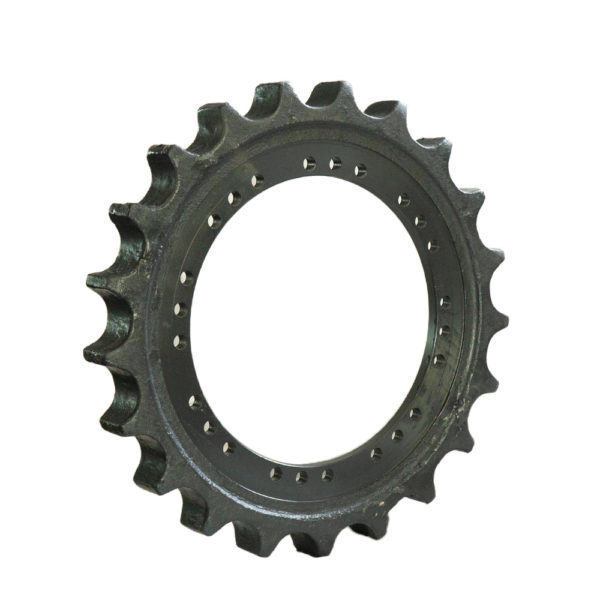
Sažetak
Operativna održivost i ekonomska izvedba dozera suštinski su povezani s integritetom njegovog podvozja, a system that can account for over half of the machine's total lifetime maintenance expenditure. Ova analiza ispituje višestruka razmatranja uključena u osiguravanje naknadne podrške za komponente podvozja dozera u 2025 globalno tržište. Nadilazi pojednostavljenu procjenu početnih troškova nabave na nijansiraniju, holistički okvir koji uključuje cijenu po satu (CPH) analiza, znanost o materijalima trošnih komponenti, i detaljne detalje proizvodnih procesa poput kovanja i toplinske obrade. Studija procjenjuje kritičnu ulogu pouzdanosti dobavljača, odredbe o jamstvu, i logističke mogućnosti, posebno za operatere u raznolikim i zahtjevnim regijama kao što je Australija, Rusija, srednji Istok, i jugoistočnoj Aziji. Raščlanjivanjem čimbenika koji pridonose dugovječnosti komponenti i radnom vremenu stroja, ovaj vodič pruža strukturiranu metodologiju za informiranje upravitelja opreme, strateške odluke koje povećavaju profitabilnost i minimiziraju operativne zastoje kroz učinkovita aftermarket partnerstva.
Ključni poduhvat
- Dajte prednost analizi cijene po satu u odnosu na početnu kupovnu cijenu za pravu ekonomsku procjenu.
- Pomno proučite sastav materijala i procese toplinske obrade naknadno prodanih dijelova.
- Sveobuhvatno jamstvo i transparentna podrška dobavljača ključni su za smanjenje rizika.
- Odaberite dobavljača koji pruža robusnu naknadnu podršku za sustave podvozja dozera.
- Potvrdite preciznu kompatibilnost dijelova kako biste spriječili ubrzano trošenje i kvar sustava.
- Assess a supplier's logistics network for timely delivery to your operational region.
- Uskladite komponente podvozja sa specifičnim razinama abrazije i udarca na vašem gradilištu.
Sadržaj
- Ekonomska računica: Nadmašiti početne troškove
- Znanost o materijalima i proizvodnja: Temelj trajnosti
- Jamstvo jamstva i pouzdanosti dobavljača
- Kompatibilnost i integracija sustava: Savršeno pristaje
- Odabir specifičan za primjenu: Prilagođavanje terenu
- Lanac opskrbe i logistička mreža: Dobivanje dijelova kada ih trebate
- Budućnost upravljanja podvozjem: Tehnologija i inovacija
- Često postavljana pitanja (FAQ)
- Zaključak
- Reference
Ekonomska računica: Nadmašiti početne troškove
Proces donošenja odluka o održavanju teških strojeva, posebno podvozje dozera, često je zamagljen neposrednim i opipljivim pritiskom početnih troškova. Voditelja nabave može dovesti u iskušenje faktura koja prikazuje cifru znatno nižu od one proizvođača originalne opreme (OEM). Ova početna ušteda, međutim, može biti varljiva pjesma sirene, namamljivanje upravitelja voznog parka prema odluci koja se pokazuje mnogo skupljom tijekom radnog vijeka komponente. Istinski ekonomski narativ dijelova podvozja nije napisan na narudžbenici, ali se otkriva tijekom tisuća sati brušenja, guranje, i prelaženje surovih terena. To je priča ispričana u cijeni po satu, metrika koja obuhvaća ukupnu ekonomsku stvarnost dijela, ne samo svoju početnu cijenu karte.
Razumijevanje ove razlike zahtijeva promjenu perspektive, prelazak s transakcijskog načina razmišljanja na strateški. To uključuje prepoznavanje da podvozje nije samo skup dijelova, već kompleks, dinamički sustav u kojem je izvedba svake komponente duboko povezana s ostalima. Preuranjeni kvar u jednom području, kao što je veza staze, može pokrenuti kaskadu ubrzanog trošenja valjaka, neradnici, i lančanici, pretvarajući problem s jednom komponentom u potpunu krizu sustava. Stoga, a mature evaluation of aftermarket support for dozer undercarriage parts must be grounded in a comprehensive financial model that accounts for the full spectrum of costs incurred throughout the part's life.
Zabluda o najnižoj cijeni
Razmotrimo primamljivu privlačnost najniže cijene kroz fokusiraniju leću. Zamislite dva kompleta lanaca gusjenica za buldožer srednje veličine. Skup A, od manje poznatog dobavljača naknadnog tržišta, ima cijenu 20% manje od skupa B, koji dolazi od renomiranog proizvođača rezervnih dijelova s dokumentiranom poviješću kontrole kvalitete i izvrsnosti materijala. Neposredna ušteda na setu A nedvojbeno je privlačna, pojavljuje se kao izravni poticaj tromjesečnom proračunu. Menadžer koji odobri ovu kupnju mogao bi čak dobiti i pohvalu za svoju fiskalnu razboritost.
Još, ova je perspektiva fundamentalno nepotpuna. Propušta postaviti probnija pitanja. Kakav je metalurški sastav čelika u skupu A? Je li podvrgnut istim rigoroznim procesima toplinske obrade kao set B? Koja je preciznost kovanja i strojne obrade, i kako se tolerancije uspoređuju? Ovo nisu trivijalne tehnike; they are the very factors that determine the part's ability to withstand the immense stresses of dozer operation.
Ako se jeftiniji set A nakon toga istroši 2,500 sati, dok robusniji set B podnosi za 4,000 sati, ekonomska slika dramatično se mijenja. Početni 20% ušteda je zasjenjena potrebom za prijevremenom zamjenom. Ova zamjena ne uključuje samo trošak novog seta lanaca, već i značajan trošak zastoja stroja, plaće tehničara koji obavljaju popravak, i potencijal gubitka prihoda od zaustavljenog projekta. Kada su ovi "skriveni" troškovi su uračunati, ono "jeftinije" otkriva se da je opcija skuplja. Ovaj scenarij ilustrira temeljno načelo u upravljanju teškom opremom: pravi trošak je funkcija i cijene i životnog vijeka.
| Faktor | OEM dijelovi | Kvalitetni rezervni dijelovi |
|---|---|---|
| Početni trošak | Najviša | Umjereno do visoko |
| Cijena po satu | Često konkurentan zbog dugog života | Može biti najekonomičniji |
| Kvaliteta materijala | visoko, zadovoljava originalne specifikacije | visoko, često zadovoljava ili premašuje OEM specifikacije |
| Jamstvo | Sveobuhvatno, uz podršku proizvođača | Varira, ali renomirani dobavljači nude snažna jamstva |
| Raspoloživost | Dobro, putem službene prodajne mreže | Izvrsno, sa širokim distribucijskim mrežama |
| Tehnička podrška | Jak, izravno od proizvođača | Varira; jak s etabliranim dobavljačima |
Predstavljamo cijenu po satu (CPH) Analiza
Cijena po satu (CPH) analiza je intelektualni alat koji nam omogućuje da probijemo maglu početnih cijena i vidimo pravi ekonomski krajolik. To je jednostavan, ali dubok izračun koji preoblikuje odluku o nabavi iz "Koliko ovo košta kupnja?" na "Koliko košta ovo pokretanje?" Amortizacijom ukupnog troška komponente tijekom njenog radnog vijeka, CPH pruža standardiziranu metriku za usporedbu dijelova različitih cijena i vijeka trajanja. Transformira odluku iz kockanja na cijeni u ulaganje u vrijednost.
The CPH figure is an embodiment of a part's total economic footprint. Obuhvaća početnu kupoprodajnu cijenu, instalacijski rad, i sve druge izravne troškove, sve podijeljeno s brojem sati tijekom kojih dio radi prije nego što je potrebna zamjena. Ovaj pristup sustavno daje prednost trajnosti i dugovječnosti u odnosu na jeftinost. Dio koji unaprijed košta više, ali ima značajno dulji radni vijek, gotovo uvijek će dati niži CPH, što predstavlja bolji povrat ulaganja. Prihvaćanje CPH prvi je korak prema izgradnji strategije održavanja koja je proaktivna i usmjerena na vrijednost, a ne reaktivan i troškovno usmjeren. Usklađuje ciljeve odjela nabave s operativnim potrebama na terenu, njegovanje kulture u kojoj je dugoročna pouzdanost krajnje mjerilo uspjeha.
Izračunavanje CPH: Praktični okvir
Izračun cijene po satu nije tajanstvena znanost već praktična vježba financijske jasnoće. Osnovna formula je sljedeća:
CPH = (Nabavna cijena + Trošak rada za instalaciju) / Ukupno sati usluge
Let's apply this to our earlier example of two track chain sets.
Scenarij:
- Stroj: Buldožer srednje veličine
- Stopa rada: $100 na sat
- Vrijeme instalacije: 16 sati za par lanaca
- Trošak rada za instalaciju: 16 sati * $100/sat = $1,600
Set lanaca gusjenica A (Niža cijena):
- Nabavna cijena: $8,000
- Ukupno sati usluge: 2,500 sati
- Ukupni trošak = $8,000 (Cijena) + $1,600 (Rad) = $9,600
- CPH (Skup A) = $9,600 / 2,500 sati = $3.84 na sat
Set lanaca gusjenica B (Ugledno naknadno tržište):
- Nabavna cijena: $10,000
- Ukupno sati usluge: 4,000 sati
- Ukupni trošak = $10,000 (Cijena) + $1,600 (Rad) = $11,600
- CPH (Skup B) = $11,600 / 4,000 sati = $2.90 na sat
Rezultat je oštar. Unatoč tome što je 25% skuplji za kupnju, Set B je gotov 24% jeftiniji za rad na satnici. Izračun CPH razotkriva pogrešnu logiku fokusiranja isključivo na nabavnu cijenu i daje cilj, obrazloženje utemeljeno na podacima za ulaganje u komponente više kvalitete. This framework empowers managers to make decisions that are demonstrably better for the company's bottom line over the long term.
Skriveni troškovi: Zastoj, Rad, i kolateralna šteta
CPH formula, u svom osnovnom obliku, već je moćan alat. Međutim, istinski sveobuhvatna analiza također mora priznati troškove koji nisu obuhvaćeni ovom jednostavnom jednadžbom. To su "skriveni"." ili posljedične troškove koji proizlaze iz kvara komponente, i često mogu zasjeniti početnu kupovnu cijenu.
Najznačajniji od njih je trošak neplaniranih zastoja. Kada je dozer izvan pogona zbog kvara na podvozju, izravan financijski učinak nije samo trošak popravka. To je gubitak prihoda koji bi stroj generirao tijekom tog razdoblja. U okruženju visoke proizvodnje poput rudnika u zapadnoj Australiji ili velikog infrastrukturnog projekta na Bliskom istoku, ovaj izgubljeni oportunitetni trošak može iznositi tisuće, ili čak desetke tisuća, dolara dnevno. Jedan dan zastoja može višestruko izbrisati početne uštede od jeftine komponente.
Nadalje, postoji pitanje kolateralne štete. Otkazani klin ili čahura gusjenice ne postoje sami. Njegov kvar može dovesti do "istezanja" lanca" ili zmijolikost, što zauzvrat uzrokuje abnormalno i ubrzano trošenje zuba lančanika, idler flanges, i gazišta gusjeničkog valjka. Jedna jedina jeftina komponenta tako može skratiti vijek trajanja cijelog sustava podvozja, izazivajući skupu i preuranjenu potpunu obnovu. To je opasnost od promatranja podvozja kao skupa pojedinačnih dijelova, a ne integriranog sustava. Prilikom nabave izvora visokokvalitetne komponente podvozja, to je perspektiva cijelog sustava koja štiti od takvih kaskadnih kvarova. Razborit upravitelj razumije da pouzdanost svakog dijela podupire zdravlje cjeline.
Znanost o materijalima i proizvodnja: Temelj trajnosti
Izvedba komponente podvozja dozera tijekom tisuća sati napornog rada nije stvar slučajnosti; to je izravna posljedica materijala od kojih je napravljen i procesa korištenih za njegovo oblikovanje i ojačavanje. Razlika između veze tračnice koja je izdržljiva i one koja prerano pokvari može se pratiti do molekularne razine - do specifične mješavine legura u čeliku i kristalne strukture iskovane toplinskom obradom. Za ispravnu procjenu naknadne podrške za podvozje dozera, mora se postati student metalurgije, barem u svojim temeljnim načelima. Ovo znanje pretvara kupca iz pukog mjernika u informiranog suca kvalitete, sposobni razlučiti pravu vrijednost iz površne pogodbe.
Jezik znanosti o materijalima—pojmovi poput bornog čelika, gašenje, i kaljenje — može se činiti ezoteričnim, but it describes the very essence of a component's strength, žilavost, i otpornost na habanje. Razumijevanje ovih koncepata je slično kuharu koji razumije svojstva njihovih sastojaka; temeljno je za postizanje kvalitetnog ishoda. Dobavljač koji može tečno i transparentno govoriti o svojim specifikacijama materijala i kontrolama proizvodnje je onaj koji je siguran u svoj proizvod. Obrnuto, na dobavljača koji je nejasan ili izbjegava reći ove pojedinosti treba gledati sa skepsom.
Dekonstrukcija kvalitete čelika: Bor, Ugljik, i mangan
Srce svake komponente podvozja je čelik. Ali "čelik" nije jedna tvar. To je obitelj legura na bazi željeza, a svojstva su mu određena preciznim zbrajanjem drugih elemenata. Za potrošne dijelove, tri najznačajnija legirajuća elementa su ugljik, mangan, i bor.
Ugljik (C): Ugljik je primarni agens za otvrdnjavanje čelika. Kako se sadržaj ugljika povećava, the steel's potential hardness and strength increase. Međutim, ovo ima svoju cijenu. Veći sadržaj ugljika također može učiniti čelik lomljivijim i težim za zavarivanje. Umjetnost proizvodnje čelika za dijelove podvozja leži u pronalaženju optimalne ravnoteže ugljika—dovoljne da pruži izvrsnu otpornost na trošenje, but not so much that it compromises the component's ability to absorb shock without fracturing.
Mangan (MN): Mangan ima nekoliko uloga. Pridonosi čvrstoći i tvrdoći čelika, sličan ugljiku, ali u manjoj mjeri. Presudno, it also improves the steel's response to heat treatment, svojstvo poznato kao "očvrsljivost"." To znači da u čeliku s odgovarajućim manganom, željena tvrdoća može se postići dosljednije i do veće dubine unutar komponente tijekom procesa kaljenja.
Bor (B): Bor je moćno "tajno oružje"." u legiranju čelika. Dodan u malim količinama—često mjereno u dijelovima na milijun—bor dramatično povećava prokaljivost čelika. To proizvođačima omogućuje postizanje duboke i ujednačene tvrdoće u cijeloj komponenti, čak i u debelim dijelovima, bez pribjegavanja vrlo visokim razinama ugljika, što bi moglo dovesti do lomljivosti. Čelici legirani borom, poput 23MnB, stoga su zaštitni znak visokokvalitetnih dijelova podvozja, nudeći iznimnu kombinaciju visoke površinske tvrdoće za otpornost na trošenje i otpornosti, duktilna jezgra za otpornost na udarna i udarna opterećenja. Pitati potencijalnog dobavljača o njihovoj upotrebi bor čelika jednostavan je, ali snažan lakmus test za njihovu predanost kvaliteti.
| Materijalna komponenta | Primarna funkcija u čeliku | Utjecaj na vijek trajanja istrošenosti podvozja |
|---|---|---|
| Ugljik | Povećava tvrdoću i vlačnu čvrstoću. | Veći sadržaj ugljika poboljšava otpornost na habanje, ali može povećati krtost ako nije pravilno uravnotežen. |
| Mangan | Povećava čvrstoću i poboljšava očvrsljivost (odgovor na toplinsku obradu). | Osigurava postizanje željene tvrdoće u cijelom dijelu, što dovodi do ravnomjernijeg trošenja. |
| Bor | Masivno povećava otvrdljivost čak iu malim količinama. | Omogućuje duboku, temeljito otvrdnjavanje, stvaranje komponente s vrlo tvrdom površinom i žilavom jezgrom. |
| Krom | Povećava otpornost na koroziju i tvrdoću. | Poboljšava otpornost na habanje u korozivnim ili mokrim okruženjima i povećava ukupnu tvrdoću površine. |
The Forging vs. Rasprava o lijevanju dijelova podvozja
Nakon što je čelik formuliran, mora se oblikovati u komponentu poput karike gusjenice ili školjke valjka. Dvije primarne metode za to su lijevanje i kovanje. Dok oba mogu proizvoditi funkcionalne dijelove, rezultiraju različitim unutarnjim strukturama i, posljedično, različite izvedbene karakteristike.
Lijevanje: U kastingu, rastaljeni čelik se izlije u kalup željenog oblika i ostavi da se ohladi i skrutne. To je svestran i relativno jeftin proces, pogodan za složene oblike. Međutim, Kako se metal hladi, formira strukturu kristalnog zrna koja je u biti nasumična, poput hrpe pijeska. To može ostaviti mikroskopske praznine i nedosljednosti unutar materijala, koji mogu postati točke slabosti gdje pukotine mogu započeti pod stresom.
Kovanje: Kovanje je proces u kojem se čvrsti komad čelika, naziva gredica, zagrijava se do podložne temperature, a zatim se oblikuje golemim pritiskom, bilo čekićem ili utiskivanjem u matricu. Zamislite to kao da kovač oblikuje potkovu čekićem. Ovaj proces čini nešto izvanredno za unutarnju zrnatu strukturu čelika. Umjesto nasumičnog rasporeda, zrna su prisiljena poravnati i teći duž obrisa dijela. Ovo profinjeno, kontinuirani protok zrna eliminira unutarnje šupljine i stvara materijal koji je znatno gušći, jači, i otporniji na udarce i zamor. Za kritične, visokonapregnute komponente kao što su karike gusjenice i zubi žlice, kovanje je nadaleko priznato kao vrhunska proizvodna metoda (Kovanje zlata, N.D.). Kovani dio će gotovo uvijek imati duži radni vijek i veću otpornost na katastrofalne kvarove od lijevanog ekvivalenta.
Toplinska obrada: Neviđeni arhitekt čvrstoće i otpornosti na habanje
Savršeno iskovana komponenta izrađena od najfinijeg bor čelika još uvijek nije dovršena. Njegova se krajnja svojstva otključavaju kroz finale, kritičnu fazu proizvodnje: toplotna obrada. This is a carefully controlled process of heating and cooling that manipulates the steel's crystalline structure to achieve the desired balance of hardness and toughness. Najčešći postupak za dijelove podvozja je kaljenje i popuštanje.
Gašenje: Komponenta se zagrijava na određenu temperaturu (obično iznad 800°C) dok se njegova unutarnja struktura ne transformira u stanje koje se naziva austenit. Zatim se brzo hladi - ili "ugasi" - uranjanjem u tekućinu poput vode, ulje, ili otopina polimera. Ova ekstremna brzina hlađenja tjera austenit da se transformira u martenzit, nevjerojatno tvrdu, ali i vrlo krtu kristalnu strukturu. Dio koji je samo kaljen bio bi poput stakla - vrlo tvrd, ali bi se razbio pri prvom značajnijem udaru.
Odmrzavanje: Za ublažavanje ove lomljivosti, ugašeni dio se zatim ponovno zagrijava na mnogo nižu temperaturu i tamo drži određeno vrijeme prije nego što se ohladi. Ovaj proces kaljenja omogućuje da se dio krhkog martenzita transformira u duktilnije strukture, reducing internal stresses and increasing the material's toughness. Konačna temperatura i trajanje procesa kaljenja precizno se kontroliraju kako bi se postigle ciljne specifikacije. Cilj je stvoriti komponentu s "kroznim kaljenjem"." profil: izuzetno visoka tvrdoća na vanjskim površinama koje su u direktnom kontaktu s tlom, postupno prelazeći na tvrđi, duktilnija jezgra koja može apsorbirati udarna opterećenja bez loma.
Učinkovita toplinska obrada složena je znanost. Zahtijeva sofisticirane peći, precizne kontrole temperature, i duboko razumijevanje metalurgije. To je područje gdje se lako ide prečacima, ali ima razorne posljedice za konačni proizvod. Renomirani dobavljač naknadne podrške za podvozje dozera moći će pružiti detaljne podatke o svojim procesima toplinske obrade, uključujući dubinu kućišta i vrijednosti tvrdoće jezgre za njihove komponente.
Priča o dvije tenisice: Usporedni primjer
Da bi ovo bilo opipljivo, zamislimo dvije patike. Jedan je izrađen od jednostavnog visokougljičnog čelika, lijevati u oblik, i s obzirom na osnovnu toplinsku obradu. Drugi je iskovan od bor čelika i podvrgnut precizno kontroliranom procesu kaljenja i temperiranja.
U početku, mogu izgledati identično. Oba će odgovarati dozeru. Ali njihova će se izvedba razlikovati od prvog sata rada.
Lijevana cipela, kad naiđe na oštru stijenu, može se odlomiti ili napuknuti zbog svoje manje rafinirane strukture zrna i potencijalne unutarnje lomljivosti. Njegove habajuće površine, ako nije propisno kroz kaljenje, brzo će se istrošiti u pjeskovitim ili abrazivnim tlima.
Cipela od kovanog bora, nasuprot tome, imat će vrhunsku otpornost na udarce. Njegova poravnata struktura zrna pomoći će raspršiti energiju udarca, sprječavanje stvaranja pukotine. Njegova duboko otvrdnuta površina daleko će se učinkovitije oduprijeti abraziji, pružajući znatno dulji vijek trajanja. Tijekom vremena, ulaganje u vrhunske materijale i proizvodnju druge cipele višestruko će se isplatiti produljenim vijekom trajanja i smanjenim zastojima. Ovo je praktična manifestacija znanosti o materijalima na terenu.
Jamstvo jamstva i pouzdanosti dobavljača
U carstvu teških strojeva, gdje su komponente podvrgnute nemilosrdnom stresu i ekstremnim uvjetima, jamstvo je više od običnog komada papira. It is a formal expression of a manufacturer's confidence in their own product. Djeluje kao ključni mehanizam za smanjenje rizika za vlasnika opreme, sigurnosnu mrežu koja štiti od financijskih posljedica preranog kvara. Međutim, nisu sva jamstva jednaka. Zaista vrijedno jamstvo karakterizira ne samo njegovo trajanje, već i jasnoća njegovih uvjeta, opseg svoje pokrivenosti, i, što je najvažnije, integritet dobavljača koji stoji iza toga. Kada tražite naknadnu podršku za podvozje dozera, a thorough and critical evaluation of the warranty policy and the supplier's reputation is an indispensable part of the due diligence process.
Dokument o jamstvu je ugovor, i kao svaki ugovor, njegova prava vrijednost leži u detaljima. Politika koja se na površini čini velikodušnom može biti prožeta isključenjima, ograničenja, i proceduralne prepreke koje ga čine beskorisnim u stvarnom scenariju zahtjeva. Stoga, upravitelj opreme mora naučiti čitati između redaka, razumjeti što je obećano i, isto tako ključno, što nije. Ova kontrola je temelj sigurne i predvidljive strategije održavanja.
Čitanje jamstvene politike između redaka
Uobičajena zamka je da vas pokoleba dugo jamstveno razdoblje, kao npr 3,000 sata ili dvije godine, bez ispitivanja suštine pokrića. Pronicljivija analiza uključuje postavljanje niza specifičnih pitanja:
Što je zapravo pokriveno? Pokriva li jamstvo samo pokvareni dio, ili se proteže na "posljedičnu štetu"? Na primjer, ako klin gusjenice otkaže i uzrokuje iskakanje lanca gusjenica iz tračnica i oštećenje kućišta zadnjeg pogona, hoće li jamstvo pokriti popravak zadnjeg pogona? Polica koja isključuje posljedičnu štetu nudi vrlo ograničenu zaštitu od stvarne cijene većeg kvara.
Je li rad uključen? Trošak zamjenskog dijela često je samo djelić ukupnog računa popravka. Rad potreban za uklanjanje pokvarene komponente i instaliranje nove može biti znatan. Jako jamstvo renomiranog dobavljača često će uključivati odredbe za troškove rada, pokazujući potpuniju predanost cjelovitom kupcu.
Koja su isključenja? Jamstva će uvijek sadržavati izuzeća za normalno trošenje i habanje, nepravilna instalacija, zlostavljanje, ili rad u neodobrenim aplikacijama. Ovo je općenito razumno. Međutim, treba biti oprezan s nejasnim ili preširokim klauzulama o isključivanju koje bi se mogle upotrijebiti za odbijanje legitimnog zahtjeva. Na primjer, što predstavlja "neispravan rad"? Politika treba biti jasna i konkretna.
Što je postupak potraživanja? Kako je jednostavno podnijeti zahtjev? Zahtijeva li opsežnu papirologiju, shipping the failed part across the world for inspection at the customer's expense, i dugotrajan postupak odobravanja? Dobavljač s pristupom usmjerenim na kupca imat će pojednostavljen, uzvratni, i transparentan proces podnošenja zahtjeva, često se upravlja preko lokalnog trgovca ili predstavnika koji može osobno pregledati kvar.
Jamstvo koje pokriva dijelove, rad, i posljedične štete, s jasnim uvjetima i jednostavnim postupkom potraživanja, je snažan pokazatelj visokokvalitetnog proizvoda i pouzdanog dobavljača. Označava da je proizvođač spreman podijeliti rizik s kupcem jer ima visok stupanj sigurnosti da će njihov proizvod funkcionirati onako kako se reklamira.
Procjena ugleda dobavljača i prisutnosti na tržištu
Jamstvo je onoliko dobro koliko je dobra tvrtka koja ga izdaje. Čvrsto jamstvo tvrtke koja nestane ili odbija poštivati svoje obveze je bezvrijedno. This is why evaluating the supplier's reputation, stabilnost, a prisutnost na tržištu jednako je važna kao i procjena samog jamstvenog dokumenta.
Na globalnom tržištu 2025, reputacija je materijalna imovina. One can look for evidence of a supplier's track record through various channels. Online forumi, industrijske trgovačke publikacije, a izravni razgovori s drugim vlasnicima opreme u vašoj regiji mogu pružiti neprocjenjivo, real-world feedback on a supplier's performance. Imaju li povijest poštovanja svojih jamstava? Jesu li njihovi proizvodi poznati po dosljednoj kvaliteti? Stoje li iza svojih dijelova kada se pojave problemi? Za operatere u regijama poput Australije ili jugoistočne Azije, osobito je korisno potražiti izjave lokalnih korisnika koji se suočavaju sa sličnim terenskim uvjetima i logističkim izazovima.
Prisutnost na tržištu još je jedan ključni pokazatelj. Dobavljač s uspostavljenom mrežom distributera i distribucijskih centara, poput onih koje održavaju glavni proizvođači originalne opreme poput Caterpillara i Komatsua, pokazuje dugoročnu predanost tržištu (; ). Ova fizička infrastruktura ne samo da olakšava bržu isporuku dijelova, već također pruža lokalne kontaktne točke za prodaju, tehnička podrška, i jamstvene zahtjeve. Manje je vjerojatno da će dobavljač koji je uložio u izgradnju prisutnosti u vašoj zemlji ili regiji biti prolazan, leteći operater. Oni imaju osobni interes u održavanju pozitivne reputacije i pružanju dosljedne usluge.
Važnost tehničke podrške i stručnosti
Izvan jamstva, dostupnost stručne tehničke podrške ključna je komponenta pouzdane usluge naknadnog tržišta. Donji postroj je složen sustav, a dijagnosticiranje uzoraka trošenja ili kvarova može biti izazovno. Dobavljač koji jednostavno prodaje dijelove u kutiji osigurava robu. Dobavljač koji pruža stručne savjete i dijagnostičku podršku nudi rješenje.
Kad se pojavi problem, možete li razgovarati s tehničkim stručnjakom koji se razumije u podvozje dozera? Mogu li vam pomoći u analizi uzorka trošenja kako biste utvrdili je li uzrokovan materijalom, aplikacija, ili problem s poravnanjem? Mogu li pružiti smjernice o pravilnoj ugradnji i postupcima održavanja kako bi se produžio vijek trajanja novih komponenti?
Ova razina podrške obilježje je vrhunskog dobavljača naknadnog tržišta. To pokazuje da ih ne zanima samo jedna transakcija, već i stvaranje dugoročnog partnerstva sa svojim kupcima. They understand that their success is tied to the customer's success. Ova stručnost može biti neprocjenjiva u sprječavanju ponovljenih kvarova, optimiziranje rasporeda održavanja, i konačno smanjenje ukupnih troškova vlasništva. Prilikom izbora dobavljača, raspitajte se o kvalifikacijama i dostupnosti njihovog tima za tehničku podršku. Njihov odgovor će vam reći mnogo o njihovoj sveukupnoj predanosti kvaliteti i zadovoljstvu kupaca.
Kompatibilnost i integracija sustava: Savršeno pristaje
Podvozje dozera je simfonija pokretnih dijelova, pomno projektiran sustav u kojem stotine komponenti moraju raditi u savršenom skladu. To nije mjesto za "dovoljno blizu"." Preciznost svakog dijela - njegove dimenzije, tolerancije, i geometrija—osnovna je za zdravlje i dugovječnost cijelog sustava. Jedna komponenta koja je čak i djelić milimetra izvan specifikacije može uvesti destruktivne sile i abnormalne uzorke trošenja koji se protežu kroz cijelo podvozje, što dovodi do preranog kvara i skupih popravaka. Stoga, kada se procjenjuje naknadna podrška za podvozje dozera, jamstvo savršene kompatibilnosti i besprijekorne integracije sustava nije luksuz; to je apsolutna potreba.
Ova potraga za savršenim pristajanjem zahtijeva uvažavanje suptilnosti strojarstva. To uključuje razumijevanje da OEM specifikacije nisu proizvoljne brojke, već rezultat opsežnog istraživanja, razvoj, i testiranje osmišljeno za optimizaciju performansi i pouzdanosti. A reputable aftermarket manufacturer does not simply copy a part's shape; uključeni su u sofisticirani proces obrnutog inženjeringa kako bi razumjeli, ponoviti, and in some cases even improve upon the original design's critical functional parameters.
Rizici neusklađenih komponenti
Shvatiti važnost preciznosti, razmotrimo interakciju između lančanika i lančanika. Udaljenost između središta jedne osovinice staze i sljedeće naziva se "nagib"." Ovaj korak mora točno odgovarati razmaku između zubaca na lančaniku.
Sada, zamislite naknadno prodani lanac gusjenica gdje je korak malo pomaknut—možda zbog loše kontrole proizvodnje. Dok lanac zahvaća lančanik, valjci neće savršeno sjedati u udoline između zubaca lančanika. Umjesto toga, oni će uzjahati na stranama zuba, stvarajući golemo točkasto opterećenje i trenje. To će uzrokovati trošenje i čahura lančanika i zubaca lančanika nevjerojatno brzom brzinom. Operater bi mogao primijetiti "klik"." ili "pukanje" zvuk dok dozer putuje, što je zvuk sustava koji sam sebe uništava.
Ovo je samo jedan primjer. Slični problemi mogu nastati iz:
- Neispravno obrađene prirubnice kotača: Dovodi do prekomjernog trošenja na bočnim stranama lanaca.
- Neispravne dimenzije pomoćnog kotača: Uzrokuje nepravilnu vožnju lanca gusjenica i bočno opterećenje.
- Loše prianjajuće brtve u valjcima i pomoćnim kolima: Dopuštanje prljavštini i vlazi da uđu u šupljinu ležaja, što dovodi do brzog unutarnjeg uništenja.
Ovo nisu hipotetski scenariji; to su uobičajene posljedice korištenja loše kvalitete, dimenzionalno netočne rezervne dijelove. Početna ušteda od takve kupnje brzo se potroši u trošku zamjene ne samo neispravnog dijela, ali sve ostale komponente koje je oštetio. To je klasičan slučaj da si "pametan i funta glup"."
Razumijevanje OEM specifikacija u odnosu na. Poslijeprodajni ekvivalenti
Proizvođači originalne opreme ulažu milijune dolara u projektiranje i testiranje svojih sustava podvozja. Specifikacije za svaku komponentu rezultat su ovog rigoroznog procesa. Oni definiraju ne samo fizičke dimenzije, već i svojstva materijala, profili površinske tvrdoće, i dopuštene tolerancije.
Visokokvalitetni dobavljač naknadnih usluga to razumije i poštuje. Njihov cilj nije proizvesti jeftinu imitaciju, već pravi funkcionalni ekvivalent. To se postiže pedantnim procesom obrnutog inženjeringa:
- Skeniranje i mjerenje: Originalni OEM dio se skenira pomoću visoko preciznih 3D laserskih skenera i mjeri koordinatnim mjernim strojevima (CMM-ovi) kako bismo uhvatili njegovu točnu geometriju do razine mikrona.
- Analiza materijala: The part's material composition is analyzed using spectrometry to identify the specific steel alloy. Presjeci su izrezani, uglađen, i jetkani za ispitivanje strukture zrna i mjerenje dubine i profila tvrdoće toplinske obrade.
- Inženjerstvo i modeliranje: Ovi se podaci koriste za izradu detaljnog računalno potpomognutog dizajna (CAD) model i skup proizvodnih nacrta koji ponavljaju sve kritične funkcionalne karakteristike izvornog dijela.
- Izrada prototipova i testiranje: Prototipovi se proizvode i podvrgavaju rigoroznim laboratorijskim i terenskim ispitivanjima kako bi se potvrdilo da rade identično, ili čak bolje od, OEM dio.
Dobavljač koji slijedi ovaj disciplinirani proces može s pouzdanjem tvrditi da su njegovi dijelovi "OEM ekvivalenti"." ili "ispunjava ili premašuje OEM specifikacije." Oni ne prave samo vizualnu kopiju; ponovno stvaraju inženjerski integritet izvorne komponente. Kada birate dobavljača, pitajte ih o njihovom procesu obrnutog inženjeringa i mjerama kontrole kvalitete za osiguranje točnosti dimenzija. Dobavljač izdržljive dozerske žlice i riperi, na primjer, primjenjuje slična načela preciznog inženjeringa kako bi osigurala da njihovi alati za dodir s tlom odgovaraju i ispravno funkcioniraju.
Uloga preciznog inženjerstva u postprodajnim dijelovima
Predanost preciznom inženjerstvu proteže se izvan početnog dizajna na svaku fazu proizvodnje. Zahtijeva ulaganja u moderne, računalno numerički upravljan (CNC) obradni centri koji mogu držati tolerancije mjerene u dijelovima širine ljudske vlasi. Zahtijeva rigorozne postupke kontrole kvalitete, uključujući redovitu provjeru dijelova koji izlaze s proizvodne trake pomoću kalibriranih mjerača i mjernih alata.
Uzmite u obzir probušene rupe za klin i čahuru u karici gusjenice. Promjer, kružnost, i poravnanje ova dva provrta mora biti savršeno. Ako nisu savršeno paralelne, klin gusjenice i čahura bit će izloženi stalnoj sili uvijanja, što dovodi do brzog i neravnomjernog trošenja. Ako je promjer prevelik, igla će biti labava, uzrokujući udarno opterećenje svaki put kada tračnica prijeđe iz labave u napetost. Ako je promjer premali, interferencija će biti prevelika, što otežava sastavljanje i potencijalno opterećuje vezu.
Ovo je razina detalja koja odvaja visokokvalitetnog naknadnog proizvođača od jeftinog imitatora. Prvi na podvozje gleda kao na precizan stroj; potonji ga vidi kao skup jednostavnih metalnih dijelova. Ova razlika u filozofiji ima izravan i dubok utjecaj na izvedbu, pouzdanost, i krajnji trošak po satu komponenti. Pametan upravitelj opreme uči tražiti znakove preciznog inženjeringa — čiste strojne obrade, dosljedne završne obrade, i dobavljača koji može osigurati detaljne specifikacije i dokumentaciju o kontroli kvalitete za svoje proizvode.
Odabir specifičan za primjenu: Prilagođavanje terenu
Buldožer je izuzetno svestran stroj, ali rad koji obavlja i tlo kojim prolazi mogu jako varirati. Buldožer čisti jalovinu u kamenolomu pijeska s visokim sadržajem silicija u Queenslandu, Australija, suočava se s potpuno različitim izazovima trošenja od guranja smrznute zemlje u sibirskoj zimi ili kretanja po blatu, kohezivna tla operacije sječe u jugoistočnoj Aziji. Pristup odabiru donjeg stroja koji odgovara svima je, stoga, temeljno manjkav. Istinski strateški pristup nabavi naknadne podrške za podvozje dozera uključuje pažljivu analizu specifične primjene i namjeran odabir komponenti dizajniranih da napreduju u tom okruženju.
Ovaj proces krojenja zahtijeva partnerstvo između vlasnika opreme i dobavljača dijelova. Vlasnik donosi intimno znanje o njihovim radnim mjestima, njihove proizvodne zahtjeve, i njihovi povijesni obrasci nošenja. Dobavljač donosi portfelj opcija komponenti i stručnost znanosti o materijalima kako bi preporučio najbolje rješenje. Sofisticirani dobavljač rezervnih dijelova neće ponuditi jednu vrstu gusjenice ili valjka; ponudit će niz opcija, svaki je optimiziran za različite uvjete udara i abrazije. Odabirom pravog možete dramatično produžiti život komponente i smanjiti CPH.
Okruženje visoke abrazije (Rudarstvo u Australiji, Vađenje kamena na Bliskom istoku)
High-abrasion environments are the ultimate test of an undercarriage's durability. Ove uvjete karakterizira teško, oštar, i zrnatih materijala poput pijeska, šljunak, i određene vrste stijena. The primary wear mechanism here is abrasion—the constant grinding and scraping away of the component's surface material.
- Izazov: U ovim sredinama, materijal je često dovoljno mali da prodre kroz male otvore u podvozju, stvarajući pastu za mljevenje koja nemilosrdno haba karike gusjenice, čahure, gazišta za valjke, i prazne površine. Sadržaj silicija u materijalu ključni je faktor; pijesak s visokim sadržajem silicija je posebno agresivan.
- Rješenje: Za aplikacije s visokom abrazivnošću, primarni zahtjev je najveća tvrdoća površine. Ovdje su komponente izrađene od visokokvalitetnih, kaljeni bor čelik istinski blista. Duboki profil tvrdoće odupire se djelovanju brušenja abrazivnih čestica daleko učinkovitije nego komponenta sa samo tankim "case otvrdnjavanjem"." Dodatno, neki proizvođači nude posebnu "ekstremnu uslugu"." ili "otporan na abraziju" cipele. Ove cipele često imaju deblji profil i izrađene su od zaštićenih čeličnih legura s još višim ocjenama tvrdoće, posebno dizajniran za najabrazivnije uvjete koji se mogu naći na mjestima poput regije Pilbara u Australiji. Granični dodatni trošak za ove specijalizirane komponente često se višestruko isplati u produženom vijeku trajanja.
Nizak utjecaj, Scenariji visokih putovanja (Uređenje okoliša, Opća gradnja)
Na drugom kraju spektra su primjene koje uključuju manje agresivne materijale, ali puno putovanja. Razmislite o dozeru koji se koristi za veliko uređenje okoliša, poljoprivredni radovi, ili opću pripremu gradilišta na mekim tlima.
- Izazov: U ovim scenarijima, primarni neprijatelj nije abrazija nego unutarnje trošenje, posebno unutar klina gusjenice i spoja čahure. Sa svakim okretajem staze, postoji mala količina pokreta i trenja unutar ovog zgloba. Preko tisuća sati putovanja velikom brzinom, ovo se akumulira u značajno trošenje, što dovodi do povećanja koraka staze (protežu se) i eventualnu potrebu za "okretom zatika i čahure" ili zamjena. Oštećenje od udara manje je zabrinjavajuće.
- Rješenje: Za ove aplikacije, fokus se pomiče s ekstremne površinske tvrdoće na kvalitetu unutarnjih komponenti. Idealno rješenje je zabrtvljena i podmazana gusjenica (SOL) lanac. U sustavu SALT, spoj zatika i čahure je zabrtvljen setom poliuretanskih brtvi i napunjen uljem. Ovo ulje osigurava kontinuirano podmazivanje, dramatično smanjujući unutarnje trenje i trošenje. Životni vijek klina i čahure može se produljiti za faktor dva ili više u usporedbi sa suhim (nepodmazan) lanac. Dok SALT lanci imaju veću početnu cijenu, njihova sposobnost odgode ili eliminacije skupog postupka okretanja zatika i čahure čini ih najekonomičnijim izborom za bilo koju primjenu s velikim hodom. Kvalitetan dobavljač naknadnog tržišta ponudit će robusne SALT lance s visokokvalitetnim brtvama koje su otporne na curenje i kontaminaciju.
Ekstremna temperatura i uvjeti tla (Sibirski permafrost, Afrička vrućina)
Radni uvjeti na ekstremima temperaturne ljestvice uvode još jedan sloj složenosti.
Ekstremna hladnoća: U okruženjima poput Sibira ili sjeverne Kanade, primarna briga je krtost materijala. Na vrlo niskim temperaturama (ispod -30°C), standardne čelične legure mogu izgubiti svoju duktilnost i postati osjetljive na lom pod udarom. Buldožer koji udari u smrznutu stijenu u ovim uvjetima potencijalno bi mogao razbiti kariku gusjenice ili papuču. Rješenje ovdje leži u specijaliziranim niskotemperaturnim legurama čelika koje su formulirane i toplinski obrađene kako bi zadržale svoju žilavost i otpornost na udarce čak i na niskim temperaturama. Dobavljač s iskustvom na ovim tržištima moći će osigurati dijelove certificirane za rad na niskim temperaturama.
Ekstremna vrućina i blato: U vrućem, mokri, i blatnim uvjetima, poput onih pronađenih u mnogim dijelovima Afrike i jugoistočne Azije, problem je često "pakiranje." Ljepljivi, kohezivno blato može se nakupiti u dijelovima podvozja, posebno oko lančanika i kliznih kola. Dok se ovaj upakirani materijal skrućuje, učinkovito mijenja geometriju komponenti, sprječavajući pravilno zahvaćanje lanca. To stvara ogromno opterećenje za cijeli sustav, što dovodi do velike napetosti tračnica, gubitak snage, i ubrzano trošenje svih komponenti. Za ove uvjete, specijalizirani "centralno bušeni" ili "reljef od blata" tenisice za stazu mogu promijeniti igru. Ove cipele imaju otvore u sredini koji omogućuju istiskivanje blata i krhotina, sprječavanje nakupljanja pakiranog materijala. Odabir odgovarajuće papuče za vrstu tla može značajno utjecati na vijek trajanja donjeg stroja i performanse stroja.
Lanac opskrbe i logistička mreža: Dobivanje dijelova kada ih trebate
Komponenta podvozja, bez obzira na to koliko je izvrsno projektiran ili savršeno prilagođen svojoj primjeni, nema nikakvu vrijednost ako stoji u skladištu na drugom kraju svijeta dok vaš stroj ne radi. U vremenski kritičnim svjetovima izgradnje, rudarstvo, i poljoprivreda, vrijeme rada je najvažnije. Sposobnost dobavljača da isporuči pravi dio na pravo mjesto u pravo vrijeme je, stoga, ključna i često podcijenjena komponenta učinkovite naknadne podrške. A supplier's logistical capability—their network of distribution centers, njihove sustave upravljanja zalihama, i njihovi odnosi s prijevoznicima—jednako je dio njihove ponude proizvoda kao i sam čelik.
Za operatere u geografski velikim ili udaljenim regijama, kao što je australska divljina, dalekog istoka Rusije, ili razvoj rudarskih nalazišta u Africi, the strength of the supplier's supply chain is not a matter of convenience; to je pitanje operativnog opstanka. Dva dana kašnjenja u primitku dijela mogu imati financijske posljedice koje daleko nadmašuju sve uštede na kupovnoj cijeni. Slijedom toga, a thorough assessment of a supplier's logistical network is a non-negotiable step in the selection process.
Procjena inventara i distribucijskih centara dobavljača
Temelj brzog opskrbnog lanca je dobro opskrbljena i strateški smještena mreža distribucijskih centara. Veliki proizvođači originalne opreme poput Komatsua i Caterpillara postavili su industrijski standard u tom pogledu, s masivnim, regionalna skladišta dijelova dizajnirana za servisiranje njihovih prodajnih mreža s visokim postotkom popunjenosti i kratkim rokovima isporuke (Komatsu, n.d.-a; Caterpillar Inc., N.D.). Dobavljač opreme svjetske klase nastoji oponašati ovaj model.
Prilikom ocjenjivanja potencijalnog dobavljača, razmislite o sljedećem:
- Položaj skladišta: Gdje se nalaze njihovi glavni distribucijski centri? Jesu li prisutni na vašem kontinentu ili regiji?? Dobavljač sa skladištem u Australiji, na primjer, moći će mnogo učinkovitije uslužiti kupca u Perthu nego onaj čiji je cijeli inventar u Europi ili Sjevernoj Americi.
- Filozofija inventara: Kakav je njihov pristup zalihama? Imaju li opsežnu i široku ponudu dijelova podvozja za razne marke i modele, ili se prvenstveno oslanjaju na "just-in-time"." model gdje se dijelovi naručuju iz centralne tvornice tek nakon što kupac izvrši narudžbu? Prvi pruža zaštitu od prekida opskrbnog lanca i omogućuje bržu isporuku, dok ovo drugo može dovesti do značajnih kašnjenja.
- Tehnologija inventara: Koriste li suvremene sustave upravljanja skladištem (WMS) koji pružaju uvid u razine zaliha u stvarnom vremenu? Mogu li vam njihovi prodajni predstavnici ili njihov online portal odmah reći je li dio na zalihi i gdje se nalazi? Ova razina tehnološke sofisticiranosti znak je dobrog upravljanja, profesionalna operacija.
Vrijeme i troškovi dostave do udaljenih lokacija
Za mnoge korisnike teške opreme, "posljednja milja" puta dostave je najzahtjevniji. Dopremiti paletu gusjenica u veliki lučki grad jedna je stvar; dovesti ga do udaljenog rudnika 500 kilometara u unutrašnjost je sasvim drugo.
Dobavljač s iskustvom u vašoj regiji imat će uspostavljene odnose s lokalnim i regionalnim prijevoznicima tereta koji su vješti u savladavanju ovih logističkih prepreka. Oni će moći dati realne i pouzdane procjene vremena i troškova dostave, uzimajući u obzir potencijalna kašnjenja carine, stanje na cesti, i druge lokalne varijable.
Kada razgovarate o logistici s potencijalnim dobavljačem, zatražite konkretne primjere vremena isporuke na mjesta slična vašoj. Budite oprezni s preoptimističnim obećanjima. Također je važno razjasniti uvjete dostave (Incoterms). Je li navedena cijena "Free on Board" (FOB) iz njihovog skladišta, što znači da ste odgovorni za sve troškove dostave i rizike od tog trenutka nadalje? Ili je "Isporučeno, carina plaćena" (DDP) na svoju stranicu, što znači da dobavljač rješava sve? Razumijevanje ovih uvjeta ključno je za točan izračun ukupne cijene dijelova.
Utjecaj geopolitičkih čimbenika na lance opskrbe u 2025
Globalni krajolik 2025 je jedan od povećane volatilnosti. Lekcije iz razdoblja nakon 2020. pokazale su da su opskrbni lanci osjetljivi na poremećaje uzrokovane širokim rasponom čimbenika, uključujući pandemije, trgovački sporovi, međunarodni sukobi, i zakrčenost plovnog puta. Otporna strategija podrške nakon tržišta mora uzeti u obzir ove geopolitičke stvarnosti.
Ovo dodaje još jednu dimenziju ocjenjivanju dobavljača: diverzifikacija opskrbnog lanca. Dobavljač koji nabavlja sve svoje sirovine iz jedne zemlje i proizvodi sve svoje proizvode u jednoj tvornici osjetljiviji je na poremećaje od dobavljača s raznolikijim otiskom. Dobavljač s više proizvodnih lokacija u različitim geopolitičkim regijama i pristupom sirovinama s više izvora u boljoj je poziciji da prebrodi krizu u jednom dijelu svijeta bez potpunog prekida opskrbe.
While it may not always be possible to have complete transparency into a supplier's entire supply chain, postavljanje pitanja o njihovim strategijama za smanjenje rizika može otkriti. Imaju li planove za nepredviđene situacije za zatvaranje luka ili promjene trgovinskih tarifa? Održavaju li sigurnosne zalihe u regionalnim skladištima radi zaštite od kašnjenja otpreme? Vjerojatnije je da će dobavljač koji je pažljivo razmotrio ova pitanja biti pouzdan partner u nesigurnom svijetu. Izbor dobavljača za naknadno tržište nije samo izbor proizvoda, već izbor opskrbnog lanca, i u moderno doba, otpornost tog lanca ključni je čimbenik u osiguravanju vlastitog operativnog kontinuiteta.
Budućnost upravljanja podvozjem: Tehnologija i inovacija
Temeljni principi trošenja podvozja - abrazija, utjecaj, i trenje—su bezvremenski. Međutim, alati i tehnologije koji se koriste za upravljanje i ublažavanje tog trošenja u stalnom su stanju evolucije. Područje upravljanja podvozjem udaljava se od reaktivnog modela, gdje se dijelovi zamjenjuju tek nakon što pokažu, prema proaktivnom i prediktivnom modelu, vođen podacima, napredni senzori, i inovativni materijali. Za vlasnike opreme, biti u toku s ovim razvojem ključno je za otključavanje novih razina učinkovitosti, smanjenje troškova, i maksimiziranje raspoloživosti stroja. Dobavljač naknadnog tržišta koji razmišlja unaprijed nije samo dobavljač tradicionalnih dijelova, već i partner u ovoj tehnološkoj evoluciji.
Ova nova granica upravljanja podvozjem obećava budućnost u kojoj je održavanje manje o nagađanju, a više o preciznosti temeljenoj na podacima. Uključuje iskorištavanje moći Interneta stvari (IoT) dati strojevima glas, što im omogućuje izvješćivanje o vlastitom zdravlju u stvarnom vremenu. Također uključuje stalne inovacije u fizičkom području, s novim legurama i dizajnom koji pomiču granice izdržljivosti.
Telematika i prediktivno održavanje
Desetljećima, inspekcija podvozja bila je ručni i donekle subjektivan proces, oslanjajući se na tehničare s ultrazvučnim alatima i velikim iskustvom za mjerenje istrošenosti i predviđanje preostalog vijeka. Dok je učinkovit, this method is labor-intensive and provides only periodic snapshots of the undercarriage's condition.
Sljedeći veliki korak naprijed je integracija telematike i senzorske tehnologije izravno u same komponente podvozja. Zamisliti:
- Pametni valjci: Tračni valjci s ugrađenim senzorima temperature i vibracija. Neuobičajen skok temperature u valjku mogao bi ukazivati na kvar ležaja ili gubitak podmazivanja mnogo prije nego što postane katastrofalan kvar. The system could automatically send an alert to the fleet manager's phone, što im omogućuje da zakažu zamjenu tijekom sljedećeg planiranog servisnog intervala, izbjegavanje neplaniranih zastoja.
- Praćenje napetosti gusjenice: Senzori koji kontinuirano prate hidraulički tlak u sustavu za podešavanje gusjenice. Ovo omogućuje mjerenje napetosti gusjenice u stvarnom vremenu. Sustav bi mogao upozoriti operatera ako gusjenica postane preuska (zbog pakiranja) ili previše labavo (zbog istrošenosti osovinice i čahure), što omogućuje neposrednu korekciju prije nego dođe do oštećenja.
- GPS i integracija operativnih podataka: By combining undercarriage sensor data with the machine's GPS and operational data (opterećenje motora, brzina putovanja, itd.), može se izgraditi snažan prediktivni model. Ovaj model može naučiti kako različiti operateri i različiti zadaci utječu na stope trošenja, pružajući nevjerojatno precizna predviđanja preostalog vijeka trajanja komponente. Upravitelj voznog parka mogao je vidjeti nadzornu ploču koja pokazuje ispravnost svakog podvozja u njihovoj floti, sa sustavom kodiranja u boji koji pokazuje koji će strojevi uskoro trebati servis.
Iako se ova tehnologija još uvijek pojavljuje na tržištu naknadnih usluga, to je jasan smjer industrije. Vodeći proizvođači originalne opreme već implementiraju takve sustave (XCMG, N.D.). Prilikom odabira aftermarket partnera, mudro je raspitati se o njihovom planu za integraciju pametnih tehnologija u njihovu ponudu proizvoda.
Inovacije u materijalima i dizajnu
Potraga za dugotrajnijim komponentama također pokreće stalne inovacije u metalurgiji i dizajnu komponenti. Razvoj bor čelika bio je veliki korak, ali istraživanje tu ne prestaje. Metalurzi neprestano eksperimentiraju s novim legurama, uključujući nanostrukturirane čelike i kompozite s metalnom matricom, koji obećavaju još veću otpornost na habanje i udarce.
Inovacija dizajna je također kritična. Već smo razgovarali o cipelama od blata, ali druga poboljšanja uključuju:
- Rotirajuće čahure: U nekim izvedbama lanaca gusjenica, čahura se slobodno okreće oko zatika. Ovo raspoređuje trošenje od zuba lančanika preko cijele površine čahure od 360 stupnjeva, a ne koncentrirati ga na jednu stranu. To može dramatično produljiti vijek trajanja čahure i lančanika.
- Poboljšani dizajn brtvila: Učinkovitost zabrtvljenog i podmazanog lanca gusjenica u potpunosti ovisi o integritetu njegovih brtvi. Proizvođači stalno razvijaju nove geometrije i materijale brtvila (kao što je visoko zasićeni nitril) koji nude bolju otpornost na toplinu, abrazija, i kontaminacija, osiguravajući da unutarnje podmazivanje ostane unutra, a vanjsko pijesak ostane vani.
- Optimizirani profili komponenti: Korištenje naprednih tehnika računalnog modeliranja kao što je analiza konačnih elemenata (FEA), inženjeri mogu optimizirati oblik komponenti kao što su karike gusjenice i valjci. Oni mogu dodati materijal u područjima s visokim stresom i ukloniti ga iz područja s niskim stresom, stvaranje jačeg, izdržljiviji dio bez nužnog povećanja njegove težine ili cijene.
Uspon održivih i prerađenih komponenti
U svijetu koji je sve ekološki osviješteniji, "uzeti, napraviti, raspolagati" model proizvodnje suočava se s većim nadzorom. Industrija teške opreme odgovara sve većim naglaskom na održivost, a jedan od najsnažnijih izraza toga je porast ponovne proizvodnje.
Ponovna proizvodnja je industrijski proces u kojem se koriste komponente (poznate kao "jezgre") se vraćaju u tvornicu, potpuno rastavljen, očišćena, i pregledan. Svi istrošeni dijelovi zamjenjuju se novima koji zadovoljavaju originalne specifikacije, a komponenta se ponovno sastavlja i testira prema istim standardima kao i novi proizvod. To je daleko rigorozniji proces od jednostavne "ponovne izgradnje"." ili "popravak."
Za komponente donjeg stroja, ovo može biti vrlo učinkovita strategija. Istrošeni set kotača ili pomoćnih kotača može se vratiti, a osnovne komponente - školjke valjaka i osovine - mogu se ponovno proizvesti u novo stanje. Ovo nudi nekoliko uvjerljivih prednosti:
- Ušteda troškova: Prerađeno (ili "reman") komponente obično koštaju znatno manje od novih, nudeći izravnu ekonomsku korist.
- Prednosti za okoliš: Ponovna proizvodnja je oblik recikliranja koji štedi ogromne količine energije i sirovina potrebnih za proizvodnju novog dijela od nule.
- Zajamčena kvaliteta: Zato što su obnovljeni prema OEM specifikacijama i potpuno testirani, reman komponente iz renomiranog izvora (like Komatsu's reman program) često dolaze s istim jamstvom kao i novi dio, pružajući duševni mir (Komatsu, n.d.-b).
Budući da održivost postaje sve važniji čimbenik u korporativnim i državnim politikama nabave, potražnja za prerađenim opcijama vjerojatno će rasti. Dobavljač naknadnog tržišta koji nudi robustan program ponovne proizvodnje ne samo da pruža troškovno učinkovitu alternativu, već također pokazuje predanost održivijoj budućnosti za industriju.
Često postavljana pitanja (FAQ)
Koja je glavna razlika između OEM i aftermarket dijelova podvozja dozera?
OEM (Proizvođač originalne opreme) dijelovi su napravljeni od strane ili za tvrtku koja je napravila vaš dozer (Npr., Gusjenica, Komatsu). Zajamčeno odgovaraju i funkcioniraju prema izvornim tvorničkim specifikacijama. Poslijeprodajne dijelove izrađuju tvrtke treće strane. Kvaliteta dijelova za prodaju široko varira; visokokvalitetni naknadni dijelovi renomiranih dobavljača kao što je LiuGong ili drugi stručnjaci obrnutim su inženjeringom kako bi zadovoljili ili čak premašili OEM specifikacije, često po nižoj cijeni (LiuGong, N.D.). Nekvalitetni naknadni dijelovi mogu patiti od loših materijala, netočne dimenzije, i kraći život.
Kako mogu znati je li dobavljač rezervnih dijelova ugledan?
Potražite nekoliko ključnih pokazatelja: dugu povijest u industriji, pozitivne kritike i izjave drugih vlasnika opreme, sveobuhvatno jamstvo koje pokriva dijelove i potencijalno rad, transparentne informacije o njihovim proizvodnim procesima i specifikacijama materijala (Npr., korištenje kovanog bor čelika), te uspostavljenu mrežu distribucije i podrške u vašoj regiji.
Je li skuplji aftermarket dio uvijek bolji?
Nije nužno, ali često postoji jaka korelacija između cijene i kvalitete. Najvažnija metrika nije početna cijena nego cijena po satu (CPH). Dio koji košta 20% više ali traje 50% duže je ekonomičniji izbor. Investirajte u vrijednost i trajnost, ne samo najniža cijena karte.
Koliko često trebam pregledavati podvozje dozera?
Redoviti pregledi su vitalni. Brza svakodnevna šetnja okolo radi provjere ima li hardvera labavog, propuštanja, ili se preporuča očito oštećenje. Detaljniji tjedni pregledi trebaju uključivati provjeru napetosti gusjenice (popustiti) i traže abnormalne uzorke trošenja. Sveobuhvatan pregled donjeg stroja i mjerenje od strane obučenog tehničara trebalo bi obaviti svaki put 500 do 1,000 sati, depending on the application's severity.
Mogu li kombinirati OEM i rezervne dijelove na istom podvozju?
Dok je tehnički moguće, općenito se ne preporučuje, posebno za komponente koje međusobno djeluju. Na primjer, miješanje novog naknadnog lanca gusjenice s istrošenim OEM lančanikom može uzrokovati ubrzano trošenje na oba. The different wear rates and potentially minor dimensional variations can disrupt the system's harmony. Za najbolje rezultate, preporučljivo je zamijeniti komponente koje međusobno djeluju kao usklađen skup iz jednog, visokokvalitetni dobavljač.
Što znači "cijena po satu" znači za dijelove podvozja?
Cijena po satu (CPH) je izračun koji određuje stvarni operativni trošak komponente. Izračunava se uzimajući ukupnu cijenu dijela (uključujući nabavnu cijenu i rad na ugradnji) i podijeliti ga s brojem radnih sati koje pruža prije nego što je potrebna zamjena. Ova metrika vam omogućuje da ravnopravno usporedite dijelove različitih cijena i životnih vijekova.
Utječe li vrsta tla ili stijene na to koje dijelove podvozja trebam kupiti?
Apsolutno. Ovo je jedan od najkritičnijih čimbenika. Visoko abrazivni materijali poput oštrog pijeska i šljunka zahtijevaju dijelove s maksimalnom tvrdoćom površine (poput patika za ekstremnu uslugu). Meko, blatni uvjeti zahtijevaju cipele s rupama za zaštitu od blata kako bi se spriječilo nakupljanje. Visoki učinak, stjenovita okruženja zahtijevaju dijelove s visokom žilavošću jezgre kako bi se oduprli lomu. Uvijek uskladite svoje komponente donjeg stroja s vašim specifičnim uvjetima tla.
Zaključak
Odabir naknadne podrške za podvozje dozera je odluka od značajnih posljedica, resonating through a company's operational efficiency and financial health. Putovanje kroz ovaj proces donošenja odluka otkriva da je površno fokusiranje na početnu kupovnu cijenu pogrešna i često skupa strategija. Prosvijetljeniji pristup, utemeljen na principima ekonomije životnog ciklusa, znanost o materijalima, i strateško partnerstvo, donosi daleko veće povrate. Prihvaćanjem discipline analize cijene po satu, menadžeri mogu prodrijeti kroz maglu početnih troškova i identificirati pravu vrijednost. Razvijanjem funkcionalne pismenosti u metalurgiji i proizvodnim procesima, mogu razlikovati izdržljive, dobro izrađene komponente od svojih inferiornih kolega.
U konačnici, izbor dobavljača nije jednostavna transakcija već stvaranje odnosa. It is a vote of confidence in a partner's engineering capabilities, njihovu logističku moć, i njihovu predanost da stoje iza svog proizvoda sa značajnim jamstvom i stručnom tehničkom podrškom. Na zahtjevnom i stalno promjenjivom globalnom tržištu 2025, od abrazivnih terena Australije do zaleđenih tla Rusije, operateri koji će napredovati bit će oni koji prepoznaju da temelj produktivnog dozera nije samo čelik na kojem radi, ali inteligencija i dalekovidnost s kojom je taj čelik odabran. Robusno podvozje, uz podršku pouzdanog aftermarket partnera, je temelj produktivnosti, osiguravajući da ovi moćni strojevi ostanu u prašini, radeći svoj posao, i povećanje profitabilnosti.
Reference
Caterpillar Inc. (N.D.). Dijelovi podvozja. Preuzeto u lipnju 21, 2025, iz
Kovanje zlata. (N.D.). Žlica za profesionalni bager & kovani zubi kante. Preuzeto u lipnju 21, 2025, iz
Komatsu. (n.d.-a). Dijelovi podvozja. Preuzeto u lipnju 21, 2025, iz
Komatsu. (n.d.-b). Komatsu originalno podvozje. Preuzeto u lipnju 21, 2025, iz
LiuGong. (N.D.). Dijelovi podvozja. Preuzeto u lipnju 21, 2025, iz
XCMG. (N.D.). XE700D rudarski bager. Preuzeto u lipnju 21, 2025, iz