
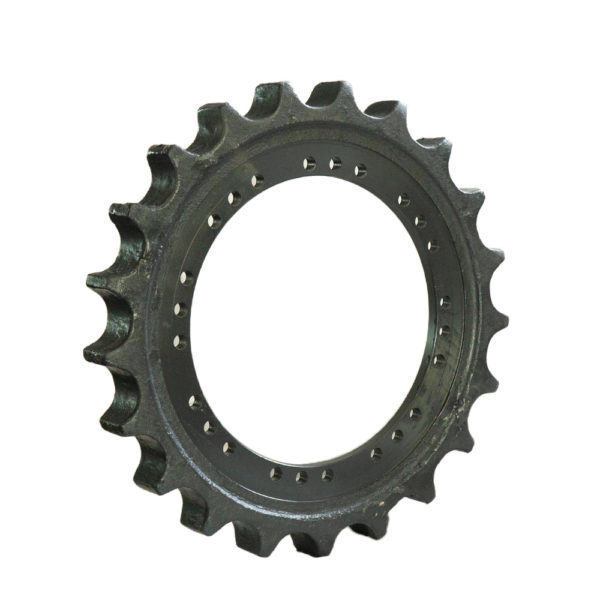
Abstrak
Kelangsungan operasional dan kinerja ekonomi dozer secara intrinsik terkait dengan integritas undercarriagenya, a system that can account for over half of the machine's total lifetime maintenance expenditure. Analisis ini mengkaji berbagai pertimbangan yang terlibat dalam mengamankan dukungan purnajual untuk komponen undercarriage dozer di 2025 pasar global. Hal ini tidak hanya sekedar evaluasi sederhana atas biaya pengadaan awal, namun juga evaluasi yang lebih mendalam, kerangka holistik yang menggabungkan biaya per jam (CPH) analisa, ilmu material komponen keausan, dan detail granular dari proses manufaktur seperti penempaan dan perlakuan panas. Studi ini mengevaluasi peran penting keandalan pemasok, ketentuan garansi, dan kemampuan logistik, terutama untuk operator di wilayah yang beragam dan menuntut seperti Australia, Rusia, Timur Tengah, dan Asia Tenggara. Dengan membedah faktor-faktor yang berkontribusi terhadap umur panjang komponen dan waktu kerja mesin, panduan ini memberikan metodologi terstruktur agar manajer peralatan dapat memperoleh informasi, keputusan strategis yang meningkatkan profitabilitas dan meminimalkan waktu henti operasional melalui kemitraan purnajual yang efektif.
Kunci takeaways
- Prioritaskan analisis biaya per jam dibandingkan harga pembelian awal untuk evaluasi ekonomi yang sebenarnya.
- Cermati komposisi material dan proses perlakuan panas pada suku cadang purnajual.
- Garansi yang komprehensif dan dukungan pemasok yang transparan merupakan hal mendasar dalam mitigasi risiko.
- Pilih vendor yang menyediakan dukungan purnajual yang tangguh untuk sistem undercarriage dozer.
- Konfirmasikan kompatibilitas komponen yang tepat untuk mencegah percepatan keausan dan kegagalan sistem.
- Assess a supplier's logistics network for timely delivery to your operational region.
- Cocokkan komponen undercarriage dengan tingkat abrasi dan benturan spesifik di lokasi kerja Anda.
Daftar isi
- Kalkulus Ekonomi: Melampaui Biaya di Muka
- Ilmu Material dan Manufaktur: Landasan Daya Tahan
- Jaminan Garansi dan Keandalan Pemasok
- Kompatibilitas dan Integrasi Sistem: Sangat Cocok
- Seleksi Khusus Aplikasi: Menyesuaikan dengan Medan
- Rantai Pasokan dan Jaringan Logistik: Mendapatkan Suku Cadang Saat Anda Membutuhkannya
- Masa Depan Manajemen Undercarriage: Teknologi dan Inovasi
- Pertanyaan yang sering diajukan (FAQ)
- Kesimpulan
- Referensi
Kalkulus Ekonomi: Melampaui Biaya di Muka
Proses pengambilan keputusan seputar pemeliharaan alat berat, khususnya undercarriage dozer, sering kali tertutupi oleh tekanan biaya dimuka yang bersifat langsung dan nyata. Manajer pengadaan mungkin tergoda dengan faktur yang memberikan angka jauh lebih rendah dibandingkan dengan Produsen Peralatan Asli (OEM). Penghematan awal ini, Namun, bisa jadi lagu sirene yang menipu, memikat manajer armada untuk mengambil keputusan yang terbukti jauh lebih mahal dibandingkan umur operasional komponen. Narasi ekonomi asli suku cadang undercarriage tidak tertulis pada pesanan pembelian namun terungkap melalui ribuan jam penggilingan, mendorong, dan melintasi medan yang keras. Ini adalah kisah yang diceritakan dalam biaya per jam, metrik yang menangkap realitas ekonomi total suatu wilayah, bukan hanya harga tiket awalnya.
Memahami perbedaan ini memerlukan perubahan perspektif, peralihan dari pola pikir transaksional ke pola pikir strategis. Hal ini melibatkan kesadaran bahwa undercarriage bukan sekadar kumpulan bagian, melainkan sebuah kompleks, sistem dinamis dimana kinerja masing-masing komponen saling berhubungan satu sama lain. Kegagalan dini di satu bidang, seperti tautan trek, dapat memulai rangkaian percepatan keausan pada roller, pemalas, dan sprocket, mengubah satu masalah komponen menjadi krisis sistem penuh. Karena itu, a mature evaluation of aftermarket support for dozer undercarriage parts must be grounded in a comprehensive financial model that accounts for the full spectrum of costs incurred throughout the part's life.
Kekeliruan Harga Terendah
Mari kita simak daya tarik menggiurkan dari harga terendah melalui lensa yang lebih fokus. Bayangkan dua set rantai track untuk dozer ukuran sedang. Tetapkan A, dari pemasok purnajual yang kurang dikenal, dihargai 20% kurang dari Set B, yang berasal dari produsen purnajual terkemuka dengan sejarah pengendalian kualitas dan keunggulan material yang terdokumentasi. Penghematan langsung pada Set A memang menarik, tampaknya merupakan dorongan langsung terhadap anggaran triwulanan. Manajer yang menyetujui pembelian ini bahkan mungkin menerima pujian atas kehati-hatian fiskal mereka.
Belum, perspektif ini pada dasarnya tidak lengkap. Ia gagal menanyakan pertanyaan yang lebih menyelidik. Berapakah komposisi metalurgi baja pada Himpunan A? Apakah sudah mengalami proses perlakuan panas yang sama ketatnya dengan Set B? Berapa presisi penempaan dan permesinan, dan bagaimana perbandingan toleransinya? Ini bukanlah hal-hal teknis yang sepele; they are the very factors that determine the part's ability to withstand the immense stresses of dozer operation.
Jika Set A yang lebih murah habis setelahnya 2,500 jam, sementara Set B yang lebih kuat bertahan 4,000 jam, gambaran ekonomi berubah secara dramatis. Inisial 20% penghematan dikalahkan oleh kebutuhan akan penggantian dini. Penggantian ini tidak hanya memerlukan biaya satu set rantai baru tetapi juga biaya waktu henti mesin yang signifikan, gaji teknisi yang melakukan perbaikan, dan potensi hilangnya pendapatan dari proyek yang dihentikan. Ketika ini "tersembunyi" biaya diperhitungkan, yang "lebih murah" pilihan terungkap menjadi yang lebih mahal. Skenario ini menggambarkan prinsip dasar dalam pengelolaan alat berat: biaya sebenarnya adalah fungsi dari harga dan umur.
| Faktor | Suku Cadang OEM | Suku Cadang Purna Jual Berkualitas |
|---|---|---|
| Biaya Awal | Paling tinggi | Sedang hingga Tinggi |
| Biaya-Per-Jam | Seringkali kompetitif karena umurnya yang panjang | Bisa menjadi yang paling ekonomis |
| Kualitas Bahan | Tinggi, memenuhi spesifikasi asli | Tinggi, sering kali memenuhi atau melampaui spesifikasi OEM |
| Jaminan | Luas, didukung oleh produsen | Bervariasi, namun pemasok terkemuka menawarkan jaminan yang kuat |
| Tersedianya | Bagus, melalui jaringan dealer resmi | Bagus sekali, dengan jaringan distribusi yang luas |
| Dukungan Teknis | Kuat, langsung dari pabrikan | Bervariasi; kuat dengan pemasok mapan |
Memperkenalkan Biaya Per Jam (CPH) Analisa
Biaya-Per-Jam (CPH) analisis adalah alat intelektual yang memungkinkan kita menembus kabut penetapan harga awal dan melihat lanskap ekonomi sebenarnya. Ini adalah perhitungan sederhana namun mendalam yang mengubah keputusan pengadaan dari "Berapa biaya pembeliannya?" menjadi "Berapa biaya pengoperasiannya?" Dengan mengamortisasi total biaya suatu komponen selama umur operasionalnya, CPH menyediakan metrik standar untuk membandingkan suku cadang dengan harga dan masa pakai yang berbeda. Hal ini mengubah keputusan dari pertaruhan harga menjadi investasi nilai.
The CPH figure is an embodiment of a part's total economic footprint. Ini mencakup harga pembelian awal, pekerjaan instalasi, dan biaya langsung lainnya, semua dibagi dengan jumlah jam fungsi komponen sebelum perlu diganti. Pendekatan ini secara sistematis mengutamakan daya tahan dan umur panjang dibandingkan murahnya. Suku cadang yang harganya lebih mahal di muka namun memiliki masa pakai yang jauh lebih lama hampir selalu menghasilkan CPH yang lebih rendah, mewakili laba atas investasi yang lebih baik. Penerapan CPH adalah langkah pertama dalam membangun strategi pemeliharaan yang proaktif dan berbasis nilai, daripada reaktif dan berpusat pada biaya. Hal ini menyelaraskan tujuan departemen pengadaan dengan kebutuhan operasional di lapangan, memupuk budaya di mana keandalan jangka panjang adalah ukuran utama keberhasilan.
Menghitung CPH: Kerangka Praktis
Perhitungan Biaya-Per-Jam bukanlah ilmu pengetahuan yang misterius namun merupakan latihan praktis dalam kejelasan finansial. Rumus dasarnya adalah sebagai berikut:
CPH = (Harga Pembelian + Biaya Tenaga Kerja Instalasi) / Jumlah Jam Layanan
Let's apply this to our earlier example of two track chain sets.
Skenario:
- Mesin: Dozer ukuran sedang
- Tingkat Tenaga Kerja: $100 per jam
- Waktu Instalasi: 16 jam untuk sepasang rantai
- Biaya Tenaga Kerja Instalasi: 16 jam * $100/jam = $1,600
Set Rantai Lintasan A (Harga Lebih Rendah):
- Harga Pembelian: $8,000
- Jumlah Jam Layanan: 2,500 jam
- Jumlah Biaya = $8,000 (Harga) + $1,600 (Tenaga kerja) = $9,600
- CPH (Tetapkan A) = $9,600 / 2,500 jam = $3.84 per jam
Set Rantai Lintasan B (Purnajual Terkemuka):
- Harga Pembelian: $10,000
- Jumlah Jam Layanan: 4,000 jam
- Jumlah Biaya = $10,000 (Harga) + $1,600 (Tenaga kerja) = $11,600
- CPH (Tetapkan B) = $11,600 / 4,000 jam = $2.90 per jam
Hasilnya sangat mencolok. Meskipun begitu 25% lebih mahal untuk dibeli, Set B sudah berakhir 24% lebih murah untuk beroperasi setiap jam. Perhitungan CPH memperlihatkan logika yang salah karena hanya berfokus pada harga pembelian dan memberikan tujuan, pembenaran berdasarkan data untuk berinvestasi pada komponen berkualitas lebih tinggi. This framework empowers managers to make decisions that are demonstrably better for the company's bottom line over the long term.
Biaya Tersembunyi: Waktu henti, Tenaga kerja, dan Kerusakan Tambahan
Rumus CPH, dalam bentuk dasarnya, sudah menjadi alat yang ampuh. Namun, analisis yang benar-benar komprehensif juga harus memperhitungkan biaya-biaya yang tidak tercakup dalam persamaan sederhana ini. Inilah yang “tersembunyi" atau biaya konsekuensial yang timbul dari kegagalan komponen, dan seringkali harga pembelian awalnya jauh lebih kecil.
Yang paling signifikan adalah biaya downtime yang tidak terjadwal. Ketika dozer tidak berfungsi karena kegagalan undercarriage, dampak finansial langsung bukan hanya biaya perbaikan. Ini adalah hilangnya pendapatan yang seharusnya dihasilkan mesin selama periode tersebut. Di lingkungan dengan produksi tinggi seperti tambang di Australia Barat atau proyek infrastruktur besar di Timur Tengah, biaya peluang yang hilang ini bisa mencapai ribuan, atau bahkan puluhan ribu, dolar per hari. Downtime satu hari dapat menghapus penghematan awal dari komponen murah berkali-kali lipat.
Lebih-lebih lagi, ada masalah kerusakan tambahan. Pin track atau bushing yang rusak tidak terjadi secara terpisah. Kegagalannya dapat menyebabkan "peregangan" rantai lintasan" atau mengular, yang selanjutnya menyebabkan keausan yang tidak normal dan dipercepat pada gigi sproket, flensa pemalas, dan tapak track roller. Dengan demikian, satu komponen yang murah dapat memperpendek umur seluruh sistem undercarriage, memicu pembangunan kembali secara penuh yang mahal dan prematur. Ini adalah bahayanya jika kita memandang undercarriage sebagai kumpulan bagian-bagian individual dan bukan sebagai suatu sistem yang terintegrasi. Saat mencari sumber komponen undercarriage berkualitas tinggi, perspektif seluruh sistem inilah yang melindungi terhadap kegagalan yang berjenjang. Manajer yang bijaksana memahami bahwa keandalan setiap bagian mendasari kesehatan keseluruhan.
Ilmu Material dan Manufaktur: Landasan Daya Tahan
Kinerja komponen undercarriage dozer selama ribuan jam kerja keras bukanlah suatu kebetulan; hal ini merupakan konsekuensi langsung dari bahan pembuatnya dan proses yang digunakan untuk membentuk dan memperkuatnya. Perbedaan antara track link yang bertahan dan yang rusak sebelum waktunya dapat ditelusuri kembali ke tingkat molekuler—pada campuran spesifik paduan dalam baja dan struktur kristal yang ditempa melalui perlakuan panas.. Untuk mengevaluasi dengan tepat dukungan purnajual untuk undercarriage dozer, seseorang harus menjadi mahasiswa metalurgi, setidaknya dalam prinsip dasarnya. Pengetahuan ini mengubah pembeli dari sekedar pengambil harga menjadi penilai kualitas yang berpengetahuan, mampu membedakan nilai sebenarnya dari tawar-menawar yang dangkal.
Bahasa ilmu material—istilahnya seperti baja boron, pendinginan, dan pemarah—mungkin tampak esoteris, but it describes the very essence of a component's strength, kekerasan, dan ketahanan aus. Memahami konsep-konsep ini mirip dengan seorang koki yang memahami sifat-sifat bahan-bahannya; hal ini penting untuk mencapai hasil yang berkualitas. Pemasok yang dapat berbicara dengan lancar dan transparan tentang spesifikasi material dan kontrol produksinya adalah pemasok yang yakin dengan produknya. Sebaliknya, pemasok yang tidak jelas atau mengelak mengenai rincian ini harus dipandang dengan skeptis.
Mendekonstruksi Kualitas Baja: Boron, Karbon, dan Mangan
Inti dari setiap komponen undercarriage adalah baja. Tapi "baja" bukanlah suatu zat tunggal. Ini adalah keluarga paduan berbasis besi, dan sifat-sifatnya ditentukan oleh penambahan unsur-unsur lain secara tepat. Untuk suku cadang yang aus, tiga unsur paduan yang paling signifikan adalah karbon, mangan, dan boron.
Karbon (C): Karbon adalah bahan pengeras utama pada baja. Seiring dengan meningkatnya kandungan karbon, the steel's potential hardness and strength increase. Namun, ini harus dibayar mahal. Kandungan karbon yang lebih tinggi juga dapat membuat baja lebih rapuh dan sulit dilas. Seni pembuatan baja untuk komponen undercarriage terletak pada menemukan keseimbangan karbon yang optimal—cukup untuk memberikan ketahanan aus yang sangat baik, but not so much that it compromises the component's ability to absorb shock without fracturing.
mangan (M N): Mangan memiliki beberapa peran. Ini berkontribusi terhadap kekuatan dan kekerasan baja, mirip dengan karbon tetapi pada tingkat yang lebih rendah. Yang terpenting, it also improves the steel's response to heat treatment, sebuah properti yang dikenal sebagai "hardenability." Artinya dalam baja dengan kandungan mangan yang cukup, kekerasan yang diinginkan dapat dicapai secara lebih konsisten dan lebih dalam pada komponen selama proses quenching.
Boron (B): Boron adalah "senjata rahasia" yang ampuh" dalam paduan baja. Ditambahkan dalam jumlah yang sangat kecil—sering kali diukur dalam bagian per juta—boron secara dramatis meningkatkan kemampuan pengerasan baja. Hal ini memungkinkan produsen mencapai kekerasan yang dalam dan seragam di seluruh komponen, bahkan di bagian yang tebal, tanpa harus menggunakan tingkat karbon yang sangat tinggi, yang dapat menyebabkan kerapuhan. Baja paduan boron, seperti 23MnB, oleh karena itu merupakan ciri khas suku cadang undercarriage berkualitas tinggi, menawarkan kombinasi luar biasa dari kekerasan permukaan yang tinggi untuk ketahanan aus dan ketangguhan, inti ulet untuk menahan benturan dan beban kejut. Menanyakan kepada calon pemasok tentang penggunaan baja boron adalah ujian lakmus yang sederhana namun ampuh untuk mengetahui komitmen mereka terhadap kualitas.
| Komponen Bahan | Fungsi Utama dalam Baja | Dampak pada Umur Keausan Undercarriage |
|---|---|---|
| Karbon | Meningkatkan kekerasan dan kekuatan tarik. | Kandungan karbon yang lebih tinggi meningkatkan ketahanan terhadap abrasi namun dapat meningkatkan kerapuhan jika tidak diseimbangkan dengan baik. |
| mangan | Meningkatkan kekuatan dan meningkatkan kemampuan pengerasan (respon terhadap perlakuan panas). | Memastikan bahwa kekerasan yang diinginkan tercapai secara konsisten di seluruh bagian, menyebabkan keausan lebih seragam. |
| Boron | Meningkatkan pengerasan secara besar-besaran bahkan dalam jumlah kecil. | Memungkinkan untuk mendalam, pengerasan menyeluruh, menciptakan komponen dengan permukaan yang sangat keras dan inti yang keras. |
| Kromium | Meningkatkan ketahanan terhadap korosi dan kekerasan. | Meningkatkan ketahanan terhadap keausan di lingkungan korosif atau basah dan menambah kekerasan permukaan secara keseluruhan. |
Penempaan vs. Debat Casting untuk Suku Cadang Undercarriage
Setelah baja diformulasikan, itu harus dibentuk menjadi komponen seperti track link atau roller shell. Dua metode utama untuk ini adalah casting dan forging. Sedangkan keduanya bisa menghasilkan bagian yang fungsional, mereka menghasilkan struktur internal yang berbeda dan, akibatnya, karakteristik kinerja yang berbeda.
Pengecoran: Dalam casting, baja cair dituangkan ke dalam cetakan dengan bentuk yang diinginkan dan dibiarkan dingin dan mengeras. Ini adalah proses yang serbaguna dan relatif murah, cocok untuk bentuk yang kompleks. Namun, saat logam mendingin, itu membentuk struktur butiran kristal yang pada dasarnya acak, seperti tumpukan pasir. Hal ini dapat meninggalkan kekosongan mikroskopis dan ketidakkonsistenan dalam material, yang dapat menjadi titik kelemahan di mana keretakan dapat terjadi akibat tekanan.
Penempaan: Penempaan adalah proses pembuatan sepotong baja padat, disebut billet, dipanaskan sampai suhu lunak dan kemudian dibentuk oleh tekanan yang sangat besar, baik dengan cara dipalu atau ditekan hingga menjadi dadu. Anggap saja seperti seorang pandai besi yang membentuk tapal kuda dengan palu. Proses ini menghasilkan sesuatu yang luar biasa pada struktur butiran internal baja. Daripada susunan acak, butiran dipaksa untuk sejajar dan mengalir sepanjang kontur bagian tersebut. Ini disempurnakan, Aliran butiran yang terus menerus menghilangkan rongga internal dan menciptakan material yang jauh lebih padat, lebih kuat, dan lebih tahan terhadap benturan dan kelelahan. Untuk kritis, komponen bertekanan tinggi seperti track link dan gigi bucket, penempaan secara luas diakui sebagai metode manufaktur yang unggul (Penempaan Emas, n.d.). Bagian yang ditempa hampir selalu memiliki masa pakai yang lebih lama dan ketahanan yang lebih besar terhadap kegagalan yang parah dibandingkan dengan bagian yang dicor.
Perlakuan Panas: Arsitek Kekuatan dan Ketahanan Aus yang Tak Terlihat
Komponen yang ditempa sempurna dan terbuat dari baja boron terbaik masih belum lengkap. Properti utamanya dibuka melalui final, tahap kritis manufaktur: perlakuan panas. This is a carefully controlled process of heating and cooling that manipulates the steel's crystalline structure to achieve the desired balance of hardness and toughness. Proses yang paling umum untuk bagian undercarriage adalah quenching dan tempering.
Pendinginan: Komponen dipanaskan sampai suhu tertentu (biasanya di atas 800°C) sampai struktur internalnya berubah menjadi keadaan yang disebut austenit. Kemudian didinginkan dengan cepat—atau "dipadamkan"—dengan merendamnya dalam cairan seperti air, minyak, atau larutan polimer. Laju pendinginan ekstrim ini memaksa austenit berubah menjadi martensit, struktur kristal yang sangat keras tetapi juga sangat rapuh. Bagian yang hanya dipadamkan akan menjadi seperti kaca—sangat keras, tapi itu akan hancur pada dampak signifikan pertama.
Tempering: Untuk menghilangkan kerapuhan ini, bagian yang padam kemudian dipanaskan kembali ke suhu yang jauh lebih rendah dan ditahan di sana selama jangka waktu tertentu sebelum dibiarkan dingin. Proses temper ini memungkinkan beberapa martensit yang rapuh berubah menjadi struktur yang lebih ulet, reducing internal stresses and increasing the material's toughness. Suhu akhir dan durasi proses temper dikontrol secara tepat untuk mencapai spesifikasi target. Tujuannya adalah untuk membuat komponen dengan “through-hardened" profil: kekerasan yang sangat tinggi pada permukaan luar yang bersentuhan langsung dengan tanah, secara bertahap beralih ke yang lebih sulit, inti yang lebih ulet sehingga dapat menyerap beban kejut tanpa patah.
Perlakuan panas yang efektif adalah ilmu yang kompleks. Itu membutuhkan tungku yang canggih, kontrol suhu yang tepat, dan pemahaman mendalam tentang metalurgi. Ini adalah area di mana jalan pintas mudah diambil namun memiliki konsekuensi buruk bagi produk akhir. Pemasok dukungan purnajual yang memiliki reputasi baik untuk undercarriage dozer akan dapat memberikan data terperinci mengenai proses perlakuan panasnya, termasuk kedalaman casing dan nilai kekerasan inti untuk komponennya.
Kisah Dua Sepatu Track: Contoh Perbandingan
Untuk membuat ini nyata, mari kita bayangkan dua sepatu track. Salah satunya terbuat dari baja karbon tinggi sederhana, dilemparkan ke bentuk, dan diberi perlakuan panas dasar. Yang lainnya ditempa dari baja boron dan melalui proses pendinginan dan temper yang dikontrol secara tepat.
Mulanya, mereka mungkin terlihat identik. Keduanya akan cocok dengan dozer. Namun kinerjanya akan berbeda dari jam pertama pengoperasian.
Sepatu cor, ketika bertemu dengan batu tajam, mungkin terkelupas atau retak karena struktur butirannya yang kurang halus dan potensi kerapuhan internal. Permukaannya aus, jika tidak dikeraskan dengan benar, akan terkikis dengan cepat di tanah berpasir atau abrasif.
Sepatu baja boron yang ditempa, sebaliknya, akan memiliki ketahanan benturan yang unggul. Struktur butirannya yang selaras akan membantu menghilangkan energi benturan, mencegah terbentuknya retakan. Permukaannya yang sangat keras akan menahan abrasi dengan lebih efektif, memberikan masa pakai yang jauh lebih lama. Lembur, investasi pada bahan-bahan unggul dan pembuatan sepatu kedua akan membuahkan hasil berkali-kali lipat dalam hal masa pakai yang lebih lama dan waktu henti yang berkurang. Inilah wujud praktis ilmu material di lapangan.
Jaminan Garansi dan Keandalan Pemasok
Di bidang alat berat, di mana komponen-komponen mengalami tekanan tiada henti dan kondisi ekstrem, jaminan lebih dari sekedar selembar kertas. It is a formal expression of a manufacturer's confidence in their own product. Ini berfungsi sebagai mekanisme penting untuk mitigasi risiko bagi pemilik peralatan, jaring pengaman yang melindungi terhadap konsekuensi finansial dari kegagalan dini. Namun, tidak semua jaminan diciptakan sama. Jaminan yang benar-benar berharga ditandai tidak hanya oleh durasinya namun juga oleh kejelasan ketentuannya, cakupan cakupannya, Dan, yang paling penting, integritas pemasok yang berdiri di belakangnya. Saat mencari dukungan purnajual untuk undercarriage dozer, a thorough and critical evaluation of the warranty policy and the supplier's reputation is an indispensable part of the due diligence process.
Dokumen garansi adalah kontrak, dan seperti kontrak apa pun, nilai sebenarnya terletak pada detailnya. Sebuah kebijakan yang tampak murah hati di permukaan mungkin saja penuh dengan pengecualian, keterbatasan, dan rintangan prosedural yang menjadikannya tidak berguna dalam skenario klaim di dunia nyata. Karena itu, seorang manajer peralatan harus belajar membaca yang tersirat, untuk memahami apa yang dijanjikan dan, sama pentingnya, apa yang tidak. Pengawasan ini adalah dasar dari strategi pemeliharaan yang aman dan dapat diprediksi.
Membaca Yang Tersirat dari Kebijakan Garansi
Kesalahan umum adalah terpengaruh oleh masa garansi yang lama, seperti 3,000 jam atau dua tahun, tanpa memeriksa substansi pertanggungannya. Analisis yang lebih cerdas melibatkan mengajukan serangkaian pertanyaan spesifik:
Apa yang sebenarnya tercakup? Apakah garansi hanya mencakup bagian yang rusak saja, atau apakah itu meluas ke "kerusakan konsekuensial"? Misalnya, jika pin track rusak dan menyebabkan rantai track tergelincir dan merusak rumah final drive, apakah garansi akan mencakup perbaikan final drive? Kebijakan yang mengecualikan kerusakan yang bersifat konsekuensial memberikan perlindungan yang sangat terbatas terhadap dampak sebenarnya dari kegagalan besar.
Apakah termasuk tenaga kerja? Biaya penggantian suku cadang seringkali hanya sebagian kecil dari total tagihan perbaikan. Tenaga kerja yang dibutuhkan untuk melepas komponen yang rusak dan memasang yang baru bisa sangat besar. Garansi yang kuat dari pemasok yang memiliki reputasi baik sering kali mencakup ketentuan biaya tenaga kerja, menunjukkan komitmen yang lebih lengkap untuk menjadikan pelanggan utuh.
Apa saja pengecualiannya? Jaminan akan selalu berisi pengecualian untuk pemakaian normal, pemasangan yang tidak tepat, melecehkan, atau pengoperasian pada aplikasi yang tidak disetujui. Hal ini umumnya masuk akal. Namun, kita harus waspada terhadap klausul pengecualian yang tidak jelas atau terlalu luas yang dapat digunakan untuk menolak klaim yang sah. Misalnya, apa yang dimaksud dengan "pengoperasian yang tidak benar"? Kebijakan tersebut harus jelas dan spesifik.
Bagaimana proses klaimnya? Betapa mudahnya mengajukan klaim? Apakah itu memerlukan dokumen yang ekstensif, shipping the failed part across the world for inspection at the customer's expense, dan proses persetujuan yang panjang? Pemasok dengan pendekatan yang berpusat pada pelanggan akan memiliki efisiensi, responsif, dan proses klaim yang transparan, sering kali dikelola melalui dealer atau perwakilan setempat yang dapat memeriksa kegagalan secara langsung.
Garansi yang mencakup suku cadang, tenaga kerja, dan kerusakan konsekuensial, dengan persyaratan yang jelas dan proses klaim yang mudah, adalah indikator kuat dari produk berkualitas tinggi dan pemasok yang dapat dipercaya. Hal ini menandakan bahwa produsen bersedia berbagi risiko dengan pelanggan karena mereka mempunyai tingkat kepastian yang tinggi bahwa produknya akan berfungsi seperti yang diiklankan..
Mengevaluasi Reputasi Pemasok dan Kehadiran Pasar
Garansi hanya akan sebaik perusahaan yang menerbitkannya. Jaminan ketat dari perusahaan yang hilang atau menolak memenuhi komitmennya tidak ada gunanya. This is why evaluating the supplier's reputation, stabilitas, dan kehadiran di pasar sama pentingnya dengan mengevaluasi dokumen garansi itu sendiri.
Di pasar global 2025, reputasi adalah aset nyata. One can look for evidence of a supplier's track record through various channels. Forum daring, publikasi perdagangan industri, dan percakapan langsung dengan pemilik peralatan lain di wilayah Anda dapat memberikan manfaat yang sangat berharga, real-world feedback on a supplier's performance. Apakah mereka memiliki sejarah menghormati jaminan mereka? Apakah produk mereka terkenal dengan kualitas yang konsisten? Apakah mereka berdiri di belakang mereka ketika masalah muncul? Untuk operator di wilayah seperti Australia atau Asia Tenggara, akan sangat berguna untuk mencari testimoni dari pengguna lokal yang menghadapi kondisi lapangan dan tantangan logistik yang serupa.
Kehadiran pasar adalah indikator penting lainnya. Pemasok dengan jaringan dealer dan pusat distribusi yang mapan, seperti yang dikelola oleh OEM besar seperti Caterpillar dan Komatsu, menunjukkan komitmen jangka panjang terhadap pasar (; ). Infrastruktur fisik ini tidak hanya memfasilitasi pengiriman suku cadang yang lebih cepat namun juga menyediakan titik kontak lokal untuk penjualan, dukungan teknis, dan klaim garansi. Pemasok yang telah berinvestasi dalam membangun kehadiran di negara atau wilayah Anda cenderung tidak bersifat sementara, operator penerbangan malam hari. Mereka mempunyai kepentingan dalam menjaga reputasi positif dan memberikan layanan yang konsisten.
Pentingnya Dukungan Teknis dan Keahlian
Di luar garansi, ketersediaan dukungan teknis yang berpengetahuan merupakan komponen penting dari layanan purnajual yang andal. Undercarriage adalah sistem yang kompleks, dan mendiagnosis pola keausan atau kegagalan dapat menjadi tantangan. Pemasok yang hanya menjual suku cadang dalam kotak menyediakan suatu komoditas. Pemasok yang memberikan saran ahli dan dukungan diagnostik memberikan solusi.
Ketika suatu masalah muncul, dapatkah Anda berbicara dengan ahli teknis yang memahami undercarriage dozer? Bisakah mereka membantu Anda menganalisis pola keausan untuk menentukan apakah hal itu disebabkan oleh bahannya, aplikasi, atau masalah keselarasan? Dapatkah mereka memberikan panduan tentang prosedur pemasangan dan pemeliharaan yang tepat untuk memaksimalkan umur komponen baru?
Tingkat dukungan ini merupakan ciri khas pemasok purnajual utama. Hal ini menunjukkan bahwa mereka tidak hanya tertarik pada satu transaksi tetapi juga menjalin kemitraan jangka panjang dengan pelanggannya. They understand that their success is tied to the customer's success. Keahlian ini sangat berharga dalam mencegah kegagalan berulang, mengoptimalkan jadwal pemeliharaan, dan pada akhirnya menurunkan total biaya kepemilikan. Saat memilih pemasok, tanyakan tentang kualifikasi dan aksesibilitas tim dukungan teknis mereka. Jawaban mereka akan memberi tahu Anda banyak hal tentang keseluruhan komitmen mereka terhadap kualitas dan kepuasan pelanggan.
Kompatibilitas dan Integrasi Sistem: Sangat Cocok
Undercarriage dozer adalah simfoni bagian yang bergerak, sistem yang dirancang dengan cermat di mana ratusan komponen harus bekerja dalam harmoni yang sempurna. Ini bukanlah tempat untuk "cukup dekat." Ketepatan setiap bagian—dimensinya, toleransi, dan geometri—sangat penting bagi kesehatan dan umur panjang seluruh sistem. Sebuah komponen yang bahkan hanya sepersekian milimeter saja di luar spesifikasi dapat menimbulkan gaya destruktif dan pola keausan abnormal yang mempengaruhi seluruh undercarriage., menyebabkan kegagalan dini dan perbaikan yang mahal. Karena itu, saat mengevaluasi dukungan purnajual untuk undercarriage dozer, jaminan kompatibilitas sempurna dan integrasi sistem yang mulus bukanlah suatu kemewahan; itu adalah kebutuhan mutlak.
Upaya untuk mendapatkan kesesuaian yang sempurna ini memerlukan apresiasi terhadap seluk-beluk teknik mesin. Hal ini melibatkan pemahaman bahwa spesifikasi OEM bukanlah angka sembarangan, melainkan hasil penelitian ekstensif, perkembangan, dan pengujian yang dirancang untuk mengoptimalkan kinerja dan keandalan. A reputable aftermarket manufacturer does not simply copy a part's shape; mereka terlibat dalam proses rekayasa balik yang canggih untuk memahaminya, mengulangi, and in some cases even improve upon the original design's critical functional parameters.
Risiko Komponen yang Tidak Cocok
Untuk memahami pentingnya presisi, mari kita pertimbangkan interaksi antara tautan trek dan sproket. Jarak antara pusat satu pin track dan pin berikutnya disebut “pitch." Jarak ini harus sama persis dengan jarak antara gigi pada sproket.
Sekarang, bayangkan rantai lintasan pasar purnajual yang nadanya sedikit melenceng—mungkin karena kontrol manufaktur yang buruk. Saat rantai terhubung dengan sproket, roller tidak akan terpasang dengan sempurna di lembah di antara gigi sproket. Alih-alih, mereka akan naik ke sisi gigi, menciptakan beban titik dan gesekan yang sangat besar. Hal ini akan menyebabkan track bushing dan gigi sproket terkikis dengan sangat cepat. Operator mungkin melihat bunyi "klik" atau "muncul" terdengar saat dozer bergerak, yang merupakan suara sistem yang menghancurkan dirinya sendiri.
Ini hanyalah salah satu contoh. Masalah serupa dapat muncul dari:
- Flensa track roller yang dikerjakan dengan tidak benar: Menyebabkan keausan berlebihan pada sisi-sisi track link.
- Dimensi idler salah: Menyebabkan rantai lintasan berjalan tidak semestinya dan mengalami pembebanan samping.
- Segel yang tidak pas pada roller dan idler: Membiarkan kotoran dan kelembapan masuk ke dalam rongga bantalan, menyebabkan kehancuran internal yang cepat.
Ini bukanlah skenario hipotetis; itu adalah konsekuensi umum dari penggunaan kualitas rendah, suku cadang purnajual yang dimensinya tidak akurat. Penghematan awal dari pembelian semacam itu dengan cepat terkuras oleh biaya penggantian, bukan hanya bagian yang rusak, tapi semua komponen lainnya sudah rusak. Ini adalah kasus klasik tentang menjadi "bijaksana satu sen dan bodoh.""
Memahami Spesifikasi OEM vs. Setara Purna Jual
Produsen Peralatan Asli menginvestasikan jutaan dolar dalam merancang dan menguji sistem undercarriage mereka. Spesifikasi setiap komponen merupakan hasil proses yang ketat ini. Mereka tidak hanya menentukan dimensi fisik tetapi juga sifat material, profil kekerasan permukaan, dan toleransi yang diperbolehkan.
Pemasok purnajual berkualitas tinggi memahami dan menghormati hal ini. Tujuan mereka bukan untuk menghasilkan tiruan yang murahan tetapi padanan fungsional yang sebenarnya. Hal ini dicapai melalui proses rekayasa balik yang cermat:
- Pemindaian dan Pengukuran: Suku cadang OEM asli dipindai menggunakan pemindai laser 3D presisi tinggi dan diukur dengan mesin pengukur koordinat (CMM) untuk menangkap geometri persisnya hingga ke tingkat mikron.
- Analisis Bahan: The part's material composition is analyzed using spectrometry to identify the specific steel alloy. Penampang dipotong, dipoles, dan dietsa untuk memeriksa struktur butiran dan mengukur profil kedalaman dan kekerasan perlakuan panas.
- Teknik dan Pemodelan: Data ini digunakan untuk membuat desain detail dengan bantuan komputer (Cad) model dan serangkaian cetak biru manufaktur yang mereplikasi semua karakteristik fungsional penting dari suku cadang aslinya.
- Pembuatan Prototipe dan Pengujian: Prototipe diproduksi dan menjalani pengujian laboratorium dan lapangan yang ketat untuk memvalidasi bahwa prototipe tersebut memiliki kinerja yang sama, atau bahkan lebih baik dari, bagian OEM.
Pemasok yang mengikuti proses disiplin ini dapat dengan yakin menyatakan bahwa suku cadang mereka "setara dengan OEM" atau "memenuhi atau melampaui spesifikasi OEM." Mereka tidak hanya membuat salinan visual; mereka menciptakan kembali integritas teknik dari komponen aslinya. Saat Anda memilih pemasok, tanyakan kepada mereka tentang proses rekayasa balik dan langkah-langkah pengendalian kualitas untuk memastikan keakuratan dimensi. Pemasok bucket dozer dan ripper yang tahan lama, Misalnya, menerapkan prinsip serupa dalam rekayasa presisi untuk memastikan peralatan yang digunakan di lapangan cocok dan berfungsi dengan benar.
Peran Teknik Presisi di Suku Cadang Purna Jual
Komitmen terhadap rekayasa presisi melampaui desain awal hingga setiap tahap produksi. Hal ini membutuhkan investasi modern, dikendalikan secara numerik oleh komputer (CNC) pusat permesinan yang dapat menampung toleransi yang diukur dalam sepersekian lebar rambut manusia. Hal ini menuntut prosedur pengendalian kualitas yang ketat, termasuk pemeriksaan berkala terhadap suku cadang yang keluar dari jalur produksi menggunakan alat pengukur dan alat ukur yang telah dikalibrasi.
Pertimbangkan membosankannya lubang pin dan bushing pada track link. Diameternya, bentuk bundar, dan keselarasan kedua lubang ini harus sempurna. Jika keduanya tidak sejajar sempurna, track pin dan bushing akan terkena gaya puntir yang konstan, menyebabkan keausan yang cepat dan tidak merata. Jika diameternya terlalu besar, pinnya akan lepas, menyebabkan pembebanan dampak setiap kali lintasan berubah dari kendur menjadi tegang. Jika diameternya terlalu kecil, gangguan yang cocok akan terlalu besar, membuat perakitan menjadi sulit dan berpotensi menekankan tautan.
Inilah tingkat detail yang membedakan produsen purnajual berkualitas tinggi dengan produsen berbiaya rendah. Yang pertama melihat undercarriage sebagai mesin presisi; yang terakhir melihatnya sebagai kumpulan bagian logam sederhana. Perbedaan filosofi ini mempunyai dampak langsung dan mendalam terhadap kinerja, keandalan, dan biaya akhir per jam komponen. Manajer peralatan yang cerdas belajar mencari tanda-tanda rekayasa presisi—pemesinan yang bersih, hasil akhir yang konsisten, dan pemasok yang dapat memberikan lembar spesifikasi rinci dan dokumentasi kendali mutu untuk produk mereka.
Seleksi Khusus Aplikasi: Menyesuaikan dengan Medan
Dozer adalah mesin yang sangat serbaguna, namun pekerjaan yang dilakukan dan medan yang dilaluinya bisa sangat bervariasi. Dozer membersihkan lapisan penutup di tambang pasir berkadar silika tinggi di Queensland, Australia, menghadapi serangkaian tantangan keausan yang sangat berbeda dibandingkan saat mendorong bumi yang membeku di musim dingin di Siberia atau melewati medan berlumpur, tanah kohesif dari operasi penebangan di Asia Tenggara. Pendekatan universal dalam pemilihan undercarriage adalah, Karena itu, cacat secara mendasar. Pendekatan yang benar-benar strategis dalam mencari dukungan purnajual untuk undercarriage dozer melibatkan analisis yang cermat terhadap aplikasi spesifik dan pemilihan komponen yang dirancang untuk berkembang di lingkungan tersebut..
Proses penjahitan ini memerlukan kemitraan antara pemilik peralatan dan pemasok suku cadang. Pemiliknya membawa pengetahuan mendalam tentang lokasi pekerjaan mereka, tuntutan produksi mereka, dan pola pemakaian historisnya. Pemasok membawa portofolio pilihan komponen dan keahlian ilmu material untuk merekomendasikan solusi terbaik. Pemasok purnajual yang canggih tidak akan menawarkan satu jenis track shoe atau roller; mereka akan menawarkan berbagai pilihan, masing-masing dioptimalkan untuk kondisi benturan dan abrasi yang berbeda. Memilih yang tepat dapat memperpanjang umur komponen secara signifikan dan mengurangi CPH.
Lingkungan dengan Abrasi Tinggi (Penambangan di Australia, Penambangan di Timur Tengah)
High-abrasion environments are the ultimate test of an undercarriage's durability. Kondisi ini ditandai dengan sulitnya, tajam, dan bahan granular seperti pasir, kerikil, dan jenis batuan tertentu. The primary wear mechanism here is abrasion—the constant grinding and scraping away of the component's surface material.
- Tantangannya: Di lingkungan ini, materialnya seringkali cukup kecil untuk menembus celah kecil di undercarriage, menciptakan pasta penggilingan yang tanpa henti merusak tautan trek, bushing, tapak rol, dan permukaan idler. Kandungan silika pada bahan merupakan faktor kunci; pasir silika tinggi sangat agresif.
- Solusinya: Untuk aplikasi dengan abrasi tinggi, persyaratan utama adalah kekerasan permukaan maksimum. Di sinilah komponen dibuat berkualitas tinggi, baja boron yang diperkeras benar-benar bersinar. Profil kekerasan dalam menahan aksi penggilingan partikel abrasif jauh lebih efektif dibandingkan komponen dengan hanya "pengerasan casing" yang tipis." Selain itu, beberapa produsen menawarkan "layanan ekstrem" khusus" atau "tahan abrasi" sepatu lari. Sepatu ini sering kali memiliki profil yang lebih tebal dan terbuat dari paduan baja berpemilik dengan tingkat kekerasan yang lebih tinggi, dirancang khusus untuk kondisi paling abrasif yang ditemukan di tempat seperti wilayah Pilbara di Australia. Biaya tambahan marjinal untuk komponen-komponen khusus ini sering kali terbayar berkali-kali lipat seiring dengan masa pakai yang lebih lama.
Dampak Rendah, Skenario Perjalanan Tinggi (Lansekap, Konstruksi Umum)
Di ujung lain spektrum adalah aplikasi yang melibatkan material yang tidak terlalu agresif namun memerlukan banyak perjalanan. Bayangkan dozer yang digunakan untuk lansekap skala besar, pekerjaan pertanian, atau persiapan lokasi umum pada tanah lunak.
- Tantangannya: Dalam skenario ini, musuh utamanya bukanlah abrasi melainkan keausan internal, khususnya di dalam track pin dan bushing joint. Dengan setiap revolusi lintasan, ada sedikit gerakan dan gesekan di dalam sendi ini. Lebih dari ribuan jam perjalanan berkecepatan tinggi, ini terakumulasi menjadi keausan yang signifikan, menyebabkan peningkatan nada lintasan (menggeliat) dan kebutuhan akhir untuk "putaran pin dan bushing" atau penggantian. Kerusakan akibat dampak tidak terlalu menjadi perhatian.
- Solusinya: Untuk aplikasi ini, fokusnya beralih dari kekerasan permukaan ekstrem ke kualitas komponen internal. Solusi ideal adalah track yang disegel dan dilumasi (GARAM) rantai. Dalam sistem SALT, sambungan pin dan bushing disegel dengan satu set segel poliuretan dan diisi dengan minyak. Oli ini memberikan pelumasan terus menerus, secara dramatis mengurangi gesekan dan keausan internal. Umur pin dan bushing dapat diperpanjang dua kali lipat atau lebih dibandingkan dengan kering (tidak dilumasi) rantai. Sedangkan rantai SALT memiliki biaya awal yang lebih tinggi, kemampuannya untuk menunda atau menghilangkan prosedur putaran pin dan bushing yang mahal menjadikannya pilihan paling ekonomis untuk aplikasi perjalanan tinggi apa pun. Pemasok purnajual yang berkualitas akan menawarkan rantai SALT yang kuat dengan segel berkualitas tinggi yang tahan terhadap kebocoran dan kontaminasi.
Suhu Ekstrim dan Kondisi Tanah (lapisan es Siberia, Panas Afrika)
Kondisi pengoperasian pada skala suhu ekstrem menimbulkan lapisan kompleksitas lain.
Sangat Dingin: Di lingkungan seperti Siberia atau Kanada bagian utara, kekhawatiran utama adalah kerapuhan material. Pada suhu yang sangat rendah (di bawah -30°C), paduan baja standar dapat kehilangan keuletannya dan rentan patah akibat benturan. Dozer yang menabrak batu beku dalam kondisi seperti ini berpotensi menghancurkan jalur lintasan atau sepatu. Solusinya terletak pada paduan baja suhu rendah khusus yang diformulasikan dan diberi perlakuan panas untuk mempertahankan ketangguhan dan ketahanan benturan bahkan pada suhu kriogenik.. Pemasok yang berpengalaman di pasar ini akan mampu menyediakan suku cadang bersertifikat untuk layanan suhu rendah.
Panas Ekstrim dan Lumpur: Di panas, basah, dan kondisi berlumpur, seperti yang ditemukan di banyak bagian Afrika dan Asia Tenggara, masalahnya sering kali adalah "pengemasan." Yang lengket, lumpur kohesif dapat masuk ke dalam komponen undercarriage, khususnya di sekitar sproket dan idler. Saat bahan yang dikemas ini mengeras, itu secara efektif mengubah geometri komponen, mencegah rantai lintasan terhubung dengan benar. Hal ini menciptakan tekanan besar pada keseluruhan sistem, menyebabkan ketegangan lintasan yang tinggi, kehilangan daya, dan percepatan keausan pada semua komponen. Untuk kondisi ini, khusus "pukulan tengah" atau "relief lumpur" sepatu track bisa menjadi pengubah permainan. Sepatu ini memiliki bukaan di tengahnya yang memungkinkan lumpur dan kotoran keluar, mencegah penumpukan material yang dikemas. Memilih shoe yang tepat untuk jenis tanah dapat memberikan perbedaan besar pada umur undercarriage dan kinerja alat berat.
Rantai Pasokan dan Jaringan Logistik: Mendapatkan Suku Cadang Saat Anda Membutuhkannya
Komponen undercarriage, tidak peduli seberapa indahnya direkayasa atau sangat cocok untuk penerapannya, tidak ada nilainya jika disimpan di gudang di belahan dunia lain saat mesin Anda mati. Di dunia konstruksi yang kritis terhadap waktu, pertambangan, dan pertanian, waktu aktif adalah yang terpenting. Kemampuan pemasok untuk mengirimkan komponen yang tepat ke tempat yang tepat pada waktu yang tepat adalah, Karena itu, komponen penting dan sering diremehkan dari dukungan purnajual yang efektif. A supplier's logistical capability—their network of distribution centers, sistem manajemen inventaris mereka, dan hubungan mereka dengan perusahaan pelayaran—merupakan bagian dari penawaran produk mereka seperti halnya baja itu sendiri.
Untuk operator di wilayah geografis yang luas atau terpencil, seperti pedalaman Australia, timur jauh Rusia, atau mengembangkan lokasi pertambangan di Afrika, the strength of the supplier's supply chain is not a matter of convenience; ini adalah masalah kelangsungan operasional. Penundaan dua hari dalam menerima suku cadang dapat menimbulkan dampak finansial yang jauh lebih besar daripada penghematan harga pembeliannya.. Akibatnya, a thorough assessment of a supplier's logistical network is a non-negotiable step in the selection process.
Menilai Inventaris Pemasok dan Pusat Distribusi
Landasan rantai pasokan yang responsif adalah jaringan pusat distribusi yang lengkap dan berlokasi strategis. OEM besar seperti Komatsu dan Caterpillar telah menetapkan standar industri dalam hal ini, dengan masif, depo suku cadang regional yang dirancang untuk melayani jaringan dealer mereka dengan tingkat pengisian yang tinggi dan waktu tunggu yang singkat (komatsu, n.d.-a; Caterpillar Inc., n.d.). Pemasok purnajual kelas dunia berupaya meniru model ini.
Saat mengevaluasi pemasok potensial, pertimbangkan hal berikut ini:
- Lokasi Gudang: Di mana pusat distribusi utama mereka berada? Apakah mereka hadir di benua atau wilayah Anda? Pemasok dengan gudang di Australia, Misalnya, akan mampu melayani pelanggan di Perth jauh lebih efektif dibandingkan pelanggan yang seluruh inventarisnya berada di Eropa atau Amerika Utara.
- Filsafat Inventaris: Apa pendekatan mereka terhadap inventaris? Apakah mereka menyediakan suku cadang undercarriage yang dalam dan luas untuk berbagai merek dan model, atau apakah mereka hanya mengandalkan "just-in-time"." model di mana suku cadang dipesan dari pabrik pusat hanya setelah pelanggan melakukan pemesanan? Solusi ini memberikan perlindungan terhadap gangguan rantai pasokan dan memungkinkan pengiriman lebih cepat, sedangkan hal kedua dapat menyebabkan penundaan yang signifikan.
- Teknologi Inventaris: Apakah mereka menggunakan sistem manajemen gudang modern (WMS) yang memberikan visibilitas real-time ke tingkat stok? Dapatkah perwakilan penjualan atau portal online mereka langsung memberi tahu Anda apakah suatu suku cadang tersedia dan di mana lokasinya? Tingkat kecanggihan teknologi ini merupakan tanda dikelola dengan baik, operasi profesional.
Waktu dan Biaya Pengiriman ke Lokasi Terpencil
Bagi banyak pengguna alat berat, "mil terakhir" perjalanan pengiriman adalah yang paling menantang. Membawa palet track roller ke kota pelabuhan besar adalah satu hal; membawanya ke lokasi tambang terpencil 500 kilometer ke daratan adalah hal yang sama sekali berbeda.
Pemasok yang berpengalaman di wilayah Anda akan menjalin hubungan dengan perusahaan angkutan barang lokal dan regional yang mahir dalam mengatasi rintangan logistik ini.. Mereka akan dapat memberikan perkiraan waktu dan biaya pengiriman yang realistis dan dapat diandalkan, memperhitungkan potensi penundaan bea cukai, kondisi jalan, dan variabel lokal lainnya.
Saat mendiskusikan logistik dengan pemasok potensial, mintalah contoh spesifik waktu pengiriman ke lokasi yang serupa dengan Anda. Berhati-hatilah terhadap janji-janji yang terlalu optimis. Penting juga untuk memperjelas ketentuan pengiriman (Incoterms). Apakah harga yang dikutip "Gratis di Pesawat" (FOB) dari gudang mereka, artinya Anda bertanggung jawab atas semua biaya dan risiko pengiriman sejak saat itu? Atau apakah itu "Tugas yang Dikirim Dibayar" (DDP) ke situs Anda, artinya pemasok menangani semuanya? Memahami istilah-istilah ini sangat penting untuk menghitung total biaya perolehan suku cadang secara akurat.
Dampak Faktor Geopolitik terhadap Rantai Pasokan di 2025
Lanskap global 2025 adalah salah satu peningkatan volatilitas. Pembelajaran dari era pasca tahun 2020 menunjukkan bahwa rantai pasok rentan terhadap gangguan yang disebabkan oleh berbagai faktor, termasuk pandemi, perselisihan perdagangan, konflik internasional, dan kemacetan jalur pelayaran. Strategi dukungan pasar purnajual yang tangguh harus mempertimbangkan realitas geopolitik ini.
Hal ini menambah dimensi lain pada evaluasi pemasok: diversifikasi rantai pasokan. Pemasok yang seluruh bahan bakunya berasal dari satu negara dan memproduksi semua produknya di satu pabrik lebih rentan terhadap gangguan dibandingkan pemasok yang memiliki jejak yang lebih terdiversifikasi.. Pemasok yang memiliki banyak lokasi produksi di kawasan geopolitik berbeda dan pendekatan multi-sumber terhadap bahan mentah memiliki posisi yang lebih baik untuk menghadapi krisis di satu bagian dunia tanpa gangguan pasokan sepenuhnya..
While it may not always be possible to have complete transparency into a supplier's entire supply chain, mengajukan pertanyaan tentang strategi mitigasi risiko mereka dapat mengungkap banyak hal. Apakah mereka mempunyai rencana darurat untuk penutupan pelabuhan atau perubahan tarif perdagangan? Apakah mereka menjaga stok pengaman di gudang regional untuk mencegah keterlambatan pengiriman? Pemasok yang telah mempertimbangkan masalah ini dengan cermat kemungkinan besar akan menjadi mitra yang dapat diandalkan dalam dunia yang penuh ketidakpastian. Pemilihan pemasok purnajual bukan sekadar pilihan produk, tapi pilihan rantai pasokan, dan di era modern, ketahanan rantai tersebut merupakan faktor penting dalam memastikan kelangsungan operasional Anda.
Masa Depan Manajemen Undercarriage: Teknologi dan Inovasi
Prinsip dasar keausan undercarriage—abrasi, dampak, dan gesekan—tidak lekang oleh waktu. Namun, alat dan teknologi yang digunakan untuk mengelola dan memitigasi keausan tersebut terus mengalami evolusi. Bidang manajemen undercarriage beralih dari model reaktif, di mana suku cadang diganti hanya setelah rusak, menuju model proaktif dan prediktif, didorong oleh data, sensor canggih, dan materi inovatif. Untuk pemilik peralatan, mengikuti perkembangan ini adalah kunci untuk mencapai tingkat efisiensi baru, mengurangi biaya, dan memaksimalkan ketersediaan mesin. Pemasok purnajual yang berpikiran maju bukan hanya pemasok suku cadang tradisional namun juga mitra dalam evolusi teknologi ini.
Batasan baru dalam manajemen undercarriage ini menjanjikan masa depan di mana pemeliharaan tidak lagi bergantung pada dugaan dan lebih banyak mengandalkan presisi berdasarkan data. Hal ini melibatkan pemanfaatan kekuatan Internet of Things (IoT) untuk memberikan suara pada mesin, memungkinkan mereka melaporkan kesehatan mereka sendiri secara real time. Hal ini juga melibatkan inovasi berkelanjutan di bidang fisik, dengan paduan dan desain baru yang melampaui batas daya tahan.
Telematika dan Pemeliharaan Prediktif
Selama beberapa dekade, pemeriksaan undercarriage merupakan proses manual dan agak subyektif, mengandalkan teknisi dengan alat ultrasonik dan banyak pengalaman untuk mengukur keausan dan memperkirakan sisa masa pakai. Meskipun efektif, this method is labor-intensive and provides only periodic snapshots of the undercarriage's condition.
Lompatan besar berikutnya adalah integrasi teknologi telematika dan sensor langsung ke dalam komponen undercarriage itu sendiri. Membayangkan:
- Rol Cerdas: Track roller dilengkapi dengan sensor suhu dan getaran. Lonjakan suhu yang tidak biasa pada roller dapat mengindikasikan kerusakan bantalan atau hilangnya pelumasan jauh sebelum hal tersebut menjadi bencana besar.. The system could automatically send an alert to the fleet manager's phone, memungkinkan mereka untuk menjadwalkan penggantian selama interval servis yang direncanakan berikutnya, menghindari downtime yang tidak terjadwal.
- Lacak Pemantauan Ketegangan: Sensor yang terus memantau tekanan hidrolik di sistem track adjuster. Ini memberikan pengukuran tegangan track secara real-time. Sistem dapat memperingatkan operator jika lintasan menjadi terlalu sempit (karena pengepakan) atau terlalu longgar (karena keausan pin dan bushing), memungkinkan untuk segera dilakukan koreksi sebelum kerusakan terjadi.
- GPS dan Integrasi Data Operasional: By combining undercarriage sensor data with the machine's GPS and operational data (beban mesin, kecepatan perjalanan, dll.), model prediksi yang kuat dapat dibangun. Model ini dapat mempelajari bagaimana operator yang berbeda dan tugas yang berbeda mempengaruhi tingkat keausan, memberikan prediksi yang sangat akurat tentang sisa umur komponen. Manajer armada dapat melihat dasbor yang menunjukkan kesehatan setiap undercarriage di armadanya, dengan sistem kode warna yang menunjukkan mesin mana yang perlu segera diservis.
Sementara teknologi ini masih bermunculan di ruang aftermarket, ini adalah arah yang jelas dari industri ini. OEM terkemuka sudah menerapkan sistem seperti itu (XCMG, n.d.). Saat memilih mitra purnajual, adalah bijaksana untuk menanyakan peta jalan mereka dalam mengintegrasikan teknologi pintar ke dalam penawaran produk mereka.
Inovasi dalam Material dan Desain
Pencarian komponen yang tahan lama juga mendorong inovasi berkelanjutan dalam metalurgi dan desain komponen. Pengembangan baja boron merupakan langkah besar, namun penelitiannya tidak berhenti sampai di situ. Ahli metalurgi terus bereksperimen dengan paduan baru, termasuk baja berstruktur nano dan komposit matriks logam, yang menjanjikan ketahanan yang lebih besar terhadap abrasi dan benturan.
Inovasi desain juga penting. Kita telah membahas sepatu track dengan bantuan lumpur, tetapi kemajuan lainnya termasuk:
- Busing Berputar: Dalam beberapa desain rantai lintasan, bushing bebas berputar di sekitar pin. Hal ini mendistribusikan keausan dari gigi sproket ke seluruh permukaan 360 derajat bushing, daripada memusatkannya pada satu sisi. Hal ini dapat memperpanjang umur bushing dan sproket secara signifikan.
- Desain Segel yang Ditingkatkan: Efektivitas rantai track yang disegel dan dilumasi sepenuhnya bergantung pada integritas segelnya. Produsen terus mengembangkan geometri dan material segel baru (seperti nitril yang sangat jenuh) yang menawarkan ketahanan yang lebih baik terhadap panas, abrasi, dan kontaminasi, memastikan pelumasan internal tetap masuk dan pasir eksternal tetap keluar.
- Profil Komponen yang Dioptimalkan: Menggunakan teknik pemodelan komputer tingkat lanjut seperti Analisis Elemen Hingga (FEA), insinyur dapat mengoptimalkan bentuk komponen seperti track link dan roller. Mereka dapat menambahkan material di area bertekanan tinggi dan memindahkannya dari area bertekanan rendah, menciptakan yang lebih kuat, bagian yang lebih tahan lama tanpa harus menambah berat atau biayanya.
Bangkitnya Komponen Berkelanjutan dan Diproduksi Ulang
Di dunia yang semakin sadar lingkungan, yang "mengambil, membuat, membuang" model manufaktur menghadapi pengawasan yang lebih besar. Industri alat berat merespons hal ini dengan semakin menekankan keberlanjutan, dan salah satu ekspresi paling kuat dari hal ini adalah munculnya remanufaktur.
Remanufaktur adalah proses industri yang menggunakan komponen-komponen (dikenal sebagai "inti") dikembalikan ke pabrik, benar-benar dibongkar, dibersihkan, dan diperiksa. Setiap bagian yang aus diganti dengan yang baru yang memenuhi spesifikasi aslinya, dan komponen tersebut dipasang kembali dan diuji dengan standar yang sama seperti produk baru. Ini adalah proses yang jauh lebih ketat daripada sekedar “pembangunan kembali”." atau "memperbaiki."
Untuk komponen undercarriage, ini bisa menjadi strategi yang sangat efektif. Satu set track roller atau idler yang sudah aus dapat dikembalikan, dan komponen inti—cangkang roller dan poros—dapat diproduksi ulang ke kondisi seperti baru. Hal ini menawarkan beberapa manfaat menarik:
- Penghematan Biaya: Diproduksi ulang (atau "reman") komponen biasanya harganya jauh lebih murah dibandingkan komponen baru, menawarkan manfaat ekonomi langsung.
- Manfaat Lingkungan: Remanufaktur adalah bentuk daur ulang yang menghemat sejumlah besar energi dan bahan mentah yang dibutuhkan untuk memproduksi komponen baru dari awal..
- Kualitas Terjamin: Karena mereka dibangun kembali dengan spesifikasi OEM dan diuji sepenuhnya, komponen reman dari sumber yang memiliki reputasi baik (like Komatsu's reman program) sering kali datang dengan garansi yang sama seperti suku cadang baru, memberikan ketenangan pikiran (komatsu, n.d.-b).
Karena keberlanjutan menjadi faktor yang lebih penting dalam kebijakan pengadaan perusahaan dan pemerintah, permintaan untuk opsi yang diproduksi ulang kemungkinan akan meningkat. Pemasok purnajual yang menawarkan program remanufaktur yang kuat tidak hanya memberikan alternatif yang hemat biaya namun juga menunjukkan komitmen terhadap masa depan industri yang lebih berkelanjutan..
Pertanyaan yang sering diajukan (FAQ)
Apa perbedaan utama antara suku cadang undercarriage dozer OEM dan aftermarket?
OEM (Produsen peralatan asli) suku cadang dibuat oleh atau untuk perusahaan yang membuat dozer Anda (MISALNYA., Ulat, komatsu). Dijamin pas dan berfungsi sesuai spesifikasi asli pabrik. Suku cadang purnajual dibuat oleh perusahaan pihak ketiga. Kualitas bagian aftermarket sangat bervariasi; suku cadang purnajual berkualitas tinggi dari pemasok terkemuka seperti LiuGong atau spesialis lainnya direkayasa ulang untuk memenuhi atau bahkan melampaui spesifikasi OEM, seringkali dengan biaya lebih rendah (LiuGong, n.d.). Suku cadang purnajual dengan kualitas lebih rendah mungkin memiliki bahan yang buruk, dimensi yang tidak akurat, dan umur yang lebih pendek.
Bagaimana cara mengetahui apakah pemasok purnajual memiliki reputasi baik?
Carilah beberapa indikator utama: sejarah panjang dalam industri ini, review positif dan testimoni dari pemilik peralatan lainnya, garansi komprehensif yang mencakup suku cadang dan kemungkinan tenaga kerja, informasi transparan tentang proses manufaktur dan spesifikasi materialnya (MISALNYA., penggunaan baja boron yang ditempa), dan jaringan distribusi dan dukungan yang mapan di wilayah Anda.
Apakah suku cadang aftermarket yang lebih mahal selalu lebih baik?
Belum tentu, namun seringkali terdapat korelasi yang kuat antara harga dan kualitas. Metrik yang paling penting bukanlah harga awal melainkan biaya per jam (CPH). Bagian yang membutuhkan biaya 20% lebih tapi bertahan lama 50% lebih lama adalah pilihan yang lebih ekonomis. Berinvestasilah pada nilai dan daya tahan, bukan hanya harga tiket terendah.
Seberapa sering saya harus memeriksa undercarriage dozer saya?
Inspeksi rutin sangat penting. Berjalan-jalan cepat setiap hari untuk memeriksa perangkat keras yang longgar, kebocoran, atau kerusakan nyata dianjurkan. Inspeksi mingguan yang lebih rinci harus mencakup pemeriksaan ketegangan lintasan (melengkung) dan mencari pola keausan yang tidak normal. Inspeksi dan pengukuran undercarriage yang komprehensif oleh teknisi terlatih harus dilakukan setiap saat 500 ke 1,000 jam, depending on the application's severity.
Dapatkah saya mencampur suku cadang OEM dan purnajual pada undercarriage yang sama?
Meskipun secara teknis memungkinkan, umumnya tidak disarankan, terutama untuk komponen yang berinteraksi. Misalnya, mencampur rantai track purnajual baru dengan sproket OEM yang sudah aus dapat mempercepat keausan pada keduanya. The different wear rates and potentially minor dimensional variations can disrupt the system's harmony. Untuk hasil terbaik, disarankan untuk mengganti komponen yang berinteraksi sebagai satu set yang cocok dari satu komponen, pemasok berkualitas tinggi.
Apa artinya "biaya per jam" berarti untuk bagian undercarriage?
Biaya per jam (CPH) adalah perhitungan yang menentukan biaya pengoperasian sebenarnya suatu komponen. Itu dihitung dengan mengambil total biaya bagian tersebut (termasuk harga beli dan tenaga pemasangan) dan membaginya dengan jumlah jam layanan yang diberikan sebelum perlu diganti. Metrik ini memungkinkan Anda membandingkan bagian-bagian dengan harga dan masa hidup yang berbeda secara setara.
Apakah jenis tanah atau batuan mempengaruhi suku cadang undercarriage mana yang harus saya beli?
Sangat. Ini adalah salah satu faktor yang paling penting. Bahan yang sangat abrasif seperti pasir tajam dan kerikil memerlukan bagian dengan kekerasan permukaan maksimum (seperti sepatu track servis ekstrim). Lembut, kondisi berlumpur memerlukan sepatu dengan lubang pelepas lumpur untuk mencegah pengepakan. Berdampak tinggi, lingkungan berbatu memerlukan suku cadang dengan ketangguhan inti yang tinggi untuk menahan patah. Selalu cocokkan komponen undercarriage dengan kondisi permukaan spesifik Anda.
Kesimpulan
Pemilihan dukungan purnajual untuk undercarriage dozer merupakan keputusan yang memiliki konsekuensi signifikan, resonating through a company's operational efficiency and financial health. Perjalanan melalui proses pengambilan keputusan ini menunjukkan bahwa fokus yang dangkal pada harga pembelian awal merupakan strategi yang cacat dan sering kali memakan biaya. Pendekatan yang lebih tercerahkan, didasarkan pada prinsip ekonomi siklus hidup, ilmu material, dan kemitraan strategis, menghasilkan keuntungan yang jauh lebih besar. Dengan menganut disiplin analisis biaya per jam, manajer dapat menembus kabut biaya di muka dan mengidentifikasi nilai sebenarnya. Dengan mengembangkan literasi fungsional dalam proses metalurgi dan manufaktur, mereka dapat membedakan yang tahan lama, komponen yang dibuat dengan baik dari komponen yang lebih rendah.
Akhirnya, pemilihan pemasok bukanlah transaksi sederhana melainkan pembentukan suatu hubungan. It is a vote of confidence in a partner's engineering capabilities, kehebatan logistik mereka, dan komitmen mereka untuk mendukung produk mereka dengan garansi yang berarti dan dukungan teknis ahli. Di pasar global yang menuntut dan selalu berubah 2025, dari medan kasar di Australia hingga tanah beku di Rusia, operator yang berhasil adalah mereka yang menyadari bahwa fondasi dozer yang produktif bukan hanya baja yang digunakannya, tapi kecerdasan dan pandangan jauh ke depan yang menjadi dasar pemilihan baja itu. Undercarriage yang kokoh, didukung oleh mitra purnajual yang andal, merupakan landasan produktivitas, memastikan bahwa mesin bertenaga ini tetap berada di dalam tanah, melakukan pekerjaan mereka, dan mendorong profitabilitas.
Referensi
Caterpillar Inc.. (n.d.). Bagian undercarriage. Diakses pada bulan Juni 21, 2025, dari
Penempaan Emas. (n.d.). Ember ekskavator profesional & gigi ember palsu. Diakses pada bulan Juni 21, 2025, dari
komatsu. (n.d.-a). Bagian undercarriage. Diakses pada bulan Juni 21, 2025, dari
komatsu. (n.d.-b). Undercarriage asli Komatsu. Diakses pada bulan Juni 21, 2025, dari
LiuGong. (n.d.). Bagian undercarriage. Diakses pada bulan Juni 21, 2025, dari
XCMG. (n.d.). Ekskavator penambangan XE700D. Diakses pada bulan Juni 21, 2025, dari