
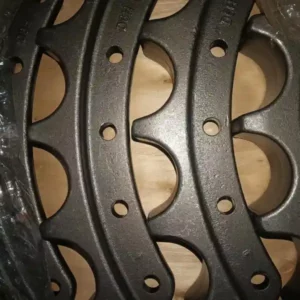
چکیده
طول عمر عملیاتی و کارایی اقتصادی ماشین آلات سنگین ساختمانی عمیقاً تحت تأثیر یکپارچگی سیستم زیرانداز قرار دارد., با کفش های آهنگ که نمایانگر مؤلفه ای از اهمیت مهم است. این عناصر رابط مستقیم بین یک ماشین چند تنی و زمین اغلب متخاصم هستند, آنها را در معرض سایش شدید ساینده قرار دهید, بارهای با ضربه بالا, و تنش های خمشی. بنابراین، انتخاب کفشهای مناسب برای تدارکات یک تصمیم بیاهمیت برای خرید نیست، بلکه یک تمرین تحلیلی پیچیده است.. این نیاز به درک دقیقی از خواص متالورژیکی دارد, روش های تولید, هندسه های کاربردی خاص, و تأثیر عمیق شیوه های عملیاتی. این مقاله به بررسی ملاحظات چند وجهی جدایی ناپذیر برای انتخاب کفش مناسب پیست می پردازد. این یک چارچوب سیستماتیک برای ارزیابی شرایط زمین ارائه می دهد, علم مواد, ابعاد جزء, نفوذ اپراتور, و پروتکل های نگهداری. با اتخاذ این دیدگاه کل نگر, مدیران و اپراتورهای تجهیزات می توانند به طور قابل توجهی خرابی زودرس زیر شاسی را کاهش دهند, کاهش هزینه های عملیاتی بلند مدت, و در دسترس بودن و بهره وری ماشین را در محیط های مختلف جهانی به حداکثر برسانید.
غذای اصلی
- نوع و عرض کفش مخصوص مسیر را مستقیماً با شرایط زمین اولیه خود مطابقت دهید.
- برای استحکام بالاتر و مقاومت در برابر سایش، فولاد بور سخت شده را در اولویت قرار دهید.
- از باریک ترین کفش ممکن استفاده کنید که شناورسازی کافی برای کار فراهم می کند.
- آموزش صحیح اپراتور به میزان قابل توجهی سایش غیرعادی قطعات زیرین را کاهش می دهد.
- برنامه بازرسی منظمی را اجرا کنید تا زودتر ساییده شود.
- بدانید که قیمت اولیه خرید تنها بخشی از کل هزینه مالکیت است.
- برای طول عمر، نگاهی جامع به کل سیستم زیرانداز لازم است.
فهرست مطالب
- تخریب زمین: تطبیق نوع کفش با شرایط زمین
- علم مواد: درک ترکیب مواد و ساخت
- هندسه عملکرد: عرض کفش, زمین, و ملاحظات نمایه
- انضباط عملیاتی: عامل انسانی در افزایش طول عمر کفش
- فلسفه نگهداری کل نگر: بازرسی, ترمیم کردن, و جایگزینی
- سوالات متداول (پرسش)
- نتیجه
- منابع
تخریب زمین: تطبیق نوع کفش با شرایط زمین
گفت و گوی بین ماشین و زمینی که آن را طی می کند به واسطه ی کفش ردیابی است. زبان فشار است, اصطکاک, و تأثیر. انتخاب یک کفش پیست بدون انجام تجزیه و تحلیل دقیق از شرایط زمین شبیه به انتخاب تایر برای وسیله نقلیه بدون دانستن اینکه آیا در یک پیست مسابقه رانده خواهد شد یا یک زمین گل آلود است.. زمین یکنواخت نیست, سطح غیرفعال; این یک عامل فعال است که شرایط تعامل را دیکته می کند. ویژگی خاک, سنگ, یا سنگدانه - ساینده بودن آن, محتوای رطوبت, و انسجام - اساساً میزان و ماهیت سایش را در تمام اجزای زیرانداز تعیین می کند, مخصوصا کفش. یک خطا در این ارزیابی اولیه میتواند باعث ایجاد زنجیرهای از خرابیهای پرهزینه شود, تبدیل یک دارایی مولد به بدهی ثابت. از این رو, اولین اصل در انتخاب منطقی کفشهای مسیری با سایش بالا، عمیق است, درک تجربی از محیطی که ماشین در آن زندگی و کار خواهد کرد.
تقدم شرایط زمین: یک تحلیل بنیادی
هر سایت شغلی دارای یک امضای زمین شناسی منحصر به فرد است. ماسه های باد شبه جزیره عربستان از سختی تشکیل شده است, ذرات تیز کوارتز که به عنوان یک ساینده بی امان عمل می کنند, آسیاب کردن فولاد با سرعت شگفت انگیز. خاک های لاتریتی استرالیای غربی, سرشار از اکسیدهای آهن و آلومینیوم, می تواند به طرز فریبنده ای سخت و ساینده باشد, به خصوص وقتی خشک است. در مقابل, ذغال سنگ نارس, زمین های اشباع شده از سایت های ساخت و ساز آسیای جنوب شرقی یک چالش است نه سایش, اما از شناور و کشش. ماشینی که غرق می شود بی حرکت می شود, قدرت آن بی فایده است. تاندرای یخ زده سیبری متغیر دیگری را معرفی می کند: شکنندگی در دمای پایین, که در آن بارهای ضربه ای که ممکن است در آب و هوای معتدل جذب شوند می توانند باعث شکستگی های فاجعه بار شوند.
تجزیه و تحلیل مناسب با طبقه بندی زمین آغاز می شود. تاثیر بالایی داره, مانند کف معدن پر از سنگ های انفجاری? آیا ساییدگی بالایی دارد, مثل یک کویر شنی? یا کشش کم است, مثل باتلاق گل آلود? اغلب, ترکیبی است. مثلا, کار حفاری ممکن است شامل حذف خاک سطحی نرم باشد (نیاز به شناورسازی) برای رسیدن به سنگ بستر ساینده زیر (نیاز به مقاومت در برابر سایش). اپراتور باید درصد زمانی را که ماشین در هر شرایط صرف می کند در نظر بگیرد. این تحلیل نباید یک مشاهده اتفاقی باشد بلکه یک ارزیابی عمدی باشد, شاید شامل نمونه برداری از خاک یا مشاوره با گزارش های ژئوتکنیکی باشد. پیامد اقتصادی این ارزیابی مستقیم و قابل توجه است. انتخاب یک کفش بهینه شده برای سنگ با ضربه بالا زمانی که ماشین خرج می کند 90% زمان آن در خاک نرم منجر به اختلال غیر ضروری زمین می شود, مصرف بیش از حد سوخت, و فرسودگی زودرس در کل پیشرانه به دلیل اینکه گروسرها زمین را به طور ناکارآمدی تکان می دهند.
عملیات زمین نرم: کیف برای کفش های تک گروزر
در شرایط خاک نرم, گل و لای, یا خاک رس, چالش اصلی دستیابی به کشش کافی برای به جلو راندن ماشین بدون فرورفتن آن است. اینجاست که کفش تکی خرطومی برتری ذاتی خود را نشان می دهد. گروسر میله یا نیمرخ بیرون زده روی سطح خارجی کفش است که به سطح زمین نفوذ می کند.. طراحی تک خرطومی دارای یک ویژگی غالب است, tall protuberance running across the shoe's width.
آن را به عنوان یک پارو در نظر بگیرید. قدش بلنده, مشخصات تیز به آن اجازه می دهد تا در مواد نرم عمیق فرو برود, ایجاد یک سطح بزرگ برای فشار دادن. این منجر به حداکثر تلاش کششی می شود. فضای زیاد بین دوزهای تکی روی کفش های مجاور نیز خود تمیز شوندگی را تسهیل می کند. همانطور که زنجیره مسیر دور چرخ دنده و بیکار می رود, عمل خم شدن به ریختن گل و لای و زباله هایی که در غیر این صورت بین کفش ها جمع می شوند کمک می کند. مواد بسته بندی شده یک مشکل جدی است; آن را به طور موثر سیستم مسیر با دقت طراحی شده را به یک صاف تبدیل می کند, تسمه بدون کشش, ضمن اینکه کشش مسیر را افزایش داده و سایش را در تمام قطعات متحرک تسریع می کند. The single grouser's ability to penetrate and clean makes it the standard choice for bulldozers and other machines whose primary function is to push large loads in a relatively straight line on yielding surfaces. نفوذ عمیق چسبندگی عالی را ارائه می دهد, maximizing the machine's pushing power.
سطوح سخت و صخره ای: چرا دو و سه گانه Grouser کفش اکسل
وقتی محیط عملیاتی به سختی تغییر می کند, سنگی, یا سطوح مخلوط, منطق کفش سینگل گروسر شروع به خراب شدن می کند. قد بلند, خرچنگ تک تهاجمی نمی تواند به سنگ سخت نفوذ کند. در عوض, کل وزن دستگاه روی نوک باریک خرطومی متمرکز می شود. این باعث بارگذاری بسیار زیاد نقطه می شود, که نه تنها ساییدگی خود را تسریع می کند، بلکه کفش را در معرض تنش های خمشی شدید قرار می دهد.. کفش می تواند خم شود و در نهایت ترک بخورد. علاوه بر این, ماشینی که بر روی تکههای تکهای روی سطح سخت کار میکند، ناهمواری را تجربه میکند, سواری ارتعاشی, که برای اپراتور خسته کننده است و بارهای شوک را به سراسر دستگاه منتقل می کند.
این دامنه کفش تراک دوبل و سه تایی گروسر می باشد. به جای یک خرطوم بلند, بار در دو یا سه کوتاهتر توزیع می شود, خرخرهای کمتر تهاجمی.
کفش دوبل گروزر: اینها مصالحه ای بین کشش یک خرطومی منفرد و توانایی چرخش و سواری نرم تر یک خرطومی سه گانه ارائه می دهند.. سطح تماس آنها با زمین بیشتر از یک خراطین منفرد است, که تنش خمشی روی کفش را کاهش می دهد و عمر سایش بهتری را بر روی سطوح ساینده یا سخت فراهم می کند. آنها یک انتخاب رایج برای لودرهای خزنده و بیل مکانیکی هستند که به تعادل کشش و مانور نیاز دارند..
کفش سه گانه گروزر: اینها رایج ترین نوع کفش های مسیری هستند که در بیل مکانیکی یافت می شوند و به عنوان "استاندارد" در نظر گرفته می شوند" کفشی برای مصارف عمومی. سه (یا گاهی اوقات بیشتر) خرطوم ها کوتاه تر هستند و سطح تماس بیشتری با زمین فراهم می کنند. این به طور قابل توجهی فشار زمین را کاهش می دهد, اختلال سطح را به حداقل می رساند, و سواری بسیار نرم تری ارائه می دهد. مزیت کلیدی تراش سه گانه قابلیت تراشکاری برتر آن است. وقتی یک ماشین ردیابی می چرخد, کفش ها باید بچرخند و روی زمین بلغزند. نیمرخ پایین ترن سه گانه میزان مقاومت را کاهش می دهد, یا "مالیدن".," در طول یک چرخش. این باعث کاهش فشار جانبی در کل قسمت زیرین می شود, از خود کفش گرفته تا سنجاق ها, بوش, و لینک ها. برای ماشینی مثل بیل مکانیکی, که مدام در حال چرخش و جابجایی است, این یک مزیت عمیق در افزایش طول عمر قطعات زیرین آن است.
برنامه های تخصصی: تخت, لاستیک, و کفش مرداب
فراتر از انواع متداول گروسر, طیف وسیعی از کفش های تخصصی برای خاص وجود دارد, برنامه های کاربردی خواستار.
کفش های تخت: همانطور که از نامش پیداست, این کفش ها خرطومی ندارند. آنها در سخت استفاده می شود, سطوح صاف مانند بتن یا آسفالت که در آن کشش مشکلی ندارد, اما آسیب سطحی یک نگرانی عمده است. عملیات سنگفرش یا کاربردهای صنعتی در داخل انبارهای بزرگ اغلب از کفش های تخت برای جلوگیری از تخریب سطح کار استفاده می کنند..
کفش لاستیکی (یا پدهای لاستیکی): برای محافظت حتی بیشتر از سطح, لنت های لاستیکی را می توان روی یک کفش استاندارد سه گانه پیچ کرد, یا خود کفش می تواند یک بلوک لاستیکی جامد باشد که به یک قاب فولادی متصل شده است. اینها در ساخت و ساز شهری همه جا وجود دارند, جایی که یک بیل مکانیکی ممکن است نیاز به عبور از جاده های عمومی یا کار روی سنگفرش های تزئینی داشته باشد. آنها از سطح عالی محافظت می کنند و نویز را کاهش می دهند, اما در محیط های تخریب یا سنگلاخ مستعد بریدگی و تکه تکه شدن هستند.
کفش مردابی (یا کفش های کم فشار زمین): در شرایط شدید زمین نرم, مانند باتلاق ها, مرداب ها, یا عملیات لایروبی, کفش های استاندارد ممکن است سطح کافی برای جلوگیری از غرق شدن دستگاه را نداشته باشند. کفش های باتلاقی معمولاً بسیار پهن هستند, گاهی اوقات مثلثی یا ذوزنقه ای شکل, to maximize the contact area and distribute the machine's weight. این اصل شناور همان چیزی است که توسط کفش های برفی استفاده می شود. با افزایش سطح, فشار در هر اینچ مربع (PSI) کاهش می یابد, به ماشین اجازه می دهد تا "شناور شود" بالای زمین ناپایدار. اینها بسیار تخصصی هستند و در هر سختی خیلی سریع فرسوده می شوند, سطح ساینده.
تحلیل تطبیقی طرح های گروسر
برای تصمیم گیری آگاهانه, تجسم مبادلات ذاتی در هر طراحی مفید است. انتخاب هرگز برای یافتن یک "کامل" نیست" کفش, اما مناسب ترین کفش برای یک مجموعه معین از اولویت های عملیاتی است.
| نوع کفش | کاربرد اولیه | کشش | قابلیت چرخش | پوشیدن روی سطوح سخت | اختلال در زمین |
|---|---|---|---|---|---|
| گروسر مجرد | خاک نرم, گل و لای, نیازهای کشش بالا (بولدوزرها) | عالی | بیچاره | بیچاره | بالا |
| بقالی دو نفره | خاک های مخلوط, نیاز به کشش متوسط / چرخش | خوب | متوسط | متوسط | متوسط |
| پرورش دهندگان سه گانه | هدف کلی, سطوح سخت, چرخش مکرر | متوسط | عالی | عالی | کم |
| کفش تخت | سطوح سنگفرش شده (آسفالت, بتن) | بیچاره | عالی | عالی | خیلی کم |
| کفش مرداب | زمین بسیار نرم (مرداب ها, باتلاق ها) | متوسط | بیچاره | خیلی ضعیف | کم (به دلیل شناورسازی) |
علم مواد: درک ترکیب مواد و ساخت
هنگامی که هندسه صحیح کفش مسیر توسط شرایط زمین مشخص شد, تمرکز باید به کیفیت ذاتی خود کفش معطوف شود. از چه ساخته شده است, و چگونه ساخته شد? دو کفش مخصوص مسیر می توانند با چشم غیر مسلح یکسان به نظر برسند، اما عملکرد آنها در زمین کاملاً متفاوت است. یکی ممکن است هزاران ساعت خدمات قابل اعتماد ارائه دهد, در حالی که دیگری پیش از موعد شکست می خورد, شکستگی تحت بار یا فرسودگی با سرعت ناامیدکننده. این تفاوت از دید پنهان است, در سطح میکروسکوپی, در شیمی فولاد و فرآیندهای حرارتی که طی کرده است. درک اصول متالورژی و تولید یک تمرین آکادمیک نیست; این یک ضرورت عملی برای هر کسی است که از کفشهای شیک استفاده میکند یا آن را مشخص میکند. این توانایی تشخیص کیفیت واقعی از یک شباهت ظاهری است, تمایزی که پیامدهای مالی زیادی دارد.
نقش متالورژی: فراتر از فولاد ساده
اصطلاح "فولاد" یک توصیف گسترده برای آلیاژ آهن و کربن است. با این حال, ویژگی های عملکرد فولاد را می توان به طور چشمگیری با افزودن مقادیر کمی از عناصر دیگر و با اعمال گرما تغییر داد.. فولادی که برای کفشهای شیار بالا استفاده میشود، یک ماده پیچیده است, به دقت مهندسی شده تا دو ویژگی رقیب را متعادل کند: سختی و چقرمگی.
- سختی is the material's resistance to scratching, سایش, و تورفتگی. یک سطح سخت تر بهتر در برابر اثر سنگ زنی شن مقاومت می کند, شن, و سنگ.
- سختی is the material's ability to absorb energy and deform without fracturing. A tough material can withstand the sudden shock loads of hitting a rock or dropping the machine's bucket.
این دو خاصیت غالباً در تضاد هستند. یک ماده بسیار سخت, مثل شیشه, اغلب بسیار شکننده است (سخت نیست). یک ماده بسیار سخت, مثل مس نرم, خیلی سخت نیست. هنر متالورژیست ایجاد یک آلیاژ فولاد و فرآیند عملیات حرارتی است که هر دو را بهینه می کند. این امر معمولاً از طریق استفاده از فولادهای آلیاژی حاصل می شود. برای کفش های شیک پوشی بالا, مهمترین عنصر آلیاژی بور است.
فولاد بور و کوئنچینگ: قلب دوام
بور یک عنصر قابل توجه است. When added to steel in minuscule amounts—often less than 0.003%—it has an outsized effect on the steel's "hardenability." سختی پذیری خود سختی نیست, اما توانایی فولاد برای سخت شدن تا عمق قابل توجهی در طی عملیات حرارتی.
فرآیند کلیدی عملیات حرارتی کوئنچ و تمپرینگ نامیده می شود.
- آستنیته کردن: اولین, کفش فولادی تا دمای بسیار بالا گرم می شود, معمولاً در حدود 850-950 درجه سانتیگراد. در این دما, اتم های آهن و کربن خود را در ساختار کریستالی خاصی به نام آستنیت قرار می دهند.
- خاموش کردن: سپس کفش داغ به سرعت خنک می شود, معمولاً با فرو بردن آن در حمام آب, روغن, یا محلول پلیمری. این سرد شدن ناگهانی به اتمها زمان نمیدهد تا دوباره خود را به ساختارهایی که خنکتر میشوند بازآرایی کنند.. در عوض, آنها در یک استرس شدید به دام افتاده اند, ساختار کریستالی سوزنی به نام مارتنزیت. مارتنزیت بسیار سخت و قوی است, که دقیقا همان چیزی است که برای مقاومت در برابر سایش لازم است. وجود بور به این ساختار مارتنزیتی سخت اجازه می دهد تا نه تنها در سطح مستقیم شکل بگیرد, اما در اعماق هسته کفش پیست. این به عنوان "سخت شدن از طریق" شناخته می شود." یک کفش سخت شده سختی خود را حتی با فرسوده شدن سطح حفظ می کند, طول عمر بسیار طولانی تری نسبت به کفشی که فقط با بدنه سفت شده است" یا "سطح سخت شده."
- معتدل کردن: پس از خاموش کردن, فولاد بسیار سخت اما شکننده و پر از تنش های داخلی است. برای بازگرداندن مقداری سختی, کفش دوباره تا دمای بسیار پایینتری گرم میشود (به عنوان مثال, 200-500درجه سانتی گراد) و برای یک زمان مشخص برگزار می شود. این فرآیند, معتدل نامیده می شود, تنش های داخلی را تسکین می دهد و امکان بازآرایی جزئی ساختار کریستالی را فراهم می کند. سختی را کمی کاهش می دهد اما چقرمگی را به میزان قابل توجهی افزایش می دهد, منجر به محصول نهایی می شود که هم در برابر سایش بسیار مقاوم است و هم به اندازه کافی انعطاف پذیر است که در برابر ضربه های شدید بدون ترک خوردگی مقاومت کند.. یک کفش ردیاب فولادی بور که به درستی کوئنچ شده و تمپر شده باشد، استاندارد طلایی برای کاربردهای سخت است..
جعل در مقابل. ریخته گری: بررسی فرآیندهای تولید
دو روش اصلی برای شکل دادن یک کفش پیست به شکل نهایی آن وجود دارد: ریخته گری و آهنگری.
ریخته گری شامل ریختن فولاد مذاب در قالبی به شکل کفشک است. این یک فرآیند نسبتا ارزان است که می تواند به راحتی اشکال پیچیده ایجاد کند. با این حال, همانطور که فلز در قالب سرد و جامد می شود, می تواند درشت ایجاد کند, ساختار دانه غیر یکنواخت. خطر تخلخل نیز وجود دارد (حباب های ریز) یا سایر عیوب داخلی, که می تواند به نقطه شروع ترک های تحت تنش تبدیل شود.
آهنگری با یک شمش فولادی جامد شروع می شود که گرم می شود و سپس با فشار بسیار زیاد چکش یا پرس شکل می گیرد.. این فرآیند تأثیر عمیقی بر ساختار داخلی فولاد دارد. فشار شدید باعث می شود دانه های فولاد با شکل قطعه هماهنگ شوند, ایجاد پیوسته, جریان دانه جهت دار. به تفاوت بین یک تکه تخته خرده چوب فکر کنید (مانند ریخته گری) و یک تکه چوب جامد با بلند, دانه پیوسته (مثل آهنگری). قسمت آهنگری به طور کلی متراکم تر است, قوی تر, و در برابر ضربه و خستگی مقاوم تر است. آهنگری فرآیند گرانتری است, اما برای انتقادی, برنامه های کاربردی با استرس بالا, اغلب یک برتر تولید می کند, بخش قابل اعتماد تر. بیشتر کفشهای پیست با کیفیت بالا برای محیطهای سخت برای اطمینان از حداکثر استحکام و چقرمگی ساخته میشوند.
سختی سطح در مقابل چقرمگی هسته: یک تعادل ظریف
کفشهای شیک ایدهآل با فرسودگی بالا به طور یکنواخت سخت نیستند. همانطور که بحث شد, سختی شدید اغلب با شکنندگی همراه است. حالت ایده آل جزء با سطح بیرونی بسیار سخت برای مقاومت در برابر سایش است, پشتیبانی شده توسط کمی نرم تر, هسته سخت تر که می تواند ضربه را جذب کند و از دو نیم شدن قطعه جلوگیری کند. قابلیت سخت شدن از طریق فولاد بور, همراه با فرآیند خاموش کردن و تلطیف دقیق کنترل شده, به سازندگان اجازه می دهد تا به این مشخصات سختی دیفرانسیل دست یابند.
سختی سطح معمولاً در مقیاس Rockwell C اندازه گیری می شود (HRC). یک کفش پیست با کیفیت بالا ممکن است سختی سطحی داشته باشد 45-55 HRC, در حالی که سختی هسته ممکن است چند نقطه کمتر باشد. این گرادیان عمدی است. مورد سخت "" سایش را کنترل می کند, در حالی که سخت «هسته" بار را اداره می کند. هنگام ارزیابی تامین کننده, منطقی است که در مورد مشخصات سختی هدف آنها و نحوه دستیابی و تأیید آنها سؤال شود. یک تولید کننده معتبر کنترل دقیقی بر فرآیندهای عملیات حرارتی خود خواهد داشت و می تواند داده هایی را در مورد مشخصات سختی محصولات خود ارائه دهد.. این توجه به جزئیات مشخصه یک تامین کننده با کیفیت است, مانند کسانی که تعادل پیچیده مورد نیاز برای دوام را درک می کنند اجزای زیرانداز.
ارزیابی کیفیت تولید کننده: به دنبال چه چیزی باشید
با توجه به اینکه مهم ترین ویژگی های یک کفش پیست نامرئی است, خریدار چگونه می تواند آگاهانه انتخاب کند? باید به دنبال پروکسی های با کیفیت بود.
- مشخصات مواد: آیا سازنده به صراحت مواد استفاده شده را بیان می کند؟ (به عنوان مثال, 23MnB, 25MnB, 35MnB – تمام گریدهای رایج فولاد بور)? توضیحات مبهم مانند "فولاد با استحکام بالا" پرچم قرمز هستند.
- فرآیند عملیات حرارتی: یک تولید کننده با کیفیت به قابلیت های عملیات حرارتی خود افتخار خواهد کرد. به دنبال اطلاعاتی در مورد فرآیندهای خاموش کردن و تلطیف آنها باشید. آیا آنها در مورد "از طریق سخت شدن" صحبت می کنند?
- روش ساخت: آیا قسمت جعلی یا ریخته گری شده است? در حالی که بازیگران خوب وجود دارند, آهنگری عموماً نشانه ای از یک محصول درجه یک است که برای انجام وظایف شدید در نظر گرفته شده است.
- قابلیت ردیابی و کنترل کیفیت: آیا سازنده می تواند اسناد کنترل کیفیت را ارائه دهد? آیا آنها دارای شماره لات یا شماره سریال در قطعات خود هستند که امکان ردیابی را به یک دسته تولید خاص می دهد? این نشانه یک فرآیند تولید بالغ و پاسخگو است.
- شهرت و گارانتی: شرکتی با سابقه طولانی و گارانتی قوی سلامت مالی خود را پشت کیفیت محصولات خود قرار می دهد. Learning about a potential supplier's history and commitment to quality, که اغلب در صفحاتی مانند an یافت می شود درباره ما بخش, می تواند بسیار آشکار کننده باشد.
Choosing a track shoe is an act of trust in the manufacturer's unseen processes. با پرسیدن سوالات درست و جستجوی این شاخص های کیفیت, یک خریدار می تواند به طور قابل توجهی شانس خرید محصولی را که ارزش بلندمدت واقعی را ارائه می دهد، افزایش دهد.
هندسه عملکرد: عرض کفش, زمین, و ملاحظات نمایه
ابعاد فیزیکی یک کفش پیست - عرض آن, زمین آن, و شکل خاص نمایه آن - ویژگی های دلخواه نیستند. آنها پارامترهایی هستند که به دقت مهندسی شده اند که تأثیر مستقیم و قابل اندازه گیری بر عملکرد دستگاه دارند, بهره وری سوخت, و طول عمر کل سیستم زیر خودرو. انتخاب هندسه صحیح مستلزم انحراف از مفروضات ساده و در آغوش گرفتن موارد ظریف تر است., تفکر در سطح سیستم. این شامل متعادل کردن نیاز به پشتیبانی در زمین نرم است (شناورسازی) با نیاز به مانور و دوام در زمین های سخت. انتخاب نادرست در این حوزه می تواند منجر به انبوهی از مشکلات شود, از آشفتگی بیش از حد خاک تا تنش فاجعه بار در پیوندهای مسیر و پین ها.
"گسترش بهتر است" مغالطه: درک فلوتاسیون در مقابل. قابلیت مانور
یک فرض مشترک و شهودی در میان برخی از صاحبان تجهیزات و اپراتورها وجود دارد که یک کفش ردیاب پهن تر همیشه بهتر است.. منطق ساده به نظر می رسد: یک کفش گشادتر، ردپای بزرگتری ایجاد می کند, که باید فشار زمین را کاهش دهد و دستگاه را پایدارتر کند. در حالی که این تا حدی درست است, این باور یک ساده سازی بیش از حد خطرناک است. در مورد معایب قابل توجه استفاده از کفشی که پهن تر از حد لازم است، ناتوان است.
تصور کنید روی برف نرم راه می روید. یک جفت کفش برفی پهن (شناورسازی بالا) ارزشمند است, distributing your weight so you don't sink. در حال حاضر, تصور کنید سعی می کنید از میان یک متراکم عبور کنید, جنگل سنگی با همان کفش های برفی. آنها دست و پا چلفتی خواهند بود, مدام گرفتار موانع, و نیاز به تلاش بسیار زیادی برای چرخاندن دارد. همین اصل در مورد ماشین آلات ساختمانی نیز صدق می کند.
A wider shoe increases the machine's flotation, که توانایی آن برای ماندن در بالای نرم است, سطوح تسلیم. این در پوند بر اینچ مربع اندازه گیری می شود (PSI) یا کیلو پاسکال (کیلو پاسکال) فشار زمین. برای کار در باتلاق ها یا روی ماسه های بسیار شل, عریض, کفش کم فشار زمین ضروری است.
با این حال, روی زمین سفت یا سنگی, این عرض اضافی به یک بدهی قابل توجه تبدیل می شود. هر چه کفش گشادتر باشد, تلاش بیشتری برای چرخاندن دستگاه لازم است. در حین چرخش, لبه بیرونی کفش باید دورتر از لبه داخلی حرکت کند, باعث می شود کفش ساییده شود و روی زمین بچرخد. یک کفش گشادتر این عمل شستشو را افزایش می دهد, ایجاد اهرم بسیار زیاد و تنش جانبی که مستقیماً به پین های مسیر منتقل می شود, بوش, و لینک ها. این نیروی پیچش عامل اصلی یک الگوی سایش است که به عنوان "سایش پین و بوشینگ" شناخته می شود." علاوه بر این, بخش بدون تکیه گاه یک کفش پهن که از روی لینک مسیر آویزان است، در صورت برخورد با سنگ یا کنده، بیشتر مستعد خم شدن و ترک خوردن است..
اصل "تا جایی که ممکن است باریک, به اندازه لازم"
اصل راهنما برای انتخاب عرض کفش مسیر, از این رو, باید از باریک ترین کفشی استفاده کرد که شناورسازی کافی را برای دستگاه فراهم کند تا بدون گرفتگی کار خود را انجام دهد.. این اصل تعادل بین شناورسازی و دوام را بهینه می کند.
- مزایای یک کفش باریکتر:
- چرخش راحت تر: فشار کمتری به پین ها و بوش ها در حین چرخش.
- پوشیدن کمتر: کاهش اثر شستشو بر روی سطوح سخت.
- مانورپذیری بهتر: دستگاه چابک تر و پاسخگوتر است.
- افزایش دوام: اهرم کمتری روی کفش, کاهش خطر خم شدن یا ترک خوردن.
- بهبود مقاومت بسته بندی: در مواد چسبنده, مسیر باریکتر فضای کمتری برای تجمع گل دارد.
برای اعمال این اصل, یک اپراتور یا مدیر ناوگان باید یک ارزیابی صادقانه از شرایط کاری معمولی خود داشته باشد. اگر ماشینی خرج کند 80% از عمر خود بر روی خاک یا سنگ سخت بسته بندی شده و تنها 20% در گل نرم, باید به یک کفش باریکتر مناسب برای زمین سخت مجهز شود. برای بخش گل آلود گاه به گاه, تکنیک های عملیاتی (مثل گذاشتن تشک یا مسیری متفاوت) are a better solution than compromising the machine's undercarriage health for the majority of its working life.
ماتریس تصمیم گیری برای اندازه کفش
جدول زیر یک چارچوب کلی برای تفکر در مورد عرض کفش ارائه می دهد. The specific recommendations will vary based on the machine's weight and model, اما منطق اساسی ثابت می ماند.
| وضعیت زمین | نیاز اولیه | عرض کفش توصیه شده | منطق |
|---|---|---|---|
| هارد راک, معدن | ماندگاری, قابلیت مانور | باریک | استرس چرخش و خطر خم شدن/ترک خوردن کفش را به حداقل می رساند. |
| خاک بسته بندی شده, شن | هدف عمومی | استاندارد / باریک | عمر سایش و توانایی چرخش را متعادل می کند. عرض استاندارد OEM اغلب بهینه است. |
| مخلوط نرم/سخت | تطبیق پذیری | استاندارد | یک سازش. از جریمه های عمده کفش های خیلی پهن یا خیلی باریک جلوگیری می کند. |
| خاک رس نرم, خاک | شناورسازی, کشش | استاندارد/عریض | عرض باید برای جلوگیری از غرق شدن کافی باشد اما نه بیشتر. |
| شن و ماسه شل | شناورسازی بالا | عریض | مساحت سطح را به حداکثر می رساند تا روی مواد غیر چسبنده باقی بماند. |
| مرداب, مارش | فلوتاسیون شدید | فوق عریض (LGP) | Necessary to reduce ground pressure below the soil's bearing capacity. |
ردیابی پیچ و رابطه آن با کل سیستم زیرانداز
آهنگ آهنگ فاصله از مرکز یک پین تراک تا مرکز پین بعدی است. این یک بعد اساسی از کل سیستم زیرانداز است. گام پیست باید دقیقاً با گام دندانه های زنجیر که زنجیر را به حرکت در می آورند و هندسه غلتک های مسیر و بیکارهایی که آن را پشتیبانی می کنند مطابقت داشته باشد..
هنگام انتخاب جایگزینی کفش های شیاردار, کاملاً ضروری است که زمین کفش های جدید با گام زنجیره مسیر موجود مطابقت داشته باشد. استفاده از کفشی با گام نادرست امکان پذیر نیست; سوراخ های پیچ به سادگی با پیوندهای مسیر هماهنگ نمی شوند. با این حال, این یک مفهوم عمیق تر را برجسته می کند: زیرشاخه یک سیستم قفل شدن است, قطعات وابسته به هم. سایش یک جزء مستقیماً بر سایش سایر اجزا تأثیر می گذارد.
همانطور که پین ها و بوش ها می پوشند, زمین پیست به طور موثر طولانی تر می شود. این «توسعه زمین" باعث می شود که زنجیره مسیر روی دندانه های چرخ دنده بالاتر و بالاتر برود, تسریع سایش نوک دندان ها. برعکس, همانطور که دندان های چرخ دنده می پوشند, آنها لاغرتر می شوند و مشخصات خود را تغییر می دهند, که می تواند سایش بوش را تسریع کند. کفش پیست, پیوندها, پین ها, بوش, غلطک ها, بیکارها, و چرخ دنده ها همگی طوری طراحی شده اند که به عنوان یک سیستم منسجم در کنار هم قرار گیرند. تلاش برای جایگزینی فقط یک جزء در یک سیستم به شدت فرسوده (به عنوان مثال, گذاشتن کفش های جدید روی یک زنجیر کشیده) اغلب می تواند سایش قطعه جدید و قطعات قدیمی باقی مانده را تسریع کند. یک نگاه کل نگر لازم است, به همین دلیل است که طیف کاملی از موارد سازگار را تامین می کند محصولات زیر شاسی از یک مجرد, تامین کننده قابل اعتماد می تواند سودمند باشد.
تاثیر شکل کفش در چرخاندن و ساییدن لباس
فراتر از یک طبقه بندی ساده از مجرد, دو برابر کردن, یا خرطومی سه گانه, مشخصات خاص کفش و خرطوم مهم است. برخی از تولید کنندگان کفش هایی با "گیره دار" ارائه می دهند" یا "پیچیده شده" گوشه ها. این اصلاح کوچک می تواند تأثیر قابل توجهی در چرخش داشته باشد. با برداشتن گوشه تیز کفش, مواد کمتری برای حفاری در زمین در حین چرخش وجود دارد, کاهش مقاومت چرخشی و نیروهای مالش دهی مرتبط. این به ویژه برای ماشین هایی که چرخش های نقطه ای زیادی انجام می دهند مفید است, مانند بیل مکانیکی.
به همین ترتیب, ارتفاع و وضوح پروفیل گروسر به پویایی سایش کمک می کند. کاملا نو, خرطومی تیز حداکثر کشش را فراهم می کند اما در هنگام چرخاندن روی سطوح سخت نیز حداکثر استرس را ایجاد می کند. همانطور که سوهان فرسوده می شود, ارتفاع آن کاهش می یابد, و نوک آن گردتر می شود. این در واقع استرس چرخش را کاهش می دهد اما کشش را نیز کاهش می دهد. درک این چرخه زندگی بخشی از مدیریت زیرانداز است. نقطه ای وجود دارد که خرطومی آنقدر فرسوده شده است که دیگر کشش کافی را ایجاد نمی کند, و کفش باید تعویض شود یا دوباره خراشیده شود. این نقطه تصمیم گیری باید بر اساس الزامات عملکرد باشد, نه فقط ظاهر بصری.
انضباط عملیاتی: عامل انسانی در افزایش طول عمر کفش
در معادله پیچیده طول عمر زیرانداز, متغیری وجود دارد که اغلب بر ترکیب متالورژی و هندسه برتری دارد: اپراتور دستگاه. اپراتور که ماهر است, منضبط, و توجه به همدردی مکانیکی می تواند به طور چشمگیری عمر مجموعه ای از کفش های مخصوص مسیر و کل زیرانداز را افزایش دهد.. برعکس, یک اپراتور تهاجمی یا بی دقت می تواند همان اجزا را در کسری از طول عمر مورد انتظار آنها از بین ببرد. نیروهای تولید شده توسط یک قطعه چند تنی ماشین آلات ساختمانی بسیار زیاد است. این نیروها چگونه به کار گرفته میشوند - آرام و متفکرانه, یا ناگهانی و بی دقت - همه چیز را تغییر می دهد. سرمایهگذاری در آموزش اپراتورها و ترویج فرهنگ حفظ مکانیکی یکی از سرمایهگذاریهایی است که یک مدیر ناوگان میتواند انجام دهد.. یک هزینه عمده را به هزینه قابل مدیریت تبدیل می کند.
تکنیک اپراتور: نیروی نامرئی در لباس زیر
اهرمها و پدالهای داخل کابین ورودیهای مستقیم نرخ سایش زیرساخت هستند. صاف, ورودی های تدریجی همیشه به ناگهانی ترجیح داده می شوند, حرکات تند.
شتاب و شتاب صاف: استارتهای Jackrabbit و توقفهای کوبنده، بارهای شوک را در کل پیشرانه ارسال میکند, از موتور گرفته تا درایوهای نهایی و به زنجیره مسیر. این به پین ها فشار می آورد, بوش, و اتصالات مسیر کفش به پیوند. استفاده ملایم از قدرت به مسیر اجازه می دهد تا با زمین درگیر شود و حرکت حرکتی هموار ایجاد کند.
به حداقل رساندن حرکت غیر ضروری: یک اپراتور کارآمد حرکات آنها را برنامه ریزی می کند. به جای اینکه مدام رفت و آمد کنید, آنها دستگاه را به طور بهینه قرار می دهند تا کل مسافت طی شده را به حداقل برسانند. برای بیل مکانیکی, این به معنای راه اندازی در یک شعاع چرخشی است که به آن امکان می دهد کامیون ها را حفاری و بارگیری کند بدون اینکه دائماً جای زیرین جابجا شود.. هر متر طی شده یک متر فرسودگی است. کاهش سفر, به خصوص روی سطوح ساینده, به طور مستقیم به عمر طولانی تر زیر شاسی ترجمه می شود.
کار کردن در شیب های بالا و پایین: در صورت امکان, اپراتورها باید برای رانندگی مستقیم به سمت بالا یا پایین یک شیب آموزش ببینند, به جای عبور از آن به پهلو. پیمودن یک شیب ممتد را قرار می دهد, بار جانبی سنگین روی غلتک های مسیر سراشیبی, بیکارها, و زنجیره مسیر. این باعث تسریع سایش در طرفین این قطعات می شود. بالا و پایین کردن شیب باعث می شود بار به طور یکنواخت توزیع شود. هنگام کار بر روی یک شیب جانبی اجتناب ناپذیر است, اپراتور باید سعی کند جهت کار را به طور متناوب تغییر دهد تا فرسودگی را یکنواخت کند.
هزینه های پنهان عملیات معکوس با سرعت بالا
بیشتر ماشینهای ردیابشده برای کار اولیهشان طراحی شدهاند که باید به سمت جلو انجام شود. زنجیره مسیر, پین ها, و بوش ها با در نظر گرفتن این موضوع مهندسی شده اند. بوشینگ به گونه ای طراحی شده است که در مقابل دندان چرخ دنده تحت بار در جهت جلو بچرخد.
عملکرد معکوس با سرعت بالا یکی از مخرب ترین کارهایی است که یک اپراتور می تواند برای زیرشاخه انجام دهد. در حین عملکرد معکوس, بار در سمت معکوس درایو بوش متمرکز شده است, یک منطقه تماس کوچکتر که برای بارهای زیاد بهینه نشده است. این باعث می شود که میزان سایش هم در بوش و هم در چرخ دنده بسیار بالاتر باشد. برخی از مطالعات نشان میدهند که عملکرد معکوس با سرعت بالا میتواند سه تا چهار برابر نرخ سایش در سفر به جلو ایجاد کند.
اپراتورها باید طوری آموزش ببینند که مسافت سفر معکوس را به حداقل برسانند و همیشه هنگام حرکت معکوس از سرعت کمتری استفاده کنند. اگر یک حرکت تغییر موقعیت طولانی مورد نیاز است, اغلب بهتر است عریض بسازید, چرخش گسترده و سفر به جلو به جای پشتیبان گیری از کل مسافت. این قطعه ساده انضباط عملیاتی می تواند هزاران دلار در تعمیر زودرس زیرانداز در طول عمر دستگاه صرفه جویی کند..
تکنیک های تراشکاری: به حداقل رساندن استرس جانبی روی پیوندها و کفش ها
چرخاندن ماشین ردیاب ذاتاً یک مانور پر استرس است. یک مسیر سرعت خود را کاهش می دهد یا معکوس می کند در حالی که دیگری سرعت را حفظ یا افزایش می دهد, وادار کردن ماشین به چرخش. این باعث ایجاد نیروهای مالشی و جانبی می شود که قبلاً بحث شد. با این حال, نحوه چرخش یک اپراتور می تواند تا حد زیادی بر بزرگی این نیروها تأثیر بگذارد.
نقطه محوری (ضد چرخش): این تهاجمی ترین نوع چرخش است, جایی که یک مسیر به جلو حرکت می کند و دیگری معکوس می شود, باعث می شود دستگاه در جای خود بچرخد. در حالی که گاهی اوقات در محله های تنگ ضروری است, در صورت امکان باید از آن اجتناب کرد. حداکثر میزان اختلال در زمین را ایجاد می کند و بیشترین فشار ممکن را روی کفش ها و لینک های پیست وارد می کند.
چرخش های تدریجی: یک روش بسیار ملایم تر، گسترده تر کردن است, چرخش های تدریجی تر, مانند رانندگی با ماشین در اطراف پیچ. این امر اختلاف سرعت بین مسیرها را کاهش می دهد و میزان شست و شو را به حداقل می رساند. اپراتورها باید تشویق شوند تا کار خود را طوری برنامه ریزی کنند که این چرخش های گسترده تر را امکان پذیر کند.
چرخش های سه نقطه ای: زمانی که به تغییر جهت شدید نیاز است, اجرای یک چرخش سه نقطه ای (به جلو, برگشت, به جلو) اغلب استرس کمتری در زیرشاخه نسبت به یک نفر دارد, محور نقطه تهاجمی. هر حرکت فردی شدت کمتری دارد.
انتخاب نوع کفش مسیر به شدت با تکنیک تراشکاری در تعامل است. دستگاهی با کفش های تکی در برابر چرخش روی زمین سخت مقاومت زیادی را تجربه می کند, و اپراتوري كه مرتباً چنين ماشيني را جابجا ميكند، باعث فرسودگي سريع و مخرب ميشود.
اهمیت نگهداری سایت و مدیریت زباله
The operator's responsibility extends beyond the machine itself to the environment it works in. یک سایت شغلی که به خوبی نگهداری نمی شود، میدان مین برای زیر شاسی ها است.
تمیز نگه داشتن محل کار: اجازه دادن به سنگ ها, آوار تخریب (مانند میلگرد), یا سایر اجسام تیز برای ریختن زباله در محل کار دعوت مستقیمی برای آسیب است. یک کفش مخصوص مسیر می تواند با یک برخورد با یک سنگ بزرگ خم یا ترک بخورد. زباله های فولادی می توانند در زنجیره مسیر گیر کنند, ایجاد خسارت فاجعه بار. Operators should be encouraged to use the machine's bucket or blade to clear a clean, مسیری هموار برای خودشان.
مدیریت گل و لای و بسته بندی: در مرطوب, شرایط چسبنده, مواد می توانند در زنجیره مسیر بسته شوند. همانطور که این مواد بسته بندی شده در اطراف چرخ دنده حمل می شود, می تواند فوق العاده متراکم و سخت شود, به طور موثر زنجیره مسیر را سفت می کند. این "تنش بیش از حد" بار زیادی روی تمام اجزای متحرک وارد می کند و می تواند به معنای واقعی کلمه مسیر را از هم جدا کند. اپراتورها باید به صورت دوره ای "بیرون رفتن" را به عادت تبدیل کنند" آهنگ ها (به طور متناوب به جلو و عقب حرکت می کنند) برای امتحان کردن و ریختن مواد بسته بندی شده. در پایان یک شیفت, آنها باید وقت بگذارند تا زیرشاخه را با بیل یا واشر فشار به درستی تمیز کنند. چند دقیقه تمیز کردن می تواند از هزاران دلار هزینه تعمیر جلوگیری کند.
آموزش و تشویق اپراتورها برای حفاظت از زیرانداز
شناخت اپراتور به عنوان یک بازیگر کلیدی در مدیریت زیرانداز اولین قدم است. مورد بعدی این است که دانش و انگیزه لازم برای عمل به آن را در اختیار آنها قرار دهیم.
- برنامه های آموزشی: Formal training should be a part of any new operator's onboarding. این نباید فقط نحوه حفاری یا فشار دادن دستگاه را پوشش دهد, بلکه "چرا" پشت بهترین شیوه ها برای مراقبت از زیرانداز. استفاده از وسایل کمک بصری برای نشان دادن اینکه چگونه عملکرد معکوس باعث سایش بوش ها می شود یا چگونه بارگذاری جانبی بر غلتک ها تأثیر می گذارد می تواند بسیار مؤثر باشد..
- برنامه های تشویقی: برخی از شرکتها با موفقیت برنامههایی را اجرا کردهاند که به اپراتورها یا خدمه برای دستیابی به عمر بهتر از حد متوسط در زیر خودرو پاداش میدهند.. این می تواند یک جایزه یا شکل دیگری از شناسایی باشد. It aligns the operator's financial interests with the company's goal of cost reduction and creates a culture where everyone takes ownership of machine health.
در نهایت, عنصر انسانی مشکلی نیست که باید حذف شود، بلکه منبعی است که باید پرورش یابد. یک اپراتور آموزش دیده و با انگیزه بهترین دفاع در برابر شکست زودرس حتی باکیفیت ترین کفش های پیست فرسوده است..
فلسفه نگهداری کل نگر: بازرسی, ترمیم کردن, و جایگزینی
ستون پایانی که از عمر طولانی و پربار یک سیستم مسیر پشتیبانی می کند، فلسفه ای از فعال بودن است., نگهداری سیستماتیک. این طرز فکری است که «دویدن به سوی شکست» را رد می کند" رویکرد, که ناگزیر به فروپاشی های فاجعه آمیزی می انجامد, توقف برنامه ریزی نشده, و هزینه های گزاف تعمیر. در عوض, این شامل یک رژیم بازرسی منظم است, اندازه گیری آگاهانه, و مداخله استراتژیک. این فلسفه کل نگر درک می کند که زیرانداز یک اکوسیستم پیچیده از قطعات سایش است. سلامت کفشهای شیاردار به طور جدایی ناپذیری با وضعیت پینها مرتبط است, بوش, پیوندها, غلطک ها, و چرخ دنده ها. نگهداری موثر, از این رو, is not about focusing on a single part in isolation but about managing the entire system's life cycle to achieve the lowest possible cost per hour of operation.
ایجاد یک رژیم بازرسی فعال
اساس هر برنامه تعمیر و نگهداری، بازرسی مکرر و مداوم است. سایش به تدریج اتفاق می افتد, و مشکلات کوچک, اگر زود دستگیر شود, می توان قبل از اینکه به شکست های بزرگ تبدیل شوند، اصلاح شوند. یک اپراتور باید برای انجام یک بازرسی کوتاه مدت در ابتدای هر شیفت آموزش ببیند. این یک کار وقت گیر نیست, اما یک بررسی سریع بصری و لمسی.
پیاده روی روزانه: اپراتور باید به دنبال علائم آشکار مشکل باشد:
- سخت افزار شل یا گم شده: آیا همه پیچ های کفش مسیر محکم هستند؟? یک کفش گشاد می تواند به پیوند مسیر آسیب برساند و در نهایت آزاد شود.
- ترک یا شکستگی آشکار: کفش های پیست را چک کنید, به خصوص در اطراف سوراخ های پیچ و در پایه گروسرها.
- بسته بندی سنگین: آیا زیرانداز تمیز است؟, یا مملو از گل است, سنگ, یا آوار?
- نشتی غیر عادی روغن: درایوهای نهایی را بررسی کنید, غلطک ها, و بیکار برای هر گونه نشانه ای از نشتی روان کننده, که نشان دهنده خرابی مهر و موم است.
- تنش آهنگ (شل شدن): فرورفتگی مسیر بین غلتک حامل و بیکار را به صورت بصری بررسی کنید. در حالی که اندازه گیری دقیقی نیست, یک اپراتور با تجربه می تواند مسیری را که آشکارا خیلی سفت یا شل است را تشخیص دهد.
بازرسی های دقیق دوره ای: علاوه بر چک روزانه, بازرسی دقیق تری باید در فواصل خدمات منظم برنامه ریزی شود (به عنوان مثال, هر 250 یا 500 ساعت ها). این باید توسط یک تکنسین آموزش دیده انجام شود. این بازرسی شامل تمیز کردن زیرانداز و استفاده از ابزارهای تخصصی برای اندازه گیری سایش اجزای مختلف است.
اندازه گیری سایش: ابزارها و تکنیک های ارزیابی دقیق
تکیه بر ظاهر بصری برای قضاوت در مورد لباس می تواند فریبنده باشد. چیزی که به نظر می رسد "فرسوده" ممکن است هنوز عمر مفید قابل توجهی باقی مانده باشد, و آنچه به نظر می رسد "خوب است" ممکن است در آستانه یک حد سایش بحرانی باشد. اندازه گیری دقیق کلید تصمیم گیری مقرون به صرفه است.
- ضخامت سنج اولتراسونیک: این ابزار میتواند ضخامت مواد باقیمانده روی کفشها و لینکها را بدون نیاز به برداشتن آنها از دستگاه اندازهگیری کند. برای ردیابی میزان سایش بدنه کفش بسیار ارزشمند است.
- کولیس و عمق سنج: از این ها برای اندازه گیری قد گروسر روی کفش های پیست استفاده می شود, قطر بیرونی بوشینگ های مسیر, و ارتفاع پیوندهای مسیر.
- پیگیری اندازهگیری زمین: برای اندازه گیری گسترش زمین (کشش), یک روش خاص استفاده می شود, اغلب شامل ایجاد تنش در مسیر و اندازهگیری فاصله در تعداد معینی از پیوندها است (به عنوان مثال, 4 پیوندها). This measurement is compared to the new specification and the manufacturer's wear limits.
این اندازه گیری ها نباید رویدادهای یکباره باشند. آنها باید در گزارشی برای هر دستگاه ثبت شوند. با ترسیم اندازه گیری ها در طول زمان, یک مدیر ناوگان می تواند نرخ سایش را برای هر دستگاه در کاربرد خاص خود تعیین کند. این داده ها فوق العاده قدرتمند هستند. این امکان نگهداری پیش بینی را فراهم می کند, مدیر را قادر میسازد تا زمان رسیدن قطعات به محدودیتهای سایش خود را پیشبینی کند و به طور فعال برنامهریزی تعمیرات یا تعویض را انجام دهد., جلوگیری از شکست در میدان. سازندگان معتبر تجهیزات و تامین کنندگان قطعات، نمودارهای سایش دقیق و مشخصاتی را ارائه می دهند که «جدید» را تعریف می کند" ابعاد و "100% فرسوده" محدودیت برای تمام قطعات زیرانداز.
اقتصاد بازسازی و بازسازی مجدد
همانطور که کفش های پیست می پوشند, خرطوم ها کوتاه تر می شوند, کاهش کشش. با این حال, بدنه اصلی کفش ممکن است هنوز عمر قابل توجهی داشته باشد. در چنین مواردی, بازسازی کفش می تواند یک گزینه مقرون به صرفه باشد.
دوباره گروسینگ: این شامل جوش دادن استوک میلههای جدید بر روی گیرههای فرسوده کفشهای مسیر موجود است.. This restores the shoe's original height and traction capabilities for a fraction of the cost of a new shoe. این فرآیند به ویژه برای بولدوزرها رایج است, جایی که کشش مهم است. مقرون به صرفه شدن مجدد به هزینه نیروی کار بستگی دارد, هزینه نوار خرطومی, و عمر باقی مانده در بدنه کفش و بقیه قسمت زیرین. بازگرداندن کفشی که به تازگی فرسوده شده است را روی یک زنجیر با سنجاق ها و بوش های فرسوده بازگردانید..
پیچ و بوش پیچ: یکی دیگر از روش های متداول تعمیر و نگهداری اواسط عمر، چرخش پین و بوش است." در یک مسیر زنجیره ای سنتی, سایش در درجه اول در یک طرف پین و یک طرف بوش رخ می دهد. قبل از اینکه به حد سایش خود برسند, زنجیره مسیر را می توان جدا کرد, و پین ها و بوش ها را می توان چرخاند 180 درجه برای ارائه یک جدید, سطح فرسوده به چرخ دنده. این می تواند به طور موثر عمر این قطعات را دو برابر کند و به طور قابل توجهی عمر کل سیستم مسیر را افزایش دهد.
دانستن زمان تعویض: نقطه کاهش بازده
همه اجزا در نهایت به جایی می رسند که تعمیر دیگر مقرون به صرفه یا ایمن نیست. دادههای اندازهگیری جمعآوریشده در طول بازرسیها چیزی است که این تصمیم را نشان میدهد. ادامه اجرای کامپوننت ها از گذشته آنها 100% محدودیت سایش یک اقتصاد کاذب است.
- خطر شکست: یک قطعه فرسوده بیشتر احتمال دارد که به طور فاجعه بار از کار بیفتد. شکسته شدن زنجیره مسیر در یک سایت کار از راه دور می تواند منجر به روزهای تعطیلی و پیچیده شود, عملیات بازیابی گران قیمت.
- سایش سریع قطعات جفت گیری: اجرای یک زنجیر کشیده روی یک چرخ دنده خوب به سرعت چرخ دنده را از بین می برد. در حال اجرا غلتک های فرسوده می تواند باعث آسیب به پیوندهای مسیر شود. هزینه تعویض کل سیستم بعداً بسیار بیشتر از هزینه به موقع خواهد بود, جایگزینی برنامه ریزی شده گروه فرسوده قطعات.
- ایمنی: خرابی قطعه زیرین می تواند منجر به از دست دادن کنترل ماشین شود, ایجاد یک خطر ایمنی جدی برای اپراتور و هر کسی که در نزدیکی است.
هدف این است که قطعات زمانی که حداکثر عمر مفید خود را تحویل داده اند جایگزین شوند, اما قبل از اینکه خطر ایجاد یک شکست بزرگ یا آسیب جانبی را داشته باشند. این ماهیت مدیریت به کمترین هزینه کل مالکیت است, نه فقط پایین ترین قیمت خرید اولیه.
ادغام تعمیر و نگهداری کفش با مراقبت کامل زیر بار
موضوع اصلی این فلسفه کل نگر ادغام است. تصمیم برای تعمیر یا جایگزینی کفشهای با فرسودگی بالا هرگز نباید در خلاء گرفته شود. It must be considered in the context of the entire undercarriage system's condition. اگر کفش باشد 75% پوشیده شده, اما پین ها و بوش ها هستند 90% پوشیده شده, سرمایهگذاری روی باز کردن کفشها منطقی نیست. یک استراتژی بهتر این است که کل سیستم را تا حد سایش خود اجرا کنید و سپس یک تعویض کامل زیرانداز انجام دهید.
برعکس, اگر مجموعه ای با کیفیت بالا باشد, کفش های پیست فرسوده بالا در حال نصب است, بهترین زمان برای اطمینان از اینکه بقیه سیستم در شرایط خوبی هستند و بهترین شانس ممکن برای عمر طولانی به آن کفش های جدید است، است.. این رویکرد در سطح سیستم, که در نظر می گیرد چگونه همه متفاوت است قطعات ماشین آلات سنگین تعامل داشته باشند, مشخصه یک برنامه تعمیر و نگهداری پیچیده و مقرون به صرفه است. این امر فراتر از واکنش ساده به خرابی ها و به حوزه مدیریت استراتژیک یک دارایی ارزشمند است.
سوالات متداول (پرسش)
علت اصلی خرابی زودرس کفش پیست چیست؟?
شایع ترین علت عدم تطابق بین نوع کفش و برنامه است. استفاده از کفش های تکی روی سنگ سخت, برای مثال, تنش خمشی و بارهای ضربه ای بسیار زیادی ایجاد می کند که می تواند منجر به ترک خوردگی شود. به همین ترتیب, استفاده از یک کفش غیرضروری پهن روی زمین سخت، نیروهای چرخشی زیادی ایجاد می کند که سایش را در کل زیرین تسریع می کند و می تواند باعث خم شدن یا شکستن خود کفش شود..
هر چند وقت یک بار باید کفش های پیست خود را بازرسی کنم?
A visual inspection should be part of the operator's daily walk-around check, به دنبال پیچ و مهره شل, ترک ها, یا بسته بندی زباله های سنگین. بازرسی دقیق تر, شامل تمیز کردن و اندازه گیری با ابزارهایی مانند کولیس یا سنج های اولتراسونیک, باید توسط یک تکنسین در هر بازه زمانی منظم انجام شود, به طور معمول هر 250 به 500 ساعات کار, برای ردیابی دقیق نرخ سایش.
آیا می توانم از انواع کفش های مخصوص مسیر در یک دستگاه استفاده کنم؟?
به شدت دلسرد می شود. اختلاط انواع کفش (به عنوان مثال, باقالی نیمی تکی و نیمی باقالی سه گانه) در همان زنجیره مسیر یک عدم تعادل ایجاد می کند. ارتفاع و پروفیل های مختلف گروسر باعث بارگذاری ناهموار می شود, یک سواری خشن, و کشش غیر قابل پیش بینی. این فشار غیرطبیعی بر تمام اجزای زیرشاخه وارد می کند و می تواند سایش را تسریع کند. همیشه از یک کامل استفاده کنید, ست کفش همسان.
آیا کفشهای گرانقیمت بالا همیشه بهتر هستند?
نه لزوما, اما اغلب یک همبستگی قوی بین قیمت و کیفیت وجود دارد. هزینه به دلیل کیفیت آلیاژ فولاد است (به عنوان مثال, فولاد بور), فرآیند تولید (آهنگری گرانتر از ریخته گری است), و دقت عملیات حرارتی. ارزان تر, کفشهای با کیفیت پایینتر ممکن است در هزینههای اولیه صرفهجویی کنند، اما احتمالاً خیلی سریعتر فرسوده میشوند یا زودتر خراب میشوند., به دلیل تعویض های مکرر و افزایش زمان از کار افتادن دستگاه منجر به هزینه های طول عمر بالاتر می شود. نکته کلیدی این است که به دنبال بهترین ارزش باشید, نه کمترین قیمت.
«صدای دلمه آهنگ» چیست" و چگونه می توانم از آن جلوگیری کنم?
اسکالوپینگ مسیر یک الگوی سایش موج مانند است که می تواند روی سطح پیوندهای مسیر ظاهر شود. معمولاً به دلیل کارکردن دستگاه با غلطک های فرسوده مسیر ایجاد می شود. همانطور که غلطک ها می پوشند, لکه های صاف ایجاد می کنند یا گردی خود را از دست می دهند, و این سطح ناهموار یک الگوی سایش متناظر را بر روی پیوندهای مسیر هنگام عبور از روی آنها ایجاد می کند. بهترین راه برای جلوگیری از آن، بازرسی و اندازه گیری منظم غلتک ها و تعویض آنها قبل از رسیدن به حد سایش است..
چگونه وزن دستگاه بر انتخاب کفش پیست تأثیر می گذارد?
وزن ماشین یک عامل اساسی است. فشار پایه زمین را که کفش های مسیر باید مدیریت کنند را تعیین می کند. یک ماشین سنگینتر برای رسیدن به فشار زمینی یکسان، به مجموع ردپای بزرگتری نیاز دارد (PSI یا kPa) به عنوان یک ماشین سبک تر. هنگام انتخاب عرض کفش, the goal is to provide enough surface area to support the machine's weight in the given soil conditions without being excessively wide. Manufacturer recommendations for shoe width are always specific to a machine's weight class.
آیا جوش دادن کفش روی مسیر برای تعمیر اشکالی ندارد؟?
جوشکاری می تواند یک روش تعمیر معتبر باشد, اما باید به درستی انجام شود. ریزش مجدد, که در حال جوش دادن استوک میله جدید بر روی خراطین فرسوده است, یک عمل رایج و پذیرفته شده است. با این حال, تلاش برای ترمیم ترکهای بدنه کفشهای تراک عملیات حرارتی شده بسیار خطرناک است. گرمای شدید حاصل از جوشکاری می تواند عملیات حرارتی اولیه را خراب کند, ایجاد نقاط نرم و مناطق شکننده که ممکن است منجر به شکست فاجعه بار درست در کنار تعمیر شود. هرگونه تعمیر جوش بر روی یک جزء سازه ای فقط باید توسط یک جوشکار ماهر و با توجه به موارد خاص انجام شود., رویه تایید شده.
نتیجه
انتخاب و مدیریت کفش های پیست پر فرسودگی رشته ای است که مشاهدات زمین شناسی را با علم مواد پیوند می دهد, و مهندسی مکانیک با پشتکار عملیاتی. این نشان می دهد که در دنیای ماشین آلات سنگین, هیچ جزئیات کوچکی وجود ندارد. مولفه ای به ظاهر ساده و ساده مانند یک کفش پیست است, در واقعیت, بوته ای که در آن تصمیمات در مورد مواد, هندسه, و عملکرد توسط فیزیک نابخشودنی اصطکاک و ضربه آزمایش می شود. یک رویکرد ساده انگارانه, صرفاً بر روی قیمت اولیه متمرکز شده است یا با قوانین قدیمی منسوخ هدایت می شود, یک مسیر مستقیم برای کاهش بهره وری و افزایش هزینه های عملیاتی است.
رویکرد روشنگرانه تر, همانطور که ما بررسی کرده ایم, views the track shoe not as a commodity but as a critical investment in the machine's uptime and efficiency. با بررسی دقیق خود زمین آغاز می شود, تصدیق زمین به عنوان یک شریک فعال در فرآیند سایش. این کفش بر تحقیق عمیقتر در مورد ماده کفش - DNA متالورژیکی آن و تاریخچه حرارتی که آن را با استحکام و انعطافپذیری آغشته میکند، اصرار دارد.. به هندسه ظریف یک زیرانداز با طراحی خوب احترام می گذارد, درک این موضوع که عرض و مشخصات مربوط به اولویت نیستند، بلکه مربوط به عملکرد هستند. عمیق ترین, it recognizes the immense power of the human operator and the maintenance technician to act as stewards of the machine's mechanical health. با پذیرش این کل نگر, چارچوب مبتنی بر دانش, مدیران و اپراتورهای ناوگان می توانند از چرخه خرابی زودرس و تعمیر واکنشی فراتر روند, در عوض دستیابی به وضعیت عملکرد بهینه, دوام افزایش یافته, و ارزش اقتصادی بلندمدت واقعی.
منابع
کرم ابریشم. (2018). راهنمای زیر کاترپیلار (15th ed.). Caterpillar Inc.
جوزف, تی. جف. (2010). تحولات مدیریت زیرانداز و تراکتور خزنده. مجله موسسه معدن و متالورژی آفریقای جنوبی, 110(10), 573-579. بازیابی شده از
کوماتسو. (n.d.). کتابچه راهنمای زیرانداز. شرکت کوماتسو آمریکا.
کومار, اس., & Panneerselvam, ک. (2017). مروری بر سایش و ویژگی های تریبولوژیکی فولاد. مجله علم مواد & مهندسی سطح, 5(2), 795-801.
لیولین, د. تی., & هود, آر. جف. (1998). فولادها: متالورژی و کاربردها (3rd ed.). باترورث-هاینمن. https://doi.org/10.1016/B978-0-7506-3757-3.X5000-0
موسوی, م. الف, & بودین, آ. (2020). پوشیدن کفش های مسیر بیل مکانیکی در سنگ ساینده. بپوشید, 458-459, 203429.
انجمن مهندسین خودرو. (2012). روش تست زیرانداز (SAE J313). SAE International.
توتن, جف. E. (اد.). (2006). راهنمای عملیات حرارتی فولاد (2ویرایش). پرس CRC.