
خلاصة
يتأثر طول العمر التشغيلي والكفاءة الاقتصادية لآلات البناء الثقيلة بشكل كبير بسلامة نظام الهيكل السفلي, مع أحذية المسار التي تمثل مكونًا ذا أهمية قصوى. هذه العناصر هي الواجهة المباشرة بين آلة متعددة الأطنان والأرض التي غالبًا ما تكون معادية, إخضاعهم لارتداء جلخ مكثف, الأحمال عالية التأثير, وضغوط الانحناء. وبالتالي فإن اختيار أحذية الجنزير المناسبة عالية التآكل لا يعد قرار شراء تافهًا ولكنه عملية تحليلية معقدة. يتطلب فهمًا دقيقًا للخصائص المعدنية, منهجيات التصنيع, هندسة خاصة بالتطبيق, والأثر العميق للممارسات التشغيلية. تتناول هذه المقالة الاعتبارات المتعددة الأوجه التي تعتبر جزءًا لا يتجزأ من اختيار مداسات الجنزير الصحيحة. ويقدم إطارًا منهجيًا لتقييم ظروف الأرض, علم المواد, أبعاد المكون, تأثير المشغل, وبروتوكولات الصيانة. من خلال تبني هذا المنظور الشمولي, يمكن لمديري ومشغلي المعدات التخفيف بشكل كبير من فشل الهيكل السفلي المبكر, تقليل تكاليف التشغيل على المدى الطويل, وزيادة توافر الماكينة وإنتاجيتها إلى الحد الأقصى عبر بيئات عالمية متنوعة.
الوجبات الرئيسية
- قم بمطابقة نوع مداس الجنزير وعرضه مباشرةً مع ظروف الأرض الأساسية لديك.
- قم بإعطاء الأولوية لفولاذ البورون المتصلب للحصول على قوة فائقة ومقاومة التآكل.
- استخدم أضيق حذاء ممكن يوفر الطفو المناسب للمهمة.
- يؤدي التدريب المناسب للمشغل إلى تقليل التآكل غير الطبيعي لأجزاء الهيكل السفلي بشكل كبير.
- قم بتنفيذ جدول فحص منتظم لاكتشاف تآكل الأحذية ذات التآكل العالي مبكرًا.
- افهم أن سعر الشراء الأولي لا يمثل سوى جزء واحد من إجمالي تكلفة الملكية.
- تعتبر نظرة الصيانة الشاملة لنظام الهيكل السفلي بأكمله أمرًا ضروريًا لإطالة العمر الافتراضي.
جدول المحتويات
- تفكيك التضاريس: مطابقة نوع الحذاء لظروف الأرض
- علم المادة: فهم تركيب المواد والتصنيع
- هندسة الأداء: عرض الحذاء, يقذف, واعتبارات الملف الشخصي
- الانضباط التشغيلي: العامل البشري في إطالة عمر حذاء المسار
- فلسفة الصيانة الشاملة: تقتيش, بصلح, والاستبدال
- الأسئلة المتداولة (التعليمات)
- خاتمة
- مراجع
تفكيك التضاريس: مطابقة نوع الحذاء لظروف الأرض
يتم الحوار بين الآلة والأرض التي تعبرها بواسطة حذاء المسار. إنها لغة الضغط, احتكاك, والتأثير. إن اختيار مداس الجنزير دون إجراء تحليل دقيق أولاً لظروف الأرض يشبه اختيار إطار للمركبة دون معرفة ما إذا كانت ستقود على مضمار سباق أو حقل موحل. الأرض ليست موحدة, سطح سلبي; فهو وكيل نشط يملي شروط المشاركة. طبيعة التربة, صخر, أو الكلي - كشطها, محتوى الرطوبة, والتماسك — يحدد بشكل أساسي معدل وطبيعة التآكل في جميع مكونات الهيكل السفلي, وخاصة الأحذية. ومن الممكن أن يؤدي أي خطأ في هذا التقييم الأولي إلى التعجيل بسلسلة من الإخفاقات المكلفة, تحويل الأصول الإنتاجية إلى التزامات ثابتة. لذلك, المبدأ الأول في الاختيار العقلاني للأحذية الرياضية عالية التآكل هو العمق, الفهم التجريبي للبيئة التي ستعيش وتعمل فيها الآلة.
أولوية الظروف الأرضية: التحليل التأسيسي
يمتلك كل موقع عمل توقيعًا جيولوجيًا فريدًا. تتكون الرمال التي تحملها الرياح في شبه الجزيرة العربية من مواد صلبة, جزيئات الكوارتز الحادة التي تعمل بمثابة مادة كاشطة لا هوادة فيها, طحن الفولاذ بسرعة مذهلة. التربة اللاتريتية في غرب أستراليا, غنية بأكاسيد الحديد والألومنيوم, يمكن أن تكون صعبة وكاشطة بشكل مخادع, خاصة عندما يجف. في المقابل, الخث, تمثل الأراضي المشبعة لمواقع البناء في جنوب شرق آسيا تحديًا لا يتمثل في التآكل, ولكن من التعويم والجر. الآلة التي تغرق تصبح غير متحركة, قوتها عديمة الفائدة. تقدم التندرا المتجمدة في سيبيريا متغيرًا آخر: هشاشة درجات الحرارة المنخفضة, حيث يمكن لأحمال الصدمات التي قد يتم امتصاصها في المناخات المعتدلة أن تسبب كسورًا كارثية.
يبدأ التحليل الصحيح بتصنيف التضاريس. هل هو عالي التأثير, مثل أرضية المحجر المليئة بالصخور المنفجرة? هل هو عالي التآكل, مثل الصحراء الرملية? أم أنها منخفضة الجر, مثل المستنقع الموحل? غالباً, إنه مزيج. على سبيل المثال, قد تتضمن أعمال الحفر إزالة التربة السطحية الناعمة (تتطلب التعويم) للوصول إلى الأساس جلخ أدناه (تتطلب مقاومة التآكل). يجب على المشغل أن يأخذ في الاعتبار النسبة المئوية للوقت الذي ستقضيه الآلة في كل حالة. ولا ينبغي أن يكون هذا التحليل ملاحظة عرضية، بل تقييمًا متعمدًا, ربما تنطوي على أخذ عينات من التربة أو التشاور مع التقارير الجيوتقنية. إن النتيجة الاقتصادية لهذا التقييم مباشرة وهامة. اختيار حذاء محسّن للصخور عالية التأثير عندما تنفق الآلة 90% من وقته على التربة الناعمة يؤدي إلى اضطراب الأرض لا لزوم له, الاستهلاك المفرط للوقود, والتآكل المبكر لمجموعة نقل الحركة بأكملها حيث تقوم الحواف بتحريك الأرض بشكل غير فعال.
العمليات الأرضية الناعمة: حالة الأحذية المفردة
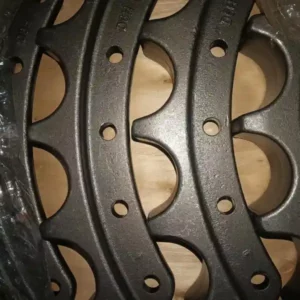
في ظروف التربة الناعمة, طين, أو الطين, التحدي الأساسي هو تحقيق الجر الكافي لدفع الآلة للأمام دون أن تغرق. هذا هو المكان الذي يُظهر فيه حذاء الجنزير المفرد تفوقه المتأصل. المطاحن هو شريط أو مقطع جانبي بارز على السطح الخارجي للحذاء يخترق الأرض. يتميز تصميم الطوق المفرد بوجود واحد مهيمن, tall protuberance running across the shoe's width.
فكر في الأمر كمجداف. طويل القامة, يسمح المظهر الجانبي الحاد لها بالحفر بعمق في المادة الناعمة, توفير مساحة سطحية كبيرة للضغط عليها. وهذا يؤدي إلى أقصى جهد الجر. المساحة الكبيرة بين السراويل المفردة على الأحذية المجاورة تسهل أيضًا التنظيف الذاتي. بينما تدور سلسلة الجنزير حول العجلة المسننة والعجلة الوسيطة, تساعد عملية الانحناء على التخلص من الطين والحطام الذي قد يتجمع بين الحذاء. تعتبر المواد المعبأة مشكلة خطيرة; إنه يحول بشكل فعال نظام المسار المصمم بعناية إلى مسار سلس, حزام غير الجر, مع زيادة شد المسار وتسريع تآكل جميع الأجزاء المتحركة. The single grouser's ability to penetrate and clean makes it the standard choice for bulldozers and other machines whose primary function is to push large loads in a relatively straight line on yielding surfaces. يوفر الاختراق العميق قبضة ممتازة, maximizing the machine's pushing power.
الأسطح الصلبة والصخرية: لماذا تتفوق أحذية Grouser المزدوجة والثلاثية
عندما تتحول بيئة التشغيل إلى صعبة, صخري, أو الأسطح المختلطة, يبدأ منطق الحذاء الواحد في الانهيار. طويل القامة, لا يستطيع الطيهوج المفرد العدواني اختراق الصخور الصلبة. بدلاً من, يصبح وزن الماكينة بالكامل مركزًا على الطرف الضيق من الطيهوج. وهذا يخلق تحميلًا هائلاً للنقاط, الأمر الذي لا يؤدي إلى تسريع تآكل الحواف نفسها فحسب، بل يعرض حذاء الجنزير أيضًا لضغوط الانحناء الشديدة. يمكن أن ينثني الحذاء ويتشقق في النهاية. بالإضافة إلى, الآلة التي تعمل على حشوات مفردة على سطح صلب سوف تواجه خشونة, ركوب تهتز, الأمر الذي يرهق المشغل وينقل أحمال الصدمات في جميع أنحاء الماكينة.
هذا هو مجال حذاء المسار المزدوج والثلاثي. بدلا من واحد طويل القامة, يتم توزيع الحمل عبر اثنين أو ثلاثة أقصر, حشود أقل عدوانية.
أحذية مزدوجة: توفر هذه حلاً وسطًا بين الجر ذو الحواف المفردة والقدرة على الدوران والقيادة الأكثر سلاسة للحواف الثلاثية. لديهم مساحة تلامس مع الأرض أكبر من منطقة اتصال واحدة, مما يقلل من ضغط الانحناء على الحذاء ويوفر عمرًا أفضل للتآكل على الأسطح الكاشطة أو الصلبة. إنها خيار شائع للرافعات الزاحفة والحفارات التي تحتاج إلى توازن بين الجر والقدرة على المناورة.
أحذية تريبل جروزر: هذه هي الأنواع الأكثر شيوعًا من أحذية الجنزير الموجودة في الحفارات وتعتبر "المعيارية"." حذاء للاستخدام للأغراض العامة. الثلاثة (أو في بعض الأحيان أكثر) السراويل أقصر وتوفر مساحة اتصال أكبر بالأرض. هذا يقلل بشكل كبير من الضغط الأرضي, يقلل من اضطراب السطح, ويقدم رحلة أكثر سلاسة. الميزة الرئيسية للمحرك الثلاثي هي قدرته الفائقة على الدوران. عندما تدور آلة مجنزرة, يجب أن تدور الأحذية وتنزلق على الأرض. يقلل المظهر الجانبي السفلي للمطواة الثلاثية من مقدار المقاومة, أو "التقشير," أثناء المنعطف. وهذا يقلل من الضغط الجانبي على الهيكل السفلي بأكمله, من الحذاء نفسه إلى الدبابيس, البطانات, والروابط. لآلة مثل الحفارة, الذي يدور باستمرار ويعيد تموضعه, وهذه ميزة عميقة في إطالة عمر أجزاء الهيكل السفلي.
التطبيقات المتخصصة: مستوي, ممحاة, وأحذية المستنقع
ما وراء الأنواع الشائعة, توجد مجموعة من الأحذية المتخصصة خصيصًا, التطبيقات الصعبة.
أحذية مسطحة: كما يوحي الاسم, هذه الأحذية لا تحتوي على سراويل. يتم استخدامها على الصعب, الأسطح المسطحة مثل الخرسانة أو الأسفلت حيث لا يمثل الجر مشكلة, لكن الأضرار السطحية تشكل مصدر قلق كبير. غالبًا ما تستخدم عمليات الرصف أو التطبيقات الصناعية داخل المستودعات الكبيرة الأحذية المسطحة لمنعها من تدمير سطح العمل.
أحذية مطاطية (أو منصات مطاطية): لمزيد من الحماية السطحية, يمكن تثبيت الوسادات المطاطية على حذاء ثلاثي قياسي, أو يمكن أن يكون الحذاء نفسه عبارة عن كتلة مطاطية صلبة مرتبطة بإطار فولاذي. هذه موجودة في كل مكان في البناء الحضري, حيث قد تحتاج الحفارة إلى عبور الطرق العامة أو العمل على الرصيف الزخرفي. إنها توفر حماية ممتازة للسطح وتقلل من الضوضاء, لكنها عرضة للقطع والتقطيع في البيئات الصخرية أو الهدم.
أحذية المستنقع (أو أحذية الضغط الأرضي المنخفض): في ظروف الأرض الناعمة القاسية, مثل المستنقعات, أهوار, أو عمليات التجريف, قد لا توفر الأحذية القياسية مساحة سطح كافية لمنع الآلة من الغرق. عادةً ما تكون أحذية المستنقع واسعة جدًا, في بعض الأحيان يكون شكلها مثلثيًا أو شبه منحرف, to maximize the contact area and distribute the machine's weight. مبدأ الطفو هذا هو نفسه الذي تستخدمه أحذية الثلوج. عن طريق زيادة مساحة السطح, الضغط لكل بوصة مربعة (رطل لكل بوصة مربعة) يتم تقليل, السماح للآلة "بالطفو"." فوق الأرض غير المستقرة. إنها متخصصة للغاية وسوف تبلى بسرعة كبيرة على أي شيء صعب, سطح جلخ.
تحليل مقارن لتصاميم جروزر
لاتخاذ قرار مستنير, من المفيد تصور المقايضات الكامنة في كل تصميم. لا يتعلق الاختيار أبدًا بالعثور على "المثالي"." حذاء, ولكنه الحذاء الأنسب لمجموعة معينة من الأولويات التشغيلية.
| نوع الحذاء | التطبيق الأساسي | الجر | القدرة على الدوران | يمكن ارتداؤها على الأسطح الصلبة | اضطراب الأرض |
|---|---|---|---|---|---|
| جروجر واحد | التربة الناعمة, طين, احتياجات الجر العالية (الجرافات) | ممتاز | فقير | فقير | عالي |
| بقال مزدوج | التربة المختلطة, احتياجات الجر / الدوران المعتدلة | جيد | معتدل | معتدل | معتدل |
| المزارعون الثلاثيون | الغرض العام, الأسطح الصلبة, تحول متكرر | معتدل | ممتاز | ممتاز | قليل |
| حذاء مسطح | الأسطح المرصوفة (أسفلت, أسمنت) | فقير | ممتاز | ممتاز | منخفض جدًا |
| حذاء المستنقع | أرض ناعمة للغاية (أهوار, المستنقعات) | معتدل | فقير | فقير جدا | قليل (بسبب التعويم) |
علم المادة: فهم تركيب المواد والتصنيع
بمجرد تحديد الشكل الهندسي الصحيح لأحذية الجنزير من خلال ظروف الأرض, يجب أن يتحول التركيز إلى الجودة الجوهرية للحذاء نفسه. ما هو مصنوع من, وكيف تم صنعه? يمكن أن يبدو حذاءا الجنزير متطابقين للعين المجردة ولكن أداءهما مختلف تمامًا في الميدان. يمكن للمرء أن يوفر آلاف الساعات من الخدمة الموثوقة, بينما يفشل الآخر قبل الأوان, الكسر تحت الحمل أو التآكل بسرعة مخيبة للآمال. هذا الاختلاف مخفي عن الأنظار, على المستوى المجهري, في كيمياء الفولاذ والعمليات الحرارية التي يمر بها. إن فهم أساسيات علم المعادن والتصنيع ليس تمرينًا أكاديميًا; إنها ضرورة عملية لأي شخص يبحث عن أحذية رياضية عالية التآكل أو يحددها. إنها القدرة على تمييز الجودة الحقيقية من التشابه السطحي, وهو تمييز له آثار مالية ضخمة.
دور علم المعادن: ما وراء الفولاذ البسيط
مصطلح "الصلب" هو وصف واسع لسبيكة من الحديد والكربون. لكن, يمكن تغيير خصائص أداء الفولاذ بشكل كبير عن طريق إضافة كميات صغيرة من العناصر الأخرى وعن طريق تطبيق الحرارة. يعتبر الفولاذ المستخدم في الأحذية الرياضية عالية التآكل مادة متطورة, تم تصميمه بعناية لتحقيق التوازن بين خاصيتين متنافستين: صلابة وصلابة.
- صلابة is the material's resistance to scratching, كشط, والمسافة البادئة. سوف يقاوم السطح الأكثر صلابة تأثير طحن الرمل بشكل أفضل, الحصى, والصخرة.
- صلابة is the material's ability to absorb energy and deform without fracturing. A tough material can withstand the sudden shock loads of hitting a rock or dropping the machine's bucket.
غالبًا ما تكون هاتان الخاصيتان متعارضتين. مادة صعبة للغاية, مثل الزجاج, غالبا ما تكون هشة للغاية (ليست صعبة). مادة صعبة للغاية, مثل النحاس الناعم, ليس من الصعب جدا. إن فن عالم المعادن هو إنشاء سبيكة فولاذية وعملية معالجة حرارية تعمل على تحسين كليهما. يتم تحقيق ذلك عادةً من خلال استخدام سبائك الفولاذ. للأحذية المسار عالية التآكل, أهم عنصر صناعة السبائك هو البورون.
البورون الصلب والتبريد: قلب المتانة
البورون عنصر رائع. When added to steel in minuscule amounts—often less than 0.003%—it has an outsized effect on the steel's "hardenability." الصلابة ليست الصلابة نفسها, ولكن قدرة الفولاذ على التصلب إلى عمق كبير أثناء المعالجة الحرارية.
تسمى عملية المعالجة الحرارية الرئيسية بالتبريد والتلطيف.
- الأوستنيتية: أولاً, يتم تسخين حذاء الجنزير الفولاذي إلى درجة حرارة عالية جدًا, عادة حوالي 850-950 درجة مئوية. عند درجة الحرارة هذه, ترتب ذرات الحديد والكربون نفسها في بنية بلورية محددة تسمى الأوستينيت.
- التبريد: يتم بعد ذلك تبريد الحذاء الأحمر الساخن بسرعة, عادة عن طريق غمره في حمام من الماء, زيت, أو محلول البوليمر. هذا التبريد المفاجئ لا يمنح الذرات وقتًا لإعادة ترتيب نفسها مرة أخرى في هياكلها ذات التبريد الأبطأ. بدلاً من, إنهم محاصرون في حالة توتر شديد, هيكل بلوري يشبه الإبرة يسمى مارتنسيت. مارتنسيت صعب للغاية وقوي, وهو بالضبط ما هو مطلوب لمقاومة التآكل. إن وجود البورون يسمح لهذا الهيكل المارتنسيتي الصلب بالتشكل ليس فقط على السطح المباشر, ولكن في عمق قلب حذاء الجنزير. يُعرف هذا باسم "التصلب من خلال." يحافظ الحذاء المتصلب على صلابته حتى مع تآكل السطح, توفير عمر خدمة أطول بكثير من الحذاء الذي يتم "تقويته" فقط" أو "متصلبة السطح."
- تقع: بعد التبريد, الفولاذ صلب للغاية ولكنه أيضًا هش ومليء بالضغوط الداخلية. لاستعادة بعض المتانة, يتم إعادة تسخين الحذاء إلى درجة حرارة أقل بكثير (على سبيل المثال, 200-500درجة مئوية) وعقدها لفترة محددة. هذه العملية, يسمى هدأ, يخفف الضغوط الداخلية ويسمح بإعادة ترتيب طفيف للهيكل البلوري. إنه يقلل من الصلابة قليلاً ولكنه يزيد من المتانة بشكل ملحوظ, مما يؤدي إلى منتج نهائي يتميز بمقاومته العالية للتآكل ومرونته بدرجة كافية لتحمل الصدمات شديدة التأثير دون أن يتشقق. إن حذاء الجنزير المصنوع من فولاذ البورون المُسقى والمُقسى بشكل صحيح هو المعيار الذهبي للتطبيقات الصعبة.
تزوير مقابل. صب: فحص عمليات التصنيع
هناك طريقتان أساسيتان لتشكيل حذاء الجنزير في شكله النهائي: الصب وتزوير.
صب يتضمن صب الفولاذ المنصهر في قالب على شكل حذاء الجنزير. إنها عملية غير مكلفة نسبيًا يمكنها إنشاء أشكال معقدة بسهولة. لكن, حيث يبرد المعدن ويتصلب في القالب, فإنه يمكن تطوير الخشنة, بنية الحبوب غير موحدة. هناك أيضًا خطر المسامية (فقاعات صغيرة) أو غيرها من العيوب الداخلية, والتي يمكن أن تصبح نقاط بداية للشقوق تحت الضغط.
تزوير يبدأ بقطعة صلبة من الفولاذ يتم تسخينها ثم تشكيلها بالضغط الهائل من مطرقة أو مكبس. هذه العملية لها تأثير عميق على الهيكل الداخلي للصلب. يجبر الضغط الشديد حبيبات الفولاذ على التوافق مع شكل الجزء, خلق مستمر, تدفق الحبوب الموجه. فكر في الفرق بين قطعة من ألواح الحبيبات (مثل الصب) وقطعة صلبة من الخشب ذات طول طويل, الحبوب المستمرة (مثل تزوير). الجزء المزور أكثر كثافة بشكل عام, أقوى, وأكثر مقاومة للتأثير والتعب. تزوير عملية أكثر تكلفة, ولكن للنقد, تطبيقات الضغط العالي, غالبًا ما ينتج متفوقًا, جزء أكثر موثوقية. تم تصميم معظم أحذية الجنزير عالية الجودة المناسبة للبيئات الصعبة لضمان أقصى قدر من القوة والمتانة.
صلابة السطح مقابل المتانة الأساسية: توازن دقيق
حذاء الجنزير المثالي عالي التآكل ليس صلبًا بشكل موحد في جميع أنحاءه. كما نوقش, الصلابة الشديدة غالبا ما تأتي مع هشاشة. الحالة المثالية هي مكون ذو سطح خارجي شديد الصلابة لمقاومة التآكل, بدعم من ليونة قليلا, نواة أكثر صرامة يمكنها امتصاص الصدمات ومنع الجزء من الانكسار إلى قسمين. القدرة على التصلب التي يوفرها فولاذ البورون, جنبا إلى جنب مع عملية التبريد والتلطيف التي يتم التحكم فيها بدقة, يسمح للمصنعين بتحقيق ملف الصلابة التفاضلي هذا.
يتم قياس صلابة السطح عادة على مقياس روكويل سي (HRC). قد يكون لأحذية الجنزير عالية الجودة صلابة سطحية قدرها 45-55 HRC, في حين أن الصلابة الأساسية قد تكون أقل ببضع نقاط. هذا التدرج مقصود. "القضية الصعبة" يعالج التآكل, في حين أن "الأساسية" الصعبة" يتعامل مع الحمل. عند تقييم المورد, ومن المعقول أن نسأل عن مواصفات الصلابة المستهدفة وكيفية تحقيقها والتحقق منها. سيكون لدى الشركة المصنعة ذات السمعة الطيبة رقابة صارمة على عمليات المعالجة الحرارية الخاصة بها وستكون قادرة على تقديم بيانات حول ملفات تعريف الصلابة لمنتجاتها. يعد هذا الاهتمام بالتفاصيل سمة مميزة لمورد الجودة, مثل أولئك الذين يفهمون التوازن المعقد المطلوب للمتانة مكونات الهيكل السفلي.
تقييم جودة الشركة المصنعة: ما الذي تبحث عنه
بالنظر إلى أن أهم صفات حذاء الجنزير غير مرئية, كيف يمكن للمشتري أن يتخذ قرارًا مستنيرًا? يجب على المرء أن يبحث عن وكلاء الجودة.
- مواصفات المواد: هل الشركة المصنعة تذكر صراحة المواد المستخدمة؟ (على سبيل المثال, 23منيب, 25منيب, 35منيب – جميع درجات الصلب البورون المشتركة)? أوصاف غامضة مثل "الفولاذ عالي القوة" هي العلم الأحمر.
- عملية المعالجة الحرارية: سوف تفخر الشركة المصنعة عالية الجودة بقدراتها على المعالجة الحرارية. ابحث عن معلومات حول عمليات التبريد والتلطيف. هل يتحدثون عن "التصلب"?
- طريقة التصنيع: هل الجزء مزور أو مصبوب? بينما توجد المسبوكات الجيدة, يعد التزوير بشكل عام علامة على منتج متميز مخصص للخدمة الشاقة.
- التتبع ومراقبة الجودة: هل يمكن للشركة المصنعة تقديم وثائق مراقبة الجودة? هل لديهم أرقام تشغيلية أو أرقام تسلسلية على أجزائهم تسمح بإمكانية التتبع مرة أخرى إلى دفعة إنتاج معينة? هذه علامة على عملية تصنيع ناضجة وخاضعة للمساءلة.
- السمعة والضمان: شركة ذات تاريخ طويل وضمان قوي تضع صحتها المالية وراء جودة منتجاتها. Learning about a potential supplier's history and commitment to quality, والذي غالبًا ما يتم العثور عليه على صفحات مثل معلومات عنا قسم, يمكن أن تكون كاشفة للغاية.
Choosing a track shoe is an act of trust in the manufacturer's unseen processes. من خلال طرح الأسئلة الصحيحة والبحث عن مؤشرات الجودة هذه, يمكن للمشتري تحسين احتمالات الحصول على منتج يقدم قيمة حقيقية طويلة المدى بشكل كبير.
هندسة الأداء: عرض الحذاء, يقذف, واعتبارات الملف الشخصي
الأبعاد المادية لحذاء الجنزير – عرضه, الملعب, والشكل المحدد لملفه الشخصي — ليست سمات عشوائية. وهي عبارة عن معلمات مصممة بعناية ولها تأثير مباشر وقابل للقياس على أداء الماكينة, كفاءة الوقود, وطول عمر نظام الهيكل السفلي بأكمله. يتطلب اختيار الشكل الهندسي الصحيح الابتعاد عن الافتراضات التبسيطية واحتضان المزيد من الدقة, التفكير على مستوى الأنظمة. إنه ينطوي على الموازنة بين الحاجة إلى الدعم على أرض ناعمة (التعويم) مع الحاجة إلى القدرة على المناورة والمتانة على الأرض الصلبة. يمكن أن يؤدي الاختيار غير الصحيح في هذا المجال إلى مجموعة من المشاكل, من اضطراب التربة المفرط إلى الضغط الكارثي على وصلات المسار والمسامير.
"الأوسع هو الأفضل" مغالطة: فهم التعويم مقابل التعويم. القدرة على المناورة
هناك افتراض شائع وبديهي بين بعض مالكي ومشغلي المعدات بأن مداس الجنزير الأوسع هو الأفضل دائمًا. المنطق يبدو بسيطا: يوفر الحذاء الأوسع مساحة أكبر, والتي ينبغي أن تقلل الضغط الأرضي وتجعل الآلة أكثر استقرارًا. في حين أن هذا صحيح إلى حد ما, هذا الاعتقاد هو تبسيط خطير. إنه يفشل في مراعاة الجوانب السلبية الكبيرة لاستخدام حذاء أوسع من اللازم.
تخيل المشي على الثلج الناعم. زوج من أحذية الثلوج الواسعة (تعويم عالية) لا تقدر بثمن, distributing your weight so you don't sink. الآن, تخيل أنك تحاول المشي عبر منطقة كثيفة, غابة صخرية بنفس أحذية الثلوج. سيكونون خرقاء, الوقوع باستمرار في العقبات, ويتطلب جهدًا هائلاً للتحول. وينطبق نفس المبدأ على آلات البناء.
A wider shoe increases the machine's flotation, وهي قدرتها على البقاء على قمة الناعمة, الأسطح الناتجة. يتم قياس ذلك بالجنيه لكل بوصة مربعة (رطل لكل بوصة مربعة) أو كيلوباسكال (كيلو باسكال) من الضغط الارضي. للعمل في المستنقعات أو على الرمال السائبة جدًا, واسعة, حذاء الضغط الأرضي المنخفض لا غنى عنه.
لكن, على أرض صلبة أو صخرية, يصبح هذا العرض الإضافي مسؤولية كبيرة. كلما كان الحذاء أوسع, كلما زاد الجهد المطلوب لتشغيل الجهاز. أثناء المنعطف, يجب أن تتحرك الحافة الخارجية للحذاء لمسافة أبعد من الحافة الداخلية, مما يتسبب في فرك الحذاء ومحوره على الأرض. يزيد الحذاء الأوسع من عملية التنظيف هذه, توليد قوة هائلة وضغط جانبي يتم نقله مباشرة إلى دبابيس الجنزير, البطانات, والروابط. تعتبر قوة الالتواء هذه المحرك الأساسي لنمط التآكل المعروف باسم "تآكل الدبوس والجلبة"." بالإضافة إلى, يكون الجزء غير المدعوم من الحذاء العريض الذي يتدلى من وصلة المسار أكثر عرضة للانحناء والتشقق في حالة مواجهته لصخرة أو جذع شجرة.
مبدأ "أضيق ما يمكن"., على نطاق واسع حسب الضرورة"
المبدأ التوجيهي لاختيار عرض حذاء المسار, لذلك, يجب استخدام أضيق حذاء يوفر تعويمًا مناسبًا للآلة لأداء وظيفتها دون أن تتعطل. يعمل هذا المبدأ على تحسين المفاضلة بين التعويم والمتانة.
- فوائد الحذاء الضيق:
- تحول أسهل: ضغط أقل على المسامير والبطانات أثناء المنعطفات.
- ارتداء أقل: تقليل عملية الفرك على الأسطح الصلبة.
- قدرة أفضل على المناورة: تبدو الآلة أكثر مرونة واستجابة.
- زيادة المتانة: نفوذ أقل على الحذاء, تقليل خطر الانحناء أو التشقق.
- تحسين مقاومة التعبئة: في المواد اللزجة, يحتوي المسار الأضيق على مساحة أقل لتراكم الطين.
لتطبيق هذا المبدأ, يجب أن يكون لدى المشغل أو مدير الأسطول تقييم صادق لظروف العمل النموذجية. إذا كان الجهاز ينفق 80% من حياتها على الأوساخ أو الصخور الصلبة وفقط 20% في الطين الناعم, وينبغي أن تكون مجهزة بحذاء أضيق مناسبًا للأرض الصلبة. للقسم الموحل في بعض الأحيان, التقنيات التشغيلية (مثل وضع الحصير أو اتخاذ طريق مختلف) are a better solution than compromising the machine's undercarriage health for the majority of its working life.
مصفوفة القرار لتحجيم الأحذية
يوفر الجدول التالي إطارًا عامًا للتفكير في عرض الحذاء. The specific recommendations will vary based on the machine's weight and model, لكن المنطق الأساسي يظل ثابتا.
| حالة الأرض | المتطلبات الأساسية | عرض الحذاء الموصى به | الأساس المنطقي |
|---|---|---|---|
| هارد روك, مقلع | متانة, القدرة على المناورة | ضيق | يقلل من ضغط الدوران وخطر ثني/تشقق الحذاء. |
| التربة المعبأة, الحصى | الغرض العام | قياسي/ضيق | أرصدة ارتداء الحياة والقدرة على التحول. غالبًا ما يكون عرض OEM القياسي هو الأمثل. |
| مختلط ناعم/صلب | براعة | معيار | حل وسط. يتجنب العقوبات الكبرى المتمثلة في الأحذية الواسعة جدًا أو الضيقة جدًا. |
| الطين الناعم, الأوساخ | التعويم, الجر | قياسي/واسع | يجب أن يكون العرض كافيًا لمنع الغرق ولكن ليس أوسع. |
| الرمال السائبة | تعويم عالية | واسع | يزيد من مساحة السطح للبقاء فوق المادة غير المتماسكة. |
| مستنقع, مارش | التعويم الشديد | واسعة للغاية (إل جي بي) | Necessary to reduce ground pressure below the soil's bearing capacity. |
مسار المسار وعلاقته بنظام الهيكل السفلي بأكمله
خطوة المسار هي المسافة من مركز أحد أطراف المسار إلى مركز الطرف التالي. إنه بُعد أساسي لنظام الهيكل السفلي بأكمله. يجب أن تتطابق خطوة المسار بدقة مع خطوة أسنان العجلة المسننة التي تحرك السلسلة وهندسة بكرات الجنزير ووحدات التباطؤ التي تدعمها.
عند اختيار أحذية الجنزير البديلة عالية التآكل, من الضروري للغاية أن تتطابق درجة الحذاء الجديد مع درجة سلسلة المسار الحالية. من غير الممكن استخدام حذاء بميل غير صحيح; لن تتماشى فتحات الترباس ببساطة مع روابط المسار. لكن, وهذا يسلط الضوء على مفهوم أعمق: الهيكل السفلي هو نظام متشابك, أجزاء مترابطة. يؤثر تآكل أحد المكونات بشكل مباشر على تآكل جميع المكونات الأخرى.
كما ارتداء دبابيس والبطانات, تطول درجة المسار بشكل فعال. هذا "امتداد الملعب" يؤدي إلى ارتفاع سلسلة المسار أعلى وأعلى على أسنان العجلة المسننة, تسريع التآكل على أطراف الأسنان. على العكس من ذلك, كما ارتداء أسنان ضرس, يصبحون أرق ويغيرون ملفهم الشخصي, والتي يمكن أن تسرع من تآكل البطانة. أحذية المسار, الروابط, دبابيس, البطانات, بكرات, العاطلون, والعجلات المسننة كلها مصممة للارتداء معًا كنظام متماسك. محاولة استبدال مكون واحد فقط في نظام شديد التآكل (على سبيل المثال, وضع حذاء جديد على سلسلة ممتدة) يمكن في كثير من الأحيان تسريع تآكل الجزء الجديد والأجزاء القديمة المتبقية. هناك حاجة إلى رؤية شمولية, وهذا هو السبب في تحديد مصادر مجموعة كاملة من المتوافقة منتجات الهيكل السفلي من واحد, يمكن أن يكون المورد الموثوق به مفيدًا.
تأثير شكل الحذاء على لبس الخراطة والفرك
ما وراء التصنيف البسيط للفرد, مزدوج, أو الثلاثي, الملف الشخصي المحدد للأحذية والحذاء مهم. تقدم بعض الشركات المصنعة أحذية ذات "قص"." أو "مشطوف" زوايا. يمكن أن يكون لهذا التعديل الصغير تأثير ملحوظ على الدوران. عن طريق إزالة الزاوية الحادة من الحذاء, هناك كمية أقل من المواد التي يمكن حفرها في الأرض أثناء المحور, تقليل مقاومة الدوران وقوى التنظيف المرتبطة بها. وهذا مفيد بشكل خاص للآلات التي تقوم بالكثير من عمليات التحويل الموضعي, مثل الحفارات.
بصورة مماثلة, يساهم ارتفاع وحدة الشكل الجانبي في ديناميكيات التآكل. علامة تجارية جديدة, توفر الحواف الحادة أقصى قدر من الجر ولكنها تخلق أيضًا أقصى قدر من الضغط عند تشغيل الأسطح الصلبة. كما يرتدي الغرور, ارتفاعه يتناقص, ويصبح طرفه أكثر تقريبًا. وهذا في الواقع يقلل من ضغط الدوران ولكنه يقلل أيضًا من الجر. يعد فهم دورة الحياة هذه جزءًا من إدارة الهيكل السفلي. هناك نقطة يتم فيها ارتداء الطيهوج لدرجة أنه لم يعد يوفر الجر المناسب, ويجب استبدال الحذاء أو إعادة تلبيسه. وينبغي أن تستند نقطة القرار هذه إلى متطلبات الأداء, وليس المظهر البصري فقط.
الانضباط التشغيلي: العامل البشري في إطالة عمر حذاء المسار
في المعادلة المعقدة لطول عمر الهيكل السفلي, هناك متغير غالبا ما يفوق علم المعادن والهندسة مجتمعة: مشغل الآلة. عامل ماهر, منضبط, وإدراكًا للتعاطف الميكانيكي يمكن أن يطيل بشكل كبير عمر مجموعة من أحذية الجنزير عالية التآكل والهيكل السفلي بأكمله. على العكس من ذلك, يمكن للمشغل العدواني أو المهمل تدمير نفس المكونات في جزء صغير من عمرها المتوقع. إن القوى الناتجة عن قطعة من آلات البناء تزن عدة أطنان هائلة. كيف يتم تطبيق هذه القوى – بسلاسة ومدروس, أو فجأة وبلا مبالاة - يحدث الفارق. يعد الاستثمار في تدريب المشغلين وتعزيز ثقافة الحفاظ على المعدات الميكانيكية أحد الاستثمارات ذات العائد الأعلى التي يمكن لمدير الأسطول القيام بها. إنه يحول النفقات الكبيرة إلى تكلفة يمكن التحكم فيها.
تقنية المشغل: القوة غير المرئية على تآكل الهيكل السفلي
تعتبر الرافعات والدواسات الموجودة داخل الكابينة بمثابة مدخلات مباشرة لمعدل تآكل الهيكل السفلي. سلس, المدخلات التدريجية هي دائما أفضل من المفاجئة, حركات متشنجة.
التسارع والتباطؤ السلس: يبدأ Jackrabbit ويؤدي توقف الضرب إلى إرسال أحمال صدمات عبر نظام الدفع بأكمله, من المحرك إلى مجموعات الإدارة النهائية وإلى سلسلة الجنزير. هذا يشدد على الدبابيس, البطانات, واتصالات المسار من الحذاء إلى الارتباط. يسمح التطبيق اللطيف للقوة للمسار بالتفاعل مع الأرض وبناء الزخم بسلاسة.
التقليل من الحركة غير الضرورية: يقوم المشغل الفعال بتخطيط تحركاتهم. بدلًا من التنقل المستمر ذهابًا وإيابًا, يقومون بوضع الماكينة على النحو الأمثل لتقليل المسافة الإجمالية المقطوعة. لحفارة, وهذا يعني الإعداد داخل نصف قطر متأرجح يسمح لها بحفر وتحميل الشاحنات دون تغيير موضع الهيكل السفلي باستمرار. كل متر يتم قطعه هو متر من التآكل. تقليل السفر, خاصة على الأسطح الكاشطة, يترجم مباشرة إلى عمر أطول للهيكل السفلي.
العمل صعودا وهبوطا المنحدرات: كلما كان ذلك ممكنا, ينبغي تدريب المشغلين على القيادة بشكل مستقيم لأعلى أو لأسفل المنحدر, بدلاً من عبوره جانبياً. اجتياز منحدر يضع المستمر, حمل جانبي ثقيل على بكرات الجنزير المنحدرة, العاطلون, وسلسلة المسار. يؤدي هذا إلى تسريع تآكل جوانب هذه المكونات. يؤدي العمل لأعلى ولأسفل المنحدر إلى الحفاظ على توزيع الحمولة بشكل متساوٍ. عند العمل على منحدر جانبي أمر لا مفر منه, يجب على المشغل أن يحاول تبديل اتجاه العمل بشكل دوري لتسوية التآكل.
التكاليف الخفية للتشغيل العكسي عالي السرعة
تم تصميم معظم الآلات المتعقبة بحيث يتم إنجاز عملها الأساسي من الآن فصاعدا. سلسلة المسار, دبابيس, وتم تصميم البطانات مع أخذ ذلك في الاعتبار. تم تصميم البطانة لتدور عكس سن العجلة المسننة تحت الحمل في الاتجاه الأمامي.
يعد التشغيل في الاتجاه المعاكس بسرعة عالية أحد أكثر الأشياء التي يمكن أن يسببها المشغل ضررًا للهيكل السفلي. أثناء العملية العكسية, يتركز الحمل على جانب الدفع العكسي للجلبة, منطقة اتصال أصغر غير مُحسّنة للأحمال العالية. يؤدي هذا إلى معدل تآكل أعلى بكثير لكل من الجلبة والعجلة المسننة. تشير بعض الدراسات إلى أن التشغيل العكسي عالي السرعة يمكن أن يسبب ما يصل إلى ثلاثة إلى أربعة أضعاف معدل التآكل أثناء السفر للأمام.
ينبغي تدريب المشغلين على تقليل مسافة السفر للخلف واستخدام سرعة أقل دائمًا عند التحرك للخلف. إذا كانت هناك حاجة إلى خطوة إعادة تموضع طويلة, غالبًا ما يكون من الأفضل عمل نطاق واسع, انعطف كاسحًا وسافر للأمام بدلاً من مجرد النسخ الاحتياطي للمسافة بأكملها. يمكن لهذا الجزء البسيط من الانضباط التشغيلي توفير آلاف الدولارات من تكاليف الإصلاح المبكر للهيكل السفلي على مدار عمر الماكينة.
تقنيات الدوران: تقليل الضغط الجانبي على وصلات الجنزير والأحذية
يعد تشغيل آلة مجنزرة بطبيعتها مناورة عالية الضغط. يتباطأ أحد المسارين أو ينعكس بينما يحافظ الآخر على السرعة أو يزيدها, إجبار الآلة على الدوران. وهذا يخلق قوى الغسل والقوى الجانبية التي تمت مناقشتها سابقًا. لكن, يمكن للطريقة التي يتحول بها المشغل أن تؤثر بشكل كبير على حجم هذه القوى.
بقعة المحاور (الدوران المضاد): هذا هو النوع الأكثر عدوانية من المنعطفات, حيث يتحرك أحد المسارين للأمام والآخر للخلف, مما يؤدي إلى دوران الآلة في مكانها. بينما يكون ذلك ضروريًا في بعض الأحيان في الأماكن الضيقة, وينبغي تجنبه كلما أمكن ذلك. إنه يولد أقصى قدر من الاضطراب الأرضي ويضع أعلى ضغط ممكن على مداسات الجنزير والوصلات.
المنعطفات التدريجية: الطريقة اللطيفة هي جعلها أوسع, المنعطفات أكثر تدريجية, مثل قيادة السيارة حول منحنى. وهذا يقلل من فرق السرعة بين المسارات ويقلل من كمية الغسل. ينبغي تشجيع المشغلين على التخطيط لعملهم للسماح بهذه المنعطفات الأوسع.
المنعطفات ثلاثية النقاط: عندما تكون هناك حاجة لتغيير حاد في الاتجاه, تنفيذ بدوره ثلاث نقاط (إلى الأمام, خلف, إلى الأمام) غالبًا ما يكون أقل إجهادًا على الهيكل السفلي من واحد, محور بقعة عدوانية. كل حركة فردية تكون أقل شدة.
يتفاعل اختيار نوع حذاء الجنزير بقوة مع تقنية الدوران. ستواجه الآلة ذات الأحذية المفردة مقاومة هائلة للانقلاب على الأرض الصلبة, والمشغل الذي يقوم بشكل متكرر بتدوير مثل هذه الآلة سوف يتسبب في تآكل سريع ومدمر.
أهمية صيانة الموقع وإدارة الحطام
The operator's responsibility extends beyond the machine itself to the environment it works in. يعد موقع العمل الذي لا تتم صيانته بشكل جيد بمثابة حقل ألغام للهياكل السفلية.
الحفاظ على نظافة منطقة العمل: السماح بالصخور, حطام الهدم (مثل حديد التسليح), أو غيرها من الأشياء الحادة التي تتناثر في منطقة العمل هي دعوة مباشرة للضرر. يمكن ثني حذاء الجنزير أو تشققه عند اصطدامه بصخرة كبيرة. يمكن أن يعلق الحطام الفولاذي في سلسلة المسار, مما تسبب في أضرار كارثية. Operators should be encouraged to use the machine's bucket or blade to clear a clean, طريق سلس لأنفسهم.
إدارة الطين والتعبئة: في الرطب, ظروف لزجة, يمكن تعبئة المواد في سلسلة المسار. حيث يتم حمل هذه المادة المعبأة حول العجلة المسننة, يمكن أن تصبح كثيفة وصعبة بشكل لا يصدق, تشديد سلسلة المسار بشكل فعال. هذا "التوتر الزائد" يضع حملاً هائلاً على جميع المكونات المتحركة ويمكنه حرفيًا دفع المسار بعيدًا. يجب على المشغلين أن يعتادوا على "الخروج" بشكل دوري" المسارات (تتحرك بالتناوب إلى الأمام والخلف) لمحاولة التخلص من المواد المعبأة. في نهاية التحول, يجب أن يأخذوا الوقت الكافي لتنظيف الهيكل السفلي بشكل صحيح باستخدام الأشياء بأسمائها الحقيقية أو غسالة الضغط. بضع دقائق من التنظيف يمكن أن تمنع آلاف الدولارات من الإصلاحات.
تدريب وتحفيز المشغلين للحفاظ على الهيكل السفلي
إن الاعتراف بالمشغل باعتباره لاعبًا رئيسيًا في إدارة الهيكل السفلي هو الخطوة الأولى. والخطوة التالية هي تزويدهم بالمعرفة والدافع للعمل بناءً على ذلك.
- برامج التدريب: Formal training should be a part of any new operator's onboarding. لا ينبغي أن يشمل هذا فقط كيفية جعل الآلة تحفر أو تدفع, ولكن أيضًا "لماذا"." وراء أفضل الممارسات لرعاية الهيكل السفلي. إن استخدام الوسائل المرئية لإظهار كيف يؤدي التشغيل العكسي إلى تآكل البطانات أو كيفية تأثير التحميل الجانبي على البكرات يمكن أن يكون فعالاً للغاية.
- برامج الحوافز: نجحت بعض الشركات في تنفيذ برامج تكافئ المشغلين أو أطقم العمل لتحقيق عمر أفضل من المتوسط للهيكل السفلي. يمكن أن تكون هذه مكافأة أو أي شكل آخر من أشكال التقدير. It aligns the operator's financial interests with the company's goal of cost reduction and creates a culture where everyone takes ownership of machine health.
أخيرًا, فالعنصر البشري ليس مشكلة يجب القضاء عليها، بل هو مورد يجب زراعته. يعد المشغل المدرب جيدًا والمتحمس هو أفضل دفاع ضد الفشل المبكر حتى في أحذية الجنزير عالية الجودة عالية التآكل.
فلسفة الصيانة الشاملة: تقتيش, بصلح, والاستبدال
الركيزة الأخيرة التي تدعم الحياة الطويلة والمنتجة لنظام المسار هي فلسفة استباقية, صيانة منهجية. إنها عقلية ترفض "الركض نحو الفشل"." يقترب, مما يؤدي حتماً إلى انهيارات كارثية, التوقف غير المقرر, وتكاليف الإصلاح الباهظة. بدلاً من, أنها تحتضن نظام التفتيش المنتظم, قياس مستنير, والتدخل الاستراتيجي. تدرك هذه الفلسفة الشاملة أن الهيكل السفلي عبارة عن نظام بيئي معقد من الأجزاء القابلة للتآكل. ترتبط صحة الأحذية الجنزيرية عالية التآكل ارتباطًا وثيقًا بحالة المسامير, البطانات, الروابط, بكرات, والعجلات. صيانة فعالة, لذلك, is not about focusing on a single part in isolation but about managing the entire system's life cycle to achieve the lowest possible cost per hour of operation.
إنشاء نظام التفتيش الاستباقي
أساس أي برنامج صيانة هو الفحص المتكرر والمتسق. التآكل يحدث تدريجياً, والمشاكل الصغيرة, إذا اشتعلت في وقت مبكر, يمكن تصحيحها قبل أن تتحول إلى إخفاقات كبيرة. ينبغي تدريب المشغل على إجراء فحص تفصيلي موجز في بداية كل وردية عمل. هذه ليست مهمة تستغرق وقتا طويلا, ولكن فحص بصري وملموس سريع.
جولة يومية حول: يجب على المشغل البحث عن علامات واضحة لوجود مشكلة:
- الأجهزة السائبة أو المفقودة: هل جميع مسامير حذاء الجنزير مشدودة؟? يمكن أن يؤدي الحذاء غير المحكم إلى إتلاف رابط المسار وتحرره في النهاية.
- الشقوق أو الفواصل الواضحة: تحقق من أحذية المسار, خاصة حول فتحات المزلاج وعند قاعدة الحواف.
- التعبئة الثقيلة: هل الهيكل السفلي نظيف, أم أنها مليئة بالطين, الصخور, أو الحطام?
- تسرب الزيت بشكل غير طبيعي: تحقق حول محركات الأقراص النهائية, بكرات, والتباطؤ عن أي علامة على تسرب مواد التشحيم, مما يدل على فشل الختم.
- تتبع التوتر (تبلد): تحقق بصريًا من ترهل المسار بين الأسطوانة الحاملة ووحدة التباطؤ. في حين ليس قياسا دقيقا, يمكن للمشغل ذو الخبرة اكتشاف المسار الذي من الواضح أنه ضيق جدًا أو فضفاض جدًا.
عمليات التفتيش التفصيلية الدورية: بالإضافة إلى الفحص اليومي, يجب جدولة فحص أكثر شمولاً على فترات خدمة منتظمة (على سبيل المثال, كل 250 أو 500 ساعات). وينبغي أن يتم ذلك من قبل فني مدرب. يتضمن هذا الفحص تنظيف الهيكل السفلي واستخدام أدوات متخصصة لقياس تآكل المكونات المختلفة.
قياس التآكل: أدوات وتقنيات للتقييم الدقيق
قد يكون الاعتماد على المظهر المرئي وحده للحكم على التآكل أمرًا خادعًا. ما يبدو "مهترئا" ربما لا يزال هناك عمر خدمة كبير متبقٍ, وما يبدو "حسنا" قد يكون على وشك الوصول إلى حد التآكل الحرج. القياس الدقيق هو المفتاح لاتخاذ قرارات فعالة من حيث التكلفة.
- قياس سمك بالموجات فوق الصوتية: يمكن لهذه الأداة قياس سمك المادة المتبقية على مداسات الجنزير والوصلات دون الحاجة إلى إزالتها من الماكينة. إنه لا يقدر بثمن لتتبع معدل تآكل جسم الحذاء.
- الفرجار ومقاييس العمق: تُستخدم هذه لقياس ارتفاع الحواف الموجودة على أحذية الجنزير, القطر الخارجي لبطانات المسار, وارتفاع وصلات المسار.
- تتبع قياس الملعب: لقياس امتداد الملعب (تمتد), يتم استخدام إجراء محدد, غالبًا ما يتضمن وضع التوتر على المسار وقياس المسافة عبر عدد محدد من الوصلات (على سبيل المثال, 4 الروابط). This measurement is compared to the new specification and the manufacturer's wear limits.
لا ينبغي أن تكون هذه القياسات أحداثًا لمرة واحدة. وينبغي تسجيلها في سجل لكل جهاز. من خلال رسم القياسات مع مرور الوقت, يمكن لمدير الأسطول تحديد معدل تآكل لكل آلة في تطبيقها المحدد. هذه البيانات قوية بشكل لا يصدق. يسمح بالصيانة التنبؤية, تمكين المدير من التنبؤ بالوقت الذي ستصل فيه المكونات إلى حدود التآكل الخاصة بها وجدولة الإصلاحات أو الاستبدالات بشكل استباقي, تجنب الفشل في الميدان. توفر الشركات المصنعة للمعدات ذات السمعة الطيبة وموردي المكونات مخططات ومواصفات تآكل مفصلة تحدد "المنتج الجديد"." الأبعاد و"البالية بنسبة 100%" حدود لجميع أجزاء الهيكل السفلي.
اقتصاديات إعادة البناء وإعادة التهيؤ
كما ترتدي الأحذية المسار, تصبح السراويل أقصر, تقليل الجر. لكن, ربما لا يزال لدى الجسم الرئيسي للحذاء عمر طويل متبقي. في مثل هذه الحالات, يمكن أن تكون إعادة بناء الحذاء خيارًا فعالاً من حيث التكلفة.
إعادة التذمر: يتضمن ذلك لحام قضيب قضيب جديد على الحواف البالية لأحذية الجنزير الموجودة. This restores the shoe's original height and traction capabilities for a fraction of the cost of a new shoe. هذه العملية شائعة بشكل خاص بالنسبة للجرافات, حيث الجر هو الهدف الأسمى. تعتمد اقتصاديات إعادة التذمر على تكلفة العمالة, تكلفة شريط grouser, والحياة المتبقية في جسم الحذاء وبقية الهيكل السفلي. ليس من المنطقي إعادة الحذاء المعاد تصميمه حديثًا مرة أخرى إلى سلسلة الجنزير ذات المسامير والبطانات البالية.
دبوس وجلبة بدوره: إجراء آخر شائع للصيانة في منتصف العمر هو "دوران الدبوس والجلبة"." في سلسلة المسار التقليدية, يحدث التآكل بشكل أساسي على جانب واحد من الدبوس وجانب واحد من الجلبة. قبل أن يصلوا إلى حد التآكل, يمكن تفكيك سلسلة المسار, ويمكن تدوير المسامير والبطانات 180 درجات لتقديم جديد, سطح غير ملبوس إلى العجلة المسننة. يمكن أن يؤدي ذلك إلى مضاعفة عمر هذه المكونات بشكل فعال وإطالة عمر نظام المسار بأكمله بشكل كبير.
معرفة متى يجب الاستبدال: نقطة تناقص العوائد
تصل جميع المكونات في النهاية إلى نقطة لم يعد فيها الإصلاح اقتصاديًا أو آمنًا. إن بيانات القياس التي تم جمعها أثناء عمليات التفتيش هي التي تحدد هذا القرار. الاستمرار في تشغيل المكونات بعد 100% حد التآكل هو اقتصاد زائف.
- خطر الفشل: من المرجح أن يفشل المكون البالي بشكل كارثي. يمكن أن تؤدي سلسلة المسار المكسورة في موقع عمل بعيد إلى أيام من التوقف عن العمل ومعقدة, عملية استرداد باهظة الثمن.
- التآكل المتسارع لأجزاء التزاوج: سيؤدي تشغيل سلسلة ممتدة على ضرس جيد إلى تدمير العجلة المسننة بسرعة. قد يؤدي تشغيل الأسطوانات البالية إلى إتلاف وصلات الجنزير. ستكون تكلفة استبدال النظام بأكمله لاحقًا أعلى بكثير من تكلفة استبداله في الوقت المناسب, الاستبدال المخطط لمجموعة المكونات البالية.
- أمان: يمكن أن يؤدي فشل مكون الهيكل السفلي إلى فقدان التحكم في الماكينة, خلق خطر كبير على سلامة المشغل وأي شخص قريب.
الهدف هو استبدال المكونات عندما تكون قد استنفدت الحد الأقصى من عمرها الإنتاجي, ولكن قبل أن يخاطروا بالتسبب في فشل كبير أو أضرار جانبية. وهذا هو جوهر الإدارة بأقل تكلفة إجمالية للملكية, ليس فقط أدنى سعر شراء أولي.
دمج صيانة الأحذية مع العناية الكاملة بالهيكل السفلي
الموضوع الرئيسي لهذه الفلسفة الشاملة هو التكامل. لا ينبغي أبدًا اتخاذ قرار إصلاح أو استبدال أحذية المسار عالية التآكل في فراغ. It must be considered in the context of the entire undercarriage system's condition. إذا كانت الأحذية 75% البالية, لكن المسامير والبطانات موجودة 90% البالية, فمن غير المنطقي الاستثمار في إعادة تزيين الأحذية. تتمثل الإستراتيجية الأفضل في تشغيل النظام بأكمله إلى الحد الأقصى للتآكل ثم إجراء استبدال كامل للهيكل السفلي.
على العكس من ذلك, إذا كانت مجموعة ذات جودة عالية, يتم تركيب أحذية المسار عالية التآكل, إنه الوقت المثالي للتأكد من أن بقية النظام في حالة جيدة لمنح تلك الأحذية الجديدة أفضل فرصة ممكنة لحياة طويلة. هذا النهج على مستوى الأنظمة, الذي يعتبر كيف أن كل شيء مختلف قطع غيار الآلات الثقيلة يتفاعل, هي السمة المميزة لبرنامج صيانة متطور وفعال من حيث التكلفة. إنه يتجاوز مجرد التفاعل مع الأعطال ويدخل إلى مجال الإدارة الإستراتيجية للأصول القيمة.
الأسئلة المتداولة (التعليمات)
ما هو السبب الرئيسي لفشل حذاء المسار المبكر?
السبب الأكثر شيوعًا هو عدم التطابق بين نوع حذاء الجنزير والتطبيق. استخدام الأحذية المفردة على الصخور الصلبة, على سبيل المثال, يخلق ضغطًا هائلاً على الانحناء وأحمال تأثير يمكن أن تؤدي إلى التشقق. بصورة مماثلة, يؤدي استخدام حذاء عريض بشكل غير ضروري على أرض صلبة إلى توليد قوى دوران عالية تعمل على تسريع تآكل الهيكل السفلي بالكامل ويمكن أن تتسبب في ثني الحذاء نفسه أو كسره.
كم مرة يجب أن أقوم بفحص حذاء الجنزير الخاص بي؟?
A visual inspection should be part of the operator's daily walk-around check, تبحث عن البراغي فضفاضة, الشقوق, أو تعبئة الحطام الثقيل. فحص أكثر تفصيلا, التي تنطوي على التنظيف والقياس باستخدام أدوات مثل الفرجار أو أجهزة القياس بالموجات فوق الصوتية, يجب أن يتم إجراؤها بواسطة فني في كل فترة خدمة منتظمة, عادة كل 250 ل 500 ساعات العمل, لتتبع معدلات التآكل بدقة.
هل يمكنني استخدام أنواع مختلفة من أحذية الجنزير على نفس الجهاز؟?
إنه محبط بشدة. خلط أنواع الأحذية (على سبيل المثال, نصف سراويل مفردة ونصف سراويل ثلاثية) على نفس سلسلة المسار سوف يخلق عدم التوازن. ستؤدي الارتفاعات والملفات الجانبية المختلفة إلى تحميل غير متساوٍ, رحلة صعبة, والجر لا يمكن التنبؤ بها. وهذا يضع ضغطًا غير طبيعي على جميع مكونات الهيكل السفلي ويمكن أن يؤدي إلى تسريع التآكل. استخدم دائما كاملة, مجموعة من الأحذية المتطابقة.
تعتبر الأحذية ذات التآكل العالي باهظة الثمن أفضل دائمًا?
ليس بالضرورة, ولكن غالبًا ما يكون هناك ارتباط قوي بين السعر والجودة. تعتمد التكلفة على جودة سبائك الفولاذ (على سبيل المثال, فولاذ البورون), عملية التصنيع (تزوير أكثر تكلفة من الصب), ودقة المعالجة الحرارية. أرخص, قد يوفر الحذاء ذو الجودة المنخفضة المال مقدمًا ولكن من المحتمل أن يبلى بشكل أسرع أو يفشل قبل الأوان, مما يؤدي إلى ارتفاع تكاليف العمر بسبب عمليات الاستبدال المتكررة وزيادة وقت توقف الماكينة. المفتاح هو البحث عن أفضل قيمة, ليس بأقل سعر.
ما هو "مسار الإسكالوب" وكيف يمكنني منع ذلك?
إن تصادم المسار هو نمط تآكل يشبه الموجة يمكن أن يظهر على سطح روابط المسار. يحدث هذا عادةً بسبب تشغيل الماكينة باستخدام بكرات الجنزير المهترئة. كما ارتداء بكرات, أنها تتطور إلى بقع مسطحة أو تفقد استدارتها, ويضفي هذا السطح غير المستوي نمط تآكل مماثل على روابط الجنزير أثناء مرورها. أفضل طريقة لمنع ذلك هي من خلال الفحص والقياس المنتظم للبكرات واستبدالها قبل أن تصل إلى حدود التآكل.
كيف يؤثر وزن الماكينة على اختيار حذاء الجنزير?
وزن الآلة هو عامل أساسي. إنه يحدد الضغط الأرضي الأساسي الذي يجب أن تتعامل معه أحذية الجنزير. تتطلب الآلة الأثقل مساحة إجمالية أكبر لتحقيق نفس الضغط الأرضي (رطل لكل بوصة مربعة أو كيلو باسكال) كآلة أخف. عند اختيار عرض الحذاء, the goal is to provide enough surface area to support the machine's weight in the given soil conditions without being excessively wide. Manufacturer recommendations for shoe width are always specific to a machine's weight class.
هل من المقبول اللحام على أحذية المسار لإصلاحها؟?
يمكن أن يكون اللحام طريقة إصلاح صالحة, ولكن يجب أن يتم ذلك بشكل صحيح. إعادة التذمر, وهو لحام شريط جديد على السراويل البالية, هي ممارسة شائعة ومقبولة. لكن, إن محاولة إصلاح الشقوق الموجودة في جسم حذاء الجنزير المعالج بالحرارة أمر محفوف بالمخاطر للغاية. يمكن للحرارة الشديدة الناتجة عن اللحام أن تدمر المعالجة الحرارية الأصلية, إنشاء نقاط ناعمة ومناطق هشة قد تؤدي إلى فشل فادح بجوار عملية الإصلاح. يجب أن يتم إجراء أي إصلاح لحام على أحد المكونات الهيكلية فقط بواسطة عامل لحام ماهر وفقًا لمعايير محددة, الإجراء المعتمد.
خاتمة
إن اختيار وإدارة الأحذية الرياضية عالية التآكل هو نظام يجمع بين المراقبة الجيولوجية وعلوم المواد, والهندسة الميكانيكية مع الاجتهاد التشغيلي. وهذا يدل على ذلك في عالم الآلات الثقيلة, لا توجد تفاصيل صغيرة. عنصر يبدو بسيطًا مثل حذاء الجنزير, في الواقع, بوتقة حيث القرارات المتعلقة بالمواد, هندسة, ويتم اختبار التشغيل من خلال فيزياء الاحتكاك والتأثير التي لا ترحم. نهج مبسط, تركز فقط على السعر الأولي أو تسترشد بقواعد عامة عفا عليها الزمن, هو طريق مباشر لتناقص الإنتاجية وتضخم تكاليف التشغيل.
نهج أكثر استنارة, كما اكتشفنا, views the track shoe not as a commodity but as a critical investment in the machine's uptime and efficiency. يبدأ بفحص مدروس للأرض نفسها, الاعتراف بالأرض كشريك نشط في عملية التآكل. فهو يصر على إجراء بحث أعمق في جوهر الحذاء - حمضه النووي المعدني والتاريخ الحراري الذي يضفي عليه القوة والمرونة.. إنه يحترم الهندسة الأنيقة للهيكل السفلي المصمم جيدًا, فهم أن العرض والملف الشخصي ليسا مسألتين للتفضيل بل للأداء. بشكل أعمق, it recognizes the immense power of the human operator and the maintenance technician to act as stewards of the machine's mechanical health. من خلال احتضان هذا الشمولي, الإطار المبني على المعرفة, يمكن لمديري ومشغلي الأساطيل تجاوز دورة الفشل المبكر والإصلاح التفاعلي, بدلاً من تحقيق حالة من الأداء الأمثل, تعزيز المتانة, وقيمة اقتصادية حقيقية على المدى الطويل.
مراجع
يرقة. (2018). دليل الهيكل السفلي لشركة كاتربيلر (15الطبعة ال.). Caterpillar Inc.
جوزيف, ت. ز. (2010). إدارة الهيكل السفلي وتطويرات الهيكل السفلي للجرارات المجنزرة. مجلة معهد الجنوب الأفريقي للتعدين والمعادن, 110(10), 573-579. تم الاسترجاع من
كوماتسو. (اختصار الثاني.). دليل الهيكل السفلي. شركة كوماتسو الامريكية.
كومار, س, & بانيرسيلفام, ك. (2017). مراجعة على التآكل والخصائص الترايبولوجية للصلب. مجلة علوم المواد & هندسة السطح, 5(2), 795-801.
لويلين, د. ت., & كَبُّوت, ر. ج. (1998). الفولاذ: المعادن والتطبيقات (3الطبعة الثالثة.). بتروورث-هاينمان. https://doi.org/10.1016/B978-0-7506-3757-3.X5000-0
موسوي, م. أ., & بودين, أ. (2020). ارتداء أحذية الجنزير للحفارة في الصخور الكاشطة. يرتدي, 458-459, 203429.
جمعية مهندسي السيارات. (2012). إجراءات اختبار الهيكل السفلي (ساي J313). ساي الدولية.
توتن, ز. ه. (إد.). (2006). دليل المعالجة الحرارية للصلب (2إد.). الصحافة اتفاقية حقوق الطفل.