
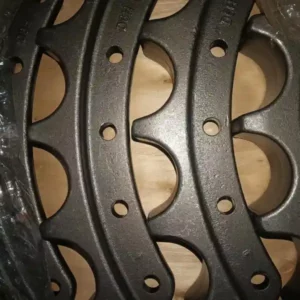
เชิงนามธรรม
อายุการใช้งานที่ยาวนานและประสิทธิภาพทางเศรษฐกิจของเครื่องจักรก่อสร้างขนาดใหญ่ได้รับอิทธิพลอย่างมากจากความสมบูรณ์ของระบบช่วงล่าง, ด้วยรองเท้าแทร็กที่แสดงถึงส่วนประกอบของความสำคัญยิ่ง. องค์ประกอบเหล่านี้เป็นส่วนเชื่อมต่อโดยตรงระหว่างเครื่องจักรหลายตันกับพื้นที่ที่ไม่เป็นมิตร, ทำให้พวกเขาได้รับการสึกหรอจากการเสียดสีอย่างรุนแรง, โหลดที่มีแรงกระแทกสูง, และแรงดัดงอ. การเลือกรองเท้าลู่วิ่งที่มีการสึกหรอสูงที่เหมาะสมจึงไม่ใช่การตัดสินใจจัดซื้อจัดจ้างที่ไม่สำคัญ แต่เป็นแบบฝึกหัดเชิงวิเคราะห์ที่ซับซ้อน. มันต้องการความเข้าใจที่เหมาะสมยิ่งเกี่ยวกับคุณสมบัติทางโลหะวิทยา, วิธีการผลิต, รูปทรงเฉพาะการใช้งาน, และผลกระทบอันลึกซึ้งของการปฏิบัติงาน. บทความนี้จะพิจารณาข้อพิจารณาหลายแง่มุมที่สำคัญในการเลือกรองเท้าสำหรับวิ่งที่ถูกต้อง. นำเสนอกรอบการทำงานที่เป็นระบบสำหรับการประเมินสภาพพื้นดิน, วิทยาศาสตร์วัสดุ, ขนาดส่วนประกอบ, อิทธิพลของผู้ปฏิบัติงาน, และโปรโตคอลการบำรุงรักษา. โดยการนำมุมมองแบบองค์รวมนี้มาใช้, ผู้จัดการอุปกรณ์และผู้ปฏิบัติงานสามารถลดความล้มเหลวของช่วงล่างก่อนกำหนดได้อย่างมาก, ลดต้นทุนการดำเนินงานในระยะยาว, และเพิ่มความพร้อมและประสิทธิผลของเครื่องจักรให้สูงสุดในสภาพแวดล้อมที่หลากหลายทั่วโลก.
ประเด็นสำคัญ
- จับคู่ประเภทและความกว้างของรองเท้าตีนตะขาบกับสภาพพื้นดินหลักของคุณโดยตรง.
- ให้ความสำคัญกับเหล็กโบรอนที่ผ่านการชุบแข็งเพื่อความแข็งแรงและความทนทานต่อการสึกหรอที่เหนือกว่า.
- ใช้ฐานรองที่แคบที่สุดเท่าที่จะเป็นไปได้เพื่อให้ลอยอยู่ในน้ำได้อย่างเพียงพอสำหรับงาน.
- การฝึกอบรมผู้ปฏิบัติงานอย่างเหมาะสมจะช่วยลดการสึกหรอที่ผิดปกติของชิ้นส่วนช่วงล่างได้อย่างมาก.
- ใช้กำหนดการตรวจสอบอย่างสม่ำเสมอเพื่อตรวจจับการสึกหรอของรองเท้าลู่วิ่งที่มีการสึกหรอสูงตั้งแต่เนิ่นๆ.
- เข้าใจว่าราคาซื้อเริ่มแรกเป็นเพียงส่วนหนึ่งของต้นทุนการเป็นเจ้าของทั้งหมด.
- มุมมองการบำรุงรักษาแบบองค์รวมของระบบช่วงล่างทั้งหมดเป็นสิ่งจำเป็นสำหรับอายุการใช้งานที่ยืนยาว.
สารบัญ
- การแยกส่วนภูมิประเทศ: การจับคู่ประเภทรองเท้ากับสภาพพื้นดิน
- ศาสตร์แห่งสาร: ทำความเข้าใจเกี่ยวกับองค์ประกอบของวัสดุและการผลิต
- เรขาคณิตของประสิทธิภาพ: ความกว้างของรองเท้า, ขว้าง, และการพิจารณาโปรไฟล์
- วินัยในการปฏิบัติงาน: ปัจจัยมนุษย์ในการยืดอายุรองเท้าติดตาม
- ปรัชญาการบำรุงรักษาแบบองค์รวม: การตรวจสอบ, ซ่อมแซม, และการทดแทน
- คำถามที่พบบ่อย (คำถามที่พบบ่อย)
- บทสรุป
- การอ้างอิง
การแยกส่วนภูมิประเทศ: การจับคู่ประเภทรองเท้ากับสภาพพื้นดิน
บทสนทนาระหว่างเครื่องจักรกับพื้นโลกที่มันเคลื่อนที่นั้นถูกสื่อกลางโดยแท่นติดตาม. มันเป็นภาษาแห่งความกดดัน, แรงเสียดทาน, และผลกระทบ. การเลือกรองเท้าสำหรับสนามแข่งโดยไม่ได้วิเคราะห์สภาพพื้นดินอย่างเข้มงวดก่อนก็เหมือนกับการเลือกยางสำหรับรถยนต์โดยไม่รู้ว่าจะขับบนสนามแข่งหรือในสนามที่เต็มไปด้วยโคลน. พื้นดินไม่เหมือนกัน, พื้นผิวแบบพาสซีฟ; เป็นตัวแทนที่ใช้งานซึ่งกำหนดเงื่อนไขการมีส่วนร่วม. ลักษณะของดิน, หิน, หรือมวลรวม—ความเสียดสีของมัน, ปริมาณความชื้น, และความเหนียวแน่น—โดยพื้นฐานแล้วจะกำหนดอัตราและลักษณะของการสึกหรอของส่วนประกอบช่วงล่างทั้งหมด, โดยเฉพาะรองเท้า. ข้อผิดพลาดในการประเมินเบื้องต้นนี้อาจกระตุ้นให้เกิดความล้มเหลวที่มีค่าใช้จ่ายสูง, เปลี่ยนสินทรัพย์การผลิตให้เป็นหนี้สินคงที่. ดังนั้น, หลักการแรกในการเลือกรองเท้าติดตามที่มีการสึกหรอสูงอย่างมีเหตุผลคือความลึก, ความเข้าใจเชิงประจักษ์เกี่ยวกับสภาพแวดล้อมที่เครื่องจักรจะมีชีวิตและทำงาน.
ความเป็นอันดับหนึ่งของสภาพพื้นดิน: การวิเคราะห์พื้นฐาน
ทุกไซต์งานมีลายเซ็นทางธรณีวิทยาที่เป็นเอกลักษณ์. ทรายที่ถูกลมพัดของคาบสมุทรอาหรับประกอบด้วยความแข็ง, อนุภาคควอตซ์ที่แหลมคมซึ่งทำหน้าที่เป็นสารขัดถูอย่างไม่หยุดยั้ง, บดเหล็กด้วยความเร็วที่น่าประหลาดใจ. ดินลูกรังของรัฐเวสเทิร์นออสเตรเลีย, อุดมไปด้วยเหล็กและอลูมิเนียมออกไซด์, อาจจะแข็งและเสียดสีอย่างหลอกลวง, โดยเฉพาะเมื่อแห้ง. ในทางตรงกันข้าม, พีท, พื้นที่ที่อิ่มตัวของสถานที่ก่อสร้างในเอเชียตะวันออกเฉียงใต้ไม่ใช่เรื่องท้าทายเรื่องการเสียดสี, แต่คือการลอยตัวและแรงฉุด. เครื่องจักรที่จมจะไม่สามารถเคลื่อนที่ได้, พลังของมันไร้ประโยชน์. ทุ่งทุนดราที่เยือกแข็งของไซบีเรียทำให้เกิดตัวแปรอีกอย่างหนึ่ง: ความเปราะบางที่อุณหภูมิต่ำ, โดยที่แรงกระแทกที่อาจถูกดูดซับในสภาพอากาศอบอุ่นสามารถทำให้เกิดการแตกหักอย่างรุนแรงได้.
การวิเคราะห์ที่เหมาะสมเริ่มต้นด้วยการจำแนกภูมิประเทศ. มันมีผลกระทบสูงหรือเปล่า, เหมือนพื้นเหมืองหินที่มีเศษหินเกลื่อนกลาด? มีค่าการเสียดสีสูงหรือไม่, เหมือนทะเลทราย? หรือเป็นแรงฉุดต่ำ, เหมือนหนองน้ำที่เป็นโคลน? บ่อยครั้ง, มันเป็นการรวมกัน. ตัวอย่างเช่น, งานขุดดินอาจเกี่ยวข้องกับการกำจัดดินชั้นบนที่อ่อนนุ่มออก (จำเป็นต้องลอยอยู่ในน้ำ) เพื่อเข้าถึงชั้นหินที่มีฤทธิ์กัดกร่อนด้านล่าง (ต้องการความต้านทานการสึกหรอ). ผู้ปฏิบัติงานจะต้องพิจารณาเปอร์เซ็นต์ของเวลาที่เครื่องจักรจะใช้ในแต่ละเงื่อนไข. การวิเคราะห์นี้ไม่ควรเป็นการสังเกตแบบไม่เป็นทางการ แต่เป็นการประเมินโดยเจตนา, อาจเกี่ยวข้องกับการสุ่มตัวอย่างดินหรือการปรึกษาหารือกับรายงานทางธรณีเทคนิค. ผลทางเศรษฐกิจของการประเมินนี้มีผลโดยตรงและมีนัยสำคัญ. การเลือกรองเท้าที่เหมาะสำหรับหินที่มีแรงกระแทกสูงเมื่อเครื่องจักรใช้จ่าย 90% เวลาบนดินอ่อนทำให้เกิดการรบกวนพื้นดินโดยไม่จำเป็น, การสิ้นเปลืองน้ำมันเชื้อเพลิงมากเกินไป, และการสึกหรอก่อนเวลาอันควรของระบบขับเคลื่อนทั้งหมดเนื่องจากตัวเร่งปฏิกิริยาปั่นป่วนโลกอย่างไม่มีประสิทธิภาพ.
ปฏิบัติการภาคพื้นดินอ่อน: กรณีของรองเท้า Grouser แบบเดี่ยว
ในสภาพดินอ่อน, โคลน, หรือดินเหนียว, ความท้าทายหลักคือการได้รับแรงฉุดเพียงพอที่จะขับเคลื่อนเครื่องจักรไปข้างหน้าโดยไม่ติดหล่ม. นี่คือจุดที่รองเท้าตีนตะขาบแบบเดี่ยวแสดงให้เห็นถึงความเหนือกว่าโดยธรรมชาติ. Grouser คือส่วนที่ยื่นออกมาหรือส่วนที่ยื่นออกมาบนพื้นผิวด้านนอกของรองเท้าที่ทะลุพื้นได้. การออกแบบ Grouser แบบเดี่ยวมีลักษณะเด่นอย่างหนึ่ง, tall protuberance running across the shoe's width.
คิดว่ามันเป็นไม้พาย. มันสูง, โปรไฟล์ที่คมชัดช่วยให้สามารถเจาะลึกเข้าไปในวัสดุที่อ่อนนุ่มได้, ให้พื้นที่ผิวกว้างในการดัน. ส่งผลให้เกิดความพยายามในการดึงสูงสุด. ช่องว่างขนาดใหญ่ระหว่างตะแกรงเดี่ยวบนรองเท้าที่อยู่ติดกันยังช่วยอำนวยความสะดวกในการทำความสะอาดตัวเองอีกด้วย. ขณะที่โซ่ตีนตะขาบเคลื่อนไปรอบๆ เฟืองและลูกรอก, การโค้งงอช่วยขจัดโคลนและเศษต่างๆ ที่อาจเกาะอยู่ระหว่างรองเท้า. วัสดุบรรจุภัณฑ์เป็นปัญหาร้ายแรง; มันเปลี่ยนระบบรางที่ออกแบบมาอย่างพิถีพิถันให้เป็นทางเรียบได้อย่างมีประสิทธิภาพ, เข็มขัดไร้แรงฉุด, ในขณะเดียวกันก็เพิ่มความตึงในสนามแข่งและเร่งการสึกหรอของชิ้นส่วนที่เคลื่อนไหวทั้งหมด. The single grouser's ability to penetrate and clean makes it the standard choice for bulldozers and other machines whose primary function is to push large loads in a relatively straight line on yielding surfaces. การเจาะลึกช่วยให้ยึดเกาะได้ดีเยี่ยม, maximizing the machine's pushing power.
พื้นผิวแข็งและหิน: เหตุใดจึงต้องเลือก Double และ Triple Grouser Shoes ที่เป็น Excel
เมื่อสภาพแวดล้อมการทำงานเปลี่ยนไปอย่างหนัก, เต็มไปด้วยหิน, หรือพื้นผิวผสม, ตรรกะของรองเท้า grouser ข้างเดียวเริ่มพังทลาย. ตัวสูง, grouser เดี่ยวที่ดุดันไม่สามารถเจาะฮาร์ดร็อคได้. แทน, น้ำหนักทั้งหมดของเครื่องจักรจะมุ่งไปที่ปลายแคบของสายพาน. สิ่งนี้ทำให้เกิดการโหลดจุดจำนวนมหาศาล, ซึ่งไม่เพียงแต่เร่งการสึกหรอของตัวเดินสายพานเท่านั้น แต่ยังทำให้รองเท้าลู่วิ่งได้รับแรงเค้นดัดงออย่างรุนแรงอีกด้วย. รองเท้าอาจงอและร้าวในที่สุด. นอกจากนี้, เครื่องจักรที่ทำงานบนเครื่องอัดรีดเดี่ยวบนพื้นผิวแข็งจะพบกับความหยาบ, การขับขี่แบบสั่น, ซึ่งทำให้ผู้ปฏิบัติงานเหนื่อยล้าและส่งแรงกระแทกไปทั่วเครื่อง.
นี่คือโดเมนของรองเท้าตีนตะขาบแบบ double และ triple. แทนที่จะเป็นคนสูงวัยคนหนึ่ง, โหลดจะกระจายไปตามที่สั้นกว่าสองหรือสามอัน, บ่นก้าวร้าวน้อยลง.
รองเท้า Grouser คู่: สิ่งเหล่านี้นำเสนอการประนีประนอมระหว่างการยึดเกาะของสายพานเดี่ยวกับความสามารถในการเลี้ยวและการขับขี่ที่นุ่มนวลยิ่งขึ้นของสายพานแบบสามชั้น. พวกมันมีพื้นที่สัมผัสกับพื้นมากกว่าตัวบ่นเดี่ยว, ซึ่งช่วยลดความเครียดจากการโค้งงอของรองเท้าและให้อายุการใช้งานที่ดีขึ้นบนพื้นผิวที่มีฤทธิ์กัดกร่อนหรือแข็ง. เป็นตัวเลือกทั่วไปสำหรับรถตักตีนตะขาบและรถขุดที่ต้องการความสมดุลของการยึดเกาะและความคล่องตัว.
รองเท้า Triple Grouser: เหล่านี้เป็นประเภทรองเท้าตีนตะขาบทั่วไปที่พบในรถขุดและถือเป็น "มาตรฐาน" รองเท้าสำหรับใช้งานทั่วไป. ทั้งสาม (หรือบางครั้งก็มากกว่านั้น) ตะแกรงจะสั้นกว่าและให้พื้นที่สัมผัสกับพื้นมากขึ้น. สิ่งนี้จะช่วยลดแรงดันดินได้อย่างมาก, ลดการรบกวนพื้นผิวให้เหลือน้อยที่สุด, และให้การขับขี่ที่นุ่มนวลยิ่งขึ้น. ข้อได้เปรียบที่สำคัญของสาม Grouser คือความสามารถในการกลึงที่เหนือกว่า. เมื่อเครื่องจักรที่ถูกติดตามหมุน, รองเท้าจะต้องหมุนและเลื่อนไปกับพื้น. โครงสร้างด้านล่างของสายพานสามชั้นช่วยลดปริมาณแรงต้าน, หรือ “ขัด.," ระหว่างทางเลี้ยว. ซึ่งช่วยลดแรงกดด้านข้างของช่วงล่างทั้งหมด, จากตัวรองเท้าไปจนถึงหมุด, บูช, และลิงก์. สำหรับเครื่องจักรอย่างรถขุด, ซึ่งมีการหมุนและเปลี่ยนตำแหน่งอยู่ตลอดเวลา, นี่เป็นข้อได้เปรียบอย่างมากในการยืดอายุชิ้นส่วนช่วงล่าง.
การใช้งานเฉพาะทาง: แบน, ยาง, และรองเท้าหนองน้ำ
นอกเหนือจากประเภท Grouser ทั่วไป, มีรองเท้าเฉพาะทางมากมายให้เลือกโดยเฉพาะ, การใช้งานที่ต้องการ.
รองเท้าส้นแบน: ตามชื่อหมายถึง, รองเท้าคู่นี้ไม่มีพื้นรองเท้า. พวกมันถูกใช้อย่างหนัก, พื้นผิวเรียบ เช่น คอนกรีตหรือยางมะตอย ซึ่งการยึดเกาะไม่เป็นปัญหา, แต่ความเสียหายบนพื้นผิวเป็นปัญหาสำคัญ. การปูพื้นหรืองานอุตสาหกรรมภายในคลังสินค้าขนาดใหญ่มักใช้รองเท้าส้นเตี้ยเพื่อป้องกันไม่ให้ทำลายพื้นผิวการทำงาน.
รองเท้ายาง (หรือแผ่นยาง): เพื่อการปกป้องพื้นผิวที่ดียิ่งขึ้น, สามารถยึดแผ่นยางเข้ากับรองเท้า Grouser แบบมาตรฐานสามชั้นได้, หรือตัวรองเท้าอาจเป็นบล็อกยางแข็งที่ยึดติดกับโครงเหล็ก. สิ่งเหล่านี้แพร่หลายในการก่อสร้างในเมือง, โดยที่รถขุดอาจต้องข้ามถนนสาธารณะหรือทำงานบนทางเท้าตกแต่ง. ให้การปกป้องพื้นผิวที่ดีเยี่ยมและลดเสียงรบกวน, แต่พวกมันไวต่อการตัดและก้อนในสภาพแวดล้อมการรื้อถอนหรือหิน.
รองเท้าหนองน้ำ (หรือรองเท้าแรงดันต่ำ): ในสภาพพื้นนุ่มสุดขีด, เช่นหนองน้ำ, บึง, หรือปฏิบัติการขุดลอก, รองเท้ามาตรฐานอาจไม่ได้ให้พื้นที่ผิวเพียงพอเพื่อป้องกันไม่ให้เครื่องจม. รองเท้าหนองน้ำโดยทั่วไปจะมีความกว้างเป็นพิเศษ, บางครั้งก็เป็นรูปสามเหลี่ยมหรือรูปสี่เหลี่ยมคางหมู, to maximize the contact area and distribute the machine's weight. หลักการลอยอยู่ในน้ำนี้เป็นหลักการเดียวกับที่ใช้โดยรองเท้าเดินหิมะ. โดยการเพิ่มพื้นที่ผิว, ความดันต่อตารางนิ้ว (พีเอสไอ) ลดลง, ปล่อยให้เครื่อง "ลอย"" บนพื้นดินที่ไม่มั่นคง. สิ่งเหล่านี้มีความเชี่ยวชาญสูงและจะเสื่อมสภาพอย่างรวดเร็วในทุกฮาร์ด, พื้นผิวที่มีฤทธิ์กัดกร่อน.
การวิเคราะห์เปรียบเทียบการออกแบบ Grouser
เพื่อประกอบการตัดสินใจอย่างมีข้อมูล, การแสดงภาพข้อดีข้อเสียที่มีอยู่ในการออกแบบแต่ละแบบจะเป็นประโยชน์. ทางเลือกไม่เคยเกี่ยวกับการค้นหา "ความสมบูรณ์แบบ"" รองเท้า, แต่เป็นรองเท้าที่เหมาะสมที่สุดสำหรับชุดลำดับความสำคัญในการปฏิบัติงานที่กำหนด.
| ประเภทรองเท้า | การสมัครหลัก | แรงฉุด | ความสามารถในการหมุน | สวมใส่บนพื้นผิวแข็ง | การรบกวนพื้นดิน |
|---|---|---|---|---|---|
| กรูเซอร์ตัวเดียว | ดินอ่อน, โคลน, ความต้องการแรงดึงสูง (รถดันดิน) | ยอดเยี่ยม | ยากจน | ยากจน | สูง |
| ร้านขายของชำสองเท่า | ดินผสม, ความต้องการแรงฉุด/การเลี้ยวปานกลาง | ดี | ปานกลาง | ปานกลาง | ปานกลาง |
| ผู้ปลูกสามเท่า | วัตถุประสงค์ทั่วไป, พื้นผิวแข็ง, เลี้ยวบ่อย | ปานกลาง | ยอดเยี่ยม | ยอดเยี่ยม | ต่ำ |
| รองเท้าส้นแบน | พื้นผิวปู (ยางมะตอย, คอนกรีต) | ยากจน | ยอดเยี่ยม | ยอดเยี่ยม | ต่ำมาก |
| รองเท้าหนองน้ำ | พื้นนุ่มมาก (บึง, หนองน้ำ) | ปานกลาง | ยากจน | แย่มาก | ต่ำ (เนื่องจากการลอยอยู่ในน้ำ) |
ศาสตร์แห่งสาร: ทำความเข้าใจเกี่ยวกับองค์ประกอบของวัสดุและการผลิต
เมื่อกำหนดรูปทรงที่ถูกต้องของฐานรองเท้าตามสภาพพื้นดินแล้ว, โฟกัสจะต้องเปลี่ยนไปสู่คุณภาพที่แท้จริงของตัวรองเท้าเอง. มันทำมาจากอะไร, และมันถูกสร้างขึ้นมาได้อย่างไร? รองเท้าแทรคสองตัวอาจดูเหมือนด้วยตาเปล่า แต่มีประสิทธิภาพแตกต่างอย่างมากเมื่ออยู่ในสนาม. อาจให้บริการที่เชื่อถือได้เป็นเวลาหลายพันชั่วโมง, ในขณะที่อีกคนล้มเหลวก่อนเวลาอันควร, การแตกหักภายใต้น้ำหนักบรรทุกหรือสึกหรอด้วยความเร็วที่น่าผิดหวัง. ความแตกต่างนี้ซ่อนเร้นจากการมองเห็น, ในระดับจุลภาค, ในทางเคมีของเหล็กและกระบวนการทางความร้อนที่ได้เกิดขึ้น. การทำความเข้าใจพื้นฐานของโลหะวิทยาและการผลิตไม่ใช่แบบฝึกหัดเชิงวิชาการ; เป็นสิ่งจำเป็นในทางปฏิบัติสำหรับทุกคนในการจัดหาหรือระบุรองเท้าแทร็กที่มีการสึกหรอสูง. เป็นความสามารถในการแยกแยะคุณภาพที่แท้จริงจากความคล้ายคลึงเพียงผิวเผิน, ความแตกต่างที่มีผลกระทบทางการเงินอย่างมาก.
บทบาทของโลหะวิทยา: นอกเหนือจากเหล็กกล้าธรรมดา
คำว่า “เหล็ก." เป็นตัวอธิบายอย่างกว้างๆ สำหรับโลหะผสมของเหล็กและคาร์บอน. อย่างไรก็ตาม, คุณลักษณะด้านสมรรถนะของเหล็กสามารถเปลี่ยนแปลงได้อย่างมากโดยการเติมองค์ประกอบอื่นๆ ในปริมาณเล็กน้อยและโดยการใช้ความร้อน. เหล็กที่ใช้สำหรับรองเท้าลู่วิ่งที่มีการสึกหรอสูงนั้นเป็นวัสดุที่มีความซับซ้อน, ออกแบบมาอย่างพิถีพิถันเพื่อสร้างสมดุลระหว่างคุณสมบัติที่แข่งขันกันสองประการ: ความแข็งและความเหนียว.
- ความแข็ง is the material's resistance to scratching, รอยขีดข่วน, และการเยื้อง. พื้นผิวที่แข็งกว่าจะต้านทานการบดของทรายได้ดีกว่า, กรวด, และร็อค.
- ความเหนียว is the material's ability to absorb energy and deform without fracturing. A tough material can withstand the sudden shock loads of hitting a rock or dropping the machine's bucket.
คุณสมบัติทั้งสองนี้มักจะขัดแย้งกัน. วัสดุที่แข็งมาก, เหมือนแก้ว, มักจะเปราะมาก (ไม่ยาก). วัสดุที่แข็งแกร่งมาก, เหมือนทองแดงอ่อน, ไม่ใช่เรื่องยากมาก. ศิลปะของนักโลหะวิทยาคือการสร้างโลหะผสมเหล็กและกระบวนการบำบัดความร้อนที่ปรับทั้งสองอย่างให้เหมาะสม. โดยทั่วไปจะทำได้โดยใช้โลหะผสมเหล็ก. สำหรับรองเท้าแทร็กที่มีการสึกหรอสูง, องค์ประกอบการผสมที่สำคัญที่สุดคือโบรอน.
เหล็กโบรอนและการชุบแข็ง: หัวใจแห่งความทนทาน
โบรอนเป็นองค์ประกอบที่โดดเด่น. When added to steel in minuscule amounts—often less than 0.003%—it has an outsized effect on the steel's "hardenability." ความสามารถในการชุบแข็งไม่ใช่ความแข็งในตัวมันเอง, แต่ความสามารถของเหล็กในการชุบแข็งให้มีความลึกอย่างมีนัยสำคัญระหว่างการอบชุบด้วยความร้อน.
กระบวนการบำบัดความร้อนที่สำคัญเรียกว่าการชุบแข็งและการแบ่งเบาบรรเทา.
- ออสเทนไนติงซ์: อันดับแรก, รองเท้าตีนตะขาบเหล็กถูกให้ความร้อนที่อุณหภูมิสูงมาก, โดยทั่วไปจะอยู่ที่ประมาณ 850-950°C. ที่อุณหภูมิเท่านี้, อะตอมของเหล็กและคาร์บอนจัดเรียงตัวเองเป็นโครงสร้างผลึกเฉพาะที่เรียกว่าออสเทนไนต์.
- การดับ: จากนั้นรองเท้าที่ร้อนแดงจะถูกทำให้เย็นลงอย่างรวดเร็ว, โดยปกติจะจุ่มลงในอ่างน้ำ, น้ำมัน, หรือสารละลายโพลีเมอร์. การระบายความร้อนอย่างฉับพลันนี้ไม่ได้ทำให้อะตอมมีเวลาในการจัดเรียงตัวเองกลับเข้าไปในโครงสร้างที่ระบายความร้อนช้ากว่า. แทน, พวกเขาติดอยู่กับความเครียดอย่างมาก, โครงสร้างผลึกคล้ายเข็มที่เรียกว่ามาร์เทนไซต์. มาร์เทนไซต์มีความแข็งและแข็งแรงมาก, ซึ่งเป็นสิ่งที่จำเป็นสำหรับความต้านทานการสึกหรอ. การมีอยู่ของโบรอนทำให้โครงสร้างมาร์เทนซิติกแข็งนี้ไม่เพียงก่อตัวบนพื้นผิวทันทีเท่านั้น, แต่ลึกเข้าไปในแก่นของรองเท้าลู่วิ่ง. สิ่งนี้เรียกว่า "การชุบแข็งแบบทะลุผ่าน"" รองเท้าที่ผ่านการชุบแข็งจะยังคงความแข็งไว้แม้พื้นผิวจะสึกหรอก็ตาม, ให้อายุการใช้งานยาวนานกว่ารองเท้าที่ "ชุบแข็งด้วยเคสเท่านั้น"" หรือ "ชุบแข็งผิว""
- การแบ่งเบาบรรเทา: หลังจากดับแล้ว, เหล็กมีความแข็งมากแต่ก็เปราะและเต็มไปด้วยความเค้นภายใน. เพื่อฟื้นคืนความแกร่งบางอย่าง, รองเท้าจะถูกอุ่นอีกครั้งจนถึงอุณหภูมิที่ต่ำกว่ามาก (เช่น, 200-500องศาเซลเซียส) และจัดขึ้นในช่วงเวลาหนึ่ง. กระบวนการนี้, เรียกว่าการแบ่งเบาบรรเทา, บรรเทาความเครียดภายในและช่วยให้สามารถจัดเรียงโครงสร้างผลึกใหม่ได้เล็กน้อย. จะลดความแข็งลงเล็กน้อยแต่เพิ่มความเหนียวอย่างมาก, ส่งผลให้ผลิตภัณฑ์ขั้นสุดท้ายมีทั้งความทนทานต่อการสึกหรอสูงและยืดหยุ่นพอที่จะรับแรงกระแทกสูงโดยไม่แตกร้าว. รองเท้าตีนตะขาบที่ทำจากเหล็กโบรอนที่ผ่านการชุบแข็งและอบคืนสภาพอย่างเหมาะสมถือเป็นมาตรฐานทองคำสำหรับการใช้งานที่มีความต้องการสูง.
การปลอม Vs. การคัดเลือกนักแสดง: การตรวจสอบกระบวนการผลิต
มีสองวิธีหลักในการสร้างลู่วิ่งให้เป็นรูปร่างสุดท้าย: การหล่อและการปลอม.
การคัดเลือกนักแสดง เกี่ยวข้องกับการเทเหล็กหลอมเหลวลงในแม่พิมพ์ที่มีรูปร่างเหมือนรองเท้าติดตาม. เป็นกระบวนการที่ค่อนข้างถูกซึ่งสามารถสร้างรูปทรงที่ซับซ้อนได้อย่างง่ายดาย. อย่างไรก็ตาม, ขณะที่โลหะเย็นตัวและแข็งตัวในแม่พิมพ์, มันสามารถพัฒนาหยาบได้, โครงสร้างเกรนไม่สม่ำเสมอ. นอกจากนี้ยังมีความเสี่ยงต่อการเกิดรูพรุน (ฟองอากาศเล็ก ๆ) หรือข้อบกพร่องภายในอื่นๆ, ซึ่งอาจกลายเป็นจุดเริ่มต้นของรอยแตกร้าวภายใต้ความเครียดได้.
การตีขึ้นรูป เริ่มต้นด้วยแท่งเหล็กแข็งที่ถูกให้ความร้อนแล้วขึ้นรูปด้วยแรงกดดันมหาศาลจากค้อนหรือเครื่องอัด. กระบวนการนี้มีผลอย่างมากต่อโครงสร้างภายในของเหล็ก. แรงกดที่รุนแรงจะทำให้เม็ดเหล็กเรียงตัวกับรูปร่างของชิ้นส่วน, สร้างความต่อเนื่อง, การไหลของเมล็ดพืชที่มุ่งเน้น. ลองนึกถึงความแตกต่างระหว่างแผ่นพาร์ติเคิลบอร์ด (เหมือนการคัดเลือกนักแสดง) และท่อนไม้เนื้อแข็งที่มีความยาว, เม็ดอย่างต่อเนื่อง (เหมือนการปลอม). โดยทั่วไปส่วนที่ปลอมแปลงจะมีความหนาแน่นมากกว่า, แข็งแกร่งขึ้น, และทนต่อแรงกระแทกและความเมื่อยล้าได้มากขึ้น. การตีเป็นกระบวนการที่มีราคาแพงกว่า, แต่สำหรับการวิจารณ์, การใช้งานที่มีความเครียดสูง, มันมักจะสร้างสิ่งที่ดีกว่า, ส่วนที่น่าเชื่อถือมากขึ้น. รองเท้าลู่วิ่งคุณภาพสูงส่วนใหญ่สำหรับสภาพแวดล้อมที่มีความต้องการสูงได้รับการหล่อหลอมเพื่อให้มั่นใจถึงความแข็งแกร่งและความเหนียวสูงสุด.
ความแข็งของพื้นผิวเทียบกับความเหนียวของแกน: ความสมดุลที่ละเอียดอ่อน
รองเท้าลู่วิ่งที่มีการสึกหรอสูงในอุดมคตินั้นไม่ได้แข็งสม่ำเสมอกันตลอด. ตามที่ได้หารือกัน, ความแข็งขั้นสุดมักมาพร้อมกับความเปราะบาง. สภาพในอุดมคติคือส่วนประกอบที่มีพื้นผิวด้านนอกแข็งมากเพื่อต้านทานการเสียดสี, รองรับด้วยความนุ่มนวลเล็กน้อย, แกนที่แข็งแรงกว่าซึ่งสามารถดูดซับแรงกระแทกและป้องกันไม่ให้ชิ้นส่วนหักเป็นสองส่วน. ความสามารถในการชุบแข็งทะลุได้จากเหล็กโบรอน, รวมกับกระบวนการชุบแข็งและแบ่งเบาบรรเทาที่มีการควบคุมอย่างแม่นยำ, ช่วยให้ผู้ผลิตสามารถบรรลุโปรไฟล์ความแข็งที่แตกต่างนี้ได้.
โดยทั่วไปความแข็งของพื้นผิวจะวัดตามสเกล Rockwell C (HRC). รองเท้าแทรคคุณภาพสูงอาจมีความแข็งผิวเท่ากับ 45-55 HRC, ในขณะที่ความแข็งของแกนอาจลดลงเล็กน้อย. การไล่ระดับสีนี้เป็นแบบตั้งใจ. กรณีที่ยาก "" จัดการกับการสึกหรอ, ในขณะที่แกนกลางที่แข็งแกร่ง" จัดการกับภาระ. เมื่อประเมินซัพพลายเออร์, มีเหตุผลที่จะถามเกี่ยวกับข้อกำหนดเฉพาะด้านความแข็งเป้าหมาย ตลอดจนวิธีที่บรรลุและตรวจสอบได้. ผู้ผลิตที่มีชื่อเสียงจะมีการควบคุมกระบวนการอบชุบด้วยความร้อนอย่างเข้มงวด และจะสามารถให้ข้อมูลเกี่ยวกับโปรไฟล์ความแข็งของผลิตภัณฑ์ของตนได้. ความใส่ใจในรายละเอียดนี้ถือเป็นจุดเด่นของซัพพลายเออร์ที่มีคุณภาพ, เช่นผู้ที่เข้าใจความสมดุลที่ซับซ้อนซึ่งจำเป็นต่อความทนทาน ส่วนประกอบช่วงล่าง.
การประเมินคุณภาพผู้ผลิต: สิ่งที่ต้องมองหา
เนื่องจากคุณสมบัติที่สำคัญที่สุดของรองเท้าแทร็กนั้นมองไม่เห็น, ผู้ซื้อจะตัดสินใจอย่างมีข้อมูลได้อย่างไร? เราต้องมองหาผู้รับมอบฉันทะที่มีคุณภาพ.
- ข้อกำหนดวัสดุ: ผู้ผลิตระบุวัสดุที่ใช้อย่างชัดเจนหรือไม่ (เช่น, 23เอ็มแอนด์บี, 25เอ็มแอนด์บี, 35เอ็มแอนด์บี – เกรดเหล็กโบรอนทั่วไปทั้งหมด)? คำอธิบายที่คลุมเครือ เช่น "เหล็กกำลังสูง" เป็นธงสีแดง.
- กระบวนการบำบัดความร้อน: ผู้ผลิตที่มีคุณภาพจะภูมิใจในความสามารถในการบำบัดความร้อนของตน. ค้นหาข้อมูลเกี่ยวกับกระบวนการดับและแบ่งเบาบรรเทา. พวกเขาพูดถึง "การชุบแข็งแบบทะลุ" หรือไม่?
- วิธีการผลิต: เป็นชิ้นส่วนที่หล่อหรือหลอม? ในขณะที่การคัดเลือกนักแสดงที่ดีมีอยู่, โดยทั่วไปการตีขึ้นรูปเป็นสัญญาณของผลิตภัณฑ์ระดับพรีเมี่ยมที่มีไว้สำหรับการใช้งานหนัก.
- ความสามารถในการตรวจสอบย้อนกลับและการควบคุมคุณภาพ: ผู้ผลิตสามารถจัดเตรียมเอกสารการควบคุมคุณภาพได้หรือไม่? พวกเขามีหมายเลขล็อตหรือหมายเลขซีเรียลบนชิ้นส่วนที่ทำให้สามารถตรวจสอบย้อนกลับไปยังชุดการผลิตเฉพาะได้หรือไม่? นี่เป็นสัญญาณของกระบวนการผลิตที่ครบกำหนดและมีความรับผิดชอบ.
- ชื่อเสียงและการรับประกัน: บริษัทที่มีประวัติอันยาวนานและการรับประกันที่แข็งแกร่งกำลังให้ความสำคัญกับสุขภาพทางการเงินของตนเองอยู่เบื้องหลังคุณภาพของผลิตภัณฑ์. Learning about a potential supplier's history and commitment to quality, ซึ่งมักพบได้ในหน้าเว็บเช่น เกี่ยวกับเรา ส่วน, สามารถเปิดเผยได้มาก.
Choosing a track shoe is an act of trust in the manufacturer's unseen processes. โดยการถามคำถามที่ถูกต้องและมองหาตัวบ่งชี้คุณภาพเหล่านี้, ผู้ซื้อสามารถปรับปรุงโอกาสในการได้รับผลิตภัณฑ์ที่จะส่งมอบมูลค่าที่แท้จริงในระยะยาวได้อย่างมาก.
เรขาคณิตของประสิทธิภาพ: ความกว้างของรองเท้า, ขว้าง, และการพิจารณาโปรไฟล์
ขนาดทางกายภาพของลู่วิ่ง—ความกว้าง, ระดับเสียงของมัน, และรูปร่างเฉพาะของโปรไฟล์—ไม่ใช่คุณสมบัติตามอำเภอใจ. เป็นพารามิเตอร์ที่ได้รับการออกแบบทางวิศวกรรมอย่างระมัดระวังซึ่งมีผลกระทบโดยตรงและวัดผลได้ต่อประสิทธิภาพของเครื่องจักร, ประสิทธิภาพการใช้เชื้อเพลิง, และอายุยืนยาวของระบบช่วงล่างทั้งหมด. การเลือกรูปทรงเรขาคณิตที่ถูกต้องจำเป็นต้องละทิ้งสมมติฐานที่เรียบง่ายและยอมรับสิ่งที่เหมาะสมยิ่งขึ้น, การคิดระดับระบบ. มันเกี่ยวข้องกับการปรับสมดุลความต้องการการรองรับบนพื้นนุ่ม (การลอยอยู่ในน้ำ) โดยต้องการความคล่องตัวและความทนทานบนพื้นแข็ง. ตัวเลือกที่ไม่ถูกต้องในโดเมนนี้อาจนำไปสู่ปัญหามากมาย, จากการรบกวนของดินมากเกินไปไปจนถึงความเครียดร้ายแรงบนข้อต่อและหมุดของแทร็ก.
“กว้างกว่าดีกว่า" การเข้าใจผิด: ทำความเข้าใจกับการลอยตัวกับ.... ความคล่องตัว
เจ้าของอุปกรณ์และผู้ปฏิบัติงานบางรายมักมีสมมติฐานทั่วไปและเข้าใจง่ายว่าฐานรองเท้าแบบกว้างจะดีกว่าเสมอ. ตรรกะดูเหมือนง่าย: รองเท้าที่กว้างขึ้นก็ทำให้มีรอยเท้าที่ใหญ่ขึ้น, ซึ่งน่าจะลดแรงดันดินและทำให้เครื่องมีเสถียรภาพมากขึ้น. ขณะนี้เป็นจริงถึงจุดหนึ่ง, ความเชื่อนี้เป็นการเข้าใจง่ายเกินไปซึ่งเป็นอันตราย. ไม่ได้คำนึงถึงข้อเสียที่สำคัญของการใช้รองเท้าที่มีความกว้างเกินความจำเป็น.
ลองจินตนาการถึงการเดินบนหิมะนุ่มๆ. รองเท้าลุยหิมะแบบกว้างคู่หนึ่ง (ลอยอยู่ในน้ำสูง) เป็นสิ่งล้ำค่า, distributing your weight so you don't sink. ตอนนี้, ลองนึกภาพการพยายามเดินผ่านที่หนาแน่น, ป่าหินที่มีรองเท้าเดินหิมะแบบเดียวกัน. พวกเขาคงจะซุ่มซ่าม, ต้องเผชิญกับอุปสรรคอย่างต่อเนื่อง, และต้องใช้ความพยายามอย่างมากในการเลี้ยว. หลักการเดียวกันนี้ใช้กับเครื่องจักรก่อสร้าง.
A wider shoe increases the machine's flotation, ซึ่งเป็นความสามารถในการอยู่ด้านบนของความนุ่มนวล, พื้นผิวที่ให้ผลผลิต. หน่วยวัดเป็นปอนด์ต่อตารางนิ้ว (พีเอสไอ) หรือกิโลปาสคาล (ปาสคาล) ของแรงดันดิน. สำหรับงานในหนองน้ำหรือบนทรายที่ร่วนมาก, กว้าง, รองเท้าแรงดันต่ำเป็นสิ่งที่ขาดไม่ได้.
อย่างไรก็ตาม, บนพื้นแข็งหรือหิน, ความกว้างที่เพิ่มขึ้นนั้นจะกลายเป็นความรับผิดชอบที่สำคัญ. ยิ่งรองเท้ากว้างขึ้น, ยิ่งต้องใช้ความพยายามมากขึ้นในการหมุนเครื่อง. ระหว่างทางเลี้ยว, ขอบด้านนอกของรองเท้าต้องเคลื่อนไปไกลกว่าขอบด้านใน, ทำให้รองเท้าเสียดสีและหมุนไปกับพื้น. รองเท้าที่กว้างขึ้นจะเพิ่มการขัดถูนี้, สร้างแรงงัดมหาศาลและความเค้นด้านข้างที่ถ่ายโอนโดยตรงไปยังหมุดของแทร็ก, บูช, และลิงก์. แรงบิดนี้เป็นตัวขับเคลื่อนหลักของรูปแบบการสึกหรอที่เรียกว่า "การสึกหรอของพินและบุชชิ่ง" นอกจากนี้, ส่วนที่ไม่รองรับของรองเท้ากว้างที่ยื่นออกมาจากรางรถไฟจะมีแนวโน้มที่จะโค้งงอและแตกร้าวได้ง่ายกว่าหากพบกับหินหรือตอไม้.
หลักการ “ให้แคบที่สุดเท่าที่จะทำได้”, กว้างเท่าที่จำเป็น"
หลักการเลือกความกว้างของรางรองเท้า, ดังนั้น, ควรใช้ฐานรองที่แคบที่สุดที่ให้การลอยตัวเพียงพอสำหรับเครื่องจักรในการทำงานโดยไม่จมน้ำ. หลักการนี้ช่วยเพิ่มประสิทธิภาพการแลกเปลี่ยนระหว่างการลอยอยู่ในน้ำและความทนทาน.
- ประโยชน์ของรองเท้าที่แคบกว่า:
- เลี้ยวได้ง่ายขึ้น: ลดแรงกดบนหมุดและบูชระหว่างการเลี้ยว.
- สวมใส่น้อยลง: ลดการดำเนินการขัดบนพื้นผิวแข็ง.
- ความคล่องตัวที่ดีขึ้น: เครื่องให้ความรู้สึกคล่องตัวและตอบสนองมากขึ้น.
- เพิ่มความทนทาน: แรงงัดบนรองเท้าน้อยลง, ลดความเสี่ยงของการโค้งงอหรือแตกร้าว.
- ปรับปรุงความต้านทานการบรรจุ: ในวัสดุที่มีความเหนียว, รางที่แคบกว่าจะมีพื้นที่ให้โคลนสะสมน้อยกว่า.
เพื่อนำหลักการนี้ไปใช้, ผู้ปฏิบัติงานหรือผู้จัดการกลุ่มยานพาหนะจะต้องได้รับการประเมินสภาพการทำงานโดยทั่วไปอย่างตรงไปตรงมา. หากเครื่องใช้เวลา 80% ของชีวิตบนดินหรือหินที่แข็งกระด้างเท่านั้น 20% ในโคลนอ่อน, ควรติดตั้งรองเท้าที่แคบกว่าให้เหมาะสมกับพื้นแข็ง. สำหรับส่วนที่เป็นโคลนเป็นครั้งคราว, เทคนิคการปฏิบัติงาน (เช่นปูเสื่อหรือใช้เส้นทางอื่น) are a better solution than compromising the machine's undercarriage health for the majority of its working life.
ตารางการตัดสินใจสำหรับขนาดรองเท้า
ตารางต่อไปนี้เป็นกรอบทั่วไปในการคำนึงถึงความกว้างของรองเท้า. The specific recommendations will vary based on the machine's weight and model, แต่ตรรกะพื้นฐานยังคงไม่เปลี่ยนแปลง.
| สภาพพื้นดิน | ข้อกำหนดเบื้องต้น | ความกว้างของรองเท้าที่แนะนำ | เหตุผล |
|---|---|---|---|
| ฮาร์ดร็อค, เหมืองหิน | ความทนทาน, ความคล่องตัว | แคบ | ลดความเครียดจากการหมุนและความเสี่ยงของการงอ/แตกร้าวของรองเท้า. |
| ดินอัดแน่น, กรวด | วัตถุประสงค์ทั่วไป | มาตรฐาน/แคบ | ปรับสมดุลอายุการใช้งานและความสามารถในการหมุน. ความกว้างมาตรฐานของ OEM มักจะเหมาะสมที่สุด. |
| ผสมอ่อน/แข็ง | ความเก่งกาจ | มาตรฐาน | การประนีประนอม. หลีกเลี่ยงบทลงโทษที่สำคัญของรองเท้าที่กว้างหรือแคบมาก. |
| ดินเหนียวนุ่ม, สิ่งสกปรก | ลอยอยู่ในน้ำ, แรงฉุด | มาตรฐาน/กว้าง | ความกว้างควรเพียงพอที่จะป้องกันการจมแต่ต้องไม่กว้างขึ้น. |
| ทรายหลวม | การลอยตัวสูง | กว้าง | เพิ่มพื้นที่ผิวให้สูงสุดเพื่อให้อยู่ด้านบนของวัสดุที่ไม่เหนียวเหนอะหนะ. |
| ปลัก, มาร์ช | ลอยตัวมาก | กว้างเป็นพิเศษ (แอลจีพี) | Necessary to reduce ground pressure below the soil's bearing capacity. |
ติดตามการเสนอขายและความสัมพันธ์กับระบบช่วงล่างทั้งหมด
ระยะพิทช์ของแทร็กคือระยะห่างจากจุดศูนย์กลางของพินแทร็กหนึ่งไปยังจุดศูนย์กลางของพินถัดไป. เป็นมิติพื้นฐานของระบบช่วงล่างทั้งหมด. ระยะพิทช์ของแทร็กจะต้องตรงกับระยะพิทช์ของฟันเฟืองที่ขับเคลื่อนโซ่และรูปทรงของลูกกลิ้งและไอเดลอร์ที่รองรับอย่างแม่นยำ.
เมื่อเลือกรองเท้าทดแทนที่มีการสึกหรอสูง, จำเป็นอย่างยิ่งที่ระยะของรองเท้าใหม่จะต้องตรงกับระยะของโซ่ติดตามที่มีอยู่. การใช้รองเท้าที่มีระยะพิทช์ไม่ถูกต้องไม่สามารถทำได้; รูโบลต์จะไม่สอดคล้องกับข้อต่อของแทร็ก. อย่างไรก็ตาม, สิ่งนี้เน้นย้ำแนวคิดที่ลึกซึ้งยิ่งขึ้น: ช่วงล่างเป็นระบบประสาน, ชิ้นส่วนที่พึ่งพาซึ่งกันและกัน. การสึกหรอของส่วนประกอบหนึ่งส่งผลโดยตรงต่อการสึกหรอของส่วนประกอบอื่นๆ ทั้งหมด.
เนื่องจากหมุดและบูชสึกหรอ, ระยะพิทช์ของแทร็กยาวขึ้นอย่างมีประสิทธิภาพ. นี้ "การขยายระดับเสียง" ทำให้โซ่ตีนตะขาบขี่สูงขึ้นเรื่อยๆ บนฟันเฟือง, เร่งการสึกหรอที่ปลายฟัน. ในทางกลับกัน, ขณะที่ฟันเฟืองสึกหรอ, พวกเขาผอมลงและเปลี่ยนโปรไฟล์, ซึ่งสามารถเร่งการสึกหรอของบุชชิ่งได้. รองเท้าแทรค, ลิงค์, หมุด, บูช, ลูกกลิ้ง, คนเกียจคร้าน, และเฟืองทั้งหมดได้รับการออกแบบให้สวมเข้าด้วยกันเป็นระบบที่เหนียวแน่น. พยายามเปลี่ยนส่วนประกอบเพียงชิ้นเดียวในระบบที่สึกหรออย่างหนัก (ตัวอย่างเช่น, สวมรองเท้าใหม่บนโซ่ที่ยืดออก) มักจะสามารถเร่งการสึกหรอของชิ้นส่วนใหม่และชิ้นส่วนเก่าที่ยังเหลืออยู่ได้. จำเป็นต้องมีมุมมองแบบองค์รวม, ซึ่งเป็นเหตุผลว่าทำไมจึงต้องจัดหาอุปกรณ์ที่เข้ากันได้อย่างเต็มรูปแบบ ผลิตภัณฑ์ช่วงล่าง จากคนเดียว, ซัพพลายเออร์ที่เชื่อถือได้สามารถได้เปรียบ.
ผลกระทบของรูปทรงรองเท้าต่อการกลึงและการขัดถู
นอกเหนือจากการจำแนกประเภทโสดแบบง่ายๆ, สองเท่า, หรือสาม Grouser, โปรไฟล์เฉพาะของรองเท้าและกางเกง Grouser มีความสำคัญ. ผู้ผลิตบางรายเสนอรองเท้าที่มี "คลิปหนีบ"" หรือ "เอียง" มุม. การดัดแปลงเล็กๆ น้อยๆ นี้สามารถส่งผลต่อการเลี้ยวได้อย่างเห็นได้ชัด. โดยเอามุมแหลมของรองเท้าออก, มีวัสดุน้อยกว่าที่จะขุดดินระหว่างการหมุน, ลดความต้านทานการหมุนและแรงขัดที่เกี่ยวข้อง. ซึ่งเป็นประโยชน์อย่างยิ่งสำหรับเครื่องจักรที่มีการกลึงเฉพาะจุดบ่อยครั้ง, เหมือนรถขุด.
ในทำนองเดียวกัน, ความสูงและความคมของโปรไฟล์ Grouser ส่งผลต่อการสึกหรอ. ใหม่เอี่ยม, เครื่องเซาะร่องแบบคมให้การยึดเกาะสูงสุด แต่ยังสร้างแรงเค้นสูงสุดเมื่อเปิดพื้นผิวแข็ง. ในขณะที่กางเกงบ่นเสื่อมสภาพ, ความสูงของมันลดลง, และปลายก็จะโค้งมนมากขึ้น. ซึ่งจริงๆ แล้วช่วยลดความเครียดจากการหมุน แต่ยังช่วยลดแรงฉุดลากอีกด้วย. การทำความเข้าใจวงจรชีวิตนี้เป็นส่วนหนึ่งของการจัดการช่วงล่าง. มีจุดที่กางเกงบ่นสึกมากจนไม่สามารถยึดเกาะได้เพียงพออีกต่อไป, และต้องเปลี่ยนรองเท้าหรือกรูซใหม่. จุดตัดสินใจนี้ควรเป็นไปตามข้อกำหนดด้านประสิทธิภาพ, ไม่ใช่แค่รูปลักษณ์ภายนอกเท่านั้น.
วินัยในการปฏิบัติงาน: ปัจจัยมนุษย์ในการยืดอายุรองเท้าติดตาม
ในสมการที่ซับซ้อนของการมีอายุยืนยาวของช่วงล่าง, มีตัวแปรที่มักจะมีน้ำหนักมากกว่าโลหะวิทยาและเรขาคณิตรวมกัน: ผู้ปฏิบัติงานเครื่องจักร. ผู้ปฏิบัติงานที่มีความชำนาญ, มีระเบียบวินัย, และการคำนึงถึงความเห็นอกเห็นใจทางกลไกสามารถยืดอายุของชุดรองเท้าลู่วิ่งที่มีการสึกหรอสูงและช่วงล่างทั้งหมดได้อย่างมาก. ในทางกลับกัน, ผู้ปฏิบัติงานที่ก้าวร้าวหรือประมาทสามารถทำลายส่วนประกอบเดียวกันได้ภายในเสี้ยวหนึ่งของอายุการใช้งานที่คาดไว้. แรงที่เกิดจากเครื่องจักรก่อสร้างจำนวนหลายตันนั้นมีมหาศาล. วิธีการใช้พลังเหล่านั้น—อย่างราบรื่นและรอบคอบ, หรืออย่างกะทันหันและไม่ประมาท—สร้างความแตกต่าง. การลงทุนในการฝึกอบรมผู้ปฏิบัติงานและการส่งเสริมวัฒนธรรมการอนุรักษ์เครื่องจักรถือเป็นหนึ่งในการลงทุนที่ให้ผลตอบแทนสูงสุดที่ผู้จัดการกลุ่มยานพาหนะสามารถทำได้. เปลี่ยนค่าใช้จ่ายหลักให้เป็นต้นทุนที่สามารถจัดการได้.
เทคนิคผู้ประกอบการ: พลังที่มองไม่เห็นจากการสึกหรอของช่วงล่าง
คันโยกและคันเหยียบภายในห้องโดยสารจะป้อนโดยตรงไปยังอัตราการสึกหรอของโครงรถ. เรียบ, การป้อนข้อมูลแบบค่อยเป็นค่อยไปมักจะดีกว่าการป้อนข้อมูลแบบฉับพลันเสมอ, การเคลื่อนไหวกระตุก.
การเร่งความเร็วและการชะลอตัวที่ราบรื่น: Jackrabbit สตาร์ทและหยุดกระแทกส่งแรงกระแทกผ่านระบบขับเคลื่อนทั้งหมด, จากเครื่องยนต์ไปจนถึงการขับเคลื่อนขั้นสุดท้ายและเข้าสู่ห่วงโซ่การติดตาม. สิ่งนี้เน้นหมุด, บูช, และการเชื่อมต่อระหว่างรองเท้ากับลิงค์ของแทร็ก. การใช้กำลังอย่างนุ่มนวลช่วยให้สนามแข่งเข้าถึงพื้นและสร้างโมเมนตัมได้อย่างราบรื่น.
ลดการเคลื่อนไหวที่ไม่จำเป็นให้เหลือน้อยที่สุด: ผู้ปฏิบัติงานที่มีประสิทธิภาพจะวางแผนการเคลื่อนไหวของตน. แทนที่จะเดินไปมาเรื่อยๆ, โดยจะวางตำแหน่งเครื่องอย่างเหมาะสมเพื่อลดระยะทางที่เดินทางทั้งหมด. สำหรับรถขุด, ซึ่งหมายถึงการตั้งค่าภายในรัศมีวงสวิงที่ทำให้สามารถขุดและบรรทุกรถบรรทุกได้โดยไม่ต้องเปลี่ยนตำแหน่งช่วงล่างตลอดเวลา. ทุกเมตรที่เดินทางคือการสึกหรอหนึ่งเมตร. ลดการเดินทาง, โดยเฉพาะบนพื้นผิวที่มีฤทธิ์กัดกร่อน, แปลตรงตัวว่าอายุการใช้งานของช่วงล่างยาวนานขึ้น.
การทำงานขึ้นและลงทางลาด: เมื่อใดก็ตามที่เป็นไปได้, ผู้ปฏิบัติงานควรได้รับการฝึกอบรมให้ขับรถตรงขึ้นหรือลงทางลาดชัน, แทนที่จะข้ามมันไปด้านข้าง. การเคลื่อนที่ไปตามทางลาดจะทำให้เกิดความต่อเนื่อง, โหลดหนักด้านข้างบนลูกกลิ้งตีนตะขาบลงเนิน, คนเกียจคร้าน, และติดตามห่วงโซ่. ซึ่งจะช่วยเร่งการสึกหรอที่ด้านข้างของส่วนประกอบเหล่านี้. การทำงานขึ้นและลงทางลาดช่วยให้น้ำหนักกระจายเท่าๆ กัน. เมื่อทำงานบนทางลาดด้านข้างเป็นสิ่งที่หลีกเลี่ยงไม่ได้, ผู้ปฏิบัติงานควรพยายามสลับทิศทางการทำงานเป็นระยะๆ เพื่อให้การสึกหรอสม่ำเสมอ.
ต้นทุนที่ซ่อนอยู่ของการดำเนินการย้อนกลับด้วยความเร็วสูง
เครื่องจักรที่ถูกติดตามส่วนใหญ่ได้รับการออกแบบสำหรับงานหลักที่จะดำเนินการต่อไป. ห่วงโซ่การติดตาม, หมุด, และบูชได้รับการออกแบบทางวิศวกรรมโดยคำนึงถึงสิ่งนี้. บุชชิ่งได้รับการออกแบบให้หมุนไปตามฟันเฟืองภายใต้ภาระในทิศทางไปข้างหน้า.
การทำงานถอยหลังด้วยความเร็วสูงเป็นหนึ่งในสิ่งที่สร้างความเสียหายมากที่สุดที่ผู้ควบคุมสามารถทำได้กับช่วงล่าง. ระหว่างการดำเนินการย้อนกลับ, โหลดจะกระจุกตัวอยู่ที่ด้านขับเคลื่อนถอยหลังของบุชชิ่ง, พื้นที่สัมผัสที่เล็กกว่าซึ่งไม่ได้รับการปรับให้เหมาะกับการรับน้ำหนักสูง. ส่งผลให้อัตราการสึกหรอของทั้งบุชชิ่งและเฟืองสูงขึ้นมาก. การศึกษาบางชิ้นแนะนำว่าการทำงานแบบถอยหลังด้วยความเร็วสูงอาจทำให้เกิดอัตราการสึกหรอของการเคลื่อนที่ไปข้างหน้าได้มากถึงสามถึงสี่เท่า.
ผู้ปฏิบัติงานควรได้รับการฝึกอบรมเพื่อลดระยะการเดินทางย้อนกลับ และใช้ความเร็วต่ำลงเสมอเมื่อเคลื่อนที่ถอยหลัง. หากจำเป็นต้องย้ายตำแหน่งใหม่เป็นเวลานาน, มักจะดีกว่าถ้าทำเป็นวงกว้าง, เลี้ยวโค้งกว้างและเคลื่อนที่ไปข้างหน้าแทนที่จะสำรองระยะทางทั้งหมด. วินัยในการปฏิบัติงานที่เรียบง่ายนี้สามารถประหยัดเงินได้หลายพันดอลลาร์ในการซ่อมแซมช่วงล่างก่อนกำหนดตลอดอายุการใช้งานของเครื่องจักร.
เทคนิคการกลึง: การลดความเครียดด้านข้างบนข้อต่อและรองเท้าของแทร็ก
การเปลี่ยนเครื่องจักรแบบตีนตะขาบนั้นเป็นกระบวนการที่ต้องใช้ความเครียดสูง. แทร็กหนึ่งช้าลงหรือย้อนกลับในขณะที่อีกแทร็กรักษาหรือเพิ่มความเร็ว, บังคับให้เครื่องหมุน. สิ่งนี้ทำให้เกิดแรงขัดและแรงด้านข้างตามที่กล่าวไว้ข้างต้น. อย่างไรก็ตาม, วิธีที่ผู้ปฏิบัติงานเลี้ยวสามารถมีอิทธิพลอย่างมากต่อขนาดของแรงเหล่านี้.
จุดหมุน (การหมุนสวนทาง): นี่คือการเลี้ยวที่ดุดันที่สุด, โดยที่รางหนึ่งเคลื่อนที่ไปข้างหน้าและอีกรางหนึ่งจะถอยหลัง, ทำให้เครื่องหมุนอยู่กับที่. ในขณะที่บางครั้งจำเป็นในพื้นที่คับแคบ, ควรหลีกเลี่ยงทุกครั้งที่เป็นไปได้. โดยจะทำให้เกิดการรบกวนจากพื้นดินในปริมาณสูงสุด และทำให้เกิดความเครียดสูงสุดที่เป็นไปได้บนฐานรองเท้าและข้อต่อ.
ค่อยๆ เลี้ยว: วิธีที่อ่อนโยนกว่ามากคือทำให้กว้างขึ้น, ค่อยๆ เปลี่ยนไป, เหมือนขับรถเข้าโค้ง. ซึ่งจะช่วยลดความแตกต่างของความเร็วระหว่างแทร็กและลดปริมาณการขัดถูให้เหลือน้อยที่สุด. ผู้ปฏิบัติงานควรได้รับการส่งเสริมให้วางแผนงานของตนเพื่อให้สามารถเลี้ยวในวงกว้างได้.
การเลี้ยวสามจุด: เมื่อจำเป็นต้องเปลี่ยนทิศทางอย่างกะทันหัน, ทำการเลี้ยวสามจุด (ซึ่งไปข้างหน้า, กลับ, ซึ่งไปข้างหน้า) มักจะเครียดกับช่วงล่างน้อยกว่าแบบเดี่ยว, จุดหมุนเชิงรุก. การเคลื่อนไหวแต่ละครั้งมีความรุนแรงน้อยกว่า.
การเลือกประเภทรองเท้าตีนตะขาบมีปฏิสัมพันธ์อย่างมากกับเทคนิคการเลี้ยว. เครื่องจักรที่ใช้ฐานรองแบบเดี่ยวจะทนทานต่อการหมุนบนพื้นแข็งได้อย่างมาก, และผู้ปฏิบัติงานที่มองเห็นจุดหมุนของเครื่องจักรบ่อยครั้งจะทำให้เกิดการสึกหรออย่างรวดเร็วและเป็นการทำลายล้าง.
ความสำคัญของการบำรุงรักษาไซต์งานและการจัดการเศษซาก
The operator's responsibility extends beyond the machine itself to the environment it works in. ไซต์งานที่ได้รับการดูแลไม่ดีคือพื้นที่วางทุ่นระเบิดสำหรับช่วงล่าง.
การรักษาพื้นที่ทำงานให้สะอาด: ปล่อยให้หิน, เศษซากการรื้อถอน (เหมือนเหล็กเส้น), หรือของมีคมอื่น ๆ เพื่อทิ้งขยะในพื้นที่ทำงานเป็นการเชิญชวนให้เกิดความเสียหายโดยตรง. รองเท้าลู่วิ่งสามารถโค้งงอหรือแตกได้ด้วยการเผชิญหน้ากับก้อนหินขนาดใหญ่เพียงครั้งเดียว. เศษเหล็กอาจติดอยู่ในโซ่ติดตามได้, ก่อให้เกิดความเสียหายร้ายแรง. Operators should be encouraged to use the machine's bucket or blade to clear a clean, หนทางอันราบรื่นสำหรับตนเอง.
การจัดการโคลนและการบรรจุ: ในที่เปียก, สภาพเหนียว, วัสดุสามารถบรรจุลงในห่วงโซ่ติดตามได้. เนื่องจากวัสดุที่ห่อหุ้มนี้ถูกขนไปรอบๆ เฟือง, มันอาจจะหนาแน่นและแข็งอย่างไม่น่าเชื่อ, กระชับโซ่ติดตามอย่างมีประสิทธิภาพ. นี้ "ตึงเครียดมากเกินไป" สร้างภาระมหาศาลให้กับส่วนประกอบที่เคลื่อนไหวทั้งหมด และสามารถแยกรางออกจากกันได้. ผู้ปฏิบัติงานควรทำให้เป็นนิสัยในการ "เดินออกไป" เป็นระยะๆ" แทร็ก (สลับกันเดินหน้าและถอยหลัง) เพื่อพยายามกำจัดวัสดุบรรจุหีบห่อ. เมื่อสิ้นสุดกะ, พวกเขาควรใช้เวลาในการทำความสะอาดช่วงล่างอย่างเหมาะสมด้วยพลั่วหรือเครื่องฉีดน้ำแรงดันสูง. การทำความสะอาดเพียงไม่กี่นาทีสามารถป้องกันการสูญเสียเงินหลายพันดอลลาร์ในการซ่อมแซมได้.
การฝึกอบรมและการสร้างแรงจูงใจให้ผู้ปฏิบัติงานดูแลรักษาช่วงล่าง
การยอมรับว่าผู้ปฏิบัติงานเป็นผู้เล่นหลักในการจัดการช่วงล่างถือเป็นก้าวแรก. ต่อไปคือการให้ความรู้และแรงจูงใจแก่พวกเขาในการดำเนินการ.
- โปรแกรมการฝึกอบรม: Formal training should be a part of any new operator's onboarding. ซึ่งไม่ควรครอบคลุมเฉพาะวิธีการทำให้เครื่องขุดหรือดันเท่านั้น, แต่ยังรวมถึง "ทำไม" เบื้องหลังแนวทางปฏิบัติที่ดีที่สุดในการดูแลช่วงล่าง. การใช้อุปกรณ์ช่วยมองเห็นเพื่อแสดงให้เห็นว่าการทำงานแบบย้อนกลับทำให้บูชสึกหรออย่างไร หรือการโหลดด้านข้างส่งผลต่อลูกกลิ้งอย่างไรจะมีประสิทธิภาพมาก.
- โปรแกรมสิ่งจูงใจ: บริษัทบางแห่งประสบความสำเร็จในการดำเนินโครงการที่ให้รางวัลแก่ผู้ปฏิบัติงานหรือทีมงานที่มีอายุการใช้งานช่วงล่างที่ดีกว่าค่าเฉลี่ย. นี่อาจเป็นโบนัสหรือการยอมรับรูปแบบอื่น. It aligns the operator's financial interests with the company's goal of cost reduction and creates a culture where everyone takes ownership of machine health.
ในที่สุด, องค์ประกอบของมนุษย์ไม่ใช่ปัญหาที่ต้องกำจัด แต่เป็นทรัพยากรที่ต้องปลูกฝัง. ผู้ปฏิบัติงานที่ได้รับการฝึกอบรมมาอย่างดีและมีแรงบันดาลใจคือการป้องกันที่ดีที่สุดต่อความล้มเหลวก่อนเวลาอันควรของรองเท้าลู่วิ่งคุณภาพสูงที่มีการสึกหรอสูง.
ปรัชญาการบำรุงรักษาแบบองค์รวม: การตรวจสอบ, ซ่อมแซม, และการทดแทน
เสาหลักสุดท้ายที่สนับสนุนอายุการใช้งานที่ยาวนานและมีประสิทธิผลของระบบรางคือปรัชญาของเชิงรุก, การบำรุงรักษาอย่างเป็นระบบ. เป็นทัศนคติที่ปฏิเสธการ "วิ่งไปสู่ความล้มเหลว"" เข้าใกล้, ซึ่งนำไปสู่ความหายนะอย่างหลีกเลี่ยงไม่ได้, การหยุดทำงานที่ไม่ได้กำหนดไว้, และค่าซ่อมที่สูงเกินไป. แทน, โดยครอบคลุมถึงระบบการตรวจสอบตามปกติ, การวัดแจ้ง, และการแทรกแซงเชิงกลยุทธ์. ปรัชญาองค์รวมนี้เข้าใจว่าโครงช่วงล่างเป็นระบบนิเวศที่ซับซ้อนของชิ้นส่วนที่สึกหรอ. สุขภาพของรองเท้าลู่วิ่งที่มีการสึกหรอสูงนั้นเชื่อมโยงกับสภาพของหมุดอย่างแยกไม่ออก, บูช, ลิงค์, ลูกกลิ้ง, และเฟือง. การบำรุงรักษาที่มีประสิทธิภาพ, ดังนั้น, is not about focusing on a single part in isolation but about managing the entire system's life cycle to achieve the lowest possible cost per hour of operation.
การจัดตั้งระบบการปกครองการตรวจสอบเชิงรุก
รากฐานของโปรแกรมการบำรุงรักษาคือการตรวจสอบอย่างสม่ำเสมอและสม่ำเสมอ. การสึกหรอจะเกิดขึ้นทีละน้อย, และปัญหาเล็กๆ น้อยๆ, ถ้าถูกจับได้เร็ว, สามารถแก้ไขได้ก่อนที่จะลุกลามไปสู่ความล้มเหลวครั้งใหญ่. ผู้ปฏิบัติงานควรได้รับการฝึกอบรมให้ทำการตรวจสอบแบบเดินรอบๆ สั้นๆ ในช่วงเริ่มต้นของทุกกะ. นี่ไม่ใช่งานที่ใช้เวลานาน, แต่ต้องตรวจสอบด้วยสายตาและสัมผัสอย่างรวดเร็ว.
เดินรอบทุกวัน: ผู้ปฏิบัติงานควรมองหาสัญญาณของปัญหาที่ชัดเจน:
- ฮาร์ดแวร์หลวมหรือหายไป: น็อตแทร็คชูทั้งหมดแน่นหรือไม่? รองเท้าที่หลวมอาจทำให้ข้อต่อของแทร็กเสียหายและหลุดออกได้ในที่สุด.
- มีรอยร้าวหรือแตกหักอย่างเห็นได้ชัด: ตรวจสอบรองเท้าลู่วิ่ง, โดยเฉพาะบริเวณรูสลักเกลียวและที่ฐานของ Grouser.
- บรรจุหนัก: ช่วงล่างสะอาดหรือไม่, หรือเต็มไปด้วยโคลน, หิน, หรือเศษซาก?
- น้ำมันรั่วผิดปกติ: ตรวจสอบไดรฟ์สุดท้าย, ลูกกลิ้ง, และไอเดอร์สำหรับสัญญาณของสารหล่อลื่นรั่ว, ซึ่งบ่งบอกถึงความล้มเหลวในการซีล.
- ติดตามความตึงเครียด (ย้อย): ตรวจสอบการย้อยของรางระหว่างลูกกลิ้งรองรับและลูกกลิ้งด้วยสายตา. แม้ว่าการวัดจะไม่แม่นยำก็ตาม, ผู้ปฏิบัติงานที่มีประสบการณ์จะสามารถมองเห็นเส้นทางที่เห็นได้ชัดว่าแน่นหรือหลวมเกินไป.
การตรวจสอบรายละเอียดเป็นระยะ: นอกจากจะมีการตรวจประจำวันแล้ว, ควรกำหนดเวลาการตรวจสอบอย่างละเอียดมากขึ้นตามช่วงเวลาการบริการปกติ (เช่น, ทั้งหมด 250 หรือ 500 ชั่วโมง). ควรดำเนินการโดยช่างเทคนิคที่ได้รับการฝึกอบรม. การตรวจสอบนี้เกี่ยวข้องกับการทำความสะอาดช่วงล่างและการใช้เครื่องมือพิเศษเพื่อวัดการสึกหรอของส่วนประกอบต่างๆ.
การวัดการสึกหรอ: เครื่องมือและเทคนิคในการประเมินที่แม่นยำ
การใช้รูปลักษณ์ภายนอกเพียงอย่างเดียวเพื่อตัดสินการสึกหรออาจเป็นเรื่องหลอกลวงได้. สิ่งที่ดู “โทรม." อาจยังมีอายุการใช้งานเหลืออยู่มาก, และสิ่งที่ดูเหมือน "โอเค" อาจจวนจะถึงขีดจำกัดการสึกหรอที่สำคัญแล้ว. การวัดที่แม่นยำเป็นกุญแจสำคัญในการตัดสินใจอย่างคุ้มค่า.
- เครื่องวัดความหนาอัลตราโซนิก: เครื่องมือนี้สามารถวัดความหนาของวัสดุที่เหลืออยู่บนรางและข้อต่อโดยไม่ต้องถอดออกจากเครื่อง. การติดตามอัตราการสึกหรอของตัวรองเท้าเป็นสิ่งที่มีค่าอย่างยิ่ง.
- คาลิเปอร์และเกจวัดความลึก: สิ่งเหล่านี้ใช้เพื่อวัดความสูงของแผ่นยางบนรองเท้าลู่วิ่ง, เส้นผ่านศูนย์กลางภายนอกของบูชราง, และความสูงของรางเชื่อมโยง.
- ติดตามการวัดระดับเสียง: เพื่อวัดการขยายระดับเสียง (ยืด), มีการใช้ขั้นตอนเฉพาะ, มักเกี่ยวข้องกับความตึงเครียดบนแทร็กและการวัดระยะทางตามจำนวนลิงก์ที่กำหนด (เช่น, 4 ลิงค์). This measurement is compared to the new specification and the manufacturer's wear limits.
การวัดเหล่านี้ไม่ควรเป็นเหตุการณ์ที่เกิดขึ้นเพียงครั้งเดียว. ควรบันทึกไว้ในบันทึกสำหรับแต่ละเครื่อง. โดยการวางแผนการวัดในช่วงเวลาหนึ่ง, ผู้จัดการกลุ่มรถสามารถกำหนดอัตราการสึกหรอของเครื่องจักรแต่ละเครื่องในการใช้งานเฉพาะได้. ข้อมูลนี้มีประสิทธิภาพอย่างเหลือเชื่อ. ช่วยให้สามารถบำรุงรักษาเชิงคาดการณ์ได้, ช่วยให้ผู้จัดการคาดการณ์ได้ว่าเมื่อใดส่วนประกอบจะถึงขีดจำกัดการสึกหรอ และกำหนดเวลาการซ่อมแซมหรือเปลี่ยนทดแทนได้ในเชิงรุก, หลีกเลี่ยงความล้มเหลวในสนาม. ผู้ผลิตอุปกรณ์ที่มีชื่อเสียงและซัพพลายเออร์ส่วนประกอบจะให้แผนภูมิการสึกหรอและข้อมูลจำเพาะโดยละเอียดซึ่งกำหนด "ใหม่"" ขนาดและ "สวมใส่ 100%" ขีดจำกัดสำหรับชิ้นส่วนช่วงล่างทั้งหมด.
เศรษฐศาสตร์ของการสร้างใหม่และ Groousing ใหม่
เนื่องจากรองเท้าแทร็กสวมใส่, เกรียงจะสั้นลง, ลดแรงฉุด. อย่างไรก็ตาม, ตัวรองเท้าหลักอาจยังมีอายุการใช้งานเหลืออยู่พอสมควร. ในกรณีเช่นนี้, การสร้างรองเท้าขึ้นมาใหม่อาจเป็นทางเลือกที่คุ้มค่า.
บ่นอีกครั้ง: ซึ่งเกี่ยวข้องกับการเชื่อมสต็อกแท่งกรอเซอร์ใหม่เข้ากับกราวเซอร์ที่ชำรุดของแท่นตีนตะขาบที่มีอยู่. This restores the shoe's original height and traction capabilities for a fraction of the cost of a new shoe. กระบวนการนี้เป็นเรื่องปกติโดยเฉพาะอย่างยิ่งสำหรับรถดันดิน, โดยที่แรงฉุดเป็นสิ่งสำคัญยิ่ง. เศรษฐศาสตร์ของการบ่นซ้ำนั้นขึ้นอยู่กับต้นทุนแรงงาน, ค่าใช้จ่ายของแถบ grouser, และอายุการใช้งานที่เหลืออยู่ในตัวรองเท้าและส่วนที่เหลือของช่วงล่าง. มันไม่สมเหตุสมผลเลยที่จะนำรองเท้าที่รื้อใหม่กลับมาบนโซ่ติดตามที่มีหมุดและบุชชิ่งที่ชำรุด.
พินและบุชชิ่งเทิร์น: ขั้นตอนการบำรุงรักษาวัยกลางคนทั่วไปอีกประการหนึ่งคือการ "หมุนพินและบุชชิ่ง"" ในห่วงโซ่การติดตามแบบดั้งเดิม, การสึกหรอส่วนใหญ่เกิดขึ้นที่ด้านหนึ่งของหมุดและด้านหนึ่งของบุชชิ่ง. ก่อนที่จะถึงขีดจำกัดการสึกหรอ, โซ่ติดตามสามารถถอดประกอบได้, และสามารถหมุนหมุดและบูชได้ 180 องศาเพื่อนำเสนอใหม่, พื้นผิวที่ยังไม่ได้สึกถึงเฟือง. สิ่งนี้สามารถยืดอายุการใช้งานของส่วนประกอบเหล่านี้ได้อย่างมีประสิทธิภาพเป็นสองเท่า และยืดอายุการใช้งานของระบบรางทั้งหมดได้อย่างมาก.
รู้ว่าเมื่อใดควรเปลี่ยน: จุดที่ผลตอบแทนลดลง
ในที่สุดส่วนประกอบทั้งหมดก็มาถึงจุดที่การซ่อมแซมไม่ประหยัดหรือปลอดภัยอีกต่อไป. ข้อมูลการวัดที่รวบรวมระหว่างการตรวจสอบคือสิ่งที่แจ้งการตัดสินใจครั้งนี้. ดำเนินการเรียกใช้ส่วนประกอบต่างๆ ต่อไป 100% ขีดจำกัดการสึกหรอถือเป็นเศรษฐกิจที่ผิดพลาด.
- ความเสี่ยงต่อความล้มเหลว: ส่วนประกอบที่ชำรุดมีแนวโน้มที่จะล้มเหลวอย่างรุนแรง. ห่วงโซ่ทางที่ขาดในไซต์งานระยะไกลอาจทำให้ระบบหยุดทำงานหลายวันและมีความซับซ้อน, การดำเนินการกู้คืนที่มีราคาแพง.
- การสึกหรอของชิ้นส่วนผสมพันธุ์เร็วขึ้น: การยืดโซ่บนเฟืองที่ดีจะทำให้เฟืองเสียหายอย่างรวดเร็ว. การวิ่งลูกกลิ้งที่สึกหรออาจทำให้ข้อต่อของรางเสียหายได้. ค่าใช้จ่ายในการเปลี่ยนระบบทั้งหมดในภายหลังจะสูงกว่าต้นทุนในเวลาที่เหมาะสมมาก, การเปลี่ยนกลุ่มส่วนประกอบที่ชำรุดตามแผน.
- ความปลอดภัย: ส่วนประกอบช่วงล่างที่ล้มเหลวอาจทำให้สูญเสียการควบคุมเครื่องจักรได้, ก่อให้เกิดอันตรายต่อความปลอดภัยอย่างร้ายแรงต่อผู้ปฏิบัติงานและบุคคลใกล้เคียง.
เป้าหมายคือการเปลี่ยนส่วนประกอบเมื่อส่วนประกอบมีอายุการใช้งานสูงสุด, แต่ก่อนที่จะเสี่ยงให้เกิดความเสียหายร้ายแรงหรือความเสียหายต่อหลักประกัน. นี่คือสาระสำคัญของการจัดการให้มีต้นทุนรวมในการเป็นเจ้าของต่ำที่สุด, ไม่ใช่แค่ราคาซื้อเริ่มแรกต่ำสุดเท่านั้น.
บูรณาการการบำรุงรักษารองเท้าเข้ากับการดูแลช่วงล่างทั้งหมด
แก่นกลางของปรัชญาองค์รวมนี้คือบูรณาการ. การตัดสินใจซ่อมแซมหรือเปลี่ยนรองเท้าติดตามที่มีการสึกหรอสูงไม่ควรกระทำในสุญญากาศ. It must be considered in the context of the entire undercarriage system's condition. ถ้ารองเท้ามี 75% สวมใส่, แต่หมุดและบูชนั้นอยู่ 90% สวมใส่, การลงทุนกับการรื้อรองเท้าใหม่นั้นไม่สมเหตุสมผลเลย. กลยุทธ์ที่ดีกว่าคือใช้งานระบบทั้งหมดจนถึงขีดจำกัดการสึกหรอ จากนั้นจึงทำการเปลี่ยนช่วงล่างทั้งหมด.
ในทางกลับกัน, หากเป็นชุดคุณภาพสูง, กำลังติดตั้งรองเท้าติดตามที่มีการสึกหรอสูง, เป็นเวลาที่เหมาะสมที่สุดเพื่อให้แน่ใจว่าส่วนที่เหลือของระบบอยู่ในสภาพดีเพื่อให้รองเท้าใหม่เหล่านั้นมีโอกาสที่ดีที่สุดในชีวิตที่ยืนยาว. แนวทางระดับระบบนี้, ซึ่งพิจารณาว่าแตกต่างกันอย่างไร ชิ้นส่วนเครื่องจักรกลหนัก มีปฏิสัมพันธ์, คือจุดเด่นของโปรแกรมการบำรุงรักษาที่ซับซ้อนและคุ้มค่า. มันก้าวไปไกลกว่าเพียงแค่ตอบสนองต่อการพังทลายและเข้าสู่ขอบเขตของการจัดการสินทรัพย์อันมีค่าอย่างมีกลยุทธ์.
คำถามที่พบบ่อย (คำถามที่พบบ่อย)
สาเหตุหลักของความล้มเหลวของรองเท้าติดตามก่อนวัยอันควรคืออะไร?
สาเหตุที่พบบ่อยที่สุดคือความไม่ตรงกันระหว่างประเภทลู่วิ่งและการใช้งาน. ใช้รองเท้าเดี่ยวบนฮาร์ดร็อค, เช่น, สร้างความเค้นดัดงอและแรงกระแทกอันมหาศาลซึ่งอาจนำไปสู่การแตกร้าวได้. ในทำนองเดียวกัน, การใช้รองเท้าที่กว้างโดยไม่จำเป็นบนพื้นแข็งจะทำให้เกิดแรงหมุนสูงซึ่งเร่งการสึกหรอของช่วงล่างทั้งหมด และอาจทำให้ตัวรองเท้างอหรือแตกหักได้.
ฉันควรตรวจสอบรองเท้าลู่วิ่งของฉันบ่อยแค่ไหน?
A visual inspection should be part of the operator's daily walk-around check, กำลังมองหาสลักเกลียวที่หลวม, รอยแตก, หรือการบรรจุเศษขยะหนัก. การตรวจสอบอย่างละเอียดยิ่งขึ้น, ที่เกี่ยวข้องกับการทำความสะอาดและการวัดด้วยเครื่องมือ เช่น คาลิเปอร์หรือเกจอัลตราโซนิก, ควรให้ช่างเทคนิคเป็นผู้เข้ารับบริการทุกครั้ง, โดยทั่วไปแล้วทุกๆ 250 ถึง 500 เวลาทำการ, เพื่อติดตามอัตราการสึกหรอได้อย่างแม่นยำ.
ฉันสามารถใช้ลู่วิ่งประเภทต่างๆ บนเครื่องเดียวกันได้หรือไม่?
มันท้อแท้อย่างยิ่ง. การผสมรองเท้าประเภทต่างๆ (เช่น, grousers เดี่ยวครึ่งหนึ่งและ grousers สามครึ่ง) บนเส้นทางเดียวกันจะทำให้เกิดความไม่สมดุล. ความสูงและโปรไฟล์ของสายพานที่แตกต่างกันจะทำให้การโหลดไม่สม่ำเสมอ, การขับขี่ที่ลำบาก, และแรงฉุดที่คาดเดาไม่ได้. สิ่งนี้ทำให้เกิดความเครียดที่ผิดปกติกับส่วนประกอบช่วงล่างทั้งหมดและอาจเร่งการสึกหรอได้. ใช้แบบสมบูรณ์เสมอ, ชุดรองเท้าที่เข้าชุดกัน.
มีราคาแพงกว่ารองเท้าที่มีการสึกหรอสูงจะดีกว่าเสมอ?
ไม่จำเป็น, แต่มักจะมีความสัมพันธ์กันอย่างมากระหว่างราคาและคุณภาพ. ต้นทุนขับเคลื่อนด้วยคุณภาพของโลหะผสมเหล็ก (เช่น, เหล็กโบรอน), กระบวนการผลิต (การตีมีราคาแพงกว่าการหล่อ), และความแม่นยำของการอบชุบด้วยความร้อน. ที่ถูกกว่า, รองเท้าคุณภาพต่ำอาจประหยัดเงินล่วงหน้าแต่อาจเสื่อมสภาพเร็วกว่ามากหรือเสียก่อนเวลาอันควร, ส่งผลให้ต้นทุนตลอดอายุการใช้งานสูงขึ้นเนื่องจากการเปลี่ยนบ่อยขึ้นและการหยุดทำงานของเครื่องจักรเพิ่มขึ้น. สิ่งสำคัญคือการแสวงหาคุณค่าที่ดีที่สุด, ไม่ใช่ราคาต่ำสุด.
"แทร็กสแกลลอป" คืออะไร" และฉันจะป้องกันได้อย่างไร?
การสแกลลอปของแทร็กคือรูปแบบการสึกหรอคล้ายคลื่นที่สามารถปรากฏบนพื้นผิวของข้อต่อของแทร็ก. โดยทั่วไปจะเกิดจากการเดินเครื่องด้วยลูกกลิ้งตีนตะขาบที่ชำรุด. เนื่องจากลูกกลิ้งสึกหรอ, มีจุดแบนหรือสูญเสียความกลม, และพื้นผิวที่ไม่เรียบนี้ทำให้เกิดรูปแบบการสึกหรอที่สอดคล้องกันบนข้อต่อของแทร็กเมื่อเคลื่อนผ่าน. วิธีที่ดีที่สุดในการป้องกันคือการตรวจสอบและการวัดลูกกลิ้งอย่างสม่ำเสมอ และเปลี่ยนลูกกลิ้งก่อนที่จะถึงขีดจำกัดการสึกหรอ.
น้ำหนักของเครื่องส่งผลต่อการเลือกลู่วิ่งอย่างไร?
น้ำหนักเครื่องเป็นปัจจัยพื้นฐาน. โดยจะกำหนดแรงกดพื้นฐานที่รองเท้าลู่วิ่งต้องจัดการ. เครื่องจักรที่หนักกว่านั้นต้องการพื้นที่บนแทร็กรวมที่ใหญ่กว่าเพื่อให้ได้แรงดันพื้นดินเท่าเดิม (PSI หรือปาสคาล) เป็นเครื่องที่เบากว่า. เมื่อเลือกความกว้างของรองเท้า, the goal is to provide enough surface area to support the machine's weight in the given soil conditions without being excessively wide. Manufacturer recommendations for shoe width are always specific to a machine's weight class.
เชื่อมรองเท้าแทรคเพื่อซ่อมแซมได้หรือไม่?
การเชื่อมอาจเป็นวิธีการซ่อมแซมที่ถูกต้อง, แต่ต้องทำอย่างถูกต้อง. บ่นอีกครั้ง, ซึ่งเป็นการเชื่อมสต็อกแท่งใหม่เข้ากับเครื่องหมักที่สึกหรอ, เป็นแนวทางปฏิบัติทั่วไปและเป็นที่ยอมรับ. อย่างไรก็ตาม, การพยายามซ่อมแซมรอยแตกร้าวในตัวรองเท้าลู่วิ่งที่ได้รับความร้อนถือเป็นความเสี่ยงอย่างมาก. ความร้อนที่รุนแรงจากการเชื่อมสามารถทำลายความร้อนเดิมได้, การสร้างจุดอ่อนและโซนที่เปราะซึ่งอาจนำไปสู่ความล้มเหลวร้ายแรงถัดจากการซ่อมแซม. การซ่อมแซมรอยเชื่อมบนส่วนประกอบโครงสร้างควรดำเนินการโดยช่างเชื่อมที่มีทักษะตามข้อกำหนดเฉพาะเท่านั้น, ขั้นตอนที่ได้รับการอนุมัติ.
บทสรุป
การเลือกและการจัดการรองเท้าลู่วิ่งที่มีการสึกหรอสูงเป็นสาขาวิชาที่ผสมผสานการสังเกตทางธรณีวิทยาเข้ากับวัสดุศาสตร์, และวิศวกรรมเครื่องกลที่มีความขยันหมั่นเพียรในการปฏิบัติงาน. มันแสดงให้เห็นว่าในโลกของเครื่องจักรกลหนัก, ไม่มีรายละเอียดเล็กๆ น้อยๆ. ส่วนประกอบที่ดูตรงไปตรงมาเหมือนกับรองเท้าแทร็ก, ในความเป็นจริง, เบ้าหลอมที่ใช้ตัดสินใจเกี่ยวกับวัสดุ, เรขาคณิต, และการทำงานได้รับการทดสอบโดยฟิสิกส์แห่งแรงเสียดทานและการกระแทกที่ไม่อาจให้อภัยได้. วิธีการที่เรียบง่าย, เน้นที่ราคาเริ่มต้นเพียงอย่างเดียวหรือเป็นไปตามกฎทั่วไปที่ล้าสมัย, เป็นหนทางโดยตรงไปสู่ประสิทธิภาพการผลิตที่ลดลงและต้นทุนการดำเนินงานที่สูงเกินจริง.
แนวทางที่รู้แจ้งมากขึ้น, ตามที่เราได้สำรวจแล้ว, views the track shoe not as a commodity but as a critical investment in the machine's uptime and efficiency. มันเริ่มต้นด้วยการตรวจสอบพื้นดินอย่างรอบคอบ, ยอมรับว่าโลกเป็นพันธมิตรที่แข็งขันในกระบวนการสึกหรอ. โดยยืนกรานที่จะสอบสวนอย่างลึกซึ้งยิ่งขึ้นเกี่ยวกับเนื้อหาของรองเท้า—DNA ทางโลหะวิทยาและประวัติทางความร้อนที่เสริมความแข็งแกร่งและความยืดหยุ่นให้กับรองเท้า. โดยคำนึงถึงรูปทรงที่สวยงามของช่วงล่างที่ออกแบบมาอย่างดี, การทำความเข้าใจว่าความกว้างและโปรไฟล์ไม่ใช่เรื่องของความชอบ แต่เป็นเรื่องของประสิทธิภาพ. อย่างลึกซึ้งที่สุด, it recognizes the immense power of the human operator and the maintenance technician to act as stewards of the machine's mechanical health. โดยยึดเอาองค์รวมนี้ไว้, กรอบความรู้, ผู้จัดการและผู้ปฏิบัติงานสามารถก้าวข้ามวงจรความล้มเหลวก่อนกำหนดและการซ่อมแซมเชิงรับได้, แทนที่จะบรรลุถึงสถานะของประสิทธิภาพที่เหมาะสมที่สุด, เพิ่มความทนทาน, และมูลค่าทางเศรษฐกิจที่แท้จริงในระยะยาว.
การอ้างอิง
หนอนผีเสื้อ. (2018). คู่มือช่วงล่างของ Caterpillar (15เอ็ด). หนอนผีเสื้ออิงค์.
โจเซฟ, ต. ช. (2010). การจัดการช่วงล่างและการพัฒนาช่วงล่างของรถแทรกเตอร์ตีนตะขาบ. วารสารสถาบันเหมืองแร่และโลหะวิทยาแห่งแอฟริกาใต้, 110(10), 573-579. สืบค้นจาก
โคมัตสึ. (ไม่มี). คู่มือช่วงล่าง. โคมัตสึ อเมริกา คอร์ป.
คูมาร์, ส., & ปันเนียร์เซลแวม, เค. (2017). การทบทวนลักษณะการสึกหรอและไตรโบโลยีของเหล็ก. วารสารวัสดุศาสตร์ & วิศวกรรมพื้นผิว, 5(2), 795-801.
เลเวลลิน, ดี. ต., & เครื่องดูดควัน, R. C. (1998). เหล็ก: โลหะวิทยาและการประยุกต์ (3ถ. เอ็ด). บัตเตอร์เวิร์ธ-ไฮเนอมันน์. https://doi.org/10.1016/B978-0-7506-3757-3.X5000-0
มูซาวี, ม.. ก., & บดินทร์, ก. (2020). การสึกหรอของรองเท้าติดตามของรถขุดในหินขัด. สวมใส่, 458-459, 203429.
สมาคมวิศวกรยานยนต์. (2012). ขั้นตอนการทดสอบช่วงล่าง (แซ่เจ313). เอสเออี อินเตอร์เนชั่นแนล.
ทอทเทน, ช. อี. (เอ็ด). (2006). คู่มือการรักษาความร้อนด้วยเหล็ก (2เอ็ด). ซีอาร์ซีกด.