
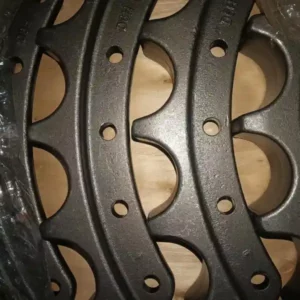
چکیده
طول عمر عملیاتی و کارایی اقتصادی ماشین آلات سنگین ساختمانی عمیقاً تحت تأثیر دوام اجزای زیرساخت آن است.. در این مقاله ، یک بررسی جامع از کفش های پیست بالا ارائه شده است, یک عنصر محوری در کاهش تنش های سایشی و ناشی از ضربه که در محیط های کاری سخت و طاقت فرسا وجود دارد.. فرآیند انتخاب را به پنج عامل مهم تجزیه می کند: ترکیب مواد و متالورژی, طراحی گروسر و مفاهیم کاربردی آن, پروتکل های تضمین کیفیت و تولید, همسویی انتخاب جزء با زمینه های عملیاتی خاص, و یک ارزیابی جامع از هزینه چرخه عمر. با بررسی اصول علمی پشت مقاومت در برابر سایش, از جمله نقش آلیاژهای فولاد بور و فرآیندهای عملیات حرارتی, هدف این راهنما توانمندسازی مدیران ناوگان است, مالک - اپراتورها, و متخصصان تدارکات. این چارچوب تحلیلی لازم برای تصمیم گیری آگاهانه را فراهم می کند که زمان خرابی ماشین آلات را کاهش می دهد, هزینه کل مالکیت کمتر, و افزایش بهره وری در بخش هایی مانند معدن, ساخت و ساز, و جنگلداری در بازارهای مختلف جهانی.
غذای اصلی
- متالورژی فولاد را ارزیابی کنید; فولاد بور سخت شده دوام برتر را ارائه می دهد.
- با طراحی بزرگتر مطابقت دهید (مجرد, دو برابر کردن, سه گانه) به شرایط خاص زمین شما.
- کیفیت سازنده را از طریق گواهینامه هایی مانند ISO تأیید کنید 9001 و پروتکل های تست.
- محیط عملیاتی خود را تجزیه و تحلیل کنید تا کفش های پیست پر فرسودگی بهینه را انتخاب کنید.
- مجموع هزینه مالکیت را محاسبه کنید (TCO), نه فقط قیمت خرید اولیه.
- مهارت اپراتور و شیوه های نگهداری را برای به حداکثر رساندن طول عمر قطعه در نظر بگیرید.
- به طور منظم کل سیستم زیر خودرو را برای علائم سایش ناهموار بررسی کنید.
فهرست مطالب
- نقش اساسی کفشهای مسیر در ماشینهای سنگین
- عامل 1: ساختارشکنی ترکیب مواد و متالورژی
- عامل 2: طراحی گروسر و تاثیر آن بر کشش و عمر سایش
- عامل 3: بررسی دقیق کیفیت و تضمین تولید
- عامل 4: تراز کردن انتخاب کفش مسیر با زمینه عملیاتی
- عامل 5: نگاهی جامع به هزینه چرخه عمر و نگهداری
- سوالات متداول (پرسش)
- نتیجه
- منابع
نقش اساسی کفشهای مسیر در ماشینهای سنگین
قدرت و توانایی بسیار زیاد ماشین آلات ساختمانی مدرن, از بیل مکانیکی بلند تا بولدوزرهای بی امان, often lead us to focus on the engine's roar or the bucket's capacity. تا کنون, توانایی این ماشین ها برای تبدیل نیروی موتور به کار مولد به معنای واقعی کلمه روی زمین است. سیستم زیرانداز قهرمان گمنام تجهیزات سنگین است, a complex assembly of moving parts that bears the machine's entire weight and propels it across the most unforgiving terrains imaginable. این سیستمی است که در آن هر جزء باید هماهنگ کار کند, و در نقطه مشترک بین ماشین و زمین، کفش های مسیر قرار دارند. اینها صفحات فولادی صرف نیستند; they are meticulously engineered components that dictate a machine's traction, ثبات, و, در نهایت, کارایی عملیاتی آن. درک نقش آنها اولین قدم به سوی درک پیامدهای اقتصادی و عملکردی عمیق انتخاب نوع مناسب است., به ویژه در محیط های با سایش بالا.
آشنایی با سیستم زیر بار: سمفونی اجزاء
برای درک اهمیت کفش های شیک پوشی بالا, ابتدا باید زیرانداز را به عنوان یک سیستم یکپارچه تجسم کرد, یک اکوسیستم مکانیکی که در آن سلامت یک قسمت به طور مستقیم بر سایر قسمت ها تأثیر می گذارد. یک حلقه ممتد از کفش های پیست متصل را تصور کنید, به عنوان زنجیره مسیر یا گروه آهنگ شناخته می شود, تشکیل یک کمربند انعطاف پذیر و در عین حال بسیار قوی. این تسمه توسط یک چرخ دنده دندانه دار هدایت می شود, which engages with the track chain's bushings to provide propulsion. در انتهای مخالف, یک چرخ بیکار زنجیر را هدایت می کند و, به همراه تنظیم کننده مسیر, تنش صحیح را حفظ می کند. Supporting the machine's weight and distributing it along the track chain are the track rollers (در پایین) و غلطک های حامل (در بالا).
هر کدام از اینها قطعات زیرانداز در حالت دائمی تعامل پویا است. دندانه های چرخ دنده در برابر بوشینگ های مسیر ساییده می شوند. غلطک ها در برابر پیوندهای مسیر سایش دارند. خود کفشهای پیست روی زمین میپوشند. عدم تعادل یا خرابی زودهنگام در هر جزء, مانند یک کفش مسیر فرسوده, می تواند آبشاری از سایش سریع را در کل سیستم آغاز کند. به عنوان مثال, میله خرطومی فرسوده روی یک کفش پیست کشش را کاهش می دهد, اپراتور را مجبور به استفاده از توان بیشتری می کند, که به نوبه خود باعث افزایش فشار و سایش بر روی چرخ دنده ها و پیوندهای مسیر می شود. این وابستگی متقابل سیستمی نشان می دهد که چرا یک رویکرد جزئی یا کاهش هزینه برای تعمیر و نگهداری زیرانداز اغلب یک اقتصاد کاذب است.. کفش پیست نقطه تماس اولیه است, پیشتاز که با نیروهای ساینده و ضربه ای محل کار روبرو می شود.
چرا کفش های خط استاندارد در محیط های ساینده کوتاه می آیند؟
همه سایت های شغلی یکسان ایجاد نمی شوند. یک بولدوزر که در نرم کار می کند, خاک لومی با مجموعهای از چالشهای بسیار متفاوت از بیل مکانیکی در حال شکستن سنگ در معدن گرانیت یا ماشینی که در شنهای نفتی آلبرتا کار میکند، مواجه است., منطقه ای که به دلیل زمین های بسیار ساینده اش شناخته شده است. کفش های استاندارد مسیر معمولاً از فولاد کربنی با سطح سختی متوسط ساخته می شوند, برای کاربردهای عمومی کافی است. آنها پایه ای از عملکرد و دوام را ارائه می دهند که برای بخش قابل توجهی از کارهای ساختمانی و خاکبرداری کاملاً کافی است.. با این حال, هنگامی که این اجزای استاندارد در شرایطی قرار می گیرند که صنعت آن را "سایش بالا" می نامد" یا "با تاثیر زیاد" محیط ها, عمر مفید آنها می تواند به شدت و اغلب به طور غیرقابل پیش بینی کوتاه شود.
سایش ساینده زمانی رخ می دهد که ذرات سخت باشند, مانند شن و ماسه, شن, یا سنگ خرد شده, are forced against the track shoe's surface, مانند سوهان درشتی عمل می کند که فولاد را خرد می کند. این روند بی وقفه است. با هر چرخش مسیر, مواد ساینده جدید معرفی شده است. در محیط های غنی از مواد مانند کوارتز, گرانیت, یا سنگ آهن, میزان تلفات مادی می تواند شگفت انگیز باشد. فولاد استاندارد به سادگی فاقد سختی لازم برای مقاومت در برابر این آبشستگی مداوم است. سایش ضربه ای, از طرف دیگر, شامل تکرار می شود, تماس زور با سخت, سطوح تسلیم ناپذیر مانند سنگ بستر یا تخته سنگ های بزرگ. این می تواند منجر به خرد شدن شود, ترک خوردن, یا حتی شکستگی فاجعه بار کفش مخصوص مسیر در صورتی که مواد خیلی شکننده باشد و چقرمگی کافی نداشته باشد.. کفشهای دارای فرسودگی بالا به طور خاص برای مقابله با این تهدیدات دوقلو از طریق متالورژی پیشرفته و فرآیندهای تولید برتر طراحی شدهاند..
ضرورت اقتصادی سرمایه گذاری در کفش های شیاردار
تصمیم برای سرمایه گذاری در حق بیمه, کفشهای شیک پوشی بالا اساساً اقتصادی هستند, ریشه در مفهوم هزینه کل مالکیت دارد (TCO). قیمت اولیه خرید مجموعه ای از کفش های مخصوص تراک بالا همیشه بالاتر از نمونه های استاندارد آنها خواهد بود. این هزینه اولیه می تواند یک عامل بازدارنده برای عملیات بودجه ای باشد. با این حال, یک تحلیل پیچیده تر یک استدلال مالی قانع کننده را نشان می دهد. هزینه واقعی یک قطعه زیرساخت قیمت خرید آن نیست، بلکه مجموع قیمت خرید آن است, هزینه های نگهداری مرتبط با آن, و, انتقادی ترین, هزینه از کار افتادگی متحمل شده در صورت شکست.
یک بیل مکانیکی بزرگ را در نظر بگیرید. تعمیر و نگهداری زیرانداز می تواند تا 50% of the machine's total repair budget over its lifetime (کرم ابریشم, 2018). اگر مجموعه ای از کفش های پیست استاندارد فرسوده شوند 2,000 ساعت در یک برنامه ساینده, در حالی که مجموعه ای از کفش های پوشیده بالا ماندگاری دارد 3,500 ساعت ها, حساب عملیاتی به طور چشمگیری تغییر می کند. عمر طولانی کفشهای فرسوده به معنای چرخههای تعویض کمتر است. هر چرخه تعویض نه تنها شامل هزینه قطعات جدید، بلکه ساعات کار برای نصب و راه اندازی و, بسیار مهم است, ساعات یا روزهایی که دستگاه از سرویس خارج است. در یک محیط با تولید بالا مانند یک معدن یا یک پروژه زیرساختی بزرگ, درآمد از دست رفته ناشی از یک روز توقف به راحتی می تواند از کل هزینه خود زیرانداز بیشتر شود. با افزایش فاصله سرویس و کاهش دفعات خرابی های برنامه ریزی نشده, کفشهای با ساییدگی بالا مستقیماً به یک برنامه نگهداری قابل پیشبینیتر کمک میکنند, هزینه های نیروی کار کمتر, و, از همه مهمتر, حداکثر در دسترس بودن و بهره وری دستگاه. این تغییر در دیدگاه, از نگاه کردن به کفشهای پیست به عنوان یک کالای یکبار مصرف گرفته تا نگاه کردن به آنها به عنوان یک سرمایهگذاری استراتژیک در زمان عملیاتی, مرکز مدیریت ناوگان مدرن است.
عامل 1: ساختارشکنی ترکیب مواد و متالورژی
تمایز بین یک کفش ورزشی استاندارد و یک کفش ورزشی پر فرسودگی فقط یک برچسب نیست.; این یک تفاوت عمیق است که در بوته علم مواد ایجاد شده است. توانایی یک کفش ورزشی برای مقاومت در برابر مجازات بی امان زمین ساینده و ضربه های تکان دهنده مشخص شده است., در اساسی ترین سطح, با فولادی که از آن ساخته شده است و نحوه برخورد با آن فولاد. برای انتخاب جزء مناسب, باید فراتر از سطح نگاه کرد و اصول متالورژیکی حاکم بر سختی را درک کرد, سختی, و مقاومت در برابر سایش. دنیایی از آلیاژهاست, عملیات حرارتی, و ریزساختارها, که در آن تغییرات کوچک در شیمی یا فرآیند می تواند تفاوت های چشمگیری در عملکرد میدانی ایجاد کند. برای هر حرفه ای مدیریت تجهیزات سنگین, سواد اولیه در زبان متالورژی یک تمرین آکادمیک نیست، بلکه ابزاری عملی برای تصمیم گیری های مالی و عملیاتی صحیح است..
بستر دوام: آلیاژهای فولاد بور
در قلب اکثر کفشهای شیک پوش مدرن طبقه خاصی از مواد قرار دارد: فولاد آلیاژی بور. برای چندین دهه, فولادهای کربنی و فولادهای منگنزی پایه اصلی اجزای سایش بودند. با این حال, تلاش برای عمر طولانی تر و عملکرد بهتر متالورژیست ها را بر آن داشت تا اثرات میکروآلیاژسازی را بررسی کنند, تمرین افزودن مقادیر بسیار کمی از عناصر خاص برای دستیابی به تغییرات قابل توجه در خواص مواد. ثابت شد که بور افزودنی بسیار قوی است. وقتی به مقدار کم به فولاد اضافه شود, به طور معمول در محدوده 0.0005% به 0.003%, boron has an outsized effect on the steel's hardenability (گرنج و همکاران, 1977).
سختی پذیری چیست? این اندازه گیری عمقی است که فولاد در طی فرآیند عملیات حرارتی می تواند سخت شود. تصور کنید که می خواهید یک نان بسیار ضخیم بپزید; it's difficult to get the center fully cooked without burning the crust. به همین ترتیب, با یک تکه فولاد ضخیم مانند یک کفش مخصوص مسیر, دستیابی به یک سازگاری چالش برانگیز است, ساختار سخت در تمام طول مسیر. Boron atoms migrate to the grain boundaries within the steel's crystalline structure. در طول خنک شدن سریع (خاموش کردن) مرحله عملیات حرارتی, این اتم های بور به عنوان سد راه عمل می کنند, کند کردن شکل گیری ریزساختارهای نرم تر و اجازه دادن به سختی مورد نظر, ساختار مارتنزیتی با سرعت خنک شدن بسیار آهسته تر تشکیل می شود. این به این معنی است که یک بخش ضخیم را می توان "از طریق سخت شدن"." به عمق بسیار بیشتری, یا حتی تمام راه, به جای داشتن یک قاب سخت و نازک" در خارج. یک کفش مخصوص مسیر سخت شده، خواص مقاوم در برابر سایش خود را حفظ می کند، حتی زمانی که مواد سطح به تدریج ساییده می شوند., ارائه یک عمر سایش ثابت و قابل پیش بینی. این مزیت اصلی است که فولادهای بور برای قطعاتی مانند کفشهای شیار بالا ارائه میدهند.
فرآیند عملیات حرارتی: سختی و چقرمگی آهنگری
کفشی که حتی از بهترین آلیاژ فولاد بور ساخته شده یا ساخته شده است ناقص است. پتانسیل دوام آن از طریق یک فرآیند حرارتی با دقت کنترل شده به نام عملیات حرارتی باز می شود. این فرآیند یک رقص ظریف گرمایش و سرمایش است, designed to manipulate the steel's internal microstructure to achieve a desired balance of properties. دو ویژگی مهم برای یک کفش پیست سختی و چقرمگی است.
Hardness is the material's ability to resist abrasion and indentation. چقرمگی توانایی آن در جذب انرژی و تغییر شکل بدون شکستگی است, که برای مقاومت در برابر ضربه ها حیاتی است. اغلب, این دو ویژگی در یک معامله وجود دارد; سخت تر کردن فولاد می تواند آن را شکننده تر کند (کمتر سخت). هدف از عملیات حرارتی یافتن تعادل بهینه برای کاربرد مورد نظر است. فرآیند معمولی شامل دو مرحله اصلی است:
آستنیته و خاموش کننده: کفش پیست تا دمای بالا گرم می شود (معمولاً بالای 850 درجه سانتیگراد) تا زمانی که ساختار داخلی آن به فازی به نام آستنیت تبدیل شود. در این دما نگه داشته می شود تا اطمینان حاصل شود که کل جزء به طور یکنواخت گرم می شود. سپس, به سرعت خنک می شود, یا "خاموش شد," معمولا در آب, روغن, یا محلول پلیمری. این خنکسازی سریع اتمهای کربن را در داخل شبکه بلوری آهن به دام میاندازد, مجبور به تشکیل یک بسیار سخت است, ریزساختار شکننده معروف به مارتنزیت. اثربخشی خاموش کردن, تحت تاثیر محتوای بور, تعیین می کند سختی تا چه حد به کفش نفوذ می کند.
معتدل کردن: خاموش شده, فولاد مارتنزیتی برای استفاده عملی بسیار شکننده است. یک ضربه شدید می تواند باعث خرد شدن آن شود. برای رفع این, کفش مسیر دوباره تا دمای بسیار پایینتری گرم میشود (به عنوان مثال, 200-500درجه سانتی گراد) و برای یک زمان مشخص برگزار می شود. این فرآیند تمپر کردن امکان بازآرایی کنترل شده ریزساختار را فراهم می کند, رفع تنش های داخلی و افزایش شکل پذیری و چقرمگی. مبادله کاهش جزئی در اوج سختی است. دمای معتدل یک متغیر بحرانی است; دمای تلطیف بالاتر منجر به چقرمگی بیشتر اما سختی کمتر می شود, در حالی که دمای پایین تر، سختی بیشتری را به قیمت چقرمگی حفظ می کند. تولیدکنندگان کفشهای با فرسودگی بالا این فرآیند را برای ایجاد قطعهای بهاندازه کافی سخت برای مقابله با سایش، اما به اندازهای سخت برای مقاومت در برابر اثرات اجتنابناپذیر یک سایت ساختوساز تنظیم میکنند..
درک رتبه بندی سختی (راکول, برینل) و پیامدهای آنها
هنگام مقایسه کفش های پیست, سازندگان اغلب مشخصات سختی را ارائه می دهند. این عدد فقط اصطلاحات تخصصی بازاریابی نیست; it is a quantifiable measure of the material's resistance to permanent indentation, که به عنوان یک پروکسی اولیه برای مقاومت در برابر سایش آن عمل می کند. از دو مقیاس رایج استفاده می شود: عدد سختی برینل (HB یا HBW) و مقیاس سختی راکول (معمولاً مقیاس C, یا HRC).
سختی برینل (HBW): این تست شامل فشار دادن سخت است, دندانه دار کروی (به طور معمول الف 10 گلوله کاربید تنگستن میلی متری) into the material's surface with a specific load for a set amount of time. قطر تورفتگی حاصل اندازه گیری می شود, و مقدار HBW محاسبه می شود. تست برینل به این دلیل مفید است که سختی را در یک ناحیه نسبتاً بزرگ اندازه گیری می کند, ارائه یک مقدار متوسط خوب که حساسیت کمتری به تغییرات محلی کوچک در مواد دارد. برای کفش های شیک پوشی بالا, شما اغلب مقادیری را در محدوده می بینید 400-550 HBW.
سختی راکول (HRC): این آزمایش از یک فرورفتگی مخروطی الماسی استفاده می کند و عمق نفوذ را تحت یک بار مشخص اندازه گیری می کند. این یک آزمایش سریعتر است و یک فرورفتگی بسیار کوچکتر ایجاد می کند, آن را برای آزمایش سختی یک نقطه بسیار خاص مناسب می کند. مقادیر HRC اغلب برای کنترل کیفیت در طول تولید استفاده می شود. یک ارزش از 50 HRC تقریباً معادل است 480 HBW.
این اعداد برای شما چه معنایی دارند? عدد سختی بالاتر به طور کلی نشان دهنده مقاومت بهتر در برابر سایش ساینده است. یک کفش مخصوص مسیر با سختی سطح 500 HBW خواهد شد, بقیه مساوی بودن, دوام قابل توجهی در شرایط شنی یا شنی نسبت به شرایطی با سختی بیشتر است 350 HBW. با این حال, همچنین مهم است که در مورد مشخصات سختی پرس و جو کنید. آیا سختی مشخص شده فقط در سطح است (مورد سخت شده), or is it consistent through a significant portion of the shoe's cross-section (از طریق سخت شده)? یک کفش فولادی بور سخت شده با سختی هسته که هنوز قابل توجه است (به عنوان مثال, تمام 400 HBW) عمر سایش بسیار قابل پیش بینی تر و طولانی تری نسبت به کفش های سفت شده که هسته نرم آن پس از ساییده شدن لایه نازک سخت در معرض دید قرار می گیرد، ارائه می دهد..
تجزیه و تحلیل تطبیقی مواد کفش معمولی
برای تصمیم گیری آگاهانه, این کمک می کند تا مواد مختلفی را که معمولاً برای کفش های پیست استفاده می شود مقایسه کنید. جدول زیر یک نمای کلی ساده از ویژگی های آنها ارائه می دهد.
| نوع مواد | سختی معمولی (HBW) | ویژگی های کلیدی | بهترین مناسب برای |
|---|---|---|---|
| فولاد کربن (استاندارد) | 250 – 350 | کمترین هزینه, عمر سایش متوسط, سختی خوب. | کاربرد همه منظوره در خاک های کم سایش مانند لوم و رس. |
| فولاد منگنز (هادفیلد) | 200 (به عنوان بازیگر) -> 500+ (سخت کار شده) | چقرمگی عالی, تحت ضربه های مکرر سخت می شود. | کاربردهای با ضربه بالا مانند معادن سنگ, اما ضعیف در سایش بالا بدون ضربه. |
| فولاد بور سخت شده | 440 – 520 | تعادل عالی از سختی بالا و چقرمگی خوب, سایش مداوم. | محیط های با سایش بالا و ضربه متوسط (شن, شن, سنگ مخلوط). |
| فولاد سخت شده دیفرانسیل | متفاوت است (به عنوان مثال, 500+ روی سطح, 350 در هسته) | سطح سایش بسیار سخت با سخت تر, هسته انعطاف پذیرتر. | کاربردهایی که به مقاومت در برابر سایش شدید سطح با خطر ضربه بالا نیاز دارند. |
این جدول مبادلات اساسی را نشان می دهد. در حالی که فولاد منگنز به دلیل توانایی آن در کار سخت تحت کوبش سنگ شکن افسانه ای است., در شرایط کاملاً ساینده مانند ماسه عملکرد ضعیفی دارد, where there isn't enough impact to trigger the hardening mechanism. فولاد کربن استاندارد یک انتخاب اقتصادی خوب برای مشاغل غیر تقاضا است. But for the challenging environments faced by many operators in Australia's mines or on infrastructure projects in the Middle East, آلیاژ فولاد بور سخت شده، چندمنظوره ترین و مقرون به صرفه ترین راه حل برای کفش های پیست فرسوده است..
نقش عناصر آلیاژی: کروم, منگنز, و مولیبدن
در حالی که بور بازیگر اصلی در افزایش سختی پذیری است, سایر عناصر آلیاژی به دستور العمل فولاد اضافه می شوند" برای اصلاح بیشتر خواص آن. آنها را به عنوان شخصیت های کمکی در نظر بگیرید که برای طرح داستان ضروری هستند. هر کدام سهم منحصر به فردی در عملکرد نهایی کفش پیست دارند.
منگنز (منگنز): علاوه بر نقش آن در فولادهای منگنز معروف هادفیلد, منگنز یک عنصر آلیاژی اساسی در تقریباً تمام فولادهای مقاوم در برابر سایش است. در مقادیر کمتر (به طور معمول 0.5% به 1.5%), به استحکام و سختی کمک می کند. همچنین در فرآیند تولید فولاد نقش حیاتی ایفا می کند, acting as a deoxidizer and improving the steel's response to heat treatment. به افزایش سختی کمک می کند, کار در هماهنگی با بور برای اطمینان از مشخصات سختی عمیق و یکنواخت.
کروم (Cr): کروم یک عامل قدرتمند برای افزایش سختی و مقاومت در برابر خوردگی است. وقتی به فولاد اضافه می شود, ترکیبات کاربید بسیار سختی را تشکیل می دهد (کاربیدهای کروم). These carbides are dispersed throughout the steel's microstructure and act like tiny, ذرات سرامیکی جاسازی شده, ایجاد مقاومت استثنایی در برابر سایش. Chromium also significantly improves the steel's ability to resist oxidation and scaling at the high temperatures used during heat treatment, منجر به پرداخت سطح بهتر و خواص سازگارتر می شود. بسیاری از فولادهای سایش با عملکرد بالا حاوی کروم در مقادیر مختلف هستند 0.5% به پایان 2.0%.
مولیبدن (مو): مولیبدن یک عنصر با ارزش ویژه برای اجزای با بخش سنگین مانند کفش های مخصوص مسیر است. در افزایش سختی پذیری بسیار موثر است, حتی بیشتر از منگنز یا کروم در برخی موارد. مزیت اصلی آن توانایی آن در جلوگیری از شکنندگی مزاج است, پدیده ای که در آن فولاد می تواند شکننده شود اگر پس از فرآیند تلطیف خیلی آهسته سرد شود. با افزودن مولیبدن, تولیدکنندگان میتوانند کفشهایی را تولید کنند که نه تنها سخت هستند، بلکه پس از عملیات حرارتی، چقرمگی خود را نیز حفظ میکنند. مولیبدن همچنین استحکام فولاد را در دماهای بالا افزایش می دهد, که می تواند عاملی در طول طولانی مدت باشد, عملیات سنگین.
ترکیب دقیق این عناصر یک راز کاملا محافظت شده هر سازنده معتبر است. هم افزایی بین بور برای سخت شدن عمیق, کروم برای مقاومت سایشی, و مولیبدن برای چقرمگی، آلیاژ پیچیده ای ایجاد می کند که به طور خاص برای مبارزه با نیروهای مخربی که اجزای زیرشاخه با آن مواجه می شوند، مهندسی شده است.. یک خریدار بالقوه باید احساس قدرت کند که از یک تامین کننده در مورد فلسفه کلی آلیاژسازی محصولاتش سوال کند.. شرکتی که نقش این عناصر را درک کرده و بتواند بیان کند، به احتمال زیاد تولید کننده محصولات با کیفیت بالا خواهد بود., قابل اعتماد قطعات ماشین آلات ساختمانی.
عامل 2: طراحی گروسر و تاثیر آن بر کشش و عمر سایش
اگر متالورژی روح یک کفش پیست بالا است, سپس شکل فیزیکی آن – به ویژه طرح خرطومی آن – بدنه آن است. گروسرها میله ها یا پروفیل های بیرون زده در سطح بیرونی کفش مسیر هستند. وظیفه اصلی آنها نفوذ به زمین و ایجاد کشش است, یا تلاش کششی, برای به حرکت درآوردن دستگاه و مقاومت در برابر لغزش جانبی ضروری است. با این حال, طراحی خرطومی چیزی بیش از چنگ زدن به زمین است; it profoundly influences the shoe's wear rate, the machine's stability, سطح آشفتگی زمین, و حتی فشار وارد شده بر کل سیستم زیر خودرو. Choosing the correct grouser design is not a matter of aesthetics but a critical operational decision that requires a thoughtful assessment of the machine's primary application and the ground conditions it will face. انتخاب نادرست می تواند منجر به عملکرد ضعیف شود, سایش تسریع شده, و افزایش هزینه های عملیاتی.
مجرد, دوبل, و تریپل گروزر: تطبیق طراحی با برنامه
متداول ترین تمایز در طراحی کفش ردیاب، تعداد گروسر در هر کفش است. انتخاب بین مجرد, دو برابر کردن, یا کفش سه گانه گروسر اولین و مهمترین تصمیم در تطبیق کفش با کار است.
گروسر مجرد (SG): همانطور که از نامش پیداست, این طراحی دارای یک تک است, قد بلند, و نوار تهاجمی که روی کفش می دود. این طراحی بالاترین سطح نفوذ زمین و حداکثر کشش ممکن را فراهم می کند. نیم رخ بلند مانند یک دست و پا زدن عمل می کند, حفاری عمیق در زمین, آن را به انتخابی ایدهآل برای برنامههایی تبدیل میکند که در آن کشش بسیار زیاد میلهکشی مورد نیاز است, مانند بولدوزر کردن مواد سنگین یا کندن در زمین های سخت. با این حال, این طراحی تهاجمی با معاوضه هایی همراه است. The high profile concentrates the machine's weight onto a smaller surface area, افزایش فشار زمین و ایجاد اختلال قابل توجه زمین. خرطوم های بلند همچنین سواری خشن تری ایجاد می کنند و در هنگام چرخش یا حرکت بر روی سطوح سخت فشارهای زیادی را ایجاد می کنند., که می تواند باعث تسریع سایش سایر قسمت های زیرین شود. کفشهای تکی قلمرو بولدوزرها و سایر ماشینهای متمرکز بر کاربردهای کشش بالا هستند..
پرورش دهندگان سه گانه (TG): این رایج ترین و همه کاره ترین طراحی است, در اکثر بیل های هیدرولیکی و بسیاری از لودرها و بولدوزرها در نقش های همه منظوره یافت می شود.. این ویژگی سه کوتاه تر است, خرخرهای کمتر تهاجمی. The increased number of grousers and their lower profile distribute the machine's weight over a much larger contact area. این باعث کاهش فشار زمین می شود, اختلال زمین کمتر, و به طور قابل توجهی سواری نرم تر. پروفیل پایین تر نیز چرخش را بسیار آسان تر و استرس کمتری را برای زیر خودرو ایجاد می کند, زیرا کفش می تواند به جای قفل شدن راحت تر بچرخد" به زمین. در حالی که یک کفش سه گانه کشش مطلق کمتری نسبت به کفش تکی ارائه می دهد, برای اکثر حفاری ها بیش از اندازه کافی فراهم می کند, بار, و برنامه های کاربردی سفر. مزیت اصلی آن مانورپذیری و کاهش سایش در هنگام چرخش است, که یک اقدام ثابت برای بیل مکانیکی است.
بقالی دو نفره (DG): کفش دوتایی بین طرح های تک و سه تایی حد وسطی را اشغال می کند. با دو تا خرچنگ, این کفش کشش و نفوذ بهتری نسبت به کفش سه گانه ارائه می دهد، اما با مزاحمت کمتر زمین و قدرت مانور بهتر نسبت به یک کفش خروس تکی. این امر آن را به گزینه ای محبوب برای لودرها و بولدوزرهایی تبدیل می کند که در شرایط مختلف کار می کنند که در آن تعادل کشش و توانایی چرخش مورد نیاز است.. آنها به خوبی در مواد نرم یا شل عمل می کنند، جایی که نیاز به گرفتن اضافی بدون تهاجمی شدید یک قلاب است..
The choice is a function of the machine's primary movement. یک بولدوزر در درجه اول به جلو و عقب حرکت می کند, به حداکثر رساندن نیاز به کشش. یک بیل مکانیکی به طور مداوم در حین حفاری و بارگیری می چرخد و می چرخد, اولویت دادن به قابلیت مانور و کاهش تنش چرخشی.
راهنمای برنامه طراحی گروسر
جدول زیر یک راهنمای مرجع سریع برای کمک به همراستایی طراحی گروسر با کاربردهای رایج و شرایط زمین ارائه می دهد.
| نوع گروسر | ماشین اولیه | وضعیت زمین غالب | مزایای کلیدی | معایب کلیدی |
|---|---|---|---|---|
| گروسر مجرد | بولدوزرها, چاک | خاک سخت بسته بندی شده, سنگ, درجه های شیب دار | حداکثر کشش, نفوذ عمیق | اختلال در زمین بالا, استرس چرخشی بالا, سواری خشن |
| بقالی دو نفره | آهنگ لودرها, دوازده | زمین نرم, سنگدانه شل, خاک های مخلوط | تعادل خوب کشش و قدرت مانور | آشفتگی متوسط زمین, کشش کمتر از SG |
| پرورش دهندگان سه گانه | کاوشگران, بولدوزر همه کاره | اکثر شرایط, زمین محکم, سطوح تمام شده | فشار پایین زمین, مانور پذیری عالی, سواری نرم | کشش کمتر از SG/DG, می تواند پر از گل شود |
| تخت / بعد از باقرقره | سنگفرش, ماشین های فرز | پیاده رو, بتن, سطوح حساس | بدون آسیب سطحی, حداکثر شناورسازی | عملاً هیچ کششی روی سطوح بدون سنگفرش وجود ندارد |
| مرداب / پد ال جی پی | هر ماشینی در زمین نرم | گل و لای, باتلاق, تندرا, خاک بسیار نرم | شناورسازی شدید, فشار زمین بسیار کم | عملکرد ضعیف در زمین سخت, کشش کم |
هندسه گرفتن: قد گروزر, زمین, و زاویه
فراتر از شمارش ساده گروسرها, هندسه خاص پروفیل گروسر نقش ظریف اما مهمی در عملکرد و سایش دارد. Engineers and manufacturers manipulate these dimensions to fine-tune a shoe's behavior.
قد گروزر: این بارزترین ویژگی هندسی است. خرطومی بلندتر کشش بیشتری را ایجاد می کند، اما سریعتر سایش می کند و مقاومت چرخش را افزایش می دهد. همانطور که یک خرطومی فرسوده می شود, ارتفاع آن کاهش می یابد, and the machine's tractive performance gradually degrades. یک اپراتور ممکن است متوجه شود که مسیرها در شرایطی که قبلاً ثابت بودند شروع به لغزش می کنند. این نشانگر روشنی از سایش گروزر است. برای کفش های شیک پوشی بالا, تولیدکنندگان اغلب با یک خرطومی بلندتر از استاندارد شروع می کنند, ساخته شده از فولاد سخت شده, تا قبل از اینکه به ارتفاع ناکارآمد فرسوده شود، عمر مفید بیشتری را فراهم کند.
زمین بزرگتر: این به فاصله از مرکز یک خرطومی تا مرکز بعدی در یک کفش چند خراطی اشاره دارد.. زمین وسیع تر می تواند امکان پاکسازی بهتر گل و لای و زباله را فراهم کند, که در غیر این صورت می تواند بین دوزها بسته شود و به طور موثر یک کفش سه گانه را به یک کفش تخت گلی و بدون کشش تبدیل کند.. با این حال, زمینی که بیش از حد عریض است، تعداد قلیان هایی را که در هر لحظه با زمین تماس دارند کاهش می دهد, که می تواند ثبات را به خطر بیندازد.
زاویه و شکل گروزر: لبه های جلویی و انتهایی گروسر اغلب زاویه دار هستند. این می تواند به ریختن مواد کمک کند و بر نحوه پوشیدن کفش تأثیر بگذارد. برخی از طرحها دارای «نقشههای گلی» هستند" گوش ماهی یا بریدگی در پایه خرطومی برای کمک بیشتر به جلوگیری از بسته شدن مواد. شکل نوک گروسر نیز می تواند متفاوت باشد, از یک تیز, پروفیل زاویه ای برای شکستن در زمین سخت به نمایه ای گردتر برای کاهش آسیب سطح. این جزئیات بخشی از زبان طراحی اختصاصی سازندگان مختلف است, هر کدام به دنبال بهینه سازی عملکرد بر اساس تحقیقات خود و بازخورد مشتری هستند.
طراحی های تخصصی: پدهای مرداب, وسط پانچ شده, و کفش های تخت
در حالی که مجرد, دو برابر کردن, و طرح های سه گانه گروسر اکثر کاربردها را پوشش می دهند, محیط های خاص راه حل های بسیار تخصصی را می طلبد.
پدهای مرداب (یا فشار زمین پایین – کفش LGP): در حالت فوق العاده نرم, باتلاقی, یا شرایط باتلاقی, هدف اصلی کشش نیست، بلکه شناورسازی است - جلوگیری از غرق شدن ماشین سنگین. پدهای باتلاقی بسیار گسترده هستند, کفش های مسیر صاف یا تقریباً صاف, گاهی اوقات با یک یا دو خرطوم بسیار کم. ویژگی بارز آنها عرض اضافی آنهاست, که به طور چشمگیری سطح مسیر را افزایش می دهد, distributing the machine's weight and lowering the ground pressure to a minimum. آنها برای کار در تالاب ها ضروری هستند, در پروژه های لایروبی, یا در اکوسیستم های حساس.
کفش های وسط پانچ: در محیط هایی با غلظت بالای ریز, سنگ های تیز یا باقی مانده های دیگر, در حین چرخش، مواد می توانند بین کفشک و دندان چرخ دنده فرو شوند. این پدیده, معروف به "بسته بندی," می تواند باعث تنش شدید در زنجیره مسیر شود, منجر به سایش سریع بوش ها و چرخ دنده ها می شود و حتی باعث می شود مسیر از روی بیکار بپرد.. یک کفش وسط پانچ دارای یک سوراخ ذوزنقه ای در مرکز آن است, که به این ماده به دام افتاده اجازه می دهد تا به بیرون فشرده شود, کاهش فشار و محافظت از زیرانداز. آنها در کاربردهای جنگلداری رایج هستند (جایی که بقایای چوب مشکل است) و در انواع خاصی از ماینینگ.
کفش های تخت: برای ماشین هایی که باید روی سطوح تمام شده مانند آسفالت یا بتن کار کنند, مانند سنگفرش جاده یا ماشین های فرز, هر شکلی از خرچنگ آسیب غیرقابل قبولی ایجاد می کند. کفش های مسطح سطح تماس کاملاً صافی را ایجاد می کنند, به حداکثر رساندن فلوتاسیون و از بین بردن جای زخم سطحی. آنها حداقل کشش را روی سطوح بدون سنگفرش ارائه می دهند و صرفاً برای تخصصی هستند, برنامه های کاربردی در جاده یا نزدیک جاده. برخی از کفش های تخت با پدهای لاستیکی پیچ و مهره ای برای محافظت بیشتر از سطوح ظریف و کاهش لرزش در دسترس هستند..
درک این تنوع طراحی بر یک نکته حیاتی تاکید دارد: "بهترین" کفش آهنگ همیشه نسبت به برنامه است. یک اپراتور در مناطق پرآب جنوب شرقی آسیا ممکن است پدهای باتلاقی را ضروری بداند, در حالی که یک پیمانکار در بیابان های صخره ای خاورمیانه آنها را بی فایده می بیند. یک تامین کننده آگاه باید بتواند مشتری را از طریق این گزینه ها راهنمایی کند, حصول اطمینان از اینکه طرح انتخابی برای واقعیت عملیاتی آنها مناسب است.
عامل 3: بررسی دقیق کیفیت و تضمین تولید
یک فرمول متالورژیکی برتر و یک طرح بهینه گروسر بی معنی می شود اگر کفش پیست مطابق با استانداردهای دقیق تولید نشود.. فرآیند تبدیل فولاد خام به فولاد خام, جزء قابل اعتماد مملو از مشکلات بالقوه است. ناهماهنگی در ریخته گری, کنترل نادرست عملیات حرارتی, یا عدم بررسی دقیق کیفیت می تواند منجر به شکست زودرس محصول شود, نه تنها سرمایه گذاری در خود قطعه بلکه ایمنی و بهره وری کل عملیات را نیز به خطر می اندازد. از این رو, یک خریدار فهیم باید دانشجوی فرآیندهای تولید و کارآگاه تضمین کیفیت شود. انتخاب تامین کننده فقط به محصولی که می فروشد نیست; این در مورد اعتماد به فرآیندی است که آنها آن را ایجاد می کنند. این امر مستلزم جستجوی شواهد ملموس کیفیت است, مانند گواهینامه ها, پروتکل های تست, و یک رویکرد شفاف به فلسفه ساخت آنها.
از ریخته گری تا آهنگری: داستان دو فرآیند
اکثریت قریب به اتفاق کفش های مسیر با استفاده از یکی از دو روش اصلی شکل دهی فلز تولید می شوند: ریخته گری یا آهنگری. هر روشی مزایا و چالش های خاص خود را دارد, and understanding the difference can provide insight into a product's potential quality.
ریخته گری: این روش به دلیل کارایی و توانایی در ایجاد اشکال پیچیده، رایج ترین روش برای تولید کفش های پیست است. این فرآیند شامل ذوب آلیاژ فولاد و ریختن آن در قالبی به شکل محصول نهایی است. زمانی که فلز جامد شد, قالب برداشته می شود, و ریخته گری خام به تکمیل و عملیات حرارتی ادامه می یابد. کیفیت یک قطعه ریخته گری به شدت به کنترل کل فرآیند بستگی دارد. عیوب بالقوه شامل تخلخل است (حباب های ریز گاز که در فلز به دام افتاده اند), حفره های انقباضی (حفره هایی که با سرد شدن و انقباض فلز ایجاد می شوند), و اجزاء (ناخالصی های موجود در فولاد). یک تولید کننده برتر از تکنیک های پیشرفته ای مانند گاز زدایی در خلاء برای حذف گازها از فولاد مذاب و طرح های پیچیده قالب با "رایزر" استفاده می کند." که فلز مذاب را برای جبران انقباض تغذیه می کند. در حالی که یک فرآیند ریخته گری کنترل نشده می تواند یک قطعه ضعیف و غیرقابل اطمینان ایجاد کند, یک ریختهگری خوب از یک ریختهگری درجه یک میتواند کیفیت بالایی تولید کند, کفش پیست بادوام.
آهنگری: این فرآیند شامل گرفتن یک شمش فولادی جامد و شکل دادن آن به شکل دلخواه با استفاده از فشار بسیار زیاد است, یا از یک پرس قدرتمند یا یک سری ضربات چکش. آهنگری معمولاً در دماهای بالا انجام می شود که در آن فولاد چکش خوار است. مزیت اصلی آهنگری این است که این فرآیند ساختار دانه فولاد را اصلاح می کند. کار مکانیکی فلز، جریان دانه را با شکل قطعه هماهنگ می کند, از بین بردن خطر تخلخل و در نتیجه ایجاد یک جزء با استحکام استثنایی, شکل پذیری, و مقاومت در برابر خستگی. آهنگری معمولاً فرآیندی گرانتر و انعطافپذیرتر از ریختهگری است, مخصوصا برای اشکال پیچیده. به همین دلیل, اغلب برای اجزای بسیار تحت فشار محفوظ است. در حالی که برای کفش های پیست استاندارد کمتر رایج است, برخی از اجزای ممتاز یا تخصصی با سایش بالا ممکن است برای دستیابی به بالاترین سطح مطلق خواص مکانیکی ساخته شوند..
هنگام ارزیابی تامین کننده, منطقی است که در مورد روش ساخت آنها بپرسید. عرضهکنندهای که میتواند با اطمینان کنترلهای فرآیند ریختهگری خود را توضیح دهد یا اینکه چرا یک جزء خاص را انتخاب میکند، درک عمیقتر و تعهد به کیفیت را نشان میدهد..
اهمیت ISO 9001 و سایر گواهینامه های کیفیت
در یک بازار جهانی, چگونه یک خریدار در استرالیا یا روسیه می تواند به کیفیت قطعه ای که هزاران مایل دورتر ساخته شده است اعتماد کند? One of the most reliable indicators of a manufacturer's commitment to quality is third-party certification, با ISO 9001 شناخته شده ترین استاندارد بین المللی است.
ایزو 9001 استاندارد محصول نیست; این یک استاندارد فرآیند است. یک ISO 9001 گواهینامه تضمین نمی کند که یک کفش مخصوص مسیر بی عیب و نقص است. در عوض, این گواهی می دهد که سازنده یک سیستم جامع مدیریت کیفیت را پیاده سازی کرده است (QMS). این QMS دیکته می کند که چگونه شرکت همه چیز را از تهیه مواد خام گرفته تا فرآیندهای تولید انجام دهد, آموزش کارکنان, کالیبراسیون تجهیزات, ردیابی نقص, و بازخورد مشتری. همانطور که در بحث های صنعت ذکر شد, اجرای چنین استانداردهایی برای تضمین کیفیت بسیار مهم است (julihuang.en.made-in-china.com).
معنای این امر برای خریدار این است که یک شرکت دارای گواهینامه ISO 9001 است:
- فرآیندهای مستند: آنها رویه های مشخص و نوشته شده ای را برای تمام عملیات حیاتی دارند, تضمین ثبات.
- تمرکز بر بهبود مستمر: این استاندارد شرکت را ملزم می کند که دائماً بر فرآیندهای خود نظارت کند و به دنبال راه هایی برای بهبود آنها باشد.
- قابلیت ردیابی: آنها باید بتوانند محصول نهایی را در طول فرآیند تولید به دسته خاصی از مواد خام مورد استفاده ردیابی کنند. این در صورت بررسی نقص بسیار ارزشمند است.
- ممیزی های منظم: تا گواهینامه خود را حفظ کنند, شرکت در معرض حسابرسی منظم توسط یک مستقل است, بدن معتبر.
مشاهده یک ISO 9001 certificate on a supplier's website or in their documentation is a powerful sign that they take quality seriously. دلالت بر منضبط بودن دارد, رویکرد سیستماتیک به تولید که به طور قابل توجهی احتمال رسیدن محصولات ناسازگار یا معیوب به مشتری را کاهش می دهد.. هر کسی که به دنبال تهیه قطعات ماشین آلات قابل اعتماد است باید این گواهی را به عنوان یک پیش نیاز ببیند.
تست غیر مخرب (NDT) روش های کنترل کیفیت
حتی با بهترین فرآیندها, نقص ممکن است رخ دهد. علامت تولید کننده برتر توانایی آنها در یافتن این عیوب قبل از خروج محصول از کارخانه است. این از طریق طیف وسیعی از آزمایش های غیر مخرب انجام می شود (NDT) روش ها, که, همانطور که از نام آن پیداست, allow for the inspection of a component's internal and external integrity without damaging it. روشهای متداول NDT مورد استفاده برای کفشهای تراک با فرسودگی بالا عبارتند از:
بازرسی ذرات مغناطیسی (MPI): این روش برای تشخیص ترک های سطحی و نزدیک به سطح در مواد فرومغناطیسی مانند فولاد استفاده می شود. کفش مسیر مغناطیسی شده است, و ذرات ریز آهن روی سطح آن اعمال می شود. اگر ترک وجود داشته باشد, میدان مغناطیسی را مختل می کند, باعث جمع شدن ذرات آهن در محل شکاف می شود, باعث می شود آن را تحت نور خاص به وضوح قابل مشاهده کنید. این یک بررسی ضروری پس از عملیات حرارتی است, زیرا گاهی اوقات کوئنچ می تواند باعث ایجاد ترک های سطحی شود.
تست اولتراسونیک (UT): این تکنیک از امواج صوتی با فرکانس بالا برای تشخیص عیوب داخلی استفاده می کند. یک مبدل یک پالس صدا را به کفش آهنگ می فرستد. صدا از میان مواد عبور می کند و از دیواره پشتی یا هر نقص داخلی منعکس می شود (مانند خلاء یا شمول). با تجزیه و تحلیل زمان و دامنه امواج صوتی منعکس شده, یک تکنسین آموزش دیده می تواند مکان را شناسایی کند, اندازه, و ماهیت عیوب درونی که از بیرون قابل مشاهده نیست. این یک تست حیاتی برای اطمینان از سلامت داخلی یک قالب است.
تست سختی: همانطور که قبلاً بحث شد, تست سختی منظم (با استفاده از روش های برینل یا راکول) در مکانهای مختلف روی کفش نوعی NDT وجود دارد که تأیید میکند فرآیند عملیات حرارتی موفقیتآمیز بوده و مواد دارای مشخصات لازم برای مقاومت در برابر سایش هستند..
سازنده ای که آشکارا استفاده از MPI و UT خود را مورد بحث قرار می دهد، تعهد خود را به حمل و نقل پاک نشان می دهد" محصول, عاری از عیوب پنهانی که باعث خرابی میدان غیرمنتظره می شود.
شناسایی یک تامین کننده معتبر: فراتر از بروشور
In today's digital age, هر شرکتی می تواند یک وب سایت براق با ادعاهای چشمگیر ایجاد کند. The challenge for the buyer is to see through the marketing and assess the supplier's true substance. تامین کننده معتبر قطعات سایش بالا, مانند تیمی که می توانید در مورد ما یاد بگیرید صفحه اطلاعات شرکت, معمولاً چندین ویژگی کلیدی را نشان می دهد:
- عمق فنی: آنها مشخصات دقیق محصول را ارائه می دهند, نه فقط وعده های مبهم «کیفیت بالا." آنها می توانند در مورد نمرات مواد بحث کنند, محدوده سختی, و منطق پشت طرحهای گروستر آنها. اطلاعاتی که ارائه می دهند باید واضح و قابل تایید باشد, اصلی که برای همه بازاریابی محصولات خوب صدق می کند (upcounsel.com).
- شفافیت: آنها در مورد فرآیندهای تولید و گواهینامه های کیفیت خود باز هستند. آنها از سؤالات فنی استقبال می کنند و حتی ممکن است گزارش آزمایش یا گواهی مواد را برای محصولات خود ارائه دهند.
- تجربه صنعت: آنها در صنعت تجهیزات سنگین سابقه کار ثابتی دارند. آنها برنامه های کاربردی را درک می کنند و می توانند مشاوره های آگاهانه ای در مورد انتخاب محصول ارائه دهند. توصیفات مشتری, مطالعات موردی, و سابقه طولانی عملیات از شاخص های مثبت هستند.
- پشتیبانی جامع: آنها چیزی بیش از یک قطعه در یک جعبه ارائه می دهند. آنها پشتیبانی برنامه را ارائه می دهند, پشتوانه گارانتی, و خدمات مشتری پاسخگو. آنها این معامله را نه به عنوان یک فروش یکباره بلکه به عنوان آغاز یک مشارکت طولانی مدت می دانند.
در نهایت, انتخاب تامین کننده تمرینی در مدیریت ریسک است. با بررسی دقیق فرآیندهای تولید آنها, تایید گواهینامه های کیفیت آنها, و ارزیابی شفافیت و تخصص کلی آنها, یک خریدار می تواند به طور قابل توجهی خطر دستیابی به اجزای نامرغوب را کاهش دهد و در عوض با شریکی که به موفقیت عملیاتی خود اختصاص داده است رابطه برقرار کند..
عامل 4: تراز کردن انتخاب کفش مسیر با زمینه عملیاتی
دقیق ترین مهندسی شده, کفشهای شیاردار که کاملاً تولید شده باشد، اگر اساساً با محیط کاری خود مطابقت نداشته باشد، همچنان میتواند پیش از موعد از کار بیفتد.. جهان یک سطح یکنواخت نیست; این ملیله از زمین شناسی های متنوع است, آب و هوا, و توپوگرافی ها. یک کفش پیست که در یک محیط عالی است ممکن است برای محیط دیگر کاملاً نامناسب باشد. از این رو, چهارمین عامل مهم در فرآیند انتخاب زمینه است. این امر مستلزم تغییر دیدگاه از بررسی مولفه به صورت مجزا به تجزیه و تحلیل اکوسیستمی است که در آن فعالیت خواهد کرد.. این تحلیل مستلزم بررسی عمیق شرایط زمین است, نوع خاص و وزن دستگاه, عادات اپراتور, و حتی آب و هوای منطقه. یک انتخاب واقعاً بهینه یک انتخاب جامع است, که در آن ویژگی های کفش پیست به طور عمدی با خواسته های خاص شغل همسو می شود.
شرایط خاک و زمین: از پرمافراست سیبری تا زمین سرخ استرالیا
تعامل بین فولاد کفشک و زمینی که از آن عبور می کند، عامل اصلی سایش است. ترکیب زمین شناسی زمین تنها مهم ترین عامل زمینه ای است. مناطق مختلف با چالش های منحصر به فردی روبرو هستند:
روسیه و مناطق شمالی (منجمد دائمی و زمین های صخره ای): در مناطقی مانند سیبری, اپراتورها با یک چالش دوگانه روبرو هستند. در زمستان, زمین جامد یخ زده است, ایجاد محیطی با ضربه بالا شبیه به کار بر روی بتن. خاک یخ زده نیز بسیار ساینده است. یک کفش ورزشی در اینجا به ترکیبی عالی از سختی سطح بالا برای مقاومت در برابر سایش و چقرمگی هسته عالی برای مقاومت در برابر ثابت نیاز دارد., ضربه های لرزان بدون ترک خوردگی. همانطور که زمین در تابستان ذوب می شود, می تواند به ضخیم تبدیل شود, گل چسبنده, که در آن طراحی گروسر برای کشش و تمیز کردن بسیار مهم است.
استرالیا (سنگ ساینده و سخت): قاره استرالیا, به ویژه در مناطق معدنی استرالیای غربی, به دلیل "زمین قرمز" خود مشهور است," که سرشار از سنگ آهن بسیار ساینده و سایر مواد معدنی سخت مانند بوکسیت و کوارتز است. این محیط کمتر در مورد تاثیر و بیشتر در مورد بی امان است, سایش سنگ زنی. در اینجا, نیاز اولیه حداکثر سختی مواد است. یک فولاد بور سخت شده با محتوای کروم بالا برای تشکیل کاربیدهای سخت یک انتخاب ایده آل برای به حداکثر رساندن عمر سایش در این شرایط خواهد بود..
خاورمیانه (شن و ماسه و سنگ آهک): بیابان های وسیع خاورمیانه یک سناریوی کلاسیک با سایش بالا را ارائه می دهند. شن و ماسه, عمدتا از ذرات کوارتز تشکیل شده است, فوق العاده ساینده است. کفش های تراک که در اینجا کار می کنند بیش از هر چیز به سختی بالایی نیاز دارند. با این حال, این منطقه همچنین دارای رسوبات بزرگی از سنگ آهک نرم تر اما هنوز ساینده است. جریمه, طبیعت گرد و غباری محیط همچنین برای جلوگیری از ورود ذرات ساینده و تخریب اجزای داخلی مانند پینها و بوشها به کیفیت آببندهای زیرین اهمیت میدهد..
آسیای جنوب شرقی (خاکهای رس مرطوب و لاتریتیک): در آب و هوای گرمسیری جنوب شرقی آسیا, خاک اغلب مرطوب است, خاک رس سنگین یا لاتریت. در حالی که به سختی گرانیت نیست, این خاک ها می توانند بسیار چسبنده باشند. چالش در اینجا کمتر در مورد سایش و بیشتر در مورد "بسته بندی" است." این ماده فضای بین خرطومی ها و بسته ها را در چرخ دنده مسدود می کند, تبدیل زیرانداز به سنگین, آشفتگی ناکارآمد. برای این شرایط, طراحی گروسر - به طور خاص, ویژگیهایی مانند سوراخهای تسکین گل و گام وسیعتر - اغلب مهمتر از سختی مطلق مواد است..
یک تامین کننده جهانی باید این تفاوت های ظریف منطقه ای را درک کند. ارائه "یک اندازه برای همه" راه حل دستوری برای نارضایتی مشتری است.
وزن دستگاه و کاربرد: دوزر در مقابل. کاوشگران
نوع ماشین و عملکرد اصلی آن فشارهای متفاوتی را به زیرشاخه وارد می کند. یک بیل مکانیکی 100 تنی و یک بولدوزر 20 تنی ممکن است در یک سایت کار کنند., اما آنها نیاز به ملاحظات مختلف کفش مسیر دارند.
وزن دستگاه: وزن ناخالص عملیاتی دستگاه به طور مستقیم باری را که هر کفشک باید تحمل کند تعیین می کند. ماشینهای سنگینتر به کفشهای پهنتری برای حفظ فشار زمین و شناور شدن قابل قبول نیاز دارند. The thickness and structural integrity of the shoe's base plate must also be sufficient to support this weight without bending or flexing, که می تواند باعث شل شدن پیچ های مسیر شود. کفشی که برای یک دستگاه 30 تنی طراحی شده است، اگر روی دستگاه 70 تنی نصب شود، به سادگی تغییر شکل داده و خراب می شود..
کاربرد (هل دادن در مقابل. حفاری):
- بولدوزرها: A dozer's primary function is to generate high drawbar pull to push material. این نیاز به حداکثر کشش دارد. همانطور که بحث شد, این منجر به ترجیح دادن کفشهای تک تهاجمی میشود. The machine's movement is predominantly forward and backward, بنابراین تنش های زیاد مرتبط با تراشکاری در مقایسه با بیل مکانیکی کمتر است.
- کاوشگران: An excavator's life is one of constant pivoting and repositioning. حفر می کند, نوسانات, زباله ها, و در یک چرخه پیوسته جابجا می شود. برای بیل مکانیکی, قدرت مانور بسیار مهم است. تنش چرخشی زیاد ناشی از تهاجمی, سوهان های عمیق به سرعت زیرانداز را از بین می برد. به همین دلیل است که اکثر بیل مکانیکی ها دارای کفش های سه گانه هستند, که به دستگاه اجازه می دهد با مقاومت و استرس بسیار کمتری بچرخد. کشش ارائه شده توسط دستگاه سه گانه بیش از حد کافی است تا دستگاه بتواند موقعیت خود را تغییر دهد و از درجه های متوسط بالا رود..
هنگام انتخاب یک کفش پیست, it is not enough to know the machine's model number. One must also know the machine's weight configuration (به عنوان مثال, آیا با وزنه های تعادل اضافی یا اتصالات سنگین تر مانند یک چکش هیدرولیک بزرگ نصب شده است?) و وظایف اصلی روزانه آن.
عادات اپراتور و تأثیر آنها بر لباس زیر
پیشرفته ترین فناوری کفش های پیست را می توان با شیوه های عملکرد ضعیف شکست داد. عنصر انسانی یک عنصر قدرتمند است, اغلب دست کم گرفته می شود, عامل در زندگی زیر شاسی. خوب ورزیده, اپراتور با وجدان می تواند به طور قابل توجهی عمر قطعات زیرین را افزایش دهد, در حالی که یک اپراتور تهاجمی یا آموزش ندیده می تواند آنها را در کسری از طول عمر مورد انتظارشان نابود کند. رفتارهای کلیدی تحت تأثیر اپراتور عبارتند از:
- عملکرد بیش از حد با سرعت بالا, به خصوص در معکوس: ماشین های ردیابی برای سرعت کم طراحی شده اند, کار با گشتاور بالا. کار با سرعت بالا, به خصوص در معکوس, به طور چشمگیری سایش را در سطح مشترک بین دندانه های چرخ دنده و بوشینگ مسیر تسریع می کند. جهت معکوس سمت غیر محرک بوشینگ است, و سایش اغلب است 2-3 بار سریعتر.
- چرخش تهاجمی: شارپ, "قدرت می چرخد" جایی که یک مسیر قفل شده یا برعکس می چرخد در حالی که دیگری تحت قدرت کامل است، بارهای جانبی زیادی روی کفش های پیست ایجاد می کند., پیوندها, و غلطک ها. این می تواند منجر به خم شدن کفش شود, پیچ و مهره های مسیر شکسته, و سایش فلنج روی غلتک ها را تسریع کرد. اپراتورها باید برای گسترش بیشتر آموزش ببینند, هر زمان که ممکن است چرخش های تدریجی تر.
- عملیات ثابت در شیب های جانبی: Working continuously on a side slope shifts the machine's weight to the downhill side of the undercarriage. این منجر به سریع می شود, سایش ناهموار فلنج های غلتکی, ردیابی طرف های پیوند, و کناره های خرچنگ. اپراتورها باید تشویق شوند تا هر زمان که کار اجازه می دهد، مستقیماً به سمت بالا یا پایین شیب کار کنند.
- عدم تمیز کردن زیرانداز: اجازه دادن به گل و لای, شن, یا جمع کردن زباله در زیرشاخه به وزن اضافه می کند, فشار را افزایش می دهد, و می تواند باعث سایش شدید تمام اجزای متحرک شود. تمیز کردن منظم, به خصوص در پایان یک شیفت, یک روش نگهداری ساده اما بسیار موثر است.
While a component supplier cannot control a customer's operators, می توانند نقش آموزشی ایفا کنند. ارائه اطلاعات در مورد بهترین شیوه های عملیاتی به عنوان بخشی از فرآیند فروش و پشتیبانی، به ارزش افزوده می افزاید و به مشتری کمک می کند تا به حداکثر بازده ممکن در سرمایه گذاری خود در کفش های شیاردار دست یابد..
ملاحظات آب و هوایی: گرمای شدید در خاورمیانه در مقابل. رطوبت در آسیای جنوب شرقی
آب و هوای وسیعتر نیز میتواند بر انتخاب و نگهداری اجزا تأثیر بگذارد.
- گرمای شدید: در دمای سوزان تابستان در خاورمیانه یا بخش هایی از آفریقا, کل سیستم هیدرولیک و مکانیکی یک ماشین داغ تر است. While steel's properties are generally stable at these ambient temperatures, روان کننده های موجود در اتصالات زنجیره مسیر مهر و موم شده و روغن کاری شده می توانند سریعتر تخریب شوند. مهر و موم های با کیفیت بالا که می توانند در برابر گرما مقاومت کنند و از ورود گرد و غبار جلوگیری کنند بسیار مهم هستند.
- سرمای شدید: همانطور که در مورد پرمافراست ذکر شد, سرمای شدید فولاد را شکننده تر می کند. یک ماده کفش مخصوص مسیر باید چقرمگی عالی در دمای پایین داشته باشد (اغلب توسط تستی به نام تست ضربه شارپی V-notch تایید می شود) برای جلوگیری از شکستگی در شرایط زیر صفر.
- رطوبت و شوری بالا: در مناطق ساحلی یا گرمسیری با رطوبت زیاد و نمک موجود در هوا (مانند بسیاری از آسیای جنوب شرقی), خوردگی به یک نگرانی مهم تر تبدیل می شود. در حالی که بعید به نظر می رسد که فولاد عظیم یک کفش پیست زنگ بزند, خوردگی می تواند به پیچ های مسیر حمله کند, حذف آنها را دشوار می کند, و می تواند سطوح اجزای دیگر را تخریب کند. یک رنگ یا پوشش با کیفیت خوب بر روی سطوح غیر ساینده کفش می تواند یک لایه محافظتی ارزشمند ایجاد کند..
با گرفتن این جامع, رویکرد آگاه از زمینه, فرد از خرید ساده یک قطعه به منبع استراتژیک راه حل حرکت می کند. It is a process of matching a specific component's strengths to a specific operational challenge, حصول اطمینان از اینکه سرمایه گذاری انجام شده در مجموعه ای از کفش های پیست فرسوده، پتانسیل کامل آن را در این زمینه ارائه می دهد.
عامل 5: نگاهی جامع به هزینه چرخه عمر و نگهداری
فینال, و شاید مهم ترین, عاملی که در انتخاب کفشهای مسیری با سایش بالا وجود دارد، اتخاذ یک کفش بلند مدت است, دیدگاه کل نگر که بسیار فراتر از خرید اولیه است. این شامل تغییر ذهنیت از «ارزانترین بخشی که امروز میتوانم بخرم چیست؟?" به "مقرون به صرفه ترین راه حل در طول عمر قطعه چیست؟?" این رویکرد مستلزم درک هزینه کل مالکیت است (TCO), اجرای استراتژی های تعمیر و نگهداری پیشگیرانه, قدردانی از رابطه همزیستی بین تمام اجزای زیرانداز, و یک چارچوب روشن برای تصمیم گیری تعمیر یا تعویض. این دیدگاه مالی و عملیاتی جامع است که واقعاً مدیران ناوگان باهوش را از کسانی که دائماً در چرخه واکنشی خرابی و تعمیر گرفتار هستند جدا می کند..
محاسبه هزینه کل مالکیت (TCO)
مفهوم TCO سنگ بنای خرید استراتژیک برای هر دارایی سرمایه بر است, از جمله قطعات ماشین آلات سنگین. تصویر دقیق تری از هزینه واقعی یک قطعه با در نظر گرفتن تمام هزینه های مرتبط در طول عمر آن ارائه می دهد. فرمول, در ساده ترین شکل آن, است:
TCO = قیمت خرید اولیه + هزینه های نصب + هزینه های تعمیر و نگهداری + هزینه های خرابی – ارزش باقیمانده / فروش مجدد
Let's break this down in the context of track shoes:
- قیمت خرید اولیه: این قابل مشاهده ترین هزینه است, شماره روی فاکتور. یک کفش تراک با فرسودگی بالا قیمت خرید بالاتری نسبت به یک کفش استاندارد خواهد داشت.
- هزینه های نصب: این هزینه کار مورد نیاز برای برداشتن کفش های قدیمی و نصب ست جدید است. این هزینه با هر چرخه جایگزینی متحمل می شود.
- هزینه های تعمیر و نگهداری: این شامل هزینه بازرسی های معمول است, کشش مسیر, و هرگونه تعمیر, مانند جوش دادن مجدد یک میله بزرگتر (اگرچه در کفش های سخت شده کمتر رایج است).
- هزینه های خرابی: این مهم ترین هزینه است که اغلب نادیده گرفته می شود. این نشان دهنده درآمد یا بهره وری از دست رفته برای هر ساعتی است که دستگاه به دلیل مشکل مربوط به کفش پیست از سرویس خارج می شود.. برای یک ماشین تولید کلید, این می تواند هزاران دلار در ساعت باشد.
- ارزش باقیمانده / فروش مجدد: برای قطعاتی مانند کفش مخصوص مسیر, این معمولاً ناچیز است و اغلب به عنوان ارزش قراضه فولاد قدیمی در نظر گرفته می شود.
دو سناریو را برای یک بولدوزر در یک محیط ساینده تصور کنید:
- سناریوی الف (کفش استاندارد): قیمت = $8,000. زندگی = 2,000 ساعت ها. خرابی برای تعویض = 16 ساعت ها.
- سناریوی B (کفش های پوشیدنی بالا): قیمت = $12,000. زندگی = 4,000 ساعت ها. خرابی برای تعویض = 16 ساعت ها.
تمام شد 4,000 ساعت کار, سناریوی A به دو ست کفش و دو رویداد تعویض نیاز دارد. هزینه است (2 x $8,000) + (2 x هزینه نصب / توقف). سناریوی B فقط به یک ست کفش و یک رویداد تعویض نیاز دارد, با هزینه ای از $12,000 + (1 x هزینه نصب / توقف). حتی قبل از اینکه هزینه هنگفت اضافی را محاسبه کنید 16 ساعت ها از کار افتادگی, کفش های با سایش بالا در حال حاضر ثابت شده اند که انتخاب مقرون به صرفه تری هستند. دفعات نصب پرهزینه و رویدادهای خرابی را کاهش می دهد, منجر به هزینه کمتر در هر ساعت کار می شود. این محاسبه TCO توجیه مالی قطعی برای سرمایه گذاری در اجزای برتر است.
استراتژیهای نگهداری پیشگیرانه برای افزایش عمر کفش در مسیر
خرید کفشهای مخصوص پیست با پوشیدن بالا تنها نیمی از کار است; با نیمی دیگر از طریق سخت کوشی هر روز در میدان مبارزه می شود, نگهداری پیشگیرانه. این شیوه ها پیچیده یا گران نیستند, اما نیاز به نظم و انضباط و ثبات دارند.
- بازرسی های روزانه: اپراتور باید در شروع هر شیفت یک بازرسی کوتاه مدت انجام دهد. این شامل جستجوی پیچ و مهره های مسیر شل یا گم شده است, ترک های قابل مشاهده در کفش, و هرگونه نشانه ای از سایش غیرعادی یا ناهموار. گرفتن یک پیچ شل و سفت کردن آن می تواند از کشیده شدن سوراخ پیچ جلوگیری کند, نجات کفش از خراب شدن.
- کشش مسیر مناسب را حفظ کنید (شل شدن): این یکی از حیاتی ترین کارهای تعمیر و نگهداری است. مسیری که خیلی سفت است به طور چشمگیری اصطکاک و بار بین پین ها را افزایش می دهد, بوش, غلطک ها, و چرخ دنده ها, باعث سایش سریع در کل سیستم می شود. مسیری که خیلی شل است می تواند باعث "پرش" مسیر شود" چرخ دنده یا بیکار, منجر به آسیب عمده می شود. The correct procedure for checking and adjusting track sag is detailed in the machine's operation and maintenance manual and should be followed religiously. افت مورد نیاز می تواند بسته به شرایط کاری متفاوت باشد (به عنوان مثال, هنگام کار در گل یا خاک رس به افتادگی بیشتری نیاز است تا امکان بسته بندی فراهم شود).
- نظافت منظم زیرانداز: همانطور که قبلا ذکر شد, از بین بردن کثیفی های بسته بندی شده, گل و لای, و سنگ ضروری است. زیرشاخه پر از وسایل سنگین است, زیرکشی ناکارآمد که فشار ثابتی بر تمام قسمت های آن وارد می کند.
- مدیریت سخت افزار مسیر استراتژیک: پیچها و مهرههایی که کفشهای مسیر را به پیوندهای مسیر نگه میدارند نیز اجزای حیاتی هستند. آنها باید با استفاده از یک آچار گشتاور کالیبره شده تا مشخصات صحیح گشتاور شوند. سفت شدن بیش از حد می تواند پیچ را کشیده و باعث از کار افتادن آن شود, در حالی که سفت شدن کمتر به کفش اجازه می دهد تا گشاد کار کند. بسیاری از برنامههای تعمیر و نگهداری توصیه میکنند که هر زمان که کفشکهای مسیر تعویض میشوند، پیچها و مهرههای مسیر را تعویض کنید تا از تناسب مطمئن اطمینان حاصل شود..
تعامل با سایر اجزای زیر شاسی (غلتک, بیکارها, چرخ دنده)
مدیریت پوشیدن کفش های پیست به تنهایی غیرممکن است. زیرانداز یک سیستم است, و سایش هر جزء به هم مرتبط است. یک مدیر ناوگان عاقل بر فرسودگی کل سیستم به عنوان یک کل نظارت دارد.
- چرخ دنده و بوش: چرخ دنده ماشین را با درگیر شدن با بوش های مسیر هدایت می کند. همانطور که این اجزا می پوشند, زمین آنها (فاصله بین نقاط تماس) تغییر می کند. یک چرخ دنده فرسوده روی یک زنجیر مسیر جدید (یا برعکس) عدم تطابق گام را ایجاد می کند که به سرعت سایش اجزای جدیدتر را تسریع می کند. به همین دلیل, اغلب توصیه می شود که "بچرخید" پین ها و بوشینگ های مسیر 180 درجه ای از نیمه عمر خود را برای ارائه یک سطح سایش جدید به چرخ دنده. بسیاری از سازمان ها نیز همزمان با زنجیره مسیر، چرخ دنده ها را تعویض می کنند.
- غلطک ها و پیوندها: The track rollers support the machine's weight and transfer it to the track links. همانطور که غلطک ها و پیوندها می پوشند, مسیر شروع به مار و گوش ماهی می کند, منجر به بارهای ناهموار و سایش سریع لبه های کفش های پیست می شود.
- بیکارها و راهنماهای مسیر: بیکارها مسیر را در جلوی زیرانداز هدایت می کنند. بیحرکتهای فرسوده یا راهنمای مسیر میتوانند به مسیر سرگردان اجازه دهند, باعث بارگذاری جانبی و سایش در وجه داخلی و خارجی پیوندها و غلطک های مسیر می شود.
به دلیل این تعامل, بسیاری از عملیات زیرساخت را به عنوان یک واحد مدیریت می کنند, برنامه ریزی برای جایگزینی چندین مؤلفه - مانند زنجیره مسیر, چرخ دنده ها, و کفش - در همان زمان. این تضمین می کند که همه بخش ها "همسان هستند" از نظر سایش و کار با هم کارآمد. سرمایهگذاری روی کفشهای شیاردار زمانی که بخشی از یک استراتژی جامع برای حفظ سلامت کل سیستم زیرانداز باشد، بسیار منطقی است.. طیف کاملی از این یکپارچه شده است راه حل های زیر شاسی می تواند برای چنین بازنگری های سیستمی یک مرحله ای فراهم کند.
چه زمانی تعمیر شود, بازسازی کنید, یا جایگزین کنید: یک چارچوب تصمیم گیری
همانطور که کفش های پیست می پوشند, به نقطه تصمیم گیری رسیده است: باید تعمیر شوند, بازسازی شده است, یا کلا تعویض شده?
- ترمیم کردن: این معمولاً به اصلاحات جزئی اشاره دارد, مانند سفت کردن مجدد یا تعویض چند پیچ. این بخشی از تعمیر و نگهداری معمول است.
- بازسازی کنید (ریزش مجدد): این شامل جوش دادن میلههای فولادی جدید بر روی گلدانهای فرسوده برای بازیابی ارتفاع و کشش آنها است.. این یک عمل بسیار رایج در گذشته بود. با این حال, با کفش های فولادی بور سخت شده مدرن, استفاده مجدد اغلب توصیه نمی شود. گرمای شدید فرآیند جوشکاری می تواند عملیات حرارتی با دقت مهندسی شده کفش را از بین ببرد., ایجاد نقاط نرم و تنش های داخلی که منجر به شکست سریع می شود. برای کفش های سخت شده, فلسفه این است که «آنها را فرسوده و دور بریزیم," زیرا ارزش آنها از یکپارچگی عملیات حرارتی اصلی آنها ناشی می شود.
- جایگزین کنید: این متداولترین اقدام برای کفشهای شیک مدرن پس از پایان عمر مفیدشان است. "پایان زندگی" معمولاً با یک حد سایش خاص تعریف می شود, مانند زمانی که ارتفاع خرطومی به پایین رسیده است 25% از ارتفاع اصلی آن, or when the shoe's base plate begins to show signs of structural wear. استفاده از ابزارهای اندازه گیری تخصصی, تکنسین های تعمیر و نگهداری می توانند فرسودگی را در طول زمان ردیابی کنند و پیش بینی کنند که چه زمانی تعویض لازم است, امکان توقف برنامه ریزی شده به جای خرابی های غیرمنتظره.
با پذیرش این درازمدت, رویکرد داده محور برای هزینه و نگهداری, انتخاب یک کفش شیک با فرسودگی بالا از یک خرید ساده به یک تصمیم استراتژیک تبدیل می شود که قابلیت اطمینان را تقویت می کند., بهره وری, و سودآوری کل عملیات خاکبرداری.
سوالات متداول (پرسش)
چه مدت باید کفش های شیک دوام داشته باشد؟?
طول عمر کفش های شیاردار بر اساس کاربرد بسیار متفاوت است, مواد زمین, مهارت اپراتور, و نگهداری. در شرایط سایشی متوسط, یک مجموعه با کیفیت ممکن است دوام بیاورد 3,000-5,000 ساعت ها. در محیط های بسیار ساینده مانند معادن سنگ گرانیت یا شن و ماسه, این را می توان به کاهش داد 1,500-2,500 ساعت ها. نکته کلیدی این است که آنها باید به طور قابل توجهی بیشتر دوام بیاورند - اغلب 50-100% طولانی تر از کفش های استاندارد در شرایط یکسان.
آیا می توانم از کفش های تراک از مدل های مختلف ماشین استفاده کنم؟?
این به شدت دلسرد شده است. کفش های مخصوص مسیر برای یک لینک مسیر خاص طراحی شده اند, زمین, و وزن دستگاه. استفاده از کفش نادرست می تواند منجر به تناسب نامناسب شود, سخت افزار شل, و شکست فاجعه بار زنجیره مسیر. همچنین می تواند خطرات ایمنی ایجاد کند. Always use shoes specifically designed and verified for your machine's make and model.
What's the difference between OEM and aftermarket track shoes?
OEM (سازنده تجهیزات اصلی) parts are made by or for the machine's brand (به عنوان مثال, کرم ابریشم, کوماتسو). قطعات پس از فروش با کیفیت بالا توسط شرکت های مستقلی تولید می شوند که در قطعات سایش تخصص دارند. یک تامین کننده معتبر پس از فروش اغلب می تواند قطعاتی با کیفیت برابر یا حتی برتر ارائه دهد, به ویژه در فرمولاسیون های تخصصی با سایش بالا, اغلب در یک نقطه قیمت رقابتی تر. کلید این است که یک اثبات شده را انتخاب کنید, تامین کننده پس از فروش با کیفیت بالا, نه فقط ارزان ترین گزینه.
چگونه چرخش روی پوشیدن کفش پیست تأثیر می گذارد?
چرخش یکی از استرس زاترین اعمال برای زیرانداز است. بارهای جانبی بسیار زیادی ایجاد می کند که کناره ها را خراش می دهد و به پیوندهای مسیر و غلتک ها فشار وارد می کند.. تهاجمی, پیچ های تند باعث بیشترین سایش می شود. هر چه گشادتر و بلندتر خرچنگ تر باشد, استرس بیشتری در حین چرخش ایجاد می شود. به همین دلیل است که بیل مکانیکی, که مدام می چرخند, از کفش های سه تایی با پروفیل پایین تر استفاده کنید.
چه نشانه هایی وجود دارد که کفش های پیست من نیاز به تعویض دارند؟?
علائم کلیدی شامل: خراش ها تا حدی فرسوده شده اند که دستگاه کشش را از دست می دهد; خود صفحه کفش مسیر در حال خم شدن یا ترک خوردن است; پیچهای مسیر دائماً شل میشوند, نشان دهنده سوراخ های پیچ و مهره فرسوده است; یا پایه کفش تا حد خطر ساختاری نازک پوشیده شده باشد. اکثر تولید کنندگان محدودیت های سایش و دستورالعمل های اندازه گیری خاصی را ارائه می دهند.
آیا قیمت بالاتر همیشه نشان دهنده کیفیت بهتر است?
نه همیشه, اما یک همبستگی قوی وجود دارد. آلیاژهای فولاد بور پیشرفته, فرآیندهای عملیات حرارتی دقیق, و کنترل کیفی دقیق مورد نیاز برای کفشهای پیست فرسوده واقعی گران هستند. گزینه های بسیار ارزان قیمت اغلب کیفیت مواد یا عملیات حرارتی را کاهش می دهند, در نتیجه محصولی به سرعت فرسوده می شود و به دلیل تعویض مکرر و خرابی، هزینه کل مالکیت بسیار بالاتری دارد..
نتیجه
انتخاب کفشهای مخصوص مسیر با فرسودگی بالا تصمیمی است که در تمام جنبههای عملیات ماشینآلات سنگین طنینانداز میشود. این تمرینی است که از اقدام ساده خرید یک قطعه جایگزین فراتر می رود و وارد حوزه مدیریت استراتژیک دارایی می شود.. همانطور که بررسی کردیم, سفر به یک انتخاب بهینه یک سفر چند رشته ای است, خواستار قدردانی از ظرافت های متالورژی است, منطق مکانیکی طراحی گروسر, یک چشم انتقادی برای یکپارچگی تولید, و درک عمیق از زمینه عملیاتی خاص. اصول اساسی علم مواد, که در آن آلیاژهای بور و عملیات حرارتی کنترل شده تعادلی بین سختی و چقرمگی ایجاد می کنند, اساس دوام را فراهم می کند. این با هندسه عملکردی گروسر تکمیل می شود, which must be thoughtfully matched to the machine's primary function and the ground it engages.
با این حال, حتی پیشرفته ترین طراحی نیز به اندازه کنترل کیفیتی است که زیربنای ایجاد آن است. جستجو برای تامین کننده قابل اعتماد، جستجوی شواهدی از نظم فرآیند است, در گواهینامه هایی مانند ISO آشکار می شود 9001 و تعهد به آزمایش های غیر مخرب. سپس این رویکرد تحلیلی باید بر اساس واقعیت های عملی محل کار - شن های ساینده خاورمیانه باشد., سنگ سخت استرالیا, یا خاک رس های آسیای جنوب شرقی هر کدام یک راه حل مناسب را می طلبند. سرانجام, با پذیرش دیدگاهی جامع از کل هزینه مالکیت, ما فراتر از سادگی گمراه کننده برچسب قیمت اولیه هستیم. این دیدگاه نشان می دهد که سرمایه گذاری در طول عمر, از طریق اجزای برتر و نگهداری پیشگیرانه, مستقیم ترین مسیر برای کاهش زمان های پرهزینه است, افزایش بهره وری, و تامین سلامت مالی عملیات. کفش پیست فقط جایی نیست که دستگاه با زمین برخورد می کند; اینجا جایی است که مهندسی صحیح و تصمیم گیری آگاهانه به هم می رسند تا شالوده موفقیت عملیاتی را شکل دهند.
منابع
کرم ابریشم. (2018). راهنمای عملکرد کاترپیلار (نسخه 48). Caterpillar Inc.
گرنج, آر. الف, هریبال, اچ. بعد از, & پورتر, L. اف. (1977). سختی مارتنزیت تمپر شده در فولادهای کربنی و کم آلیاژی. معاملات متالورژی الف, 8(11), 1775– 1785. https://doi.org/10.1007/BF02646882
مور, م. آ. (1974). بررسی سایش ساینده دو بدنه. بپوشید, 27(1), 1-17. https://doi.org/10.1016/0043-1648(74)90127-1
خورشید, Y., & وانگ, Y. (2011). مروری بر پیشرفت مواد مقاوم در برابر سایش. مجله دانشگاه فناوری ووهان-ماتر. علمی. اد., 26, 370-378. https://doi.org/10.1007/s11595-011-0226-5
تور, الف, ماموریت ها, دبلیو. ز., & آبله, آر. (2007). تأثیر عملیات حرارتی بر رفتار سایش سایشی فولاد هادفیلد. بپوشید, 263(1-6), 137-140.