
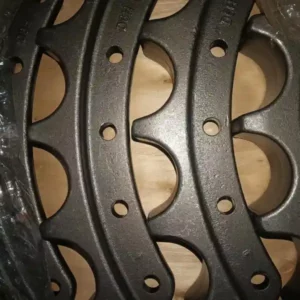
अमूर्त
भारी निर्माण मशीनरी की परिचालन दीर्घायु और आर्थिक दक्षता इसके अंडरकारेज घटकों के स्थायित्व से गहराई से प्रभावित होती है. यह लेख उच्च पहनने वाले ट्रैक जूते की एक व्यापक परीक्षा प्रदान करता है, काम के माहौल की मांग करने में सामना करने वाले अपघर्षक और प्रभाव से संबंधित तनावों को कम करने में एक निर्णायक तत्व. यह चयन प्रक्रिया को पांच महत्वपूर्ण कारकों में बदल देता है: सामग्री रचना और धातु विज्ञान, ग्रूसर डिजाइन और इसके कार्यात्मक निहितार्थ, विनिर्माण गुणवत्ता और आश्वासन प्रोटोकॉल, विशिष्ट परिचालन संदर्भों के साथ घटक विकल्प का संरेखण, और जीवनचक्र लागत का एक समग्र मूल्यांकन. पहनने के प्रतिरोध के पीछे वैज्ञानिक सिद्धांतों की खोज करके, बोरॉन स्टील मिश्र और गर्मी उपचार प्रक्रियाओं की भूमिका सहित, गाइड का उद्देश्य बेड़े प्रबंधकों को सशक्त बनाना है, मालिक ऑपरेटरों, और खरीद विशेषज्ञ. यह मशीनरी डाउनटाइम को कम करने वाले सूचित निर्णय लेने के लिए आवश्यक विश्लेषणात्मक ढांचा प्रदान करता है, स्वामित्व की कम कुल लागत, और खनन जैसे क्षेत्रों में उत्पादकता बढ़ाएं, निर्माण, और विविध वैश्विक बाजारों में वानिकी.
चाबी छीनना
- स्टील धातु विज्ञान का मूल्यांकन करें; थ्रू-हार्ड बोरॉन स्टील बेहतर स्थायित्व प्रदान करता है.
- मैच मोटे डिजाइन (अकेला, दोहरा, ट्रिपल) अपने विशिष्ट जमीनी स्थितियों के लिए.
- आईएसओ जैसे प्रमाणपत्रों के माध्यम से निर्माता की गुणवत्ता को सत्यापित करें 9001 और परीक्षण प्रोटोकॉल.
- इष्टतम उच्च पहनने वाले ट्रैक जूते का चयन करने के लिए अपने परिचालन वातावरण का विश्लेषण करें.
- स्वामित्व की कुल लागत की गणना करें (TCO), केवल प्रारंभिक खरीद मूल्य नहीं.
- घटक जीवनकाल को अधिकतम करने के लिए ऑपरेटर कौशल और रखरखाव प्रथाओं पर विचार करें.
- नियमित रूप से असमान पहनने के संकेतों के लिए पूरे अंडरकारेज सिस्टम का निरीक्षण करें.
विषयसूची
- भारी मशीनरी में ट्रैक जूते की मूलभूत भूमिका
- कारक 1: सामग्री संरचना और धातुकर्म को डिकंस्ट्रक्ट करना
- कारक 2: ग्रूसर डिजाइन और कर्षण और पहनने के जीवन पर इसका प्रभाव
- कारक 3: विनिर्माण गुणवत्ता और आश्वासन की जांच करना
- कारक 4: परिचालन संदर्भ के साथ ट्रैक जूता चयन संरेखित करना
- कारक 5: जीवनचक्र लागत और रखरखाव का एक समग्र दृष्टिकोण
- अक्सर पूछे जाने वाले प्रश्नों (उपवास)
- निष्कर्ष
- संदर्भ
भारी मशीनरी में ट्रैक जूते की मूलभूत भूमिका
आधुनिक निर्माण मशीनरी की अपार शक्ति और क्षमता, खुदाई करने वालों से लेकर अथक बुलडोजर तक, often lead us to focus on the engine's roar or the bucket's capacity. अभी तक, इन मशीनों की क्षमता इंजन शक्ति को उत्पादक कार्य में अनुवाद करने के लिए जमीन पर काफी शाब्दिक रूप से टिकी हुई है. अंडरकारेज सिस्टम भारी उपकरणों का अनसंग नायक है, a complex assembly of moving parts that bears the machine's entire weight and propels it across the most unforgiving terrains imaginable. यह एक ऐसी प्रणाली है जहां हर घटक को सद्भाव में काम करना चाहिए, और मशीन और पृथ्वी के बीच बहुत इंटरफ़ेस में ट्रैक के जूते झूठ बोलते हैं. ये स्टील की केवल प्लेटें नहीं हैं; they are meticulously engineered components that dictate a machine's traction, स्थिरता, और, अंत में, इसकी परिचालन दक्षता. उनकी भूमिका को समझना सही प्रकार का चयन करने के गहन आर्थिक और प्रदर्शन के निहितार्थ की सराहना करने की दिशा में पहला कदम है, विशेष रूप से उच्च-पहनने वाले वातावरण में.
अंडरकारेज सिस्टम को समझना: घटकों की एक सिम्फनी
उच्च पहनने वाले ट्रैक जूते के महत्व को समझने के लिए, पहले एक एकीकृत प्रणाली के रूप में अंडरकारेज की कल्पना करनी चाहिए, एक यांत्रिक पारिस्थितिकी तंत्र जहां एक भाग का स्वास्थ्य सीधे अन्य सभी को प्रभावित करता है. लिंक किए गए ट्रैक जूते के एक निरंतर लूप की कल्पना करें, ट्रैक चेन या ट्रैक ग्रुप के रूप में जाना जाता है, एक लचीला अभी तक बेहद मजबूत बेल्ट बनाना. यह बेल्ट एक दांतेदार स्प्रोकेट द्वारा संचालित है, which engages with the track chain's bushings to provide propulsion. विपरीत छोर पर, एक आइडलर व्हील चेन का मार्गदर्शन करता है और, एक ट्रैक समायोजक के साथ, सही तनाव बनाए रखता है. Supporting the machine's weight and distributing it along the track chain are the track rollers (तल पर) और वाहक रोलर्स (सबसे ऊपर).
इनमें से प्रत्येक अंडरकारेज पार्ट्स गतिशील बातचीत की एक निरंतर स्थिति में है. ट्रैक झाड़ियों के खिलाफ स्प्रोकेट दांत पहनते हैं. रोलर्स ट्रैक लिंक के खिलाफ पहनते हैं. ट्रैक के जूते खुद जमीन के खिलाफ पहनते हैं. किसी एक घटक में असंतुलन या समय से पहले की विफलता, जैसे कि एक पहना हुआ ट्रैक जूता, पूरे सिस्टम में त्वरित पहनने का एक झरना शुरू कर सकते हैं. उदाहरण के लिए, एक ट्रैक जूते पर एक पहना हुआ ग्राउज़र बार कर्षण को कम करता है, ऑपरेटर को अधिक शक्ति का उपयोग करने के लिए मजबूर करना, जो बदले में तनाव बढ़ाता है और स्प्रोकेट्स और ट्रैक लिंक पर पहनता है. यह प्रणालीगत अन्योन्याश्रयता इस बात पर प्रकाश डालती है कि क्यों एक टुकड़ा या लागत में कटौती का दृष्टिकोण अंडरकारेज रखरखाव के लिए अक्सर एक झूठी अर्थव्यवस्था है. ट्रैक जूता प्राथमिक संपर्क का बिंदु है, वह मोहरा जो जॉब साइट के हेड-ऑन के अपघर्षक और प्रभाव बलों का सामना करता है.
क्यों मानक ट्रैक जूते अपघर्षक वातावरण में कम गिर जाते हैं
सभी नौकरी साइटें समान नहीं बनाई जाती हैं. नरम में काम करने वाला एक बुलडोजर, दोमट मिट्टी एक ग्रेनाइट खदान में एक खुदाई तोड़ने वाली चट्टान या अल्बर्टा के तेल रेत में काम करने वाली मशीन की तुलना में चुनौतियों का एक अलग सेट है।, एक क्षेत्र जो अपने अत्यधिक अपघर्षक इलाके के लिए जाना जाता है. मानक ट्रैक जूते आमतौर पर कार्बन स्टील से एक मध्यम स्तर के कठोरता के साथ निर्मित होते हैं, सामान्य-उद्देश्य अनुप्रयोगों के लिए पर्याप्त. वे प्रदर्शन और स्थायित्व की एक आधार रेखा प्रदान करते हैं जो निर्माण और पृथ्वी के कार्यों के एक महत्वपूर्ण हिस्से के लिए पूरी तरह से पर्याप्त है. तथापि, जब इन मानक घटकों को उद्योग में "उच्च-एब्रीशन" में रखा जाता है" या "उच्च प्रभाव" वातावरण, उनकी सेवा जीवन काफी हद तक और अक्सर अप्रत्याशित रूप से छोटा हो सकता है.
अपघर्षक पहनने पर तब होता है जब कठोर कण, जैसे रेत, कंकड़, या कुचल चट्टान, are forced against the track shoe's surface, एक मोटे फ़ाइल की तरह काम करना जो स्टील को पीसता है. यह प्रक्रिया अथक है. ट्रैक के हर रोटेशन के साथ, नई अपघर्षक सामग्री पेश की जाती है. क्वार्ट्ज जैसी सामग्रियों में समृद्ध वातावरण में, ग्रेनाइट, या लौह अयस्क, सामग्री हानि की दर आश्चर्यजनक हो सकती है. मानक स्टील में बस इस निरंतर घिनौने का विरोध करने के लिए अपेक्षित कठोरता का अभाव है. प्रभाव पहनना, वहीं दूसरी ओर, बार -बार शामिल होता है, कठिन के साथ जबरदस्त संपर्क, बेडरेक या बड़े बोल्डर जैसी सतहों की सतह. इससे चिपिंग हो सकती है, खुर, या यहां तक कि ट्रैक जूते की भयावह फ्रैक्चर यदि सामग्री बहुत भंगुर है और पर्याप्त क्रूरता का अभाव है. उच्च पहनने वाले ट्रैक जूते विशेष रूप से उन्नत धातु विज्ञान और बेहतर विनिर्माण प्रक्रियाओं के माध्यम से इन जुड़वां खतरों का मुकाबला करने के लिए डिज़ाइन किए गए हैं.
उच्च पहनने वाले ट्रैक जूते में निवेश करने की आर्थिक अनिवार्यता
प्रीमियम में निवेश करने का निर्णय, उच्च पहनने वाले ट्रैक जूते मौलिक रूप से एक आर्थिक हैं, स्वामित्व की कुल लागत की अवधारणा में निहित है (TCO). उच्च पहनने वाले ट्रैक जूतों के एक सेट की प्रारंभिक खरीद मूल्य हमेशा उनके मानक समकक्षों की तुलना में अधिक होगा. यह अग्रिम लागत बजट-सचेत संचालन के लिए एक निवारक हो सकती है. तथापि, एक अधिक परिष्कृत विश्लेषण से एक सम्मोहक वित्तीय तर्क का पता चलता है. एक अंडरकारेज घटक की वास्तविक लागत इसकी खरीद मूल्य नहीं है, बल्कि इसकी खरीद मूल्य का योग है, इसके साथ जुड़े रखरखाव की लागत, और, सबसे गंभीर रूप से, जब यह विफल हो जाता है तो डाउनटाइम की लागत होती है.
एक बड़े खनन खुदाई पर विचार करें. अंडरकारेज रखरखाव के लिए जिम्मेदार हो सकता है 50% of the machine's total repair budget over its lifetime (कमला, 2018). यदि मानक ट्रैक जूते का एक सेट अंदर पहनता है 2,000 एक अपघर्षक आवेदन में घंटे, जबकि उच्च पहनने के जूते का एक सेट रहता है 3,500 घंटे, परिचालन पथरी नाटकीय रूप से बदलती है. उच्च पहनने के जूते के विस्तारित जीवन का अर्थ है कम प्रतिस्थापन चक्र. प्रत्येक प्रतिस्थापन चक्र में न केवल नए भागों की लागत शामिल है, बल्कि स्थापना के लिए श्रम घंटे भी शामिल हैं और, महत्वपूर्ण, घंटे या दिन मशीन सेवा से बाहर है. एक उच्च-उत्पादन वातावरण में एक खदान या एक प्रमुख बुनियादी ढांचा परियोजना जैसे, डाउनटाइम के एक दिन से खोया हुआ राजस्व आसानी से अंडरकारेज की पूरी लागत से अधिक हो सकता है. सेवा अंतराल को बढ़ाकर और अनियोजित विफलताओं की आवृत्ति को कम करके, उच्च पहनने वाले ट्रैक जूते सीधे अधिक पूर्वानुमानित रखरखाव कार्यक्रम में योगदान करते हैं, कम श्रम लागत, और, सबसे महत्वपूर्ण बात, अधिकतम मशीन उपलब्धता और उत्पादकता. परिप्रेक्ष्य में यह बदलाव, ट्रैक जूतों को एक डिस्पोजेबल वस्तु के रूप में देखने से लेकर उन्हें परिचालन अपटाइम में एक रणनीतिक निवेश के रूप में देखने तक, आधुनिक बेड़े प्रबंधन का केंद्र है.
कारक 1: सामग्री संरचना और धातुकर्म को डिकंस्ट्रक्ट करना
एक मानक ट्रैक जूते और एक उच्च पहनने वाले ट्रैक जूते के बीच का अंतर केवल एक लेबल नहीं है; यह पदार्थ विज्ञान की भट्ठी में रचा गया एक गहरा अंतर है. ट्रैक शू की अपघर्षक पृथ्वी और झकझोर देने वाले प्रभावों की निरंतर सज़ा झेलने की क्षमता निर्धारित की जाती है, सबसे बुनियादी स्तर पर, यह किस स्टील से बना है और उस स्टील का उपचार कैसे किया गया है. सही घटक चुनने के लिए, किसी को सतह से परे देखना चाहिए और कठोरता को नियंत्रित करने वाले धातुकर्म सिद्धांतों को समझना चाहिए, बेरहमी, और पहनने का प्रतिरोध. यह मिश्रधातुओं की दुनिया है, ताप उपचार, और सूक्ष्म संरचनाएँ, जहां रसायन विज्ञान या प्रक्रिया में छोटे बदलाव क्षेत्र के प्रदर्शन में बड़े अंतर पैदा कर सकते हैं. भारी उपकरणों का प्रबंधन करने वाले किसी भी पेशेवर के लिए, धातु विज्ञान की भाषा में बुनियादी साक्षरता एक अकादमिक अभ्यास नहीं है बल्कि ठोस वित्तीय और परिचालन निर्णय लेने के लिए एक व्यावहारिक उपकरण है.
स्थायित्व का आधार: बोरोन स्टील मिश्र
अधिकांश आधुनिक उच्च पहनने वाले ट्रैक जूतों के केंद्र में सामग्री का एक विशिष्ट वर्ग निहित है: बोरॉन-मिश्र धातु इस्पात. दशकों तक, कार्बन स्टील्स और मैंगनीज स्टील्स घिसे हुए घटकों के मुख्य आधार थे. तथापि, लंबे जीवन और बेहतर प्रदर्शन की खोज ने धातुविदों को सूक्ष्म-मिश्र धातु के प्रभावों का पता लगाने के लिए प्रेरित किया, भौतिक गुणों में महत्वपूर्ण परिवर्तन प्राप्त करने के लिए विशिष्ट तत्वों को बहुत कम मात्रा में जोड़ने का अभ्यास. बोरोन एक विशेष रूप से शक्तिशाली संयोजन साबित हुआ. जब स्टील में सूक्ष्म मात्रा में मिलाया जाता है, आम तौर पर की सीमा में 0.0005% को 0.003%, boron has an outsized effect on the steel's hardenability (ग्रेंज एट अल., 1977).
कठोरता क्या है? यह उस गहराई का माप है जिस तक स्टील को ताप उपचार प्रक्रिया के दौरान कठोर किया जा सकता है. कल्पना कीजिए कि आप एक बहुत मोटी रोटी पकाने की कोशिश कर रहे हैं; it's difficult to get the center fully cooked without burning the crust. उसी प्रकार, ट्रैक शू की तरह स्टील के मोटे टुकड़े के साथ, लगातार लक्ष्य हासिल करना चुनौतीपूर्ण है, हर तरह से कठोर संरचना. Boron atoms migrate to the grain boundaries within the steel's crystalline structure. तीव्र शीतलन के दौरान (शमन) ताप उपचार का चरण, ये बोरॉन परमाणु बाधाओं के रूप में कार्य करते हैं, नरम सूक्ष्म संरचनाओं के निर्माण को धीमा करना और वांछित कठोरता को अनुमति देना, मार्टेंसिटिक संरचना बहुत धीमी शीतलन दर पर बनती है. इसका मतलब यह है कि एक मोटे हिस्से को "पूरी तरह से कठोर" किया जा सकता है" बहुत अधिक गहराई तक, या यहाँ तक कि पूरे रास्ते भी, केवल एक पतला कठोर "केस" रखने के बजाय" बाहर की तरफ. एक कठोर ट्रैक जूता अपने पहनने-प्रतिरोधी गुणों को बनाए रखता है, भले ही सतह की सामग्री धीरे-धीरे खत्म हो जाती है, एक सुसंगत और पूर्वानुमानित पहनने का जीवन प्रदान करना. यह प्राथमिक लाभ है जो बोरॉन स्टील्स उच्च पहनने वाले ट्रैक जूते जैसे घटकों के लिए प्रदान करता है.
ताप उपचार प्रक्रिया: फोर्जिंग कठोरता और कठोरता
बेहतरीन बोरोन स्टील मिश्र धातु से बना या बनाया गया ट्रैक शू अधूरा है. स्थायित्व की इसकी क्षमता को सावधानीपूर्वक नियंत्रित थर्मल प्रक्रिया के माध्यम से अनलॉक किया जाता है जिसे हीट ट्रीटमेंट के रूप में जाना जाता है. यह प्रक्रिया गर्म करने और ठंडा करने का एक नाजुक नृत्य है, designed to manipulate the steel's internal microstructure to achieve a desired balance of properties. ट्रैक शू के लिए दो सबसे महत्वपूर्ण गुण कठोरता और कठोरता हैं.
Hardness is the material's ability to resist abrasion and indentation. कठोरता इसकी ऊर्जा को अवशोषित करने और बिना फ्रैक्चर के विकृत करने की क्षमता है, जो प्रभावों का विरोध करने के लिए महत्वपूर्ण है. अक्सर, ये दोनों संपत्तियाँ एक व्यापार-बंद में मौजूद हैं; स्टील को सख्त बनाने से वह और अधिक भंगुर हो सकता है (कम कठिन). ताप उपचार का लक्ष्य इच्छित अनुप्रयोग के लिए इष्टतम संतुलन खोजना है. विशिष्ट प्रक्रिया में दो मुख्य चरण शामिल होते हैं:
ऑस्टेनिटाइज़िंग और शमन: ट्रैक शू को उच्च तापमान तक गर्म किया जाता है (आमतौर पर 850°C से ऊपर) जब तक इसकी आंतरिक संरचना ऑस्टेनाइट नामक चरण में परिवर्तित नहीं हो जाती. यह सुनिश्चित करने के लिए कि पूरा घटक समान रूप से गर्म हो, इसे इस तापमान पर रखा जाता है. तब, यह तेजी से ठंडा हो जाता है, या "बुझ गया," आमतौर पर पानी में, तेल, या एक बहुलक समाधान. यह तीव्र शीतलन लोहे के क्रिस्टल जाली के भीतर कार्बन परमाणुओं को फंसा लेता है, बहुत कठिन के गठन को मजबूर करना, भंगुर सूक्ष्म संरचना जिसे मार्टेंसाइट के नाम से जाना जाता है. शमन की प्रभावशीलता, बोरान सामग्री से प्रभावित, यह निर्धारित करता है कि कठोरता जूते में कितनी गहराई तक प्रवेश करती है.
टेम्परिंग: बुझ गया, मार्टेंसिटिक स्टील व्यावहारिक उपयोग के लिए बहुत भंगुर है. तेज प्रहार से यह टूट सकता है. इसका उपाय करने के लिए, ट्रैक शू को बहुत कम तापमान पर दोबारा गर्म किया जाता है (उदा।, 200-500डिग्री सेल्सियस) और एक विशिष्ट समय के लिए आयोजित किया जाता है. यह टेम्परिंग प्रक्रिया माइक्रोस्ट्रक्चर की कुछ नियंत्रित पुनर्व्यवस्था की अनुमति देती है, आंतरिक तनाव से राहत और लचीलापन और कठोरता में वृद्धि. ट्रेड-ऑफ़ चरम कठोरता में थोड़ी कमी है. तड़के का तापमान एक महत्वपूर्ण चर है; उच्च तड़के वाले तापमान के परिणामस्वरूप कठोरता तो अधिक होती है लेकिन कठोरता कम होती है, जबकि कम तापमान कठोरता की कीमत पर अधिक कठोरता बरकरार रखता है. हाई वियर ट्रैक शूज़ के निर्माताओं ने इस प्रक्रिया को ठीक करके एक ऐसा घटक तैयार किया है जो घर्षण से लड़ने के लिए पर्याप्त कठोर है लेकिन निर्माण स्थल के अपरिहार्य प्रभावों को झेलने के लिए पर्याप्त कठोर है।.
कठोरता रेटिंग को समझना (रॉकवेल, ब्रिनेल) और उनके निहितार्थ
ट्रैक जूतों की तुलना करते समय, निर्माता अक्सर कठोरता विनिर्देश प्रदान करेंगे. यह संख्या केवल विपणन शब्दजाल नहीं है; it is a quantifiable measure of the material's resistance to permanent indentation, जो इसके पहनने के प्रतिरोध के लिए प्राथमिक प्रॉक्सी के रूप में कार्य करता है. दो सामान्य पैमानों का उपयोग किया जाता है: ब्रिनेल कठोरता संख्या (एचबी या एचबीडब्ल्यू) और रॉकवेल कठोरता स्केल (आमतौर पर सी स्केल, या एचआरसी).
बैगन कठोरता (एचबीडब्ल्यू): इस परीक्षण में जोर से दबाना शामिल है, गोलाकार इंडेंटर (आम तौर पर ए 10 मिमी टंगस्टन कार्बाइड गेंद) into the material's surface with a specific load for a set amount of time. परिणामी इंडेंटेशन का व्यास मापा जाता है, और HBW मान की गणना की जाती है. ब्रिनेल परीक्षण उपयोगी है क्योंकि यह अपेक्षाकृत बड़े क्षेत्र में कठोरता को मापता है, एक अच्छा औसत मूल्य प्रदान करना जो सामग्री में छोटे स्थानीय बदलावों के प्रति कम संवेदनशील है. ऊंचे पहनने वाले ट्रैक जूतों के लिए, आप अक्सर की सीमा में मान देखेंगे 400-550 एचबीडब्ल्यू.
रॉकवेल कठोरता (एचआरसी): यह परीक्षण एक हीरे के शंकु इंडेंटर का उपयोग करता है और किसी दिए गए भार के तहत प्रवेश की गहराई को मापता है. यह एक तेज़ परीक्षण है और बहुत छोटा इंडेंटेशन बनाता है, इसे किसी विशिष्ट बिंदु की कठोरता के परीक्षण के लिए उपयुक्त बनाना. एचआरसी मूल्यों का उपयोग अक्सर विनिर्माण के दौरान गुणवत्ता नियंत्रण के लिए किया जाता है. का एक मान 50 एचआरसी लगभग बराबर है 480 एचबीडब्ल्यू.
ये नंबर आपके लिए क्या मायने रखते हैं? एक उच्च कठोरता संख्या आमतौर पर अपघर्षक घिसाव के प्रति बेहतर प्रतिरोध का संकेत देती है. की सतह की कठोरता वाला एक ट्रैक जूता 500 एचबीडब्ल्यू करेगा, बाकी सब बराबर, की कठोरता वाली स्थिति की तुलना में रेतीली या बजरी वाली स्थितियों में काफी अधिक समय तक टिकता है 350 एचबीडब्ल्यू. तथापि, कठोरता प्रोफ़ाइल के बारे में पूछताछ करना भी महत्वपूर्ण है. निर्दिष्ट कठोरता केवल सतह पर है (केस-कठोर), or is it consistent through a significant portion of the shoe's cross-section (के माध्यम से-कठोर)? कोर कठोरता के साथ एक कठोर बोरान स्टील जूता जो अभी भी पर्याप्त है (उदा।, ऊपर 400 एचबीडब्ल्यू) यह केस-कठोर जूते की तुलना में कहीं अधिक पूर्वानुमानित और लंबे समय तक पहनने वाला जीवन प्रदान करेगा, जिसका नरम हिस्सा पतली कठोर परत के घिस जाने के बाद उजागर हो जाएगा।.
सामान्य ट्रैक जूता सामग्री का तुलनात्मक विश्लेषण
एक सूचित निर्णय लेने के लिए, यह आमतौर पर ट्रैक जूतों के लिए उपयोग की जाने वाली विभिन्न सामग्रियों की तुलना करने में मदद करता है. निम्नलिखित तालिका उनकी विशेषताओं का एक सरलीकृत अवलोकन प्रदान करती है.
| सामग्री प्रकार | विशिष्ट कठोरता (एचबीडब्ल्यू) | प्रमुख विशेषताएँ | के लिए सबसे उपयुक्त |
|---|---|---|---|
| कार्बन स्टील (मानक) | 250 – 350 | निम्नतम लागत, मध्यम पहनने का जीवन, अच्छी कठोरता. | दोमट और चिकनी मिट्टी जैसी कम घर्षण वाली मिट्टी में सामान्य प्रयोजन के लिए उपयोग. |
| मैंगनीज स्टील (Hadfield) | 200 (यथा-कास्ट) -> 500+ (काम-कठोर) | उत्कृष्ट कठोरता, बार-बार प्रभाव में कठोर हो जाता है. | चट्टान खदानों जैसे उच्च प्रभाव वाले अनुप्रयोग, लेकिन प्रभाव के बिना उच्च घर्षण में खराब. |
| थ्रू-कठोर बोरोन स्टील | 440 – 520 | उच्च कठोरता और अच्छी क्रूरता का उत्कृष्ट संतुलन, लगातार पहनना. | उच्च-घर्षण और मध्यम-प्रभाव वाले वातावरण (रेत, कंकड़, मिश्रित चट्टान). |
| विभेदित रूप से कठोर स्टील | भिन्न (उदा।, 500+ सतह पर, 350 कोर में) | सख्त पहनने वाली सतह के साथ बहुत सख्त, अधिक लचीला कोर. | उच्च प्रभाव जोखिम के साथ अत्यधिक सतह घर्षण प्रतिरोध की आवश्यकता वाले अनुप्रयोग. |
यह तालिका मूलभूत व्यापार-बंदों को दर्शाती है. जबकि मैंगनीज स्टील रॉक क्रशर की कुटाई के तहत कठोर होने की अपनी क्षमता के लिए प्रसिद्ध है, यह रेत जैसी विशुद्ध रूप से अपघर्षक स्थितियों में खराब प्रदर्शन करता है, where there isn't enough impact to trigger the hardening mechanism. गैर-मांग वाली नौकरियों के लिए मानक कार्बन स्टील एक अच्छा आर्थिक विकल्प है. But for the challenging environments faced by many operators in Australia's mines or on infrastructure projects in the Middle East, कठोर बोरोन स्टील मिश्र धातु उच्च पहनने वाले ट्रैक जूते के लिए सबसे बहुमुखी और लागत प्रभावी समाधान का प्रतिनिधित्व करता है.
मिश्रधातु तत्वों की भूमिका: क्रोमियम, मैंगनीज, और मोलिब्डेनम
जबकि बोरॉन कठोरता बढ़ाने में स्टार खिलाड़ी है, अन्य मिश्र धातु तत्व स्टील "रेसिपी" में जोड़े जाते हैं" इसके गुणों को और अधिक परिष्कृत करने के लिए. उन्हें सहायक पात्रों के रूप में सोचें जो कथानक के लिए आवश्यक हैं. प्रत्येक ट्रैक शू के अंतिम प्रदर्शन में एक अद्वितीय योगदान देता है.
मैंगनीज (एम.एन.): प्रसिद्ध हेडफील्ड मैंगनीज स्टील्स में इसकी भूमिका के अलावा, मैंगनीज लगभग सभी पहनने-प्रतिरोधी स्टील्स में एक मौलिक मिश्र धातु तत्व है. कम मात्रा में (आम तौर पर 0.5% को 1.5%), यह ताकत और कठोरता में योगदान देता है. यह इस्पात निर्माण प्रक्रिया के दौरान भी महत्वपूर्ण भूमिका निभाता है, acting as a deoxidizer and improving the steel's response to heat treatment. यह कठोरता बढ़ाने में मदद करता है, एक गहरी और समान कठोरता प्रोफ़ाइल सुनिश्चित करने के लिए बोरॉन के साथ मिलकर काम करना.
क्रोमियम (करोड़): क्रोमियम कठोरता और संक्षारण प्रतिरोध दोनों को बढ़ाने के लिए एक शक्तिशाली एजेंट है. जब स्टील में जोड़ा जाता है, यह बहुत कठोर कार्बाइड यौगिक बनाता है (क्रोमियम कार्बाइड). These carbides are dispersed throughout the steel's microstructure and act like tiny, एम्बेडेड सिरेमिक कण, अपघर्षक घिसाव के प्रति असाधारण प्रतिरोध प्रदान करना. Chromium also significantly improves the steel's ability to resist oxidation and scaling at the high temperatures used during heat treatment, बेहतर सतह फिनिश और अधिक सुसंगत गुणों के लिए अग्रणी. कई उच्च-प्रदर्शन घिसे-पिटे स्टील्स में क्रोमियम की मात्रा होती है 0.5% खत्म करने के लिए 2.0%.
मोलिब्डेनम (एमओ): ट्रैक जूते जैसे भारी-सेक्शन वाले घटकों के लिए मोलिब्डेनम एक विशेष रूप से मूल्यवान तत्व है. यह कठोरता बढ़ाने में बेहद प्रभावी है, कुछ मामलों में मैंगनीज या क्रोमियम से भी अधिक. इसका मुख्य लाभ क्रोध को रोकने की इसकी क्षमता है, एक ऐसी घटना जहां स्टील को टेम्परिंग प्रक्रिया के बाद बहुत धीरे-धीरे ठंडा किया जाए तो वह भंगुर हो सकता है. मोलिब्डेनम मिलाकर, निर्माता ट्रैक जूते का उत्पादन कर सकते हैं जो न केवल कठोर होते हैं बल्कि गर्मी उपचार के बाद भी अपनी कठोरता बरकरार रखते हैं. मोलिब्डेनम ऊंचे तापमान पर स्टील की ताकत भी बढ़ाता है, जो लंबे समय तक एक कारक हो सकता है, हेवी-ड्यूटी ऑपरेशन.
इन तत्वों का सटीक संयोजन किसी भी प्रतिष्ठित निर्माता के लिए एक गुप्त रहस्य है. गहन सख्तीकरण के लिए बोरॉन के बीच तालमेल, अपघर्षक प्रतिरोध के लिए क्रोमियम, और कठोरता के लिए मोलिब्डेनम एक परिष्कृत मिश्र धातु बनाता है जिसे विशेष रूप से हवाई जहाज़ के पहिये के घटकों द्वारा सामना की जाने वाली विनाशकारी शक्तियों से निपटने के लिए इंजीनियर किया गया है. एक संभावित खरीदार को अपने उत्पादों के सामान्य मिश्र धातु दर्शन के बारे में आपूर्तिकर्ता से पूछने के लिए सशक्त महसूस करना चाहिए. एक कंपनी जो इन तत्वों की भूमिका को समझती है और स्पष्ट कर सकती है, उसके उच्च गुणवत्ता वाले निर्माता होने की अधिक संभावना है, भरोसेमंद निर्माण मशीनरी पार्ट्स.
कारक 2: ग्रूसर डिजाइन और कर्षण और पहनने के जीवन पर इसका प्रभाव
यदि धातुकर्म उच्च पहनने वाले ट्रैक जूते की आत्मा है, फिर इसका भौतिक आकार-विशेष रूप से इसके ग्राउज़र का डिज़ाइन-इसका शरीर है. ग्राउज़र ट्रैक शू की बाहरी सतह पर उभरी हुई पट्टियाँ या प्रोफ़ाइल हैं. उनका प्राथमिक कार्य जमीन में प्रवेश करना और कर्षण प्रदान करना है, या कर्षण प्रयास, मशीन को आगे बढ़ाने और साइड-स्लिपिंग का विरोध करने के लिए आवश्यक है. तथापि, ग्राउज़र का डिज़ाइन पृथ्वी को पकड़ने के अलावा और भी बहुत कुछ करता है; it profoundly influences the shoe's wear rate, the machine's stability, जमीनी गड़बड़ी का स्तर, और यहां तक कि संपूर्ण हवाई जहाज़ के पहिये प्रणाली पर भी तनाव पड़ा. Choosing the correct grouser design is not a matter of aesthetics but a critical operational decision that requires a thoughtful assessment of the machine's primary application and the ground conditions it will face. गलत चयन से खराब प्रदर्शन हो सकता है, त्वरित घिसाव, और परिचालन लागत में वृद्धि हुई.
अकेला, दोहरा, और ट्रिपल ग्राउज़र्स: एप्लिकेशन से मेल खाता डिज़ाइन
ट्रैक शू डिज़ाइन में सबसे आम अंतर प्रति जूता ग्राउज़र की संख्या है. एकल के बीच चयन, दोहरा, या ट्रिपल ग्राउज़र जूते काम के अनुरूप जूते का चयन करने में पहला और सबसे महत्वपूर्ण निर्णय है.
सिंगल ग्राउज़र (एसजी): जैसा कि नाम से ही स्पष्ट है, इस डिज़ाइन में एकल सुविधा है, लंबा, और आक्रामक ग्राउज़र बार जूते के पार चल रहा है. यह डिज़ाइन ज़मीन पर उच्चतम स्तर की पैठ और अधिकतम संभव कर्षण प्रदान करता है. लंबी प्रोफ़ाइल चप्पू की तरह काम करती है, जमीन में गहराई तक खुदाई करना, यह उन अनुप्रयोगों के लिए आदर्श विकल्प है जहां अत्यधिक ड्रॉबार पुल की आवश्यकता होती है, जैसे कि भारी सामग्री को बुलडोजर से चलाना या कठोर जमीन को चीरना. तथापि, यह आक्रामक डिज़ाइन ट्रेड-ऑफ़ के साथ आता है. The high profile concentrates the machine's weight onto a smaller surface area, ज़मीन पर दबाव बढ़ रहा है और ज़मीन पर महत्वपूर्ण अशांति पैदा हो रही है. लंबे ग्राउज़र सवारी को कठिन बनाते हैं और कठोर सतहों पर मुड़ते या यात्रा करते समय उच्च प्रभाव वाले तनाव पैदा करते हैं, जो अन्य हवाई जहाज़ के पहिये के हिस्सों के घिसाव को तेज़ कर सकता है. सिंगल ग्राउज़र जूते बुलडोज़र और उच्च-कर्षण अनुप्रयोगों पर केंद्रित अन्य मशीनों का डोमेन हैं.
ट्रिपल उत्पादक (टीजी): यह सबसे आम और बहुमुखी डिज़ाइन है, अधिकांश हाइड्रोलिक उत्खननकर्ताओं और सामान्य प्रयोजन भूमिकाओं में कई लोडर और डोजर पर पाया गया. इसमें तीन छोटे फीचर हैं, कम आक्रामक ग्राउज़र. The increased number of grousers and their lower profile distribute the machine's weight over a much larger contact area. इसके परिणामस्वरूप ज़मीनी दबाव कम हो जाता है, कम जमीनी गड़बड़ी, और काफी आरामदायक सवारी. निचला प्रोफ़ाइल हवाई जहाज़ के पहिये के लिए मोड़ को बहुत आसान और कम तनावपूर्ण बनाता है, क्योंकि जूता "लॉक" होने के बजाय अधिक आसानी से घूम सकता है" जमीन में. जबकि ट्रिपल ग्राउज़र जूता सिंगल ग्राउज़र की तुलना में कम निरपेक्ष कर्षण प्रदान करता है, यह अधिकांश खुदाई के लिए पर्याप्त से अधिक प्रदान करता है, लोड हो रहा है, और यात्रा अनुप्रयोग. इसका मुख्य लाभ गतिशीलता और मोड़ के दौरान कम घिसाव है, जो उत्खननकर्ताओं के लिए एक निरंतर क्रिया है.
डबल पंसारी (डीजी): डबल ग्राउज़र जूता सिंगल और ट्रिपल डिज़ाइन के बीच का स्थान रखता है. दो ग्राउज़र के साथ, यह ट्रिपल ग्राउज़ शू की तुलना में बेहतर कर्षण और पैठ प्रदान करता है, लेकिन सिंगल ग्राउज़र की तुलना में कम जमीनी गड़बड़ी और बेहतर गतिशीलता प्रदान करता है।. यह इसे विभिन्न परिस्थितियों में काम करने वाले ट्रैक लोडर और डोजर्स के लिए एक लोकप्रिय विकल्प बनाता है जहां कर्षण और मोड़ क्षमता का संतुलन आवश्यक है. वे नरम या ढीली सामग्रियों में अच्छा प्रदर्शन करते हैं जहां एक ग्राउज़र की अत्यधिक आक्रामकता के बिना कुछ अतिरिक्त पकड़ की आवश्यकता होती है.
The choice is a function of the machine's primary movement. एक बुलडोजर मुख्य रूप से आगे और पीछे चलता है, कर्षण की आवश्यकता को अधिकतम करना. एक उत्खननकर्ता खुदाई और लोडिंग के दौरान लगातार घूमता और घूमता रहता है, गतिशीलता को प्राथमिकता देना और टर्निंग तनाव को कम करना.
ग्राउज़र डिज़ाइन एप्लिकेशन गाइड
निम्न तालिका सामान्य अनुप्रयोगों और जमीनी स्थितियों के साथ ग्राउज़र डिज़ाइन को संरेखित करने में मदद करने के लिए एक त्वरित-संदर्भ मार्गदर्शिका प्रदान करती है.
| ग्राउज़र प्रकार | प्राथमिक मशीन | प्रमुख ज़मीनी स्थिति | प्रमुख लाभ | मुख्य नुकसान |
|---|---|---|---|---|
| सिंगल ग्राउज़र | बुलडोजर, रिपर | कठोर-भरी मिट्टी, चट्टान, खड़ी ग्रेड | अधिकतम कर्षण, गहरी पैठ | उच्च भूमि अशांति, उच्च मोड़ तनाव, कठिन सवारी |
| डबल पंसारी | ट्रैक लोडर, डोजर्स | नरम ज़मीन, ढीला समुच्चय, मिश्रित मिट्टी | कर्षण और गतिशीलता का अच्छा संतुलन | मध्यम ज़मीनी अशांति, एसजी से कम कर्षण |
| ट्रिपल उत्पादक | उत्खनन, बहुमुखी डोजर | अधिकांश स्थितियाँ, मज़बूत ज़मीन, तैयार सतहें | ज़मीन पर कम दबाव, उत्कृष्ट गतिशीलता, सहज सवारी | एसजी/डीजी से कम कर्षण, मिट्टी से पैक किया जा सकता है |
| समतल / शिकायत के बाद | पक्की सड़क करनेवाला कांट्रेक्टर, मिलिंग मशीनें | फुटपाथ, ठोस, संवेदनशील सतहें | सतह पर कोई क्षति नहीं, अधिकतम प्लवनशीलता | कच्ची सतहों पर वस्तुतः कोई कर्षण नहीं होता |
| दलदल / एलजीपी पैड | नरम इलाके में कोई भी मशीन | कीचड़, दलदल, टुंड्रा, बहुत मुलायम मिट्टी | अत्यधिक प्लवनशीलता, बहुत कम ज़मीनी दबाव | कठिन मैदान पर ख़राब प्रदर्शन, कम कर्षण |
पकड़ की ज्यामिति: ग्राउजर की ऊंचाई, आवाज़ का उतार-चढ़ाव, और कोण
ग्राउज़र की साधारण गिनती से परे, ग्राउज़र प्रोफ़ाइल की विशिष्ट ज्यामिति प्रदर्शन और घिसाव में सूक्ष्म लेकिन महत्वपूर्ण भूमिका निभाती है. Engineers and manufacturers manipulate these dimensions to fine-tune a shoe's behavior.
ग्राउजर की ऊंचाई: यह सबसे स्पष्ट ज्यामितीय विशेषता है. लंबा ग्राउज़र अधिक कर्षण प्रदान करता है, लेकिन तेजी से घिसता भी है और मोड़ प्रतिरोध को बढ़ाता है. जैसे एक ग्राउज़र घिस जाता है, उसकी ऊंचाई कम हो जाती है, and the machine's tractive performance gradually degrades. एक ऑपरेटर उन स्थितियों में पटरियों के खिसकने की सूचना दे सकता है, जहां वे पहले मजबूती से टिकी हुई थीं. यह ग्राउज़र घिसाव का एक स्पष्ट संकेतक है. ऊंचे पहनने वाले ट्रैक जूतों के लिए, निर्माता अक्सर मानक से लम्बे ग्राउज़र से शुरुआत करते हैं, कठोर इस्पात से निर्मित, अप्रभावी ऊंचाई तक खराब होने से पहले लंबे समय तक उपयोगी सेवा जीवन प्रदान करना.
बेहतर पिच: यह मल्टी-ग्राउज़र जूते पर एक ग्राउज़र के केंद्र से अगले के केंद्र तक की दूरी को संदर्भित करता है. चौड़ी पिच से कीचड़ और मलबे को बेहतर ढंग से साफ किया जा सकता है, जो अन्यथा ग्राउज़र के बीच पैक हो सकता है और प्रभावी ढंग से ट्रिपल ग्राउज़र जूते को बिना किसी कर्षण के मिट्टी से सने फ्लैट जूते में बदल सकता है. तथापि, बहुत अधिक चौड़ी पिच किसी भी समय मैदान के संपर्क में आने वाले ग्राउज़र की संख्या को कम कर देती है, जो स्थिरता से समझौता कर सकता है.
ग्राउज़र कोण और आकार: ग्राउज़र के आगे और पीछे के किनारे अक्सर कोणीय होते हैं. यह सामग्री को गिराने में मदद कर सकता है और जूते के पहनने के तरीके को प्रभावित कर सकता है. कुछ डिज़ाइनों में "कीचड़-राहत" शामिल है" सामग्री को पैकिंग से रोकने में सहायता के लिए ग्राउज़र के आधार पर स्कैलप्स या नॉच. ग्राउज़र टिप का आकार भी भिन्न हो सकता है, एक तेज़ से, सतह की क्षति को कम करने के लिए कठोर जमीन को अधिक गोलाकार प्रोफ़ाइल में तोड़ने के लिए कोणीय प्रोफ़ाइल. ये विवरण विभिन्न निर्माताओं की मालिकाना डिज़ाइन भाषा का हिस्सा हैं, प्रत्येक अपने शोध और ग्राहक प्रतिक्रिया के आधार पर प्रदर्शन को अनुकूलित करना चाहता है.
विशेष डिजाइन: दलदल पैड, केंद्र-छिद्रित, और फ्लैट जूते
जबकि सिंगल, दोहरा, और ट्रिपल ग्राउज़र डिज़ाइन अधिकांश अनुप्रयोगों को कवर करते हैं, कुछ वातावरण अत्यधिक विशिष्ट समाधानों की मांग करते हैं.
दलदल पैड (या निम्न भूमि दबाव – एलजीपी जूते): अत्यंत मुलायम में, धँसाऊ, या दलदली स्थितियाँ, प्राथमिक लक्ष्य कर्षण नहीं बल्कि प्लवन है - भारी मशीन को डूबने से रोकना. दलदली पैड बहुत चौड़े होते हैं, फ्लैट या लगभग-फ्लैट ट्रैक जूते, कभी-कभी एक या दो बहुत कम ग्राउज़र के साथ. उनकी परिभाषित विशेषता उनकी अतिरिक्त चौड़ाई है, जो ट्रैक के सतह क्षेत्र को नाटकीय रूप से बढ़ाता है, distributing the machine's weight and lowering the ground pressure to a minimum. वे आर्द्रभूमि में काम के लिए आवश्यक हैं, ड्रेजिंग परियोजनाओं पर, या संवेदनशील पारिस्थितिक तंत्र में.
केंद्र-छिद्रित जूते: सूक्ष्मता की उच्च सांद्रता वाले वातावरण में, नुकीली चट्टान या अन्य मलबा, घूमने के दौरान सामग्री ट्रैक शू और स्प्रोकेट दांत के बीच फंस सकती है. यह घटना, "पैकिंग" के नाम से जाना जाता है," ट्रैक श्रृंखला में अत्यधिक तनाव पैदा हो सकता है, जिससे बुशिंग और स्प्रोकेट तेजी से घिस गए और यहां तक कि ट्रैक भी अपनी गति से भटक गया. केंद्र-छिद्रित जूते के केंद्र में एक समलम्बाकार छेद होता है, जो इस फंसी हुई सामग्री को बाहर निकालने की अनुमति देता है, दबाव से राहत और हवाई जहाज़ के पहिये की सुरक्षा. वे वानिकी अनुप्रयोगों में आम हैं (जहां लकड़ी का मलबा एक मुद्दा है) और कुछ प्रकार के खनन में.
फ्लैट जूते: उन मशीनों के लिए जिन्हें डामर या कंक्रीट जैसी तैयार सतहों पर काम करना होगा, जैसे सड़क पेवर्स या मिलिंग मशीनें, किसी भी प्रकार का ग्राउज़र अस्वीकार्य क्षति का कारण बनेगा. फ्लैट ट्रैक जूते पूरी तरह से चिकनी संपर्क सतह प्रदान करते हैं, प्लवनशीलता को अधिकतम करना और सतह के दाग-धब्बों को दूर करना. वे कच्ची सतहों पर न्यूनतम कर्षण प्रदान करते हैं और पूरी तरह से विशिष्ट लोगों के लिए हैं, ऑन-रोड या निकट-रोड अनुप्रयोग. नाजुक सतहों की सुरक्षा और कंपन को कम करने के लिए कुछ फ्लैट जूते बोल्ट-ऑन रबर पैड के साथ उपलब्ध हैं.
डिज़ाइन की इस विविधता को समझना एक महत्वपूर्ण बिंदु को रेखांकित करता है: सर्वश्रेष्ठ" ट्रैक शू हमेशा अनुप्रयोग के सापेक्ष होता है. दक्षिण पूर्व एशिया के जल-जमाव वाले क्षेत्रों में एक ऑपरेटर को दलदल पैड अपरिहार्य लग सकते हैं, जबकि मध्य पूर्व के चट्टानी रेगिस्तानों में एक ठेकेदार उन्हें बेकार समझेगा. एक जानकार आपूर्तिकर्ता को इन विकल्पों के माध्यम से ग्राहक का मार्गदर्शन करने में सक्षम होना चाहिए, यह सुनिश्चित करना कि चुना गया डिज़ाइन उनकी परिचालन वास्तविकता के लिए बिल्कुल उपयुक्त है.
कारक 3: विनिर्माण गुणवत्ता और आश्वासन की जांच करना
यदि ट्रैक शू सटीक मानकों के अनुसार निर्मित नहीं किया गया है तो एक बेहतर धातुकर्म सूत्र और एक इष्टतम ग्राउज़र डिज़ाइन अर्थहीन हो जाता है।. कच्चे इस्पात को तैयार इस्पात में बदलने की प्रक्रिया, विश्वसनीय घटक संभावित नुकसान से भरा है. कास्टिंग में विसंगतियाँ, अनुचित ताप उपचार नियंत्रण, या कठोर गुणवत्ता जांच की कमी के परिणामस्वरूप उत्पाद समय से पहले विफल हो सकता है, इससे न केवल हिस्से में निवेश बल्कि पूरे ऑपरेशन की सुरक्षा और उत्पादकता भी ख़तरे में पड़ रही है. इसलिए, एक समझदार खरीदार को विनिर्माण प्रक्रियाओं का छात्र और गुणवत्ता आश्वासन का जासूस बनना चाहिए. आपूर्तिकर्ता चुनना केवल उनके द्वारा बेचे जाने वाले उत्पाद के बारे में नहीं है; यह उस प्रक्रिया पर भरोसा करने के बारे में है जिसके द्वारा वे इसे बनाते हैं. इसके लिए गुणवत्ता के ठोस सबूत तलाशने की आवश्यकता है, जैसे प्रमाणपत्र, परीक्षण प्रोटोकॉल, और उनके विनिर्माण दर्शन के प्रति एक पारदर्शी दृष्टिकोण.
कास्टिंग से फोर्जिंग तक: दो प्रक्रियाओं की कहानी
अधिकांश ट्रैक जूते दो प्राथमिक धातु निर्माण तकनीकों में से एक का उपयोग करके उत्पादित किए जाते हैं: ढलाई या फोर्जिंग. प्रत्येक विधि के अपने फायदे और चुनौतियाँ हैं, and understanding the difference can provide insight into a product's potential quality.
ढलाई: This is the most common method for producing track shoes due to its efficiency and ability to create complex shapes. The process involves melting the steel alloy and pouring it into a mold shaped like the final product. Once the metal solidifies, the mold is removed, and the raw casting proceeds to finishing and heat treatment. The quality of a cast part is highly dependent on the control of the entire process. Potential defects include porosity (tiny gas bubbles trapped in the metal), सिकुड़न गुहाएँ (voids formed as the metal cools and contracts), and inclusions (impurities in the steel). A premier manufacturer uses advanced techniques like vacuum degassing to remove gases from the molten steel and sophisticated mold designs with "risers" that feed molten metal to compensate for shrinkage. While a poorly controlled casting process can yield a weak and unreliable part, a well-executed casting from a top-tier foundry can produce a high-quality, durable track shoe.
लोहारी: This process involves taking a solid billet of steel and shaping it into the desired form using immense pressure, either from a powerful press or a series of hammer blows. Forging is typically done at high temperatures where the steel is malleable. The primary advantage of forging is that the process refines the grain structure of the steel. The mechanical working of the metal aligns the grain flow with the shape of the part, eliminating the risk of porosity and resulting in a component with exceptional strength, ductility, और थकान प्रतिरोध. Forging is generally a more expensive and less flexible process than casting, especially for complex shapes. इस कारण से, it is often reserved for highly stressed components. While less common for standard track shoes, some premium or specialized high-wear components may be forged to achieve the absolute highest level of mechanical properties.
किसी आपूर्तिकर्ता का मूल्यांकन करते समय, it is reasonable to ask about their manufacturing method. A supplier who can confidently explain their casting process controls or why they choose to forge a particular component is demonstrating a deeper understanding and commitment to quality.
The Significance of ISO 9001 and Other Quality Certifications
एक वैश्विक बाज़ार में, how can a buyer in Australia or Russia trust the quality of a component made thousands of miles away? One of the most reliable indicators of a manufacturer's commitment to quality is third-party certification, with ISO 9001 being the most recognized international standard.
आईएसओ 9001 उत्पाद मानक नहीं है; यह एक प्रक्रिया मानक है. एक आईएसओ 9001 certification does not guarantee that a specific track shoe is flawless. बजाय, it certifies that the manufacturer has implemented a comprehensive Quality Management System (सबंधी). This QMS dictates how the company handles everything from raw material procurement to production processes, employee training, equipment calibration, defect tracking, और ग्राहक प्रतिक्रिया. As noted in industry discussions, implementing such standards is crucial for guaranteeing quality (julihuang.en.made-in-china.com).
What this means for the buyer is that an ISO 9001-certified company has:
- Documented Processes: They have clearly defined and written procedures for all critical operations, ensuring consistency.
- A Focus on Continuous Improvement: The standard requires the company to constantly monitor its processes and seek ways to improve them.
- पता लगाने की क्षमता: They must be able to trace a finished product back through the production process to the specific batch of raw materials used. This is invaluable in the event of a defect investigation.
- Regular Audits: To maintain their certification, the company is subject to regular audits by an independent, accredited body.
Seeing an ISO 9001 certificate on a supplier's website or in their documentation is a powerful sign that they take quality seriously. It signifies a disciplined, systematic approach to manufacturing that significantly reduces the likelihood of inconsistent or defective products reaching the customer. Anyone looking to procure reliable machinery parts should view this certification as a prerequisite.
गैर विनाशकारी परीक्षण (एनडीटी) Methods in Quality Control
Even with the best processes, defects can occur. The mark of a superior manufacturer is their ability to find these defects before the product leaves the factory. This is accomplished through a range of Non-Destructive Testing (एनडीटी) तरीकों, कौन, as the name suggests, allow for the inspection of a component's internal and external integrity without damaging it. Common NDT methods used for high wear track shoes include:
चुंबकीय कण का निरीक्षण (एमपीआई): This method is used to detect surface and near-surface cracks in ferromagnetic materials like steel. The track shoe is magnetized, and fine iron particles are applied to its surface. If a crack is present, यह चुंबकीय क्षेत्र को बाधित करेगा, causing the iron particles to gather at the crack, जिससे यह विशेष प्रकाश व्यवस्था के तहत स्पष्ट रूप से दिखाई दे सके. This is an essential check after heat treatment, as quenching can sometimes induce surface cracks.
अल्ट्रासोनिक परीक्षण (केन्द्र शासित प्रदेशों): This technique uses high-frequency sound waves to detect internal defects. A transducer sends a pulse of sound into the track shoe. The sound travels through the material and reflects off the back wall or any internal flaw (like a void or inclusion). By analyzing the timing and amplitude of the reflected sound waves, a trained technician can identify the location, आकार, and nature of internal defects that would be impossible to see from the outside. This is a critical test for ensuring the internal soundness of a casting.
कठोरता परीक्षण: जैसा कि पहले चर्चा की गई है, regular hardness testing (using Brinell or Rockwell methods) at various locations on the shoe is a form of NDT that verifies the heat treatment process was successful and the material meets the required specifications for wear resistance.
A manufacturer that openly discusses its use of MPI and UT is demonstrating a commitment to shipping a "clean" product, free from the hidden flaws that cause unexpected field failures.
Identifying a Reputable Supplier: ब्रोशर से परे
In today's digital age, any company can create a glossy website with impressive-sounding claims. The challenge for the buyer is to see through the marketing and assess the supplier's true substance. A reputable supplier of high wear components, like the team you can learn about on our company information page, will typically exhibit several key traits:
- Technical Depth: They provide detailed product specifications, not just vague promises of "high quality." They can discuss material grades, hardness ranges, and the rationale behind their grouser designs. The information they provide should be clear and verifiable, a principle that applies to all good product marketing (upcounsel.com).
- Transparency: They are open about their manufacturing processes and quality certifications. They welcome technical questions and may even provide test reports or material certificates for their products.
- Industry Experience: They have a proven track record in the heavy equipment industry. They understand the applications and can offer knowledgeable advice on product selection. Customer testimonials, मामले का अध्ययन, and a long history of operation are positive indicators.
- व्यापक समर्थन: They offer more than just a part in a box. They provide application support, warranty backing, and responsive customer service. They view the transaction not as a one-time sale but as the beginning of a long-term partnership.
अंत में, choosing a supplier is an exercise in risk management. By scrutinizing their manufacturing processes, verifying their quality certifications, and assessing their overall transparency and expertise, a buyer can significantly mitigate the risk of acquiring substandard components and instead forge a relationship with a partner dedicated to their operational success.
कारक 4: परिचालन संदर्भ के साथ ट्रैक जूता चयन संरेखित करना
The most meticulously engineered, perfectly manufactured high wear track shoe can still fail prematurely if it is fundamentally mismatched with its working environment. The world is not a uniform surface; it is a tapestry of diverse geologies, climates, and topographies. A track shoe that excels in one environment may be wholly unsuitable for another. इसलिए, the fourth critical factor in the selection process is context. This requires a shift in perspective from examining the component in isolation to analyzing the ecosystem in which it will operate. This analysis involves a deep consideration of the ground conditions, the specific type and weight of the machine, the habits of the operator, and even the regional climate. A truly optimal selection is a holistic one, where the characteristics of the track shoe are deliberately aligned with the specific demands of the job.
Soil and Ground Conditions: From Siberian Permafrost to Australian Red Earth
The interaction between the steel of the track shoe and the ground it traverses is the primary driver of wear. The geological composition of the ground is the single most important contextual factor. Different regions present unique challenges:
Russia and Northern Regions (Permafrost and Rocky Terrain): In areas like Siberia, operators face a dual challenge. In the winter, the ground is frozen solid, creating a high-impact environment akin to working on concrete. The frozen soil is also highly abrasive. A track shoe here needs an excellent combination of high surface hardness to resist the abrasion and superb core toughness to withstand the constant, jarring impacts without cracking. As the ground thaws in the summer, it can turn into a thick, sticky mud, where grouser design becomes critical for traction and clean-out.
ऑस्ट्रेलिया (Abrasive and Hard Rock): The Australian continent, particularly in the mining regions of Western Australia, is famous for its "red earth," which is rich in highly abrasive iron ore and other hard minerals like bauxite and quartz. This environment is less about impact and more about relentless, grinding abrasion. यहाँ, the primary requirement is maximum material hardness. A through-hardened boron steel with a high chromium content to form hard carbides would be an ideal choice to maximize wear life in these conditions.
मध्य पूर्व (Sand and Limestone): The vast deserts of the Middle East present a classic high-abrasion scenario. Sand, composed largely of quartz particles, is exceptionally abrasive. Track shoes operating here require high hardness above all else. तथापि, the region also contains large deposits of softer but still abrasive limestone. जुर्माना, dusty nature of the environment also places a premium on the quality of undercarriage seals to prevent abrasive particles from entering and destroying internal components like pins and bushings.
दक्षिणपूर्व एशिया (Wet Clay and Lateritic Soils): In the tropical climates of Southeast Asia, the soil is often a wet, heavy clay or lateritic soil. While not as hard as granite, these soils can be extremely sticky. The challenge here is less about abrasion and more about "packing." The material clogs the space between grousers and packs into the sprocket, turning the undercarriage into a heavy, inefficient mess. इन शर्तों के लिए, the grouser design—specifically, features like mud-relief holes and a wider pitch—is often more important than the absolute hardness of the material.
A global supplier must understand these regional nuances. Providing a "one-size-fits-all" solution is a recipe for customer dissatisfaction.
Machine Weight and Application: Dozers vs. उत्खनन
The type of machine and its primary function impose different stresses on the undercarriage. A 100-ton mining excavator and a 20-ton bulldozer may work on the same site, but they require different track shoe considerations.
Machine Weight: The gross operating weight of the machine directly determines the load each track shoe must bear. Heavier machines require wider shoes to maintain acceptable ground pressure and flotation. The thickness and structural integrity of the shoe's base plate must also be sufficient to support this weight without bending or flexing, which can cause loosening of the track bolts. A track shoe designed for a 30-ton machine will simply deform and fail if installed on a 70-ton machine.
आवेदन (Pushing vs. Digging):
- बुलडोजर: A dozer's primary function is to generate high drawbar pull to push material. This requires maximum traction. चर्चा के अनुसार, this leads to a preference for aggressive single-grouser shoes. The machine's movement is predominantly forward and backward, so the high stresses associated with turning are less frequent compared to an excavator.
- उत्खनन: An excavator's life is one of constant pivoting and repositioning. It digs, swings, dumps, and repositions in a continuous cycle. एक उत्खननकर्ता के लिए, maneuverability is paramount. The high turning stress generated by aggressive, deep-penetrating grousers would rapidly destroy the undercarriage. This is why the vast majority of excavators are fitted with triple-grouser shoes, which allow the machine to turn with much less resistance and stress. The traction provided by a triple-grouser is more than sufficient for the machine to reposition itself and climb moderate grades.
When selecting a track shoe, it is not enough to know the machine's model number. One must also know the machine's weight configuration (उदा।, has it been fitted with extra counterweights or heavier attachments like a large hydraulic hammer?) and its primary daily tasks.
Operator Habits and Their Influence on Undercarriage Wear
The most advanced track shoe technology can be defeated by poor operating practices. The human element is a powerful, often underestimated, factor in undercarriage life. A well-trained, conscientious operator can significantly extend the life of undercarriage components, while an aggressive or untrained operator can destroy them in a fraction of their expected lifespan. Key operator-influenced behaviors include:
- Excessive High-Speed Operation, Especially in Reverse: Tracked machines are designed for low-speed, उच्च-टोक़ कार्य. Operating at high speeds, particularly in reverse, dramatically accelerates wear on the interface between the sprocket teeth and the track bushings. The reverse direction is the non-driving side of the bushing, and wear is often 2-3 times faster.
- Aggressive Turning: तीखा, "power turns" where one track is locked or counter-rotated while the other is under full power create immense side-loads on the track shoes, लिंक, और रोलर्स. This can lead to bent shoes, broken track bolts, and accelerated flange wear on rollers. Operators should be trained to make wider, more gradual turns whenever possible.
- Constant Operation on Side Slopes: Working continuously on a side slope shifts the machine's weight to the downhill side of the undercarriage. This leads to rapid, uneven wear on the roller flanges, track link sides, and the sides of the grousers. Operators should be encouraged to work straight up or down a slope whenever the job permits.
- Failure to Clean the Undercarriage: कीचड़ की अनुमति देना, कंकड़, or debris to pack into the undercarriage adds weight, increases strain, and can cause severe abrasive wear on all moving components. नियमित सफाई, especially at the end of a shift, is a simple but highly effective maintenance practice.
While a component supplier cannot control a customer's operators, they can play an educational role. Providing information on best operating practices as part of the sales and support process adds value and helps the customer achieve the maximum possible return on their investment in high wear track shoes.
Climate Considerations: Extreme Heat in the Middle East vs. Humidity in Southeast Asia
The broader climate can also influence component selection and maintenance.
- अत्यधिक गर्मी: In the scorching summer temperatures of the Middle East or parts of Africa, the entire hydraulic and mechanical system of a machine runs hotter. While steel's properties are generally stable at these ambient temperatures, the lubricants within the sealed and lubricated track chain joints can degrade more quickly. High-quality seals that can withstand the heat and prevent dust ingress are critical.
- चरम ठंड़: As mentioned with permafrost, extreme cold makes steel more brittle. A track shoe material must have excellent low-temperature toughness (often verified by a test called the Charpy V-notch impact test) to avoid fracturing in sub-zero conditions.
- High Humidity and Salinity: In coastal or tropical regions with high humidity and salt in the air (like much of Southeast Asia), corrosion becomes a more significant concern. While the massive steel of a track shoe is unlikely to rust through, corrosion can attack track bolts, making them difficult to remove, and can degrade the surfaces of other components. A good quality paint or coating on the non-wearing surfaces of the shoe can provide a valuable layer of protection.
By taking this comprehensive, context-aware approach, one moves from simply buying a part to strategically sourcing a solution. It is a process of matching a specific component's strengths to a specific operational challenge, ensuring that the investment made in a set of high wear track shoes delivers its full potential in the field.
कारक 5: जीवनचक्र लागत और रखरखाव का एक समग्र दृष्टिकोण
अंतिम, and perhaps most crucial, factor in selecting high wear track shoes is the adoption of a long-term, holistic perspective that extends far beyond the initial purchase. This involves a shift in mindset from "What is the cheapest part I can buy today?" to "What is the most cost-effective solution over the entire life of the component?" This approach requires an understanding of Total Cost of Ownership (TCO), the implementation of proactive maintenance strategies, an appreciation for the symbiotic relationship between all undercarriage components, and a clear framework for making repair or replacement decisions. It is this comprehensive financial and operational viewpoint that truly separates savvy fleet managers from those who are perpetually caught in a reactive cycle of breakdown and repair.
Calculating the Total Cost of Ownership (TCO)
The concept of TCO is the cornerstone of strategic procurement for any capital-intensive asset, including heavy machinery parts. It provides a more accurate picture of the true cost of a component by factoring in all associated expenses over its service life. The formula, in its simplest form, है:
टीसीओ = प्रारंभिक खरीद मूल्य + स्थापना लागत + रखरखाव लागत + डाउनटाइम लागत – Residual/Resale Value
Let's break this down in the context of track shoes:
- प्रारंभिक खरीद मूल्य: This is the most visible cost, the number on the invoice. A high wear track shoe will have a higher purchase price than a standard one.
- स्थापना लागत: This is the cost of the labor required to remove the old shoes and install the new set. This cost is incurred with every replacement cycle.
- रखरखाव लागत: This includes the cost of routine inspections, track tensioning, and any repairs, such as re-welding a grouser bar (though this is less common with through-hardened shoes).
- डाउनटाइम लागत: यह सबसे महत्वपूर्ण और अक्सर नजरअंदाज की जाने वाली लागत है. It represents the lost revenue or productivity for every hour the machine is out of service for a track shoe-related issue. For a key production machine, इसकी राशि प्रति घंटे हजारों डॉलर तक हो सकती है.
- Residual/Resale Value: For components like track shoes, this is typically negligible and often considered as the scrap value of the old steel.
Imagine two scenarios for a bulldozer in an abrasive environment:
- परिदृश्य ए (Standard Shoes): Price = $8,000. Life = 2,000 घंटे. Downtime for replacement = 16 घंटे.
- परिदृश्य बी (High Wear Shoes): Price = $12,000. Life = 4,000 घंटे. Downtime for replacement = 16 घंटे.
ऊपर 4,000 शल्य चिकित्सा के घंटे, Scenario A requires two sets of shoes and two replacement events. The cost is (2 एक्स $8,000) + (2 x Installation/Downtime Cost). Scenario B requires only one set of shoes and one replacement event, with a cost of $12,000 + (1 x Installation/Downtime Cost). Even before quantifying the immense cost of the extra 16 डाउनटाइम के घंटे, the high wear shoe is already proving to be the more economical choice. It reduces the frequency of costly installation and downtime events, leading to a lower cost per hour of operation. This TCO calculation is the definitive financial justification for investing in premium components.
Proactive Maintenance Strategies for Extending Track Shoe Life
Purchasing high wear track shoes is only half the battle; the other half is fought daily in the field through diligent, सक्रिय रखरखाव. These practices are not complex or expensive, but they require discipline and consistency.
- दैनिक निरीक्षण: The operator should conduct a brief walk-around inspection at the start of every shift. This includes looking for loose or missing track bolts, visible cracks in the shoes, and any signs of abnormal or uneven wear. Catching a loose bolt and tightening it can prevent the bolt hole from elongating, saving the shoe from being ruined.
- Maintain Proper Track Tension (शिथिलता): This is one of the most critical maintenance tasks. A track that is too tight dramatically increases the friction and load between the pins, bushings, रोलर्स, और स्प्रोकेट, causing rapid wear throughout the entire system. एक ट्रैक जो बहुत ढीला है, ट्रैक के "कूदने" का कारण बन सकता है" the sprocket or idler, leading to major damage. The correct procedure for checking and adjusting track sag is detailed in the machine's operation and maintenance manual and should be followed religiously. The required sag can vary depending on the working conditions (उदा।, more sag is needed when working in mud or clay to allow for packing).
- Regular Undercarriage Cleaning: As mentioned before, removing packed-in dirt, कीचड़, and rock is essential. A packed undercarriage is a heavy, inefficient undercarriage that puts a constant strain on all its parts.
- Strategic Track Hardware Management: The bolts and nuts that hold the track shoes to the track links are also critical components. They must be torqued to the correct specification using a calibrated torque wrench. Over-tightening can stretch the bolt and cause it to fail, while under-tightening will allow the shoe to work loose. Many maintenance programs recommend replacing the track bolts and nuts whenever the track shoes are replaced to ensure a secure fit.
The Interplay with Other Undercarriage Components (रोलर्स, आलसी, स्प्रोकेट)
It is impossible to manage track shoe wear in isolation. The undercarriage is a system, and the wear of each component is interconnected. A wise fleet manager monitors the wear of the entire system as a whole.
- Sprockets and Bushings: The sprocket drives the machine by engaging with the track bushings. As these components wear, their pitch (the distance between contact points) changes. A worn sprocket on a new track chain (या विपरीत) creates a pitch mismatch that rapidly accelerates wear on the newer component. इस कारण से, it is often recommended to "turn" ट्रैक पिन और झाड़ियाँ 180 degrees halfway through their life to present a new wear surface to the sprocket. Many organizations also replace sprockets at the same time as the track chains.
- Rollers and Links: The track rollers support the machine's weight and transfer it to the track links. As rollers and links wear, the track begins to snake and scallop, leading to uneven loads and accelerated wear on the edges of the track shoes.
- Idlers and Track Guides: The idlers guide the track at the front of the undercarriage. Worn idlers or track guides can allow the track to wander, causing side-loading and wear on the inner and outer faces of the track links and rollers.
Because of this interplay, many operations manage the undercarriage as a single unit, planning to replace multiple components—such as the track chains, sprockets, and shoes—at the same time. This ensures that all parts are "matched" in terms of wear and work together efficiently. Investing in high wear track shoes makes the most sense when it is part of a comprehensive strategy to maintain the health of the entire undercarriage system. A full range of these integrated undercarriage solutions can provide a one-stop-shop for such systemic overhauls.
When to Repair, फिर से बनाना, या बदलें: A Decision Framework
जैसे ट्रैक जूते पहनते हैं, a decision point is reached: should they be repaired, rebuilt, or replaced entirely?
- मरम्मत: This typically refers to minor fixes, like re-tightening or replacing a few bolts. It is part of routine maintenance.
- फिर से बनाना (Re-grousering): This involves welding new steel bars onto the worn-down grousers to restore their height and traction. This was a very common practice in the past. तथापि, with modern through-hardened boron steel shoes, re-grousering is often not recommended. The intense heat of the welding process can destroy the carefully engineered heat treatment of the shoe, creating soft spots and internal stresses that lead to rapid failure. For through-hardened shoes, the philosophy is to "wear them out and throw them away," as their value is derived from the integrity of their original heat treatment.
- प्रतिस्थापित करें: This is the most common course of action for modern high wear track shoes once they reach the end of their service life. The "end of life" is typically defined by a specific wear limit, such as when the grouser height has worn down to 25% of its original height, or when the shoe's base plate begins to show signs of structural wear. Using specialized measurement tools, maintenance technicians can track wear over time and predict when replacement will be necessary, allowing for planned downtime rather than unexpected failures.
By embracing this long-term, data-driven approach to cost and maintenance, the selection of a high wear track shoe is transformed from a simple purchase into a strategic decision that underpins the reliability, उत्पादकता, and profitability of the entire earthmoving operation.
अक्सर पूछे जाने वाले प्रश्नों (उपवास)
How long should high wear track shoes last?
The lifespan of high wear track shoes varies dramatically based on application, ground material, operator skill, और रखरखाव. In moderately abrasive conditions, a quality set might last 3,000-5,000 घंटे. In extremely abrasive environments like granite quarries or sand, this could be reduced to 1,500-2,500 घंटे. The key is that they should last significantly longer—often 50-100% longer—than standard shoes in the same conditions.
Can I use track shoes from a different machine model?
इसे दृढ़ता से हतोत्साहित किया जाता है. Track shoes are designed for a specific track link, आवाज़ का उतार-चढ़ाव, and machine weight. Using an incorrect shoe can lead to improper fit, loose hardware, and catastrophic failure of the track chain. It can also create safety hazards. Always use shoes specifically designed and verified for your machine's make and model.
What's the difference between OEM and aftermarket track shoes?
OEM (मूल उपकरण निर्माता) parts are made by or for the machine's brand (उदा।, कमला, KOMATSU). High-quality aftermarket parts are produced by independent companies that specialize in wear components. A reputable aftermarket supplier can often provide parts of equal or even superior quality, particularly in specialized high-wear formulations, अक्सर अधिक प्रतिस्पर्धी मूल्य बिंदु पर. The key is to choose a proven, high-quality aftermarket supplier, न सिर्फ सबसे सस्ता विकल्प.
How does turning affect track shoe wear?
हवाई जहाज़ के पहिये के लिए मोड़ना सबसे तनावपूर्ण कार्यों में से एक है. It creates immense side-loads that scrape the sides of the grousers and put stress on the track links and rollers. Aggressive, sharp turns cause the most wear. The wider and taller the grouser, the more stress is generated during a turn. This is why excavators, which turn constantly, use lower-profile triple-grouser shoes.
What are the signs that my track shoes need replacement?
Key signs include: grousers worn down to the point where the machine loses traction; the track shoe plate itself is bending or cracking; the track bolts are perpetually coming loose, indicating worn bolt holes; or the base of the shoe is worn thin to the point of structural risk. Most manufacturers provide specific wear limits and measurement guidelines.
Is a higher price always indicative of better quality?
हमेशा नहीं, but there is a strong correlation. The advanced boron steel alloys, precise heat treatment processes, and rigorous quality control required for true high wear track shoes are expensive. Extremely low-priced options often cut corners on material quality or heat treatment, resulting in a product that wears out quickly and has a much higher total cost of ownership due to frequent replacement and downtime.
निष्कर्ष
The selection of high wear track shoes is a decision that resonates through every aspect of a heavy machinery operation. It is an exercise that transcends the simple act of purchasing a replacement part and enters the realm of strategic asset management. जैसा कि हमने अन्वेषण किया है, the journey to an optimal choice is a multidisciplinary one, demanding an appreciation for the subtleties of metallurgy, the mechanical logic of grouser design, a critical eye for manufacturing integrity, and a deep understanding of the specific operational context. The foundational principles of material science, where boron alloys and controlled heat treatments forge a balance between hardness and toughness, provide the very basis for durability. This is complemented by the functional geometry of the grouser, which must be thoughtfully matched to the machine's primary function and the ground it engages.
तथापि, even the most advanced design is only as good as the quality control that underpins its creation. The search for a reliable supplier is a search for evidence of process discipline, manifested in certifications like ISO 9001 and a commitment to non-destructive testing. This analytical approach must then be grounded in the practical realities of the job site—the abrasive sands of the Middle East, the hard rock of Australia, or the sodden clays of Southeast Asia each demand a tailored solution. अंत में, by embracing a holistic view of the Total Cost of Ownership, we move beyond the misleading simplicity of the initial price tag. This perspective reveals that investing in longevity, through superior components and proactive maintenance, is the most direct path to reducing costly downtime, उत्पादकता बढ़ाना, and securing the financial health of the operation. The track shoe is not merely where the machine meets the earth; it is where sound engineering and informed decision-making meet to form the foundation of operational success.
संदर्भ
कमला. (2018). कैटरपिलर प्रदर्शन पुस्तिका (संस्करण 48). कैटरपिलर इंक.
Grange, आर. एक।, Hribal, एच. पी।, & Porter, एल. एफ. (1977). Hardness of tempered martensite in carbon and low-alloy steels. Metallurgical Transactions A, 8(11), 1775–1785. https://doi.org/10.1007/BF02646882
Moore, एम. ए. (1974). A review of two-body abrasive wear. घिसाव, 27(1), 1-17. https://doi.org/10.1016/0043-1648(74)90127-1
सूरज, वाई, & वैंग, वाई. (2011). A review on advances of wear-resistant materials. Journal of Wuhan University of Technology-Mater. Sci. एड., 26, 370–378. https://doi.org/10.1007/s11595-011-0226-5
Toro, एक।, Misiolek, डब्ल्यू. जेड, & Kacar, आर. (2007). Effect of the heat treatment on the abrasive wear behavior of a Hadfield steel. घिसाव, 263(1-6), 137-140.