
Sažetak
Operativno okruženje za kompaktnu građevinsku opremu prolazi kroz duboku transformaciju u 2025, potaknut skupom strogih ekoloških propisa, nestabilna tržišta goriva, i neprekidni zahtjevi za većom produktivnošću na radnom mjestu. Ova analiza ispituje ključne inovacije učinkovitosti mini bagera koje preoblikuju industriju. Središnji dio ove evolucije je promjena paradigme od tradicionalnih dizel-hidrauličkih sustava prema elektrifikaciji i hibridnim pogonskim sklopovima. Ove tehnologije nude značajno smanjenje emisija i operativnih troškova hvatanjem i ponovnim korištenjem energije koja se obično gubi, kao što je tijekom usporavanja njihanja. Istovremeno, napredak u inteligentnim hidrauličkim kontrolama, telematika, i sustavi upravljanja strojevima povećavaju preciznost i smanjuju preradu. Istraživanje se proteže na temeljnu ulogu dizajna podvozja i priključaka, gdje znanost o materijalima i inženjerska poboljšanja pridonose nižoj potrošnji goriva i produljenom životnom vijeku komponenti. Sinteza ovih tehnoloških napretka predstavlja jasnu putanju prema budućnosti u kojoj su mini bageri ne samo snažniji nego i znatno održiviji i ekonomski isplativiji za izvođače radova diljem svijeta.
Ključni poduhvat
- Usvojite hibridno-električne modele kako biste smanjili potrošnju goriva za do 20% kroz regeneraciju energije.
- Implementirajte telematiku za praćenje stanja stroja i ponašanja rukovatelja za poboljšanja temeljena na podacima.
- Koristite potpuno električne mini bagere za nultu emisiju, tihi rad u osjetljivim okruženjima.
- Invest in high-quality undercarriage parts to reduce drag and extend the machine's service life.
- Istražite inovacije učinkovitosti mini bagera kako biste stekli značajnu konkurentsku i financijsku prednost.
- Upotrijebite inteligentne hidrauličke sustave za brže i glatkije cikluse, preciznije upravljanje.
- Upotrijebite dodatke vođene GPS-om kako biste smanjili naknadni rad, štedeći vrijeme i gorivo na gradilištu.
Sadržaj
- Neumoljivi poticaj prema učinkovitosti
- Inovacija 1: Uspon elektrifikacije i hibridnih sustava
- Inovacija 2: Napredna hidraulika i inteligentna kontrola
- Inovacija 3: Optimizacija podvozja za smanjeni gubitak energije
- Inovacija 4: Pametni priključci i integrirana kontrola stroja
- Inovacija 5: Telematika i upravljanje voznim parkom na temelju podataka
- Često postavljana pitanja (FAQ)
- Zaključak
- Reference
Neumoljivi poticaj prema učinkovitosti
Svijet građevinarstva, osobito na dinamičnim tržištima diljem Australije, Jugoistočna Azija, i Bliski istok, nije stran pritiscima rokova i proračuna. Za operatere i upravitelje voznih parkova, mini bager je dugo bio simbol svestranosti i snage u kompaktnom obliku. Još, proširuje se sama definicija izvedbe. Više nije dovoljno da stroj jednostavno učinkovito kopa i podiže. Ekonomska i ekološka stvarnost 2025 zahtijevaju nijansiranije razumijevanje učinkovitosti. Svaka ušteđena litra goriva, svaka minuta praznog hoda smanjena, and every cubic meter of earth moved with greater precision contributes directly to the bottom line and to a project's sustainability credentials.
Ova promjena nije prolazan trend; to je temeljna reevaluacija vrijednosti. Razmotrite operatera u gusto naseljenom urbanom središtu u Koreji ili udaljenom rudarskom mjestu u Zapadnoj Australiji. Za jednu, propisi o buci i standardi emisija najvažniji su. Za drugu, logistički trošak svake kapi dizela je veliki financijski faktor. Oba scenarija ističu istu temeljnu potrebu: stroj koji radi više s manje. Inovacije učinkovitosti mini bagera kojima danas svjedočimo izravan su odgovor na ovu globalnu potražnju. Oni predstavljaju konvergenciju strojarstva, napredna elektronika, i znanosti o podacima, sve usmjereno na rješavanje temeljnih izazova moderne gradnje. Prije nego što detaljno istražimo ovih pet ključnih inovacija, korisno je kontekstualizirati njihov utjecaj kroz izravnu usporedbu tehnologija pogonskih sklopova u središtu ove revolucije.
| Značajka | Konvencionalni dizel | Hibridno-električni | Potpuno električni |
|---|---|---|---|
| Primarni izvor napajanja | Dizel motor | Dizel motor + Električni motor/generator | Litij-ionska baterija |
| Emisije | NOx, CO2, Čestice | Smanjene emisije | Nula emisija iz ispušne cijevi |
| Razina buke | visoko | Umjereno | Vrlo nisko |
| Trošak goriva/energije | Visoko i nepostojano | Donji (15-30% štednja) | Značajno niže |
| Regeneracija energije | Nijedan | Da (Swing/Boom Deceleration) | Da (Sve Usporenje) |
| Idealna primjena | Opće namjene, udaljena područja | Visoki ciklus, zadaci koji troše puno goriva | Urbani, zatvoreni, osjetljiva mjesta |
| Početna otkupna cijena | Standard | viši | Najviša |
Inovacija 1: Uspon elektrifikacije i hibridnih sustava
Najtransformativniji razvoj tehnologije mini bagera usredotočen je na pogonski sklop. Tradicionalni dizelski motor, pouzdan radni konj desetljećima, sada se dopunjava i, u nekim slučajevima, u potpunosti zamijenjen sofisticiranim električnim sustavima. Ova se evolucija grana u dva primarna puta: hibridno-električni i potpuno električni.
Razumijevanje potpuno električnog mini bagera
Zamislite da svoj radni dan ne započinjete tutnjavom i dimom dizelskog motora, ali uz tiho brujanje elektromotora. To je stvarnost koju nude potpuno električni mini bageri. Ovi strojevi, such as Komatsu's PC30E-5, eliminirati motor s unutarnjim izgaranjem, spremnik goriva, i ispušni sustav u cijelosti. Umjesto toga, oslanjaju se na litij-ionske baterije velikog kapaciteta, slične onima koje nalazimo u električnim vozilima, za pogon elektromotora koji pokreće hidrauličke pumpe (Kurihara i sur., 2022).
Privlačnost je neposredna i višestruka. Za gradnju u gusto naseljenim gradovima poput onih u jugoistočnoj Aziji ili unutar zatvorenih građevina, dobrobiti su neosporne. Nula emisija iz ispušne cijevi znači da ovi strojevi mogu raditi u zatvorenom prostoru ili u slabo prozračenim prostorima bez rizika za ljudsko zdravlje. Dramatično smanjenje zagađenja bukom omogućuje produljeno radno vrijeme u zonama osjetljivim na buku, kao što je u blizini bolnica ili stambenih područja, minimiziranje ometanja zajednice. Nadalje, uštede operativnih troškova mogu biti znatne. Električna energija općenito je jeftinija i cjenovno stabilnija od dizelskog goriva, i uklanjanje motornog ulja, filteri, i rashladne tekućine pojednostavljuje rasporede održavanja i smanjuje povezane troškove.
Međutim, put do pune elektrifikacije nije bez prepreka. Primarne brige za izvođače su vijek trajanja baterije i infrastruktura za punjenje. Tipični električni mini bager može ponuditi četiri do pet sati neprekidnog rada, koji možda neće pokriti cijeli radni dan. Ovo zahtijeva ili punjenje usred smjene, što zahtijeva namjenski izvor napajanja na licu mjesta, ili korištenje izmjenjivih baterija. Početni trošak nabave također ostaje znatno viši nego za usporedivi dizelski model, zahtijeva pažljiv izračun ukupnog troška vlasništva (Tco) opravdati investiciju.
Hibridni sustavi: Pragmatični kompromis
Za mnoge primjene, hibridna tehnologija predstavlja neposredno dostupniji korak prema većoj učinkovitosti. Hibridni mini bager ne eliminira dizelski motor, već ga spaja s električnom komponentom—često električnim okretnim motorom ili generatorskim motorom smještenim između motora i hidrauličkih pumpi. Temeljni princip ove inovacije je regeneracija energije, koncept posuđen od hibridnih automobila.
Razmislite o tipičnom ciklusu rada bagera: kopati, lift, zamahnuti, smetlište, povratak. Tijekom faza njihanja i spuštanja kraka, the machine's momentum and the weight of the arm create kinetic and potential energy. U konvencionalnom stroju, ta se energija rasipa kao toplina u hidrauličkom sustavu—jednostavno se gubi. Hibridni sustav, nasuprot tome, hvata ovu energiju. Dok operater usporava njihanje gornje konstrukcije, električni zakretni motor djeluje kao generator, pretvaranje energije usporavanja u električnu energiju, koji se zatim sprema u kondenzator ili malu bateriju (Yang i sur., 2025). Ova pohranjena električna energija se zatim koristi ili za pomoć motoru tijekom sljedeće faze ubrzanja ili za izravno napajanje motora zakretanja, smanjenje opterećenja dizel motora.
Rezultat je značajan pad potrošnje goriva, često između 15% i 30%, ovisno o primjeni. Za izvođača u regiji s visokim troškovima goriva, poput mnogih dijelova Afrike ili daleke Australije, te se uštede brzo nakupljaju, što dovodi do puno bržeg povrata veće početne investicije. Istraživanja inovativnih hibridnih pogonskih sklopova nastavljaju optimizirati ovu ravnotežu, nastojeći maksimizirati povrat energije iz različitih funkcija, uključujući sustave za podizanje i okretanje, za daljnje poboljšanje ukupnih karakteristika energetske učinkovitosti (Kada i sur., 2023). Ovi sustavi pružaju moćnu tehnologiju mostova, nudeći opipljive uštede goriva i smanjene emisije bez zabrinutosti za domet i infrastrukturnih izazova potpuno električnih modela.
Inovacija 2: Napredna hidraulika i inteligentna kontrola
Dok revolucija pogonskih sklopova osvaja mnoge naslovnice, jednako značajne inovacije učinkovitosti mini bagera pojavljuju se unutar samog hidrauličkog sustava. Hidraulički sustav je mišić bagera, prevođenje snage motora u silu potrebnu za kopanje, lift, i kretati se. Učiniti ovaj sustav pametnijim i osjetljivijim ključno je za povećanje ukupne produktivnosti stroja i smanjenje izgubljene energije.
Prijelaz na elektroničko mjerenje opterećenja
Tradicionalni hidraulički sustavi često rade na principu konstantnog protoka, gdje crpka radi na održavanju tlaka čak i kada se ne koristi nijedna funkcija. To je slično kao da ostavite slavinu da radi - ona troši energiju bez obavljanja bilo kakvog korisnog rada. Moderni mini bageri sve su više opremljeni naprednim senzorom opterećenja, klipne pumpe promjenjivog volumena.
Evo kako to radi: sensors at the control levers detect the operator's input and the precise hydraulic flow and pressure required for that specific action. Ove se informacije šalju elektroničkom upravljaču, koji zatim naređuje pumpi da generira samo potrebnu količinu protoka. Ako operater plaća kaznu, delikatan pokret, pumpa ispušta malu količinu ulja. Ako izvode teško dizanje punom brzinom, pumpa raste do maksimalnog učinka. Ova "snaga na zahtjev"." pristup osigurava da motor nikad ne radi jače nego što treba, što je veliki doprinos uštedi goriva. Uklanja parazitske gubitke povezane sa starijim osobama, manje inteligentni sustavi.
Dijeljenje protoka za vrhunsku kontrolu
Jeste li ikada upravljali starijim dijelom opreme i primijetili da kada pokušate izvršiti dvije funkcije odjednom - poput ljuljanja kuće dok podižete granu - jedna funkcija dramatično usporava? Ovo je čest problem u sustavima bez odgovarajućih mogućnosti dijeljenja protoka.
Napredni hidraulički sustavi uključuju sofisticirane glavne regulacijske ventile s tehnologijom dijeljenja protoka. Ovi ventili djeluju kao inteligentni prometni policajci za hidraulično ulje. Kada operater naređuje više funkcija istovremeno, ventil osigurava da je raspoloživi protok pumpe proporcionalno raspoređen prema zahtjevima svake funkcije. To omogućuje glatku, kombinirani pokreti bez jedne funkcije koja drugoj gubi snagu. Praktična korist za operatera je ogromna. To čini gradiranje površine, uvlačenje cijevi u rov, ili utovar kamiona mnogo brže, glatkije, i precizniji rad. Ova glatkoća ne samo da povećava produktivnost skraćivanjem vremena ciklusa, već također smanjuje umor operatera tijekom duge smjene.
Utjecaj inteligentne kontrole na produktivnost
Integracija ovih naprednih hidrauličkih komponenti s inteligentnim elektroničkim upravljačima stvara stroj koji nije samo učinkovitiji, ali i lakše učinkovito djelovati. Mnogi moderni mini bageri imaju mogućnost odabira načina rada (Npr., 'Eco', 'Standard', 'Power'). In 'Eco' način, sustav može ograničiti broj okretaja motora i optimizirati hidraulički protok za maksimalnu uštedu goriva, savršeno za lake zadatke. In 'Power' način, oslobađa punu sposobnost motora i hidrauličkog sustava za teško kopanje.
Ovi sustavi također mogu automatizirati funkcije koje se ponavljaju i pružiti pomoć koja čak i operatere početnike čini produktivnijima. Na primjer, neki sustavi nude automatski mirovanje, koji automatski ispušta motor u mirovanje nakon nekoliko sekundi neaktivnosti, i automatsko isključivanje, which turns the engine off after a preset period, ušteda značajnih količina goriva tijekom vijeka trajanja stroja. Ova razina inteligencije pretvara bager iz čisto mehaničkog alata u partnera koji reagira, adapting its performance characteristics to the task at hand and the operator's intent.
Inovacija 3: Optimizacija podvozja za smanjeni gubitak energije
Donji stroj mini bagera je njegov temelj. Podnosi cjelokupnu težinu stroja i pruža mobilnost potrebnu za navigaciju gradilištem. To je također područje gdje suptilne promjene dizajna mogu donijeti iznenađujuće dobitke u ukupnoj učinkovitosti. Energija potrebna za jednostavno pomicanje stroja s jedne točke na drugu, poznato kao putovanje ili tramvanje, može predstavljati značajan dio njegove ukupne potrošnje goriva. Stoga, inovacije koje smanjuju otpor i trenje u podvozju ključni su dio slagalice učinkovitosti.
The Undercarriage's Role in Fuel Consumption
Zamislite podvozje kao pogonski sklop stroja na gusjenicama. Sastoji se od složenog sklopa lančanika, neradnici, valjci, i same staze. Svaki put kad se stroj pomakne, energija se gubi zbog trenja između klinova i čahura u lancu lanca, između valjaka i karika gusjenice, te između gusjenica i tla. Ovo kumulativno trenje stvara otpornu silu, ili povucite, koje motor mora savladati. Što je stroj teži i trenje je veće, to je više goriva potrebno za njegovo pomicanje.
Proizvođači se s ovim izazovom suočavaju kombinacijom poboljšanog dizajna i naprednih materijala. Na primjer, valjci i pomoćni ležajevi mogu se redizajnirati kako bi imali optimizirane kontaktne površine, ili mogu koristiti naprednije brtve i ležajeve za smanjenje rotacijskog trenja. Dizajn same staze također je kritičan. Dok širi gusjenici nude bolju plovnost na mekom tlu, they also increase the machine's overall weight and ground contact area, potencijalno povećanje otpora trenja i okretanja na tvrdim površinama. Odabir prave širine gusjenice i tipa jastučića za tipičnu primjenu važan je prvi korak u optimizaciji učinkovitosti.
Inovacije u dizajnu staza i materijalima
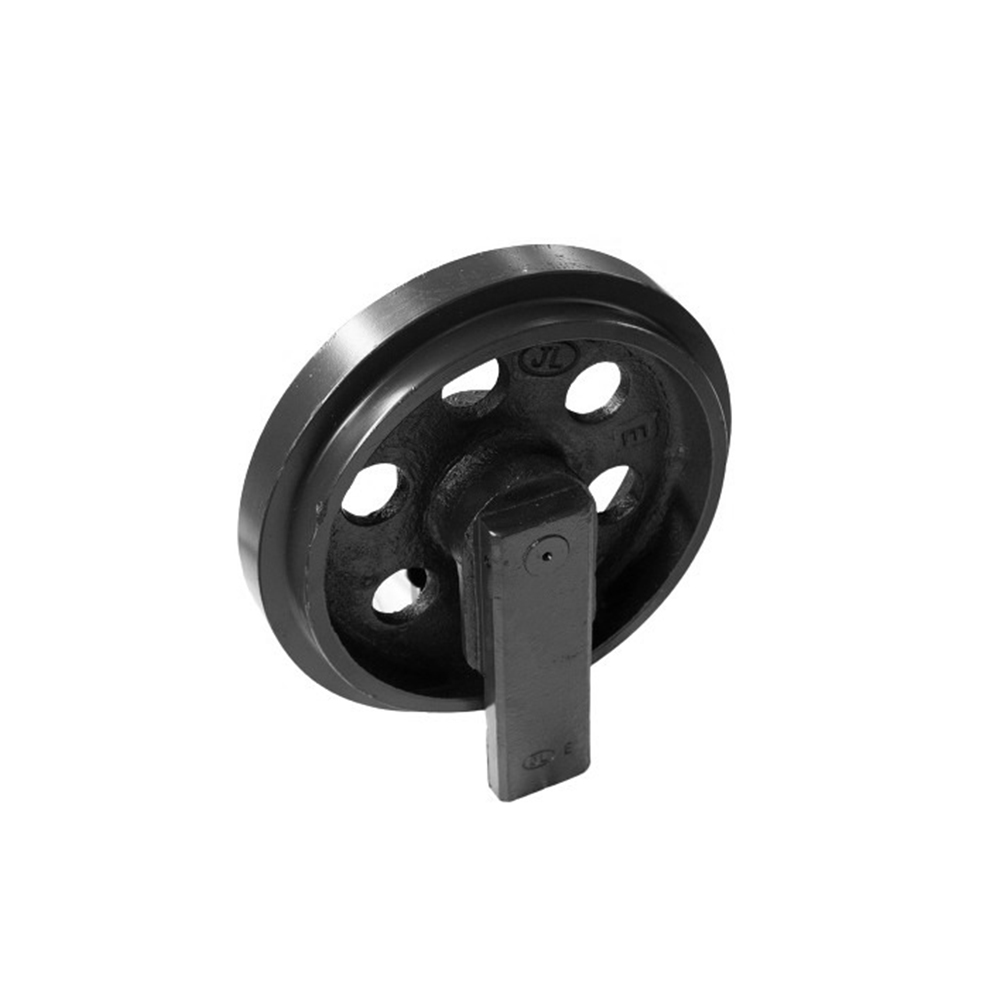
Jedno od najznačajnijih područja inovacija je u samom lancu gusjenica. Tradicionalno, gusjenice zahtijevaju unutarnje podmazivanje (zabrtvljene i podmazane gusjenice, ili SOL) kako bi se smanjilo trošenje i trenje između unutarnjih zatika i čahura. Napredak u metalurgiji i tehnologiji brtvljenja doveo je do podvozja s duljim intervalima podmazivanja i robusnijim brtvama koje sprječavaju ulazak abrazivnih materijala poput pijeska i kamena u unutarnje komponente.
Nadalje, razvoj tehnologije gumenih gusjenica promijenio je igru za mini bagere. Gumene gusjenice znatno su lakše od čeličnih, which immediately reduces the machine's overall weight and the energy needed to propel it. Također eliminiraju trenje metala o metal čeličnog lanca, nudeći tiše i glatko putovanje. Za primjenu na osjetljivim površinama poput pločnika ili uređenih površina, gumene gusjenice neophodne su za sprječavanje oštećenja, ali njihove prednosti učinkovitosti velika su prednost u bilo kojem kontekstu.
Važnost visokokvalitetnih komponenti
Nemilosrdni stres i abrazivni uvjeti na gradilištu znače da su komponente podvozja habajuće stvari. Međutim, kvaliteta ovih komponenti ima izravan utjecaj na dugoročnu učinkovitost. Ulaganje u visoku kvalitetu komponente podvozja od renomiranog dobavljača ne radi se samo o produljenju vijeka trajanja dijela; radi se o održavanju učinkovitosti cijelog sustava. Istrošeni lančanici, istegnuti lanci gusjenice, ili zaglavljeni valjci dramatično povećavaju trenje i parazitske gubitke energije u podvozju. To tjera motor da radi više kako bi postigao istu brzinu putovanja, izravno povećanje potrošnje goriva. Vrhunski zamjenski dijelovi koji su proizvedeni prema preciznim OEM specifikacijama osiguravaju pravilno pristajanje i funkciju, pomažući da donji postroj radi jednako učinkovito kao onog dana kada je stroj bio nov.
Kako bi se ilustrirao dugoročni financijski učinak, razmotrite sljedeću usporedbu standardnih i vrhunskih komponenti donjeg stroja tijekom radnog razdoblja od 4000 sati.
| Metrički | Komponente standardne kvalitete | Komponente vrhunske kvalitete |
|---|---|---|
| Početni trošak | Osnovna cijena | Osnovna cijena + 20% |
| Životni vijek komponente | ~2000 sati | ~4000 sati |
| Događaji zamjene | 1 (na 2,000 sati) | 0 |
| Zastoj radi zamjene | 8 sati | 0 sati |
| Utjecaj na učinkovitost goriva | 2-4% smanjuju kako se dijelovi troše | <1% smanjiti tijekom životnog vijeka |
| Ukupni trošak više 4,000 sati | Početni trošak + Trošak zamjene + Trošak zastoja + Dodatni trošak goriva | Početni trošak |
Kao što pokazuje tablica, malo veće početno ulaganje u vrhunske komponente često se nadoknađuje eliminacijom ciklusa zamjene u srednjem životnom vijeku, smanjeno vrijeme zastoja, i održivu učinkovitost goriva.
Inovacija 4: Pametni priključci i integrirana kontrola stroja
Učinkovitost mini bagera ne određuje sam stroj. Alat na kraju kraka je ono što obavlja stvarni rad, a inovacije u tehnologiji priključaka i kontroli stroja mijenjaju način na koji se taj posao obavlja. Pomak je daleko od "glupog čelika"." a prema inteligentnom, integrirani sustavi koji povećavaju preciznost, smanjiti preradu, i dramatično skratiti rokove projekta.
Evolucija od žlica do inteligentnih alata
Desetljećima, standardni alat za mini bager sastojao se od nekoliko žlica za kopanje različitih veličina, kanta za ocjenjivanje, a možda i hidraulički čekić. Danas, niz dostupnih priloga je nevjerojatan, a mnogi sada uključuju vlastitu tehnologiju. Tilt-rotatori, na primjer, čest su prizor na europskim stranicama za zapošljavanje i postaju sve popularniji diljem svijeta. Ovaj "zglob" na kraju grane omogućuje okretanje žlice ili drugog priključka 360 stupnjeva i nagnite do 45 stupnjeva s jedne na drugu stranu. Ova mogućnost operateru omogućuje iskopavanje složenih oblika, nagib padina, i postavljati predmete s nevjerojatnom preciznošću bez stalnog premještanja samog stroja. Svaki put operater izbjegava pomicanje gusjenica, štede vrijeme i gorivo.
Ostali pametni priključci uključuju kante za ravnanje s integriranim senzorima koji u stvarnom vremenu daju povratne informacije o nagibu i nagibu, ili ploče za zbijanje koje mjere gustoću tla kako bi se osiguralo da su specifikacije za zbijanje zadovoljene pri prvom prolazu. Ovi alati pružaju trenutnu, korisnih informacija operateru, smanjujući potrebu za drugim radnikom s šipkom za ocjenjivanje ili posebnim uređajem za ispitivanje.
Integracija GPS-a i kontrole stroja
Vrhunac ovog trenda je integracija priključaka s 2D i 3D sustavima upravljanja strojevima. These systems use GPS or robotic total stations to determine the precise position of the bucket's cutting edge in real-time. Plan dizajna projekta učitava se u robusni računalni zaslon u kabini. The operator can then see a graphical representation of their bucket's position relative to the desired final grade.
U 2D sustavu, operater koristi rotirajući laser kao referentnu točku i može postaviti željenu dubinu i nagib. Zaslon u kabini pokazat će je li rub žlice iznad, ispod, ili na ocjenu. Ovo je idealno za zadatke poput kopanja rovova za komunalije ili stvaranja ravnih podloga za gradnju.
3D sustav ide mnogo dalje. Korištenje GPS-a, prati stroj na 3D digitalnom modelu mjesta. Operater može vidjeti njihov položaj na cijelom gradilištu i iskopati složene konture, padinama, i profili s točnošću na razini centimetra. Neki napredni sustavi čak nude poluautonomno upravljanje, gdje će sustav automatski kontrolirati funkcije grane i strijele kako bi spriječio operatera da kopa preko ciljanog nagiba.
Dobici učinkovitosti od ovih sustava su ogromni. Oni gotovo eliminiraju potrebu za geodetskim udjelima i provjerivačima ocjena na terenu, poboljšanje sigurnosti stranice. Ponovni radovi zbog prekomjernog ili premalog kopanja drastično su smanjeni, što štedi vrijeme, gorivo, i trošak dodatnog materijala za zatrpavanje. Zadatak za koji su možda bili potrebni dani ulaganja i pažljivog ručnog rada sada se može izvršiti u satima. Sposobnost korištenja moćnog bager ripper s preciznim navođenjem, na primjer, omogućuje učinkovito iskopavanje stijena i tvrdog tla bez skupog nagađanja iz prošlosti.
Inovacija 5: Telematika i upravljanje voznim parkom na temelju podataka
Posljednji dio moderne slagalice učinkovitosti su podaci. Najnaprednijim mini bagerom na svijetu i dalje se može upravljati neučinkovito. Telematički sustavi pružaju informacije koje upravitelji i vlasnici voznih parkova trebaju nadzirati, upravljati, i optimizirati rad svojih strojeva i operatera. Ova tehnologija je prešla iz luksuznog dodatka u standardnu značajku na većini novih građevinskih strojeva.
Kako radi telematika
Telematski sustav je u biti mali, robusno računalo na stroju opremljeno mobilnim ili satelitskim modemom i GPS prijamnikom. This unit constantly collects a vast stream of data from the machine's electronic control module (ECM) i drugi senzori. This data is then transmitted to a secure web portal where it can be accessed by the machine's owner.
Vrsta prikupljenih podataka je sveobuhvatna i može uključivati:
- Mjesto: GPS praćenje u stvarnom vremenu za praćenje lokacije stroja i sprječavanje krađe.
- Radno vrijeme: Točno praćenje radnih sati motora za planiranje preventivnog održavanja.
- Potrošnja goriva: Precizno mjerenje izgorjelog goriva, omogućujući izračun učinkovitosti goriva (Npr., litara na sat).
- Vrijeme praznog hoda: Količina vremena u kojem motor radi dok stroj ne radi aktivno. Ovo je kritična metrika za prepoznavanje izgubljenog goriva.
- Zdravlje stroja & Kodovi grešaka: Sustav može prijaviti dijagnostičke kodove kvarova, visoke temperature motora, ili niske razine tekućine, često prije nego što je operater uopće svjestan problema.
- Podaci o korištenju: Informacije o tome kako se stroj koristi, kao što je vrijeme provedeno u različitim načinima rada ili postotak vremena kada je određena funkcija aktivna.
Pretvaranje podataka u odluke o učinkovitosti
Ovi neobrađeni podaci temelj su za donošenje pametnijih poslovnih odluka. Voditelj voznog parka na Bliskom istoku, nadzirući desetke strojeva na više mjesta, can log into a portal and see a complete picture of their fleet's health and productivity.
Jesu li troškovi goriva na jednom projektu neobjašnjivo visoki? Telematički podaci mogu otkriti prekomjerna vremena mirovanja, što ukazuje na potrebu za obukom rukovatelja o isključivanju strojeva kada se ne koriste. Or it might show that an operator is consistently using 'Power' način rada za lake zadatke, when 'Eco' način bi bio prikladniji.
Je li određeni stroj koji pokazuje opetovana upozorenja o hidrauličkoj temperaturi? Ovo bi mogao biti rani pokazatelj neispravne komponente, omogućujući proaktivno planiranje održavanja prije nego što se dogodi katastrofalni kvar na licu mjesta. Ova sposobnost prediktivnog održavanja, vođeni telematikom, je moćan alat za smanjivanje neplaniranih zastoja, što je jedan od najvećih skrivenih troškova u građevinarstvu.
Analizirajući trendove tijekom vremena, menadžeri također mogu donositi bolje odluke o budućim nabavama opreme. Oni mogu usporediti stvarnu učinkovitost goriva i produktivnost različitih modela u svojim aplikacijama, pružajući solidnu osnovu za izračun stvarnog ukupnog troška vlasništva. Uvidi prikupljeni iz telematike transformiraju upravljanje voznim parkom iz reaktivnog procesa u proaktivan, strategija vođena podacima za maksimiziranje profitabilnosti.
Često postavljana pitanja (FAQ)
Jesu li električni mini bageri dovoljno snažni za prave građevinske radove?
Da, apsolutno. Uobičajena zabluda je da električna energija znači manje performanse. U stvarnosti, električni motori proizvode trenutni okretni moment, što može učiniti da se električni mini bageri osjećaju još bolje nego njihovi dizelski parnjaci. Projektirani su da pruže istu silu kidanja i hidrauličku izvedbu kao dizelski modeli slične veličine, čineći ih potpuno sposobnima za kopanje rovova, rušenje, i zadaci rukovanja materijalom.
Koliki je povrat investicije (ROI) za hibridni mini bager?
ROI za hibridni stroj uvelike ovisi o troškovima goriva i korištenju. Što je viša cijena dizela i više sati se stroj koristi, brži povrat. Za aplikacije s visokim ciklusom poput utovara kamiona ili kopanja rovova gdje se funkcija ljuljanja stalno koristi, ušteda goriva je maksimalna. Tipični izračun može pokazati razdoblje povrata od dvije do četiri godine, nakon čega stroj stvara značajne uštede za ostatak svog radnog vijeka.
Mogu li naknadno opremiti svoj stariji mini bager ovim novim tehnologijama učinkovitosti?
Dok se neke tehnologije mogu naknadno ugraditi, drugi ne mogu. Telematički sustavi obično su dostupni kao naknadni kompleti i mogu se instalirati na gotovo svaki stroj. Sustavi upravljanja strojevima (2D i 3D) može se ugraditi i na starije bagere, pod uvjetom da imaju relativno moderan hidraulički sustav. Međutim, core powertrain technologies like hybrid-electric systems or advanced load-sensing hydraulics are deeply integrated into the machine's design and cannot be practically retrofitted.
Kako tehnika operatera utječe na učinkovitost ovih novih strojeva?
Tehnika operatera ostaje iznimno važan čimbenik. Čak i s naprednim sustavima, vješt operater koji predviđa pokrete, koristi glatke kontrole, i minimizira nepotrebno premještanje stroja bit će učinkovitiji. Tehnologije poput telematike pomažu identificirati područja za obuku operatera, kao što je smanjenje vremena mirovanja ili korištenje ispravnog načina rada. The goal of many mini excavator efficiency innovations is to make it easier for every operator to perform at a higher level.
Zahtijevaju li električni i hibridni bageri specijalizirano održavanje?
Zahtijevaju različito održavanje, ne nužno specijaliziraniji. Električni bageri eliminiraju održavanje povezano s motorom (promjene ulja, zamjene filtera), ali uvode potrebu za nadzorom zdravlja baterije i električnih veza. Hibridni sustavi još uvijek imaju dizelski motor koji zahtijeva standardni servis, plus potreba za održavanjem električnih komponenti kao što su kondenzator i motor-generator. Tehničarima može biti potrebna dodatna obuka za siguran rad na tim visokonaponskim sustavima.
Je li podvozje doista toliko važno za učinkovitost goriva?
Da, to je kritičan i često zanemaren čimbenik. Energija izgubljena zbog trenja i otpora u loše održavanom ili nekvalitetnom podvozju je značajna. Ovaj parazitski gubitak tjera motor da proizvede više snage samo da pomakne stroj, izravno povećanje sagorijevanja goriva. Redovito čišćenje, pravilno zatezanje gusjenice, i korištenje visokokvalitetnih komponenti bitne su prakse održavanja za maksimiziranje uštede goriva.
Koja inovacija nudi najbolju vrijednost za malog poduzetnika?
Za malog poduzetnika ili vlasnika-operatora, najbolja vrijednost često dolazi od tehnologija koje pružaju najbrže i najopipljivije povrate. Telematski sustav relativno je jeftina investicija koja može odmah identificirati rasipanje goriva u praznom hodu. Ako kupujete novi stroj, hibridni model često postiže izvrsnu ravnotežu, pružajući znatnu uštedu goriva bez infrastrukturnih zahtjeva za potpuno električni bager, što ga čini vrlo pragmatičnim izborom.
Zaključak
Putovanje kroz krajolik inovacija učinkovitosti mini bagera otkriva jasnu i uvjerljivu priču o napretku. Industrija se odlučno kreće dalje od jedinstvene potrage za sirovom snagom i prema holističkoj definiciji učinka, onaj gdje potrošnja goriva, emisije, preciznost, i podatkovna inteligencija jednako su vitalni. Pojava potpuno električnih i hibridno-električnih pogonskih sklopova označava najznačajniji tehnološki skok, nudeći načine za dramatično smanjenje operativnih troškova i ispunjavanje strožih ekoloških standarda, razvoj potkrijepljen opsežnim istraživanjem regeneracije energije (Truong i sur., 2021).
Istovremeno, tiha revolucija koja se događa unutar hidrauličkih sustava, karakteriziran inteligentnim, kontrole osjetljive na opterećenje, omogućuje operaterima brži i finiji rad. This is complemented by the growing sophistication of the machine's interaction with its environment, kroz dizajn podvozja koji minimizira gubitak energije i pametan, Priključci vođeni GPS-om koji nagađanje pretvaraju u preciznost. Konačno, sloj telematičkih podataka raširen kroz cijelu operaciju osigurava kritičnu povratnu petlju, omogućavajući vlasnicima i upraviteljima da uvide pretvore u djelovanje, optimiziranje svega, od ponašanja operatera do dugoročne strategije voznog parka. Za izvođače na konkurentnim tržištima 2025 i šire, prihvaćanje ovih inovacija nije samo opcija za poboljšanje; to je temeljna strategija za izgradnju profitabilnijeg, održivi, i otporno poslovanje.
Reference
Kurihara, K., Na, H., Shitara, Y., & Nazovi to, H. (2022). Studija potpunog električnog mini bagera. Komatsu tehničko izvješće, 68(175), 2–9.
Mandarinski, L., Koji, J., & Zhang, S. (2023). Istraživanje karakteristika energetske učinkovitosti sustava za podizanje i zakretanje rudarske lopate pogonjene hidrauličko-električnim hibridnim sustavom. Kineski časopis za strojarstvo, 36(1), 164. https://doi.org/10.1186/s10033-023-00970-x
Truong, D. Q., The, T. H., Ahn, K. K., & Park, H. G. (2021). Razvoj tehnologija regeneracije energije za hidraulične bagere: pregled. Pregledi obnovljive i održive energije, 145, 111045.
Koji, J., Mandarinski, L., Ge, L., Zhang, X., & Zhao, B. (2025). Dizajn i upravljanje novim hibridnim pogonskim sustavom zakretanja za bagere koji integriraju električne i hidraulične sustave za povrat energije. energija, 300, 134707.