
추상적인
소형 건설 장비의 운영 환경은 다음과 같이 엄청난 변화를 겪고 있습니다. 2025, 엄격한 환경 규제의 합류로 인해 발생, 변동성이 큰 연료 시장, 작업 현장 생산성 향상에 대한 끊임없는 요구. 이 분석에서는 업계를 재편하는 중추적인 미니 굴삭기 효율성 혁신을 조사합니다.. 이러한 진화의 핵심은 전통적인 디젤-유압 시스템에서 전기화 및 하이브리드 파워트레인으로의 패러다임 전환입니다.. 이러한 기술은 일반적으로 손실되는 에너지를 포착하고 재사용하여 배출 및 운영 비용을 크게 줄입니다., 예를 들어 스윙 감속 중. 동시에, 지능형 유압 제어의 발전, 텔레매틱스, 기계 제어 시스템으로 정밀도가 향상되고 재작업이 최소화됩니다.. 조사는 차대 및 부착물 설계의 기본 역할까지 확장됩니다., 재료 과학 및 엔지니어링 개선으로 연료 소비가 줄어들고 부품 수명이 연장됩니다.. 이러한 기술 발전의 종합은 미니 굴착기가 더 강력할 뿐만 아니라 전 세계 계약업체에게 훨씬 더 지속 가능하고 경제적으로 실행 가능한 미래를 향한 명확한 궤적을 제시합니다..
주요 테이크 아웃
- 하이브리드 전기 모델을 채택하여 연료 소비를 최대로 줄입니다. 20% 에너지 재생을 통해.
- 데이터 기반 개선을 위해 기계 상태 및 작업자 행동을 모니터링하는 텔레매틱스 구현.
- 배기가스 제로를 위해 완전 전기식 미니 굴삭기를 활용하세요, 민감한 환경에서 저소음 작동.
- Invest in high-quality undercarriage parts to reduce drag and extend the machine's service life.
- 상당한 경쟁 우위와 재정적 우위를 확보하기 위한 미니 굴삭기 효율성 혁신을 살펴보세요..
- 더 빠른 사이클 시간과 더 부드러운 작업을 위해 지능형 유압 시스템을 사용합니다., 더욱 정밀한 제어.
- GPS 유도 부착물을 사용하여 재작업 최소화, 현장에서 시간과 연료를 모두 절약.
목차
- 효율성을 향한 거침없는 추진
- 혁신 1: 전기화 및 하이브리드 시스템의 부상
- 혁신 2: 고급 유압 및 지능형 제어
- 혁신 3: 에너지 손실 감소를 위한 차대 최적화
- 혁신 4: 스마트 부착물 및 통합 기계 제어
- 혁신 5: 텔레매틱스 및 데이터 기반 차량 관리
- 자주 묻는 질문 (FAQ)
- 결론
- 참조
효율성을 향한 거침없는 추진
건설의 세계, 특히 호주 전역의 역동적인 시장에서, 동남아시아, 그리고 중동, 마감일과 예산의 압박이 낯설지 않습니다.. 운영자 및 차량 관리자용, 미니 굴착기는 오랫동안 컴팩트한 형태의 다재다능함과 힘의 상징이었습니다.. 아직, 성과의 정의 자체가 확장되고 있습니다.. 기계가 단순히 효과적으로 땅을 파고 들어 올리는 것만으로는 더 이상 충분하지 않습니다.. 경제 및 생태학적 현실 2025 효율성에 대한 보다 미묘한 이해가 필요합니다.. 연료 1리터가 절약됩니다., 유휴 시간이 1분마다 감소합니다., and every cubic meter of earth moved with greater precision contributes directly to the bottom line and to a project's sustainability credentials.
이러한 변화는 일시적인 추세가 아닙니다.; 그것은 가치에 대한 근본적인 재평가이다.. 한국의 밀집된 도심이나 서부 호주의 원격 채굴 현장에 있는 운영자를 고려하십시오.. 하나를 위해, 소음 조례 및 배출 표준이 가장 중요합니다.. 다른 사람을 위해, 디젤 한 방울의 물류 비용은 주요 재정적 고려 사항입니다.. 두 시나리오 모두 동일한 핵심 요구 사항을 강조합니다.: 더 적은 비용으로 더 많은 일을 하는 기계. 오늘날 우리가 목격하고 있는 미니굴삭기 효율 혁신은 이러한 글로벌 수요에 대한 직접적인 대응입니다.. 그들은 기계공학의 융합을 대표합니다., 고급 전자, 그리고 데이터 과학, 모두 현대 건설의 핵심 과제를 해결하는 것을 목표로 합니다.. 다섯 가지 핵심 혁신을 자세히 알아보기 전에, 이 혁명의 핵심인 파워트레인 기술을 직접 비교하여 그 영향을 맥락화하는 것이 도움이 됩니다..
| 특징 | 일반 디젤 | 하이브리드 전기 | 완전 전기 |
|---|---|---|---|
| 1차 전원 | 디젤 엔진 | 디젤 엔진 + 전동기/발전기 | 리튬 이온 배터리 팩 |
| 배출량 | NOx, CO2, 입자상 물질 | 배출량 감소 | 배기관 배출 제로 |
| 소음 수준 | 높은 | 보통의 | 매우 낮음 |
| 연료/에너지 비용 | 높고 휘발성이 높음 | 낮추다 (15-30% 저금) | 현저히 낮아짐 |
| 에너지 재생 | 없음 | 예 (스윙/붐 감속) | 예 (모든 감속) |
| 이상적인 적용 | 범용, 외딴 지역 | 고주기, 연료 집약적 작업 | 도시의, 실내, 민감한 사이트 |
| 초기 구매 가격 | 기준 | 더 높은 | 제일 높은 |
혁신 1: 전기화 및 하이브리드 시스템의 부상
미니 굴삭기 기술의 가장 혁신적인 발전은 파워트레인에 집중되어 있습니다.. 전통적인 디젤 엔진, 수십 년 동안 믿을 수 있는 일꾼, 지금은 보완되고 있고, 어떤 경우에는, 정교한 전기 시스템으로 완전히 교체됨. 이 진화는 두 가지 주요 경로로 분기됩니다.: 하이브리드 전기 및 완전 전기.
완전 전기 미니 굴삭기 이해
디젤 엔진의 웅웅거리는 소리와 연기가 없이 하루를 시작한다고 상상해 보세요., 하지만 전기 모터의 조용한 윙윙거리는 소리와 함께. 이것이 완전 전기 미니 굴삭기가 제공하는 현실입니다. 이 기계들, such as Komatsu's PC30E-5, 내연기관을 없애다, 연료 탱크, 그리고 배기 시스템은 완전히. 대신에, 고용량 리튬 이온 배터리 팩을 사용합니다., 전기차에서 볼 수 있는 것과 비슷하다., 유압 펌프를 구동하는 전기 모터에 동력을 공급하기 위해 (Kuriharaet al., 2022).
항소는 즉각적이고 다각적입니다.. 동남아시아 등 인구밀도가 높은 도시나 밀폐된 구조물 내 건설용, 이점은 부인할 수 없습니다. 배기관 배출이 없다는 것은 이러한 기계가 실내 또는 환기가 잘 되지 않는 곳에서도 인체 건강에 위험을 주지 않고 작동할 수 있음을 의미합니다.. 소음 공해가 크게 감소하여 소음에 민감한 구역에서 근무 시간을 연장할 수 있습니다., 병원 근처나 주거 지역 등, 지역사회 혼란 최소화. 뿐만 아니라, 운영 비용 절감 효과가 상당할 수 있습니다.. 전기는 일반적으로 디젤 연료보다 저렴하고 가격이 안정적입니다., 그리고 엔진오일 제거, 필터, 냉각수는 유지 관리 일정을 단순화하고 관련 비용을 줄입니다..
하지만, 완전한 전기화를 향한 길에는 장애물이 없지 않습니다. 계약업체의 주요 관심사는 배터리 수명과 충전 인프라입니다.. 일반적인 전기 미니 굴삭기는 4~5시간 연속 작동이 가능합니다., 전체 근무일을 포함하지 않을 수도 있음. 이를 위해서는 교대근무 중에 충전이 필요합니다., 현장에 전용 전원이 필요한 경우, 또는 교체 가능한 배터리 팩 사용. 초기 구입 비용도 동급 디젤 모델에 비해 상당히 높습니다., 총 소유 비용을 신중하게 계산해야 함 (TCO) 투자를 정당화하기 위해.
하이브리드 시스템: 실용적인 타협
많은 응용 분야의 경우, 하이브리드 기술은 효율성 향상을 위해 보다 즉각적으로 접근 가능한 단계를 제시합니다.. 하이브리드 미니 굴삭기는 디젤 엔진을 제거하지 않고 전기 부품(종종 전기 스윙 모터 또는 엔진과 유압 펌프 사이에 위치한 발전기-모터)과 결합합니다.. 이 혁신의 핵심 원리는 에너지 재생입니다., 하이브리드 자동차에서 차용한 개념.
굴삭기의 일반적인 작업주기를 생각해보십시오.: 파기, 승강기, 그네, 덤프, 반품. 스윙 및 붐 하강 단계 중, the machine's momentum and the weight of the arm create kinetic and potential energy. 기존 기계에서는, 이 에너지는 유압 시스템에서 열로 소산됩니다. 이는 단순히 낭비됩니다.. 하이브리드 시스템, 대조적으로, 이 에너지를 포착해. 작업자가 상부 구조물의 스윙 속도를 늦추면서, 전기 스윙 모터는 발전기 역할을합니다., 감속 에너지를 전기로 변환, 그런 다음 커패시터나 소형 배터리에 저장됩니다. (Yanget al., 2025). 이렇게 저장된 전기는 다음 가속 단계에서 엔진을 보조하거나 스윙 모터에 직접 전력을 공급하는 데 사용됩니다., 디젤 엔진의 부하를 감소.
그 결과 연료 소비가 크게 감소합니다., 종종 사이에 15% 그리고 30%, 응용 프로그램에 따라. 연료비가 높은 지역의 계약자용, 아프리카의 많은 지역이나 먼 호주처럼, 이러한 절감액은 빠르게 축적됩니다., 더 높은 초기 투자 대비 훨씬 더 빠른 수익을 얻을 수 있습니다.. 혁신적인 하이브리드 파워트레인에 대한 연구는 이러한 균형을 지속적으로 최적화합니다., 다양한 기능에서 에너지 회수의 극대화를 추구, 호이스팅 및 선회 시스템 포함, 전반적인 에너지 효율 특성을 더욱 향상시키기 위해 (et al., 2023). 이 시스템은 강력한 브리지 기술을 제공합니다., 완전 전기 모델의 주행 거리 불안 및 인프라 문제 없이 실질적인 연료 절감 및 배기가스 감소를 제공합니다..
혁신 2: 고급 유압 및 지능형 제어
파워트레인 혁명이 많은 헤드라인을 장식하는 동안, 마찬가지로 중요한 미니 굴삭기 효율성 혁신은 유압 시스템 자체에서도 일어나고 있습니다.. 유압 시스템은 굴삭기의 근육입니다, 엔진 출력을 굴착에 필요한 힘으로 변환, 승강기, 그리고 움직여. 이 시스템을 더욱 스마트하고 응답성이 향상되도록 만드는 것이 전반적인 기계 생산성을 향상하고 에너지 낭비를 줄이는 데 핵심입니다..
전자 부하 감지로의 전환
전통적인 유압 시스템은 종종 일정한 흐름의 원리로 작동합니다., 아무 기능도 사용하지 않을 때에도 압력을 유지하기 위해 펌프가 작동하는 곳. 이는 탭을 계속 작동시키는 것과 유사합니다. 유용한 작업을 수행하지 않고 에너지를 소비합니다.. 최신 미니 굴삭기에는 고급 하중 감지 기능이 점점 더 많이 탑재되고 있습니다., 가변 변위 피스톤 펌프.
작동 방식은 다음과 같습니다.: sensors at the control levers detect the operator's input and the precise hydraulic flow and pressure required for that specific action. 이 정보는 전자 컨트롤러로 전송됩니다., 그런 다음 펌프에 필요한 양의 유량만 생성하도록 지시합니다.. 운영자가 벌금을 부과하는 경우, 섬세한 움직임, 펌프는 소량의 오일을 공급합니다.. 최고 속도로 무거운 물건을 들어올리는 경우, 펌프가 최대 출력까지 올라갑니다.. 이 "주문형 전원" 접근 방식은 엔진이 필요 이상으로 열심히 작동하지 않도록 보장합니다., 연료 절감에 큰 도움이 되는. 이는 오래된 제품과 관련된 기생 손실을 제거합니다., 덜 지능적인 시스템.
탁월한 제어를 위한 흐름 공유
오래된 장비를 작동하면서 붐을 들어올리면서 집을 흔드는 것과 같이 두 가지 기능을 동시에 수행하려고 할 때 한 가지 기능이 급격히 느려지는 것을 발견한 적이 있습니까?? 이는 적절한 흐름 공유 기능이 없는 시스템에서 흔히 발생하는 문제입니다..
고급 유압 시스템에는 정교한 메인 제어 밸브와 흐름 공유 기술이 통합되어 있습니다.. 이 밸브는 유압유의 지능형 교통 경찰 역할을 합니다.. 작업자가 여러 기능을 동시에 명령하는 경우, 밸브는 사용 가능한 펌프 유량이 각 기능의 요구에 따라 비례적으로 분배되도록 보장합니다.. 이를 통해 원활한, 한 기능이 다른 기능의 힘을 고갈시키지 않고 결합된 움직임. 운영자에게 실질적인 이점은 엄청납니다.. 그레이딩을 표면으로 만듭니다., 파이프를 트렌치에 꽂아 넣기, 또는 훨씬 더 빠르게 트럭에 짐을 실을 수 있습니다., 더 매끄럽게, 더욱 정밀한 조작. 이러한 부드러움은 사이클 시간을 단축하여 생산성을 높일 뿐만 아니라 장시간 교대 근무 시 작업자의 피로도 줄여줍니다..
지능형 제어가 생산성에 미치는 영향
이러한 고급 유압 구성요소를 지능형 전자 컨트롤러와 통합하면 단순히 더 효율적인 것이 아닌 기계가 만들어집니다., 효과적으로 운영하기가 더 쉽습니다.. 많은 최신 소형 굴삭기에는 선택 가능한 작업 모드가 있습니다. (예를 들어, 'Eco', 'Standard', 'Power'). In 'Eco' 방법, 시스템은 엔진 RPM을 제한하고 최대 연비를 위해 유압 흐름을 최적화할 수 있습니다., 가벼운 작업에 적합. In 'Power' 방법, 무거운 굴착을 위해 엔진과 유압 시스템의 모든 기능을 발휘합니다..
이러한 시스템은 반복적인 기능을 자동화하고 초보 작업자도 생산성을 높일 수 있도록 지원합니다.. 예를 들어, 일부 시스템은 자동 유휴 기능을 제공합니다., 몇 초 동안 활동이 없으면 자동으로 엔진을 공회전 상태로 전환합니다., 그리고 자동 종료, 미리 설정된 시간이 지나면 엔진이 꺼지는 기능, 장비 수명 동안 상당한 양의 연료를 절약합니다.. 이러한 수준의 지능은 굴삭기를 순전히 기계적인 도구에서 반응하는 파트너로 변화시킵니다., adapting its performance characteristics to the task at hand and the operator's intent.
혁신 3: 에너지 손실 감소를 위한 차대 최적화
미니 굴착기의 하부 구조는 그 기초입니다.. 이는 장비의 전체 무게를 지탱하고 작업 현장을 탐색하는 데 필요한 이동성을 제공합니다.. 또한 미묘한 디자인 변경으로 전반적인 효율성이 크게 향상될 수 있는 영역이기도 합니다.. 단순히 기계를 한 지점에서 다른 지점으로 이동하는 데 필요한 에너지, 여행 또는 트램으로 알려져 있음, 총 연료 소비의 상당 부분을 차지할 수 있습니다.. 그러므로, 차대에서 항력과 마찰을 줄이는 혁신은 효율성 퍼즐의 핵심 부분입니다..
The Undercarriage's Role in Fuel Consumption
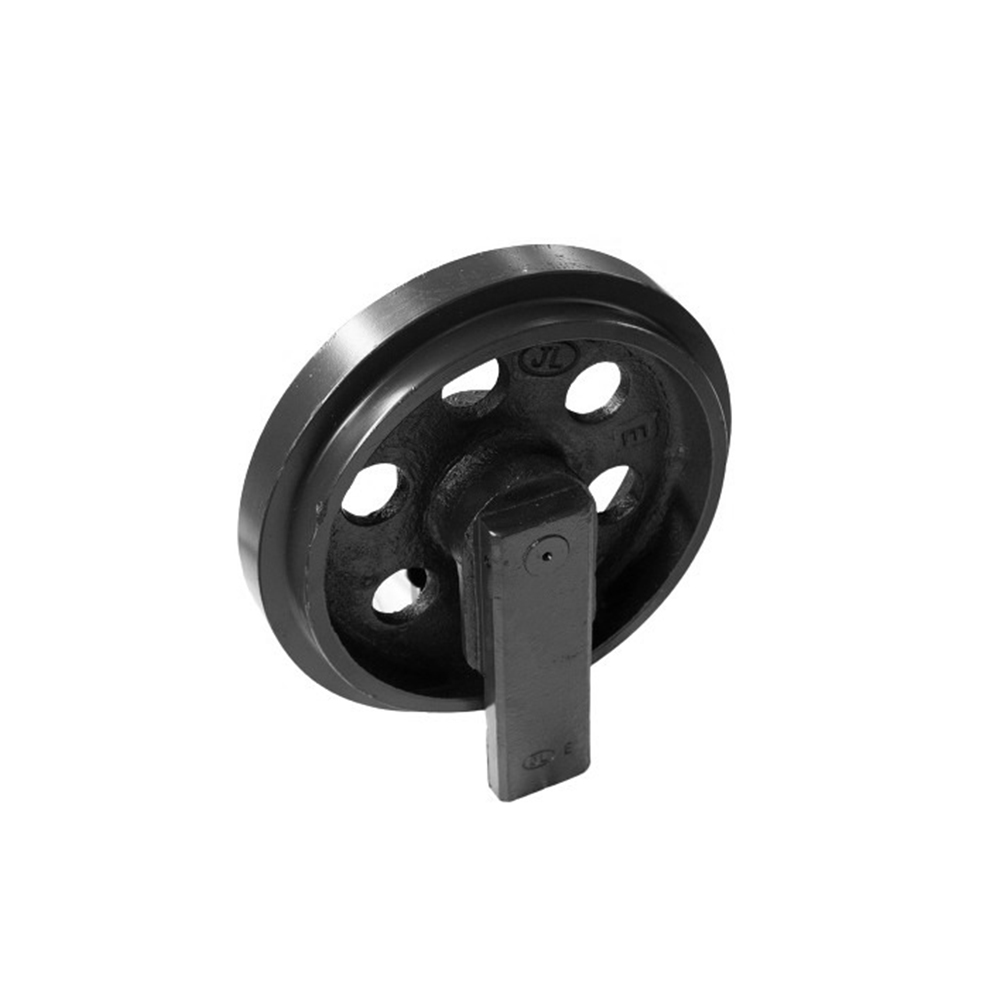
차대를 추적 장비의 구동계로 생각하세요.. 그것은 스프로킷의 복잡한 조립으로 구성됩니다., 아이들러, 롤러, 그리고 트랙 자체. 기계가 움직일 때마다, 트랙 체인의 핀과 부싱 사이의 마찰로 인해 에너지가 손실됩니다., 롤러와 트랙 링크 사이, 트랙패드와 지면 사이. 이 누적된 마찰은 저항력을 생성합니다., 또는 드래그, 엔진이 극복해야 할 것. 기계가 무거워지고 마찰이 커질수록, 움직이려면 더 많은 연료가 필요하다.
제조업체는 향상된 디자인과 고급 소재의 조합을 통해 이러한 문제를 해결하고 있습니다.. 예를 들어, 롤러와 아이들러는 최적화된 접촉 표면을 갖도록 재설계될 수 있습니다., 또는 회전 마찰을 줄이기 위해 고급 씰과 베어링을 사용할 수도 있습니다.. 트랙 자체의 디자인도 중요합니다.. 더 넓은 트랙은 부드러운 지면에서 더 나은 부양력을 제공하지만, they also increase the machine's overall weight and ground contact area, 단단한 표면에서 잠재적으로 마찰 및 회전 저항 증가. 일반적인 애플리케이션에 적합한 트랙 폭과 패드 유형을 선택하는 것은 효율성 최적화의 중요한 첫 번째 단계입니다..
트랙 디자인 및 재료의 혁신
혁신의 가장 중요한 영역 중 하나는 트랙 체인 자체에 있습니다.. 전통적으로, 트랙 체인에는 내부 윤활이 필요합니다. (밀봉 및 윤활 트랙, 또는 소금) 내부 핀과 부싱 사이의 마모와 마찰을 최소화합니다.. 야금 및 밀봉 기술의 발전으로 인해 윤활 간격이 길어지고 모래 및 암석과 같은 마모성 물질이 내부 구성 요소에 들어가는 것을 방지하는 보다 견고한 밀봉 기능을 갖춘 차대가 탄생했습니다..
뿐만 아니라, 고무 트랙 기술의 개발은 미니 굴착기의 판도를 바꾸었습니다.. 고무 트랙은 강철 트랙보다 훨씬 가볍습니다., which immediately reduces the machine's overall weight and the energy needed to propel it. 또한 강철 체인의 금속 간 마찰을 제거합니다., 더욱 조용하고 원활한 여행을 선사합니다. 포장도로나 조경된 지역과 같은 민감한 표면에 적용하는 경우, 고무 트랙은 손상을 방지하는 데 필수적입니다., 그러나 효율성 이점은 어떤 상황에서도 큰 이점입니다..
고품질 부품의 중요성
건설 현장의 끊임없는 스트레스와 마모 상태로 인해 차대 구성품은 마모 품목이 됩니다.. 하지만, 이러한 구성 요소의 품질은 장기적인 효율성에 직접적인 영향을 미칩니다.. 고품질에 투자 차대 구성 요소 평판이 좋은 공급업체로부터 구입하는 것은 단지 부품의 수명을 연장하는 것만이 아닙니다.; 전체 시스템의 효율성을 유지하는 것입니다.. 마모된 스프로킷, 늘어진 트랙 체인, 또는 압착된 롤러는 차대에서 마찰과 기생 에너지 손실을 극적으로 증가시킵니다.. 이로 인해 동일한 이동 속도를 달성하기 위해 엔진이 더 열심히 작동하게 됩니다., 직접적으로 연료 소비 증가. 정밀한 OEM 사양에 따라 제조된 프리미엄 교체 부품은 적절한 핏과 기능을 보장합니다., 장비가 새 것이던 날처럼 차대 작동을 효율적으로 유지하는 데 도움.
장기적인 재정적 영향을 설명하기 위해, 4,000시간의 작동 기간 동안 표준 및 프리미엄 차대 구성 요소를 다음과 같이 비교합니다..
| 미터법 | 표준 품질 구성 요소 | 프리미엄 품질의 구성 요소 |
|---|---|---|
| 초기비용 | 기본 가격 | 기본 가격 + 20% |
| 구성 요소 수명 | ~2,000시간 | ~4,000시간 |
| 교체 이벤트 | 1 (~에 2,000 시간) | 0 |
| 교체를 위한 가동 중지 시간 | 8 시간 | 0 시간 |
| 연료 효율성에 미치는 영향 | 2-4% 부품이 마모됨에 따라 감소 | <1% 수명에 따라 감소 |
| 총 비용 초과 4,000 시간 | 초기비용 + 교체 비용 + 다운타임 비용 + 추가 연료 비용 | 초기비용 |
표에서 보여주듯이, 프리미엄 부품에 대한 약간 더 높은 초기 투자 비용은 중간 수명 교체 주기를 제거함으로써 회수되는 경우가 많습니다., 다운 타임 감소, 지속적인 연료 효율성.
혁신 4: 스마트 부착물 및 통합 기계 제어
미니굴삭기의 효율은 기계만으로는 결정되지 않습니다.. 붐 끝에 있는 공구가 실제 작업을 수행하는 것입니다., 부착 기술과 기계 제어의 혁신은 작업 수행 방식을 변화시키고 있습니다.. 이번 움직임은 '멍청한 강철'에서 벗어난다." 그리고 지능적인 쪽으로, 정밀도를 높이는 통합 시스템, 재작업 감소, 프로젝트 일정을 획기적으로 단축합니다..
버킷에서 지능형 도구로의 진화
수십 년 동안, 미니 굴착기의 표준 툴킷은 몇 가지 크기가 다른 굴착 버킷으로 구성되었습니다., 등급 버킷, 그리고 아마 유압 해머일 수도 있겠네요. 오늘, 사용 가능한 첨부 파일의 배열이 엄청납니다., 이제 많은 기업이 자체 기술을 통합하고 있습니다.. 틸트 회전 장치, 예를 들어, 유럽 취업 사이트에서 흔히 볼 수 있으며 전 세계적으로 인기를 얻고 있습니다.. 이 "손목" 붐 끝에서 버킷이나 기타 부착물이 회전할 수 있습니다. 360 각도 및 최대 기울기 45 좌우로 도. 이 기능을 통해 작업자는 복잡한 형상을 굴착할 수 있습니다., 경사면, 기계 자체의 위치를 지속적으로 변경하지 않고도 믿을 수 없을 만큼 정밀하게 물체를 배치할 수 있습니다.. 운전자가 선로 이동을 피할 때마다, 시간과 연료를 모두 절약해줍니다.
기타 스마트 부착물에는 경사 및 경사에 대한 실시간 피드백을 제공하는 통합 센서가 있는 경사 버킷이 포함됩니다., 또는 첫 번째 통과에서 다짐 사양이 충족되는지 확인하기 위해 토양 밀도를 측정하는 다짐판. 이러한 도구는 즉각적인 제공을 제공합니다., 운영자에게 실행 가능한 정보, 등급 막대 또는 별도의 테스트 장치를 갖춘 두 번째 작업자의 필요성 감소.
GPS와 기계 제어 통합
이러한 추세의 정점은 부착물과 2D 및 3D 기계 제어 시스템의 통합입니다.. These systems use GPS or robotic total stations to determine the precise position of the bucket's cutting edge in real-time. 프로젝트 설계 계획은 운전실의 견고한 컴퓨터 디스플레이에 로드됩니다.. The operator can then see a graphical representation of their bucket's position relative to the desired final grade.
2D 시스템에서, 작업자는 회전하는 레이저를 기준점으로 사용하여 원하는 깊이와 경사를 설정할 수 있습니다.. 운전실 내 디스플레이는 버킷 가장자리가 위에 있는지 여부를 나타냅니다., 아래에, 아니면 학년에. 이는 공공 시설을 위한 도랑을 파거나 평평한 건물 패드를 만드는 것과 같은 작업에 이상적입니다..
3D 시스템은 훨씬 더 발전합니다. GPS 사용, 3D 디지털 사이트 모델에서 기계를 추적합니다.. 작업자는 전체 작업 현장에서 자신의 위치를 확인하고 복잡한 윤곽을 파낼 수 있습니다., 슬로프, 센티미터 수준의 정확도를 갖춘 프로파일. 일부 고급 시스템은 반자동 제어도 제공합니다., 작업자가 목표 경사면을 지나 굴착하는 것을 방지하기 위해 시스템이 붐과 스틱 기능을 자동으로 제어합니다..
이러한 시스템을 통해 얻는 효율성은 엄청납니다.. 현장에서 측량 말뚝과 등급 확인 장치가 사실상 필요하지 않습니다., 현장 안전 개선. 과굴착이나 과소굴착으로 인한 재작업이 대폭 감소됩니다., 시간을 절약해주는 것, 연료, 추가 되메우기 재료 비용. 며칠 동안 스테이킹하고 세심한 수작업이 필요했던 작업을 이제 몇 시간 만에 완료할 수 있습니다.. 강력한 무기를 사용하는 능력 굴삭기 리퍼 정밀한 안내로, 예를 들어, 과거의 값비싼 추측 없이 효율적인 암석 및 단단한 토양 굴착이 가능합니다..
혁신 5: 텔레매틱스 및 데이터 기반 차량 관리
현대 효율성 퍼즐의 마지막 조각은 데이터입니다.. 세계에서 가장 발전된 미니 굴삭기는 여전히 비효율적으로 작동할 수 있습니다.. 텔레매틱스 시스템은 차량 관리자와 소유자가 모니터링해야 하는 정보를 제공합니다., 관리하다, 기계와 작업자의 성능을 최적화합니다.. 이 기술은 고급 추가 기능에서 대부분의 새로운 건설 기계의 표준 기능으로 이동했습니다..
텔레매틱스 작동 방식
텔레매틱스 시스템은 본질적으로 작은 규모입니다., 셀룰러 또는 위성 모뎀과 GPS 수신기가 장착된 견고한 컴퓨터. This unit constantly collects a vast stream of data from the machine's electronic control module (ECM) 그리고 다른 센서. This data is then transmitted to a secure web portal where it can be accessed by the machine's owner.
수집된 데이터 유형은 포괄적이며 다음을 포함할 수 있습니다.:
- 위치: 실시간 GPS 추적으로 기계 위치를 모니터링하고 도난을 방지합니다..
- 영업시간: 예방적 유지보수 일정을 계획하기 위한 엔진 시간의 정확한 추적.
- 연료 소비: 연소된 연료의 정확한 측정, 연료 효율 계산 가능 (예를 들어, 시간당 리터).
- 유휴 시간: 기계가 활발하게 작동하지 않는 동안 엔진이 작동하는 시간. 이는 낭비되는 연료를 식별하는 데 중요한 지표입니다..
- 기계 상태 & 오류 코드: 시스템은 진단 문제 코드를 보고할 수 있습니다., 높은 엔진 온도, 또는 낮은 유체 수준, 종종 운영자가 문제를 인지하기도 전에.
- 활용 데이터: 기계 사용 방법에 대한 정보, 다양한 작업 모드에서 소요된 시간 또는 특정 기능이 활성화된 시간의 비율 등.
데이터를 효율성 결정으로 전환
이 원시 데이터는 보다 현명한 비즈니스 결정을 내리는 기반입니다.. 중동의 함대 관리자, 여러 사이트에 있는 수십 대의 기계를 감독, can log into a portal and see a complete picture of their fleet's health and productivity.
한 프로젝트의 연료 비용이 설명할 수 없을 정도로 높습니까?? 텔레매틱스 데이터에서 과도한 유휴 시간이 드러날 수 있음, 사용하지 않을 때 기계를 끄는 방법에 대한 운영자 교육이 필요함을 나타냅니다.. Or it might show that an operator is consistently using 'Power' 가벼운 작업을 위한 모드, when 'Eco' 모드가 더 적절할 것입니다.
반복되는 유압 온도 경고를 표시하는 특정 기계입니까?? 이는 실패한 구성 요소의 초기 표시일 수 있습니다., 현장에서 치명적인 오류가 발생하기 전에 예방적으로 유지 관리 일정을 계획할 수 있습니다.. 이 예측 유지 관리 기능, 텔레매틱스로 안내, 계획되지 않은 가동 중지 시간을 최소화하기 위한 강력한 도구입니다., 이는 건설에 있어 숨겨진 가장 큰 비용 중 하나입니다..
시간에 따른 추세를 분석하여, 관리자는 향후 장비 구입에 대해 더 나은 결정을 내릴 수도 있습니다.. 자신의 응용 분야에서 다양한 모델의 실제 연료 효율성과 생산성을 비교할 수 있습니다., 실제 총 소유 비용을 계산하기 위한 견고한 기반 제공. 텔레매틱스에서 얻은 통찰력은 차량 관리를 사후 대응 프로세스에서 사전 대응 프로세스로 전환합니다., 수익성 극대화를 위한 데이터 기반 전략.
자주 묻는 질문 (FAQ)
전기 미니 굴착기는 실제 건설 작업에 충분히 강력합니까??
예, 전적으로. 일반적인 오해는 전력이 성능 저하를 의미한다는 것입니다.. 실제로는, 전기 모터는 즉각적인 토크를 생성합니다., 전기 미니 굴착기가 디젤 굴삭기보다 훨씬 더 반응성이 뛰어난 느낌을 받을 수 있습니다.. 비슷한 크기 등급의 디젤 모델과 동일한 돌파력과 유압 성능을 제공하도록 설계되었습니다., 완전히 도랑을 파낼 수 있게 만드는 것, 파괴, 및 자재 취급 작업.
투자수익률은 얼마인가 (ROI) 하이브리드 미니굴삭기의 경우?
하이브리드 장비의 ROI는 연료 비용과 활용도에 크게 좌우됩니다.. 디젤 가격이 높을수록 기계를 사용하는 시간이 길어질수록, 회수가 빠를수록. 스윙 기능이 지속적으로 사용되는 트럭 적재 또는 도랑 작업과 같은 주기가 높은 작업용, 연료 절감 효과가 극대화됩니다. 일반적인 계산에 따르면 투자 회수 기간은 2~4년입니다., 그 후 기계는 남은 작동 수명 동안 상당한 비용 절감 효과를 얻습니다..
이러한 새로운 효율성 기술을 사용하여 구형 미니 굴삭기를 개조할 수 있습니까??
일부 기술은 개조될 수 있지만, 다른 사람들은 할 수 없어. 텔레매틱스 시스템은 일반적으로 애프터마켓 키트로 제공되며 거의 모든 기계에 설치할 수 있습니다.. 기계 제어 시스템 (2D와 3D) 구형 굴삭기에도 장착 가능, 합리적으로 현대적인 유압 시스템을 갖추고 있다면. 하지만, core powertrain technologies like hybrid-electric systems or advanced load-sensing hydraulics are deeply integrated into the machine's design and cannot be practically retrofitted.
작업자 기술이 이러한 새로운 기계의 효율성에 어떤 영향을 미칩니 까??
작업자 기술은 여전히 매우 중요한 요소입니다.. 첨단 시스템을 갖추고도, 움직임을 예측하는 숙련된 작업자, 부드러운 컨트롤을 사용합니다, 불필요한 기계 재배치를 최소화하면 더욱 효율적입니다.. 텔레매틱스와 같은 기술은 운영자 코칭 영역을 식별하는 데 도움이 됩니다., 유휴 시간을 줄이거나 올바른 작업 모드를 사용하는 등. 많은 미니 굴삭기 효율성 혁신의 목표는 모든 운전자가 더 쉽게 더 높은 수준에서 작업을 수행할 수 있도록 하는 것입니다..
전기 굴삭기와 하이브리드 굴삭기에는 전문적인 유지 관리가 필요합니까??
그들은 다른 유지 관리가 필요합니다, 반드시 더 전문화될 필요는 없습니다. 전기 굴삭기는 엔진 관련 유지 관리를 필요로 하지 않습니다. (오일 교환, 필터 교체), 하지만 배터리 상태와 전기 연결을 모니터링해야 할 필요성을 소개합니다.. 하이브리드 시스템에는 여전히 표준 서비스가 필요한 디젤 엔진이 있습니다., 또한 커패시터 및 모터 발전기와 같은 전기 부품을 유지 관리해야 할 필요성도 있습니다.. 기술자는 이러한 고전압 시스템을 안전하게 작업하기 위해 추가 교육이 필요할 수 있습니다..
연비에 있어서 차대가 그렇게 중요한가요??
예, 이는 매우 중요하면서도 종종 간과되는 요소입니다.. 제대로 관리되지 않거나 품질이 낮은 차대에서는 마찰과 항력으로 인해 손실되는 에너지가 상당합니다.. 이러한 기생 손실로 인해 엔진은 단지 기계를 움직이기 위해 더 많은 전력을 생산하게 됩니다., 연료 연소를 직접적으로 증가시킵니다.. 정기적인 청소, 적절한 트랙 장력, 고품질 부품의 사용은 연비 극대화를 위한 필수 유지 관리 관행입니다..
소규모 계약자에게 최고의 가치를 제공하는 혁신은 무엇입니까??
소규모 계약자 또는 자영업자의 경우, 최고의 가치는 가장 빠르고 실질적인 수익을 제공하는 기술에서 나오는 경우가 많습니다.. 텔레매틱스 시스템은 공회전으로 인한 연료 낭비를 즉시 식별할 수 있는 비교적 저렴한 투자입니다.. 새로운 기계를 구입하는 경우, 하이브리드 모델은 종종 탁월한 균형을 유지합니다., 완전 전기 굴삭기의 인프라 요구 사항 없이 상당한 연료 절감 효과 제공, 매우 실용적인 선택이 되었습니다.
결론
미니 굴삭기 효율성 혁신의 여정은 명확하고 설득력 있는 진행 과정을 보여줍니다.. 업계는 원초적인 힘의 단일 추구를 넘어 성능에 대한 보다 전체적인 정의를 향해 단호하게 움직이고 있습니다., 연료 소모가 많은 곳, 배출, 정도, 데이터 인텔리전스도 똑같이 중요합니다. 완전 전기 및 하이브리드 전기 파워트레인의 출현은 가장 중요한 기술 도약을 나타냅니다., 운영 비용을 대폭 낮추고 강화되는 환경 표준을 충족할 수 있는 경로 제공, 에너지 재생에 대한 광범위한 연구를 통해 입증된 개발 (Truonget al., 2021).
동시에, 유압 시스템 내에서 일어나는 조용한 혁명, 지능적인 것이 특징, 부하 감지 제어, 운영자가 더 빠르고 정교하게 작업할 수 있도록 지원합니다.. This is complemented by the growing sophistication of the machine's interaction with its environment, 에너지 손실을 최소화하고 스마트한 차대 설계를 통해, 추측을 정밀하게 바꿔주는 GPS 유도 부착물. 마지막으로, 전체 작업에 분산된 텔레매틱스 데이터 계층은 중요한 피드백 루프를 제공합니다., 소유자와 관리자가 통찰력을 행동으로 전환할 수 있도록 지원, 운영자 행동부터 장기 차량 전략까지 모든 것을 최적화합니다.. 경쟁이 치열한 시장의 계약자를 위한 2025 그리고 그 이상, 이러한 혁신을 수용하는 것은 단순히 개선을 위한 선택 사항이 아닙니다.; 보다 수익성 있는 기업을 구축하기 위한 기본 전략입니다., 지속 가능한, 탄력적인 비즈니스.
참조
구리하라, 케이., ~에, 시간., 시타라, 와이., & 전화해, 시간. (2022). 완전 전기 미니 굴삭기 연구. 코마츠 기술 보고서, 68(175), 2-9.
만다린 오렌지, 엘., 어느, J., & 장, 에스. (2023). 유압-전기 하이브리드 시스템에 의한 광산 삽 승강 및 선회 시스템의 에너지 효율 특성 연구. 중국기계공학저널, 36(1), 164. https://doi.org/10.1186/s10033-023-00970-x
트엉, 디. 큐., 그만큼, 티. 시간., 안, 케이. 케이., & 공원, 시간. G. (2021). 유압굴삭기 에너지 재생 기술 개발: 리뷰. 재생 가능하고 지속 가능한 에너지 리뷰, 145, 111045.
어느, J., 만다린 오렌지, 엘., 게, 엘., 장, 엑스., & 자오, 비. (2025). 전기 및 유압 에너지 회수 시스템을 통합한 굴삭기용 새로운 하이브리드 구동 스윙 시스템의 설계 및 제어. 에너지, 300, 134707.