
抽象的な
掘削機の足回りシステムは、機械の総価値とメンテナンスコストのかなりの部分を占めます。. このシステムの中心は、トラックローラーです, 建設機械の計り知れない重量を支え、履帯チェーンをガイドする役割を担うコンポーネント. このガイドでは、掘削機のトラック ローラーの包括的な検査を提供します。 2025, 単純な動作説明を超えて、その機能の微妙な原理を探求する, メンテナンス, そして長寿. ローラー構造の背後にある材料科学を詳しく掘り下げます, 負荷分散の物理学, 動作環境の摩擦学的課題. 診断レンズを通じて一般的な故障モードを分析することにより, このテキストでは、オペレーターとフリート管理者向けに 7 つの専門的な戦略を提供しています。. これらの戦略には、事前の検査プロトコルが含まれます, 最適化された潤滑方法, 摩耗を軽減するために設計された細心の注意を払った運用テクニック. 目的は、読者にさらに深い情報を提供することです。, より全体的な理解, 日常的なメンテナンスを手順的なチェックリストから高度な資産保全の実践に変える, これにより、機械の稼働時間と運用効率が向上します。.
キーテイクアウト
- 毎日の立ち回り検査を実施して、摩耗や損傷の兆候を早期に発見します。.
- 運転時間と条件に基づいて厳密な潤滑スケジュールを実施します。.
- 正しいメンテナンスのためにシングルフランジローラーとダブルフランジローラーの配置の違いを理解する.
- 操作技術の最適化, 過度の高速走行や急旋回を避ける.
- 各トラックローラーを正確に検査できるように、車台を適切に清掃してください。.
- 材質や製造工程から高品質な交換用ローラーを選定.
- ローラーやその他のコンポーネントの摩耗の加速を防ぐために、トラックの張力を正しく調整してください。.
目次
- ヒント 1: トラックローラーの構造と機能を理解する
- ヒント 2: 定期的な検査と清掃の手順をマスターする
- ヒント 3: 積極的な潤滑戦略の導入
- ヒント 4: 一般的な故障モードの認識と診断
- ヒント 5: 操作技術を最適化して摩耗を軽減する
- ヒント 6: あなたのマシンに適した交換用トラックローラーの選択
- ヒント 7: 高度なモニタリングと将来のテクノロジーの統合
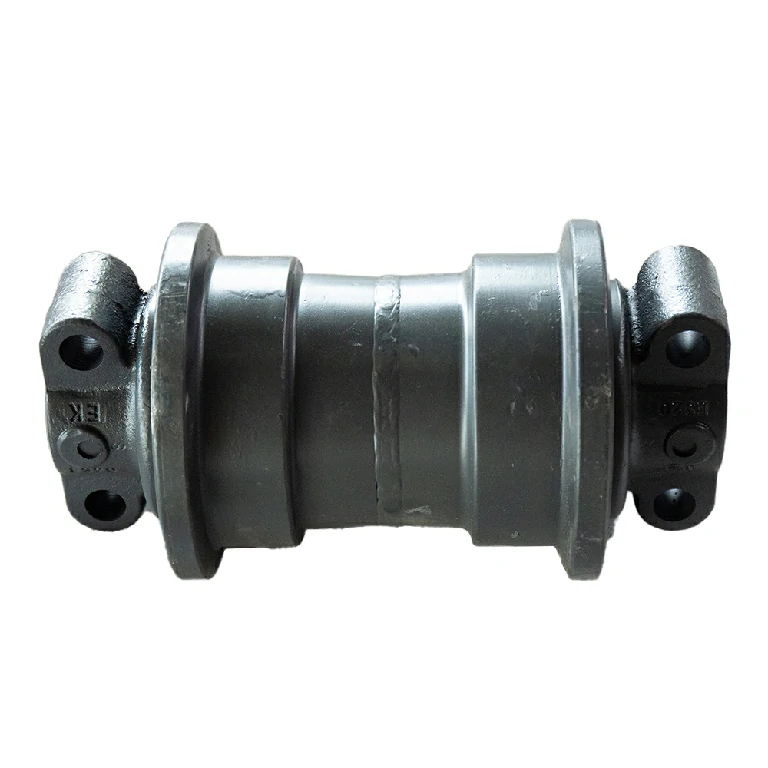
ヒント 1: トラックローラーの構造と機能を理解する
機械を真に大切にするためには, まずその構成要素を深く理解する必要があります, 単に静的なオブジェクトとしてではなく、複雑な機械バレエの動的な参加者として. 掘削機の足回りはこのアイデアの証です. 機械の基礎です, 地球とのつながり, そしてその機動力の源. この堅牢なスプロケット システム内で, 怠け者, とチェーン, トラックローラーは非常に重要な役割を果たします. 強大な力の要素です, しかし、その寿命はケアと運用上の尊重の原則によって管理されています。. この重要な部分を解剖することから探求を始めましょう, 基本的な定義からそのデザインと機能の微妙な点まで.
トラックローラーとは何ですか?
最も基本的なレベルで, トラックローラー, ボトムローラーまたはロワーローラーと呼ばれることもあります, 車輪です. しかし、それは何という車輪でしょう. 一般道路を自由に転がりません; その代わり, その旅は限られたものである, 重いものを永遠に導き、サポートする, 関節式トラックチェーン. 貨物列車を想像してください. 電車の車輪には大きな荷重がかかっています, でも彼らは線路という決まった道に導かれている. トラックローラーも同様の二重の目的を果たします. 掘削機のトラックフレームの下部に取り付けられます, その主な責任は、機械の動作重量全体を支えることです。その重量は、ミニ掘削機の 1 トンから 2 トンを超えるものまであります。 100 大型採掘機械用のトン、そしてその荷重をトラックチェーンを通して地上に伝達します.
同時に, ローラーの溝付きプロファイル, フランジとして知られている, トラックリンクと連動します. この噛み合いにより、トラックチェーンの位置が一定に保たれます。, 機械の走行中に車台から滑り落ちないようにします。, ターン, または平らでない表面でも作業できます. それで, トラックローラーは単なる受動的な車輪ではありません; アクティブガイドです, 耐荷重柱, 移動に重要な要素です. 健康状態が安定性を左右する, 効率, 機械全体の動きの滑らかさ. ローラーが正しく機能しない場合, 掘削機が不安定になる, その動きが不安定である, 車台システム全体が壊滅的な故障の危険にさらされることになる.
コアコンポーネント: 内部の様子
トラックローラーの硬化スチールシェルを剥がすと、信じられないほどの力と過酷な環境に耐えるように設計されたエンジニアリングの驚異が明らかになります. 外見のシンプルさは、そのパフォーマンスに不可欠な内部の複雑さを裏付けています。.
ローラーの中心部には、 軸, 固体, 回転軸となる硬化鋼ピン. シャフトは掘削機のトラックフレームに固定されており、アセンブリ全体の構造的バックボーンを提供します。.
この軸を中心に回転するのが、 ローラー本体 または シェル. 外から見える部分です, トラックチェーンと直接接触するコンポーネント. ハイカーボン鍛造です, ホウ素塗り鋼, 並外れた靭性と耐摩耗性のために選ばれた材料. 製造工程は単純な鋳造ではありません; 優れた強度を提供する粒子構造を作成するために鍛造が必要です, その後、細心の注意を払った熱処理プロセスを経て、. このプロセスにより、トラックリンクからの研削摩耗に耐えるために外面が硬化されますが、コアはわずかに柔らかく延性が高く、破損することなく衝撃荷重を吸収します。.
固定シャフトと回転ローラー本体の間には、 ブッシング. これらは通常、青銅または特殊なバイメタル複合材料です。. ブッシングは犠牲的な座面です, 回転のための低摩擦インターフェースを提供するように設計されています. その品質が最も重要です; 低品質のブッシュはすぐに摩耗します, 過度な遊びにつながる, 位置ずれ, そして最終的にはローラー全体が故障する.
このデリケートな内部環境を泥の外界から守る, 水, ほこり, そして瓦礫は アザラシグループ. これはおそらくローラーの最も重要かつ洗練された部分です. 最新のトラックローラーはデュオコーンシールを使用しています, 2 つのエラストマートーリックリングによって常に接触している 2 つの細かくラップされた金属シールリングで構成されています。. この設計により、2 つの機能を同時に実行する気密シールが作成されます。: 内部の潤滑油を保持します, 外部の汚染物質を防ぎます. このシールの破損は、多くの場合、トラック ローラーの終わりの始まりです。.
シングルフランジ vs. 両フランジローラー
掘削機のトラック フレームに沿ったトラック ローラーのラインを検査するとき, 形状の微妙な違いに気づくかもしれません. フランジが付いているものもあります, または盛り上がったリム, 両側に, 一方、片側にのみフランジがあるものもあります. これは事故や製造上の欠陥ではありません; これは、シングル フランジおよびダブル フランジ構成として知られる意図的な設計選択です。. これら 2 種類のローラーの配置と交互は、トラック チェーンに最適なガイドを提供するように設計されています。.
| 特徴 | シングルフランジトラックローラー | ダブルフランジトラックローラー |
|---|---|---|
| デザイン | 外側に1つのガイドフランジを備えています. | 2つのガイドフランジを備えています, 両側に1つずつ. |
| 位置 | 通常、トラックシューのガイドラグとスプロケットに隣接して配置されます。. | トラックフレームに沿ってシングルフランジローラーと交互に配置. |
| 一次機能 | トラックのわずかな柔軟性を考慮しながら、横方向のガイドを提供します. | 厳格な指導を提供する, トラックリンクを完全にキャプチャする. |
| 応用 | スプロケット/アイドラーのカーブに沿ってチェーンをガイドするのに不可欠. | プライマリを形成します “レール” トラックの直線セクション用. |
| 摩耗パターン | 単一フランジに摩耗が集中している. | 両方のフランジに摩耗が発生する可能性があります, 特に頻繁に方向転換するとき. |
ダブルフランジローラーは鉄道の主レールのように機能します, 2 つのフランジが深い溝を形成し、トラックリンクをしっかりと支えます。. トラック フレームの直線セクションに沿った主な案内源となります。. それらの間にはシングルフランジローラーが散在しています. これらは、マスターピンとトラックリンクの隆起部分に合わせて戦略的に配置されています。, 干渉することなく指導を提供する. この交互のパターン - ダブル, シングル, ダブル, シングル - 安全性と柔軟性の両方を備えたシステムを作成します, トラックチェーンが走行中にしっかりと位置を合わせたまま、拘束されることなくスプロケットとアイドラーの周りの移行をナビゲートできるようにします。. この違いを理解することは単なる学問的なことではありません; これは、正しく再組み立てし、特定の摩耗パターンを診断するために不可欠です.
トラックローラーとキャリアローラーの違い
重機の初心者がよく混乱するのは、トラック ローラーとキャリア ローラーの違いです。. どちらも “ローラー” そして足回りの一部, しかし、それらの位置と機能は完全に異なります. 私たちが確立したように、, トラックローラーはトラックフレームの底部にあります, 地面と接触しているトラックチェーンで機械の重量を支えます。.
の キャリアローラー, またはトップローラー, トラックフレームの上側にあります. その唯一の目的は、トラック チェーンがスプロケットからフロント アイドラーに戻る際に、トラック チェーン自体の重量を支えることです。. 長くなることを防ぎます, 過度のたるみによるトラックの広大な広がり. トラックがたるんだとトラックフレームに衝突する可能性があります, 望ましくない振動を引き起こす, 潜在的に追跡解除につながる可能性があります. キャリアローラーには機械の重量がかかりません; 負荷はチェーンのみに限定されます julimachinery.com. その結果, キャリア ローラーはトラック ローラーよりもはるかに小さく、同じ巨大な圧縮荷重や衝撃荷重に耐えるように作られていません。. どちらも健康的な足回りにとって重要ですが、, 彼らの役割, したがって、メンテナンス要件と故障モードも考慮されます。, 根本的に異なります. この 2 つを混同すると、部品の注文が間違ったり、メンテナンスの評価が不適切になったりする可能性があります。.
ヒント 2: 定期的な検査と清掃の手順をマスターする
オペレータと機械との関係は、観察と対応の基礎に基づいて構築されます。. マシンは、微妙な合図、つまり新しい音を通じてその健康状態を伝えます。, わずかな振動, 油の筋. 勤勉なオペレーターはこの言語の読み方を学びます. 掘削機の足回り用, までを考慮するシステム 50% 機械の生涯にわたるメンテナンスコストの, この言語は摩耗のパターンで書かれています, 瓦礫の存在, およびそのコンポーネントの完全性. 規律ある検査と清掃の計画を習得するのは難しいことではありません; これは、建設機械に対して実践できる最も効果的かつ経済的な予防医学です。.
毎日の散歩: 防御の第一線
エンジンがかかる前に, その日の仕事が始まる前に, 毎日の巡回検査は不可侵の儀式であるべきだ. これは単なる散歩ではなく、集中的な検査です. 足回り用, これは、しゃがんでトラックローラーをよく見ることを意味します。. 何を探していますか?
初め, 明らかなことを探す: 漏れの兆候. トラックローラーのエンドキャップの周りに、ほこりや汚れが混じったオイルが付着している場合は危険信号です。. デュオコーンシールが故障していることを示します. このローラーは今、借りた時間を生きている. 内部潤滑剤が抜けている, 研磨剤の汚れや水が侵入してきます, 内部ブッシュとシャフトが急速に破壊されます。.
2番, ローラーが自由に回転していないか確認してください. 光沢のあるものを探すと、これを見つけることができます。, ローラー走行面の平坦な箇所. これ “フラットスポット” ローラーが固着し、トラックチェーンと一緒に回転せずに引きずられると発生します。. これにより、莫大な摩擦が発生し、ローラーと高価なトラックリンクの両方の摩耗が加速します。.
三番目, 構造上の損傷を探す. ローラーフランジに大きな欠けがないか検査します, ひび割れ, または過剰な, ナイフの刃のような摩耗. ローラーをトラックフレームに固定しているボルトを確認してください, それらがすべて存在し、しっかりと表示されていることを確認します. このプロセス全体にかかる時間はわずか 5 分です, しかし、この 5 分間が、問題を早期に発見するか、重大な問題に対処するかの違いになる可能性があります。, 後で作業が中断される失敗.
正式な検査スケジュールの確立
深刻な問題を発見するには毎日の散歩が不可欠ですが、, よりフォーマルな, 文書化された検査プロセスにより、車台の健康状態を長期的に把握できます。. これは、オーストラリアの鉱山部門や中東の大規模建設プロジェクトなどの地域のフリート管理者にとって特に重要です。, マシンの稼働時間が最も重要な場合.
この正式な検査は定期的なサービス間隔で実施する必要があります, おそらくすべての 250 または 500 時間, そしてその結果は記録されるべきである. これには単なる目視チェック以上のものが必要です. ローラートレッドとフランジの摩耗を測定するために特殊なツールを使用することが必要になる場合があります。. これらの測定値を経時的に追跡することにより、, 各コンポーネントの摩耗率を確立できます. このデータは信じられないほど強力です. 事後対応型メンテナンス モデルからの移行が可能になります。 (壊れたときに物を直す) 予測的なものに. ローラーのセットが耐用年数の終わりに達する時期を予測し、計画的なダウンタイム中に交換のスケジュールを設定できます。, 重要な仕事の途中で予期せぬ失敗に見舞われるよりも. このデータドリブンなアプローチ, 多くの人に支持された 一流の機器スペシャリスト, メンテナンスを出費から信頼性への戦略的投資に変える.
掃除の芸術: 単なる美学以上のもの
多くの作業環境で, 東南アジアの泥だらけの農地からアフリカのほこりっぽい採石場まで, 掘削機の足回りにはすぐに資材が詰め込まれてしまいます. この蓄積は仕事の正常な結果と見なしたくなります。, しかし、それはトラックローラーにとって静かな敵です.
梱包材, 特に研磨性や腐食性がある場合, 摩耗が大幅に加速します. 可動コンポーネント間のスペースを埋める, ローラーシェルを削り取る, フランジ, そしてシールガード. この物質がロシアのような寒い気候で凍ると, コンクリートのように硬くなることもあります, 機械の始動時にローラーとトラックチェーンに大きな負担がかかります, 即時かつ重大な損害を引き起こす可能性がある.
さらに, 汚れた車台は検査できない車台です. シールの漏れは見えません, 緩んだボルト, または、乾燥した泥の厚い層の下に隠れている場合のひび割れたフランジ. したがって, 定期的な清掃は効果的な検査の前提条件です. 毎日の仕事の終わりに高圧洗浄機または単純なスコップを使用して、蓄積された破片の大部分を取り除くことは重要な作業です. 摩耗を減らしてローラーの寿命を延ばすだけでなく、日常の点検を有意義なものにすることができます。. きれいな足回りは透明な足回りです, 健康状態を明確に伝えることができるもの.
摩耗の早期警告兆候を特定する
摩耗の初期の兆候を特定する方法を学ぶことは、医師が病気の最初の症状を特定する方法を学ぶことに似ています。. 状態が深刻になる前に早期介入が可能になります. トラックローラー用, 兆候は予測可能なパターンで進行する.
最初の兆候は多くの場合、 “ピーニング” ローラートレッドの上で. これは、接触面の端の金属がわずかに平らになったり、きのこ状になったりして現れます。, トラックリンクからの巨大な圧力によって引き起こされる. ある程度のピーニングは正常ですが、, 過剰なピーニングは、過負荷状態または不適切なトラック張力を示している可能性があります.
次, フランジの摩耗が観察されます. トラックチェーンが動くにつれて, ローラーフランジに横方向の力がかかります, 特に旋回時. フランジが薄くなり始める. 鋭くなったり、 “ナイフの刃の,” コースをガイドする能力が損なわれている, 追跡解除のリスクが増加します.
同時に, ローラートレッド自体が摩耗します. ローラーの直径が小さくなるにつれて, 車台全体のジオメトリに影響します. ローラー間のピッチが効果的に変化します, トラックリンクブッシュの摩耗を促進する可能性があります. ローラーの直径を測定し、メーカーの仕様と比較することは、正式な検査プロセスの重要な部分です。. これらの兆候を認識し、それが何を意味するのかを理解することで、是正措置を講じることができます。, オペレータの習慣を調整しているかどうか, トラックの張力をチェックする, または、軽微な摩耗の問題が重大なシステム障害につながる前に、交換のスケジュールを立てます。.
ヒント 3: 積極的な潤滑戦略の導入
すべてのトラック ローラーの硬化スチール シェル内には、慎重に設計された可動部品のエコシステムが組み込まれています。. この生態系の存続は完全に 1 つのことにかかっています: 適切な潤滑. 潤滑はローラーの生命線です. 摩擦を軽減します, 熱を放散する, 内部コンポーネントの壊滅的な金属同士の焼き付きを防止します。. 潤滑を無視することは、ローラーに早期かつ高価な死を宣告することと同じです. 積極的な潤滑戦略は単にオイルを追加するだけではありません; それはその機能を理解することです, 正しいタイプを使用する, そして適切なタイミングでそれを適用する.
潤滑がローラーの生命線である理由
トラック ローラーの動作中に内部で何が起こっているかを視覚化してみましょう. 外殻, 重さは数百キログラムあり、何トンもの機械重量を支えます, 固定されたスチールシャフトの周りを回転しています. これら 2 つの強力な成分がお互いを粉砕して塵になるのを防ぐ唯一のものは、微細な油の膜です。, 多くの場合、人間の髪の毛よりも太くない, 青銅ブッシュのスペース内に維持.
この油膜はいくつかの英雄的な任務を遂行します. 初め, 摩擦を軽減します. それがなければ, 発生する熱は膨大なものになるだろう, 金属の膨張を引き起こす, ワープ, そして最終的には永久的な発作を起こして自らを溶接してしまう. 2番, それは冷却剤として機能します, ブッシングとシャフトの間の高圧接触ゾーンから熱を運び、ローラー本体を通して放散します。. 三番目, 必然的に生成される微細な摩耗粒子を洗い流すのに役立ちます。, それらが蓄積して研磨ペーストとして機能するのを防ぎます.
この油膜の完全性はデュオコーンシールによって保護されています. これらのシールが正しく機能すると、, オイルはローラーの予定された耐用年数の間持続できます。. しかし, あるメンテナンスガイドが指摘しているように, 過酷な状況で, これらのシールは破損する可能性があります. シールが貼れなくなったとき, この保護システム全体が崩壊する. オイルが漏れ出す, 水などの汚染物質も, 砂, そして砂を注ぎます. その結果、摩耗が急速に進行します. 摩擦と熱が急増, ブッシュがすぐに壊れる, そしてローラーが焼き付く. 日常点検中に発見された小さなオイル漏れが重大な警告となるのはこのためです。.
環境に適した潤滑剤の選択
すべての潤滑油が同じように作られているわけではありません. トラック ローラー内のオイルは、極度の圧力や幅広い温度に耐えられるほど堅牢でなければなりません。. ほとんどの最新のトラックローラーに対応, メーカーはヘビーデューティーギヤオイルを指定しています, 通常は SAE にあります 30 SAEへ 50 粘度範囲. 選択は周囲の動作温度に大きく依存します.
中東またはオーストラリア中央部の暑い気候の場合, 厚い, 高粘度オイル (サエみたいに 50) 必要です. オイルが薄いと、高温で粘度が下がりすぎます, 適切な保護フィルムを提供していない. 逆に, ロシアや韓国の極寒の冬に, より薄い, 低粘度オイル (サエみたいに 30) が必要です. 粘度の高いオイルは寒さで硬くなりすぎます, 始動時にブッシングの狭い隙間に液体が適切に流れ込むのを妨げます。, ~の期間につながる “空運転” そして加速された摩耗.
ご使用の機械と気候に対する具体的な推奨事項については、機械メーカーの操作およびメンテナンスのマニュアルを参照することが最も重要です。. 間違った種類のオイルを使用すると、オイルをまったく使用しないのと同じくらい有害になる可能性があります. 一部の古いローラーや特殊なローラーには、オイルが充填されておらず、グリース ザークが付いている場合があります。. このような場合には, 指定されたタイプのグリースを使用することも同様に重要です, 通常、極度の圧力がかかるもの (EP) 添加物.
段階的な潤滑手順
設計されたローラーの場合 “一生潤滑油,” あなたの主な仕事は、工場で充填されたオイルを所定の位置に保持するシールを保護することです. 定期的な給油が必要なローラー用 (これは現代のデザインではあまり一般的ではありませんが、依然として存在します), またはシールが交換された場合, 正確な手順に従わなければなりません.
- 機械の位置を決めます: 最初のステップは、機械を安全に配置することです. もし可能なら, メンテナンスしているローラーのフィルプラグが内側に来るようにトラックを回転させます。 “3 時” または “9 時” 位置. プラグを外したときにすぐにオイルがこぼれるのを防ぎます。. 作業している機械の側面を上げることも賢明です。, ローラーから重みを取り除く. これにより、潤滑剤がより均一に分配され、検査が容易になります。.
- エリアを掃除する: フィルプラグの周りを徹底的に掃除します. 充填プロセス中にローラーの内部機構にゴミや砂が入り込まないようにしたい.
- リリース圧力: ゆっくりと慎重にプラグを緩めます. ローラー内に圧力が蓄積している可能性があります, 特に暖かい場合は. ゆっくり緩めると、この圧力が安全に排出されます。.
- 正しいレベルまで充填する: クリーンファンネルまたは専用オイルポンプを使用, 指定された種類のオイルを追加します. 正しい充填レベルが重要です. オイルが充填プラグ開口部の底と同じ高さになるまでローラーに充填する必要があります。. 過剰充填は充填不足と同じくらい有害になる可能性があります. 過剰に充填されたローラーには、加熱してもオイルが膨張する余地がありません。, それはあなたが守ろうとしている封印そのものを吹き飛ばしてしまう可能性があります.
- プラグを交換して締める: 満たされたら, プラグを再度取り付け、メーカー指定のトルクで締めます。. 締めすぎないでください, ネジ山やプラグ自体を損傷する可能性があるため、.
避けるべきよくある潤滑の間違い
たとえ最善の意図があっても, 間違いは起こり得る. よくある落とし穴を知っておくと、それを避けることができます.
- 漏れを無視する: 最も一般的な間違いは、軽微な漏れを見つけて無視することです. 漏れのあるトラックローラーはローラーの故障です. 交換する必要があります. しようとしています “締めくくります” 毎日は根本的な問題を無視した無駄で費用のかかる作業です: シールの破れと進行中の内部汚染.
- 間違ったオイルを使用する: 議論したように, 気候に合わない粘度のオイルを使用すると、潤滑が不十分になり、早期故障が発生する可能性があります。.
- 過剰充填: 追加したいという誘惑 “念のために少し余分に” 抵抗しなければならない. 熱膨張による圧力上昇によりシールが破壊されます。.
- 充填時の汚染: 汚れた漏斗の使用, パンプス, またはぼろ布は、ローラーのきれいな内部環境に研磨粒子を混入する可能性があります。, 潤滑の目的を果たさない.
- 潤滑剤の混合: 互換性があることが確実でない限り、異なる種類またはブランドのオイルを混合しないでください。. 互換性のない添加剤は互いに反応する可能性があります, 潤滑効果の低下.
潤滑を単純な作業としてではなく、正確な作業として扱うことで、, 技術的手順, マシンの最も重要で高価なコンポーネントの 1 つの健康状態を積極的に保護し、寿命を延ばします。.
ヒント 4: 一般的な故障モードの認識と診断
トラックローラーは残酷な生活を送っています. ずっと圧迫されてるよ, ショックを受けた, 汚れや湿気が充満した環境で磨耗した場合. 現代の冶金学と工学が長く続くことは、その証拠です。. しかし, 失敗は最終的には確実である. 車台を効果的に管理するための鍵は、差し迫った故障の兆候を、致命的な事態になるずっと前に認識することです。. これらの故障モードを診断する方法を学ぶことは、時間とお金の両方を節約するスキルです, コストがかかるのではなく、計画的な介入が可能になる, 事後修理.
フラットスポッティング: 原因と予防
問題の最も特徴的な兆候の 1 つは、 “フラットスポッティング。” トラックローラーが固着して回転を停止すると発生します。. 掘削機が動くにつれて, 回転するトラックチェーンが固定ローラーを引きずります, 硬化した表面に平らな部分を研削する. 機械が移動するときに、これはリズミカルなカタカタという音としてよく聞こえます。, トラックの回転ごとに 1 回.
焼き付きの主な原因は内部潤滑の完全な喪失です。. ほとんどの場合、これに先立ってシールの不具合が発生します, オイルが逃げて汚染物質が侵入する可能性があります. 汚れと水からなる研磨スラリーにより、内部ブッシュが急速に摩耗します。. 摩擦と熱が蓄積し、ローラーの内部コンポーネントが互いに溶着します。.
フラットスポッティングの防止, したがって, 基本的にはシールを保護し、適切な潤滑を確保することです. これは以前のヒントに戻ります: 漏れを早期に発見するための毎日の定期的な検査, 研磨材が詰まってシールガードが損傷するのを防ぐための定期的な清掃, 深部での操作を避ける, 可能であれば腐食性の水に長時間さらされる. ローラーに大きな平らな部分ができたら, それは修復不可能です. 交換する必要があります, トラックが回転するたびに接触するトラックリンクに重大な損傷を与えるため、.
フランジ摩耗: 明らかな兆候
トラックローラーのフランジはガイドハンドです. 強力なトラックチェーンを一直線に保ちます. 機械が旋回したり、側面の斜面で作業したりするとき, トラックリンクはこれらのフランジを押します, 彼らに摩耗を引き起こす. ローラーの寿命全体にわたって、ある程度のフランジの摩耗は正常です。. しかし, 過剰または急速なフランジの摩耗は、根本的な問題の症状です.
| 故障モード | 視覚的サイン | 主な原因 | 予防措置 |
|---|---|---|---|
| フラットスポッティング | 光沢のある, ローラートレッド上の平坦な領域; リズミカルなカタカタ音. | 潤滑損失による内部焼き付き (シール不良). | 毎日の漏れ検査; 定期的な足回りの掃除. |
| フランジ摩耗 | フランジが薄くなる, シャープ, または “ナイフの刃のような。” | 過度の回転; 側斜面でも安定した操作が可能; トラックの位置ずれ. | 回転方向を変える; 側勾配作業を最小限に抑える; check track alignment. |
| Seizure/Leakage | Oily residue on roller body/frame; roller does not turn. | Seal failure from age, ダメージ, or improper installation. | Protect seal guards; avoid deep water/corrosive material. |
| Shell Cracking | Visible cracks on the roller body, often originating from the tread. | Extreme shock loads (例えば。, dropping machine); material fatigue. | Avoid high-impact operations; operate machine smoothly. |
The most common cause of excessive flange wear is the operator’s technique. Constant turning in one direction will wear down the flanges on one side of the machine much faster than the other. Working continuously on a side slope, または “scalloping,” also places a constant side load on the flanges.
Another significant cause is track misalignment. If the front idler and the rear sprocket are not perfectly aligned, the track chain will constantly try to walk to one side, exerting a continuous thrust against the roller flanges. This can be caused by a worn idler guide plate or a bent track frame.
Recognizing flange wear involves both visual inspection and measurement. When the flanges become thin and sharp, they lose their ability to guide the track effectively and can even start to cut into the track links. The solution involves a combination of operator training to minimize aggressive turning and scalloping, along with periodic checks of the undercarriage alignment.
Seizure and Oil Leaks: A Critical Failure
As we have discussed, an oil leak is the death knell for a track roller. It is the most critical failure mode to identify because it is the root cause of seizure and flat spotting. When you see the telltale streak of oil and dirt on the side of a roller, you are seeing the direct evidence of a failed duo-cone seal.
What causes these robust seals to fail? There are several culprits. Age is one; the elastomeric rings that energize the seals can lose their elasticity over time. Damage is another major cause. A rock or piece of debris getting wedged between the track frame and the roller can strike the seal guard, deforming it and compromising the seal. Improper installation during a previous repair can also lead to premature failure. ついに, operating for long periods in highly abrasive or corrosive slurry can wear away the seal components.
The diagnosis is simple: if it leaks, it has failed. There is no field repair for a duo-cone seal. The roller must be removed from the machine and replaced. This is why a proactive approach is so valuable. By purchasing high-quality replacement track rollers with robust seals and protecting them through diligent cleaning and careful operation, you can significantly extend their life and prevent these critical failures.
The Domino Effect: How One Failed Roller Impacts the System
It can be tempting to ignore a single failed track roller, especially if the machine seems to be operating “well enough.” This is a costly mistake. The undercarriage is a system of interconnected parts, and the failure of one component inevitably places additional stress on its neighbors.
A seized or worn-out roller no longer supports its share of the machine’s weight. This load is immediately transferred to the adjacent rollers, increasing their workload and accelerating their wear. A roller with worn-down flanges can no longer properly guide the track, which can lead to increased wear on the flanges of other rollers and on the sides of the track links themselves.
Think of it as a single pothole on a busy road. Cars swerve to avoid it, which wears down the shoulders of the road and puts stress on the suspension of the cars. In the same way, a single bad roller disrupts the smooth, balanced operation of the entire undercarriage. This disruption creates a cascading failure effect, where one failed part leads to the premature failure of several others. Addressing a single failed roller promptly is always more cost-effective than waiting until its failure has damaged other expensive components like the track chain or other rollers.
ヒント 5: 操作技術を最適化して摩耗を軽減する
The single greatest factor influencing the lifespan of an excavator’s undercarriage is the person sitting in the operator’s seat. 熟練した, conscientious operator can double the life of the undercarriage components compared to an aggressive or untrained one. The machine is a tool, and like any tool, the way it is wielded determines its longevity. Optimizing operational techniques is not about working slower; it is about working smarter, minimizing unnecessary stress on critical components like the track roller, and understanding the physics of the machine’s movement.
The Perils of High-Speed and Reverse Travel
Most modern excavators have two travel speeds. The high-speed setting is useful for “tramming,” or moving the machine longer distances across a level, prepared job site. しかし, extensive use of high-speed travel, especially on rough ground, dramatically accelerates undercarriage wear. The forces involved increase exponentially with speed. Every bump and jolt is magnified, sending shockwaves through the track rollers and the entire system.
Reverse travel is even more detrimental. The track chain is designed to operate most efficiently with the pulling force coming from the top, with the sprocket pulling the chain over the carrier rollers and idler. When traveling in reverse, the sprocket pushes the chain into the ground under the track rollers. This creates significantly more wear on the track link and roller bushings because the contact point and load dynamics are altered. While reverse operation is unavoidable, minimizing long-distance or high-speed travel in reverse can have a substantial positive impact on the life of your track rollers and track chains. A good rule of thumb is to plan your work to keep forward travel at around 80% of your total movement.
Navigating Slopes and Uneven Terrain
Working on slopes is a common requirement for excavators, but it places unique stresses on the undercarriage. When traveling straight up or down a slope, the weight of the machine shifts, placing a disproportionate amount of load on the rollers at the rear (going uphill) or the front (going downhill). There is not much to be done about this, but it is something to be aware of.
The more damaging practice is working or traveling sideways across a slope, a technique known as “scalloping.” This places a constant lateral load on the entire undercarriage. The track chain is constantly trying to slide downhill, which forces it against the flanges of the track rollers and the sides of the idlers. This leads to rapid and severe flange wear, one of the most common and preventable failure modes. Whenever possible, work should be planned to be performed straight up and down the grade. If traversing a slope is necessary, it should be done with care and for the shortest distance possible.
同様に, on uneven, rocky ground, every effort should be made to travel smoothly. Avoid letting one track drop into a deep rut or climbing over a large obstacle, as this places enormous torsional stress on the track frame and creates massive point loads on individual rollers.
Avoiding “One-Sided” Wear Patterns
Machines, like people, can develop habits. An operator who consistently makes wide, sweeping turns to the left will cause significantly more wear on the right-side undercarriage components, and vice-versa. This is because the outer track must travel a much greater distance than the inner track during a turn, resulting in more rotations for the outer track rollers and more scrubbing action.
A simple way to combat this is to consciously alternate turning directions throughout the workday. If you made several left turns in the morning, try to make a few more right turns in the afternoon. This helps to even out the wear on both sides of the machine. Another damaging habit is making sharp, “pivot” または “counter-rotation” turns on high-traction surfaces like concrete or asphalt. This action forces the tracks to skid sideways, creating immense torsional stress on the track links and side-loading the roller flanges. It is far better to make wider, three-point turns whenever the space allows.
The Impact of Track Tension on Roller Life
Track tension, または “sag,” is one of the most misunderstood aspects of undercarriage maintenance. There is a common misconception that a tighter track is a better track. This is dangerously incorrect. A track that is too tight is one of the most destructive and costly conditions for an undercarriage.
When a track is overly tensioned, it creates a massive, constant load on all the rotating components. トラックリンクピンとブッシュ間の摩擦を大幅に増加させます。. 私たちの議論にもっと関連性のあるもの, トラックローラーのシャフトとブッシュに大きな圧力がかかります, フロントアイドラーとファイナルドライブスプロケットのベアリングも同様です. トラックがきつすぎると、摩耗率が増加する可能性があります。 50% 以上. 機械の馬力を奪います, 燃料を無駄にする, システム全体を一定の状態に置きます, 高いストレス.
逆に, 緩すぎるトラックも問題です. トラックが故障する可能性があります。 “ホイップ” 高速走行ではデトラックの危険性が高まります, 特に坂道や後進時に作業する場合. トラックが緩んでいると、ローラー フランジと適切に係合できません。, 不規則な摩耗につながる可能性があります.
The correct procedure is to adjust the track tension according to the manufacturer’s specifications and the current working conditions. A track operating in muddy, packing conditions should be run slightly looser than a track working on hard, dry ground. The mud needs space to be squeezed out; a tight track will trap it, creating the “コンクリート” effect we discussed earlier. Learning to properly measure and adjust track sag is a fundamental skill for any operator or mechanic and pays enormous dividends in extending the life of every track roller.
ヒント 6: あなたのマシンに適した交換用トラックローラーの選択
There will come a time in the life of every excavator when its original track rollers reach the end of their service life. Wear is inevitable. The decision of what to replace them with, しかし, is a critical one that will directly impact the machine’s future performance, 信頼性, and operating cost. This choice goes beyond simply finding a part that fits. It involves a considered evaluation of quality, manufacturing methods, and the reputation of the supplier. Making a wise choice here is an investment in future uptime.
OEM対. アフターマーケット: A Considered Decision
One of the first questions fleet managers and owner-operators face is whether to purchase Original Equipment Manufacturer (OEM) parts or to explore the aftermarket. There are valid considerations on both sides.
OEM rollers are those produced by or for the excavator’s original manufacturer (例えば。, キャタピラー, 小松, ボルボ). The primary advantage is guaranteed compatibility and quality. You know the part will fit perfectly and has been manufactured to the exact material and heat treatment specifications as the original. The downside is typically a higher price point.
The aftermarket, 一方で, offers a vast landscape of options. The quality can range from exceptional to dangerously poor. The primary appeal of aftermarket parts is often a lower initial purchase price. A high-quality aftermarket track roller from a reputable supplier can offer performance equivalent to OEM at a more competitive cost. These suppliers often specialize in undercarriage parts and have invested heavily in their own research, 発達, および品質管理. The danger lies with low-cost, low-quality providers who cut corners on materials or manufacturing processes. A cheap roller that fails prematurely will cost far more in downtime and collateral damage than was saved on the initial purchase. The key is not to choose aftermarket over OEM, but to choose quality over mediocrity, regardless of the source.
Material Science: What Makes a Quality Roller?
The performance of a track roller is born in fire and pressure. Its durability is determined long before it is ever bolted to a machine. The difference between a premium roller and a substandard one lies in the unseen worlds of material science and manufacturing processes.
A top-tier track roller shell is not simply cast iron. It begins as a forged piece of high-carbon, ホウ素塗り鋼. 鍛造, the process of shaping metal using localized compressive forces, creates a continuous grain structure that follows the contour of the roller. This provides superior strength and resistance to the high-impact shock loads an excavator experiences. Simple casting, a cheaper alternative, results in a more random grain structure that is more susceptible to cracking under stress.
After forging, the roller undergoes a meticulous heat treatment process known as induction hardening. This is a sophisticated technique where the roller body is passed through a high-frequency magnetic field, which rapidly heats the surface layer. It is then immediately quenched. This process creates a deeply hardened outer shell (often to a depth of several millimeters) with a Rockwell hardness capable of resisting intense abrasive wear. Importantly, it leaves the inner core of the roller slightly softer and more ductile. This ductility is what allows the roller to absorb shock loads without fracturing. A roller that is hardened all the way through would be too brittle, while one that is not hardened enough would wear out quickly. The precision of this differential heat treatment is a hallmark of a quality manufacturer and a key reason to work with a reliable undercarriage parts supplier.
Matching the Roller to Your Application and Machine
When selecting a replacement, it is vital to ensure you are getting the correct roller for your specific excavator model. While some rollers may look similar, small differences in dimensions, shaft size, or bolt patterns can make them incompatible. Always use the machine’s make, モデル, and serial number to confirm the correct part number.
Beyond just the model, 主なアプリケーションを検討してください. お使いの機械が主に採石場や解体作業などの衝撃の大きい用途で動作する場合, プレミアムに投資する, 鍛造ローラーは賢明な選択です. 優れた耐衝撃性は長寿命化につながります。. 柔らかい土や一般的な土木作業が主な場合, 高品質の標準ローラーで完全に十分かもしれません. 優れたサプライヤーは、お客様の特定のニーズに最適なオプションに関するガイダンスを提供します, 必要のない仕様に過剰な料金を支払っていないことを確認する, 過小仕様や早期故障の危険性もありません. ここで、建設機械の微妙な違いを理解する専門会社の専門知識が非常に貴重であることがわかります。.
信頼できるサプライヤーの重要性
世界市場で, especially with customers in diverse regions from Korea to Africa, the role of the supplier is paramount. A good supplier is more than just a parts store; they are a partner in your machine’s health. What defines a reliable supplier?
初め, they have a deep understanding of their products. They can speak intelligently about the forging and heat treatment processes of their rollers. They understand the difference in quality between their products and lower-grade alternatives. 2番, they maintain a robust inventory. In the world of construction, downtime is incredibly expensive. The ability to get the right part quickly is vital. A supplier with a strong logistical network and warehousing can minimize the time your machine is out of action. 三番目, they stand behind their products with a solid warranty and responsive customer service. This provides peace of mind and demonstrates their confidence in the quality of what they sell. ついに, a company with a long-standing history and a commitment to the industry, as seen in those who openly share their company’s philosophy, is often a safer bet than a transient, faceless online vendor. Your relationship with your parts supplier is as important as your relationship with your mechanic or your operators.
ヒント 7: 高度なモニタリングと将来のテクノロジーの統合
何十年もの間, undercarriage management has been a largely reactive and experience-based discipline. A seasoned mechanic could listen to a track, look at the wear patterns, and make an educated guess about its remaining life. While that expertise remains invaluable, 業界は今、技術革新の真っ最中です. データの統合, センサー, そして予測分析は車台のメンテナンスを芸術から科学に変え始めています. 先進的な考えを持つフリート管理者向け 2025, これらの新しいテクノロジーの採用は、効率を最大化しコストを最小限に抑えるための次のフロンティアです.
車台管理におけるテレマティクスの台頭
テレマティクスシステム, GPS とオンボードセンサーを使用してマシンデータをワイヤレスで送信します。, ほとんどの新しい建設機械に標準装備されています. 当初は位置追跡に使用されていました, エンジン時間, そして燃費, これらのシステムはますます洗練されています. 現在では、車台の摩耗に直接影響を与える多数の動作パラメータを監視しています。.
Modern telematics can track the percentage of time a machine spends traveling in high speed versus low speed, the amount of time spent traveling in reverse, and even the amount of time spent turning. This data provides an objective, unbiased look at how a machine is being operated. A fleet manager can now see if a particular machine is being subjected to consistently high-wear practices. This allows for targeted operator training, not based on assumptions, but on hard data. 例えば, if the data shows one excavator has a reverse travel time of 40% while the fleet average is 15%, it is a clear opportunity for an intervention that will save thousands of dollars in premature track roller and bushing wear.
Ultrasonic Testing for Internal Flaw Detection
One of the challenges with track roller maintenance is that some of the most critical failures begin deep inside the component. A microscopic crack forming in the core of a roller shell due to a manufacturing defect or extreme shock load is invisible to the naked eye. It will only become apparent when it propagates to the surface and causes a catastrophic failure.
To combat this, some advanced maintenance programs are adopting ultrasonic testing (ユタ州) techniques, similar to those used in the aerospace and pipeline industries. UT uses high-frequency sound waves to inspect the internal structure of the steel. A technician places a probe on the roller, and the device sends a sound pulse through it. By analyzing the returning echoes, the device can detect internal discontinuities like cracks, voids, or inclusions.
While this is still a specialized practice, it is being used for critical applications, such as on large mining shovels where a single roller failure can halt a multi-million-dollar operation. As the technology becomes more portable and affordable, we can expect to see it become a more common diagnostic tool in general construction fleets, allowing for the detection of flawed rollers before they are even put into service or after a significant impact event.
The Future: Smart Rollers with Embedded Sensors
The holy grail of undercarriage management is the ability to know the precise condition of a component in real-time. The future, which is rapidly approaching, lies in “smart” コンポーネント. Imagine a track roller with a sensor embedded within it. This sensor could monitor several key parameters directly.
温度センサーは潤滑不良の早期警告を提供できる可能性がある, 発作が起こるずっと前に熱の上昇を検出する. 振動センサーはローラーの振動サインを分析できます, ブッシュの破損またはフラットスポットの発生に関連する固有周波数の検出. 圧力センサーで内部圧力を監視し、デュオコーンシールの完全性を確認することもできます。.
このデータは、マシンのメイン テレマティクス ユニットにワイヤレスで送信され、その後フリート マネージャーのダッシュボードに送信されます。. オイル漏れを見てローラーがすでに故障していることを知る代わりに, マネージャーが警告を受け取ることになる: “警告: ローラー #4 掘削機で #12 体温の上昇を示す. シール不良の可能性. 交換のスケジュールを設定します。” これが予知保全の本質です. 最適なタイミングでの修理が可能になります, 混乱を最小限に抑え、付随的な損害が発生する前に. まだ普及していないものの、 2025, いくつかのメーカーやテクノロジー企業がこれらのシステムの開発とテストを積極的に行っています。.
予知保全文化の構築
これらのテクノロジーの導入は、単に新しいハードウェアを購入するだけではありません。; 組織内の文化的な変化が必要です. から離れることを意味します “壊れていなければ, 直さないでね” 精神性. データ分析に取り組み、データが提供する洞察を信頼する必要があります。. これは、これらの新しい診断ツールの使い方とその結果の解釈方法について整備士や技術者をトレーニングすることを意味します。.
予知保全文化の構築には、テレマティクスやセンサーからのデータと従来の実地検査データの統合が含まれます。. これは、各機械の足回りの包括的な健康記録を作成することを意味します。. この全体的なビューにより、コンポーネントの寿命をより正確に予測できます。, ローラーなどのスペアパーツの在庫管理を改善する, バケツ, そしてリッパー, メンテナンスのダウンタイムのより効率的なスケジュール設定. メンテナンス部門をコストセンターから会社の収益性と信頼性に戦略的に貢献する部門に変革します。. 重機を運用するあらゆる企業向け, これが前進する道です.
よくある質問
掘削機のトラックローラーはどのくらいの頻度で交換する必要がありますか? 固定時間間隔はありません. 交換は状態に基づいて行われます, 数時間ではない. マシンのアプリケーションによって異なります, 操作技術, とメンテナンスの実践. Regular inspection and measurement of wear on the roller tread and flanges against the manufacturer’s wear limits are the best way to determine when replacement is necessary.
Can I replace just one track roller, or should I replace them all at once? If a single roller fails prematurely due to a defect or damage, you can replace just that one. しかし, if the rollers are wearing out from normal use, it is often most cost-effective to replace them all at the same time, along with the carrier rollers. This is because a new roller mixed with worn ones will have a different diameter, creating uneven load distribution and potentially accelerating wear on the new component and the track chain.
What is the difference between a track roller and a carrier roller? A track roller (or bottom roller) トラックフレームの底部に位置し、トラックチェーン上で掘削機の全重量を支えます。. キャリアローラー (またはトップローラー) フレームの上部にあり、フロントアイドラーに戻るトラックチェーン自体の重量のみを支えます。. キャリアローラーはより小さく、より軽い負荷のために作られています.
トラックローラーのオイル漏れの原因? オイル漏れはほとんどの場合、内部のデュオコーンシールの不具合が原因で発生します。. 年齢のせいでこういうこともあるよ, ローラーのシールガードへの衝撃による損傷, 不適切な取り付け, または、シール面を摩耗させる研磨性または腐食性の材料の中で長時間使用する場合.
不適切なトラックの張力はトラック ローラーにどのような影響を与えますか? タイトすぎるトラックは巨大な影響を及ぼします。, ローラーの内部ブッシュとシャフトにかかる一定の摩擦と負荷, dramatically accelerating wear. A track that is too loose can cause the track to slap against the rollers and increases the risk of the track coming off, which can damage the roller flanges.
Are aftermarket track rollers as good as OEM? The quality of aftermarket rollers varies greatly. High-quality aftermarket rollers from a reputable supplier can meet or even exceed OEM specifications in terms of materials and manufacturing processes, offering excellent value. しかし, low-cost, low-quality aftermarket rollers can fail quickly, costing more in the long run. The key is to choose a trusted supplier, not just the lowest price.
What are the main signs of a failing track roller? The primary signs are oil leaking from the end caps, a roller that has seized and developed a “flat spot,” excessive or sharp wear on the flanges, and a rhythmic clunking sound during travel. Any of these signs warrant immediate inspection and likely replacement.
A Concluding Thought
The intricate dance of steel that is an excavator’s undercarriage is a marvel of engineering, and the track roller is one of its lead performers. Our journey through its function, メンテナンス, and potential failures reveals a simple truth: knowledge and diligence are the greatest tools for preservation. By moving beyond a simple checklist and fostering a deeper understanding of the forces at play—the importance of a clean machine, the life-giving properties of lubrication, the language of wear patterns, and the wisdom of intelligent operation—we empower ourselves. We transform the act of maintenance from a reactive chore into a proactive strategy. Caring for these vital components is not merely about preventing breakdowns; it is about honoring the incredible power and potential of the machines we command, ensuring they remain productive, 信頼性のある, and safe for their full, intended life.