
เชิงนามธรรม
ภาพรวมการดำเนินงานสำหรับอุปกรณ์ก่อสร้างขนาดกะทัดรัดอยู่ระหว่างการเปลี่ยนแปลงครั้งใหญ่ 2025, ขับเคลื่อนโดยการบรรจบกันของกฎระเบียบด้านสิ่งแวดล้อมที่เข้มงวด, ตลาดเชื้อเพลิงที่ผันผวน, และความต้องการผลิตภาพในสถานที่ทำงานที่เพิ่มขึ้นอย่างไม่หยุดยั้ง. การวิเคราะห์นี้จะตรวจสอบนวัตกรรมประสิทธิภาพของรถขุดขนาดเล็กที่สำคัญซึ่งกำลังกำหนดรูปแบบใหม่ของอุตสาหกรรม. ศูนย์กลางของวิวัฒนาการนี้คือการเปลี่ยนกระบวนทัศน์จากระบบดีเซล-ไฮดรอลิกแบบดั้งเดิม ไปสู่ระบบส่งกำลังไฟฟ้าและระบบส่งกำลังแบบไฮบริด. เทคโนโลยีเหล่านี้ช่วยลดการปล่อยก๊าซเรือนกระจกและต้นทุนการดำเนินงานลงได้อย่างมาก โดยการรวบรวมและนำพลังงานที่สูญเสียไปโดยทั่วไปกลับมาใช้ใหม่, เช่นในช่วงชะลอความเร็วของวงสวิง. พร้อมกัน, ความก้าวหน้าในการควบคุมไฮดรอลิกอัจฉริยะ, เทเลเมติกส์, และระบบควบคุมเครื่องจักรกำลังเพิ่มความแม่นยำและลดการทำงานซ้ำให้เหลือน้อยที่สุด. การตรวจสอบขยายไปถึงบทบาทพื้นฐานของการออกแบบโครงส่วนล่างและอุปกรณ์ต่อพ่วง, โดยที่การปรับปรุงด้านวัสดุศาสตร์และวิศวกรรมมีส่วนช่วยลดการใช้เชื้อเพลิงและยืดอายุการใช้งานของชิ้นส่วน. การสังเคราะห์ความก้าวหน้าทางเทคโนโลยีเหล่านี้นำเสนอแนวทางที่ชัดเจนสู่อนาคตที่รถขุดขนาดเล็กไม่เพียงแต่ทรงพลังมากขึ้นเท่านั้น แต่ยังยั่งยืนมากขึ้นและมีศักยภาพทางเศรษฐกิจมากขึ้นสำหรับผู้รับเหมาทั่วโลก.
ประเด็นสำคัญ
- ใช้โมเดลไฮบริดไฟฟ้าเพื่อลดการสิ้นเปลืองเชื้อเพลิงได้สูงสุดถึง 20% ผ่านการฟื้นฟูพลังงาน.
- ใช้เทเลเมติกส์เพื่อตรวจสอบความสมบูรณ์ของเครื่องจักรและพฤติกรรมของผู้ปฏิบัติงานเพื่อการปรับปรุงที่ขับเคลื่อนด้วยข้อมูล.
- ใช้รถขุดขนาดเล็กที่ใช้ไฟฟ้าเต็มรูปแบบเพื่อลดการปล่อยมลพิษเป็นศูนย์, การทำงานที่มีเสียงรบกวนต่ำในสภาพแวดล้อมที่ละเอียดอ่อน.
- Invest in high-quality undercarriage parts to reduce drag and extend the machine's service life.
- สำรวจนวัตกรรมประสิทธิภาพของรถขุดขนาดเล็กเพื่อให้ได้รับความได้เปรียบทางการแข่งขันและทางการเงินที่สำคัญ.
- ใช้ระบบไฮดรอลิกอัจฉริยะเพื่อรอบเวลาที่รวดเร็วและราบรื่นยิ่งขึ้น, การควบคุมที่แม่นยำยิ่งขึ้น.
- ใช้สิ่งที่แนบมากับ GPS นำทางเพื่อลดการทำงานซ้ำ, ประหยัดทั้งเวลาและเชื้อเพลิงในไซต์งาน.
สารบัญ
- การผลักดันอย่างไม่หยุดยั้งไปสู่ประสิทธิภาพ
- นวัตกรรม 1: การเพิ่มขึ้นของระบบไฟฟ้าและระบบไฮบริด
- นวัตกรรม 2: ระบบไฮดรอลิกขั้นสูงและการควบคุมอัจฉริยะ
- นวัตกรรม 3: การเพิ่มประสิทธิภาพช่วงล่างเพื่อลดการสูญเสียพลังงาน
- นวัตกรรม 4: สิ่งที่แนบมาอัจฉริยะและการควบคุมเครื่องจักรแบบรวม
- นวัตกรรม 5: เทเลเมติกส์และการจัดการยานพาหนะที่ขับเคลื่อนด้วยข้อมูล
- คำถามที่พบบ่อย (คำถามที่พบบ่อย)
- บทสรุป
- การอ้างอิง
การผลักดันอย่างไม่หยุดยั้งไปสู่ประสิทธิภาพ
โลกแห่งการก่อสร้าง, โดยเฉพาะอย่างยิ่งในตลาดที่มีพลวัตทั่วออสเตรเลีย, เอเชียตะวันออกเฉียงใต้, และตะวันออกกลาง, ไม่ใช่คนแปลกหน้ากับแรงกดดันด้านกำหนดเวลาและงบประมาณ. สำหรับผู้ปฏิบัติงานและผู้จัดการกลุ่มยานพาหนะ, รถขุดขนาดเล็กเป็นสัญลักษณ์ของความคล่องตัวและกำลังมายาวนานในรูปแบบกะทัดรัด. ยัง, คำจำกัดความของประสิทธิภาพกำลังขยายออกไป. เครื่องจักรขุดและยกได้อย่างมีประสิทธิภาพไม่เพียงพออีกต่อไป. ความเป็นจริงทางเศรษฐกิจและนิเวศวิทยาของ 2025 ต้องการความเข้าใจที่ลึกซึ้งยิ่งขึ้นเกี่ยวกับประสิทธิภาพ. ประหยัดน้ำมันทุกลิตร, เวลาว่างลดลงทุกนาที, and every cubic meter of earth moved with greater precision contributes directly to the bottom line and to a project's sustainability credentials.
การเปลี่ยนแปลงนี้ไม่ใช่แนวโน้มที่หายวับไป; เป็นการประเมินมูลค่าขั้นพื้นฐานอีกครั้ง. พิจารณาผู้ให้บริการในใจกลางเมืองที่หนาแน่นในเกาหลีหรือสถานที่ขุดห่างไกลในรัฐเวสเทิร์นออสเตรเลีย. สำหรับหนึ่ง, ข้อบัญญัติเรื่องเสียงและมาตรฐานการปล่อยมลพิษเป็นสิ่งสำคัญยิ่ง. สำหรับอันอื่นๆ, ต้นทุนด้านลอจิสติกส์ของน้ำมันดีเซลทุกหยดถือเป็นข้อพิจารณาทางการเงินที่สำคัญ. ทั้งสองสถานการณ์เน้นความต้องการหลักเดียวกัน: เครื่องจักรที่ทำงานได้มากขึ้นแต่น้อยลง. นวัตกรรมประสิทธิภาพของรถขุดขนาดเล็กที่เราพบเห็นอยู่ในปัจจุบันคือการตอบสนองโดยตรงต่อความต้องการทั่วโลกนี้. พวกเขาเป็นตัวแทนของการบรรจบกันของวิศวกรรมเครื่องกล, อุปกรณ์อิเล็กทรอนิกส์ขั้นสูง, และวิทยาศาสตร์ข้อมูล, ทั้งหมดนี้มุ่งเป้าไปที่การแก้ปัญหาความท้าทายหลักของการก่อสร้างสมัยใหม่. ก่อนที่เราจะสำรวจนวัตกรรมหลักทั้งห้านี้โดยละเอียด, การพิจารณาบริบทของผลกระทบผ่านการเปรียบเทียบโดยตรงของเทคโนโลยีระบบส่งกำลังที่เป็นหัวใจสำคัญของการปฏิวัติครั้งนี้จะเป็นประโยชน์.
| คุณสมบัติ | ดีเซลธรรมดา | ไฮบริด-ไฟฟ้า | ไฟฟ้าครบ |
|---|---|---|---|
| แหล่งพลังงานหลัก | เครื่องยนต์ดีเซล | เครื่องยนต์ดีเซล + มอเตอร์ไฟฟ้า/เครื่องกำเนิดไฟฟ้า | ชุดแบตเตอรี่ลิเธียมไอออน |
| การปล่อยมลพิษ | NOx, คาร์บอนไดออกไซด์, ฝุ่นละออง | ลดการปล่อยก๊าซเรือนกระจก | การปล่อยท่อไอเสียเป็นศูนย์ |
| ระดับเสียงรบกวน | สูง | ปานกลาง | ต่ำมาก |
| ค่าเชื้อเพลิง/พลังงาน | สูงและผันผวน | ต่ำกว่า (15-30% ออมทรัพย์) | ลดลงอย่างเห็นได้ชัด |
| การฟื้นฟูพลังงาน | ไม่มี | ใช่ (การชะลอตัวของสวิง/บูม) | ใช่ (การชะลอตัวทั้งหมด) |
| การประยุกต์ใช้ในอุดมคติ | วัตถุประสงค์ทั่วไป, พื้นที่ห่างไกล | วงจรสูง, งานที่ต้องใช้เชื้อเพลิงมาก | ในเมือง, ในร่ม, ไซต์ที่ละเอียดอ่อน |
| ราคาซื้อเริ่มแรก | มาตรฐาน | สูงกว่า | สูงสุด |
นวัตกรรม 1: การเพิ่มขึ้นของระบบไฟฟ้าและระบบไฮบริด
การพัฒนาที่เปลี่ยนแปลงมากที่สุดในเทคโนโลยีรถขุดขนาดเล็กมีศูนย์กลางอยู่ที่ระบบส่งกำลัง. เครื่องยนต์ดีเซลแบบดั้งเดิม, ขุมพลังที่เชื่อถือได้มานานหลายทศวรรษ, ขณะนี้กำลังได้รับการเสริมและ, ในบางกรณี, ถูกแทนที่ด้วยระบบไฟฟ้าที่ซับซ้อนโดยสิ้นเชิง. วิวัฒนาการนี้แบ่งออกเป็นสองเส้นทางหลัก: ไฮบริดไฟฟ้าและไฟฟ้าเต็มรูปแบบ.
ทำความเข้าใจกับรถขุดขนาดเล็กที่ใช้ไฟฟ้าเต็มรูปแบบ
ลองจินตนาการว่าการเริ่มต้นวันทำงานของคุณไม่ใช่ด้วยเสียงที่ดังกึกก้องและควันของเครื่องยนต์ดีเซล, แต่ด้วยเสียงฮัมอันเงียบสงบของมอเตอร์ไฟฟ้า. นี่คือความเป็นจริงที่นำเสนอโดยรถขุดขนาดเล็กที่ใช้ไฟฟ้าเต็มรูปแบบ. เครื่องจักรเหล่านี้, such as Komatsu's PC30E-5, กำจัดเครื่องยนต์สันดาปภายใน, ถังน้ำมันเชื้อเพลิง, และระบบไอเสียทั้งหมด. แทน, พวกเขาพึ่งพาชุดแบตเตอรี่ลิเธียมไอออนความจุสูง, คล้ายกับที่พบในยานพาหนะไฟฟ้า, เพื่อขับเคลื่อนมอเตอร์ไฟฟ้าที่ขับเคลื่อนปั๊มไฮดรอลิก (คุริฮาระ และคณะ, 2022).
การอุทธรณ์เกิดขึ้นทันทีและมีหลายแง่มุม. สำหรับการก่อสร้างในเมืองที่มีประชากรหนาแน่น เช่น ในเมืองเอเชียตะวันออกเฉียงใต้ หรือภายในโครงสร้างปิด, ผลประโยชน์ที่ไม่อาจปฏิเสธได้. การปล่อยไอเสียจากท่อไอเสียเป็นศูนย์หมายความว่าเครื่องจักรเหล่านี้สามารถทำงานได้ภายในอาคารหรือในพื้นที่ที่มีการระบายอากาศไม่ดี โดยไม่มีความเสี่ยงต่อสุขภาพของมนุษย์. มลพิษทางเสียงที่ลดลงอย่างมากทำให้สามารถยืดเวลาการทำงานในเขตที่ไวต่อเสียงได้ยาวนานขึ้น, เช่นใกล้โรงพยาบาลหรือพื้นที่อยู่อาศัย, ลดการหยุดชะงักของชุมชน. นอกจากนี้, การประหยัดต้นทุนการดำเนินงานสามารถทำได้อย่างมาก. โดยทั่วไปไฟฟ้าจะมีราคาถูกกว่าและมีเสถียรภาพด้านราคามากกว่าน้ำมันดีเซล, และขจัดคราบน้ำมันเครื่อง, ตัวกรอง, และสารหล่อเย็นทำให้ตารางการบำรุงรักษาง่ายขึ้นและลดค่าใช้จ่ายที่เกี่ยวข้อง.
อย่างไรก็ตาม, เส้นทางสู่การใช้พลังงานไฟฟ้าเต็มรูปแบบไม่ได้ไร้อุปสรรค. ข้อกังวลหลักสำหรับผู้รับเหมาคืออายุการใช้งานแบตเตอรี่และโครงสร้างพื้นฐานในการชาร์จ. รถขุดขนาดเล็กแบบไฟฟ้าทั่วไปอาจมีการทำงานต่อเนื่องสี่ถึงห้าชั่วโมง, ซึ่งอาจไม่ครอบคลุมวันทำงานเต็มจำนวน. ซึ่งจำเป็นต้องมีการชาร์จระหว่างกะกลางคัน, ซึ่งต้องใช้แหล่งพลังงานเฉพาะที่ไซต์งาน, หรือใช้แบตเตอรี่แบบถอดเปลี่ยนได้. ต้นทุนการซื้อครั้งแรกยังคงสูงกว่ารุ่นดีเซลที่เทียบเคียงได้อย่างมาก, ต้องมีการคำนวณต้นทุนการเป็นเจ้าของทั้งหมดอย่างรอบคอบ (TCO) เพื่อพิสูจน์การลงทุน.
ระบบไฮบริด: การประนีประนอมในทางปฏิบัติ
สำหรับการใช้งานมากมาย, เทคโนโลยีไฮบริดนำเสนอขั้นตอนที่เข้าถึงได้ง่ายยิ่งขึ้นไปสู่ประสิทธิภาพที่มากขึ้น. รถขุดขนาดเล็กแบบไฮบริดไม่ได้กำจัดเครื่องยนต์ดีเซล แต่จับคู่กับส่วนประกอบไฟฟ้า ซึ่งมักเป็นมอเตอร์ไฟฟ้าหรือมอเตอร์กำเนิดไฟฟ้าที่วางอยู่ระหว่างเครื่องยนต์และปั๊มไฮดรอลิก. หลักการสำคัญเบื้องหลังนวัตกรรมนี้คือการฟื้นฟูพลังงาน, แนวคิดที่ยืมมาจากรถยนต์ไฮบริด.
ลองนึกถึงวงจรการทำงานทั่วไปของรถขุด: ขุด, ยก, แกว่ง, ถ่ายโอนข้อมูล, กลับ. ในระหว่างขั้นตอนการสวิงและการลดบูม, the machine's momentum and the weight of the arm create kinetic and potential energy. ในเครื่องธรรมดา, พลังงานนี้กระจายไปเป็นความร้อนในระบบไฮดรอลิก—โดยเปล่าประโยชน์. เป็นระบบไฮบริด, โดยทางตรงกันข้าม, ดูดซับพลังงานนี้. ในขณะที่ผู้ปฏิบัติงานชะลอการสวิงของโครงสร้างด้านบน, มอเตอร์สวิงไฟฟ้าทำหน้าที่เป็นเครื่องกำเนิดไฟฟ้า, แปลงพลังงานความหน่วงให้เป็นไฟฟ้า, แล้วนำไปเก็บไว้ในตัวเก็บประจุหรือแบตเตอรี่ขนาดเล็ก (ยางและคณะ, 2025). จากนั้นไฟฟ้าที่สะสมไว้นี้จะถูกนำมาใช้เพื่อช่วยเครื่องยนต์ในช่วงการเร่งความเร็วถัดไปหรือส่งกำลังให้กับมอเตอร์สวิงโดยตรง, ลดภาระของเครื่องยนต์ดีเซล.
ผลที่ได้คืออัตราการสิ้นเปลืองเชื้อเพลิงลดลงอย่างมาก, บ่อยครั้งระหว่าง 15% และ 30%, ขึ้นอยู่กับแอปพลิเคชัน. สำหรับผู้รับเหมาในภูมิภาคที่มีต้นทุนเชื้อเพลิงสูง, เช่นเดียวกับหลายพื้นที่ของแอฟริกาหรือออสเตรเลียที่อยู่ห่างไกล, เงินออมเหล่านี้สะสมอย่างรวดเร็ว, นำไปสู่ผลตอบแทนที่เร็วกว่ามากจากการลงทุนเริ่มแรกที่สูงขึ้น. การวิจัยระบบส่งกำลังไฮบริดที่เป็นนวัตกรรมใหม่ยังคงช่วยเพิ่มประสิทธิภาพความสมดุลนี้ต่อไป, ที่ต้องการเพิ่มการนำพลังงานกลับมาใช้ใหม่จากฟังก์ชันต่างๆ, รวมทั้งระบบยกและแกว่ง, เพื่อปรับปรุงลักษณะประสิทธิภาพพลังงานโดยรวมให้ดียิ่งขึ้น (เมื่อใด และคณะ, 2023). ระบบเหล่านี้มอบเทคโนโลยีบริดจ์ที่ทรงพลัง, นำเสนอการประหยัดเชื้อเพลิงที่จับต้องได้และลดการปล่อยก๊าซเรือนกระจกโดยไม่ต้องกังวลเรื่องระยะทางและความท้าทายด้านโครงสร้างพื้นฐานของรถยนต์ไฟฟ้าเต็มรูปแบบ.
นวัตกรรม 2: ระบบไฮดรอลิกขั้นสูงและการควบคุมอัจฉริยะ
ในขณะที่การปฏิวัติระบบส่งกำลังกลายเป็นหัวข้อข่าวมากมาย, นวัตกรรมประสิทธิภาพของรถขุดขนาดเล็กที่มีนัยสำคัญไม่แพ้กันนั้นเกิดขึ้นภายในระบบไฮดรอลิกเอง. ระบบไฮดรอลิกคือกล้ามเนื้อของรถขุด, แปลกำลังของเครื่องยนต์เป็นแรงที่จำเป็นในการขุด, ยก, และย้าย. การทำให้ระบบนี้ฉลาดขึ้นและตอบสนองมากขึ้นเป็นกุญแจสำคัญในการเพิ่มประสิทธิภาพการทำงานของเครื่องจักรโดยรวมและลดพลังงานที่สูญเปล่า.
การเปลี่ยนไปใช้การตรวจจับโหลดแบบอิเล็กทรอนิกส์
ระบบไฮดรอลิกแบบเดิมมักทำงานบนหลักการของการไหลคงที่, โดยที่ปั๊มทำงานเพื่อรักษาแรงดันแม้ว่าจะไม่ได้ใช้งานฟังก์ชันก็ตาม. ซึ่งคล้ายกับการเปิดก๊อกน้ำทิ้งไว้ โดยสิ้นเปลืองพลังงานโดยไม่ต้องทำงานที่เป็นประโยชน์ใดๆ. รถขุดขนาดเล็กสมัยใหม่มีการติดตั้งการตรวจจับโหลดขั้นสูงเพิ่มมากขึ้น, ปั๊มลูกสูบแบบแปรผัน.
นี่คือวิธีการทำงาน: sensors at the control levers detect the operator's input and the precise hydraulic flow and pressure required for that specific action. ข้อมูลนี้จะถูกส่งไปยังตัวควบคุมอิเล็กทรอนิกส์, ซึ่งจะสั่งให้ปั๊มสร้างการไหลตามปริมาณที่จำเป็นเท่านั้น. หากผู้ปฏิบัติงานทำการปรับ, การเคลื่อนไหวที่ละเอียดอ่อน, ปั๊มส่งน้ำมันจำนวนเล็กน้อย. หากพวกเขากำลังยกของหนักด้วยความเร็วเต็มพิกัด, ปั๊มจะลาดขึ้นไปจนถึงเอาท์พุตสูงสุด. นี้ "พลังตามความต้องการ" วิธีการทำให้แน่ใจว่าเครื่องยนต์จะไม่ทำงานหนักเกินความจำเป็น, ซึ่งเป็นส่วนสำคัญในการประหยัดน้ำมันเชื้อเพลิง. ช่วยขจัดการสูญเสียปรสิตที่เกี่ยวข้องกับผู้สูงอายุ, ระบบอัจฉริยะน้อยลง.
Flow-Sharing เพื่อการควบคุมที่เหนือกว่า
คุณเคยใช้งานอุปกรณ์รุ่นเก่าๆ และสังเกตเห็นว่าเมื่อคุณพยายามทำหน้าที่สองอย่างพร้อมกัน เช่น แกว่งบ้านขณะยกบูม ฟังก์ชันหนึ่งจะทำงานช้าลงอย่างมาก? นี่เป็นปัญหาทั่วไปในระบบที่ไม่มีความสามารถในการแบ่งใช้โฟลว์ที่เหมาะสม.
ระบบไฮดรอลิกขั้นสูงรวมวาล์วควบคุมหลักที่ซับซ้อนเข้ากับเทคโนโลยีการแบ่งปันการไหล. วาล์วเหล่านี้ทำหน้าที่เป็นตำรวจจราจรอัจฉริยะสำหรับน้ำมันไฮดรอลิก. เมื่อผู้ปฏิบัติงานสั่งงานหลายฟังก์ชันพร้อมกัน, วาล์วช่วยให้แน่ใจว่าการไหลของปั๊มที่มีอยู่มีการกระจายตามสัดส่วนตามความต้องการของแต่ละฟังก์ชัน. ช่วยให้เรียบเนียน, การเคลื่อนไหวรวมกันโดยไม่มีฟังก์ชันใดฟังก์ชันหนึ่งทำให้อีกฟังก์ชันหนึ่งต้องอดอาหาร. ประโยชน์ในทางปฏิบัติสำหรับผู้ปฏิบัติงานนั้นมีมหาศาล. มันทำให้การให้คะแนนพื้นผิว, ปั้นท่อเข้าไปในคูน้ำ, หรือบรรทุกของบรรทุกได้เร็วกว่ามาก, นุ่มนวลขึ้น, และการทำงานที่แม่นยำยิ่งขึ้น. ความราบรื่นนี้ไม่เพียงเพิ่มผลผลิตโดยการลดรอบเวลาการทำงาน แต่ยังช่วยลดความเมื่อยล้าของผู้ปฏิบัติงานในกะการทำงานที่ยาวนานอีกด้วย.
ผลกระทบของการควบคุมอัจฉริยะต่อประสิทธิภาพการผลิต
การบูรณาการส่วนประกอบไฮดรอลิกขั้นสูงเหล่านี้เข้ากับตัวควบคุมอิเล็กทรอนิกส์อัจฉริยะ ทำให้เกิดเครื่องจักรที่ไม่เพียงแต่มีประสิทธิภาพมากขึ้นเท่านั้น, แต่ยังง่ายต่อการใช้งานอย่างมีประสิทธิภาพ. รถขุดขนาดเล็กที่ทันสมัยหลายรุ่นมีโหมดการทำงานที่สามารถเลือกได้ (เช่น, 'Eco', 'Standard', 'Power'). In 'Eco' โหมด, ระบบอาจจำกัด RPM ของเครื่องยนต์และปรับการไหลของไฮดรอลิกให้เหมาะสมเพื่อการประหยัดน้ำมันเชื้อเพลิงสูงสุด, เหมาะสำหรับงานเบา. In 'Power' โหมด, ปลดปล่อยศักยภาพของเครื่องยนต์และระบบไฮดรอลิกเต็มประสิทธิภาพสำหรับงานขุดหนัก.
ระบบเหล่านี้ยังสามารถทำงานซ้ำๆ ได้โดยอัตโนมัติ และให้ความช่วยเหลือที่ทำให้แม้แต่ผู้ปฏิบัติงานมือใหม่ก็มีประสิทธิภาพมากขึ้น. ตัวอย่างเช่น, บางระบบมีระบบเดินเบาอัตโนมัติ, ซึ่งจะปล่อยเครื่องยนต์ให้เดินเบาโดยอัตโนมัติหลังจากไม่มีการใช้งานไม่กี่วินาที, และปิดเครื่องอัตโนมัติ, ซึ่งจะดับเครื่องยนต์หลังจากระยะเวลาที่กำหนดไว้, ประหยัดเชื้อเพลิงได้มากตลอดอายุการใช้งานของเครื่องจักร. ความฉลาดระดับนี้เปลี่ยนรถขุดจากเครื่องมือกลล้วนๆ ให้กลายเป็นคู่หูที่ตอบสนองได้ดี, adapting its performance characteristics to the task at hand and the operator's intent.
นวัตกรรม 3: การเพิ่มประสิทธิภาพช่วงล่างเพื่อลดการสูญเสียพลังงาน
ช่วงล่างของรถขุดขนาดเล็กเป็นรากฐาน. รองรับน้ำหนักทั้งหมดของเครื่องจักรและให้ความคล่องตัวที่จำเป็นในการนำทางไซต์งาน. นอกจากนี้ยังเป็นพื้นที่ที่การเปลี่ยนแปลงการออกแบบที่ละเอียดอ่อนสามารถให้ประสิทธิภาพโดยรวมเพิ่มขึ้นอย่างน่าประหลาดใจ. พลังงานที่จำเป็นในการเคลื่อนย้ายเครื่องจากจุดหนึ่งไปอีกจุดหนึ่ง, เรียกว่าการเดินทางหรือรถราง, สามารถมีส่วนสำคัญของปริมาณการใช้เชื้อเพลิงทั้งหมดได้. ดังนั้น, นวัตกรรมที่ลดการลากและการเสียดสีใต้ท้องรถเป็นส่วนสำคัญของปริศนาด้านประสิทธิภาพ.
The Undercarriage's Role in Fuel Consumption
คิดว่าช่วงล่างเป็นเหมือนระบบส่งกำลังของเครื่องจักรแบบตีนตะขาบ. ประกอบด้วยชุดประกอบเฟืองที่ซับซ้อน, คนเกียจคร้าน, ลูกกลิ้ง, และรอยทางนั้นเอง. ทุกครั้งที่เครื่องเคลื่อนที่, พลังงานจะสูญเสียไปเนื่องจากการเสียดสีระหว่างหมุดและบุชชิ่งในโซ่ติดตาม, ระหว่างลูกกลิ้งและรางเชื่อมต่อ, และระหว่างแทร็คแพดกับพื้น. แรงเสียดทานสะสมนี้สร้างแรงต้านทาน, หรือลาก, ที่เครื่องยนต์ต้องเอาชนะให้ได้. ยิ่งเครื่องหนักและแรงเสียดทานยิ่งสูง, ยิ่งต้องใช้เชื้อเพลิงมากขึ้นในการเคลื่อนย้าย.
ผู้ผลิตกำลังจัดการกับความท้าทายนี้ด้วยการผสมผสานระหว่างการออกแบบที่ได้รับการปรับปรุงและวัสดุขั้นสูง. ตัวอย่างเช่น, ลูกกลิ้งและลูกกลิ้งอาจได้รับการออกแบบใหม่เพื่อให้มีพื้นผิวสัมผัสที่เหมาะสมที่สุด, หรืออาจใช้ซีลและแบริ่งขั้นสูงเพื่อลดแรงเสียดทานในการหมุน. การออกแบบสนามแข่งก็มีความสำคัญเช่นกัน. ในขณะที่ตีนตะขาบที่กว้างขึ้นช่วยให้ลอยได้ดีกว่าบนพื้นนุ่ม, they also increase the machine's overall weight and ground contact area, อาจเพิ่มแรงเสียดทานและความต้านทานการหมุนบนพื้นผิวแข็ง. การเลือกความกว้างของรางและประเภทแผ่นให้เหมาะสมสำหรับการใช้งานทั่วไปเป็นขั้นตอนแรกที่สำคัญในการเพิ่มประสิทธิภาพ.
นวัตกรรมในการออกแบบรางและวัสดุ
นวัตกรรมที่สำคัญที่สุดประการหนึ่งก็คือตัวห่วงโซ่การติดตาม. ตามเนื้อผ้า, โซ่ตีนตะขาบจำเป็นต้องมีการหล่อลื่นภายใน (รางที่ปิดผนึกและหล่อลื่น, หรือเกลือ) เพื่อลดการสึกหรอและแรงเสียดทานระหว่างหมุดภายในและบุชชิ่ง. ความก้าวหน้าในด้านโลหะวิทยาและเทคโนโลยีการซีลทำให้ช่วงล่างมีช่วงการหล่อลื่นที่ยาวนานขึ้น และซีลที่แข็งแกร่งยิ่งขึ้น ซึ่งป้องกันไม่ให้วัสดุที่มีฤทธิ์กัดกร่อน เช่น ทรายและหิน เข้าไปในส่วนประกอบภายใน.
นอกจากนี้, การพัฒนาเทคโนโลยีรางยางเป็นตัวเปลี่ยนเกมสำหรับรถขุดขนาดเล็ก. รางยางมีน้ำหนักเบากว่ารางเหล็กอย่างมาก, which immediately reduces the machine's overall weight and the energy needed to propel it. นอกจากนี้ยังช่วยลดการเสียดสีระหว่างโลหะกับโลหะของโซ่เหล็กอีกด้วย, ให้การเดินทางที่เงียบและราบรื่นยิ่งขึ้น. สำหรับการใช้งานบนพื้นผิวที่บอบบาง เช่น ทางเท้าหรือพื้นที่ภูมิทัศน์, รางยางถือเป็นสิ่งสำคัญเพื่อป้องกันความเสียหาย, แต่ประโยชน์ด้านประสิทธิภาพถือเป็นข้อได้เปรียบที่สำคัญในทุกบริบท.
ความสำคัญของส่วนประกอบคุณภาพสูง
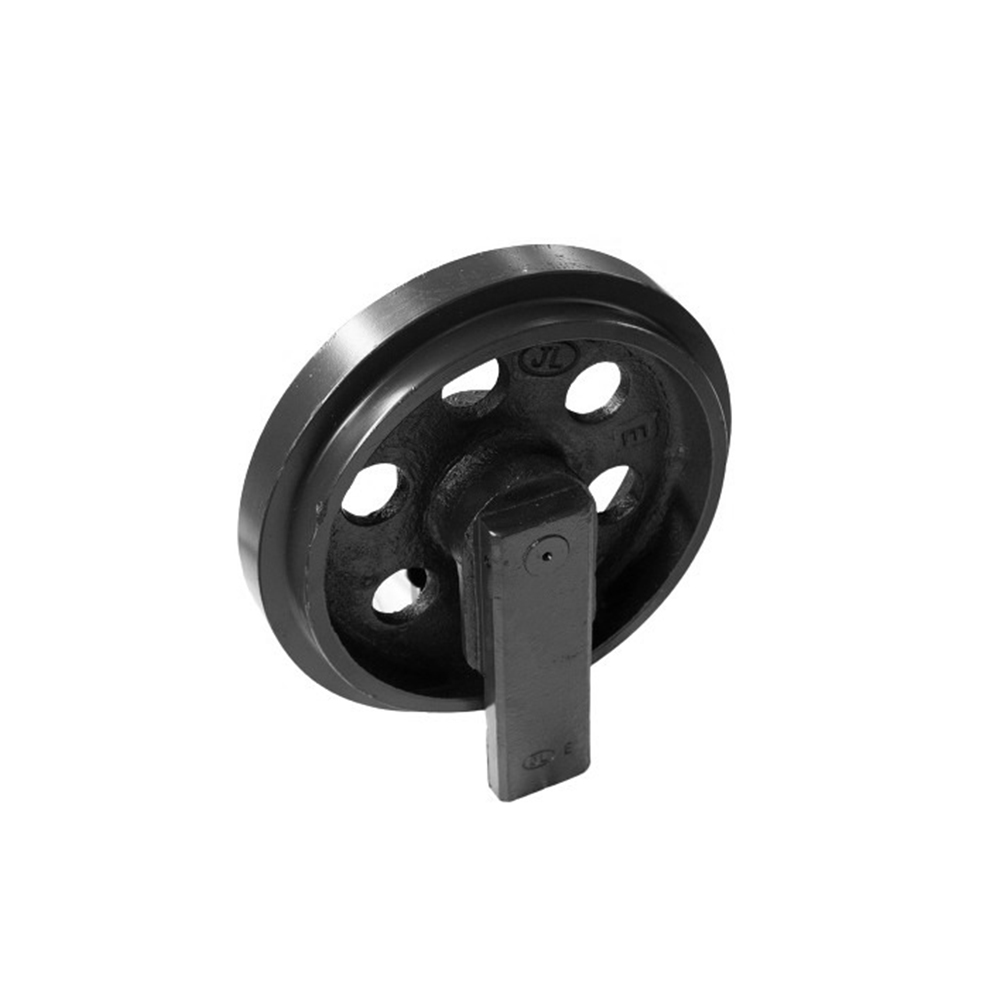
ความเครียดอย่างไม่หยุดยั้งและสภาวะการเสียดสีในสถานที่ก่อสร้างส่งผลให้ส่วนประกอบช่วงล่างเป็นรายการที่สึกหรอ. อย่างไรก็ตาม, คุณภาพของส่วนประกอบเหล่านี้มีผลกระทบโดยตรงต่อประสิทธิภาพในระยะยาว. การลงทุนในคุณภาพสูง ส่วนประกอบช่วงล่าง จากซัพพลายเออร์ที่มีชื่อเสียงไม่ใช่แค่การยืดอายุชิ้นส่วนเท่านั้น; เป็นเรื่องเกี่ยวกับการรักษาประสิทธิภาพของทั้งระบบ. เฟืองที่สึกหรอ, โซ่ติดตามยืด, หรือลูกกลิ้งที่ยึดจะช่วยเพิ่มแรงเสียดทานและการสูญเสียพลังงานของปรสิตในช่วงล่างอย่างมาก. สิ่งนี้จะบังคับให้เครื่องยนต์ทำงานหนักขึ้นเพื่อให้ได้ความเร็วการเคลื่อนที่เท่าเดิม, เพิ่มการสิ้นเปลืองเชื้อเพลิงโดยตรง. ชิ้นส่วนทดแทนระดับพรีเมียมที่ผลิตขึ้นตามข้อกำหนด OEM ที่แม่นยำ ช่วยให้มั่นใจได้ถึงความพอดีและการทำงานที่เหมาะสม, ช่วยให้ช่วงล่างทำงานได้อย่างมีประสิทธิภาพเหมือนวันแรกที่เครื่องใหม่.
เพื่อแสดงให้เห็นผลกระทบทางการเงินในระยะยาว, พิจารณาการเปรียบเทียบระหว่างส่วนประกอบช่วงล่างแบบมาตรฐานและพรีเมียมตลอดระยะเวลาการทำงาน 4,000 ชั่วโมงดังต่อไปนี้.
| เมตริก | ส่วนประกอบคุณภาพมาตรฐาน | ส่วนประกอบคุณภาพระดับพรีเมียม |
|---|---|---|
| ต้นทุนเริ่มต้น | ราคาฐาน | ราคาฐาน + 20% |
| อายุการใช้งานของส่วนประกอบ | ~2,000 ชั่วโมง | ~4,000 ชั่วโมง |
| เหตุการณ์การทดแทน | 1 (ที่ 2,000 ชั่วโมง) | 0 |
| การหยุดทำงานเพื่อทดแทน | 8 ชั่วโมง | 0 ชั่วโมง |
| ผลกระทบต่อประสิทธิภาพการใช้เชื้อเพลิง | 2-4% ลดลงตามการสึกหรอของชิ้นส่วน | <1% ลดลงตลอดอายุการใช้งาน |
| ต้นทุนรวมเกิน 4,000 ชม | ต้นทุนเริ่มต้น + ค่าทดแทน + ต้นทุนการหยุดทำงาน + ค่าเชื้อเพลิงเพิ่มเติม | ต้นทุนเริ่มต้น |
ตามที่ตารางแสดงให้เห็น, การลงทุนเริ่มแรกที่สูงขึ้นเล็กน้อยในส่วนประกอบระดับพรีเมี่ยมมักจะได้รับการชดใช้โดยการกำจัดวงจรการเปลี่ยนในช่วงกลางชีวิต, ลดการหยุดทำงาน, และประหยัดน้ำมันได้อย่างยั่งยืน.
นวัตกรรม 4: สิ่งที่แนบมาอัจฉริยะและการควบคุมเครื่องจักรแบบรวม
ประสิทธิภาพของรถขุดขนาดเล็กไม่ได้ถูกกำหนดโดยเครื่องจักรเพียงอย่างเดียว. เครื่องมือที่อยู่ปลายบูมคือสิ่งที่ปฏิบัติงานจริง, และนวัตกรรมด้านเทคโนโลยีอุปกรณ์แนบและการควบคุมเครื่องจักรกำลังเปลี่ยนแปลงวิธีการทำงานดังกล่าว. การเคลื่อนไหวอยู่ห่างจาก "เหล็กใบ้"" และมุ่งสู่ความฉลาด, ระบบบูรณาการที่ช่วยเพิ่มความแม่นยำ, ลดการทำงานซ้ำ, และลดระยะเวลาของโครงการลงอย่างมาก.
วิวัฒนาการจากถังน้ำสู่เครื่องมืออัจฉริยะ
เป็นเวลาหลายทศวรรษ, ชุดเครื่องมือมาตรฐานสำหรับรถขุดขนาดเล็กประกอบด้วยถังขุดขนาดต่างๆ สองสามใบ, ถังคัดเกรด, และบางทีอาจเป็นค้อนไฮดรอลิก. วันนี้, อาร์เรย์ของไฟล์แนบที่มีอยู่นั้นน่าทึ่งมาก, และหลายๆ คนก็นำเทคโนโลยีของตนเองมาใช้. ตัวหมุนเอียง, ตัวอย่างเช่น, เป็นสิ่งที่พบเห็นได้ทั่วไปในไซต์งานในยุโรปและกำลังได้รับความนิยมไปทั่วโลก. “ข้อมือ” นี้" ที่ปลายบูมช่วยให้ถังหรือสิ่งที่แนบมาหมุนได้ 360 องศาและเอียงขึ้นไป 45 องศาจากด้านหนึ่งไปอีกด้านหนึ่ง. ความสามารถนี้ทำให้ผู้ปฏิบัติงานสามารถขุดเจาะรูปร่างที่ซับซ้อนได้, ทางลาดระดับ, และวางวัตถุต่างๆ ด้วยความแม่นยำเหลือเชื่อโดยไม่ต้องเปลี่ยนตำแหน่งเครื่องตลอดเวลา. ทุกครั้งที่ผู้ปฏิบัติงานหลีกเลี่ยงการเคลื่อนย้ายราง, ช่วยประหยัดทั้งเวลาและเชื้อเพลิง.
อุปกรณ์เสริมอัจฉริยะอื่นๆ ได้แก่ บัคเก็ตคัดเกรดพร้อมเซ็นเซอร์ในตัวที่ให้ผลตอบรับแบบเรียลไทม์เกี่ยวกับความลาดชันและเกรด, หรือแผ่นบดอัดที่วัดความหนาแน่นของดินเพื่อให้แน่ใจว่าเป็นไปตามข้อกำหนดการบดอัดในครั้งแรก. เครื่องมือเหล่านี้ให้ทันที, ข้อมูลที่สามารถดำเนินการได้ให้กับผู้ปฏิบัติงาน, ลดความจำเป็นในการมีคนงานคนที่สองที่มีแท่งเกรดหรืออุปกรณ์ทดสอบแยกต่างหาก.
บูรณาการ GPS และการควบคุมเครื่องจักร
จุดสุดยอดของเทรนด์นี้คือการบูรณาการอุปกรณ์เสริมเข้ากับระบบควบคุมเครื่องจักร 2D และ 3D. These systems use GPS or robotic total stations to determine the precise position of the bucket's cutting edge in real-time. แผนการออกแบบโครงการถูกโหลดลงในจอแสดงผลคอมพิวเตอร์ที่ทนทานในห้องโดยสาร. The operator can then see a graphical representation of their bucket's position relative to the desired final grade.
ในระบบ 2 มิติ, ผู้ปฏิบัติงานใช้เลเซอร์แบบหมุนเป็นจุดอ้างอิงและสามารถกำหนดความลึกและความชันที่ต้องการได้. จอแสดงผลในห้องโดยสารจะระบุว่าขอบถังอยู่ด้านบนหรือไม่, ด้านล่าง, หรือตามเกรด. เหมาะสำหรับงานต่างๆ เช่น การขุดสนามเพลาะเพื่อใช้สาธารณูปโภค หรือการสร้างแผ่นอาคารแบบเรียบ.
ระบบ 3D ก้าวไปไกลกว่ามาก. การใช้ GPS, ติดตามเครื่องในรูปแบบไซต์ดิจิทัล 3 มิติ. ผู้ปฏิบัติงานสามารถมองเห็นตำแหน่งของตนบนไซต์งานทั้งหมดและขุดรูปทรงที่ซับซ้อนได้, เนินเขา, และโปรไฟล์ที่มีความแม่นยำระดับเซนติเมตร. ระบบขั้นสูงบางระบบยังมีการควบคุมแบบกึ่งอัตโนมัติอีกด้วย, โดยระบบจะควบคุมการทำงานของบูมและสติ๊กโดยอัตโนมัติเพื่อป้องกันไม่ให้ผู้ปฏิบัติงานขุดเกินระดับเป้าหมาย.
ประสิทธิภาพที่ได้รับจากระบบเหล่านี้มีมากมายมหาศาล. พวกเขาแทบจะขจัดความจำเป็นในการสำรวจและผู้ตรวจสอบเกรดภาคพื้นดิน, ปรับปรุงความปลอดภัยของไซต์. การทำงานซ้ำเนื่องจากการขุดมากเกินไปหรือการขุดน้อยเกินไปจะลดลงอย่างมาก, ซึ่งช่วยประหยัดเวลา, เชื้อเพลิง, และค่าวัสดุทดแทนเพิ่มเติม. งานที่อาจต้องใช้เวลาหลายวันและการทำงานด้วยตนเองอย่างระมัดระวังสามารถเสร็จสิ้นได้ภายในไม่กี่ชั่วโมง. ความสามารถในการใช้งานอันทรงพลัง รถขุดริปเปอร์ พร้อมคำแนะนำที่แม่นยำ, ตัวอย่างเช่น, ช่วยให้สามารถขุดหินและดินแข็งได้อย่างมีประสิทธิภาพโดยไม่ต้องคาดเดาค่าใช้จ่ายในอดีต.
นวัตกรรม 5: เทเลเมติกส์และการจัดการยานพาหนะที่ขับเคลื่อนด้วยข้อมูล
ชิ้นสุดท้ายของปริศนาประสิทธิภาพสมัยใหม่คือข้อมูล. รถขุดขนาดเล็กที่ทันสมัยที่สุดในโลกยังคงสามารถทำงานได้อย่างไม่มีประสิทธิภาพ. ระบบเทเลเมติกส์ให้ข้อมูลที่ผู้จัดการกลุ่มยานพาหนะและเจ้าของจำเป็นต้องตรวจสอบ, จัดการ, และเพิ่มประสิทธิภาพการทำงานของเครื่องจักรและผู้ปฏิบัติงาน. เทคโนโลยีนี้ได้ย้ายจากส่วนเสริมที่หรูหราไปเป็นคุณลักษณะมาตรฐานสำหรับเครื่องจักรก่อสร้างรุ่นใหม่ส่วนใหญ่.
เทเลเมติกส์ทำงานอย่างไร
โดยพื้นฐานแล้วระบบเทเลเมติกส์มีขนาดเล็ก, คอมพิวเตอร์ที่ทนทานบนเครื่องที่ติดตั้งโมเด็มเซลลูล่าร์หรือดาวเทียมและตัวรับสัญญาณ GPS. This unit constantly collects a vast stream of data from the machine's electronic control module (อีซีเอ็ม) และเซ็นเซอร์อื่นๆ. This data is then transmitted to a secure web portal where it can be accessed by the machine's owner.
ประเภทของข้อมูลที่เก็บรวบรวมมีความครอบคลุมและสามารถรวมไปถึงได้:
- ที่ตั้ง: การติดตามด้วย GPS แบบเรียลไทม์เพื่อตรวจสอบตำแหน่งของเครื่องจักรและป้องกันการโจรกรรม.
- เวลาทำการ: การติดตามชั่วโมงเครื่องยนต์อย่างแม่นยำเพื่อกำหนดเวลาการบำรุงรักษาเชิงป้องกัน.
- ปริมาณการใช้เชื้อเพลิง: การวัดเชื้อเพลิงที่เผาไหม้ได้อย่างแม่นยำ, ทำให้สามารถคำนวณประสิทธิภาพการใช้เชื้อเพลิงได้ (เช่น, ลิตรต่อชั่วโมง).
- เวลาว่าง: ระยะเวลาที่เครื่องยนต์กำลังทำงานในขณะที่เครื่องไม่ทำงาน. นี่เป็นตัวชี้วัดที่สำคัญในการระบุเชื้อเพลิงที่สิ้นเปลือง.
- สุขภาพเครื่อง & รหัสข้อผิดพลาด: ระบบสามารถรายงานรหัสปัญหาในการวินิจฉัยได้, อุณหภูมิเครื่องยนต์สูง, หรือระดับของเหลวต่ำ, บ่อยครั้งก่อนที่ผู้ปฏิบัติงานจะตระหนักถึงปัญหาด้วยซ้ำ.
- ข้อมูลการใช้งาน: ข้อมูลเกี่ยวกับวิธีการใช้งานเครื่อง, เช่น เวลาที่ใช้ในโหมดการทำงานที่แตกต่างกัน หรือเปอร์เซ็นต์ของเวลาที่ฟังก์ชันเฉพาะใช้งานอยู่.
เปลี่ยนข้อมูลให้เป็นการตัดสินใจอย่างมีประสิทธิภาพ
ข้อมูลดิบนี้เป็นรากฐานสำหรับการตัดสินใจทางธุรกิจอย่างชาญฉลาดยิ่งขึ้น. ผู้จัดการกลุ่มยานพาหนะในตะวันออกกลาง, ดูแลเครื่องจักรหลายสิบเครื่องในหลายไซต์, can log into a portal and see a complete picture of their fleet's health and productivity.
ต้นทุนเชื้อเพลิงในโครงการหนึ่งสูงอย่างอธิบายไม่ได้? ข้อมูลเทเลเมติกส์อาจเปิดเผยเวลาว่างที่มากเกินไป, บ่งชี้ความจำเป็นในการฝึกอบรมผู้ปฏิบัติงานเกี่ยวกับการปิดเครื่องเมื่อไม่ได้ใช้งาน. Or it might show that an operator is consistently using 'Power' โหมดสำหรับงานเบา, when 'Eco' โหมดจะเหมาะสมกว่า.
เป็นเครื่องเฉพาะที่แสดงคำเตือนอุณหภูมิไฮดรอลิกซ้ำๆ? นี่อาจเป็นสัญญาณบ่งชี้เบื้องต้นของส่วนประกอบที่ล้มเหลว, ช่วยให้สามารถกำหนดเวลาการบำรุงรักษาในเชิงรุกก่อนที่จะเกิดความล้มเหลวร้ายแรงที่ไซต์งาน. ความสามารถในการบำรุงรักษาเชิงคาดการณ์นี้, นำโดยเทเลเมติกส์, เป็นเครื่องมืออันทรงพลังในการลดเวลาหยุดทำงานโดยไม่ได้วางแผน, ซึ่งเป็นหนึ่งในต้นทุนแอบแฝงที่ใหญ่ที่สุดในการก่อสร้าง.
โดยการวิเคราะห์แนวโน้มในช่วงเวลาหนึ่ง, ผู้จัดการยังสามารถตัดสินใจได้ดีขึ้นเกี่ยวกับการซื้ออุปกรณ์ในอนาคต. พวกเขาสามารถเปรียบเทียบประสิทธิภาพการใช้เชื้อเพลิงในโลกแห่งความเป็นจริงและความสามารถในการผลิตของรุ่นต่างๆ ในการใช้งานของตนเอง, เป็นพื้นฐานที่มั่นคงสำหรับการคำนวณต้นทุนการเป็นเจ้าของทั้งหมดที่แท้จริง. ข้อมูลเชิงลึกที่รวบรวมได้จากเทเลเมติกส์เปลี่ยนการจัดการกลุ่มยานพาหนะจากกระบวนการเชิงรับไปเป็นเชิงรุก, กลยุทธ์ที่ขับเคลื่อนด้วยข้อมูลเพื่อเพิ่มผลกำไรสูงสุด.
คำถามที่พบบ่อย (คำถามที่พบบ่อย)
รถขุดขนาดเล็กไฟฟ้ามีกำลังเพียงพอสำหรับงานก่อสร้างจริงหรือไม่?
ใช่, อย่างแน่นอน. ความเข้าใจผิดที่พบบ่อยคือพลังงานไฟฟ้าหมายถึงประสิทธิภาพที่ลดลง. ในความเป็นจริง, มอเตอร์ไฟฟ้าผลิตแรงบิดทันที, ซึ่งสามารถทำให้รถขุดขนาดเล็กไฟฟ้ารู้สึกตอบสนองได้ดีกว่ารถขุดดีเซล. ได้รับการออกแบบมาเพื่อให้มีแรงแยกและประสิทธิภาพไฮดรอลิกเช่นเดียวกับรุ่นดีเซลที่มีขนาดใกล้เคียงกัน, ทำให้สามารถขุดร่องได้เต็มที่, การรื้อถอน, และงานขนถ่ายวัสดุ.
ผลตอบแทนจากการลงทุนคืออะไร (ผลตอบแทนการลงทุน) สำหรับรถขุดขนาดเล็กแบบไฮบริด?
ROI สำหรับเครื่องจักรไฮบริดขึ้นอยู่กับต้นทุนเชื้อเพลิงและการใช้งานเป็นหลัก. ยิ่งราคาน้ำมันดีเซลสูงขึ้นและชั่วโมงการใช้งานเครื่องก็มากขึ้น, ยิ่งคืนทุนเร็วเท่าไร. สำหรับการใช้งานรอบสูง เช่น การบรรทุกของบรรทุกหรือการขุดร่องลึกซึ่งมีการใช้งานฟังก์ชันสวิงอย่างต่อเนื่อง, ประหยัดน้ำมันเชื้อเพลิงได้สูงสุด. การคำนวณโดยทั่วไปอาจแสดงระยะเวลาคืนทุนสองถึงสี่ปี, หลังจากนั้นเครื่องจักรจะประหยัดเงินได้มากตลอดอายุการใช้งานที่เหลือ.
ฉันสามารถดัดแปลงรถขุดขนาดเล็กรุ่นเก่าของฉันด้วยเทคโนโลยีใหม่ที่มีประสิทธิภาพเหล่านี้ได้หรือไม่?
ในขณะที่เทคโนโลยีบางอย่างสามารถดัดแปลงได้, คนอื่นทำไม่ได้. โดยทั่วไประบบเทเลเมติกส์มีจำหน่ายเป็นชุดอุปกรณ์หลังการขาย และสามารถติดตั้งได้กับเครื่องจักรเกือบทุกเครื่อง. ระบบควบคุมเครื่องจักร (2D และ 3D) สามารถติดตั้งกับรถขุดรุ่นเก่าได้, หากมีระบบไฮดรอลิกที่ทันสมัยพอสมควร. อย่างไรก็ตาม, core powertrain technologies like hybrid-electric systems or advanced load-sensing hydraulics are deeply integrated into the machine's design and cannot be practically retrofitted.
เทคนิคของผู้ปฏิบัติงานส่งผลต่อประสิทธิภาพของเครื่องจักรใหม่เหล่านี้อย่างไร?
เทคนิคของผู้ปฏิบัติงานยังคงเป็นปัจจัยที่สำคัญอย่างยิ่ง. แม้จะมีระบบที่ทันสมัย, ผู้ปฏิบัติงานที่มีทักษะซึ่งคาดการณ์ความเคลื่อนไหว, ใช้การควบคุมที่ราบรื่น, และลดการเปลี่ยนตำแหน่งเครื่องโดยไม่จำเป็นให้เหลือน้อยที่สุดจะมีประสิทธิภาพมากขึ้น. เทคโนโลยีอย่างเทเลเมติกส์ช่วยระบุพื้นที่สำหรับการฝึกสอนผู้ปฏิบัติงาน, เช่นการลดเวลาว่างหรือใช้โหมดการทำงานที่ถูกต้อง. เป้าหมายของนวัตกรรมประสิทธิภาพของรถขุดขนาดเล็กจำนวนมากคือการทำให้ผู้ปฏิบัติงานทุกคนดำเนินการในระดับที่สูงขึ้นได้ง่ายขึ้น.
รถขุดไฟฟ้าและไฮบริดจำเป็นต้องได้รับการบำรุงรักษาเป็นพิเศษหรือไม่?
พวกเขาต้องการการบำรุงรักษาที่แตกต่างกัน, ไม่จำเป็นต้องเชี่ยวชาญมากกว่านี้. รถขุดไฟฟ้าช่วยลดการบำรุงรักษาที่เกี่ยวข้องกับเครื่องยนต์ (การเปลี่ยนแปลงน้ำมัน, การเปลี่ยนไส้กรอง), แต่แนะนำความจำเป็นในการตรวจสอบสุขภาพแบตเตอรี่และการเชื่อมต่อทางไฟฟ้า. ระบบไฮบริดยังคงมีเครื่องยนต์ดีเซลที่ต้องเข้ารับบริการมาตรฐาน, รวมถึงความจำเป็นในการบำรุงรักษาอุปกรณ์ไฟฟ้าเช่นตัวเก็บประจุและมอเตอร์เครื่องกำเนิดไฟฟ้า. ช่างเทคนิคอาจต้องได้รับการฝึกอบรมเพิ่มเติมเพื่อทำงานกับระบบไฟฟ้าแรงสูงเหล่านี้ได้อย่างปลอดภัย.
ช่วงล่างมีความสำคัญต่อการประหยัดน้ำมันมากหรือไม่?
ใช่, มันเป็นปัจจัยที่สำคัญและมักถูกมองข้าม. พลังงานที่สูญเสียไปเนื่องจากการเสียดสีและการลากในช่วงล่างที่ได้รับการดูแลไม่ดีหรือคุณภาพต่ำมีความสำคัญมาก. การสูญเสียปรสิตนี้บังคับให้เครื่องยนต์ผลิตกำลังเพิ่มขึ้นเพียงเพื่อเคลื่อนย้ายเครื่องจักร, เพิ่มการเผาผลาญเชื้อเพลิงโดยตรง. การทำความสะอาดเป็นประจำ, ความตึงของแทร็กที่เหมาะสม, และการใช้ส่วนประกอบคุณภาพสูงเป็นแนวทางปฏิบัติในการบำรุงรักษาที่จำเป็นต่อการประหยัดน้ำมันเชื้อเพลิงสูงสุด.
นวัตกรรมใดที่มอบคุณค่าที่ดีที่สุดให้กับผู้รับเหมารายย่อย?
สำหรับผู้รับเหมารายย่อยหรือเจ้าของกิจการ, ความคุ้มค่าที่ดีที่สุดมักจะมาจากเทคโนโลยีที่ให้ผลตอบแทนที่รวดเร็วและจับต้องได้มากที่สุด. ระบบเทเลเมติกส์เป็นการลงทุนที่มีต้นทุนต่ำซึ่งสามารถระบุการสิ้นเปลืองเชื้อเพลิงจากการไม่ทำงานได้ทันที. ถ้าจะซื้อเครื่องใหม่, โมเดลไฮบริดมักจะมีความสมดุลที่ดีเยี่ยม, ให้การประหยัดเชื้อเพลิงได้อย่างมากโดยไม่ต้องมีข้อกำหนดด้านโครงสร้างพื้นฐานของรถขุดไฟฟ้าเต็มรูปแบบ, ทำให้เป็นทางเลือกที่เป็นประโยชน์มาก.
บทสรุป
การเดินทางผ่านภูมิทัศน์ของนวัตกรรมประสิทธิภาพของรถขุดขนาดเล็กเผยให้เห็นเรื่องราวความก้าวหน้าที่ชัดเจนและน่าสนใจ. อุตสาหกรรมกำลังก้าวไปอย่างเด็ดขาดนอกเหนือจากการแสวงหาพลังงานดิบเพียงอย่างเดียวและมุ่งสู่คำจำกัดความของประสิทธิภาพแบบองค์รวมมากขึ้น, หนึ่งที่สิ้นเปลืองน้ำมันเชื้อเพลิง, การปล่อยมลพิษ, ความแม่นยำ, และความชาญฉลาดของข้อมูลก็มีความสำคัญไม่แพ้กัน. การเกิดขึ้นของระบบส่งกำลังไฟฟ้าและไฮบริดไฟฟ้าเต็มรูปแบบถือเป็นก้าวกระโดดทางเทคโนโลยีที่สำคัญที่สุด, เสนอแนวทางในการลดต้นทุนการดำเนินงานลงอย่างมาก และเป็นไปตามมาตรฐานด้านสิ่งแวดล้อมที่เข้มงวดยิ่งขึ้น, การพัฒนาที่พิสูจน์ได้จากการวิจัยอย่างกว้างขวางเกี่ยวกับการฟื้นฟูพลังงาน (เจือง และคณะ, 2021).
พร้อมกัน, การปฏิวัติอย่างเงียบ ๆ เกิดขึ้นภายในระบบไฮดรอลิก, โดดเด่นด้วยความฉลาด, การควบคุมการตรวจจับโหลด, กำลังเสริมศักยภาพให้ผู้ปฏิบัติงานทำงานได้เร็วขึ้นและมีไหวพริบมากขึ้น. This is complemented by the growing sophistication of the machine's interaction with its environment, ผ่านการออกแบบช่วงล่างที่ลดการสูญเสียพลังงานและชาญฉลาด, สิ่งที่แนบมานำทางด้วย GPS ซึ่งจะเปลี่ยนการคาดเดาให้กลายเป็นความแม่นยำ. ในที่สุด, ชั้นของข้อมูลเทเลเมติกส์ที่กระจายไปทั่วการดำเนินการทั้งหมดทำให้เกิดวงจรป้อนกลับที่สำคัญ, ช่วยให้เจ้าของและผู้จัดการสามารถเปลี่ยนข้อมูลเชิงลึกให้เป็นการปฏิบัติได้, เพิ่มประสิทธิภาพทุกอย่างตั้งแต่พฤติกรรมของผู้ปฏิบัติงานไปจนถึงกลยุทธ์กลุ่มยานพาหนะในระยะยาว. สำหรับผู้รับเหมาในตลาดที่มีการแข่งขันสูงของ 2025 และมากกว่านั้น, การเปิดรับนวัตกรรมเหล่านี้ไม่ได้เป็นเพียงทางเลือกในการปรับปรุงเท่านั้น; มันเป็นกลยุทธ์พื้นฐานในการสร้างผลกำไรมากขึ้น, ที่ยั่งยืน, และธุรกิจที่ยืดหยุ่น.
การอ้างอิง
คุริฮาระ, เค, บน, ชม., ชิธารา, Y., & โทรเลย, ชม. (2022). ศึกษารถขุดขนาดเล็กไฟฟ้าเต็มรูปแบบ. รายงานทางเทคนิคของ Komatsu, 68(175), 2–9.
จีนกลาง, ล., ที่, พ., & จาง, S. (2023). การวิจัยเกี่ยวกับลักษณะประสิทธิภาพการใช้พลังงานของระบบยกและแกว่งจอบขุดที่ขับเคลื่อนโดยระบบไฮบริดไฮดรอลิกไฟฟ้า. วารสารวิศวกรรมเครื่องกลจีน, 36(1), 164. https://doi.org/10.1186/s10033-023-00970-x
เจือง, ดี. ถาม, ที่, ต. ชม., อาน, เค. เค, & สวน, ชม. ช. (2021). การพัฒนาเทคโนโลยีการฟื้นฟูพลังงานสำหรับรถขุดไฮดรอลิก: รีวิว. บทวิจารณ์พลังงานทดแทนและยั่งยืน, 145, 111045.
ที่, พ., จีนกลาง, ล., จีอี, ล., จาง, เอ็กซ์, & จ้าว, บี. (2025). การออกแบบและการควบคุมระบบสวิงไดรฟ์ไฮบริดใหม่สำหรับรถขุดที่รวมระบบการนำพลังงานไฟฟ้าและไฮดรอลิกกลับมาใช้ใหม่. พลังงาน, 300, 134707.