
چکیده
اثربخشی عملیاتی و زنده ماندن ماشین آلات ساختمانی سنگین به شدت وابسته به یکپارچگی سیستم های تحت حمل آنها است. این سند یک بررسی جامع از معیارهای انتخاب برای قطعات زنجیره ای و پیگیری کفش ارائه می دهد, مؤلفه هایی که رابطه تحرک و ثبات برای بیلبورها و بولدوزرها را تشکیل می دهند. این ملاحظات پیچیده علوم مادی را پیمایش می کند, از جمله ترکیب آلیاژ فولادی و تکنیک های پیشرفته سخت شدن, که بنیادی برای پوشیدن مقاومت و دوام هستند. تجزیه و تحلیل به مورفولوژی عملکردی کفش های آهنگ گسترش می یابد, ارزیابی چگونگی تأثیر طرح های مختلف Grouser بر کشش و شناور در زمین های مختلف زمین شناسی و عملیاتی تأثیر می گذارد. علاوه بر این, گفتمان مکانیک داخلی زنجیرهای آهنگ را بررسی می کند, با تمرکز بر نقش پین ها, بوش, و مهر و موم در کاهش سایش داخلی. یک چارچوب مقایسه ای برای ارزیابی تولید کننده تجهیزات اصلی ایجاد شده است (OEM) در مقابل اجزای پس از بازار, فراتر از هزینه اولیه به کل هزینه کل مالکیت (TCO) تجزیه. این سند این ابعاد فنی را سنتز می کند, ارائه یک چارچوب فکری قوی برای صاحبان, اپراتورها, و مدیران تهیه تصمیمات قاطعانه, در نتیجه افزایش طول عمر دستگاه و بهینه سازی عملکرد عملیاتی در 2025.
غذای اصلی
- Match material hardness and toughness to your specific job site's abrasion and impact levels.
- برای بهینه سازی کشش و شناور ، نوع و عرض کفش را بر اساس شرایط زمین انتخاب کنید.
- مسیر مهر و موم شده و روغن کاری شده را در اولویت قرار دهید (نمک) زنجیرهایی برای عمر مؤلفه به طور قابل توجهی طولانی تر.
- هزینه کل مالکیت را تجزیه و تحلیل کنید, نه فقط قیمت اولیه زنجیره آهنگ و قطعات کفش پیگیری.
- یک برنامه نگهداری دقیق را اجرا کنید, تمرکز بر تنش صحیح و پاکیزگی.
- درک کنید که تکنیک اپراتور تأثیر مستقیمی و قابل توجهی در میزان سایش تحت حمل و نقل دارد.
- شریک با یک تأمین کننده آگاه که می تواند پشتیبانی فنی و تضمین کیفیت را ارائه دهد.
فهرست مطالب
- آناتومی بنیادی سیستم های تحت حمل
- عامل 1: ترکیب مواد و فرآیندهای تولید
- عامل 2: طراحی گروس و تأثیر آن در زمین
- عامل 3: نقش مهم پین ها, بوش, و مهر و موم
- عامل 4: محیط عملیاتی و خواسته های خاص برنامه
- عامل 5: OEM, اصیل, و بحث پس از بازار
- عامل 6: تشخیص پیشرفته و نظارت بر لباس
- عامل 7: نگهداری مناسب, ترمیم کردن, و روشهای نصب
- سوالات متداول (پرسش)
- نتیجه
- منابع
آناتومی بنیادی سیستم های تحت حمل
برای درک واقعی چالش انتخاب اجزای مناسب, ابتدا باید درک صمیمی از سیستم به طور کلی ایجاد کرد. Think of a heavy machine's undercarriage not as a collection of brute-force parts, اما به عنوان یک پیچیده, اسکلت مفصل. این یک سیستم حرکتی است که قدرت موتور عظیم را به حرکت کنترل شده در سراسر نابخشود ترین سطوح روی زمین ترجمه می کند. هر قطعه یک هدف دارد, and every interaction between parts dictates the machine's performance, طول عمر آن, و در نهایت, سودآوری آن. قطعات زنجیره ای آهنگ و ردیابی کفش قلب و روح این سیستم است, رابط مستقیم بین یک دستگاه 50 تنی و زمینی که به دنبال تسلط است. یک شکست در اینجا فقط یک شکست جزء نیست; این یک از دست دادن فاجعه بار تحرک است. قبل از اینکه بتوانیم عاقلانه انتخاب کنیم, ما ابتدا باید عمیقاً درک کنیم.
تغییر رنگ زنجیره آهنگ: The Machine's Backbone
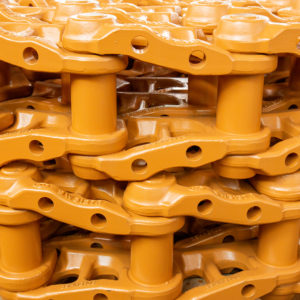
دو موازی را تصور کنید, زنجیره های دوچرخه با وظیفه سنگین, تا حد زیادی. این جوهر یک زنجیره آهنگ است. این یک واحد نیست, حلقه یکپارچه فولاد. در عوض, این یک سری دقیق از پیوندهای بهم پیوسته است, پین ها, و بوش ها. هر بخش, یا "پیوند," شاهکار فولاد جعلی است, طراحی شده برای محوری در برابر همسایگان خود. "پین"" به عنوان پین لولا عمل می کند, یک میله فولادی سخت شده که به مفصل اجازه می دهد تا بیان شود. "بوشینگ" یک سیلندر توخالی است که روی پین متناسب است, ارائه یک بزرگ, سطح سایش قربانی. کل مونتاژ انعطاف پذیر ایجاد می کند, powerful loop that engages with the machine's drive sprocket to propel it forward or backward.
زنجیره آهنگ بیش از انتقال قدرت انجام می دهد. این کل وزن دستگاه را حمل می کند, از طریق غلتک های آهنگ توزیع می شود. دستگاه را راهنمایی می کند, نگه داشتن آن در یک مسیر مستقیم یا اجازه چرخش آن. باید تنش ثابت را تحمل کند, شوک از ضربه زدن به سنگ ها, و سنگ زنی بی امان مواد ساینده. یکپارچگی هر پین و بوشینگ یکپارچگی کل زنجیره را تعیین می کند. وقتی می شنوید مهندسان از "زمین صحبت می کنند," آنها به فاصله دقیق از مرکز یک پین به مرکز بعدی مراجعه می کنند. همانطور که زنجیره می پوشد, این زمین افزایش می یابد, کشیدگی ظریف که عواقب عمیقی برای نحوه تعامل زنجیره ای با سایر قطعات زیربنایی دارد, به خصوص اسپکت ها. یک زنجیره آهنگ است, از این رو, یک ابزار دقیق, علی رغم ظاهر ناهموار.
درک کفش آهنگ: The Machine's Footprint
اگر زنجیره آهنگ اسکلت است, کفش آهنگ پا است. به طور مستقیم روی سطح بیرونی پیوندهای زنجیره آهنگ پیچیده می شود, این مؤلفه هایی هستند که با زمین ارتباط مستقیمی برقرار می کنند. عملکرد آنها ساده به نظر می رسد: فراهم کردن سطح برای استراحت دستگاه و ایجاد کشش. تا کنون, واقعیت بسیار ظریف تر است. طراحی کفش آهنگ یک تعادل ظریف در اصول فیزیکی رقیب است. It must be wide enough to distribute the machine's weight, ایجاد فشار کم زمین به "شناور" بیش از خاک های نرم - یک اصل که به عنوان شناور شناخته می شود. به تفاوت بین تلاش برای پیاده روی روی برف عمیق با چکمه های معمولی در مقابل برفی فکر کنید. Snowshoes وزن شما را در یک منطقه بزرگتر گسترش می دهد, جلوگیری از غرق شدن شما. یک کفش گسترده برای یک بیل مکانیکی سنگین روی گل نیز همین کار را می کند.
همزمان, کفش آهنگ باید دارای ویژگی هایی باشد که برای تهیه چنگال به زمین نیش می زند, یا کشش. این ویژگی ها "grousers" نامیده می شوند" یا "میله های گریزر." آنها دنده های بلند از فولاد هستند که بسیار مشخصه یک مسیر هستند. قد, شکل, و تعداد این گروس ها تعیین می کنند که چگونه دستگاه می تواند فشار یا کشیده شود. ارتفاع بیش از حد زیاد در سنگ سخت می تواند باعث شود دستگاه روی نوک های Grousers سوار شود, منجر به بی ثباتی و لرزش زیاد. ارتفاع ناچیز در گل نرم باعث می شود آهنگ های بی فایده می چرخند. بنابراین انتخاب کفش آهنگ صحیح موضوع انتخاب "قویترین" نیست" یکی, اما انتخاب یکی با هندسه صحیح برای یک کار و محیط خاص.
رابطه همزیستی: چگونه زنجیر و کفش با هم کار می کنند
نمی توان زنجیره آهنگ را در انزوا از کفش آهنگ در نظر گرفت, یا برعکس. آنها یک تک هستند, واحد عملکردی. پیچ و مهره کفش به لینک زنجیره ای, تقویت آن و فراهم کردن سطح زمینه ساز زمین. این زنجیره ساختار مفصلی را فراهم می کند که به سری کفش های مسطح اجازه می دهد تا مداوم تشکیل شود, مسیر انعطاف پذیر در اطراف غلطک ها, بیکارها, و چسباندن. انتخاب کفش به طور مستقیم بر زندگی زنجیره تأثیر می گذارد. به عنوان مثال, با استفاده از یک کفش بیش از حد گسترده در یک ضربه بالا, rocky environment increases the mechanical leverage on the chain's joints. وقتی دستگاه روی زمین ناهموار می چرخد یا کار می کند, لبه بیرونی کفش گسترده می تواند استرس عظیمی را تجربه کند, که سپس مستقیماً به پین ها و بوش ها منتقل می شود, تسریع در سایش آنها.
این مفهومی به نام "قانون کفش است." این دیکته می کند که همیشه باید از باریکترین کفش ممکن استفاده کرد که هنوز هم شناور کافی برای کار فراهم می کند. با افزایش وزن بیشتر می شود وزن اضافه می کند, فشار را در کل تحت حمل و نقل افزایش می دهد, و مصرف سوخت را افزایش می دهد. این یک تجارت کلاسیک مهندسی است. قطعات زنجیره ای آهنگ و ردیابی کفش در یک ظریف کار می کنند, تعادل همزیستی. آنها باید با هم انتخاب شوند, به عنوان یک سیستم, با قدردانی کامل از نحوه طراحی یک قسمت بر عملکرد و ماندگاری بخش دیگر تأثیر می گذارد. این یک همکاری مکانیکی است که در آن یک انتخاب ضعیف در یک منطقه به ناچار کل را به خطر می اندازد.
یک تاریخ کوتاه: تکامل پیشرانه ردیابی شده
مفهوم یک آهنگ مداوم یک اختراع مدرن نیست. سلسله فکری آن را می توان به قرن 18 ردیابی کرد. با این حال, اولین وسایل نقلیه واقعاً عملی و تجاری موفق در اوایل قرن بیستم ظهور کردند, پیشگام شرکت هایی مانند تولید هولت, یک سلف کاترپیلار. این سیستم های اولیه احتیاط آمیز بودند, اغلب به عنوان "خشک" گفته می شود" زنجیر. آنها از پین ها و پیوندهای ساده و بدون آب بندی تشکیل شده بودند, به این معنی که مواد ساینده مانند شن و ماسه می توانند آزادانه وارد مفاصل شوند. میزان سایش نجومی بود, و Underciarges نیاز به ثابت دارد, تعمیر و نگهداری و تعویض هزینه.
مهمترین نوآوری در تاریخ زنجیره آهنگ ، توسعه مسیر مهر و موم شده و روغن کاری شده بود (نمک) در اواسط قرن بیستم. این طرح انقلابی کوچک است, مهر و موم های مؤثر در هر انتهای بوش. این مهر و موم ها به گونه ای طراحی شده اند که مخزن روغن را در داخل محل اتصال پین و بوش نگه دارند و همزمان از آلودگی های ساینده خارج شوند.. نتیجه کاهش چشمگیر سایش داخلی بود. ناگهان, "زمین" این زنجیره برای مدت طولانی تری ثابت ماند, و طول عمر کل سیستم زیرانداز را می توان به جای صدها ساعت در هزاران ساعت اندازه گیری کرد. این نوآوری, بیشتر از هر دیگری, مدرن ساخته شده است, بولدوزرها و بیل مکانیکی با قدرت بالا از نظر اقتصادی امکان پذیر است. این زنجیره مسیر را از ساده تبدیل کرد, جزء brute-force به یک پیچیده, اتصال مکانیکی مهر و موم شده, زمینه سازی برای طرح های پیشرفته ای که در آنها می بینیم 2025.
عامل 1: ترکیب مواد و فرآیندهای تولید
At the very core of a component's ability to withstand the brutal reality of an earthmoving operation lies its material DNA. انتخاب فولاد, روش تشکیل آن, و عملیات حرارتی که تحت آن قرار می گیرد جزئیات جزئی نیستند; آنها تعیین کننده های اساسی عمر مفید آن هستند. اتصال مسیری که در اثر ضربه از بین میرود یا کفشی که مانند صابون در عرض چند هفته از بین میرود، نه فقط از نظر طراحی، یک شکست است., اما متالورژی. برای انتخاب قطعات بادوام زنجیر و کفش ردیابی, باید دانشجوی علم مواد شد, قدردانی از تفاوت های ظریف و در عین حال عمیقی که یک جزء ممتاز را از یک شکست زودرس جدا می کند.
قلب دوام: آلیاژهای فولادی و تکنیک های سخت شدن
فولادی که برای اجزای زیر شاسی استفاده می شود، مخلوط ساده آهن و کربنی نیست که بتوان تصور کرد. این یک آلیاژ پیچیده است, یک دستور پخت با دقت ساخته شده که در آن عناصری مانند منگنز وجود دارد, کروم, مولیبدن, و بور در مقادیر دقیق اضافه می شود. منگنز, به عنوان مثال, یک عنصر کلیدی است که به طور قابل توجهی سختی پذیری فولاد را افزایش می دهد. این بدان معنی است که پس از خاموش کردن (خنک کننده سریع), می توان به لایه سختی عمیق تر و یکنواخت تری دست یافت. بور, حتی در مقادیر ناچیز - قسمت در میلیون - تأثیر قدرتمندی بر سختی پذیری دارد, امکان استفاده از آلیاژهای ارزانتر و در عین حال دستیابی به خواص برتر (کیلیچ, 2021). این عناصر آلیاژی با تغییر ساختار کریستالی فولاد هنگام سرد شدن کار می کنند, ایجاد یک ساختار مارتنزیتی ریزدانه که فوقالعاده سخت و در برابر سایش مقاوم است..
سختی, با این حال, تنها یک روی سکه است. ماده ای که بسیار سخت است اغلب بسیار شکننده است, مثل شیشه. ممکن است در برابر خراشیدن مقاومت کند, اما در اثر ضربه شدید متلاشی می شود. زیرشاخه به «سختی» نیاز دارد – توانایی جذب انرژی و تغییر شکل بدون شکستگی. اینجاست که درمان های حرارتی به یک هنر تبدیل می شود. فرآیند "از طریق سخت شدن" شامل حرارت دادن کل قطعه تا دمای بحرانی و سپس خاموش کردن آن است, به دنبال آن یک «تعطیل" فرآیند (گرم کردن مجدد تا دمای پایین تر). تلطیف تنش های داخلی را تسکین می دهد و استحکام می بخشد, ایجاد تعادل بین سختی (برای مقاومت در برابر سایش) و سختی (برای مقاومت در برابر ضربه). یک رویکرد هدفمندتر "سخت شدن القایی است," که در آن فقط سطوح سایش خاص, مانند ریل یک مسیر یا سوراخ یک بوش, به سرعت توسط یک میدان الکترومغناطیسی گرم شده و سپس خاموش می شوند. این یک قاب بیرونی بسیار سخت ایجاد می کند" در حالی که "هسته" درونی را ترک می کند" جزء سخت تر و انعطاف پذیرتر برای جذب بارهای ضربه. پیوند مسیر برتر پیوندی است که در آن عمق کیس و سختی هسته کاملاً برای کاربرد مورد نظر بهینه شده است.
جعل در مقابل. ریخته گری: تحلیل مقایسه ای قدرت و هزینه
نحوه شکل گیری یک جزء از فولاد خام به اندازه خود فولاد مهم است. دو روش غالب برای تولید پیوند آهنگ و کفش ریخته گری و آهنگری است. در بازیگری, فولاد مذاب را در قالبی به شکل دلخواه ریخته و اجازه می دهیم تا جامد شود. این یک فرآیند نسبتا ارزان است, برای اشکال پیچیده مناسب است. با این حال, همانطور که فلز سرد می شود, یک ساختار کریستالی با نسبتا بزرگ را تشکیل می دهد, دانه هایی با جهت گیری تصادفی. این گاهی اوقات می تواند منجر به تخلخل داخلی یا ناهماهنگی شود که می تواند تحت فشار زیاد به نقاط شکست تبدیل شود.
آهنگری, در مقابل, شامل گرفتن یک شمش فولادی جامد و شکل دادن به آن تحت فشار بسیار زیاد با استفاده از چکش یا پرس است. این فرآیند فولاد را ذوب نمی کند. در عوض, ساختار دانه داخلی فلز را وادار می کند تا با شکل قطعه هماهنگ شود. مثل ورز دادن خمیر به آن فکر کنید; این فرآیند ساختار دانه را اصلاح می کند, آن را ظریف تر و یکنواخت تر می کند. این جریان پیوسته دانه به اجزای آهنگری استحکام کششی برتر می دهد, مقاومت در برابر خستگی, و چقرمگی ضربه در مقایسه با همتایان بازیگران خود. پیوند آهنگ آهنگری کمتر تحت بارهای ضربه ای مکرر در یک معدن سنگی شکسته می شود.. مبادله هزینه است. ابزار برای آهنگری گران است, و فرآیند به طور کلی کندتر از ریخته گری است. برای چندین سال, این باعث شد جعل یک حق بیمه شود, گزینه پر هزینه. با این حال, همانطور که فناوری های تولید جهانی پیشرفت کرده اند, شکاف هزینه کاهش یافته است, در دسترستر شدن قطعات زیرانداز آهنگری با کیفیت بالا. برای یک زیرانداز واقعا قوی, مخصوصاً برای ماشین های تمام شده 30 تن در شرایط سخت کار می کند, زنجیره آهنگ جعلی و قطعات کفش ردیابی اغلب سرمایه گذاری بلند مدت عاقلانه تری هستند.
| نشان | آهنگری | ریخته گری |
|---|---|---|
| ساختار دانه | خوب, یکنواخت, و جهت دار | درشت تر, غیر جهت دار, بالقوه متخلخل |
| استحکام کششی | برتر | خوب |
| چقرمگی ضربه | عالی | منصفانه به خوب |
| مقاومت در برابر خستگی | برتر | خوب |
| پیچیدگی شکل | محدود به اشکال کمتر پیچیده | عالی برای اشکال پیچیده |
| هزینه ساخت | ابزار اولیه و هزینه فرآیند بالاتر | هزینه ابزار و فرآیند کمتر |
| استفاده معمولی | اجزای پر استرس (ردیابی لینک ها, پین ها) | اجزای با هندسه پیچیده (چرخ دنده ها) |
نقش بور و سایر عناصر آلیاژی
Let's delve deeper into the microscopic world of steel. افزودن عناصر آلیاژی شبیه به آشپزی است که ادویه جات را به دستور غذا اضافه می کند. هر کدام یک ویژگی منحصر به فرد را منتقل می کنند. همانطور که ذکر شد, بور یک عامل سخت کننده قوی است. اتم های آن, بسیار کوچک بودن, diffuse into the grain boundaries of the steel's crystalline lattice, به طور موثر سرعت تبدیل از آستنیت به فریت و پرلیت نرم تر در طول خنک شدن را کاهش می دهد.. این به ساختار مارتنزیتی سخت مورد نظر زمان بیشتری برای تشکیل می دهد, حتی در بخش های ضخیم تر یک جزء. نتیجه عمیق تر است, مشخصات سختی سازگارتر.
Chromium یک بازیکن حیاتی دیگر است. این نه تنها سختی پذیری را افزایش می دهد، بلکه به میزان قابل توجهی به مقاومت در برابر خوردگی کمک می کند, عاملی که اغلب نادیده گرفته می شود. برای ماشین هایی که در حالت مرطوب کار می کنند, شور, یا محیط های اسیدی, مانند مواردی که در مناطق ساحلی یا کاربردهای معدنی خاص هستند, محتوای کروم بالاتر می تواند به طور چشمگیری تخریب اجزاء را کاهش دهد. مولیبدن با کروم هم افزایی دارد, افزایش چقرمگی در دماهای بالا و بهبود مقاومت در برابر تردی مزاج," پدیده ای که در آن فولاد پس از نگهداری در دماهای خاص می تواند شکننده شود. نیکل یکی دیگر از عناصر کلیدی برای چقرمگی است, به خصوص در دماهای پایین. برای ماشین آلاتی که برای زمستان های یخبندان روسیه یا آسیای شمالی قرار دارند, یک زنجیره مسیر با محتوای نیکل بالاتر در شرایط زیر صفر در برابر شکستگی بسیار مقاوم تر خواهد بود.. یک تامین کننده آگاه, مانند تیم در ماشین آلات جولی, understands these metallurgical nuances and can help match the specific alloy composition of their undercarriage parts to the unique environmental challenges of a customer's region.
درمان های سطحی: کربورسازی, نیتریدینگ, و تاثیر آنها بر عمر پوشیدن
فراتر از خواص حجیم فولاد, درمانهای سطحی پیشرفته میتوانند یک لایه دفاعی اضافی در برابر سایش ایجاد کنند. اینها پوشش هایی مانند رنگ نیستند; آنها فرآیندهایی هستند که عناصر را در سطح فولاد پخش می کنند, تغییرات اساسی در شیمی و خواص آن. "کربورسازی" فرآیندی است که در آن یک جزء, مثل بوش, در یک جو غنی از کربن گرم می شود. اتم های کربن در سطح پخش می شوند, ایجاد یک "مورد" با محتوای کربن بسیار بالا. وقتی این مورد رفع شد, بسیار سخت می شود, با مقادیر سختی بیش از حد 60 در مقیاس راکول C. این سطح فوق العاده سخت در برابر سنگ زنی بسیار مقاوم است, سایش سایشی که بین پین و بوش ایجاد می شود.
"نیتریدینگ" فرآیند مشابهی است اما به جای کربن از نیتروژن استفاده می کند. معمولاً در دماهای پایین تری نسبت به کربورسازی انجام می شود, که منجر به اعوجاج کمتر قطعه می شود. سطح نیترید شده نیز بسیار سخت است و مقاومت بسیار خوبی در برابر سایش و خستگی دارد. برخی از پیشرفته ترین پین ها و بوش های مسیر موجود در بازار در 2025 از ترکیبی از این تکنیکها استفاده کنید, هسته سخت ساخته شده از فولاد آلیاژی بور, که سپس روی سطح خود کربوره یا نیترید می شود تا ترکیبی نهایی از نمای بیرونی ضد سایش و داخلی مقاوم در برابر ضربه ایجاد شود.. هنگام ارزیابی زنجیره مسیر و قطعات کفش ردیابی, ارزش پرس و جو در مورد این درمان های سطحی پیشرفته را دارد. آنها نشان دهنده سرمایه گذاری قابل توجهی در تولید هستند، اما سود قابل توجهی را در قالب عمر مفید طولانی می پردازند., به ویژه در کاربردهای با سایش بالا مانند ماسه یا گرانیت.
عامل 2: طراحی گروس و تأثیر آن در زمین
کفش پیست, با خرچنگ های متمایزش, is the machine's direct handshake with the earth. این یک ابزار تعامل است, و مثل هر وسیله ای, شکل آن باید کاملاً با عملکرد آن مطابقت داشته باشد. انتخاب یک کفش مسیر اشتباه مانند تلاش برای زدن یک پیچ با چکش است; ممکن است در نهایت آن را وارد کنید, اما این روند ناکارآمد خواهد بود, آسیب رسان, و در نهایت ناامید کننده. هندسه کفش مسیر - عرض آن, تعداد سوهان های آن, and their shape—dictates the machine's ability to generate traction, پایداری آن در شیب ها, تاثیر آن بر سطح زمین, و حتی نرخ فرسودگی کل سیستم زیر خودرو. توجه متفکرانه به طراحی گروسر فرآیند انتخاب را از یک خرید ساده به یک تصمیم عملیاتی استراتژیک منتقل می کند.
مجرد, دوبل, سه گانه: انتخاب تعداد نوار Grouser مناسب
تعداد گروسرها در یک کفش پیست، فوری ترین و مشخص ترین مشخصه است. انتخاب بین تک, دو برابر کردن, یا کفش سه گانه گروسر یک کفش اساسی است, به طور کامل توسط کاربرد اصلی دستگاه هدایت می شود.
آ كفش يك نفره ویژگی های یک قد بلند, نوار خرخر تهاجمی که در عرض آن قرار دارد. این طراحی حداکثر نفوذ ممکن را در زمین فراهم می کند. این کفش انتخابی برای کاربردهایی است که نیاز به کشش شدید و کشش میله دارند, مانند بولدوزر که زمین سخت بسته بندی شده را می شکافد یا بالا رفتن از شیب های شیب دار. نفوذ عمیق یک لنگر ایجاد می کند, به دستگاه اجازه می دهد تا تمام توان خود را بدون لغزش مسیر اعمال کند. با این حال, این پرخاشگری دارای جنبه های منفی است. فشار متمرکز بر روی یک میله، هنگام حرکت بر روی سطوح سخت مانند سنگ، تاثیر زیادی ایجاد می کند, منجر به سواری خشن و استرس زیاد در زیر خودرو می شود. علاوه بر این, نفوذ عمیق زمین چرخش را دشوار می کند. ماشین برای چرخش باید خیلی بیشتر کار کند, که سایش تمام اجزای فرمان را تسریع می کند و می تواند سطح زمین را پاره کند.
آ کفش سه تایی گروسر قطب مخالف و رایج ترین نوع موجود در بیل مکانیکی است. با سه سوخاری کوتاهتر, کفش در هر لحظه سطح بیشتری در تماس با زمین دارد. این عملکرد همه جانبه خوبی را ارائه می دهد, ارائه تعادل کشش, شناورسازی, و قابلیت مانور. ارتفاع کم ترش باعث کاهش نفوذ زمین می شود, که چرخش را به طور قابل توجهی آسان تر و روان تر می کند. این برای یک بیل مکانیکی حیاتی است, که در حین حفاری مدام در حال تغییر موقعیت است. طراحی سه گانه خرطومی همچنین سواری نرم تر و لرزش کمتر در هنگام سفر را فراهم می کند, کاهش ساییدگی در زیرشاخه و بهبود راحتی اپراتور.
آ کفش دو نفره حد وسط را اشغال می کند. کشش و نفوذ بهتری نسبت به باقلاهای سهگانه ارائه میدهد، اما نسبت به یک خرچنگ تهاجمی کمتر و راحتتر چرخش دارد.. این باعث میشود که آن را برای جلوی لودرهای مسیر و برای بولدوزرهایی که نیاز به مصالحه بین قدرت هل دادن خط مستقیم و قدرت مانور دارند، محبوب باشد.. The choice is a direct reflection of the machine's job. بولدوزر که خرج می کند 90% در زمان خود، فشار دادن مواد در یک خط مستقیم، از خرطوم های منفرد سود می برد. بیل مکانیکی که مدام در حال حفاری است, تاب خوردن, و تغییر موقعیت برای مدت طولانی تری زنده خواهد ماند, زندگی پربارتر در خرچنگ های سه گانه.
| نوع گروسر | کاربرد اولیه | کشش | قابلیت مانور | اختلال در زمین |
|---|---|---|---|---|
| گروسر مجرد | دوازده, چاک (کشش نوار کششی بالا) | حداکثر | بیچاره | بالا |
| بقالی دو نفره | آهنگ لودرها, دوازده (تطبیق پذیری) | بالا | متوسط | متوسط |
| پرورش دهندگان سه گانه | کاوشگران (همه منظوره) | خوب | عالی | کم |
| مرداب (فشار پایین زمین) | گل نرم, مارشلند | کم (فلوتاسیون کلیدی است) | خوب | خیلی کم |
| پد لاستیکی | آسفالت, بتن, سطوح تمام شده | متوسط | عالی | حداقل / هیچ کدام |
| خردکن / خود تمیز کنندگی | محل های دفن زباله, مدیریت زباله, خاک رس چسبنده | خوب | خوب | بالا (طراحی شده برای شکستن مواد) |
کفش های تخصصی: پدهای مرداب, لنت لاستیکی, و Chopper Shoes
فراتر از تنظیمات استاندارد, دنیای شگفت انگیزی از کفش های مخصوص پیست وجود دارد, هر کدام برای حل یک مشکل زیست محیطی منحصر به فرد طراحی شده اند. پدهای باتلاقی, همچنین به عنوان فشار پایین زمین شناخته می شود (LGP) کفش, نمونه کاملی هستند. این کفش ها بسیار پهن هستند, گاهی شبیه تخته های فولادی است. هدف آنها کشش بالا به معنای متعارف نیست, اما حداکثر شناورسازی. By dramatically increasing the surface area of the machine's footprint, آنها فشار زمین را تا حدی کاهش می دهند که یک ماشین عظیم می تواند روی نرم کار کند, زمین اشباع - مانند باتلاق, مرداب ها, یا محل های لایروبی - بدون غرق شدن.
در انتهای دیگر طیف قرار دارند لنت لاستیکی. اینها می توانند یا پدهای پیچ و مهره ای باشند که به یک کفش فولادی استاندارد وصل شده اند یا یک "roadliner" کامل" کفشی که در آن لاستیک به طور مستقیم به یک هسته فولادی متصل می شود. هدف آنها این است که به یک ماشین ردیابی سنگین اجازه دهند روی سطوح حساس مانند آسفالت کار کند, بتن, یا محوطه سازی شده بدون ایجاد خسارت. آنها برای ساخت و ساز شهری ضروری هستند, کار جاده ای, و هر محل کاری که در آن حفظ سطح موجود در اولویت است. در حالی که آنها کشش کمتری نسبت به گروس های فولادی دارند, به خصوص در شرایط مرطوب یا گل آلود, آنها یک آرامش را فراهم می کنند, سواری با لرزش کم و محافظت بی نظیر از سطح.
یکی دیگر از انواع جالب این است "خردکن" یا کفش خود تمیز شونده. اینها اغلب در ماشینهایی که در محلهای دفن زباله کار میکنند یا با مواد بسیار چسبنده مانند خاک رس یافت میشوند. آنها دارای برش هایی در صفحه کفش هستند و گاهی اوقات حالت تهاجمی تری دارند, طرح خرطومی زاویه دار. هدف از این ویژگی ها شکستن و بیرون ریختن موادی است که در غیر این صورت در زیر شاسی بسته می شوند. بسته بندی مواد یک مشکل جدی است; وزن فوق العاده ای اضافه می کند, کشش مسیر را به سطوح خطرناک افزایش می دهد, و می تواند باعث گیرکردن مسیرها شود, منجر به شکست فاجعه آمیز می شود. کفش های چاپر یک راه حل هدفمند برای این مشکل خاص و مخرب هستند.
فیزیک کشش: چگونه قد و شکل گروزر بر عملکرد تأثیر می گذارد
برهمکنش بین خرچنگ و زمین مطالعه ای در مکانیک خاک است. هنگامی که خرطومی در خاک نفوذ می کند, یک صفحه برشی ایجاد می کند. کشش, یا تلاش کششی, that can be generated is a function of the soil's shear strength and the surface area of that shear plane. گروسر بلندتر صفحه برشی عمیق تری ایجاد می کند, بنابراین پتانسیل کشش افزایش می یابد. به همین دلیل است که گروس های تکی در خاک های منسجم بسیار موثر هستند.
با این حال, داستان به سختی تغییر می کند, سطوح غیر نفوذی مانند سنگ یا شن فشرده. در اینجا, یک خرخر بلند یک بدهی است. ماشین در نهایت سوار بر نوک تیز خرطوم ها می شود, کاهش شدید سطح تماس با زمین. این منجر به بی ثباتی می شود, لرزش بالا, و بارگذاری شدید نقطه ای هم روی نوک خراش و هم روی سطح سنگ. در این شرایط, یک پایین تر, پروفیل گروسر گسترده تر برتر است, زیرا سطح تماس را به حداکثر میرساند و برای گرفتن به جای مقاومت برشی به اصطکاک متکی است.
شکل خرطومی نیز مهم است. بیشتر سوهان ها ذوزنقه ای هستند, که تعادل خوبی از قدرت و نفوذ را فراهم می کند. برخی از کفشهای تخصصی ممکن است برای بهبود ویژگیهای خود تمیز شوندگی یا برای ایجاد چسبندگی بهتر هنگام چرخش، از مشخصات منحنی یا زاویهدارتری استفاده کنند.. نکته کلیدی این است که هیچ "بهترین" جهانی وجود ندارد" بزرگتر. طراحی بهینه تابع مستقیم خواص ژئوتکنیکی موادی است که ماشین روی آن کار خواهد کرد.
تطبیق عرض کفش با شرایط زمین: فلوتاسیون در مقابل. قابلیت مانور
ما به "قاعده کفش" اشاره کرده ایم: از باریک ترین کفشی استفاده کنید که شناورسازی کافی را فراهم می کند. Let's formalize this with some physics. Ground pressure is calculated as the machine's weight divided by the total contact area of its tracks. در 20 تن (44,000 پوند) بیل مکانیکی با کفش های استاندارد 600 میلی متر ممکن است فشار زمین در اطراف داشته باشد 6.5 PSI. اگر همان دستگاه با کفش های پهن تر 800 میلی متری نصب شده باشد, سطح تماس افزایش می یابد, و فشار زمین ممکن است به اطراف کاهش یابد 5.0 PSI. این تفاوت همان چیزی است که به دستگاه اجازه می دهد تا روی زمین نرم تری بدون گرفتگی کار کند.
اما این مزیت رایگان نیست. کفش پهن تر به عنوان یک اهرم بلندتر عمل می کند. همانطور که ماشین می چرخد یا در زمین های ناهموار حرکت می کند, تنش ها بزرگ می شوند. وزن اضافی کفش های پهن تر نیز بر اینرسی سیستم می افزاید, نیاز به انرژی بیشتر برای حرکت و اعمال فشار بیشتر بر روی پین ها و بوش های زنجیره مسیر. خطر "پرتاب یک مسیر" (خروج از ریل) همچنین با کفش های پهن تر افزایش می یابد, به خصوص هنگام کار در شیب ها یا چرخش شدید. از این رو, انتخاب پهنای کفش یک عمل متعادل کننده حیاتی است. فرد باید به طور دقیق شرایط زمین معمولی محل کار را ارزیابی کند. اگر دستگاه بیشتر وقت خود را صرف شرکت کند, زمین پایدار, یک کفش با عرض استاندارد اقتصادی ترین و از نظر مکانیکی سالم ترین انتخاب است. فقط زمانی که شرایط نرم عادی باشد, استثنا نیست, باید کفش های LGP پهن تری در نظر گرفت. This single decision has a cascading effect on the entire cost and reliability of the machine's undercarriage system.
عامل 3: نقش مهم پین ها, بوش, و مهر و موم
اگر لینک آهنگ و کفش قابل مشاهده است, زره خارجی زیرانداز, سپس پین ها, بوش, و مهرها درونی آن هستند, اندام های حیاتی. از دید پنهان است, این اجزاء هر حرکت را تسهیل می کنند, هر شوکی را جذب کند, and bear the full brunt of the system's internal wear. کند, تخریب این اتصالات داخلی عامل اولیه ای است که طول عمر یک زنجیره مسیر را تعیین می کند. شکست در این دنیای پنهان تدریجی نیست; اغلب ناگهانی و کامل است, یک دستگاه چند تنی را به حالت توقف درآورده است. بنابراین قدردانی از طراحی و عملکرد این اجزای کوچک اما قدرتمند فقط دانش فنی نیست; این کلید پیش بینی است, مدیریت, و عمر گرانترین کالای خود را افزایش دهید.
مسیر مهر و موم شده و روغن کاری شده (نمک) در مقابل. زنجیر روغن کاری شده با گریس
برای درک نبوغ زنجیره های آهنگ مدرن, ابتدا باید قدر آنچه را که قبلاً آمده بود بدانیم. زود "خشک" زنجیره های ردیابی مجموعه های ساده ای از پین ها و پیوندها بودند. با هر بیانی, خاک, شن, و شن وارد مفصل می شد, forming a grinding paste that rapidly wore away both the pin and the inside of the link's bore. میزان سایش آنقدر زیاد بود که عمر زیر شاسی در چند صد ساعت اندازه گیری شد.
اولین پیشرفت عمده "روغنکاری شده با گریس" بود" زنجیر. در این طرح, پین با یک کانال سوراخ شد, اجازه می دهد تا گریس به داخل مفصل پمپ شود تا روانکاری و, مهمتر, برای شستشوی آلاینده ها. این یک پیشرفت بود, اما روزانه لازم بود, نگهداری مجدانه. فراموش کردن چرب کردن حتی یک مفصل می تواند منجر به شکست سریع آن شود.
انقلاب واقعی ظهور مسیر مهر و موم شده و روغن کاری شده بود (نمک) سیستم. در زنجیره نمک, اتصال بین پین و بوش توسط یک جفت مهر و موم پیچیده محافظت می شود. این مهر و موم ها برای انجام دو عملکرد به طور همزمان طراحی شده اند: آنها مخزن روغن مایع را به طور دائم در داخل مفصل مهر و موم نگه می دارند, و از ورود هر گونه آلودگی خارجی جلوگیری می کنند. بنابراین پین و بوش به طور مداوم در یک تمیز است, فیلم روان کننده روغن. این امر فلز روی فلز را از بین می برد, سنگ زنی تزریق شده که زنجیره های قدیمی را از بین می برد. کاهش سایش داخلی افزایشی نیست; این یک بهبود مرتبه از قدر است. یک زنجیر نمک می تواند هزاران ساعت با حداقل نگهداری دوام بیاورد, آن را به استانداردی بی چون و چرا برای تقریباً تمام بیل مکانیکی ها و بولدوزرهای مدرن تبدیل می کند. هنگام تامین منابع قطعات زیر شاسی با کیفیت بالا, اطمینان از طراحی آنها برای یک سیستم SALT یکی از اساسی ترین بررسی های کیفیت و مدرنیته است.
آناتومی یک سنجاق و مفصل بوش
Let's dissect this critical joint. "پین"" جامد است, میله استوانه ای از فولاد بسیار سخت شده. از انتهای به هم پیوسته دو پیوند مسیر مجاور عبور می کند. "بوشینگ" توخالی است, سیلندر فولادی سخت شده که روی پین قرار می گیرد. بوش در داخل سوراخ "داخلی" قرار دارد" لینک پیگیری, در حالی که پین به صورت فشرده در انتهای "خارجی" نصب شده است" لینک پیگیری. این پیچیده به نظر می رسد, اما چیدمان هوشمندانه است. وقتی زنجیره خم می شود, پین در داخل بوش می چرخد. سایش طوری طراحی شده است که بین قطر خارجی پین و قطر داخلی بوش رخ دهد.
این یک انتخاب طراحی بسیار مهم است. این سایش داخلی را بر روی دو خاص متمرکز می کند, اجزای قابل تعویض. همانطور که زنجیره عمل می کند, اتصال ثابت تحت بار زیاد به آرامی مواد روی پین و بوش را از بین می برد. This wear is what causes the chain's "pitch" برای افزایش, یا "کشش." The chain isn't actually stretching; از دست دادن مواد در هر یک از ده ها مفصل باعث ایجاد مقدار کمی بازی اضافی می شود, که در طول زنجیره جمع می شود. این ازدیاد طول، اندازهگیری اولیه است که برای تعیین سطح سایش زنجیره مسیر استفاده میشود. یک سیستم خوب طراحی شده تضمین می کند که پین و بوش با سرعت قابل پیش بینی سایش می شوند, امکان تعمیر و نگهداری برنامه ریزی شده قبل از فرسوده شدن و ایجاد خرابی فاجعه بار خود پیوند.
مهر و موم پلی اورتان: قهرمانان گمنام عمر طولانی
مؤلفه ای که کل سیستم SALT را ممکن می کند مهر و موم است. اینها حلقه های لاستیکی ساده نیستند. مهر و موم مسیر مدرن یک جزء با تکنولوژی بالا است, اغلب از دو بخش تشکیل شده است: یک حلقه بارگیری لاستیکی انعطاف پذیر" و یک حلقه مهر و موم پلی اورتان بادوام." حلقه بار مانند فنر عمل می کند, حلقه مهر و موم را محکم به سطوح صیقلی بوش و پیوند فشار دهید. حلقه مهر و موم خود از درجه خاصی از پلی اورتان ساخته شده است, ماده ای که به دلیل استحکام باورنکردنی آن انتخاب شده است, مقاومت در برابر سایش, و مقاومت در برابر روغن و حرارت.
هندسه مهر و موم بسیار مهم است. باید بتواند مقدار کمی از حرکت محوری و ناهماهنگی را بدون از دست دادن مهر و موم خود تحمل کند.. باید فشار آب بندی خود را در طیف وسیعی از دماها حفظ کند, از سرمای شروع یک صبح زمستانی تا گرمای زیاد ناشی از کار مداوم. طراحی دو قسمتی, اغلب "دو مخروطی" نامیده می شود" یا "توریک" مهر و موم, یک مهر و موم لابیرنتی بسیار قابل اعتماد ایجاد می کند که در وظیفه دوگانه خود یعنی نگه داشتن روغن در داخل و خارج کردن کثیفی بسیار موثر است.. کیفیت این ریز, مولفه ای که اغلب نادیده گرفته می شود بسیار مهم است. شکست زودرس سیل منجر به از بین رفتن روغن از مفصل می شود. وقتی روغنش تمام شد, مفصل عملاً به حالت "خشک" باز می گردد" مفصل, و پین و بوش در کسری از طول عمر مورد انتظار خود را از بین می برند. هنگام ارزیابی زنجیره مسیر و قطعات کفش ردیابی, کیفیت و طراحی مهر و موم ها نشانگر مستقیم کیفیت کلی زنجیره است.
درک پیچ و خم و تأثیر آن بر سایش و درگیری چرخ دنده
"پیچ" فاصله مرکز به مرکز بین دو پین مجاور در یک زنجیره مسیر است. وقتی یک زنجیر نو است, این ابعاد با مشخصات بسیار دقیق ساخته شده است, به عنوان مثال, 216 میلی متر. This pitch is designed to perfectly match the distance between the teeth on the machine's drive sprocket. همانطور که چرخ دنده می چرخد, دندان های آن با بوش های زنجیر درگیر می شود, فشار دادن دستگاه به سمت جلو. تناسب راحت و کارآمد است, با توزیع یکنواخت بار.
با این حال, زیرا سایش داخلی روی پین ها و بوش ها رخ می دهد, گام موثر زنجیره شروع به افزایش می کند. حتی مقدار کمی سایش در هر یک از آنها 40+ مفاصل در یک زنجیره اضافه می شود. زنجیری که هست 50% پوشیده ممکن است زمینی داشته باشد که "کشیده شده است" توسط 3-4 میلی متر. در حال حاضر, وقتی این زنجیر کشیده سعی می کند به دور چرخ دنده بپیچد, دندان ها دیگر کاملاً با بوشینگ ها هماهنگ نیستند. دندان چرخ دنده بوش را بالاتر از سطح خود درگیر می کند, و همانطور که چرخ دنده می چرخد, می لغزد یا "ماشین"." پایین بوش. این عمل شستشو به طور چشمگیری سایش را در قسمت بیرونی بوش و دندانه های چرخ دنده تسریع می کند.. به همین دلیل است که اغلب زنجیرهایی با "دندان شکار شده" می بینید" یا الگوی سایش نوک تیز در ماشینهای با زنجیر فرسوده. این نشانه ای از عدم تطابق زمین است. مدیریت و نظارت بر طویل شدن زمین سنگ بنای مدیریت حرفه ای زیر شاسی است. این امکان را برای مداخلات برنامه ریزی شده فراهم می کند, مانند یک "پین و بوش پیچ".," خیلی قبل از اینکه اجزای نامتناسب شروع به تخریب یکدیگر با سرعتی سریع کنند.
عامل 4: محیط عملیاتی و خواسته های خاص برنامه
A machine's undercarriage does not exist in a vacuum. در یک ثابت است, گفتگوی خشونت آمیز با محیط خود. ترکیب زمین شناسی زمین, محتوای رطوبت, ترکیب شیمیایی خاک, و دمای محیط همگی برای حمله به فولاد زنجیره ریل و قطعات کفش ردیابی توطئه می کنند. زیراندازی که فراهم می کند 5,000 ساعتهای عمر مفید در لوم شنی ممکن است به طور کامل از بین برود 1,500 ساعت در معدن گرانیت. شناخت و تعیین کمیت چالش های خاص محیط عملیاتی یک تمرین آکادمیک نیست; این یک پیش نیاز اساسی برای انتخاب یک جزء مقرون به صرفه است. عاقلانه انتخاب کنیم, باید یک تحلیلگر پزشکی قانونی محل کار شود.
تاثیر زیاد در مقابل. محیط های با سایش بالا: داستان دو الگوی لباس
همه سایش یکسان ایجاد نمی شود. تمایز بین دو حالت اصلی تخریب حیاتی است: ضربه و سایش.
آ تاثیر بالا محیط با سختی مشخص می شود, سطوح تسلیم ناپذیر, سنگ های معمولی بزرگ, سنگ منفجر شده, یا آوار تخریب. در این شرایط, حالت شکست غالب، خرد کردن آهسته مواد نیست. در عوض, شکستگی است, ترک خوردن, و پوسته پوسته شدن. هنگامی که یک کفش مخصوص مسیر بر روی یک قطعه گرانیت تیز برخورد می کند, نیروی عظیم در یک منطقه کوچک متمرکز شده است. این میتواند باعث تراوش در خرچنگ شود, کفش برای خم شدن یا ترک خوردن, یا شوکی که از طریق زنجیره منتقل می شود, فشار زیادی روی پین ها و پیوندها وارد می کند. برای این محیط ها, مطلوب ترین خاصیت مادی است سختی. فولاد باید بتواند این انرژی ضربه را جذب کند و بدون شکستگی کمی تغییر شکل دهد. یک فولاد سخت شده با سختی سطح کمی کمتر اما سخت, هسته انعطاف پذیر از یک جزء بسیار سخت اما شکننده در یک معدن با ضربه بالا بهتر عمل می کند.
آ سایش بالا محیط زیست, از طرف دیگر, با وجود کوچک تعریف می شود, سخت, ذرات تیز, مثل ماسه, شن, یا سنگریزه ریز. در اینجا, مکانیزم سایش اولیه یک عمل خراش و خراش مداوم است که به آرامی سطوح اجزا را از بین می برد.. تصور کنید که دائماً توسط کاغذ سنباده مورد حمله قرار می گیرد. شن و ماسه در زیر شاسی بلند می شود, مسیر خود را بین قطعات متحرک کار می کند, و بی امان فولاد را می شست. در این شرایط, مطلوب ترین خاصیت مادی است سختی. یک سطح بسیار سخت, مانند آنچه که در اثر سخت شدن القایی یا کربورسازی ایجاد می شود, در برابر این سایش ساینده بسیار مقاوم تر خواهد بود. اتصال مسیر با سختی سطح بالا، ارتفاع ریل خود را برای مدت طولانی تری حفظ می کند, و یک بوش سخت شده بهتر در برابر سنگ زنی از خاک شنی مقاومت می کند. اکثر سایت های کار ترکیبی از ضربه و سایش را ارائه می دهند, اما یکی معمولا غالب است. شناسایی صحیح مکانیسم سایش غالب اولین گام به سمت انتخاب جزء با خواص متالورژیکی مناسب است..
چالش خورنده: سالین, اسیدی, و شرایط مرطوب
سایش مکانیکی تنها دشمن نیست. حمله شیمیایی, یا خوردگی, می تواند به همان اندازه قدرتمند باشد, اگر موذیانه تر باشد, نیروی تخریب. ماشین آلاتی که در مناطق ساحلی کار می کنند دائماً در معرض نمک پاشی و خاک شور هستند, که به طور چشمگیری روند زنگ زدگی را تسریع می کند. زنگ زدگی فقط یک موضوع آرایشی نیست; تبدیل فولاد قوی به فولاد ضعیف است, اکسید آهن پوسته پوسته. سطح اجزاء را سوراخ می کند, ایجاد افزایش دهنده استرس که می تواند منجر به ترک های خستگی شود. همچنین می تواند قطعات متحرک را بگیرد, مانند مکانیزم تنظیم کننده مسیر.
به همین ترتیب, محیط های صنعتی یا معدنی خاصی می توانند خاک های بسیار اسیدی یا قلیایی داشته باشند. این مواد شیمیایی می توانند به طور تهاجمی به فولاد زیرشاخه حمله کنند, به خصوص اگر پوشش های محافظ فرسوده شده باشند. حتی شرایط مرطوب به ظاهر خوش خیم می تواند سایش را تسریع کند. آب می تواند به عنوان روان کننده برای ذرات ساینده عمل کند, ایجاد یک دوغاب که می تواند حتی به تنگ ترین شکاف ها پمپ شود, تسریع سایش. همچنین می تواند چربی هایی را که از نقاط محوری خارجی محافظت می کند را بشویید.
برای این محیط های خورنده, انتخاب مواد دوباره کلید می شود. فولادهای با درصد کروم و نیکل بالاتر ذاتاً مقاومت در برابر خوردگی بهتری دارند. برخی از قطعات پریمیوم زنجیر و کفش های ردیابی نیز ممکن است دارای پوشش های ویژه یا عملیات سطحی باشند که برای ایجاد مانع در برابر حملات شیمیایی طراحی شده اند.. هنگام انتخاب قطعات برای ماشینی که در یک محیط خورنده شناخته شده کار می کند, سؤال از سختی و سختی کافی نیست; one must also inquire about the alloy's resistance to corrosion.
درجه حرارت افراطی: از سرمای سیبری تا گرمای خاورمیانه
دمای کارکرد محیط تأثیر عمیقی بر عملکرد و قابلیت اطمینان اجزای زیرانداز دارد. در سرمای شدید زمستان سیبری یا شمال کانادا, جایی که دما می تواند به زیر 40- درجه سانتی گراد برسد, نگرانی اصلی این است شکستگی شکننده. در این دماهای پایین, چقرمگی فولاد می تواند به طور چشمگیری کاهش یابد. آلیاژ فولادی که در دمای اتاق کاملاً سخت و قابل ارتجاع است، در صورت انجماد عمیق میتواند مانند شیشه شکننده شود.. برخورد یک سنگ منجمد که به طور معمول بدون مشکل جذب میشود، میتواند باعث شکستگی فاجعهآمیز پیوند مسیر سرد شود.. برای مبارزه با این, قطعات زیر شاسی که برای مناطق با هوای سرد است باید از آلیاژهای فولادی خاص ساخته شوند, اغلب با محتوای نیکل بالاتر, که به طور خاص برای حفظ چقرمگی خود در دماهای پایین فرموله شده اند. کیفیت مهر و موم ها در زنجیره SALT نیز تا حد خود آزمایش می شود, زیرا قطعات لاستیکی و پلی یورتان می توانند سفت شوند و سازگاری کمتری داشته باشند, افزایش خطر نشت.
برعکس, در گرمای سوزان خاورمیانه یا بخشی از آفریقا, جایی که دمای محیط می تواند از 50 درجه سانتیگراد تجاوز کند, چالش متفاوت است. نگرانی اولیه این است ویسکوزیته و یکپارچگی روان کننده داخل مفاصل مهر و موم شده. دمای عملیاتی بالا, با گرمای تولید شده در داخل توسط خم شدن زنجیره ترکیب می شود, می تواند باعث نازک شدن روغن در مفاصل SALT شود, کاهش اثر روانکاری آن. مهر و موم ها نیز تحت فشار حرارتی بسیار زیاد قرار می گیرند, که می تواند پیری آنها را تسریع کند و منجر به شکست زودرس شود. در این آب و هوای گرم, با استفاده از زنجیر مسیر پر شده با کیفیت بالا, روان کننده مصنوعی با ویسکوزیته بالا که برای حفظ خواص خود در دماهای بالا طراحی شده است می تواند به طور قابل توجهی عمر پین ها و بوشینگ ها را افزایش دهد..
مطالعه موردی: انتخاب زیرانداز برای یک معدن سنگ در استرالیا در مقابل. پروژه خط لوله در روسیه
برای ترکیب این ایده ها, let's consider two hypothetical scenarios.
سناریو 1: یک معدن سنگ گرانیت در غرب استرالیا. محیط گرم است, خشک, و به شدت ضربه و سایش بالا. زمین ترکیبی از تیز است, گرانیت منفجر شده و گرد و غبار ساینده. برای یک بولدوزر بزرگ که اینجا کار می کند, مشخصات زیرانداز ایده آل خواهد بود:
- کفش آهنگ: خرطومی تکی برای حداکثر کشش روی نیمکت های ناهموار, اما نه بیش از حد بلند برای جلوگیری از بی ثباتی. آنها باید از طریق سخت شده ساخته شوند, آلیاژی با چقرمگی بالا برای مقاومت در برابر ترک خوردگی در اثر ضربه.
- زنجیر آهنگ: پیوندهای آهنگری برای حداکثر استحکام و مقاومت در برابر خستگی. پیوندها, غلطک ها, و بیکارها برای مقابله با گرد و غبار ساینده باید سختی القایی عمیق روی سطوح سایش داشته باشند.. پین ها و بوش ها باید از بالاترین کیفیت برخوردار باشند, با یک هسته سخت و یک سطح به شدت کربوره. کل سیستم برای اولویت بندی مقاومت ضربه و سختی سطح ساخته شده است.
سناریو 2: پروژه ساخت خط لوله در سیبری, روسیه. محیط زیست شامل سفرهای طولانی در مناطق مختلف است, از جمله تاندرای منجمد, مشک (باتلاق), و خاک سنگی, در دمای زمستان که به طور مداوم بسیار زیر صفر است. برای یک بیل مکانیکی لوله گذاری اینجا, مشخصات ایده آل خواهد بود:
- کفش آهنگ: عریض, سه قلاب LGP (فشار پایین زمین) کفش. عرض برای شناور کردن روی مشک نرم است, و طراحی گروزر سه گانه امکان مانور بهتر و سواری نرم تری را در طول سفر فراهم می کند.
- زنجیر آهنگ: آلیاژ فولاد برای همه اجزا باید دارای نیکل بالا باشد, درجه حرارت پایین برای جلوگیری از شکستگی شکننده. مهر و موم باید برای سرمای شدید مشخص شود, حفظ انعطاف پذیری خود برای جلوگیری از از دست دادن روغن. روغن موجود در اتصالات SALT باید یک ماده مصنوعی با ویسکوزیته کم باشد که در هنگام شروع سرد غلیظ نشود و روغن کاری نشود.. تمرکز در اینجا بر روی چقرمگی و شناور شدن در دمای پایین است.
این دو مثال نشان می دهد که هیچ "بهترین" واحدی وجود ندارد" مجموعه ای از قطعات زنجیر و کفش ردیابی. The optimal choice is a carefully reasoned response to the specific challenges posed by the machine's intended work and environment.
عامل 5: OEM, اصیل, و بحث پس از بازار
تصمیم گیری درباره محل تامین قطعات تعویضی زیر شاسی یکی از بحث برانگیزترین و از نظر مالی مهم ترین انتخاب هایی است که صاحب ماشین با آن مواجه است.. بازار به طور کلی به سه دسته تقسیم می شود: سازنده تجهیزات اصلی (OEM), اصیل, و پس از فروش. برای چندین سال, این انتخاب به عنوان یک مبادله ساده بین کیفیت OEM و قیمت پس از فروش به تصویر کشیده شد. با این حال, چشم انداز تولید جهانی از 2025 بسیار پیچیده تر و ظریف تر است. درک پیچیده ای از این دسته بندی ها, همراه با تمرکز بر هزینه کل مالکیت (TCO), برای هدایت هوشمندانه و سودآور این بحث ضروری است.
تعریف شرایط: OEM, اصیل, و قطعات پس از فروش
وضوح اصطلاح اولین گام است.
- سازنده تجهیزات اصلی (OEM) قطعات: اینها قطعاتی هستند که توسط یا برای سازنده خود دستگاه تولید می شوند (به عنوان مثال, کرم ابریشم, کوماتسو, ولوو). They are sold in packaging bearing the machine manufacturer's brand. هنگامی که یک دستگاه در کارخانه مونتاژ می شود, با قطعات OEM ساخته شده است. The primary assurance here is that the part is guaranteed to meet the machine manufacturer's original design specifications and quality control standards.
- قطعات اصلی: این اصطلاح می تواند گیج کننده باشد. اغلب, به جای OEM استفاده می شود. با این حال, همچنین می تواند به قطعات ساخته شده توسط همان کارخانه ای که OEM را تامین می کند اشاره کند, but sold in the component manufacturer's own packaging rather than the machine brand's. مثلا, شرکتی مانند برکو ممکن است زنجیره های ردیابی را برای یک برند بزرگ ماشین تولید کند (OEM) و همچنین زنجیره مشابه را با نام تجاری Berco خود به فروش برساند (اصیل). قسمت از نظر فیزیکی یکسان است, اما زنجیره تامین و نام تجاری متفاوت است.
- قطعات پس از فروش: این گسترده ترین دسته است. این شامل هر قطعه تولید شده توسط شرکتی است که تامین کننده اصلی تجهیزات نیست. بازار پس از فروش گسترده است, از تولید کنندگان بسیار معتبر با چندین دهه تجربه مهندسی تا کوچک, تولیدکنندگان کم هزینه. کیفیت, مواد, و مهندسی قطعات پس از فروش می تواند به طور چشمگیری متفاوت باشد, از قطعاتی که مطابق با مشخصات OEM یا حتی فراتر از آنها هستند تا مواردی که به طور خطرناکی غیر استاندارد هستند.
این تصور ساده که "OEM همیشه بهترین است" و «بازار پس از فروش همیشه یک مصالحه پرخطر است" منسوخ شده است. واقعیت این است که بسیاری از شرکت های معتبر پس از فروش، سرمایه گذاری زیادی در مهندسی معکوس کرده اند, علم مواد, و کنترل کیفیت. آنها ممکن است از همان تامین کنندگان فولاد استفاده کنند, همان خانه های آهنگری, و امکانات عملیات حرارتی مشابه OEM ها. چالشی که برای خریدار وجود دارد تشخیص این تامین کنندگان پس از فروش با کیفیت بالا از تامین کنندگان کم کیفیت است.
نگاهی متفاوت به کیفیت: هنگامی که بازار پس از فروش استانداردهای OEM را برآورده می کند یا از آن فراتر می رود
چگونه یک قطعه پس از فروش می تواند به خوبی باشد, یا حتی بهتر از, یک قطعه OEM? چندین مسیر وجود دارد. اولین, یک تولید کننده اختصاصی پس از فروش، تنها بر روی طیف خاصی از محصولات تمرکز می کند, مثل قطعات زیرانداز. این تخصص می تواند منجر به تخصص عمیق شود. آنها ممکن است یک حالت خرابی رایج را در یک طراحی OEM شناسایی کرده و یک راه حل را مهندسی کنند. مثلا, ممکن است از آلیاژ برتر استفاده کنند, پروفایل سخت شدن عمیق تر, یا یک طرح مهر و موم قوی تر برای یک کاربرد خاص با سایش بالا. آنها با طراحی اصلی محدود نیستند و می توانند برای حل مشکلات دنیای واقعی مشاهده شده در این زمینه نوآوری کنند..
دوم, زنجیره تامین جهانی قطعات سنگین به هم مرتبط است. تعداد کارخانه های ریخته گری و آهنگری در جهان که قادر به تولید با کیفیت بالا هستند, قطعات فولادی در مقیاس بزرگ محدود است. غیرمعمول نیست که یک OEM و یک شرکت رده بالای پس از فروش، فورجینگ یا ریخته گری خام خود را از همان تامین کننده تامین کنند.. تفاوت در کیفیت سپس به ماشینکاری بعدی می رسد, عملیات حرارتی, و فرآیندهای کنترل کیفیت. یک شرکت معتبر پس از فروش در آزمایشگاه های متالورژی خود سرمایه گذاری خواهد کرد, تجهیزات تست اولتراسونیک, و ماشین های اندازه گیری مختصات (CMM) تا اطمینان حاصل کند که محصولات نهایی آن مطابق با استانداردهای دقیق است. یادگیری در مورد یک تامین کننده بالقوه اولین قدم خوب است; شرکتی که در مورد فرآیندهای تولید و کنترل کیفیت خود شفاف است, مانند اطلاعات موجود هنگام یادگیری در مورد ما, نشانه مثبتی است. آنها فقط یک قطعه را نمی فروشند; آنها اعتماد به مهندسی خود را می فروشند.
تحلیل هزینه و فایده: کل هزینه مالکیت (TCO) در مقابل. قیمت خرید اولیه
رایج ترین اشتباه در خرید قطعات زیرانداز، تمرکز صرفا بر روی قیمت اولیه خرید است. ممکن است مجموعه ای از کفش های پیست افترمارکت باشد 30% ارزان تر از معادل OEM, که صرفه جویی قابل توجهی به نظر می رسد. با این حال, اگر آن کفشهای ارزانتر فرسوده شوند 2,000 ساعت ها, در حالی که کفش های OEM دوام می آوردند 3,500 ساعت ها, تصمیم یک اقتصاد کاذب بود.
روش صحیح ارزیابی انتخاب با محاسبه کل هزینه مالکیت است (TCO), که معمولاً به عنوان هزینه در هر ساعت کار بیان می شود. فرمول ساده است:
TCO = (قیمت خرید اولیه + هزینه نیروی کار نصب) / ساعت خدمات به دست آمد
Let's run an example.
- زنجیره OEM: $10,000 قیمت + $1,000 نصب = $11,000 کل. به دست می آورد 4,000 ساعت خدمات.
- TCO = $11,000 / 4,000 ساعت = $2.75 در ساعت.
- زنجیره ای کم هزینه پس از فروش: $7,000 قیمت + $1,000 نصب = $8,000 کل. به دست می آورد 2,000 ساعت خدمات.
- TCO = $8,000 / 2,000 ساعت = $4.00 در ساعت.
در این سناریو, "ارزان تر" زنجیره در واقع است 45% گران تر برای اجرا. This calculation doesn't even include the cost of the additional downtime required for the extra change-out, و نه سایش تسریع شده که زنجیر فرسوده زودرس ممکن است به چرخ دنده ها و غلطک ها منجر شده باشد.. یک قطعه پس از فروش با کیفیت بالا, از طرف دیگر, ممکن است یک TCO را ارائه دهد که با OEM رقابتی یا حتی بهتر از آن باشد. به عنوان مثال:
- زنجیره ای پس از فروش با کیفیت بالا: $8,500 قیمت + $1,000 نصب = $9,500 کل. به دست می آورد 3,800 ساعت خدمات.
- TCO = $9,500 / 3,800 ساعت = $2.50 در ساعت.
این هدف است: برای یافتن قطعه ای که کمترین هزینه را در ساعت ارائه می دهد. این امر مستلزم ثبت سوابق و مشارکت با تامین کننده ای است که می تواند داده های قابل اعتمادی را در مورد طول عمر مورد انتظار زنجیره مسیر و قطعات کفش ردیابی خود در برنامه خاص شما ارائه دهد..
گارانتی و پشتیبانی تامین کننده: ارزش پنهان
یک قطعه چیزی بیش از یک تکه فولاد است; آن را با یک وعده می آید. گارانتی ارائه شده توسط تامین کننده بازتاب مستقیمی از اعتماد آنها به محصول خود است. یک گارانتی جامع که نه تنها خود قطعه بلکه آسیب های احتمالی ناشی از خرابی زودرس را نیز پوشش می دهد، یک شاخص قوی از کیفیت است..
فراتر از گارانتی, پشتیبانی فنی و تخصص تامین کننده بسیار ارزشمند است. یک تامین کننده خوب فقط سفارش شما را قبول نمی کند. سؤال می کنند. برای چه ماشینی هستش? برنامه اصلی شما چیست؟? شرایط زمین شما چگونه است? آنها به عنوان مشاور عمل می کنند, به شما کمک می کند تا پیکربندی بهینه مولفه را برای نیازهای خود انتخاب کنید. آنها می توانند بولتن های فنی ارائه دهند, نمودارهای پوشیدن, و دستورالعمل نصب. آنها می توانند به شما کمک کنند تا مشکل سایش را تشخیص داده و راه حلی را پیشنهاد کنند. این سطح از مشارکت، یک معامله ساده را به یک رابطه بلندمدت با تمرکز بر کاهش هزینه های عملیاتی شما تبدیل می کند. هنگام انتخاب بین OEM و aftermarket, کیفیت تامین کننده اغلب متغیر مهم تری نسبت به برچسب روی جعبه است.
عامل 6: تشخیص پیشرفته و نظارت بر لباس
زیرانداز سیستمی است که دائماً در حال پوسیدگی است. از ساعت اول کار, نیروهای ضربه و سایش کار بی وقفه خود را آغاز می کنند. برای مدیریت هزینه این پوسیدگی, فرد باید بتواند مسیر حرکت آن را به دقت اندازه گیری و پیش بینی کند. اجرای ساده کامپوننت ها تا زمانی که خراب شوند گران ترین استراتژی ممکن است, منجر به شکست های فاجعه آمیز می شود, خرابی گسترده, و آسیب به قطعات مرتبط. مدیریت حرفه ای زیرانداز در 2025 یک رشته پیشگیرانه است, ترکیب تکنیک های بازرسی سنتی با تکنولوژی تشخیصی مدرن. این در مورد تبدیل سایش از یک تهدید غیرقابل پیش بینی به یک تهدید قابل کنترل است, هزینه قابل پیش بینی.
هنر بازرسی بصری: خواندن علائم سایش
خیلی قبل از اینکه ابزار تخصصی بیرون بیاید, یک چشم آموزش دیده می تواند اطلاعات زیادی را از یک بازرسی ساده جمع آوری کند. این یک نگاه معمولی نیست، بلکه یک بررسی سیستماتیک از کل سیستم زیرانداز است. آدم باید دنبال چه چیزی باشد?
- اسکالوپ کردن روی غلتک: آیا غلتک های مسیر به طور یکنواخت در سطح خود سایش دارند؟, یا آنها در حال توسعه یک "اسکالوپ است" یا نمایه مقعر? This can indicate a problem with the roller's internal bearings or improper track alignment.
- دندان های زنجیری نوک تیز: همانطور که بحث شد, دندانهای چرخدندهای که به دندانهای تیز ساییده میشوند, شکل نوک تیز نشانه کلاسیک یک زنجیره با گام دراز است. It's a clear signal that the chain and sprockets are no longer meshing correctly and are destroying each other.
- نشتی قطعات: به دنبال علائم نشت روغن در اطراف غلتک های مسیر باشید, بیکارها, یا از انتهای پین های مسیر. نشتی نشان دهنده خرابی مهر و موم است, که در صورت عدم رسیدگی حکم اعدام برای جزء است.
- کفش های ترک خورده یا خمیده: هر کفش مسیر را برای ترک به دقت بررسی کنید, به خصوص در اطراف سوراخ های پیچ, و برای هرگونه نشانه ای از خم شدن. یک کفش شکسته می تواند به دستگاه یا سایر قسمت های زیرین گیر کند, باعث ایجاد خسارت بسیار زیاد.
- یکپارچگی سخت افزار: آیا همه پیچ های کفش مسیر محکم هستند؟? پیچ و مهره شل می تواند منجر به شل شدن کفش شود, که می تواند به سوراخ های پیچ در پیوند مسیر آسیب برساند, یک قطعه بسیار گران تر برای جایگزینی.
این بازرسی بصری یک مهارت اساسی است. هزینه ای جز چند دقیقه زمان ندارد و می تواند اولین هشدارها را در مورد مشکلات ایجاد کند, اجازه دادن به مداخله قبل از بحرانی شدن.
اندازه گیری اولتراسونیک و سایر آزمایشات غیر مخرب (NDT) روش ها
حرکت از مشاهده کیفی به داده های کمی, تکنسین ها از ابزارهای تخصصی استفاده می کنند. رایج ترین و قدرتمندترین آنها، ابزار اندازه گیری سایش اولتراسونیک. این دستگاه همانند سونوگرافی پزشکی عمل می کند. یک پروب روی سطح سایش یک جزء قرار می گیرد, مانند بوش مسیر یا غلتک. این یک موج صوتی با فرکانس بالا را از طریق مواد ارسال می کند. موج به دیواره پشتی قطعه می رود و به کاوشگر بازتاب می یابد. با اندازه گیری زمان دقیقی که طول می کشد تا این اکو برگردد, و دانستن سرعت صوت در فولاد, این ابزار می تواند ضخامت باقیمانده قطعه را با دقت باورنکردنی محاسبه کند, اغلب در کسری از میلی متر است.
این فناوری تحول آفرین است. به جای حدس زدن چقدر زندگی در یک بوته باقی مانده است, a technician can measure its wall thickness and compare it to the manufacturer's specifications for a new part. با ردیابی این اندازه گیری ها در طول زمان, می توان میزان سایش دقیق را محاسبه کرد (به عنوان مثال, میلی متر در هر 100 ساعت ها) و به دقت پیش بینی کنید که چه زمانی قطعه به حد سایش خود می رسد. این اجازه می دهد تا تعمیر و نگهداری برای یک زمان مناسب برنامه ریزی شود, به جای اینکه توسط یک شکست غیرمنتظره دیکته شود. سایر روش های NDT, مانند بازرسی ذرات مغناطیسی یا آزمایش نفوذ رنگ, همچنین میتواند برای بررسی ترکهای سطحی در اجزای حیاتی مانند پیوندها و بیکارها استفاده شود, به خصوص پس از یک رویداد شناخته شده با تاثیر بالا.
این 100% قانون زندگی پوشیدن: برنامه ریزی برای پیچ های پین و بوش
دادههای جمعآوریشده از اندازهگیریهای سایش برای مدیریت اجزا بر اساس قوانین عمر سایش تعیینشده استفاده میشود. The most important of these concerns the track chain's pins and bushings. سایش در یک توالی قابل پیش بینی رخ می دهد. در ابتدا, دستگاه بیشتر اوقات به جلو حرکت می کند, بنابراین سایش بوش در یک طرف رخ می دهد - سمتی که با دندان چرخ دنده تماس دارد. سایش روی پین نیز در یک طرف رخ می دهد.
"100٪ عمر پوشیدن" علامت نقطه شکست نیست. نقطه ای است که در آن سایش داخلی پین و بوش به حد خاصی رسیده است, حد از پیش تعیین شده (به عنوان مثال, همانطور که با افزایش طول گام یا آزمایش اولتراسونیک اندازه گیری می شود). در این مرحله, قطعات فرسوده نشده اند; آنها به سادگی در یک طرف پوشیده می شوند. اینجاست که «پین و بوش می چرخد" وارد می شود. زنجیر مسیر از دستگاه جدا می شود و با یک پرس هیدرولیک بزرگ به کارگاهی منتقل می شود. هر پین و بوش از پیوندها فشرده می شود, چرخید 180 درجه, و دوباره به داخل فشار داد.
نتیجه این است که یک تازه, سطح فرسوده در حال حاضر به مناطق تماس با سایش بالا ارائه می شود. این روش واحد می تواند تقریباً عمر زنجیره مسیر را برای کسری از هزینه یک زنجیره جدید دو برابر کند. با این حال, زمان بندی همه چیز است. اگر چرخش خیلی دیر انجام شود - اگر قطعات اجازه داشته باشند بیش از حد فرسوده شوند 100% محدودیت - یکپارچگی ساختاری دیوار بوش ممکن است به خطر بیفتد, و نوبت موثر نخواهد بود. پین حتی ممکن است از طریق دیوار بوش ساییده شود, از بین بردن لینک. اندازه گیری فعال تنها راه برای اطمینان از این مهم است, روش صرفه جویی در هزینه در لحظه بهینه انجام می شود.
تله ماتیک و تعمیر و نگهداری پیش بینی در 2025: آینده اکنون است
آخرین مرز در مدیریت زیرانداز، ادغام تلماتیک و تجزیه و تحلیل پیش بینی است. بسیاری از ماشینهای مدرن مجهز به سیستمهای تلهماتیک هستند که مجموعه وسیعی از دادهها را به مالک یا فروشنده گزارش میدهند, از جمله ساعات کار, مصرف سوخت, و کدهای خطا. در 2025, سیستمهای پیشرفته شروع به ترکیب دادههای مخصوص زیرانداز کردهاند.
تصور کنید که حسگرهایی در زیرشاخه تعبیه شده اند که می توانند لرزش را اندازه گیری کنند, دما, و حتی تنش را در زمان واقعی ردیابی کنید. این داده ها, combined with the machine's GPS data (که می تواند نشان دهد که چقدر زمان صرف چرخش در مقابل. مستقیم سفر کردن, یا کار روی شیب), را می توان به یک الگوریتم تعمیر و نگهداری پیش بینی تغذیه کرد. این سیستم الگوهای سایش خاص آن دستگاه را در کاربرد منحصر به فرد خود می آموزد. به جای تکیه صرف بر اندازه گیری های دستی دوره ای, سیستم می تواند پیوسته تولید کند, برآورد زمان واقعی سایش. It could send an alert to a fleet manager's phone stating, "Excavator 12's left-hand track chain is projected to reach its 100% حد سایش در 150 ساعات کار. توصیه میکنید یک چرخش پین و بوش را برنامهریزی کنید." این جام مقدس نگهداری است: حرکت از یک برنامه واکنشی یا حتی پیشگیرانه به یک برنامه واقعا پیش بینی کننده, جایی که تعمیر و نگهداری در آخرین لحظه ممکن قبل از از بین رفتن کارایی یا آسیب دیدن انجام می شود. در حالی که هنوز یک فناوری در حال ظهور است, این راه را به آینده ای با کنترل حتی بیشتر بر هزینه های زیرانداز نشان می دهد.
عامل 7: نگهداری مناسب, ترمیم کردن, و روشهای نصب
حتی با بالاترین کیفیت, انتخاب بینقصترین قطعات زنجیر و کفشهای ردیابی میتوانند با نگهداری و نصب نادرست عمر خود را به طرز فجیعی کوتاه کنند.. سیستم زیرانداز یک «جایگاه و فراموش کردن» نیست" جزء. منظم نیاز دارد, توجه منظم. عملکرد اپراتور در کابین و تکنسین در این زمینه مستقیم است, قابل اندازه گیری, و تأثیر عمیقی بر مدت زمان ماندگاری این قطعات گران قیمت. تسلط بر این رویه های اساسی آخرین کار است, و شاید مهمترین, قطعه ای از پازل در دستیابی به کمترین هزینه کل مالکیت ممکن است.
کاردینال سین: کشش نامناسب مسیر و پیامدهای آن
اگر یک خطای تعمیر و نگهداری وجود داشته باشد که بیش از هر خطای دیگری باعث خرابی های زودرس زیرشاخه می شود, این کشش مسیر نامناسب است. هر سازنده روش خاصی را برای اندازه گیری و تنظیم مسیر "sag" ارائه می دهد." این یک عدد دلخواه نیست. این یک مشخصات دقیق محاسبه شده است که به گونه ای طراحی شده است که به زیرانداز اجازه می دهد تا با حداقل تنش ممکن کار کند.
آهنگی که هست خیلی تنگ تحت ثابت است, تنش بی اندازه. این کشش یک بار اصطکاکی عظیم بین پین ها و بوش ها ایجاد می کند, و بین ریل های پیوند و غلطک ها و بیکارها. مانند رانندگی با ماشینی است که ترمز دستی نیمه بسته است. این اصطکاک باعث تولید گرما می شود, اسب بخار را از ماشین می رباید (افزایش مصرف سوخت), و سرعت سایش تک تک قطعات متحرک سیستم را به طور چشمگیری تسریع می کند. مسیری که کمی بیش از حد تنگ است می تواند به راحتی عمر یک زیرانداز را به نصف کاهش دهد.
آهنگی که هست خیلی سست, در حالی که به طور کلی کمتر مخرب از آن است که بیش از حد تنگ است, مجموعه ای از مشکلات خود را به ارمغان می آورد. یک زنجیر شل به اطراف میچرخد و شلاق میزند, ایجاد یک سواری ناپایدار و خشن. جدی تر, ممکن است دندانهای چرخدنده را به درستی درگیر نکند, باعث لغزش و سایش تسریع می شود. بزرگترین خطر یک مسیر شل، خارج شدن از ریل است, یا "پرتاب یک آهنگ." هنگامی که زنجیر از غلتک ها و بیکارها جدا می شود, می تواند خسارت فاجعه بار ایجاد کند, خم شدن بیکارها, شکستن غلتک ها, و حتی گاهی اوقات شکستن قاب اصلی مسیر. همچنین منجر به ساعت ها کار خطرناک و دشوار برای بازگرداندن زنجیر سنگین می شود. بررسی و تنظیم کشش مسیر باید روزانه یا, حداقل, مراسم هفتگی. روش کار ساده است, معمولاً شامل پمپاژ گریس به داخل یا آزاد کردن آن از سیلندر تنظیم کننده هیدرولیک است., و سود بسیار زیادی در طول عمر اجزا به همراه دارد.
بهترین روش ها برای نصب: مشخصات گشتاور و تراز
هنگامی که مجموعه جدیدی از قطعات زنجیر و کفش ردیابی نصب می شود, این روش باید با مراقبت جراح انجام شود, نه نیروی وحشیانه آهنگر. هر پیچ و مهره, مخصوصاً پیچهای کفش مخصوص مسیر که کفشها را به پیوندها میبندند, دارای مشخصات گشتاور خاصی است. این مشخصات برای کشش کمی پیچ طراحی شده است, ایجاد نیروی گیره مناسب برای محکم نگه داشتن مفصل. گشتاور کمتر پیچ ها به کفش اجازه می دهد تا خود را شل کند, که می تواند به سوراخ های پیچ آسیب برساند و منجر به خرابی شود. گشتاور بیش از حد می تواند پیچ را فراتر از نقطه تسلیم آن بکشد, تضعیف دائمی آن و احتمال شکستن آن در زیر بار. استفاده از آچار گشتاور مناسب کالیبره شده اختیاری نیست; این یک نیاز اساسی برای نصب حرفه ای است.
هم ترازی یکی دیگر از عوامل مهم است. هرزگردها و غلتک ها باید به درستی با چارچوب مسیر هماهنگ شوند. ناهماهنگی باعث کج شدن زنجیر می شود, قرار دادن بارهای جانبی سنگین روی ریل های پیوندی و فلنج های غلتکی, منجر به یک الگوی سایش خاص به نام "فلنجینگ"." این نه تنها باعث فرسودگی زودرس قطعات می شود، بلکه خطر خروج از ریل را نیز افزایش می دهد.
"نوبت": افزایش عمر با چرخاندن پین ها و بوش ها
As we've discussed, چرخش پین و بوش سنگ بنای مدیریت زیرساخت اقتصادی است. این فرآیندی است که به تجهیزات تخصصی نیاز دارد - یک ماشین پرس هیدرولیک بزرگ - و باید توسط یک کارگاه واجد شرایط انجام شود.. تصمیم گیری در مورد زمان انجام چرخش مبتنی بر داده است, بر اساس اندازه گیری های سایش انجام شده در این زمینه. اما ارزش آن بسیار زیاد است. برای تقریبا 15-20% هزینه یک زنجیره مسیر جدید, این روش می تواند یک روش اضافی ارائه دهد 60-80% از زندگی. این یکی از بهترین بازده سرمایه گذاری موجود در تعمیر و نگهداری تجهیزات سنگین است. نادیده گرفتن این فرصت و صرفاً اجرای زنجیره تا نابودی یک خطای مالی قابل توجه است.
بازسازی در مقابل. جایگزین کردن: یک محاسبه اقتصادی
بسیاری از اجزای زیر شاسی به گونه ای طراحی شده اند که قابل بازسازی باشند. غلتک های آهنگ و بیکار, به عنوان مثال, اغلب می توان پوسته های فرسوده آنها را با فرآیندهای جوشکاری خودکار ساخته و سپس به مشخصات کارخانه اصلی خود ماشینکاری کرد.. یک چرخ دنده فرسوده گاهی اوقات می تواند یک "رینگ" جدید داشته باشد" یا "بخش" روی آن جوش داده شده یا پیچ شده است, صرفه جویی در هزینه تعویض کل مونتاژ هاب.
تصمیم به بازسازی در مقابل جایگزینی است, یک بار دیگر, یک محاسبه TCO. باید هزینه بازسازی را با هزینه تعویض قطعه جدید مقایسه کرد, و انتقادی, طول عمر مورد انتظار قطعه بازسازی شده در مقایسه با قطعه جدید. بازسازی با کیفیت بالا, توسط یک فروشگاه معتبر با استفاده از مواد مصرفی و روش های جوشکاری صحیح انجام می شود, اغلب می تواند یک عمر خدمات ارائه دهد 70-90% فقط یک قسمت جدید 40-60% از هزینه. این می تواند یک اقدام بسیار موثر برای صرفه جویی در هزینه باشد. با این حال, بازسازی بی کیفیت که زودتر از موعد شکست بخورد، هدر دادن پول است. کلید کار با یک شریک قابل اعتماد است که کیفیت بازسازی آن اثبات شده و تضمین شده است.
اهمیت زیرانداز تمیز
این ممکن است پیش پا افتاده به نظر برسد, مسئله خانه داری, اما اینطور نیست. اجازه دادن به گل و لای, خاک رس, سنگ, یا جمع کردن زباله در زیرشاخه بسیار مخرب است. این مواد بسته بندی شده چندین اثر منفی دارد:
- تنش را افزایش می دهد: همانطور که فضای بین غلطک ها و اطراف چرخ دنده با زباله های سخت بسته بندی شده پر می شود, به طور موثر مسیر را سفت می کند, ایجاد تمام مشکلات تنش بیش از حد.
- وزن اضافه می کند: Caked-on mud can add hundreds or even thousands of kilograms to the machine's weight, افزایش مصرف سوخت و فشار بر روی تمام قطعات.
- باعث سایش ساینده می شود: مواد بسته بندی شده ذرات ساینده را در برابر اجزای متحرک نگه می دارد, تسریع سایش.
- مشکلات را پنهان می کند: یک لایه گل خشک شده می تواند نشت ها را پنهان کند, پیچ و مهره های شل, و ترک, جلوگیری از لکه شدن آنها در بازرسی های بصری.
اپراتورها باید عادت داشته باشند که در پایان هر شیفت، زیرانداز را تمیز کنند, به خصوص هنگام کار در شرایط چسبناک یا بسته بندی. استفاده از یک بیل یا واشر فشار برای از بین بردن رسوب فقط برای حفظ ظاهر خوب دستگاه نیست; این یک وظیفه تعمیر و نگهداری اساسی است که به طور مستقیم عمر زنجیره مسیر و قطعات کفش ردیابی را افزایش می دهد.
سوالات متداول (پرسش)
چند وقت یکبار باید زنجیر و قطعات کفش ردیابی خود را بازرسی کنم? برای تشخیص مشکلات آشکار مانند شل شدن پیچ و مهره ها، یک دور زدن بصری روزانه توصیه می شود, نشت می کند, یا آسیب قابل مشاهده. دقیق تر, اندازه گیری کمی سایش با استفاده از ابزار اولتراسونیک باید به عنوان بخشی از برنامه نگهداری پیشگیرانه برنامه ریزی شده انجام شود, به طور معمول هر 250 به 500 ساعات کار, بسته به شدت برنامه.
چه چیزی باعث "مار شدن" می شود" در یک زنجیره مسیر? "مار کردن" حرکت پهلو به پهلوی یک زنجیره مسیر در حین حرکت است, که می تواند منجر به سایش ناهموار فلنج های غلتکی و غیرفعال شود. اغلب ناشی از ساییدگی اتصالات پین و بوش است که بازی جانبی بیش از حد ایجاد کرده است. همانطور که مفاصل شل می شوند, آنها دیگر پیوندها را در تراز ثابت نگه نمی دارند, اجازه می دهد کل زنجیره سرگردان شود.
آیا می توانم اجزای زیرانداز را با مارک های مختلف ترکیب و مطابقت دهم؟? در حالی که گاهی ممکن است, به طور کلی توصیه نمی شود. سازندگان مختلف ممکن است تغییرات جزئی در ابعاد خود داشته باشند, تحمل ها, و مشخصات سختی مواد. اختلاط یک زنجیره ردیابی از یک برند با یک چرخ دنده از برند دیگر می تواند منجر به تناسب ضعیف شود, سایش تسریع شده, و اختلافات احتمالی گارانتی. برای عملکرد بهینه, بهتر است از یک کامل استفاده کنید, سیستم همسان از یک واحد, تامین کننده معتبر.
تفاوت بین زنجیر ریل استاندارد و سنگین چیست؟? یک زنجیر مسیر سنگین برای کاربردهای سخت تر طراحی شده است. تفاوت ها معمولاً در جنس و ابعاد است. ممکن است دارای پیوندهای آهنگ با مطالب بیشتر باشد (ارتفاع ریل بلندتر), پین ها و بوش های با قطر بزرگتر, و فرآیندهای عملیات حرارتی را برای ایجاد استحکام و مقاومت در برابر سایش بیشتر در مقایسه با یک زنجیره استاندارد بهبود بخشید.
تکنیک عملیاتی چگونه بر عمر زیرانداز تأثیر می گذارد? تکنیک اپراتور یک عامل عظیم است. عاداتی مانند پهن کردن, چرخش تدریجی به جای تیز, چرخش محوری; به حداقل رساندن سفر با سرعت بالا, به خصوص در معکوس; و اجتناب از چرخش غیر ضروری مسیرها می تواند به طور چشمگیری سایش را کاهش دهد و عمر تمام اجزا را افزایش دهد.. یک اپراتور ماهر که با همدردی مکانیکی با زیرانداز رفتار می کند، می تواند هزاران دلار در هزینه های جایگزینی یک شرکت صرفه جویی کند..
آیا لنت های لاستیکی برای بیل مکانیکی من گزینه خوبی هستند? لنت های لاستیکی انتخابی عالی هستند اگر دستگاه مکرراً روی سطوح تمام شده مانند آسفالت یا بتن کار می کند که آسیب آن نگران کننده است.. آنها محافظت خوب و سواری نرمی را ارائه می دهند. با این حال, آنها کشش کمتری نسبت به گلوله های فولادی دارند, بیشتر در معرض آسیب های ناشی از سنگ های تیز هستند, و در شرایط سایشی هزینه هر ساعت بالاتری دارند. انتخاب کاملاً به تعادل نیاز به محافظت از سطح در برابر تقاضا برای کشش و دوام بستگی دارد.
چرا تنش مسیر صحیح بسیار حیاتی است? کشش صحیح مسیر مسلماً حیاتی ترین تنظیم نگهداری است. مسیری که بیش از حد تنگ است اصطکاک و بار زیادی را در سراسر سیستم ایجاد می کند, به شدت سایش پین ها را تسریع می کند, بوش, غلطک ها, و چرخ دنده ها. مسیری که خیلی شل باشد می تواند باعث خارج شدن مسیر و آسیب شود. بررسی و حفظ افتادگی مسیر مشخص شده توسط سازنده، تنها موثرترین اقدامی است که می توانید برای به حداکثر رساندن عمر زیرانداز انجام دهید..
نتیجه
انتخاب و مدیریت قطعات کفش و زنجیر مسیر یک رشته پیچیده اما قابل تسلط است. این امر مستلزم انحراف از تفکر سادهگرایانه متمرکز بر قیمت اولیه و پذیرش یک رویکرد جامعتر است., رویکرد فکری با تمرکز بر هزینه کل مالکیت. این نیاز به قدردانی از ظرافت های علم مادی دارد, درک دقیقی از فیزیک کشش و سایش, و تعهد منضبط به نگهداری پیشگیرانه. انتخاب بهینه یک ثابت جهانی نیست بلکه یک راه حل مناسب است, a carefully reasoned response to the unique symphony of challenges presented by the machine's application, محیط عملیاتی آن, و مهارت اپراتور آن. با مشاهده زیرانداز به صورت کامل, سیستم به هم پیوسته و با مشارکت با تامین کنندگان آگاه که می توانند نه تنها قطعات بلکه تخصص را نیز ارائه دهند, صاحبان ماشین آلات می توانند بزرگترین هزینه تعمیر و نگهداری خود را به یک مدیریت شده تبدیل کنند, قابل پیش بینی, و سرمایه گذاری بهینه, اطمینان حاصل شود که تجهیزات آنها برای سالهای آینده سازنده و سودآور باقی می مانند.
منابع
کرم ابریشم. (2018). راهنمای زیر کاترپیلار (13th ed.). Caterpillar Inc.
کیلیچ, O. (2021). تاثیر بور بر سختی پذیری و رفتار سایش پین ها و بوش های سطل بیل مکانیکی. تست مواد, 63(4), 361-368. https://doi.org/10.1515/mt-2020-0056
کوماتسو. (n.d.). زیرساخت & راهنمای خدمات. شرکت کوماتسو آمریکا. بازیابی شده از
ورما, آر. K., & رعنا, آر. اس. (2021). بررسی جامع در مورد سایش دندان های بیل مکانیکی. مجله تریبولوژی مهندسی, 235(11), 2211-2230. https://doi.org/10.1177/13506501211006526
ارزش دارد, د. (2019). مدیریت زیرانداز. Digger Worth's Heavy Equipment Field Guide. بازیابی شده از