
ບົດຄັດຫຍໍ້
ປະສິດທິພາບໃນການດໍາເນີນງານ ແລະຄວາມເປັນໄປໄດ້ທາງດ້ານເສດຖະກິດຂອງເຄື່ອງຈັກກໍ່ສ້າງໜັກແມ່ນຂຶ້ນກັບຄວາມສົມບູນຂອງລະບົບ undercarriage.. ເອກະສານນີ້ສະຫນອງການກວດກາທີ່ສົມບູນແບບຂອງເງື່ອນໄຂການຄັດເລືອກສໍາລັບລະບົບຕ່ອງໂສ້ຕິດຕາມແລະພາກສ່ວນເກີບຕິດຕາມ, ອົງປະກອບທີ່ປະກອບເປັນສ່ວນຮ່ວມຂອງການເຄື່ອນໄຫວແລະຄວາມຫມັ້ນຄົງສໍາລັບການຂຸດຄົ້ນແລະ bulldozers. ມັນນໍາທາງການພິຈາລະນາທີ່ສັບສົນຂອງວິທະຍາສາດວັດສະດຸ, ລວມທັງອົງປະກອບຂອງໂລຫະປະສົມເຫຼັກກ້າແລະເຕັກນິກການແຂງທີ່ກ້າວຫນ້າ, ເຊິ່ງເປັນພື້ນຖານເພື່ອຄວາມຕ້ານທານແລະຄວາມທົນທານ. ການວິເຄາະໄດ້ຂະຫຍາຍໄປສູ່ morphology ທີ່ເປັນປະໂຫຍດຂອງເກີບຕິດຕາມ, ການປະເມີນວ່າການອອກແບບ grouser ທີ່ແຕກຕ່າງກັນມີຜົນກະທົບແນວໃດຕໍ່ traction ແລະ flotation ໃນທົ່ວພູມສັນຖານທາງດ້ານທໍລະນີສາດແລະການດໍາເນີນງານທີ່ຫຼາກຫຼາຍ.. ນອກຈາກນັ້ນ, ການສົນທະນາພິຈາລະນາກົນໄກພາຍໃນຂອງລະບົບຕ່ອງໂສ້ຕິດຕາມ, ສຸມໃສ່ບົດບາດຂອງ pins, ພຸ່ມໄມ້, ແລະປະທັບຕາໃນການຫຼຸດຜ່ອນການສວມໃສ່ພາຍໃນ. ກອບການປຽບທຽບໄດ້ຖືກສ້າງຕັ້ງຂຶ້ນສໍາລັບການປະເມີນຜູ້ຜະລິດອຸປະກອນຕົ້ນສະບັບ (OEM) ທຽບກັບອົງປະກອບຫຼັງການຂາຍ, ການເຄື່ອນຍ້າຍເກີນຄ່າໃຊ້ຈ່າຍເບື້ອງຕົ້ນໄປສູ່ຄ່າໃຊ້ຈ່າຍທັງຫມົດຂອງຄວາມເປັນເຈົ້າຂອງ (TCO) ການວິເຄາະ. ເອກະສານສັງເຄາະຂະຫນາດດ້ານວິຊາການເຫຼົ່ານີ້, ສະເຫນີກອບທາງປັນຍາທີ່ເຂັ້ມແຂງສໍາລັບເຈົ້າຂອງ, ຜູ້ປະກອບການ, ແລະຜູ້ຈັດການຈັດຊື້ເພື່ອຕັດສິນໃຈຢ່າງມີເຫດຜົນ, ດັ່ງນັ້ນການເພີ່ມຄວາມທົນທານຂອງເຄື່ອງຈັກແລະເພີ່ມປະສິດທິພາບການປະຕິບັດງານໃນ 2025.
Key Takeaways
- Match material hardness and toughness to your specific job site's abrasion and impact levels.
- ເລືອກປະເພດ grouser ແລະຄວາມກວ້າງຂອງເກີບໂດຍອີງໃສ່ເງື່ອນໄຂຂອງພື້ນດິນເພື່ອເພີ່ມປະສິດທິພາບ traction ແລະ flotation.
- ບູລິມະສິດຕິດຕາມການຜະນຶກເຂົ້າກັນແລະ lubricated (ເກືອ) ຕ່ອງໂສ້ສໍາລັບຊີວິດອົງປະກອບທີ່ຍາວກວ່າຢ່າງຫຼວງຫຼາຍ.
- ວິເຄາະຄ່າໃຊ້ຈ່າຍທັງຫມົດຂອງການເປັນເຈົ້າຂອງ, ບໍ່ພຽງແຕ່ລາຄາເບື້ອງຕົ້ນຂອງລະບົບຕ່ອງໂສ້ຕິດຕາມ ແລະສ່ວນເກີບຕິດຕາມ.
- ປະຕິບັດຕາຕະລາງການບໍາລຸງຮັກສາຢ່າງເຂັ້ມງວດ, ເນັ້ນໃສ່ຄວາມເຄັ່ງຕຶງ ແລະຄວາມສະອາດທີ່ຖືກຕ້ອງ.
- ເຂົ້າໃຈວ່າເຕັກນິກການດໍາເນີນການມີຜົນກະທົບໂດຍກົງແລະຢ່າງຫຼວງຫຼາຍຕໍ່ອັດຕາການສວມໃສ່ undercarriage.
- ຄູ່ຮ່ວມງານກັບຜູ້ສະຫນອງຄວາມຮູ້ທີ່ສາມາດສະຫນອງການສະຫນັບສະຫນູນດ້ານວິຊາການແລະການຮັບປະກັນຄຸນນະພາບ.
ສາລະບານ
- ການວິພາກວິພາກພື້ນຖານຂອງລະບົບ undercarriage
- ປັດໄຈ 1: ອົງປະກອບຂອງວັດສະດຸແລະຂະບວນການຜະລິດ
- ປັດໄຈ 2: ການອອກແບບ Grouser ແລະອິດທິພົນຂອງມັນກ່ຽວກັບພູມສັນຖານ
- ປັດໄຈ 3: ບົດບາດສໍາຄັນຂອງ Pins, ພຸ່ມໄມ້, ແລະປະທັບຕາ
- ປັດໄຈ 4: ສະພາບແວດລ້ອມການດໍາເນີນງານ ແລະຄວາມຕ້ອງການສະເພາະຂອງແອັບພລິເຄຊັນ
- ປັດໄຈ 5: OEM ໄດ້, ຂອງແທ້, ແລະການໂຕ້ວາທີ Aftermarket
- ປັດໄຈ 6: ການວິນິດໄສແບບພິເສດ ແລະການຕິດຕາມການສວມໃສ່
- ປັດໄຈ 7: ການບໍາລຸງຮັກສາທີ່ເຫມາະສົມ, ສ້ອມແປງ, ແລະຂັ້ນຕອນການຕິດຕັ້ງ
- ຄໍາຖາມທີ່ຖາມເລື້ອຍໆ (FAQ)
- ສະຫຼຸບ
- ເອກະສານອ້າງອີງ
ການວິພາກວິພາກພື້ນຖານຂອງລະບົບ undercarriage
ເພື່ອເຂົ້າໃຈສິ່ງທ້າທາຍຢ່າງແທ້ຈິງຂອງການເລືອກອົງປະກອບທີ່ຖືກຕ້ອງ, ກ່ອນອື່ນ ໝົດ, ມັນ ຈຳ ເປັນຕ້ອງມີຄວາມເຂົ້າໃຈຢ່າງເລິກເຊິ່ງກ່ຽວກັບລະບົບທັງ ໝົດ. Think of a heavy machine's undercarriage not as a collection of brute-force parts, ແຕ່ເປັນສະລັບສັບຊ້ອນ, ໂຄງກະດູກປະສາດ. ມັນເປັນລະບົບຂອງ locomotion ທີ່ແປພະລັງງານເຄື່ອງຈັກອັນມະຫາສານເຂົ້າໄປໃນການເຄື່ອນໄຫວຄວບຄຸມໃນທົ່ວພື້ນຜິວທີ່ບໍ່ມີການໃຫ້ອະໄພທີ່ສຸດໃນໂລກ.. ທຸກໆຊິ້ນມີຈຸດປະສົງ, and every interaction between parts dictates the machine's performance, ຊີວິດຂອງຕົນ, ແລະໃນທີ່ສຸດ, ຜົນກຳໄລຂອງມັນ. ລະບົບຕ່ອງໂສ້ຕິດຕາມແລະພາກສ່ວນເກີບຕິດຕາມແມ່ນຫົວໃຈແລະຈິດວິນຍານຂອງລະບົບນີ້, ການໂຕ້ຕອບໂດຍກົງລະຫວ່າງເຄື່ອງ 50 ໂຕນແລະພື້ນທີ່ມັນຊອກຫາທີ່ຈະແມ່ບົດ. ຄວາມລົ້ມເຫຼວຢູ່ທີ່ນີ້ບໍ່ພຽງແຕ່ເປັນຄວາມລົ້ມເຫຼວຂອງອົງປະກອບ; ມັນເປັນການສູນເສຍການເຄື່ອນໄຫວຮ້າຍແຮງ. ກ່ອນທີ່ພວກເຮົາຈະເລືອກເອົາຢ່າງສະຫລາດ, ກ່ອນອື່ນ ໝົດ ພວກເຮົາຕ້ອງເຂົ້າໃຈຢ່າງເລິກເຊິ່ງ.
Demystifying the Track Chain: The Machine's Backbone
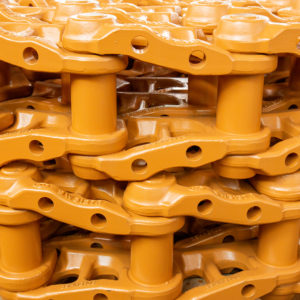
ຈິນຕະນາການສອງຂະຫນານ, ຕ່ອງໂສ້ລົດຖີບທີ່ໃຊ້ວຽກໜັກ, ຂະຫຍາຍເຖິງລະດັບມະຫາສານ. ນີ້ແມ່ນຈຸດສໍາຄັນຂອງລະບົບຕ່ອງໂສ້ຕິດຕາມ. ມັນບໍ່ແມ່ນອັນດຽວ, ວົງ monolithic ຂອງເຫຼັກກ້າ. ແທນ, ມັນເປັນຊຸດທີ່ເຊື່ອມຕໍ່ກັນຢ່າງລະມັດລະວັງ, ເຂັມ, ແລະພຸ່ມໄມ້. ແຕ່ລະພາກສ່ວນ, ຫຼື "ການເຊື່ອມຕໍ່," ເປັນ masterpiece ຂອງເຫຼັກ forged ໄດ້, ອອກແບບເພື່ອ pivot ກັບປະເທດເພື່ອນບ້ານຂອງຕົນ. The "pin" ເຮັດຫນ້າທີ່ເປັນ pin hinge ໄດ້, ເປັນ rod ເຫຼັກ ແຂງ ທີ່ ອະ ນຸ ຍາດ ໃຫ້ ການ ຮ່ວມ ມື ເພື່ອ articulate. "ພຸ່ມໄມ້" ເປັນກະບອກຮູທີ່ ເໝາະກັບເຂັມປັກໝຸດ, ສະຫນອງຂະຫນາດໃຫຍ່, ພື້ນຜິວເຄື່ອງເສຍສະຫຼະ. ສະພາແຫ່ງທັງຫມົດສ້າງຄວາມຍືດຫຍຸ່ນ, powerful loop that engages with the machine's drive sprocket to propel it forward or backward.
ລະບົບຕ່ອງໂສ້ຕິດຕາມເຮັດຫຼາຍກ່ວາພຽງແຕ່ສົ່ງພະລັງງານ. ມັນບັນທຸກນ້ໍາຫນັກທັງຫມົດຂອງເຄື່ອງ, ແຈກຢາຍຜ່ານ rollers ຕິດຕາມ. ມັນນໍາພາເຄື່ອງຈັກ, ຮັກສາມັນຢູ່ໃນເສັ້ນທາງຊື່ຫຼືປ່ອຍໃຫ້ມັນຫັນ. ມັນຕ້ອງອົດທົນຕໍ່ຄວາມກົດດັນຢ່າງຕໍ່ເນື່ອງ, ການໂຫຼດຊ໊ອກຈາກການຕີຫີນ, ແລະການຂັດ relentless ຂອງວັດສະດຸ abrasive. ຄວາມສົມບູນຂອງແຕ່ລະ pin ແລະພຸ່ມໄມ້ແຕ່ລະຄົນກໍານົດຄວາມສົມບູນຂອງລະບົບຕ່ອງໂສ້ທັງຫມົດ. ເມື່ອທ່ານໄດ້ຍິນວິສະວະກອນເວົ້າກ່ຽວກັບ "pitch," ພວກເຂົາຫມາຍເຖິງໄລຍະຫ່າງທີ່ຊັດເຈນຈາກຈຸດສູນກາງຂອງຫນຶ່ງ pin ກັບສູນກາງຂອງຕໍ່ໄປ. ເປັນຕ່ອງໂສ້ wears, pitch ນີ້ເພີ່ມຂຶ້ນ, ການຍືດຕົວທີ່ລະອຽດອ່ອນທີ່ມີຜົນສະທ້ອນຢ່າງເລິກເຊິ່ງຕໍ່ວິທີທີ່ຕ່ອງໂສ້ພົວພັນກັບພາກສ່ວນ undercarriage ອື່ນໆ, ໂດຍສະເພາະ sprockets ໄດ້. ລະບົບຕ່ອງໂສ້ຕິດຕາມແມ່ນ, ດັ່ງນັ້ນ, ເຄື່ອງມືທີ່ຊັດເຈນ, ເຖິງວ່າຈະມີຮູບລັກສະນະ rugged ຂອງມັນ.
ຄວາມເຂົ້າໃຈກ່ຽວກັບເກີບຕິດຕາມ: The Machine's Footprint
ຖ້າລະບົບຕ່ອງໂສ້ຕິດຕາມແມ່ນໂຄງກະດູກ, ເກີບຕິດຕາມແມ່ນຕີນ. Bolted ໂດຍກົງໃສ່ດ້ານນອກຂອງການເຊື່ອມຕໍ່ລະບົບຕ່ອງໂສ້ຕິດຕາມ, ເຫຼົ່ານີ້ແມ່ນອົງປະກອບທີ່ເຮັດໃຫ້ການຕິດຕໍ່ໂດຍກົງກັບຫນ້າດິນ. ຫນ້າທີ່ຂອງພວກເຂົາເບິ່ງຄືວ່າງ່າຍດາຍ: ເພື່ອສະຫນອງພື້ນຜິວສໍາລັບເຄື່ອງທີ່ຈະພັກຜ່ອນແລະສ້າງ traction. ທັນ, ຄວາມເປັນຈິງແມ່ນຢູ່ໄກ nuanced ຫຼາຍ. ການອອກແບບຂອງເກີບຕິດຕາມແມ່ນມີຄວາມສົມດຸນທີ່ລະອຽດອ່ອນຂອງຫຼັກການທາງດ້ານຮ່າງກາຍທີ່ແຂ່ງຂັນ. It must be wide enough to distribute the machine's weight, ການສ້າງຄວາມກົດດັນຂອງພື້ນດິນຕ່ໍາເພື່ອ "ເລື່ອນໄດ້" ເໜືອດິນທີ່ອ່ອນ—ເປັນຫຼັກການທີ່ເອີ້ນວ່າ flotation. ຄິດເຖິງຄວາມແຕກຕ່າງລະຫວ່າງການພະຍາຍາມຍ່າງເທິງຫິມະເລິກດ້ວຍເກີບປົກກະຕິທຽບກັບເກີບຫິມະ. ເກີບຫິມະໄດ້ແຜ່ນໍ້າໜັກຂອງເຈົ້າໄປທົ່ວພື້ນທີ່ທີ່ໃຫຍ່ກວ່າ, ປ້ອງກັນບໍ່ໃຫ້ເຈົ້າຈົມລົງ. ເກີບແລ່ນກວ້າງເຮັດແບບດຽວກັນກັບລົດຂຸດໜັກໃສ່ຂີ້ຕົມ.
ພ້ອມໆກັນ, ເກີບຕິດຕາມຕ້ອງມີຄຸນສົມບັດທີ່ກັດເຂົ້າໄປໃນພື້ນດິນເພື່ອສະຫນອງການຈັບ, ຫຼື traction. ລັກສະນະເຫຼົ່ານີ້ເອີ້ນວ່າ "grousers" ຫຼື "ແຖບ grouser." ເຂົາເຈົ້າເປັນກະດູກເຫຼັກທີ່ຍົກຂຶ້ນມາຊຶ່ງເປັນລັກສະນະຂອງການຕິດຕາມ. ຄວາມສູງ, ຮູບຮ່າງ, ແລະຈໍານວນຂອງ grousers ເຫຼົ່ານີ້ກໍານົດວິທີການປະສິດທິພາບເຄື່ອງຈັກສາມາດຍູ້ຫຼືດຶງ. ຄວາມສູງຂອງ grouser ຫຼາຍເກີນໄປກ່ຽວກັບຫີນແຂງສາມາດເຮັດໃຫ້ເຄື່ອງຂັບເຄື່ອນກ່ຽວກັບຄໍາແນະນໍາຂອງ grousers ໄດ້, ນໍາໄປສູ່ຄວາມບໍ່ສະຖຽນລະພາບແລະການສັ່ນສະເທືອນສູງ. ຄວາມສູງຂອງເຄື່ອງຕົບແຕ່ງໜ້ອຍເກີນໄປໃນຂີ້ຕົມອ່ອນໆ ສົ່ງຜົນໃຫ້ເສັ້ນທາງແລ່ນໄດ້ຢ່າງໄຮ້ປະໂຫຍດ. ການເລືອກເກີບຕິດຕາມທີ່ຖືກຕ້ອງບໍ່ແມ່ນເລື່ອງທີ່ຈະເລືອກເອົາ "ທີ່ເຂັ້ມແຂງທີ່ສຸດ" ຫນຶ່ງ, ແຕ່ການເລືອກອັນທີ່ມີເລຂາຄະນິດທີ່ຖືກຕ້ອງສໍາລັບວຽກງານສະເພາະ ແລະສະພາບແວດລ້ອມ.
ຄວາມສໍາພັນ Symbiotic: ລະບົບຕ່ອງໂສ້ແລະເກີບເຮັດວຽກຮ່ວມກັນແນວໃດ
ຄົນເຮົາບໍ່ສາມາດພິຈາລະນາລະບົບຕ່ອງໂສ້ການຕິດຕາມໃນການໂດດດ່ຽວຈາກເກີບຕິດຕາມ, ຫຼືໃນທາງກັບກັນ. ພວກເຂົາເປັນໂສດ, ຫນ່ວຍບໍລິການ. bolts ເກີບຕິດຕາມກັບການເຊື່ອມຕໍ່ລະບົບຕ່ອງໂສ້, ເສີມສ້າງແລະສະຫນອງຫນ້າດິນທີ່ມີສ່ວນຮ່ວມ. ລະບົບຕ່ອງໂສ້ສະຫນອງໂຄງສ້າງທີ່ຊັດເຈນທີ່ອະນຸຍາດໃຫ້ຊຸດຂອງເກີບຮາບພຽງຢູ່ໃນຮູບແບບຢ່າງຕໍ່ເນື່ອງ, ເສັ້ນທາງທີ່ມີຄວາມຍືດຫຍຸ່ນປະມານ rollers, ຄົນຂີ້ຄ້ານ, ແລະ sprocket. ການເລືອກເກີບມີຜົນກະທົບໂດຍກົງຕໍ່ຊີວິດຂອງລະບົບຕ່ອງໂສ້. ຕົວຢ່າງ, ການນໍາໃຊ້ເກີບກວ້າງເກີນໄປໃນຜົນກະທົບສູງ, rocky environment increases the mechanical leverage on the chain's joints. ເມື່ອເຄື່ອງຫັນ ຫຼື ເຮັດວຽກຢູ່ເທິງພື້ນດິນທີ່ບໍ່ລຽບ, ຂອບນອກຂອງເກີບກວ້າງສາມາດປະສົບກັບຄວາມກົດດັນອັນໃຫຍ່ຫຼວງ, ເຊິ່ງຫຼັງຈາກນັ້ນຖືກໂອນໂດຍກົງກັບ pins ແລະພຸ່ມໄມ້, ເລັ່ງການສວມໃສ່ຂອງພວກເຂົາ.
ນີ້ແມ່ນແນວຄວາມຄິດທີ່ເອີ້ນວ່າ "ກົດລະບຽບຂອງເກີບ." ມັນກໍານົດວ່າຄົນເຮົາຄວນໃຊ້ເກີບແຄບທີ່ສຸດເທົ່າທີ່ເປັນໄປໄດ້ທີ່ຍັງສະຫນອງການເລື່ອນທີ່ພຽງພໍສໍາລັບວຽກ.. ກວ້າງກວ່າຄວາມຈໍາເປັນຈະເພີ່ມນ້ໍາຫນັກ, ເພີ່ມທະວີຄວາມເຄັ່ງຕຶງຢູ່ໃນ undercarriage ທັງຫມົດ, ແລະເພີ່ມການບໍລິໂພກນໍ້າມັນ. ມັນເປັນການຄ້າວິສະວະກໍາຄລາສສິກ. ລະບົບຕ່ອງໂສ້ຕິດຕາມແລະຊິ້ນສ່ວນເກີບຕິດຕາມເຮັດວຽກໃນແບບລະອຽດອ່ອນ, ຄວາມສົມດຸນຂອງ symbiotic. ພວກເຂົາຕ້ອງໄດ້ຮັບການຄັດເລືອກຮ່ວມກັນ, ເປັນລະບົບ, ດ້ວຍຄວາມຊື່ນຊົມຢ່າງເຕັມທີ່ສໍາລັບການອອກແບບຂອງພາກສ່ວນຫນຶ່ງຈະສົ່ງຜົນກະທົບຕໍ່ການປະຕິບັດແລະອາຍຸຍືນຂອງອີກສ່ວນຫນຶ່ງ. ມັນເປັນການຮ່ວມມືດ້ານກົນຈັກທີ່ທາງເລືອກທີ່ບໍ່ດີໃນພື້ນທີ່ຫນຶ່ງເຮັດໃຫ້ປະນີປະນອມທັງຫມົດຢ່າງຫລີກລ້ຽງບໍ່ໄດ້.
ປະຫວັດຫຍໍ້: ວິວັດທະນາການຂອງການຕິດຕາມການກະຕຸ້ນ
ແນວຄວາມຄິດຂອງການຕິດຕາມຢ່າງຕໍ່ເນື່ອງບໍ່ແມ່ນສິ່ງປະດິດທີ່ທັນສະໄຫມ. ເຊື້ອສາຍທາງປັນຍາຂອງມັນສາມາດຖືກຕິດຕາມມາເຖິງສະຕະວັດທີ 18. ແນວໃດກໍ່ຕາມ, ພາຫະນະຕິດຕາມຕົວຈິງ ແລະ ປະສົບຜົນສຳເລັດທາງການຄ້າອັນທຳອິດໄດ້ປະກົດຕົວໃນຕົ້ນສະຕະວັດທີ 20, ບຸກເບີກໂດຍບໍລິສັດເຊັ່ນ Holt Manufacturing, ຜູ້ສືບທອດຂອງ Caterpillar. ລະບົບເບື້ອງຕົ້ນເຫຼົ່ານີ້ແມ່ນພື້ນຖານ, ມັກຈະເອີ້ນວ່າ "ແຫ້ງ" ຕ່ອງໂສ້. ພວກເຂົາເຈົ້າປະກອບດ້ວຍ pins ງ່າຍດາຍແລະການເຊື່ອມຕໍ່ໂດຍບໍ່ມີການປະທັບຕາ, ໝາຍ ຄວາມວ່າວັດສະດຸຂັດເຊັ່ນດິນຊາຍແລະດິນຈີ່ສາມາດເຂົ້າໄປໃນຂໍ້ຕໍ່ໄດ້ຢ່າງເສລີ. ອັດຕາການສວມໃສ່ແມ່ນທາງດາລາສາດ, ແລະ undercarriages ຕ້ອງການຄົງທີ່, ການບໍາລຸງຮັກສາແລະການທົດແທນຄ່າໃຊ້ຈ່າຍ.
ນະວັດຕະກໍາທີ່ສໍາຄັນອັນດຽວໃນປະຫວັດສາດຂອງລະບົບຕ່ອງໂສ້ການຕິດຕາມແມ່ນການພັດທະນາຂອງການຕິດຕາມທີ່ຜະນຶກແລະນໍ້າມັນ (ເກືອ) ໃນກາງສະຕະວັດທີ 20. ການອອກແບບປະຕິວັດນີ້ລວມເອົາຂະຫນາດນ້ອຍ, ປະທັບຕາທີ່ມີປະສິດທິພາບໃນແຕ່ລະປາຍຂອງພຸ່ມໄມ້. ປະທັບຕາເຫຼົ່ານີ້ຖືກອອກແບບມາເພື່ອຮັກສາອ່າງເກັບນ້ໍາພາຍໃນ pin ແລະ bushing ຮ່ວມກັນໃນຂະນະທີ່ພ້ອມກັນຮັກສາສິ່ງປົນເປື້ອນຂັດອອກ.. ຜົນໄດ້ຮັບແມ່ນການຫຼຸດຜ່ອນການສວມໃສ່ພາຍໃນຢ່າງຫຼວງຫຼາຍ. ທັນໃດນັ້ນ, "ສະຫນາມ" ຂອງລະບົບຕ່ອງໂສ້ຍັງຄົງສອດຄ່ອງຫຼາຍຕໍ່ໄປອີກແລ້ວ, ແລະອາຍຸການຂອງລະບົບ undercarriage ທັງຫມົດສາມາດຖືກວັດແທກເປັນພັນໆຊົ່ວໂມງແທນທີ່ຈະເປັນຮ້ອຍ. ນະວັດຕະກໍານີ້, ຫຼາຍກ່ວາອື່ນໆ, ເຮັດໃຫ້ທັນສະໄຫມ, bulldozers ແຮງມ້າສູງແລະ excavators ເປັນໄປໄດ້ທາງດ້ານເສດຖະກິດ. ມັນຫັນປ່ຽນລະບົບຕ່ອງໂສ້ຕິດຕາມຈາກແບບງ່າຍດາຍ, brute-force ອົງປະກອບເຂົ້າໄປໃນ sophisticated, ປະທັບຕາຮ່ວມກົນຈັກ, ວາງພື້ນຖານສໍາລັບການອອກແບບທີ່ກ້າວຫນ້າທີ່ພວກເຮົາເຫັນຢູ່ໃນ 2025.
ປັດໄຈ 1: ອົງປະກອບຂອງວັດສະດຸແລະຂະບວນການຜະລິດ
At the very core of a component's ability to withstand the brutal reality of an earthmoving operation lies its material DNA. ທາງເລືອກຂອງເຫຼັກກ້າ, ວິທີການຂອງການສ້າງຕັ້ງຂອງຕົນ, ແລະການປິ່ນປົວຄວາມຮ້ອນທີ່ມັນດໍາເນີນການບໍ່ແມ່ນລາຍລະອຽດເລັກນ້ອຍ; ພວກເຂົາເປັນຕົວກໍານົດພື້ນຖານຂອງຊີວິດການບໍລິການຂອງມັນ. ເສັ້ນທາງເຊື່ອມຕໍ່ທີ່ແຕກຫັກພາຍໃຕ້ຜົນກະທົບຫຼືເກີບຕິດຕາມທີ່ສວມໄປຄືກັບສະບູໃນສອງສາມອາທິດແມ່ນຄວາມລົ້ມເຫລວບໍ່ພຽງແຕ່ການອອກແບບເທົ່ານັ້ນ, ແຕ່ຂອງໂລຫະ. ເພື່ອເລືອກຕ່ອງໂສ້ຕິດຕາມທີ່ທົນທານແລະຕິດຕາມຊິ້ນສ່ວນເກີບ, ຄົນ ໜຶ່ງ ຕ້ອງກາຍເປັນນັກຮຽນວິທະຍາສາດວັດສະດຸ, ການຍົກຍ້ອງຄວາມແຕກຕ່າງທີ່ອ່ອນໂຍນແຕ່ເລິກເຊິ່ງທີ່ແຍກອົງປະກອບທີ່ນິຍົມອອກຈາກຄວາມລົ້ມເຫລວກ່ອນໄວອັນຄວນ.
ຫົວໃຈຂອງຄວາມທົນທານ: ໂລຫະປະສົມເຫຼັກກ້າແລະເຕັກນິກການແຂງ
ເຫລໍກທີ່ນໍາໃຊ້ສໍາລັບອົງປະກອບ undercarriage ບໍ່ແມ່ນການປະສົມທາດເຫຼັກ - ກາກບອນທີ່ງ່າຍດາຍທີ່ອາດຈະຈິນຕະນາການ. ມັນເປັນໂລຫະປະສົມທີ່ຊັບຊ້ອນ, ສູດຫັດຖະກໍາຢ່າງລະມັດລະວັງທີ່ມີອົງປະກອບເຊັ່ນ manganese, ໂຄຣຽມ, ໂມລິບເດັນ, ແລະ boron ແມ່ນເພີ່ມໃນປະລິມານທີ່ຊັດເຈນ. ມັງການີສ, ຕົວຢ່າງ, ເປັນສ່ວນປະກອບສໍາຄັນທີ່ຊ່ວຍເພີ່ມຄວາມແຂງຂອງເຫລໍກ. ນີ້ຫມາຍຄວາມວ່າເມື່ອ quenching (ຄວາມເຢັນໄວ), ຊັ້ນຄວາມແຂງທີ່ເລິກກວ່າແລະເປັນເອກະພາບຫຼາຍສາມາດບັນລຸໄດ້. ໂບຣອນ, ເຖິງແມ່ນວ່າໃນປະລິມານຫນ້ອຍ - ສ່ວນຕໍ່ລ້ານ - ມີຜົນກະທົບທີ່ເຂັ້ມແຂງຕໍ່ການແຂງ, ອະນຸຍາດໃຫ້ນໍາໃຊ້ໂລຫະປະສົມທີ່ມີລາຄາແພງຫນ້ອຍໃນຂະນະທີ່ຍັງບັນລຸຄຸນສົມບັດທີ່ເຫນືອກວ່າ (ກິໂລ, 2021). ອົງປະກອບຂອງໂລຫະປະສົມເຫຼົ່ານີ້ເຮັດວຽກໂດຍການປ່ຽນໂຄງສ້າງຜລຶກຂອງເຫລໍກຍ້ອນວ່າມັນເຢັນ, ການສ້າງໂຄງສ້າງ martensitic ທີ່ລະອຽດອ່ອນທີ່ແຂງແລະທົນທານຕໍ່ການຂັດ.
ຄວາມແຂງ, ແນວໃດກໍ່ຕາມ, ແມ່ນພຽງແຕ່ຫນຶ່ງຂ້າງຂອງຫຼຽນ. ວັດສະດຸທີ່ແຂງທີ່ສຸດແມ່ນມັກຈະມີຄວາມແຕກຫັກຫຼາຍ, ຄືກັບແກ້ວ. ມັນອາດຈະຕ້ານການຂູດ, ແຕ່ມັນຈະແຕກຫັກພາຍໃຕ້ຜົນກະທົບທີ່ແຫຼມ. undercarriage ຕ້ອງການ "ຄວາມທົນທານ" - ຄວາມສາມາດໃນການດູດຊຶມພະລັງງານແລະຜິດປົກກະຕິໂດຍບໍ່ມີການກະດູກຫັກ. ນີ້ແມ່ນບ່ອນທີ່ການປິ່ນປົວຄວາມຮ້ອນກາຍເປັນຮູບແບບສິລະປະ. ຂະບວນການຂອງ "ໂດຍຜ່ານການແຂງ" ປະກອບດ້ວຍການໃຫ້ຄວາມຮ້ອນອົງປະກອບທັງຫມົດໄປສູ່ອຸນຫະພູມທີ່ສໍາຄັນແລະຫຼັງຈາກນັ້ນ quenching ມັນ, ຕິດຕາມມາດ້ວຍ "ອາລົມຮ້ອນ" ຂະບວນການ (reheating ກັບອຸນຫະພູມຕ່ໍາ). Tempering ບັນເທົາຄວາມກົດດັນພາຍໃນແລະເຮັດໃຫ້ຄວາມເຄັ່ງຄັດ, ສ້າງຄວາມສົມດຸນລະຫວ່າງຄວາມແຂງ (ສໍາລັບການຕໍ່ຕ້ານການສວມໃສ່) ແລະຄວາມທົນທານ (ສໍາລັບການຕໍ່ຕ້ານຜົນກະທົບ). ວິທີການເປົ້າຫມາຍຫຼາຍແມ່ນ "induction hardening," ບ່ອນທີ່ມີພຽງແຕ່ຫນ້າໃສ່ສະເພາະ, ຄືກັບທາງລົດໄຟຂອງເສັ້ນທາງເຊື່ອມຕໍ່ ຫຼືຂຸມຂອງພຸ່ມໄມ້, ຖືກໃຫ້ຄວາມຮ້ອນຢ່າງໄວວາໂດຍສະຫນາມແມ່ເຫຼັກໄຟຟ້າແລະຫຼັງຈາກນັ້ນ quenched. ນີ້ສ້າງກໍລະນີ "ພາຍນອກທີ່ຍາກທີ່ສຸດ" ໃນຂະນະທີ່ອອກຈາກພາຍໃນ "ຫຼັກ" ຂອງອົງປະກອບທີ່ເຄັ່ງຄັດແລະ ductile ຫຼາຍເພື່ອດູດຊຶມການໂຫຼດຊ໊ອກ. ການເຊື່ອມໂຍງການຕິດຕາມທີ່ດີຂຶ້ນແມ່ນບ່ອນທີ່ຄວາມເລິກຂອງກໍລະນີແລະຄວາມແຂງຂອງແກນໄດ້ຖືກປັບປຸງຢ່າງສົມບູນສໍາລັບຄໍາຮ້ອງສະຫມັກທີ່ມີຈຸດປະສົງ.
Forging vs. ການສົ່ງສັນຍານ: ການວິເຄາະການປຽບທຽບຂອງຄວາມເຂັ້ມແຂງແລະຄ່າໃຊ້ຈ່າຍ
ວິທີການປະກອບອົງປະກອບຈາກເຫລໍກດິບແມ່ນມີຄວາມສໍາຄັນຄືກັນກັບເຫຼັກກ້າຂອງມັນເອງ. ສອງວິທີການທີ່ເດັ່ນຊັດໃນການຜະລິດການເຊື່ອມຕໍ່ຕິດຕາມແລະເກີບແມ່ນການຫລໍ່ແລະ forging. ໃນການຫລໍ່, ເຫຼັກ molten ແມ່ນ poured ເຂົ້າໄປໃນ mold ຂອງຮູບຮ່າງທີ່ຕ້ອງການແລະອະນຸຍາດໃຫ້ແຂງ. ມັນເປັນຂະບວນການທີ່ຂ້ອນຂ້າງລາຄາຖືກ, ເຫມາະສໍາລັບຮູບຮ່າງທີ່ສັບສົນ. ແນວໃດກໍ່ຕາມ, ໃນຂະນະທີ່ໂລຫະເຢັນ, ມັນປະກອບເປັນໂຄງສ້າງຜລຶກທີ່ມີຂະຫນາດໃຫຍ່ຂ້ອນຂ້າງ, ເມັດພືດແບບສຸ່ມ. ບາງຄັ້ງນີ້ສາມາດນໍາໄປສູ່ porosity ພາຍໃນຫຼືຄວາມບໍ່ສອດຄ່ອງທີ່ສາມາດກາຍເປັນຈຸດຂອງຄວາມລົ້ມເຫຼວພາຍໃຕ້ຄວາມກົດດັນສູງ.
ການປອມແປງ, ໃນທາງກົງກັນຂ້າມ, ກ່ຽວຂ້ອງກັບການເອົາເຫຼັກກ້ອນແຂງແລະຮູບຮ່າງມັນພາຍໃຕ້ຄວາມກົດດັນອັນໃຫຍ່ຫຼວງໂດຍໃຊ້ໄມ້ຄ້ອນຫຼືກົດ.. ຂະບວນການນີ້ບໍ່ໄດ້ລະລາຍເຫຼັກ. ແທນ, ມັນບັງຄັບໂຄງສ້າງເມັດພາຍໃນຂອງໂລຫະໃຫ້ສອດຄ່ອງກັບຮູບຮ່າງຂອງສ່ວນ. ຄິດວ່າມັນຄ້າຍຄື kneading dough; ຂະບວນການປັບປຸງໂຄງສ້າງເມັດພືດ, ເຮັດໃຫ້ມັນ finer ແລະເປັນເອກະພາບຫຼາຍ. ການໄຫຼເຂົ້າເມັດພືດຢ່າງຕໍ່ເນື່ອງນີ້ເຮັດໃຫ້ອົງປະກອບ forged ມີຄວາມເຂັ້ມແຂງ tensile ດີກວ່າ, ຄວາມຕ້ານທານຄວາມເມື່ອຍລ້າ, ແລະຄວາມແຂງກະດ້າງຂອງຜົນກະທົບທຽບກັບຄູ່ຮ່ວມສຽງໂຫວດທັງຫມົດຂອງເຂົາເຈົ້າ. ເສັ້ນທາງເຊື່ອມຕໍ່ທີ່ forged ມີແນວໂນ້ມຫນ້ອຍທີ່ຈະແຕກພາຍໃຕ້ການໂຫຼດຊ໊ອກຊ້ໍາປະສົບການໃນ quarry ໂງ່ນຫີນ. ການແລກປ່ຽນແມ່ນຄ່າໃຊ້ຈ່າຍ. ເຄື່ອງມືສໍາລັບການ forging ແມ່ນລາຄາແພງ, ແລະຂະບວນການໂດຍທົ່ວໄປແມ່ນຊ້າກວ່າການຫລໍ່. ເປັນເວລາຫຼາຍປີ, ນີ້ເຮັດໃຫ້ forging ເປັນທີ່ນິຍົມ, ທາງເລືອກທີ່ມີລາຄາສູງ. ແນວໃດກໍ່ຕາມ, ຍ້ອນວ່າເຕັກໂນໂລຊີການຜະລິດທົ່ວໂລກໄດ້ກ້າວຫນ້າ, ຊ່ອງຫວ່າງຄ່າໃຊ້ຈ່າຍໄດ້ແຄບລົງ, ເຮັດໃຫ້ພາກສ່ວນ undercarriage forged ຄຸນນະພາບສູງສາມາດເຂົ້າເຖິງໄດ້ຫຼາຍຂຶ້ນ. ສໍາລັບ undercarriage ທີ່ເຂັ້ມແຂງແທ້ໆ, ໂດຍສະເພາະສໍາລັບເຄື່ອງຈັກຫຼາຍກວ່າ 30 ໂຕນປະຕິບັດການຢູ່ໃນສະພາບຮ້າຍແຮງ, ລະບົບຕ່ອງໂສ້ຕິດຕາມ forged ແລະຕິດຕາມຊິ້ນສ່ວນເກີບມັກຈະເປັນການລົງທຶນໄລຍະຍາວທີ່ລະມັດລະວັງຫຼາຍ.
| ຄຸນສົມບັດ | ການປອມແປງ | ການສົ່ງສັນຍານ |
|---|---|---|
| ໂຄງສ້າງເມັດພືດ | ດີ, ເອກະພາບ, ແລະທິດທາງ | ຫຍາບຄາຍ, ບໍ່ມີທິດທາງ, ອາດຈະເປັນ porous |
| ຄວາມເຂັ້ມແຂງ tensile | ເໜືອກວ່າ | ດີ |
| ຄວາມທົນທານຜົນກະທົບ | ທີ່ດີເລີດ | ຍຸດຕິທຳກັບດີ |
| ຄວາມຕ້ານທານຄວາມເມື່ອຍລ້າ | ເໜືອກວ່າ | ດີ |
| ຄວາມຊັບຊ້ອນຮູບຮ່າງ | ຈຳກັດໃຫ້ມີຮູບຮ່າງທີ່ສັບສົນໜ້ອຍລົງ | ທີ່ດີເລີດສໍາລັບຮູບຮ່າງທີ່ສັບສົນ |
| ຄ່າໃຊ້ຈ່າຍໃນການຜະລິດ | ເຄື່ອງມືເບື້ອງຕົ້ນ ແລະຄ່າໃຊ້ຈ່າຍໃນຂະບວນການທີ່ສູງຂຶ້ນ | ຄ່າໃຊ້ຈ່າຍຂອງເຄື່ອງມືແລະຂະບວນການຕ່ໍາ |
| ການນໍາໃຊ້ປົກກະຕິ | ອົງປະກອບຄວາມກົດດັນສູງ (ຕິດຕາມການເຊື່ອມຕໍ່, ເຂັມ) | ອົງປະກອບທີ່ມີເລຂາຄະນິດສະລັບສັບຊ້ອນ (ເຫຼັກກ້າ) |
ບົດບາດຂອງ Boron ແລະອົງປະກອບໂລຫະປະສົມອື່ນໆ
Let's delve deeper into the microscopic world of steel. ການເພີ່ມອົງປະກອບຂອງໂລຫະປະສົມແມ່ນຄ້າຍຄືກັບພໍ່ຄົວທີ່ເພີ່ມເຄື່ອງເທດໃສ່ສູດພື້ນຖານ. ແຕ່ລະຄົນມີລັກສະນະເປັນເອກະລັກ. ດັ່ງທີ່ໄດ້ກ່າວມາ, boron ແມ່ນຕົວແທນການແຂງຕົວທີ່ມີທ່າແຮງ. ປະລໍາມະນູຂອງມັນ, ເປັນຂະຫນາດນ້ອຍຫຼາຍ, diffuse into the grain boundaries of the steel's crystalline lattice, ປະສິດທິຜົນຊ້າລົງການຫັນປ່ຽນຈາກ austenite ເປັນ ferrite softer ແລະ pearlite ໃນລະຫວ່າງການເຮັດຄວາມເຢັນ. ນີ້ເຮັດໃຫ້ໂຄງສ້າງ martensitic ແຂງທີ່ຕ້ອງການໃຊ້ເວລາຫຼາຍໃນການສ້າງ, ເຖິງແມ່ນວ່າຢູ່ໃນພາກສ່ວນທີ່ຫນາກວ່າຂອງອົງປະກອບ. ຜົນໄດ້ຮັບແມ່ນເລິກເຊິ່ງກວ່າ, ໂປຣໄຟລ໌ຄວາມແຂງທີ່ສອດຄ່ອງຫຼາຍຂຶ້ນ.
Chromium ເປັນຜູ້ນທີ່ສໍາຄັນອີກອັນຫນຶ່ງ. ມັນບໍ່ພຽງແຕ່ເພີ່ມຄວາມແຂງ, ແຕ່ຍັງປະກອບສ່ວນຢ່າງຫຼວງຫຼາຍຕໍ່ການຕໍ່ຕ້ານ corrosion, ປັດໄຈທີ່ມັກຈະຖືກມອງຂ້າມ. ສໍາລັບເຄື່ອງຈັກເຮັດວຽກຢູ່ໃນປຽກ, ເຄັມ, ຫຼືສະພາບແວດລ້ອມທີ່ເປັນກົດ, ເຊັ່ນວ່າ ໃນເຂດແຄມຝັ່ງທະເລ ຫຼືການຂຸດຄົ້ນບໍ່ແຮ່ສະເພາະ, ເນື້ອໃນຂອງ chromium ທີ່ສູງຂຶ້ນສາມາດເຮັດໃຫ້ການເຊື່ອມໂຊມຂອງອົງປະກອບຊ້າລົງຢ່າງຫຼວງຫຼາຍ. Molybdenum ເຮັດວຽກຮ່ວມກັນກັບ chromium, ເສີມຂະຫຍາຍຄວາມເຄັ່ງຄັດຢູ່ໃນອຸນຫະພູມສູງແລະປັບປຸງການຕໍ່ຕ້ານກັບ "embrittlement temper," ປະກົດການທີ່ເຫຼັກສາມາດກາຍເປັນ brittle ຫຼັງຈາກຖືກຈັດຂຶ້ນໃນອຸນຫະພູມສະເພາະໃດຫນຶ່ງ. Nickel ແມ່ນອົງປະກອບທີ່ສໍາຄັນອີກອັນຫນຶ່ງສໍາລັບຄວາມທົນທານ, ໂດຍສະເພາະຢູ່ໃນອຸນຫະພູມຕ່ໍາ. ສໍາລັບເຄື່ອງຈັກທີ່ກໍານົດສໍາລັບລະດູຫນາວ freezing ຂອງລັດເຊຍຫຼືອາຊີເຫນືອ, ລະບົບຕ່ອງໂສ້ຕິດຕາມທີ່ມີເນື້ອໃນ nickel ສູງກວ່າຈະທົນທານຕໍ່ການແຕກຫັກຂອງ brittle ໃນເງື່ອນໄຂຍ່ອຍສູນ. ຜູ້ສະຫນອງຄວາມຮູ້, ຄືກັບທີມງານຢູ່ ເຄື່ອງຈັກ Juli, understands these metallurgical nuances and can help match the specific alloy composition of their undercarriage parts to the unique environmental challenges of a customer's region.
ການປິ່ນປົວຜິວຫນ້າ: ຄາເບີຣີ, Nitriding, ແລະຜົນກະທົບຕໍ່ຊີວິດຂອງສວມໃສ່
ນອກເຫນືອຈາກຄຸນສົມບັດຂອງເຫຼັກກ້າ, ການປິ່ນປົວພື້ນຜິວທີ່ກ້າວຫນ້າສາມາດສະຫນອງຊັ້ນປ້ອງກັນເພີ່ມເຕີມຕໍ່ກັບການສວມໃສ່. ເຫຼົ່ານີ້ບໍ່ແມ່ນການເຄືອບເຊັ່ນ: ສີ; ພວກມັນແມ່ນຂະບວນການທີ່ກະຈາຍອົງປະກອບເຂົ້າໄປໃນພື້ນຜິວຂອງເຫຼັກກ້າ, ໂດຍພື້ນຖານແລ້ວການປ່ຽນແປງທາງເຄມີແລະຄຸນສົມບັດຂອງມັນ. "ການເຜົາໄຫມ້" ແມ່ນຂະບວນການທີ່ອົງປະກອບ, ຄືກັບພຸ່ມໄມ້, ຖືກໃຫ້ຄວາມຮ້ອນໃນບັນຍາກາດທີ່ອຸດົມດ້ວຍຄາບອນ. ປະລໍາມະນູຂອງຄາບອນກະຈາຍເຂົ້າໄປໃນພື້ນຜິວ, ການສ້າງ "ກໍລະນີ" ທີ່ມີປະລິມານຄາບອນສູງຫຼາຍ. ເມື່ອກໍລະນີນີ້ຖືກດັບ, ມັນກາຍເປັນເລື່ອງຍາກທີ່ສຸດ, ທີ່ມີຄ່າຄວາມແຂງເກີນ 60 ໃນລະດັບ Rockwell C. ພື້ນຜິວແຂງນີ້ພິເສດແມ່ນທົນທານຕໍ່ການຂັດ, ພັຍຂັດທີ່ເກີດຂື້ນລະຫວ່າງ pin ແລະພຸ່ມໄມ້.
"ໄນທຣິກ" ແມ່ນຂະບວນການທີ່ຄ້າຍຄືກັນແຕ່ໃຊ້ໄນໂຕຣເຈນແທນທີ່ຈະເປັນຄາບອນ. ໂດຍປົກກະຕິມັນຖືກປະຕິບັດຢູ່ໃນອຸນຫະພູມຕ່ໍາກວ່າ carburizing, ຊຶ່ງສົ່ງຜົນໃຫ້ມີການບິດເບືອນຂອງພາກສ່ວນຫນ້ອຍລົງ. ພື້ນຜິວ nitrided ຍັງແຂງທີ່ສຸດແລະສະຫນອງຄວາມຕ້ານທານທີ່ດີເລີດຕໍ່ການສວມໃສ່ແລະຄວາມເມື່ອຍລ້າ. ບາງ pins ຕິດຕາມກ້າວຫນ້າທາງດ້ານຫຼາຍທີ່ສຸດແລະ bushings ໃນຕະຫຼາດໃນ 2025 ໃຊ້ເຕັກນິກເຫຼົ່ານີ້ປະສົມປະສານ - ຜ່ານແຂງ, ຫຼັກແຂງທີ່ເຮັດຈາກເຫຼັກໂລຫະປະສົມ boron, ເຊິ່ງຫຼັງຈາກນັ້ນຈະຖືກ carburized ຫຼື nitrided ເທິງຫນ້າດິນຂອງຕົນເພື່ອສ້າງການປະສົມປະສານສຸດທ້າຍຂອງພາຍນອກທີ່ທົນທານຕໍ່ຄວາມສວມໃສ່ແລະພາຍໃນທີ່ທົນທານຕໍ່ອາການຊ໊ອກ.. ເມື່ອປະເມີນລະບົບຕ່ອງໂສ້ຕິດຕາມແລະຕິດຕາມຊິ້ນສ່ວນເກີບ, ມັນເປັນມູນຄ່າການສອບຖາມກ່ຽວກັບການປິ່ນປົວຜິວຫນ້າແບບພິເສດເຫຼົ່ານີ້. ພວກເຂົາເປັນຕົວແທນຂອງການລົງທຶນທີ່ສໍາຄັນໃນການຜະລິດແຕ່ຈ່າຍເງິນປັນຜົນຢ່າງຫຼວງຫຼາຍໃນຮູບແບບຂອງຊີວິດການບໍລິການທີ່ຍາວນານ, ໂດຍສະເພາະໃນຄໍາຮ້ອງສະຫມັກທີ່ມີຮອຍຂີດຂ່ວນສູງເຊັ່ນ: ດິນຊາຍຫຼື granite.
ປັດໄຈ 2: ການອອກແບບ Grouser ແລະອິດທິພົນຂອງມັນກ່ຽວກັບພູມສັນຖານ
ເກີບຕິດຕາມ, ກັບ grousers ທີ່ແຕກຕ່າງກັນຂອງຕົນ, is the machine's direct handshake with the earth. ມັນເປັນເຄື່ອງມືຂອງການມີສ່ວນພົວພັນ, ແລະມັກເຄື່ອງມືໃດຫນຶ່ງ, ຮູບແບບຂອງມັນຕ້ອງໄດ້ຮັບການຈັບຄູ່ exquisitely ກັບຫນ້າທີ່ຂອງຕົນ. ການເລືອກເກີບຕິດຕາມຜິດປົກກະຕິແມ່ນຄ້າຍຄືການພະຍາຍາມທີ່ຈະຂັບ screw ກັບໄມ້ຄ້ອນ; ເຈົ້າອາດຈະໄດ້ຮັບມັນໃນທີ່ສຸດ, ແຕ່ຂະບວນການດັ່ງກ່າວຈະບໍ່ມີປະສິດທິພາບ, ຄວາມເສຍຫາຍ, ແລະໃນທີ່ສຸດກໍ່ອຸກອັ່ງ. ເລຂາຄະນິດຂອງເກີບຕິດຕາມ - ຄວາມກວ້າງຂອງມັນ, ຈໍານວນຂອງ grousers ຂອງຕົນ, and their shape—dictates the machine's ability to generate traction, ຄວາມໝັ້ນຄົງຂອງມັນຢູ່ເທິງເປີ້ນພູ, ຜົນກະທົບຂອງມັນຢູ່ໃນພື້ນດິນ, ແລະເຖິງແມ່ນວ່າອັດຕາທີ່ລະບົບ undercarriage ທັງຫມົດ wears ອອກ. ການພິຈາລະນາຢ່າງຮອບຄອບຂອງການອອກແບບ grouser ຍ້າຍຂະບວນການຄັດເລືອກຈາກການຊື້ທີ່ງ່າຍດາຍໄປສູ່ການຕັດສິນໃຈປະຕິບັດຍຸດທະສາດ..
ໂສດ, ສອງເທົ່າ, ສາມເທື່ອ: ການເລືອກແຖບ Grouser ທີ່ຖືກຕ້ອງ
ຈໍານວນຂອງ grousers ໃນເກີບຕິດຕາມແມ່ນລັກສະນະທັນທີທັນໃດແລະກໍານົດທີ່ສຸດ. ທາງເລືອກລະຫວ່າງຄົນດຽວ, ສອງເທົ່າ, ຫຼືເກີບ grouser triple ແມ່ນພື້ນຖານຫນຶ່ງ, ຂັບເຄື່ອນທັງຫມົດໂດຍຄໍາຮ້ອງສະຫມັກຕົ້ນຕໍຂອງເຄື່ອງ.
ກ ເກີບ grouser ດຽວ ລັກສະນະຫນຶ່ງສູງ, ແຖບ grouser ຮຸກຮານແລ່ນທົ່ວຄວາມກວ້າງຂອງມັນ. ການອອກແບບນີ້ສະຫນອງການເຈາະສູງສຸດທີ່ເປັນໄປໄດ້ເຂົ້າໄປໃນພື້ນດິນ. ມັນເປັນເກີບຂອງທາງເລືອກສໍາລັບຄໍາຮ້ອງສະຫມັກທີ່ຕ້ອງການ traction ທີ່ຮ້າຍແຮງແລະດຶງ drawbar, ເຊັ່ນ: bulldozer ripping ແຜ່ນດິນໂລກແຂງຫຼືປີນຊັ້ນສູງຊັນ. ການເຈາະເລິກສະຫນອງສະມໍ, ອະນຸຍາດໃຫ້ເຄື່ອງໃຊ້ພະລັງງານຢ່າງເຕັມທີ່ໂດຍບໍ່ມີການຕິດຕາມ slippage. ແນວໃດກໍ່ຕາມ, ການຮຸກຮານນີ້ມາພ້ອມກັບຂໍ້ເສຍ. ຄວາມກົດດັນທີ່ເນັ້ນໃສ່ແຖບດຽວສ້າງຜົນກະທົບສູງເມື່ອເດີນທາງຜ່ານພື້ນຜິວແຂງເຊັ່ນຫີນ, ນໍາໄປສູ່ການຂັບເຄື່ອນ rough ແລະຄວາມກົດດັນສູງກ່ຽວກັບ undercarriage ໄດ້. ນອກຈາກນັ້ນ, ການເຈາະພື້ນທີ່ເລິກເຮັດໃຫ້ການຫັນປ່ຽນມີຄວາມຫຍຸ້ງຍາກ. ເຄື່ອງຈັກຕ້ອງເຮັດວຽກໜັກກວ່າເພື່ອ pivot, ທີ່ເລັ່ງການສວມໃສ່ໃນອົງປະກອບການຊີ້ນໍາທັງຫມົດແລະສາມາດ tear ເຖິງຫນ້າດິນ.
ກ ເກີບ grouser triple ແມ່ນກົງກັນຂ້າມຂົ້ວໂລກແລະປະເພດທົ່ວໄປທີ່ສຸດທີ່ພົບເຫັນຢູ່ໃນເຄື່ອງຂຸດ. ມີສາມ grousers ສັ້ນກວ່າ, ເກີບມີພື້ນທີ່ຕິດຕໍ່ກັບພື້ນດິນຫຼາຍຂື້ນໃນເວລາໃດກໍ່ຕາມ. ນີ້ສະຫນອງການປະຕິບັດທັງຫມົດທີ່ດີ, ສະເຫນີຄວາມສົມດຸນຂອງ traction, flotation, ແລະ maneuverability. ຄວາມສູງຂອງ grouser ຕ່ໍາຫຼຸດຜ່ອນການເຈາະຂອງດິນ, ເຊິ່ງເຮັດໃຫ້ການຫັນປ່ຽນງ່າຍຂຶ້ນ ແລະລຽບງ່າຍ. ນີ້ແມ່ນສິ່ງສໍາຄັນສໍາລັບເຄື່ອງຂຸດ, ເຊິ່ງແມ່ນ repositioning ຕົວຂອງມັນເອງຢ່າງຕໍ່ເນື່ອງໃນຂະນະທີ່ຂຸດ. ການອອກແບບ grouser triple ຍັງສະຫນອງການຂັບເຄື່ອນ smoother ແລະການສັ່ນສະເທືອນຫນ້ອຍໃນເວລາເດີນທາງ, ຫຼຸດຜ່ອນການສວມໃສ່ຢູ່ໃຕ້ລົດ ແລະປັບປຸງຄວາມສະດວກສະບາຍຂອງຜູ້ປະຕິບັດການ.
ກ ເກີບຄູ່ ຄອບຄອງພື້ນທີ່ກາງ. ມັນສະຫນອງ traction ແລະ penetration ດີກວ່າ grouse triple ແຕ່ມີຄວາມຮຸກຮານຫນ້ອຍແລະງ່າຍທີ່ຈະຫັນກ່ວາ grouser ດຽວ.. ນີ້ເຮັດໃຫ້ມັນເປັນທາງເລືອກທີ່ນິຍົມສໍາລັບທາງຫນ້າຂອງ loaders ຕິດຕາມແລະສໍາລັບ dozers ທີ່ຕ້ອງການການປະນີປະນອມລະຫວ່າງພະລັງງານ pushing ເສັ້ນຊື່ແລະ maneuverability.. The choice is a direct reflection of the machine's job. dozer ທີ່ໃຊ້ຈ່າຍ 90% ທີ່ໃຊ້ເວລາຂອງມັນຍູ້ວັດສະດຸໃນເສັ້ນຊື່ຈະໄດ້ຮັບຜົນປະໂຫຍດຈາກ grousers ດຽວ. ການຂຸດຂຸມທີ່ຂຸດຂື້ນຢ່າງຕໍ່ເນື່ອງ, ແກວ່ງ, ແລະ repositioning ຈະມີຊີວິດຢູ່ຕໍ່ໄປອີກແລ້ວ, ຊີວິດທີ່ມີປະສິດຕິພາບຫຼາຍຂຶ້ນໃນກຸ່ມຄົນລ້ຽງສາມຄົນ.
| ປະເພດ Grouser | ຄໍາຮ້ອງສະຫມັກຂັ້ນຕົ້ນ | ດຶງ | ຄວາມຄ່ອງແຄ້ວ | ການລົບກວນພື້ນດິນ |
|---|---|---|---|---|
| ດຽວ Grouser | Dozers, Rippers (ດຶງແຖບດຶງສູງ) | ສູງສຸດ | ທຸກຍາກ | ສູງ |
| ຮ້ານຂາຍເຄື່ອງຍ່ອຍ | ຕິດຕາມລົດບັນທຸກ, Dozers (ຄວາມຄ່ອງແຄ້ວ) | ສູງ | ປານກາງ | ປານກາງ |
| ຜູ້ປູກສາມຄົນ | ລົດຂຸດ (ຈຸດປະສົງທັງໝົດ) | ດີ | ທີ່ດີເລີດ | ຕໍ່າ |
| ໜອງ (ຄວາມກົດດັນໃຕ້ດິນ) | ຂີ້ຕົມອ່ອນ, Marshland | ຕໍ່າ (Flotation ແມ່ນສໍາຄັນ) | ດີ | ຕໍ່າຫຼາຍ |
| ແຜ່ນຢາງ | ປູຢາງ, ຄອນກີດ, ພື້ນຜິວສໍາເລັດຮູບ | ປານກາງ | ທີ່ດີເລີດ | ໜ້ອຍທີ່ສຸດ / ບໍ່ມີ |
| ຟັກ / ການທໍາຄວາມສະອາດຕົນເອງ | ການຖົມດິນ, ການຈັດການສິ່ງເສດເຫຼືອ, ດິນໜຽວ | ດີ | ດີ | ສູງ (ຖືກອອກແບບມາເພື່ອທໍາລາຍວັດສະດຸ) |
ເກີບພິເສດ: Swamp Pads, ແຜ່ນຢາງ, ແລະເກີບ Chopper
ນອກເຫນືອຈາກການຕັ້ງຄ່າມາດຕະຖານ, ໂລກທີ່ ໜ້າ ສົນໃຈຂອງເກີບຕິດຕາມພິເສດມີຢູ່, ແຕ່ລະອັນຖືກອອກແບບເພື່ອແກ້ໄຂບັນຫາສິ່ງແວດລ້ອມທີ່ເປັນເອກະລັກ. ແຜ່ນສະລອຍນໍ້າ, ເອີ້ນກັນວ່າ ຄວາມກົດດັນພື້ນດິນຕໍ່າ (LGP) ເກີບ, ເປັນຕົວຢ່າງທີ່ສົມບູນແບບ. ເກີບເຫຼົ່ານີ້ແມ່ນກວ້າງທີ່ສຸດ, ບາງຄັ້ງເບິ່ງເກືອບຄ້າຍຄືແຜ່ນເຫຼັກ. ຈຸດປະສົງຂອງເຂົາເຈົ້າບໍ່ແມ່ນ traction ສູງໃນຄວາມຫມາຍທໍາມະດາ, ແຕ່ flotation ສູງສຸດ. By dramatically increasing the surface area of the machine's footprint, ພວກເຂົາຫຼຸດຜ່ອນຄວາມກົດດັນຂອງພື້ນດິນເຖິງຈຸດທີ່ເຄື່ອງຈັກຂະຫນາດໃຫຍ່ສາມາດເຮັດວຽກໄດ້ຢ່າງອ່ອນໂຍນ, ພື້ນດິນອີ່ມຕົວເຊັ່ນ: ໜອງ, ບຶງ, ຫຼືສະຖານທີ່ຂຸດເຈາະ - ໂດຍບໍ່ມີການຈົມລົງ.
ໃນທາງກົງກັນຂ້າມຂອງ spectrum ແມ່ນ ແຜ່ນຢາງ. ເຫຼົ່ານີ້ສາມາດເປັນ bolt-on pads ຕິດກັບເກີບເຫຼັກມາດຕະຖານຫຼື " roadliner ສົມບູນ" ເກີບທີ່ຢາງຖືກຜູກມັດໂດຍກົງກັບແກນເຫຼັກ. ຈຸດປະສົງຂອງພວກເຂົາແມ່ນເພື່ອອະນຸຍາດໃຫ້ເຄື່ອງຈັກທີ່ມີການຕິດຕາມຢ່າງຫນັກສາມາດດໍາເນີນການໃນດ້ານທີ່ລະອຽດອ່ອນເຊັ່ນ asphalt, ສີມັງ, ຫຼືເຂດພູມສັນຖານໂດຍບໍ່ມີການສ້າງຄວາມເສຍຫາຍ. ພວກເຂົາເປັນສິ່ງທີ່ຂາດບໍ່ໄດ້ສໍາລັບການກໍ່ສ້າງຕົວເມືອງ, ວຽກງານຖະຫນົນຫົນທາງ, ແລະບ່ອນເຮັດວຽກໃດໆທີ່ການຮັກສາພື້ນຜິວທີ່ມີຢູ່ແມ່ນບູລິມະສິດ. ໃນຂະນະທີ່ພວກເຂົາສະເຫນີ traction ຫນ້ອຍກ່ວາ grousers ເຫຼັກ, ໂດຍສະເພາະໃນສະພາບທີ່ປຽກ ຫຼືຕົມ, ພວກເຂົາເຈົ້າສະຫນອງຄວາມງຽບສະຫງົບ, ຂັບເຄື່ອນການສັ່ນສະເທືອນຕ່ໍາແລະການປົກປ້ອງຫນ້າດິນທີ່ບໍ່ກົງກັນ.
ຕົວແປທີ່ຫນ້າສົນໃຈອີກອັນຫນຶ່ງແມ່ນ "ຟັກ" ຫຼືເກີບທໍາຄວາມສະອາດຕົນເອງ. ເຫຼົ່ານີ້ມັກຈະພົບເຫັນຢູ່ໃນເຄື່ອງຈັກທີ່ເຮັດວຽກຢູ່ໃນບ່ອນຂີ້ເຫຍື້ອຫຼືດ້ວຍວັດສະດຸທີ່ຫນຽວຫຼາຍເຊັ່ນດິນເຜົາ. ພວກມັນມີລັກສະນະຕັດອອກຢູ່ໃນແຜ່ນເກີບແລະບາງຄັ້ງກໍ່ມີຄວາມຮຸກຮານຫຼາຍ, ການອອກແບບ grouser ມຸມ. ຈຸດປະສົງຂອງຄຸນສົມບັດເຫຼົ່ານີ້ແມ່ນເພື່ອທໍາລາຍແລະຂັບໄລ່ອຸປະກອນທີ່ບໍ່ດັ່ງນັ້ນຈະບັນຈຸເຂົ້າໄປໃນ undercarriage ໄດ້. ການຫຸ້ມຫໍ່ວັດສະດຸແມ່ນບັນຫາທີ່ຮ້າຍແຮງ; ມັນເພີ່ມນ້ໍາຫນັກອັນມະຫາສານ, ເພີ່ມຄວາມເຄັ່ງຕຶງຂຶ້ນສູ່ລະດັບອັນຕະລາຍ, ແລະສາມາດເຮັດໃຫ້ການຕິດຕາມຍຶດໄດ້, ນໍາໄປສູ່ຄວາມລົ້ມເຫຼວຂອງໄພພິບັດ. ເກີບ Chopper ແມ່ນການແກ້ໄຂທີ່ມີຈຸດປະສົງເພື່ອແກ້ໄຂບັນຫາສະເພາະແລະທໍາລາຍນີ້.
ຟີຊິກຂອງ Traction: ຄວາມສູງ ແລະຮູບຮ່າງຂອງ Grouser ມີຜົນກະທົບແນວໃດຕໍ່ປະສິດທິພາບ
ປະຕິສໍາພັນລະຫວ່າງ grouser ກັບດິນແມ່ນການສຶກສາໃນກົນໄກການດິນ. ໃນເວລາທີ່ Grouser ເຈາະເຂົ້າໄປໃນດິນ, ມັນສ້າງຍົນ shear. traction ໄດ້, ຫຼືຄວາມພະຍາຍາມດຶງດູດ, that can be generated is a function of the soil's shear strength and the surface area of that shear plane. ເກຍເກີທີ່ສູງຈະສ້າງຍົນ shear ເລິກກວ່າ, ດັ່ງນັ້ນຈຶ່ງເພີ່ມທ່າແຮງສໍາລັບ traction. ນີ້ແມ່ນເຫດຜົນທີ່ວ່າເຄື່ອງປູກຝັງດຽວມີປະສິດຕິຜົນຫຼາຍໃນດິນທີ່ຕິດກັນ.
ແນວໃດກໍ່ຕາມ, ເລື່ອງມີການປ່ຽນແປງຢ່າງຫນັກແຫນ້ນ, ພື້ນຜິວທີ່ບໍ່ມີການເຈາະເຊັ່ນ: ຫີນ ຫຼືຫີນກາວທີ່ໜາແໜ້ນ. ທີ່ນີ້, grouser ສູງແມ່ນຄວາມຮັບຜິດຊອບ. ເຄື່ອງຈັກສິ້ນສຸດການຂີ່ຢູ່ເທິງປາຍແຫຼມຂອງ grousers, ຫຼຸດຜ່ອນພື້ນທີ່ຕິດຕໍ່ກັບພື້ນດິນຢ່າງຫຼວງຫຼາຍ. ນີ້ນໍາໄປສູ່ຄວາມບໍ່ສະຖຽນລະພາບ, ການສັ່ນສະເທືອນສູງ, ແລະການໂຫຼດຈຸດທີ່ເຂັ້ມຂຸ້ນຢູ່ທັງສອງດ້ານຂອງ grouser ແລະພື້ນຜິວຫີນ. ໃນເງື່ອນໄຂເຫຼົ່ານີ້, ຕ່ໍາກວ່າ, ກວ້າງກວ່າ grouser profile ດີກວ່າ, ເນື່ອງຈາກວ່າມັນຂະຫຍາຍພື້ນທີ່ຕິດຕໍ່ໄດ້ສູງສຸດແລະອີງໃສ່ friction ແທນທີ່ຈະເປັນຄວາມແຮງ shear ສໍາລັບການຈັບ.
ຮູບຮ່າງຂອງ grouser ຍັງມີຄວາມສໍາຄັນ. ເຄື່ອງປູກຝັງສ່ວນຫຼາຍແມ່ນ trapezoidal, ເຊິ່ງສະຫນອງຄວາມສົມດູນທີ່ດີຂອງຄວາມເຂັ້ມແຂງແລະການເຈາະ. ເກີບພິເສດບາງອັນອາດຈະໃຊ້ໂປຣໄຟລ໌ທີ່ໂຄ້ງ ຫຼືມຸມຫຼາຍຂຶ້ນ ເພື່ອປັບປຸງຄຸນສົມບັດການທໍາຄວາມສະອາດຕົນເອງ ຫຼືເພື່ອໃຫ້ການຈັບມືໄດ້ດີຂຶ້ນໃນເວລາຫັນ.. ສິ່ງທີ່ສໍາຄັນທີ່ເອົາໄປແມ່ນວ່າບໍ່ມີ "ທີ່ດີທີ່ສຸດ" ໃຫຍ່ກວ່າ. ການອອກແບບທີ່ດີທີ່ສຸດແມ່ນຫນ້າທີ່ໂດຍກົງຂອງຄຸນສົມບັດ geotechnical ຂອງວັດສະດຸທີ່ເຄື່ອງຈັກຈະເຮັດວຽກ.
ການຈັບຄູ່ຄວາມກວ້າງຂອງເກີບກັບເງື່ອນໄຂຂອງພື້ນດິນ: Flotation ທຽບກັບ. ຄວາມຄ່ອງແຄ້ວ
ພວກເຮົາໄດ້ສໍາຜັດກັບ "ກົດລະບຽບຂອງເກີບ": ໃຊ້ເກີບແຄບທີ່ສຸດທີ່ສະຫນອງ flotation ພຽງພໍ. Let's formalize this with some physics. Ground pressure is calculated as the machine's weight divided by the total contact area of its tracks. ຢູ່ທີ່ 20 ໂຕນ (44,000 lb) ເຄື່ອງຂຸດທີ່ມີເກີບມາດຕະຖານ 600 ມມ ອາດຈະມີຄວາມກົດດັນຂອງພື້ນດິນປະມານ 6.5 PSI. ຖ້າເຄື່ອງດຽວກັນກັບເກີບ 800 ມມທີ່ກວ້າງກວ່າ, ພື້ນທີ່ຕິດຕໍ່ເພີ່ມຂຶ້ນ, ແລະຄວາມກົດດັນຂອງດິນອາດຈະຫຼຸດລົງປະມານ 5.0 PSI. ຄວາມແຕກຕ່າງນີ້ແມ່ນສິ່ງທີ່ເຮັດໃຫ້ເຄື່ອງສາມາດເຮັດວຽກຢູ່ໃນພື້ນດິນທີ່ອ່ອນກວ່າໂດຍບໍ່ມີການ bogged ລົງ.
ແຕ່ຜົນປະໂຫຍດນີ້ບໍ່ແມ່ນຟຣີ. ເກີບທີ່ກວ້າງກວ່າເຮັດຫນ້າທີ່ເປັນ lever ຍາວ. ໃນຂະນະທີ່ເຄື່ອງຫັນ ຫຼື ເຄື່ອນຍ້າຍໃນພື້ນທີ່ບໍ່ສະໝ່ຳສະເໝີ, ຄວາມກົດດັນໄດ້ຖືກຂະຫຍາຍອອກ. ນ້ໍາຫນັກພິເສດຂອງເກີບທີ່ກວ້າງຂຶ້ນຍັງເພີ່ມ inertia ຂອງລະບົບ, ຮຽກຮ້ອງໃຫ້ມີພະລັງງານຫຼາຍທີ່ຈະຍ້າຍອອກແລະວາງຄວາມກົດດັນຫຼາຍກ່ຽວກັບ pins ແລະພຸ່ມໄມ້ຂອງລະບົບຕ່ອງໂສ້ຕິດຕາມ. ຄວາມສ່ຽງຂອງ "ຖິ້ມຕິດຕາມ" (ການຕົກລາງ) ຍັງເພີ່ມຂຶ້ນດ້ວຍເກີບກວ້າງ, ໂດຍສະເພາະໃນເວລາທີ່ເຮັດວຽກເທິງເປີ້ນພູຫຼືຫັນແຫຼມ. ເພາະສະນັ້ນ, ການເລືອກຄວາມກວ້າງຂອງເກີບແມ່ນເປັນການດຸ່ນດ່ຽງທີ່ສໍາຄັນ. ຄົນ ໜຶ່ງ ຕ້ອງປະເມີນເງື່ອນໄຂພື້ນຖານຂອງບ່ອນເຮັດວຽກຢ່າງຖືກຕ້ອງ. ຖ້າເຄື່ອງຈະໃຊ້ເວລາຫຼາຍທີ່ສຸດຂອງມັນຢູ່ໃນບໍລິສັດ, ພື້ນທີ່ທີ່ຫມັ້ນຄົງ, ເກີບຄວາມກວ້າງມາດຕະຖານແມ່ນທາງເລືອກທີ່ປະຫຍັດທີ່ສຸດແລະສຽງກົນຈັກ. ພຽງແຕ່ໃນເວລາທີ່ເງື່ອນໄຂອ່ອນໆແມ່ນມາດຕະຖານ, ບໍ່ແມ່ນຂໍ້ຍົກເວັ້ນ, ຄວນພິຈາລະນາເກີບ LGP ທີ່ກວ້າງກວ່າ. This single decision has a cascading effect on the entire cost and reliability of the machine's undercarriage system.
ປັດໄຈ 3: ບົດບາດສໍາຄັນຂອງ Pins, ພຸ່ມໄມ້, ແລະປະທັບຕາ
ຖ້າການເຊື່ອມຕໍ່ຕິດຕາມແລະເກີບແມ່ນເຫັນໄດ້, ເກາະພາຍນອກຂອງ undercarriage ໄດ້, ຫຼັງຈາກນັ້ນ, pins ໄດ້, ພຸ່ມໄມ້, ແລະປະທັບຕາແມ່ນພາຍໃນຂອງມັນ, ອະໄວຍະວະທີ່ສຳຄັນ. ເຊື່ອງຈາກມຸມມອງ, ອົງປະກອບເຫຼົ່ານີ້ສ້າງຄວາມສະດວກໃນທຸກໆການເຄື່ອນໄຫວ, ດູດທຸກອາການຊ໊ອກ, and bear the full brunt of the system's internal wear. ຊ້າ, ການເຊື່ອມໂຊມຂອງຂໍ້ຕໍ່ພາຍໃນເຫຼົ່ານີ້ແມ່ນປັດໃຈຕົ້ນຕໍທີ່ກໍານົດອາຍຸຂອງລະບົບຕ່ອງໂສ້ຕິດຕາມ. ຄວາມລົ້ມເຫຼວຢູ່ໃນໂລກທີ່ເຊື່ອງໄວ້ນີ້ບໍ່ແມ່ນເທື່ອລະກ້າວ; ມັນມັກຈະເປັນແບບກະທັນຫັນ ແລະທັງໝົດ, ນໍາເອົາເຄື່ອງຈັກຫຼາຍໂຕນໄປຢຸດການຂັດ. ການຍົກຍ້ອງສໍາລັບການອອກແບບແລະຫນ້າທີ່ຂອງອົງປະກອບຂະຫນາດນ້ອຍແຕ່ຍິ່ງໃຫຍ່ເຫຼົ່ານີ້ແມ່ນບໍ່ພຽງແຕ່ຄວາມຮູ້ດ້ານວິຊາການເທົ່ານັ້ນ; ມັນເປັນກຸນແຈສໍາລັບການຄາດຄະເນ, ການຄຸ້ມຄອງ, ແລະການຍືດອາຍຸຂອງເຄື່ອງນຸ່ງທີ່ແພງທີ່ສຸດຂອງເຈົ້າ.
ຕິດຕາມການຜະນຶກແລະຫລໍ່ລື່ນ (ເກືອ) ທຽບກັບ. ລະບົບຕ່ອງໂສ້ທີ່ມີສີຂີ້ເຖົ່າ
ເພື່ອເຂົ້າໃຈຄວາມອັດສະລິຍະຂອງລະບົບຕ່ອງໂສ້ຕິດຕາມທີ່ທັນສະໄຫມ, ພວກເຮົາຕ້ອງຮູ້ຈັກກັບສິ່ງທີ່ມາກ່ອນ. ຕົ້ນ "ແຫ້ງ" ລະບົບຕ່ອງໂສ້ຕິດຕາມແມ່ນການປະກອບງ່າຍດາຍຂອງ pins ແລະການເຊື່ອມຕໍ່. ມີການປະຕິບັດທຸກ, ຝຸ່ນ, ຊາຍ, ແລະ grit ຈະເຂົ້າໄປໃນຮ່ວມກັນ, forming a grinding paste that rapidly wore away both the pin and the inside of the link's bore. ອັດຕາການສວມໃສ່ແມ່ນສູງຫຼາຍຈົນອາຍຸຂອງລົດຕິດຖືກວັດແທກພາຍໃນສອງສາມຮ້ອຍຊົ່ວໂມງ.
ການປັບປຸງທີ່ສໍາຄັນຄັ້ງທໍາອິດແມ່ນ "grease-lubricated" ຕ່ອງໂສ້. ໃນການອອກແບບນີ້, pin ໄດ້ຖືກເຈາະດ້ວຍຊ່ອງທາງ, ປ່ອຍໃຫ້ໄຂມັນຖືກສູບເຂົ້າໄປໃນຮ່ວມກັນເພື່ອສະຫນອງ lubrication ແລະ, ສໍາຄັນກວ່າ, ເພື່ອລ້າງສິ່ງປົນເປື້ອນ. ນີ້ແມ່ນການປັບປຸງ, ແຕ່ມັນຕ້ອງການປະຈໍາວັນ, ດຸຫມັ່ນບໍາລຸງຮັກສາ. ການລືມໃສ່ນໍ້າມັນແມ່ນແຕ່ຂໍ້ຕໍ່ດຽວສາມາດນໍາໄປສູ່ຄວາມລົ້ມເຫຼວຢ່າງໄວວາຂອງມັນ.
ການປະຕິວັດທີ່ແທ້ຈິງແມ່ນການມາເຖິງຂອງການຜະນຶກເຂົ້າກັນແລະການຕິດຕາມທີ່ສໍາຄັນ (ເກືອ) ລະບົບ. ໃນລະບົບຕ່ອງໂສ້ SALT, ການຮ່ວມລະຫວ່າງ pin ແລະພຸ່ມໄມ້ໄດ້ຖືກປົກປ້ອງໂດຍຄູ່ຂອງປະທັບຕາທີ່ຊັບຊ້ອນ. ປະທັບຕາເຫຼົ່ານີ້ຖືກອອກແບບມາເພື່ອປະຕິບັດສອງຫນ້າທີ່ພ້ອມໆກັນ: ພວກເຂົາຮັກສາອ່າງເກັບນ້ໍາຂອງແຫຼວທີ່ຜະນຶກເຂົ້າກັນຢ່າງຖາວອນພາຍໃນຮ່ວມກັນ, ແລະພວກມັນປ້ອງກັນບໍ່ໃຫ້ສິ່ງປົນເປື້ອນພາຍນອກເຂົ້າມາ. ເຂັມແລະພຸ່ມໄມ້ແມ່ນເພາະສະນັ້ນອາບນ້ໍາຢູ່ສະເຫມີໃນທີ່ສະອາດ, ຮູບເງົາ lubricating ນ້ໍາມັນ. ນີ້ກໍາຈັດໂລຫະເທິງໂລຫະ, ການປີ້ງທີ່ເຮັດດ້ວຍດິນຈີ່ທີ່ທຳລາຍໂສ້ເກົ່າ. ການຫຼຸດຜ່ອນການສວມໃສ່ພາຍໃນແມ່ນບໍ່ເພີ່ມຂຶ້ນ; ມັນເປັນການປັບປຸງລະດັບຂອງຂະຫນາດໃຫຍ່. ລະບົບຕ່ອງໂສ້ SALT ສາມາດຢູ່ໄດ້ຫຼາຍພັນຊົ່ວໂມງດ້ວຍການບໍາລຸງຮັກສາຫນ້ອຍທີ່ສຸດ, ເຮັດໃຫ້ມັນເປັນມາດຕະຖານທີ່ບໍ່ມີການໂຕ້ແຍ້ງສໍາລັບເຄື່ອງຂຸດແລະເຄື່ອງຂຸດດິນທີ່ທັນສະໄຫມເກືອບທັງຫມົດ. ໃນເວລາທີ່ການສະຫນອງ ພາກສ່ວນ undercarriage ຄຸນນະພາບສູງ, ໃຫ້ແນ່ໃຈວ່າພວກເຂົາຖືກອອກແບບມາສໍາລັບລະບົບ SALT ແມ່ນຫນຶ່ງໃນການກວດສອບພື້ນຖານທີ່ສຸດຂອງຄຸນນະພາບແລະຄວາມທັນສະໄຫມ..
ການວິພາກວິພາກຂອງ Pin ແລະ Bushing Joint
Let's dissect this critical joint. The "pin" ເປັນແຂງ, rod cylindrical ຂອງເຫຼັກແຂງແຂງສູງ. ມັນຜ່ານປາຍ interlocking ຂອງສອງເຊື່ອມຕໍ່ຕິດຕາມ. "ພຸ່ມໄມ້" ເປັນຮູ, ກະບອກເຫຼັກແຂງທີ່ ເໝາະ ກັບເຂັມປັກໝຸດ. ພຸ່ມໄມ້ນັ່ງຢູ່ໃນຂຸມຂອງ "ພາຍໃນ" ການເຊື່ອມຕໍ່ຕິດຕາມ, ໃນຂະນະທີ່ pin ແມ່ນກົດ-fitted ເຂົ້າໄປໃນປາຍຂອງ "ນອກ" ການເຊື່ອມຕໍ່ຕິດຕາມ. ນີ້ເບິ່ງຄືວ່າສະລັບສັບຊ້ອນ, ແຕ່ການຈັດການແມ່ນສະຫລາດ. ເມື່ອລະບົບຕ່ອງໂສ້ງໍ, pin rotates ພາຍໃນພຸ່ມໄມ້. ພັຍໄດ້ຖືກອອກແບບໃຫ້ເກີດຂຶ້ນລະຫວ່າງເສັ້ນຜ່າກາງນອກຂອງ pin ແລະເສັ້ນຜ່າກາງພາຍໃນຂອງພຸ່ມໄມ້.
ນີ້ແມ່ນທາງເລືອກການອອກແບບທີ່ສໍາຄັນ. ມັນສຸມໃສ່ການສວມໃສ່ພາຍໃນສອງສະເພາະ, ອົງປະກອບທີ່ສາມາດທົດແທນໄດ້. ໃນຂະນະທີ່ລະບົບຕ່ອງໂສ້ດໍາເນີນການ, ເສັ້ນປະສາດຄົງທີ່ພາຍໃຕ້ການໂຫຼດອັນໃຫຍ່ຫຼວງຊ້າໆສິ້ນເປືອງວັດສະດຸທີ່ຢູ່ເທິງເຂັມແລະພຸ່ມໄມ້. This wear is what causes the chain's "pitch" ເພີ່ມຂຶ້ນ, ຫຼື " stretch." The chain isn't actually stretching; ການ ສູນ ເສຍ ອຸ ປະ ກອນ ການ ໃນ ແຕ່ ລະ ອາຍ ແກ ັ ສ ຂອງ ຂໍ້ ຕໍ່ ແມ່ນ ການ ສ້າງ ຈໍາ ນວນ ຫນ້ອຍ ຂອງ ການ ຫຼິ້ນ ພິ ເສດ, ເຊິ່ງເພີ່ມຫຼາຍກວ່າຄວາມຍາວຂອງລະບົບຕ່ອງໂສ້. ການຍືດຕົວຂອງສຽງນີ້ແມ່ນເປັນການວັດແທກຕົ້ນຕໍທີ່ໃຊ້ເພື່ອກໍານົດລະດັບການສວມໃສ່ຂອງຕ່ອງໂສ້ຕິດຕາມ. ລະບົບການອອກແບບທີ່ດີຮັບປະກັນວ່າ pin ແລະ bushing ໃສ່ໃນອັດຕາທີ່ຄາດເດົາໄດ້, ອະນຸຍາດໃຫ້ມີການບໍາລຸງຮັກສາທີ່ວາງແຜນໄວ້ກ່ອນທີ່ພວກມັນຈະສວມໃສ່ແລະເຮັດໃຫ້ເກີດຄວາມລົ້ມເຫຼວຂອງການເຊື່ອມໂຍງຂອງມັນເອງ.
ປະທັບຕາ polyurethane: ວິລະຊົນທີ່ບໍ່ມີຊື່ສຽງຂອງອາຍຸຍືນ
ອົງປະກອບທີ່ເຮັດໃຫ້ລະບົບ SALT ທັງຫມົດເປັນໄປໄດ້ແມ່ນປະທັບຕາ. ເຫຼົ່ານີ້ແມ່ນບໍ່ງ່າຍດາຍ o-rings ຢາງ. ປະທັບຕາຕິດຕາມທີ່ທັນສະໄຫມແມ່ນອົງປະກອບທີ່ມີເຕັກໂນໂລຢີສູງ, ມັກຈະປະກອບດ້ວຍສອງພາກສ່ວນ: ຢາງທີ່ທົນທານຕໍ່ "ວົງການໂຫຼດ" ແລະ polyurethane ທົນທານ "ແຫວນປະທັບຕາ." ວົງການໂຫຼດເຮັດຫນ້າທີ່ຄ້າຍຄືພາກຮຽນ spring, ຍູ້ແຫວນປະທັບຕາຢ່າງແຫນ້ນຫນາຕໍ່ກັບໃບຫນ້າຂັດຂອງພຸ່ມໄມ້ແລະການເຊື່ອມຕໍ່. ແຫວນປະທັບຕາຕົວມັນເອງແມ່ນຜະລິດຈາກຊັ້ນພິເສດຂອງ polyurethane, ອຸ ປະ ກອນ ການ ເລືອກ ສໍາ ລັບ ຄວາມ ເຄັ່ງ ຄັດ incredible ຂອງ ຕົນ, ຄວາມຕ້ານທານຕໍ່ການຂັດ, ແລະຄວາມຕ້ານທານກັບນ້ໍາມັນແລະຄວາມຮ້ອນ.
ເລຂາຄະນິດຂອງປະທັບຕາແມ່ນສໍາຄັນ. ມັນຕ້ອງສາມາດຮອງຮັບຈໍານວນຂະຫນາດນ້ອຍຂອງການເຄື່ອນໄຫວ axial ແລະ misalignment ໂດຍບໍ່ມີການສູນເສຍການປະທັບຕາຂອງຕົນ. ມັນຕ້ອງຮັກສາຄວາມກົດດັນຂອງການຜະນຶກຂອງມັນໃນທົ່ວລະດັບຄວາມກ້ວາງຂອງອຸນຫະພູມ, ຈາກຄວາມເຢັນຂອງລະດູຫນາວໃນຕອນເຊົ້າເລີ່ມຕົ້ນເຖິງຄວາມຮ້ອນສູງທີ່ເກີດຈາກການດໍາເນີນງານຢ່າງຕໍ່ເນື່ອງ. ການອອກແບບສອງສ່ວນ, ມັກຈະເອີ້ນວ່າ "duo-cone" ຫຼື "toric" ປະທັບຕາ, ສ້າງປະທັບຕາ labyrinth ທີ່ເຊື່ອຖືໄດ້ສູງທີ່ມີປະສິດຕິຜົນເປັນພິເສດໃນວຽກງານສອງຢ່າງຂອງການຮັກສານ້ໍາມັນໃນແລະຝຸ່ນອອກ.. ຄຸນນະພາບຂອງຂະຫນາດນ້ອຍນີ້, ອົງປະກອບທີ່ມັກຈະຖືກມອງຂ້າມແມ່ນສໍາຄັນທີ່ສຸດ. ຄວາມລົ້ມເຫຼວຂອງການປະທັບຕາກ່ອນໄວອັນຄວນເຮັດໃຫ້ການສູນເສຍນ້ໍາຈາກການຮ່ວມ. ເມື່ອນ້ຳມັນໝົດແລ້ວ, ການຮ່ວມມືຢ່າງມີປະສິດທິຜົນກັບຄືນສູ່ການເປັນ "ແຫ້ງແລ້ງ" ຮ່ວມ, ແລະ pin ແລະພຸ່ມໄມ້ຈະທໍາລາຍຕົວເອງໃນສ່ວນຫນຶ່ງຂອງອາຍຸທີ່ຄາດໄວ້. ເມື່ອປະເມີນລະບົບຕ່ອງໂສ້ຕິດຕາມແລະຕິດຕາມຊິ້ນສ່ວນເກີບ, ຄຸນນະພາບແລະການອອກແບບຂອງປະທັບຕາແມ່ນຕົວຊີ້ວັດໂດຍກົງຂອງຄຸນນະພາບໂດຍລວມຂອງລະບົບຕ່ອງໂສ້.
ຄວາມເຂົ້າໃຈ Pitch ແລະຜົນກະທົບຂອງມັນກ່ຽວກັບການສວມໃສ່ແລະການມີສ່ວນຮ່ວມຂອງ Sprocket
"ສະຫນາມ" ແມ່ນໄລຍະຫ່າງລະຫວ່າງກາງຫາກາງລະຫວ່າງສອງເຂັມທີ່ຕິດກັນຢູ່ໃນຕ່ອງໂສ້ຕິດຕາມ. ໃນເວລາທີ່ລະບົບຕ່ອງໂສ້ແມ່ນໃຫມ່, ມິຕິນີ້ຖືກຜະລິດເປັນສະເພາະທີ່ຊັດເຈນຫຼາຍ, ຕົວຢ່າງ, 216 ມມ. This pitch is designed to perfectly match the distance between the teeth on the machine's drive sprocket. ໃນຂະນະທີ່ sprocket rotates, ແຂ້ວຂອງມັນມີສ່ວນຮ່ວມກັບພຸ່ມໄມ້ຂອງລະບົບຕ່ອງໂສ້, ຍູ້ເຄື່ອງຕາມ. ເຫມາະແມ່ນ snug ແລະປະສິດທິພາບ, ມີການແຈກຢາຍຢ່າງເທົ່າທຽມກັນ.
ແນວໃດກໍ່ຕາມ, ເນື່ອງຈາກການສວມໃສ່ພາຍໃນເກີດຂື້ນກັບ pins ແລະພຸ່ມໄມ້, pitch ປະສິດທິພາບຂອງລະບົບຕ່ອງໂສ້ເລີ່ມຕົ້ນທີ່ຈະເພີ່ມຂຶ້ນ. ເຖິງ ແມ່ນ ວ່າ ຈໍາ ນວນ ຫນ້ອຍ ຂອງ ການ ໃສ່ ໃນ ແຕ່ ລະ 40+ ຂໍ້ຕໍ່ກ່ຽວກັບລະບົບຕ່ອງໂສ້ເພີ້ມຂຶ້ນ. ລະບົບຕ່ອງໂສ້ທີ່ເປັນ 50% worn ອາດຈະມີ pitch ທີ່ມີ "stretched" ໂດຍ 3-4 ມມ. ດຽວນີ້, ໃນເວລາທີ່ລະບົບຕ່ອງໂສ້ຍາວນີ້ພະຍາຍາມຫໍ່ຮອບ sprocket ໄດ້, ແຂ້ວບໍ່ສອດຄ່ອງຢ່າງສົມບູນກັບພຸ່ມໄມ້. ແຂ້ວເຫຼັ້ມຈະຕິດພຸ່ມໄມ້ໃຫ້ສູງຂຶ້ນເທິງພື້ນຜິວຂອງມັນ, ແລະເປັນ sprocket rotates, ມັນຈະເລື່ອນຫຼື "scrub" ລົງພຸ່ມໄມ້. ການປະຕິບັດການຂັດນີ້ຢ່າງຫຼວງຫຼາຍເລັ່ງການສວມໃສ່ທັງດ້ານນອກຂອງພຸ່ມໄມ້ແລະແຂ້ວຂອງ sprocket.. ນີ້ແມ່ນເຫດຜົນທີ່ເຈົ້າມັກຈະເຫັນ sprockets ທີ່ມີ "ແຂ້ວລ່າ" ຫຼືຮູບແບບສວມໃສ່ແຫຼມຢູ່ໃນເຄື່ອງຈັກທີ່ມີຕ່ອງໂສ້ສວມໃສ່. ມັນເປັນການບອກເລົ່າເລື່ອງຂອງການບໍ່ກົງກັນ pitch. ການຄຸ້ມຄອງແລະການຕິດຕາມການຍືດຕົວຂອງ pitch ເປັນພື້ນຖານຂອງການຄຸ້ມຄອງ undercarriage ເປັນມືອາຊີບ. ມັນອະນຸຍາດໃຫ້ມີການແຊກແຊງທີ່ວາງແຜນໄວ້, ຄ້າຍຄື "pin ແລະ bushing turn," ດົນນານກ່ອນທີ່ອົງປະກອບທີ່ບໍ່ກົງກັນຈະເລີ່ມທໍາລາຍກັນແລະກັນໃນອັດຕາເລັ່ງ.
ປັດໄຈ 4: ສະພາບແວດລ້ອມການດໍາເນີນງານ ແລະຄວາມຕ້ອງການສະເພາະຂອງແອັບພລິເຄຊັນ
A machine's undercarriage does not exist in a vacuum. ມັນຢູ່ໃນຄົງທີ່, ການສົນທະນາທີ່ຮຸນແຮງກັບສະພາບແວດລ້ອມຂອງຕົນ. ອົງປະກອບທາງທໍລະນີສາດຂອງຫນ້າດິນ, ເນື້ອໃນຄວາມຊຸ່ມ, ດິນຟ້າເຄມີຂອງດິນ, ແລະອຸນຫະພູມສະພາບແວດລ້ອມທັງຫມົດ conspire ເພື່ອໂຈມຕີເຫຼັກຂອງລະບົບຕ່ອງໂສ້ຕິດຕາມແລະພາກສ່ວນເກີບຕິດຕາມ. undercarriage ທີ່ສະຫນອງ 5,000 ຊົ່ວໂມງຂອງຊີວິດການບໍລິການໃນ loam ຊາຍອາດຈະຖືກທໍາລາຍຫມົດໃນ 1,500 ຊົ່ວໂມງຢູ່ໃນ quarry granite. ການຮັບຮູ້ແລະປະລິມານສິ່ງທ້າທາຍສະເພາະຂອງສະພາບແວດລ້ອມການດໍາເນີນງານບໍ່ແມ່ນການອອກກໍາລັງກາຍທາງວິຊາການ; ມັນເປັນເງື່ອນໄຂເບື້ອງຕົ້ນພື້ນຖານສໍາລັບການເລືອກອົງປະກອບທີ່ມີປະສິດທິພາບ. ທີ່ຈະເລືອກເອົາຢ່າງສະຫລາດ, ຫນຶ່ງຕ້ອງກາຍເປັນນັກວິເຄາະ forensic ຂອງສະຖານທີ່ເຮັດວຽກ.
ຜົນກະທົບສູງທຽບກັບ. ສະພາບແວດລ້ອມທີ່ມີຮອຍຂີດຂ່ວນສູງ: ນິທານເລື່ອງການນຸ່ງເສື້ອສອງແບບ
ການສວມໃສ່ທັງຫມົດບໍ່ໄດ້ຖືກສ້າງຂື້ນເທົ່າທຽມກັນ. ມັນເປັນສິ່ງ ສຳ ຄັນທີ່ຈະ ຈຳ ແນກລະຫວ່າງສອງວິທີ ທຳ ລາຍຕົ້ນຕໍ: ຜົນກະທົບແລະການຂັດ.
ກ ຜົນກະທົບສູງ ສະພາບແວດລ້ອມແມ່ນມີລັກສະນະແຂງ, ດ້ານທີ່ບໍ່ໄດ້ຜົນ, ໂດຍປົກກະຕິແມ່ນຫີນຂະຫນາດໃຫຍ່, ກ້ອນຫີນລະເບີດ, ຫຼື demolition debris. ໃນເງື່ອນໄຂເຫຼົ່ານີ້, ຮູບແບບຄວາມລົ້ມເຫຼວທີ່ເດັ່ນແມ່ນບໍ່ແມ່ນການຊ້າເຊັ່ນດຽວກັນຂອງອຸປະກອນການ. ແທນ, ມັນແມ່ນກະດູກຫັກ, ຮອຍແຕກ, ແລະ spalling. ເມື່ອເກີບເກີບແຕະລົງໃສ່ແຜ່ນຫີນ granite ທີ່ຄົມຊັດ, ກໍາລັງອັນມະຫາສານແມ່ນສຸມໃສ່ພື້ນທີ່ຂະຫນາດນ້ອຍ. ນີ້ສາມາດເຮັດໃຫ້ grouser chip, ເກີບທີ່ຈະງໍຫຼືແຕກ, ຫຼືອາການຊ໊ອກທີ່ຈະສົ່ງຜ່ານລະບົບຕ່ອງໂສ້, ການວາງຄວາມກົດດັນອັນໃຫຍ່ຫຼວງໃສ່ pins ແລະການເຊື່ອມຕໍ່. ສໍາລັບສະພາບແວດລ້ອມເຫຼົ່ານີ້, ຊັບສິນວັດສະດຸທີ່ຕ້ອງການທີ່ສຸດແມ່ນ ຄວາມທົນທານ. ເຫຼັກຕ້ອງສາມາດດູດຊຶມພະລັງງານຊ໊ອກນີ້ແລະ deform ເລັກນ້ອຍໂດຍບໍ່ມີການກະດູກຫັກ. ເຫລໍກທີ່ແຂງຜ່ານດ້ານທີ່ມີຄວາມແຂງຕ່ໍາເລັກນ້ອຍແຕ່ມີຄວາມທົນທານ, ແກນ ductile ຈະດີກວ່າອົງປະກອບທີ່ແຂງທີ່ສຸດແຕ່ brittle ໃນ quarry ຜົນກະທົບສູງ..
ກ ມີຮອຍຂີດຂ່ວນສູງ ສະພາບແວດລ້ອມ, ໃນອີກດ້ານຫນຶ່ງ, ຖືກກໍານົດໂດຍການມີຂະຫນາດນ້ອຍ, ຍາກ, ອະນຸພາກແຫຼມ, ຄືກັບດິນຊາຍ, ແກມ, ຫຼື gravel ລະອຽດ. ທີ່ນີ້, ກົນໄກການສວມໃສ່ຕົ້ນຕໍແມ່ນການປະຕິບັດການຂູດແລະຖູຢ່າງຕໍ່ເນື່ອງເຊິ່ງຄ່ອຍໆກັດພື້ນຜິວຂອງອົງປະກອບ. ຄິດວ່າມັນໄດ້ຖືກໂຈມຕີຢ່າງຕໍ່ເນື່ອງໂດຍກະດາດຊາຍ. ຊອງຊາຍເຂົ້າໄປໃນ undercarriage ໄດ້, ເຮັດວຽກວິທີການຂອງຕົນລະຫວ່າງພາກສ່ວນການເຄື່ອນຍ້າຍ, ແລະໄດ້ຂູດເຫຼັກຢ່າງບໍ່ຢຸດຢັ້ງ. ໃນເງື່ອນໄຂເຫຼົ່ານີ້, ຊັບສິນວັດສະດຸທີ່ຕ້ອງການທີ່ສຸດແມ່ນ ຄວາມແຂງ. ເປັນພື້ນຜິວແຂງຫຼາຍ, ຄືກັບທີ່ສ້າງຂຶ້ນໂດຍການ induction hardening ຫຼື carburizing, ຈະມີຄວາມທົນທານຫຼາຍຕໍ່ກັບການສວມໃສ່ abrasive ນີ້. ເສັ້ນທາງເຊື່ອມຕໍ່ທີ່ມີຄວາມແຂງຂອງຫນ້າດິນສູງຈະຮັກສາຄວາມສູງທາງລົດໄຟຂອງມັນໄດ້ດົນກວ່າ, ແລະພຸ່ມໄມ້ທີ່ແຂງກະດ້າງຈະທົນທານຕໍ່ການກັດກ່ອນຈາກດິນຊາຍໄດ້ດີກວ່າ. ສະຖານທີ່ເຮັດວຽກສ່ວນໃຫຍ່ນໍາສະເຫນີການປະສົມຂອງທັງສອງຜົນກະທົບແລະການຂັດ, ແຕ່ຫນຶ່ງແມ່ນປົກກະຕິແລ້ວເດັ່ນ. ການກໍານົດກົນໄກການສວມໃສ່ທີ່ເດັ່ນຊັດຢ່າງຖືກຕ້ອງແມ່ນຂັ້ນຕອນທໍາອິດທີ່ຈະເລືອກເອົາອົງປະກອບທີ່ມີຄຸນສົມບັດໂລຫະທີ່ເຫມາະສົມ..
ສິ່ງທ້າທາຍ Corrosive: ນ້ຳເຄັມ, ເປັນກົດ, ແລະສະພາບປຽກ
ການສວມໃສ່ກົນຈັກບໍ່ແມ່ນສັດຕູດຽວ. ການໂຈມຕີທາງເຄມີ, ຫຼື corrosion, ສາມາດເປັນທ່າແຮງເທົ່າທຽມກັນ, ຖ້າ insidious ຫຼາຍ, ຜົນບັງຄັບໃຊ້ຂອງການທໍາລາຍ. ເຄື່ອງຈັກທີ່ປະຕິບັດງານຢູ່ໃນເຂດຊາຍຝັ່ງທະເລໄດ້ຖືກສໍາຜັດຢ່າງຕໍ່ເນື່ອງກັບການສີດເກືອແລະດິນເຄັມ, ເຊິ່ງເລັ່ງຂະບວນການ rusting ຢ່າງຫຼວງຫຼາຍ. Rust ບໍ່ແມ່ນພຽງແຕ່ບັນຫາເຄື່ອງສໍາອາງ; ມັນເປັນການປ່ຽນແປງຂອງເຫຼັກກ້າທີ່ເຂັ້ມແຂງເປັນອ່ອນແອ, ທາດເຫຼັກຜຸພັງ. ມັນ pits ດ້ານຂອງອົງປະກອບ, ການສ້າງ risers ຄວາມກົດດັນທີ່ສາມາດນໍາໄປສູ່ການຮອຍແຕກ fatigue. ມັນຍັງສາມາດຍຶດຊິ້ນສ່ວນເຄື່ອນທີ່, ຄືກັບກົນໄກການປັບຕົວຕິດຕາມ.
ເຊັ່ນດຽວກັນ, ສະພາບແວດລ້ອມອຸດສາຫະ ກຳ ຫຼືການຂຸດຄົ້ນບໍ່ແຮ່ບາງຢ່າງສາມາດມີດິນສົ້ມຫຼືເປັນດ່າງສູງ. ສານເຄມີເຫຼົ່ານີ້ສາມາດໂຈມຕີເຫຼັກກ້າຂອງ undercarriage ໄດ້, ໂດຍສະເພາະຖ້າການເຄືອບປ້ອງກັນຖືກໃສ່ອອກໄປ. ເຖິງແມ່ນວ່າສະພາບຊຸ່ມທີ່ເບິ່ງຄືວ່າອ່ອນໆກໍ່ສາມາດເລັ່ງການສວມໃສ່ໄດ້. ນ້ໍາສາມາດເຮັດຫນ້າທີ່ເປັນເຄື່ອງຫລໍ່ລື່ນສໍາລັບອະນຸພາກຂັດ, ການສ້າງ slurry ທີ່ສາມາດໄດ້ຮັບການ pumped ເຂົ້າໄປໃນແມ້ກະທັ້ງ crevices tightest ໄດ້, ເລັ່ງການສວມໃສ່. ມັນຍັງສາມາດລ້າງໄຂມັນທີ່ປົກປ້ອງຈຸດ pivot ພາຍນອກໄດ້.
ສໍາລັບສະພາບແວດລ້ອມ corrosive ເຫຼົ່ານີ້, ການຄັດເລືອກວັດສະດຸອີກເທື່ອຫນຶ່ງກາຍເປັນກຸນແຈ. ເຫຼັກກ້າທີ່ມີເປີເຊັນສູງກວ່າຂອງ chromium ແລະ nickel ສະເຫນີຄວາມຕ້ານທານ corrosion ດີກວ່າ. ສາຍໂສ້ ແລະ ຊິ້ນສ່ວນເກີບແບບພຣີມຽມບາງອັນອາດມີການເຄືອບພິເສດ ຫຼື ການປິ່ນປົວພື້ນຜິວທີ່ອອກແບບມາເພື່ອປ້ອງກັນການໂຈມຕີດ້ວຍສານເຄມີ.. ໃນເວລາທີ່ເລືອກພາກສ່ວນສໍາລັບເຄື່ອງຈັກທີ່ຈະເຮັດວຽກໃນສະພາບແວດລ້ອມ corrosive ທີ່ຮູ້ຈັກ, ມັນບໍ່ພຽງພໍທີ່ຈະຖາມກ່ຽວກັບຄວາມແຂງແລະຄວາມທົນທານ; one must also inquire about the alloy's resistance to corrosion.
ອຸນຫະພູມທີ່ຮ້າຍແຮງ: ຈາກ Siberian Frost ກັບຄວາມຮ້ອນຕາເວັນອອກກາງ
ອຸນຫະພູມການດໍາເນີນງານສະພາບແວດລ້ອມມີຜົນກະທົບອັນເລິກເຊິ່ງຕໍ່ການປະຕິບັດແລະຄວາມຫນ້າເຊື່ອຖືຂອງອົງປະກອບ undercarriage. ໃນລະດູຫນາວທີ່ຮຸນແຮງຂອງ Siberian ຫຼືພາກເຫນືອຂອງການາດາ, ບ່ອນທີ່ອຸນຫະພູມສາມາດຫຼຸດລົງຕໍ່າກວ່າ -40 ° C, ຄວາມກັງວົນຕົ້ນຕໍແມ່ນ ກະດູກຫັກ brittle. ຢູ່ໃນອຸນຫະພູມຕໍ່າເຫຼົ່ານີ້, ຄວາມທົນທານຂອງເຫຼັກສາມາດຫຼຸດລົງຢ່າງຫຼວງຫຼາຍ. ໂລຫະປະສົມເຫຼັກກ້າທີ່ມີຄວາມແຂງແລະທົນທານຢ່າງສົມບູນໃນອຸນຫະພູມຫ້ອງສາມາດກາຍເປັນ ໜຽວ ຄືກັບແກ້ວເມື່ອມັນຖືກແຊ່ແຂງເລິກ.. ຜົນກະທົບຈາກກ້ອນຫີນທີ່ແຊ່ແຂງທີ່ປົກກະຕິຈະຖືກດູດຊຶມໂດຍບໍ່ມີບັນຫາສາມາດເຮັດໃຫ້ການເຊື່ອມຕໍ່ເສັ້ນທາງເຢັນທໍາລາຍຄວາມເສຍຫາຍຢ່າງຮ້າຍແຮງ.. ເພື່ອຕ້ານການນີ້, ຊິ້ນສ່ວນ undercarriage ກໍານົດສໍາລັບພາກພື້ນສະພາບອາກາດເຢັນຕ້ອງໄດ້ຮັບການຜະລິດຈາກໂລຫະປະສົມເຫຼັກພິເສດ, ມັກຈະມີເນື້ອໃນ nickel ສູງກວ່າ, ເຊິ່ງໄດ້ຖືກສ້າງຂື້ນໂດຍສະເພາະເພື່ອຮັກສາຄວາມທົນທານຂອງພວກເຂົາຢູ່ໃນອຸນຫະພູມຕ່ໍາ. ຄຸນນະພາບຂອງປະທັບຕາໃນລະບົບຕ່ອງໂສ້ SALT ຍັງຖືກທົດສອບເຖິງຂອບເຂດຈໍາກັດຂອງມັນ, ເນື່ອງຈາກອົງປະກອບຂອງຢາງ ແລະ polyurethane ສາມາດແຂງ ແລະ ສອດຄ່ອງຫນ້ອຍລົງ, ເພີ່ມຄວາມສ່ຽງຕໍ່ການຮົ່ວໄຫຼ.
ກົງກັນຂ້າມ, ໃນຄວາມຮ້ອນອັນແຮງຂອງຕາເວັນອອກກາງຫຼືພາກສ່ວນຂອງອາຟຣິກາ, ບ່ອນທີ່ອຸນຫະພູມສະພາບແວດລ້ອມສາມາດເກີນ 50 ° C, ສິ່ງທ້າທາຍແມ່ນແຕກຕ່າງກັນ. ຄວາມກັງວົນຕົ້ນຕໍແມ່ນ viscosity ແລະຄວາມສົມບູນຂອງ lubricant ໄດ້ ພາຍໃນຂໍ້ຕໍ່ທີ່ຜະນຶກເຂົ້າກັນໄດ້. ອຸນຫະພູມການເຮັດວຽກສູງ, ບວກກັບຄວາມຮ້ອນທີ່ສ້າງຂຶ້ນພາຍໃນໂດຍການ flexing ຂອງລະບົບຕ່ອງໂສ້, ສາມາດເຮັດໃຫ້ນໍ້າມັນຢູ່ໃນຂໍ້ຕໍ່ SALT ບາງໆອອກ, ຫຼຸດຜ່ອນປະສິດທິພາບ lubricating ຂອງຕົນ. ປະທັບຕາຍັງຖືກຈັດໃສ່ພາຍໃຕ້ຄວາມກົດດັນຄວາມຮ້ອນອັນໃຫຍ່ຫຼວງ, ເຊິ່ງສາມາດເລັ່ງການແກ່ອາຍຸຂອງເຂົາເຈົ້າແລະນໍາໄປສູ່ຄວາມລົ້ມເຫຼວກ່ອນໄວອັນຄວນ. ໃນສະພາບອາກາດຮ້ອນເຫຼົ່ານີ້, ການນໍາໃຊ້ລະບົບຕ່ອງໂສ້ຕິດຕາມທີ່ເຕັມໄປດ້ວຍຄຸນນະພາບສູງ, ນ້ ຳ ມັນສັງເຄາະທີ່ມີຄວາມຫນືດສູງທີ່ຖືກອອກແບບມາເພື່ອຮັກສາຄຸນສົມບັດຂອງມັນຢູ່ໃນອຸນຫະພູມສູງສາມາດຍືດອາຍຸຂອງ pins ແລະພຸ່ມໄມ້ໄດ້ຢ່າງຫຼວງຫຼາຍ..
ກໍລະນີສຶກສາ: ການຄັດເລືອກ undercarriage ສໍາລັບ Quarry ໃນອົດສະຕາລີ vs. ໂຄງການທໍ່ສົ່ງໃນລັດເຊຍ
ເພື່ອສັງເຄາະແນວຄວາມຄິດເຫຼົ່ານີ້, let's consider two hypothetical scenarios.
ສະຖານະການ 1: ການຂຸດຄົ້ນຫີນ granite ໃນຕາເວັນຕົກອົດສະຕາລີ. ສະພາບແວດລ້ອມແມ່ນຮ້ອນ, ແຫ້ງ, ແລະຜົນກະທົບທີ່ສູງທີ່ສຸດແລະການຂັດຫຼາຍ. ດິນແມ່ນປະສົມຂອງແຫຼມ, granite blasted ແລະຂີ້ຝຸ່ນ abrasive. ສໍາລັບ dozer ຂະຫນາດໃຫຍ່ເຮັດວຽກຢູ່ທີ່ນີ້, ສະເພາະ undercarriage ທີ່ເຫມາະສົມຈະເປັນ:
- ຕິດຕາມເກີບ: ເຄື່ອງແຕ່ງກາຍດຽວສໍາລັບການດຶງສູງສຸດໃນ benches ທີ່ບໍ່ສະເຫມີກັນ, ແຕ່ບໍ່ສູງເກີນໄປເພື່ອຫຼີກເວັ້ນການບໍ່ສະຖຽນລະພາບ. ພວກມັນຕ້ອງເຮັດຈາກການແຂງຜ່ານ, ໂລຫະປະສົມທີ່ມີຄວາມທົນທານສູງເພື່ອຕ້ານການ cracking ຈາກຜົນກະທົບ.
- ຕິດຕາມຕ່ອງໂສ້: ການເຊື່ອມໂຍງ forged ສໍາລັບຄວາມເຂັ້ມແຂງສູງສຸດແລະການຕໍ່ຕ້ານຄວາມເມື່ອຍລ້າ. ການເຊື່ອມຕໍ່, ມ້ວນ, ແລະ idlers ຄວນມີ induction hardening ເລິກກ່ຽວກັບການສວມໃສ່ຂອງເຂົາເຈົ້າເພື່ອຕ້ານຂີ້ຝຸ່ນ abrasive. ເຂັມແລະພຸ່ມໄມ້ຄວນມີຄຸນນະພາບສູງສຸດ, ມີແກນແຂງແລະຫນ້າດິນ carburized ຫຼາຍ. ລະບົບທັງຫມົດແມ່ນຖືກສ້າງຂຶ້ນເພື່ອຈັດລໍາດັບຄວາມສໍາຄັນຂອງການຕໍ່ຕ້ານຜົນກະທົບແລະຄວາມແຂງຂອງຫນ້າດິນ.
ສະຖານະການ 2: ໂຄງການກໍ່ສ້າງທໍ່ສົ່ງໃນ Siberia, ລັດເຊຍ. ສິ່ງແວດລ້ອມກ່ຽວຂ້ອງກັບການເດີນທາງໄລຍະທາງໃນໄລຍະພູມສັນຖານທີ່ແຕກຕ່າງກັນ, ລວມທັງ tundra ແຊ່ແຂງ, muskeg (ບ໋ອກ), ແລະດິນຫີນ, ໃນລະດູຫນາວທີ່ອຸນຫະພູມຕ່ໍາກວ່າ freezing ຢ່າງຕໍ່ເນື່ອງ. ສໍາລັບ excavator ວາງທໍ່ຢູ່ທີ່ນີ້, ຂໍ້ກໍານົດທີ່ເຫມາະສົມຈະເປັນ:
- ຕິດຕາມເກີບ: ກວ້າງ, triple grouser LGP (ຄວາມກົດດັນໃຕ້ດິນ) ເກີບ. ຄວາມກວ້າງແມ່ນສໍາລັບການ flotation ສຸດ muskeg ອ່ອນ, ແລະການອອກແບບ grouser triple ອະນຸຍາດໃຫ້ສໍາລັບການ maneuverability ທີ່ດີກວ່າແລະການຂັບເຄື່ອນ smoother ໃນລະຫວ່າງການເດີນທາງ.
- ຕິດຕາມຕ່ອງໂສ້: ໂລຫະປະສົມເຫຼັກສໍາລັບອົງປະກອບທັງຫມົດຈະຕ້ອງເປັນ nickel ສູງ, ລະດັບອຸນຫະພູມຕ່ໍາເພື່ອປ້ອງກັນການແຕກຫັກ brittle. ການປະທັບຕາຕ້ອງໄດ້ຮັບການລະບຸໄວ້ສໍາລັບຄວາມເຢັນທີ່ສຸດ, ຮັກສາຄວາມຍືດຫຍຸ່ນຂອງພວກເຂົາເພື່ອປ້ອງກັນການສູນເສຍນ້ໍາມັນ. ນ້ໍາມັນພາຍໃນຂໍ້ຕໍ່ SALT ຄວນເປັນສານສັງເຄາະທີ່ມີຄວາມຫນືດຕ່ໍາທີ່ຈະບໍ່ຫນາແຫນ້ນແລະລົ້ມເຫລວໃນການຫລໍ່ລື່ນໃນເວລາເລີ່ມຕົ້ນເຢັນ.. ຈຸດສຸມຢູ່ທີ່ນີ້ແມ່ນຢູ່ກັບຄວາມເຄັ່ງຄັດຂອງອຸນຫະພູມຕ່ໍາແລະ flotation.
ສອງຕົວຢ່າງນີ້ສະແດງໃຫ້ເຫັນວ່າບໍ່ມີອັນດຽວ "ທີ່ດີທີ່ສຸດ" ຊຸດຂອງລະບົບຕ່ອງໂສ້ຕິດຕາມແລະພາກສ່ວນເກີບຕິດຕາມ. The optimal choice is a carefully reasoned response to the specific challenges posed by the machine's intended work and environment.
ປັດໄຈ 5: OEM ໄດ້, ຂອງແທ້, ແລະການໂຕ້ວາທີ Aftermarket
ການຕັດສິນໃຈວ່າຈະເອົາບ່ອນໃດມາປ່ຽນຊິ້ນສ່ວນ undercarriage ແມ່ນໜຶ່ງໃນທາງເລືອກທີ່ຫຍຸ້ງຍາກ ແລະ ມີຄວາມສຳຄັນທາງດ້ານການເງິນທີ່ເຈົ້າຂອງເຄື່ອງຈັກຕ້ອງປະເຊີນ.. ຕະຫຼາດແມ່ນແບ່ງອອກຢ່າງກວ້າງຂວາງເປັນສາມປະເພດ: ຜູ້ຜະລິດອຸປະກອນຕົ້ນສະບັບ (OEM), ຂອງແທ້, ແລະຫຼັງການຂາຍ. ເປັນເວລາຫຼາຍປີ, ທາງເລືອກໄດ້ຖືກສະແດງວ່າເປັນການຄ້າແບບງ່າຍດາຍລະຫວ່າງຄຸນນະພາບ OEM ແລະລາຄາຫລັງການຂາຍ. ແນວໃດກໍ່ຕາມ, ພູມສັນຖານການຜະລິດທົ່ວໂລກຂອງ 2025 ແມ່ນຢູ່ໄກຫຼາຍສະລັບສັບຊ້ອນແລະ nuanced. ຄວາມເຂົ້າໃຈທີ່ຊັບຊ້ອນຂອງປະເພດເຫຼົ່ານີ້, ບວກກັບການສຸມໃສ່ການຄ່າໃຊ້ຈ່າຍທັງຫມົດຂອງຄວາມເປັນເຈົ້າຂອງ (TCO), ມີຄວາມຈໍາເປັນທີ່ຈະນໍາທາງການໂຕ້ວາທີນີ້ຢ່າງສະຫຼາດແລະມີກໍາໄລ.
ການກໍານົດເງື່ອນໄຂ: OEM, ຂອງແທ້, ແລະ ຊິ້ນສ່ວນຫຼັງການຂາຍ
ຄວາມຊັດເຈນຂອງຄໍາສັບແມ່ນຂັ້ນຕອນທໍາອິດ.
- ຜູ້ຜະລິດອຸປະກອນຕົ້ນສະບັບ (OEM) ຊິ້ນສ່ວນ: ເຫຼົ່ານີ້ແມ່ນສ່ວນປະກອບທີ່ຜະລິດໂດຍຫຼືສໍາລັບຜູ້ຜະລິດເຄື່ອງຈັກເອງ (ຕົວຢ່າງ:, ແມງໄມ້, Komatsu, Volvo). They are sold in packaging bearing the machine manufacturer's brand. ເມື່ອເຄື່ອງຈັກຖືກປະກອບຢູ່ໃນໂຮງງານ, ມັນຖືກສ້າງຂຶ້ນດ້ວຍພາກສ່ວນ OEM. The primary assurance here is that the part is guaranteed to meet the machine manufacturer's original design specifications and quality control standards.
- ຊິ້ນສ່ວນຂອງແທ້: ຄໍາສັບນີ້ສາມາດສັບສົນ. ເລື້ອຍໆ, ມັນຖືກນໍາໃຊ້ແລກປ່ຽນກັນກັບ OEM. ແນວໃດກໍ່ຕາມ, ມັນຍັງສາມາດອ້າງອີງເຖິງພາກສ່ວນທີ່ຜະລິດໂດຍໂຮງງານດຽວກັນທີ່ສະຫນອງ OEM, but sold in the component manufacturer's own packaging rather than the machine brand's. ຕົວຢ່າງ, ບໍລິສັດເຊັ່ນ Berco ອາດຈະຜະລິດຕ່ອງໂສ້ຕິດຕາມສໍາລັບຍີ່ຫໍ້ເຄື່ອງຈັກທີ່ສໍາຄັນ (OEM) ແລະຍັງຂາຍຕ່ອງໂສ້ດຽວກັນພາຍໃຕ້ຍີ່ຫໍ້ Berco ຂອງຕົນເອງ (ຂອງແທ້). ພາກສ່ວນແມ່ນຄືກັນ, ແຕ່ລະບົບຕ່ອງໂສ້ການສະຫນອງແລະຍີ່ຫໍ້ແມ່ນແຕກຕ່າງກັນ.
- ຊິ້ນສ່ວນຫຼັງການຂາຍ: ນີ້ແມ່ນປະເພດທີ່ກວ້າງທີ່ສຸດ. ມັນປະກອບມີພາກສ່ວນໃດນຶ່ງທີ່ຜະລິດໂດຍບໍລິສັດທີ່ບໍ່ແມ່ນຜູ້ສະຫນອງອຸປະກອນຕົ້ນສະບັບ. ຕະຫຼາດຫຼັງການຂາຍແມ່ນກວ້າງຂວາງ, ຕັ້ງແຕ່ຜູ້ຜະລິດທີ່ມີຄວາມເຄົາລົບສູງທີ່ມີປະສົບການດ້ານວິສະວະກໍາຫຼາຍສິບປີຈົນເຖິງຂະຫນາດນ້ອຍ, ຜູ້ຜະລິດລາຄາຕໍ່າ. ຄຸນະພາບ, ວັດສະດຸ, ແລະວິສະວະກໍາຂອງພາກສ່ວນຫຼັງການຂາຍສາມາດແຕກຕ່າງກັນຢ່າງຫຼວງຫຼາຍ, ຈາກອົງປະກອບທີ່ຕອບສະຫນອງຫຼືແມ້ກະທັ້ງເກີນຂໍ້ກໍານົດ OEM ໄປຫາສິ່ງທີ່ຕໍ່າກວ່າມາດຕະຖານອັນຕະລາຍ.
ແນວຄິດທີ່ງ່າຍດາຍທີ່ວ່າ "OEM ແມ່ນດີທີ່ສຸດສະເຫມີ" ແລະ "ຕະຫຼາດຫຼັງການຂາຍແມ່ນເປັນການປະນີປະນອມທີ່ມີຄວາມສ່ຽງສະ ເໝີ ໄປ" ເປັນອັນນຶ່ງທີ່ລ້າສະໄຫມ. ຄວາມເປັນຈິງແມ່ນວ່າບໍລິສັດຫລັງການຂາຍທີ່ມີຊື່ສຽງຫຼາຍບໍລິສັດໄດ້ລົງທຶນຢ່າງຫຼວງຫຼາຍໃນວິສະວະກໍາຍ້ອນກັບ, ວິທະຍາສາດວັດສະດຸ, ແລະການຄວບຄຸມຄຸນນະພາບ. ພວກເຂົາເຈົ້າອາດຈະນໍາໃຊ້ຜູ້ສະຫນອງເຫຼັກດຽວກັນ, ເຮືອນ forging ດຽວກັນ, ແລະສະຖານທີ່ປິ່ນປົວຄວາມຮ້ອນດຽວກັນກັບ OEMs. ສິ່ງທ້າທາຍສໍາລັບຜູ້ຊື້ແມ່ນການຈໍາແນກຜູ້ສະຫນອງຫລັງການຂາຍທີ່ມີຄຸນນະພາບສູງເຫຼົ່ານີ້ຈາກຜູ້ທີ່ມີຄຸນນະພາບຕ່ໍາ.
ທັດສະນະທີ່ແຕກຕ່າງກ່ຽວກັບຄຸນນະພາບ: ເມື່ອ Aftermarket ຕອບສະຫນອງຫຼືເກີນມາດຕະຖານ OEM
ພາກສ່ວນຫຼັງການຂາຍຈະເປັນໄປໄດ້ແນວໃດ?, ຫຼືດີກວ່າ, ພາກສ່ວນ OEM? ມີຫຼາຍເສັ້ນທາງ. ທໍາອິດ, ຜູ້ຜະລິດຫຼັງການຂາຍທີ່ອຸທິດຕົນແມ່ນສຸມໃສ່ສະເພາະຜະລິດຕະພັນສະເພາະ, ເຊັ່ນ: ພາກສ່ວນ undercarriage. ຄວາມຊ່ຽວຊານນີ້ສາມາດນໍາໄປສູ່ຄວາມຊໍານານຢ່າງເລິກເຊິ່ງ. ພວກເຂົາເຈົ້າອາດຈະກໍານົດຮູບແບບຄວາມລົ້ມເຫຼວທົ່ວໄປໃນການອອກແບບ OEM ແລະວິສະວະກອນການແກ້ໄຂ. ຕົວຢ່າງ, ພວກເຂົາເຈົ້າອາດຈະນໍາໃຊ້ໂລຫະປະສົມທີ່ເຫນືອກວ່າ, ໂປຣໄຟລ໌ການແຂງຕົວທີ່ເລິກເຊິ່ງກວ່າ, ຫຼືການອອກແບບປະທັບຕາທີ່ເຂັ້ມແຂງກວ່າສໍາລັບຄໍາຮ້ອງສະຫມັກທີ່ສວມໃສ່ສູງສະເພາະ. ພວກເຂົາບໍ່ໄດ້ຖືກຈໍາກັດໂດຍການອອກແບບຕົ້ນສະບັບແລະສາມາດປະດິດສ້າງເພື່ອແກ້ໄຂບັນຫາທີ່ແທ້ຈິງທີ່ສັງເກດເຫັນໃນພາກສະຫນາມ.
ທີສອງ, ລະບົບຕ່ອງໂສ້ການສະຫນອງທົ່ວໂລກສໍາລັບອົງປະກອບຫນັກແມ່ນເຊື່ອມຕໍ່ກັນ. ຈໍານວນໂຮງງານຜະລິດແລະ forges ໃນໂລກທີ່ສາມາດຜະລິດໄດ້ຄຸນນະພາບສູງ, ອົງປະກອບເຫຼັກຂະຫນາດໃຫຍ່ແມ່ນຈໍາກັດ. ມັນບໍ່ແມ່ນເລື່ອງແປກທີ່ສໍາລັບ OEM ແລະບໍລິສັດຫລັງການຂາຍຊັ້ນນໍາທີ່ຈະຊອກຫາວັດຖຸດິບຫຼືການຫລໍ່ຈາກຜູ້ສະຫນອງດຽວກັນ.. ຄວາມແຕກຕ່າງໃນຄຸນນະພາບຫຼັງຈາກນັ້ນລົງມາກັບເຄື່ອງຈັກຕໍ່ມາ, ການປິ່ນປົວຄວາມຮ້ອນ, ແລະຂະບວນການຄວບຄຸມຄຸນນະພາບ. ບໍລິສັດຫຼັງການຂາຍທີ່ມີຊື່ສຽງຈະລົງທຶນໃນຫ້ອງທົດລອງໂລຫະຂອງຕົນເອງ, ອຸປະກອນການທົດສອບ ultrasonic, ແລະປະສານງານເຄື່ອງວັດແທກ (CMM) ເພື່ອຮັບປະກັນວ່າຜະລິດຕະພັນສໍາເລັດຮູບຂອງຕົນໄດ້ມາດຕະຖານທີ່ແນ່ນອນ. ການຮຽນຮູ້ກ່ຽວກັບຜູ້ສະຫນອງທີ່ມີທ່າແຮງແມ່ນເປັນບາດກ້າວທໍາອິດທີ່ດີ; ບໍລິສັດທີ່ມີຄວາມໂປ່ງໃສກ່ຽວກັບຂະບວນການຜະລິດ ແລະການຄວບຄຸມຄຸນນະພາບຂອງຕົນ, ຄືກັບຂໍ້ມູນທີ່ມີຢູ່ໃນເວລາທີ່ທ່ານຮຽນຮູ້ ກ່ຽວກັບພວກເຮົາ, ເປັນສັນຍານໃນທາງບວກ. ພວກເຂົາບໍ່ພຽງແຕ່ຂາຍສ່ວນຫນຶ່ງເທົ່ານັ້ນ; ພວກເຂົາເຈົ້າກໍາລັງຂາຍຄວາມຫມັ້ນໃຈໃນວິສະວະກໍາຂອງເຂົາເຈົ້າ.
ການວິເຄາະຄ່າໃຊ້ຈ່າຍ-ຜົນປະໂຫຍດ: ຄ່າໃຊ້ຈ່າຍທັງຫມົດຂອງການເປັນເຈົ້າຂອງ (TCO) ທຽບກັບ. ລາຄາຊື້ເບື້ອງຕົ້ນ
ຄວາມຜິດພາດທົ່ວໄປທີ່ສຸດໃນການຊື້ສ່ວນປະກອບ undercarriage ແມ່ນສຸມໃສ່ພຽງແຕ່ລາຄາຊື້ເບື້ອງຕົ້ນ. ຊຸດຂອງເກີບຕິດຕາມຫຼັງການຂາຍອາດຈະເປັນ 30% ລາຄາຖືກກວ່າ OEM ທຽບເທົ່າ, ເຊິ່ງເບິ່ງຄືວ່າເປັນການປະຫຍັດທີ່ສໍາຄັນ. ແນວໃດກໍ່ຕາມ, ຖ້າເກີບລາຄາຖືກກວ່ານັ້ນສວມໃສ່ 2,000 ຊົ່ວໂມງ, ໃນຂະນະທີ່ເກີບ OEM ຈະແກ່ຍາວ 3,500 ຊົ່ວໂມງ, ການຕັດສິນໃຈແມ່ນເປັນເສດຖະກິດທີ່ບໍ່ຖືກຕ້ອງ.
ວິທີການທີ່ຖືກຕ້ອງເພື່ອປະເມີນທາງເລືອກແມ່ນໂດຍການຄິດໄລ່ຄ່າໃຊ້ຈ່າຍທັງຫມົດຂອງຄວາມເປັນເຈົ້າຂອງ (TCO), ເຊິ່ງໂດຍທົ່ວໄປແລ້ວສະແດງອອກເປັນຄ່າໃຊ້ຈ່າຍຕໍ່ຊົ່ວໂມງຂອງການດໍາເນີນງານ. ສູດແມ່ນງ່າຍດາຍ:
TCO = (ລາຄາຊື້ເບື້ອງຕົ້ນ + ຄ່າແຮງງານການຕິດຕັ້ງ) / ຊົ່ວໂມງການບໍລິການບັນລຸໄດ້
Let's run an example.
- ລະບົບຕ່ອງໂສ້ OEM: $10,000 ລາຄາ + $1,000 ການຕິດຕັ້ງ = $11,000 ທັງໝົດ. ບັນລຸໄດ້ 4,000 ຊົ່ວໂມງການບໍລິການ.
- TCO = $11,000 / 4,000 ຊົ່ວໂມງ = $2.75 ຕໍ່ຊົ່ວໂມງ.
- ຕ່ອງໂສ້ການຕະຫລາດຫຼັງການຂາຍລາຄາຖືກ: $7,000 ລາຄາ + $1,000 ການຕິດຕັ້ງ = $8,000 ທັງໝົດ. ບັນລຸໄດ້ 2,000 ຊົ່ວໂມງການບໍລິການ.
- TCO = $8,000 / 2,000 ຊົ່ວໂມງ = $4.00 ຕໍ່ຊົ່ວໂມງ.
ໃນສະຖານະການນີ້, "ລາຄາຖືກກວ່າ" ລະບົບຕ່ອງໂສ້ແມ່ນຕົວຈິງແລ້ວ 45% ລາຄາແພງກວ່າທີ່ຈະດໍາເນີນການ. This calculation doesn't even include the cost of the additional downtime required for the extra change-out, ຫຼືການເລັ່ງການສວມໃສ່ຂອງລະບົບຕ່ອງໂສ້ worn ກ່ອນໄວອັນຄວນອາດຈະເຮັດໃຫ້ເກີດການ sprockets ແລະ rollers ໄດ້. ພາກສ່ວນຫຼັງການຂາຍທີ່ມີຄຸນນະພາບສູງ, ໃນອີກດ້ານຫນຶ່ງ, ອາດຈະສະເຫນີ TCO ທີ່ມີການແຂ່ງຂັນຫຼືດີກວ່າ OEM. ຕົວຢ່າງ:
- ລະບົບຕ່ອງໂສ້ຫຼັງການຂາຍຄຸນນະພາບສູງ: $8,500 ລາຄາ + $1,000 ການຕິດຕັ້ງ = $9,500 ທັງໝົດ. ບັນລຸໄດ້ 3,800 ຊົ່ວໂມງການບໍລິການ.
- TCO = $9,500 / 3,800 ຊົ່ວໂມງ = $2.50 ຕໍ່ຊົ່ວໂມງ.
ນີ້ແມ່ນເປົ້າຫມາຍ: ເພື່ອຊອກຫາອົງປະກອບທີ່ສະຫນອງຄ່າໃຊ້ຈ່າຍຕ່ໍາສຸດຕໍ່ຊົ່ວໂມງ. ນີ້ຮຽກຮ້ອງໃຫ້ມີການຮັກສາບັນທຶກຢ່າງພາກພຽນແລະການຮ່ວມມືກັບຜູ້ສະຫນອງທີ່ສາມາດສະຫນອງຂໍ້ມູນທີ່ເຊື່ອຖືໄດ້ກ່ຽວກັບຊີວິດການບໍລິການທີ່ຄາດໄວ້ຂອງຕ່ອງໂສ້ຕິດຕາມຂອງພວກເຂົາແລະຕິດຕາມຊິ້ນສ່ວນເກີບໃນຄໍາຮ້ອງສະຫມັກສະເພາະຂອງທ່ານ..
ການຮັບປະກັນແລະການສະຫນັບສະຫນູນຜູ້ສະຫນອງ: ມູນຄ່າທີ່ເຊື່ອງໄວ້
ສ່ວນຫນຶ່ງແມ່ນຫຼາຍກ່ວາພຽງແຕ່ຊິ້ນສ່ວນຂອງເຫລໍກ; ມັນມາພ້ອມກັບຄໍາສັນຍາ. ການຮັບປະກັນທີ່ສະເຫນີໂດຍຜູ້ສະຫນອງແມ່ນການສະທ້ອນໂດຍກົງຂອງຄວາມຫມັ້ນໃຈຂອງພວກເຂົາໃນຜະລິດຕະພັນຂອງພວກເຂົາ. ການຮັບປະກັນທີ່ສົມບູນແບບທີ່ກວມເອົາບໍ່ພຽງແຕ່ສ່ວນຂອງຕົວມັນເອງເທົ່ານັ້ນແຕ່ຍັງມີຄວາມເສຍຫາຍທີ່ອາດຈະເກີດຂື້ນໃນກໍລະນີຂອງຄວາມລົ້ມເຫຼວກ່ອນໄວອັນຄວນແມ່ນຕົວຊີ້ວັດທີ່ມີຄຸນນະພາບທີ່ມີປະສິດທິພາບ..
ນອກເຫນືອຈາກການຮັບປະກັນ, ການສະຫນັບສະຫນູນດ້ານວິຊາການແລະຄວາມຊໍານານຂອງຜູ້ສະຫນອງແມ່ນບໍ່ມີຄ່າ. ຜູ້ສະຫນອງທີ່ດີບໍ່ພຽງແຕ່ເອົາຄໍາສັ່ງຂອງເຈົ້າເທົ່ານັ້ນ. ພວກເຂົາຖາມຄໍາຖາມ. ເຄື່ອງຈັກແມ່ນຫຍັງ? ຄໍາຮ້ອງສະຫມັກຕົ້ນຕໍຂອງທ່ານແມ່ນຫຍັງ? ສະພາບດິນຂອງເຈົ້າແມ່ນຫຍັງ? ພວກເຂົາເຮັດຫນ້າທີ່ເປັນທີ່ປຶກສາ, ຊ່ວຍໃຫ້ທ່ານເລືອກການຕັ້ງຄ່າອົງປະກອບທີ່ດີທີ່ສຸດສໍາລັບຄວາມຕ້ອງການຂອງທ່ານ. ພວກເຂົາສາມາດສະຫນອງຂ່າວດ້ານວິຊາການ, ໃສ່ຕາຕະລາງ, ແລະຄໍາແນະນໍາການຕິດຕັ້ງ. ພວກເຂົາສາມາດຊ່ວຍໃຫ້ທ່ານວິນິດໄສບັນຫາການສວມໃສ່ແລະແນະນໍາການແກ້ໄຂ. ລະດັບການຮ່ວມມືນີ້ປ່ຽນການເຮັດທຸລະກໍາແບບງ່າຍດາຍໄປສູ່ຄວາມສໍາພັນໃນໄລຍະຍາວທີ່ສຸມໃສ່ການຫຼຸດຜ່ອນຄ່າໃຊ້ຈ່າຍໃນການດໍາເນີນງານຂອງທ່ານ. ໃນເວລາທີ່ເລືອກລະຫວ່າງ OEM ແລະ aftermarket, ຄຸນນະພາບຂອງຜູ້ສະຫນອງມັກຈະເປັນຕົວແປທີ່ສໍາຄັນກວ່າປ້າຍຊື່ຢູ່ໃນກ່ອງ.
ປັດໄຈ 6: ການວິນິດໄສແບບພິເສດ ແລະການຕິດຕາມການສວມໃສ່
undercarriage ແມ່ນລະບົບຢູ່ໃນສະພາບຄົງທີ່ຂອງການເສື່ອມໂຊມ. ຈາກຊົ່ວໂມງທໍາອິດຂອງການດໍາເນີນງານ, ກໍາລັງຂອງຜົນກະທົບແລະການຂັດຂີ້ເຫຍື້ອເລີ່ມຕົ້ນການເຮັດວຽກທີ່ບໍ່ຢຸດຢັ້ງຂອງພວກເຂົາ. ການຄຸ້ມຄອງຄ່າໃຊ້ຈ່າຍຂອງການທໍາລາຍນີ້, ຄົນ ໜຶ່ງ ຕ້ອງສາມາດວັດແທກແລະຄາດເດົາໄດ້ຢ່າງຖືກຕ້ອງ. ພຽງແຕ່ແລ່ນອົງປະກອບຈົນກ່ວາພວກເຂົາລົ້ມເຫລວແມ່ນຍຸດທະສາດລາຄາແພງທີ່ສຸດທີ່ເປັນໄປໄດ້, ນໍາໄປສູ່ຄວາມລົ້ມເຫຼວຂອງໄພພິບັດ, ເວລາຢຸດເຮັດວຽກຢ່າງກວ້າງຂວາງ, ແລະຄວາມເສຍຫາຍຕໍ່ພາກສ່ວນທີ່ກ່ຽວຂ້ອງ. ການຄຸ້ມຄອງ undercarriage ມືອາຊີບໃນ 2025 ເປັນລະບຽບວິໄນທີ່ຕັ້ງຫນ້າ, ຜະສົມຜະສານເຕັກນິກການກວດກາແບບດັ້ງເດີມກັບເຕັກໂນໂລຊີການວິນິດໄສທີ່ທັນສະໄຫມ. ມັນແມ່ນກ່ຽວກັບການຫັນປ່ຽນການສວມໃສ່ຈາກໄພຂົ່ມຂູ່ທີ່ບໍ່ສາມາດຄາດເດົາໄດ້ໄປສູ່ການຄຸ້ມຄອງ, ຄ່າໃຊ້ຈ່າຍທີ່ຄາດຄະເນ.
ສິລະປະຂອງການກວດກາສາຍຕາ: ການອ່ານສັນຍານຂອງການສວມໃສ່
ດົນນານກ່ອນທີ່ເຄື່ອງມືພິເສດໃດໆຈະຖືກນໍາອອກມາ, ຕາທີ່ໄດ້ຮັບການຝຶກອົບຮົມສາມາດລວບລວມຂໍ້ມູນຫຼາຍຢ່າງຈາກການກວດກາແບບງ່າຍໆ. ນີ້ບໍ່ແມ່ນການ glance ເປັນບາດເຈັບແຕ່ເປັນການກວດສອບລະບົບຂອງລະບົບ undercarriage ທັງຫມົດ. ສິ່ງທີ່ຄວນຊອກຫາ?
- Scalloping ສຸດ Rollers: ແມ່ນ rollers ຕິດຕາມນຸ່ງເສື້ອເທົ່າທຽມກັນໃນທົ່ວຫນ້າດິນຂອງເຂົາເຈົ້າ, ຫຼືພວກເຂົາເຈົ້າກໍາລັງພັດທະນາ "scalloped" ຫຼື profile concave? This can indicate a problem with the roller's internal bearings or improper track alignment.
- ແຂ້ວແມງແຫຼມ: ດັ່ງທີ່ໄດ້ສົນທະນາກັນ, ແຂ້ວເລື່ອຍທີ່ສວມໃສ່ເປັນແຫຼມ, ຮູບຮ່າງແຫຼມເປັນອາການຄລາສສິກຂອງລະບົບຕ່ອງໂສ້ທີ່ມີ pitch ຍາວ. It's a clear signal that the chain and sprockets are no longer meshing correctly and are destroying each other.
- ອົງປະກອບຮົ່ວ: ຊອກຫາສັນຍານຂອງການຮົ່ວໄຫຼຂອງນ້ໍາປະມານ rollers ຕິດຕາມ, ຄົນຂີ້ຄ້ານ, ຫຼືຈາກປາຍຂອງ pins ຕິດຕາມ. ການຮົ່ວໄຫຼຊີ້ໃຫ້ເຫັນເຖິງຄວາມລົ້ມເຫຼວຂອງປະທັບຕາ, ຊຶ່ງເປັນການຕັດສິນປະຫານຊີວິດສໍາລັບອົງປະກອບຖ້າຫາກວ່າບໍ່ໄດ້ແກ້ໄຂ.
- ເກີບທີ່ແຕກ ຫຼືງໍ: ລະມັດລະວັງກວດກາເກີບຕິດຕາມແຕ່ລະຄົນສໍາລັບການມີຮອຍແຕກ, ໂດຍສະເພາະແມ່ນປະມານຂຸມ bolt ໄດ້, ແລະສໍາລັບອາການຂອງການງໍ. ເກີບທີ່ແຕກຫັກດຽວສາມາດຈັບໃສ່ເຄື່ອງຫຼືພາກສ່ວນ undercarriage ອື່ນໆ, ສ້າງຄວາມເສຍຫາຍອັນໃຫຍ່ຫຼວງ.
- ຄວາມສົມບູນຂອງຮາດແວ: ທັງຫມົດແມ່ນ bolts ເກີບຕິດຕາມໃກ້ຊິດ? ເຊືອກຜູກທີ່ວ່າງສາມາດເຮັດໃຫ້ເກີບວ່າງ, ເຊິ່ງສາມາດທໍາລາຍຮູ bolt ໃນການເຊື່ອມຕໍ່ຕິດຕາມ, ສ່ວນປະກອບທີ່ລາຄາແພງກວ່າທີ່ຈະທົດແທນ.
ການກວດກາສາຍຕານີ້ແມ່ນທັກສະພື້ນຖານ. ມັນບໍ່ມີຄ່າໃຊ້ຈ່າຍໃດໆແຕ່ສອງສາມນາທີຂອງເວລາແລະສາມາດສະຫນອງການເຕືອນໄພໄວທີ່ສຸດຂອງການພັດທະນາບັນຫາ, ອະນຸຍາດໃຫ້ມີການແຊກແຊງກ່ອນທີ່ພວກເຂົາຈະສໍາຄັນ.
ການວັດແທກ Ultrasonic ແລະການທົດສອບທີ່ບໍ່ທໍາລາຍອື່ນໆ (NDT) ວິທີການ
ເພື່ອຍ້າຍຈາກການສັງເກດຄຸນນະພາບໄປຫາຂໍ້ມູນປະລິມານ, ນັກວິຊາການໃຊ້ເຄື່ອງມືພິເສດ. ທົ່ວໄປທີ່ສຸດແລະມີອໍານາດຂອງເຫຼົ່ານີ້ແມ່ນ ເຄື່ອງມືວັດແທກການສວມໃສ່ ultrasonic. ອຸປະກອນນີ້ເຮັດວຽກຢູ່ໃນຫຼັກການດຽວກັນກັບ ultrasound ທາງການແພດ. ການສືບສວນຖືກວາງຢູ່ເທິງພື້ນຜິວທີ່ສວມໃສ່ຂອງອົງປະກອບ, ຄ້າຍຄືການຕິດຕາມ bushing ຫຼື roller ໄດ້. ມັນສົ່ງຄື້ນສຽງຄວາມຖີ່ສູງຜ່ານວັດສະດຸ. ຄື້ນເຄື່ອນທີ່ໄປຫາຝາດ້ານຫຼັງຂອງພາກສ່ວນ ແລະສະທ້ອນກັບຄືນໄປຫາເຄື່ອງກວດ. ໂດຍການວັດແທກເວລາທີ່ຊັດເຈນມັນໃຊ້ເວລາສໍາລັບສຽງສະທ້ອນນີ້ກັບຄືນມາ, ແລະຮູ້ຄວາມໄວຂອງສຽງໃນເຫຼັກ, ເຄື່ອງມືສາມາດຄິດໄລ່ຄວາມຫນາທີ່ຍັງເຫຼືອຂອງສ່ວນທີ່ມີຄວາມຖືກຕ້ອງທີ່ບໍ່ຫນ້າເຊື່ອ, ເລື້ອຍໆເຖິງພາຍໃນສ່ວນຫນຶ່ງຂອງ millimeter.
ເຕັກໂນໂລຊີນີ້ແມ່ນການຫັນປ່ຽນ. ແທນທີ່ຈະເດົາວ່າມີຊີວິດຢູ່ໃນພຸ່ມໄມ້ຫຼາຍປານໃດ, a technician can measure its wall thickness and compare it to the manufacturer's specifications for a new part. ໂດຍການຕິດຕາມການວັດແທກເຫຼົ່ານີ້ໃນໄລຍະເວລາ, ຫນຶ່ງສາມາດຄິດໄລ່ອັດຕາການສວມໃສ່ທີ່ແນ່ນອນ (ຕົວຢ່າງ:, ມີລີແມັດຕໍ່ 100 ຊົ່ວໂມງ) ແລະຄາດເດົາໄດ້ຢ່າງຖືກຕ້ອງວ່າອົງປະກອບຈະຮອດຂີດຈຳກັດການສວມໃສ່ຂອງມັນເມື່ອໃດ. ນີ້ອະນຸຍາດໃຫ້ສໍາລັບການບໍາລຸງຮັກສາກໍານົດເວລາທີ່ສະດວກ, ແທນທີ່ຈະຖືກສັ່ງໂດຍຄວາມລົ້ມເຫລວທີ່ບໍ່ຄາດຄິດ. ວິທີການ NDT ອື່ນໆ, ເຊັ່ນ: ການກວດສອບອະນຸພາກແມ່ເຫຼັກຫຼືການທົດສອບ penetrant ສີຍ້ອມ, ຍັງສາມາດຖືກນໍາໃຊ້ເພື່ອກວດສອບຮອຍແຕກຂອງພື້ນຜິວໃນອົງປະກອບທີ່ສໍາຄັນເຊັ່ນ: ການເຊື່ອມຕໍ່ແລະ idlers, ໂດຍສະເພາະຫຼັງຈາກເຫດການທີ່ມີຜົນກະທົບສູງທີ່ຮູ້ຈັກ.
ໄດ້ 100% ໃສ່ກົດລະບຽບຊີວິດ: ການວາງແຜນສໍາລັບ Pin ແລະ Bushing Turns
ຂໍ້ມູນທີ່ເກັບໄດ້ຈາກການວັດແທກການສວມໃສ່ແມ່ນໃຊ້ເພື່ອຈັດການອົງປະກອບຕາມກົດລະບຽບຊີວິດການສວມໃສ່. The most important of these concerns the track chain's pins and bushings. ການສວມໃສ່ເກີດຂື້ນໃນລໍາດັບທີ່ຄາດເດົາໄດ້. ໃນເບື້ອງຕົ້ນ, ເຄື່ອງຈັກເຄື່ອນຍ້າຍໄປຂ້າງຫນ້າເກືອບທັງຫມົດ, ດັ່ງນັ້ນການສວມໃສ່ໃນພຸ່ມໄມ້ເກີດຂື້ນຢູ່ຂ້າງຫນຶ່ງ - ດ້ານທີ່ຕິດຕໍ່ກັບແຂ້ວ sprocket. ການສວມໃສ່ໃນ pin ຍັງເກີດຂຶ້ນຢູ່ຂ້າງຫນຶ່ງ.
The "100% ໃສ່ຊີວິດ" ເຄື່ອງຫມາຍບໍ່ແມ່ນຈຸດຂອງຄວາມລົ້ມເຫຼວ. ມັນເປັນຈຸດທີ່ການສວມໃສ່ພາຍໃນຂອງ pin ແລະ bushing ໄດ້ບັນລຸສະເພາະໃດຫນຶ່ງ, ຂີດຈຳກັດທີ່ກຳນົດໄວ້ລ່ວງໜ້າ (ຕົວຢ່າງ:, ຕາມການວັດແທກການຍືດຕົວຂອງ pitch ຫຼືການທົດສອບ ultrasonic). ໃນຈຸດນີ້, ອົງປະກອບບໍ່ໄດ້ worn ອອກ; ພວກມັນຖືກໃສ່ພຽງແຕ່ຂ້າງດຽວ. ນີ້ແມ່ນບ່ອນທີ່ "pin ແລະ bushing turn" ເຂົ້າມາ. ລະບົບຕ່ອງໂສ້ຕິດຕາມໄດ້ຖືກໂຍກຍ້າຍອອກຈາກເຄື່ອງຈັກແລະຖືກນໍາໄປຫາກອງປະຊຸມທີ່ມີເຄື່ອງກົດໄຮໂດຼລິກຂະຫນາດໃຫຍ່. ແຕ່ລະ pin ແລະ bushing ຖືກກົດດັນອອກຈາກການເຊື່ອມຕໍ່, ໝຸນ 180 ອົງສາ, ແລະກົດດັນກັບຄືນໄປບ່ອນ.
ຜົນໄດ້ຮັບແມ່ນວ່າສົດ, ພື້ນຜິວທີ່ບໍ່ສວມໃສ່ໃນປັດຈຸບັນໄດ້ຖືກນໍາສະເຫນີໃຫ້ເຂດການຕິດຕໍ່ທີ່ສວມໃສ່ສູງ. ຂັ້ນຕອນດຽວນີ້ສາມາດເກືອບສອງເທົ່າຂອງຊີວິດຂອງລະບົບຕ່ອງໂສ້ຕິດຕາມສໍາລັບສ່ວນຫນຶ່ງຂອງຄ່າໃຊ້ຈ່າຍຂອງໃຫມ່. ແນວໃດກໍ່ຕາມ, ໄລຍະເວລາແມ່ນທຸກສິ່ງທຸກຢ່າງ. ຖ້າຫາກວ່າການເຮັດໄດ້ຊ້າເກີນໄປ — ຖ້າຫາກວ່າອົງປະກອບທີ່ໄດ້ຮັບອະນຸຍາດໃຫ້ໃສ່ນອກຈາກນັ້ນ 100% ຂອບເຂດຈໍາກັດ - ຄວາມສົມບູນຂອງໂຄງສ້າງຂອງກໍາແພງພຸ່ມໄມ້ອາດຈະຖືກທໍາລາຍ, ແລະການຫັນຈະບໍ່ມີປະສິດທິພາບ. ເຂັມຂັດອາດຈະໃສ່ຜ່ານຝາພຸ່ມໄມ້, ທໍາລາຍການເຊື່ອມຕໍ່. ການວັດແທກແບບຕັ້ງໃຈແມ່ນວິທີດຽວທີ່ຈະຮັບປະກັນອັນສໍາຄັນນີ້, ຂັ້ນຕອນການປະຢັດຄ່າໃຊ້ຈ່າຍແມ່ນປະຕິບັດໃນປັດຈຸບັນທີ່ດີທີ່ສຸດ.
Telematics and Predictive Maintenance in 2025: ອະນາຄົດແມ່ນໃນປັດຈຸບັນ
ຊາຍແດນຫລ້າສຸດໃນການຄຸ້ມຄອງ undercarriage ແມ່ນການເຊື່ອມໂຍງຂອງ telematics ແລະການວິເຄາະການຄາດຄະເນ. ເຄື່ອງຈັກທີ່ທັນສະໄຫມຈໍານວນຫຼາຍມີລະບົບ telematics ທີ່ລາຍງານຂໍ້ມູນຈໍານວນຫລາຍກັບຄືນໄປບ່ອນເຈົ້າຂອງຫຼືຕົວແທນຈໍາຫນ່າຍ., ລວມທັງຊົ່ວໂມງປະຕິບັດງານ, ການບໍລິໂພກນໍ້າມັນເຊື້ອໄຟ, ແລະລະຫັດຜິດ. ໃນ 2025, ລະບົບຂັ້ນສູງກໍາລັງເລີ່ມຕົ້ນທີ່ຈະລວມເອົາຂໍ້ມູນສະເພາະ undercarriage.
ຈິນຕະນາການເຊັນເຊີທີ່ຝັງຢູ່ໃນ undercarriage ທີ່ສາມາດວັດແທກການສັ່ນສະເທືອນ, ອຸນຫະພູມ, ແລະແມ້ກະທັ້ງຕິດຕາມຄວາມກົດດັນໃນເວລາທີ່ແທ້ຈິງ. ຂໍ້ມູນນີ້, combined with the machine's GPS data (ເຊິ່ງສາມາດຊີ້ບອກໄດ້ວ່າໃຊ້ເວລາຫຼາຍປານໃດໃນການຫັນກັບ. ການເດີນທາງຊື່, ຫຼືເຮັດວຽກຢູ່ເທິງເປີ້ນພູ), ສາມາດໄດ້ຮັບການປ້ອນເຂົ້າໄປໃນສູດການບໍາລຸງຮັກສາທີ່ຄາດເດົາໄດ້. ລະບົບຮຽນຮູ້ຮູບແບບການສວມໃສ່ສະເພາະສໍາລັບເຄື່ອງນັ້ນໃນຄໍາຮ້ອງສະຫມັກທີ່ເປັນເອກະລັກຂອງມັນ. ແທນທີ່ຈະອີງໃສ່ພຽງແຕ່ການວັດແທກຄູ່ມືແຕ່ລະໄລຍະ, ລະບົບສາມາດສ້າງຢ່າງຕໍ່ເນື່ອງ, ການຄາດຄະເນທີ່ໃຊ້ເວລາທີ່ແທ້ຈິງ. It could send an alert to a fleet manager's phone stating, "Excavator 12's left-hand track chain is projected to reach its 100% ໃສ່ຂີດຈຳກັດໃນ 150 ຊົ່ວໂມງປະຕິບັດການ. ແນະນໍາໃຫ້ກໍານົດເວລາ pin ແລະລ້ຽວ bushing." ນີ້ແມ່ນການບໍາລຸງຮັກສາ grail: ຍ້າຍຈາກຕາຕະລາງການຕອບໂຕ້ ຫຼືແມ້ກະທັ່ງການກະຕຸ້ນໄປສູ່ການຄາດເດົາຢ່າງແທ້ຈິງ, ບ່ອນທີ່ການບໍາລຸງຮັກໄດ້ຖືກປະຕິບັດໃນເວລາສຸດທ້າຍທີ່ເປັນໄປໄດ້ກ່ອນທີ່ປະສິດທິພາບຈະສູນເສຍຫຼືຄວາມເສຍຫາຍເກີດຂື້ນ. ໃນຂະນະທີ່ຍັງເປັນເຕັກໂນໂລຢີທີ່ພົ້ນເດັ່ນຂື້ນ, ມັນຊີ້ໃຫ້ເຫັນທາງໄປສູ່ອະນາຄົດຂອງການຄວບຄຸມທີ່ໃຫຍ່ກວ່າກ່ຽວກັບຄ່າໃຊ້ຈ່າຍ undercarriage.
ປັດໄຈ 7: ການບໍາລຸງຮັກສາທີ່ເຫມາະສົມ, ສ້ອມແປງ, ແລະຂັ້ນຕອນການຕິດຕັ້ງ
ເຖິງແມ່ນວ່າມີຄຸນນະພາບສູງສຸດ, ລະບົບຕ່ອງໂສ້ຕິດຕາມທີ່ເລືອກຢ່າງສົມບູນແບບແລະຊິ້ນສ່ວນເກີບຕິດຕາມສາມາດເຮັດໃຫ້ຊີວິດຂອງພວກເຂົາສັ້ນລົງຢ່າງໂສກເສົ້າໂດຍການບໍາລຸງຮັກສາແລະການຕິດຕັ້ງທີ່ບໍ່ຖືກຕ້ອງ. ລະບົບ undercarriage ບໍ່ແມ່ນ "ເຫມາະແລະລືມ" ອົງປະກອບ. ມັນຮຽກຮ້ອງໃຫ້ມີປົກກະຕິ, ເອົາໃຈໃສ່ລະບຽບວິໄນ. ການປະຕິບັດຂອງຜູ້ປະຕິບັດງານໃນ cab ແລະນັກວິຊາການໃນພາກສະຫນາມມີໂດຍກົງ, ວັດແທກໄດ້, ແລະຜົນກະທົບອັນເລິກເຊິ່ງຕໍ່ກັບອົງປະກອບລາຄາແພງເຫຼົ່ານີ້ຈະຢູ່ໄດ້ດົນປານໃດ. Mastering ຂັ້ນຕອນພື້ນຖານເຫຼົ່ານີ້ແມ່ນສຸດທ້າຍ, ແລະບາງທີສໍາຄັນທີ່ສຸດ, ຊິ້ນສ່ວນຂອງປິດສະໜາໃນການບັນລຸຄ່າໃຊ້ຈ່າຍໃນການເປັນເຈົ້າຂອງທັງໝົດຕໍ່າສຸດທີ່ເປັນໄປໄດ້.
ບາບ Cardinal: ການຕິດຕາມຄວາມເຄັ່ງຕຶງທີ່ບໍ່ເຫມາະສົມແລະຜົນສະທ້ອນຂອງມັນ
ຖ້າມີຄວາມຜິດພາດການບຳລຸງຮັກສາອັນດຽວທີ່ຮັບຜິດຊອບຕໍ່ຄວາມລົ້ມເຫຼວຂອງ undercarriage ກ່ອນໄວອັນຄວນຫຼາຍກ່ວາອັນອື່ນ, ມັນເປັນຄວາມກົດດັນທີ່ບໍ່ເຫມາະສົມ. ຜູ້ຜະລິດທຸກສະຫນອງຂັ້ນຕອນສະເພາະສໍາລັບການວັດແທກແລະກໍານົດການຕິດຕາມ "sag." ນີ້ບໍ່ແມ່ນຕົວເລກທີ່ຕົນເອງມັກ. ມັນເປັນຂໍ້ກໍາຫນົດການຄິດໄລ່ຢ່າງລະມັດລະວັງທີ່ຖືກອອກແບບມາເພື່ອໃຫ້ undercarriage ເຮັດວຽກກັບຄວາມກົດດັນຕ່ໍາສຸດທີ່ເປັນໄປໄດ້.
ຕິດຕາມທີ່ ແຫນ້ນເກີນໄປ ແມ່ນຢູ່ພາຍໃຕ້ຄົງທີ່, ຄວາມກົດດັນອັນໃຫຍ່ຫຼວງ. ຄວາມກົດດັນນີ້ສ້າງການໂຫຼດ frictional ຂະຫນາດໃຫຍ່ລະຫວ່າງ pins ແລະ bushings, ແລະລະຫວ່າງລົດໄຟເຊື່ອມຕໍ່ແລະ rollers ແລະ idlers. ມັນຄ້າຍຄືກັບການຂັບຂີ່ລົດທີ່ມີເບກບ່ອນຈອດລົດເປັນບາງສ່ວນ. friction ນີ້ສ້າງຄວາມຮ້ອນ, robs ເຄື່ອງຂອງ horsepower ໄດ້ (ການບໍລິໂພກນໍ້າມັນເພີ່ມຂຶ້ນ), ແລະເລັ່ງອັດຕາການສວມໃສ່ຂອງທຸກພາກສ່ວນການເຄື່ອນຍ້າຍໃນລະບົບຢ່າງຫຼວງຫຼາຍ. ເສັ້ນທາງທີ່ເຄັ່ງຄັດພຽງເລັກນ້ອຍສາມາດຕັດຊີວິດຂອງ undercarriage ໄດ້ຢ່າງງ່າຍດາຍໃນເຄິ່ງຫນຶ່ງ.
ຕິດຕາມທີ່ ວ່າງເກີນໄປ, ໃນຂະນະທີ່ໂດຍທົ່ວໄປຈະທໍາລາຍຫນ້ອຍກ່ວາຫນຶ່ງທີ່ແຫນ້ນເກີນໄປ, ເອົາບັນຫາຂອງຕົນເອງມາໃຫ້. ສາຍຕ່ອງໂສ້ທີ່ວ່າງຈະແປ້ນ ແລະຕີໄປມາ, ສ້າງການຂັບເຄື່ອນທີ່ບໍ່ຫມັ້ນຄົງແລະຫຍຸ້ງຍາກ. ຮ້າຍແຮງກວ່າເກົ່າ, ມັນສາມາດລົ້ມເຫລວທີ່ຈະປະກອບແຂ້ວ sprocket ຢ່າງຖືກຕ້ອງ, ເຮັດໃຫ້ເກີດການ slippage ແລະເລັ່ງການສວມໃສ່. ອັນຕະລາຍທີ່ໃຫຍ່ທີ່ສຸດຂອງເສັ້ນທາງວ່າງແມ່ນ derailment, ຫຼື "ການຖິ້ມເສັ້ນທາງ." ໃນເວລາທີ່ລະບົບຕ່ອງໂສ້ມາ off rollers ແລະ idlers, ມັນສາມາດເຮັດໃຫ້ເກີດຄວາມເສຍຫາຍຮ້າຍແຮງ, ງໍ idlers, rollers ແຕກ, ແລະບາງຄັ້ງເຖິງແມ່ນ cracking ກອບຕິດຕາມຕົ້ນຕໍ. ມັນຍັງສົ່ງຜົນໃຫ້ການເຮັດວຽກທີ່ເປັນອັນຕະລາຍແລະຫຍຸ້ງຍາກຫຼາຍຊົ່ວໂມງເພື່ອເຮັດໃຫ້ຕ່ອງໂສ້ທີ່ຫນັກແຫນ້ນກັບຄືນມາ. ການກວດສອບແລະປັບຄວາມກົດດັນຕິດຕາມຄວນຈະເປັນປະຈໍາວັນຫຼື, ຢ່າງຫນ້ອຍ, ພິທີກຳປະຈຳອາທິດ. ຂັ້ນຕອນການແມ່ນງ່າຍດາຍ, ໂດຍປົກກະຕິການສູບນ້ໍາເຂົ້າໄປໃນຫຼືປ່ອຍມັນອອກຈາກກະບອກປັບໄຮໂດຼລິກ, ແລະມັນຈ່າຍເງິນປັນຜົນອັນມະຫາສານໃນຊີວິດອົງປະກອບ.
ການປະຕິບັດທີ່ດີທີ່ສຸດສໍາລັບການຕິດຕັ້ງ: ສະເປັກ ແລະການຈັດຮຽງຂອງແຮງບິດ
ເມື່ອຊຸດໃຫມ່ຂອງລະບົບຕ່ອງໂສ້ຕິດຕາມແລະຊິ້ນສ່ວນເກີບຕິດຕາມຖືກຕິດຕັ້ງ, ຂັ້ນຕອນຕ້ອງໄດ້ຮັບການປະຕິບັດກັບການດູແລຂອງຫມໍຜ່າຕັດ, ບໍ່ແມ່ນຜົນບັງຄັບໃຊ້ທີ່ໂຫດຮ້າຍຂອງຊ່າງຕີເຫຼັກ. ທຸກໆ bolt, ໂດຍສະເພາະ bolts ເກີບຕິດຕາມທີ່ fasten ເກີບກັບການເຊື່ອມຕໍ່, ມີສະເພາະ torque ສະເພາະ. ຂໍ້ມູນສະເພາະນີ້ຖືກອອກແບບມາເພື່ອຍືດສາຍປະຕູເລັກນ້ອຍ, ສ້າງຜົນບັງຄັບໃຊ້ clamping ທີ່ຖືກຕ້ອງເພື່ອຖືຮ່ວມກັນຢ່າງປອດໄພ. under-torquing bolts ຈະຊ່ວຍໃຫ້ເກີບເຮັດວຽກຕົວມັນເອງວ່າງ, ເຊິ່ງສາມາດທໍາລາຍຮູ bolt ແລະນໍາໄປສູ່ຄວາມລົ້ມເຫຼວ. Over-torquing ສາມາດຍືດສາຍປະຕູເກີນກວ່າຈຸດຜົນຜະລິດຂອງມັນ, ເຮັດໃຫ້ມັນອ່ອນລົງຢ່າງຖາວອນແລະເຮັດໃຫ້ມັນມີແນວໂນ້ມທີ່ຈະ snap ພາຍໃຕ້ການໂຫຼດ. ການນໍາໃຊ້ wrench torque calibrated ຢ່າງຖືກຕ້ອງບໍ່ແມ່ນທາງເລືອກ; ມັນເປັນຄວາມຕ້ອງການພື້ນຖານຂອງການຕິດຕັ້ງແບບມືອາຊີບ.
ການສອດຄ່ອງແມ່ນປັດໃຈສໍາຄັນອີກອັນຫນຶ່ງ. idlers ແລະ rollers ຕ້ອງໄດ້ຮັບການສອດຄ່ອງຢ່າງຖືກຕ້ອງກັບກອບຕິດຕາມ. ຄວາມບໍ່ສອດຄ່ອງຈະເຮັດໃຫ້ລະບົບຕ່ອງໂສ້ງໍ, ວາງການໂຫຼດດ້ານຂ້າງຢ່າງໜັກໃສ່ແຖບເຊື່ອມຕໍ່ ແລະແຜ່ນມ້ວນ, ນໍາໄປສູ່ຮູບແບບການສວມໃສ່ສະເພາະທີ່ເອີ້ນວ່າ "flanging." ນີ້ບໍ່ພຽງແຕ່ wears ອອກອົງປະກອບກ່ອນໄວອັນຄວນ, ແຕ່ຍັງເພີ່ມຄວາມສ່ຽງຂອງການ derailment.
"ລ້ຽວ": ຂະຫຍາຍຊີວິດດ້ວຍການໝຸນເຂັມ ແລະພຸ່ມໄມ້
As we've discussed, ຂາ ແລະ ພຸ່ມໄມ້ແມ່ນຈຸດສໍາຄັນຂອງການຄຸ້ມຄອງ undercarriage ເສດຖະກິດ. ມັນເປັນຂະບວນການທີ່ຕ້ອງການອຸປະກອນພິເສດ - ເຄື່ອງກົດຕິດຕາມໄຮໂດຼລິກຂະຫນາດໃຫຍ່ - ແລະຄວນຈະຖືກປະຕິບັດໂດຍກອງປະຊຸມທີ່ມີຄຸນວຸດທິ.. ການຕັດສິນໃຈຂອງເວລາທີ່ຈະປະຕິບັດການຫັນແມ່ນອີງໃສ່ຂໍ້ມູນ, ອີງຕາມການວັດແທກການສວມໃສ່ໃນພາກສະຫນາມ. ແຕ່ມູນຄ່າແມ່ນມະຫາສານ. ສໍາລັບປະມານ 15-20% ຄ່າໃຊ້ຈ່າຍຂອງລະບົບຕ່ອງໂສ້ຕິດຕາມໃຫມ່, ຂັ້ນຕອນນີ້ສາມາດສົ່ງເພີ່ມເຕີມ 60-80% ຂອງຊີວິດ. ມັນເປັນຫນຶ່ງໃນຜົນຕອບແທນທີ່ດີທີ່ສຸດຂອງການລົງທຶນທີ່ມີຢູ່ໃນການບໍາລຸງຮັກສາອຸປະກອນຫນັກ. ການບໍ່ສົນໃຈໂອກາດນີ້ແລະພຽງແຕ່ແລ່ນຕ່ອງໂສ້ໄປສູ່ການທໍາລາຍແມ່ນຄວາມຜິດພາດທາງດ້ານການເງິນທີ່ສໍາຄັນ.
ການສ້າງຄືນໃຫມ່ vs. ການປ່ຽນແທນ: ການຄິດໄລ່ເສດຖະກິດ
ອົງປະກອບ undercarriage ຫຼາຍໄດ້ຖືກອອກແບບເພື່ອໃຫ້ສາມາດສ້າງຄືນໃຫມ່. ຕິດຕາມ rollers ແລະ idlers, ຕົວຢ່າງ, ມັກຈະສາມາດມີແກະທີ່ສວມໃສ່ຂອງພວກມັນຖືກສ້າງຂື້ນກັບຂະບວນການເຊື່ອມໂລຫະອັດຕະໂນມັດແລະຫຼັງຈາກນັ້ນນໍາມາເຄື່ອງຈັກໃຫມ່ກັບໂປຣໄຟລ໌ໂຮງງານເດີມຂອງພວກເຂົາ.. ບາງຄັ້ງ sprocket ທີ່ສວມໃສ່ສາມາດມີ "ຂອບ"." ຫຼື "ສ່ວນ" ເຊື່ອມ ຫຼື bolted ສຸດ, ປະຢັດຄ່າໃຊ້ຈ່າຍໃນການປ່ຽນຊຸດສູນລວມທັງໝົດ.
ການຕັດສິນໃຈທີ່ຈະສ້າງໃຫມ່ທຽບກັບການທົດແທນແມ່ນ, ອີກເທື່ອຫນຶ່ງ, ການຄິດໄລ່ TCO. ຫນຶ່ງຕ້ອງປຽບທຽບຄ່າໃຊ້ຈ່າຍຂອງການກໍ່ສ້າງຄືນໃຫມ່ກັບຄ່າໃຊ້ຈ່າຍຂອງສ່ວນທົດແທນໃຫມ່, ແລະວິຈານ, ອາຍຸການບໍລິການທີ່ຄາດໄວ້ຂອງອົງປະກອບທີ່ສ້າງຂຶ້ນໃໝ່ທຽບກັບອັນໃໝ່. ການສ້າງຄືນໃຫມ່ຄຸນນະພາບສູງ, ປະຕິບັດໂດຍຮ້ານທີ່ມີຊື່ສຽງໂດຍໃຊ້ເຄື່ອງບໍລິໂພກແລະການເຊື່ອມໂລຫະທີ່ຖືກຕ້ອງ, ມັກຈະສາມາດສະຫນອງຊີວິດການບໍລິການທີ່ເປັນ 70-90% ຂອງພາກສ່ວນໃຫມ່ສໍາລັບພຽງແຕ່ 40-60% ຂອງຄ່າໃຊ້ຈ່າຍ. ນີ້ສາມາດເປັນມາດຕະການປະຫຍັດຄ່າໃຊ້ຈ່າຍທີ່ມີປະສິດທິພາບຫຼາຍ. ແນວໃດກໍ່ຕາມ, ການກໍ່ສ້າງຄືນໃຫມ່ທີ່ມີຄຸນນະພາບທີ່ບໍ່ດີທີ່ລົ້ມເຫລວກ່ອນໄວອັນຄວນແມ່ນການສູນເສຍເງິນ. ສິ່ງສໍາຄັນແມ່ນການເຮັດວຽກກັບຄູ່ຮ່ວມງານທີ່ເຊື່ອຖືໄດ້ເຊິ່ງມີຄຸນນະພາບການກໍ່ສ້າງຄືນໃຫມ່ແມ່ນໄດ້ຮັບການພິສູດແລະຮັບປະກັນ.
ຄວາມສໍາຄັນຂອງ undercarriage ສະອາດ
ນີ້ອາດຈະເບິ່ງຄືວ່າເປັນເລື່ອງເລັກນ້ອຍ, ບັນຫາການຮັກສາເຮືອນ, ແຕ່ມັນບໍ່ແມ່ນ. ອະນຸຍາດໃຫ້ຂີ້ຕົມ, ດິນເຜົາ, ຫີນ, ຫຼືສິ່ງເສດເຫຼືອເພື່ອບັນຈຸເຂົ້າໄປໃນ undercarriage ແມ່ນທໍາລາຍ incredibly. ອຸປະກອນການຫຸ້ມຫໍ່ນີ້ມີຜົນກະທົບທາງລົບຫຼາຍ:
- ເພີ່ມຄວາມເຄັ່ງຕຶງ: ໃນຂະນະທີ່ຊ່ອງຫວ່າງລະຫວ່າງມ້ວນແລະຮອບ sprocket ເຕັມໄປດ້ວຍສິ່ງເສດເຫຼືອແຂງ, ມັນ tightens ຕິດຕາມຢ່າງມີປະສິດທິຜົນ, ສ້າງບັນຫາທັງຫມົດຂອງ over-tensioning.
- ເພີ່ມນ້ຳໜັກ: Caked-on mud can add hundreds or even thousands of kilograms to the machine's weight, ເພີ່ມການບໍລິໂພກນໍ້າມັນເຊື້ອໄຟ ແລະຄວາມເຄັ່ງຕຶງໃນທຸກອົງປະກອບ.
- ເຮັດໃຫ້ເກີດການສວມໃສ່: ວັດສະດຸບັນຈຸມີອະນຸພາກຂັດຂັດຕໍ່ກັບອົງປະກອບເຄື່ອນທີ່, ເລັ່ງການສວມໃສ່.
- ເຊື່ອງບັນຫາ: ຊັ້ນຂອງຕົມແຫ້ງສາມາດເຊື່ອງການຮົ່ວໄຫຼ, bolts ວ່າງ, ແລະຮອຍແຕກ, ປ້ອງກັນບໍ່ໃຫ້ພວກມັນຖືກພົບເຫັນໃນລະຫວ່າງການກວດກາສາຍຕາ.
ຜູ້ປະຕິບັດການຄວນມີນິໄສໃນການທໍາຄວາມສະອາດ undercarriage ໃນຕອນທ້າຍຂອງແຕ່ລະ shift, ໂດຍສະເພາະໃນເວລາທີ່ເຮັດວຽກຢູ່ໃນສະພາບຫນຽວຫຼືການຫຸ້ມຫໍ່. ການໃຊ້ຊ້ວນຫຼືເຄື່ອງຊັກຜ້າຄວາມກົດດັນເພື່ອເອົາສິ່ງກໍ່ສ້າງອອກບໍ່ແມ່ນພຽງແຕ່ເຮັດໃຫ້ເຄື່ອງເບິ່ງດີເທົ່ານັ້ນ; ມັນເປັນວຽກງານການບໍາລຸງຮັກສາພື້ນຖານທີ່ໂດຍກົງຂະຫຍາຍຊີວິດຂອງຕ່ອງໂສ້ຕິດຕາມແລະພາກສ່ວນເກີບຕິດຕາມ.
ຄໍາຖາມທີ່ຖາມເລື້ອຍໆ (FAQ)
ຂ້ອຍຄວນກວດກາຕ່ອງໂສ້ຕິດຕາມ ແລະ ຕິດຕາມຊິ້ນສ່ວນເກີບຂອງຂ້ອຍເລື້ອຍໆສໍ່າໃດ? ແນະນຳໃຫ້ຍ່າງອ້ອມສາຍຕາປະຈຳວັນເພື່ອສັງເກດບັນຫາທີ່ຊັດເຈນເຊັ່ນ: ປະຕູວ່າງ, ຮົ່ວ, ຫຼືຄວາມເສຍຫາຍທີ່ເຫັນໄດ້. ລະອຽດກວ່າ, ການວັດແທກປະລິມານການສວມໃສ່ໂດຍໃຊ້ເຄື່ອງມື ultrasonic ຄວນຖືກປະຕິບັດເປັນສ່ວນຫນຶ່ງຂອງໂຄງການບໍາລຸງຮັກສາປ້ອງກັນທີ່ກໍານົດໄວ້, ປົກກະຕິທຸກ 250 ກັບ 500 ຊົ່ວໂມງປະຕິບັດການ, ຂຶ້ນກັບຄວາມຮຸນແຮງຂອງຄໍາຮ້ອງສະຫມັກ.
ແມ່ນຫຍັງທີ່ເຮັດໃຫ້ເກີດ "ງູ" ໃນລະບົບຕ່ອງໂສ້ຕິດຕາມ? “ງູ" ແມ່ນການເຄື່ອນໄຫວດ້ານຂ້າງຂອງລະບົບຕ່ອງໂສ້ການຕິດຕາມເມື່ອມັນແລ່ນ, ເຊິ່ງສາມາດນໍາໄປສູ່ການສວມໃສ່ທີ່ບໍ່ສະເຫມີກັນໃນ roller ແລະ flanges idler. ມັນສ່ວນຫຼາຍແມ່ນເກີດມາຈາກຂໍ້ຕໍ່ທີ່ສວມໃສ່ແລະພຸ່ມໄມ້ທີ່ພັດທະນາການຫຼີ້ນດ້ານຂ້າງຫຼາຍເກີນໄປ. ເມື່ອຂໍ້ຕໍ່ກາຍເປັນວ່າງ, ພວກເຂົາເຈົ້າບໍ່ຖືການເຊື່ອມຕໍ່ໃນການຈັດຕໍາແຫນ່ງທີ່ເຄັ່ງຄັດ, ອະນຸຍາດໃຫ້ລະບົບຕ່ອງໂສ້ທັງຫມົດທີ່ຈະ wander.
ຂ້ອຍສາມາດປະສົມແລະຈັບຄູ່ຍີ່ຫໍ້ທີ່ແຕກຕ່າງກັນຂອງອົງປະກອບ undercarriage? ໃນຂະນະທີ່ບາງຄັ້ງມັນກໍ່ເປັນໄປໄດ້, ມັນບໍ່ໄດ້ຖືກແນະນໍາໂດຍທົ່ວໄປ. ຜູ້ຜະລິດທີ່ແຕກຕ່າງກັນອາດຈະມີການປ່ຽນແປງເລັກນ້ອຍໃນຂະຫນາດຂອງພວກເຂົາ, ຄວາມທົນທານ, ແລະຄວາມແຂງຂອງວັດສະດຸສະເພາະ. ການປະສົມຕ່ອງໂສ້ຕິດຕາມຈາກຍີ່ຫໍ້ຫນຶ່ງກັບ sprocket ຈາກອື່ນສາມາດນໍາໄປສູ່ການບໍ່ພໍດີ, ເລັ່ງການສວມໃສ່, ແລະຂໍ້ຂັດແຍ່ງການຮັບປະກັນທີ່ອາດເກີດຂຶ້ນ. ສໍາລັບການປະຕິບັດທີ່ດີທີ່ສຸດ, ມັນດີທີ່ສຸດທີ່ຈະໃຊ້ທີ່ສົມບູນ, ລະບົບຈັບຄູ່ຈາກອັນດຽວ, ຜູ້ສະຫນອງທີ່ມີຊື່ສຽງ.
ແມ່ນຫຍັງຄືຄວາມແຕກຕ່າງລະຫວ່າງລະບົບຕ່ອງໂສ້ຕິດຕາມມາດຕະຖານ ແລະລະບົບຕ່ອງໂສ້ທີ່ໜັກໜ່ວງ? ລະບົບຕ່ອງໂສ້ຕິດຕາມທີ່ໜັກໜ່ວງແມ່ນອອກແບບມາເພື່ອການໃຊ້ງານທີ່ມີຄວາມຕ້ອງການຫຼາຍຂຶ້ນ. ຄວາມແຕກຕ່າງໂດຍທົ່ວໄປແມ່ນຢູ່ໃນວັດສະດຸແລະຂະຫນາດ. ມັນອາດຈະມີການຕິດຕາມການເຊື່ອມຕໍ່ກັບອຸປະກອນຫຼາຍ (ຄວາມສູງທາງລົດໄຟທີ່ສູງກວ່າ), pins ເສັ້ນຜ່າກາງຂະຫນາດໃຫຍ່ແລະພຸ່ມໄມ້, ແລະປັບປຸງຂະບວນການປິ່ນປົວຄວາມຮ້ອນເພື່ອໃຫ້ມີຄວາມເຂັ້ມແຂງແລະຄວາມທົນທານຕໍ່ການສວມໃສ່ຫຼາຍກວ່າເກົ່າເມື່ອທຽບກັບລະບົບຕ່ອງໂສ້ມາດຕະຖານ.
ເຕັກນິກການດໍາເນີນການມີຜົນກະທົບແນວໃດຕໍ່ຊີວິດ undercarriage? ເຕັກນິກການດໍາເນີນການແມ່ນປັດໃຈອັນໃຫຍ່ຫຼວງ. ນິໄສມັກເຮັດໃຫ້ກວ້າງ, ຄ່ອຍໆຫັນແທນທີ່ຈະແຫຼມ, ຫັນ pivot; ຫຼຸດຜ່ອນການເດີນທາງຄວາມໄວສູງ, ໂດຍສະເພາະໃນທາງກັບກັນ; ແລະຫຼີກເວັ້ນການ spinning ທີ່ບໍ່ຈໍາເປັນຂອງການຕິດຕາມສາມາດຫຼຸດຜ່ອນການສວມໃສ່ຢ່າງຫຼວງຫຼາຍແລະຍືດອາຍຸຂອງອົງປະກອບທັງຫມົດ. ຜູ້ປະຕິບັດງານທີ່ມີຄວາມຊໍານິຊໍານານທີ່ປະຕິບັດກັບ undercarriage ດ້ວຍຄວາມເຫັນອົກເຫັນໃຈກົນຈັກສາມາດປະຫຍັດບໍລິສັດຫຼາຍພັນໂດລາໃນຄ່າໃຊ້ຈ່າຍທົດແທນ..
ແຜ່ນຕິດຕາມຢາງແມ່ນທາງເລືອກທີ່ດີສໍາລັບເຄື່ອງຂຸດຂອງຂ້ອຍ? ແຜ່ນຢາງແມ່ນເປັນທາງເລືອກທີ່ດີເລີດຖ້າເຄື່ອງເຮັດວຽກເລື້ອຍໆຢູ່ເທິງພື້ນຜິວສໍາເລັດຮູບເຊັ່ນ asphalt ຫຼືຄອນກີດບ່ອນທີ່ຄວາມເສຍຫາຍແມ່ນຄວາມກັງວົນ.. ພວກເຂົາເຈົ້າສະຫນອງການປົກປ້ອງທີ່ດີແລະການຂັບເຄື່ອນກ້ຽງ. ແນວໃດກໍ່ຕາມ, ພວກເຂົາເຈົ້າສະເຫນີໃຫ້ traction ຫນ້ອຍກ່ວາ grousers ເຫຼັກກ້າ, ມີຄວາມອ່ອນໄຫວຕໍ່ກັບຄວາມເສຍຫາຍຈາກຫີນແຫຼມ, ແລະມີຄ່າໃຊ້ຈ່າຍຕໍ່ຊົ່ວໂມງທີ່ສູງຂຶ້ນໃນເງື່ອນໄຂການຂັດ. ທາງເລືອກແມ່ນຂຶ້ນກັບການດຸ່ນດ່ຽງຄວາມຕ້ອງການສໍາລັບການປົກປັກຮັກສາຫນ້າດິນທັງຫມົດຕໍ່ກັບຄວາມຕ້ອງການ traction ແລະຄວາມທົນທານ.
ເປັນຫຍັງຄວາມເຄັ່ງຕຶງທີ່ຖືກຕ້ອງຈຶ່ງສຳຄັນຫຼາຍ? ຄວາມກົດດັນການຕິດຕາມທີ່ຖືກຕ້ອງແມ່ນເປັນການປັບຕົວບໍາລຸງຮັກສາທີ່ມີຄວາມສໍາຄັນທີ່ສຸດ. ເສັ້ນທາງທີ່ເຄັ່ງຄັດເກີນໄປຈະສ້າງຄວາມຂັດແຍ່ງອັນໃຫຍ່ຫຼວງ ແລະການໂຫຼດທົ່ວລະບົບ, ເລັ່ງໃສ່ໝວກຢ່າງແຮງ, ພຸ່ມໄມ້, ມ້ວນ, ແລະ sprockets. ເສັ້ນທາງທີ່ວ່າງເກີນໄປສາມາດເຮັດໃຫ້ເກີດການຕົກລາງ ແລະຄວາມເສຍຫາຍ. ການກວດສອບ ແລະ ຮັກສາຮ່ອງຮອຍຕາມທີ່ກຳນົດໄວ້ຂອງຜູ້ຜະລິດແມ່ນເປັນການກະທຳອັນດຽວທີ່ມີປະສິດທິຜົນທີ່ສຸດທີ່ເຈົ້າສາມາດປະຕິບັດໄດ້ເພື່ອເພີ່ມຊີວິດການເປັນຢູ່ໃຕ້ລົດໃຫ້ສູງສຸດ..
ສະຫຼຸບ
ການຄັດເລືອກແລະການຄຸ້ມຄອງຂອງລະບົບຕ່ອງໂສ້ຕິດຕາມແລະພາກສ່ວນເກີບຕິດຕາມແມ່ນເປັນລະບຽບວິໄນທີ່ສະລັບສັບຊ້ອນແຕ່ masterable. ມັນຮຽກຮ້ອງໃຫ້ມີການອອກຈາກແນວຄິດທີ່ລຽບງ່າຍໂດຍສຸມໃສ່ລາຄາເບື້ອງຕົ້ນແລະການຍອມຮັບຂອງລັກສະນະລວມ., ວິທີການທາງປັນຍາແມ່ນສຸມໃສ່ຄ່າໃຊ້ຈ່າຍທັງຫມົດຂອງຄວາມເປັນເຈົ້າຂອງ. ມັນຮຽກຮ້ອງໃຫ້ມີການຍົກຍ້ອງສໍາລັບ subtleties ຂອງວິທະຍາສາດວັດສະດຸ, ຄວາມເຂົ້າໃຈ nuanced ຂອງຟີຊິກຂອງ traction ແລະພັຍໄດ້, ແລະຄໍາໝັ້ນສັນຍາທີ່ມີວິໄນໃນການບໍາລຸງຮັກສາຢ່າງຕັ້ງຫນ້າ. ທາງເລືອກທີ່ດີທີ່ສຸດບໍ່ແມ່ນຄົງທີ່ທົ່ວໄປແຕ່ເປັນການແກ້ໄຂທີ່ເຫມາະສົມ, a carefully reasoned response to the unique symphony of challenges presented by the machine's application, ສະພາບແວດລ້ອມການດໍາເນີນງານຂອງຕົນ, ແລະທັກສະຂອງຜູ້ປະຕິບັດງານຂອງມັນ. ໂດຍເບິ່ງ undercarriage ເປັນທີ່ສົມບູນ, ລະບົບເຊື່ອມຕໍ່ກັນແລະໂດຍການຮ່ວມມືກັບຜູ້ສະຫນອງຄວາມຮູ້ທີ່ສາມາດສະຫນອງບໍ່ພຽງແຕ່ພາກສ່ວນແຕ່ຍັງມີຄວາມຊໍານານ, ເຈົ້າຂອງເຄື່ອງຈັກສາມາດຫັນປ່ຽນຄ່າໃຊ້ຈ່າຍໃນການບໍາລຸງຮັກສາທີ່ໃຫຍ່ທີ່ສຸດຂອງພວກເຂົາໄປສູ່ການຄຸ້ມຄອງ, ຄາດຄະເນ, ແລະການລົງທຶນທີ່ດີທີ່ສຸດ, ຮັບປະກັນອຸປະກອນຂອງເຂົາເຈົ້າຍັງຄົງມີຜົນຜະລິດແລະກໍາໄລສໍາລັບປີຂ້າງຫນ້າ.
ເອກະສານອ້າງອີງ
ແມງໄມ້. (2018). ຄູ່ມືການໃຕ້ລົດຂອງ Caterpillar (13ທີ ed.). Caterpillar Inc.
ກິໂລ, ອ. (2021). ຜົນກະທົບຂອງ boron ຕໍ່ການແຂງຕົວແລະພຶດຕິກໍາການສວມໃສ່ຂອງ pins bucket excavator ແລະພຸ່ມໄມ້. ການທົດສອບວັດສະດຸ, 63(4), 361–368. https://doi.org/10.1515/mt-2020-0056
Komatsu. (n.d.). undercarriage & ຄູ່ມືການບໍລິການ. Komatsu America Corp. ດຶງມາຈາກ
ເວີມາ, ຣ. ຄ., & ຣານາ, ຣ. ສ. (2021). ການທົບທວນຄືນທີ່ສົມບູນແບບກ່ຽວກັບການສວມໃສ່ຂອງແຂ້ວ excavator. ວາລະສານວິສະວະກໍາ Tribology, 235(11), 2211-2230. https://doi.org/10.1177/13506501211006526
ຕົກເປັນມູນຄ່າ, ງ. (2019). ການຄຸ້ມຄອງ undercarriage. Digger Worth's Heavy Equipment Field Guide. ດຶງມາຈາກ