
Абстрактный
Эксплуатационная эффективность и экономическая рентабельность тяжелой строительной техники во многом зависят от целостности ее систем ходовой части.. В этом документе представлен всесторонний анализ критериев выбора деталей гусеничных цепей и башмаков гусениц., компоненты, обеспечивающие мобильность и устойчивость экскаваторов и бульдозеров. Он ориентируется в сложных вопросах материаловедения., включая состав стального сплава и передовые методы закалки, которые являются основой износостойкости и долговечности. Анализ распространяется на функциональную морфологию гусеничных башмаков., оценка того, как различные конструкции грунтозацепов влияют на тягу и проходимость на различных геологических и эксплуатационных территориях.. Более того, в дискурсе тщательно исследуется внутренняя механика гусеничных цепей., сосредоточив внимание на роли булавок, втулки, и уплотнения для уменьшения внутреннего износа. Создана сравнительная основа для оценки производителя оригинального оборудования. (ОЕМ) по сравнению с компонентами вторичного рынка, переход от первоначальной стоимости к более целостной совокупной стоимости владения (TCO) анализ. В документе синтезированы эти технические аспекты., предлагая надежную интеллектуальную основу для владельцев, операторы, и менеджерам по закупкам принимать взвешенные решения, тем самым увеличивая срок службы машины и оптимизируя эксплуатационные характеристики в 2025.
Ключевые выводы
- Match material hardness and toughness to your specific job site's abrasion and impact levels.
- Выберите тип грунтозацепов и ширину башмаков в зависимости от состояния грунта, чтобы оптимизировать тягу и проходимость..
- Отдавайте предпочтение герметичным и смазанным гусеницам (СОЛЬ) цепи для значительного увеличения срока службы компонентов.
- Анализ совокупной стоимости владения, не только начальная цена на гусеничные цепи и детали башмаков гусениц.
- Внедрить строгий график технического обслуживания, уделяя особое внимание правильному натяжению и чистоте гусениц.
- Поймите, что техника работы оператора оказывает прямое и существенное влияние на скорость износа ходовой части..
- Сотрудничайте со знающим поставщиком, который может предоставить техническую поддержку и гарантию качества..
Оглавление
- Основополагающая анатомия систем ходовой части
- Фактор 1: Состав материала и производственные процессы
- Фактор 2: Конструкция грунтозацепов и ее влияние на рельеф местности
- Фактор 3: Критическая роль булавок, Втулки, и уплотнения
- Фактор 4: Операционная среда и требования, специфичные для приложения
- Фактор 5: OEM, Подлинный, и дебаты на вторичном рынке
- Фактор 6: Расширенная диагностика и мониторинг износа
- Фактор 7: Правильное обслуживание, Ремонт, и процедуры установки
- Часто задаваемые вопросы (Часто задаваемые вопросы)
- Заключение
- Ссылки
Основополагающая анатомия систем ходовой части
Чтобы по-настоящему понять задачу выбора правильных компонентов, сначала необходимо развить глубокое понимание системы в целом. Think of a heavy machine's undercarriage not as a collection of brute-force parts, но как комплекс, шарнирно-сочлененный скелет. Это система передвижения, которая преобразует огромную мощность двигателя в контролируемое движение по самым суровым поверхностям на земле.. У каждой детали есть цель, and every interaction between parts dictates the machine's performance, продолжительность его жизни, и в конечном итоге, его рентабельность. Детали гусеничной цепи и башмаков гусеницы являются сердцем и душой этой системы., прямой интерфейс между 50-тонной машиной и землей, которую она стремится освоить. Сбой здесь — это не просто отказ компонента.; это катастрофическая потеря подвижности. Прежде чем мы сможем сделать мудрый выбор, мы должны сначала глубоко понять.
Демистификация гусеничной цепи: The Machine's Backbone
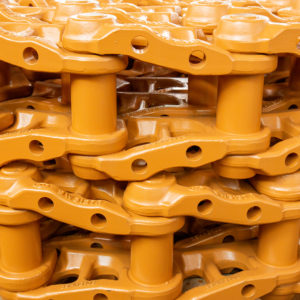
Представьте себе два параллельных, сверхмощные велосипедные цепи, масштабируется до огромной степени. В этом суть гусеничной цепи. Это не один, монолитная петля из стали. Вместо, это тщательно собранная серия взаимосвязанных звеньев, булавки, и втулки. Каждый сегмент, или «ссылка," шедевр из кованой стали, созданный для того, чтобы развернуться против своих соседей. "булавка"" действует как шарнирный штифт, закаленный стальной стержень, обеспечивающий шарнирное соединение сустава. «Втулка" представляет собой полый цилиндр, надеваемый на штифт, предоставление большого, жертвенная поверхность износа. Вся сборка создает гибкую, powerful loop that engages with the machine's drive sprocket to propel it forward or backward.
Гусеничная цепь делает больше, чем просто передает мощность. Он выдерживает весь вес машины., распределяется через опорные катки. Он направляет машину, удерживая его на прямом пути или позволяя ему повернуть. Он должен выдерживать постоянное напряжение, ударные нагрузки от ударов о камни, и беспрестанное шлифование абразивных материалов. Целостность каждого отдельного пальца и втулки определяет целостность всей цепи.. Когда вы слышите, как инженеры говорят о «шаге," они имеют в виду точное расстояние от центра одного штифта до центра следующего.. По мере износа цепи, этот шаг увеличивается, незначительное удлинение, которое имеет серьезные последствия для взаимодействия цепи с другими частями ходовой части., особенно звездочки. Гусеничная цепь - это, поэтому, точный инструмент, несмотря на суровый внешний вид.
Понимание гусеничных башмаков: The Machine's Footprint
Если гусеничная цепь — это скелет, гусеница - это ступня. Крепится болтами непосредственно к внешней поверхности звеньев гусеничной цепи., это компоненты, которые непосредственно контактируют с землей. Их функция кажется простой: для обеспечения поверхности, на которой машина может опираться и создавать тягу. Еще, реальность гораздо более тонкая. Конструкция гусеничной обуви представляет собой тонкий баланс конкурирующих физических принципов.. It must be wide enough to distribute the machine's weight, создание низкого давления на грунт для «плавания»" над мягкими почвами — принцип, известный как флотация.. Подумайте о разнице между попыткой идти по глубокому снегу в обычных ботинках и в снегоступах.. Снегоступы распределяют ваш вес на большую площадь., не давая тебе утонуть. Широкая гусеница делает то же самое для тяжелого экскаватора на грязи..
Одновременно, башмак гусеницы должен иметь элементы, которые вгрызаются в землю, чтобы обеспечить сцепление, или тяга. Эти функции называются «грунтами»." или «грунтовые планки»." Это приподнятые стальные ребра, столь характерные для гусениц.. Высота, форма, и количество этих грунтозацепов определяет, насколько эффективно машина может толкать или тянуть. Слишком большая высота грунтозацепов на твердой породе может привести к езде машины по кончикам грунтозацепов., приводит к нестабильности и высокой вибрации. Слишком маленькая высота грунтозацепов в мягкой грязи приводит к бесполезному вращению гусениц.. Поэтому выбор правильных башмаков гусеницы – это не вопрос выбора «самого прочного»." один, а выбрать тот, который имеет правильную геометрию для конкретной задачи и окружающей среды..
Симбиотические отношения: Как цепи и обувь работают вместе
Нельзя рассматривать гусеничную цепь отдельно от башмака гусеницы., или наоборот. Они единственные, функциональный блок. Башмак гусеницы крепится болтами к звену цепи., его усиление и обеспечение поверхности контакта с землей. Цепь представляет собой шарнирную конструкцию, позволяющую ряду плоских башмаков образовывать непрерывную цепь., гибкий путь вокруг роликов, бездельники, и звездочка. Выбор колодки напрямую влияет на срок службы цепи.. Например, использование слишком широкой обуви при сильных ударах, rocky environment increases the mechanical leverage on the chain's joints. Когда машина поворачивает или работает на неровной поверхности, внешний край широкой обуви может испытывать огромную нагрузку, который затем передается непосредственно на пальцы и втулки, ускоряя их износ.
Это концепция под названием «правило обуви»." Это предписывает всегда использовать максимально узкую обувь, которая по-прежнему обеспечивает достаточную плавучесть для работы.. Если вы будете шире, чем необходимо, это приведет к увеличению веса., увеличивает нагрузку на всю ходовую часть, и повышает расход топлива. Это классический инженерный компромисс.. Детали гусеничной цепи и башмаков работают деликатно., симбиотический баланс. Их нужно выбирать вместе, как система, с полным пониманием того, как конструкция одной детали повлияет на производительность и долговечность другой. Это механическое партнерство, при котором неудачный выбор в одной области неизбежно ставит под угрозу все остальное..
Краткая история: Эволюция гусеничного движения
Концепция непрерывного пути — не современное изобретение.. Его интеллектуальное происхождение можно проследить до 18 века.. Однако, первые по-настоящему практичные и коммерчески успешные гусеничные машины появились в начале 20 века., впервые внедрено такими компаниями, как Holt Manufacturing, предшественник Caterpillar. Эти ранние системы были рудиментарными., часто называют «сухим" цепочки. Они состояли из простых штифтов и звеньев без уплотнений., это означает, что абразивные материалы, такие как песок и крупка, могут свободно проникать в швы.. Скорость износа была астрономической., и ходовые части требовали постоянного, дорогостоящее обслуживание и замена.
Самым значительным нововведением в истории гусеничных цепей стала разработка герметичных и смазанных гусениц. (СОЛЬ) в середине 20 века. Этот революционный дизайн включал в себя небольшие, эффективные уплотнения на каждом конце втулки. Эти уплотнения были разработаны для сохранения резервуара с маслом внутри соединения пальца и втулки и одновременного предотвращения попадания абразивных загрязнений.. Результатом стало резкое снижение внутреннего износа.. Внезапно, "поле"" цепочки оставались неизменными гораздо дольше, а срок службы всей ходовой системы можно было бы измерять не сотнями, а тысячами часов. Это нововведение, больше, чем любой другой, современный, мощные бульдозеры и экскаваторы экономически целесообразны. Это превратило гусеничную цепь из простой, компонент грубой силы в сложную, герметичное механическое соединение, закладывая основу для передовых проектов, которые мы видим в 2025.
Фактор 1: Состав материала и производственные процессы
At the very core of a component's ability to withstand the brutal reality of an earthmoving operation lies its material DNA. Выбор стали, способ его формирования, и термическая обработка, которой он подвергается, не являются второстепенными деталями; они являются фундаментальными факторами, определяющими срок его службы.. Звено гусеницы, которая разбивается при ударе, или башмаки гусеницы, которые изнашиваются, как мыло, за считанные недели — это ошибка не только конструкции., но металлургии. Выбор прочных гусеничных цепей и деталей башмаков гусениц., нужно стать студентом материаловедения, понимание тонких, но глубоких различий, которые отличают компонент премиум-класса от преждевременного выхода из строя.
Сердце долговечности: Стальные сплавы и методы закалки
Сталь, используемая для компонентов ходовой части, не представляет собой простую смесь железа и углерода, которую можно себе представить.. Это сложный сплав, тщательно разработанный рецепт, в котором такие элементы, как марганец, хром, молибден, и бор добавляются в точных количествах. Марганец, например, является ключевым ингредиентом, который значительно увеличивает прокаливаемость стали.. Это означает, что при закалке (быстрое охлаждение), может быть достигнут более глубокий и равномерный слой твердости. Бор, даже в мизерных количествах — миллионных долях — оказывает сильное влияние на прокаливаемость., позволяет использовать менее дорогие сплавы, сохраняя при этом превосходные свойства. (Килич, 2021). Эти легирующие элементы действуют путем изменения кристаллической структуры стали при ее охлаждении., создание мелкозернистой мартенситной структуры, исключительно твердой и устойчивой к абразивному износу..
Твердость, однако, это только одна сторона медали. Чрезвычайно твердый материал часто бывает и очень хрупким., как стекло. Он может сопротивляться царапинам, но он разобьется при резком ударе. Ходовой части необходима «прочность» — способность поглощать энергию и деформироваться без разрушения.. Здесь термические процедуры становятся формой искусства.. Процесс «сквозной закалки»" включает нагрев всей детали до критической температуры и последующую закалку., с последующей «закалкой»" процесс (повторный нагрев до более низкой температуры). Закалка снимает внутренние напряжения и придает прочность., создание баланса между твердостью (Для износостойкости) и прочность (для ударопрочности). Более целенаправленный подход — «индукционная закалка».," где только конкретные поверхности износа, как рельс гусеницы или отверстие втулки, быстро нагреваются электромагнитным полем, а затем гасятся.. Это создает чрезвычайно жесткий внешний «корпус»." оставляя внутреннее «ядро»" компонент более прочный и пластичный, чтобы поглощать ударные нагрузки. Превосходная гусеница — это звено, в котором глубина гильзы и твердость сердечника идеально оптимизированы для предполагаемого применения..
Ковка против. Кастинг: Сравнительный анализ силы и стоимости
То, как деталь формируется из необработанной стали, так же важно, как и сама сталь.. Двумя доминирующими методами производства гусениц и башмаков являются литье и ковка.. На кастинге, расплавленную сталь заливают в форму желаемой формы и дают ей затвердеть. Это относительно недорогая процедура, хорошо подходит для сложных форм. Однако, как металл остывает, образует кристаллическую структуру с относительно большими, хаотично ориентированные зерна. Иногда это может привести к внутренней пористости или несоответствиям, которые могут стать точками отказа при высоких нагрузках..
Ковка, в отличие, включает в себя взятие твердой стальной заготовки и придание ей формы под огромным давлением с помощью молотка или пресса.. Этот процесс не плавит сталь.. Вместо, он заставляет внутреннюю зернистую структуру металла соответствовать форме детали.. Думайте об этом как о замешивании теста; процесс уточняет зернистую структуру, сделать его более тонким и однородным. Непрерывный поток зерна придает кованым компонентам превосходную прочность на растяжение., сопротивление усталости, и ударная вязкость по сравнению с литыми аналогами. Кованое звено гусеницы с меньшей вероятностью треснет при повторяющихся ударных нагрузках, возникающих в каменистом карьере.. Компромисс – это стоимость. Инструмент для ковки стоит дорого., и процесс обычно медленнее, чем литье. В течение многих лет, это сделало ковку премиальной, дорогой вариант. Однако, поскольку глобальные производственные технологии развиваются, разрыв в стоимости сократился, повышение доступности высококачественных кованых деталей ходовой части. Для по-настоящему прочной ходовой части, особенно для машин свыше 30 тонн, работающих в тяжелых условиях, кованые детали гусеничных цепей и башмаков гусениц часто являются более разумными долгосрочными инвестициями..
| Особенность | Ковка | Кастинг |
|---|---|---|
| Зернистая структура | Отлично, униформа, и направленный | Грубее, ненаправленный, потенциально пористый |
| Предел прочности | Начальство | Хороший |
| Ударная вязкость | Отличный | От справедливого к хорошему |
| Усталостная устойчивость | Начальство | Хороший |
| Сложность формы | Ограничено менее сложными формами. | Отлично подходит для сложных форм. |
| Стоимость производства | Более высокая стоимость первоначального инструмента и процесса | Снижение стоимости инструментов и процесса |
| Типичное использование | Компоненты, подвергающиеся высоким нагрузкам (отслеживать ссылки, булавки) | Детали со сложной геометрией (звездочки) |
Роль бора и других легирующих элементов.
Let's delve deeper into the microscopic world of steel. Добавление легирующих элементов похоже на добавление поваром специй в базовый рецепт.. Каждый из них обладает уникальными характеристиками. Как уже упоминалось, бор является сильным отвердителем. Его атомы, быть очень маленьким, diffuse into the grain boundaries of the steel's crystalline lattice, эффективно замедляет превращение аустенита в более мягкие феррит и перлит во время охлаждения. Это дает желаемую твердую мартенситную структуру больше времени для формирования., даже в более толстых участках детали. Результат — более глубокая, более стабильный профиль твердости.
Chromium — еще один жизненно важный игрок. Он не только увеличивает прокаливаемость, но и вносит значительный вклад в коррозионную стойкость., фактор, который часто упускают из виду. Для машин, работающих во влажной среде, солевой раствор, или кислая среда, например, в прибрежных регионах или в некоторых горнодобывающих предприятиях, более высокое содержание хрома может значительно замедлить деградацию компонентов. Молибден работает в синергии с хромом., повышение ударной вязкости при высоких температурах и улучшение устойчивости к «отпускному охрупчиванию».," явление, при котором сталь может стать хрупкой после выдерживания при определенных температурах. Никель – еще один ключевой элемент прочности., особенно при низких температурах. Для техники, предназначенной для морозных зим России или Северной Азии., гусеничная цепь с более высоким содержанием никеля будет гораздо более устойчива к хрупкому разрушению в минусовых условиях.. Знающий поставщик, как команда в Джули Машинери, understands these metallurgical nuances and can help match the specific alloy composition of their undercarriage parts to the unique environmental challenges of a customer's region.
Обработка поверхности: Цементация, Азотирование, и их влияние на срок службы
Помимо объемных свойств стали, усовершенствованная обработка поверхности может обеспечить дополнительный уровень защиты от износа. Это не покрытия типа краски; это процессы, в результате которых элементы диффундируют на поверхность стали., фундаментально меняя его химический состав и свойства. «Цементация" это процесс, в котором компонент, как втулка, нагревается в богатой углеродом атмосфере. Атомы углерода диффундируют в поверхность, создание «кейса" с очень высоким содержанием углерода. Когда это дело угаснет, становится чрезвычайно тяжело, со значениями твердости, превышающими 60 по шкале Роквелла C. Эта сверхтвердая поверхность исключительно устойчива к шлифованию., абразивный износ, возникающий между штифтом и втулкой.
«Азотирование" аналогичный процесс, но вместо углерода используется азот.. Обычно он выполняется при более низких температурах, чем цементация., что приводит к меньшему искажению детали. Азотированная поверхность также чрезвычайно тверда и обеспечивает отличную устойчивость к износу и усталости.. Некоторые из самых передовых пальцев и втулок гусениц на рынке 2025 использовать комбинацию этих методов — тщательно закаленный, прочный сердечник из стали, легированной бором, поверхность которого затем подвергается цементации или азотированию для создания идеального сочетания износостойкого внешнего вида и ударопрочного внутреннего покрытия.. При оценке деталей гусеничных цепей и башмаков гусениц, стоит узнать об этих передовых способах обработки поверхности. Они представляют собой значительные инвестиции в производство, но приносят существенные дивиденды в виде увеличенного срока службы., особенно при работе с абразивными материалами, такими как песок или гранит..
Фактор 2: Конструкция грунтозацепов и ее влияние на рельеф местности
Гусеничная обувь, с его характерными грунтозацепами, is the machine's direct handshake with the earth. Это инструмент взаимодействия, и как любой инструмент, его форма должна идеально соответствовать его функции. Выбрать неправильный башмак гусеницы — это все равно, что пытаться закрутить винт молотком.; ты можешь в конце концов получить это, но процесс будет неэффективным, повреждающий, и в конечном итоге разочаровывает. Геометрия гусеницы — ее ширина, количество его грунтозацепов, and their shape—dictates the machine's ability to generate traction, его устойчивость на склонах, его воздействие на поверхность земли, и даже скорость изнашивания всей ходовой системы. Вдумчивое рассмотрение конструкции грунтозацепов превращает процесс выбора от простой покупки к стратегическому оперативному решению..
Одинокий, Двойной, Тройной: Выбор правильного количества стержней для грунтозацепов
Количество грунтозацепов на башмаке гусеницы является наиболее непосредственной и определяющей характеристикой.. Выбор между одним, двойной, или башмак с тройными грунтозацепами является фундаментальным, полностью управляется основным применением машины.
А одинарный башмак с грунтозацепами имеет один высокий, агрессивный грунтозацеп, идущий по всей ширине. Такая конструкция обеспечивает максимально возможное проникновение в грунт.. Это башмаки, которые лучше всего подходят для применений, требующих экстремального тягового усилия и тягового усилия., например, бульдозер, разрывающий уплотненную землю или поднимающийся по крутому склону.. Глубокое проникновение обеспечивает якорь, позволяя машине использовать полную мощность без проскальзывания гусеницы. Однако, эта агрессивность имеет свои недостатки. Сфокусированное давление на один стержень создает сильный удар при движении по твердым поверхностям, таким как камень., что приводит к неровной езде и высокой нагрузке на ходовую часть. Более того, глубокое проникновение в грунт затрудняет поворот. Машине приходится прикладывать гораздо больше усилий, чтобы повернуть, что ускоряет износ всех компонентов рулевого управления и может привести к разрыву поверхности земли..
А башмак с тройными грунтозацепами является полной противоположностью и наиболее распространенным типом, встречающимся на экскаваторах.. С тремя более короткими грунтозацепами, обувь имеет большую площадь поверхности, соприкасающуюся с землей в любой момент времени. Это обеспечивает хорошую всестороннюю производительность., предлагая баланс тяги, флотация, и маневренность. Меньшая высота грунтозацепов уменьшает проникновение в грунт., что делает поворот значительно проще и плавнее. Это жизненно важно для экскаватора, который постоянно меняет свое положение во время копания. Конструкция с тройными грунтозацепами также обеспечивает более плавный ход и меньшую вибрацию при движении., снижение износа ходовой части и повышение комфорта оператора.
А башмак с двойными грунтозацепами занимает золотую середину. Он обеспечивает лучшее сцепление и проникновение, чем тройной тетерев, но менее агрессивен и его легче поворачивать, чем одинарный тетерев.. Это делает его популярным выбором для фронтальных гусеничных погрузчиков и бульдозеров, которым необходим компромисс между толкающей силой при прямолинейном движении и маневренностью.. The choice is a direct reflection of the machine's job. Бульдозер, который тратит 90% в свое время для продвижения материала по прямой линии лучше использовать одинарные грунтозацепы. Экскаватор, который постоянно копает, качающийся, и репозиционирование будет жить дольше, более продуктивная жизнь на тройных грунтозацепах.
| Тип грунтозацепа | Основное приложение | Тяга | Маневренность | Нарушение грунта |
|---|---|---|---|---|
| Одинарный грунтозацеп | Бульдозеры, Потрошители (Высокое тяговое усилие) | Максимум | Бедный | Высокий |
| Двойной бакалейщик | Гусеничные погрузчики, Бульдозеры (Универсальность) | Высокий | Умеренный | Умеренный |
| Тройные производители | Экскаваторы (Универсальный) | Хороший | Отличный | Низкий |
| Болото (Низкое давление на грунт) | Мягкая грязь, болотистая местность | Низкий (Флотация – это ключ к успеху) | Хороший | Очень низкий |
| Резиновая прокладка | Асфальт, Конкретный, Готовые поверхности | Умеренный | Отличный | Минимальный / Никто |
| Чоппер / Самоочистка | Свалки, Обращение с отходами, Липкая глина | Хороший | Хороший | Высокий (Предназначен для разрушения материала.) |
Специализированная обувь: Болотные площадки, Резиновые подушечки, и обувь Чоппера
За пределами стандартных конфигураций, существует увлекательный мир специализированной беговой обуви, каждый из которых предназначен для решения уникальной экологической проблемы. Болотные площадки, также известный как низкое давление на грунт (ЛГП) обувь, являются прекрасным примером. Эти туфли очень широкие., иногда выглядят почти как стальные доски. Их целью не является высокая тяга в общепринятом понимании., но максимальная плавучесть. By dramatically increasing the surface area of the machine's footprint, они снижают давление на грунт до такой степени, что массивная машина может работать на мягких, насыщенная почва - как болота, болота, или места дноуглубительных работ - без затопления.
На другом конце спектра находятся резиновые подушечки. Это могут быть либо колодки с болтовым креплением, прикрепленные к стандартной стальной колодке, либо полноценный дорожный лайнер." башмак, в котором резина прикреплена непосредственно к стальному сердечнику. Их цель — позволить тяжелой гусеничной машине работать на чувствительных поверхностях, таких как асфальт., конкретный, или ландшафтные территории без причинения ущерба. Они незаменимы в городском строительстве., дорожные работы, и на любой рабочей площадке, где сохранение существующей поверхности является приоритетом.. Хотя они обеспечивают меньшее сцепление, чем стальные грунтозацепы., особенно во влажных или грязных условиях, они обеспечивают тишину, плавность хода с низким уровнем вибрации и непревзойденная защита поверхности.
Еще один интересный вариант — "чоппер" или самоочищающаяся обувь. Их часто можно встретить на машинах, работающих на свалках или на чрезвычайно липких материалах, таких как глина.. Они имеют вырезы в пластине для обуви и иногда имеют более агрессивный вид., угловая конструкция с грунтозацепами. Целью этих функций является измельчение и выброс материала, который в противном случае мог бы попасть в ходовую часть.. Упаковка материала является серьезной проблемой; это добавляет огромный вес, увеличивает натяжение гусеницы до опасного уровня, и может привести к заклиниванию гусениц, приводящие к катастрофическому провалу. Обувь Chopper — специальное решение этой конкретной и разрушительной проблемы..
Физика тяги: Как высота и форма грунтозацепов влияют на производительность
Взаимодействие грунтозацепа с землей - это исследование в области механики грунтов.. Когда грунтозацеп проникает в почву, это создает плоскость сдвига. Тяга, или тяговое усилие, that can be generated is a function of the soil's shear strength and the surface area of that shear plane. Более высокий грунтозацеп создает более глубокую плоскость сдвига., тем самым увеличивая потенциал тяги. Вот почему одинарные грунтозацепы так эффективны в связных грунтах..
Однако, история меняется на жестком уровне, непроникающие поверхности, такие как камень или уплотненный гравий. Здесь, высокий грубиян - это обуза. В конечном итоге машина едет на острых концах грунтозацепов., резко уменьшая площадь контакта с землей. Это приводит к нестабильности, высокая вибрация, и интенсивная точечная нагрузка как на кончики грунтозацепов, так и на поверхность камня.. В этих условиях, более низкий, более широкий профиль грунтозацепов лучше, поскольку он максимизирует площадь контакта и зависит от трения, а не от силы сдвига для захвата.
Форма грунтозацепа также имеет значение. Большинство грунтозацепов имеют трапециевидную форму., что обеспечивает хороший баланс силы и проникновения. В некоторых специализированных ботинках может использоваться более изогнутый или наклонный профиль для улучшения свойств самоочистки или обеспечения лучшего сцепления при повороте.. Ключевой вывод заключается в том, что не существует универсально «лучшего»" больше. Оптимальная конструкция напрямую зависит от геотехнических свойств материала, с которым будет работать машина..
Подбор ширины обуви в зависимости от состояния грунта: Флотация против. Маневренность
Мы затронули «правило обуви».: используйте самую узкую обувь, обеспечивающую достаточную плавучесть.. Let's formalize this with some physics. Ground pressure is calculated as the machine's weight divided by the total contact area of its tracks. В 20 тонн (44,000 фунт) Экскаватор со стандартными башмаками шириной 600 мм может иметь давление на грунт около 6.5 пси. Если эта же машина оснащена более широкими башмаками шириной 800 мм., площадь контакта увеличивается, и давление на грунт может упасть примерно до 5.0 пси. Именно эта разница позволяет машине работать на более мягком грунте, не застревая..
Но эта выгода не бесплатна. Более широкий башмак действует как более длинный рычаг.. Когда машина поворачивает или движется по неровной местности, стрессы увеличиваются. Дополнительный вес более широких башмаков также увеличивает инерцию системы., требуется больше энергии для движения и создается большая нагрузка на пальцы и втулки гусеничной цепи.. Риск «выкинуть след»" (сход с рельсов) также увеличивается с более широкой обувью, особенно при работе на склонах или при резком повороте. Следовательно, Выбор ширины обуви является важным балансирующим действием.. Необходимо точно оценить типичные грунтовые условия рабочей площадки.. Если машина будет проводить большую часть своего времени на твердом, стабильная земля, обувь стандартной ширины — наиболее экономичный и механически надежный выбор.. Только когда мягкие условия являются нормой, не исключение, следует ли рассматривать более широкие ботинки LGP. This single decision has a cascading effect on the entire cost and reliability of the machine's undercarriage system.
Фактор 3: Критическая роль булавок, Втулки, и уплотнения
Если гусеницы и башмаки видны, внешняя броня ходовой части, затем булавки, втулки, и уплотнения являются его внутренними, жизненно важные органы. Скрыт от просмотра, эти компоненты облегчают каждое движение, поглощать каждое потрясение, and bear the full brunt of the system's internal wear. Медленный, деградация этих внутренних соединений при шлифовании является основным фактором, определяющим срок службы гусеничной цепи.. Провал в этом скрытом мире не происходит постепенно.; часто это внезапно и тотально, остановка многотонной машины. Таким образом, оценка конструкции и функций этих небольших, но мощных компонентов – это не просто технические знания.; это ключ к прогнозированию, управление, и продлите срок службы вашего самого дорогого предмета одежды.
Герметичная и смазанная гусеница (СОЛЬ) против. Цепи со смазкой
Чтобы понять гениальность современных гусеничных цепей, мы должны сначала оценить то, что было раньше. Ранний «сухой" гусеничные цепи представляли собой простую совокупность штифтов и звеньев.. С каждой артикуляцией, грязь, песок, и песок попадет в сустав, forming a grinding paste that rapidly wore away both the pin and the inside of the link's bore. Скорость износа была настолько высокой, что срок службы ходовой части измерялся несколькими сотнями часов..
Первым крупным усовершенствованием стала система «смазанный консистентной смазкой»." цепь. В этом дизайне, штифт был просверлен с каналом, позволяя закачивать смазку в шарнир для обеспечения смазки и, что еще более важно, чтобы смыть загрязнения. Это было улучшение, но это требовало ежедневного, тщательное обслуживание. Забывание смазать даже один шарнир может привести к его быстрому выходу из строя..
Настоящей революцией стало появление герметичных и смазанных гусениц. (СОЛЬ) система. В цепочке SALT, место соединения пальца и втулки защищено парой сложных уплотнений. Эти уплотнения предназначены для одновременного выполнения двух функций.: они держат резервуар с жидким маслом постоянно запечатанным внутри сустава, и они предотвращают попадание любых внешних загрязнений. Поэтому штифт и втулка постоянно омываются чистой, смазывающая пленка масла. Это исключает контакт металл по металлу., измельчение с использованием песка, разрушающее старые цепи. Снижение внутреннего износа не происходит постепенно.; это улучшение на порядок. Цепь SALT может прослужить тысячи часов при минимальном обслуживании., что делает его бесспорным стандартом практически для всех современных экскаваторов и бульдозеров.. При поиске качественные детали ходовой части, обеспечение того, чтобы они были разработаны для системы ОСВ, является одной из наиболее фундаментальных проверок качества и современности..
Анатомия соединения пальца и втулки
Let's dissect this critical joint. "булавка"" является твердым, цилиндрический стержень из высокозакаленной стали. Он проходит через сцепленные концы двух соседних звеньев пути.. «Втулка" это пустота, цилиндр из закаленной стали, который надевается на штифт. Втулка находится в отверстии «внутреннего" ссылка на трек, при этом штифт запрессован в концы «наружного" ссылка на трек. Это кажется сложным, но расстановка умная. Когда цепь гнется, штифт вращается внутри втулки. Износ должен происходить между внешним диаметром пальца и внутренним диаметром втулки..
Это важный дизайнерский выбор. Он концентрирует внутренний износ на двух конкретных, сменные компоненты. Как работает сеть, постоянное шарнирное соединение под огромной нагрузкой медленно изнашивает материал пальца и втулки. This wear is what causes the chain's "pitch" увеличить, или «Растянуть." The chain isn't actually stretching; потеря материала в каждом из десятков соединений создает небольшой дополнительный люфт, что складывается по длине цепи. Это удлинение шага является основным показателем, используемым для определения уровня износа гусеничной цепи.. Хорошо спроектированная система обеспечивает предсказуемый износ пальца и втулки., возможность планового обслуживания до того, как они изнашиваются и приводят к катастрофическому выходу из строя самой линии связи..
Полиуретановые уплотнения: Невоспетые герои долголетия
Компонентом, который делает возможной всю систему SALT, является уплотнение.. Это не простые резиновые уплотнительные кольца.. Современное уплотнение гусеницы – высокотехнологичная деталь, часто состоит из двух частей: упругое резиновое «нагрузочное кольцо»" и прочное полиуретановое уплотнительное кольцо." Нагрузочное кольцо действует как пружина., плотно прижав уплотнительное кольцо к полированным поверхностям втулки и звена. Само уплотнительное кольцо изготовлено из специального сорта полиуретана., материал, выбранный из-за его невероятной прочности, устойчивость к истиранию, и устойчивость к маслу и теплу.
Геометрия уплотнения имеет решающее значение.. Он должен выдерживать небольшое осевое перемещение и несоосность без потери герметичности.. Он должен сохранять свое уплотняющее давление в широком диапазоне температур., от холода при зимнем утреннем запуске до сильного нагрева, возникающего при непрерывной работе. Двухчастная конструкция, часто называемый «двойным конусом»" или «торик" тюлень, создает высоконадежное лабиринтное уплотнение, которое исключительно эффективно выполняет двойную задачу: удерживает масло и грязь.. Качество этого крохотного, часто упускаемый из виду компонент имеет первостепенное значение. Преждевременный выход из строя уплотнения приводит к потере масла из соединения.. Как только масло кончится, сустав фактически становится «сухим»." соединение, а штифт и втулка разрушатся за долю ожидаемого срока службы.. При оценке деталей гусеничных цепей и башмаков гусениц, качество и конструкция уплотнений являются прямым показателем общего качества цепи..
Понимание шага и его влияния на износ и зацепление звездочки
"Подача" это межцентровое расстояние между двумя соседними пальцами гусеничной цепи.. Когда цепь новая, этот размер изготовлен по очень точной спецификации, например, 216 мм. This pitch is designed to perfectly match the distance between the teeth on the machine's drive sprocket. Поскольку звездочка вращается, его зубья зацепляются за втулки цепи, толкая машину вперед. Посадка плотная и эффективная, при равномерном распределении нагрузки.
Однако, по мере внутреннего износа штифтов и втулок, эффективный шаг цепи начинает увеличиваться. Даже незначительный износ каждого из 40+ звенья цепи складываются. Цепь, которая 50% изношенный звук может иметь «растянутый» тон" к 3-4 мм. Сейчас, когда эта вытянутая цепь пытается обернуться вокруг звездочки, зубья больше не совпадают идеально со втулками. Зуб звездочки зацепится за втулку выше на ее поверхности., и когда звездочка вращается, он будет скользить или «чистить" вниз по втулке. Такое очищающее действие резко ускоряет износ как внешней поверхности втулки, так и зубьев звездочки.. Вот почему вы часто будете видеть звездочки с «охотливым зубом»." или заостренный след износа на машинах с изношенными цепями. Это явный признак несоответствия высоты звука.. Управление и мониторинг удлинения шага является краеугольным камнем профессионального управления ходовой частью.. Это позволяет проводить плановые вмешательства., как «поворот пальца и втулки»," задолго до того, как несовпадающие компоненты начнут уничтожать друг друга с ускоренной скоростью..
Фактор 4: Операционная среда и требования, специфичные для приложения
A machine's undercarriage does not exist in a vacuum. Это в постоянном, жестокий диалог с окружающей средой. Геологический состав грунта, содержание влаги, химический состав почвы, и температура окружающей среды - все это влияет на сталь гусеничной цепи и детали башмаков гусениц.. Ходовая часть, обеспечивающая 5,000 часы службы в супеси могут быть полностью уничтожены в 1,500 часы в гранитном карьере. Признание и количественная оценка конкретных проблем операционной среды не является академическим упражнением.; это фундаментальная предпосылка для экономичного выбора компонентов.. Чтобы выбирать с умом, нужно стать судебным аналитиком на рабочем месте.
Высокоэффективное против. Среды с высокой абразивностью: Повесть о двух образцах одежды
Не все виды износа одинаковы. Крайне важно различать два основных способа разрушения.: удар и истирание.
А высокоэффективный окружающая среда характеризуется жесткой, неподатливые поверхности, обычно большие камни, взорванный камень, или мусор от сноса. В этих условиях, доминирующим видом разрушения является не медленное шлифование материала.. Вместо, это перелом, растрескивание, и раскол. Когда башмак гусеницы ударяется об острый кусок гранита, огромная сила сосредоточена на небольшой территории. Это может привести к сколу грунтозацепа., обувь может погнуться или треснуть, или удар, передаваемый через цепь, создавая огромную нагрузку на контакты и звенья. Для этих сред, Наиболее желательным свойством материала является прочность. Сталь должна быть способна поглощать эту энергию удара и слегка деформироваться без разрушения.. Сталь сквозной закалки с несколько меньшей поверхностной твердостью, но прочной., пластичный сердечник превзойдет чрезвычайно твердый, но хрупкий компонент в карьере с высокими ударными нагрузками.
А высокоабразивный среда, с другой стороны, определяется наличием небольших, жесткий, острые частицы, как песок, стойкость, или мелкий гравий. Здесь, механизм первичного износа представляет собой непрерывное царапание и выдавливание, которое медленно стачивает поверхности компонентов.. Думайте об этом как о постоянном нападении наждачной бумаги.. Песок скапливается в ходовой части, проходит между движущимися частями, и неустанно царапает сталь. В этих условиях, Наиболее желательным свойством материала является твердость. Очень твердая поверхность, например, созданный путем индукционной закалки или науглероживания, будет гораздо более устойчив к абразивному износу. Звено пути с высокой твердостью поверхности дольше сохраняет высоту рельса., а закаленная втулка лучше будет сопротивляться стиранию о песчаный грунт. На большинстве рабочих мест наблюдается сочетание как ударов, так и истирания., но один обычно доминирует. Правильное определение доминирующего механизма износа является первым шагом на пути к выбору компонента с правильными металлургическими свойствами..
Коррозионный вызов: солевой раствор, Кислый, и влажные условия
Механический износ – не единственный враг. Химическая атака, или коррозия, может быть столь же мощным, если более коварный, сила разрушения. Машины, работающие в прибрежных районах, постоянно подвергаются воздействию солевых брызг и засоленной почвы., что значительно ускоряет процесс ржавления. Ржавчина – это не просто косметическая проблема; это превращение прочной стали в слабую, чешуйчатый оксид железа. Повреждает поверхность компонентов, создание концентраторов напряжений, которые могут привести к усталостным трещинам. Он также может заедать движущиеся части., как механизм регулировки колеи.
Сходным образом, в некоторых промышленных или горнодобывающих средах могут быть очень кислые или щелочные почвы.. Эти химикаты могут агрессивно воздействовать на сталь ходовой части., особенно если защитные покрытия изношены. Даже кажущиеся благоприятными влажные условия могут ускорить износ.. Вода может действовать как смазка для абразивных частиц., создание суспензии, которую можно закачивать даже в самые узкие щели, ускоряющийся износ. Он также может смыть смазку, которая защищает внешние точки поворота..
Для этих агрессивных сред, выбор материала снова становится ключевым моментом. Стали с более высоким процентом хрома и никеля обладают лучшей коррозионной стойкостью.. Некоторые детали гусеничных цепей и башмаков премиум-класса также могут иметь специальные покрытия или обработку поверхности, обеспечивающие защиту от химического воздействия.. При выборе деталей для машины, которая будет работать в известной агрессивной среде., недостаточно спрашивать о твердости и прочности; one must also inquire about the alloy's resistance to corrosion.
Экстремальные температуры: От сибирских морозов до ближневосточной жары
Рабочая температура окружающей среды оказывает сильное влияние на производительность и надежность компонентов ходовой части.. В сильный холод сибирской зимы или северной Канады., где температура может упасть ниже -40°C, главная забота – это хрупкий перелом. При таких низких температурах, прочность стали может резко снизиться. Стальной сплав, который идеально прочен и эластичен при комнатной температуре, при глубокой заморозке может стать хрупким, как стекло.. Удар замерзшей породы, которая обычно поглощается без проблем, может привести к катастрофическому разрушению звена холодного пути.. Чтобы бороться с этим, Детали ходовой части, предназначенные для регионов с холодным климатом, должны быть изготовлены из специальных стальных сплавов., часто с более высоким содержанием никеля, которые специально разработаны для сохранения прочности при низких температурах.. Качество уплотнений в цепи SALT также проверено на пределе возможностей., поскольку резиновые и полиуретановые компоненты могут стать жесткими и менее податливыми, увеличение риска утечки.
Наоборот, в палящую жару Ближнего Востока или некоторых частей Африки, где температура окружающей среды может превышать 50°C, задача другая. Первоочередной задачей является вязкость и целостность смазки внутри герметичных соединений. Высокие рабочие температуры, в сочетании с теплом, выделяемым внутри при изгибе цепи, может привести к разжижению масла в суставах SALT, снижение его смазывающей эффективности. Уплотнения также подвергаются огромным термическим нагрузкам., которые могут ускорить их старение и привести к преждевременному выходу из строя. В этом жарком климате, использование гусеничных цепей, наполненных высококачественным, высоковязкая синтетическая смазка, разработанная с учетом сохранения своих свойств при повышенных температурах, позволяет существенно продлить срок службы пальцев и втулок..
Тематическое исследование: Выбор ходовой части для карьера в Австралии по сравнению с. трубопроводный проект в России
Синтезировать эти идеи, let's consider two hypothetical scenarios.
Сценарий 1: Гранитный карьер в Западной Австралии.. Окружающая среда горячая, сухой, и чрезвычайно ударопрочный и абразивный. Земля представляет собой смесь острых, пескоструйная обработка гранита и абразивная пыль. Для большого бульдозера, работающего здесь, идеальная спецификация ходовой части будет:
- Обувь для треков: Одинарный грунтозацеп для максимального сцепления на неровных скамейках., но не слишком высокий, чтобы избежать нестабильности. Они должны быть изготовлены из закаленного насквозь, высокопрочный сплав, устойчивый к растрескиванию от ударов.
- Гусеничные цепи: Кованые звенья для максимальной прочности и усталостной прочности.. Ссылки, валки, и натяжные ролики должны иметь глубокую индукционную закалку изнашиваемых поверхностей для борьбы с абразивной пылью.. Пальцы и втулки должны быть самого высокого качества., с прочным сердечником и сильно науглероженной поверхностью. Вся система построена с учетом приоритета ударопрочности и твердости поверхности..
Сценарий 2: Проект строительства трубопровода в Сибири, Россия. Окружающая среда предполагает путешествие на большие расстояния по разнообразной местности., включая замерзшую тундру, мускус (болото), и каменистая почва, при зимних температурах, которые постоянно значительно ниже нуля. Для экскаватора, укладывающего трубы здесь, идеальная спецификация была бы:
- Обувь для треков: Широкий, тройной грунтозацеп LGP (Низкое давление на грунт) обувь. Ширина указана для плавания на мягком мускусе., а конструкция с тройными грунтозацепами обеспечивает лучшую маневренность и плавность хода во время движения..
- Гусеничные цепи: Стальной сплав всех компонентов должен быть с высоким содержанием никеля., низкотемпературная марка для предотвращения хрупкого разрушения. Уплотнения должны быть рассчитаны на экстремальные холода., сохраняя свою гибкость для предотвращения потери масла. Масло в шарнирах SALT должно быть синтетическим с низкой вязкостью, которое не будет густеть и не будет смазывать при холодном запуске.. Основное внимание здесь уделяется низкотемпературной ударной вязкости и флотации..
Эти два примера иллюстрируют, что не существует единого «лучшего»" комплект деталей гусеничной цепи и башмаков гусениц. The optimal choice is a carefully reasoned response to the specific challenges posed by the machine's intended work and environment.
Фактор 5: OEM, Подлинный, и дебаты на вторичном рынке
Решение о том, где приобрести запасные части ходовой части, является одним из наиболее спорных и финансово значимых вопросов, с которыми сталкивается владелец машины.. Рынок условно разделен на три категории.: Производитель оригинального оборудования (ОЕМ), Подлинный, и вторичный рынок. В течение многих лет, выбор был представлен как простой компромисс между качеством OEM и ценой на вторичном рынке.. Однако, глобальный производственный ландшафт 2025 гораздо более сложный и нюансированный. Тонкое понимание этих категорий, в сочетании с акцентом на совокупную стоимость владения (TCO), необходимо вести эту дискуссию разумно и с пользой.
Определение терминов: ОЕМ, Подлинный, и запасные части
Ясность терминологии – первый шаг.
- Производитель оригинального оборудования (ОЕМ) Части: Это компоненты, производимые производителем самой машины или для него. (НАПРИМЕР., Гусеница, Комацу, Вольво). They are sold in packaging bearing the machine manufacturer's brand. Когда машина собирается на заводе, он построен из OEM-запчастей. The primary assurance here is that the part is guaranteed to meet the machine manufacturer's original design specifications and quality control standards.
- Оригинальные детали: Этот термин может сбить с толку. Часто, он используется взаимозаменяемо с OEM. Однако, это также может относиться к деталям, изготовленным тем же заводом, который поставляет OEM., but sold in the component manufacturer's own packaging rather than the machine brand's. Например, такая компания, как Berco, может производить гусеничные цепи для крупного бренда машин. (ОЕМ) а также продавать идентичную сеть под собственным брендом Berco. (Подлинный). Деталь физически одинакова, но цепочка поставок и брендинг разные.
- Вторичные детали: Это самая широкая категория. Сюда входят любые детали, изготовленные компанией, не являющейся поставщиком оригинального оборудования.. Рынок запчастей огромен, начиная от уважаемых производителей с многолетним инженерным опытом и заканчивая небольшими, производители с низкой себестоимостью. Качество, материалы, и разработка запчастей для вторичного рынка могут существенно различаться, от компонентов, которые соответствуют спецификациям OEM или даже превосходят их, до компонентов, которые являются опасно некачественными.
Упрощенное представление о том, что «OEM всегда лучше»" и "вторичный рынок - это всегда рискованный компромисс" является устаревшим. Реальность такова, что многие авторитетные компании послепродажного обслуживания вложили значительные средства в реверс-инжиниринг., материаловедение, и контроль качества. Они могут использовать одних и тех же поставщиков стали., та же ковка домов, и те же установки для термообработки, что и у OEM-производителей.. Задача покупателя состоит в том, чтобы отличить этих высококачественных поставщиков вторичного рынка от некачественных..
Тонкий взгляд на качество: Когда послепродажное обслуживание соответствует стандартам OEM или превосходит их
Как запасные части могут быть такими же хорошими, как, или даже лучше, чем, OEM-часть? Есть несколько путей. Первый, специализированный производитель послепродажного обслуживания фокусируется исключительно на определенном ассортименте продукции, как детали ходовой части. Эта специализация может привести к глубокому опыту. Они могут определить типичный режим отказа в конструкции OEM и разработать решение.. Например, они могли бы использовать превосходный сплав, более глубокий профиль закалки, или более прочная конструкция уплотнения для конкретного применения в условиях повышенного износа. Они не ограничены оригинальным дизайном и могут внедрять инновации для решения реальных проблем, наблюдаемых в полевых условиях..
Второй, глобальная цепочка поставок тяжелых компонентов взаимосвязана. Количество литейных заводов и кузниц в мире, способных производить высококачественную продукцию., крупномасштабные стальные компоненты ограничены. OEM-производители и ведущие компании послепродажного обслуживания нередко покупают необработанные поковки или отливки у одного и того же поставщика.. Разница в качестве сводится к последующей обработке., термическая обработка, и процессы контроля качества. Авторитетная компания вторичного рынка инвестирует в собственные металлургические лаборатории, ультразвуковое испытательное оборудование, и координатно-измерительные машины (ШМ) гарантировать, что готовая продукция соответствует строгим стандартам. Изучение потенциального поставщика — хороший первый шаг; компания, которая прозрачна в отношении процессов производства и контроля качества, нравится информация, доступная, когда вы учитесь о нас, это положительный знак. Они не просто продают часть; они продают уверенность в своих разработках.
Анализ затрат и выгод: Общая стоимость владения (TCO) против. Первоначальная цена покупки
Самая распространенная ошибка при покупке комплектующих ходовой части – ориентироваться исключительно на первоначальную закупочную цену.. Комплект гусеничных ботинок послепродажного обслуживания может оказаться полезным. 30% дешевле OEM-эквивалента, это кажется значительной экономией. Однако, если эти дешевые туфли изнашиваются 2,000 часы, в то время как обувь OEM прослужила бы 3,500 часы, решение было ложной экономией.
Правильный способ оценить выбор — рассчитать общую стоимость владения. (TCO), которая обычно выражается как стоимость часа работы. Формула проста:
Общая стоимость владения = (Первоначальная цена покупки + Стоимость работ по установке) / Достигнутое количество часов обслуживания
Let's run an example.
- OEM-цепь: $10,000 цена + $1,000 установка = $11,000 общий. Достижения 4,000 часы работы.
- Общая стоимость владения = $11,000 / 4,000 часы = $2.75 в час.
- Сеть недорогого вторичного рынка: $7,000 цена + $1,000 установка = $8,000 общий. Достижения 2,000 часы работы.
- Общая стоимость владения = $8,000 / 2,000 часы = $4.00 в час.
В этом сценарии, «дешевле»" цепь на самом деле 45% дороже в эксплуатации. This calculation doesn't even include the cost of the additional downtime required for the extra change-out, ни ускоренный износ звездочек и роликов, который мог быть вызван преждевременным износом цепи.. Высококачественная запасная часть, с другой стороны, может предложить совокупную стоимость владения, конкурентоспособную или даже превосходящую OEM-производитель.. Например:
- Сеть высококачественного вторичного рынка: $8,500 цена + $1,000 установка = $9,500 общий. Достижения 3,800 часы работы.
- Общая стоимость владения = $9,500 / 3,800 часы = $2.50 в час.
Это цель: найти компонент, который обеспечивает наименьшую стоимость часа. Это требует тщательного ведения учета и партнерства с поставщиком, который может предоставить надежные данные об ожидаемом сроке службы своих гусеничных цепей и деталей башмаков гусениц в вашем конкретном приложении..
Гарантия и поддержка поставщиков: Скрытая ценность
Деталь — это больше, чем просто кусок стали; это связано с обещанием. Гарантия, предлагаемая поставщиком, является прямым отражением его уверенности в своем продукте.. Комплексная гарантия, которая распространяется не только на саму деталь, но и на потенциальный косвенный ущерб в случае преждевременного выхода из строя, является мощным показателем качества..
За пределами гарантии, техническая поддержка и опыт поставщика неоценимы. Хороший поставщик не просто принимает ваш заказ. Они задают вопросы. Для какой машины это? Каково ваше основное приложение?? Каковы ваши грунтовые условия?? Они выступают в роли консультантов, помогая вам выбрать оптимальную конфигурацию компонентов для ваших нужд. Они могут предоставить технические бюллетени, диаграммы износа, и рекомендации по установке. Они могут помочь вам диагностировать проблему износа и порекомендовать решение.. Этот уровень партнерства превращает простую сделку в долгосрочные отношения, направленные на снижение ваших эксплуатационных расходов.. При выборе между OEM и вторичным рынком, качество поставщика часто является более важной переменной, чем этикетка на коробке..
Фактор 6: Расширенная диагностика и мониторинг износа
Ходовая часть — это система, находящаяся в постоянном состоянии распада.. С первого часа работы, силы удара и истирания начинают свою неустанную работу. Чтобы управлять стоимостью этого распада, надо уметь точно измерить и предсказать его траекторию. Простая эксплуатация компонентов до тех пор, пока они не выйдут из строя, является самой дорогой из возможных стратегий., приводящие к катастрофическим неудачам, обширное время простоя, и повреждения связанных частей. Профессиональное управление ходовой частью в 2025 это активная дисциплина, сочетание традиционных методов осмотра с современными диагностическими технологиями. Речь идет о превращении износа из непредсказуемой угрозы в управляемую угрозу., прогнозируемые расходы.
Искусство визуального осмотра: Чтение признаков износа
Задолго до появления каких-либо специализированных инструментов, тренированный глаз может собрать массу информации при простом осмотре. Это не случайный взгляд, а систематический осмотр всей ходовой системы.. Что следует искать?
- Гребешок на роликах: Опорные катки изнашиваются равномерно по всей поверхности?, или они разрабатывают "зубчатый"" или вогнутый профиль? This can indicate a problem with the roller's internal bearings or improper track alignment.
- Заостренные зубья звездочки: Как обсуждалось, зубья звездочки, которые изнашиваются до острого, заостренная форма — классический признак цепи с удлиненным шагом.. It's a clear signal that the chain and sprockets are no longer meshing correctly and are destroying each other.
- Утечка компонентов: Ищите признаки утечки масла вокруг опорных катков., бездельники, или с концов направляющих пальцев. Утечка указывает на нарушение герметичности, что является смертным приговором для компонента, если не принять меры.
- Треснувшая или погнутая обувь: Внимательно осмотрите каждую башмак гусеницы на наличие трещин., особенно вокруг отверстий под болты, и на любые признаки изгиба. Один сломанный башмак может зацепиться за машину или другие детали ходовой части., нанося огромный ущерб.
- Целостность оборудования: Все ли болты башмаков гусеницы затянуты?? Ослабленный болт может привести к тому, что обувь расшатается., которые могут повредить отверстия для болтов в звене гусеницы, гораздо более дорогой компонент для замены.
Этот визуальный осмотр является фундаментальным навыком.. Это стоит всего лишь несколько минут времени и может обеспечить самые ранние предупреждения о развивающихся проблемах., возможность вмешательства до того, как они станут критическими.
Ультразвуковые измерения и другие методы неразрушающего контроля (неразрушающий контроль) Методы
Переход от качественного наблюдения к количественным данным, специалисты используют специализированные инструменты. Самым распространенным и мощным из них является ультразвуковой прибор для измерения износа. Это устройство работает по тому же принципу, что и медицинский ультразвук.. Зонд помещается на изнашиваемую поверхность детали., как втулка гусеницы или каток. Он посылает высокочастотную звуковую волну через материал.. Волна доходит до задней стенки детали и отражается обратно к зонду.. Измерив точное время, необходимое для возвращения этого эха., и зная скорость звука в стали, инструмент может рассчитать остаточную толщину детали с невероятной точностью, часто с точностью до долей миллиметра.
Эта технология преобразует. Вместо того, чтобы гадать, сколько жизни осталось во втулке, a technician can measure its wall thickness and compare it to the manufacturer's specifications for a new part. Отслеживая эти измерения с течением времени, можно рассчитать точную скорость износа (НАПРИМЕР., миллиметры на 100 часы) и точно предсказать, когда компонент достигнет предела износа. Это позволяет запланировать техническое обслуживание на удобное время., а не быть продиктованным неожиданным провалом. Другие методы неразрушающего контроля, например, магнитопорошковый контроль или дефектоскопия красителей., также может использоваться для проверки наличия поверхностных трещин на критически важных компонентах, таких как звенья и натяжные ролики., особенно после известного важного события.
The 100% Носите правило жизни: Планирование поворотов пальцев и втулок
Данные, собранные в результате измерений износа, используются для управления компонентами в соответствии с установленными правилами срока службы.. The most important of these concerns the track chain's pins and bushings. Износ происходит в предсказуемой последовательности.. Изначально, машина большую часть времени движется вперед, поэтому износ втулки происходит с одной стороны — стороны, которая контактирует с зубом звездочки.. Износ пальца происходит также с одной стороны..
«100% срок службы" отметка не является точкой отказа. Это момент, когда внутренний износ пальца и втулки достигает определенного уровня., заранее установленный предел (НАПРИМЕР., как измерено удлинением шага или ультразвуковым испытанием). В этот момент, детали не изношены; их просто носят на одной стороне. Вот тут-то «штифт и втулка поворачиваются»." входит. Гусеничную цепь снимают с машины и отвозят в мастерскую с помощью большого гидравлического пресса.. Каждый палец и втулка выпрессовываются из звеньев., повернут 180 градусов, и нажал обратно.
В результате получается свежий, неизношенная поверхность теперь представлена зонами контакта с высоким износом. Эта единственная процедура может почти удвоить срок службы гусеничной цепи за небольшую часть стоимости новой.. Однако, время решает все. Если поворот выполнен слишком поздно, если компоненты изнашиваются сверх допустимого предела. 100% предел — структурная целостность стенки ввода может быть нарушена, и поворот не будет эффективным. Штифт может даже протереть стенку втулки., уничтожение ссылки. Проактивное измерение – единственный способ обеспечить этот критически важный, экономичная процедура выполняется в оптимальный момент.
Телематика и прогнозное обслуживание в 2025: Будущее сейчас
Новейшим достижением в области управления ходовой частью является интеграция телематики и прогнозной аналитики.. Многие современные машины оснащены телематическими системами, которые передают владельцу или дилеру огромный массив данных., включая часы работы, расход топлива, и коды неисправностей. В 2025, передовые системы начинают включать данные, специфичные для ходовой части.
Представьте себе датчики, встроенные в ходовую часть, которые могут измерять вибрацию., температура, и даже отслеживать напряжение в режиме реального времени. Эти данные, combined with the machine's GPS data (который может указать, сколько времени тратится на повороты по сравнению с. еду прямо, или работа на склоне), может быть использован в алгоритме прогнозного обслуживания. Система изучает конкретные закономерности износа этой машины в своем уникальном приложении.. Вместо того, чтобы полагаться исключительно на периодические ручные измерения, система может генерировать непрерывный, оценка износа в режиме реального времени. It could send an alert to a fleet manager's phone stating, "Excavator 12's left-hand track chain is projected to reach its 100% предел износа в 150 часы работы. Рекомендуется запланировать поворот пальца и втулки." Это Святой Грааль технического обслуживания: переход от реактивного или даже проактивного графика к действительно прогнозирующему, где техническое обслуживание выполняется в последний возможный момент, прежде чем произойдет потеря эффективности или повреждение. Хотя это еще новая технология, это указывает путь к будущему еще большего контроля над расходами на ходовую часть.
Фактор 7: Правильное обслуживание, Ремонт, и процедуры установки
Даже самое высокое качество, Срок службы большинства идеально подобранных деталей гусеничных цепей и башмаков гусениц может быть трагически сокращен из-за неправильного обслуживания и установки.. Система ходовой части не является «установил и забыл»." компонент. Это требует регулярного, дисциплинированное внимание. Практика оператора в кабине и техника в полевых условиях имеет прямое, измеримый, и глубокое влияние на то, как долго прослужат эти дорогие компоненты.. Освоение этих фундаментальных процедур является последним этапом, и, возможно, самое важное, часть головоломки в достижении минимально возможной совокупной стоимости владения.
Кардинальный грех: Неправильное натяжение гусеницы и его последствия
Если есть одна-единственная ошибка при техническом обслуживании, которая является причиной большего количества преждевременных отказов ходовой части, чем любая другая, это неправильное натяжение гусеницы. Каждый производитель предусматривает определенную процедуру измерения и настройки «провисания» гусеницы." Это не произвольное число. Это тщательно рассчитанная спецификация, позволяющая ходовой части функционировать с минимально возможной нагрузкой..
Трек, который слишком туго находится под постоянным, огромное напряжение. Это натяжение создает огромную фрикционную нагрузку между пальцами и втулками., и между направляющими, роликами и натяжными роликами. Это похоже на вождение автомобиля с частично включенным стояночным тормозом.. Это трение генерирует тепло, лишает машину лошадиных сил (увеличение расхода топлива), и значительно ускоряет износ каждой движущейся части системы.. Слишком узкая гусеница может легко сократить срок службы ходовой части вдвое..
Трек, который Слишком свободно, хотя, как правило, менее разрушительно, чем слишком тугой, приносит свой набор проблем. Ослабленная цепь будет хлопать и кружиться., создание нестабильной и жесткой езды. Более серьезно, он может неправильно зацепиться за зубья звездочки, вызывая проскальзывание и ускоренный износ. Самая большая опасность расшатавшегося пути — сход с рельсов., или «кидаю трек." Когда цепь сходит с роликов и натяжных роликов, это может нанести катастрофический ущерб, гибкие натяжные ролики, ломающие ролики, а иногда даже трескается основная рама гусеницы. Это также приводит к часам опасной и трудной работы по восстановлению тяжелой цепи.. Проверка и регулировка натяжения гусениц должна осуществляться ежедневно или, по крайней мере, еженедельный ритуал. Процедура проста, обычно включает в себя закачку смазки в цилиндр гидравлического регулятора или выпуск ее из него., и это приносит огромные дивиденды в сроке службы компонентов.
Рекомендации по установке: Характеристики крутящего момента и выравнивание
При установке нового комплекта деталей гусеничной цепи и башмаков гусениц., процедура должна выполняться под наблюдением хирурга, не грубая сила кузнеца. Каждый болт, особенно болты башмаков гусениц, которые крепят башмаки к звеньям, имеет конкретную спецификацию крутящего момента. Эта спецификация предназначена для небольшого растяжения болта., создание правильной силы зажима для надежного удержания соединения. Недостаточная затяжка болтов приведет к тому, что колодка ослабнет., которые могут повредить отверстия для болтов и привести к выходу из строя. Чрезмерное затягивание может растянуть болт за пределы предела текучести., постоянно ослабляя его и делая вероятным, что он сломается под нагрузкой. Использование правильно откалиброванного динамометрического ключа не является обязательным.; это фундаментальное требование профессиональной установки.
Выравнивание – еще один важный фактор. Натяжные ролики и ролики должны быть правильно выровнены по отношению к раме гусеницы.. Несоосность приведет к тому, что цепь будет двигаться криво., создание тяжелых боковых нагрузок на направляющие и фланцы роликов, что приводит к специфическому характеру износа, известному как «фланцевость»." Это не только преждевременно изнашивает компоненты, но и увеличивает риск схода с рельсов..
«Поворот»: Продление срока службы за счет вращения штифтов и втулок
As we've discussed, поворот пальца и втулки является краеугольным камнем экономичного управления ходовой частью. Этот процесс требует специального оборудования — большого гидравлического гусеничного пресса — и должен выполняться квалифицированной мастерской.. Решение о том, когда выполнять поворот, принимается на основе данных., на основе измерений износа, проведенных в полевых условиях. Но ценность огромна. Примерно 15-20% от стоимости новой гусеничной цепи, эта процедура может дать дополнительный 60-80% жизни. Это один из лучших вариантов окупаемости инвестиций в техническое обслуживание тяжелого оборудования.. Игнорирование этой возможности и просто доведение цепочки до полного уничтожения является серьезной финансовой ошибкой..
Восстановление против. Замена: Экономический расчет
Многие компоненты ходовой части предназначены для восстановления.. Опорные катки и натяжные ролики, например, зачастую изношенные корпуса могут быть восстановлены с помощью автоматизированных сварочных процессов, а затем повторно обработаны до исходного заводского профиля.. Изношенная звездочка иногда может иметь новый «обод»." или «сегментировать" приваренные или прикрученные болтами, экономия затрат на замену всей ступицы в сборе.
Решение о восстановлении или замене является, снова, расчет совокупной стоимости владения. Необходимо сравнить стоимость ремонта со стоимостью новой запасной части., и критически, ожидаемый срок службы восстановленного компонента по сравнению с новым. Качественный ремонт, Выполняется в авторитетной мастерской с использованием правильных сварочных материалов и процедур., часто может обеспечить срок службы, который 70-90% новой детали всего за 40-60% стоимости. Это может быть очень эффективной мерой экономии средств.. Однако, некачественный ремонт, который раньше времени выйдет из строя – это пустая трата денег. Ключевым моментом является работа с надежным партнером, чье качество восстановления проверено и гарантировано..
Важность чистой ходовой части
Это может показаться тривиальным, вопрос по хозяйству, но это не так. Разрешение грязи, глина, Скалы, или мусор, упаковываемый в ходовую часть, невероятно разрушительен.. Этот упакованный материал имеет несколько негативных последствий.:
- Увеличивает напряжение: Поскольку пространство между роликами и вокруг звездочки заполняется плотно утрамбованным мусором., он эффективно сужает трассу, создавая все проблемы чрезмерного натяжения.
- Добавляет вес: Caked-on mud can add hundreds or even thousands of kilograms to the machine's weight, увеличение расхода топлива и нагрузка на все узлы.
- Вызывает абразивный износ: Набивной материал удерживает абразивные частицы на движущихся компонентах., ускоряющийся износ.
- Скрывает проблемы: Слой засохшей грязи может скрыть утечки, ослабленные болты, и трещины, предотвращение их обнаружения при визуальном осмотре.
Операторы должны выработать привычку чистить ходовую часть в конце каждой смены., особенно при работе в липких или упаковочных условиях. Использование лопаты или мойки высокого давления для удаления отложений — это не только забота о хорошем внешнем виде машины.; это фундаментальная задача по техническому обслуживанию, которая напрямую продлевает срок службы гусеничных цепей и деталей гусеничных башмаков..
Часто задаваемые вопросы (Часто задаваемые вопросы)
Как часто мне следует проверять гусеничную цепь и детали башмаков гусениц?? Рекомендуется ежедневный визуальный осмотр для выявления очевидных проблем, таких как ослабленные болты., утечки, или видимые повреждения. Более тщательный, Количественное измерение износа с помощью ультразвуковых инструментов должно выполняться в рамках плановой программы профилактического обслуживания., обычно каждый 250 к 500 часы работы, в зависимости от сложности применения.
Что вызывает «змеиное" в гусеничной цепи? "Извиваясь" это движение гусеничной цепи из стороны в сторону во время ее движения, что может привести к неравномерному износу роликов и натяжных фланцев.. Чаще всего это вызвано изношенными соединениями пальцев и втулок, в которых образовался чрезмерный боковой люфт.. Когда суставы разболтаются, они больше не удерживают звенья в жестком положении, позволяя всей цепочке блуждать.
Могу ли я смешивать и сочетать компоненты ходовой части разных марок?? Хотя иногда это возможно, вообще это не рекомендуется. У разных производителей могут быть небольшие различия в размерах., допуски, и характеристики твердости материала. Смешение гусеничной цепи одной марки со звездочкой другой может привести к неправильной посадке., ускоренный износ, и потенциальные гарантийные споры. Для оптимальной производительности, лучше всего использовать полный, согласованная система из одного, надежный поставщик.
В чем разница между стандартной и усиленной гусеничной цепью? Гусеничная цепь повышенной прочности разработана для более требовательных условий эксплуатации.. Различия обычно заключаются в материале и размерах.. Он может содержать ссылки на дополнительные материалы. (большая высота рельса), пальцы и втулки большего диаметра, и улучшенные процессы термообработки для обеспечения большей прочности и износостойкости по сравнению со стандартной цепью..
Как техника эксплуатации влияет на срок службы ходовой части? Техника оператора – важный фактор. Такие привычки, как широкое распространение, постепенные повороты вместо резких, повороты поворота; минимизация скоростных поездок, особенно наоборот; и предотвращение ненужного пробуксовки гусениц позволяет значительно снизить износ и продлить срок службы всех компонентов.. Квалифицированный оператор, который бережно относится к ходовой части, может сэкономить компании тысячи долларов на затратах на замену..
Являются ли резиновые гусеницы хорошим вариантом для моего экскаватора?? Резиновые накладки — отличный выбор, если машина часто работает на готовых поверхностях, таких как асфальт или бетон, где существует опасность повреждения.. Они обеспечивают хорошую защиту и плавность хода.. Однако, они обеспечивают меньшее сцепление, чем стальные грунтозацепы, более восприимчивы к повреждениям острыми камнями, и имеют более высокую стоимость часа в абразивных условиях. Выбор полностью зависит от баланса между необходимостью защиты поверхности и требованиями к тяге и долговечности..
Почему правильное натяжение гусениц так важно? Правильное натяжение гусениц, возможно, является наиболее важной регулировкой при техническом обслуживании.. Слишком узкая гусеница создает огромное трение и нагрузку на всю систему., резкое ускорение износа штифтов, втулки, валки, и звездочки. Слишком свободный путь может привести к сходу с рельсов и повреждению пути.. Проверка и поддержание провисания гусениц, указанного производителем, — это единственное наиболее эффективное действие, которое вы можете предпринять для увеличения срока службы ходовой части..
Заключение
Выбор и управление деталями гусеничных цепей и башмаков — сложная, но легко осваиваемая дисциплина.. Это требует отхода от упрощенного мышления, ориентированного на первоначальную цену, и принятия более целостного подхода., интеллектуальный подход, основанный на совокупной стоимости владения. Это требует понимания тонкостей материальной науки., тонкое понимание физики тяги и износа, и дисциплинированная приверженность профилактическому техническому обслуживанию. Оптимальный выбор – это не универсальная константа, а индивидуальное решение., a carefully reasoned response to the unique symphony of challenges presented by the machine's application, его операционная среда, и мастерство его оператора. Рассматривая ходовую часть как целостную, взаимосвязанной системы и путем партнерства со знающими поставщиками, которые могут предоставить не только детали, но и экспертные знания., Владельцы техники могут превратить свои самые крупные расходы на техническое обслуживание в управляемую, предсказуемый, и оптимизированные инвестиции, обеспечение того, чтобы их оборудование оставалось производительным и прибыльным на долгие годы вперед.
Ссылки
Гусеница. (2018). Руководство по ходовой части Caterpillar (13изд.). Гусеница Инк.
Килич, О. (2021). Влияние бора на прокаливаемость и износостойкость пальцев и втулок ковша экскаватора. Тестирование материалов, 63(4), 361–368. https://doi.org/10.1515/mt-2020-0056
Комацу. (без даты). Ходовая часть & сервис-гид. Комацу Америка Корп. Получено из
Верма, Р. К., & Рана, Р. С. (2021). Комплексный обзор износа зубьев экскаваторов. Журнал инженерной трибологии, 235(11), 2211-2230. https://doi.org/10.1177/13506501211006526
Ценность, Д. (2019). Управление ходовой частью. Digger Worth's Heavy Equipment Field Guide. Получено из