
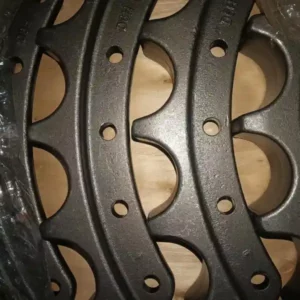
Teiste
Bíonn tionchar mór ag sláine an chórais fo-iompair ar fhad saoil oibríochta agus ar éifeachtúlacht eacnamaíoch innealra tógála trom, le bróga rianta ag léiriú cuid de thábhacht ríthábhachtach. Is iad na heilimintí seo an comhéadan díreach idir meaisín il-ton agus an talamh go minic naimhdeach, iad a chur faoi réir dianchaitheamh scríobach, ualaí ard-tionchar, agus strusanna flexural. Dá bhrí sin, ní cinneadh fánach soláthair é bróga riain ardchaitheamh cuí ach cleachtadh casta anailíse. Éilíonn sé tuiscint nua ar airíonna metallurgical, modheolaíochtaí déantúsaíochta, geoiméadracht a bhaineann go sonrach le feidhmchlár, agus tionchar domhain na gcleachtas oibriúcháin. Scrúdaíonn an t-alt seo na gnéithe ilghnéitheacha atá riachtanach chun na bróga rian cearta a roghnú. Cuireann sé creat córasach i láthair chun staid na talún a mheas, eolaíocht ábhair, toisí comhpháirte, tionchar oibreora, agus prótacail chothabhála. Trí ghlacadh leis an dearcadh iomlánaíoch seo, is féidir le bainisteoirí trealaimh agus oibreoirí maolú suntasach a dhéanamh ar mhaolú roimh am ar fhocharráiste, costais oibriúcháin fadtéarmacha a laghdú, agus infhaighteacht agus táirgiúlacht meaisín a uasmhéadú ar fud timpeallachtaí domhanda éagsúla.
Eochair -earraí beir leat
- Meaitseáil cineál agus leithead bróg riain go díreach le do phríomhchoinníollacha talún.
- Tosaíocht a thabhairt do chruach bórón trí-chruaite le haghaidh neart níos fearr agus friotaíocht caitheamh.
- Bain úsáid as an bróg is cúinge is féidir a sholáthraíonn snámhacht leordhóthanach don phost.
- Laghdaíonn oiliúint cheart oibreora go mór caitheamh neamhghnácha ar chodanna focharráiste.
- Cuir sceideal cigireachta rialta i bhfeidhm chun caitheamh ar bhróga ardchaitheamh a ghabháil go luath.
- A thuiscint nach bhfuil sa phraghas ceannaigh tosaigh ach cuid amháin de chostas iomlán na húinéireachta.
- Tá gá le radharc cothabhála iomlánaíoch ar an gcóras focharranna ar fad le haghaidh fad saoil.
Tábla na nÁbhar
- An Tír-raon a Dhífhoirgniú: Cineál Bróg a Meaitseáil le Coinníollacha Talún
- Eolaíocht na Substaintí: Comhdhéanamh agus Déantúsaíocht Ábhar a Thuiscint
- An Céimseata Feidhmíochta: Leithead Bróg, páirc, agus Breithnithe Próifíl
- Smacht Oibriúcháin: An Fachtóir Daonna maidir le Saol Bróg Rian a Shíneadh
- Fealsúnacht Chothabhála Iomlánaíoch: Cigireacht, Deisiú, agus Athsholáthar
- Ceisteanna coitianta (Ceisteanna CCanna)
- Conclúid
- Tagairtí
An Tír-raon a Dhífhoirgniú: Cineál Bróg a Meaitseáil le Coinníollacha Talún
Déantar an t-idirphlé idir meaisín agus an domhan a thrasnaíonn sé a idirghabháil ag an mbróg riain. Is teanga brú í, cuimilte, agus tionchar a imirt. Chun bróg rian a roghnú gan anailís dhian a dhéanamh ar dhálaí na talún ar dtús, tá sé cosúil le bonn a roghnú le haghaidh feithicle gan a fhios agam an ndéanfar é a thiomáint ar rás-rian nó ar pháirc láibeach.. Níl an talamh éide, dromchla éighníomhach; is gníomhaire gníomhach é a ordaíonn na téarmaí rannpháirtíochta. Carachtar na hithreach, carraig, nó comhiomlán - a scríobach, cion taise, agus comhtháthú - cinneann go bunúsach an ráta agus nádúr an chaitheamh ar gach comhpháirt focharráiste, go háirithe na bróga. Is féidir le hearráid sa mheasúnú tosaigh seo easghluaiseachta teipeanna costasacha a tharlú, sócmhainní táirgiúla a iompú ina dliteanas seasta. Dá bhrí sin, is é an chéad phrionsabal i roghnú réasúnach bróga rian caitheamh ard domhain, tuiscint eimpíreach ar an timpeallacht ina mbeidh an meaisín ag maireachtáil agus ag obair.
Príomhchoinníollacha na Talún: Anailís Bunúsach
Tá síniú geolaíoch uathúil ag gach suíomh fostaíochta. Tá gaineamh na gaoithe ar Leithinis na hAraibe comhdhéanta de chruas, cáithníní géar Grianchloch a fheidhmíonn mar scríobach gan staonadh, meilt ar shiúl cruach le luas iontas. Ithreacha níos déanaí Iarthar na hAstráile, saibhir i ocsaídí iarainn agus alúmanaim, is féidir a bheith deceptively crua agus scríobach, go háirithe nuair a tirim. I gcodarsnacht leis sin, an mhóinteach, Is dúshlán nach scríobadh é tailte sáithithe láithreáin tógála Oirdheisceart na hÁise, ach snámhachta agus tarraingt. Éiríonn meaisín a théann faoi uisce doghluaiste, a chumhacht useless. Tugann tundra reoite na Sibéire athróg eile isteach: brittleness teocht íseal, áit ar féidir le hualaí tionchair a d’fhéadfaí a ionsú in aeráidí measartha a bheith ina gcúis le briseadh tubaisteach.
Tosaíonn anailís cheart leis an tír-raon a rangú. An bhfuil sé ard-tionchar, cosúil le hurlár cairéil líonta le carraig phléasctha? An bhfuil sé ard-abrasion, cosúil le fásach gainimh? Nó an bhfuil sé íseal-tarraingt, cosúil le swamp láibeach? Go minic, is meascán é. Mar shampla, d'fhéadfadh baint a bheith ag barrithir bhog le hobair thochailte (éilíonn snámhachta) chun buncharraig scríobach a bhaint amach thíos (éilíonn friotaíocht caitheamh). Ní mór don oibreoir machnamh a dhéanamh ar an gcéatadán ama a chaithfidh an meaisín i ngach coinníoll. Níor cheart gur breathnadóireacht ócáideach a bheadh san anailís seo ach meastóireacht d’aon ghnó, b'fhéidir go mbeadh sampláil ithreach i gceist nó comhairliúchán le tuarascálacha geoiteicniúla. Tá iarmhairt eacnamaíoch na meastóireachta seo díreach agus suntasach. Roghnú bróg optamaithe le haghaidh carraig ard-thionchar nuair a chaitheann an meaisín 90% dá chuid ama ar ithir bhog mar thoradh ar suaitheadh talún neamhriachtanach, ídiú breosla iomarcach, agus caitheamh roimh am ar an traein tiomána ar fad de réir mar a chorraíonn na cearca an domhain go mí-éifeachtach.
Oibríochtaí ar Thalamh Bog: An Cás le haghaidh Bróga Cearrbhachais Aonair
I gcoinníollacha ithreach bog, láib, nó cré, Is é an príomhdhúshlán ná tarraingt imleor a bhaint amach chun an meaisín a thiomáint ar aghaidh gan é a chur amú. Is é seo an áit a léiríonn an bróg ráibe singil a shármhaitheas ó dhúchas. Is éard is cearcóg ann ná an barra nó an phróifíl atá ag brúchtadh ar dhromchla seachtrach an bhróg a théann isteach sa talamh. Tá ceannasach amháin ag baint leis an dearadh cearcóg aonair, tall protuberance running across the shoe's width.
Smaoinigh air mar stuáil. Tá sé ard, ligeann próifíl ghéar dó tochailt go domhain isteach san ábhar bog, ag soláthar achar dromchla mór le brú i gcoinne. Is é an toradh atá air seo ná uasiarracht tharraingeach. Éascaíonn an spás mór idir na grousers aonair ar bhróga in aice láimhe féin-ghlanadh freisin. Mar a théann an slabhra rian ar fud an sprocket agus idler, cabhraíonn an gníomh lúbthachta le láib agus smionagar a chaillfeadh idir na bróga murach sin. Is fadhb thromchúiseach é ábhar pacáilte; athraíonn sé go héifeachtach an córas rian deartha go cúramach go córas réidh, crios gan tarraingt, ag an am céanna ag méadú teannas rianta agus ag luasghéarú caitheamh ar na páirteanna gluaisteacha go léir. The single grouser's ability to penetrate and clean makes it the standard choice for bulldozers and other machines whose primary function is to push large loads in a relatively straight line on yielding surfaces. Tugann an treá domhain greim den scoth, maximizing the machine's pushing power.
Dromchlaí Crua agus Creagach: Cén fáth Bróga Grouser Dúbailte agus Triple Excel
Nuair a athraíonn an timpeallacht oibriúcháin go crua, creagach, nó dromchlaí measctha, tosaíonn loighic na bróg cearca fraoigh ag briseadh síos. A ard, ní féidir le cearca fraoigh aonair dul isteach sa charraig chrua. In ionad, déantar meáchan iomlán an mheaisín a dhíriú ar bharr caol an chromáin. Cruthaíonn sé seo luchtú pointe ollmhór, rud a chuireann dlús le caitheamh na cearca fraoigh féin ach freisin a chuireann brú mór lúbthachta ar an mbróg riain. Is féidir leis an bróg flex agus ar deireadh crack. Ina theannta sin, beidh garbh ag meaisín a oibríonn ar chearcair singil ar dhromchla crua, turas creathadh, a bhfuil tuirse ar an oibreoir agus a tharchuireann ualaí turraing ar fud an meaisín.
Is é seo an fearann ar an bróg rian cearca fraoigh dúbailte agus triple. In ionad cearcóg ard amháin, déantar an t-ualach a dháileadh ar fud dhá nó trí níos giorra, cearca fraoigh níos lú ionsaitheach.
Bróga Grouser Dúbailte: Cuireann siad seo comhréiteach ar fáil idir tarraingt cearca fraoigh amháin agus an cumas casaidh agus turas níos míne ar chearcfhraoigh thriarach.. Tá níos mó achair teagmhála acu leis an talamh ná mar atá ag cearca fraoigh amháin, rud a laghdaíonn an strus lúbthachta ar an bróg agus soláthraíonn sé saol caitheamh níos fearr ar dhromchlaí scríobacha nó crua. Is rogha choitianta iad le haghaidh lódairí crawler agus tochailteoirí a dteastaíonn cothromaíocht tarraingthe agus maneuverability uathu..
Bróga Cearrbhachais Triple: Is iad seo an cineál bróg rian is coitianta a fhaightear ar thochailteoirí agus meastar gur "caighdeánach iad" bróg le haghaidh úsáide ginearálta. An triúr (nó uaireanta níos mó) tá cearca fraoigh níos giorra agus soláthraíonn siad limistéar teagmhála níos mó leis an talamh. Laghdaíonn sé seo brú na talún go suntasach, laghdaítear suaitheadh dromchla, agus cuireann sé turas i bhfad níos míne. Is é an príomhbhuntáiste a bhaineann leis an gcrosaire triarach ná a chumas casta níos fearr. Nuair a casadh meaisín rianaithe, caithfidh na bróga pivot agus sleamhnú i gcoinne na talún. Laghdaíonn próifíl níos ísle na cearca triple an méid friotaíochta, nó “scrobarnach," le linn seal. Laghdaíonn sé seo an strus cliathánach ar an bhfocharráiste iomlán, ón mbróg féin go dtí na bioráin, bustaí, agus naisc. Le haghaidh meaisín cosúil le tochaltóir, a bhíonn i gcónaí ag pivoting agus ag athshuíomh, is buntáiste as cuimse é seo maidir le saol na gcodanna focharráiste a leathnú.
Feidhmchláir Speisialaithe: Maol, Rubair, agus Bróga Swamp
Níos faide ná na cineálacha coitianta cearca, tá raon de bhróga speisialaithe ann le haghaidh sainiúil, iarratais éilitheach.
Bróga Maol: Mar a thugann an t-ainm le tuiscint, níl aon chrousers ar na bróga seo. Úsáidtear iad ar chrua, dromchlaí cothroma cosúil le coincréit nó asfalt nuair nach bhfuil tarraingt ina cheist, ach is cúis mhór imní é damáiste dromchla. Is minic a úsáideann oibríochtaí pábhála nó feidhmeanna tionsclaíochta taobh istigh de stórais mhóra bróga árasáin chun cosc a chur orthu an dromchla oibre a mhilleadh.
Bróga Rubair (nó Pads Rubair): Le haghaidh cosaint dromchla níos mó fós, is féidir pillíní rubair a boltáil ar ghnáth-bhróg cearca fraoigh, nó is féidir leis an bróg féin a bheith ina bhloc soladach rubair nasctha le fráma cruach. Tá siad seo uileláithreach i dtógáil uirbeach, áit a bhféadfadh go mbeadh ar thochaltóir bóithre poiblí a thrasnú nó oibriú ar chosán maisiúil. Tugann siad cosaint dromchla den scoth agus laghdaíonn siad torann, ach tá siad so-ghabhálach i leith gearrthacha agus smután i dtimpeallachtaí scartála nó creagach.
Bróga Swamp (nó Bróga Brú Talún Íseal): I gcoinníollacha foircneacha boga, cosúil le swamps, riasca, nó oibríochtaí dreidireachta, ní fhéadfaidh bróga caighdeánacha go leor achar dromchla a sholáthar chun an meaisín a chosc ó dhul faoi. Is gnách go mbíonn bróga swamp seach-leathan, uaireanta triantánach nó trapezoidal i gcruth, to maximize the contact area and distribute the machine's weight. Is é an prionsabal seo de snámhachta an ceann céanna a úsáideann snowshoes. Trí mhéadú ar an achar dromchla, an brú in aghaidh an orlach cearnach (PSI) laghdaithe, rud a ligeann don mheaisín “snámhphointe" ar bharr na talún éagobhsaí. Tá siad seo thar a bheith speisialaithe agus chaithfeadh siad go han-tapa ar aon chrua, dromchla scríobach.
Anailís Chomparáideach ar Dhearthaí Grouser
Chun cinneadh eolasach a dhéanamh, tá sé ina chuidiú na comhbhabhtálacha a bhaineann le gach dearadh a shamhlú. Ní bhaineann an rogha riamh le “foirfe a aimsiú" bróg, ach an bhróg is oiriúnaí do shraith áirithe tosaíochtaí oibríochtúla.
| Cineál Bróg | Feidhmchlár Príomhúil | Tarraingt | Cumas Casadh | Caith ar Dhromchlaí Crua | Suaitheadh Talún |
|---|---|---|---|---|---|
| Cearrbhachas Aonair | Ithir bhog, láib, riachtanais ard-tharraingt (dozers) | Ar fheabhas | bocht | bocht | Ard |
| Grósaer dúbailte | Ithreacha measctha, riachtanais measartha-tarraingthe/casadh | Maith | Measartha | Measartha | Measartha |
| Saothróirí Triple | Cuspóir ginearálta, dromchlaí crua, casadh go minic | Measartha | Ar fheabhas | Ar fheabhas | Íseal |
| Bróg Maol | Dromchlaí pábháilte (asfalt, coincréit) | bocht | Ar fheabhas | Ar fheabhas | An-Íseal |
| Bróg Swamp | Talamh thar a bheith bog (riasca, swamps) | Measartha | bocht | An-Bocht | Íseal (mar gheall ar snámhachta) |
Eolaíocht na Substaintí: Comhdhéanamh agus Déantúsaíocht Ábhar a Thuiscint
Nuair a bheidh an geoiméadracht ceart an bróg rian arna chinneadh ag na coinníollacha talún, ní mór an fócas a aistriú chuig cáilíocht intreach na mbróg féin. Cad as a bhfuil sé déanta, agus conas a rinneadh é? Is féidir le bróga dhá rian a bheith comhionann leis an tsúil nocht ach go bhfeidhmíonn siad go mór difriúil sa réimse. D'fhéadfadh duine na mílte uair an chloig de sheirbhís iontaofa a sholáthar, agus teipeann ar an gceann eile roimh am, scoilteadh faoi ualach nó ag caitheamh ar shiúl leis an luas díomách. Tá an difríocht seo i bhfolach ó radharc, ag an leibhéal micreascópach, i gceimic na cruach agus na bpróiseas teirmeach a chuaigh faoi. Ní cleachtadh acadúil é bunsraith na miotalóireachta agus na déantúsaíochta a thuiscint; tá sé riachtanach go praiticiúil do dhuine ar bith atá ag lorg nó ag sonrú bróga ardchaitheamh. Is é an cumas fíorcháilíocht a aithint ó chosúlacht superficial, idirdhealú a bhfuil impleachtaí móra airgeadais aige.
Ról na Miotalóireacht: Thar Cruach Simplí
An téarma "cruach" is tuairisceoir leathan é ar chóimhiotal iarainn agus carbóin. ach, is féidir tréithe feidhmíochta cruach a athrú go suntasach trí chainníochtaí beaga d'eilimintí eile a chur leis agus trí theas a chur i bhfeidhm. Is ábhar sofaisticiúla é an cruach a úsáidtear le haghaidh bróga rian ardchaitheamh, innealtóireacht chúramach chun dhá airí iomaíocha a chothromú: cruas agus toughness.
- Cruas is the material's resistance to scratching, scriosadh, agus eangú. Beidh dromchla níos déine níos fearr i gcoinne éifeacht meilt gaineamh, grean a chur síos, agus carraig.
- Toughness is the material's ability to absorb energy and deform without fracturing. A tough material can withstand the sudden shock loads of hitting a rock or dropping the machine's bucket.
Is minic a bhíonn an dá airí seo i gcoinne. Ábhar an-chrua, cosúil le gloine, is minic a bhíonn sé brittle (ní diana). Ábhar an-diana, cosúil le copar bog, nach bhfuil an-deacair. Is é ealaín na metallurgist ná cóimhiotal cruach agus próiseas cóireála teasa a chruthú a uasmhéadaíonn an dá cheann. Baintear é seo amach go hiondúil trí steels cóimhiotail a úsáid. Le haghaidh bróga rian caitheamh ard, is é bórón an eilimint chóimhiotail is suntasaí.
Cruach Bhórón agus Múchadh: Croí na Marthanachta
Is gné shuntasach é bórón. When added to steel in minuscule amounts—often less than 0.003%—it has an outsized effect on the steel's "hardenability." Ní hardenability cruas féin, ach cumas an chruach a chruasú go doimhneacht shuntasach le linn cóireála teasa.
Múchadh agus faghartha a thugtar ar an bpríomhphróiseas cóireála teasa.
- Austenitizing: Ar dtús, téitear an bróg rian cruach go teocht an-ard, timpeall 850-950°C de ghnáth. Ag an teocht seo, socraíonn na hadaimh iarainn agus carbóin iad féin i struchtúr criostail ar leith ar a dtugtar austenít.
- ag múchadh: Fuaraítear an bróg dearg-te go tapa ansin, go hiondúil trína thumadh isteach i ndabhach uisce, ola, nó tuaslagán polaiméire. Ní thugann an fhuarú tobann seo am do na hadaimh iad féin a atheagrú ina struchtúir atá fuaraithe níos moille. In ionad, tá siad gafa i an-bhéim, struchtúr criostail cosúil le snáthaid ar a dtugtar martensite. Tá Martensite thar a bheith crua agus láidir, a bhfuil go díreach cad atá ag teastáil le haghaidh friotaíocht a chaitheamh. Ceadaíonn láithreacht bórón an struchtúr crua martensitic seo a fhoirmiú ní hamháin ar an ngardhromchla, ach go domhain isteach i gcroílár an bróg rian. Tugtar “trí chruasú air seo." Coinníonn bróg tré-chruaite a chruas fiú agus an dromchla ag caitheamh, ag soláthar saol seirbhíse i bhfad níos faide ná bróg nach bhfuil ach "cás-chruaite" nó “cruaite ar an dromchla."
- Tempering: Tar éis múchadh, tá an cruach thar a bheith crua ach freisin brittle agus líonadh le strusanna inmheánacha. Chun roinnt toughness a chur ar ais, aththéitear an bróg go teocht i bhfad níos ísle (e.g., 200-500°C) agus ar siúl ar feadh tréimhse ar leith. An próiseas seo, ar a dtugtar faghartha, maolaíonn sé an strus inmheánach agus ceadaíonn sé athshocrú beag a dhéanamh ar an struchtúr criostail. Laghdaíonn sé an cruas beagán ach méadaíonn sé go suntasach an toughness, táirge deiridh dá bharr atá an-resistant a chaitheamh agus atá athléimneach go leor chun turraingí ardtionchair a sheasamh gan scoilteadh. Is é bróg rian cruach bórón atá múchta agus tempered i gceart an caighdeán óir d'iarratais éilitheacha.
Gaibhniú vs. Réitigh: Scrúdú ar Phróisis Déantúsaíochta
Tá dhá phríomh-mhodh ann chun bróg rian a fhoirmiú ina chruth deiridh: réitigh agus brionnú.
Réitigh is éard atá i gceist leis cruach leáite a dhoirteadh isteach i múnla atá cruth cosúil leis an bróg rian. Is próiseas réasúnta saor é atá in ann cruthanna casta a chruthú go héasca. ach, mar a fhuaraíonn an miotail agus solidifies sa mhúnla, is féidir leis garbh a fhorbairt, struchtúr gráin neamh-éide. Tá baol porosity ann freisin (boilgeoga bídeacha) nó lochtanna inmheánacha eile, is féidir a bheith ina phointí tionscnaimh le haghaidh scoilteanna faoi strus.
Gaibhniú a thosaíonn le billet soladach cruach a théitear agus a mhúnlaítear ansin ag brú ollmhór ó casúr nó preas. Tá tionchar mór ag an bpróiseas seo ar struchtúr inmheánach an chruach. Fórsaíonn an brú dian grán an chruach a ailíniú le cruth na coda, ag cruthú leanúnach, sreabhadh gráin dhírithe. Smaoinigh ar an difríocht idir píosa de chlár na gcáithníní (cosúil le réitigh) agus píosa soladach adhmaid le fada, gráin leanúnach (cosúil le brionnú). Tá an chuid brionnaithe níos dlúithe go ginearálta, níos láidre, agus níos resistant do thionchar agus tuirse. Is próiseas níos costasaí é brionnú, ach le haghaidh criticiúil, iarratais ard-strus, is minic a tháirgeann sé barr feabhais, chuid níos iontaofa. Déantar an chuid is mó de na bróga rian ardchaighdeáin do thimpeallachtaí éilitheacha a bhrionnú chun an neart agus an cruas is mó a chinntiú.
Cruas Dromchla i gcoinne Croí-dochness: Iarmhéid íogair
Níl an bróg rian ardchaitheamh idéalach crua aonfhoirmeach ar fud. Mar a pléadh, Is minic a thagann cruas an-mhór le brittleness. Is comhpháirt é an staid idéalach le dromchla seachtrach an-chrua chun seasamh in aghaidh abrasion, tacaithe ag beagán níos boige, croí níos déine a d'fhéadfadh turraing a ionsú agus an chuid a chosc ó bheith ina dhá leath. An cumas trí-chruachan a thugann cruach bhóróin, in éineacht le próiseas múchta agus faghartha atá rialaithe go beacht, ligeann do mhonaróirí an próifíl cruas difreálach seo a bhaint amach.
De ghnáth déantar cruas an dromchla a thomhas ar scála Rockwell C (HAD). D'fhéadfadh cruas dromchla a bheith ag bróg rian ardchaighdeáin 45-55 HAD, cé go bhféadfadh an croí-chruas a bheith cúpla pointe níos ísle. Tá an grádán seo d'aon ghnó. The hard” case" Láimhseálann an chaitheamh, cé go bhfuil an diana” croí" láimhseálann an t-ualach. Nuair a bhíonn soláthraí á mheas, tá sé réasúnta fiafraí faoina sprioc-shonraíochtaí cruas agus conas a bhaineann siad amach agus iad a fhíorú. Beidh smacht daingean ag monaróir creidiúnach ar a bpróisis cóireála teasa agus beidh sé in ann sonraí a sholáthar maidir le próifílí cruas a gcuid táirgí.. Is sainmharc é an aird seo ar mhionsonraí ag soláthraí cáilíochta, mar iad siúd a thuigeann an t-iarmhéid intricate atá ag teastáil le haghaidh durable comhpháirteanna undercarriage.
Cáilíocht Monaróra a Mheasúnú: Cad atá le Lorg
Ós rud é go bhfuil na cáilíochtaí is tábhachtaí de bróg rian dofheicthe, conas is féidir le ceannaitheoir rogha eolasach a dhéanamh? Ní mór duine a chuardach le haghaidh seachfhreastalaí cáilíochta.
- Sonraíocht Ábhar: An luann an monaróir go sainráite an t-ábhar a úsáidtear (e.g., 23MnB, 25MnB, 35MnB – gach grád cruach bórón coitianta)? Cur síos doiléir cosúil le "cruach ard-neart" Is bratach dhearg iad.
- Próiseas Cóireála Teasa: Beidh monaróir cáilíochta bródúil as a gcumas cóireála teasa. Cuardaigh eolas faoina bpróisis múchta agus faghartha. An bhfuil siad ag caint faoi "through-hardening"?
- Modh Déantúsaíochta: An bhfuil an chuid brionnaithe nó teilgthe? Cé go bhfuil teilgin maith ann, is comhartha é brionnú de ghnáth ar tháirge préimhe atá ceaptha do dhian-dhleacht.
- Inrianaitheacht agus Rialú Cáilíochta: An féidir leis an monaróir doiciméadú rialaithe cáilíochta a sholáthar? An bhfuil go leor uimhreacha nó sraithuimhreacha ar a bpáirteanna a cheadaíonn inrianaitheacht ar ais go dtí baisc táirgeachta ar leith? Is comhartha é seo de phróiseas déantúsaíochta aibí agus cuntasach.
- Clú agus Barántas: Tá cuideachta a bhfuil stair fhada aici agus baránta láidir ag cur a sláinte airgeadais féin taobh thiar de cháilíocht a cuid táirgí. Learning about a potential supplier's history and commitment to quality, a fhaightear go minic ar leathanaigh mar an Fúinn alt, is féidir a bheith an-nochtadh.
Choosing a track shoe is an act of trust in the manufacturer's unseen processes. Trí na ceisteanna cearta a chur agus na táscairí cáilíochta seo a lorg, is féidir le ceannaitheoir feabhas suntasach a chur ar na seansanna a bhaineann le táirge a fháil a sheachadfaidh fíorluach fadtéarmach.
An Céimseata Feidhmíochta: Leithead Bróg, páirc, agus Breithnithe Próifíl
Toisí fisiceacha bróg riain - a leithead, a pháirc, agus cruth sonrach a phróifíle—ní gnéithe treallacha iad. Is paraiméadair innealtóireacht chúramach iad a bhfuil tionchar díreach agus intomhaiste acu ar fheidhmíocht meaisín, éifeachtúlacht breosla, agus fad saoil an chórais fhocharráiste ar fad. Chun an chéimseata cheart a roghnú, ní mór imeacht ó thoimhdí simplíocha agus glacadh le leagan níos nuances, smaointeoireacht ar leibhéal córais. Is éard atá i gceist leis an gá le tacaíocht ar thalamh bog a chothromú (snámhachta) leis an ngá atá le maneuverability agus marthanacht ar thalamh crua. D'fhéadfadh go leor fadhbanna a bheith mar thoradh ar rogha mícheart san fhearann seo, ó shuaitheadh iomarcach ithreach go strus tubaisteach ar naisc rianta agus bioráin.
Is Fearr an Leathanaigh" Fallacy: Snámhacht a thuiscint vs. Inaistritheacht
Tá toimhde coitianta agus iomasach i measc roinnt úinéirí trealaimh agus oibreoirí go bhfuil bróg rian níos leithne i gcónaí níos fearr. Is cosúil go bhfuil an loighic simplí: soláthraíonn bróg níos leithne lorg níos mó, ba cheart go laghdódh brú na talún agus go ndéanfadh sé an meaisín níos cobhsaí. Cé go bhfuil sé seo fíor go pointe, is róshimpliú contúirteach é an creideamh seo. Theipeann air cuntas a thabhairt ar na míbhuntáistí suntasacha a bhaineann le húsáid bróg atá níos leithne ná mar is gá.
Samhlaigh ag siúl ar sneachta bog. Péire bróga sneachta leathan (snámhacht ard) thar a bheith luachmhar, distributing your weight so you don't sink. Anois, shamhlú ag iarraidh siúl trí dlúth, foraoise creagach leis na snowshoes céanna. Bheadh siad clumsy, bheith gafa i gcónaí ar chonstaicí, agus a éilíonn iarracht ollmhór casadh. Baineann an prionsabal céanna le hinnealra tógála.
A wider shoe increases the machine's flotation, a bhfuil a chumas chun fanacht ar bharr bog, dromchlaí torthaí a bhíonn orthu. Déantar é seo a thomhas i bpuint in aghaidh an orlach cearnach (PSI) nó cileapascal (kPa) de bhrú talún. Le haghaidh oibre i swamps nó ar ghaineamh an-scaoilte, leathan, tá bróg brú íseal-talamh fíor-riachtanach.
ach, ar thalamh daingean nó carraigeach, beidh an leithead breise sin ina dhliteanas suntasach. Dá leithne an bróg, is gá an iarracht níos mó a dhéanamh chun an meaisín a chasadh. Le linn seal, caithfidh imeall seachtrach an bhróg taisteal níos faide ná an imeall istigh, is cúis leis an mbróg scrobarnach agus maighdeog in aghaidh na talún. Méadaíonn bróg níos leithne an gníomh sciúradh seo, ag giniúint ghiaráil ollmhór agus strus cliathánach a aistrítear go díreach isteach sna bioráin rian, bustaí, agus naisc. Is príomhthiománaí é an fórsa casta seo do phatrún caitheamh ar a dtugtar “caitheamh bioráin agus bushing." Ina theannta sin, bíonn an chuid nach dtacaítear leis de bhróg leathan atá ar crochadh thar an nasc riain níos so-ghabhálaí do lúbadh agus scoilt má thagann sé trasna ar charraig nó ar stumpa.
An Prionsabal "Chomh caol agus is féidir, Chomh Leathan agus is Riachtanach"
An treoirphrionsabal maidir le leithead bróg rian a roghnú, mar sin, Ba chóir go mbeadh úsáid a bhaint as an bróg cúinge a sholáthraíonn snámhachta leordhóthanach chun an meaisín a chuid oibre a dhéanamh gan a bheith bogged síos. Déanann an prionsabal seo an comhbhabhtáil idir snámhacht agus marthanacht a bharrfheabhsú.
- Buntáistí a bhaineann le bróg níos cúinge:
- Casadh níos éasca: Níos lú strus ar bhioráin agus bushings le linn casadh.
- Níos lú Caith: Gníomh scrobarnach laghdaithe ar dhromchlaí crua.
- Inaistritheacht Níos Fearr: Mothaíonn an meaisín níos aclaí agus níos freagraí.
- Marthanacht Méadaithe: Lúide ghiaráil ar an bróg, ag laghdú an baol lúbthachta nó scoilteadh.
- Friotaíocht Pacála Feabhsaithe: In ábhair ghreamaitheacha, tá níos lú spáis ag rian níos cúinge le láib a charnadh.
Chun an prionsabal seo a chur i bhfeidhm, ní mór d'oibreoir nó bainisteoir cabhlaigh measúnú macánta a dhéanamh ar a ngnáthchoinníollacha oibre. Má chaitheann meaisín 80% dá shaol ar shalachar nó ar charraig chrua pacáilte agus amháin 20% i láib bog, ba chóir go mbeadh sé feistithe le bróg níos cúinge atá oiriúnach don talamh crua. Maidir leis an alt láibeach ó am go chéile, teicnící oibriúcháin (cosúil le mataí a leagan síos nó bealach eile a ghlacadh) are a better solution than compromising the machine's undercarriage health for the majority of its working life.
Maitrís Cinnidh do Mhéadú Bróg
Soláthraíonn an tábla seo a leanas creat ginearálta chun smaoineamh ar leithead bróg. The specific recommendations will vary based on the machine's weight and model, ach fanann an loighic bhunúsach seasmhach.
| Coinníoll Talún | Bunriachtanas | Leithead Bróg Molta | Réasúnaíocht |
|---|---|---|---|
| Carraig chrua, Cairéal | Marthanacht, Inaistritheacht | Caol | Laghdaíonn sé an strus casta agus an baol a bhaineann le lúbadh/scáineadh bróg. |
| Ithir Pacáilte, Gairbhéal | Cuspóir ginearálta | Caighdeánach/Caol | Caitheann iarmhéideanna saol agus cumas casadh. Is minic go bhfuil leithead caighdeánach OEM optamach. |
| Measctha Bog/Crua | Solúbthacht | Caighdeán | Comhréiteach. Seachnaíonn sé na pionóis mhóra a bhaineann le bróga an-leathan nó an-chúng. |
| Cré Bog, salachar | Snámhacht, Tarraingt | Caighdeánach/Fairsing | Ba chóir go mbeadh an leithead leordhóthanach chun dul faoi uisce a chosc ach gan a bheith níos leithne. |
| Gaineamh Scaoilte | Snámhacht Ard | Leathan | Uasmhéadaíonn sé achar dromchla chun fanacht ar bharr an ábhair neamh-chomhtháite. |
| Swamp, Marsh | Snámhacht Mhór | Seach-Leath (LGP) | Necessary to reduce ground pressure below the soil's bearing capacity. |
Track Pitch agus a Gaol leis an gCóras Fo-Iompar Iomlán
Is éard atá i bpáirc rianta an fad ó lár aon bhioráin rianta amháin go lár an chéad cheann eile. Is gné bhunúsach é den chóras iomlán focharráiste. Ní mór don pháirc rian a mheaitseáil go beacht le páirc na bhfiacla sprocket a thiomáineann an slabhra agus le céimseata na rollóirí rian agus na n-idlers a thacaíonn leis.
Agus bróga rian ardchaitheamh athsholáthair á roghnú agat, tá sé fíor-riachtanach go mbeadh páirc na mbróga nua ag teacht le páirc an tslabhra reatha reatha. Ní féidir úsáid a bhaint as bróg le páirc mícheart; ní bheidh na poill bolt ailínithe go simplí leis na naisc rian. ach, leagann sé seo béim ar choincheap níos doimhne: is córas comhghlasála é an focharráiste, páirteanna idirspleách. Bíonn tionchar díreach ag caitheamh ar chomhpháirt amháin ar chaitheamh gach ceann eile.
De réir mar a chaitheann bioráin agus bushings, Síneann an pháirc rian go héifeachtach. Síneadh an “pháirc seo" is cúis leis an slabhra rian chun marcaíocht níos airde agus níos airde ar na fiacla sprocket, dlús a chur le caitheamh ar leideanna na fiacla. Os a choinne sin, mar a chaitheann na fiacla sprocket, éiríonn siad níos tanaí agus athraíonn siad a bpróifíl, ar féidir leo dlús a chur le caitheamh bushing. Na bróga rian, naisc, bioráin, bustaí, rollóirí, díomhaoin, agus tá sprockets deartha le caitheamh le chéile mar chóras comhtháite. Iarracht a dhéanamh ach comhpháirt amháin a athsholáthar i gcóras atá caite go mór (mar shampla, bróga nua a chur ar slabhra sínte) is féidir dlús a chur le caitheamh na coda nua agus na seanchodanna atá fágtha go minic. Tá gá le dearcadh iomlánaíoch, agus sin an fáth a aimsiú ar raon iomlán de comhoiriúnach táirgí undercarriage ó singil, is féidir le soláthraí iontaofa a bheith buntáisteach.
Tionchar Cruth Bróg ar Chaitheamh Casadh agus Scrubbing
Níos faide ná aicmiú simplí amháin, dúbailte, nó cearca fraoigh, baineann próifíl shonrach na mbróg agus na cearca fraoigh. Tairgeann roinnt monaróirí bróga le "clipped" nó “beveled" coirnéil. Is féidir leis an modhnú beag seo tionchar suntasach a bheith aige ar chasadh. Trí chúinne géar an bróg a bhaint, tá níos lú ábhar le tochailt isteach sa talamh le linn maighdeog, laghdú ar fhriotaíocht chasadh agus na fórsaí sciúradh gaolmhar. Tá sé seo tairbheach go háirithe do mheaisíní a dhéanann go leor spot-casadh, cosúil le tochailteoirí.
Mar an gcéanna, cuireann airde agus géire phróifíl na grouser le dinimic an chaitheamh. A branda-nua, Soláthraíonn cearca fraoigh uasmhéid tarraingthe ach cruthaíonn sé freisin an strus uasta agus é ag casadh ar dhromchlaí crua. Mar an cearca fraoigh síos, laghdaítear a airde, agus éiríonn a rinn níos cruinne. Laghdaíonn sé seo i ndáiríre strus casadh ach freisin laghdaíonn tarraingt. Is cuid de bhainistiú an fhocharráiste é an saolré seo a thuiscint. Tá pointe ann ina bhfuil an cearcóg caite chomh mór sin nach soláthraíonn sé tarraingt imleor a thuilleadh, agus ní mór an bróg a athsholáthar nó a ath-grousered. Ba cheart go mbeadh an pointe cinnidh seo bunaithe ar riachtanais feidhmíochta, ní hamháin cuma amhairc.
Smacht Oibriúcháin: An Fachtóir Daonna maidir le Saol Bróg Rian a Shíneadh
Sa chothromóid casta fad saoil undercarriage, tá athróg ann a sháraíonn miotalóireacht agus céimseata le chéile go minic: oibreoir an mheaisín. Oibreoir atá oilte, smachtaithe, agus agus aird á tabhairt ar chomhbhrón meicniúil féadann sé saol sraith de bhróga ardchaitheamh agus an focharráiste ar fad a leathnú go mór.. Os a choinne sin, is féidir le hoibreoir ionsaitheach nó míchúramach na comhpháirteanna céanna a scrios i gcodán dá saolré ionchais. Tá na fórsaí a ghineann píosa innealra tógála iltonna ollmhór. An chaoi a gcuirtear na fórsaí sin i bhfeidhm - go réidh agus go tuisceanach, nó go tobann agus go míchúramach - déanann sé an difríocht go léir. Tá infheistíocht in oiliúint oibreoirí agus cultúr caomhnaithe meicniúil a chothú ar cheann de na hinfheistíochtaí is airde ar féidir le bainisteoir cabhlaigh a dhéanamh.. Athraíonn sé mórchostas go costas inbhainistithe.
Teicníc Oibreora: An Fórsa Neamhfheicthe ar Chaitheamh Focharráiste
Is ionchur díreach iad na luamháin agus na pedals taobh istigh den chábán i ráta caitheamh an fhocharráiste. Go réidh, is fearr i gcónaí ionchur de réir a chéile ná go tobann, gluaiseachtaí geit.
Luasghéarú Smooth agus Luasghéarú: Tosaíonn Jackrabbit agus stadanna slamming ualaí turrainge a sheoladh tríd an drivetrain iomlán, ón inneall go dtí na thiomáineann deiridh agus isteach sa slabhra rian. Cuireann sé seo béim ar phionnaí, bustaí, agus na naisc bróg-go-nasc rian. Ligeann feidhmiú milis na cumhachta don rian dul i ngleic leis an talamh agus móiminteam a thógáil go réidh.
Gluaiseacht Neamhriachtanach a Íoslaghdú: Pleanálann oibreoir éifeachtach a gcuid gluaiseachtaí. In ionad shuttling i gcónaí ar ais agus amach, déanann siad an meaisín a shuíomh go barrmhaith chun an fad iomlán a thaistealaítear a íoslaghdú. Le haghaidh tochaltóir, ciallaíonn sé seo socrú laistigh de gha luascáin a ligeann dó trucailí a thochailt agus a luchtú gan an focharráiste a athshuíomh i gcónaí. Is méadar caitheamh é gach méadar a thaistiltear. Taistil a laghdú, go háirithe ar dhromchlaí scríobacha, aistríonn go díreach go saol undercarriage níos faide.
Ag Obair Suas agus Síos Fánaí: Aon uair is féidir, ba chóir oibreoirí a bheith oilte chun tiomáint díreach suas nó díreach síos fána, seachas é a thrasnú taobh le taobh. Nuair a thrasnaíonn tú fána cuireann sé leanúnachas, taobh-ualach trom ar na rollóirí rian síos an cnoc, díomhaoin, agus slabhra rian. Luathaíonn sé seo caitheamh ar thaobh na gcomhpháirteanna seo. Ag obair suas agus síos an fhána coimeádtar an t-ualach a dháileadh níos cothroime. Nuair a bhíonn sé ag obair ar fhána taobh dosheachanta, ba cheart don oibreoir iarracht an treo oibre a athrú go tréimhsiúil chun an caitheamh a chothromú.
Na Costais Fholaithe a bhaineann le hOibríocht Chúil Ardluais
Deartar an chuid is mó de na meaisíní rianaithe chun a gcuid oibre bunscoile a dhéanamh ag bogadh ar aghaidh. An slabhra rian, bioráin, agus déantar bushings a innealtóireacht leis seo san áireamh. Tá an bushing deartha chun rothlú i gcoinne an sprocket fiacail faoi ualach sa treo ar aghaidh.
Tá oibriú droim ar ais ar ardluais ar cheann de na rudaí is dochair gur féidir le hoibreoir a dhéanamh d’fhocharráiste. Le linn oibríocht droim ar ais, tá an t-ualach dírithe ar chúl-tiomáint an bushing, limistéar teagmhála níos lú nach bhfuil optamaithe le haghaidh ualaí arda. Cruthaíonn sé seo ráta caitheamh i bhfad níos airde ar an mbruthán agus ar an sprocket. Tugann roinnt staidéir le fios go bhféadfadh oibríocht droim ar ais ardluais a bheith ina chúis le trí nó ceithre huaire an ráta caitheamh taistil chun cinn.
Ba cheart oiliúint a chur ar oibreoirí chun an t-achar taistil cúlaithe a íoslaghdú agus chun luas níos ísle a úsáid i gcónaí agus iad ag bogadh ar gcúl. Má tá gá le bogadh athshuite fada, is minic go mbíonn sé níos fearr leathan a dhéanamh, cas scuabtha agus taisteal ar aghaidh seachas go simplí tacaíocht a thabhairt don achar iomlán. Is féidir leis an bpíosa simplí seo de smacht oibríochta na mílte dollar a shábháil ar dheisiú focharranna roimh am thar shaolré an mheaisín.
Teicnící Casadh: Strus cliathánach a Íoslaghdú ar Rian Naisc agus Bróga
Is ainliú ard-strus go bunúsach é meaisín rianaithe a chasadh. Moillíonn rian amháin nó téann sé siar agus coinníonn nó méadaíonn an ceann eile an luas, iallach a chur ar an meaisín pivot. Cruthaíonn sé seo na fórsaí sciúradh agus cliathánach a pléadh níos luaithe. ach, is féidir leis an mbealach a gcasann oibreoir isteach go mór ar mhéid na bhfórsaí seo.
Pivots Spota (Frith-uainíocht): Is é seo an cineál casála is ionsaitheach, áit a bhogann rian amháin ar aghaidh agus an ceann eile droim ar ais, rud a fhágann gur casadh an meaisín ina áit. Cé go uaireanta is gá i cheathrú daingean, ba cheart é a sheachaint nuair is féidir. Gineann sé an t-uasmhéid suaitheadh talún agus cuireann sé an strus is airde is féidir ar na bróga rian agus na naisc.
Casadh de réir a chéile: Is modh i bhfad níos uaisle é a dhéanamh níos leithne, casadh níos mó de réir a chéile, cosúil le carr a thiomáint timpeall cuar. Laghdaíonn sé seo an difreálach luais idir na rianta agus íoslaghdaíonn sé an méid scrobarnach. Ba chóir oibreoirí a spreagadh chun a gcuid oibre a phleanáil chun ligean do na sealanna níos leithne seo.
Casadh Trí Phointe: Nuair is gá athrú géar ar an treo, seal trí phointe a fhorghníomhú (ar aghaidh, ar ais, ar aghaidh) is minic a bhíonn níos lú struis ar an bhfocharráiste ná ceann amháin, pivot láthair ionsaitheach. Níl gach gluaiseacht aonair chomh dian.
Idirghníomhaíonn an rogha cineál bróg rian go láidir le teicníc casadh. Beidh an-fhriotaíocht ag meaisín le bróga cearca singil in aghaidh casadh ar thalamh crua, agus oibritheoir a bhreathnaíonn go minic ar mheaisín den sórt sin beidh sé ina chúis le caitheamh tapa agus millteach.
An Tábhacht a bhaineann le Cothabháil Suíomh agus Bainistiú smionagar
The operator's responsibility extends beyond the machine itself to the environment it works in. Is páirc mhianach é suíomh fostaíochta nach bhfuil á chothabháil go maith agus do fhocharráistí.
An Limistéar Oibre a Choinneáil Glan: Cheadú carraigeacha, smionagar scartála (cosúil le rebar), nó rudaí géara eile chun bruscar a chur ar an limistéar oibre mar chuireadh díreach le haghaidh damáiste. Is féidir bróg rian a lúbadh nó a scoilteadh trí theagmháil aonair le carraig mhór. Is féidir le smionagar cruach a bheith gafa sa slabhra rian, ag déanamh damáiste tubaisteach. Operators should be encouraged to use the machine's bucket or blade to clear a clean, cosán réidh dóibh féin.
Láibe agus Pacáil a Bhainistiú: I fliuch, coinníollacha greamaitheacha, is féidir ábhar a phacáil isteach sa slabhra rian. Toisc go n-iompraítear an t-ábhar pacáilte seo timpeall an sprocket, féadfaidh sé éirí thar a bheith dlúth agus crua, ag géarú go héifeachtach ar an slabhra rian. Seo “ró-theannas" cuireann sé ualach ollmhór ar na comhpháirteanna uile atá ag gluaiseacht agus is féidir leis an rian a bhrú óna chéile. Ba cheart go mbeadh sé ina nós ag oibreoirí “siúl amach go tréimhsiúil" na rianta (ag bogadh ar aghaidh agus ar ais gach re seach) chun iarracht a dhéanamh ábhar pacáilte a chaillfidh. Ag deireadh seal, ba chóir go dtógfadh siad an t-am chun an focharráiste a ghlanadh i gceart le spád nó le washer brú. Is féidir le cúpla nóiméad glantacháin na mílte dollar a chosc i ndeisiúcháin.
Oibritheoirí a Thraenáil agus a Dhreasú chun Focharr a Chaomhnú
Is é an chéad chéim an t-oibreoir a aithint mar phríomhghníomhaí i mbainistíocht an fho-iompair. Is é an chéad cheann eile an t-eolas agus an spreagadh a thabhairt dóibh gníomhú air.
- Cláir Oiliúna: Formal training should be a part of any new operator's onboarding. Níor cheart go gclúdódh sé seo conas an meaisín a thochailt nó a bhrú, ach freisin an “cén fáth" taobh thiar de na cleachtais is fearr maidir le cúram tearciompar. D’fhéadfadh sé a bheith an-éifeachtach áiseanna amhairc a úsáid chun a thaispeáint conas a chaitheann oibríocht chúlaithe cuasaithe nó an tionchar a bhíonn ag taobhlódáil ar rollóirí.
- Cláir Dreasachta: D'éirigh le roinnt cuideachtaí cláir a chur i bhfeidhm a thugann luach saothair d'oibreoirí nó d'fhoirne as saol focharráiste níos fearr ná an meán a bhaint amach. D’fhéadfadh sé seo a bheith ina bhónas nó mar chineál eile aitheantais. It aligns the operator's financial interests with the company's goal of cost reduction and creates a culture where everyone takes ownership of machine health.
I ndeireadh na dála, ní fadhb í an eilimint dhaonna le deireadh a chur léi ach acmhainn le saothrú. Is é oibreoir dea-oilte agus spreagtha an chosaint is fearr i gcoinne teip roimh am fiú na bróga rian caitheamh ardcháilíochta is airde.
Fealsúnacht Chothabhála Iomlánaíoch: Cigireacht, Deisiú, agus Athsholáthar
Is fealsúnacht réamhghníomhach é an colún deiridh a thacaíonn le saolré fada agus táirgiúil an chórais rian, cothabháil córasach. Is meon a dhiúltaíonn don “run to failure" téigh i dtreo, as a dtagann cliseadh tubaisteach dosheachanta, downtime neamhsceidealta, agus costais deisiúcháin exorbitant. In ionad, cuimsíonn sé córas iniúchta rialta, tomhas eolasach, agus idirghabháil straitéiseach. Tuigeann an fhealsúnacht iomlánaíoch seo gur éiceachóras casta de chodanna caithimh é an focharráiste. Tá sláinte na bróga rian caitheamh ard nasctha go dlúth le riocht na bioráin, bustaí, naisc, rollóirí, agus sprockets. Cothabháil éifeachtach, mar sin, is not about focusing on a single part in isolation but about managing the entire system's life cycle to achieve the lowest possible cost per hour of operation.
Córas Cigireachta Réamhghníomhach a Bhunú
Is é bunchloch aon chláir chothabhála ná cigireacht rialta agus comhsheasmhach. Tarlaíonn caitheamh de réir a chéile, agus fadhbanna beaga, má ghabhtar go luath é, is féidir iad a cheartú sular féidir iad a easghluaiseachta i dteipeanna móra. Ba cheart oibritheoir a bheith oilte chun cigireacht ghairid siúlóide a dhéanamh ag tús gach seala. Ní tasc am-íditheach é seo, ach seiceáil tapa amhairc agus thadhlach.
Siúl Timpeall Laethúil: Ba cheart don oibreoir comharthaí soiléire trioblóide a lorg:
- Crua-earraí scaoilte nó in easnamh: An bhfuil na boltaí bróg rian go léir daingean? Is féidir le bróg scaoilte damáiste a dhéanamh don nasc rian agus briseadh saor in aisce ar deireadh.
- Scoilteanna nó sosanna soiléire: Seiceáil na bróga rian, go háirithe timpeall na bpoll bolt agus ag bun na grousers.
- Pacáil trom: An bhfuil an focharráiste glan, nó an bhfuil sé pacáilte le láib, carraig, nó smionagar?
- Sceitheadh ola neamhghnácha: Seiceáil timpeall na dtiomántán deiridh, rollóirí, agus díomhaoin d'aon chomhartha bealaidh sileadh, rud a léiríonn teip róin.
- Teannas Rian (Sag): Seiceáil go radhairc an sag rian idir an sorcóir iompróra agus an idler. Cé nach tomhas beacht é, is féidir le hoibreoir a bhfuil taithí aige rian a fheiceáil atá ró-daingean nó ró-scaoilte.
Cigireachtaí Mionsonraithe Tréimhsiúla: Chomh maith leis an seiceáil laethúil, ba cheart cigireacht níos críochnúla a sceidealú ag eatraimh rialta seirbhíse (e.g., gach 250 nó 500 uair an chloig). Ba cheart go ndéanfadh teicneoir oilte é seo. Is éard atá i gceist leis an iniúchadh seo an focharráiste a ghlanadh agus uirlisí speisialaithe a úsáid chun caitheamh na gcomhpháirteanna éagsúla a thomhas.
Caitheamh Tomhais: Uirlisí agus Teicnící le haghaidh Measúnú Cruinn
Is féidir leis a bheith mealltach brath ar chuma amhairc amháin chun caitheamh a mheas. Cad Breathnaíonn “caite amach" d'fhéadfadh go mbeadh saol seirbhíse suntasach fágtha fós, agus cad Breathnaíonn "ceart go leor" d'fhéadfadh sé a bheith ar tí teorainn criticiúil chaitheamh. Tá tomhas cruinn ríthábhachtach chun cinntí costéifeachtacha a dhéanamh.
- Tomhsaire Tiús Ultrasonach: Is féidir leis an uirlis seo tiús an ábhair atá fágtha ar bhróga rianta agus naisc a thomhas gan iad a bhaint as an meaisín. Tá sé fíor-luachmhar chun ráta caitheamh an chomhlachta bróg a rianú.
- Calipers agus Tomhsairí Doimhneachta: Úsáidtear iad seo chun airde na grousers ar na bróga rian a thomhas, an trastomhas taobh amuigh de na bushings rian, agus airde na naisc rian.
- Tomhas Páirce Rian: Chun síneadh páirce a thomhas (síneadh), úsáidtear nós imeachta sonrach, is minic a bhaineann sé le teannas a chur ar an mbóthar agus an fad thar líon socraithe nasc a thomhas (e.g., 4 naisc). This measurement is compared to the new specification and the manufacturer's wear limits.
Níor cheart go mbeadh na tomhais seo ina n-imeachtaí aonuaire. Ba chóir iad a thaifeadadh i loga do gach meaisín. Trí na tomhais a bhreacadh le himeacht ama, is féidir le bainisteoir cabhlaigh ráta caitheamh a bhunú do gach meaisín ina iarratas sonrach. Tá na sonraí seo thar a bheith cumhachtach. Ceadaíonn sé do chothabháil thuarthach, ag cur ar chumas an bhainisteora a thuar cathain a shroichfidh comhpháirteanna a dteorainneacha caithimh agus deisiúcháin nó athchur a sceidealú go réamhghníomhach, teipeanna in-réimse a sheachaint. Soláthraíonn monaróirí trealaimh agus soláthraithe comhpháirteanna cáiliúla cairteacha caitheamh mionsonraithe agus sonraíochtaí a shainíonn an "nua" toisí agus an “100% caite" teorainneacha do gach cuid fo-iompar.
Eacnamaíocht na hAthógála agus na hAthógála
De réir mar a chaitheann bróga rian, éiríonn na grousers níos giorra, ag laghdú tarraingt. ach, d'fhéadfadh go mbeadh saol suntasach fágtha fós ag príomhchorp an bhróg. I gcásanna den sórt sin, is féidir atógáil an bróg a bheith ina rogha éifeachtach ó thaobh costais.
Ath-Ghrúsáil: Is éard atá i gceist leis seo ná stoc barra cearcóg nua a tháthú ar na cearca a bhfuil na bróga reatha caite acu. This restores the shoe's original height and traction capabilities for a fraction of the cost of a new shoe. Tá an próiseas seo coitianta go háirithe do dozers, áit a bhfuil tarraingt ríthábhachtach. Braitheann eacnamaíocht athfhraoigh ar chostas an tsaothair, costas barra na cearca, agus an saol atá fágtha i gcorp na bróg agus an chuid eile den fhocharráiste. Is beag an chiall atá leis bróg nua-athfhriochtaithe a chur ar ais ar slabhra riain le bioráin caite agus cuasaithe.
Bioráin agus Casadh Bushing: Nós imeachta cothabhála lár-saoil coitianta eile is ea "casadh bioráin agus bushing." I slabhra rian traidisiúnta, tarlaíonn caitheamh go príomha ar thaobh amháin den bhioráin agus ar thaobh amháin den bushing. Sula sroicheann siad a dteora caitheamh, is féidir an slabhra rian a dhíchóimeáil, agus is féidir na bioráin agus na bushings a rothlú 180 céimeanna nua a chur i láthair, dromchla neamhchaite don sprocket. Féadann sé seo saol na gcomhpháirteanna seo a dhúbailt go héifeachtach agus saolré an chórais rian iomláin a leathnú go suntasach.
A fhios agam Cathain a Athsholáthar: Pointe na dTuairisceán Laghdaithe
Sroicheann na comhpháirteanna go léir pointe sa deireadh nach bhfuil deisiúchán eacnamaíoch nó sábháilte a thuilleadh. Is iad na sonraí tomhais a bailíodh le linn iniúchtaí a bhíonn mar bhonn leis an gcinneadh seo. Leanúint ar aghaidh ag rith comhpháirteanna thar a 100% Is geilleagar bréagach é teorainn chaitheamh.
- Riosca Teip: Is mó an seans go dteipfidh go tubaisteach ar chomhpháirt caite. D'fhéadfadh laethanta d'am neamhfhónaimh agus casta bheith mar thoradh ar shlabhra rian briste ar shuíomh iargúlta poist, oibríocht aisghabhála costasach.
- Caitheamh Luathaithe Páirteanna Cúplála: Má ritheann slabhra sínte ar sprocket maith, scriosfaidh sé an sprocket go tapa. Is féidir damáiste a dhéanamh do na naisc rianta má ritheann rollóirí caite. Beidh an costas a bhaineann le hathsholáthar an chórais iomláin níos déanaí i bhfad níos airde ná an costas tráthúil, athsholáthar pleanáilte ar an ngrúpa comhpháirteanna caite.
- Sábháilteacht: Má theiptear ar chomhpháirt focharráiste, is féidir go gcaillfí rialú an mheaisín, guais sábháilteachta thromchúiseach a chruthú don oibreoir agus d’aon duine in aice láimhe.
Is é an sprioc ná na comhpháirteanna a athsholáthar nuair a bhíonn an t-uasmhéid dá saol úsáideach seachadta acu, ach sular baol dóibh teip mhór nó damáiste comhthaobhachta a dhéanamh. Is é seo an bunús le bainistiú de réir an chostais iomlán úinéireachta is ísle, ní hamháin an praghas ceannaigh tosaigh is ísle.
Comhtháthú Cothabháil Bróg le Cúram Iomlán Focharranna
Is é an comhtháthú téama lárnach na fealsúnachta iomlánaíoch seo. Níor cheart an cinneadh bróga rian ardchaitheamh a dheisiú nó a athsholáthar i bhfolús riamh. It must be considered in the context of the entire undercarriage system's condition. Má tá na bróga 75% caite, ach tá na bioráin agus na bushings 90% caite, is beag ciall a dhéanann sé infheistíocht a dhéanamh chun na bróga a chur ar fhraoigh arís. Straitéis níos fearr a bheadh ann ná an córas ar fad a rith go dtí an teorainn chaitheamh agus ansin athsholáthar iomlán ar fhocharráiste.
Os a choinne sin, má tá sraith de ard-chaighdeán, tá bróga rian ardchaitheamh á shuiteáil, is é an t-am foirfe é chun a chinntiú go bhfuil an chuid eile den chóras i riocht maith chun an seans is fearr is féidir a thabhairt do na bróga nua sin le saolré fada. An cur chuige seo ar leibhéal na gcóras, a mheasann conas go léir an éagsúla páirteanna innealra trom idirghníomhú, is sainmharc é de chlár cothabhála sofaisticiúil agus costéifeachtach. Téann sé níos faide ná díreach freagairt do chliseadh agus isteach i réimse bhainistiú straitéiseach sócmhainne.
Ceisteanna coitianta (Ceisteanna CCanna)
Cad é an chúis is mó le teip bróg rian roimh am?
Is é an chúis is coitianta ná neamhréir idir an cineál bróg rian agus an feidhmchlár. Ag baint úsáide as bróga cearca fraoigh amháin ar charraig chrua, mar shampla, cruthaíonn sé strus lúbthachta ollmhór agus ualaí tionchair a d'fhéadfadh scáineadh a bheith mar thoradh air. Mar an gcéanna, má úsáidtear bróg leathan gan ghá ar thalamh crua gintear fórsaí casta arda a luathaíonn caitheamh ar an bhfocharráiste iomlán agus is féidir leis an mbróg féin a lúbadh nó a bhriseadh.
Cé chomh minic is cóir dom mo bhróga rian a iniúchadh?
A visual inspection should be part of the operator's daily walk-around check, ag lorg boltaí scaoilte, scoilteanna, nó pacáil smionagar trom. Cigireacht níos mionsonraithe, a bhaineann le glanadh agus tomhas le huirlisí cosúil le calipers nó tomhasairí ultrasonaic, ba cheart do theicneoir é a dhéanamh ag gach eatramh seirbhíse rialta, go hiondúil gach 250 chuig 500 uaireanta oibriúcháin, chun rátaí caitheamh a rianú go cruinn.
An féidir liom cineálacha éagsúla bróga riain a úsáid ar an meaisín céanna?
Déantar é a dhíspreagadh go láidir. Cineálacha bróg a mheascadh (e.g., leath cearca fraoigh singil agus leath cearca triarach) ar an slabhra rian céanna cruthófar éagothroime. Cruthóidh na hairde agus na próifílí cearcacha éagsúla luchtú míchothrom, turas garbh, agus tarraingt dothuartha. Cuireann sé seo strus neamhghnách ar gach comhpháirt focharráiste agus féadann sé caitheamh a luathú. Bain úsáid as iomlán i gcónaí, sraith bróga comhoiriúnaithe.
An bhfuil bróga rian ardchaitheamh níos costasaí níos fearr i gcónaí?
Ní gá, ach is minic a bhíonn comhghaol láidir idir praghas agus cáilíocht. Tá an costas á thiomáint ag cáilíocht an chóimhiotail chruach (e.g., cruach bórón), an próiseas déantúsaíochta (tá brionnú níos daoire ná réitigh), agus cruinneas na cóireála teasa. A níos saoire, d'fhéadfadh bróg ar chaighdeán níos ísle airgead a shábháil roimh ré ach is dócha go n-imeoidh siad amach i bhfad níos tapúla nó go dteipfidh orthu roimh am, rud a fhágann go bhfuil costais níos airde ar feadh an tsaoil mar gheall ar athsholáthar níos minice agus aga neamhfhónaimh mhéadaithe an mheaisín. Is í an eochair an luach is fearr a lorg, nach bhfuil an praghas is ísle.
Cad é “track scallopeing" agus conas is féidir liom é a chosc?
Is patrún caitheamh cosúil le tonn é bearradh rian is féidir a bheith le feiceáil ar dhromchla naisc rianta. De ghnáth is cúis leis an meaisín a rith le rollóirí rian caite. De réir mar a chaitheann na rollóirí, forbraíonn siad spotaí cothroma nó caillfidh siad a n-iomláine, agus cuireann an dromchla míchothrom seo patrún caitheamh comhfhreagrach ar na naisc rianta de réir mar a théann siad anonn. Is é an bealach is fearr chun é a chosc ná na rollóirí a iniúchadh agus a thomhas go rialta agus iad a athsholáthar sula sroicheann siad a dteorainneacha caitheamh.
Conas a théann meáchan meaisín i bhfeidhm ar roghnú bróg riain?
Is fachtóir bunúsach é meáchan meaisín. Cinneann sé an brú bonn talún a chaithfidh na bróga rian a bhainistiú. Éilíonn meaisín níos troime lorg rian iomlán níos mó chun an brú talún céanna a bhaint amach (PSI nó kPa) mar mheaisín níos éadroime. Nuair a roghnú leithead bróg, the goal is to provide enough surface area to support the machine's weight in the given soil conditions without being excessively wide. Manufacturer recommendations for shoe width are always specific to a machine's weight class.
An bhfuil sé ceart go leor bróga a tháthú le deisiú?
Is féidir le táthú a bheith ina mhodh deisiúcháin bailí, ach ní mór é a dhéanamh i gceart. Re-grousing, atá ag táthú stoc barraí nua ar cearca fraoigh, is cleachtas coiteann agus inghlactha é. ach, Tá an-riosca ag baint le hiarracht a dhéanamh scoilteanna a dheisiú i gcorp bróg rian teaschóireáilte. Is féidir leis an teas dian ó tháthú an chóireáil teasa bunaidh a mhilleadh, ag cruthú spotaí boga agus criosanna sobhriste a d’fhéadfadh teip thubaisteach a bheith mar thoradh orthu díreach in aice leis an deisiúchán. Níor cheart go ndéanfaí aon deisiúchán táthúcháin ar chomhpháirt struchtúrach ach amháin ag táthadóir oilte tar éis sonra sonrach, nós imeachta ceadaithe.
Conclúid
Is disciplín é roghnú agus bainistiú bróga rian ardchaitheamh a phósann breathnóireacht gheolaíoch le heolaíocht ábhartha, agus innealtóireacht mheicniúil le dúthracht oibriúcháin. Léiríonn sé sin i saol na n-innealra trom, níl aon mhionsonraí ann. Comhpháirt chomh simplí is cosúil le bróg rian, i ndáiríre, breogán ina gcinntí faoi ábhar, céimseata, agus déantar tástáil ar oibriú ag fisic neamh-mhaolú na frithchuimilte agus an tionchair. Cur chuige simplíoch, dírithe go hiomlán ar an bpraghas tosaigh nó treoraithe ag rialacha ordóige atá as dáta, bealach díreach chuig táirgiúlacht laghdaithe agus costais oibriúcháin teannta.
Cur chuige níos soléite, mar atá iniúchadh déanta againn, views the track shoe not as a commodity but as a critical investment in the machine's uptime and efficiency. Tosaíonn sé le scrúdú tuisceanach ar an talamh féin, ag aithint an domhain mar chomhpháirtí gníomhach sa phróiseas caitheamh. Iarrann sé fiosrúchán níos doimhne a dhéanamh ar shubstaint na mbróg—a DNA miotalóireachta agus an stair theirmeach a chuireann neart agus athléimneacht uirthi.. Tá meas aige ar chéimseata galánta focharráiste dea-dheartha, a thuiscint nach ceisteanna tosaíochta iad leithead agus próifíl ach cúrsaí feidhmíochta. An chuid is mó go mór, it recognizes the immense power of the human operator and the maintenance technician to act as stewards of the machine's mechanical health. Trí ghlacadh leis an iomlánaíoch seo, creat eolasbhunaithe, féadfaidh bainisteoirí agus oibreoirí cabhlaigh dul thar thimthriall na teipe roimh am agus deisiú frithghníomhach, ina ionad sin staid feidhmíochta bharrfheabhsaithe a bhaint amach, marthanacht feabhsaithe, agus luach eacnamaíoch fadtéarmach fíor.
Tagairtí
Bolb. (2018). Treoir do undercarriage bolb (15ú eag.). Caterpillar Inc.
Iósaef, T. G. (2010). Forbairtí focharráiste bainistíochta agus tarracóra crawler. Iris Institiúid Mianadóireachta agus Miotalóireachta na hAfraice Theas, 110(10), 573-579. Aisghabhadh ó
Komatsu. (n.d.). Lámhleabhar faoi carráiste. Eolas faoin gComhlacht Ainm na Cuideachta Komatsu America Corp.
Kumar, S., & Panneerselvam, K. (2017). Athbhreithniú ar chaitheamh agus Saintréithe tribological as cruach..... Iris na hEolaíochta Ábhar & Innealtóireacht Dromchla, 5(2), 795-801.
Llewellyn, D. T., & Cochall, R. C. (1998). Cruacha: Miotalóireacht agus iarratais (3rd eag.). Butterworth-Heinemann. https://doi.org/10.1016/B978-0-7506-3757-3.X5000-0
Mousavi, M. A., & Bodin, A. (2020). Caith bróga rian tochailteora i gcarraig scríobach. Caith, 458-459, 203429.
Cumann na nInnealtóirí Feithicleach. (2012). Nós imeachta tástála faoi iompar (SAE J313). SAE Idirnáisiúnta.
Totten, G. O. (Ed.). (2006). Lámhleabhar cóireála teasa cruach (2eag.). CRC brúigh.