
抽象的な
小型建設機械の運用状況は大きく変わりつつあります。 2025, 厳しい環境規制の重なりによって推進される, 不安定な燃料市場, 現場の生産性向上に対する絶え間ない需要. この分析では、業界を再構築する極めて重要なミニショベルの効率革新を調査します。. この進化の中心となるのは、従来のディーゼル油圧システムから電動化およびハイブリッド パワートレインへのパラダイム シフトです。. これらのテクノロジーは、通常失われるエネルギーを回収して再利用することにより、排出量と運用コストを大幅に削減します。, スイング減速時など. 同時に, インテリジェントな油圧制御の進歩, テレマティクス, と機械制御システムにより精度が向上し、やり直し作業が最小限に抑えられます。. 調査は車台と付属品の設計の基本的な役割にまで及びます, 材料科学と工学の改善が燃料消費量の削減と部品寿命の延長に貢献する場合. これらの技術的進歩を総合すると、ミニ掘削機がより強力になるだけでなく、世界中の請負業者にとってより持続可能で経済的に実行可能になる未来に向けた明確な軌道が示されます。.
キーテイクアウト
- ハイブリッド電気モデルを採用し、燃料消費量を最大で削減 20% エネルギー回生を通じて.
- テレマティクスを導入してマシンの状態とオペレーターの行動を監視し、データ駆動型の改善を図る.
- 完全電動ミニショベルの活用によるゼロエミッションの実現, 敏感な環境でも低騒音で動作.
- Invest in high-quality undercarriage parts to reduce drag and extend the machine's service life.
- ミニ掘削機の効率革新を探求して、競争力と財務面で大きな優位性を獲得します。.
- インテリジェントな油圧システムを採用してサイクルタイムを短縮し、よりスムーズに, より正確な制御.
- GPS ガイド付きアタッチメントを使用してやり直しを最小限に抑える, 現場での時間と燃料の両方を節約.
目次
- 効率化への容赦ない取り組み
- 革新 1: 電動化とハイブリッドシステムの台頭
- 革新 2: 高度な油圧とインテリジェントな制御
- 革新 3: エネルギー損失を低減するための車台の最適化
- 革新 4: スマートアタッチメントと統合マシンコントロール
- 革新 5: テレマティクスとデータドリブンのフリート管理
- よくある質問 (よくある質問)
- 結論
- 参照
効率化への容赦ない取り組み
建設の世界, 特にオーストラリア全土のダイナミックな市場において, 東南アジア, そして中東, 納期や予算のプレッシャーに慣れている. オペレーターとフリート管理者向け, ミニショベルは長い間、コンパクトな形状の多用途性とパワーの象徴でした。. まだ, パフォーマンスの定義自体が拡大しています. 機械はもはや効果的に掘削して持ち上げるだけでは十分ではありません。. 経済的および生態学的現実 2025 効率についてより微妙な理解を求める. 燃料を 1 リットルごとに節約, アイドル時間が1分ごとに短縮される, and every cubic meter of earth moved with greater precision contributes directly to the bottom line and to a project's sustainability credentials.
この変化は一時的な傾向ではありません; それは価値の根本的な再評価です. 韓国の密集した都市中心部または西オーストラリアの人里離れた鉱山現場のオペレーターを検討してください。. 一つには, 騒音規制と排出基準は最も重要です. 他の人にとっては, ディーゼル一滴一滴の物流コストは財務上の重要な考慮事項です. どちらのシナリオも同じ中心的なニーズを強調しています: より少ない労力でより多くのことを行うマシン. 私たちが今日目にしているミニ掘削機の効率革新は、この世界的な需要に直接応えています。. それらは機械工学の融合を表しています, 高度なエレクトロニクス, データサイエンスと, すべては現代建築の中核となる課題を解決することを目的としています. これら 5 つの主要なイノベーションを詳しく説明する前に, この革命の中心となるパワートレイン技術を直接比較することで、その影響を文脈で理解するのに役立ちます。.
| 特徴 | 従来型ディーゼル | ハイブリッド電気 | 完全電動 |
|---|---|---|---|
| 一次電源 | ディーゼルエンジン | ディーゼルエンジン + 電動モーター/発電機 | リチウムイオン電池パック |
| 排出量 | NOx, CO2, 粒子状物質 | 排出量の削減 | テールパイプ排出ゼロ |
| 騒音レベル | 高い | 適度 | 非常に低い |
| 燃料/エネルギーコスト | 高くて揮発性が高い | より低い (15-30% 貯蓄) | 大幅に低下 |
| エネルギー回生 | なし | はい (スイング/ブーム減速) | はい (全減速) |
| 理想的な用途 | 汎用, 遠隔地 | ハイサイクル, 燃料を大量に消費するタスク | 都会的な, 屋内, 機密性の高いサイト |
| 初回購入価格 | 標準 | より高い | 最高 |
革新 1: 電動化とハイブリッドシステムの台頭
ミニショベル技術の最も革新的な開発はパワートレインを中心に行われています。. 伝統的なディーゼルエンジン, 何十年にもわたって信頼できる主力製品, 現在は補充されており、, 場合によっては, 高度な電気システムに完全に置き換えられました. この進化は 2 つの主要な経路に分岐しています: ハイブリッド電気と完全電気.
全電動ミニショベルについて理解する
ディーゼルエンジンの轟音や煙ではなく仕事の一日が始まることを想像してみてください。, しかし電気モーターの静かな騒音がする. これがフル電動ミニショベルの現実です. これらの機械, such as Komatsu's PC30E-5, 内燃機関を廃止する, 燃料タンク, そして排気システム全体. その代わり, 大容量のリチウムイオン電池パックに依存しています。, 電気自動車に見られるものと同様, 油圧ポンプを駆動する電気モーターに電力を供給するため (栗原ら。, 2022).
訴えは即時的かつ多面的である. 東南アジアのような人口密集都市や密閉された構造物内での建設に最適, 利点は否定できません. 排気管からの排出がゼロであるため、これらの機械は屋内や換気の悪い場所でも人間の健康を損なうことなく稼働できます。. 騒音公害の劇的な減少により、騒音に敏感な地域での長時間労働が可能になります。, 病院や住宅街の近くなど, コミュニティの混乱を最小限に抑える. さらに, 運用コストを大幅に削減できる. 電気は一般的にディーゼル燃料よりも安く、価格も安定しています, そしてエンジンオイルの排除, フィルター, 冷却剤によりメンテナンススケジュールが簡素化され、関連経費が削減されます。.
しかし, 完全電化への道にはハードルがないわけではない. 請負業者にとっての主な懸念事項は、バッテリー寿命と充電インフラです。. 一般的な電動ミニショベルは 4 ~ 5 時間の連続運転が可能です。, 勤務日全体をカバーできない可能性があります. これには、シフトの途中で充電する必要があります。, オンサイトに専用の電源が必要です, または交換可能なバッテリーパックの使用. 初期取得コストも、同等のディーゼルモデルよりも大幅に高いままです。, 総所有コストを慎重に計算する必要がある (TCO) 投資を正当化するために.
ハイブリッドシステム: 実用的な妥協
多くの用途に, ハイブリッド技術は、効率の向上に向けて、よりすぐに利用できるステップを提示します. ハイブリッド ミニショベルはディーゼル エンジンを排除するのではなく、電気コンポーネント (多くの場合、エンジンと油圧ポンプの間に配置される電動スイング モーターまたは発電機モーター) と組み合わせます。. このイノベーションの背後にある中心原理はエネルギー回生です, ハイブリッド自動車から借用したコンセプト.
掘削機の一般的な作業サイクルについて考えてみましょう: 掘る, リフト, スイング, ごみ, 戻る. 旋回およびブーム降下段階中, the machine's momentum and the weight of the arm create kinetic and potential energy. 従来機では, このエネルギーは油圧システム内で熱として放散され、単に無駄になります。. ハイブリッドシステム, 対照的に, このエネルギーを捕らえます. オペレーターが上部構造のスイングを遅くすると、, 電動スイングモーターは発電機として機能します, 減速エネルギーを電気に変換する, その後、コンデンサまたは小型バッテリーに蓄えられます。 (ヤンら。, 2025). この蓄えられた電気は、次の加速段階でエンジンを補助するか、スイング モーターに直接電力を供給するために使用されます。, ディーゼルエンジンの負荷を軽減する.
その結果、燃費が大幅に低下します, しばしば 15% そして 30%, アプリケーションに応じて. 燃料費の高い地域の業者様へ, アフリカの多くの地域やオーストラリアの遠隔地のように, これらの節約は急速に蓄積されます, 高額な初期投資をより早く回収できるようになります. 革新的なハイブリッド パワートレインの研究は、このバランスを最適化するために継続的に行われています。, さまざまな機能からのエネルギー回収の最大化を目指す, 巻上および旋回システムを含む, 全体的なエネルギー効率特性をさらに向上させる (いつ他。, 2023). これらのシステムは強力なブリッジ技術を提供します, 完全電気モデルのような航続距離の不安やインフラストラクチャの問題を引き起こすことなく、目に見える燃料節約と排出ガスの削減を実現します。.
革新 2: 高度な油圧とインテリジェントな制御
パワートレイン革命が多くの見出しを飾る一方で、, 同様に重要なミニショベルの効率革新は油圧システム自体の内部でも起こっています。. 油圧システムは掘削機の筋肉です, エンジン出力を掘削に必要な力に変換する, リフト, そして移動します. このシステムをよりスマートで応答性の高いものにすることが、機械全体の生産性を向上させ、無駄なエネルギーを削減する鍵となります.
電子負荷検知への移行
従来の油圧システムは多くの場合、定流量の原理に基づいて動作します。, 機能が使用されていないときでもポンプが作動して圧力を維持する場所. これは蛇口を出しっぱなしにするのと同じで、有益な作業を行わずにエネルギーを消費します。. 最新のミニショベルには、高度な荷重感知機能が搭載されることが増えています, 可変容量ピストンポンプ.
仕組みは次のとおりです: sensors at the control levers detect the operator's input and the precise hydraulic flow and pressure required for that specific action. この情報は電子コントローラーに送信されます, 次に、必要な量の流量のみを生成するようにポンプに指示します。. オペレーターが罰金を課している場合, 繊細な動き, ポンプは少量のオイルを送り出します. 重量物を全速力で持ち上げている場合, ポンプは最大出力まで上昇します. この「パワーオンデマンド」" このアプローチにより、エンジンが必要以上に激しく動作することがなくなります。, これは燃料節約に大きく貢献します. 古いものに関連する寄生損失を排除します。, インテリジェント性の低いシステム.
フロー共有による優れた制御
古い機器を操作していて、ブームを持ち上げながら家を揺らすなど、2 つの機能を同時に実行しようとすると、一方の機能の速度が大幅に低下することに気付いたことがありますか?? これは、適切なフロー共有機能のないシステムでよくある問題です。.
高度な油圧システムには、フローシェアリング技術を備えた洗練されたメインコントロールバルブが組み込まれています. これらのバルブは、作動油のインテリジェントな交通警察として機能します。. オペレーターが複数の機能を同時にコマンドする場合, バルブは、利用可能なポンプ流量が各機能の要求に応じて比例的に分配されることを保証します。. これによりスムーズな, 一方の機能が他方のパワーを消耗することなく、組み合わせられた動き. オペレータにとっての実際的なメリットは非常に大きい. サーフェスをグレーディングします, パイプを溝にクレーンで押し込む, またはトラックへの積み込みがはるかに速くなります, より滑らかな, そしてより正確な操作. この滑らかさにより、サイクルタイムが短縮され生産性が向上するだけでなく、長時間の勤務によるオペレータの疲労も軽減されます。.
インテリジェント制御が生産性に与える影響
これらの高度な油圧コンポーネントとインテリジェントな電子コントローラーを統合することで、効率が向上するだけでなく、優れた機械が作成されます。, 効果的に運用するのも簡単です. 最新のミニショベルの多くは、選択可能な作業モードを備えています (例えば。, 'Eco', 'Standard', 'Power'). In 'Eco' モード, システムはエンジン RPM を制限し、油圧の流れを最適化して燃費を最大化する可能性があります。, 軽作業に最適. In 'Power' モード, エンジンと油圧システムの能力を最大限に発揮して重掘削を行います。.
これらのシステムは、繰り返しの作業を自動化し、初心者のオペレーターでも生産性を高める支援を提供します。. 例えば, 一部のシステムは自動アイドルを提供します, 数秒間非アクティブ状態が続くと、エンジンが自動的にアイドル状態になります。, そして自動シャットダウン, 事前に設定した時間が経過するとエンジンが停止します, 機械の寿命全体にわたって燃料を大幅に節約します. このレベルのインテリジェンスにより、掘削機は単なる機械工具から応答性の高いパートナーに変わります。, adapting its performance characteristics to the task at hand and the operator's intent.
革新 3: エネルギー損失を低減するための車台の最適化
ミニショベルの足回りは基礎です. 機械の全重量を支え、現場での移動に必要な機動性を提供します。. また、設計を微妙に変更することで、全体的な効率が驚くほど向上する可能性がある分野でもあります。. 機械をある点から別の点に単純に移動するのに必要なエネルギー, 旅行またはトラムとして知られています, 総燃料消費量のかなりの部分を占める可能性があります. したがって, 車台内の抗力と摩擦を軽減する革新は、効率性パズルの重要な部分です.
The Undercarriage's Role in Fuel Consumption
車台を装軌式機械のドライブトレインと考えてください。. スプロケットの複雑なアセンブリで構成されています, 怠け者, ローラー, そしてトラック自体も. 機械が動くたびに, エネルギーはトラックチェーンのピンとブッシュの間の摩擦によって失われます。, ローラーとトラックリンクの間, トラックパッドと地面の間. この累積的な摩擦が抵抗力を生み出します, またはドラッグ, エンジンが克服しなければならないこと. 機械が重ければ重いほど摩擦は大きくなります, 動かすためにより多くの燃料が必要になる.
メーカーは、改良された設計と先進的な材料を組み合わせてこの課題に取り組んでいます。. 例えば, ローラーとアイドラーは、接触面が最適化されるように再設計される場合があります。, あるいは、回転摩擦を軽減するために、より高度なシールとベアリングを使用する場合もあります。. トラック自体のデザインも重要です. 幅の広いトラックは柔らかい地面でより良い浮力を提供します, they also increase the machine's overall weight and ground contact area, 硬い路面では摩擦抵抗と回転抵抗が増加する可能性があります. 一般的なアプリケーションに適切なトラック幅とパッドのタイプを選択することは、効率を最適化するための重要な第一歩です。.
トラックのデザインと素材の革新
イノベーションの最も重要な分野の 1 つはトラック チェーン自体にあります. 伝統的に, トラックチェーンには内部潤滑が必要です (密閉および潤滑されたトラック, または塩) 内部ピンとブッシュの間の摩耗と摩擦を最小限に抑えるため. 冶金技術とシーリング技術の進歩により、足回りの潤滑間隔が長くなり、砂や岩などの研磨材が内部コンポーネントに侵入するのを防ぐより堅牢なシールが実現されました。.
さらに, ゴムクローラ技術の開発はミニショベルの変革をもたらしました. ゴムクローラはスチールクローラに比べて大幅に軽量です, which immediately reduces the machine's overall weight and the energy needed to propel it. また、スチールチェーンの金属間の摩擦も排除します。, より静かでスムーズな移動を実現. 舗装路や景観区域などの傷つきやすい表面での用途向け, ゴムクローラは損傷を防ぐために不可欠です, しかし、その効率性の利点は、どのような状況においても大きな利点となります.
高品質のコンポーネントの重要性
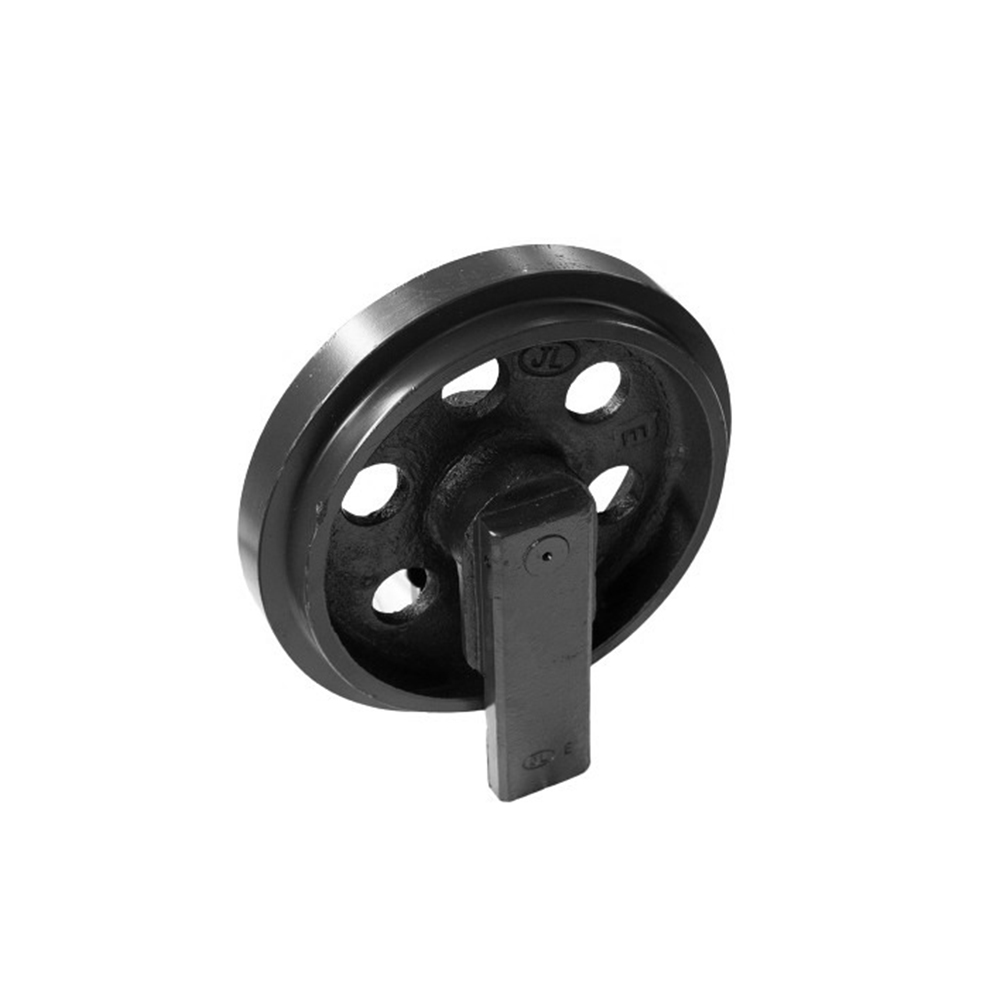
建設現場の絶え間ないストレスと摩耗条件により、車台コンポーネントは摩耗品となります。. しかし, これらのコンポーネントの品質は長期的な効率に直接影響します。. 高品質なものへの投資 足回り部品 信頼できるサプライヤーからの製品は、単に部品の寿命を延ばすだけではありません; システム全体の効率を維持することが重要です. 摩耗したスプロケット, 伸びたトラックチェーン, またはローラーの固着により、車台内の摩擦と寄生エネルギー損失が大幅に増加します。. これにより、同じ移動速度を達成するためにエンジンがより強力に動作するようになります。, 燃料消費量を直接増加させる. 正確な OEM 仕様に従って製造されたプレミアム交換部品により、適切なフィット感と機能が保証されます。, 機械が新品のときと同じように車台を効率的に動作し続けるのに役立ちます。.
長期的な財務への影響を説明するため, 4,000 時間の稼働期間にわたる標準車台コンポーネントと高級車台コンポーネントの次の比較を検討してください。.
| メトリック | 標準品質のコンポーネント | プレミアム品質のコンポーネント |
|---|---|---|
| 初期費用 | 基本価格 | 基本価格 + 20% |
| コンポーネントの寿命 | ~2,000時間 | ~4,000時間 |
| 代替イベント | 1 (で 2,000 時間) | 0 |
| 交換のためのダウンタイム | 8 時間 | 0 時間 |
| 燃費への影響 | 2-4% 部品が磨耗すると減少します | <1% 寿命とともに減少する |
| 総コストオーバー 4,000 時間 | 初期費用 + 交換費用 + ダウンタイムコスト + 余分な燃料費 | 初期費用 |
表が示すように, 高級コンポーネントへのわずかに高い初期投資は、多くの場合、中年の交換サイクルを排除することで回収されます。, ダウンタイムの削減, 持続的な燃料効率.
革新 4: スマートアタッチメントと統合マシンコントロール
ミニショベルの効率は機械だけで決まるわけではありません. ブームの終わりにあるツールが実際の作業を実行します, そしてアタッチメント技術と機械制御の革新により、その作業のやり方が変わりつつあります。. この動きは「愚かな鋼鉄」から離れるものである" そしてインテリジェントに向けて, 精度を高める統合システム, 手戻りを減らす, プロジェクトのタイムラインを大幅に短縮します.
バケットからインテリジェントツールへの進化
何十年もの間, ミニ掘削機の標準ツールキットは、いくつかの異なるサイズの掘削バケットで構成されていました。, グレーディングバケット, そしておそらく油圧ハンマー. 今日, 利用可能なアタッチメントの数は膨大です, そして多くは現在独自のテクノロジーを組み込んでいます. チルトローテーター, 例えば, ヨーロッパの求人サイトではよく見られるもので、世界中で人気が高まっています. この「手首」" ブームの端にあるバケットやその他のアタッチメントを回転させることができます。 360 度まで傾けてください 45 左右に度. この機能により、オペレーターは複雑な形状を掘削することができます。, 勾配の勾配, マシン自体の位置を常に変更することなく、驚異的な精度でオブジェクトを配置できます。. オペレーターがトラックの移動を回避するたびに, 時間と燃料の両方を節約できます.
その他のスマート アタッチメントには、傾斜と勾配に関するリアルタイムのフィードバックを提供する統合センサーを備えたグレーディング バケットが含まれます。, または、最初のパスで締固め仕様が満たされていることを確認するために土壌密度を測定する締固めプレート. これらのツールは、即座に, オペレーターへの実用的な情報, グレーディングロッドまたは別の試験装置を使用する 2 人目の作業者の必要性を軽減します。.
GPSとマシンコントロールの統合
このトレンドの頂点は、アタッチメントと 2D および 3D マシン制御システムの統合です。. These systems use GPS or robotic total stations to determine the precise position of the bucket's cutting edge in real-time. プロジェクト設計計画は、運転室内の堅牢なコンピュータ ディスプレイにロードされます。. The operator can then see a graphical representation of their bucket's position relative to the desired final grade.
2D システムの場合, オペレーターは回転レーザーを基準点として使用し、希望の深さと傾斜を設定できます。. キャブ内のディスプレイには、バケットの端が上にあるかどうかが表示されます, 下に, またはグレード上で. これは、公共施設用の溝を掘ったり、平らな建築パッドを作成したりするようなタスクに最適です。.
3D システムはさらに進化します. GPSの使用, 3D デジタル サイト モデル上でマシンを追跡します。. オペレーターは現場全体で自分の位置を確認し、複雑な輪郭を掘削できます。, 坂道, センチメートルレベルの精度のプロファイル. 一部の高度なシステムでは半自律制御も提供されています, システムはブームとスティック機能を自動的に制御し、オペレーターが目標勾配を超えて掘削するのを防ぎます。.
これらのシステムによる効率の向上は計り知れません. 事実上、地上での測量杭や等級チェッカーの必要性がなくなります。, 現場の安全性の向上. 掘りすぎ、掘りすぎによる手戻りが大幅に軽減されます, 時間を節約できる, 燃料, 追加の埋め戻し材料のコスト. これまで何日もかかって慎重な手作業が必要だったタスクが、数時間で完了できるようになりました。. 強力なものを使用する能力 掘削機リッパー 正確なガイド付き, 例えば, これまでのようなコストのかかる当て推量を必要とせずに、岩石や硬い土の効率的な掘削が可能になります。.
革新 5: テレマティクスとデータドリブンのフリート管理
現代の効率性パズルの最後のピースはデータです. 世界で最も先進的なミニショベルは依然として非効率的に操作される可能性がある. テレマティクス システムは、車両管理者と所有者が監視する必要がある情報を提供します。, 管理, 機械とオペレーターのパフォーマンスを最適化します。. このテクノロジーは、高級なアドオンから、ほとんどの新しい建設機械の標準機能に移行しました。.
テレマティクスの仕組み
テレマティクス システムは本質的には小規模なものです, 携帯電話または衛星モデムと GPS 受信機を備えたマシン上の頑丈なコンピューター. This unit constantly collects a vast stream of data from the machine's electronic control module (ECM) およびその他のセンサー. This data is then transmitted to a secure web portal where it can be accessed by the machine's owner.
収集されるデータの種類は包括的であり、次のものが含まれます。:
- 位置: リアルタイムの GPS 追跡によりマシンの位置を監視し、盗難を防止します.
- 営業時間: 予防メンテナンスのスケジュールを立てるためのエンジン時間の正確な追跡.
- 燃費: 燃焼した燃料の正確な測定, 燃費の計算が可能 (例えば。, リットル/時間).
- アイドル時間: 機械がアクティブに動作していないときにエンジンが稼働している時間. これは無駄な燃料を特定するための重要な指標です.
- マシンの状態 & 故障コード: システムは診断トラブルコードを報告できます, エンジン温度が高い, または液体レベルが低い, 多くの場合、オペレータが問題に気づく前に.
- 利用データ: 機械の使用状況に関する情報, さまざまな作業モードで費やした時間や、特定の機能がアクティブになっている時間の割合など.
データを効率性の決定に役立てる
この生データは、より賢明なビジネス上の意思決定を行うための基盤となります. 中東のフリートマネージャー, 複数のサイトにある数十台のマシンを監視する, can log into a portal and see a complete picture of their fleet's health and productivity.
1 つのプロジェクトの燃料コストが不可解に高額になることはありますか? テレマティクス データから過剰なアイドル時間が判明する可能性がある, 使用していないときに機械をシャットダウンするためのオペレーターのトレーニングの必要性を示しています。. Or it might show that an operator is consistently using 'Power' 軽作業用モード, when 'Eco' モードの方が適切でしょう.
油圧温度警告が繰り返し表示される特定の機械です? これはコンポーネントの故障を示す初期の兆候である可能性があります, 現場で致命的な障害が発生する前に、事前にメンテナンスを計画できるようになります。. この予知保全機能, テレマティクスによって導かれる, 計画外のダウンタイムを最小限に抑えるための強力なツールです, これは建設における隠れた最大のコストの 1 つです.
長期にわたる傾向を分析することにより, 管理者は将来の機器の取得についてより適切な決定を下すこともできます. 独自のアプリケーションでさまざまなモデルの実際の燃料効率と生産性を比較できます。, 真の総所有コストを計算するための強固な基礎を提供します. テレマティクスから収集した洞察は、フリート管理を事後的なプロセスからプロアクティブなプロセスに変革します。, 収益性を最大化するためのデータドリブン戦略.
よくある質問 (よくある質問)
電動ミニショベルは実際の建設作業に十分なパワーを持っていますか?
はい, 絶対に. よくある誤解は、電力が消費されるとパフォーマンスが低下するということです。. 実際には, 電気モーターは瞬間的なトルクを生成します, これにより、電動ミニショベルはディーゼルのミニショベルよりもさらに応答性が高くなります。. これらは、同様のサイズクラスのディーゼルモデルと同じ破壊力と油圧性能を提供するように設計されています。, 完全に溝を掘ることができるようにする, 解体, およびマテリアルハンドリングタスク.
投資収益率はいくらですか (ROI) ハイブリッドミニショベル用?
ハイブリッド マシンの ROI は、燃料コストと使用率に大きく依存します。. ディーゼルの価格が高くなり、機械の使用時間が長くなるほど, 返済が早いほど. トラックへの積み込みや掘削など、スイング機能を常に使用するハイサイクル用途向け, 燃料の節約が最大化されます. 一般的な計算では、投資回収期間は 2 ~ 4 年になる可能性があります。, その後、機械は残りの運用寿命にわたって大幅な節約を実現します.
これらの新しい効率技術を古いミニショベルに改造できますか??
一部のテクノロジーは後付け可能ですが、, 他の人はできない. テレマティクス システムは一般にアフターマーケット キットとして入手可能で、ほぼすべてのマシンにインストールできます。. 機械制御システム (2Dと3D) 古い掘削機にも取り付けることができます, 合理的に最新の油圧システムを備えている場合. しかし, core powertrain technologies like hybrid-electric systems or advanced load-sensing hydraulics are deeply integrated into the machine's design and cannot be practically retrofitted.
オペレータのテクニックはこれらの新しい機械の効率にどのような影響を与えるのか?
オペレーターのテクニックは依然として非常に重要な要素です. 先進的なシステムでも, 動きを予測する熟練したオペレーター, スムーズなコントロールを使用, 不必要なマシンの位置変更を最小限に抑え、より効率的になります。. テレマティクスなどのテクノロジーは、オペレーターのコーチングが必要な領域を特定するのに役立ちます, アイドル時間を減らす、または正しい作業モードを使用するなど. 多くのミニショベルの効率革新の目標は、すべてのオペレータがより高いレベルで作業を容易にできるようにすることです。.
電気ショベルとハイブリッドショベルには専門的なメンテナンスが必要ですか??
さまざまなメンテナンスが必要です, 必ずしも専門的である必要はない. 電動ショベルはエンジン関連のメンテナンスを不要にします (オイル交換, フィルターの交換), ただし、バッテリーの状態と電気的接続を監視する必要性が生じます. ハイブリッド システムには標準的なサービスが必要なディーゼル エンジンが搭載されています, さらに、コンデンサーやモータージェネレーターなどの電気コンポーネントをメンテナンスする必要もあります。. これらの高電圧システムを安全に作業するには、技術者に追加のトレーニングが必要な場合があります。.
足回りは燃費にとってそれほど重要なのでしょうか??
はい, それは重要な要素ですが、見落とされがちです. メンテナンスが不十分または低品質の車台では、摩擦や抗力によってエネルギーが大幅に失われます。. この寄生損失により、エンジンは機械を動かすためだけにより多くの出力を生成する必要があります。, 燃料燃焼を直接増加させる. 定期的な清掃, 適切なトラックのテンション調整, 高品質のコンポーネントの使用は、燃費を最大化するために不可欠なメンテナンスです。.
小規模請負業者に最高の価値を提供するイノベーションはどれですか?
小規模の請負業者またはオーナー経営者の場合, 最高の価値は、多くの場合、最も早く、最も具体的な利益をもたらすテクノロジーから生まれます。. テレマティクス システムは比較的低コストの投資であり、アイドリングによる燃料の無駄を即座に特定できます。. 新しい機械を購入する場合, ハイブリッド モデルは多くの場合、優れたバランスを実現します, 完全電動掘削機のようなインフラストラクチャ要件を必要とせずに、燃料を大幅に節約できます。, それは非常に現実的な選択です.
結論
ミニショベルの効率革新の風景を辿る旅は、進歩の明確で説得力のある物語を明らかにします. 業界は、生のパワーの単一の追求を超えて、より総合的なパフォーマンスの定義に向けて決定的に移行しつつあります。, 燃費が良いところ, 排出量, 精度, データインテリジェンスも同様に重要です. 完全電気およびハイブリッド電気パワートレインの出現は、最も重要な技術的飛躍を示す, 運用コストを大幅に削減し、厳格化する環境基準を満たすための道筋を提供します, エネルギー回生に関する広範な研究によって実証された開発 (チュオンら。, 2021).
同時に, 油圧システム内で起こっている静かな革命, 知的なのが特徴, 負荷感知制御, オペレータがより速く、より精緻に作業できるようになります. This is complemented by the growing sophistication of the machine's interaction with its environment, エネルギー損失を最小限に抑え、スマートな足回り設計により、, 推測を正確に変える GPS ガイド付きアタッチメント. ついに, 運用全体に広がるテレマティクス データの層が重要なフィードバック ループを提供します, オーナーとマネージャーが洞察を行動に移せるようにする, オペレーターの行動から長期的なフリート戦略まであらゆるものを最適化. 競争市場の請負業者向け 2025 そしてその先へ, これらのイノベーションを採用することは、単なる改善の選択肢ではありません; それはより収益性の高い企業を構築するための基本的な戦略です, 持続可能な, 回復力のあるビジネス.
参照
栗原, K., の上, H., Shitara, Y., & 電話してください, H. (2022). 全電動ミニショベルの研究. コマツテクニカルレポート, 68(175), 2–9.
北京語, L., どれの, J., & 張, s. (2023). 油圧・電気ハイブリッドシステムによるマイニングショベル巻上旋回システムのエネルギー効率特性に関する研究. 中国機械工学ジャーナル, 36(1), 164. https://doi.org/10.1186/s10033-023-00970-x
チュオン, d. Q., の, T. H., アン, K. K., & 公園, H. g. (2021). 油圧ショベルのエネルギー回生技術の開発: レビュー. 再生可能エネルギーと持続可能なエネルギーのレビュー, 145, 111045.
どれの, J., 北京語, L., ゲ, L., 張, X., & 趙, B. (2025). 電気エネルギー回収システムと油圧エネルギー回収システムを統合した掘削機用の新しいハイブリッド ドライブ スイング システムの設計と制御. エネルギー, 300, 134707.