
सार
भारी निर्माण मेसिनरीको अन्डरकेरिजले फ्लीट अपरेटरहरूको लागि पर्याप्त परिचालन खर्च प्रतिनिधित्व गर्दछ।, often accounting for up to half of a machine's total maintenance budget. त्यसकारण यी कम्पोनेन्टहरूको प्रभावकारी व्यवस्थापन प्राविधिक कार्य मात्र नभई महत्वपूर्ण वित्तीय रणनीति हो. यस कागजातले विश्वव्यापी रूपमा फैलिएको फ्लीटहरूको लागि अन्डरक्यारेज मर्मतसम्भार र खरीदको बहुआयामिक चुनौतीहरूको जाँच गर्दछ।. यसले व्यवस्थित प्रस्ताव गर्छ, लागत कम गर्न र उपकरणको दीर्घायु बढाउन डिजाइन गरिएको पाँच-चरण फ्रेमवर्क. दृष्टिकोणले भागहरूको रणनीतिक स्रोतको साथ घटक शरीर रचना र अनुप्रयोग-विशिष्ट आवश्यकताहरूको पूर्ण बुझाइलाई एकीकृत गर्दछ।, प्रारम्भिक मूल्यमा स्वामित्वको कुल लागतलाई जोड दिँदै. यसबाहेक, यसले सक्रिय मर्मत प्रोटोकलहरूको कार्यान्वयन र अपरेटरको उत्तम अभ्यासहरूको खेतीको विवरण दिन्छ।. अन्तमा, यसले प्रतिक्रियात्मक मर्मतबाट भविष्यवाणी गर्ने फ्लीट व्यवस्थापनमा संक्रमणमा आधुनिक डाटा एनालिटिक्स र टेलिमेटिक्सको भूमिका अन्वेषण गर्दछ।. यस विस्तृत गाइडले फ्लीट अपरेटरहरूलाई तिनीहरूको अन्डरक्यारेज पार्ट्सहरूको कार्यसम्पादन र आर्थिक दक्षतालाई अनुकूलन गर्नको लागि कार्ययोग्य विधि प्रदान गर्दछ।.
कुञ्जी टेकअवेज
- विशेष भू-भाग र प्रभाव स्तरहरूमा अन्डरक्यारेज कम्पोनेन्टहरू मिलाउन फ्लीट-वाइड अडिटको विकास गर्नुहोस्।.
- स्वामित्वको कुल लागतको आधारमा आपूर्तिकर्ताहरूको मूल्याङ्कन गर्नुहोस्, प्रारम्भिक भाग मूल्य मात्र होइन.
- कडा दैनिक सफाई लागू गर्नुहोस् र एक्सेलेरेटेड पहिरन रोक्नको लागि तनाव-जाँच गर्ने दिनचर्या ट्र्याक गर्नुहोस्।.
- अपरेशनको क्रममा अण्डरक्यारेज प्रणालीमा तनाव कम गर्ने प्रविधिहरूमा अपरेटरहरूलाई तालिम दिनुहोस्.
- फ्लीट अपरेटरहरूका लागि अन्डरक्यारेज पार्ट्सहरूको मर्मतसम्भार पूर्वानुमान गर्न टेलिमेटिक्स डेटा प्रयोग गर्नुहोस् र डाउनटाइम कम गर्नुहोस्.
सामग्रीको तालिका
- चरण 1: आधारभूत मूल्याङ्कन र तपाईंको फ्लीटको आवश्यकताहरू बुझ्न
- चरण 2: रणनीतिक सोर्सिङ र अन्डरक्यारेज पार्ट्स को चयन
- चरण 3: एक सक्रिय रखरखाव र निरीक्षण प्रोटोकल लागू गर्दै
- चरण 4: सञ्चालक उत्कृष्टता र उत्तम अभ्यासहरू खेती गर्दै
- चरण 5: दीर्घकालीन लागत घटाउनको लागि प्रविधि र डाटाको लाभ
- बारम्बार सोधिने प्रश्नहरू (FAQ)
- निष्कर्ष
- सन्दर्भहरू
चरण 1: आधारभूत मूल्याङ्कन र तपाईंको फ्लीटको आवश्यकताहरू बुझ्न
The journey toward mastering the lifecycle of your fleet's undercarriages begins not with a wrench, तर सावधान प्रतिबिम्ब र विश्लेषण को अवधि संग. अण्डरक्यारेजलाई प्रतिस्थापनयोग्य धातुको मात्र संग्रहको रूपमा व्यवहार गर्नु यसको प्रकृतिलाई जटिल रूपमा बेवास्ता गर्नु हो, dynamic system—the very foundation upon which your machine's productivity rests. फ्लीट अपरेटरहरूको लागि, विशेष गरी अष्ट्रेलिया जस्ता क्षेत्रहरूको विविध र माग गर्ने भूभागहरूमा फैलिएको सम्पत्ति भएकाहरू, रूस, वा मध्य पूर्व, अन्डरक्यारेज व्यवस्थापनको लागि सतही दृष्टिकोणले दिगो लागत र अप्ठ्यारो डाउनटाइमलाई आमन्त्रित गर्दछ. पहिलो चरण, त्यसैले, गहिरो बनाउनु छ, मेसिनरी आफैं र यसले परिश्रम गर्ने अद्वितीय वातावरण दुवैको आधारभूत समझ. यसमा यसको भागहरूको अन्तरक्रियाको कदर गर्नको लागि अन्डरक्यारेजको शरीर रचनाको विच्छेदन समावेश छ, conducting a rigorous audit of your fleet's current condition, र, सबैभन्दा महत्त्वपूर्ण, सही काममा सही कम्पोनेन्टहरू मिलाउनको लागि एक सूक्ष्म रणनीति विकास गर्दै.
अन्डरकैरेजको एनाटॉमी: प्रणाली को एक प्रणाली
एक रोग निदान गर्न वा एक उपाय लेख्न सक्नु अघि, पहिले शरीरलाई बुझ्नुपर्छ. एउटै सिद्धान्त भारी मेसिनरीहरूमा लागू हुन्छ जुन तपाईंको सञ्चालनको मेरुदण्ड बनाउँछ. एक उत्खनन वा डोजर अन्डरक्यारिज एउटै इकाई होइन तर कम्पोनेन्टहरूको जटिल संयोजन हो।, प्रत्येक एक विशिष्ट भूमिका संग, र प्रत्येकले अरूसँग सहजीवी सम्बन्ध राख्छ. एउटा भागको असफलताले सधैं छिमेकीहरूको मृत्युलाई गति दिन्छ. आउनुहोस्, त्यसपछि, यस मेकानिकल इकोसिस्टम मार्फत हिंड्न एक क्षण लिनुहोस्.
सम्पूर्ण ट्र्याक एसेम्बलीलाई आत्म-निहित लोकोमोटिभ प्रणालीको रूपमा कल्पना गर्नुहोस्. द ट्र्याक चेन, वा लिङ्क विधानसभा ट्र्याक गर्नुहोस्, यसको मेरुदण्डको रूपमा काम गर्दछ. यो अन्तरसम्बन्धित श्रृंखला हो, कडा इस्पात लिङ्कहरू, पिन, र लचिलो बन्ने बुशिंगहरू, निरन्तर लूप. This chain is the conduit through which the machine's driving force is transmitted to the ground. पिन र बुशिंगहरू बीचको आन्तरिक पहिरन ट्र्याक "स्ट्रेच" को प्राथमिक चालक हो" वा पिच विस्तार, एक महत्वपूर्ण पहिरन सूचक जुन हामी पछि अन्वेषण गर्नेछौं.
यस चेनमा बोल्ट गरिएको छ ट्र्याक जुत्ता, ट्र्याक प्याड वा ग्राउजर पनि भनिन्छ. यी कम्पोनेन्टहरू हुन् जसले पृथ्वीसँग सीधा सम्पर्क गर्दछ. तिनीहरूले कर्षण प्रदान गर्छन्, वा पकड, मेसिनले आफैलाई चलाउन आवश्यक छ र यसको विशाल वजन वितरण गर्न फ्लोटेशन आवश्यक छ, यसलाई नरम जमीनमा डुब्नबाट रोक्न. जसरी हामी देख्नेछौं, ट्र्याक जुत्ताको डिजाइन - यसको चौडाइ र यसको ग्राउजरको संख्या र आकार - मेसिनलाई यसको विशिष्ट कार्य वातावरणमा अनुकूलन गर्न सबैभन्दा महत्त्वपूर्ण विकल्प हो। (GFM भागहरू, 2025).
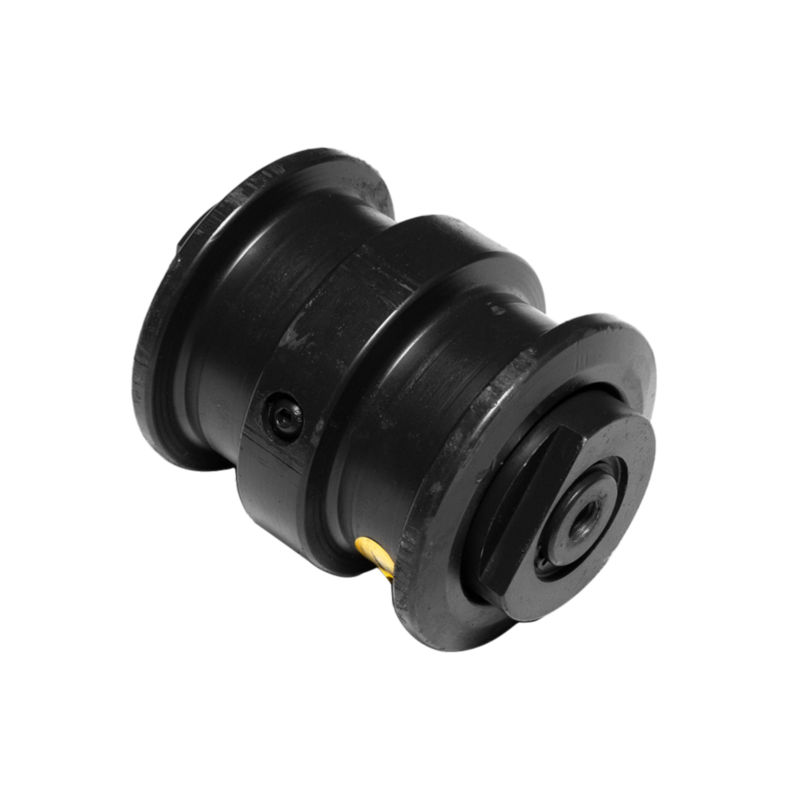
Supporting the machine's weight and guiding the track chain are the रोलरहरू. त्यहाँ दुई प्रकारका छन्. ट्र्याक रोलरहरू, वा तल रोलरहरू, are mounted to the bottom of the track frame and bear the machine's weight directly onto the track chain. तिनीहरू मेसिनका खुट्टा हुन्, लगातार ठूलो दबाबमा. क्यारियर रोलरहरू, वा शीर्ष रोलरहरू, ट्र्याक फ्रेम को शीर्ष मा माउन्ट गरिएको छ. तिनीहरूको काम भनेको ट्र्याक चेनको वजनलाई समर्थन गर्नु हो, यसलाई अत्यधिक ढल्काउनबाट रोक्न र यसको पङ्क्तिबद्धता कायम राख्न. यी रोलरहरू मध्ये कुनै पनि असफलता, अक्सर एक तेल चुहावट द्वारा संकेत, प्रणालीभरि पहिरन समस्याहरूको क्यास्केड निम्त्याउन सक्छ (उत्पत्ति मेसिनरी, 2024).
ट्र्याक फ्रेमको अगाडि, तपाईंले फेला पार्नुहुनेछ अल्छी. The idler's primary purpose is to guide the track chain back around toward the rollers and to serve as the mechanism for adjusting track tension. यो एक संचालित कम्पोनेन्ट होइन तर फ्री-स्पिनिङ व्हील हो, यसको रिकोइल वसन्त विधानसभा संग, ट्र्याक प्रणालीको अगाडि सामना गरिएको झटका भारहरू अवशोषित र ओसिलो बनाउँछ.
अन्तमा, पछाडि, छ sprocket. This is the-toothed wheel that is turned by the machine's final drive motor. The sprocket's teeth engage with the bushings of the track chain, transferring the engine's power to the track and driving the machine forward or backward. It is the engine's handshake with the ground. The wear on its teeth must perfectly match the wear on the track chain's bushings for efficient power transfer.
यो अन्तर्क्रिया बुझ्नु कुनै पनि फ्लीट अपरेटरको लागि पहिलो चरण हो. एक लगाएको स्प्रोकेटले नयाँ चेनलाई नष्ट गर्नेछ. कब्जा गरिएको रोलरले ट्र्याक लिङ्कहरूमा फ्ल्याट स्पटहरू पीस्नेछ. गलत ट्र्याक तनावले idlers मा ठूलो बल प्रयोग गर्नेछ, रोलरहरू, र अन्तिम ड्राइभहरू. यो एक बन्द प्रणाली हो जहाँ एक घटक को स्वास्थ्य सबै को स्वास्थ्य संग जोडिएको छ.
फ्लीट-वाइड अन्डरक्यारेज अडिट सञ्चालन गर्दै
With a firm grasp of the undercarriage's anatomy, अर्को तार्किक कार्य तपाईको सम्पूर्ण फ्लीटमा व्यापक स्वास्थ्य मूल्याङ्कन गर्नु हो. यो साधारण भिजुअल चेक होइन; यो एक डेटा जम्मा गर्ने अभ्यास हो जसले तपाईंको सम्पूर्ण व्यवस्थापन रणनीतिको आधार बनाउँछ. लक्ष्य एक विस्तृत "पहन प्रोफाइल सिर्जना गर्न छ" प्रत्येक मेसिनको लागि, जसले तपाईंलाई प्रतिक्रियात्मकबाट सार्न अनुमति दिनेछ "यसलाई ब्रेक गर्दा यसलाई ठीक गर्नुहोस्" एक सक्रिय मोडेल, भविष्यवाणी गर्ने एक.
तपाईको लेखापरीक्षण सावधानीपूर्वक रेकर्ड-किपिङबाट सुरु हुनुपर्छ. प्रत्येक मेसिनको लागि, तपाईंले यसको बनावट जान्न आवश्यक छ, मोडेल, उमेर, र कुल सञ्चालन घण्टा. अझ महत्त्वपूर्ण कुरा, तपाईंले यसको हालको अन्डरक्यारेजमा घण्टाहरू ट्र्याक गर्न आवश्यक छ. यो आधारभूत डेटा बिना, जीवनचक्र विश्लेषणको कुनै पनि प्रयास व्यर्थ छ.
अर्को भौतिक निरीक्षण आउँछ, जुन तपाइँको फ्लीट मा एकरूप डाटा सुनिश्चित गर्न को लागी मानकीकृत हुनुपर्छ. यसले स्पष्ट ब्रेकेजहरू खोज्नु भन्दा बढी समावेश गर्दछ. तपाईंले पहिरन मापन गर्न आवश्यक छ. अल्ट्रासोनिक मोटाई गेजहरू र गहिराइ गेजहरू जस्ता विशेष उपकरणहरू प्रयोग गर्दै, तपाइँका प्राविधिकहरूले मुख्य पहिरन बिन्दुहरू मापन गर्नुपर्छ:
- ट्र्याक चेन पिच: आन्तरिक पिन र बुशिंग पहिरनको सीमा निर्धारण गर्न लिङ्कहरूको सेट संख्यामा दूरी मापन गर्नुहोस्।, वा "तान्नुहोस्।"
- रोलर ट्रेड व्यास: ट्र्याक र क्यारियर रोलरहरूको बाँकी व्यास नाप्नुहोस् तिनीहरूको पहिरनको जीवन नाप्नुहोस्.
- बुशिंग बाह्य व्यास: ट्र्याक चेन बुशिङको बाहिरी भागमा पहिरन नाप्नुहोस्.
- Sprocket दाँत प्रोफाइल: स्प्रोकेट दाँतमा पहिरनको ढाँचा जाँच गर्न गेज प्रयोग गर्नुहोस्.
- ट्र्याक जुत्ता Grouser उचाइ: बाँकी कर्षण निर्धारण गर्न grousers को उचाइ मापन गर्नुहोस्.
This data should be logged against the machine's undercarriage hours. समयसँगै, यसले तपाइँलाई प्रत्येक मेसिनको लागि यसको विशिष्ट अनुप्रयोगमा पहिरन कर्भ प्लट गर्न अनुमति दिनेछ. तपाईंले ढाँचाहरू हेर्न सुरु गर्नुहुनेछ. पश्चिमी अष्ट्रेलियाको खानीको अत्यधिक घर्षण गर्ने सिलिका बालुवामा काम गर्ने डोजरले भिजेमा उत्खनन गर्ने एक्काभेटर भन्दा फरक पहिरन प्रोफाइल देखाउनेछ।, दक्षिणपूर्व एशियाई निर्माण स्थलको माटोले भरिपूर्ण माटो. यो डाटा तपाईंको सबैभन्दा शक्तिशाली उपकरण हो. यसले तपाइँलाई भविष्यवाणी गर्न अनुमति दिन्छ जब कम्पोनेन्टहरू उनीहरूको सेवायोग्य जीवनको अन्त्यमा पुग्छन्, तपाईंलाई डाउनटाइम समय तालिका बनाउन र भागहरू अग्रिम अर्डर गर्न सक्षम गर्दै, मर्मत सम्भारलाई आपतकालिनबाट योजनामा परिणत गर्दै, लागत-नियन्त्रित गतिविधि.
एप्लिकेसन र भू-भागमा अन्डरक्यारिज मिल्दो
यस आधारभूत चरणको अन्तिम टुक्रा भनेको तपाईंका मेसिनहरू तिनीहरूका कार्यहरूका लागि ठीकसँग सुसज्जित छन् कि छैनन् भनी आलोचनात्मक रूपमा मूल्याङ्कन गर्नु हो।. एउटा सामान्य गल्ती भनेको मेसिनसँग डेलिभर गरिएको मानक अन्डरक्यारेज कन्फिगरेसन स्वीकार गर्नु हो. ठूलो को लागी, विविध फ्लीट, यो एक-आकार-फिट-सबै दृष्टिकोण अत्यधिक लागतको लागि एक नुस्खा हो. अधिकार को चयन फ्लीट अपरेटरहरूको लागि अन्डरक्यारिज भागहरू ईन्जिनियरिङ् निर्णय मा एक अभ्यास हो, सन्तुलन कर्षण, तैरने, प्रतिरोध लगाउने, र लागत.
यहाँ सबैभन्दा महत्त्वपूर्ण विकल्प ट्र्याक जुत्ता हो. लक्ष्य भनेको सम्भव भएसम्म साँघुरो जुत्ता प्रयोग गर्नु हो जसले अझै पनि जमिनको अवस्थाको लागि पर्याप्त फ्लोटेशन प्रदान गर्दछ. किन? किनभने फराकिलो जुत्ताले टर्निङ प्रतिरोध बढाउँछ, सम्पूर्ण अन्डरक्यारेज प्रणालीमा अधिक तनाव र टोर्सनल भार राख्दै, पिन र बुशिङबाट ट्र्याक फ्रेममा नै. फराकिलो जुत्तामा जमिनको सम्पर्कमा सतहको क्षेत्रफल पनि बढी हुन्छ, घर्षण अवस्थाहरूमा पहिरनको दर बढ्दै.
ग्रुजरको प्रकार पनि उत्तिकै महत्त्वपूर्ण छ.
- एकल ग्राउजर जुत्ता: उच्चतम प्रवेश र कर्षण प्रस्ताव गर्नुहोस्. तिनीहरू चट्टान वा कडा-प्याक गरिएको जमिनमा अनुप्रयोगहरूको लागि उपयुक्त छन् जहाँ अधिकतम पकड आवश्यक छ.
- डबल ग्रुजर जुत्ता: कम प्रवेश तर राम्रो घुमाउने क्षमता प्रदान गर्नुहोस् र धेरै उत्खनन अनुप्रयोगहरूको लागि राम्रो विकल्प हो जहाँ मेसिनले बारम्बार चाल चलाउनु पर्छ।. तिनीहरूले कर्षण र कम जमीन अशांति बीच राम्रो सन्तुलन प्रदान गर्दछ.
- ट्रिपल ग्राउजर जुत्ता: उत्खनन मा सबै भन्दा साधारण प्रकार, यी सबै भन्दा राम्रो गतिशीलता र न्यूनतम जमीन गडबड प्रदान गर्दछ, तिनीहरूलाई समाप्त सतहहरू वा नरम जमीनको लागि उपयुक्त बनाउन. यद्यपि, तिनीहरूको कर्षण एकल वा डबल ग्रुजर डिजाइनहरू भन्दा कम छ. GFM भागहरू यी प्रकारहरूको राम्रो विश्लेषण प्रदान गर्दछ.
- दलदल वा समतल जुत्ता: यी धेरै फराकिलो जुत्ताहरू हुन् जसमा न्यूनतम वा कुनै ग्राउजरहरू छैनन्, अत्यन्त नरममा फ्लोटेशन अधिकतम बनाउन डिजाइन गरिएको, दलदली अवस्था, जस्तै दक्षिणपूर्व एशियाका भागहरूमा वा वेटल्याण्ड पुन: प्राप्ति परियोजनाहरूमा पाइन्छ.
तलको तालिकाले तपाईंको फ्लीटले सामना गर्न सक्ने विविध परिचालन वातावरणहरूमा ट्र्याक जुत्ताका प्रकारहरू मिलाउनको लागि सरल मार्गनिर्देशन प्रदान गर्दछ।.
| भूभाग/अनुप्रयोग | प्राथमिक चुनौती | Track Shoe सिफारिस गर्नुभयो | तर्क |
|---|---|---|---|
| साइबेरियन पर्माफ्रोस्ट (रूस) | कम कर्षण, जमेको जमीन | एकल ग्रुजर, उच्च कठोरता | बर्फीली समात्न अधिकतम प्रवेश आवश्यक छ, कडा सतहहरू. अत्याधिक चिसोमा भंगुर बन्न प्रतिरोध गर्न स्टिल तयार हुनुपर्छ. |
| अष्ट्रेलियाली फलाम खानी | उच्च घर्षण | एकल ग्रुजर, उच्च घर्षण प्रतिरोधी मिश्र धातु | चट्टान र माटोको घर्षण प्रकृतिलाई ढिलो पहिरन गर्नको लागि सबैभन्दा कठिन सम्भव सामग्री चाहिन्छ. उच्च कर्षण पनि आवश्यक छ. |
| मध्य पूर्वी बालुवा टिब्बा | कम फ्लोटेशन, उच्च घर्षण | चौडा ट्रिपल ग्राउजर वा फ्ल्याट जुत्ता | तौल वितरण गर्न र डुब्नबाट जोगाउन चौडा जुत्ता आवश्यक छ. राम्रो बालुवा अत्यधिक घर्षण छ, त्यसैले भौतिक कठोरता अझै एक कारक हो. |
| दक्षिणपूर्व एशियाई पाम वृक्षारोपण | नरम, हिलो माटो, प्याकिङ | डबल वा ट्रिपल ग्राउजर (चरम अवस्थामा दलदल प्याड) | प्राथमिकता तैरने र जमिनको अशान्तिलाई कम गर्ने हो. "प्याकिङ" लाई रोक्नको लागि डिजाइनले माटो पनि बगाउनुपर्छ।" |
| कोरियाली शहरी विध्वंस | मिश्रित मलबे, कंक्रीट | डबल किराना, उच्च प्रभाव प्रतिरोध | जुत्ताले रिबार र कंक्रीट टुक्राबाट प्रभावलाई प्रतिरोध गर्नुपर्दछ. राम्रो गतिशीलता पनि सीमित स्थानहरूमा कुञ्जी हो. |
| अफ्रिकी जलोढ़ खनन | भिजेको, चिप्लो माटो & बजरी | डबल किराना | चिप्लो अवस्थाहरूमा कर्षण प्रदान गर्नको लागि एक सन्तुलन आवश्यक छ अत्यधिक मात्रामा खन्ने र मूल्यवान जमिन तहमा अवरोध नगरी।. |
यो तीन-भाग आधारभूत मूल्याङ्कन पूरा गरेर - शरीर रचना बुझ्दै, आफ्नो फ्लीट लेखा परीक्षा, र एप्लिकेसनमा मिल्दो कम्पोनेन्टहरू - तपाईंले आफ्नो दृष्टिकोणलाई अन्डरक्यारेज व्यवस्थापनमा परिवर्तन गर्नुहुन्छ. तपाईं अब मर्मत लागतको निष्क्रिय प्राप्तकर्ता होइन तर एक सक्रिय रणनीतिकार हुनुहुन्छ, थप प्रभावकारीको लागि आधार तयार गर्दै, भरपर्दो, र लाभदायक फ्लीट सञ्चालन.
चरण 2: रणनीतिक सोर्सिङ र अन्डरक्यारेज पार्ट्स को चयन
Having established a deep understanding of your fleet's operational demands and the current state of your equipment, हाम्रो व्यवस्थित दृष्टिकोणको दोस्रो चरण प्रतिस्थापन पार्ट्सको खरिदसँग सम्बन्धित छ. यो जटिलताले भरिएको डोमेन हो, जहाँ सबैभन्दा कम मूल्यको विकल्प छनौट गर्ने स्पष्ट बुद्धिले प्रायः उच्च दीर्घकालीन खर्चहरूको कास्केड निम्त्याउन सक्छ।. विवेकी फ्लीट अपरेटरको लागि, सोर्सिङ मात्र लेनदेन होइन; यो एक रणनीतिक निर्णय हो जुन मेशिन अपटाइम को लागी गहिरो प्रभाव छ, श्रम लागत, र समग्र परियोजना नाफा. यो चरण मूल उपकरण निर्माता बीच एक सावधान विचार विमर्श आवश्यक छ (OEM) र aftermarket भागहरु, भौतिक विज्ञानमा गहिरो डुब्न जसले गुणस्तरको कम्पोनेन्ट परिभाषित गर्दछ, र तपाईंको परिचालन सफलतामा सहयोगीको रूपमा काम गर्न सक्ने आपूर्तिकर्ताहरूसँग बलियो साझेदारीको खेती।.
OEM बनाम. आफ्टरमार्केट छलफल
भारी उपकरण उद्योगमा OEM र aftermarket भागहरू बीचको बहस एक बारहमासी हो. एक विशुद्ध वित्तीय विश्लेषण, प्रारम्भिक खरिद मूल्यमा मात्र केन्द्रित, लगभग सधैं aftermarket विकल्पहरूको पक्षमा हुनेछ. यद्यपि, यो खतरनाक सरल दृष्टिकोण हो. थप प्रबुद्ध दृष्टिकोण, स्वामित्वको कुल लागतको अवधारणामा आधारित (TCO), आवश्यक छ.
OEM parts are manufactured or specified by the machine's original producer, कोमात्सु वा क्याटरपिलर जस्तै. तिनीहरू हुन्, परिभाषा द्वारा, मेसिनको लागि उत्तम मिलान, अन्य OEM कम्पोनेन्टहरूसँग मिलेर काम गर्न डिजाइन गरिएको. The manufacturer's reputation is tied to their performance, र तिनीहरू सामान्यतया एक व्यापक वारेन्टी र एक व्यापक डिलर र समर्थन नेटवर्क को समर्थन संग आउँछन्।. प्राथमिक कमजोरी, अवश्य पनि, तिनीहरूको प्रिमियम मूल्य हो.
आफ्टरमार्केट भागहरू, अर्कोतर्फ, तेस्रो-पक्ष कम्पनीहरू द्वारा उत्पादन गरिन्छ. बजारको यस खण्डमा गुणस्तर धेरै भिन्न हुन्छ. स्पेक्ट्रमको एक छेउमा निर्माताहरू छन् जसले OEM पार्ट्सलाई रिभर्स-इन्जिनियर गर्छन् र तिनीहरूलाई निम्न सामग्री र कम कडा गुणस्तर नियन्त्रण प्रयोग गरेर उत्पादन गर्छन्।, समयपूर्व विफलता को नेतृत्व. अर्को छेउमा प्रतिष्ठित कम्पनीहरू छन् जसले अनुसन्धान र विकासमा ठूलो लगानी गर्छन्, सामग्री संरचना र स्थायित्वको सन्दर्भमा OEM विशिष्टताहरू पूरा गर्ने वा बढी हुने भागहरू प्राय: उत्पादन गर्दै. यी शीर्ष-स्तरीय aftermarket आपूर्तिकर्ताहरू, जस्तै प्लेटफर्महरूमा पाइने जस्तै Bunyip उपकरण वा विशेष प्रदायकहरू मार्फत, एक आकर्षक मूल्य प्रस्ताव प्रस्ताव गर्न सक्छ: अधिक प्रतिस्पर्धी मूल्य बिन्दुमा OEM-स्तर गुणस्तर.
फ्लीट अपरेटरको लागि रणनीतिक छनौट बाइनरी होइन "सधैं OEM" वा "सधैं पछिको बजार" नियम. बरु, यो जोखिम व्यवस्थापन बारे हो. वारेन्टी अन्तर्गत ब्रान्ड नयाँ मेसिनको लागि, वारेन्टी मान्य राख्नको लागि OEM भागहरू प्रयोग गर्नु प्रायः आवश्यकता हो. पुराना मेसिनहरूको लागि, वा गैर-महत्वपूर्ण घटकहरूको लागि, एक विश्वसनीय आपूर्तिकर्ताबाट उच्च-गुणस्तरको पछिको बजार भागले महत्त्वपूर्ण र बुद्धिमानी लागत बचत प्रतिनिधित्व गर्न सक्छ।. कुञ्जी तपाईंको उचित लगनशीलता गर्न हो. माग प्राविधिक विशिष्टताहरू, सामग्री-परीक्षण रिपोर्टहरू, र कुनै पनि सम्भावित aftermarket आपूर्तिकर्ताबाट केस अध्ययन. यो डाटा प्रदान गर्न अस्वीकार एक महत्त्वपूर्ण रातो झण्डा हो.
निम्न तालिकाले यस छलफलको लागि एक रूपरेखा प्रदान गर्दछ, थप समग्र तुलनामा मूल्यभन्दा बाहिर सर्दै.
| कारक | मूल उपकरण निर्माता (OEM) | गुणस्तर aftermarket आपूर्तिकर्ता |
|---|---|---|
| प्रारम्भिक लागत | उच्च | मध्यम देखि कम |
| गुणस्तर & फिट | मौलिक विनिर्देशहरू पूरा गर्न र पूर्ण रूपमा फिट हुने ग्यारेन्टी. | OEM चश्मा भेट्न वा बढी गर्न सक्छ, तर सावधानीपूर्वक जाँच चाहिन्छ. Fit सामान्यतया सम्मानित आपूर्तिकर्ताहरूबाट राम्रो हुन्छ. |
| भौतिक विज्ञान | स्वामित्व मिश्र धातु र गर्मी उपचार OEM द्वारा विकसित. | प्रायः उद्योग-मानक उच्च-शक्ति स्टील्स प्रयोग गर्नुहोस्. शीर्ष आपूर्तिकर्ताहरूले आफ्नै सामग्री आरमा लगानी गर्छन्&D. |
| वारेन्टी | व्यापक, ठूलो डिलर नेटवर्क द्वारा समर्थित. | आपूर्तिकर्ता अनुसार भिन्न हुन्छ. सबै भन्दा राम्रो प्रस्ताव प्रतिस्पर्धी वारेन्टी, तर दावी प्रक्रिया फरक हुन सक्छ. |
| उपलब्धता | सामान्यतया राम्रो, तर OEM आपूर्ति श्रृंखला अवरोधहरूको अधीनमा हुन सक्छ. | उत्कृष्ट हुन सक्छ, सामान्य पहिरन भागहरूको लागि द्रुत डेलिभरीमा विशेषज्ञता केही आपूर्तिकर्ताहरूसँग. |
| प्राविधिक समर्थन | डीलर नेटवर्क मार्फत उपलब्ध व्यापक समर्थन. | फरक हुन्छ. उत्तम आपूर्तिकर्ताहरूसँग जानकार कर्मचारीहरू छन् जसले भाग चयन र आवेदनमा सल्लाह दिन सक्छन्. |
डिकोडिङ सामग्री विज्ञान र निर्माण प्रक्रियाहरू
साँच्चै एक सूचित सोर्सिङ निर्णय गर्न, फ्लीट अपरेटर बन्नु पर्छ, केही हदसम्म, धातु विज्ञान को एक विद्यार्थी. अन्डरक्यारेज कम्पोनेन्टको दीर्घायु मौकाको कुरा होइन; it is a direct result of the steel's composition and the way it has been processed. आधारभूत कुराहरू बुझ्नाले तपाईंलाई मार्केटिङ शब्दावलीमा कटौती गर्न र आपूर्तिकर्ताहरूलाई सही प्रश्नहरू सोध्न मद्दत गर्न सक्छ.
अन्डरक्यारेज भागहरूको लागि प्राथमिक सामग्री इस्पात हो, तर सबै स्टील समान रूपमा सिर्जना गरिएको छैन. मिश्रित तत्वहरूको थपले नाटकीय रूपमा यसको गुणहरू परिवर्तन गर्दछ.
- कार्बन: स्टिलमा आधारभूत कठोर एजेन्ट. उच्च कार्बन सामग्रीले अधिक कठोरताको लागि अनुमति दिन्छ तर भंगुरता पनि बढाउन सक्छ.
- म्यांगनीज: कठोरता सुधार गर्दछ र बलियो र लगाउने प्रतिरोधमा योगदान गर्दछ.
- क्रोमियम: कठोरता बढाउनको लागि एक प्रमुख तत्व, कठोरता, र जंग र घर्षण को प्रतिरोध.
- बोरोन: धेरै थोरै मात्रामा थपियो, बोरोनले स्टीलको कठोरतालाई उल्लेखनीय रूपमा बढाउँछ, गर्मी उपचार को माध्यम बाट प्राप्त गर्न को लागी गहिरो र समान कठोरता को अनुमति दिदै. यो उच्च-गुणस्तरको अन्डरक्यारेज स्टीलको विशेषता हो.
यी तत्वहरू, यद्यपि, कथाको अंश मात्र हो. निर्माण प्रक्रियाले तिनीहरूको क्षमतालाई अनलक गर्छ.
- फोर्जिङ वि. कास्टिङ: फोर्जिङले ठूलो दबाबमा स्टीललाई आकार दिन समावेश गर्दछ, जसले धातुको अन्न संरचनालाई पङ्क्तिबद्ध गर्दछ, उच्च शक्ति को परिणामस्वरूप, कठोरता, र थकान प्रतिरोध. कास्टिङ, जसमा मोल्डमा पग्लिएको धातु खन्याउन समावेश छ, कम खर्चिलो प्रक्रिया हो तर कमजोर हुन सक्छ, अधिक छिद्रपूर्ण आन्तरिक संरचना. ट्र्याक लिङ्कहरू जस्तै उच्च-तनाव घटकहरूको लागि, फोर्जिङ उच्च विधि हो.
- गर्मी उपचार: यो निस्सन्देह सबैभन्दा महत्वपूर्ण कदम हो. It involves carefully controlled cycles of heating and cooling to alter the steel's microstructure and achieve the desired balance of hardness and toughness. अन्डरक्यारेज पार्ट्सको लागि एक प्रमुख प्रक्रिया हो प्रेरण कठोरता. यो प्रविधिले कम्पोनेन्टको सतह तह मात्र ताप्न विद्युतीय प्रवाह प्रयोग गर्छ (ट्र्याक लिङ्कको रेल वा रोलरको चाल जस्तै) छिटो निभाउनु अघि (चिसो). नतिजा एक अत्यन्त कठिन संग एक भाग हो, पहिरन प्रतिरोधी सतह र एक कडा, थप नरम कोर. कडा सतहले घर्षण प्रतिरोध गर्दछ, जबकि कडा कोरले भागलाई प्रभाव अन्तर्गत क्र्याक हुनबाट रोक्छ. The depth and uniformity of this hardened layer are direct indicators of a part's quality.
जब तपाइँ एक आपूर्तिकर्ता मूल्याङ्कन गर्नुहुन्छ, तिनीहरूको सामग्री विशिष्टताहरूको बारेमा सोध्नुहोस्. के तिनीहरू बोरोन स्टील प्रयोग गर्छन्? तिनीहरूको गर्मी उपचार प्रक्रिया के हो? निर्दिष्ट केस गहिराई र कठोरता के हो (Rockwell HRC मा मापन गरियो) तिनीहरूको पहिरन सतहहरू? एक गुणस्तर आपूर्तिकर्तासँग यो जानकारी सजिलैसँग उपलब्ध हुनेछ र यसलाई साझेदारी गर्न गर्व हुनेछ. यी विवरणहरू हुन् जसले एक भागलाई अलग गर्दछ जुन लामो हुन्छ 4,000 एकमा असफल हुने घण्टा 2,000, र यहाँ साँचो लागत बचत पाइन्छ.
फ्लीट अपरेटरहरूको लागि निर्माण आपूर्तिकर्ता साझेदारी
फ्लीट अपरेटरको लागि, एक पार्ट्स आपूर्तिकर्ता केवल एक विक्रेता भन्दा बढी हुनुपर्छ. तिनीहरू रणनीतिक साझेदार हुनुपर्छ. The ideal supplier relationship is not based on a series of one-off transactions but on a long-term collaboration aimed at improving your fleet's efficiency.
साँचो आपूर्तिकर्ता साझेदारी कस्तो देखिन्छ फ्लीट अपरेटरहरूको लागि अन्डरक्यारिज भागहरू?
- प्राविधिक विशेषज्ञता: The supplier's team should have deep product knowledge. तिनीहरूले सल्लाहकारको रूपमा काम गर्न सक्षम हुनुपर्छ, तपाईंलाई आफ्नो पहिरन डेटा विश्लेषण गर्न र इष्टतम सिफारिस गर्न मद्दत उच्च गुणस्तर उत्खनन संलग्नकहरू र तपाईंको विशिष्ट अनुप्रयोगहरूको लागि घटकहरू, rather than just selling you what's on the shelf.
- सूची व्यवस्थापन: A good partner will work with you to understand your fleet's needs and consumption rates. तिनीहरूले तपाईंलाई व्यवस्थित सूची प्रणाली सेटअप गर्न मद्दत गर्न सक्छन्, आफ्नो स्टकमा अत्याधिक पूँजी नराखीकन तपाईलाई हातमा चाहिने सामान्य पहिरन पार्ट्सहरू छन् भनी सुनिश्चित गर्दै. कतिपयले उच्च मात्राका ग्राहकहरूको लागि कन्साइनमेन्ट स्टक कार्यक्रमहरू पनि प्रस्ताव गर्न सक्छन्.
- तार्किक पहुँच: विविध र दुर्गम स्थानहरूमा सञ्चालन गर्ने फ्लीटहरूको लागि, the supplier's ability to deliver parts efficiently is paramount. तिनीहरूको लजिस्टिक नेटवर्कको मूल्याङ्कन गर्नुहोस्. के तिनीहरूले अष्ट्रेलियाली आउटब्याकमा तपाईंको साइटहरूमा लागत-प्रभावी रूपमा ढुवानी गर्न सक्छन्, रूसी सुदूर पूर्व, वा ग्रामीण अफ्रिका?
- समस्या समाधान: आपूर्तिकर्ताले वारेन्टी दाबी वा गलत भागहरू कसरी ह्यान्डल गर्छ? एक साँचो साझेदार स्पष्ट हुनेछ, कुशल प्रक्रिया र चाँडै समस्याहरू समाधान गर्न तपाईंसँग काम गर्नेछ, तपाईंको डाउनटाइम कम गर्दै.
तपाईको मानसिकतालाई केवल भागहरू खरीदबाट रणनीतिक रूपमा सोर्सिङ समाधानहरूमा परिवर्तन गरेर, तपाईंले आफ्नो अन्डरक्यारेज लागतहरू नियन्त्रण गर्नको लागि ठूलो कदम चाल्नुहुन्छ. यसले थप कडा प्रारम्भिक मूल्याङ्कन समावेश गर्दछ, तर कम डाउनटाइममा दीर्घकालीन भुक्तानी, कम श्रम लागत, र विस्तारित घटक जीवन एक फ्लीट अपरेटरले तान्न सक्ने सबैभन्दा महत्त्वपूर्ण वित्तीय लिभरहरू मध्ये एक हो.
चरण 3: एक सक्रिय रखरखाव र निरीक्षण प्रोटोकल लागू गर्दै
उत्कृष्ट, संसारको सबैभन्दा महँगो अन्डरक्यारेज पार्ट्स समय भन्दा पहिले नै असफल हुनेछ यदि तिनीहरू लगनशीलता र हेरचाह संग राखिएन भने. ज्ञान को आधार र एक रणनीतिक सोर्सिंग योजना स्थापना पछि, तेस्रो चरण भनेको सक्रिय मर्मत सम्भारको संस्कृतिलाई संस्थागत गर्नु हो. यसको अर्थ मर्मतको दर्शनबाट टाढिँदै रोकथामको दर्शन तर्फ सर्नु हो. अण्डरक्यारेज पहिरन को बहुमत अपरिहार्य छैन; यो उपेक्षाको द्रुत परिणाम हो. फ्लीट अपरेटरहरूको लागि, एक अनुशासित र लगातार लागू मर्मत प्रोटोकल घटक जीवन विस्तार गर्न र सञ्चालनको प्रति-घण्टा लागत घटाउने सबैभन्दा सीधा मार्ग हो।. यो प्रोटोकल तीन स्तम्भमा बनाइएको छ: सरल तर शक्तिशाली दैनिक हिड्ने, सही ट्र्याक तनाव को महारत, सरसफाई को अक्सर कम अनुमानित कला, र नाङ्गो आँखाले के गर्न सक्दैन भनेर हेर्नको लागि थप उन्नत निरीक्षण प्रविधिहरूको प्रयोग.
दैनिक हिंड्ने शक्ति
तपाईंको शस्त्रागारमा सबैभन्दा प्रभावकारी मर्मत उपकरण तपाईंको मेसिन अपरेटरको प्रशिक्षित र पर्यवेक्षक आँखा हो. दैनिक पूर्व-सुरु निरीक्षण, वा घुमफिर, विनाशकारी असफलता विरुद्ध रक्षा को पहिलो रेखा हो. यो एक अनुष्ठान हो जुन हरेक मेसिनको लागि गैर-वार्तालाप हुनुपर्दछ, हरेक दिन. के जस्तो देखिन्छ कि साधारण पाँच-मिनेट चेकले साना समस्याहरू पहिचान गर्न सक्छ तिनीहरू प्रमुखमा विकसित हुनु अघि, डाउनटाइम-प्रेरित घटनाहरू.
अपरेटरहरूलाई विशेष चेतावनी संकेतहरू हेर्नको लागि प्रशिक्षित हुनुपर्छ. यो मेसिनको वरिपरि आकस्मिक टहल होइन; यो एक केन्द्रित निदान दिनचर्या हो.
- लीकहरूको लागि जाँच गर्नुहोस्: अपरेटरले प्रत्येक ट्र्याक रोलरलाई ध्यानपूर्वक निरीक्षण गर्नुपर्छ, वाहक रोलर, र तेल चुहावटको कुनै पनि संकेतको लागि निष्क्रिय. चुहावट एक निश्चित संकेत हो कि सील असफल भएको छ. एक पटक तेल गयो, आन्तरिक बियरिङहरूले चाँडै आफैलाई नष्ट गर्नेछ, एक कब्जा रोलर नेतृत्व. कब्जा गरिएको रोलर घुम्ने छैन, र जसरी ट्र्याक चेन यसलाई तानिएको छ, यसले रोलरमा समतल स्थान सिर्जना गर्नेछ र गम्भीर कारण बनाउँछ, ट्र्याकमा असामान्य पहिरनले आफैलाई जोड्छ.
- हार्डवेयर निरीक्षण गर्नुहोस्: के त्यहाँ ट्र्याक जुत्ताहरूमा कुनै ढीलो वा हराइरहेको बोल्टहरू छन्? एउटा खुकुलो जुत्ता अलग हुन सक्छ, र हराइरहेको जुत्ताले ट्र्याक चेनमा असन्तुलन सिर्जना गर्दछ जसले छेउछाउका लिङ्कहरू र पिनहरूमा तनाव दिन्छ।.
- असामान्य पहिरन खोज्नुहोस्: अपरेटर, जो दिनभर मेसिनसँग हुन्छ, परिवर्तनहरू नोटिस गर्न उत्तम स्थानमा छ. कुनै नयाँ छन्, चम्किलो धातु-मा-धातु पहिरन स्पटहरू? त्यहाँ "स्क्यालोपिङ" ट्र्याक लिङ्कहरूमा, जहाँ रोलरहरू खन्ने क्रममा छन्? आइडलर वा स्प्रोकेट दाँतका किनाराहरू तीखो वा हुक हुँदैछन्?? यी सबै विकासशील समस्याहरूको दृश्य संकेतहरू हुन्.
- ट्र्याक तनाव मूल्याङ्कन गर्नुहोस् (साग): जबकि एक सटीक मापन एक अधिक संलग्न कार्य हो, ट्र्याक sag को एक दृश्य जाँच चाँडै एक प्रमुख मुद्दा पहिचान गर्न सक्छ. के ट्र्याक असामान्य रूपमा कसिएको वा अत्यधिक ढीला देखिन्छ? हामी यसलाई थप विवरणमा अन्वेषण गर्नेछौं, तर दैनिक भिजुअल चेक एक महत्वपूर्ण पहिलो पास हो.
- सामान्य अवस्था जाँच गर्नुहोस्: ट्र्याक जुत्तामा कुनै क्र्याक छ?? के त्यहाँ रबर ट्र्याक गरिएको मेसिनमा रबरमा महत्त्वपूर्ण क्षति भएको छ? "डि-ट्र्याकिङको जोखिममा रहेको स्टिल ट्र्याक हो" (रोलर्स र आइडलरबाट बाहिर आउँदै)?
यो दैनिक अनुष्ठानले अपरेटरलाई केवल प्रयोगकर्ताबाट सम्पत्तिको संरक्षकमा रूपान्तरण गर्दछ।. एक सरल सिर्जना गर्दै, क्याबमा राखिने ल्यामिनेट गरिएको चेकलिस्टले यस प्रक्रियालाई मानकीकरण गर्न र कुनै पनि चरणहरू नछुटेको सुनिश्चित गर्न मद्दत गर्न सक्छ. यो एक फ्लीट हुन सक्ने अन्डरक्यारेज बीमाको सबैभन्दा सस्तो र प्रभावकारी रूप हो.
मास्टरिङ ट्र्याक तनाव: अन्डरक्यारेज जीवनको सुनौलो नियम
यदि त्यहाँ एकल "सुनौलो नियम छ" अन्डरक्यारिज मर्मतका लागि, यो यो हो: सबै समयमा सही ट्र्याक तनाव सुनिश्चित गर्नुहोस्. यो सबैभन्दा महत्त्वपूर्ण समायोजन हो जसले सम्पूर्ण प्रणालीको पहिरन दर निर्धारण गर्दछ. संलग्न शक्तिहरू विशाल छन्, र तनावमा सानो त्रुटिले घटक जीवनमा ठूलो प्रभाव पार्न सक्छ.
साइकल चेनको बारेमा सोच्नुहोस्. यदि यो धेरै तंग छ, पेडल गर्न गाह्रो छ, र यसले क्र्याङ्कमा स्प्रोकेटहरू र बियरिङहरूमा ठूलो तनाव दिन्छ. यदि यो धेरै ढीला छ, यो खस्न सक्छ. सिद्धान्त एक 40-टन उत्खनन लागि समान छ, तर परिणाम धेरै महँगो छ.
- ट्र्याक धेरै कडा: A track that is tensioned too tightly dramatically increases the friction between the track chain's internal pins and bushings. यसले पनि ठूलो बनाउँछ, अल्छीहरूमा निरन्तर भार, रोलरहरू, र sprockets. यो द्रुत पहिरनले तपाईंको अन्डरक्यारेजको जीवनलाई जति कम गर्न सक्छ 50%. यो आंशिक रूपमा संलग्न पार्किङ ब्रेक संग आफ्नो कार चलाउनु जस्तै हो. प्रणाली निरन्तर आफ्नै विरुद्ध लडिरहेको छ, तातो उत्पन्न गर्ने र धातु हटाउने.
- ट्र्याक धेरै ढीला: धेरै ढिलो भएको ट्र्याकले वाहक रोलरहरू विरुद्ध ढल्कनेछ र थप्पड मार्नेछ, क्षति निम्त्याउँछ. थप आलोचनात्मक, यसले स्प्रोकेट दाँतहरू हाम फाल्न वा ट्र्याक बुशिङहरूसँग गलत रूपमा मिलाउन सक्छ, दुबैमा गम्भीर पहिरन निम्त्याउँछ. सबैभन्दा खराब स्थितिमा, एक ढिलो ट्र्याक आइडलर वा रोलर्सबाट बाहिर आउन सक्छ, "डि-ट्र्याकिङ" भनेर चिनिने घटना।" यो एउटा महत्त्वपूर्ण डाउनटाइम घटना हो जसलाई ट्र्याक उठाउन र रिसेट गर्न मद्दत गर्नको लागि प्राय: अर्को मेसिनको आवश्यकता पर्दछ, र यसले प्रक्रियामा अन्य कम्पोनेन्टहरूलाई नोक्सान गर्ने उच्च जोखिम बोक्छ.
त्यसैले, के हो "सही" तनाव? यो एक निश्चित मूल्य होइन. यो "sag मापन द्वारा परिभाषित गरिएको छ" एक विशिष्ट बिन्दुमा ट्र्याक को. प्रक्रिया सीधा छ:
- कुनै पनि प्याक-इन माटो वा मलबे बाहिर खस्न दिन मेसिन चलाउनुहोस्.
- मेसिनलाई स्तर सतहमा पार्क गर्नुहोस्.
- ट्र्याकको शीर्षमा सिधा किनारा वा स्ट्रिङ लाइन राख्नुहोस्, आइडलरबाट शीर्ष क्यारियर रोलरमा.
- ट्र्याक चेनमा सिधा किनाराबाट तलको सबैभन्दा तल्लो बिन्दुसम्मको दूरी नाप्नुहोस्.
- Compare this measurement to the manufacturer's specification in the machine's operator manual. यो विशिष्टता महत्त्वपूर्ण छ र मोडेलहरू बीच महत्त्वपूर्ण रूपमा भिन्न हुन सक्छ.
आइडलरसँग जोडिएको ग्रीसले भरिएको सिलिन्डर मार्फत तनाव समायोजन गरिन्छ. ग्रीस भित्र पम्प गर्दा अल्छीलाई अगाडि धकेल्छ, ट्र्याक कडा गर्दै. ग्रीस रिलिज गर्दा आइडलरलाई पछाडि सार्न अनुमति दिन्छ, यसलाई ढिलो गर्दै.
आलोचनात्मक रूपमा, सही तनाव पनि काम अवस्था मा निर्भर गर्दछ. "प्याकिंग मा" सर्तहरू, जस्तै भिजेको माटो वा हिउँ, सामग्री sprocket र ट्र्याक श्रृंखला बीच निर्माण गर्न सक्नुहुन्छ. यो सामाग्रीले ट्र्याकलाई प्रभावकारी रूपमा कडा बनाउँछ किनकि यो घुम्छ. यी अवस्थाहरूमा, यो बिल्डअप समायोजन गर्न र अत्यधिक तनाव रोक्नको लागि मानक स्पेसिफिकेशन भन्दा थोरै ढिलो ट्र्याकहरू चलाउन अक्सर आवश्यक हुन्छ।. यसका लागि जानकार अपरेटर र लचिलो मर्मत संस्कृति चाहिन्छ.
अन्डरक्यारेज सफाई को कला
अन्डरक्यारेज सफा गर्नु एक सौन्दर्य अभ्यास होइन; यो एक आधारभूत मर्मत कार्य हो. हिलो जम्मा, फोहोर, र मलबे धेरै कारणहरूको लागि अन्डरक्यारेज जीवनको प्राथमिक शत्रु हो.
- घर्षण पीस: माटो र पानीको मिश्रणले घर्षण गर्ने स्लरी बनाउँछ जसले हरेक हिँड्ने भागमा काम गर्छ. यो एक पीस पेस्ट जस्तै काम गर्दछ, पिन लगाउने गति बढाउँदै, झाडीहरू, रोलरहरू, र निष्क्रियहरू.
- बढेको वजन र तनाव: केक-अन माटो सयौं थप्न सक्छ, वा हजारौं, अन्डरक्यारेज को वजन को किलोग्राम को. यसले सम्पूर्ण पावरट्रेनमा अनावश्यक तनाव थप्छ र इन्धन खपत बढाउँछ.
- कम्पोनेन्ट जब्ती: भग्नावशेष चलिरहेको भागहरू बीच दायर हुन सक्छ, उनीहरुलाई कब्जा गर्न को लागी. रोलरको छेउमा राखिएको चट्टानले यसलाई घुम्नबाट रोक्न सक्छ, पहिले वर्णन गरिएको द्रुत पहिरनमा अग्रणी.
- जमेको मलबे: चिसो मौसममा, रूस वा कोरियाका केही भागहरू जस्तै, सफा नगरिएको माटो र पानी रातभर जम्न सक्छ. यो जमेको मासले रोलर्सलाई घुमाउनबाट रोक्न सक्छ, ट्र्याकमा चरम तनाव राख्नुहोस्, र मेसिन सार्न प्रयास गर्दा सिलहरूलाई पनि क्षति पुर्याउन सक्छ.
प्रत्येक शिफ्टको अन्त्यमा प्रेसर वाशर वा साधारण फावडाको साथ राम्ररी सफा गर्नु मानक अभ्यास हुनुपर्छ।. रोलर वरपरको सफाईमा विशेष ध्यान दिनुपर्छ, अल्छीहरू, र sprockets, किनकि यी क्षेत्रहरू हुन् जहाँ मलबेले समस्या निम्त्याउने सम्भावना बढी हुन्छ. यो सरल कार्य "घरपरिवार"" तपाईंको अन्डरक्यारेज कम्पोनेन्टहरूको जीवनमा सयौं घण्टा थप्न सक्छ.
उन्नत निरीक्षण प्रविधिहरू: भिजुअल भन्दा पर सर्दै
जबकि दैनिक पैदल यात्रा आवश्यक छ, एक व्यापक मर्मत कार्यक्रमले थप विस्तृत समावेश गर्दछ, आवधिक निरीक्षण. यो जहाँ तपाइँ तपाइँको प्रारम्भिक लेखापरीक्षणबाट डाटा को लाभ उठाउन र समय संग पहिरन को प्रगति को ट्रयाक.
यसले नियमित अन्तरालहरूमा पहिरन ट्र्याक गर्न अडिट चरणबाट उही विशेष मापन उपकरणहरू प्रयोग गर्दछ। (जस्तै, हरेक 250 वा 500 घण्टा). By logging these measurements against a component's service hours, तपाईं भविष्यवाणी मोडेल सिर्जना गर्न सक्नुहुन्छ. उदाहरणका लागि, तपाईंले ट्र्याक रोलरको एक निश्चित मोडेल फेला पार्न सक्नुहुन्छ, एक विशेष आवेदन मा, प्रत्येक 1 मिमी व्यास गुमाउँछ 150 घण्टा. If the manufacturer's discard-or-rebuild dimension is 10mm of wear, तपाईं सही रूपमा भविष्यवाणी गर्न सक्नुहुन्छ कि रोलरलाई लगभग ध्यान चाहिन्छ 1,500 घण्टा.
यो डाटा-संचालित दृष्टिकोण, फ्लीट व्यवस्थापन मा उद्योग नेताहरु द्वारा च्याम्पियन, तपाईंलाई सक्रिय रूपमा मर्मत अनुसूची गर्न अनुमति दिन्छ. तपाईं आवश्यक आदेश गर्न सक्नुहुन्छ भरपर्दो अन्डरक्यारेज कम्पोनेन्टहरू अग्रिम, योजनाबद्ध डाउनटाइम विन्डोको लागि मर्मत तालिका बनाउनुहोस्, र अप्रत्याशितसँग सम्बन्धित ठूलो लागतबाट बच्न, क्षेत्रमा असफलता. यो व्यावसायिक फ्लीट व्यवस्थापन को सार हो, प्रतिक्रियात्मक फायरफाइटबाट नियन्त्रितमा मर्मतलाई रूपान्तरण गर्दै, अनुमान गर्न सकिने, र लागत-प्रभावी प्रक्रिया.
चरण 4: सञ्चालक उत्कृष्टता र उत्तम अभ्यासहरू खेती गर्दै
सबै कारकहरू जसले अन्डरक्यारेज भागहरूको जीवनकाललाई असर गर्छ, कुनै पनि बढी महत्त्वपूर्ण छैन, अझै धेरै चर, मेसिन अपरेटर भन्दा. एक अनुभवी, इमान्दार अपरेटरले लापरवाह वा अप्रशिक्षित व्यक्तिको तुलनामा अन्डरक्यारेजको जीवन दोब्बर गर्न सक्छ. यी कम्पोनेन्टहरूमा लगाइएका बलहरू मेसिनलाई कसरी चलाइन्छ भन्ने प्रत्यक्ष परिणाम हो. त्यसैले, हाम्रो व्यापक रणनीतिको चौथो चरण मानव तत्वमा केन्द्रित हुनु हो. अपरेटर उत्कृष्टताको संस्कृति खेती गर्नु "नरम" होइन" कौशल; यो एक कडा नाक वित्तीय अनिवार्य छ. यसले कसरी विशिष्ट अपरेटिङ बानीहरू मेकानिकल पहिरनमा सीधा अनुवाद गर्छ भन्ने बारे गहिरो शिक्षा समावेश गर्दछ, उत्कृष्ट अभ्यासहरू स्थापित गर्न औपचारिक प्रशिक्षण कार्यक्रमको विकास, and the empowerment of the operator to act as the primary guardian of the machine's health.
कसरी सञ्चालन गर्ने बानीले अन्डरक्यारिज वेयरलाई असर गर्छ
अप्रशिक्षित आँखालाई, काममा एक उत्खनन वा डोजरले मात्र फोहोर सार्दैछ. प्रशिक्षित फ्लीट प्रबन्धकलाई, यो अन्डरक्यारेजको लागि उच्च-तनाव घटनाहरूको निरन्तर श्रृंखला हो. अपरेटरहरूलाई मेकानिकल फिजिक्सको लेन्स मार्फत तिनीहरूका कार्यहरू हेर्न सिकाउनु पर्छ. हरेक पालो, प्रत्येक आरोहण, र हरेक आन्दोलनको लागत छ.
- उच्च गति र उल्टो यात्रा कम गर्दै: भारी उपकरण अण्डरक्यारेजहरू मुख्य रूपमा उच्च-टोर्कको लागि डिजाइन गरिएका छन्, कम गतिको काम. व्यापक यात्रा, विशेष गरी उच्च गतिमा, महत्त्वपूर्ण गर्मी र घर्षण उत्पन्न गर्दछ, सबै चलिरहेको भागहरूमा पहिरन तेज गर्दै. उल्टो यात्रा अझ बढी हानिकारक छ. ट्र्याक पिनहरू मुख्य रूपमा अगाडिको दिशामा बुशिङहरू विरुद्ध घुमाउन डिजाइन गरिएका छन्. विस्तारित अवधिको लागि रिभर्समा सञ्चालन गर्दा पिनले "गलत" मा काम गर्छ" झाडीको पक्ष, पहिरनको धेरै छिटो दरमा नेतृत्व. अंगूठाको नियम यो हो कि उल्टो यात्राले अगाडि यात्राको तीन गुणासम्म लगाउन सक्छ. अपरेटरहरूलाई अनावश्यक आवतजावत कम गर्न र अगाडिको यात्रालाई प्राथमिकता दिन आफ्नो कार्य क्षेत्रको योजना बनाउन तालिम दिनुपर्छ।.
- वैकल्पिक घुम्ने दिशाहरू: धेरै जसो अपरेटरहरु को एक प्रमुख मोड दिशा छ, जसरी मानिसहरू सही छन्- वा बायाँ हात. लगातार एउटै दिशामा घुम्दा अन्डरक्यारेजको एक पक्ष अर्को भन्दा धेरै छिटो लगाउनेछ।. यसले एक असन्तुलित मेसिन र पूरै अण्डरक्यारेज सेट प्रतिस्थापन गर्ने असक्षम स्थितिमा निम्त्याउँछ जब एक पक्षमा अझै महत्त्वपूर्ण जीवन बाँकी छ।. सञ्चालकहरूलाई पनि पहिरन प्रवर्द्धन गर्न दिनभर तिनीहरूको घुम्ने दिशाहरू सचेत रूपमा वैकल्पिक गर्न प्रोत्साहित गरिनुपर्छ.
- माथि र तल ढलान काम गर्दै: सकेसम्म, मेसिनहरू सीधा माथि वा सीधा ढलान तल चलाइनुपर्छ, यसको छेउमा पार गरिएको छैन. ढलान पार गरेर काम गर्दै, वा "साइड-हिलिंग," shifts the machine's entire weight onto the downhill side's rollers, अल्छीहरू, र लिङ्कहरू ट्र्याक गर्नुहोस्, गम्भीर र असमान पहिरनको कारण. यसले ट्र्याक चेनमा ठूलो साइड-लोडिङ पनि राख्छ, जसलाई सम्हाल्नको लागि डिजाइन गरिएको छैन, डि-ट्र्याकिङ को जोखिम बढ्दै.
- काउन्टर-रोटेशन र पिभोट टर्नहरू सीमित गर्दै: अन्डरक्यारेजको लागि सबैभन्दा तनावपूर्ण चाल एक तेज हो, काउन्टर घुमाउने मोड जहाँ एउटा ट्र्याक अगाडि बढ्छ र अर्को उल्टो हुन्छ. यो "पिभोट पालो" ट्र्याक फ्रेममा ठूलो टर्सनल तनाव सिर्जना गर्दछ र ठूलो मात्रामा माटो र चट्टानलाई अन्डरक्यारेज कम्पोनेन्टहरूमा धकेल्छ।, पीस गर्ने एजेन्टको रूपमा काम गर्दै. कम तनावपूर्ण विकल्प फराकिलो बनाउनु हो, "तीन-बिन्दु" घुमाउँछ, जुन सम्पूर्ण प्रणालीमा कोमल छन्.
- सही ट्र्याक जुत्ता चौडाइ प्रयोग गर्दै: चरणमा छलफल गरे अनुसार 1, जमिनको अवस्थाको लागि आवश्यक भन्दा फराकिलो ट्र्याक जुत्ता प्रयोग गर्दा पालोको समयमा सम्पूर्ण अन्डरक्यारेजमा भार बढ्छ।. यदि तिनीहरूले चट्टान वा स्टम्पहरू सामना गर्छन् भने यसले जुत्ता झुकाउने वा फुट्ने सम्भावना पनि बढाउँछ।. अपरेटरहरू मेसिन सेटअपको बारेमा कुराकानीको हिस्सा हुनुपर्दछ र विभिन्न जुत्ता चौडाइहरूको प्रदर्शन ट्रेड-अफहरू बुझ्नुपर्छ।.
एक अपरेटर प्रशिक्षण कार्यक्रम विकास गर्दै
यी उत्कृष्ट अभ्यासहरूको ज्ञान बेकार छ यदि यो व्यवस्थित रूपमा तपाइँको अपरेटरहरूलाई हस्तान्तरण गरिएको छैन. एक औपचारिक प्रशिक्षण कार्यक्रम एक लगानी हो जुन कम पार्ट्स खपत र बढ्दो मेसिन उपलब्धता मा धेरै पटक आफ्नो लागि भुक्तानी गर्दछ।.
यो कार्यक्रम नयाँ कामदारहरूको लागि एक पटकको कार्यक्रम हुनु हुँदैन. यो शिक्षा र सुदृढीकरण को निरन्तर प्रक्रिया हुनुपर्छ.
- कक्षा कोठा र सिमुलेटर प्रशिक्षण: सिद्धान्त संग सुरु गर्नुहोस्. अन्डरक्यारेजको शरीर रचना र पहिरनको भौतिकी व्याख्या गर्न रेखाचित्र र भिडियोहरू प्रयोग गर्नुहोस्. सिमुलेटरहरू उत्कृष्ट छन्, राम्रो र खराब सञ्चालन बानी बीचको भिन्नता देखाउन कम जोखिम वातावरण.
- इन-क्याब कोचिंग: सबैभन्दा प्रभावकारी प्रशिक्षण वास्तविक संसारमा हुन्छ. आफ्नो सबैभन्दा अनुभवी अपरेटरहरू वा अन्य अपरेटरहरूसँग एक समर्पित प्रशिक्षक सवारी गर्नुहोस्, वास्तविक समय प्रतिक्रिया र कोचिंग प्रदान.
- प्रोत्साहन: अपरेटरको प्रदर्शनलाई मूर्त पुरस्कारहरूमा बाँध्नुहोस्. Track undercarriage cost-per-hour for each operator's machine. सञ्चालकहरू जसले लगातार कम पहिरन दरहरू प्रदर्शन गर्दछ बोनस वा अन्य मान्यताको साथ पुरस्कृत हुन सक्छ।. यसले एउटा संस्कृति सिर्जना गर्दछ जहाँ उपकरणको हेरचाह गर्नु कामको मूल्यवान र पुरस्कृत अंश हो.
- टेलिमेटिक्स डाटा प्रयोग गर्दै: आधुनिक फ्लीट व्यवस्थापन प्रणालीहरूले अपरेटर व्यवहारमा डाटाको धन ट्र्याक गर्न सक्छ, यात्रा गति सहित, उल्टो समय बित्यो, र तीव्र मोडहरूको आवृत्ति. यो डेटा दण्डात्मक उपकरणको रूपमा प्रयोग नगर्नुहोस्, तर कोचिङ सहायताको रूपमा. अपरेटरहरूलाई तिनीहरूको आफ्नै डेटा देखाउनुहोस् र सुधारको लागि क्षेत्रहरूको बारेमा रचनात्मक कुराकानी गर्न प्रयोग गर्नुहोस्.
रक्षा को पहिलो रेखा को रूप मा अपरेटर
अन्तमा, यो तपाईंको अपरेटरहरूलाई सशक्त बनाउन आवश्यक छ. तिनीहरू केवल मेशिन स्टेयरिङ गर्दैनन्; तिनीहरू दिनको आठ देखि बाह्र घण्टाको लागि सबैभन्दा घनिष्ठ सम्पर्कमा छन्. तिनीहरूले सूक्ष्म परिवर्तनहरू सुन्न र महसुस गर्न सक्छन् जुन हप्तामा एक पटक मेसिन जाँच गर्ने प्राविधिकले छुटेको छ.
अपरेटरहरूले सहज महसुस गर्ने र कुनै पनि सम्भावित समस्याहरू तुरुन्तै रिपोर्ट गर्न प्रोत्साहित गर्ने वातावरणलाई बढावा दिनुहोस्, दोषको डर बिना. An operator who reports a slight squeak from a roller or a change in the machine's turning behavior is not complaining; तिनीहरूले तपाईंलाई अमूल्य प्रदान गर्दैछन्, प्रारम्भिक-चरण निदान जानकारी. यसले तपाईंको मर्मतसम्भार टोलीलाई सानो मुद्दालाई ठूलो बन्नु अघि अनुसन्धान गर्न अनुमति दिन्छ, महँगो असफलता.
यसका लागि केही प्रबन्धकहरूको मानसिकतामा परिवर्तन आवश्यक छ. The operator's cab must be seen as the primary data collection center for machine health. उनीहरूको प्रशिक्षणमा लगानी गरेर, उनीहरूको प्रतिक्रिया सुन्दै, र उनीहरूको विशेषज्ञताको कदर गर्दै, उच्च अन्डरक्यारेज लागतहरू विरुद्धको लडाइमा तपाईंले आफ्नो अपरेटरहरूलाई परिवर्तनीय लागत कारकबाट तपाईंको सबैभन्दा मूल्यवान सम्पत्तिमा रूपान्तरण गर्नुहुन्छ।.
चरण 5: दीर्घकालीन लागत घटाउनको लागि प्रविधि र डाटाको लाभ
भारी उद्योग को समकालीन परिदृश्य मा, फ्लीटको व्यवस्थापन अब केवल यान्त्रिक योग्यता र तार्किक योजनाको कुरा होइन।. हाम्रो पाँच-भाग रणनीतिको अन्तिम र सबैभन्दा अगाडि देखिने चरण भनेको प्रविधि र डेटा विश्लेषणको व्यवस्थित एकीकरण हो।. आधुनिक फ्लीट अपरेटर को लागी, अन्तर्ज्ञान र अनुभव, जबकि मूल्यवान, डाटाको अनुभवजन्य कठोरता द्वारा बढाउनुपर्छ. यस चरणमा मेसिनको स्वास्थ्य र अपरेटरको कार्यसम्पादन अनुगमन गर्न टेलिमेटिक्सको शक्ति प्रयोग गर्ने समावेश छ, अन्डरक्यारेज व्यवस्थापन प्रणालीहरूको अर्को पुस्ताको अन्वेषण गर्दै, र, सबैभन्दा महत्त्वपूर्ण, स्वामित्वको कुल लागत अपनाउदै (TCO) निर्णय लिने अन्तिम मेट्रिकको रूपमा. यो डेटा-संचालित दृष्टिकोणले तपाईंलाई दिन-प्रतिदिन भन्दा बाहिर जान र दीर्घकालीन रणनीतिक निर्णयहरू गर्न अनुमति दिन्छ जसले मौलिक रूपमा तपाईंको सम्पूर्ण सञ्चालनको लागत संरचनालाई कम गर्छ।.
टेलिमेटिक्स र फ्लीट व्यवस्थापन सफ्टवेयरको भूमिका
धेरै आधुनिक भारी उपकरण एक टेलिमेटिक्स प्रणाली संग सुसज्जित छ, एक "ब्ल्याक बक्स" that continuously collects and transmits a vast stream of data about the machine's operation. धेरै को लागी, यो प्रविधि कम प्रयोग भएको छ, स्थान र इन्जिन घण्टा ट्र्याक गर्ने उपकरणको रूपमा मात्र देखियो. यसको वास्तविक शक्ति, यद्यपि,अन्डरक्यारेज पहिरन चलाउने कारकहरूमा गहिरो अन्तर्दृष्टि प्रदान गर्ने क्षमतामा निहित छ.
फ्लीट प्रबन्धन सफ्टवेयरले यो डेटा एकत्रित गर्दछ, तपाइँ तपाइँको सम्पूर्ण फ्लीट मा प्रवृति को विश्लेषण गर्न को लागी अनुमति दिदै. अन्डरक्यारेज व्यवस्थापनका लागि मुख्य डेटा बिन्दुहरू समावेश छन्:
- सञ्चालन समय: सबैभन्दा आधारभूत मेट्रिक, नियमित निरीक्षण र मर्मत अनुसूची गर्न प्रयोग गरियो.
- यात्रा समय बनाम. काम गर्ने समय: एउटा मेसिन जसले आफ्नो समयको उच्च प्रतिशत खर्च गर्छ "ट्र्यामिङ" वा यात्रा गर्दा धेरै छिटो अन्डरक्यारेज पहिरन अनुभव हुनेछ. यस अनुपातको विश्लेषणले साइट लेआउट वा कार्य योजनामा असक्षमताहरू प्रकट गर्न सक्छ.
- यात्रा गति र दूरी: ट्र्याकिङ औसत र अधिकतम यात्रा गतिले लगातार मेसिन धेरै छिटो सञ्चालन गर्ने अपरेटरहरूलाई पहिचान गर्न सक्छ, अत्यधिक गर्मी र पहिरन उत्पन्न गर्दै.
- उल्टो समयको प्रतिशत: उल्लेख गरे अनुसार, उल्टो सञ्चालन अत्यधिक हानिकारक छ. यो मेट्रिक स्पष्ट प्रदान गर्दछ, परिचालक बानी को परिमाणात्मक मापन को सुधार को आवश्यकता छ.
- मोड्ने व्यवहार: उन्नत प्रणालीहरूले मोडको आवृत्ति र गम्भीरता पनि पहिचान गर्न सक्छ, फ्ल्यागिङ अपरेटरहरू जो तनावपूर्ण पिभोट मोडहरूमा धेरै निर्भर छन्.
- दोष कोडहरू: प्रणालीले मेसिनद्वारा उत्पन्न कुनै पनि निदान समस्या कोडहरू लग गर्दछ, मेकानिकल वा हाइड्रोलिक समस्याहरू विकास गर्ने प्रारम्भिक चेतावनी प्रदान गर्ने जसले अन्डरक्यारेजलाई असर गर्न सक्छ.
यस तथ्यांकको विश्लेषण गरेर, तपाईं समय-आधारित मर्मत तालिकाबाट सार्न सक्नुहुन्छ (जस्तै, "हरेक निरीक्षण गर्नुहोस् 500 घण्टा") शर्त-र-प्रयोग-आधारित तालिकामा. यात्रा गर्ने मेसिन 10 प्रतिदिन किलोमिटर घृणित चट्टानमा खाडल खन्न स्थिर बस्ने भन्दा धेरै पटक अन्डरक्यारिजको ध्यान चाहिन्छ।, तिनीहरूको इन्जिन घण्टा समान भए तापनि. टेलिमेटिक्सले यो भिन्नता बनाउनको लागि डाटा प्रदान गर्दछ, तपाईंलाई आफ्नो मर्मत सम्भार स्रोतहरू अधिक बुद्धिमानी र कुशलतापूर्वक आवंटित गर्न अनुमति दिँदै.
अन्डरक्यारिज व्यवस्थापन प्रणाली: भविष्यमा एक झलक
मेशिन टेक्नोलोजीको विकास सधैं थप एकीकृत र बुद्धिमान प्रणाली तर्फ बढ्दै छ. जबकि उद्योग मा अझै मानक छैन 2025, समर्पित अन्डरक्यारेज व्यवस्थापन प्रणालीहरू उभरिरहेका छन्, लागत नियन्त्रणमा अर्को सीमाको प्रतिनिधित्व गर्दै. यी प्रणालीहरूले सेन्सरहरू सिधै अन्डरक्यारेजमा समावेश गरेर मानक टेलिमेटिक्समा निर्माण गर्छन्.
एउटा प्रणालीको कल्पना गर्नुहोस् जहाँ ट्र्याक रोलरहरूमा भएका सेन्सरहरूले तिनीहरूको तापक्रम र कम्पन वास्तविक समयमा निगरानी गर्छन्. एउटा एल्गोरिथ्मले श्रव्य वा देखिने समस्या हुनुभन्दा धेरै अघि असफल सिल वा ड्राई बेयरिङको टेल-टेल हस्ताक्षर पत्ता लगाउन सक्छ।, sending an alert directly to the fleet manager's dashboard. ट्र्याक लिङ्कहरू बीचको दूरी सक्रिय रूपमा मापन गर्न अल्ट्रासोनिक सेन्सरहरू प्रयोग गर्ने प्रणालीलाई विचार गर्नुहोस्, ट्र्याक स्ट्रेचको वास्तविक-समय रिडआउट प्रदान गर्ने र स्वीकार्य सीमा नाघ्दा स्वचालित रूपमा फ्ल्याग गर्ने.
यसबाहेक, सटीक निर्देशन प्रणाली, जस्तै , अप्रत्यक्ष रूपमा तर महत्त्वपूर्ण रूपमा अन्डरक्यारेज जीवनमा योगदान गर्दछ. पहिलो पासमा सही डिग गहिराइ र ग्रेडमा अपरेटरलाई मार्गदर्शन गरेर, यी प्रणालीहरूले पुन: काम र अनावश्यक मेसिन आन्दोलनको आवश्यकतालाई हटाउँछ. कम यात्रा भनेको कम पहिरन हो. अधिक सटीक सञ्चालन भनेको कम समय व्यतीत म्यानुअलिङ र रिपोजिसनिङ हो. FJDynamics को रूपमा (2025) औंल्याउँछ, यी प्रणालीहरूले सञ्चालनलाई अझ प्रभावकारी र सही बनाउँछन्, जसमा प्रत्यक्ष छ, सबै मेसिन कम्पोनेन्टहरूको पहिरन र आँसुमा सकारात्मक प्रभाव, अन्डरक्यारेज सहित.
स्वामित्वको कुल लागत गणना गर्दै (TCO): परम मेट्रिक
कुनै पनि फ्लीट अपरेटरका लागि एकल सबैभन्दा महत्त्वपूर्ण वैचारिक परिवर्तन भनेको खरिद-मूल्यमा आधारित निर्णय लिने र स्वामित्वको कुल लागतलाई अँगाल्ने हो। (TCO). सस्तो भाग विरलै एक हो कि कम से कम लागत. The TCO framework provides a more holistic and accurate measure of a component's true economic impact.
अन्डरक्यारेज कम्पोनेन्ट वा सेटको लागि एक सरलीकृत TCO गणना यस्तो देखिन्छ:
TCO = (प्रारम्भिक भाग लागत + स्थापना श्रम लागत + डाउनटाइमबाट राजस्व गुम्यो) / कुल सेवा घण्टा
Let's consider a practical example. तपाईंले 30-टन उत्खननमा ट्र्याक चेनहरू प्रतिस्थापन गर्न आवश्यक छ.
- विकल्प ए (कम मूल्य पछिको बजार): प्रारम्भिक लागत = $8,000. भागहरू कम गुणस्तरका छन् र अन्तिमका लागि छन् 3,000 घण्टा.
- विकल्प B (उच्च-गुणवत्ता आफ्टरमार्केट): प्रारम्भिक लागत = $12,000. यी एक सम्मानित आपूर्तिकर्ताबाट राम्रोसँग बनाइएका भागहरू हुन् र अन्तिमका लागि हुन् 5,000 घण्टा.
Let's assume the labor to change the tracks is $2,000 र मेसिनबाट हुने राजस्व परिवर्तनको लागि डाउन भएको छ $3,000 (कुल $5,000 प्रति प्रतिस्थापन सम्बन्धित लागतमा).
विकल्प A को लागि TCO:
- प्राप्त गर्न 15,000 जीवनको घण्टा, तपाईलाई चाहिन्छ 5 प्रतिस्थापन.
- कुल भाग लागत = 5 x $8,000 = $40,000
- कुल सम्बद्ध लागत = 5 x $5,000 = $25,000
- कुल खर्च = $65,000
- TCO प्रति घण्टा = $65,000 / 15,000 घण्टा = $4.33/घण्टा
विकल्प B को लागि TCO:
- प्राप्त गर्न 15,000 जीवनको घण्टा, तपाईलाई चाहिन्छ 3 प्रतिस्थापन.
- कुल भाग लागत = 3 x $12,000 = $36,000
- कुल सम्बद्ध लागत = 3 x $5,000 = $15,000
- कुल खर्च = $51,000
- TCO प्रति घण्टा = $51,000 / 15,000 घण्टा = $3.40/घण्टा
यस यथार्थपरक परिदृश्यमा, त्यो भाग थियो 50% अधिक महँगो अग्रिम वास्तवमा परिणाम a मा 21% स्वामित्व को कम कुल लागत. यो TCO विश्लेषण को शक्ति हो. यसले तपाईंलाई भागको सम्पूर्ण जीवनचक्रलाई विचार गर्न बाध्य पार्छ र गुणस्तर र स्थायित्वको मूल्यलाई गणितीय रूपमा स्पष्ट बनाउँछ।.
डाटा सङ्कलन गर्न टेक्नोलोजीलाई अँगालेर र कठोर TCO गणनाहरू प्रदर्शन गर्न त्यो डाटा प्रयोग गरेर, तपाईंले रणनीतिक सर्कल पूरा गर्नुभयो. तपाईं अब केवल भागहरू प्रबन्ध गर्दै हुनुहुन्छ; तपाईं सम्पत्तिहरू प्रबन्ध गर्दै हुनुहुन्छ र वित्तीय फिर्ताहरू अनुकूलन गर्दै हुनुहुन्छ. यो पाँचौं र अन्तिम चरणले असल फ्लीट प्रबन्धकहरूलाई महान् व्यक्तिहरूबाट अलग गर्छ, यो सुनिश्चित गर्दै कि फ्लीट काम गर्ने मेसिनहरूको सङ्कलन मात्र होइन, तर नाफाको राम्रोसँग ट्युन गरिएको इन्जिन.
बारम्बार सोधिने प्रश्नहरू (FAQ)
मैले मेरो अन्डरक्यारेज पार्ट्स कति पटक बदल्नु पर्छ?
केवल घण्टामा आधारित कुनै एकल जवाफ छैन. Replacement frequency depends entirely on the machine's application, यसले काम गर्ने सामग्रीको अपघर्षकता, र अपरेटर बानीहरू. उत्तम अभ्यास नियमित सञ्चालन गर्नु हो (जस्तै, हरेक 250-500 घण्टा) ट्र्याक चेन पिच जस्ता मुख्य पहिरन बिन्दुहरूको मापन, रोलर व्यास, र बुशिंग व्यास. तपाईंले कम्पोनेन्टहरू प्रतिस्थापन गर्नुपर्छ जब तिनीहरू "छाड्नुहोस्" मा पुग्छन्" वा "पुनर्निर्माण गर्नुहोस्" निर्माता द्वारा निर्दिष्ट आयाम. यी पहिरन दरहरू ट्र्याक गर्न फ्लीट व्यवस्थापन सफ्टवेयर प्रयोग गरेर तपाइँलाई तपाइँको विशिष्ट अपरेशनको लागि प्रतिस्थापन अन्तरालहरू भविष्यवाणी गर्न अनुमति दिनेछ।.
अपरेटरहरूले गर्ने सबैभन्दा ठूलो गल्ती के हो जसले अन्डरक्यारेजहरू लुगा दिन्छ?
उल्टोमा अत्यधिक वा उच्च-गति यात्रा तर्कतः सबैभन्दा हानिकारक सामान्य बानी हो. अन्डरक्यारिज ट्र्याक पिन र बुशिंगहरू मुख्य रूपमा अगाडिको दिशामा लगाउनको लागि डिजाइन गरिएको हो. विस्तारित अवधिको लागि रिभर्समा सञ्चालन गर्दा पिनले "न-पियर" विरुद्ध काम गर्दछ" झाडीको पक्ष, जसले पहिरनलाई तीन गुणाले गति दिन सक्छ. रिभर्स ट्राभल कम गर्नको लागि आफ्नो कामको योजना बनाउन अपरेटरहरूलाई प्रशिक्षण दिनु ठूलो लागत बचत उपाय हो.
के रबर ट्र्याकहरू मेरो फ्लीटको लागि एक व्यावहारिक विकल्प हो?
रबर ट्र्याकहरू मिनी-उत्खननकर्ताहरूको लागि उत्कृष्ट छनौट हो, कम्प्याक्ट ट्र्याक लोडरहरू, र अन्य साना मेसिनहरू, विशेष गरी डामर वा कंक्रीट जस्ता समाप्त सतहहरूमा काम गर्दा जहाँ स्टिल ट्र्याकहरूले क्षति पुर्याउँछ. तिनीहरू कम शोर प्रस्ताव गर्छन्, कम कम्पन, र छिटो यात्रा गति. यद्यपि, तिनीहरू ठूला मेसिनहरूको लागि उपयुक्त छैनन् (सामान्यतया समाप्त 8-10 टन) वा तीखो चट्टान र घर्षण विध्वंस मलबे मा काम को लागी, जहाँ तिनीहरू काट्ने र छिटो पहिरन गर्न प्रवण छन्.
के म विभिन्न ब्रान्डका अन्डरक्यारेज पार्ट्स मिक्स र मिलाउन सक्छु?
यो सामान्यतया सिफारिस गरिएको छैन. अन्डरक्यारेज एक उपयुक्त दरमा सँगै लगाउन डिजाइन गरिएको भागहरूको प्रणाली हो. उदाहरणका लागि, the hardness of a sprocket's steel is matched to the hardness of the track chain's bushings. एउटा ब्रान्डको कडा स्प्रोकेट प्रयोग गर्दा अर्कोबाट नरम चेन भएको स्प्रोकेटले चेनलाई द्रुत रूपमा नष्ट गर्न सक्छ।. जबकि यो सस्तो उपलब्ध विकल्पको साथ सबैभन्दा धेरै लगाएको भाग मात्र प्रतिस्थापन गर्न लागत-प्रभावी लाग्न सक्छ, यसले प्रायः अन्य कम्पोनेन्टहरूमा समयपूर्व असफलताको क्यास्केड निम्त्याउँछ. इष्टतम जीवनको लागि, एकलबाट पूर्ण प्रणालीसँग टाँसिनु राम्रो हुन्छ, प्रतिष्ठित निर्माता, चाहे OEM वा एक गुणस्तर aftermarket आपूर्तिकर्ता.
के हो "ट्र्याक स्क्यालोपिङ" र म यसलाई कसरी रोक्न सक्छु?
ट्र्याक स्क्यालपिङले लहर-जस्तो पहिरन ढाँचालाई जनाउँछ जुन ट्र्याक चेनको लिङ्कहरूमा देखा पर्न सक्छ।. यो सामान्यतया ट्र्याक रोलरको कारणले हुन्छ जुन जफत गरिएको छ वा राम्रोसँग घुमिरहेको छैन. जस्तै ट्र्याक चेन स्थिर रोलर मा तानिएको छ, रोलरले "स्कूप" पीस्छ" वा "स्कैलप" प्रत्येक लिङ्कमा जुन यसलाई पार गर्दछ. सबैभन्दा राम्रो रोकथाम लगनशील दैनिक निरीक्षण हो. सञ्चालकहरूलाई ट्र्याकमा घुमिरहेको वा तेल चुहिरहेको कुनै पनि रोलरहरू खोज्न प्रशिक्षित हुनुपर्छ।, जुन आसन्न सील विफलताको संकेत हो. एकल दोषपूर्ण रोलरलाई तुरुन्तै सम्बोधन गर्नाले सम्पूर्ण ट्र्याक चेनको महँगो समयपूर्व प्रतिस्थापन रोक्न सक्छ।.
मौसमले अन्डरक्यारेज मर्मतसम्भारलाई कसरी असर गर्छ?
जलवायुको महत्त्वपूर्ण प्रभाव छ. रूस जस्ता चिसो क्षेत्रहरूमा, अन्डरक्यारेजबाट सफा नगरिएको माटो र मलबे रातभर जम्न सक्छ. यो जमेको मासले रोलरहरू कब्जा गर्न सक्छ, ट्र्याकलाई ठीकसँग फ्लेक्स गर्नबाट रोक्नुहोस्, र अपरेटरले मेसिन सार्न प्रयास गर्दा अन्तिम ड्राइभहरूमा अत्यधिक तनाव राख्नुहोस्. तातो मा, सुख्खा, र मध्य पूर्व जस्तै बलौटे मौसम, जरिवाना, घर्षण बालुवा प्रत्येक जोडमा प्रवेश गर्दछ, ग्राइन्डिङ कम्पाउण्डको रूपमा काम गर्ने जसले पिनमा लगाउने कामलाई गति दिन्छ, झाडीहरू, र सिलहरू. दुवै अवस्थामा, लगनशील दैनिक सफाई सबैभन्दा महत्त्वपूर्ण प्रतिरोधी उपाय हो.
निष्कर्ष
The stewardship of a fleet's undercarriage is a complex but manageable challenge. यसले एक परिप्रेक्ष्यको माग गर्दछ जुन कार्यशालाको भुइँलाई पार गर्दछ र रणनीतिक सम्पत्ति व्यवस्थापनको दायरामा प्रवेश गर्दछ।. हामीले यो पाँच-चरण गाइड मार्फत अन्वेषण गरेका छौं, प्रायः सबैभन्दा ठूलो एकल मर्मत खर्चमा नियन्त्रण प्राप्त गर्नु भनेको एकल जादुई बुलेट खोज्नु होइन. बरु, यो समग्र दर्शनको अनुशासित र सुसंगत प्रयोगको बारेमा हो. यो गहिरो संग सुरु हुन्छ, तपाईंको मेसिन र तिनीहरूको काम गर्ने वातावरणको विश्लेषणात्मक समझ. यो एक रणनीतिक सोर्सिङ प्रक्रियामा प्रवाह हुन्छ जसले दीर्घकालीन मूल्यलाई प्राथमिकता दिन्छ, भौतिक विज्ञान मा आधारित, छोटो अवधिको मूल्य भन्दा बढी. यस आधारलाई सक्रिय मर्मतसम्भारको संस्कृति मार्फत बनाइएको छ, जहाँ दैनिक निरीक्षण र सही प्रक्रियाहरू समाहित बानी बन्छ. यो संस्कृतिलाई दक्ष जनशक्तिले अघि बढाउनुपर्छ, राम्रोसँग प्रशिक्षित अपरेटरहरू जसले उपकरणको संरक्षकको रूपमा आफ्नो भूमिका बुझ्छन्. अन्तमा, सम्पूर्ण प्रक्रियालाई परिष्कृत र डेटा र टेक्नोलोजीको लाभ उठाएर अनुकूलित गरिएको छ, स्वामित्वको कुल लागतको कठोर तर्कमा आधारित भविष्यसूचक अन्तर्दृष्टि र निर्णयहरूको लागि अनुमति दिँदै. को प्रतिस्पर्धी वैश्विक परिदृश्य नेभिगेट गर्ने फ्लीट अपरेटरको लागि 2025, अन्डरक्यारेजमा निपुण हुनु भनेको भागहरूमा पैसा बचत गर्नु मात्र होइन; यो अपटाइम अधिकतम बनाउनको लागि आधारभूत रणनीति हो, विश्वसनीयता सुनिश्चित गर्दै, र उद्यम को समग्र नाफा ड्राइभिङ.
सन्दर्भहरू
FJDynamics. (2025, मे 22). शीर्ष 10 उत्खनन को भागहरु तपाईलाई थाहा हुनुपर्छ 2025. https://www.fjdynamics.com/blog/industry-insights-65/parts-of-excavator-563
GFM भागहरू. (2025, मार्च 4). उत्खनन ट्र्याक जुत्ता प्रकार विश्लेषण: रचना, डिजाइन सिद्धान्त र चयन गाइड. https://gfmparts.com/excavator-track-shoe-type-analysis/
Jiangsu मूल मेसिनरी कं, लि. (2024, अगस्ट 27). उत्खनन अन्डरक्यारिज पार्ट्स को मर्मत. https://www.originmachinery.com/news/maintenance-of-excavator-undercarriage-parts-268215.html
कोमात्सु. (2025, अप्रिल 10). संलग्नहरू.
AMT उपकरण पार्ट्स. (2025, मे 13). अन्डरक्यारेज – क्याटरपिलर – उत्खननकर्ताहरू.
Bunyip उपकरण. (2025, सेप्टेम्बर 1). बाल्टिन दाँत र लुगा भागहरू. https://www.bunyipequipment.com.au/bucket-teeth-wear-parts/
लुगा पार्ट्स अष्ट्रेलिया. (2022, सेप्टेम्बर 6). उत्खनन दाँत.