
Soyut
Ağır inşaat makinelerinin alt takımı, filo operatörleri için önemli bir operasyonel harcamayı temsil ediyor, often accounting for up to half of a machine's total maintenance budget. Bu bileşenlerin etkin yönetimi bu nedenle yalnızca teknik bir görev değil aynı zamanda kritik bir finansal stratejidir.. Bu belge, dünya çapında dağınık filolar için alt takım bakımı ve tedarikinin çok yönlü zorluklarını incelemektedir.. Sistematik bir öneri sunuyor, Maliyetleri azaltmak ve ekipmanın ömrünü uzatmak için tasarlanmış beş adımlı çerçeve. Bu yaklaşım, bileşen anatomisinin ve uygulamaya özel ihtiyaçların kapsamlı bir şekilde anlaşılmasını, parçaların stratejik olarak tedarik edilmesiyle bütünleştirir, Başlangıç fiyatının üzerinde toplam sahip olma maliyetinin vurgulanması. Üstelik, proaktif bakım protokollerinin uygulanmasını ve operatörün en iyi uygulamalarının geliştirilmesini ayrıntılarıyla anlatır. Nihayet, reaktif onarımlardan tahmine dayalı filo yönetimine geçişte modern veri analitiği ve telematiğin rolünü araştırıyor. Bu kapsamlı kılavuz, filo operatörlerine alt takım parçalarının performansını ve ekonomik verimliliğini optimize etmek için uygulanabilir bir metodoloji sağlar.
Kilit çıkarımlar
- Alt takım bileşenlerini belirli arazi ve etki seviyeleriyle eşleştirmek için filo çapında bir denetim geliştirin.
- Tedarikçileri toplam sahip olma maliyetine göre değerlendirin, yalnızca ilk parça fiyatı değil.
- Hızlandırılmış aşınmayı önlemek için sıkı bir günlük temizlik ve palet gerginliği kontrol rutini uygulayın.
- Operasyon sırasında alt takım sistemindeki stresi en aza indirecek teknikler konusunda operatörleri eğitin.
- Filo operatörleri için alt takım parçalarının bakımını tahmin etmek ve arıza süresini azaltmak için telematik verilerini kullanın.
İçindekiler
- Adım 1: Temel Değerlendirme ve Filonuzun İhtiyaçlarını Anlama
- Adım 2: Alt Takım Parçalarının Stratejik Kaynak Kullanımı ve Seçimi
- Adım 3: Proaktif Bakım ve Denetim Protokolünün Uygulanması
- Adım 4: Operatör Mükemmelliğini ve En İyi Uygulamaları Geliştirmek
- Adım 5: Uzun Vadeli Maliyet Azaltımı için Teknoloji ve Verilerden Yararlanma
- Sık sorulan sorular (SSS)
- Çözüm
- Referanslar
Adım 1: Temel Değerlendirme ve Filonuzun İhtiyaçlarını Anlama
The journey toward mastering the lifecycle of your fleet's undercarriages begins not with a wrench, ancak dikkatli bir düşünme ve analiz dönemiyle. Alt takımı yalnızca değiştirilebilir metallerden oluşan bir koleksiyon olarak ele almak, onun karmaşık bir yapı olarak doğasını göz ardı etmektir., dynamic system—the very foundation upon which your machine's productivity rests. Filo operatörleri için, özellikle varlıkları Avustralya gibi çeşitli ve zorlu bölgelere yayılmış olanlar, Rusya, veya Orta Doğu, Alt takım yönetimine yüzeysel bir yaklaşım, sürdürülemez maliyetlere ve sakatlayıcı aksama sürelerine davetiye çıkarır. İlk adım, Öyleyse, derin bir inşa etmektir, Hem makinenin kendisi hem de içinde çalıştığı benzersiz ortamlar hakkında temel anlayış. Bu, parçalarının etkileşimini takdir etmek için alt takımın anatomisinin parçalara ayrılmasını içerir, conducting a rigorous audit of your fleet's current condition, Ve, en önemlisi, Doğru bileşenleri doğru işle eşleştirmek için incelikli bir strateji geliştirmek.
Alt Takımın Anatomisi: Bir Sistemler Sistemi
Bir rahatsızlığı teşhis etmeden veya bir çare önermeden önce, önce bedeni anlamak lazım. Operasyonlarınızın omurgasını oluşturan ağır makineler için de aynı prensip geçerlidir.. Bir ekskavatör veya dozer alt takımı tek bir parça değil, bileşenlerin karmaşık bir birleşimidir, her birinin belirli bir rolü var, ve her birinin diğerleriyle simbiyotik bir ilişkisi var. Bir parçanın başarısızlığı her zaman komşularının ölümünü hızlandırır. Hadi, Daha sonra, Bu mekanik ekosistemde yürümek için bir dakikanızı ayırın.
Tüm ray düzeneğini bağımsız bir lokomotif sistemi olarak hayal edin. The Parça zinciri, veya parça bağlantısı düzeneği, omurgası görevi görüyor. Birbirine bağlı bir dizi, sertleştirilmiş çelik bağlantılar, iğneler, ve esnek bir yapı oluşturan burçlar, sürekli döngü. This chain is the conduit through which the machine's driving force is transmitted to the ground. Pimler ve burçlar arasındaki iç aşınma, paletin "esnemesini" sağlayan temel etmendir." veya saha uzantısı, daha sonra inceleyeceğimiz kritik bir aşınma göstergesi.
Bu zincire cıvatalanmış olanlar ayakkabı, palet pabuçları veya palet tırnakları olarak da bilinir. Bunlar toprakla doğrudan temas eden bileşenlerdir. Çekişi sağlıyorlar, veya kavrama, makinenin kendisini itmesi ve muazzam ağırlığını dağıtmak için gereken yüzdürme için gerekli, yumuşak zemine batmasını önlemek. Göreceğimiz gibi, palet pabucunun tasarımı (genişliği ve tırnaklarının sayısı ve şekli), bir makineyi kendi çalışma ortamına uyarlamada belki de en kritik seçimdir (GFM Parçaları, 2025).
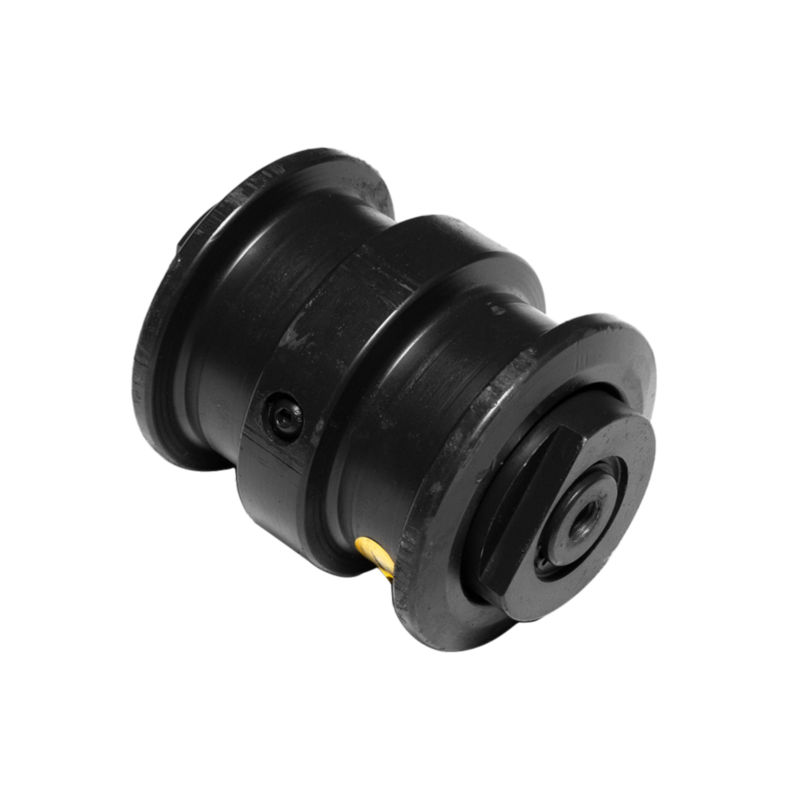
Supporting the machine's weight and guiding the track chain are the silindirler. İki tür var. Palet makaraları, veya alt silindirler, are mounted to the bottom of the track frame and bear the machine's weight directly onto the track chain. Onlar makinenin ayakları, sürekli olarak büyük baskı altında. Taşıyıcı makaralar, veya üst silindirler, ray çerçevesinin üstüne monte edilir. Görevleri palet zincirinin ağırlığını desteklemektir, aşırı sarkmasını önlemek ve hizasını korumak. Bu silindirlerden herhangi birinde bir arıza, genellikle bir yağ sızıntısıyla belirtilir, sistem genelinde bir dizi aşınma sorununa yol açabilir (Kökeni Makineleri, 2024).
Ray çerçevesinin önünde, bulacaksın aylak. The idler's primary purpose is to guide the track chain back around toward the rollers and to serve as the mechanism for adjusting track tension. Tahrik edilen bir bileşen değil, serbestçe dönen bir tekerlektir., geri tepme yayı tertibatı ile birlikte, Ray sisteminin ön kısmında karşılaşılan şok yüklerini emer ve sönümler.
Nihayet, arkada, bu dişli. This is the-toothed wheel that is turned by the machine's final drive motor. The sprocket's teeth engage with the bushings of the track chain, transferring the engine's power to the track and driving the machine forward or backward. It is the engine's handshake with the ground. The wear on its teeth must perfectly match the wear on the track chain's bushings for efficient power transfer.
Bu etkileşimi anlamak her filo operatörü için ilk adımdır. Aşınmış bir dişli yeni zinciri yok eder. Ele geçirilen bir silindir palet bağlantılarına düz noktalar aşındıracaktır. Yanlış palet gerginliği, avara kasnaklara büyük bir kuvvet uygulayacaktır, silindirler, ve son sürücüler. Bir bileşenin sağlığının tüm bileşenlerin sağlığıyla ayrılmaz bir şekilde bağlantılı olduğu kapalı bir sistemdir..
Filo Genelinde Alt Takım Denetiminin Gerçekleştirilmesi
With a firm grasp of the undercarriage's anatomy, bir sonraki mantıklı eylem filonuzun tamamında kapsamlı bir sağlık değerlendirmesi gerçekleştirmektir. Bu basit bir görsel kontrol değil; tüm yönetim stratejinizin temelini oluşturacak bir veri toplama çalışmasıdır. Amaç ayrıntılı bir "aşınma profili" oluşturmaktır" her makine için, bu, reaktif bir "kırıldığında düzelt" durumundan geçmenize olanak tanıyacak" proaktif bir model, öngörülü olan.
Denetiminiz titiz kayıt tutmayla başlamalıdır. Her makine için, onun markasını bilmelisin, modeli, yaş, ve toplam çalışma saatleri. Daha da önemlisi, mevcut alt takımındaki saatleri takip etmeniz gerekiyor. Bu temel veriler olmadan, yaşam döngüsü analizine yönelik herhangi bir girişim boşunadır.
Daha sonra fiziksel muayene geliyor, Tutarlı veriler sağlamak için filonuz genelinde standartlaştırılmalıdır. Bu, bariz kırılmaları aramaktan daha fazlasını içerir. Aşınmayı ölçmeniz gerekiyor. Ultrasonik kalınlık ölçerler ve derinlik ölçerler gibi özel araçların kullanılması, teknisyenleriniz önemli aşınma noktalarını ölçmelidir:
- Palet Zinciri Aralığı: İç pim ve burç aşınmasının boyutunu belirlemek için belirli sayıda bakla üzerindeki mesafeyi ölçün, veya "uzat."
- Silindir Sırtı Çapı: Aşınma ömürlerini ölçmek için palet ve taşıyıcı makaraların kalan çapını ölçün.
- Burç Dış Çapı: Palet zinciri burçlarının dış tarafındaki aşınmayı ölçün.
- Dişli Diş Profili: Dişli dişlerindeki aşınma modelini kontrol etmek için bir mastar kullanın.
- Palet Pabucu Tırnak Yüksekliği: Kalan çekiş gücünü belirlemek için tırnakların yüksekliğini ölçün.
This data should be logged against the machine's undercarriage hours. Mesai, bu, her makine için kendi özel uygulamasında bir aşınma eğrisi çizmenize olanak tanır. Desenleri görmeye başlayacaksınız. Batı Avustralya'daki bir madendeki yüksek aşındırıcılığa sahip silis kumlarında çalışan bir dozer, ıslak zeminde kazı yapan bir ekskavatörden farklı bir aşınma profili sergileyecektir., Güneydoğu Asya'daki bir inşaat alanının kil açısından zengin toprakları. Bu veriler en güçlü aracınızdır. Bileşenlerin hizmet ömrünün sonuna ne zaman ulaşacağını tahmin etmenizi sağlar, arıza süresini planlamanıza ve parçaları önceden sipariş etmenize olanak tanır, Bakımın acil durumdan planlı bir duruma dönüştürülmesi, maliyet kontrollü aktivite.
Alt Takımı Uygulamaya ve Araziye Eşleştirme
Bu temel adımın son parçası, makinelerinizin görevleri için uygun donanıma sahip olup olmadığını eleştirel bir şekilde değerlendirmektir.. Yaygın bir hata, bir makinenin teslim edildiği standart alt takım konfigürasyonunu kabul etmektir.. Büyük bir şey için, çeşitli filo, Bu herkese uyan tek çözüm yaklaşımı, aşırı maliyete yol açan bir reçetedir. Sağın seçimi Filo operatörleri için alt takım parçaları mühendislik muhakemesinde bir alıştırmadır, çekişi dengeleme, yüzdürme, aşınma direnci, ve maliyet.
Burada en önemli tercih spor ayakkabıdır. Amaç, zemin koşulları için yeterli yüzdürmeyi sağlayan mümkün olan en dar pabucu kullanmaktır.. Neden? Çünkü daha geniş pabuçlar dönme direncini artırır, tüm alt takım sistemine daha fazla stres ve burulma yükü uygulanması, Pimlerden ve burçlardan palet çerçevesinin kendisine. Daha geniş bir ayakkabının zeminle temas eden yüzey alanı da daha fazla olur, Aşındırıcı koşullarda aşınma oranını arttırmak.
Tırnak tipi de aynı derecede önemlidir.
- Tek Tırnaklı Ayakkabı: En yüksek nüfuzu ve çekişi sunun. Maksimum kavramanın gerekli olduğu kaya veya sert zemindeki uygulamalar için idealdirler..
- Çift Tırnaklı Ayakkabı: Daha az nüfuz etme ancak daha iyi dönme yeteneği sağlar ve makinenin sık manevra yapması gereken birçok ekskavatör uygulaması için her yönüyle iyi bir seçimdir. Çekiş ve düşük zemin rahatsızlığı arasında iyi bir denge sunarlar.
- Üçlü Tırnaklı Ayakkabı: Ekskavatörlerde en yaygın tip, bunlar en iyi manevra kabiliyetini ve en az zemin rahatsızlığını sunar, onları bitmiş yüzeyler veya daha yumuşak zeminler için uygun hale getirir. Fakat, çekiş gücü tek veya çift tırnaklı tasarımlara göre daha düşüktür. GFM Parçaları bu türlerin iyi bir analizini sağlar.
- Bataklık veya Düz Ayakkabı: Bunlar çok az tırnaklı veya hiç tırnaksız çok geniş ayakkabılardır, son derece yumuşak yüzeylerde yüzdürmeyi en üst düzeye çıkarmak için tasarlanmıştır, bataklık koşulları, Güneydoğu Asya'nın bazı bölgelerinde veya sulak alan ıslah projelerinde bulunanlar gibi.
Aşağıdaki tablo, palet pabucu türlerini filonuzun karşılaşabileceği çeşitli operasyonel ortamlara göre eşleştirmek için basitleştirilmiş bir kılavuz sunmaktadır..
| Arazi/Uygulama | Birincil Mücadele | Önerilen Palet Pabucu | Gerekçe |
|---|---|---|---|
| Sibirya Permafrost'u (Rusya) | Düşük Çekiş, Donmuş Zemin | Tek Tırnaklı, Yüksek Sertlik | Buzlu zemini kavramak için maksimum nüfuz gereklidir, sert yüzeyler. Çelik aşırı soğukta kırılganlaşmaya karşı dayanıklı olacak şekilde formüle edilmelidir.. |
| Avustralya Demir Cevheri Madenleri | Yüksek Aşınma | Tek Tırnaklı, Aşınmaya Yüksek Dirençli Alaşım | Kaya ve toprağın aşındırıcı doğası, aşınmayı yavaşlatmak için mümkün olan en sert malzemenin kullanılmasını gerektirir. Yüksek çekiş gücü de gereklidir. |
| Orta Doğu Kum Tepeleri | Düşük Flotasyon, Yüksek Aşınma | Geniş Üçlü Tırnak Tırnağı veya Düz Pabuç | Ağırlığı dağıtmak ve batmayı önlemek için geniş ayakkabılara ihtiyaç vardır. İnce kum oldukça aşındırıcıdır, dolayısıyla malzeme sertliği hala bir faktördür. |
| Güneydoğu Asya Palmiye Tarlaları | Yumuşak, Çamurlu Toprak, Paketleme | Çift veya Üçlü Tırnak Tırnaklı (Aşırı durumlarda Bataklık Pedleri) | Öncelik yüzdürme ve zemin rahatsızlığını en aza indirmektir. Tasarım aynı zamanda "paketlenmeyi" önlemek için çamuru da dökmelidir." |
| Kore Kentsel Yıkım | Karışık Enkaz, Beton | Çift bakkal, Yüksek Darbe Dayanımı | Ayakkabılar inşaat demiri ve beton parçalarından gelen darbelere karşı dayanıklı olmalıdır. İyi manevra kabiliyeti kapalı alanlarda da önemlidir. |
| Afrika Alüvyon Madenciliği | Islak, Kaygan Kil & Çakıl | Çift bakkal | Kaygan koşullarda, değerli zemin katmanını aşırı kazmadan ve bozmadan çekiş sağlamak için bir denge gereklidir.. |
Bu üç bölümlü temel değerlendirmeyi (anatomiyi anlama) tamamlayarak, filonuzu denetlemek, ve bileşenleri uygulamayla eşleştirme; alt takım yönetimine yaklaşımınızı dönüştürürsünüz. Artık bakım maliyetlerinin pasif bir alıcısı değil, aktif bir strateji uzmanısınız, daha verimli bir çalışmanın temelini atıyor, güvenilir, ve karlı filo operasyonu.
Adım 2: Alt Takım Parçalarının Stratejik Kaynak Kullanımı ve Seçimi
Having established a deep understanding of your fleet's operational demands and the current state of your equipment, Sistematik yaklaşımımızın ikinci adımı yedek parçaların tedarikiyle ilgilidir. Bu karmaşıklıkla dolu bir alandır, En düşük fiyatlı seçeneği seçmenin bariz bilgeliği çoğu zaman daha yüksek uzun vadeli harcamalara yol açabilir. Zeki filo operatörü için, kaynak kullanımı yalnızca bir işlem değildir; makinenin çalışma süresi üzerinde derin etkileri olan stratejik bir karardır, işçilik maliyetleri, ve genel proje karlılığı. Bu adım, Orijinal Ekipman Üreticisi arasında dikkatli bir müzakere gerektirir. (OEM) ve satış sonrası parçalar, Kaliteli bir bileşeni tanımlayan malzeme bilimine daha derin bir bakış, ve operasyonel başarınızda müttefik olarak işlev görebilecek tedarikçilerle sağlam ortaklıklar kurulması.
OEM vs. Satış Sonrası Müzakere
OEM ve satış sonrası parçalar arasındaki tartışma, ağır ekipman endüstrisinde daimi bir tartışmadır. Tamamen finansal bir analiz, yalnızca ilk satın alma fiyatına odaklanıldı, neredeyse her zaman satış sonrası seçenekleri tercih edecek. Fakat, bu tehlikeli derecede basit bir bakış açısı. Daha aydın bir bakış açısı, Toplam Sahip Olma Maliyeti kavramına dayanmaktadır (TCO), gerekli.
OEM parts are manufactured or specified by the machine's original producer, Komatsu veya Caterpillar gibi. Bunlar, tanımı gereği, makine için mükemmel bir eşleşme, diğer OEM bileşenleriyle uyumlu çalışacak şekilde tasarlanmıştır. The manufacturer's reputation is tied to their performance, ve genellikle kapsamlı bir garantiyle ve kapsamlı bir bayi ve destek ağının desteğiyle birlikte gelirler. Birincil dezavantaj, Elbette, onların premium fiyatı mı.
Satış sonrası parçalar, diğer taraftan, üçüncü taraf şirketler tarafından üretilmektedir. Pazarın bu segmentindeki kalite çok büyük farklılıklar gösteriyor. Yelpazenin bir ucunda, OEM parçalarına tersine mühendislik uygulayan ve bunları daha düşük kaliteli malzemeler ve daha az sıkı kalite kontrolü kullanarak üreten üreticiler var., Erken başarısızlığa yol açan. Diğer uçta ise araştırma ve geliştirmeye yoğun yatırım yapan saygın şirketler yer alıyor., genellikle malzeme bileşimi ve dayanıklılık açısından OEM spesifikasyonlarını karşılayan ve hatta aşan parçalar üretir. Bu üst düzey satış sonrası tedarikçiler, gibi platformlarda bulunanlar gibi Bunyip Ekipmanları veya uzman sağlayıcılar aracılığıyla, ilgi çekici bir değer teklifi sunabilir: Daha rekabetçi bir fiyat noktasında OEM düzeyinde kalite.
Bir filo operatörünün stratejik tercihi "her zaman OEM" ikilisi değildir" veya "her zaman satış sonrası" kural. Yerine, risk yönetimi ile ilgilidir. Garanti kapsamındaki yepyeni bir makine için, OEM parçalarının kullanılması genellikle garantinin geçerli kalması için bir gerekliliktir. Daha eski makineler için, veya kritik olmayan bileşenler için, Güvenilir bir tedarikçiden alınan yüksek kaliteli bir satış sonrası parça, önemli ve akıllı bir maliyet tasarrufunu temsil edebilir. Önemli olan durum tespiti yapmaktır. Teknik özellikler talep edin, malzeme test raporları, ve herhangi bir potansiyel satış sonrası tedarikçiden vaka çalışmaları. Bu verileri sağlamayı reddetmek önemli bir tehlike işaretidir.
Aşağıdaki tablo bu değerlendirme için bir çerçeve sunmaktadır, fiyatın ötesine geçip daha bütünsel bir karşılaştırmaya geçmek.
| Faktör | Orijinal Ekipman Üreticisi (OEM) | Kaliteli Satış Sonrası Tedarikçi |
|---|---|---|
| Başlangıç Maliyeti | Yüksek | Orta ila Düşük |
| Kalite & Yerleştirmek | Orijinal spesifikasyonları karşılayacağı ve mükemmel uyum sağlayacağı garanti edilir. | OEM özelliklerini karşılayabilir veya aşabilir, ancak dikkatli inceleme gerektirir. Saygın tedarikçilerden uyum genellikle iyidir. |
| Maddi bilim | OEM tarafından geliştirilen özel alaşımlar ve ısıl işlemler. | Genellikle endüstri standardında yüksek dayanımlı çelikler kullanın. En iyi tedarikçiler kendi malzemelerine yatırım yapıyor R&D. |
| Garanti | Kapsayıcı, Geniş bir bayi ağıyla destekleniyoruz. | Tedarikçiye göre değişir. En iyi teklif rekabetçi garantiler, ancak talep süreci farklı olabilir. |
| Kullanılabilirlik | Genel olarak iyi, ancak OEM tedarik zinciri kesintilerine maruz kalabilir. | Mükemmel olabilir, Bazı tedarikçiler genel aşınma parçalarının hızlı teslimatı konusunda uzmanlaşmıştır. |
| Teknik Destek | Bayi ağı aracılığıyla kapsamlı destek mevcuttur. | Değişir. En iyi tedarikçiler, parça seçimi ve uygulaması konusunda tavsiyelerde bulunabilecek bilgili personele sahiptir. |
Malzeme Bilimi ve Üretim Süreçlerinin Çözümü
Gerçekten bilinçli bir kaynak kullanımı kararı vermek için, bir filo operatörü olmalı, bir dereceye kadar, metalurji öğrencisi. Bir alt takım bileşeninin uzun ömürlü olması bir şans meselesi değildir; it is a direct result of the steel's composition and the way it has been processed. Temelleri anlamak, pazarlama jargonunu aşmanıza ve tedarikçilere doğru soruları sormanıza yardımcı olabilir.
Alt takım parçalarının ana malzemesi çeliktir, ancak tüm çelikler eşit yaratılmamıştır. Alaşım elementlerinin eklenmesi, özelliklerini önemli ölçüde değiştirir..
- Karbon: Çelikteki temel sertleştirici madde. Daha yüksek karbon içeriği daha fazla sertliğe izin verir ancak aynı zamanda kırılganlığı da artırabilir.
- Manganez: Sertleşebilirliği artırır ve mukavemete ve aşınma direncine katkıda bulunur.
- Krom: Sertliği arttırmak için önemli bir unsur, dayanıklılık, ve korozyona ve aşınmaya karşı direnç.
- Bor: Çok küçük miktarlarda eklendi, bor çeliğin sertleşebilirliğini önemli ölçüde artırır, Isıl işlemle derin ve düzgün bir sertliğin elde edilmesini sağlar. Bu, yüksek kaliteli alt takım çeliğinin ayırt edici özelliğidir.
Bu unsurlar, Yine de, hikayenin sadece bir parçası. Potansiyellerini açığa çıkaran şey üretim sürecidir.
- Dövme vs. Döküm: Dövme, çeliğin büyük basınç altında şekillendirilmesini içerir, metalin tane yapısını hizalayan, üstün güçle sonuçlanan, dayanıklılık, ve yorulma direnci. Döküm, erimiş metalin bir kalıba dökülmesini içeren, daha az pahalı bir süreçtir ancak daha zayıf bir sonuç verebilir, daha gözenekli iç yapı. Palet baklaları gibi yüksek gerilimli bileşenler için, Dövme üstün bir yöntemdir.
- Isıl işlem: Bu tartışmasız en kritik adımdır. It involves carefully controlled cycles of heating and cooling to alter the steel's microstructure and achieve the desired balance of hardness and toughness. Alt takım parçaları için önemli bir süreç indüksiyonla sertleştirme. Bu teknik, bir bileşenin yalnızca yüzey katmanını ısıtmak için bir elektrik akımı kullanır. (bir ray bağlantısının rayı veya bir silindirin sırtı gibi) hızla söndürülmeden önce (soğutulmuş). Sonuç, son derece sert bir parçadır., aşınmaya dayanıklı yüzey ve daha sert, daha sünek çekirdek. Sert yüzey aşınmaya karşı dayanıklıdır, sert çekirdek parçanın darbe altında çatlamasını önlerken. The depth and uniformity of this hardened layer are direct indicators of a part's quality.
Bir tedarikçiyi değerlendirdiğinizde, onlara malzeme özelliklerini sorun. Bor çeliği kullanıyorlar mı? Isıl işlem süreci nedir? Belirtilen kasa derinliği ve sertliği nedir (Rockwell HRC'de ölçüldü) aşınma yüzeylerinin? Kaliteli bir tedarikçi bu bilgiye kolayca ulaşabilecek ve bunu paylaşmaktan gurur duyacaktır.. Uzun süren bir parçayı ayıran detaylar bunlar 4,000 başarısız olan birinden saatler 2,000, ve gerçek maliyet tasarruflarının bulunduğu yer burasıdır.
Filo Operatörleri için Tedarikçi Ortaklıkları Kurmak
Bir filo operatörü için, Bir parça tedarikçisi bir satıcıdan daha fazlası olmalıdır. Stratejik ortak olmalılar. The ideal supplier relationship is not based on a series of one-off transactions but on a long-term collaboration aimed at improving your fleet's efficiency.
Gerçek bir tedarikçi ortaklığı neye benzer? Filo operatörleri için alt takım parçaları?
- Teknik uzmanlık: The supplier's team should have deep product knowledge. Danışman olarak hareket edebilmeliler, aşınma verilerinizi analiz etmenize ve en uygun olanı önermenize yardımcı olur yüksek kaliteli ekskavatör ataşmanları ve özel uygulamalarınıza yönelik bileşenler, rather than just selling you what's on the shelf.
- Envanter Yönetimi: A good partner will work with you to understand your fleet's needs and consumption rates. Yönetilen bir envanter sistemi kurmanıza yardımcı olabilirler, Kendi stoğunuza aşırı sermaye bağlamadan, ihtiyaç duyduğunuz ortak aşınma parçalarının elinizin altında olmasını sağlamak. Bazıları yüksek hacimli müşteriler için konsinye stok programları bile sunabilir.
- Lojistik Erişim: Farklı ve uzak lokasyonlarda faaliyet gösteren filolar için, the supplier's ability to deliver parts efficiently is paramount. Lojistik ağlarını değerlendirin. Avustralya Outback'teki tesislerinize uygun maliyetli bir şekilde gönderim yapabilirler mi?, Rusya'nın Uzak Doğu'su, veya kırsal Afrika?
- Sorun Çözümü: Tedarikçi garanti taleplerini veya yanlış parçaları nasıl ele alıyor?? Gerçek bir ortağın net bir fikri olacaktır., verimli bir süreç ve sorunları hızlı bir şekilde çözmek için sizinle birlikte çalışacağız, aksama sürenizi en aza indirir.
Zihniyetinizi sadece parça satın almaktan stratejik olarak çözüm tedarik etmeye kaydırarak, Alt takım maliyetlerinizi kontrol altına almak için muazzam bir adım atarsınız. Daha titiz bir ilk değerlendirmeyi içerir, ancak kesinti süresinin azalmasıyla uzun vadede getirisi, daha düşük işçilik maliyetleri, ve uzatılmış bileşen ömrü, bir filo operatörünün kullanabileceği en önemli finansal kaldıraçlardan biridir.
Adım 3: Proaktif Bakım ve Denetim Protokolünün Uygulanması
En iyisi, Dünyanın en pahalı alt takım parçaları, bakımları özenle ve özenle yapılmazlarsa zamanından önce arızalanır. Bir bilgi temeli ve stratejik kaynak bulma planı oluşturduktan sonra, üçüncü adım proaktif bakım kültürünü kurumsallaştırmaktır. Bu, onarım felsefesinden önleme felsefesine doğru hareket etmek anlamına gelir. Alt takım aşınmasının çoğunluğu kaçınılmaz değildir; ihmalin hızlandırılmış sonucudur. Filo operatörleri için, Disiplinli ve tutarlı bir şekilde uygulanan bakım protokolü, bileşen ömrünü uzatmanın ve saatlik çalışma maliyetini azaltmanın en doğrudan yoludur.. Bu protokol üç temel üzerine inşa edilmiştir: basit ama güçlü günlük gezinti, doğru palet gerginliğinde ustalık, genellikle hafife alınan temizlik sanatı, ve çıplak gözün göremediklerini görmek için daha gelişmiş inceleme tekniklerinin kullanılması.
Günlük Gezinmenin Gücü
Cephaneliğinizdeki en etkili bakım aracı, makine operatörünüzün eğitimli ve gözlemci gözüdür. Günlük başlangıç öncesi inceleme, veya etrafta dolaşmak, yıkıcı başarısızlığa karşı ilk savunma hattıdır. Bu, her makine için tartışılamaz olması gereken bir ritüeldir., her gün. Basit bir beş dakikalık kontrol gibi görünen şey, küçük sorunları büyük sorunlara dönüşmeden önce tespit edebilir, kesintiye neden olan olaylar.
Operatörler belirli uyarı işaretlerini aramak için eğitilmelidir. Bu, makinenin etrafında sıradan bir gezinti değil; odaklanmış bir teşhis rutinidir.
- Sızıntıları Kontrol Edin: Operatör her palet makarasını dikkatle incelemelidir, Taşıyıcı silindir, ve herhangi bir yağ sızıntısı belirtisi için rölanti. Sızıntı, contanın arızalandığının kesin bir işaretidir. Petrol bittiğinde, iç yataklar hızla kendilerini yok edecek, Ele geçirilen bir silindire yol açan. Ele geçirilen silindir dönmüyor, ve palet zinciri onun üzerinde sürüklenirken, silindir üzerinde düz bir nokta oluşturacak ve ciddi, palet bağlantılarının kendisinde anormal aşınma.
- Donanımı İnceleyin: Palet pabuçlarında gevşek veya eksik cıvatalar var mı?? Gevşek bir ayakkabı kopabilir, Eksik bir pabuç, palet zincirinde, bitişik baklalar ve pimler üzerinde baskı oluşturan bir dengesizlik yaratır..
- Anormal Aşınmayı Arayın: Operatör, bütün gün makinenin yanında kim var, değişiklikleri fark etmek için en iyi konumdadır. Yeni var mı, parlak metal-metal aşınma noktaları? "Taraklı" var mı" parça bağlantılarında, silindirlerin kazıldığı yer? Avara veya zincir dişlisinin kenarları keskinleşiyor veya çengelleniyor mu?? Bunların hepsi gelişen sorunların görsel ipuçlarıdır.
- Pist Gerginliğini Değerlendirin (Sarkma): Hassas bir ölçüm daha karmaşık bir görev olsa da, Palet sarkmasının görsel olarak kontrol edilmesi büyük bir sorunu hızlı bir şekilde tespit edebilir. Pist olağandışı derecede sıkı veya aşırı derecede gevşek mi görünüyor?? Bunu daha ayrıntılı olarak inceleyeceğiz, ancak günlük görsel kontrol kritik bir ilk geçiştir.
- Genel Durumu İnceleyin: Pist pabuçlarında çatlak var mı? Lastik paletli bir makinedeki kauçuğa önemli hasar var mı?? Çelik bir ray "izden çıkma" riskiyle karşı karşıya mı?" (silindirlerden ve avaradan çıkıyor)?
Bu günlük ritüel, operatörü yalnızca bir kullanıcıdan varlığın koruyucusuna dönüştürüyor. Basit bir oluşturma, Kabinde bulundurulacak katmanlı kontrol listesi bu sürecin standartlaştırılmasına yardımcı olabilir ve hiçbir adımın atlanmamasını sağlayabilir. Bir filonun sahip olabileceği en ucuz ve en etkili alt takım sigortasıdır..
Pist Geriliminde Ustalaşmak: Alt Takım Yaşamının Altın Kuralı
Tek bir "altın kural" varsa" alt takım bakımı için, bu bu: her zaman doğru palet gerginliğini sağlayın. Tüm sistemin aşınma oranını belirleyen en kritik ayardır. İlgili kuvvetler çok büyük, ve gerilimdeki küçük bir hatanın bileşen ömrü üzerinde çok büyük bir etkisi olabilir.
Bir bisiklet zinciri düşünün. Çok sıkı ise, pedal çevirmek zor, ve dişlilere ve kranktaki yataklara çok büyük bir yük bindirir. Çok gevşekse, düşebilir. Prensip 40 tonluk bir ekskavatör için aynıdır, ancak sonuçları çok daha pahalıdır.
- Parça Çok Sıkı: A track that is tensioned too tightly dramatically increases the friction between the track chain's internal pins and bushings. Aynı zamanda devasa bir kitle yaratıyor, rölantilerde sürekli yük, silindirler, ve dişliler. Bu hızlı aşınma, alt takımınızın ömrünü şu kadar azaltabilir: 50%. Bu, park freni kısmen devredeyken arabanızı sürmeye benzer. Sistem sürekli kendi kendisiyle savaşıyor, ısı üretiyor ve metali aşındırıyor.
- Parça Çok Gevşek: Çok gevşek bir palet sarkacak ve taşıyıcı makaralara çarpacaktır, hasara neden olmak. Daha eleştirel olarak, dişli dişlerinin atlama yapmasına veya palet burçlarıyla yanlış hizalanmasına neden olabilir, her ikisinde de ciddi aşınmaya neden olur. En kötü senaryoda, rölantiden veya silindirlerden gevşek bir iz çıkabilir, "takipten çıkarma" olarak bilinen bir olay." Bu, genellikle başka bir makinenin paletin kaldırılmasına ve sıfırlanmasına yardımcı olmasını gerektiren önemli bir arıza süresi olayıdır, ve süreçteki diğer bileşenlere zarar verme riski yüksektir.
Bu yüzden, "doğru" ne demek" tansiyon? Sabit bir değer değil. "Sarkma" ölçülerek tanımlanır." Parçanın belirli bir noktasında. Prosedür basittir:
- Makineyi, sıkışmış çamur veya döküntülerin düşmesini sağlayacak şekilde çalıştırın.
- Makineyi düz bir yüzeye park edin.
- Parçanın üst kısmına düz bir kenar veya tel çizgisi yerleştirin, avaradan üst taşıyıcı silindire kadar.
- Düz kenardan palet zincirindeki en alçak sarkma noktasına kadar olan mesafeyi ölçün.
- Compare this measurement to the manufacturer's specification in the machine's operator manual. Bu spesifikasyon çok önemlidir ve modeller arasında önemli ölçüde farklılık gösterebilir..
Gerginlik, avaraya bağlı gres dolu bir silindir aracılığıyla ayarlanır. Gresin pompalanması rölantiyi ileri iter, parçayı sıkılaştırma. Gresin serbest bırakılması avaranın geri hareket etmesini sağlar, onu gevşetmek.
Eleştirel olarak, Doğru gerginlik aynı zamanda çalışma koşullarına da bağlıdır. "paketleme" içinde" koşullar, ıslak kil veya kar gibi, dişli ve palet zinciri arasında malzeme birikebilir. Bu malzeme dönerken paleti etkili bir şekilde sıkılaştırır. Bu koşullarda, Bu birikime uyum sağlamak ve aşırı gerilimi önlemek için genellikle paletlerin standart spesifikasyondan biraz daha gevşek çalıştırılması gerekir.. Bu, bilgili bir operatör ve esnek bir bakım kültürü gerektirir.
Alt Takım Temizleme Sanatı
Alt takımın temizlenmesi estetik bir egzersiz değildir; bu temel bir bakım görevidir. Çamur birikmesi, kir, ve moloz çeşitli nedenlerden dolayı alt takım ömrünün başlıca düşmanıdır.
- Aşındırıcı Taşlama: Toprak ve su karışımı, her hareketli parçaya nüfuz eden aşındırıcı bir bulamaç oluşturur. Öğütme macunu gibi davranır, pimlerin aşınmasını hızlandırmak, burçlar, silindirler, ve aylaklar.
- Artan Ağırlık ve Zorlanma: Topaklanmış çamur yüzlerce ekleyebilir, hatta binlerce, alt takımın ağırlığına göre kilogram. Bu, tüm güç aktarma organlarına gereksiz yük bindirir ve yakıt tüketimini artırır.
- Bileşen Nöbeti: Hareketli parçalar arasında pislik birikebilir, ele geçirmelerine neden oluyor. Silindirin yanına konulan bir taş onun dönmesini engelleyebilir, daha önce anlatılan hızlı aşınmaya yol açar.
- Donmuş Enkaz: Soğuk iklimlerde, Rusya'daki veya Kore'nin bazı bölgelerindekiler gibi, Temizlenmeyen çamur ve su gece boyunca donabilir. Bu donmuş kütle silindirlerin dönmesini engelleyebilir, piste aşırı gerilim uygulayın, ve hatta makine hareket etmeye çalışırken contalara zarar verebilir.
Her vardiyanın sonunda basınçlı yıkayıcı veya basit bir kürekle kapsamlı bir temizlik standart uygulama olmalıdır.. Silindirlerin etrafının temizliğine özellikle dikkat edilmelidir., aylaklar, ve dişliler, çünkü bunlar enkazın sorun yaratma ihtimalinin en yüksek olduğu alanlardır. Bu basit "temizlik" eylemi" alt takım bileşenlerinizin ömrüne yüzlerce saat ekleyebilir.
İleri Muayene Teknikleri: Görselliğin Ötesine Geçmek
Günlük yürüyüş gerekli olsa da, kapsamlı bir bakım programı aynı zamanda daha ayrıntılı bakım programlarını da içerir, periyodik muayeneler. Burası, ilk denetiminizden elde edilen verilerden yararlanacağınız ve aşınmanın zaman içindeki ilerlemesini takip edeceğiniz yerdir..
Bu, düzenli aralıklarla aşınmayı izlemek için denetim aşamasındaki aynı özel ölçüm araçlarının kullanılmasını içerir (Örn., Her 250 veya 500 saat). By logging these measurements against a component's service hours, tahmine dayalı bir model oluşturabilirsiniz. Örneğin, belirli bir palet makarası modelinin olduğunu görebilirsiniz, belirli bir uygulamada, her seferinde 1 mm çap kaybeder 150 saat. If the manufacturer's discard-or-rebuild dimension is 10mm of wear, silindirin yaklaşık olarak bakıma ihtiyaç duyacağını doğru bir şekilde tahmin edebilirsiniz. 1,500 saat.
Bu veriye dayalı yaklaşım, Filo yönetiminde sektör liderlerinin desteklediği gibi, bakımı proaktif bir şekilde planlamanıza olanak tanır. Gerekli siparişleri verebilirsiniz güvenilir alt takım bileşenleri peşin, onarımı planlı bir kesinti süresine göre planlayın, ve beklenmeyen bir durumla bağlantılı büyük maliyetlerden kaçının, saha içi başarısızlık. Profesyonel filo yönetiminin özü budur, Bakımın reaktif bir yangınla mücadeleden kontrollü bir müdahaleye dönüştürülmesi, tahmin edilebilir, ve uygun maliyetli süreç.
Adım 4: Operatör Mükemmelliğini ve En İyi Uygulamaları Geliştirmek
Alt takım parçalarının ömrünü etkileyen tüm faktörler arasında, hiçbiri daha önemli değil, daha da değişken, makine operatöründen daha. Deneyimli, Dikkatli bir operatör, dikkatsiz veya eğitimsiz bir operatöre kıyasla alt takımın ömrünü iki katına çıkarabilir. Bu bileşenlere uygulanan kuvvetler, makinenin manevra şeklinin doğrudan bir sonucudur.. Öyleyse, Kapsamlı stratejimizin dördüncü adımı insan unsuruna odaklanmaktır. Operatör mükemmelliği kültürünü geliştirmek "yumuşak bir yaklaşım" değildir." yetenek; bu zorlu bir finansal zorunluluktur. Bu, belirli çalışma alışkanlıklarının doğrudan mekanik aşınmaya nasıl dönüştüğü konusunda derin bir eğitimi içerir., En iyi uygulamaları aşılamak için resmi bir eğitim programının geliştirilmesi, and the empowerment of the operator to act as the primary guardian of the machine's health.
Çalışma Alışkanlıkları Alt Takım Aşınmasını Nasıl Etkiler?
Eğitimsiz göze, iş yerindeki bir ekskavatör veya dozer sadece toprağı hareket ettiriyor. Eğitimli filo yöneticisine, alt takım için sürekli bir dizi yüksek stresli olaydır. Operatörlere, eylemlerini mekanik fiziğin merceğinden görmeleri öğretilmelidir.. Her fırsatta, her tırmanış, ve her hareketin bir bedeli vardır.
- Yüksek Hız ve Ters Hareketin En Aza İndirilmesi: Ağır ekipman alt takımları öncelikle yüksek tork için tasarlanmıştır, düşük hızlı çalışma. Kapsamlı seyahat, özellikle yüksek hızlarda, önemli miktarda ısı ve sürtünme üretir, tüm hareketli parçalarda aşınmanın hızlanması. Geriye doğru yolculuk daha da zararlıdır. Palet pimleri öncelikle ileri yönde burçlara karşı dönecek şekilde tasarlanmıştır. Uzun süre ters yönde çalıştırılması pinin "yanlış" konumda çalışmasına neden olur." burcun tarafı, çok daha hızlı bir aşınma oranına yol açar. Temel kural, geri hareketin ileri hareketin üç katına kadar aşınmasına neden olabileceğidir. Operatörler, gereksiz hareketleri en aza indirecek ve ileriye doğru harekete öncelik verecek şekilde çalışma alanlarını planlamak üzere eğitilmelidir..
- Alternatif Dönüş Yönleri: Çoğu operatörün baskın bir dönüş yönü vardır, tıpkı insanların haklı olduğu gibi- veya solak. Sürekli olarak aynı yöne dönmek, alt takımın bir tarafının diğerine göre çok daha hızlı aşınmasına neden olur. Bu, dengesiz bir makineye ve bir tarafın hala önemli bir ömrü kaldığında tüm alt takım setini değiştirmek zorunda kalma gibi verimsiz bir duruma yol açar. Eşit aşınmayı sağlamak için operatörler gün boyunca dönüş yönlerini bilinçli olarak değiştirmeye teşvik edilmelidir..
- Yukarı ve Aşağı Eğimlerde Çalışmak: Mümkün olduğunda, makineler yokuşta düz yukarı veya aşağı doğru sürülmelidir, onun üzerinden yanlara doğru geçilmedi. Yokuşta çalışmak, veya "yan tepeleme," shifts the machine's entire weight onto the downhill side's rollers, aylaklar, ve bağlantıları takip edin, şiddetli ve düzensiz aşınmaya neden olur. Aynı zamanda palet zincirine çok büyük yan yükleme uygular, işlemek için tasarlanmadığı, takipten çıkma riskinin artması.
- Ters Dönüş ve Pivot Dönüşlerin Sınırlandırılması: Alt takımın en stresli manevrası keskin bir, Bir parçanın ileri doğru hareket ettiği ve diğerinin tersine döndüğü ters yönde dönüş. Bu "dönüş" Palet şasisi üzerinde muazzam bir burulma gerilimi yaratır ve büyük miktarda toprağı ve kayayı alt takım bileşenlerine iter, öğütme maddesi olarak görev yapmak. Daha az stresli bir alternatif, daha geniş kapsamlı hale getirmektir., "üç nokta" dönüşler, tüm sistem üzerinde daha nazik olan.
- Doğru Palet Pabucu Genişliğini Kullanma: Adımda tartışıldığı gibi 1, Zemin koşulları için gerekenden daha geniş bir palet pabucu kullanılması, dönüşler sırasında tüm alt takım üzerindeki yükü artırır. Ayrıca kaya veya kütüklerle karşılaştığında ayakkabıların bükülme veya çatlama olasılığını da artırır.. Operatörler, makine kurulumu hakkındaki konuşmanın bir parçası olmalı ve farklı pabuç genişlikleri arasındaki performans değişimlerini anlamalıdır.
Operatör Eğitim Programının Geliştirilmesi
Bu en iyi uygulamalara ilişkin bilgi, operatörlerinize sistematik olarak aktarılmadığı sürece işe yaramaz. Resmi bir eğitim programı, parça tüketiminin azalması ve makine kullanılabilirliğinin artmasıyla kendini defalarca amorti eden bir yatırımdır.
Bu program yeni işe alınanlar için tek seferlik bir etkinlik olmamalıdır. Sürekli bir eğitim ve güçlendirme süreci olmalıdır..
- Sınıf ve Simülatör Eğitimi: Teoriyle başlayın. Alt takımın anatomisini ve aşınma fiziğini açıklamak için diyagramları ve videoları kullanın. Simülatörler mükemmel, İyi ve kötü çalışma alışkanlıkları arasındaki farkı göstermek için düşük riskli ortam.
- Kabin İçi Koçluk: En etkili eğitim gerçek dünyada gerçekleşir. En deneyimli operatörlerinize veya diğer operatörlerle birlikte özel bir eğitmen yolculuğuna çıkın, gerçek zamanlı geri bildirim ve koçluk sağlamak.
- Teşvik: Operatör performansını somut ödüllere bağlayın. Track undercarriage cost-per-hour for each operator's machine. Sürekli olarak düşük aşınma oranları sergileyen operatörler, ikramiyelerle veya diğer takdirlerle ödüllendirilebilir. Bu, ekipman bakımının işin değerli ve ödüllendirilen bir parçası olduğu bir kültür yaratır.
- Telematik Verilerini Kullanma: Modern filo yönetim sistemleri, operatör davranışına ilişkin çok sayıda veriyi izleyebilir, seyahat hızı dahil, tersine harcanan zaman, ve keskin dönüşlerin sıklığı. Bu verileri cezalandırma aracı olarak kullanmayın, ancak koçluk yardımı olarak. Operatörlere kendi verilerini gösterin ve bunları iyileştirilecek alanlar hakkında yapıcı görüşmeler yapmak için kullanın.
İlk Savunma Hattı Olarak Operatör
Nihayet, operatörlerinizi güçlendirmek önemlidir. Onlar sadece makineyi yönlendirmiyorlar; günde sekiz ila on iki saat boyunca onunla en yakın temas halindedirler. Haftada bir makineyi kontrol eden bir teknisyenin gözden kaçıracağı ince değişiklikleri duyabilir ve hissedebilirler..
Operatörlerin kendilerini rahat hissedeceği ve olası sorunları derhal bildirmeye teşvik edildiği bir ortam yaratın, suçlama korkusu olmadan. An operator who reports a slight squeak from a roller or a change in the machine's turning behavior is not complaining; sana paha biçilmez şeyler sağlıyorlar, erken aşama teşhis bilgileri. Bu, bakım ekibinizin küçük bir sorunu büyük bir soruna dönüşmeden önce araştırmasına olanak tanır., pahalı başarısızlık.
Bu, bazı yöneticilerin zihniyetinde bir değişiklik gerektiriyor. The operator's cab must be seen as the primary data collection center for machine health. Eğitimlerine yatırım yaparak, geri bildirimlerini dinliyorum, ve uzmanlıklarına değer veren, Yüksek alt takım maliyetleriyle mücadelede operatörlerinizi değişken bir maliyet faktöründen en değerli varlığınıza dönüştürürsünüz.
Adım 5: Uzun Vadeli Maliyet Azaltımı için Teknoloji ve Verilerden Yararlanma
Ağır sanayinin çağdaş ortamında, Bir filonun yönetimi artık sadece mekanik yetenek ve lojistik planlama meselesi değil. Beş bölümlü stratejimizin son ve ileriye dönük adımı, teknoloji ve veri analitiğinin sistematik entegrasyonudur. Modern filo operatörü için, sezgi ve deneyim, değerliyken, verilerin ampirik kesinliği ile güçlendirilmelidir. Bu adım, makine sağlığını ve operatör performansını izlemek için telematiğin gücünden yararlanmayı içerir, yeni nesil alt takım yönetim sistemlerini keşfetmek, Ve, en önemlisi, Toplam Sahip Olma Maliyetinin benimsenmesi (TCO) karar vermenin nihai ölçüsü olarak. Bu veri odaklı yaklaşım, günlük işlerin ötesine geçmenize ve tüm operasyonunuzun maliyet yapısını temelden düşüren uzun vadeli stratejik kararlar almanıza olanak tanır..
Telematik ve Filo Yönetim Yazılımının Rolü
Modern ağır ekipmanların çoğu telematik sistemle donatılmıştır, bir "kara kutu"" that continuously collects and transmits a vast stream of data about the machine's operation. Birçok kişi için, bu teknoloji yeterince kullanılmıyor, yalnızca konumu ve motor saatlerini takip etmek için bir araç olarak görülüyor. Onun gerçek gücü, Yine de,alt takım aşınmasına neden olan faktörlere ilişkin derinlemesine bilgiler sağlama yeteneğinde yatmaktadır.
Filo yönetimi yazılımı bu verileri toplar, filonuzun tamamındaki trendleri analiz etmenize olanak tanır. Alt takım yönetimine ilişkin temel veri noktaları şunları içerir::
- Çalışma Saatleri: En temel ölçü, Rutin denetimleri ve bakımı planlamak için kullanılır.
- Seyahat Süresi vs. Çalışma Süresi: Zamanının büyük bir yüzdesini "tramvayda" harcayan bir makine" veya seyahat ederken alt takım aşınması çok daha hızlı yaşanacaktır. Bu oranın analiz edilmesi, saha düzeni veya iş planlamasındaki verimsizlikleri ortaya çıkarabilir.
- Seyahat Hızı ve Mesafe: Ortalama ve maksimum hareket hızlarının takip edilmesi, makineyi sürekli olarak çok hızlı çalıştıran operatörleri tespit edebilir, aşırı ısı ve aşınmaya neden olur.
- Ters Zamanın Yüzdesi: Belirtildiği gibi, ters işlem son derece zararlıdır. Bu ölçüm net bir bilgi sağlar, düzeltilmesi gereken bir operatör alışkanlığının ölçülebilir ölçüsü.
- Dönüş Davranışı: Gelişmiş sistemler dönüşlerin sıklığını ve ciddiyetini bile belirleyebilir, Ağırlıklı olarak stresli pivot dönüşlerine güvenen operatörleri işaretlemek.
- Arıza Kodları: Sistem, makine tarafından oluşturulan tüm arıza teşhis kodlarını günlüğe kaydeder, Alt takımı etkileyebilecek mekanik veya hidrolik sorunların ortaya çıkması konusunda erken uyarı sağlar.
Bu verileri analiz ederek, zamana dayalı bir bakım programından geçebilirsiniz (Örn., "Herkesi denetleyin 500 saat") koşul ve kullanıma dayalı bir programa. Seyahat eden bir makine 10 Aşındırıcı kayalarda günde kilometrelerce yol kat etmek, sabit bir şekilde hendek kazmaya kıyasla çok daha sık alt takım bakımı gerektirecektir., motor saatleri aynı olsa bile. Telematik bu ayrımı yapacak verileri sağlar, bakım kaynaklarınızı daha akıllı ve verimli bir şekilde tahsis etmenize olanak tanır.
Alt Takım Yönetim Sistemleri: Geleceğe Bir Bakış
Makine teknolojisinin evrimi giderek daha entegre ve akıllı sistemlere doğru ilerliyor. Sektörde henüz standart olmasa da 2025, özel alt takım yönetim sistemleri ortaya çıkıyor, maliyet kontrolünde bir sonraki sınırı temsil ediyor. Bu sistemler, sensörleri doğrudan alt takıma dahil ederek standart telematik üzerine inşa edilmiştir..
Palet makaralarındaki sensörlerin sıcaklıklarını ve titreşimlerini gerçek zamanlı olarak izlediği bir sistem hayal edin. Bir algoritma, arızalı bir contanın veya kuru bir yatağın işaretini, sesli veya görünür bir soruna dönüşmeden çok önce tespit edebilir, sending an alert directly to the fleet manager's dashboard. Ray bağlantıları arasındaki mesafeyi aktif olarak ölçmek için ultrasonik sensörler kullanan bir sistem düşünün, Yol uzamasının gerçek zamanlı okunmasını sağlar ve izin verilen limiti aştığında otomatik olarak işaretler.
Üstelik, hassas yönlendirme sistemleri, mesela , alt takım ömrüne dolaylı ama önemli ölçüde katkıda bulunur. Operatörü ilk geçişte tam kazma derinliğine ve eğime yönlendirerek, bu sistemler yeniden çalışma ihtiyacını ve gereksiz makine hareketini ortadan kaldırır. Daha az seyahat, daha az aşınma anlamına gelir. Daha hassas çalışma, manevra ve yeniden konumlandırma için daha az zaman harcanması anlamına gelir. FJDynamics olarak (2025) işaret ediyor, bu sistemler işlemleri daha verimli ve doğru hale getirir, doğrudan bir özelliği olan, tüm makine bileşenlerinin aşınması ve yıpranması üzerinde olumlu etki, alt takım dahil.
Toplam Sahip Olma Maliyetinin Hesaplanması (TCO): Nihai Metrik
Herhangi bir filo operatörü için en önemli kavramsal değişim, satın alma fiyatına dayalı karar vermekten uzaklaşıp Toplam Sahip Olma Maliyetini benimsemektir. (TCO). En ucuz parça nadiren en az maliyeti olan parçadır. The TCO framework provides a more holistic and accurate measure of a component's true economic impact.
Bir alt takım bileşeni veya seti için basitleştirilmiş bir TCO hesaplaması şuna benzer::
TCO = (İlk Parça Maliyeti + Kurulum İşçilik Maliyeti + Kesinti Süresinden Kaynaklanan Gelir Kaybı) / Toplam Hizmet Saati
Let's consider a practical example. 30 tonluk bir ekskavatörün palet zincirlerini değiştirmeniz gerekiyor.
- Seçenek A (Düşük Fiyatlı Satış Sonrası): Başlangıç Maliyeti = $8,000. Parçalar daha düşük kalitededir ve uzun süre dayanır 3,000 saat.
- Seçenek B (Yüksek Kaliteli Satış Sonrası): Başlangıç Maliyeti = $12,000. Bunlar saygın bir tedarikçiden iyi yapılmış parçalardır ve uzun süre dayanır. 5,000 saat.
Let's assume the labor to change the tracks is $2,000 ve makinenin değişim nedeniyle kapalı olmasından kaynaklanan gelir kaybı $3,000 (toplama $5,000 değiştirme başına ilgili maliyetlerde).
A Seçeneği için TCO:
- Almak için 15,000 hayat saatleri, ihtiyacın var 5 değiştirmeler.
- Toplam Parça Maliyeti = 5 X $8,000 = $40,000
- Toplam İlgili Maliyetler = 5 X $5,000 = $25,000
- Toplam Harcama = $65,000
- Saat başına TCO = $65,000 / 15,000 saat = 4,33$/saat
Seçenek B için TCO:
- Almak için 15,000 hayat saatleri, ihtiyacın var 3 değiştirmeler.
- Toplam Parça Maliyeti = 3 X $12,000 = $36,000
- Toplam İlgili Maliyetler = 3 X $5,000 = $15,000
- Toplam Harcama = $51,000
- Saat başına TCO = $51,000 / 15,000 saat = 3,40$/saat
Bu gerçekçi senaryoda, olan kısım 50% peşin daha pahalı aslında 21% daha düşük toplam sahip olma maliyeti. TCO analizinin gücü budur. Sizi parçanın tüm kullanım ömrünü dikkate almaya zorlar ve kalite ile dayanıklılığın değerini matematiksel olarak netleştirir.
Veri toplamak için teknolojiyi benimseyerek ve bu verileri titiz TCO hesaplamaları gerçekleştirmek için kullanarak, stratejik çemberi tamamlıyorsunuz. Artık sadece parçaları yönetmiyorsunuz; varlıkları yönetiyorsunuz ve finansal getirileri optimize ediyorsunuz. Bu beşinci ve son adım, iyi filo yöneticilerini mükemmel olanlardan ayıran şeydir., Filonun sadece çalışan makinelerden oluşan bir koleksiyon olmamasını sağlamak, ancak ince ayarlanmış bir kârlılık motoru.
Sık sorulan sorular (SSS)
Alt takım parçalarımı ne sıklıkla değiştirmeliyim??
Yalnızca saatlere dayalı tek bir cevap yok. Replacement frequency depends entirely on the machine's application, çalıştığı malzemenin aşındırıcılığı, ve operatör alışkanlıkları. En iyi uygulama düzenli olarak (Örn., Her 250-500 saat) Palet zinciri adımı gibi önemli aşınma noktalarının ölçümleri, silindir çapı, ve burç çapı. Bileşenleri "atma sınırına" ulaştıklarında değiştirmelisiniz" veya "yeniden inşa et" üretici tarafından belirtilen boyutlar. Bu aşınma oranlarını takip etmek için filo yönetimi yazılımını kullanmak, spesifik operasyonunuz için değiştirme aralıklarını tahmin etmenize olanak tanır.
Operatörlerin alt takımları aşındırarak yaptığı en büyük hata nedir??
Geriye doğru aşırı veya yüksek hızda yolculuk tartışmasız en zararlı yaygın alışkanlıktır. Alt takım palet pimleri ve burçları öncelikle ileri yönde aşınacak şekilde tasarlanmıştır. Uzun süre ters yönde çalıştırılması, pimin "aşınmama" durumuna karşı çalışmasına neden olur" burcun tarafı, aşınmayı üç kata kadar hızlandırabilen. Operatörlerin ters hareketi en aza indirecek şekilde işlerini planlamaları konusunda eğitilmesi, büyük bir maliyet tasarrufu önlemidir.
Lastik paletler filom için uygun bir seçenek midir??
Lastik paletler mini ekskavatörler için mükemmel bir seçimdir, kompakt paletli yükleyiciler, ve diğer küçük makineler, özellikle asfalt veya beton gibi çelik paletlerin hasara neden olabileceği bitmiş yüzeylerde çalışırken. Daha düşük gürültü sunuyorlar, daha az titreşim, ve daha yüksek seyahat hızları. Fakat, daha büyük makineler için uygun değildirler (genellikle bitti 8-10 ton) veya keskin kaya ve aşındırıcı yıkım kalıntılarında çalışmak için, kesilmeye ve hızlı aşınmaya eğilimli oldukları yerler.
Farklı markaların alt takım parçalarını karıştırıp eşleştirebilir miyim??
Bu genellikle önerilmez. Alt takım, uyumlu bir oranda birlikte aşınacak şekilde tasarlanmış bir parça sistemidir. Örneğin, the hardness of a sprocket's steel is matched to the hardness of the track chain's bushings. Bir markanın daha sert dişlisini başka bir markanın daha yumuşak zinciriyle kullanmak, dişlinin zinciri hızla tahrip etmesine neden olabilir. Yalnızca en aşınmış parçayı mevcut en ucuz seçenekle değiştirmek uygun maliyetli gibi görünse de, bu genellikle diğer bileşenlerde art arda erken arızalara yol açar. Optimum yaşam için, tek bir sistemden komple bir sisteme bağlı kalmak en iyisidir, saygın üretici, OEM veya kaliteli bir satış sonrası tedarikçisi olsun.
"Track taraklama" nedir" ve bunu nasıl önleyebilirim?
Palet oyuğu, palet zincirinin baklalarında görülebilen dalga benzeri bir aşınma modelini ifade eder.. Bu durum genellikle bir palet makarasının sıkışması veya düzgün şekilde dönmemesi nedeniyle oluşur.. Palet zinciri sabit makara üzerinde sürüklenirken, silindir bir "kepçe" öğütür" veya "tarak" üzerinden geçen her bağlantıya. En iyi önleme, özenli günlük denetimdir. Operatörler, paletle birlikte dönmeyen veya yağ sızdıran silindirleri aramak üzere eğitilmelidir., bu yaklaşan mühür arızasının bir işaretidir. Tek bir hatalı silindirin derhal ele alınması, tüm palet zincirinin yüksek maliyetli erken değiştirilmesini önleyebilir.
İklim alt takım bakımını nasıl etkiler??
İklimin önemli etkisi var. Rusya gibi soğuk bölgelerde, Alt takımdan temizlenmeyen çamur ve kalıntılar gece boyunca donabilir. Bu donmuş kütle silindirleri yakalayabilir, Parçanın düzgün şekilde esnemesini önlemek, ve operatör makineyi hareket ettirmeye çalıştığında son tahriklere aşırı yük bindirir. Sıcakta, kuru, ve Orta Doğu gibi kumlu iklimler, para cezası, aşındırıcı kum her bağlantı noktasına nüfuz eder, Pimlerdeki aşınmayı hızlandıran bir taşlama bileşiği görevi görür, burçlar, ve mühürler. Her iki durumda da, Özenli günlük temizlik en önemli önlemdir.
Çözüm
The stewardship of a fleet's undercarriage is a complex but manageable challenge. Atölye zeminini aşan ve stratejik varlık yönetimi alanına giren bir perspektif gerektirir. Bu beş adımlı kılavuzda incelediğimiz gibi, Çoğu zaman en büyük bakım masrafı olan şey üzerinde kontrol sahibi olmak, tek bir sihirli değnek bulmakla ilgili değildir. Yerine, bütünsel bir felsefenin disiplinli ve tutarlı bir şekilde uygulanmasıyla ilgilidir. Derin bir şekilde başlar, makinelerinizin ve çalışma ortamlarının analitik olarak anlaşılması. Uzun vadeli değere öncelik veren stratejik bir kaynak bulma sürecine akar, malzeme bilimine dayalı, kısa vadeli fiyat üzerinden. Bu temel daha sonra proaktif bakım kültürü aracılığıyla oluşturulur., Günlük denetimlerin ve doğru prosedürlerin yerleşik alışkanlıklara dönüştüğü yer. Bu kültür yetenekli kişiler tarafından desteklenmeli, ekipmanın koruyucusu olarak rollerini anlayan iyi eğitimli operatörler. Nihayet, tüm süreç, verilerden ve teknolojiden yararlanılarak geliştirildi ve optimize edildi, Toplam Sahip Olma Maliyeti'nin katı mantığına dayanan tahmine dayalı öngörülere ve kararlara olanak tanır. Filo operatörlerinin rekabetçi küresel ortamda gezinmesi için 2025, Alt takımda ustalaşmak sadece parçalardan tasarruf etmekle ilgili değildir; çalışma süresini en üst düzeye çıkarmak için temel bir stratejidir, güvenilirliğin sağlanması, ve işletmenin genel karlılığını artırmak.
Referanslar
FJDynamics. (2025, Mayıs 22). Tepe 10 ekskavatörün bilmeniz gereken parçaları 2025. https://www.fjdynamics.com/blog/industry-insights-65/parts-of-excavator-563
GFM Parçaları. (2025, Mart 4). Ekskavatör palet pabucu tipi analizi: Kompozisyon, tasarım ilkesi ve seçim kılavuzu. https://gfmparts.com/excavator-track-shoe-type-analysis/
Jiangsu Menşei Makine A.Ş., Ltd.. (2024, Ağustos 27). Ekskavatör alt takım parçalarının bakımı. https://www.originmachinery.com/news/maintenance-of-excavator-undercarriage-parts-268215.html
Komatsu. (2025, Nisan 10). Ekler.
AMT Ekipman Parçaları. (2025, Mayıs 13). Alt takım – Tırtıl – Ekskavatörler.
Bunyip Ekipmanları. (2025, Eylül 1). Kepçe dişleri ve aşınma parçaları. https://www.bunyipequipment.com.au/bucket-teeth-wear-parts/
Aşınma Parçaları Avustralya. (2022, Eylül 6). Ekskavatör dişleri.