
เชิงนามธรรม
โครงส่วนล่างของเครื่องจักรก่อสร้างขนาดใหญ่ถือเป็นค่าใช้จ่ายในการดำเนินงานที่สำคัญสำหรับผู้ควบคุมยานพาหนะ, often accounting for up to half of a machine's total maintenance budget. การจัดการองค์ประกอบเหล่านี้อย่างมีประสิทธิผลจึงไม่ใช่แค่งานด้านเทคนิคเท่านั้น แต่ยังเป็นกลยุทธ์ทางการเงินที่สำคัญอีกด้วย. เอกสารนี้จะตรวจสอบความท้าทายหลายประการในการบำรุงรักษาช่วงล่างและการจัดซื้อสำหรับกองยานพาหนะที่กระจัดกระจายทั่วโลก. เป็นการเสนออย่างเป็นระบบ, กรอบการทำงานห้าขั้นตอนที่ออกแบบมาเพื่อลดต้นทุนและเพิ่มอายุการใช้งานของอุปกรณ์. แนวทางดังกล่าวผสมผสานความเข้าใจอย่างถ่องแท้เกี่ยวกับกายวิภาคของส่วนประกอบและความต้องการเฉพาะด้านการใช้งาน เข้ากับการจัดหาชิ้นส่วนเชิงกลยุทธ์, โดยเน้นต้นทุนรวมในการเป็นเจ้าของมากกว่าราคาเริ่มต้น. นอกจากนี้, โดยให้รายละเอียดเกี่ยวกับการดำเนินการตามโปรโตคอลการบำรุงรักษาเชิงรุกและการฝึกฝนแนวทางปฏิบัติที่ดีที่สุดของผู้ปฏิบัติงาน. ในที่สุด, โดยจะสำรวจบทบาทของการวิเคราะห์ข้อมูลสมัยใหม่และระบบเทเลเมติกส์ในการเปลี่ยนจากการซ่อมแซมเชิงโต้ตอบไปเป็นการจัดการกลุ่มยานพาหนะเชิงคาดการณ์. คู่มือที่ครอบคลุมนี้ช่วยให้ผู้ควบคุมรถมีวิธีการที่นำไปปฏิบัติได้จริง เพื่อเพิ่มประสิทธิภาพและประสิทธิภาพทางเศรษฐกิจของชิ้นส่วนช่วงล่างของตน.
ประเด็นสำคัญ
- พัฒนาการตรวจสอบทั่วทั้งกลุ่มยานพาหนะเพื่อจับคู่ส่วนประกอบช่วงล่างกับภูมิประเทศและระดับแรงกระแทกที่เฉพาะเจาะจง.
- ประเมินซัพพลายเออร์ตามต้นทุนการเป็นเจ้าของทั้งหมด, ไม่ใช่แค่ราคาอะไหล่เริ่มต้นเท่านั้น.
- ดำเนินการทำความสะอาดประจำวันอย่างเข้มงวดและติดตามขั้นตอนการตรวจสอบความตึงเพื่อป้องกันการสึกหรอแบบเร่ง.
- ฝึกอบรมผู้ปฏิบัติงานเกี่ยวกับเทคนิคที่ช่วยลดความเครียดต่อระบบช่วงล่างระหว่างการทำงาน.
- ใช้ข้อมูลเทเลเมติกส์เพื่อคาดการณ์การบำรุงรักษาชิ้นส่วนช่วงล่างสำหรับผู้ปฏิบัติงานและลดเวลาหยุดทำงาน.
สารบัญ
- ขั้นตอน 1: การประเมินพื้นฐานและการทำความเข้าใจความต้องการของกองเรือของคุณ
- ขั้นตอน 2: การจัดหาเชิงกลยุทธ์และการเลือกชิ้นส่วนช่วงล่าง
- ขั้นตอน 3: การนำระเบียบปฏิบัติการบำรุงรักษาและการตรวจสอบเชิงรุกไปใช้
- ขั้นตอน 4: การปลูกฝังความเป็นเลิศของผู้ปฏิบัติงานและแนวทางปฏิบัติที่ดีที่สุด
- ขั้นตอน 5: การใช้ประโยชน์จากเทคโนโลยีและข้อมูลเพื่อการลดต้นทุนในระยะยาว
- คำถามที่พบบ่อย (คำถามที่พบบ่อย)
- บทสรุป
- การอ้างอิง
ขั้นตอน 1: การประเมินพื้นฐานและการทำความเข้าใจความต้องการของกองเรือของคุณ
The journey toward mastering the lifecycle of your fleet's undercarriages begins not with a wrench, แต่ด้วยระยะเวลาไตร่ตรองและวิเคราะห์อย่างรอบคอบ. การปฏิบัติต่อช่วงล่างเสมือนเป็นเพียงการรวบรวมโลหะที่เปลี่ยนได้คือการมองข้ามธรรมชาติของสิ่งที่ซับซ้อน, dynamic system—the very foundation upon which your machine's productivity rests. สำหรับผู้ประกอบการเดินเรือ, โดยเฉพาะอย่างยิ่งผู้ที่มีสินทรัพย์กระจายอยู่ทั่วภูมิประเทศที่หลากหลายและเป็นที่ต้องการของภูมิภาคเช่นออสเตรเลีย, รัสเซีย, หรือตะวันออกกลาง, แนวทางแบบผิวเผินในการจัดการช่วงล่างทำให้เกิดต้นทุนที่ไม่ยั่งยืนและการหยุดทำงานที่เสียหาย. ขั้นตอนแรก, ดังนั้น, คือการสร้างความลึก, ความเข้าใจพื้นฐานเกี่ยวกับทั้งตัวเครื่องจักรและสภาพแวดล้อมเฉพาะตัวที่เครื่องจักรใช้งาน. ซึ่งเกี่ยวข้องกับการผ่ากายวิภาคของโครงส่วนล่างเพื่อชื่นชมการทำงานร่วมกันของชิ้นส่วนต่างๆ, conducting a rigorous audit of your fleet's current condition, และ, ที่สำคัญที่สุด, การพัฒนากลยุทธ์ที่เหมาะสมยิ่งในการจับคู่ส่วนประกอบที่เหมาะสมกับงานที่เหมาะสม.
กายวิภาคของช่วงล่าง: ระบบของระบบ
ก่อนจะวินิจฉัยโรคหรือสั่งยารักษาได้, เราต้องเข้าใจร่างกายก่อน. หลักการเดียวกันนี้ใช้กับเครื่องจักรกลหนักที่เป็นแกนหลักในการปฏิบัติงานของคุณ. ช่วงล่างของรถขุดหรือรถดันดินไม่ใช่ชิ้นส่วนเดียว แต่เป็นการประกอบส่วนประกอบที่สลับซับซ้อน, แต่ละคนมีบทบาทเฉพาะ, และแต่ละคนมีความสัมพันธ์ทางชีวภาพกับผู้อื่น. ความล้มเหลวของส่วนหนึ่งเร่งการตายของเพื่อนบ้านอย่างสม่ำเสมอ. ให้เรา, แล้ว, ใช้เวลาสักครู่เพื่อเดินผ่านระบบนิเวศทางกลนี้.
ลองนึกภาพการประกอบรางรถไฟทั้งหมดเป็นระบบหัวรถจักรที่มีทุกอย่างในตัวเอง. ที่ ติดตามห่วงโซ่, หรือการประกอบแทร็กลิงค์, ทำหน้าที่เป็นกระดูกสันหลังของมัน. เป็นชุดที่เชื่อมโยงถึงกัน, ลิงค์เหล็กชุบแข็ง, หมุด, และบูชที่มีความยืดหยุ่น, วนซ้ำอย่างต่อเนื่อง. This chain is the conduit through which the machine's driving force is transmitted to the ground. การสึกหรอภายในระหว่างหมุดและบุชชิ่งเป็นตัวขับเคลื่อนหลักของการยืดตัวของแทร็ก" หรือการขยายระดับเสียง, ตัวบ่งชี้การสึกหรอที่สำคัญซึ่งเราจะสำรวจในภายหลัง.
สลักเกลียวเข้ากับโซ่นี้คือ ติดตามรองเท้า, เรียกอีกอย่างว่าแทร็กแพดหรือกราวเซอร์. เหล่านี้เป็นส่วนประกอบที่สัมผัสกับพื้นโลกโดยตรง. พวกเขาให้แรงฉุด, หรือด้ามจับ, จำเป็นสำหรับเครื่องจักรในการขับเคลื่อนตัวเองและการลอยตัวที่จำเป็นในการกระจายน้ำหนักอันมหาศาล, ป้องกันไม่ให้จมลงดินอ่อน. ดังที่เราจะได้เห็น, การออกแบบแท่นตีนตะขาบ—ความกว้าง จำนวนและรูปร่างของแท่นขุดเจาะ—อาจเป็นทางเลือกที่สำคัญที่สุดในการปรับเครื่องจักรให้เข้ากับสภาพแวดล้อมการทำงานเฉพาะ (อะไหล่จีเอฟเอ็ม, 2025).
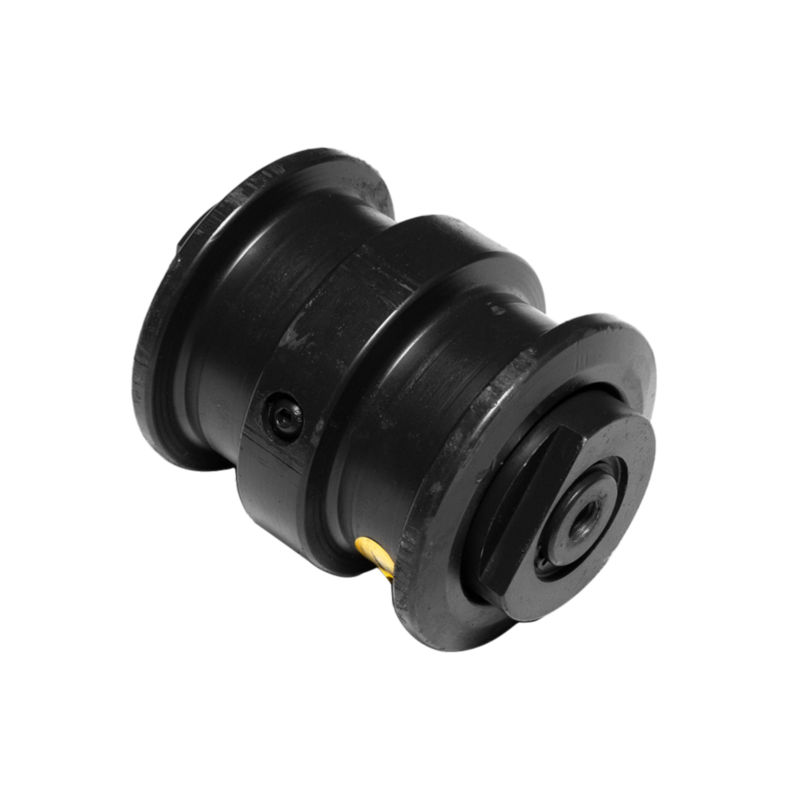
Supporting the machine's weight and guiding the track chain are the ลูกกลิ้ง. มีสองประเภท. ติดตามลูกกลิ้ง, หรือลูกกลิ้งด้านล่าง, are mounted to the bottom of the track frame and bear the machine's weight directly onto the track chain. พวกมันคือส่วนเท้าของตัวเครื่อง, อยู่ภายใต้แรงกดดันมหาศาลอย่างต่อเนื่อง. ลูกกลิ้งขนส่ง, หรือลูกกลิ้งด้านบน, ติดตั้งไว้ที่ด้านบนของโครงราง. หน้าที่ของพวกเขาคือการรองรับน้ำหนักของโซ่ติดตาม, ป้องกันไม่ให้หย่อนคล้อยมากเกินไปและรักษาแนวของมันไว้. ความล้มเหลวในลูกกลิ้งเหล่านี้, มักเกิดจากน้ำมันรั่ว, สามารถนำไปสู่ปัญหาการสึกหรอทั่วทั้งระบบได้ (เครื่องจักรกำเนิด, 2024).
ที่ด้านหน้าของกรอบแทร็ก, คุณจะพบกับ คนขี้เกียจ. The idler's primary purpose is to guide the track chain back around toward the rollers and to serve as the mechanism for adjusting track tension. ไม่ใช่ส่วนประกอบที่ขับเคลื่อน แต่เป็นล้อหมุนฟรี, พร้อมกับชุดสปริงดึงกลับ, ดูดซับและรองรับแรงกระแทกด้านหน้าระบบราง.
ในที่สุด, ที่ด้านหลัง, คือ เฟือง. This is the-toothed wheel that is turned by the machine's final drive motor. The sprocket's teeth engage with the bushings of the track chain, transferring the engine's power to the track and driving the machine forward or backward. It is the engine's handshake with the ground. The wear on its teeth must perfectly match the wear on the track chain's bushings for efficient power transfer.
การทำความเข้าใจการมีส่วนร่วมนี้เป็นก้าวแรกสำหรับผู้ควบคุมยานพาหนะ. เฟืองที่สึกหรอจะทำให้โซ่ใหม่เสียหาย. ลูกกลิ้งที่ถูกยึดจะบดจุดแบนเข้ากับข้อต่อของราง. ความตึงของแทร็กที่ไม่ถูกต้องจะออกแรงมหาศาลต่อคนเดินเบา, ลูกกลิ้ง, และไดรฟ์สุดท้าย. เป็นระบบปิดที่สุขภาพขององค์ประกอบหนึ่งเชื่อมโยงกับสุขภาพขององค์ประกอบทั้งหมดอย่างแยกไม่ออก.
การดำเนินการตรวจสอบช่วงล่างทั่วทั้งกลุ่มยานพาหนะ
With a firm grasp of the undercarriage's anatomy, การดำเนินการเชิงตรรกะถัดไปคือการประเมินสุขภาพที่ครอบคลุมทั่วทั้งกลุ่มยานพาหนะของคุณ. นี่ไม่ใช่การตรวจสอบด้วยสายตาธรรมดาๆ; เป็นแบบฝึกหัดการรวบรวมข้อมูลที่จะสร้างรากฐานของกลยุทธ์การจัดการทั้งหมดของคุณ. เป้าหมายคือการสร้างรายละเอียด "โปรไฟล์การสึกหรอ"" สำหรับแต่ละเครื่อง, ซึ่งจะช่วยให้คุณสามารถย้ายจากปฏิกิริยา "แก้ไขเมื่อมันพัง" เป็นแบบอย่างเชิงรุก, การคาดการณ์.
การตรวจสอบของคุณควรเริ่มต้นด้วยการเก็บบันทึกอย่างพิถีพิถัน. สำหรับแต่ละเครื่อง, คุณต้องรู้ยี่ห้อของมัน, แบบอย่าง, อายุ, และเวลาทำการทั้งหมด. ที่สำคัญกว่านั้น, คุณต้องติดตามชั่วโมงบนช่วงล่างปัจจุบัน. หากไม่มีข้อมูลพื้นฐานนี้, ความพยายามใดๆ ในการวิเคราะห์วงจรชีวิตจะไม่มีประโยชน์.
ต่อไปเป็นการตรวจร่างกาย, ซึ่งควรเป็นมาตรฐานในกลุ่มยานพาหนะของคุณเพื่อให้มั่นใจว่าข้อมูลมีความสอดคล้องกัน. สิ่งนี้เกี่ยวข้องมากกว่าแค่มองหาการแตกหักที่ชัดเจน. คุณต้องวัดการสึกหรอ. ใช้เครื่องมือพิเศษเช่นเกจวัดความหนาอัลตราโซนิกและเกจวัดความลึก, ช่างเทคนิคของคุณควรวัดจุดสึกหรอที่สำคัญ:
- ติดตามสนามโซ่: วัดระยะทางตามจำนวนข้อต่อที่กำหนดเพื่อกำหนดขอบเขตการสึกหรอของพินและบุชชิ่งภายใน, หรือ “ยืด.."
- เส้นผ่านศูนย์กลางดอกยางลูกกลิ้ง: วัดเส้นผ่านศูนย์กลางที่เหลือของรางและลูกกลิ้งตัวพาเพื่อวัดอายุการใช้งาน.
- บุชชิ่งเส้นผ่านศูนย์กลางภายนอก: วัดการสึกหรอด้านนอกของบูชโซ่ตีนตะขาบ.
- โปรไฟล์ฟันเฟือง: ใช้เกจเพื่อตรวจสอบรูปแบบการสึกหรอบนฟันเฟือง.
- ติดตามความสูงของรองเท้า Grouser: วัดความสูงของเกรียงเพื่อกำหนดแรงฉุดที่เหลืออยู่.
This data should be logged against the machine's undercarriage hours. ล่วงเวลา, ซึ่งจะช่วยให้คุณสามารถวางแผนกราฟการสึกหรอสำหรับเครื่องจักรแต่ละเครื่องในการใช้งานเฉพาะได้. คุณจะเริ่มเห็นรูปแบบ. รถดันดินที่ทำงานในทรายซิลิกาที่มีฤทธิ์กัดกร่อนสูงของเหมืองในออสเตรเลียตะวันตกจะแสดงลักษณะการสึกหรอที่แตกต่างจากรถขุดที่ขุดบนพื้นเปียก, ดินที่อุดมด้วยดินเหนียวของสถานที่ก่อสร้างในเอเชียตะวันออกเฉียงใต้. ข้อมูลนี้เป็นเครื่องมือที่ทรงพลังที่สุดของคุณ. ช่วยให้คุณสามารถคาดการณ์ได้ว่าส่วนประกอบจะสิ้นสุดอายุการใช้งานเมื่อใด, ช่วยให้คุณสามารถกำหนดเวลาหยุดทำงานและสั่งซื้อชิ้นส่วนล่วงหน้าได้, เปลี่ยนการบำรุงรักษาจากเหตุฉุกเฉินไปสู่การวางแผน, กิจกรรมที่ควบคุมต้นทุน.
การจับคู่ช่วงล่างให้เข้ากับการใช้งานและภูมิประเทศ
ส่วนสุดท้ายของขั้นตอนพื้นฐานนี้คือการประเมินอย่างมีวิจารณญาณว่าเครื่องจักรของคุณได้รับการติดตั้งอย่างเหมาะสมสำหรับงานของตนหรือไม่. ข้อผิดพลาดทั่วไปคือการยอมรับการกำหนดค่าช่วงล่างมาตรฐานที่เครื่องจักรส่งมาด้วย. สำหรับขนาดใหญ่, กองเรือที่หลากหลาย, แนวทางเดียวที่เหมาะกับทุกคนนี้เป็นสูตรสำเร็จสำหรับต้นทุนที่มากเกินไป. การเลือกสิทธิ ชิ้นส่วนช่วงล่างสำหรับผู้ควบคุมยานพาหนะ เป็นการฝึกวิจารณญาณทางวิศวกรรม, แรงฉุดที่สมดุล, การลอยอยู่ในน้ำ, ความต้านทานการสึกหรอ, และค่าใช้จ่าย.
ตัวเลือกที่สำคัญที่สุดที่นี่คือรองเท้าลู่วิ่ง. เป้าหมายคือการใช้ฐานรองเท้าที่แคบที่สุดเท่าที่จะเป็นไปได้ซึ่งยังคงให้การลอยตัวที่เพียงพอสำหรับสภาพพื้นดิน. ทำไม? เพราะหน้ารองเท้าที่กว้างขึ้นจะเพิ่มแรงต้านการหมุน, เพิ่มความเครียดและแรงบิดให้กับระบบช่วงล่างทั้งหมด, ตั้งแต่หมุดและบุชชิ่งไปจนถึงโครงแทร็ก. รองเท้าที่กว้างกว่าก็มีพื้นที่ผิวสัมผัสพื้นมากกว่าเช่นกัน, เพิ่มอัตราการสึกหรอในสภาวะที่มีการเสียดสี.
ประเภทของเกรียงก็มีความสำคัญไม่แพ้กัน.
- รองเท้า Grouser เดี่ยว: เสนอการเจาะและการยึดเกาะสูงสุด. เหมาะอย่างยิ่งสำหรับการใช้งานบนพื้นหินหรือพื้นแข็งซึ่งต้องการการยึดเกาะสูงสุด.
- รองเท้า Grouser คู่: ให้การเจาะน้อยลงแต่สามารถหมุนได้ดีขึ้น และเป็นตัวเลือกที่ดีรอบด้านสำหรับการใช้งานรถขุดจำนวนมากที่เครื่องจักรจำเป็นต้องเคลื่อนที่บ่อยครั้ง. มีความสมดุลที่ดีระหว่างการยึดเกาะและการรบกวนพื้นดินต่ำ.
- รองเท้า Triple Grouser: ประเภทที่พบมากที่สุดในรถขุด, สิ่งเหล่านี้มีความคล่องตัวที่ดีที่สุดและมีการรบกวนพื้นดินน้อยที่สุด, ทำให้เหมาะสำหรับพื้นผิวสำเร็จรูปหรือพื้นนุ่ม. อย่างไรก็ตาม, แรงฉุดของมันต่ำกว่าการออกแบบ Grouser แบบเดี่ยวหรือคู่. อะไหล่จีเอฟเอ็ม ให้การวิเคราะห์ประเภทเหล่านี้ได้ดี.
- รองเท้าหนองน้ำหรือรองเท้าส้นแบน: รองเท้าเหล่านี้เป็นรองเท้าหน้ากว้างมากและมีรอยยับน้อยที่สุดหรือไม่มีเลย, ออกแบบมาเพื่อเพิ่มการลอยตัวในความนุ่มเป็นพิเศษ, สภาพที่เป็นหนองน้ำ, เช่นเดียวกับที่พบในบางส่วนของเอเชียตะวันออกเฉียงใต้หรือในโครงการฟื้นฟูพื้นที่ชุ่มน้ำ.
ตารางด้านล่างนี้ให้คำแนะนำอย่างง่ายสำหรับการจับคู่ประเภทรองเท้าตีนตะขาบกับสภาพแวดล้อมการทำงานที่หลากหลายที่กลุ่มยานพาหนะของคุณอาจพบเจอ.
| ภูมิประเทศ/การใช้งาน | ความท้าทายหลัก | รองเท้าแทรคที่แนะนำ | เหตุผล |
|---|---|---|---|
| ไซบีเรียนเพอร์มาฟรอสต์ (รัสเซีย) | แรงฉุดต่ำ, พื้นดินแช่แข็ง | กรูเซอร์ตัวเดียว, ความแข็งสูง | จำเป็นต้องมีการเจาะทะลุสูงสุดเพื่อจับน้ำแข็ง, พื้นผิวแข็ง. เหล็กจะต้องได้รับการกำหนดสูตรเพื่อต้านทานการเปราะในความเย็นจัด. |
| เหมืองแร่เหล็กของออสเตรเลีย | การขัดถูสูง | กรูเซอร์ตัวเดียว, โลหะผสมทนต่อการขัดถูสูง | ลักษณะการเสียดสีของหินและดินต้องใช้วัสดุที่แข็งที่สุดในการชะลอการสึกหรอ. จำเป็นต้องมีแรงฉุดสูง. |
| เนินทรายตะวันออกกลาง | การลอยตัวต่ำ, การขัดถูสูง | Wide Triple Grouser หรือรองเท้าส้นแบน | รองเท้าทรงกว้างจำเป็นเพื่อกระจายน้ำหนักและป้องกันการจม. ทรายละเอียดมีฤทธิ์กัดกร่อนสูง, ดังนั้นความแข็งของวัสดุยังคงเป็นปัจจัยหนึ่ง. |
| สวนปาล์มแห่งเอเชียตะวันออกเฉียงใต้ | อ่อนนุ่ม, ดินโคลน, การบรรจุ | Grouser คู่หรือสาม (Swamp Pads ในกรณีที่รุนแรง) | ลำดับความสำคัญคือการลอยอยู่ในน้ำและลดการรบกวนพื้นดินให้เหลือน้อยที่สุด. การออกแบบยังต้องหลั่งโคลนเพื่อป้องกันการ "บรรจุ"" |
| การรื้อถอนเมืองเกาหลี | เศษผสม, คอนกรีต | ร้านขายของชำสองเท่า, ทนต่อแรงกระแทกสูง | รองเท้าต้องทนต่อแรงกระแทกจากเหล็กเส้นและชิ้นคอนกรีต. ความคล่องตัวที่ดีก็เป็นสิ่งสำคัญเช่นกันในพื้นที่จำกัด. |
| การทำเหมืองแร่ลุ่มน้ำในแอฟริกา | เปียก, ดินเหนียว & กรวด | ร้านขายของชำสองเท่า | จำเป็นต้องมีความสมดุลเพื่อให้มีการยึดเกาะในสภาวะที่ลื่น โดยไม่เจาะและรบกวนชั้นพื้นดินอันมีค่ามากเกินไป. |
โดยการกรอกการประเมินพื้นฐานสามส่วนนี้—การทำความเข้าใจกายวิภาคศาสตร์, ตรวจสอบยานพาหนะของคุณ, และส่วนประกอบที่เข้ากันกับการใช้งาน—คุณเปลี่ยนแนวทางไปสู่การจัดการช่วงล่าง. คุณไม่ใช่ผู้รับค่าบำรุงรักษาแบบเฉยๆ อีกต่อไป แต่เป็นนักยุทธศาสตร์ที่กระตือรือร้น, วางรากฐานให้มีประสิทธิภาพมากขึ้น, เชื่อถือได้, และการดำเนินงานกองเรือที่ทำกำไรได้.
ขั้นตอน 2: การจัดหาเชิงกลยุทธ์และการเลือกชิ้นส่วนช่วงล่าง
Having established a deep understanding of your fleet's operational demands and the current state of your equipment, ขั้นตอนที่สองในแนวทางที่เป็นระบบของเราเกี่ยวข้องกับการจัดหาชิ้นส่วนทดแทน. นี่คือโดเมนที่เต็มไปด้วยความซับซ้อน, โดยที่ภูมิปัญญาที่ชัดเจนในการเลือกตัวเลือกที่มีราคาต่ำสุดมักจะนำไปสู่ค่าใช้จ่ายระยะยาวที่สูงขึ้น. สำหรับผู้ควบคุมกองเรือที่ชาญฉลาด, การจัดหาไม่ได้เป็นเพียงธุรกรรมเท่านั้น; เป็นการตัดสินใจเชิงกลยุทธ์ที่มีผลกระทบอย่างมากต่อสภาพพร้อมใช้งานของเครื่องจักร, ค่าแรง, และความสามารถในการทำกำไรโดยรวมของโครงการ. ขั้นตอนนี้ต้องมีการพิจารณาอย่างรอบคอบระหว่างผู้ผลิตอุปกรณ์ดั้งเดิม (OEM) และอะไหล่หลังการขาย, เจาะลึกในด้านวัสดุศาสตร์ที่กำหนดองค์ประกอบด้านคุณภาพ, และการสร้างความร่วมมือที่แข็งแกร่งกับซัพพลายเออร์ที่สามารถทำหน้าที่เป็นพันธมิตรในความสำเร็จในการดำเนินงานของคุณ.
OEM เทียบกับ. การพิจารณาหลังการขาย
ข้อถกเถียงระหว่าง OEM และชิ้นส่วนหลังการขายเป็นเรื่องที่เกิดขึ้นอย่างต่อเนื่องในอุตสาหกรรมเครื่องจักรกลหนัก. การวิเคราะห์ทางการเงินล้วนๆ, เน้นที่ราคาซื้อเริ่มแรกเท่านั้น, มักจะชอบตัวเลือกหลังการขายเสมอ. อย่างไรก็ตาม, นี่เป็นมุมมองที่เรียบง่ายและอันตราย. มีมุมมองที่กระจ่างแจ้งยิ่งขึ้น, มีพื้นฐานมาจากแนวคิดต้นทุนรวมในการเป็นเจ้าของ (TCO), เป็นสิ่งจำเป็น.
OEM parts are manufactured or specified by the machine's original producer, เช่น Komatsu หรือ Caterpillar. พวกเขาเป็น, ตามคำจำกัดความ, เข้ากันได้อย่างลงตัวกับตัวเครื่อง, ออกแบบมาเพื่อทำงานร่วมกับส่วนประกอบ OEM อื่นๆ. The manufacturer's reputation is tied to their performance, และโดยทั่วไปจะมาพร้อมกับการรับประกันที่ครอบคลุมและการสนับสนุนจากตัวแทนจำหน่ายและเครือข่ายการสนับสนุนที่กว้างขวาง. ข้อเสียเปรียบหลัก, แน่นอน, คือราคาพรีเมี่ยมของพวกเขา.
อะไหล่หลังการขาย, ในทางกลับกัน, ผลิตโดยบริษัทบุคคลที่สาม. คุณภาพในส่วนนี้ของตลาดมีความแตกต่างกันอย่างมาก. ที่ปลายด้านหนึ่งของสเปกตรัมคือผู้ผลิตที่วิศวกรรมย้อนกลับชิ้นส่วน OEM และผลิตโดยใช้วัสดุที่ด้อยกว่าและการควบคุมคุณภาพที่เข้มงวดน้อยกว่า, นำไปสู่ความล้มเหลวก่อนวัยอันควร. อีกด้านหนึ่งเป็นบริษัทที่มีชื่อเสียงซึ่งลงทุนมหาศาลในด้านการวิจัยและพัฒนา, มักจะผลิตชิ้นส่วนที่ตรงตามหรือเกินกว่าข้อกำหนดของ OEM ในแง่ขององค์ประกอบของวัสดุและความทนทาน. ซัพพลายเออร์หลังการขายชั้นนำเหล่านี้, เช่นที่พบในแพลตฟอร์มเช่น อุปกรณ์บันยิป หรือผ่านผู้ให้บริการเฉพาะทาง, สามารถเสนอคุณค่าที่น่าสนใจได้: คุณภาพระดับ OEM ในราคาที่แข่งขันได้มากขึ้น.
ตัวเลือกเชิงกลยุทธ์สำหรับผู้ควบคุมยานพาหนะไม่ใช่ไบนารี่ "แต่เป็น OEM เสมอไป"" หรือ "หลังการขายเสมอ" กฎ. แทน, มันเกี่ยวกับการบริหารความเสี่ยง. สำหรับเครื่องใหม่เอี่ยมภายใต้การรับประกัน, การใช้ชิ้นส่วน OEM มักเป็นข้อกำหนดในการรักษาการรับประกันให้ถูกต้อง. สำหรับเครื่องรุ่นเก่า, หรือสำหรับส่วนประกอบที่ไม่สำคัญ, ชิ้นส่วนอะไหล่หลังการขายคุณภาพสูงจากซัพพลายเออร์ที่เชื่อถือได้สามารถแสดงถึงการประหยัดต้นทุนได้อย่างมากและชาญฉลาด. กุญแจสำคัญคือการทำความรอบคอบของคุณ. ต้องการข้อกำหนดทางเทคนิค, รายงานการทดสอบวัสดุ, และกรณีศึกษาจากซัพพลายเออร์หลังการขายที่มีศักยภาพ. การปฏิเสธที่จะให้ข้อมูลนี้ถือเป็นสัญญาณอันตรายที่สำคัญ.
ตารางต่อไปนี้เสนอกรอบการทำงานสำหรับการพิจารณานี้, ก้าวไปไกลกว่าราคาไปสู่การเปรียบเทียบแบบองค์รวมมากขึ้น.
| ปัจจัย | ผู้ผลิตอุปกรณ์ดั้งเดิม (OEM) | ผู้จัดจำหน่ายหลังการขายที่มีคุณภาพ |
|---|---|---|
| ต้นทุนเริ่มต้น | สูง | ปานกลางถึงต่ำ |
| คุณภาพ & พอดี | รับประกันว่าจะตรงตามข้อกำหนดดั้งเดิมและลงตัวพอดี. | สามารถตอบสนองหรือเกินกว่าข้อกำหนดของ OEM, แต่ต้องมีการตรวจอย่างละเอียด. โดยทั่วไปแล้ว Fit จะดีจากซัพพลายเออร์ที่มีชื่อเสียง. |
| วัสดุศาสตร์ | โลหะผสมที่เป็นกรรมสิทธิ์และการบำบัดความร้อนที่พัฒนาโดย OEM. | มักใช้เหล็กกล้าความแข็งแรงสูงมาตรฐานอุตสาหกรรม. ซัพพลายเออร์ชั้นนำลงทุนในวัสดุของตนเอง R&ดี. |
| การรับประกัน | ครอบคลุม, ได้รับการสนับสนุนจากเครือข่ายตัวแทนจำหน่ายขนาดใหญ่. | แตกต่างกันไปตามซัพพลายเออร์. ข้อเสนอที่ดีที่สุดรับประกันการแข่งขัน, แต่ขั้นตอนการเคลมอาจแตกต่างกัน. |
| ความพร้อมใช้งาน | โดยทั่วไปดี, แต่อาจได้รับผลกระทบจากการหยุดชะงักของห่วงโซ่อุปทานของ OEM. | สามารถเป็นเลิศได้, กับซัพพลายเออร์บางรายที่เชี่ยวชาญด้านการจัดส่งชิ้นส่วนที่สึกหรอทั่วไปอย่างรวดเร็ว. |
| การสนับสนุนด้านเทคนิค | การสนับสนุนอย่างกว้างขวางผ่านเครือข่ายตัวแทนจำหน่าย. | แตกต่างกันไป. ซัพพลายเออร์ที่ดีที่สุดจะมีพนักงานที่มีความรู้ซึ่งสามารถให้คำแนะนำในการเลือกชิ้นส่วนและการใช้งานได้. |
การถอดรหัสวัสดุศาสตร์และกระบวนการผลิต
เพื่อการตัดสินใจจัดหาข้อมูลอย่างแท้จริง, ผู้ควบคุมยานพาหนะจะต้องเป็น, ในระดับหนึ่ง, นักศึกษาสาขาโลหะวิทยา. อายุการใช้งานที่ยาวนานของส่วนประกอบช่วงล่างไม่ใช่เรื่องของโอกาส; it is a direct result of the steel's composition and the way it has been processed. การทำความเข้าใจพื้นฐานสามารถช่วยให้คุณตัดผ่านศัพท์เฉพาะทางการตลาดและถามคำถามที่ถูกต้องกับซัพพลายเออร์ได้.
วัสดุหลักสำหรับชิ้นส่วนช่วงล่างคือเหล็ก, แต่ไม่ใช่ว่าเหล็กทุกชนิดจะถูกสร้างขึ้นมาเท่ากัน. การเติมธาตุผสมจะทำให้คุณสมบัติของมันเปลี่ยนแปลงไปอย่างมาก.
- คาร์บอน: สารเพิ่มความแข็งขั้นพื้นฐานในเหล็ก. ปริมาณคาร์บอนที่สูงขึ้นจะทำให้มีความแข็งมากขึ้น แต่ยังเพิ่มความเปราะบางได้อีกด้วย.
- แมงกานีส: ปรับปรุงความสามารถในการชุบแข็งและมีส่วนทำให้มีความแข็งแรงและทนทานต่อการสึกหรอ.
- โครเมียม: องค์ประกอบสำคัญในการเพิ่มความแข็ง, ความเหนียว, และทนต่อการกัดกร่อนและการเสียดสี.
- โบรอน: เพิ่มในปริมาณที่น้อยมาก, โบรอนช่วยเพิ่มความสามารถในการชุบแข็งของเหล็กได้อย่างมาก, ช่วยให้ได้ความแข็งที่ลึกและสม่ำเสมอโดยการอบชุบด้วยความร้อน. นี่คือจุดเด่นของเหล็กช่วงล่างคุณภาพสูง.
องค์ประกอบเหล่านี้, อย่างไรก็ตาม, เป็นเพียงส่วนหนึ่งของเรื่องราวเท่านั้น. กระบวนการผลิตคือสิ่งที่ปลดล็อกศักยภาพของพวกเขา.
- การปลอม Vs. การคัดเลือกนักแสดง: การตีขึ้นรูปเกี่ยวข้องกับการขึ้นรูปเหล็กภายใต้แรงกดดันอันมหาศาล, ซึ่งจัดแนวโครงสร้างเกรนของโลหะ, ส่งผลให้มีความแข็งแกร่งที่เหนือกว่า, ความเหนียว, และต้านทานความเหนื่อยล้า. การคัดเลือกนักแสดง, ซึ่งเกี่ยวข้องกับการเทโลหะหลอมเหลวลงในแม่พิมพ์, เป็นกระบวนการที่มีราคาถูกกว่าแต่อาจส่งผลให้อ่อนแอลงได้, โครงสร้างภายในที่มีรูพรุนมากขึ้น. สำหรับส่วนประกอบที่มีแรงกดสูง เช่น ข้อต่อของแทร็ก, การตีเป็นวิธีการที่เหนือกว่า.
- การรักษาความร้อน: นี่เป็นขั้นตอนที่สำคัญที่สุด. It involves carefully controlled cycles of heating and cooling to alter the steel's microstructure and achieve the desired balance of hardness and toughness. กระบวนการสำคัญสำหรับชิ้นส่วนช่วงล่างคือ การชุบแข็งแบบเหนี่ยวนำ. เทคนิคนี้ใช้กระแสไฟฟ้าเพื่อให้ความร้อนเฉพาะชั้นผิวของส่วนประกอบเท่านั้น (เช่นรางของรางเชื่อมต่อหรือดอกยางของลูกกลิ้ง) ก่อนที่มันจะดับลงอย่างรวดเร็ว (ระบายความร้อน). ผลที่ได้คือส่วนหนึ่งที่มีความยากมาก, พื้นผิวที่ทนต่อการสึกหรอและมีความแกร่งมากขึ้น, แกนเหนียวมากขึ้น. พื้นผิวแข็งทนทานต่อการเสียดสี, ในขณะที่แกนที่แข็งแกร่งจะป้องกันไม่ให้ชิ้นส่วนแตกร้าวภายใต้แรงกระแทก. The depth and uniformity of this hardened layer are direct indicators of a part's quality.
เมื่อคุณประเมินซัพพลายเออร์, ถามพวกเขาเกี่ยวกับข้อมูลจำเพาะของวัสดุ. พวกเขาใช้เหล็กโบรอนหรือไม่? กระบวนการบำบัดความร้อนของพวกเขาคืออะไร? ความลึกและความแข็งของเคสที่ระบุคือเท่าใด (วัดใน Rockwell HRC) ของพื้นผิวที่สึกหรอ? ซัพพลายเออร์ที่มีคุณภาพจะมีข้อมูลนี้พร้อมใช้และภูมิใจที่จะแบ่งปัน. เหล่านี้เป็นรายละเอียดที่แยกส่วนที่คงอยู่ 4,000 ชั่วโมงนับจากที่ล้มเหลวที่ 2,000, และนี่คือจุดที่ประหยัดต้นทุนได้อย่างแท้จริง.
การสร้างความร่วมมือด้านซัพพลายเออร์สำหรับผู้ประกอบการยานพาหนะ
สำหรับผู้ประกอบการเดินเรือ, ซัพพลายเออร์ชิ้นส่วนควรเป็นมากกว่าผู้ขาย. พวกเขาควรเป็นพันธมิตรเชิงกลยุทธ์. The ideal supplier relationship is not based on a series of one-off transactions but on a long-term collaboration aimed at improving your fleet's efficiency.
การเป็นหุ้นส่วนซัพพลายเออร์ที่แท้จริงมีไว้เพื่ออะไร ชิ้นส่วนช่วงล่างสำหรับผู้ควบคุมยานพาหนะ?
- ความเชี่ยวชาญทางเทคนิค: The supplier's team should have deep product knowledge. พวกเขาควรจะทำหน้าที่เป็นที่ปรึกษาได้, ช่วยคุณวิเคราะห์ข้อมูลการสึกหรอของคุณและแนะนำสิ่งที่ดีที่สุด สิ่งที่แนบมากับรถขุดคุณภาพสูง และส่วนประกอบสำหรับการใช้งานเฉพาะของคุณ, rather than just selling you what's on the shelf.
- การจัดการสินค้าคงคลัง: A good partner will work with you to understand your fleet's needs and consumption rates. พวกเขาสามารถช่วยคุณตั้งค่าระบบสินค้าคงคลังที่มีการจัดการ, ตรวจสอบให้แน่ใจว่าคุณมีชิ้นส่วนที่สึกหรอทั่วไปที่คุณต้องการโดยไม่ต้องผูกเงินทุนมากเกินไปในสต็อกของคุณเอง. บางแห่งอาจเสนอโปรแกรมฝากขายสำหรับลูกค้าที่มีปริมาณมาก.
- การเข้าถึงลอจิสติกส์: สำหรับกองยานพาหนะที่ปฏิบัติการในสถานที่ห่างไกลและหลากหลาย, the supplier's ability to deliver parts efficiently is paramount. ประเมินเครือข่ายลอจิสติกส์ของพวกเขา. พวกเขาสามารถจัดส่งไปยังไซต์ของคุณในเขตชนบทห่างไกลของออสเตรเลียได้อย่างคุ้มค่าหรือไม่, รัสเซียตะวันออกไกล, หรือในชนบทของแอฟริกา?
- การแก้ไขปัญหา: ซัพพลายเออร์จะจัดการกับการเรียกร้องการรับประกันหรือชิ้นส่วนที่ไม่ถูกต้องอย่างไร? คู่แท้ย่อมมีความชัดเจน, กระบวนการที่มีประสิทธิภาพและจะทำงานร่วมกับคุณเพื่อแก้ไขปัญหาอย่างรวดเร็ว, ลดการหยุดทำงานของคุณ.
ด้วยการเปลี่ยนกรอบความคิดของคุณจากการซื้อชิ้นส่วนเพียงอย่างเดียวไปเป็นการจัดหาโซลูชันเชิงกลยุทธ์, คุณก้าวไปอีกขั้นในการควบคุมต้นทุนช่วงล่างของคุณ. มันเกี่ยวข้องกับการประเมินเบื้องต้นที่เข้มงวดมากขึ้น, แต่ผลตอบแทนระยะยาวจากการหยุดทำงานที่ลดลง, ต้นทุนแรงงานที่ต่ำกว่า, และอายุการใช้งานของชิ้นส่วนที่ยาวนานขึ้นถือเป็นปัจจัยทางการเงินที่สำคัญที่สุดประการหนึ่งที่ผู้ควบคุมยานพาหนะสามารถทำได้.
ขั้นตอน 3: การนำระเบียบปฏิบัติการบำรุงรักษาและการตรวจสอบเชิงรุกไปใช้
ที่ดีที่สุด, ชิ้นส่วนช่วงล่างที่แพงที่สุดในโลกจะพังก่อนเวลาอันควรหากไม่ได้รับการดูแลด้วยความเอาใจใส่และเอาใจใส่. หลังจากวางรากฐานความรู้และแผนการจัดหาเชิงกลยุทธ์แล้ว, ขั้นตอนที่สามคือการสร้างวัฒนธรรมการบำรุงรักษาเชิงรุกให้เป็นระบบ. นี่หมายถึงการถอยห่างจากปรัชญาแห่งการซ่อมแซมและมุ่งสู่ปรัชญาแห่งการป้องกัน. การสึกหรอของช่วงล่างส่วนใหญ่เป็นสิ่งที่หลีกเลี่ยงไม่ได้; มันเป็นผลเร่งของการละเลย. สำหรับผู้ประกอบการเดินเรือ, โปรโตคอลการบำรุงรักษาที่มีระเบียบวินัยและนำไปใช้อย่างสม่ำเสมอเป็นหนทางที่ตรงที่สุดในการยืดอายุส่วนประกอบและลดต้นทุนการดำเนินงานต่อชั่วโมง. โปรโตคอลนี้สร้างขึ้นจากสามเสาหลัก: การเดินเล่นในแต่ละวันที่เรียบง่ายแต่ทรงพลัง, ความเชี่ยวชาญของความตึงเครียดในแทร็กที่ถูกต้อง, ศิลปะการทำความสะอาดที่มักถูกมองข้าม, และใช้เทคนิคการตรวจสอบขั้นสูงกว่าเพื่อดูว่าตาเปล่าไม่สามารถทำได้.
พลังแห่งการเดินไปรอบๆ ในแต่ละวัน
เครื่องมือบำรุงรักษาที่มีประสิทธิภาพที่สุดในคลังแสงของคุณคือสายตาที่ได้รับการฝึกอบรมและช่างสังเกตของผู้ควบคุมเครื่องจักรของคุณ. การตรวจสอบก่อนสตาร์ททุกวัน, หรือเดินไปรอบๆ, เป็นปราการด่านแรกในการป้องกันความล้มเหลวจากภัยพิบัติ. เป็นพิธีกรรมที่ไม่ควรต่อรองได้กับทุกเครื่อง, ทุกวัน. สิ่งที่ดูเหมือนการตรวจสอบง่ายๆ ห้านาทีสามารถระบุปัญหาเล็กๆ น้อยๆ ก่อนที่จะพัฒนาเป็นปัญหาใหญ่ได้, เหตุการณ์ที่ทำให้เกิดการหยุดทำงาน.
ผู้ปฏิบัติงานจะต้องได้รับการฝึกอบรมให้มองหาสัญญาณเตือนเฉพาะ. นี่ไม่ใช่การเดินเล่นรอบๆ เครื่องแบบสบายๆ; มันเป็นกิจวัตรการวินิจฉัยที่มุ่งเน้น.
- ตรวจสอบการรั่วไหล: ผู้ปฏิบัติงานควรตรวจสอบลูกกลิ้งตีนตะขาบแต่ละตัวอย่างระมัดระวัง, ลูกกลิ้งผู้ให้บริการ, และไม่ทำงานเมื่อมีสัญญาณของน้ำมันรั่ว. การรั่วไหลเป็นสัญญาณที่ชัดเจนว่าการปิดผนึกล้มเหลว. เมื่อน้ำมันหมด, ตลับลูกปืนภายในจะทำลายตัวเองอย่างรวดเร็ว, นำไปสู่การยึดลูกกลิ้ง. ลูกกลิ้งที่ยึดไว้จะไม่หมุน, และในขณะที่โซ่ติดตามถูกลากข้ามไป, มันจะทำให้เกิดจุดแบนบนลูกกลิ้งและทำให้เกิดอาการรุนแรง, การสึกหรอผิดปกติของแทร็กเชื่อมโยงกันเอง.
- ตรวจสอบฮาร์ดแวร์: มีสลักเกลียวที่หลวมหรือหายไปบนรองเท้าลู่วิ่งหรือไม่? รองเท้าที่หลวมอาจหลุดออกได้, และรองเท้าที่หายไปจะสร้างความไม่สมดุลในห่วงโซ่แทร็กที่ทำให้เกิดความเครียดกับข้อต่อและหมุดที่อยู่ติดกัน.
- มองหาการสึกหรอที่ผิดปกติ: ผู้ดำเนินการ, ใครอยู่กับเครื่องทั้งวัน, อยู่ในตำแหน่งที่ดีที่สุดในการสังเกตการเปลี่ยนแปลง. มีใหม่ๆบ้างไหม, จุดสึกหรอของโลหะบนโลหะมันเงา? มี "หอยเชลล์" บนลิงก์แทร็ก, ที่ลูกกลิ้งกำลังขุดเข้าไป? ขอบของฟันเฟืองหรือฟันเฟืองเริ่มคมหรือเป็นตะขอ? สิ่งเหล่านี้ล้วนเป็นสัญญาณบ่งบอกถึงปัญหาที่กำลังพัฒนา.
- ประเมินความตึงเครียดของแทร็ก (ย้อย): ในขณะที่การวัดที่แม่นยำนั้นเป็นงานที่เกี่ยวข้องมากกว่า, การตรวจสอบการลดลงของแทร็กด้วยสายตาสามารถระบุปัญหาสำคัญได้อย่างรวดเร็ว. แทร็กดูแน่นผิดปกติหรือหลวมเกินไปหรือไม่? เราจะสำรวจเรื่องนี้โดยละเอียดยิ่งขึ้น, แต่การตรวจสอบด้วยสายตาในแต่ละวันถือเป็นการผ่านครั้งแรกที่สำคัญ.
- ตรวจสอบสภาพทั่วไป: มีรอยแตกร้าวบนรองเท้าแทร็กหรือไม่? มีความเสียหายอย่างมีนัยสำคัญต่อยางบนเครื่องติดตามยางหรือไม่? เป็นรางเหล็กที่เสี่ยงต่อการ "หลุดราง"" (หลุดออกจากลูกกลิ้งและคนขี้เกียจ)?
พิธีกรรมประจำวันนี้เปลี่ยนผู้ปฏิบัติงานจากผู้ใช้ธรรมดามาเป็นผู้ดูแลทรัพย์สิน. การสร้างความเรียบง่าย, รายการตรวจสอบแบบเคลือบที่จะเก็บไว้ในห้องโดยสารสามารถช่วยทำให้กระบวนการนี้เป็นมาตรฐานและรับประกันว่าจะไม่พลาดขั้นตอนใดๆ. เป็นรูปแบบการประกันภัยช่วงล่างที่ถูกที่สุดและมีประสิทธิภาพมากที่สุดที่กองยานพาหนะสามารถมีได้.
การควบคุมความตึงเครียดของแทร็ก: กฎทองของชีวิตช่วงล่าง
หากมี "กฎทองข้อเดียว"" เพื่อการบำรุงรักษาช่วงล่าง, มันคือสิ่งนี้: ตรวจสอบความตึงของแทร็กที่ถูกต้องตลอดเวลา. เป็นการปรับที่สำคัญที่สุดที่กำหนดอัตราการสึกหรอของทั้งระบบ. กองกำลังที่เกี่ยวข้องมีมากมายมหาศาล, และข้อผิดพลาดเล็กน้อยในเรื่องแรงดึงอาจส่งผลกระทบอย่างมากต่ออายุการใช้งานของส่วนประกอบ.
นึกถึงโซ่จักรยาน. ถ้ามันตึงเกินไป, มันยากที่จะเหยียบ, และทำให้เฟืองและลูกปืนในข้อเหวี่ยงเกิดความเครียดอย่างมาก. ถ้ามันหลวมเกินไป, มันสามารถหลุดออกไปได้. หลักการเดียวกันสำหรับรถขุดขนาด 40 ตัน, แต่ผลที่ตามมามีราคาแพงกว่ามาก.
- ติดตามแน่นเกินไป: A track that is tensioned too tightly dramatically increases the friction between the track chain's internal pins and bushings. มันยังสร้างความยิ่งใหญ่อีกด้วย, โหลดอย่างต่อเนื่องบนคนขี้เกียจ, ลูกกลิ้ง, และเฟือง. การสึกหรออย่างรวดเร็วนี้สามารถลดอายุการใช้งานของช่วงล่างของคุณได้มากเท่ากับ 50%. มันเหมือนกับการขับรถโดยที่เบรกจอดอยู่บางส่วน. ระบบกำลังต่อสู้กับตัวเองอยู่ตลอดเวลา, ทำให้เกิดความร้อนและทำให้โลหะสึกหรอ.
- ติดตามหลวมเกินไป: รางที่หลวมเกินไปจะย้อยและกระแทกกับลูกกลิ้งตัวพา, ทำให้เกิดความเสียหาย. วิกฤตมากขึ้น, อาจทำให้ฟันเฟืองกระโดดหรืออยู่ไม่ตรงกับบูชของแทร็กได้, ทำให้เกิดการสึกหรออย่างรุนแรงทั้งคู่. ในสถานการณ์ที่เลวร้ายที่สุด, รางที่หลวมอาจหลุดออกจากคนขี้เกียจหรือลูกกลิ้ง, เหตุการณ์ที่เรียกว่า "de-tracking" นี่เป็นเหตุการณ์การหยุดทำงานที่สำคัญซึ่งมักจะต้องใช้เครื่องจักรอื่นเพื่อช่วยยกและรีเซ็ตแทร็ก, และมีความเสี่ยงสูงที่จะสร้างความเสียหายให้กับส่วนประกอบอื่นๆ ในกระบวนการ.
ดังนั้น, อะไรคือ "ถูกต้อง" ความเครียด? มันไม่ใช่ค่าคงที่. มันถูกกำหนดโดยการวัด "sag" ของเส้นทาง ณ จุดใดจุดหนึ่งโดยเฉพาะ. ขั้นตอนไม่ซับซ้อน:
- ใช้งานเครื่องเพื่อให้โคลนหรือเศษซากที่อัดแน่นอยู่หลุดออกมา.
- จอดเครื่องบนพื้นผิวเรียบ.
- วางขอบตรงหรือเส้นเชือกพาดด้านบนของแทร็ก, จากคนขี้เกียจไปจนถึงลูกกลิ้งพาหะด้านบน.
- วัดระยะห่างจากขอบตรงลงไปถึงจุดหย่อนต่ำสุดในห่วงโซ่ตีนตะขาบ.
- Compare this measurement to the manufacturer's specification in the machine's operator manual. ข้อกำหนดนี้มีความสำคัญและอาจมีความแตกต่างกันอย่างมากระหว่างรุ่นต่างๆ.
ความตึงจะถูกปรับผ่านกระบอกสูบที่เติมจาระบีซึ่งเชื่อมต่อกับไอเดลอร์. การสูบจาระบีดันคนเดินเตาะแตะไปข้างหน้า, ทำให้แทร็กกระชับขึ้น. การปล่อยจาระบีช่วยให้คนขี้เกียจเคลื่อนตัวกลับได้, คลายมัน.
อย่างมีวิจารณญาณ, ความตึงที่ถูกต้องนั้นขึ้นอยู่กับสภาพการทำงานด้วย. ในการ “บรรจุ." เงื่อนไข, เช่นดินเหนียวเปียกหรือหิมะ, วัสดุสามารถสร้างขึ้นระหว่างเฟืองและโซ่ติดตามได้. วัสดุนี้ช่วยกระชับแทร็กขณะหมุนได้อย่างมีประสิทธิภาพ. ในสภาวะเหล่านี้, บ่อยครั้งจำเป็นต้องเดินตีนตะขาบให้หลวมกว่าข้อกำหนดมาตรฐานเล็กน้อยเพื่อรองรับการสะสมตัวและป้องกันความตึงเครียดที่มากเกินไป. สิ่งนี้ต้องการผู้ปฏิบัติงานที่มีความรู้และวัฒนธรรมการบำรุงรักษาที่ยืดหยุ่น.
ศิลปะแห่งการทำความสะอาดช่วงล่าง
การทำความสะอาดช่วงล่างไม่ใช่การออกกำลังกายที่สวยงาม; เป็นงานบำรุงรักษาขั้นพื้นฐาน. เกิดการสะสมของโคลน, สิ่งสกปรก, และเศษซากเป็นศัตรูหลักของชีวิตช่วงล่างด้วยเหตุผลหลายประการ.
- เครื่องเจียรแบบมีฤทธิ์กัดกร่อน: ส่วนผสมของดินและน้ำทำให้เกิดสารกัดกร่อนที่แทรกซึมเข้าไปในทุกส่วนที่เคลื่อนไหว. มันทำหน้าที่เหมือนแป้งบด, เร่งการสึกหรอของหมุด, บูช, ลูกกลิ้ง, และคนเกียจคร้าน.
- น้ำหนักและความเครียดเพิ่มขึ้น: โคลนที่เกาะเป็นก้อนสามารถเพิ่มได้หลายร้อย, หรือแม้กระทั่งหลายพัน, กิโลกรัมต่อน้ำหนักของโครงรถ. สิ่งนี้จะเพิ่มความเครียดโดยไม่จำเป็นให้กับระบบส่งกำลังทั้งหมดและเพิ่มการสิ้นเปลืองน้ำมันเชื้อเพลิง.
- การยึดส่วนประกอบ: เศษซากอาจติดอยู่ระหว่างชิ้นส่วนที่เคลื่อนไหวได้, ทำให้พวกเขาต้องยึด. หินที่ติดอยู่ข้างๆ ลูกกลิ้งสามารถป้องกันไม่ให้หมุนได้, ทำให้เกิดการสึกหรออย่างรวดเร็วตามที่อธิบายไว้ข้างต้น.
- เศษซากแช่แข็ง: ในสภาพอากาศหนาวเย็น, เช่นเดียวกับในรัสเซียหรือบางส่วนของเกาหลี, โคลนและน้ำที่ไม่ได้ทำความสะอาดสามารถแข็งตัวในชั่วข้ามคืนได้. มวลที่แข็งตัวนี้สามารถป้องกันไม่ให้ลูกกลิ้งหมุนได้, สร้างความตึงเครียดอย่างมากบนสนามแข่ง, และอาจทำให้ซีลเสียหายได้ในขณะที่เครื่องพยายามเคลื่อนที่.
การทำความสะอาดอย่างละเอียดด้วยเครื่องฉีดน้ำแรงดันสูงหรือพลั่วธรรมดาเมื่อสิ้นสุดทุกกะควรถือเป็นแนวปฏิบัติมาตรฐาน. ควรให้ความสนใจเป็นพิเศษกับการทำความสะอาดรอบๆ ลูกกลิ้ง, คนเกียจคร้าน, และเฟือง, เนื่องจากเป็นพื้นที่ที่เศษซากมักก่อให้เกิดปัญหามากที่สุด. ขั้นตอนง่ายๆ ของการ "ดูแลบ้าน"" สามารถเพิ่มอายุการใช้งานของส่วนประกอบช่วงล่างของคุณได้หลายร้อยชั่วโมง.
เทคนิคการตรวจสอบขั้นสูง: ก้าวไปไกลกว่าการมองเห็น
ในขณะที่การเดินเล่นในแต่ละวันเป็นสิ่งสำคัญ, โปรแกรมการบำรุงรักษาที่ครอบคลุมยังรวมเอารายละเอียดเพิ่มเติมไว้ด้วย, การตรวจสอบเป็นระยะ. นี่คือที่ที่คุณใช้ประโยชน์จากข้อมูลจากการตรวจสอบครั้งแรกของคุณและติดตามความก้าวหน้าของการสึกหรอเมื่อเวลาผ่านไป.
ซึ่งเกี่ยวข้องกับการใช้เครื่องมือวัดพิเศษแบบเดียวกันจากขั้นตอนการตรวจสอบเพื่อติดตามการสึกหรอตามช่วงเวลาที่สม่ำเสมอ (เช่น, ทั้งหมด 250 หรือ 500 ชั่วโมง). By logging these measurements against a component's service hours, คุณสามารถสร้างแบบจำลองการคาดการณ์ได้. ตัวอย่างเช่น, คุณอาจพบว่ามีรางลูกกลิ้งบางรุ่น, ในแอปพลิเคชันเฉพาะ, สูญเสียเส้นผ่านศูนย์กลาง 1 มม. ทุกครั้ง 150 ชั่วโมง. If the manufacturer's discard-or-rebuild dimension is 10mm of wear, คุณสามารถคาดการณ์ได้อย่างแม่นยำว่าลูกกลิ้งจะต้องได้รับการดูแลที่ประมาณ 1,500 ชั่วโมง.
แนวทางที่ขับเคลื่อนด้วยข้อมูลนี้, ได้รับการสนับสนุนจากผู้นำในอุตสาหกรรมด้านการจัดการยานพาหนะ, ช่วยให้คุณสามารถกำหนดเวลาการบำรุงรักษาเชิงรุกได้. คุณสามารถสั่งซื้อสิ่งจำเป็นได้ ส่วนประกอบช่วงล่างที่เชื่อถือได้ ล่วงหน้า, กำหนดเวลาการซ่อมแซมสำหรับกรอบเวลาหยุดทำงานที่วางแผนไว้, และหลีกเลี่ยงค่าใช้จ่ายมหาศาลที่เกี่ยวข้องกับเหตุการณ์ที่ไม่คาดคิด, ความล้มเหลวในสนาม. ถือเป็นหัวใจสำคัญของการจัดการกลุ่มยานพาหนะอย่างมืออาชีพ, เปลี่ยนการบำรุงรักษาจากการดับเพลิงเชิงปฏิกิริยาไปสู่การควบคุม, คาดเดาได้, และกระบวนการที่คุ้มค่า.
ขั้นตอน 4: การปลูกฝังความเป็นเลิศของผู้ปฏิบัติงานและแนวทางปฏิบัติที่ดีที่สุด
จากปัจจัยทั้งหมดที่มีอิทธิพลต่ออายุการใช้งานของชิ้นส่วนช่วงล่าง, ไม่มีสิ่งใดสำคัญไปกว่า, ยังมีตัวแปรอีกมาก, กว่าผู้ควบคุมเครื่องจักร. ผู้มีประสบการณ์, ผู้ปฏิบัติงานที่รอบคอบสามารถยืดอายุการใช้งานของช่วงล่างได้เป็นสองเท่าเมื่อเทียบกับผู้ที่ประมาทหรือไม่ได้รับการฝึกอบรม. แรงที่กระทำต่อส่วนประกอบเหล่านี้เป็นผลโดยตรงจากวิธีการควบคุมเครื่องจักร. ดังนั้น, ขั้นตอนที่สี่ในกลยุทธ์ที่ครอบคลุมของเราคือการมุ่งเน้นไปที่องค์ประกอบของมนุษย์. การปลูกฝังวัฒนธรรมความเป็นเลิศของผู้ปฏิบัติงานไม่ใช่การ "อ่อนหัด"" ทักษะ; มันเป็นความจำเป็นทางการเงินที่ยากลำบาก. ซึ่งเกี่ยวข้องกับการศึกษาเชิงลึกว่าพฤติกรรมการใช้งานเฉพาะเจาะจงส่งผลต่อการสึกหรอทางกลไกโดยตรงอย่างไร, การพัฒนาโปรแกรมการฝึกอบรมอย่างเป็นทางการเพื่อปลูกฝังแนวปฏิบัติที่ดีที่สุด, and the empowerment of the operator to act as the primary guardian of the machine's health.
พฤติกรรมการใช้งานส่งผลต่อการสึกหรอของช่วงล่างอย่างไร
สู่สายตาที่ไม่ได้รับการฝึกฝน, รถขุดหรือรถดันดินในที่ทำงานเป็นเพียงการเคลื่อนย้ายสิ่งสกปรก. ถึงผู้จัดการกองยานพาหนะที่ผ่านการฝึกอบรม, เป็นเหตุการณ์ที่มีความเครียดสูงอย่างต่อเนื่องสำหรับช่วงล่าง. ผู้ปฏิบัติงานจะต้องได้รับการสอนให้มองเห็นการกระทำของตนผ่านเลนส์ของฟิสิกส์เครื่องกล. ทุกเทิร์น, ทุกครั้งที่ปีนขึ้นไป, และทุกการเคลื่อนไหวย่อมมีค่าใช้จ่าย.
- ลดความเร็วสูงและการเดินทางย้อนกลับ: ช่วงล่างของอุปกรณ์หนักได้รับการออกแบบมาเพื่อให้มีแรงบิดสูงเป็นหลัก, งานความเร็วต่ำ. การเดินทางที่กว้างขวาง, โดยเฉพาะที่ความเร็วสูง, ทำให้เกิดความร้อนและแรงเสียดทานอย่างมาก, เร่งการสึกหรอของชิ้นส่วนที่เคลื่อนไหวทั้งหมด. การเดินทางย้อนกลับยังสร้างความเสียหายอีกด้วย. หมุดตีนตะขาบได้รับการออกแบบให้หมุนชิดกับบูชในทิศทางไปข้างหน้าเป็นหลัก. การทำงานแบบย้อนกลับเป็นระยะเวลานานจะทำให้พินทำงานในส่วนที่ "ผิด"" ด้านข้างของบุชชิ่ง, ส่งผลให้อัตราการสึกหรอเร็วขึ้นมาก. หลักการทั่วไปคือการเดินทางแบบย้อนกลับอาจทำให้เกิดการสึกหรอของการเดินทางไปข้างหน้าได้ถึงสามเท่า. ผู้ปฏิบัติงานควรได้รับการฝึกอบรมให้วางแผนพื้นที่ทำงานของตนเพื่อลดการเคลื่อนไหวที่ไม่จำเป็นและจัดลำดับความสำคัญของการเดินทางไปข้างหน้า.
- ทิศทางการเลี้ยวสลับกัน: ผู้ปฏิบัติงานส่วนใหญ่มีทิศทางการเลี้ยวที่โดดเด่น, เช่นเดียวกับที่ผู้คนพูดถูก- หรือถนัดซ้าย. การหมุนไปในทิศทางเดียวกันอย่างสม่ำเสมอจะทำให้ช่วงล่างด้านหนึ่งสึกหรอเร็วกว่าอีกด้านหนึ่งมาก. ส่งผลให้เครื่องจักรไม่สมดุลและสถานการณ์ไม่มีประสิทธิภาพที่ต้องเปลี่ยนชุดช่วงล่างทั้งหมดเมื่อด้านหนึ่งยังมีอายุการใช้งานเหลืออยู่มาก. ควรส่งเสริมให้ผู้ปฏิบัติงานเปลี่ยนทิศทางการเลี้ยวของตนอย่างมีสติตลอดทั้งวันเพื่อให้เกิดการสึกหรอที่สม่ำเสมอ.
- การทำงานขึ้นและลงทางลาด: เมื่อใดก็ตามที่เป็นไปได้, ควรขับเครื่องจักรตรงขึ้นหรือลงทางลาดชัน, ไม่ได้ข้ามไปด้านข้าง. การทำงานบนทางลาด, หรือ "การตะแคงข้าง"," shifts the machine's entire weight onto the downhill side's rollers, คนเกียจคร้าน, และติดตามลิงค์, ทำให้เกิดการสึกหรออย่างรุนแรงและไม่สม่ำเสมอ. นอกจากนี้ยังวางโหลดด้านข้างขนาดใหญ่บนโซ่ติดตามด้วย, ซึ่งไม่ได้ออกแบบมาให้รับมือ, เพิ่มความเสี่ยงในการยกเลิกการติดตาม.
- การจำกัดการหมุนสวนทางและการหมุนของจุดหมุน: การซ้อมรบที่ตึงเครียดที่สุดสำหรับช่วงล่างคือความเฉียบแหลม, การหมุนทวนโดยที่แทร็กหนึ่งเคลื่อนที่ไปข้างหน้าและอีกแทร็กหนึ่งถอยหลัง. การ "หมุนรอบ" นี้" สร้างความเค้นบิดอันใหญ่หลวงบนโครงรางและดันดินและหินจำนวนมากเข้าไปในส่วนประกอบช่วงล่าง, ทำหน้าที่เป็นตัวแทนการบด. ทางเลือกที่เครียดน้อยลงคือทำให้กว้างขึ้น, “สามจุด" เปลี่ยน, ซึ่งนุ่มนวลทั้งระบบ.
- การใช้ความกว้างของรางรองเท้าที่ถูกต้อง: ตามที่กล่าวไว้ในขั้นตอนที่ 1, การใช้รองเท้าตีนตะขาบที่กว้างเกินความจำเป็นสำหรับสภาพพื้นดินจะเพิ่มภาระให้กับช่วงล่างทั้งหมดในระหว่างการเลี้ยว. นอกจากนี้ยังเพิ่มโอกาสที่รองเท้าจะงอหรือแตกหากเจอหินหรือตอไม้. ผู้ปฏิบัติงานควรเป็นส่วนหนึ่งของการสนทนาเกี่ยวกับการตั้งค่าเครื่องจักร และทำความเข้าใจถึงข้อดีข้อเสียของความกว้างของรองเท้าที่แตกต่างกัน.
การพัฒนาโปรแกรมการฝึกอบรมผู้ปฏิบัติงาน
ความรู้เกี่ยวกับแนวทางปฏิบัติที่ดีที่สุดเหล่านี้จะไม่มีประโยชน์หากไม่ได้ถ่ายโอนไปยังผู้ปฏิบัติงานของคุณอย่างเป็นระบบ. โปรแกรมการฝึกอบรมอย่างเป็นทางการเป็นการลงทุนที่ให้ผลตอบแทนหลายเท่าในการลดการใช้ชิ้นส่วนและเพิ่มความพร้อมในการให้บริการของเครื่องจักร.
โปรแกรมนี้ไม่ควรเป็นกิจกรรมที่จัดขึ้นเพียงครั้งเดียวสำหรับพนักงานใหม่. ควรเป็นกระบวนการศึกษาและเสริมกำลังอย่างต่อเนื่อง.
- การฝึกอบรมในชั้นเรียนและการจำลอง: เริ่มต้นด้วยทฤษฎี. ใช้ไดอะแกรมและวิดีโอเพื่ออธิบายกายวิภาคของโครงช่วงล่างและหลักฟิสิกส์ของการสึกหรอ. เครื่องจำลองเป็นเลิศ, สภาพแวดล้อมที่มีความเสี่ยงต่ำเพื่อแสดงให้เห็นความแตกต่างระหว่างพฤติกรรมการปฏิบัติงานที่ดีและไม่ดี.
- การฝึกสอนในห้องโดยสาร: การฝึกอบรมที่มีประสิทธิภาพที่สุดเกิดขึ้นในโลกแห่งความเป็นจริง. ให้ผู้ปฏิบัติงานที่มีประสบการณ์มากที่สุดหรือผู้ฝึกสอนเฉพาะนั่งร่วมกับผู้ปฏิบัติงานรายอื่น, ให้ข้อเสนอแนะและการฝึกสอนแบบเรียลไทม์.
- การสร้างแรงจูงใจ: ผูกประสิทธิภาพของผู้ปฏิบัติงานเข้ากับรางวัลที่จับต้องได้. Track undercarriage cost-per-hour for each operator's machine. ผู้ปฏิบัติงานที่แสดงอัตราการสึกหรอต่ำอย่างสม่ำเสมอจะได้รับรางวัลเป็นโบนัสหรือการยอมรับอื่นๆ. สิ่งนี้สร้างวัฒนธรรมที่การดูแลอุปกรณ์ถือเป็นส่วนที่มีคุณค่าและคุ้มค่าของงาน.
- การใช้ข้อมูลเทเลเมติกส์: ระบบการจัดการกลุ่มยานพาหนะสมัยใหม่สามารถติดตามข้อมูลมากมายเกี่ยวกับพฤติกรรมของผู้ปฏิบัติงาน, รวมถึงความเร็วในการเดินทาง, เวลาที่ใช้ในทางกลับกัน, และความถี่ของการเลี้ยวหักศอก. ใช้ข้อมูลนี้ไม่ใช่เครื่องมือในการลงโทษ, แต่เป็นเครื่องช่วยฝึกสอน. แสดงข้อมูลของตนเองแก่ผู้ปฏิบัติงาน และใช้ข้อมูลดังกล่าวเพื่อสนทนาอย่างสร้างสรรค์เกี่ยวกับประเด็นที่ต้องปรับปรุง.
ผู้ดำเนินการเป็นแนวหน้าในการป้องกัน
ในที่สุด, เป็นสิ่งสำคัญในการเพิ่มขีดความสามารถให้กับผู้ปฏิบัติงานของคุณ. พวกเขาไม่ได้เป็นเพียงการควบคุมเครื่องเท่านั้น; พวกเขาติดต่อกับมันอย่างใกล้ชิดที่สุดเป็นเวลาแปดถึงสิบสองชั่วโมงต่อวัน. พวกเขาสามารถได้ยินและรู้สึกถึงการเปลี่ยนแปลงเล็กๆ น้อยๆ ที่ช่างเทคนิคจะตรวจสอบเครื่องสัปดาห์ละครั้งจะพลาดไป.
ส่งเสริมสภาพแวดล้อมที่ผู้ปฏิบัติงานรู้สึกสบายใจและสนับสนุนให้รายงานปัญหาที่อาจเกิดขึ้นทันที, โดยไม่เกรงกลัวต่อความผิด. An operator who reports a slight squeak from a roller or a change in the machine's turning behavior is not complaining; พวกเขากำลังมอบสิ่งล้ำค่าให้กับคุณ, ข้อมูลการวินิจฉัยระยะเริ่มต้น. ซึ่งช่วยให้ทีมบำรุงรักษาสามารถตรวจสอบปัญหาเล็กๆ ก่อนที่จะกลายเป็นปัญหาใหญ่ได้, ความล้มเหลวราคาแพง.
สิ่งนี้จำเป็นต้องเปลี่ยนทัศนคติสำหรับผู้จัดการบางคน. The operator's cab must be seen as the primary data collection center for machine health. โดยการลงทุนในการฝึกอบรมของตน, รับฟังความคิดเห็นของพวกเขา, และให้ความสำคัญกับความเชี่ยวชาญของพวกเขา, คุณเปลี่ยนผู้ปฏิบัติงานจากปัจจัยต้นทุนผันแปรให้เป็นสินทรัพย์ที่มีค่าที่สุดของคุณในการต่อสู้กับต้นทุนช่วงล่างที่สูง.
ขั้นตอน 5: การใช้ประโยชน์จากเทคโนโลยีและข้อมูลเพื่อการลดต้นทุนในระยะยาว
ในภูมิทัศน์ร่วมสมัยของอุตสาหกรรมหนัก, การจัดการกองยานพาหนะไม่ได้เป็นเพียงเรื่องของความถนัดทางกลและการวางแผนลอจิสติกส์อีกต่อไป. ขั้นตอนสุดท้ายและเป็นการคาดการณ์ล่วงหน้าที่สุดในกลยุทธ์ห้าส่วนของเราคือการบูรณาการเทคโนโลยีและการวิเคราะห์ข้อมูลอย่างเป็นระบบ. สำหรับผู้ประกอบการกองเรือยุคใหม่, สัญชาตญาณและประสบการณ์, ในขณะที่มีคุณค่า, จะต้องเสริมด้วยความเข้มงวดของข้อมูลเชิงประจักษ์. ขั้นตอนนี้เกี่ยวข้องกับการควบคุมพลังของเทเลเมติกส์เพื่อตรวจสอบสภาพของเครื่องจักรและประสิทธิภาพของผู้ปฏิบัติงาน, สำรวจระบบการจัดการช่วงล่างรุ่นต่อไป, และ, ที่สำคัญที่สุด, การนำต้นทุนรวมในการเป็นเจ้าของมาใช้ (TCO) เพื่อเป็นตัวชี้วัดสูงสุดในการตัดสินใจ. แนวทางที่ขับเคลื่อนด้วยข้อมูลนี้ช่วยให้คุณก้าวไปไกลกว่าชีวิตประจำวัน และทำการตัดสินใจเชิงกลยุทธ์ในระยะยาว ซึ่งจะช่วยลดต้นทุนโครงสร้างการดำเนินงานทั้งหมดของคุณโดยพื้นฐาน.
บทบาทของซอฟต์แวร์การจัดการเทเลเมติกส์และยานพาหนะ
เครื่องจักรกลหนักที่ทันสมัยส่วนใหญ่ติดตั้งระบบเทเลเมติกส์, "กล่องดำ" that continuously collects and transmits a vast stream of data about the machine's operation. สำหรับหลาย ๆ คน, เทคโนโลยีนี้มีการใช้งานน้อยเกินไป, เป็นเพียงเครื่องมือในการติดตามตำแหน่งและชั่วโมงเครื่องยนต์เท่านั้น. พลังที่แท้จริงของมัน, อย่างไรก็ตาม,อยู่ที่ความสามารถในการให้ข้อมูลเชิงลึกเกี่ยวกับปัจจัยที่ทำให้เกิดการสึกหรอของช่วงล่าง.
ซอฟต์แวร์การจัดการกลุ่มยานพาหนะรวบรวมข้อมูลนี้, ช่วยให้คุณสามารถวิเคราะห์แนวโน้มในกลุ่มยานพาหนะทั้งหมดของคุณได้. จุดข้อมูลสำคัญสำหรับการจัดการช่วงล่างประกอบด้วย:
- เวลาทำการ: ตัวชี้วัดพื้นฐานที่สุด, ใช้เพื่อกำหนดเวลาการตรวจสอบและบำรุงรักษาตามปกติ.
- เวลาเดินทางเทียบกับ. เวลาทำงาน: เครื่องจักรที่ใช้เวลา "เดินตาม" เป็นจำนวนมาก" หรือการเดินทางจะพบกับการสึกหรอของช่วงล่างเร็วขึ้นมาก. การวิเคราะห์อัตราส่วนนี้สามารถเปิดเผยความไร้ประสิทธิภาพในการจัดวางไซต์งานหรือการวางแผนงานได้.
- ความเร็วและระยะทางในการเดินทาง: การติดตามความเร็วเฉลี่ยและความเร็วสูงสุดในการเดินทางสามารถระบุผู้ปฏิบัติงานที่ใช้งานเครื่องเร็วเกินไปอย่างสม่ำเสมอ, ทำให้เกิดความร้อนและการสึกหรอมากเกินไป.
- เปอร์เซ็นต์ของเวลาในการย้อนกลับ: ตามที่ระบุไว้, การดำเนินการย้อนกลับเป็นอันตรายอย่างมาก. ตัวชี้วัดนี้ให้ความชัดเจน, การวัดเชิงปริมาณของพฤติกรรมของผู้ปฏิบัติงานที่ต้องการการแก้ไข.
- พฤติกรรมการเลี้ยว: ระบบขั้นสูงสามารถระบุความถี่และความรุนแรงของการเลี้ยวได้, ตั้งค่าสถานะผู้ปฏิบัติงานที่ต้องพึ่งพาการเลี้ยวหมุนที่ตึงเครียดอย่างมาก.
- รหัสข้อผิดพลาด: ระบบจะบันทึกรหัสปัญหาการวินิจฉัยที่สร้างโดยเครื่อง, ให้การเตือนล่วงหน้าเกี่ยวกับปัญหาทางกลไกหรือไฮดรอลิกที่อาจส่งผลกระทบต่อช่วงล่าง.
โดยการวิเคราะห์ข้อมูลนี้, คุณสามารถย้ายจากกำหนดการบำรุงรักษาตามเวลาได้ (เช่น, “ตรวจทุก. 500 ชั่วโมง") ให้เป็นกำหนดการตามเงื่อนไขและการใช้งาน. เครื่องที่เดินทาง 10 กิโลเมตรต่อวันในหินขัดจะต้องได้รับการดูแลช่วงล่างบ่อยกว่าการนั่งขุดคูน้ำอยู่กับที่, แม้ว่าชั่วโมงเครื่องยนต์จะเท่ากันก็ตาม. เทเลเมติกส์ให้ข้อมูลเพื่อสร้างความแตกต่างนี้, ช่วยให้คุณสามารถจัดสรรทรัพยากรการบำรุงรักษาได้อย่างชาญฉลาดและมีประสิทธิภาพมากขึ้น.
ระบบการจัดการช่วงล่าง: เหลือบสู่อนาคต
วิวัฒนาการของเทคโนโลยีเครื่องจักรกำลังก้าวไปสู่ระบบที่บูรณาการและชาญฉลาดยิ่งขึ้น. ในขณะที่ยังไม่ได้มาตรฐานทั่วทั้งอุตสาหกรรมค่ะ 2025, ระบบการจัดการช่วงล่างโดยเฉพาะกำลังเกิดขึ้น, เป็นตัวแทนของขอบเขตต่อไปในการควบคุมต้นทุน. ระบบเหล่านี้สร้างขึ้นจากเทเลเมติกส์มาตรฐานโดยการนำเซ็นเซอร์เข้าไปในโครงรถโดยตรง.
ลองนึกภาพระบบที่เซ็นเซอร์บนลูกกลิ้งติดตามตรวจสอบอุณหภูมิและการสั่นสะเทือนแบบเรียลไทม์. อัลกอริธึมสามารถตรวจจับลายเซ็นต์ของการซีลที่ล้มเหลวหรือตลับลูกปืนแบบแห้งได้นานก่อนที่จะกลายเป็นปัญหาที่ได้ยินหรือมองเห็นได้, sending an alert directly to the fleet manager's dashboard. พิจารณาระบบที่ใช้เซ็นเซอร์อัลตราโซนิกเพื่อวัดระยะห่างระหว่างการเชื่อมโยงแทร็ก, ให้การอ่านค่าการยืดของแทร็กแบบเรียลไทม์และตั้งค่าสถานะโดยอัตโนมัติเมื่อเกินขีดจำกัดที่อนุญาต.
นอกจากนี้, ระบบนำทางที่แม่นยำ, เช่น , มีส่วนช่วยทางอ้อมแต่สำคัญต่ออายุการใช้งานของช่วงล่าง. โดยแนะนำผู้ปฏิบัติงานให้ทราบความลึกและเกรดการขุดที่แน่นอนในการผ่านครั้งแรก, ระบบเหล่านี้ช่วยลดความจำเป็นในการทำงานซ้ำและการเคลื่อนย้ายเครื่องจักรโดยไม่จำเป็น. การเดินทางน้อยลงหมายถึงการสึกหรอน้อยลง. การทำงานที่แม่นยำยิ่งขึ้นหมายถึงการใช้เวลาน้อยลงในการหลบหลีกและเปลี่ยนตำแหน่ง. ในฐานะ FJDynamics (2025) ชี้ให้เห็น, ระบบเหล่านี้ทำให้การดำเนินงานมีประสิทธิภาพและแม่นยำยิ่งขึ้น, ซึ่งมีทางตรง, ผลกระทบเชิงบวกต่อการสึกหรอของส่วนประกอบเครื่องจักรทั้งหมด, รวมถึงช่วงล่างด้วย.
การคำนวณต้นทุนรวมในการเป็นเจ้าของ (TCO): เมตริกขั้นสูงสุด
การเปลี่ยนแปลงแนวความคิดที่สำคัญที่สุดประการเดียวสำหรับผู้ปฏิบัติงานกลุ่มยานพาหนะคือการเลิกใช้การตัดสินใจตามราคาซื้อ และใช้ต้นทุนรวมในการเป็นเจ้าของ (TCO). ส่วนที่ถูกที่สุดนั้นไม่ใช่ส่วนที่มีต้นทุนน้อยที่สุด. The TCO framework provides a more holistic and accurate measure of a component's true economic impact.
การคำนวณ TCO แบบง่ายสำหรับส่วนประกอบช่วงล่างหรือชุดจะมีลักษณะดังนี้:
ต้นทุนการผลิต = (ต้นทุนชิ้นส่วนเริ่มต้น + ค่าแรงติดตั้ง + สูญเสียรายได้จากการหยุดทำงาน) / ชั่วโมงการให้บริการทั้งหมด
Let's consider a practical example. คุณต้องเปลี่ยนโซ่ตีนตะขาบบนรถขุดขนาด 30 ตัน.
- ตัวเลือก ก (หลังการขายราคาต่ำ): ต้นทุนเริ่มต้น = $8,000. ชิ้นส่วนมีคุณภาพต่ำกว่าและมีอายุการใช้งานยาวนาน 3,000 ชั่วโมง.
- ตัวเลือก ข (หลังการขายคุณภาพสูง): ต้นทุนเริ่มต้น = $12,000. ชิ้นส่วนเหล่านี้ผลิตมาอย่างดีจากซัพพลายเออร์ที่มีชื่อเสียงและมีอายุการใช้งานยาวนาน 5,000 ชั่วโมง.
Let's assume the labor to change the tracks is $2,000 และรายได้ที่สูญเสียไปจากการที่เครื่องหยุดทำงานคือ $3,000 (รวมทั้งหมด $5,000 ในต้นทุนที่เกี่ยวข้องต่อการเปลี่ยนทดแทน).
TCO สำหรับตัวเลือก A:
- เพื่อให้ได้ 15,000 ชั่วโมงแห่งชีวิต, คุณต้องการ 5 การทดแทน.
- ต้นทุนชิ้นส่วนทั้งหมด = 5 x $8,000 - $40,000
- ต้นทุนที่เกี่ยวข้องทั้งหมด = 5 x $5,000 - $25,000
- การใช้จ่ายทั้งหมด = $65,000
- TCO ต่อชั่วโมง = $65,000 / 15,000 ชั่วโมง = $4.33/ชั่วโมง
TCO สำหรับตัวเลือก B:
- เพื่อให้ได้ 15,000 ชั่วโมงแห่งชีวิต, คุณต้องการ 3 การทดแทน.
- ต้นทุนชิ้นส่วนทั้งหมด = 3 x $12,000 - $36,000
- ต้นทุนที่เกี่ยวข้องทั้งหมด = 3 x $5,000 - $15,000
- การใช้จ่ายทั้งหมด = $51,000
- TCO ต่อชั่วโมง = $51,000 / 15,000 ชั่วโมง = $3.40/ชั่วโมง
ในสถานการณ์ที่สมจริงนี้, ส่วนที่เป็น 50% ค่าใช้จ่ายล่วงหน้าที่แพงกว่าจริง ๆ แล้วส่งผลให้ 21% ต้นทุนรวมในการเป็นเจ้าของที่ต่ำกว่า. นี่คือพลังของการวิเคราะห์ TCO. มันบังคับให้คุณพิจารณาวงจรชีวิตทั้งหมดของชิ้นส่วน และทำให้คุณค่าของคุณภาพและความทนทานมีความชัดเจนทางคณิตศาสตร์.
โดยการนำเทคโนโลยีมาใช้เพื่อรวบรวมข้อมูลและใช้ข้อมูลนั้นเพื่อคำนวณ TCO ที่เข้มงวด, คุณทำวงกลมยุทธศาสตร์ให้สำเร็จ. คุณไม่ได้เป็นเพียงการจัดการส่วนต่างๆ อีกต่อไป; คุณกำลังจัดการสินทรัพย์และเพิ่มประสิทธิภาพผลตอบแทนทางการเงิน. ขั้นตอนที่ห้าซึ่งเป็นขั้นตอนสุดท้ายคือสิ่งที่แยกผู้จัดการกลุ่มยานพาหนะที่ดีออกจากผู้จัดการกลุ่มที่ยอดเยี่ยม, ทำให้มั่นใจว่ากองเรือไม่ได้เป็นเพียงกลุ่มเครื่องจักรทำงานเท่านั้น, แต่เป็นกลไกแห่งการทำกำไรที่ได้รับการปรับแต่งมาอย่างดี.
คำถามที่พบบ่อย (คำถามที่พบบ่อย)
ฉันควรเปลี่ยนชิ้นส่วนช่วงล่างบ่อยแค่ไหน?
ไม่มีคำตอบเดียวที่ขึ้นอยู่กับชั่วโมงเพียงอย่างเดียว. Replacement frequency depends entirely on the machine's application, ความเสียดทานของวัสดุที่ใช้งาน, และนิสัยของผู้ปฏิบัติงาน. แนวทางปฏิบัติที่ดีที่สุดคือการปฏิบัติอย่างสม่ำเสมอ (เช่น, ทั้งหมด 250-500 ชั่วโมง) การวัดจุดสึกหรอที่สำคัญ เช่น ระยะห่างของโซ่ติดตาม, เส้นผ่านศูนย์กลางลูกกลิ้ง, และเส้นผ่านศูนย์กลางของบูช. คุณควรเปลี่ยนส่วนประกอบเมื่อถึงจุด "ทิ้ง"" หรือ "สร้างใหม่" ขนาดที่ระบุโดยผู้ผลิต. การใช้ซอฟต์แวร์การจัดการกลุ่มยานพาหนะเพื่อติดตามอัตราการสึกหรอเหล่านี้จะช่วยให้คุณสามารถคาดการณ์ระยะเวลาการเปลี่ยนทดแทนสำหรับการปฏิบัติงานเฉพาะของคุณได้.
อะไรคือข้อผิดพลาดที่ใหญ่ที่สุดที่ผู้ปฏิบัติงานทำซึ่งทำให้ช่วงล่างสึกหรอ?
การเดินทางย้อนกลับมากเกินไปหรือความเร็วสูงถือเป็นนิสัยที่สร้างความเสียหายได้มากที่สุด. หมุดและบูชตีนตะขาบช่วงล่างได้รับการออกแบบมาให้สึกหรอในทิศทางไปข้างหน้าเป็นหลัก. การทำงานแบบถอยหลังเป็นระยะเวลานานจะทำให้หมุดทำงานกับส่วนที่ "ไม่สึกหรอ"" ด้านข้างของบุชชิ่ง, ซึ่งสามารถเร่งการสึกหรอได้ถึงสามเท่า. การฝึกอบรมผู้ปฏิบัติงานให้วางแผนการทำงานเพื่อลดการเดินทางย้อนกลับถือเป็นมาตรการที่ช่วยประหยัดต้นทุนได้อย่างมาก.
รางยางเป็นทางเลือกที่ดีสำหรับกองเรือของฉันหรือไม่?
รางยางเป็นตัวเลือกที่ยอดเยี่ยมสำหรับรถขุดขนาดเล็ก, รถตักตีนตะขาบขนาดกะทัดรัด, และเครื่องจักรขนาดเล็กอื่นๆ, โดยเฉพาะอย่างยิ่งเมื่อทำงานบนพื้นผิวสำเร็จรูป เช่น ยางมะตอยหรือคอนกรีต ซึ่งรางเหล็กอาจสร้างความเสียหายได้. พวกเขามีเสียงรบกวนต่ำ, การสั่นสะเทือนน้อยลง, และความเร็วในการเดินทางที่เร็วขึ้น. อย่างไรก็ตาม, ไม่เหมาะกับเครื่องจักรขนาดใหญ่ (โดยทั่วไปแล้วจะจบลง 8-10 ตัน) หรือสำหรับงานหินคมและเศษรื้อถอนที่มีฤทธิ์กัดกร่อน, ซึ่งมีแนวโน้มที่จะถูกตัดและสึกหรออย่างรวดเร็ว.
ฉันสามารถผสมและจับคู่ชิ้นส่วนช่วงล่างจากยี่ห้อต่างๆ ได้หรือไม่?
โดยทั่วไปไม่แนะนำสิ่งนี้. ช่วงล่างเป็นระบบชิ้นส่วนที่ออกแบบมาให้สวมใส่ร่วมกันในอัตราที่เข้ากันได้. ตัวอย่างเช่น, the hardness of a sprocket's steel is matched to the hardness of the track chain's bushings. การใช้เฟืองที่แข็งกว่าจากยี่ห้อหนึ่งกับโซ่ที่อ่อนกว่าจากอีกยี่ห้อหนึ่งอาจทำให้เฟืองทำลายโซ่ได้อย่างรวดเร็ว. แม้ว่าการเปลี่ยนเฉพาะชิ้นส่วนที่สึกหรอมากที่สุดด้วยตัวเลือกที่ถูกที่สุดอาจดูคุ้มต้นทุนก็ตาม, ซึ่งมักจะนำไปสู่ความล้มเหลวก่อนเวลาอันควรในส่วนประกอบอื่นๆ. เพื่อชีวิตที่ดีที่สุด, วิธีที่ดีที่สุดคือยึดระบบที่สมบูรณ์จากระบบเดียว, ผู้ผลิตที่มีชื่อเสียง, ไม่ว่าจะเป็น OEM หรือซัพพลายเออร์หลังการขายที่มีคุณภาพ.
"แทร็กสแกลลอป" คืออะไร" และฉันจะป้องกันได้อย่างไร?
ลายสแกลลอปของแทร็กหมายถึงรูปแบบการสึกหรอคล้ายคลื่นที่สามารถปรากฏบนข้อต่อของห่วงโซ่แทร็ก. โดยทั่วไปมีสาเหตุมาจากลูกกลิ้งตีนตะขาบถูกยึดหรือหมุนไม่ถูกต้อง. ในขณะที่โซ่รางถูกลากไปเหนือลูกกลิ้งที่อยู่นิ่ง, ลูกกลิ้งบด "ตัก" หรือ "หอยเชลล์" ในแต่ละลิงค์ที่ผ่านไป. การป้องกันที่ดีที่สุดคือการตรวจสอบอย่างขยันขันแข็งทุกวัน. ผู้ปฏิบัติงานควรได้รับการฝึกอบรมให้มองหาลูกกลิ้งที่ไม่ได้หมุนไปตามรางหรือมีน้ำมันรั่ว, ซึ่งเป็นสัญญาณของความล้มเหลวในการซีลที่กำลังจะเกิดขึ้น. การแก้ไขลูกกลิ้งที่ชำรุดเพียงตัวเดียวในทันทีสามารถป้องกันการเปลี่ยนโซ่รางทั้งหมดก่อนกำหนดซึ่งมีค่าใช้จ่ายสูง.
สภาพอากาศส่งผลต่อการบำรุงรักษาช่วงล่างอย่างไร?
สภาพภูมิอากาศมีผลกระทบอย่างมีนัยสำคัญ. ในเขตหนาวเช่นรัสเซีย, โคลนและเศษซากที่ไม่ได้ทำความสะอาดจากช่วงล่างสามารถแข็งตัวในชั่วข้ามคืนได้. มวลที่แข็งตัวนี้สามารถจับลูกกลิ้งได้, ป้องกันไม่ให้แทร็กงออย่างเหมาะสม, และทำให้เกิดความเครียดอย่างมากกับไดรฟ์สุดท้ายเมื่อผู้ปฏิบัติงานพยายามเคลื่อนย้ายเครื่องจักร. ในร้อน, แห้ง, และภูมิอากาศที่เป็นทรายเช่นตะวันออกกลาง, ค่าปรับ, ทรายขัดแทรกซึมทุกข้อต่อ, ทำหน้าที่เป็นสารบดที่ช่วยเร่งการสึกหรอของหมุด, บูช, และแมวน้ำ. ในทั้งสองกรณี, การทำความสะอาดประจำวันอย่างขยันขันแข็งเป็นมาตรการรับมือที่สำคัญที่สุด.
บทสรุป
The stewardship of a fleet's undercarriage is a complex but manageable challenge. ต้องการมุมมองที่ก้าวข้ามพื้นที่การประชุมเชิงปฏิบัติการและเข้าสู่ขอบเขตของการจัดการสินทรัพย์เชิงกลยุทธ์. ตามที่เราได้สำรวจผ่านคำแนะนำห้าขั้นตอนนี้แล้ว, การบรรลุการควบคุมสิ่งที่มักจะเป็นค่าใช้จ่ายในการบำรุงรักษาครั้งเดียวที่ใหญ่ที่สุดไม่ได้เกี่ยวกับการค้นหากระสุนวิเศษเพียงนัดเดียว. ค่อนข้าง, เป็นเรื่องเกี่ยวกับการประยุกต์ใช้ปรัชญาองค์รวมอย่างมีระเบียบวินัยและสม่ำเสมอ. มันเริ่มต้นด้วยความลึก, ความเข้าใจเชิงวิเคราะห์เกี่ยวกับเครื่องจักรของคุณและสภาพแวดล้อมการทำงาน. โดยไหลเข้าสู่กระบวนการจัดหาเชิงกลยุทธ์ที่ให้ความสำคัญกับมูลค่าในระยะยาว, มีพื้นฐานมาจากวัสดุศาสตร์, เกินราคาระยะสั้น. รากฐานนี้ถูกสร้างขึ้นจากวัฒนธรรมการบำรุงรักษาเชิงรุก, ซึ่งการตรวจสอบรายวันและขั้นตอนที่ถูกต้องกลายเป็นนิสัยที่ฝังแน่น. วัฒนธรรมนี้จะต้องได้รับการปกป้องจากผู้มีทักษะ, ผู้ปฏิบัติงานที่ได้รับการฝึกอบรมมาเป็นอย่างดีและเข้าใจบทบาทของตนในฐานะผู้ดูแลอุปกรณ์. ในที่สุด, กระบวนการทั้งหมดได้รับการปรับปรุงและปรับให้เหมาะสมโดยใช้ประโยชน์จากข้อมูลและเทคโนโลยี, ช่วยให้ได้รับข้อมูลเชิงลึกเชิงคาดการณ์และการตัดสินใจตามตรรกะที่เข้มงวดของต้นทุนรวมในการเป็นเจ้าของ. สำหรับผู้ประกอบการกองเรือที่ต้องสำรวจภูมิทัศน์ระดับโลกที่มีการแข่งขันสูง 2025, การควบคุมช่วงล่างไม่ใช่แค่การประหยัดเงินในชิ้นส่วนเท่านั้น; มันเป็นกลยุทธ์พื้นฐานในการเพิ่มเวลาทำงานสูงสุด, สร้างความน่าเชื่อถือ, และขับเคลื่อนผลกำไรโดยรวมขององค์กร.
การอ้างอิง
เอฟเจไดนามิกส์. (2025, อาจ 22). สูงสุด 10 ชิ้นส่วนรถขุดที่คุณควรรู้ 2025. https://www.fjdynamics.com/blog/industry-insights-65/parts-of-excavator-563
อะไหล่จีเอฟเอ็ม. (2025, มีนาคม 4). การวิเคราะห์ประเภทรองเท้าตีนตะขาบของรถขุด: องค์ประกอบ, หลักการออกแบบและแนวทางการเลือก. https://gfmparts.com/excavator-track-shoe-type-analysis/
มณฑลเจียงซูกำเนิดเครื่องจักร Co., บจ. (2024, สิงหาคม 27). การบำรุงรักษาชิ้นส่วนช่วงล่างของรถขุด. https://www.originmachinery.com/news/maintenance-of-excavator-undercarriage-parts-268215.html
โคมัตสึ. (2025, เมษายน 10). ไฟล์แนบ.
ชิ้นส่วนอุปกรณ์เอเอ็มที. (2025, อาจ 13). ช่วงล่าง – หนอนผีเสื้อ – รถขุด.
อุปกรณ์บันยิป. (2025, กันยายน 1). ฟันถังและชิ้นส่วนสึกหรอ. https://www.bunyipequipment.com.au/bucket-teeth-wear-parts/
สวมชิ้นส่วนออสเตรเลีย. (2022, กันยายน 6). ฟันรถขุด.