
Абстрактный
Выбор производителя запчастей для мини-экскаваторов представляет собой важное стратегическое решение для менеджеров автопарка и владельцев-операторов., с прямыми последствиями для работы с работой, Долгосрочная прибыльность, и безопасность места работы. В этом документе рассматривается многогранный процесс проверки и выбора поставщика критически важных компонентов, таких как детали ходовой части., ведра, рыхлители, и долота. Он выходит за рамки поверхностного анализа затрат и предлагает структурированный, seven-question framework designed to probe a manufacturer's core competencies. Исследование углубляется в тонкие области материаловедения и металлургии., строгость систем производства и контроля качества, и глубина возможностей исследований и разработок. Далее исследуются практические аспекты совместимости деталей., сложности логистики глобальной цепочки поставок, проверка заявлений о производительности с помощью эмпирических данных, и незаменимость надежной послепродажной технической поддержки.. Систематически работая в этих областях, покупатели могут получить целостное представление о потенциальном поставщике, позволяя им налаживать партнерские отношения, которые увеличивают срок службы машин и обеспечивают устойчивую ценность в разнообразных и требовательных операционных средах по всему миру..
Ключевые выводы
- Evaluate a manufacturer's metallurgical expertise and material sourcing transparency.
- Тщательное изучение протоколов контроля качества от сырья до окончательной проверки..
- Assess a supplier's commitment to research, разработка, и инновации в продуктах.
- Проверьте методы, используемые для обеспечения совместимости деталей и точной установки..
- Выберите производителя запчастей для мини-экскаваторов с надежной глобальной стратегией логистики..
- Требуйте эмпирических доказательств эффективности посредством тематических исследований и региональных отзывов..
- Отдавайте приоритет партнерам, которые предлагают комплексную техническую поддержку и справедливые гарантии..
Оглавление
- 1. Каков ваш опыт в области поиска материалов и металлургической экспертизы??
- 2. Можете ли вы подробно описать свои производственные процессы и протоколы контроля качества??
- 3. Какова сфера вашего исследования, Разработка, и инженерные возможности?
- 4. Как обеспечить совместимость и соответствие деталей разных марок и моделей??
- 5. Какова ваша глобальная стратегия логистики и цепочки поставок?, Специально для моего региона?
- 6. Можете ли вы предоставить доказательства эффективности и долговечности с помощью тематических исследований и отзывов??
- 7. Какой уровень послепродажной поддержки и технической экспертизы вы предлагаете??
- Часто задаваемые вопросы (Часто задаваемые вопросы)
- Заключение
- Ссылки
1. Каков ваш опыт в области поиска материалов и металлургической экспертизы??
Разговор с любым потенциальным производителем запчастей для мини-экскаваторов должен начинаться не с цены., но с самой сутью самих компонентов: сталь. Долговечность ведра, устойчивость потрошителя, и срок службы ходовой части не случайны; они являются прямым результатом осознанного выбора, сделанного задолго до первой сварки или резки.. Заинтересоваться источниками материалов — значит узнать основополагающую философию производителя.. Они строят ради долголетия?, или они просто собираются ради определенной цены? Этот вопрос раскрывает характер поставщика и дает первую, наиболее красноречивый показатель качества, которое вы можете ожидать. Свободное владение производителем языком металлургии является прямым отражением его приверженности целостности своей продукции и, в расширении, для успеха вашей деятельности.
Фундаментальное значение сырья
Представьте себе два одинаково выглядящих звена трека.. Один выкован из высокоуглеродистой стали., сталь, легированная бором. Второй сделан из обычного, углеродистая сталь более низкого качества. Невооруженным глазом, они неотличимы. Еще, в абразиве, Воздействующая среда строительной площадки, их судьбы совершенно разные. Первые могут выдержать тысячи часов службы, а второй может выйти из строя преждевременно, вызывая катастрофические простои. Вот почему обсуждение сырья имеет первостепенное значение..
Прежде всего мы должны понять, что «сталь" это не монолит. Это семейство сплавов., каждый со своим рецептом железа, углерод, и другие элементы, предназначенные для придания определенных свойств. Для компонентов строительной техники, наиболее востребованными свойствами являются твердость, прочность, и износить стойкость.
Твердость это способность материала противостоять вдавливанию и истиранию поверхности.. Для таких деталей, как режущие кромки и зубья ковша., которые находятся в постоянном контакте с абразивными материалами, такими как песок, гравий, и рок, высокая поверхностная твердость не подлежит обсуждению. Это часто достигается использованием сталей с более высоким содержанием углерода и специальных сплавов, таких как хром и молибден., которые затем подвергаются термической обработке.
Прочность is the material's ability to absorb energy and deform without fracturing. Представьте себе, как хвостовик потрошителя сталкивается со скрытым валуном.. Хрупкий материал сломается, но прочный материал поглотит удар. Часто существует компромисс между твердостью и ударной вязкостью.; очень твердый материал может быть хрупким. Искусство металлургии заключается в поиске оптимального баланса для каждого конкретного применения.. Для конструктивных элементов, прочность часто имеет приоритет над чрезвычайной твердостью.
Износостойкость это более широкая способность противостоять потере материала в результате механического воздействия.. Это функция твердости, прочность, and the material's microstructure. Именно по этой причине борсодержащая сталь является популярным выбором для изготовления инструментов и деталей ходовой части, взаимодействующих с землей.. Добавление небольшого количества бора. (так мало, как 0.001%) может значительно повысить прокаливаемость стали, позволяет достичь глубокой и равномерной твердости во время термической обработки, что напрямую приводит к увеличению срока службы (пугать & Пожертвовано, 2017).
Когда вы взаимодействуете с потенциальным производителем запчастей для мини-экскаваторов, ваши вопросы должны быть конкретными. Не принимайте «высококачественную сталь»" как ответ. Спросите конкретные марки стали, используемые для их ковшей., их кроссовки, и их бездельники. Спросите, почему была выбрана именно эта оценка. Знающий поставщик сможет объяснить их обоснование., связывание свойств стали (НАПРИМЕР., содержание углерода, наличие марганца или бора) функциональным требованиям детали. Такой уровень прозрачности – первый признак надежного партнера..
Понимание металлургии в производстве компонентов
Поиск подходящего сырья — это только первая глава истории.. Последующее превращение этой сырой стали в прочную, надежный компонент - это рассказ о тепле, давление, и точность. Это область металлургии на практике, охватывающие такие процессы, как ковка, кастинг, и термическая обработка. Понимание основ этих методов позволит вам задавать более глубокие вопросы и отличать производителя, ориентированного на качество, от производителя, ориентированного на объемы..
Давайте рассмотрим ковка. Представьте себе кузнеца, ковывающего кусок горячего железа.. Это ковка в ее самой элементарной форме.. В современном производстве, массивные прессы или молотки придают стали желаемую форму. Ключевым преимуществом ковки является то, что она улучшает зернистую структуру стали.. Механическая сила выравнивает зерна, устранение внутренних пустот и создание более плотной, сильнее, и более устойчивая к усталости часть. Компоненты, которые выдерживают высокие циклические нагрузки и воздействия, такие как гусеницы и шатуны, являются главными кандидатами на подделку. Когда вы разговариваете с производителем, спросите, какие из их компонентов кованые. Их ответ показывает их вклад в создание деталей с превосходной внутренней целостностью..
Далее кастинг, процесс заливки расплавленного металла в форму. Литье позволяет создавать сложные формы, которые сложно или невозможно выковать или подвергнуть механической обработке.. Детали, такие как звездочки, с их замысловатыми профилями зубов, часто снимаются. Качество отлитой детали зависит от чистоты расплавленного металла., дизайн формы, и процесс охлаждения. Плохо выполненная отливка может привести к пористости. (крошечные внутренние пузырьки) или усадочные трещины, создание слабых мест, которые могут привести к выходу из строя под нагрузкой. Опытный производитель будет использовать передовые методы, такие как вакуумная дегазация для удаления примесей из расплавленной стали и компьютерное моделирование заполнения формы для обеспечения твердости., равномерное литье.
Возможно, наиболее важным и часто неправильно понимаемым процессом является термическая обработка. Именно здесь раскрывается истинный потенциал стального сплава.. It is a carefully controlled sequence of heating and cooling that alters the steel's microstructure to achieve the desired balance of hardness and toughness.
- закалка: Это предполагает нагрев стали до высокой температуры, а затем быстрое ее охлаждение. (часто в воде, масло, или раствор полимера). Этот процесс создает очень твердую, но хрупкую микроструктуру, известную как мартенсит..
- Закалка: Закаленную деталь затем повторно нагревают до более низкой температуры и выдерживают в течение определенного времени.. Этот процесс снимает внутренние напряжения и снижает хрупкость., повышение прочности детали.
Точность процесса термообработки – это все. Деталь, которая не нагрета до нужной температуры, недостаточно быстро охлаждается, или не закаленный должным образом, не будет соответствовать своим эксплуатационным характеристикам.. Передовые производители используют индукционный нагрев с компьютерным управлением, чтобы с невероятной точностью нагреть определенные области, например, только закалка зубьев звездочки или поверхности рельса звена пути, оставляя сердечник более жестким и пластичным для поглощения ударов. Спросите производителя о возможностях термообработки.. Используют ли индукционную закалку?? Как они контролируют скорость закалки и температуру отпуска?? Их способность подробно рассказывать об этих процессах является ярким показателем их технической глубины..
Вопросы о сертификации материалов и отслеживании
Доверять, но проверь. This old adage is the guiding principle when evaluating a manufacturer's claims about their materials. Декларация об использовании «бористой стали»" бессмысленно без системы, доказывающей это. Именно здесь сертификация и отслеживаемость становятся центральными для вашего запроса.. Эти системы обеспечивают цель, контролируемый путь от поставщика сырья до готовой детали в цеху.
Первая линия проверки – это Отчет об испытаниях материала (ССО), иногда называемый Сертификатом заводских испытаний. Это документ гарантии качества, предоставляемый сталелитейным заводом, который удостоверяет химический состав и физические свойства конкретной партии стали.. Когда производитель получает партию необработанной стали, оно должно сопровождаться ССО. Этот отчет похож на свидетельство о рождении стали, подробно описывая его точный химический состав (процент углерода, марганец, кремний, бор, и т. д.) и результаты механических испытаний (как прочность на разрыв и твердость) выступал на мельнице.
Ваш вопрос к производителю должен быть прямым: «Ведете ли вы ССО по всему поступающему сырью?, и можете ли вы связать конкретную производственную партию деталей с исходным MTR??"
Это приводит к концепции отслеживание. Производитель с надежной системой качества., например, сертифицированный по ISO 9001 стандарты, будут иметь процедуры для отслеживания материалов на протяжении всего производственного процесса. Это означает, что конкретная партия ковшей экскаватора, например, можно отследить до точного рулона или пластины стали, из которой он был вырезан., и в свою очередь, to that steel's MTR. Эта прослеживаемость предназначена не только для обеспечения качества.; это твой страховой полис. Если в полевых условиях произошел преждевременный отказ, производитель, обладающий возможностью отслеживания, может выяснить первопричину. Было ли это отклонение в химическом составе стали от той конкретной партии?? Была ли проблема во время термообработки этого производственного цикла?? Без прослеживаемости, любой анализ отказов — это всего лишь догадки.
Более того, поинтересоваться их возможности внутреннего тестирования. В то время как ССО предоставляет данные сталелитейного завода, по-настоящему добросовестный производитель проведет собственные проверочные испытания входящих материалов.. Это может включать использование спектрометра для подтверждения химического состава или проведение испытаний на твердость.. Эта дополнительная проверка демонстрирует глубокую приверженность качеству., поскольку это защищает их производственный процесс — и их клиентов — от любых потенциальных ухудшений качества со стороны поставщика сырья.. Спросить: «Какой у вас процесс проверки качества поступающего сырья?»?" может быть очень показательным. В уверенном ответе будет подробно описано собственное лабораторное оборудование и протоколы испытаний., while a hesitant one might suggest they are simply taking their supplier's word for it.
Тематическое исследование: Стоимость низкокачественной стали в рыхлителе
Обосновать эти концепции в суровой реальности рабочего места., давайте рассмотрим сценарий. Небольшая подрядная компания в регионе Пилбара в Западной Австралии получает контракт на работы по рытью траншей для нового участка разведки полезных ископаемых.. Земля, как известно, жесткая, состоит из латерита и железняка. У них есть парк 10-тонных мини-экскаваторов.. Чтобы сэкономить на первоначальных затратах, они закупают несколько новых рыхлителей у поставщика, предлагающего значительную скидку. The supplier's documentation is sparse, просто заявляю, что рыхлители изготовлены из «высокопрочных материалов»., износостойкая сталь."
За первые сорок часов работы, рыхлители работают достойно. Однако, в течение второй недели, один из операторов попадает в карман с особенно плотной породой. Вместо того, чтобы вытащить камень бесплатно, хвостовик рыхлителя аккуратно защелкивается примерно на полпути вниз. Неисправность хрупкая, без признаков изгиба или деформации. Машина сейчас выведена из строя. Ближайшая замена в Перте., в двух днях езды.
Let's calculate the real cost of this "cheaper" часть:
- Стоимость простоя: Машина, со своим оператором, имеет оплачиваемую ставку примерно в австралийских долларах $150 в час. Авария произошла рано утром. Let's assume 7 часы потерянной работы в первый день, плюс полный 8 часа на второй день в ожидании замены. That's 15 часы простоя, на общую сумму австралийских долларов $2,250 в упущенной выгоде.
- Стоимость замены: Рыхлитель премиум-класса от известного производителя стоил бы австралийских долларов. $1,200. «дешевле»" один был австралийским долларом $800. Теперь им все равно придется покупать премиум-риппер., плюс оплата экспресс-доставки из Перта, добавление еще одного австралийского доллара $300. Общая стоимость замены составляет австралийские доллары. $1,500.
- Затраты на рабочую силу: Оператор простаивает, но платить все равно нужно. Стоимость 45 австралийских долларов в час., that's another AUD $675 для 15 часы простоя.
- Репутационный ущерб: Проект задерживается на один день, обострение отношений с генеральным подрядчиком. Эти нематериальные затраты могут повлиять на будущие возможности заключения контрактов..
Общая осязаемая стоимость единичного отказа одного «дешевого»" риппер стоит австралийские доллары $4,425 ($2,250 + $1,500 + $675). Первоначальная экономия в австралийских долларах $400 привел к чистому убытку в размере более AUD $4,000. Последующий металлургический анализ вышедшей из строя детали, скорее всего, выявит сталь более низкого качества с недостаточной вязкостью или дефектный процесс термообработки, который сделал ее чрезмерно хрупкой.. Этот случай иллюстрирует фундаментальную истину: в тяжелой технике, цена покупки компонента является одной из наименее значимых частей его общей стоимости владения.. Истинная стоимость проявляется в производительности, долголетие, и избежание неудач. Ваш первоначальный, тщательный опрос производителя деталей для мини-экскаваторов об их материалах и металлургии — наиболее эффективный инструмент, который у вас есть, чтобы предотвратить такие дорогостоящие уроки..
2. Можете ли вы подробно описать свои производственные процессы и протоколы контроля качества??
После подтверждения целостности сырья, фокус должен сместиться на их преобразование. Куча сертифицированных, высококачественная борсодержащая сталь не имеет особой ценности, если последующие производственные процессы являются неточными или контроль качества является слабым.. Эта линия вопросов исследует операционную суть производителя запчастей для мини-экскаваторов.. Он стремится понять путь компонента от необработанной стальной пластины до готового изделия., окрашенная деталь готова к отправке. A manufacturer's ability to articulate their processes with clarity and detail—from the sophistication of their machinery to the rigor of their inspection checkpoints—is a direct measure of their professionalism and the reliability of their output. Оно отделяет ремесленников промышленности от простых сборщиков..
От сырой стали до готовой детали: Глубокое погружение в процесс
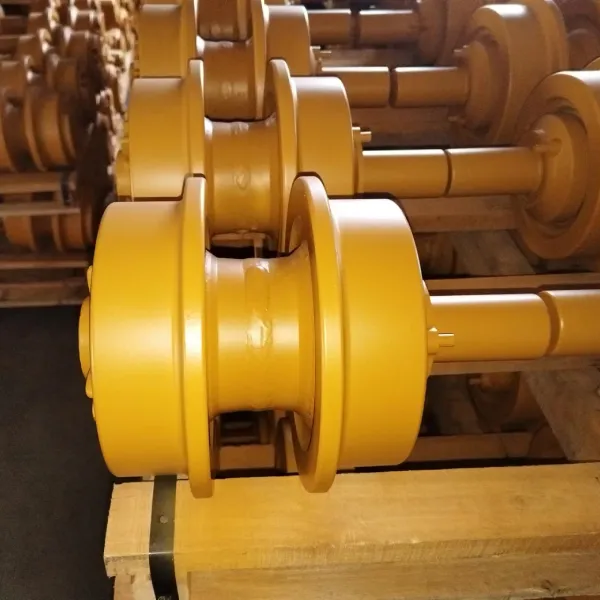
Чтобы по-настоящему оценить разницу в качестве производства, это помогает визуализировать жизнь отдельного компонента. Let's take a common but critical item: a track roller for a mini excavator's undercarriage. Эта часть несет на себе весь вес машины., перекатывание по гусеничной цепи под огромным давлением и в условиях высокой абразивности. Его создание – многоэтапная работа..
Процесс начинается с резка. Большой круглый пруток из указанной стали. (возможно, 40Cr или аналогичный сплав) разрезается на отдельные «заготовки»" правильной длины. Производитель прецизионных изделий будет использовать автоматизированную ленточную пилу с точными допусками, чтобы обеспечить одинаковый вес и размер каждой заготовки., что является первым шагом на пути к сбалансированному конечному продукту.
Далее идет ковка. Заготовка нагревается до определенной температуры. (часто около 1200°C) и помещен в матрицу. Затем мощный пресс придает горячей стали грубую форму опорного катка.. Как обсуждалось ранее, этот процесс ковки заключается не только в формировании; it's about refining the internal grain structure of the steel, придание прочности и усталостной стойкости, которых никогда не может достичь литая или обработанная из прутка деталь..
После ковки, ролик подвергается грубая обработка. Здесь, лишний материал удаляется, и установлены основные размеры. За этим следует решающий шаг: термическая обработка. Для опорного катка, часто это сложный процесс индукционной закалки. The roller shell's running surface is heated by an electromagnetic field and then rapidly quenched. Это создает чрезвычайно трудную, износостойкий внешний слой, в то время как внутренний сердечник ролика становится более жестким и пластичным, чтобы поглощать ударные нагрузки без растрескивания. The depth and uniformity of this hardened layer are critical for the roller's lifespan.
После термообработки, часть входит чистовая обработка. Вот где финал, критические размеры вырезаны. Использование современного программного обеспечения с числовым программным управлением. (ЧПУ) токарные станки и фрезерные станки, отверстия подшипников и уплотнительные поверхности обработаны с допусками, измеряемыми в микронах. (тысячные доли миллиметра). Точность здесь имеет первостепенное значение; неправильно обработанная уплотнительная поверхность приведет к утечкам масла и преждевременному выходу подшипника из строя., это обычная судьба для некачественных роликов.
Окончательно, сборка. Корпус ролика оснащен высококачественными уплотнениями., втулки, и центральный вал. Он заполнен смазочным маслом определенного сорта и герметично закрыт.. Производитель, заботящийся о качестве, проведет проверку на герметичность каждого ролика., часто путем создания давления на собранный блок и погружения его в воду для поиска характерных пузырьков.. Последний шаг – покраска, Это не только эстетика, но и обеспечение важнейшего уровня защиты от коррозии..
Когда вы просите производителя подробно описать этот процесс, слушай подробности. Упоминают ли они обработку на станках с ЧПУ?? Говорят ли об индукционной закалке и глубине корпуса?? Они выступают? 100% проверка герметичности герметичных компонентов? Чем подробнее и увереннее их объяснение, тем более вероятно, что они овладели искусством производства.
Роль контрольных точек контроля качества
Надежный производственный процесс – это процесс, который переплетается с постоянной проверкой.. Качество – это не то, что проверяется в детали в конце; он встроен на каждом этапе. Ведущий производитель запчастей для мини-экскаваторов работает по этому принципу., установление серии контроля качества (КК) ворота по всей производственной линии.
Входной контроль материалов: As we've covered, это первая и самая важная контрольная точка. Он включает в себя проверку MTR и часто проведение независимых спектроскопических испытаний или испытаний на твердость необработанной стали.. Ни один материал не должен попадать в производственный цех без прохождения этих ворот..
Текущий контроль: Это не единичное мероприятие, но сплошная череда проверок. После ковки, образец детали можно разрезать и протравить, чтобы проверить поток зерна. После обработки, критические размеры проверяются с помощью калиброванных инструментов, таких как штангенциркуль., микрометры, и координатно-измерительные машины (КИМ). A CMM is a highly advanced device that can measure a part's geometry with incredible accuracy, сравнивая его с оригинальным цифровым чертежом.
Проверка термообработки: Это контрольно-пропускной пункт, заслуживающий отдельного внимания.. После термической обработки, детали должны быть проверены, чтобы убедиться, что процесс прошел успешно.. Это включает в себя проверку твердости поверхности. (с помощью твердомера Роквелла или Бринелля.) и, для критических компонентов, «глубина корпуса» — толщина закаленного слоя.. Это можно сделать, разрезав образец., полируя это, и измерение затвердевшего слоя под микроскопом.
Неразрушающий контроль (неразрушающий контроль): Для компонентов, подвергающихся высоким нагрузкам, таких как сварные швы ковшей или хвостовики рыхлителей., визуального осмотра недостаточно. Методы неразрушающего контроля используются для обнаружения дефектов, невидимых невооруженным глазом.. Магнитопорошковое тестирование (МПТ), например, может выявить поверхностные и приповерхностные трещины в ферромагнитных материалах. Ультразвуковой контроль (ЮТ) использует звуковые волны для обнаружения внутренних дефектов, таких как пористость в отливках или неполное проваривание в сварных швах.. Использование неразрушающего контроля является отличительной чертой производителя, стремящегося предотвратить сбои на месте..
Окончательная сборка & Функциональное тестирование: Перед покраской и упаковкой детали, окончательная проверка подтверждает наличие и правильность сборки всех компонентов.. Для таких узлов, как опорные катки или бортовые передачи., сюда входят функциональные испытания, такие как упомянутое ранее испытание на герметичность, или проверка крутящего момента, чтобы убедиться в правильности установки подшипников..
Когда вы берете интервью у производителя, попросите их наметить свои контрольные точки контроля качества для конкретного продукта, как сверхмощный ковш экскаватора. Где они проверяют? Что они измеряют? Какие инструменты они используют? Что происходит, когда обнаруживается, что деталь не соответствует требованиям? Их ответы покажут ясную картину их культуры качества..
Сравнение производственных философий: OEM против. вторичный рынок
Мир деталей машин в целом делится на производителей оригинального оборудования. (ОЕМ) запасные части и запасные части. Однако, "вторичный рынок"" категория обширна, начиная от поставщиков, которые конкурируют по качеству OEM, до тех, кто производит опасно некачественные компоненты. Понимание этих различий является ключом к осознанному выбору.. Высококачественный производитель послепродажного обслуживания предлагает привлекательное ценовое предложение., часто обеспечивая качество OEM-уровня без соответствующей цены..
Вот таблица, поясняющая философские и практические различия.:
| Особенность | OEM-производитель | Производитель высококачественного вторичного рынка | Производитель некачественного вторичного рынка |
|---|---|---|---|
| Спецификация материала | Следует строгому, собственные стандарты, разработанные с помощью обширного R&Д. | Стремится соответствовать спецификациям OEM или превосходить их., часто используются высококачественные сплавы, соответствующие отраслевым стандартам.. Прозрачный выбор материалов. | Часто расплывчатые или вводящие в заблуждение. Можно использовать дешевле, заменители стали более низкого качества для сокращения затрат, приводит к плохой износостойкости и хрупкости. |
| Р&Д Инвестиции | Очень высокий. Проектирует детали одновременно с самим станком.. | От умеренного до высокого. Фокусируется на реверс-инжиниринге, анализ материала, и улучшение процессов. Могут внедрять инновации в OEM-проекты. | Минимум или нет. В первую очередь ориентирован на простое копирование путем визуального копирования., без понимания основ техники. |
| Производственный процесс | Высокая степень автоматизации и контроля процесса. Значительные инвестиции в оборудование высшего класса (НАПРИМЕР., ЧПУ, робототехника). | Использует современные технологии производства, включая обработку на станках с ЧПУ и контролируемую термообработку. Ориентирован на согласованность процесса. | Часто полагается на старших, менее точные ручные машины. Может пропускать или плохо выполнять важные этапы, такие как термообработка.. |
| Контроль качества | Чрезвычайно строгий, многоступенчатый контроль качества, интегрированный на всей производственной линии. Широкое использование ШМ, неразрушающий контроль, и лабораторный анализ. | строгий, часто сертифицирован по ISO 9001. Использует систему контрольных точек контроля качества., внутрипроизводственный контроль, и финальное тестирование. | непоследовательный, часто ограничивается простой визуальной проверкой в конце. Не хватает прослеживаемости и надлежащего измерительного оборудования.. |
| Цена | Самый высокий, отражающий название бренда, Р&D затраты, и накладные расходы дилерской сети. | Конкурентоспособный, предлагая значительную экономию по сравнению с OEM без ущерба для качества ядра. Представляет собой высокую ценность. | Самый низкий, достигается за счет срезания углов на материалах, процессы, и контроль качества. Представляет собой высокий риск. |
| Гарантия & Поддерживать | Комплексная гарантия, поддерживаемая глобальной дилерской сетью.. | Часто предлагает гарантию, сравнимую с OEM., с четким процессом рассмотрения претензий. Поддержка обычно осуществляется напрямую от производителя.. | Гарантия часто ограничена., несуществующий, или имеет непомерно мелкий шрифт. Поддержка минимальна. |
Ваша цель как покупателя — найти поставщика в средней колонке.: производитель высококачественных запасных частей для мини-экскаваторов, инвестировавший в материалы, процессы, и системы качества для обеспечения надежной работы и реальной ценности.
Сертификаты декодирования: Какой ИСО 9001 действительно означает
В вашем поиске, вы часто будете сталкиваться с «ISO 9001" сертификация. Его часто преподносят как знак качества., но очень важно понимать, что это собой представляет. Iso 9001 не является сертификацией продукции; it is a certification of a company's Система менеджмента качества (СМК).
Подумайте об этом так: Iso 9001 не гарантирует, что каждая деталь, производимая компанией, идеальна. Вместо, он удостоверяет, что компания имеет хорошо документированную, последовательный, и проверяемая система управления качеством. Эта система включает в себя процедуры:
- Контроль документов и записей.
- Управление ресурсами, включая персонал и оборудование.
- Весь процесс реализации продукта, от дизайна до доставки.
- Измерение, анализ, и улучшение, включая обращение с несоответствующей продукцией, проведение внутреннего аудита, и реализация корректирующих действий.
Так, почему ISO 9001 сертификация - положительный знак? Потому что это указывает на то, что производитель серьезно относится к контролю процесса.. Это показывает, что они определили свои процедуры, обучал своих людей, и иметь механизм выявления и устранения проблем. Компания, которая прошла строгий процесс достижения и поддержания ISO 9001 сертификация с гораздо меньшей вероятностью будет хаотичной, непоследовательные производственные процессы, чем тот, который не (Абисурур и др., 2021). Это сильный показатель профессионализма и приверженности к повторяемым результатам..
Однако, это только одна часть головоломки. Это говорит вам, что у них есть система. Ваши подробные вопросы об их конкретных процессах производства и контроля качества покажут вам, насколько хорошо они реализуют эту систему.. Сочетание сертифицированной системы управления качеством и способности уверенно отвечать на ваши глубокие технические вопросы — это мощный двойной удар, который вы ищете у ведущего производителя запчастей для мини-экскаваторов..
3. Какова сфера вашего исследования, Разработка, и инженерные возможности?
Способность точно воспроизвести деталь является основным ожиданием для любого производителя вторичного рынка.. Однако, действительно исключительные поставщики, те, кто становятся долгосрочными стратегическими партнерами, не останавливайтесь на репликации. Они обладают глубоким инженерным любопытством и сильным потенциалом для исследований и разработок. (Р&Д). This capability transforms them from mere copyists into innovators who understand the why behind a part's design, не только что. Inquiring into a manufacturer's R&Целью D является исследование их интеллектуального ядра.. Он показывает, пассивно ли они следят за рынком или активно работают над его продвижением., решение реальных проблем для клиентов, работающих в сложных условиях: от мерзлых грунтов Сибири до абразивных песков Ближнего Востока..
За пределами репликации: Ценность собственного проектирования
Некачественный производитель может взять OEM-запчасть., измерьте это штангенциркулем, и создать копию. Высококачественный производитель со собственной командой инженеров подходит к задаче с совершенно другой точки зрения.. Их цель – не просто повторить форму, но чтобы понять функцию и, где это возможно, улучшить его. Этот процесс часто называют реверс-инжиниринг.
Все начинается со сбора данных. Вместо простых измерений вручную, инженерно-техническая компания будет использовать 3D-лазерный сканер или координатно-измерительную машину. (ШМ) создать высокоточную цифровую модель оригинальной детали. Этот цифровой чертеж гораздо точнее и детальнее, чем любой 2D-чертеж..
Но настоящая инженерная работа происходит дальше.. Цифровая модель импортируется в систему автоматизированного проектирования. (САЕ) программное обеспечение. Здесь, инженеры могут выполнять Конечно-элементный анализ (ВЭД). Это мощный вычислительный инструмент, позволяющий моделировать поведение детали при реальных нагрузках.. Они могут применять виртуальные нагрузки, давление, и вибрации в цифровую модель, чтобы увидеть, где концентрируется напряжение. Думайте об этом как о виртуальном стресс-тесте, который может выявить скрытые слабые места дизайна..
Почему это важно? OEM-производитель может спроектировать деталь так, чтобы она была «достаточно хорошей»." для широкого диапазона средних условий. Однако, анализ FEA может показать, что в специфических условиях высокого стресса, например, постоянное разрушение породы долотом, определенная область державки инструмента склонна к усталостному растрескиванию. Производитель послепродажного обслуживания, занимающийся инженерными разработками, может использовать эту информацию для улучшения конструкции.. Они могут добавить усиливающую косынку., увеличьте радиус острого внутреннего угла, чтобы более равномерно распределить нагрузку, или выберите более прочный стальной сплав для этого конкретного компонента.. Они не просто копируют часть; они решают проблему.
Когда вы разговариваете с потенциальным поставщиком, спросите, есть ли у них собственный инженерный отдел. Используют ли они программное обеспечение для 3D-моделирования и FEA?? Могут ли они привести пример того, как их инженерный анализ привел к улучшению продукта?? Производитель, который может поделиться такой историей, демонстрирует уровень сложности, выходящий далеко за рамки простой имитации.. Они показывают, что думают как люди, решающие проблемы..
Инновации в изнашиваемых деталях: Адаптация к современным требованиям
Мир строительства и земляных работ не статичен. Новые методы, более мощные машины, и все более требовательные приложения требуют, чтобы изнашиваемые детали также развивались.. Производитель, придерживающийся чисто репликативного мышления, всегда будет на шаг позади., producing parts for yesterday's challenges. Дальновидный производитель запчастей для мини-экскаваторов с сильной репутацией R.&D focus постоянно смотрит вперед.
Рассмотрим эволюцию ковш экскаватора. Стандартный ковш для копания — универсальный инструмент., но он не оптимален для каждой задачи. Инновационный производитель предложит разнообразный ассортимент специализированных ковшей., каждый из них спроектирован и спроектирован для определенной цели:
- Сверхмощные каменные ковши: Это не просто стандартные ведра из более толстой пластины.. Они разработаны с другим профилем. (часто V-образная форма) для лучшего проникновения в скалу. В них широко используется высокоабразивная сталь. (например AR450 или AR500) на всех поверхностях износа, усиленные бокорезы, и прочные кромки для защиты передней кромки.
- Скелетные ведра: Используется для отделения породы от почвы на сносе или в карьере.. Р&Здесь D фокусируется на расстоянии между ребрами.. Слишком широкий, и вы потеряете ценный материал; слишком узкий, и ведро постоянно забивается. Инженерный анализ и полевые испытания необходимы для поиска оптимальной геометрии для различных типов материалов..
- Траншейные ковши: Эти узкие ковши требуют тщательной разработки, чтобы обеспечить достаточную прочность для копания в тяжелых условиях без достаточной ширины.. The engineering challenge is in the structural design of the bucket's "ears" и вешалка, где сосредоточена вся сила.
- Наклонные ковши: Это сложное гидравлическое навесное оборудование требует сочетания знаний в области механики и гидротехники, чтобы обеспечить его мощность и надежность..
Инновации также происходят на микроуровне., в Инструменты для взаимодействия с землей (ПОЛУЧАТЬ)— зубы, адаптеры, и режущие кромки. Р&D в этой области в значительной степени ориентирован на металлургию.. Производители постоянно экспериментируют с новыми стальными сплавами и профилями термообработки, чтобы создать зубья, обеспечивающие лучший баланс твердости. (для ношения) и прочность (для ударопрочности). Они могут разработать новые системы фиксации, которые сделают смену зубов быстрее и безопаснее для операторов в полевых условиях..
Задайте вопрос потенциальному поставщику: «Какие новые продукты или улучшения продуктов вы представили за последние два года??" Their answer will tell you if they are an active participant in the industry's evolution or a passive observer. Ищите поставщика, у которого каталог доступных запчастей демонстрирует продуманное разнообразие, выходящее за рамки стандартных сменных элементов.
Петля обратной связи: Как клиентский опыт способствует улучшению продукта
Самый ценный Р&Ресурс D для любого производителя находится не в лаборатории; it's on the job sites of their customers. Ежедневный опыт операторов в Корее, Австралия, Россия, и Африка являются сокровищницей данных о том, как детали работают и выходят из строя в реальном мире.. По-настоящему превосходный производитель имеет формальную систему сбора данных., анализируя, и действуя на основе этой обратной связи.
Это концепция цикл обратной связи с клиентом. Это работает вот так:
- Сбор данных: Производитель активно ищет обратную связь. Это может быть через их отдел продаж., линии технической поддержки, процесс гарантийных претензий, или путем регулярных посещений сайтов клиентов. They don't wait for complaints; они активно спрашивают, «Как работает часть? С какими проблемами вы сталкиваетесь?"
- Анализ: Обратная связь, особенно в отношении поломок или преждевременного износа, не просто обрабатывается агентом по обслуживанию клиентов. Он направляется непосредственно в инженерный отдел.. Неисправную деталь можно запросить обратно для полного анализа неисправности., включая металлургические испытания и микроскопическое исследование, чтобы определить первопричину.
- Действие: Информация, полученная в результате этого анализа, затем используется для реальных изменений.. Если конкретная модель башмаков гусениц демонстрирует ускоренный износ в абразивных грунтах конкретного региона, инженеры могут решить изменить спецификацию стали или изменить профиль термообработки для этой детали.. Если клиенты сообщают о трудностях с установкой определенного уплотнения, инженеры могут перепроектировать деталь или создать более подробное руководство по установке..
- Коммуникация: Цикл замыкается, когда производитель связывается с клиентской базой.. Это может быть посредством технического бюллетеня, объясняющего улучшение, или просто благодаря тому, что улучшенный продукт становится новым стандартом..
Этот процесс превращает отношения между клиентом и поставщиком из простой транзакции в партнерство.. Производитель не просто продает сталь; они продают постоянно улучшающееся решение. При проверке поставщика, попросите их описать процесс обработки отчета о сбое на месте. Кто участвует? Какой анализ сдается? Могут ли они привести пример улучшения продукта, которое стало прямым результатом отзывов клиентов?? Производитель, использующий эту петлю обратной связи, стремится к долгосрочному успеху своих клиентов.. Они понимают, что их собственный успех неразрывно связан с производительностью и долговечностью их продуктов в разнообразных и сложных условиях, где они подвергаются испытаниям..
4. Как обеспечить совместимость и соответствие деталей разных марок и моделей??
В идеальном мире, каждая деталь идеально встанет на свое место, каждый раз. В сложной реальности тяжелой техники, достижение этого «идеального соответствия»" представляет собой серьезную инженерную и логистическую задачу. Рынок мини-экскаваторов особенно фрагментирован., с десятками производителей (как Кубота, Янмар, Бобкэт, Гусеница, Комацу, Хитачи, и Дусан) каждый из которых производит множество моделей с уникальными характеристиками, которые могут меняться от года выпуска к году.. Для производителя запчастей для мини-экскаваторов на вторичном рынке, гарантия соответствия — нетривиальный вопрос; это основная компетенция, которая отделяет надежных поставщиков от источников разочарования и простоев.. Этот вопрос проверяет точность их данных., строгость их процессов, и сила их гарантии.
Проблема фрагментированного рынка
Чтобы понять масштаб проблемы, рассмотрим ходовую часть одного 5-тонного мини-экскаватора. Это сложная система взаимосвязанных компонентов.: десятки гусеничных звеньев, образующих цепь, несколько опорных и верхних катков, передний натяжной ролик, и задняя звездочка. Сейчас, представьте себе, что нормативы шага гусеничной цепи (расстояние от одного контакта до другого), диаметр роликов, отверстие натяжного ролика, и профиль зубьев звездочки может незначительно отличаться в зависимости от машины марки A и машины марки B., даже если они в одной весовой категории. Худший, Марка А может изменить конструкцию своей звездочки между 2023 модель и ее 2025 модель.
Производитель, пытающийся обслуживать мировой рынок, должен иметь дело с этой огромной матрицей вариаций.. Гусеничная цепь, подходящая для Kubota KX057-4, не подойдет для Yanmar ViO55-6A.. Диаметр соединительного штифта ковша Bobcat E50 может на миллиметр отличаться от штифта Cat. 305. Эти небольшие отклонения — разница между гладкой установкой и дорогостоящей проблемой.. Неправильно подобранная деталь может привести к:
- Ошибка установки: The part simply won't go on, что приводит к немедленному простою, пока не будет получена нужная деталь. Особенно болезненно это для клиентов в отдаленных локациях., например, горнодобывающие предприятия в Африке или сельскохозяйственные предприятия в Юго-Восточной Азии., где доставка может занять несколько недель.
- Ускоренный износ: Звездочка с немного неправильным профилем зубьев может неправильно входить в зацепление со втулками гусеничной цепи.. Хотя поначалу может показаться, что это работает, это несоответствие приведет к быстрому, разрушительный износ как новой звездочки, так и существующей гусеничной цепи, превращение замены одного компонента в полный ремонт ходовой части.
- Катастрофический провал: Неправильно установленный штифт или болт могут создать непредвиденную концентрацию напряжений., приводящий к внезапному разрушению компонента под нагрузкой, что представляет серьезную угрозу безопасности.
Вот почему небрежный подход к совместимости недопустим.. Производитель не может просто полагаться на старые каталоги или визуальные сравнения.. Они должны относиться к подгонке как к дисциплине точности..
Использование данных OEM и прецизионных измерений
Так, как производитель высшего уровня справляется с этой задачей? Они создают «библиотеку фитингов».," обширная и тщательно поддерживаемая база данных OEM-спецификаций. Это не то, что можно купить с полки; это стратегический актив, созданный годами кропотливой работы.
Основой этой библиотеки является сбор данных. Процесс создания новой детали может выглядеть так:
- Приобретите OEM-запчасть: Производитель получает оригинальные OEM-компоненты для конкретной модели машины, которую он хочет поддерживать..
- 3D Цифровое сканирование: Деталь сканируется с помощью лазерного 3D-сканера высокого разрешения.. Этот бесконтактный метод фиксирует всю внешнюю геометрию детали., создание «облака точек»" из миллионов точек данных.
- Измерение КИМ: Для критических точек сопряжения, таких как отверстия подшипников., отверстия для штифтов, монтажные поверхности, и зубья шестерни — координатно-измерительная машина. (ШМ) используется. The CMM's tactile probe can measure these features with sub-micron accuracy, фиксация точных размеров и геометрических допусков (как концентричность и перпендикулярность) что лазерный сканер может пропустить.
- Создайте «Золотой" САПР-модель: Данные сканирования и измерения КИМ объединяются для создания высокоточного трехмерного компьютерного проектирования. (Атмосфера) модель. This is the manufacturer's "golden" ссылка, цифровой мастер, с которым будут сравниваться все производственные детали.
Этот подход, основанный на данных, фундаментально отличается от простого копирования.. Он отражает дизайнерский замысел первоначальных инженеров.. The manufacturer's engineering team will maintain this database, постоянно обновляем его по мере выпуска новых моделей машин. При заказе рыхлителя именно под ваш мини-экскаватор, они не просто берут с полки стандартную деталь. They are matching your machine's make, модель, и серийный номер по их базе данных, чтобы убедиться, что монтажный кронштейн, размеры штифта, и гидравлические соединения точно совпадают.
Задайте вопрос потенциальному поставщику: «Как получить данные о размерах деталей, которые вы производите?? Какую технологию вы используете для измерения и проверки этих размеров??" Ищите ответы, содержащие такие термины, как «3D-сканирование».," "ШМ," и «База данных моделей САПР."
«Гарантия на установку»: На что обратить внимание в гарантии
Производитель, который уверен в своих данных и производственных допусках, будет поддерживать свою продукцию с четкой и однозначной гарантией установки.. This guarantee is one of the most powerful indicators of a supplier's quality and customer focus. Однако, не все гарантии одинаковы. Вот что нужно искать в мелком шрифте:
- Ясность: Политика должна быть простой. Должно быть указано, что если деталь не подходит к указанной машине, для которой она была продана, производитель исправит ситуацию.
- Объем средств правовой защиты: Что обещает производитель? Хорошая гарантия предложит полный возврат средств или, что еще более важно, ускоренную отправку нужной детали за их счет. Лучшие полисы могут даже предлагать некоторую форму компенсации за простой, вызванный их ошибкой., хотя это встречается реже.
- Покрытие затрат: Кто платит за доставку? В сильной гарантии будет указано, что производитель покрывает стоимость доставки неподходящей детали обратно и стоимость доставки новой детали.. Это важный фактор для международных клиентов., где стоимость доставки может быть существенной.
- Простота процесса: Как подать претензию? Это должен быть простой процесс, включающий обращение в службу технической поддержки., предоставление подробной информации о машине и фотографий проблемы с установкой. Замысловатый, многоэтапный процесс с чрезмерным количеством документов является тревожным сигналом.
Наличие сильной гарантии установки говорит вам о двух вещах.. Первый, это показывает, что производитель вложил значительные средства в свои данные и контроль качества., потому что они финансово уверены, что проблемы с установкой будут редки. Второй, это показывает, что они уважают своих клиентов' время и дела, и готовы взять на себя ответственность в случае возникновения ошибки. Это устраняет риск получения неправильной детали от вас., покупатель, обратно к ним, производитель.
Вторая сравнительная таблица: Факторы риска установки
Подведем итоги основных отличий, consider this table when evaluating a potential supplier's approach to compatibility:
| Фактор | Производитель с низким уровнем риска | Производитель высокого риска |
|---|---|---|
| Источник данных | Тщательно поддерживаемая база данных, созданная на основе сканирования OEM-деталей. (3Д) и измерение КИМ. | Опирается на устаревшие каталоги., визуальное копирование с фотографий, или простые измерения вручную. |
| Инженерное дело | Собственная команда инженеров, которая создает и проверяет подробные модели САПР для каждой детали.. | Нет специального проектирования для установки. Производство основано на простых чертежах или физических копиях.. |
| Производственные допуски | Тщательный контроль с использованием станков с ЧПУ и регулярной калибровки оборудования.. | Невысокие допуски из-за ручных процессов или плохого обслуживания оборудования., что приводит к вариациям от детали к детали. |
| Проверка | Производственные детали регулярно проверяются на соответствие «золотому стандарту»." Модель САПР с использованием КИМ или прецизионных приспособлений. | Проверка ограничивается базовыми датчиками годности/непроходимости или визуальными проверками., если это вообще произойдет. |
| Гарантия установки | Прозрачный, всесторонний, и удобный для клиентов. Покрывает расходы на возврат и замену. | Нечеткий, полный исключений, или несуществующий. Покупатель несет риск и стоимость неподходящей детали.. |
| Техническая поддержка | В штате работают опытные специалисты, которые могут устранить проблемы с установкой на основе серийных номеров и характеристик машины.. | Обслуживается сотрудниками отдела продаж, которым не хватает глубоких технических знаний и которые не могут обеспечить эффективную поддержку.. |
В конечном счете, a manufacturer's approach to fitment is a proxy for their overall attention to detail. Компания, которая тщательно следит за подгонкой деталей, вероятно, также будет тщательно следить за качеством своей стали., точность их термической обработки, и целостность их сварных швов.
5. Какова ваша глобальная стратегия логистики и цепочки поставок?, Специально для моего региона?
Идеально изготовленный компонент бесполезен, если его нельзя доставить на место работы своевременно., надежный, и экономичный способ. Для компаний, работающих на географически разнообразных и часто сложных рынках — от обширных просторов австралийской глубинки до оживленных портов Юго-Восточной Азии или отдаленных промышленных зон России — логистика не является второстепенной задачей.. Это основной элемент ценностного предложения.. Когда вы спрашиваете производителя запчастей для мини-экскаваторов об их цепочке поставок, вы оцениваете их способность действовать в глобальном масштабе. Вы оцениваете их понимание реалий вашего региона и их готовность быть надежным партнером., не просто далекий завод.
От завода до рабочей площадки: Навигация по глобальной доставке
Путешествие тяжелой стальной детали, как ковш экскаватора или комплект гусениц ходовой части, от завода в Азии до заказчика на Ближнем Востоке – это сложный балет транспортировки, документация, и регулирование. Опытный производитель понимает и управляет этой сложностью от имени своих клиентов..
Основным видом транспорта для таких тяжелых грузов является морские перевозки. Это самый экономичный метод, но это требует тщательного планирования. Производитель должен иметь прочные отношения с экспедиторами и судоходными линиями, чтобы обеспечить место на судах и договориться о конкурентоспособных ценах.. Они должны быть в состоянии предоставить вам четкую оценку времени доставки до ближайшего порта..
Для более насущных нужд, авиаперевозки это вариант, но это обходится значительно дороже. Хороший поставщик может предоставить расценки на оба варианта., позволяя вам принять обоснованное решение, исходя из срочности вашей потребности и стоимости.
За самим транспортом лежит лабиринт таможня и документация. Каждая страна имеет свои собственные правила импорта., включая необходимые документы (как коносамент, Счет-фактура, и упаковочный лист), импортные пошлины, и налоги (например НДС или GST). Опытный международный поставщик будет иметь экспортный отдел, который является экспертом в точной подготовке этой документации.. Ошибки в оформлении документов могут привести к длительным и дорогостоящим задержкам на таможне.. Они также должны быть в состоянии предоставить правильную информацию о ГС. (Гармонизированная система) коды на свою продукцию, которые необходимы для таможенной классификации и расчета пошлин. Спроси их: «Какую поддержку вы оказываете при таможенном оформлении в моей стране??" Их ответ покажет уровень их международного опыта..
Важность региональных распределительных центров
Для клиента в Дубае или Сингапуре, a manufacturer's promise of "fast shipping" бессмысленно, если детали сначала должны путешествовать четыре недели на корабле с одного завода в Северо-Восточной Азии.. Время выполнения заказа — общее время от размещения заказа до получения товара — является решающим фактором в управлении запасами и реагировании на непредвиденные сбои оборудования..
Вот почему наиболее дальновидные производители принимают модель со ступицей и спицами для их распространения. Вместо доставки каждого отдельного заказа напрямую с завода. (модель разговора с клиентом), они создают региональные распределительные центры или склады в стратегически важных местах. (хабы). Например:
- Центр в Дубай (Свободная зона Джебель Али) может эффективно обслуживать весь Ближний Восток и некоторые части Африки..
- Центр в Сингапур или Малайзия (Порт Кланг) может значительно сократить время выполнения заказов на быстро развивающихся строительных рынках Юго-Восточной Азии. (Индонезия, Таиланд, Вьетнам).
- Европейский центр, возможно, в Роттердам или Антверпен, мог бы служить России, страны СНГ, и Северная Африка.
- Присутствие в Австралия (НАПРИМЕР., Перт или Брисбен) would be a massive advantage for serving the continent's sprawling mining and construction sectors.
За счет складирования крупных партий запчастей в этих региональных центрах., производитель может сократить время выполнения заказа с недель до дней. Заказ от клиента из Катара может быть выполнен из хаба в Дубае в 2-3 дни, скорее, чем 3-4 недели с завода. Это оказывает огромное влияние на ваш бизнес. Это позволяет вам работать с меньшим количеством запасов., высвобождение денежного потока. Это означает, что сбитую машину можно восстановить и запустить за считанные дни., не недели, экономия тысяч потерянных доходов.
При проверке поставщика, это сильный вопрос: «Есть ли у вас партнеры по складированию или распространению, расположенные в моем регионе или рядом с ним??" «Да" ответ на этот вопрос может стать значительным конкурентным преимуществом и веской причиной для партнерства с этим производителем..
Упаковка и сохранение: Защита инвестиций
Опорный каток, прибывший ржавым, или ковш, помятый от перемещения в контейнере, – это неудачная доставка., независимо от того, насколько хорошо он был изготовлен. Заключительный этап производственного процесса — упаковка — является критически важным этапом качества., особенно для товаров, отправляющихся в долгий и трудный путь через океан.
Тяжелые стальные детали создают уникальные проблемы с упаковкой. Они плотные, часто имеют острые края, и подвержены как физическому повреждению, так и коррозии.. Производитель запчастей для мини-экскаваторов, ориентированный на качество, будет иметь подробный протокол упаковки.:
- Защита от коррозии: Стальные детали, перевозимые по морю, подвергаются воздействию влаги., соленая среда в течение нескольких недель. Просто покрасить их не всегда достаточно.. Качественные поставщики нанесут слой антикоррозийного масла или воска.. Для готового, неокрашенные поверхности, такие как отверстия подшипников, они могут использовать VCI (Ингибитор паровой коррозии) бумага или пакеты, которые выделяют безвредный пар, создающий защитный молекулярный слой на поверхности металла..
- Физическая защита: Отдельные детали должны быть защищены от ударов друг о друга.. Небольшие компоненты могут быть упакованы в отдельные коробки.. Более крупные детали, такие как ролики и натяжные ролики, должны иметь защитные приспособления на обработанных поверхностях..
- Упаковка и паллетирование: Затем детали надежно упаковываются в изготовленные по индивидуальному заказу деревянные ящики или привязываются к прочным поддонам.. Цель – создать прочную, стабильный блок, который не сместится и не сломается во время погрузочно-разгрузочных работ или в бурном море. Древесина, используемая для изготовления этих ящиков, часто должна быть фумигирована и сертифицирована по стандарту ISPM. 15 стандарты соответствия международным карантинным нормам — еще одна деталь, с которой опытный экспортер справится автоматически..
Look at a manufacturer's product photos. Видны ли на них детали, аккуратно расположенные в прочных, хорошо построенные ящики? Или они просто свалены в кучу на поддоне?? Попросите фотографии того, как их продукция упаковывается для экспорта.. Эта маленькая деталь говорит многое об их профессионализме и уважении к товару, который вы покупаете..
Понимание Инкотермс: Кто за что отвечает?
Когда вы получаете ценовое предложение от международного поставщика, он будет сопровождаться трехбуквенным кодом, например «FOB».," "СИФ," или «EXW." Это Инкотермс, набор всемирно признанных правил, определяющих обязанности продавца и покупателя в международной сделке. Их понимание жизненно важно для определения общей стоимости доставки и ваших рисков..
- EXW (Экс-завод): Этот срок возлагает на вас максимальную ответственность, покупатель. Указанная цена — это просто цена товара на заводе.. Вы несете ответственность за организацию и оплату всего остального.: транспортировка с завода, экспортная таможня, морские перевозки, страхование, импортная таможня, и окончательная доставка. Этот вариант дает вам контроль, но также требует значительных логистических знаний..
- ФОБ (Бесплатно на борту): Это один из самых распространенных терминов. Производитель несет ответственность за все расходы и процессы по погрузке товара на судно в назначенном порту отправления.. С этого момента вперед, вы несете ответственность за морские перевозки, страхование, и все последующие затраты и риски.
- СИФ (Расходы, Страхование, и фрахт): С СИФ, производитель берет на себя больше ответственности. Они оформляют и оплачивают стоимость товара, Морские перевозки до порта назначения, и страхование товара во время транспортировки. Your responsibility begins when the goods arrive at your country's port. Вы должны заниматься таможенным оформлением, импортные пошлины, и транспорт из порта до вашего местоположения.
Хороший производитель будет гибким и сможет предложить вам цены, основанные на различных Инкотермс.. Они также должны быть в состоянии четко объяснить, что для вас означает каждый термин.. Этот образовательный подход демонстрирует, что они не просто пытаются продать, но стараемся построить прозрачные и понятные деловые отношения. Это позволяет вам точно рассчитать общую стоимость доставки и избежать неожиданных расходов., что является основой здорового и устойчивого партнерства в сфере поставок.
6. Можете ли вы предоставить доказательства эффективности и долговечности с помощью тематических исследований и отзывов??
Претензии легко предъявлять. «Прочный," "долгоиграющий," и «высокопроизводительный" это слова, которые свободно текут в маркетинговых брошюрах. Но для взыскательного покупателя запчастей для тяжелой техники, эти слова пусты без доказательств. Шестой важнейший вопрос, который вы должны задать потенциальному производителю запчастей для мини-экскаваторов, — это получение реальных доказательств того, что их продукция работает так, как рекламируется в беспощадной лаборатории реального мира.. Это исследование переводит разговор из теоретической области спецификаций и процессов в практическую область результатов.. Требует, чтобы производитель обосновал свои претензии данными., истории, и ссылки, которые имеют отношение к вашему конкретному рабочему контексту.
Выходя за рамки маркетинговых заявлений: Необходимость доказательств
В любой отрасли, существует разрыв между тем, что обещано, и тем, что выполнено. В мире строительной техники, этот разрыв может измеряться тысячами долларов незапланированных расходов и потери производительности.. Ваша задача как покупателя — восполнить этот пробел информацией, прежде чем вы вложите свой капитал.. Вы должны культивировать здоровый скептицизм в отношении необоснованного маркетингового языка и вместо этого принять подход, основанный на фактических данных..
Подумайте о себе как о следователе. Производитель доказывает, что его продукт — будь то ведро, потрошитель, или комплект компонентов ходовой части — разумная инвестиция. Ваша задача — подвергнуть перекрестному допросу их доказательства.. Эти доказательства могут принимать несколько форм, но оно всегда должно быть конкретным и проверяемым. Расплывчатое заявление типа «наши детали служат дольше" не является доказательством. Документированный отчет, показывающий, что их отслеживаемые ссылки достигнуты. 4,500 часов работы в абразивном кварцевом песке до необходимости замены, while a competitor's product lasted only 3,000 часы в тех же условиях, является доказательством. Вы имеете право и несете ответственность запрашивать доказательства такого уровня..
Анализ значимого тематического исследования
Хорошо построенное тематическое исследование — одна из самых мощных форм доказательств, которые может предоставить производитель.. Это рассказ о производительности, история с началом (проблема), середина (решение), и конец (результат). Однако, не все тематические исследования одинаковы. Вот как проанализировать тематическое исследование, чтобы определить его ценность:
Контекст имеет решающее значение: Значимое тематическое исследование начинается с подробного описания ситуации..
- Машина: Какова была точная марка и модель мини-экскаватора?? (НАПРИМЕР., Гусеница 308 ЧР)
- Приложение: Что делала машина? (НАПРИМЕР., рытье траншей, снос, массовые земляные работы, разрушение породы).
- Условия эксплуатации: Это самый важный элемент. Была ли окружающая среда высокоабразивной? (НАПРИМЕР., песчано-гравийный карьер в ОАЭ)? Было ли это впечатляющим (НАПРИМЕР., снос железобетона в Сеуле)? Был ли он малоударным, но очень коррозионным? (НАПРИМЕР., работаю на болотах в Индонезии)? Условия определяют характер износа и виды отказов..
- Расположение: Знание географического положения поможет вам оценить его актуальность для вашей собственной деятельности..
Сравнение: Тематическое исследование наиболее эффективно, когда оно включает прямое сравнение.. Это может быть «до и после»." сценарий, comparing the performance of the manufacturer's part against the part it replaced (which could be an OEM part or a competitor's aftermarket part). Метрика для сравнения должна быть четкой. Для изнашиваемых частей, универсальная метрика стоимость в час.
- Стоимость в час = (Цена покупки детали) / (Общее количество часов обслуживания)
Данные: Результаты должны быть представлены с количественными данными., не просто качественные описания.
- Срок службы: Сколько часов длилась деталь? This should be measured using the machine's hour meter.
- Вмешательства по техническому обслуживанию: Were there any unexpected maintenance needs during the part's life?
- Измерения: Для изнашиваемых частей, отличный практический пример может включать измерения износа, проводимые через определенные промежутки времени., показывающий скорость потерь материала с течением времени.
Let's imagine a case study for a set of bucket teeth. Слабое тематическое исследование могло бы сказать: «Клиент из Австралии пользовался нашими зубами и был очень доволен долгим сроком службы." В убедительном тематическом исследовании будет указано: «Операция по добыче золота недалеко от Калгурли., Западная Австралия, установили наши зубья серии X-400 на свой 8-тонный экскаватор, используемый для очистки от абразива, богатая кварцем вскрыша. Предыдущие OEM-зубы имели средний срок службы 350 часы по цене $80 за зуб, в результате чего стоимость часа составит $0.23. Наши зубы X-400, в идентичных условиях, достигнут средний срок службы 500 часы. По закупочной цене $90 за зуб, наша стоимость в час была $0.18. Это представляет собой 22% снижение эксплуатационных затрат на зубья ковша." Этот уровень детализации заслуживает доверия, неотразимый, и позволяет вам выполнить собственный анализ.
Ценность региональных отзывов
В то время как тематические исследования предоставляют достоверные данные, отзывы предлагают человеческий взгляд. Они говорят о качественных аспектах отношений с поставщиками.: простота установки, обслуживание клиентов, и общее удовлетворение. Однако, как и в случае с практическими исследованиями, Актуальность отзыва во многом зависит от его контекста..
Для строительной компании в Йоханнесбурге, ЮАР, восторженный отзыв от подрядчика из Норвегии имеет ограниченную ценность. Условия их эксплуатации — климат, почвенные условия, трудовая практика, и реалии цепочки поставок — совершенно разные. Что нужно этой южноафриканской компании, так это услышать мнение другой компании, работающей на больших высотах., каменистые условия Хайвельда.
Всемирно известный производитель запчастей для мини-экскаваторов это понимает.. У них не будет просто общих «Отзывов»" страница на их сайте. Они смогут предоставить вам рекомендации или отзывы клиентов из вашего конкретного региона..
- Если вы находитесь в Россия, вы хотите услышать мнение человека, который использовал детали ходовой части в сибирскую зиму.
- Если вы находитесь в Средний Восток, вам нужен отзыв от компании, которая может подтвердить, как уплотнения и гидравлические компоненты выдерживают экстремальные температуры и, абразивная пыль.
- Если вы находитесь в Юго-Восточная Азия, вы хотите знать, насколько их краска и покрытия противостоят коррозии от горячей, влажный, и соленая атмосфера.
Когда вы просите отзывы, быть конкретным: «Можете ли вы предоставить мне ссылку или отзыв от клиента из моей страны?, или в стране с аналогичной операционной средой?" Производитель с глубокой и разнообразной клиентской базой по всему миру сможет удовлетворить этот запрос.. Их способность делать это является убедительным доказательством того, что их продукты не просто разработаны в лаборатории, но и доказали свою эффективность на самых разнообразных и требовательных рабочих площадках по всему миру..
Как распознать фальшивый или малоценный отзыв
В эпоху цифровых технологий, легко сфабриковать положительные отзывы. Как опытный покупатель, вам следует научиться распознавать признаки недостоверной или малоценной обратной связи..
- Слишком общий язык: Фразы вроде «Отличный продукт, быстрая доставка!" или «Пять звезд, очень рекомендую!" без каких-либо конкретных подробностей часто являются признаками не требующих усилий или фальшивых отзывов..
- Отсутствие поддающихся проверке деталей: Подлинные отзывы обычно содержат конкретику.. Человек может упомянуть тип своей машины, работа, которую они делали, или конкретную особенность той части, которую они оценили. Они часто называют свою компанию и местоположение.. Свидетельство от «Джона С." гораздо менее правдоподобен, чем один из «Джона Смита»., Менеджер сайта, АБС Строительство, Перт, ВА."
- "Стоковое фото" Атмосфера: Be wary of testimonials accompanied by generic stock photos of excavators rather than real pictures from the customer's job site.
- Исключительно позитивный: Коллекция просто безупречная, пятизвездочные отзывы могут быть подозрительными. Реальный опыт использования продукта имеет нюансы. A credible manufacturer might even share a story about how they resolved a customer's problem, что может быть более действенным, чем простой восторженный обзор.
Поиск доказательств — важнейший этап комплексной проверки.. Он защищает вас от завышенных маркетинговых обещаний и основывает ваше решение на реальных результатах.. Производитель, который охотно и открыто предоставляет подробные тематические исследования и соответствующие отзывы, — это производитель, который уверен в своей продукции и уважает вашу потребность в поддающихся проверке доказательствах..
7. Какой уровень послепродажной поддержки и технической экспертизы вы предлагаете??
Отношения с производителем запчастей для мини-экскаваторов не должны заканчиваться после обработки вашего платежа или прибытия груза в ваш порт.. Поставка компонента знаменует собой начало нового, долгосрочный этап партнерства. The quality of this post-purchase relationship is defined by the manufacturer's after-sales support and technical assistance. This final question probes the supplier's commitment to your success long after the initial transaction. Он исследует их гарантийную политику., доступность и знания их технической команды, и ресурсы, которые они предоставляют, чтобы гарантировать правильное использование их продуктов и приносить максимальную пользу.. Превосходный производитель рассматривает продажу как начало сотрудничества., не заключение сделки.
Партнерство начинается после продажи
Представьте себе этот сценарий: новый, На вторичном рынке поступила главная передача для мини-экскаватора, который не работает на ответственной работе. Ваш механик начинает установку, но обнаруживает, что фитинги гидравлических шлангов немного отличаются от старого агрегата.. Инструкция по установке плохо переведена., одностраничный документ. Машина теряет деньги каждый час простоя. Вы звоните поставщику. Сейчас, вы сталкиваетесь с критическим моментом, который раскрывает истинную сущность производителя.
- Сценарий А (Плохая поддержка): Вы перенаправлены в общий колл-центр. Агент не понимает, что такое главная передача и может читать только из скрипта.. Они обещают, что кто-нибудь тебе перезвонит.. Проходят часы или дни.
- Сценарий Б (Отличная поддержка): Вы подключены напрямую к отделу технической поддержки. На линии находится опытный техник или инженер.. Вы объясняете проблему, providing the machine's model and serial number. Они сразу осознают проблему, объясняя, что для этого конкретного диапазона серийных номеров, требуется переходник, которые они включили в поставку. Они ведут вашего механика к небольшим, часть в отдельном пакете, и в течение нескольких минут, установка вернулась в нужное русло.
В этом разница между простым поставщиком и настоящим партнером. Партнер понимает, что его ответственность распространяется на обеспечение правильной установки детали и ее функционирования в соответствии с ожиданиями.. Они инвестировали в инфраструктуру поддержки для быстрого и эффективного решения проблем, поскольку понимают, что время безотказной работы — это их окончательный показатель успеха..
Оценка технических знаний службы поддержки
Эффективность системы послепродажной поддержки полностью зависит от знаний и возможностей ее сотрудников.. При проверке потенциального производителя запчастей для мини-экскаваторов, вам нужно оценить глубину их технической базы.
Ключевым отличием является разделение продаж и технической поддержки.. В то время как продавец является экспертом в ценообразовании и логистике, они редко оснащены оборудованием для диагностики сложных механических или гидравлических проблем.. Ведущий производитель имеет специальную команду технической поддержки, состоящую из людей с практическим опытом.: бывший механик, специалисты по выездному обслуживанию, или инженеры.
Если у вас возникнет технический вопрос — до или после покупки — вам следует напрямую связаться с этими экспертами.. Их роль не в том, чтобы продать вам что-то., но решить твою проблему. Они должны иметь возможность:
- Отвечу на подробные вопросы по установке.
- Помогите устранить проблему с производительностью (НАПРИМЕР., «Почему мое новое ведро не скручивается с полной силой?").
- Помощь в анализе ошибок, понимание характера износа, чтобы дать рекомендации по продлению срока службы компонентов.
- Предоставить технические характеристики, которых может не быть в общем каталоге, например, значения преднатяга подшипников или настройки гидравлического давления..
Простой способ проверить это — позвонить производителю и задать гипотетический технический вопрос, прежде чем размещать заказ.. Например: «Рассматриваю ваше долото для моего Doosan DX63-3.. Какое рекомендуемое рабочее давление?, и какие признаки того, что аккумулятор требует подзарядки?" Качество получаемого ответа — его точность, ясность, и уверенность, с которой он осуществляется, — расскажут вам все, что вам нужно знать об их стремлении к техническому совершенству..
Гарантийная политика: Мелкий шрифт имеет значение
A warranty is a manufacturer's written promise about the quality of their product. Это своего рода страховка для вас., покупатель. Однако, Стоимость этой страховки полностью определяется условиями – «мелким шрифтом»." «Гарантия 12 месяцев»" баннер может скрывать множество исключений, которые делают его практически бесполезным..
При оценке гарантийной политики, ищите ответы на эти вопросы:
- Каков гарантийный срок? Измеряется ли оно в месяцах?, годы, или часы работы? Для изнашиваемых частей, гарантия, основанная на часах, часто более актуальна, чем гарантия, основанная на времени.
- Что покрывается? Распространяется ли гарантия только на «дефекты материалов и изготовления»?? Это стандартное и разумное ограничение.. Будьте осторожны с гарантиями, которые имеют длинный список конкретных исключений..
- Что не покрывается? Обратите особое внимание на исключения.. Общие и справедливые исключения включают неправильную установку., отсутствие регулярного обслуживания, перегрузка приложения (использование детали за пределами ее проектных ограничений), и нормальный износ. Несправедливые исключения могут быть слишком широкими, например «недействительно при использовании в абразивных условиях».," что дисквалифицирует большую часть реального использования экскаватора.
- Что такое средство правовой защиты? Если деталь вышла из строя по гарантии, что сделает производитель? Отремонтируют ли деталь, замени его, или предложить кредит? Хорошая гарантия предполагает замену детали..
- Покрываются ли косвенные затраты? Это главное отличие. Стандартная гарантия покрывает только стоимость самой детали.. Это явно исключит затраты на рабочую силу по снятию старой детали и установке новой., стоимость простоя машины, и любые повреждения, которые неисправная деталь могла нанести другим компонентам.. Полное покрытие косвенного ущерба редко встречается за пределами гарантий OEM., некоторые ведущие производители послепродажного обслуживания могут предложить свой вклад в покрытие затрат на рабочую силу в знак доброй воли..
- Каков процесс подачи претензии? Это просто?? Обычно, это должно включать обращение в службу технической поддержки, предоставление подтверждения покупки, the machine's service hours, и доказательства неудачи (фотографии, видео, или иногда возвращая деталь на проверку). Процесс, требующий чрезмерной бюрократии, является тревожным сигналом..
Прозрачный, справедливый, и понятная гарантийная политика является признаком того, что производитель добросовестно поддерживает свою продукцию..
Проактивная поддержка: Руководства по установке, Видео, и обучение
Лучшие производители не ждут, пока у вас возникнут проблемы.. Они активно предоставляют ресурсы для предотвращения возникновения проблем.. Это демонстрирует глубоко укоренившуюся культуру успеха клиентов.. Эта активная поддержка может принимать различные формы.:
- Подробные руководства по установке: Не просто один лист, но всеобъемлющий, хорошо написанное руководство с четкими диаграммами или фотографиями для каждого основного шага. Для сложных компонентов, сюда могут входить характеристики крутящего момента для болтов и советы по правильной посадке уплотнений..
- Видеоуроки: In today's visual world, короткое видео, показывающее правильную процедуру замены катка ходовой части или замены зубьев ковша, может быть гораздо более эффективным, чем письменное руководство.. Производитель, который инвестирует в создание библиотеки этих видео, инвестирует в своих клиентов.' успех.
- Технические бюллетени: Когда внесено улучшение или выявлена общая проблема, активный производитель выпустит технический бюллетень для своей дилерской сети и клиентов, предоставление ценной информации.
- Рекомендации по техническому обслуживанию: Помимо простой продажи детали, они предоставляют рекомендации по его обслуживанию для достижения максимально длительного срока службы.. Сюда может входить информация о правильном натяжении гусениц для продления срока службы ходовой части или советы по методам сварки при ремонте ковша..
This library of resources is a powerful indicator of a manufacturer's maturity and expertise. Это показывает, что они накопили богатый опыт и готовы поделиться им на благо своих клиентов.. Когда вы выбираете поставщика, вы не просто покупаете их детали; вы также получаете доступ к их экосистеме знаний и поддержки.. Выбор производителя с богатой экосистемой превентивной поддержки — это стратегический шаг, который приносит дивиденды в виде снижения затрат на техническое обслуживание., увеличенное время безотказной работы, и более знающая команда.
Часто задаваемые вопросы (Часто задаваемые вопросы)
1 квартал: В чем основная разница между OEM-запчастями для мини-экскаваторов и высококачественными запасными частями послепродажного обслуживания?? Основные различия заключаются в цене и, иногда, инновации. ОЕМ (Производитель оригинального оборудования) parts are made by or for the machine's brand and guarantee perfect fitment, но по самой высокой цене. Высококачественные запасные части производятся сторонними производителями, которые стремятся соответствовать спецификациям OEM в отношении материалов или превосходить их., соответствовать, и производительность, но по более конкурентоспособной цене. В некоторых случаях, эти производители внедряют инновации в оригинальный дизайн, предлагая улучшения на основе полевых данных из широкого спектра приложений.
2 квартал: Как я могу быть уверен, что запасная часть подойдет к моей конкретной модели мини-экскаватора?? Авторитетный производитель послепродажного обслуживания гарантирует установку посредством тщательного обратного проектирования.. Они используют 3D-лазерные сканеры и КИМ. (Координатно-измерительные машины) создавать точные цифровые модели оригинальных OEM-запчастей. Они поддерживают обширную базу данных, в которой имеются перекрестные ссылки на номера деталей с марками машин., модели, и диапазоны серийных номеров. Always provide your machine's full details when ordering and ask about their fitment guarantee, которая должна покрывать расходы на замену и доставку в случае возникновения ошибки..
Q3: Является ли самая дешевая деталь обычно худшим вариантом? В сфере запчастей для тяжелой техники, исключительно низкая цена почти всегда является тревожным сигналом. Такая экономия обычно достигается за счет компромисса по критическим факторам.: использование стали более низкого качества, пропуск важных этапов производства, таких как правильная термическая обработка, или отсутствие контроля качества. Первоначальная экономия часто быстро сводится на нет из-за преждевременного выхода из строя., приводит к дорогостоящим простоям, дополнительные трудозатраты, и потенциальное повреждение других компонентов. Наибольшую ценность имеют детали, которые предлагают низкую совокупную стоимость владения., не самая низкая цена покупки.
Q4: Что такое ИСО 9001 сертификация расскажите мне о производителе запчастей для мини-экскаваторов? Iso 9001 сертификация указывает на то, что производитель имеет документированную и проверенную систему управления качеством. (СМК). Он не подтверждает качество самого продукта., а скорее процессы, которые компания использует для его производства и доставки.. Это положительный знак того, что производитель стремится к последовательности., управление процессом, и постоянное улучшение. Это означает, что у них есть системы отслеживания, работа с несоответствующей продукцией, и реализация корректирующих действий, что снижает вероятность случайных проблем с качеством.
Q5: Насколько важна страна-производитель запчастей для мини-экскаваторов? The country of origin is less important than the manufacturer's specific quality systems, выбор материала, и инженерные возможности. Качественное и некачественное производство можно найти практически в любой стране.. Вместо того, чтобы сосредоточиться на «Сделано в" этикетка, focus on the manufacturer's transparency, их технический опыт, их инвестиции в современное оборудование (как ЧПУ и КИМ), и их способность предоставить проверяемые доказательства эффективности посредством тематических исследований и надежных гарантий..
Q6: Какие наиболее часто изнашиваемые детали ходовой части мини-экскаватора? Ходовая часть – это система движущихся компонентов, которая испытывает наибольший износ.. Наиболее часто заменяемыми деталями являются звездочки. (которые ездят по трассе), гусеничные цепи (состоит из ссылок, булавки, и втулки), опорные катки (which support the machine's weight on the track), и передние натяжители (которые направляют путь и удерживают напряжение). Скорость износа сильно зависит от применения., операторская техника, и грунтовые условия.
Заключение
Навигация на мировом рынке компонентов мини-экскаваторов требует мышления, выходящего за рамки простого действия по покупке.. Это упражнение в стратегическом поиске, где цель не в том, чтобы найти самую дешевую деталь, но определить самого ценного партнёра. Структура семи вопросов, изложенных в этом руководстве, обеспечивает логический путь для этого исследования.. Это способствует смещению акцента с цены на ковш или рыхлитель на фундаментальную характеристику производителя, который их производит..
Разбираясь в тонкостях металлургии, вы оцениваете их приверженность основам качества. Путем тщательного изучения производственных процессов и контроля качества., вы оцениваете их преданность точности и последовательности. Зондирование их R&Способности D раскрывают их способность к инновациям и решению проблем.. Ставим под сомнение их подход к установке, логистика, а послепродажная поддержка поможет им лучше понять реалии вашей работы.. Окончательно, Требование эмпирических доказательств эффективности гарантирует, что ваше решение обосновано на самом деле., не просто маркетинговая проза.
В конечном счете, selecting a mini excavator parts manufacturer is an investment in your own fleet's reliability and profitability. Партнерство с поставщиком, который может уверенно и прозрачно ответить на эти вопросы, — это партнерство, которое принесет прибыль, значительно превышающую первоначальную стоимость компонента.. Это обеспечивает сокращение времени простоя, улучшенная производительность машины, и душевное спокойствие, возникающее от знания вашего оборудования, подкрепляется инженерным мастерством и неизменной поддержкой..
Ссылки
Абиссурур, А., Спасибо, А., Пребывай, М. Р., & Сгир, А. (2021). Влияние ISO 9001 система менеджмента качества операционной деятельности. Международный журнал качества & Управление надежностью, 38(1), 183–204. https://doi.org/10.1108/IJQRM-11-2019-0358
Джули Машинери. (без даты). Что такое опорный каток? Получено в июне 10, 2025, из https://www.julimachinery.com/what-is-a-track-roller/
пугать, Я., & Пожертвовано, М. А. (2017). Влияние различных методов термической обработки на механические свойства и износостойкость бористой стали.. Тестирование материалов, 59(5), 455-460. https://doi.org/10.3139/120.111022
Кумар, С., & Промматед, П. (2005). Разработка нового продукта: эмпирическое исследование эффектов инновационной стратегии, обучение организации и рыночные условия. Журнал инженерного и технологического менеджмента, 22(4), 350-353.
Хвалить, ЧАС. (2016). Разработка новых продуктов в перерабатывающей промышленности: Исследование последствий проекта, твердый, и характеристики рынка. Журнал инженерного и технологического менеджмента, 41, 30-46.
Рейн, С. Б., & थक्कर, С. В. (2021). Комплексный подход к управлению рисками в глобальной цепочке поставок тяжелого машиностроения. Инженерный журнал, Дизайн и технологии, 19(1), 193-219. https://doi.org/10.1108/JEDT-01-2020-0015
Сарма, Д. К., & Кумар, Р. (2020). Анализ неисправности зуба ковша экскаватора. Анализ инженерных отказов, 118, 104886.
Суэр, г. А., Арикан, Ф., & старше, С. (2011). Подход, основанный на нечеткой логике, к проектированию сотовых производственных систем. Компьютеры & Промышленное проектирование, 61(4), 932-940.
Это должно было быть, П., Клемент, М., & Петрик, Дж. (2014). Использование метода конечных элементов для оптимизации процесса копания. Проседиа Инжиниринг, 96, 464-468.
Чжан, Ю., Лю, Дж., & Чен, ЧАС. (2019). Исследование износостойкости зубьев ковша экскаватора на основе бионического дизайна. Журнал бионической инженерии, 16(2), 336-346. https://doi.org/10.1007/s42235-019-0027-6