
خلاصة
تعتمد الجدوى التشغيلية والكفاءة الاقتصادية لآلات البناء الثقيلة بشكل أساسي على متانة أنظمة الهيكل السفلي الخاصة بها. يقدم هذا المستند تحليلاً شاملاً للعوامل الحاسمة المشاركة في اختيار أجزاء الهيكل السفلي المزورة بدقة. إنه يدرس العلاقة المعقدة بين علم المواد, منهجيات التصنيع, والهندسة الخاصة بالتطبيقات. يتعمق البحث في الخواص المعدنية لسبائك الفولاذ, يتناقض مع المزايا المجهرية للتزوير على الصب. بالإضافة إلى, يستكشف التأثير العميق لعمليات المعالجة الحرارية, مثل التبريد والتلطيف, على تحقيق التوازن المطلوب من الصلابة والمتانة. ويمتد التحليل إلى أهمية اعتبارات التصميم المصممة خصيصًا لبيئات تشغيلية متنوعة, من التضاريس الصحراوية شديدة التآكل إلى مواقع المحاجر عالية التأثير. تم توضيح دور بروتوكولات ضمان الجودة الصارمة وحساب التكلفة الإجمالية للملكية كعناصر محورية في اتخاذ قرار شراء مستنير. يعد هذا الدليل بمثابة مورد أساسي لمديري الأسطول, موظفي المشتريات, ومهندسو الصيانة الذين يسعون إلى زيادة وقت تشغيل الماكينات إلى أقصى حد وإطالة عمر الأصول من خلال الاختيار الفائق للمكونات.
الوجبات الرئيسية
- إعطاء الأولوية لتكوين المواد; تعمل السبائك الفولاذية المتفوقة على تعزيز طول عمر المكونات بشكل مباشر.
- نفهم أن عملية تزوير تنتج أقوى, هيكل الحبوب أكثر متانة من الصب.
- مطابقة تصميم المكونات والمعالجة الحرارية لبيئة التشغيل الخاصة بك.
- حدد الموردين الذين يتمتعون بضمان الجودة الشفاف ودعم الضمان القوي.
- تقييم التكلفة الإجمالية للملكية, ليس فقط السعر الأولي للأجزاء.
- يؤدي الاستثمار في أجزاء الهيكل السفلي المزورة ذات الجودة العالية إلى تقليل وقت التوقف عن العمل المكلف للمعدات.
- التحقق من شهادات الشركة المصنعة لضمان الالتزام بمعايير الجودة العالمية.
جدول المحتويات
- أساس الأداء: ما أهمية سلامة الهيكل السفلي؟
- عامل 1: علوم المواد والتركيب المعدني
- عامل 2: عملية تزوير الدقة وآثارها
- عامل 3: التصميم والهندسة لتطبيقات محددة
- عامل 4: ضمان الجودة وسمعة الشركة المصنعة
- عامل 5: القيمة طويلة الأجل والتكلفة الإجمالية للملكية (TCO)
- فحص أعمق لمكونات الهيكل السفلي الرئيسية
- الأسئلة المتداولة (التعليمات)
- خاتمة
- مراجع
أساس الأداء: ما أهمية سلامة الهيكل السفلي؟
الهيكل السفلي للحفارة أو الجرار هو ارتباطها بالأرض. إنه نظام معقد من المكونات المتحركة التي تتحمل وزن الماكينة بالكامل, إلى جانب القوى الديناميكية الهائلة المتولدة أثناء الحفر, دفع, وعبور التضاريس الوعرة. فكر في الأمر ليس كمجرد مجموعة من العجلات, but as the machine's foundation, الهيكل العظمي, والجهاز العضلي كلها مدمجة في جهاز واحد. فشل رابط المسار الواحد, أسطوانة, أو ضرس لا يوقف سوى جزء واحد; يمكن أن تجلب عدة أطنان, قطعة من المعدات بملايين الدولارات إلى توقف تام. ولا تقتصر التكاليف اللاحقة أبدًا على سعر قطعة الغيار. أنها تموج إلى الخارج, يشمل الإنتاجية المفقودة, تأخير المشروع, أجور المشغل لوقت الخمول, والنفقات اللوجستية للإصلاحات الميدانية.
في المناطق ذات الوتيرة التشغيلية المتطلبة مثل قطاعات التعدين في أستراليا, مشاريع البناء التوسعية في الشرق الأوسط, أو صناعات استخراج الموارد في جميع أنحاء روسيا وأفريقيا, يتعرض الهيكل السفلي لعقوبة لا هوادة فيها. يمكن أن ترتبط السلامة المالية والتشغيلية للشركة بشكل مباشر بمرونة هذه المكونات. لهذا السبب, إن اختيار قطع الغيار يتجاوز مهمة الشراء البسيطة; يصبح قرارا استراتيجيا. اختيار أرخص, قد تبدو الأجزاء المصبوبة ذات الجودة المنخفضة بمثابة توفير حكيم على المدى القصير, ولكن غالبًا ما يثبت أنه خطأ مكلف على المدى الطويل. يجب أن يكون التركيز على المتانة, صمود, والأداء, وهي السمات المميزة لأجزاء الهيكل السفلي المزورة بدقة. إن فهم ما يميز هذه المكونات المتفوقة هو الخطوة الأولى نحو بناء أسطول أكثر موثوقية وربحية.
عامل 1: علوم المواد والتركيب المعدني
يبدأ أداء أي مكون ميكانيكي على المستوى الذري. قبل أن يتم تشكيل جزء من أي وقت مضى, إمكاناتها للقوة, ارتداء المقاومة, ويتم تحديد المتانة من خلال العناصر المكونة لها. لأجزاء الهيكل السفلي المزورة بدقة, اختيار الفولاذ ليس بالأمر التافه; هذا هو جوهر أدائهم المستقبلي. إن التقدير العميق للمعادن المعنية يسمح للمرء بالتمييز بين المكون القوي حقًا والعنصر الأدنى الذي يبدو مجرد الجزء.
دور سبائك الصلب
إن الحديد الأساسي ببساطة ليس قويًا بما يكفي لتحمل القوى التي يتحملها الهيكل السفلي للجرافة أو الحفار. ويحدث السحر من خلال صناعة السبائك، وهي عملية إضافة عناصر محددة إلى الحديد لإنشاء فولاذ ذي خصائص مخصصة.
- الكربون (ج): هذا هو العنصر الأساسي في صناعة السبائك في الفولاذ. Increasing the carbon content increases the steel's hardness and its ability to be hardened through heat treatment. لكن, الكثير من الكربون يمكن أن يجعل الفولاذ هشًا. لأجزاء الهيكل السفلي, عادةً ما يتم البحث عن محتوى متوسط من الكربون, توفير خط أساس جيد للصلابة دون التضحية بالكثير من المتانة.
- المنغنيز (من): المنغنيز عنصر حيوي يخدم أغراضًا متعددة. أنه يحسن صلابة الفولاذ, مما يعني أنه يمكن تقوية القسم الأكثر سمكًا بشكل أكثر انتظامًا. كما أنه يساهم في القوة ويعمل كمزيل للأكسدة أثناء إنتاج الفولاذ, تنظيف الشوائب.
- الكروم (كر): عندما يفكر المرء في مقاومة التآكل, يجب أن يتبادر إلى الذهن الكروم. وهو كربيد قوي السابق. Carbides are extremely hard micro-constituents within the steel's structure that act like microscopic armor against abrasive wear. يعزز الكروم أيضًا بشكل كبير مقاومة التآكل والصلابة.
- الموليبدينوم (شهر): الموليبدينوم حليف قوي للكروم. It greatly increases the steel's toughness at a given hardness level, منع الجزء من أن يصبح هشًا بعد المعالجة الحرارية. كما أنه يحسن القوة في درجات الحرارة المرتفعة ويساعد على منع تقصف المزاج, وهي ظاهرة يمكن أن تضعف الأجزاء أثناء دورات معالجة حرارية معينة.
- البورون (ب): حتى بكميات ضئيلة, للبورون تأثير كبير على زيادة صلابة الفولاذ. يتيح ذلك للمصنعين تحقيق مستويات الصلابة المطلوبة في المكونات الثقيلة مع تبريد أقل شدة, تقليل خطر التشقق. يعد الفولاذ مثل 35MnB أو 42CrMo من الاختيارات الشائعة لأجزاء الهيكل السفلي المطروقة عالية الجودة والدقة, تم اختيارها لتوازنها الممتاز بين هذه الخصائص.
فهم الصلابة مقابل. صلابة
من المفاهيم الخاطئة الشائعة الاعتقاد بأن الصلابة والمتانة هما نفس الشيء. في علم المعادن, فهي خصائص متميزة ومتعارضة في كثير من الأحيان, والتوازن بينهما أمر بالغ الأهمية لمكونات الهيكل السفلي.
- صلابة: This is the material's ability to resist surface indentation and abrasion. تعد صلابة السطح العالية ضرورية لأجزاء مثل وصلات الجنزير والبكرات لمقاومة تآكل الطحن الناتج عن الرمال, الحصى, والصخرة. غالبًا ما يتم قياس الصلابة على مقياس روكويل سي (HRC).
- صلابة: This is the material's ability to absorb energy and deform without fracturing. الجزء ذو الصلابة المنخفضة هش, مثل الزجاج. قد يكون الأمر صعبًا جدًا, ولكن التأثير الحاد سوف يتسبب في تحطمها. يجب أن يكون قلب مكون الهيكل السفلي قويًا لامتصاص أحمال الصدمات الناتجة عن سقوط الماكينة, ضرب العقبات, أو تحول بشكل حاد.
جزء الهيكل السفلي المثالي, لذلك, لديه شخصية مزدوجة. لديها "حالة خارجية صعبة للغاية" لمحاربة ارتداء وأكثر صرامة, أكثر ليونة الداخلية "الأساسية" لمقاومة التأثير والصدمات. وتحقيق هذه الطبيعة المزدوجة هو الهدف الأساسي لعملية المعالجة الحرارية, والتي سوف نستكشفها لاحقاً. إن اختيار سبيكة فولاذية ذات صلابة جيدة هو الخطوة الأولى لجعل هذه الشخصية المزدوجة ممكنة.
شبح الشوائب
لا تقل أهمية العناصر التي تمت إضافتها عمدا عن العناصر التي يجب استبعادها بدقة. الكبريت (ق) والفوسفور (ص) هما الشوائب الأكثر ضررًا في الفولاذ لهذا التطبيق.
- الكبريت: يؤدي إلى تكوين كبريتيدات المنغنيز, which create weak points within the steel's grain structure. This can severely reduce the material's ductility and impact toughness, مما يجعلها أكثر عرضة للتشقق تحت الحمل.
- الفوسفور: يمكن أن يسبب ظاهرة تعرف باسم "الهشاشة المزاجية".," حيث يصبح الفولاذ هشًا بعد احتجازه أو تبريده ببطء خلال نطاق درجة حرارة محدد. كما أنه يقلل من المتانة الشاملة.
تبذل مصانع الصلب ذات السمعة الطيبة وبيوت الحدادة جهودًا كبيرة لإنتاج "نظيفة"." الصلب مع مستويات منخفضة للغاية من الكبريت والفوسفور. عند تقييم مورد أجزاء الهيكل السفلي المزورة بدقة, يعد الاستفسار عن مصادر الفولاذ الخاصة بهم ومعاييرهم الخاصة بنقاء العناصر علامة على المشتري المميز. إن وجود هذه الشوائب يعد عيبًا غير مرئي يمكن أن يؤدي إلى فشل كارثي سابق لأوانه في هذا المجال.
عامل 2: عملية تزوير الدقة وآثارها
إذا كان اختيار المواد هو اختيار الطين, the manufacturing process is the work of the sculptor's hands. إن الطريقة المستخدمة لتشكيل الفولاذ من الخام الخام إلى وصلة مسار نهائية أو بكرة لها تأثير عميق على هيكلها الداخلي و, بالتالي, قوتها وعمرها. هذا هو المكان الذي يصبح فيه التمييز بين الصب والتزوير مجرد تفاصيل فنية, ولكن هناك فجوة أساسية في الجودة والأداء.
تزوير مقابل. صب: قصة اثنين من الهياكل المجهرية
تخيل كتلة من الخشب. إنه أقوى بكثير في اتجاهه منه في مواجهةه. تزوير يعمل على مبدأ مماثل, ولكن مع البنية الحبيبية المجهرية للفولاذ. صب, على الجانب الآخر, هي عملية مختلفة جدا.
| ميزة | صب | تزوير الدقة |
|---|---|---|
| عملية | يُسكب المعدن المنصهر في قالب ويتجمد. | يتم تسخين كتلة الصلب الصلبة وتشكيلها تحت ضغط هائل باستخدام القوالب. |
| هيكل الحبوب | عشوائي, الخواص (نفس الخصائص في كل الاتجاهات). غالبا ما يحتوي على المسامية. | يتم تكرير الحبوب وتوجيهها لتتبع شكل الجزء, خلق تدفق الحبوب المستمر. |
| العيوب الداخلية | عرضة للمسامية (فقاعات الغاز), تجاويف الانكماش, ويغلق الباردة. | يزيل الفراغات الداخلية والمسامية من خلال قوة الضغط. |
| قوة & صلابة | عموما انخفاض قوة الشد ومقاومة التعب. أكثر هشاشة. | قوة الشد متفوقة, حياة التعب, وصلابة التأثير. |
| مصداقية | أقل قابلية للتنبؤ; يمكن أن تؤدي العيوب الداخلية المخفية إلى فشل غير متوقع. | موثوقة للغاية ومتسقة من جزء إلى جزء بسبب الهيكل المحسن. |
صب يشبه صنع مكعب من الثلج. تصب الماء السائل في صينية ويتجمد في شكله. البنية البلورية الناتجة عشوائية. بصورة مماثلة, في الصب, يُسكب الفولاذ المنصهر في قالب. كما يبرد, تتشكل الحبوب بشكل عشوائي, نمط غير موحد. وهذا يمكن أن يؤدي إلى فراغات مجهرية وبنية أضعف بطبيعتها وأكثر عرضة للتشقق تحت الضغط.
تزوير, في المقابل, هي عملية الصقل. يتم تسخين قطعة صلبة من الفولاذ عالي الجودة إلى درجة حرارة قابلة للطرق (ولكن لم يذوب) ومن ثم الضغط عليه, مطروق, أو يتم ضغطها في شكلها بين قالبين مخصصين تحت آلاف الأطنان من الضغط. This immense force does something remarkable to the steel's internal grain structure. إنه يجبر الحبوب على المحاذاة والتدفق على طول محيط الجزء, يشبه إلى حد كبير الألياف الموجودة في العضلات. هذا "تدفق الحبوب" يزيل الفراغات الداخلية ويخلق استمرارية, هيكل كثيف قوي بشكل استثنائي ومقاوم للتعب والصدمات. جزء الهيكل السفلي مزورة بدقة, لذلك, متفوقة بطبيعتها في قدرتها على تحمل الحياة العملية القاسية للآلات الثقيلة.
الفروق الدقيقة في المعالجة الحرارية: التبريد والتلطيف
تزوير يخلق بنية الحبوب المثالية, لكن المعالجة الحرارية تطلق العنان لإمكاناتها الكاملة. هذه عملية حرارية يتم التحكم فيها بعناية ومصممة لخلق تلك الشخصية المزدوجة لسطح صلب ونواة صلبة.
- الأوستنيتية: يتم تسخين الجزء المطروق إلى درجة حرارة دقيقة (عادة حوالي 850-950 درجة مئوية) حيث يتحول تركيبها البلوري الداخلي إلى مرحلة تسمى الأوستينيت. هذه هي نقطة البداية للتصلب.
- التبريد: مباشرة بعد الأوستنيتات, يتم تبريد الجزء بسرعة عن طريق غمره في وسط مثل الماء, زيت, أو محلول بوليمر. هذا التبريد السريع يجبر الأوستينيت على التحول إلى مارتنسيت, بنية بلورية صلبة للغاية ولكنها أيضًا هشة جدًا. سرعة الإخماد أمر بالغ الأهمية; too slow and the part won't achieve full hardness, سريع جدًا ويمكن أن يتشقق أو يتشوه. The specific quench medium is chosen based on the steel alloy and the part's geometry.
- تقع: الجزء الذي يتم إخماده فقط يكون هشًا جدًا ولا يمكن صيانته. سوف تتحطم عند أول تأثير كبير. التقسية هي عملية إعادة تسخين الجزء المروي إلى درجة حرارة أقل (على سبيل المثال, 200-500درجة مئوية) والاحتفاظ بها لفترة محددة. تعمل هذه العملية على تخفيف الضغوط الداخلية الناتجة عن التبريد وتسمح لبعض المارتنسيت الهش بالتحول إلى هياكل أكثر ليونة. Tempering reduces the overall hardness slightly but dramatically increases the part's toughness.
يكمن فن وعلم المعالجة الحرارية في إيجاد درجة الحرارة والوقت المثاليين لتحقيق التوازن الأمثل لصلابة السطح لمقاومة التآكل والمتانة الأساسية لمقاومة الصدمات.. لمكونات مثل بكرات الجنزير أو وحدات التباطؤ, عملية تسمى تصلب الحث غالبا ما يستخدم. هنا, يتم تسخين السطح الخارجي فقط للجزء بسرعة باستخدام ملف تحريضي ثم يتم إخماده. وهذا يخلق عميقا جدا, غلاف خارجي صلب للغاية مع ترك قلب الجزء في أصله, حالة أكثر صرامة – التعبير النهائي لمبدأ الشخصية المزدوجة.
دقة الأبعاد والانتهاء من السطح
"الدقة" في تزوير الدقة ليس مجرد مصطلح تسويقي. استخدام المتقدمة, تسمح القوالب المُشكَّلة بالكمبيوتر والمكابس الهيدروليكية القوية بإنشاء أجزاء ذات تفاوتات أبعاد ضيقة للغاية. وهذا يعني أن الجزء أصبح قريبًا جدًا من شكله النهائي, تتطلب الحد الأدنى من الآلات بعد تزوير. وهذا له فوائد عديدة:
- تناسق: كل جزء متطابق تقريبًا, ضمان الملاءمة والوظيفة المناسبة داخل مجموعة الهيكل السفلي.
- قوة: يعني تقليل التصنيع أن تدفق الحبوب المفيد الذي تم إنشاؤه أثناء عملية التشكيل يتم الحفاظ عليه, خاصة على الأسطح الحرجة.
- الفعالية من حيث التكلفة: يساهم تقليل وقت المعالجة ونفايات المواد في عملية إنتاج أكثر كفاءة.
الانتهاء من سطح أملس, خالية من الحجم والخشونة المرتبطة غالبًا بطرق الحدادة القديمة, هي أيضًا سمة مميزة للجودة. السطح الأكثر نعومة يقلل الاحتكاك ويوفر أساسًا أفضل للأختام, مما يؤدي إلى عمر أطول للمكونات مثل البكرات ووحدات التباطؤ.
عامل 3: التصميم والهندسة لتطبيقات محددة
رابط المسار ليس مجرد رابط مسار. مكون مصمم للجرار الذي يعمل في المناطق الرملية, تختلف متطلبات التربة الكاشطة في دولة الإمارات العربية المتحدة عن تلك المستخدمة في حفارة تكسير الصخور في محجر كوري جنوبي أو تلك التي تعمل في التربة الصقيعية في سيبيريا. إن التميز الحقيقي في أجزاء الهيكل السفلي المصاغة بدقة يأتي من الهندسة التي تعترف بهذه البيئات المتنوعة والعدائية. الهندسة, كتلة, ويجب أن يكون ملف المعالجة الحرارية المحدد للجزء بمثابة استجابة مباشرة للتطبيق المقصود.
بيئات عالية التآكل (التعدين في أستراليا, صحارى الشرق الأوسط)
في البيئات التي تهيمن عليها الرمال, حصى ناعم, والصخور الكاشطة, العدو الأساسي هو التآكل. تعمل عملية الطحن المستمرة مثل ورق الصنفرة على كل مكون متحرك في الهيكل السفلي.
- التركيز الهندسي: أولوية التصميم هنا هي تعظيم صلابة السطح. الهدف هو إنشاء جزء يمكنه تحمل هذا التآكل المستمر لأطول فترة ممكنة.
- مادة & المعالجة الحرارية: وهذا يستدعي سبائك الصلب ذات المحتوى العالي من الكروم لتشكيل كربيدات الكروم الصلبة. سيتم تصميم عملية المعالجة الحرارية لإنتاج صلابة سطحية عالية جدًا (في كثير من الأحيان في نطاق 52-58 HRC) وحالة عميقة تصلب. تعتبر عملية التقوية بالحث فعالة بشكل خاص بالنسبة لبكرات الجنزير ووحدات التباطؤ في هذه الظروف, خلق عميق, قذيفة مقاومة للاهتراء.
- اعتبارات التصميم: قد يتم تحسين هندسة الأجزاء لتسليط المواد وتقليل مناطق التلامس حيث يمكن أن تحبس الحصى. يعد تصميم الأختام على البكرات ووحدات التباطؤ أمرًا بالغ الأهمية أيضًا, كمنع دخول الغرامة, الجسيمات الكاشطة هي المفتاح لمنع التدمير الداخلي.
الظروف عالية التأثير (المحاجر, هدم)
في المحجر أو في موقع الهدم, الهيكل السفلي يخضع لثابت, أحمال الصدمة الشديدة. قد تكون الآلة تسير بشكل حاد, صخرة مكسورة, أو قد يهتز الهيكل بأكمله نتيجة تأثير المطرقة الهيدروليكية أو سقوط دلو كبير من الصخور.
- التركيز الهندسي: هنا, تتحول الأولوية من الصلابة النقية إلى المتانة ومقاومة الصدمات. جزء صعب للغاية (وبالتالي هشة) سوف تفشل بشكل كارثي تحت هذه الأحمال الصادمة.
- مادة & المعالجة الحرارية: بينما لا تزال هناك حاجة إلى سطح متين, المتانة الأساسية هي نجم العرض. تُفضل السبائك التي تحتوي على الموليبدينوم والنيكل لخصائص تأثيرها الممتازة. سيتم تعديل عملية التقسية إلى درجة حرارة أعلى قليلاً, التضحية ببضع نقاط من الصلابة للحصول على زيادة كبيرة في الليونة والمتانة. الهدف هو الجزء الذي يمكن أن ينثني ويمتص الطاقة دون أن ينكسر.
- اعتبارات التصميم: قد تتميز الأشكال الهندسية للأجزاء بأنصاف أقطار وشرائح أكثر سخاءً في المناطق ذات الضغط العالي لتوزيع الأحمال ومنع تركيزات الضغط حيث يمكن أن تبدأ الشقوق. يمكن زيادة الكتلة الإجمالية والمقطع العرضي للجزء لتوفير حجم أكبر لامتصاص طاقة التأثير.
عمليات درجة الحرارة القصوى (الصقيع السيبيري, الحرارة الأفريقية)
تقدم درجة الحرارة بعدًا آخر من الضغط على المادة. يتصرف الفولاذ بشكل مختلف عندما يكون باردًا جدًا أو حارًا جدًا.
- الطقس البارد (-20درجة مئوية إلى -50 درجة مئوية): الخطر الرئيسي في البرد الشديد هو الكسر الهش. تخضع العديد من أنواع الفولاذ إلى "انتقال من اللدونة إلى الهشاشة" مع انخفاض درجة الحرارة. فالجزء الذي يكون صلبًا تمامًا عند درجة حرارة 20 درجة مئوية يمكن أن يصبح هشًا مثل الزجاج عند درجة حرارة -40 درجة مئوية.
- الحل الهندسي: وهذا يتطلب اختيار سبائك الصلب ذات درجة حرارة انتقال منخفضة للغاية من اللدونة إلى الهشاشة. تعتبر إضافة النيكل فعالة بشكل خاص في تحسين المتانة عند درجات الحرارة المنخفضة. مراقبة صارمة للجودة لإزالة الشوائب مثل الفوسفور, والتي يمكن أن ترفع درجة حرارة التحول هذه, أمر حيوي للغاية. يجب اختبار كل دفعة من الفولاذ المخصصة لهذه التطبيقات للتأكد من قوة تأثيرها في درجات الحرارة المنخفضة.
- الطقس الحار (40درجة مئوية + ودرجات حرارة التشغيل العالية): في المناخات الحارة, التحدي مختلف. يمكن أن يفقد الفولاذ نفسه بعضًا من قوته وصلابته مع ارتفاع درجة حرارته بسبب الحرارة المحيطة بالإضافة إلى الحرارة الناتجة عن الاحتكاك..
- الحل الهندسي: يعتبر الموليبدينوم والفاناديوم من العناصر الرئيسية لصناعة السبائك هنا. إنها تساعد الفولاذ على الاحتفاظ بصلابته وقوته عند درجات حرارة مرتفعة, خاصية تعرف باسم "الصلابة الساخنة"." تتعرض أنظمة التشحيم والختم أيضًا لضغط أكبر, لذا فإن التصميمات التي تعزز التبريد وتحمي موانع التسرب من الحرارة الزائدة تصبح أكثر أهمية.
مورد الثاقبة مكونات حفارة عالية الجودة لن تقدم حلاً واحدًا يناسب الجميع. سوف يشاركون في حوار حول طلبك المحدد, موقع, ونوع العمل الذي تؤديه أجهزتك. يعد هذا النهج الاستشاري مؤشرًا قويًا على الشركة المصنعة التي تفهم المبادئ الهندسية العميقة وراء أجزاء الهيكل السفلي المطروقة بدقة.
عامل 4: ضمان الجودة وسمعة الشركة المصنعة
حتى مع أفضل المواد وعمليات الحدادة الأكثر تقدمًا, إن الجودة النهائية لجزء الهيكل السفلي تكون بنفس جودة الأنظمة المعمول بها للتحقق منها. ضمان الجودة (ضمان الجودة) إنها ليست خطوة واحدة، بل هي ثقافة منتشرة يجب أن تتخلل كل مرحلة من مراحل الإنتاج, من فحص المواد الخام إلى التغليف النهائي. A manufacturer's reputation is built not on marketing claims, ولكن على الاتساق والموثوقية التي يمكن التحقق منها لمنتجاتها, مدعومة بأنظمة دعم قوية.
شهادات فك التشفير
الشهادات هي وسيلة للتحقق بشكل مستقل من التزام الشركة المصنعة بالمعايير المعترف بها عالميًا لإدارة الجودة. They are a baseline indicator of a company's commitment to process control and customer satisfaction.
- ISO 9001: هذا هو معيار إدارة الجودة الأساسي والمعترف به على نطاق واسع. ايزو 9001 تشير الشهادة إلى أن الشركة المصنعة لديها نظام إدارة جودة موثق ومدقق (نظام إدارة الجودة). إنه يعني أن العمليات موجودة لأشياء مثل التحكم في المستندات, الإجراءات التصحيحية, عمليات التدقيق الداخلي, والتركيز على التحسين المستمر. While it doesn't guarantee the quality of a specific part, فهو يضمن وجود إطار لتحقيق الجودة.
- المعايير الأخرى ذات الصلة: اعتمادا على الصناعة, شهادات أخرى مثل ISO/TS 16949 (لموردي السيارات, والتي لديها متطلبات الجودة الصارمة للغاية) أو تصنيع المعدات الأصلية محددة (الشركة المصنعة للمعدات الأصلية) يمكن أن تكون مؤهلات الموردين مؤشرات قوية لمصنع من الدرجة الأولى. من المحتمل أن تكون الشركة التي تعمل كمورد للعلامات التجارية الكبرى للآلات قد اجتازت عمليات تدقيق صارمة ومتطلبة للجودة.
عند النظر في المورد, اسأل عن شهاداتهم. سوف تفخر الشركة ذات السمعة الطيبة بمشاركتها. كن حذرًا من الموردين الغامضين أو الرافضين بشأن أوراق اعتماد إدارة الجودة الخاصة بهم.
أهمية التتبع واختبار الدفعة
كيف يمكنك التأكد من أن وصلة المسار التي تتلقاها اليوم قد تم تصنيعها بنفس العناية وبنفس جودة الفولاذ الذي اشتريته قبل ستة أشهر? الجواب هو التتبع واختبار الدفعة.
- إمكانية التتبع: يسمح نظام التتبع القوي للشركة المصنعة بتتبع مكون واحد طوال تاريخ الإنتاج الخاص به. كل جزء, أو على الأقل كل دفعة من الأجزاء, يجب أن يتم وضع علامة عليها برمز. يرتبط هذا الرمز بالسجلات التي توضح بالتفصيل الحرارة المحددة للفولاذ الذي جاء منه (مع تقرير التحليل الكيميائي), تاريخ تزويرها, معلمات دورة المعالجة الحرارية, ونتائج اختبارات الأبعاد والصلابة. هذا لا يقدر بثمن. إذا ظهرت مشكلة في هذا المجال, تسمح إمكانية التتبع للشركة المصنعة بتحديد السبب الجذري بسرعة وتحديد ما إذا كانت الأجزاء الأخرى من نفس الدفعة قد تتأثر.
- اختبار الدفعة: ليس من الممكن اختبار كل جزء حتى التدمير. بدلاً من, يعتمد المصنعون على اختبار الدفعات المنهجي. من كل عملية إنتاج, يتم أخذ عينات تمثيلية وإخضاعها لمجموعة من الاختبارات:
- التحليل الطيفي: للتحقق من التركيب الكيميائي للصلب.
- اختبار الصلابة: للتحقق من صلابة السطح والصلابة في أعماق مختلفة (ملف تعريف عمق الحالة).
- اختبار الشد: To measure the material's ultimate strength and ductility.
- اختبار التأثير (على سبيل المثال, اختبار شاربي): To measure the material's toughness, غالبًا ما يتم إجراؤها عند درجات حرارة مختلفة للأجزاء المخصصة للمناخات الباردة.
- التحليل المجهري: سوف يقطع عالم المعادن, بولندي, وحفر عينة لفحص تركيبها الحبيبي تحت المجهر, أبحث عن الغرامة, حبة موحدة من تزوير السليم والمعالجة الحرارية.
سيتمكن المورد الشفاف من تقديم تقارير الاختبار وشرح تكرار الاختبار وإجراءاته. هذه البيانات هي الدليل الموضوعي الذي يقف وراء مطالبات الجودة الخاصة بهم.
تقييم دعم الموردين وسياسات الضمان
يجب ألا تنتهي العلاقة مع مورد قطع الغيار عند دفع الفاتورة. The post-sale support and warranty policy are a direct reflection of the manufacturer's confidence in their own product.
- ضمان: اقرأ سياسة الضمان بعناية. ماذا يغطي, وإلى متى? هل يعتمد على ساعات العمل أم على فترة زمنية? ما هي عملية تقديم المطالبة? واضح, شامل, والضمان العادل هو علامة على الشركة المصنعة التي تقف وراء أجزاء الهيكل السفلي المزورة بدقة. يعد الضمان الغامض أو غير الموجود علامة حمراء رئيسية.
- الدعم الفني: هل يمكنك التحدث إلى شخص يفهم المنتج من الناحية الفنية? إذا كان لديك سؤال حول التثبيت, أو إذا واجهت نمط تآكل غير عادي, هل هناك خبير متاح لتقديم التوجيه؟? يمكن أن يكون الوصول إلى الدعم الفني ذو المعرفة بنفس قيمة الجزء نفسه, خاصة عند تشخيص المشكلات المعقدة.
- التوافر والخدمات اللوجستية: جزء كبير لا فائدة منه إذا لم تتمكن من الحصول عليه عندما تحتاج إليه. Evaluate the supplier's inventory levels and their logistical capabilities, خاصة بالنسبة لمنطقتك. هل لديهم مراكز توزيع يمكنها خدمة الأسواق في أستراليا, روسيا, أو جنوب شرق آسيا بكفاءة? يمكن للمورد الذي يتمتع بشبكة لوجستية عالمية قوية أن يقلل بشكل كبير من وقت التوقف عن العمل عندما تكون هناك حاجة إلى جزء مهم.
عامل 5: القيمة طويلة الأجل والتكلفة الإجمالية للملكية (TCO)
في عالم الآلات الثقيلة, غالبًا ما يكون الرقم الأكثر خطورة في عرض الأسعار هو الرقم الأدنى. إن استراتيجية الشراء التي تركز فقط على تقليل سعر الشراء الأولي لأجزاء الهيكل السفلي هي وصفة لآلام مالية طويلة المدى. هناك نهج أكثر تطورا وأكثر ربحية في نهاية المطاف وهو تقييم التكلفة الإجمالية للملكية (TCO). التكلفة الإجمالية للملكية هي تقدير مالي يساعد المشترين على تحديد التكاليف المباشرة وغير المباشرة للمنتج طوال دورة حياته بأكملها. ويكشف أن التكلفة الحقيقية لأحد المكونات هي أكثر بكثير من سعره الملصق.
ما وراء سعر الشراء الأولي
من المؤكد تقريبًا أن التكلفة الأولية لمجموعة أجزاء الهيكل السفلي المزورة بدقة ستكون أعلى من تكلفة نظيراتها المصبوبة. عملية التصنيع الأكثر تعقيدا, مواد خام ذات جودة أعلى, وتساهم مراقبة الجودة الشاملة في هذا الاستثمار الأولي الأعلى. لكن, هذا السعر الأولي هو مجرد قطعة واحدة من أحجية أكبر بكثير. يجبرنا حساب التكلفة الإجمالية للملكية على اعتبار جميع التكاليف الأخرى المرتبطة بها أرخص, سوف تولد حتما الجزء السفلي.
يجب أن يتضمن تحليل التكلفة الإجمالية للملكية لأجزاء الهيكل السفلي:
- سعر الشراء الأولي: تكلفة المكونات نفسها.
- تكلفة العمالة التثبيت: تكلفة الميكانيكا' حان الوقت لإزالة الأجزاء القديمة وتركيب الأجزاء الجديدة.
- تكلفة التوقف: الإيرادات المفقودة لكل ساعة تكون فيها الآلة خارج الخدمة.
- العمر المتوقع: عدد ساعات التشغيل المتوقع أن يستمر الجزء فيها.
- تكاليف الاستبدال المستقبلية: سعر المجموعة التالية من الأجزاء والعمالة اللازمة لتركيبها.
عندما تأخذ في الاعتبار عمرًا أطول, غالبًا ما تكون تكلفة الساعة للجزء المتميز أقل بكثير من تكلفة الجزء الرخيص.
حساب تكلفة التوقف
تعتبر تكلفة التوقف عن العمل هي العامل الأكثر أهمية وغالبًا ما يتم الاستهانة به في معادلة التكلفة الإجمالية للملكية. انها ليست لينة, رقم مجردة; it is hard cash evaporating from the company's bottom line. كيف يمكن للمرء أن يبدأ في قياسها?
لنفترض أن حفارًا يبلغ وزنه 40 طنًا يعمل على مسار حرج لمشروع بناء.
- الإيرادات المفقودة: إذا كان الجهاز يولد, على سبيل المثال, $200 في الساعة من إيرادات الشركة, كل ساعة يجلس فيها خاملاً هي خسارة مباشرة لـ $200.
- المشغل & تكاليف الدعم: من المحتمل أن المشغل لا يزال يتقاضى رواتبه, كما هو الحال مع أي أفراد الدعم (على سبيل المثال, سائقو الشاحنات ينتظرون الحفارة لتحميلهم). Let's say this is another $50 كل ساعة.
- عقوبات المشروع: تحتوي العديد من العقود الكبيرة على شروط جزائية للتأخير. إذا فشل هذا الجهاز الواحد يؤخر المشروع بأكمله, يمكن أن تتصاعد التكاليف إلى آلاف أو عشرات الآلاف من الدولارات يوميًا.
- الضرر بالسمعة: Consistently failing to meet deadlines due to equipment breakdowns damages a company's reputation, مما يجعل من الصعب الفوز بالعطاءات المستقبلية.
Let's imagine a cheap set of track chains fails after 2,500 ساعات, في حين أن مجموعة متميزة من سلاسل المسار مزورة الدقة يدوم 4,000 ساعات. ربما تم حفظ المجموعة الرخيصة $2,000 على الشراء الأولي. ولكنه يتطلب دورة استبدال إضافية خلال فترة الـ 4000 ساعة. قد تتضمن تلك الدورة الإضافية 16 ساعات العمل ($1,200) و 16 ساعات توقف الماكينة ($3,200 في الإيرادات المفقودة وحدها). التكلفة الإجمالية لذلك "المحفوظة" $2,000 هو الآن خسارة فعلية ل $2,400 ($1,200 + $3,200 – $2,000), and that's before even considering project penalties. الجزء المتميز, على الرغم من ارتفاع تكلفتها الأولية, يوفر عائدًا أعلى بكثير على الاستثمار.
العلاقة التكافلية مع ممارسات الصيانة
لا يمكن تحقيق القيمة الكاملة لأجزاء الهيكل السفلي المطروقة عالية الجودة إلا عند إقرانها بممارسات الصيانة الدؤوبة. الاثنان متشابكان. يمكن للمكون المتميز أن يتحمل درجة من الإهمال أفضل من المكون الرخيص, ولكن سيتم تقصير عمره. على العكس من ذلك, فحتى أفضل عمليات الصيانة لا يمكنها إنقاذ جزء مصنوع من مواد رديئة.
تتضمن ممارسات الصيانة الأساسية التي تزيد من عمر استثمارك ما يلي::
- التنظيف المنتظم: تنظيف الطين بشكل دوري, الصخور, والحطام من الهيكل السفلي. المواد المعبأة تزيد من الوزن, أَضْنَى, وارتداء جلخ.
- التوتر المسار السليم: يؤدي المسار الضيق جدًا إلى زيادة هائلة في الاحتكاك وتآكل جميع المكونات. يمكن أن يؤدي المسار غير المحكم إلى "إزالة المسار" من الماكينة" وتسبب أضرارا كبيرة. يجب فحص شد المسار وضبطه بانتظام وفقًا لمواصفات OEM وظروف العمل الحالية.
- عمليات التفتيش المنتظمة: فحص الهيكل السفلي بصريًا يوميًا بحثًا عن البراغي المفكوكة, تسرب الأختام, أو أنماط ارتداء غير عادية. يتيح استخدام أدوات الموجات فوق الصوتية لقياس تآكل المكونات مثل وصلات الجنزير والبكرات إمكانية التخطيط الاستباقي لعمليات الاستبدال, تحويل فترات التوقف غير المتوقعة إلى صيانة مجدولة.
- عملية ذكية: تدريب المشغلين على تقليل السفر العكسي عالي السرعة, تجنب المنعطفات الحادة دون داع, كما أن العمل على المنحدرات صعودًا وهبوطًا بدلاً من تجاوزها يمكن أن يقلل بشكل كبير من تآكل الهيكل السفلي.
الاستثمار في قطع الغيار المتميزة والاستثمار في الصيانة الجيدة وجهان لعملة واحدة. وكلاهما مكونان أساسيان لاستراتيجية تهدف إلى تعظيم توافر الماكينة وربحيتها.
فحص أعمق لمكونات الهيكل السفلي الرئيسية
بينما ناقشنا الهيكل السفلي كنظام, وهو يتألف من عدة مكونات متميزة, ولكل منها دورها الفريد وخصائص التآكل. يساعد فهم هذه الأجزاء الفردية في تشخيص التآكل واتخاذ خيارات استبدال مستنيرة.
| عنصر | الوظيفة الأساسية | أنماط التآكل الشائعة | فوائد تزوير |
|---|---|---|---|
| سلسلة المسار / جمعية الارتباط | يشكل "الحزام" المرن" الذي يعمل عليه الجهاز; يربط أحذية الجنزير. | ارتداء دبوس داخلي وجلبة; ربط ارتداء السكك الحديدية من بكرات. | مقاومة فائقة للتعب لتحمل الثني المستمر وأحمال الشد. |
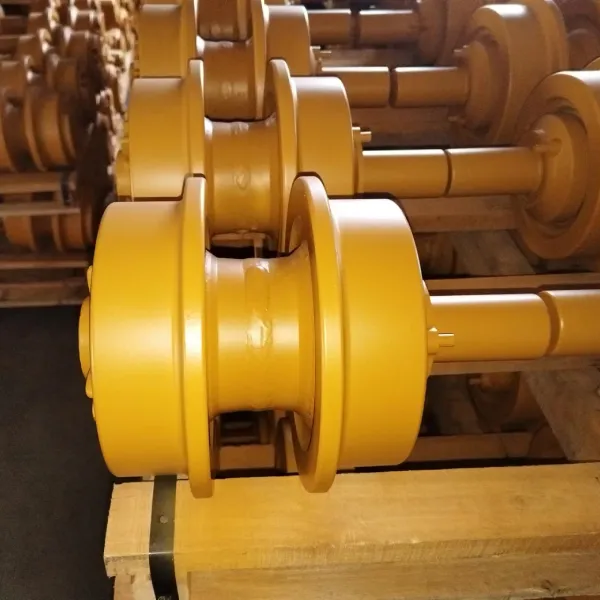
| بكرات المسار (بكرات أسفل) | Support the machine's weight on the track chain. | ارتداء شفة من الدوران; تآكل المداس من ملامسته للروابط. | صلابة سطحية عالية لمقاومة التآكل; المتانة الأساسية لمقاومة التأثير الناتج عن الأرض الوعرة. |
| بكرات الناقل (أعلى بكرات) | دعم وزن سلسلة المسار في مسار العودة. | تآكل المداس من سلسلة المسار. | الختم الممتاز أمر بالغ الأهمية; يوفر الجسم مزورة قوية, السكن مستقر للمحامل والأختام. |
| ضرس | يتعامل مع البطانات المسار لقيادة المسار. | تآكل الأسنان, "الربط" من الأسنان كما يرتدون. | صلابة استثنائية على الأسطح الملامسة للأسنان لمقاومة التآكل الناتج عن تعشيق البطانة. |
| المهمل | يوجه المسار في مقدمة الهيكل السفلي ويستخدم لضبط شد المسار. | فقي وارتداء شفة, تشبه بكرات. | كبير, تستفيد الهندسة المعقدة بشكل كبير من قوة ونزاهة عملية الحدادة. |
تتبع السلاسل: هذا هو الهيكل العظمي للمسار. تحدد الدقة التي يتم بها تصنيع المسامير والبطانات ومعالجتها بالحرارة المدة التي تحافظ فيها السلسلة على درجة ميلها الصحيحة (المسافة بين دبابيس). كما ترتدي المسامير والبطانات داخليًا, الملعب يطول, مما يسرع من تآكل العجلة المسننة. يجب أن تتحمل الروابط نفسها قوى الشد الهائلة والتآكل الكاشط, مما يجعل البنية الحبيبية المكررة للوصلة المزورة أمرًا لا غنى عنه.
بكرات و Idlers: تعيش هذه المكونات حياة من الضغط والاحتكاك المستمر. إن قدرتها على التدحرج بسلاسة ومقاومة التآكل تعتمد على صلابة سطحها وجودة المحامل والأختام الداخلية. يسمح التسرب في مانع تسرب الأسطوانة بدخول المواد الكاشطة وخروج الزيت, مما يؤدي إلى الفشل السريع والكامل. القوي, يوفر الجسم الدقيق الأبعاد للأسطوانة المطروقة أفضل مكان ممكن لهذه الأختام المهمة.
ضرس: يقوم العجلة المسننة بنقل الطاقة من المحرك النهائي إلى سلسلة الجنزير. تتعرض أطراف أسنان العجلة المسننة لضغط تلامس عالي للغاية أثناء تعشيقها لبطانات الجنزير. تزوير, تليها تصلب الحث الدقيق للأسنان, هي الطريقة الوحيدة لإنشاء عجلة مسننة يمكنها تحمل هذه القوى دون تآكل مبكر أو كسر للأسنان.
من خلال فهم الوظيفة المحددة لكل جزء, يمكن للمرء أن يقدر بشكل أفضل لماذا عام, إن النهج الموحد الذي يناسب الجميع فيما يتعلق بالمواد والتصنيع غير كافٍ. يتطلب كل مكون حلاً مخصصًا, وتوفر عملية التشكيل الدقيقة المرونة والتحكم لتقديم هذا الحل المخصص بقوة وموثوقية لا مثيل لهما.
الأسئلة المتداولة (التعليمات)
ما هو الفرق الأكثر أهمية بين أجزاء الهيكل السفلي المزورة والمصبوبة بدقة? يكمن الاختلاف الأساسي في البنية الحبيبية الداخلية للمعدن. Forging kneads and aligns the steel's grain to follow the shape of the part, خلق كثيفة, هيكل متواصل أقوى بكثير وأكثر مقاومة للصدمات والتعب. يتضمن الصب صب المعدن المنصهر في قالب, مما يؤدي إلى بنية حبيبية عشوائية يمكن أن تحتوي على فراغات مجهرية, مما يجعلها أكثر هشاشة وعرضة للفشل غير المتوقع تحت الضغط.
كيف تؤثر بيئة العمل الخاصة بي على أجزاء الهيكل السفلي التي يجب أن أختارها? البيئة الخاصة بك هي عامل حاسم. للظروف شديدة الكشط مثل الرمل أو الحصى الناعم, أنت بحاجة إلى أجزاء ذات أقصى صلابة للسطح لمقاومة التآكل. للأعمال عالية التأثير كما هو الحال في مقلع الصخور, أنت بحاجة إلى أجزاء ذات صلابة أساسية فائقة لامتصاص الصدمات دون أن تتشقق. للبرد الشديد, أنت بحاجة إلى أجزاء مصنوعة من سبائك فولاذية محددة تقاوم الهشاشة عند درجات الحرارة المنخفضة. A good supplier will help you match the part's engineering to your specific application.
هل يمكنني مزج ومطابقة مكونات الهيكل السفلي من شركات مصنعة مختلفة؟? في حين أنه من الممكن في بعض الأحيان, لا ينصح به بشكل عام. قد يكون لدى الشركات المصنعة المختلفة اختلافات طفيفة في تفاوتات الأبعاد, مواصفات المواد, وملامح الصلابة. يمكن أن تؤدي المكونات غير المتطابقة إلى ملاءمة غير مناسبة وتآكل سريع للنظام بأكمله. على سبيل المثال, جديد, سلسلة المسار التي تم وضعها بشكل صحيح والتي تعمل على ضرس متآكل ستؤدي إلى تآكل السلسلة الجديدة بشكل أسرع بكثير. للحصول على الأداء الأمثل وعمر الخدمة, فمن الأفضل استخدام كاملة, نظام مطابق من واحد, الشركة المصنعة عالية الجودة.
هل السعر الأعلى للأجزاء المزورة الدقيقة له ما يبرره دائمًا? عند تقييمها من خلال عدسة التكلفة الإجمالية للملكية (TCO), يكون السعر الأولي الأعلى مبررًا دائمًا تقريبًا. يؤدي العمر الطويل والموثوقية الفائقة للأجزاء المزورة بدقة إلى دورات استبدال أقل, انخفاض تكاليف العمالة, و, الأهم من ذلك, انخفاض كبير في وقت توقف الماكينة المكلف. إن القسط الصغير المدفوع مقدمًا هو استثمار يحقق عوائد كبيرة من خلال الحفاظ على إنتاجية آلاتك ومربحتها.
How can I verify the quality of a potential supplier's parts? ابحث عن الأدلة الموضوعية. اطلب شهادات الجودة مثل ISO 9001. استفسر عن مصادر المواد الخاصة بهم واطلب الاطلاع على تقارير التحليل الكيميائي والاختبار الميكانيكي للصلب الخاص بهم. ناقش عمليات المعالجة الحرارية الخاصة بهم. ستكون الشركة المصنعة ذات السمعة الطيبة شفافة وقادرة على تقديم بيانات فنية مفصلة لإثبات مطالباتها بالجودة. أخيراً, النظر في الضمان ومستوى الدعم الفني, لأن هذا يعكس ثقتهم في منتجهم الخاص.
متى يجب أن أخطط لاستبدال الهيكل السفلي الخاص بي؟? يجب أن يعتمد الاستبدال على التآكل المُقاس, ليس فقط على ساعات الاستخدام. استخدام أدوات متخصصة لقياس التآكل على دبابيس الجنزير, البطانات, قضبان الارتباط, والشفاه الدوارة تسمح لك بتتبع معدل التآكل والتنبؤ بالوقت الذي ستصل فيه المكونات إلى نهاية عمر الخدمة. يتيح لك هذا النهج الاستباقي جدولة الصيانة قبل حدوث أي فشل, تحول مكلفة, انهيار غير متوقع في المخطط لها, حدث خدمة فعال.
ما هو دور المعالجة الحرارية في جودة حذاء المسار? المعالجة الحرارية أمر حيوي لحذاء الجنزير, الذي يحتاج إلى مجموعة صعبة من الخصائص. يجب أن يكون الجسم الرئيسي للحذاء قويًا لمقاومة الانحناء والتشقق أثناء تحركه على أرض غير مستوية. لكن, السراويل (القضبان المرتفعة التي توفر الجر) يجب أن تكون مقاومة التآكل الكاشطة صعبة للغاية. عملية تسمى "التصلب" متبوعًا بالتلطيف الدقيق يتم استخدامه لتحقيق الصلابة الأساسية اللازمة, التأكد من أن الحذاء يمكنه تحمل الضغوط الهائلة الموضوعة عليه.
خاتمة
يعد اختيار أجزاء الهيكل السفلي للآلات الثقيلة قرارًا له عواقب بعيدة المدى, التأثير على كل شيء بدءًا من الكفاءة التشغيلية اليومية وحتى الربحية طويلة المدى للشركة. نهج سطحي, تسترشد فقط بسعر الشراء الأولي, يتجاهل التفاعل المعقد بين القوى, مواد, والبيئات التي تحدد الحياة العملية لهذه المكونات. وهو المسار الذي يؤدي في كثير من الأحيان إلى زيادة وقت التوقف عن العمل, تكاليف الصيانة المتصاعدة, والجداول الزمنية للمشروع للخطر.
يتضمن المسار الأكثر استنارة مشاركة أعمق مع مبادئ علم المواد, عمليات التصنيع, والهندسة الخاصة بالتطبيقات. من خلال فهم المزايا المعدنية التي تمنحها سبائك الصلب المحددة, تقدير التفوق المجهري لعملية تزوير الدقة, والإصرار على التصاميم المصممة خصيصًا للتحديات الفريدة لبيئة التشغيل, واحد يحول عملية شراء بسيطة إلى استثمار استراتيجي. هذا النهج, تتمحور حول مفهوم التكلفة الإجمالية للملكية, يدرك أن القيمة الحقيقية لا تكمن في الادخار الأولي بل في العمر الممتد, تعزيز الموثوقية, والأداء المستمر الذي توفره المكونات عالية الجودة. أخيرًا, يعد اختيار أجزاء الهيكل السفلي المزورة بدقة بمثابة تأكيد على الالتزام بالجودة, استراتيجية لتخفيف المخاطر, وخطوة تأسيسية في بناء عملية تشغيل معدات ثقيلة مرنة وناجحة.
مراجع
الجمعية الأمريكية للمعادن. (1988). تزوير وعمليات التشكيل ذات الصلة. في دليل المعادن: المجلد. 14. تشكيل وتزوير (9الطبعة ال.). ايه اس ام انترناشيونال.
بوير, ح. ه. (إد.). (1987). أطلس مخططات المعالجة الحرارية. ايه اس ام انترناشيونال.
ديفيس, ي. ر. (إد.). (2001). صناعة السبائك: فهم الأساسيات. ايه اس ام انترناشيونال. https://doi.org/10.31399/asm.tb.autb.9781627082859
خرمي, ر. س, & غوبتا, ي. ك. (2005). كتاب مدرسي لتصميم الآلات. دار أوراسيا للنشر.
لانج, ك. (إد.). (1985). دليل تشكيل المعادن. ماكجرو هيل.
إس إم آي. (2021). أساسيات تزوير: عملية تزوير. جمعية صناعة تزوير. تم الاسترجاع من
توتن, ز. ه. (2006). المعالجة الحرارية للصلب: المعادن والتقنيات. الصحافة اتفاقية حقوق الطفل. https://doi.org/10.1201/9781420006463
فيرما, ي. د., & كومار, ق. (2019). مراجعة لتأثير عناصر صناعة السبائك على الفولاذ المقاوم للصدأ. المواد اليوم: الإجراءات, 18, 466-473.